Tag: asia

  • Lane Crawford x Luxarity for sustainable luxury

    Lane Crawford x Luxarity for sustainable luxury

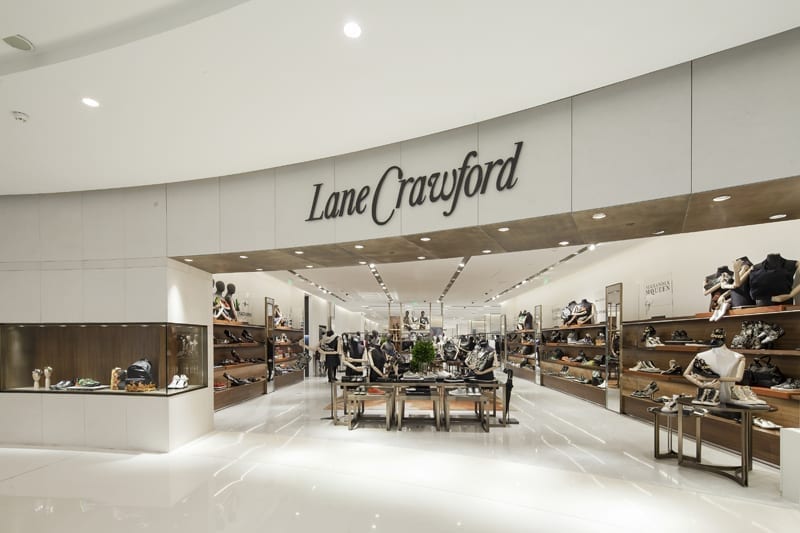
    From August 1 to October 16, 2018, Lane Crawford gives 3,000 Lane Crawford Rewards Points for every pre-loved designer brand item donated to Luxarity.

    Items collected will be donated to LUXARITY – to be resold in a pop-up in November 2018. LUXARITY partners with Blockchain for Social Impact to sponsor grants for products and solutions that address social and environmental challenges across the United Nation’s Sustainable Development Goals: #12 Responsible Consumption & Production, #4 Health & Well-being & #3 Quality Education.

    In 2017, sales generated from the ‘MADE IN LOVE’ 2017 Pop Up & conscious community gave LUXARITY the opportunity to award grants toward supporting the future of sustainability & innovation.

    2,000 pre-loved luxury goods contributed to a circular fashion ecosystem, raising nearly HKD$1 Million in sales revenue.

    This allowed for the empowerment of the future leaders of fashion & technology with an education built on sustainable practices.

  • Cartier pop up opened Tokyo convenience store

    Cartier pop up opened Tokyo convenience store

    A Cartier pop up is set to be hosted in a Tokyo convenience store.

    In a stark contrast of venue for the distinguished luxury heritage brand, the store-in-store will exhibit the brand’s latest jewellery collection Juste en Clou, designed to resemble the iron nail, elevating the unremarkable object to a premium status.

    The convenience store on Jingu-mae will be open from September 21–30, operating from 12–8 pm daily.

    The line is currently already featuring in a gallery setting in Roppongi Hills, which will also run through to September 30.

  • Go-Jek launches services in Hanoi amid $500 million overseas expansion drive

    Go-Jek launches services in Hanoi amid $500 million overseas expansion drive

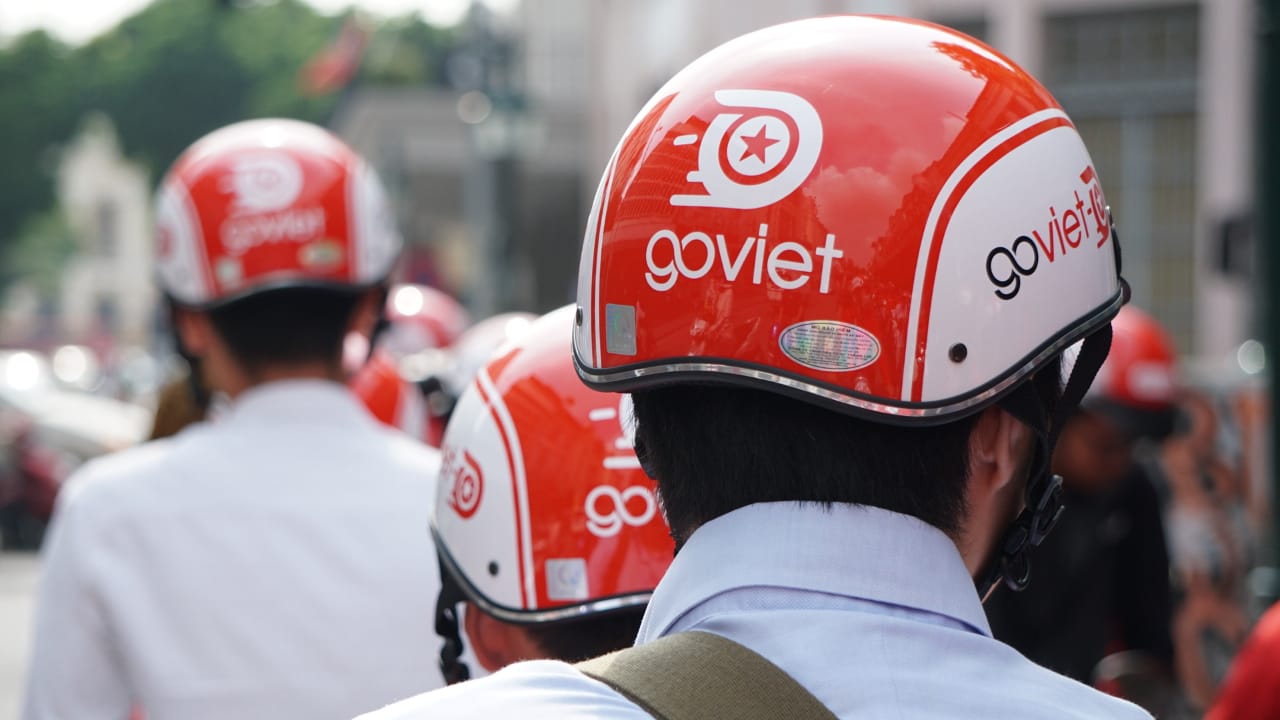
    Indonesian ride-hailing firm Go-Jek on Wednesday launched its services in Vietnam’s capital of Hanoi under the brand Go-Viet.

    The move is part of Go-Jek’s $500-million international expansion.

    The app-based on-demand service Go-Viet, driven by a Vietnamese founding team, with Go-Jek providing technology, expertise and investment, offers services ranging from transport and logistics to food-delivery and mobile payments.

    Go-Viet grabbed a 35 percent share of the market for motorbike ride-hailing services in the economic hub of Ho Chi Minh City just six weeks after launching there on August 1, Go-Jek founder and chief executive Nadiem Makarim said.

    “We are proud to have seen positive development in Ho Chi Minh City market, and this paves the way for us to expand our services to Hanoi,” Go-Viet co-founder and managing director Nguyen Vu Duc said at Wednesday’s launch.

    The launch followed an announcement by the company in May that it would invest $500 million to enter the Philippines, Singapore, Thailand and Vietnam, following Uber’s deal to sell its Southeast Asian operations to bigger regional player Grab.

    On Tuesday, Grab announced a partnership with Vietnam’s MOCA Technology and Service company (Moca) for a mobile payment service, as the ride-hailing firm pushes to cement its position.

    The launch was attended by Indonesian President Joko Widodo, who is in Hanoi for an official state visit and a meeting of the World Economic Forum.

    More Indonesian businesses are seeking to expand their operations in Vietnam, Widodo told reporters on Tuesday, after a meeting in Hanoi with his counterpart Tran Dai Quang.

    “We expect bilateral trade to reach $10 billion a year by 2020…and I hope president Tran Dai Quang would work to remove trade barriers for Indonesian products, including automobiles,” he said.

    Trade between the countries rose to $6.5 billion last year from $5.6 billion in 2016, says Vietnam, which exports rice, crude oil, cement and farm produce to Indonesia, and imports fertilizer, oil products, machinery and fabric from it.

  • JD Sports sees revenues and profits soar in ‘record result’

    JD Sports sees revenues and profits soar in ‘record result’

    JD Sports saw profits increase more than 17 per cent to £95.4 million (US$124.1 million) in the six months to August 4, from £81.1 million in the previous corresponding period.

    The sporting retailer saw gross revenue jump 35 per cent to £1.84 billion, from £1.36 billion, while basic earnings per share increased 24 per cent to 10.05p, from 8.09p.

    “This is another record result for our group demonstrating that our multibrand multichannel premium offer has resilient profitability in its core UK and Ireland market with capacity for continued growth across an increasing number of international markets,” JD Sports executive chairman Peter Cowgill said.

    “Sales to date in the second half have continued at a similar levels to those in the first half, supporting our continued confidence in the robustness of the JD proposition.”

    Cowgill reported significant positive progress in Australia, where JD Sports has opened four new stores during the period, including the conversion of three former Glue stores.

    This brings JD Sports’ total presence to six stores in Sydney and four stores in Melbourne.

    The company plans to open a further three stores in the second half, including a flagship store on Pitt Street in Sydney, according to Cowgill.

    Like-for-like store sales for the APAC region stayed flat.

    The company said it will issue a more robust trading update after the Christmas period.

  • Record profitability for Hermes after China-driven boom

    Record profitability for Hermes after China-driven boom

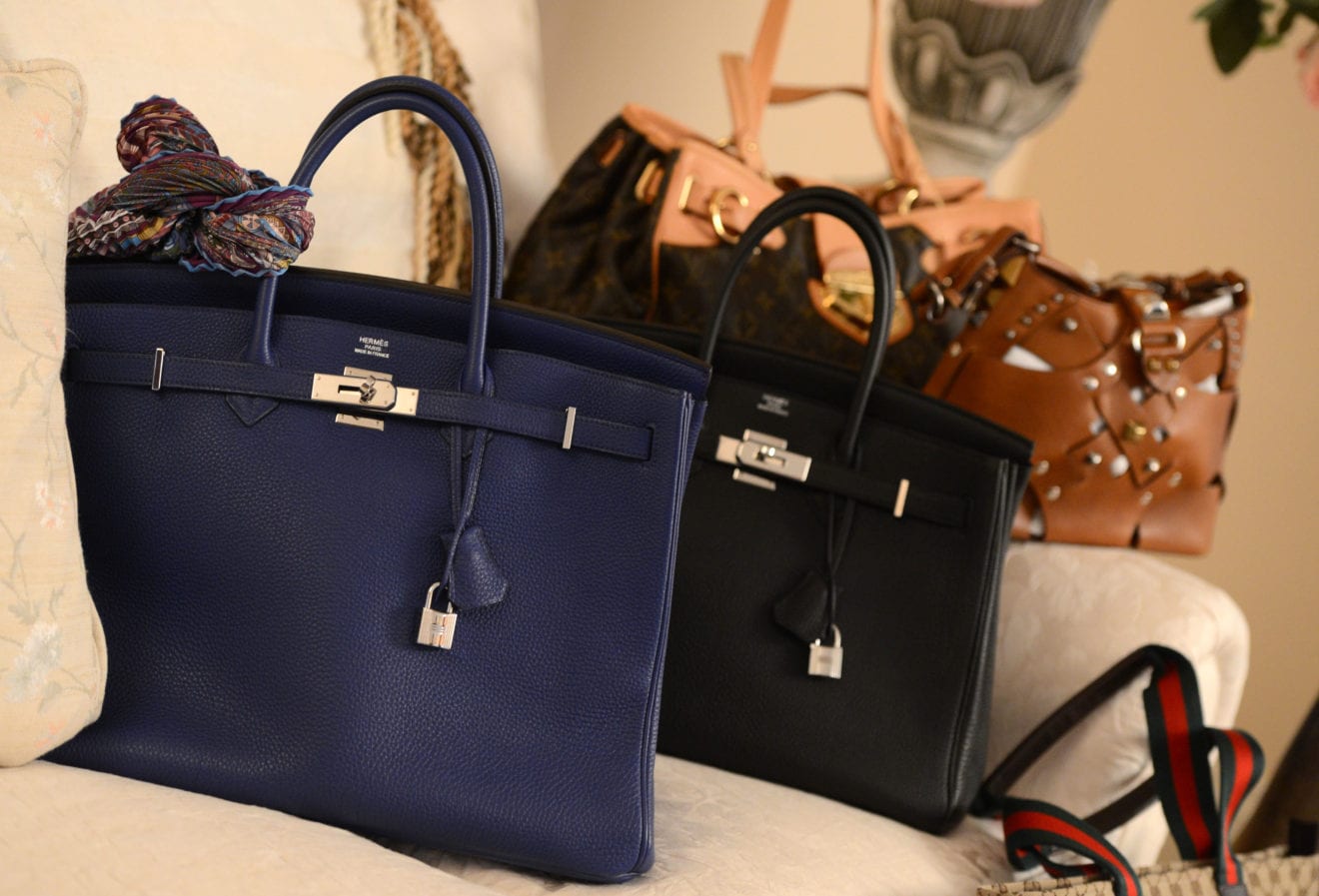
    A Hong Kong property windfall and the Hermes Asia business helped the luxury label set a record profit margin during the first half of this year.

    Hermes says recurring operating profitability reached 34.5 per cent of sales, with net profit rising 17 per cent to €708 million (US$824 million).

    And after including a capital gain of €53 million from the sale of the former Galleria store in Hong Kong, operating income reached €1.037 billion, up 11 per cent to reach 36.3 of sales.

    Hermes Asia sales – excluding Japan – rose 15 per cent, the strongest performing market internationally, continuing what the company described in a statement as “an outstanding performance, with positive momentum in continental China and the whole region”.

    During the half year, Hermes Asia benefitted from the opening of the Landmark Prince’s store in Hong Kong in January. Another new store opened in Changsha in May.

    Sales in Japan rose by 7 per cent.

    The Hermes Asia performance better that of the Americas (up 12 per cent), Europe excluding France (up 7 per cent), and France (up 8 per cent).

    Hermes global sales reached €2.853 billion, up 11 per cent at constant exchange rates and by 5 per cent at current exchange rates.

    “Hermes achieved an exceptional performance in the first half of the year,” said Axel Dumas, executive chairman. “Our commitment to the quality of know-how, the spirit of innovation as well as the creativity, always renewed, and the dedication of the women and men of Hermes, base the singularity and the integrity of our economic model; a strong model in a worldwide context that remains uncertain and unstable.”

    By product category, ready-to-wear led the way rising 17 per cent, thanks to broad acceptance of its “pertinent and bold” designs, the company said. Fragrance sales rose 15 per cent, watches by 9 per cent, leather goods and saddlery sales rose 8 per cent and silk and textile sales by 7 per cent.

    Other Hermes business lines, which include jewellery, art of living and Hermes Table Arts, grew by 24 per cent.

  • Artificial intelligence to hit Vietnam hard

    Artificial intelligence to hit Vietnam hard

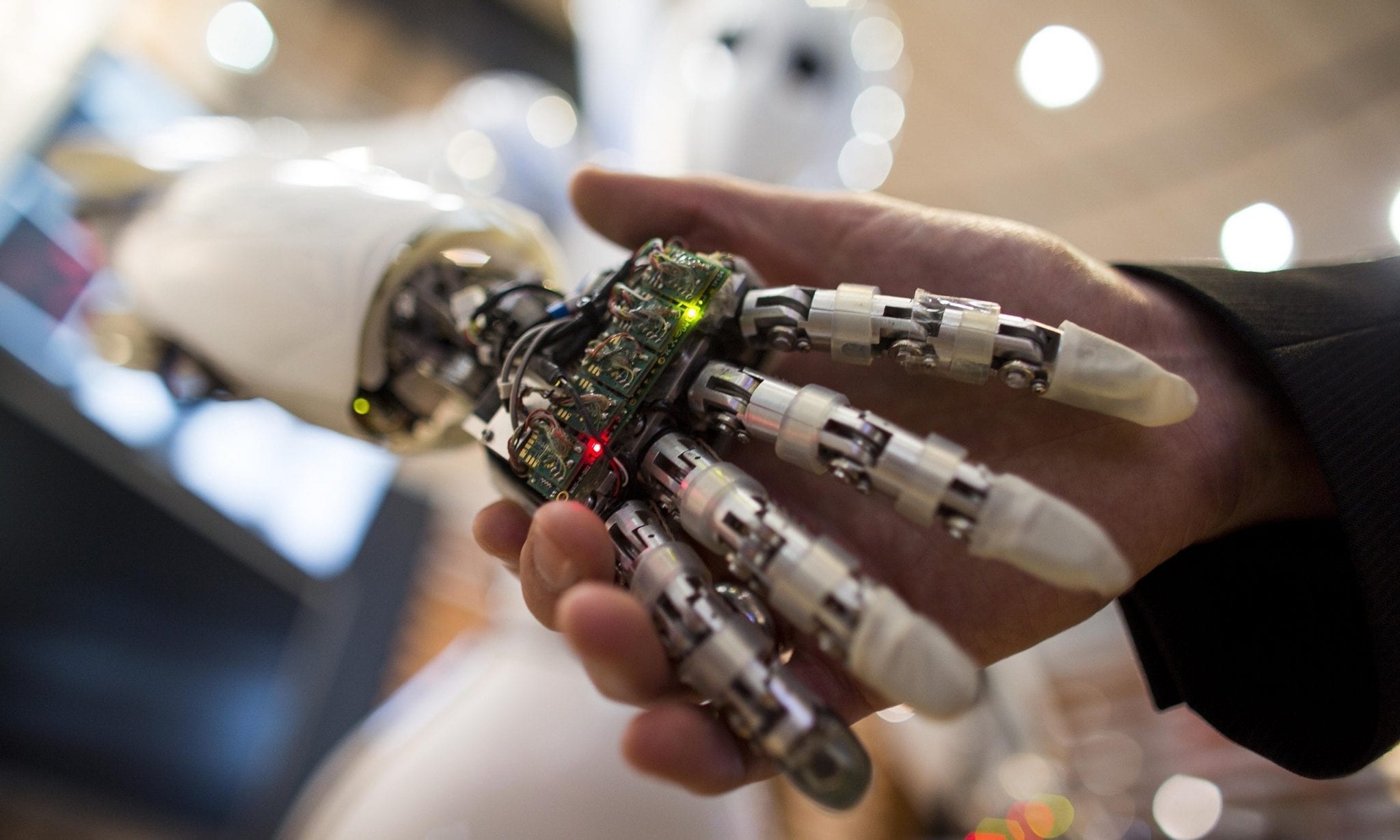
    Vietnam’s among top 3 ASEAN countries that will face AI-related employment problems, a new study has found.

    The study was carried out Cisco, a multinational technology conglomeratem and Oxford Economics, a firm that specializes in global forecasting and qualitative analysis.

    Results of the study were revealed at the World Economic Forum on ASEAN 2018 in Hanoi on Wednesday.

    Cisco ASEAN regional director Naveen Menon said the study looked into 430 jobs in 21 different industries across six different countries (Vietnam, Singapore, Indonesia, Malaysia, Thailand and the Philippines) to project potential impacts over the next decade.

    It found that 28 million workers out of a 630 million workforce in the six countries would be affected by AI.

    Singapore would be the worst hit with 21 percent, followed by Vietnam (13.8 percent), the Philippines (10 percent), Indonesia (8 percent), Malaysia (7.4 percent), and Thailand (2 percent).

    Around 6.6 million out of the 28 million workers are likely to become “redundant” in the next 10 years, Menon said, adding that these people would have to switch jobs, learn new skills, or look for jobs in a different country.

    “For instance, manpower in the Philippines would have to relocate to Vietnam since some particular jobs are no longer needed there,” Menon said.

    Luong Thi Le Thuy, CEO of Cisco Vietnam, acknowledged the potential impacts and said that industries are looking to apply technology to overcome the challenges and grab new opportunities.

    Vietnam has been an attractive destination for foreign investors because of its low labor costs, but this advantage could change in the coming five to 10 years since the majority of Vietnamese workers are still unskilled, she said.

    Cisco recommends that countries and businesses provide opportunities for employees to be re-trained and prepare for “change-ready skills”, she added.

  • First Chinese airport store for Daniel Wellington

    First Chinese airport store for Daniel Wellington

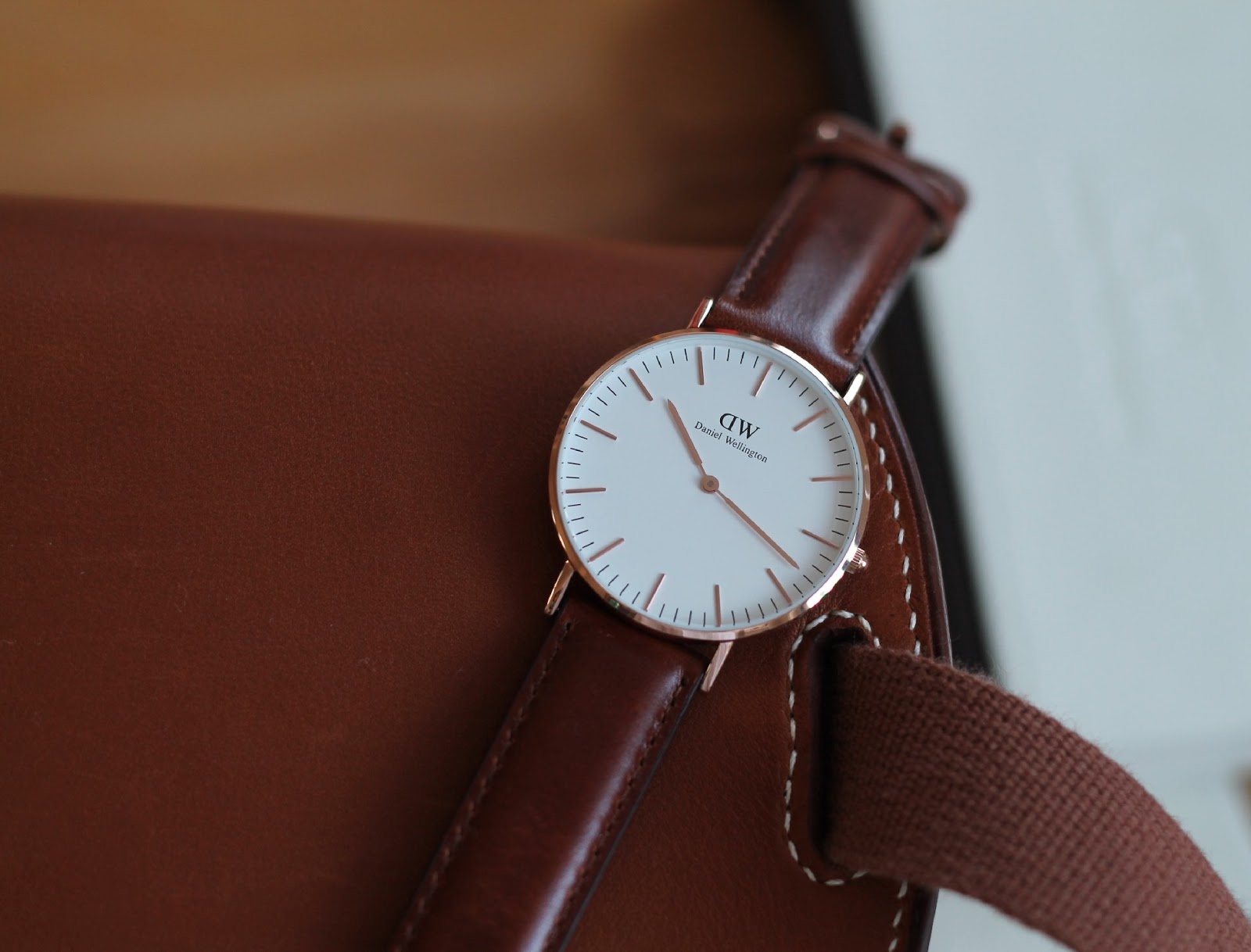
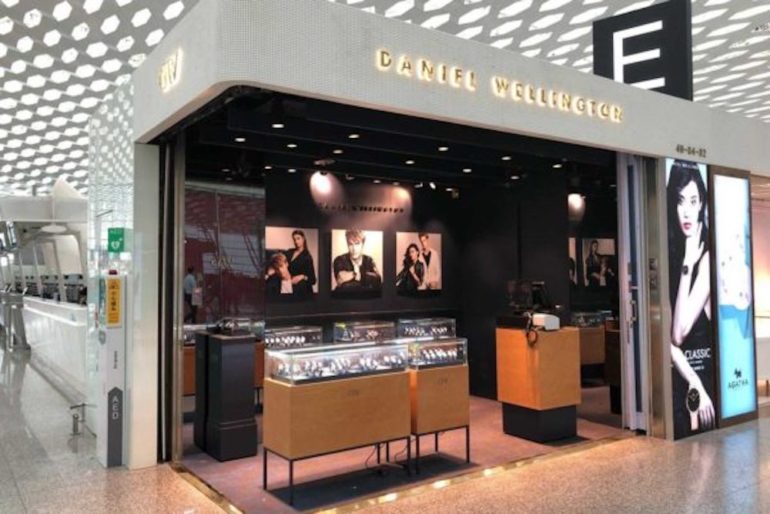
    Daniel Wellington has now opened its third travel retail location in Asia this year.

    Located in Shenzhen Bao’an International Airport Terminal 2, the Swedish watch brand opened its first boutique in a Chinese airport. The new store highlights Daniel Wellington’s travel shopping-exclusive lines, among which lies its three key products: the Cambridge Combo set, the Cambridge stand-alone 36mm set and the keyring set.

    Asia-Pacific travel retail locations are an increasingly important retail strategy for the contemporary watch brand, according to Daniel Wellington’s Head of Travel Retail Asia Pacific, Helen Wong.

    The new store opened on September 9 and showcases exclusive travel retail product offers for passengers that do not need to show a boarding pass.

    Helen explained Daniel Wellington’s strategy in choosing Shenzhen as a location for the store as it possesses a ‘young-spirited’ customer base and is a ‘key development’ for the brand’s boutique sales, especially for its top-tier Chinese city status.

    The Swedish brand had opened its first travel retail boutique in the region in July 2017  in the CITS Haitang Bay Duty Free Shopping Complex. It followed the same year with the opening of a second store in Malaysia’s duty free-zoned Forest City in October.

  • Jollibee Foods Corp. buys stake in Tortas Frontera

    Jollibee Foods Corp. buys stake in Tortas Frontera

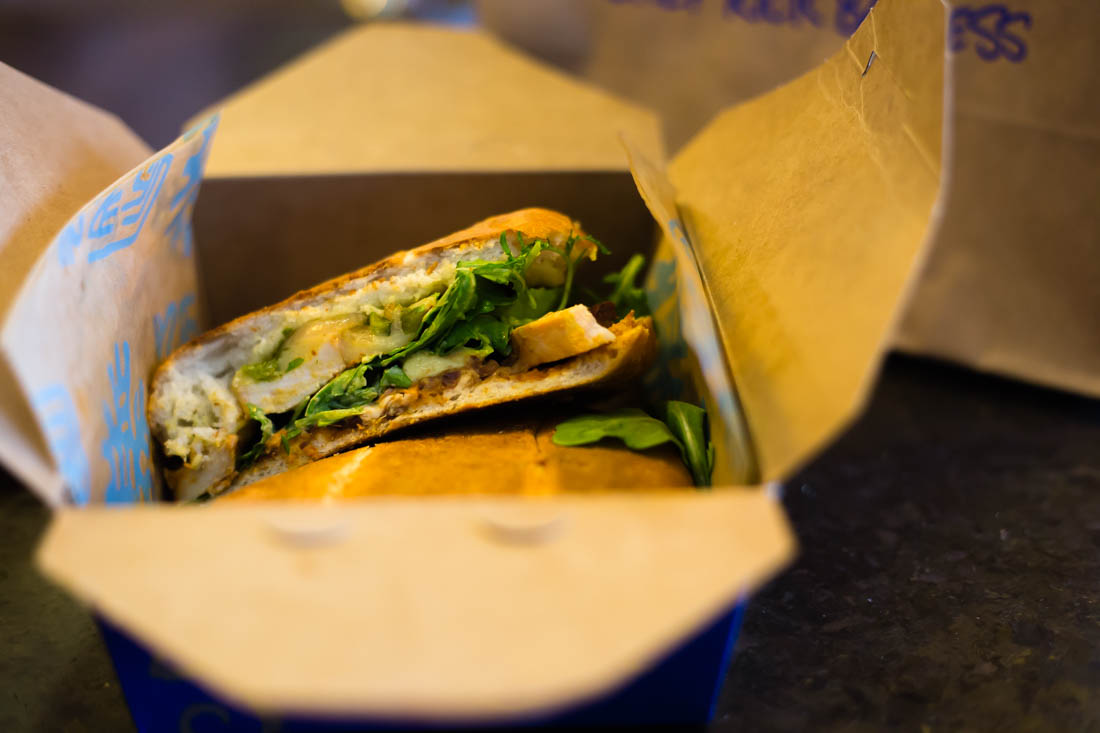
    Philippine fast-food operator Jollibee has bought a 47 per cent stake in US-based Mexican food chain Tortas Frontera.

    The US$12.4 million acquisition was announced in a disclosure to the Philippine Stock Exchange. Chairman Tony Tan Caktiong said would help the firm tap the “fast-growing” Mexican food category in the US. Mexican venues occupy about 9 per cent of the US restaurants market.

    The move falls in line with Jollibee’s plans to become one of the top five fast-food chains in the world, and is its second major acquisition in the US following taking a majority shareholding in Smashburger. It has also purchased big brands in China.

    Jollibee operates 4279 stores globally, with more than 1400 of those Jollibee-branded outlets.

  • Vietnam relatively safer than ASEAN peers in trade war storm

    Vietnam relatively safer than ASEAN peers in trade war storm

    Unlike most other ASEAN countries, who have been buffeted by the China-U.S. trade war, Vietnam could actually benefit from it.

    The threat of an escalating global trade conflict is weighing on prospects for export-dependent economies like Singapore and Malaysia, while Indonesia and the Philippines face challenges funding their high levels of external debt as their currencies come under pressure from a rising U.S. dollar.

    On the contrary, Vietnam’s geographical proximity to China and economic links with Beijing are paying dividends.

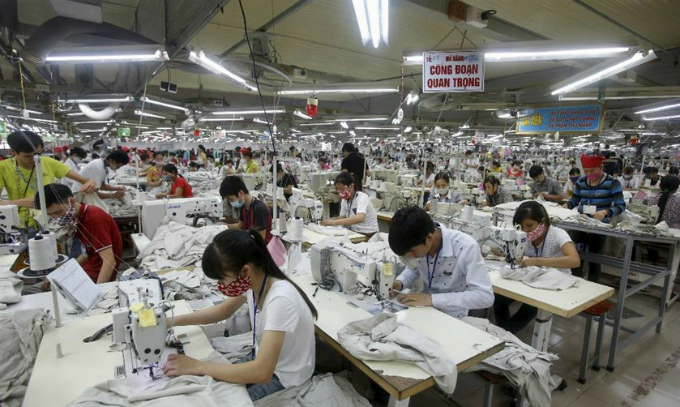
    Facing cost pressures created by U.S. trade tariffs, Chinese manufacturers are starting to shift production away from the mainland into cheaper Asian locations such as Vietnam and Bangladesh.

    “A lot of companies are relocating,” said Robert Subbaraman, head of emerging markets economics at Nomura.

    Angelo Cheung, a Hong Kong-based executive for Aoyagi, a Japanese electronics group that manufactures in China said that some orders from the U.S. had already been halted because of the increasing uncertainty. Cheung said his company is considering various options including moving part of its supply chain to Vietnam.

    The Southeast Asian nation could be a “winner” if a lot of foreign direct investment shifts into Vietnam due to rising cost pressures from the U.S.-China tariffs, Bill Stoops, the chief investment officer of Dragon Capital, said.

    Now with tariffs on made-in-China products set to rise, nations like Cambodia and Vietnam turn out to be more attractive than ever for U.S.-based consumer-goods makers that have factories in China. Some of the names on the list are now Steven Madden Ltd., Tapestry Inc.’s Coach and Vera Bradley.

    The U.S. and China have imposed tariffs on $50 billion of each other’s goods since July as trade frictions between the world’s two biggest economies worsened, despite several rounds of negotiations.

    President Donald Trump has criticized China’s record trade surplus with the U.S. and has demanded that Beijing cut it immediately, threatening further tariffs on an additional $200 billion worth of goods – and possibly more.

  • Armani’s Uri is back in Hong Kong

    Armani’s Uri is back in Hong Kong

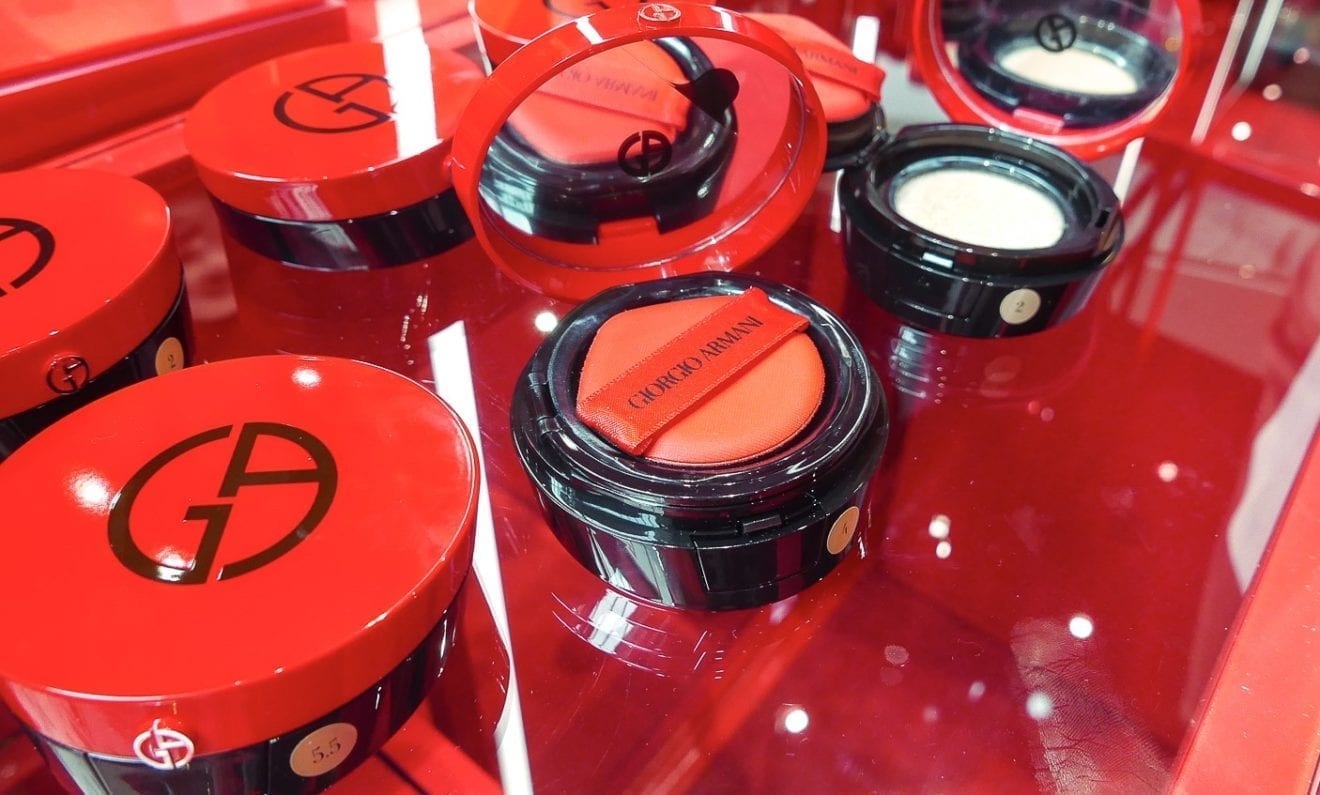
    First arrived in Hong Kong last year, the popular striking red ARMANI Beauty pop-up store, ARMANI BOX HONG KONG, is coming back to Hong Kong from September 11 to 25.

    This summer, ARMANI BOX and its signature gorilla, Uri, will return to Hong Kong in their 11th stop, showing up in even more spectacular styles at Harbour City’s Forecourt, Atrium II, and Ocean Terminal Lobby, Tsim Sha Tsui.

    ARMANI BOX is customised for every city it tours, to show visitors “The Armani You Don’t Know”. This time, ARMANI BOX Hong Kong will stay with the Armani Red #400 as the themed colour, with new elements, cinematic and red carpet, which are closely associated with Mr. Armani. The striking red gorilla, Uri, will turn into gold in colour in the very first time as if the Oscar statuette.

    In every city it goes, ARMANI BOX showcases an iconic artpiece, a life-sized resin gorilla Uri, at the most prominent spot. It is a replica, by Italian artist Marcantonio Raimondi Malerba, of the gorilla artwork at Mr Armani’s home in Milan.

    The return of ARMANI BOX Hong Kong is bringing more surprises to visitors with new special features inspired by the movie world and the star-studded red carpet.

    Visitors can enjoy new experiences, such as Walk of Fame to leave their digital handprint and the Screen Test “Be a star” audition, for an unforgettable journey. They will also be able to indulge in the ARMANI Beauty’s universe and try new experiences exclusive to ARMANI BOX Hong Kong only.

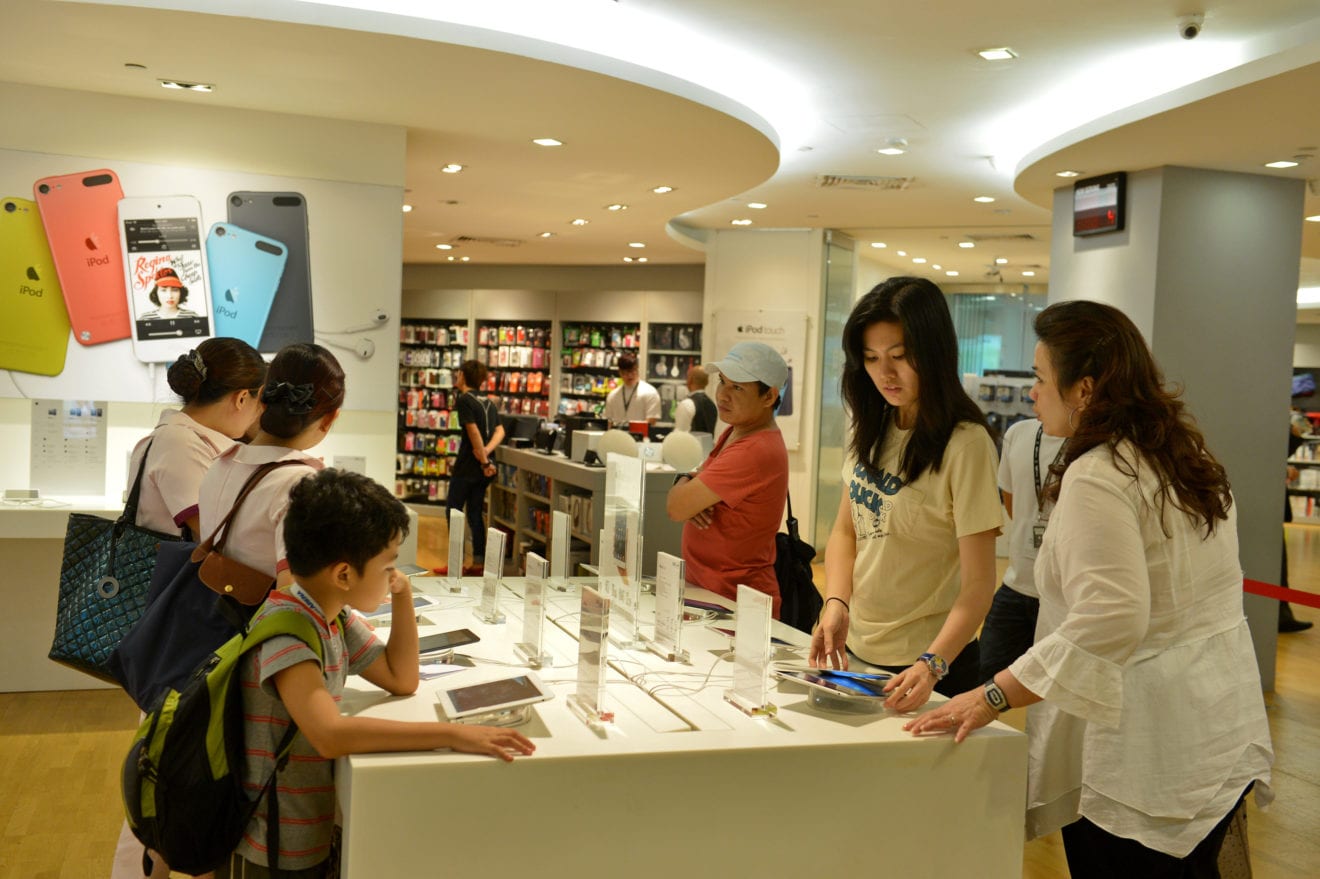
  • Apple Singapore to open two more stores

    Apple Singapore to open two more stores

    Recruiting is underway for the new Apple Marina Bay Sands flagship store – and another.

    Advertising on Apple Singapore’s jobs portal promotes roles believed to be for two new stores in the city.

    Construction has been under way for many months on the Marina Bay Sands flagship.

    Like the nearby Louis Vuitton Maison ‘island’ the new Apple store will emerge from the water, linked to the shopping centre by an underwater passageway. The location in which it is being constructed was previously tenanted by a nightclub.

    In the photo above, the store’s location is the dark “island” construction to the right. On the left is the Louis Vuitton Maison.

    The location of the second flagship has been the subject of endless speculation for some months, despite it being – in the words of a senior Singapore retail industry executive last month – “one of the worst kept secrets in town”.

    Despite the complexity of the construction and approval processes for the Apple Marina Bay Sands store, public information has been scant with development approvals we found online only relating to the closure of the nightclub and the rezoning of the space to retail. Apple is notoriously secretive about its store plans until just days ahead of their opening.

    The store is believed to have been designed by Foster + Partners in London, which was responsible for the Orchard Road flagship store and others recently opened in Milan and Macau. The company is also working on another, controversial, store planned for downtown Melbourne, Australia.

    Meanwhile, Apple Singapore’s jobs portal is advertising 12 retail positions for a new store, which it describes as being located in “Singapore East”. There is no indication of commencement dates for the roles, but these roles are most likely to be for a third store, planned for the new Jewel shopping centre under construction at Changi Airport and managed by CapitaLand.

  • G.U has its button on the trends

    G.U has its button on the trends

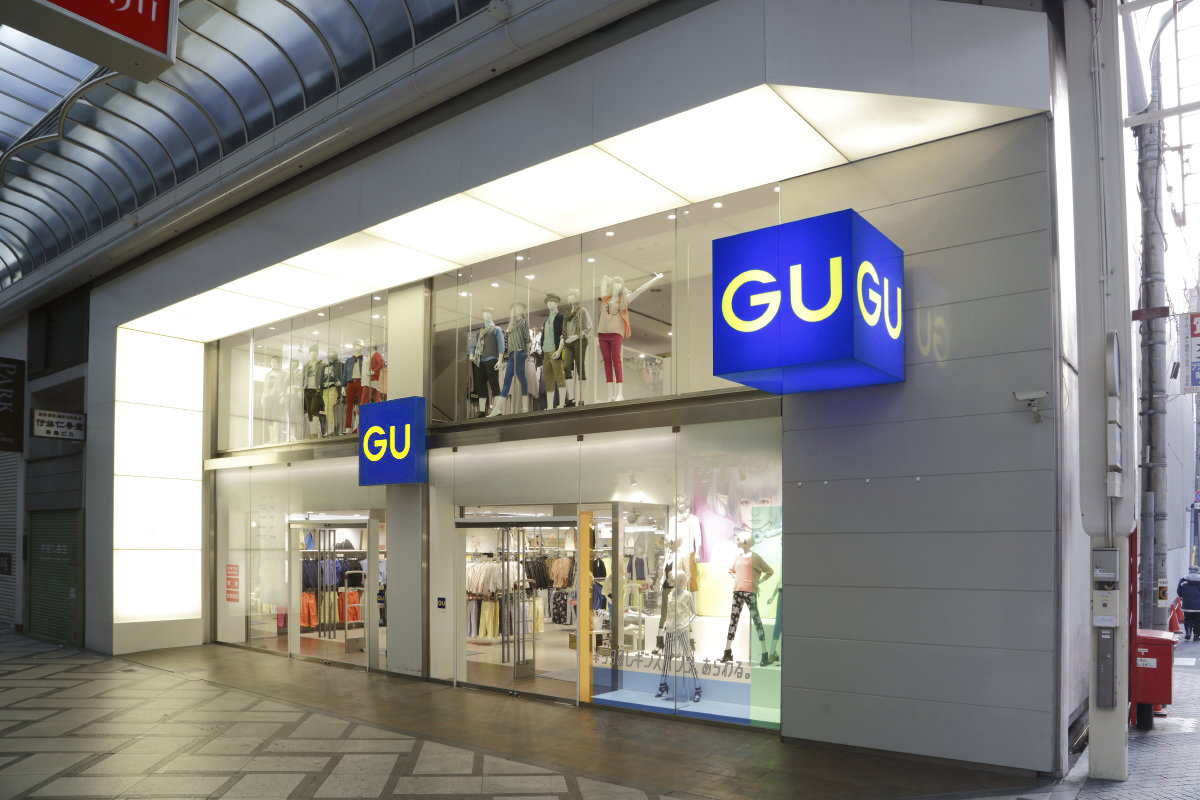
    G.U, a casual clothing retailer owned by the parent company of Uniqlo, opened its first Korea store in the Lotte World Mall in southern Seoul on September 14 with the promise of bolder patterns and slightly lower prices that can’t be found at its better-known sister brand.

    The 1,390-square-meter (14,960-square-foot) store in the mall’s basement comprises 11 sections divided by gender, age and apparel, from sportswear and pajamas to suits and business casual clothing. GU’s parent company is Japan’s Fast Retailing, best known for Uniqlo.

    “Part of our strategy is to divide sections not only by demographics but style,” said Koh Ah-ra, head of GU’s Korea operation, “and suggest style examples for each section and update products every week to offer consumers an idea of the global fashion trend.”

    At a press event on September 13, Koh noted that half of the store’s floor space had been dedicated to mannequins showing different style options using GU products. Trendiness, she said, is the core identity that separates it from Uniqlo’s focus on good-quality but basic items like white shirts and trousers. For that reason, GU has established research centers in the fashion capitals of Tokyo and London.

    GU is not new to fashion enthusiasts, thanks to its association with Uniqlo. On opening day, there was already a queue outside when the doors opened at 10 a.m.

    The store’s interior does not look drastically different from Uniqlo, with apparel hung in neat lines on clean white shelves. The noticeable difference is the colors and patterns – bright oranges and red checkered patterns that might not be found among Uniqlo’s more earthy tones.

    The Jamsil store has 40 “fashion advisers” on hand to help customers find the right items for their style and offer advice if they want to step outside of the box to try something new. The advisers, according to GU, are tested on their basic knowledge of fashion and are not required to wear uniforms. They pick their own clothes, often in opposition to each other. One employee might be wearing street fashion while another has on business casual, a rare practice in Korean fast fashion.

    GU’s first store in Korea is also a testing ground for retail tech. One is the GU Fashion Stand, a kiosk that shows photos and Instagram posts of models wearing GU items. Customers can tap specific items on the screen to look up product information and put them in a wish list that can be sent to their smartphone.

    The prices, however, are not drastically different from those at Uniqlo, despite GU promoting lower cost as one of its advantages. The discount largely ranged from several thousand won to around 10,000 won (a couple of dollars to US$10) compared to similar items at Uniqlo.

    Several items at the Jamsil store are currently exclusive to Korea, including long padded coats and skinny ankle jeans.

  • Finland’s Amer Sports gets US$5.3 billion bid interest from China’s Anta

    Finland’s Amer Sports gets US$5.3 billion bid interest from China’s Anta

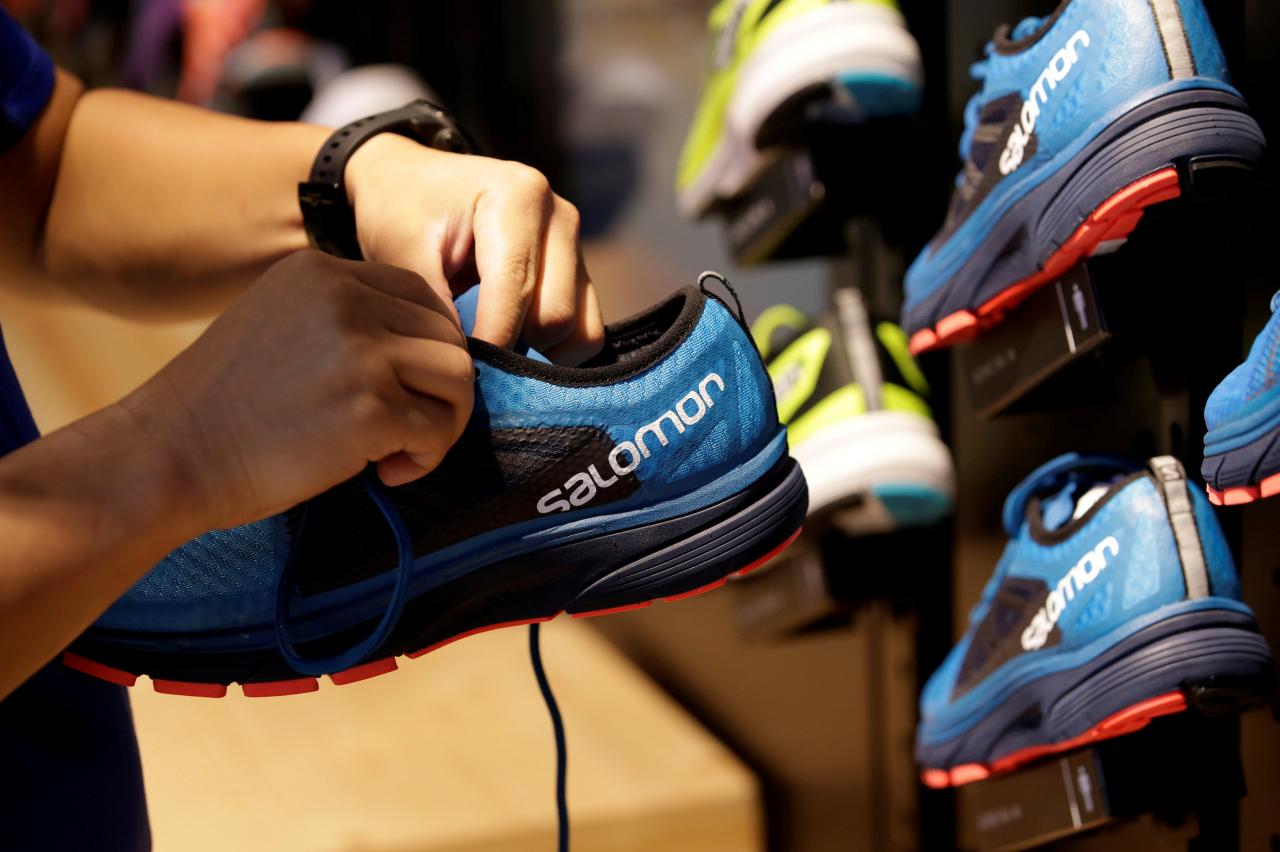
    China’s Anta Sports has lodged a US$5.3 billion bid for Amer Sports, which owns Salomon, Wilson, Arc’teryx, Suunto, Peak Performance and Precor, among other brands.

    Anta Sports has teamed with Hong Kong-headquartered private-equity group FountainVest partners in the bid, offering a 40 per cent premium over the target company’s share price before the bid was disclosed.

    Amer Sports appeared somewhat taken aback by the bid, issuing a statement saying it was “not engaged in any negotiations with the consortium and has made no decisions in respect of the Indication of Interest”. The company noted the bid was conditional on 90 per cent shareholder approval, board approval, financing and other conditions.

    “Amer Sports will release further information at an appropriate time if an agreement is reached with the consortium in respect of a transaction or any negotiations are terminated or abandoned.”

    Anta Sports, listed on the Hong Kong stock exchange, was founded in 1991 as a manufacturing supplier to the footwear industry. Since then it has grown to become China’s largest domestic sportswear brand and industry analysts estimate it is the world’s third largest by market capitalisation after Nike and Adidas. Besides its own Anta-branded goods, it owns the rights to Fila in greater China and in 2016 formed a joint venture with Descente Japan and Itochu, which has resulted in the opening of 85 Descente stores in China and early last year another joint venture with South Korea’s Kolon Sport led to a network of 189 stores. Childrenswear business Kingkow followed last September, which now numbers 63 stores in Mainland China, Hong Kong, Macau and the US.

    Sales last year grew 25.1 per cent to RMB16.69 billion (US$2.43 billion), following increases on 20 per cent in 2016 and 25 per cent in 2015. In the six months to June 30, year-on-year sales soared 44 per cent and profit by 34 per cent.

    As of June, the company had 9650 retail stores in Mainland China.

    In February, chairman and CEO Ding Shizhong said the company was actively seeking to buy “high-end international sportswear brands” with strong growth potential.

    Amer Sports opportunity

    Amer Sports posted sales last year of €2.69 billion ($3.12 billion) with 43 per cent of its revenue coming from Europe, Middle East and Africa and just 14 per cent from Asia. Sales in China have expanded from 1 per cent of total turnover in 2010 to 6 per cent this year and the company is eyeing 10 per cent within several years.

    The company has recently been targeting growth in Mainland China and Anta Sports’ obvious market knowledge and footprint in the country would significantly boost those opportunities.

    Amer’s fastest-growing division is softgoods, headed by the Salomon and Arc’Teryx brands.

  • Asian developers find booming Vietnam property market irresistible

    Asian developers find booming Vietnam property market irresistible

    Asian property developers are looking at Vietnam with great interest, according to industry insiders, both Vietnamese and foreign.

    Pham Lam, the CEO of real estate firm DKRA said that developers from mainland China, Hong Kong, Japan, South Korea, and Malaysia have been “very active” in the Vietnamese market for the last three to five years.

    Last May Singapore giant, CapitaLand, launched its newest mid- and high-priced residential project in Ho Chi Minh City, De La SOL.

    The development, scheduled for completion in the last quarter of 2020, is CapitaLand’s 12th in Vietnam.

    Hong Kong newspaper South China Morning Post quoted the company as saying Vietnam was its third core market after Singapore and China.

    Last year, Japanese investors Nishi Nippon Railroad and Hankyu Realty hooked up with a local property firm to develop a residential project with total investment of $350 million in Ho Chi Minh City.

    Half of the funding came from the two Japanese firms, while the rest was put up by their local partner.

    Japan’s Mitsubishi Corp. has also diversified its portfolio in Vietnam by, in 2016, buying into a property development project in Hanoi, which has total investment of $1.9 billion.

    Chen Lian Pang, CEO of CapitaLand Vietnam, compared HCMC to Shanghai’s Pudong area more than a decade ago when it was undertaking a series of infrastructure works, including the subway and airport terminals, that helped boost property prices when completed.

    HCMC could follow in the Chinese city’s footsteps, he said adding that property prices could increase four to five times in the next 10 years.

    South China Morning Post quoted Kingston Lai, founder and chief executive of the Asia Banker’s Club, as saying that “Today, quality residences in Hanoi’s city center, on average, are sold at only around HK$1,500 ($191.32) per square foot (100 square feet = 9.3 square meters), half of Bangkok’s level.”

    Another reason for the rapid influx of Asian developers is that the imminent growth of the property market is still in its early stages.

    Vietnam is thus considered a new market, which offers more opportunities than those that have reached saturation point, Lam said.

    Since Vietnam’s middle and upper classes are growing rapidly, the appetite for real estate is high, he said.

    Market research firm Nielsen estimated the size of the middle class to reach 44 million by 2020 and 95 million by 2030.

    This segment would be the main target of Asian investors, who are focusing on the high-end of the market, Lam said.

    Another reason is Vietnam’s location, which makes travelling from and to most other Asian countries quick and easy, he said.

    This makes it easier for developers to monitor and make timely decisions to achieve the best performance, he said.

    He expected the wave of Asian investment to continue for the next several years.

    In HCMC, 35,000 luxury apartments have come into the market in the last three years, according to real estate consultancy CBRE.

    This is a major increase from 2012-14 when fewer than 10,000 units hit the market, it said.
  • Shanghai crowned most expensive city for luxury jewellery in Asia

    Shanghai crowned most expensive city for luxury jewellery in Asia

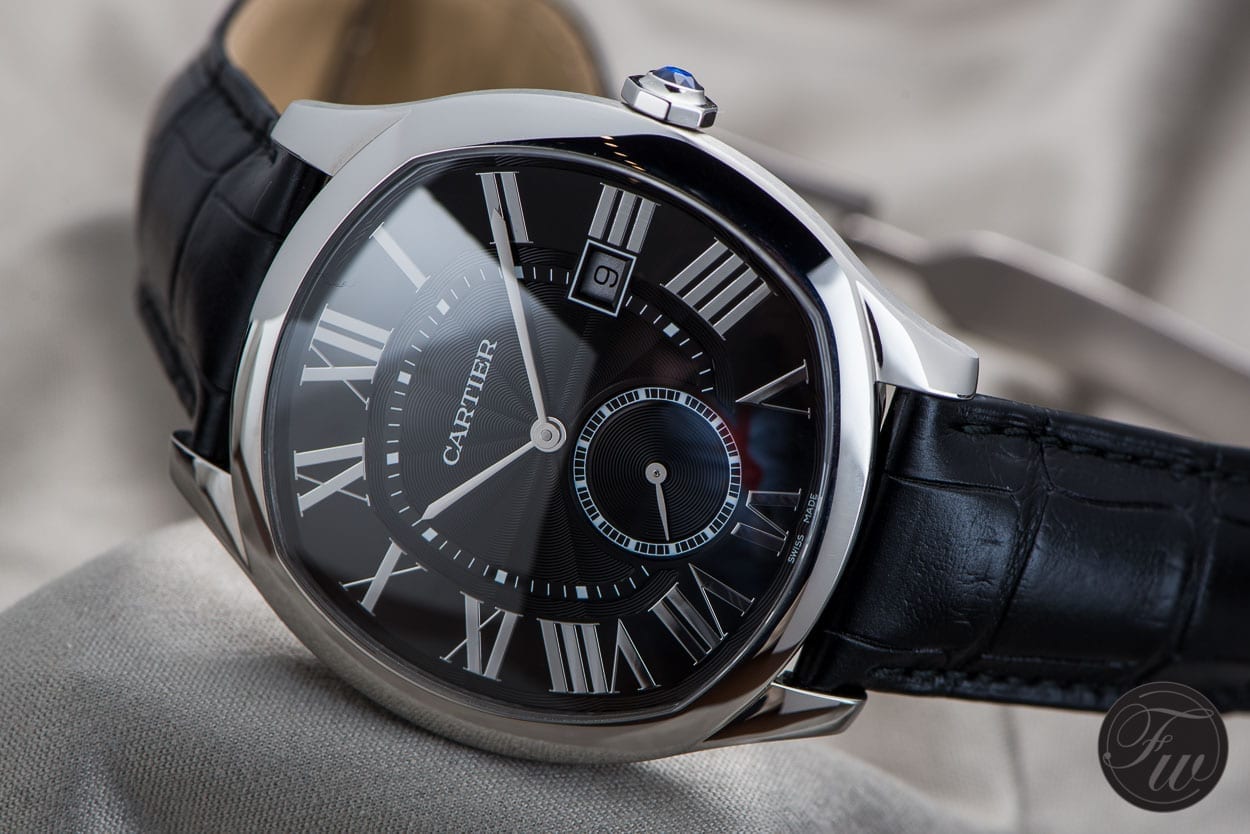
    The Cartier Love Bracelet has been a benchmark to compare luxury jewellery prices across Asia. Made of 18K white gold with 204 diamonds, the bracelet’s price varies from one Asian cities to the other.

    The Julius Baer Wealth Report Asia revealed Shanghai to be once again the most expensive city to purchase the Cartier Love Bracelet, at USD 48,143.

    High import tariffs on luxury jewellery were the main driver behind the exorbitant price. Conversely, Kuala Lumpur is the most price competitive at USD 41,818.

    On average, prices in the region were flat year-on-year, although certain cities witnessed significant fluctuations.

    Hong Kong saw the most significant price gain, whereas Mumbai experienced the biggest decline.

    What is the justification behind the price tag of a luxury jewellery piece? A prestigious brand, the intricacy of the craftsmanship as well as the quality of the precious stones all enhance its desirability.

    In auction markets, rarity and provenance stand out. Globally, Hong Kong is one of the top three jewellery auction hubs for Sotheby’s, driven by solid demand from Chinese HNWIs. Many mainland Chinese continue to invest in rare pieces such as top-of-the-line
    diamonds, coloured gemstones and jadeite as part of portfolio diversification.

    Noting the discerning taste of buyers across the region, Sotheby’s Deputy Chairman, Asia, and Chairman of International Jewellery, Mr Quek Chin Yeow says: “Asian buyers have always been focused on quality. They would rather have a 10-carat D-flawless diamond instead of a 20-carat F-VVS one. They go for quality instead of size.”

    Cindy Tang, Managing Director Senior Adviser at Bank Julius Baer, comments: “From our conversations with clients, high net worth individuals allocate part of their wealth to jewellery assets such as high-end diamonds.”

    Nevertheless, caveat emptor applies. Returns from collectables may be hard to realise, while the market for precious stones is difficult to predict.

    In conclusion, Asian buyers have proven to be a dominant force in the global high-end jewellery auction market. Remarkable auction results in recent years are testament to the buoyancy of the Asian market.

    Luxury jewellery will clearly not be losing its lustre in the region.