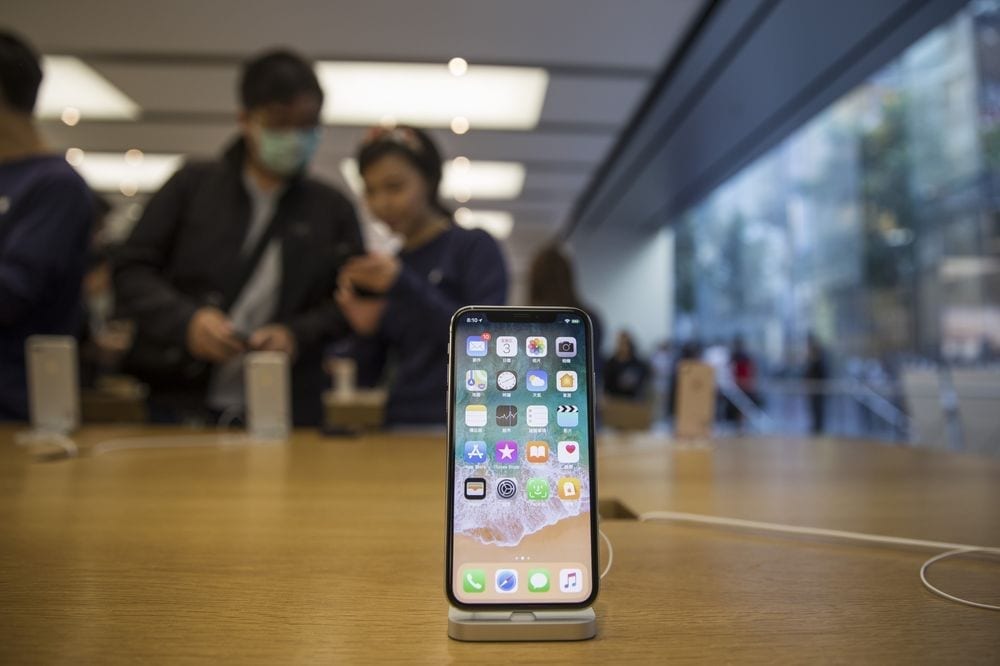
Apple China is set to open a new retail store in the Chinese city of Suzhou.
Roughly coinciding with the imminent launch of the new iPhone and Apple Watch models, Apple’s 505th retail outlet will open beneath the city’s tallest building, Gate to the East, adjacent to Suzhou’s largest shopping centre Suzhou Center Mall.
It is the second new location for Apple in greater China this year since opening in Macau a few months back.
Mystery surrounding the developing store under construction was cleared when its facade was recently revealed to bear the chromed Apple logo.
Suzhou, along with Shanghai, was recently announced as a target location for new Apple R&D facilities.
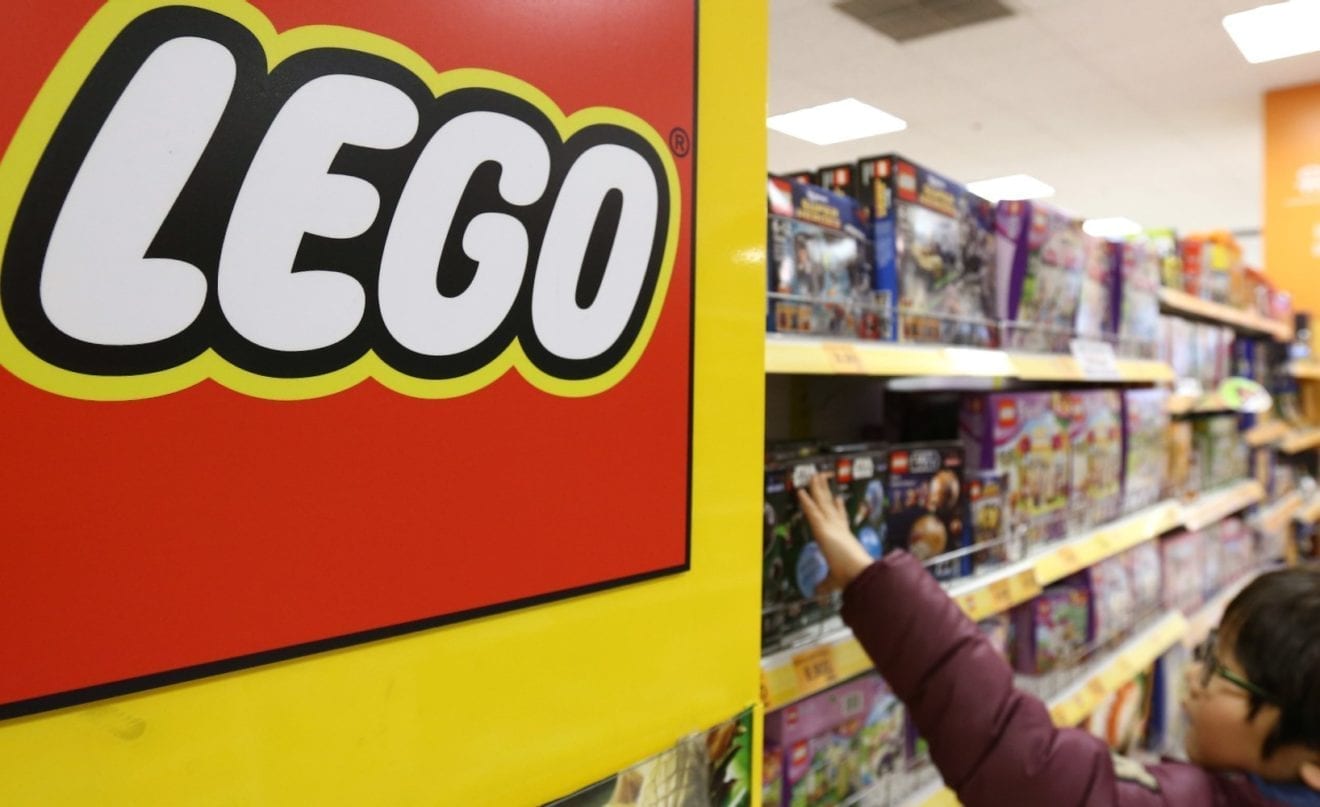
Danish toymaker Lego Group said it plans to ramp up its China retail rollout, with two new flagship stores poised for Shanghai and Beijing by mid-2019.
The Copenhagen-based Lego, which recorded double-digit revenue growth in China in the first half of the year, said a new store is slated for Shanghai as soon as this month, in the city’s downtown district, while the Beijing boutique is planned for early 2019.
For the first six months of the current fiscal year, Lego’s total sales hit 14.3 billion Danish kroner ($2.2 billion), a 5% drop from last year’s performance. Operating profit declined 4% to 4.2 billion Danish kroner, while net profit dropped 10% to 3 billion Danish kroner.
But China, which recorded double-digit growth for the brand, was a bright spot.
Jacob Kragh, senior vice-president at Lego, told China Daily that China has much room to grow, especially through the learning through way toy category, as parents focus on construction-based toys.
In May, Lego inked a video channel deal with Tencent Holding’s to appear on the media giant’s streaming platform.
Moving forward, Lego plans to invest more in innovative products and enhance its digital, alongside its physical presence in China.
Lego first entered mainland China two years ago, with a flagship store opening at Shanghai Disney Resort in 2016.
Most recently, in August, Lego opened four certified Lego stores in Wuhan alone, via retail partnerships in China, taking its total to 36 partnership stores.
By year-end, Lego is planning to have up to 60 stores across 15 Chinese cities, with the new stores mostly located in second and third-tier cities.
Lego also recently joined forces with IKEA to encourage more play. The collaboration aims to increase the opportunity for more play, and the first step is to try to make the home a better functioning and more fun place as IKEA believes play to be an ‘essential part of a better everyday life’.
Google and Facebook have been among the tech giants discussing cooperation with Vietnam on the sidelines of the WEF on ASEAN 2018 in Hanoi.
At a meeting Wednesday with Google’s Asia-Pacific president Karim Temsamani, Prime Minister Nguyen Xuan Phuc stressed that Vietnam, with a population of nearly 100 million, has great potential in information technology, which is also spearheading the country’s industrialization and modernization.
He urged Google, which has a very large user base in Vietnam, to pay more attention to helping maintain and promote Vietnam’s cultural identity.
The PM expressed hope that the tech giant would collaborate with his country to foster the development of start-ups, train human resources and invest in research and development for growing its technology ecosystem.
Temsamani emphasized the importance of digitizing the economy, a key global trend, saying Google is willing to help Vietnam achieve it.
Through its Vietnam Digital 4.0 program, Google aims to provide free training in digital skills to 500,000 owners of small and medium businesses in the country by 2020 to help them improve their competitiveness, he said.
Temsamani also promised it would help Vietnam build a technology ecosystem and come up with initiatives to help farmers digitize agriculture and promote their products more effectively through YouTube.
Facebook’s vice-president of public policy for the Asia-Pacific, Simon Milner, also met with Phuc Wednesday. He said his company is committed to maintaining a long-term presence in Vietnam and expressed interest in joining the government’s effort to create a digital nation.
It would take part in the programs of digital citizen, digital economy, digital government and digital connectivity, and assist and collaborate with small and medium businesses and start-ups, he said.
Phuc also received Cees’t Hart, CEO of beer company Carlsberg Group, and Alex Dimitrief, president and CEO of General Electric Company’s (GE) Global Growth Organization.
He told them Vietnam is speeding up equitization and divestment of the government’s stakes in enterprises based on the principles of transparency and openness, which offers opportunities to foreign investors like Carlsberg.
Speaking about plans to divest stakes in Hanoi Beer, Alcohol and Beverage JSC (Habeco), he said Carlsberg and Habeco should soon resolve any remaining issues so that they can go ahead with purchase of stakes and strategic cooperation.
Hart said Carlsberg, which has been Habeco’s strategic investor since 2008, is looking to buy a bigger stake in the Vietnamese brewer and has been working with the Ministry of Industry and Trade and other agencies to speed up the process.
Dimitrief of GE said his firm plans to expand its investment in the power sector in Vietnam.
Phuc told him his government attaches great importance to investors and is working to improve the business environment so that investors can do business effectively.
British luxury fashion house Burberry is releasing a see-now, buy-now collection exclusively on Instagram and WeChat.
Limited-edition pieces from the collection, the first released under the Burberry label by designer Riccardo Tisci, will be made available through 24-hour product releases on the two platforms. The inclusion of WeChat on the see-now, buy-now program illustrates the importance of the Chinese market for the brand.
A physical sale for the collection will be held in the Regent Street, London flagship store at 5.30 pm on September 17, immediately after Tisci’s runway presentation at London Fashion Week. The store will be visually transformed under a Tisci-designed concept for the 24-hour sale.
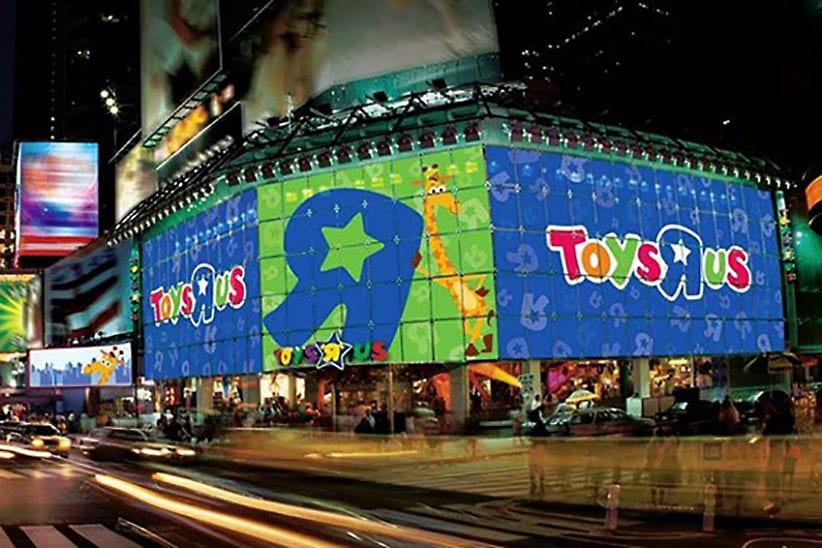
Fung Retailing’s battle with the administrators of bankrupt Toys R Us has ramped up, with the latter company filing an injunction request in US courts this week.
The Hong Kong company is working to protect its first-right-of-refusal clause on acquiring shares in the Toys R Us Asia business, beyond its existing 15 per cent cornerstone holding. That was a condition of its investment.
But Toys R Us, well aware that the toy retailer’s strongest and most valuable business unit is the Asian company, want to maximise the gain from its sale through an open auction process, in order to have as much cash as possible to pay creditors.
Various international media outlets have reported an 85 per cent stake in the Toys R Us Asia business could be worth more than US$1 billion and there have been unconfirmed reports Fung Retailing wants to purchase the entire business, most likely with a private equity partner.
Toys R Us’ application for an injunction seeks to block Fung Retailing’s attempts to open arbitration over the sale. Toys R Us claims Fung is trying to derail the reorganisation process and Bloomberg has previously reported the US company wants to void the first-right-of-refusal clause.
Bloomberg observed: “This uncertainty will drive down bids – benefiting Fung (which can then either exercise its right of first refusal … or bid for the asset at a depressed price), but harming the debtors and their creditors (whose primary basis for recoveries will be the value achieved from the Asia JV sale).”
Toys R Us Asia has more than 220 stores in Mainland China, Hong Kong, Singapore, Thailand, Malaysia, Brunei and Taiwan.
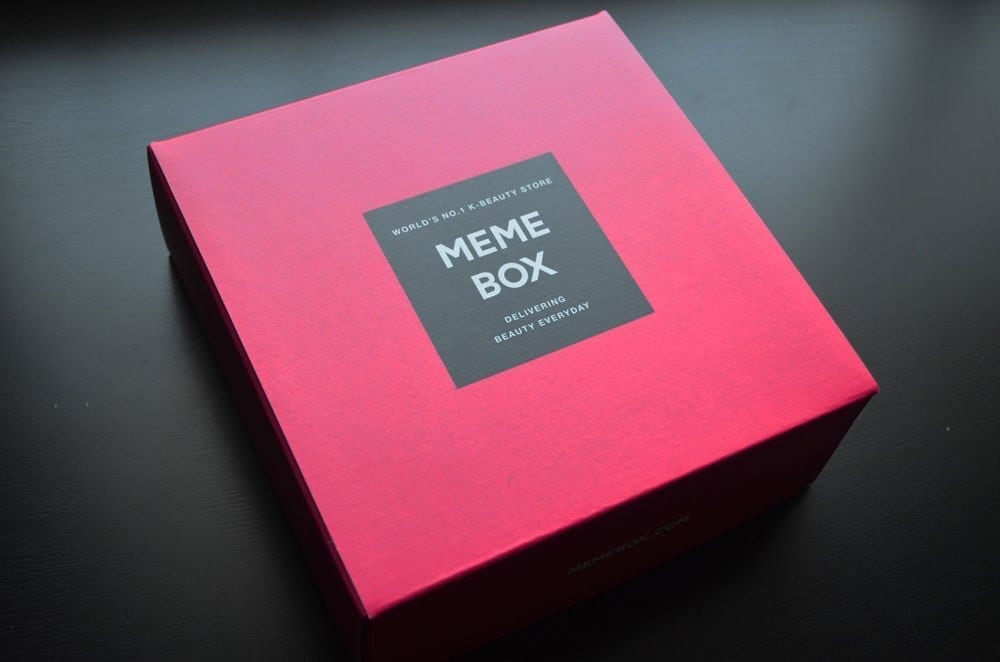
Korean beauty and tech company Memebox continues its U.S. repositioning with the launch of Kaja Beauty, the first complete K-Beauty color cosmetics line in the States.
Created exclusively in partnership with Sephora, the new brand is launching with a 47-item product collection, including blushes and eyeshadows. The line will launch on Sephora.com on September 18 and then roll out to 58 of its top doors on Sept. 28, though a smaller selection of products will be available in all 410 Sephora stores.
The launch comes as Memebox is shifting strategy. In June, the company, which was founded in 2012 as a Korean beauty subscription box service and has raised US$160 million in funding so far, relaunched its U.S. e-commerce business after shutting it down in 2017 to focus on its own online community and building key retail partnerships.
“The first phase of Memebox was bringing third-party products to the U.S.,” said Memebox CEO Dino Ha. “Now, it’s about building a singular brand that resonates more.”
Its U.S. site now only features its global private-label brands, like Pony Effect, Nooni and I Dew Care (the latter two are also sold at Ulta), and an edited 54 products across the three brands — Kaja won’t be sold on Memebox’s own e-commerce platform at launch, but will debut on the site in the coming months. Memebox also launched its Insider Access dashboard in June, which features influencer-curated micro-shops and content for its online community to read reviews and discover third-party product via affiliate links.
But finding a large American retailer to partner with was Ha’s top-of-mind priority to drive growth, which is where Sephora came in.
Fifteen thousand new brands come out of Korea every year, according to Ha, so to cut through, Kaja is bent on being “customer-centric.” From ideation to launch, the product development took about five months (compared to the typical 18-month production cycles typical of cosmetics and skin-care brands), and was created using customer insights from Sephora’s and Memebox’s 5 million global customers.
As it stands, Sephora doesn’t sell any K-beauty branded color cosmetics online or in-stores. Eighty percent of the customers surveyed for Kaja were non-Asian — they were very familiar with Korean skin care but showed a desire for color cosmetics. Thus, Ha realized that makeup versus skin care was Korean beauty’s natural next frontier in America. This is the first time Memebox has partnered with Sephora, though the retailer has other K-beauty partnerships, including with e-commerce site Glow Recipe. It has also worked with online site Peach & Lily in the past.
“Sephora was particularly in-tune with the white space around makeup in the K-beauty market,” said Ha. “Korean beauty has always focused so heavily on skin care, so we wanted to be the first K-beauty brand that was actually about makeup.”
While Memebox sells a few makeup products in its Pony Effect brand, which was created in partnership with celebrity makeup artist and mega-influencer Pony and offers lip glosses and lipsticks, Memebox was also highly penetrated in skin care, thanks to its Nooni and I Dew Care lines. Kaja is meant to capitalize on that color cosmetics opportunity.
Other K-beauty retailers like Peach & Lily have recently introduced branded product lines, proving these Korean startups have the opportunity to fuel revenue with their own assortments. In March, market research firm Euromonitor International reported that since 2015, South Korea’s beauty exports to the U.S. grew 59 percent, reaching $207 million.
Price was a major consideration for Kaja Beauty — all of the makeup products range from $14 to $24 — in order to further reach those millennial and Gen Z customers. “It’s really about giving that girl on the go what she wants,” said Yoon Sung Choi, Memebox’s vp of brand development.
Memebox is also rebranding its social presence with a Kaja Beauty-forward point of view. On Monday, the brand announced on Instagram that it will be refocusing its account on its new Sephora partnership, and on Wednesday, Memebox totally swiped its Instagram, leaving only a handful of in-feed posts artistically teasing the new Kaja beauty products.
Ha said more Kaja products are on deck with Sephora for 2019, and that Memebox wants to be able to react quickly to customer responses on the new lineup. “Half of our product plan is still wide open, so we can be as deductive as we can be to expand,” he said.
H&M Vietnam has opened two new stores, in Ho Chi Minh City and Hanoi.
The HCMC store is located inside District 7’s Crescent Mall, managed by Savills Vietnam, while the Hanoi store is situated in Vincom Nguyen Chi Thanh.
Crescent Mall, comprising 45,000sqm of retail space, is one of the city’s earliest international-grade shopping centres and has been trading for about eight years. An extension adding 11,200sqm of retail space, is currently under construction and expected to open late next year, beneath a 25-storey office tower.
“Crescent Mall is fortunate to be in an area where expansion is still possible,” said Tu Thi Hong An, associate director of commercial leasing at Savills HCMC. “When compared to other areas in Ho Chi Minh, District 7 has been planned and well zoned by Phu My Hung. We hope that H&M will be very happy in this new location.”
According to Savills, retail turnover in Vietnam last year was US$129 billion, increasing 11 per cent year on year. From now until 2021, the retail market is forecast to grow steadily with the increased demand of leisure (10 per cent per annum), modern grocery (9 per cent) and apparel (6 per cent).
After entering Vietnam in September last year, H&M Vietnam now has six stores in both Hanoi and HCMC while its rival Zara’s taking time with two outlets, one each in HCMC and Hanoi.
Another fast-fashion brand, Uniqlo, is planning to expand into Vietnam next year.
Italian fashion brand Prada has relaunched its iconic Linea Rossa sportswear collection into the luxury market, some twenty years after it folded.
First launching in 1997, the debut of the new Linea Rossa line took place last week, forming part of the fashion activity at New York Fashion Week for spring/summer 2019.
Known for its super technical, ultra-functional and progressive fashion, the fresh-faced Linea Rossa showcased a 90s- inspired collection. The line was designed using cutting-edge methodology and a close focus on technical detailing.
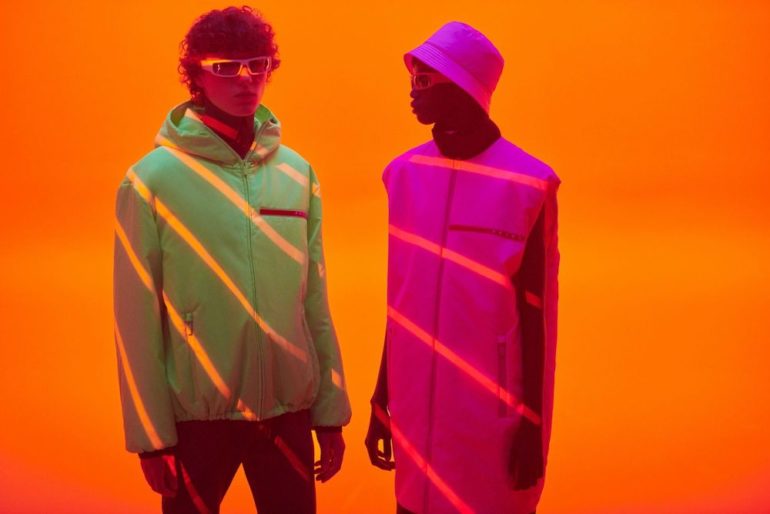
Although there is no word on exactly what to expect from the return of Prada Linea Rossa, the first looks revealed monochromatic garments accented by the iconic red Rossa tag; fluorescent bucket hats, nylon oversized vests, and spandex trousers, as well as sunglasses in stark white and black geometric frames with mirrored lenses.
To mark the launch, Prada Linea Rossa hosted a celeb- packed party in New York, with a guest list that included Henry Golding, A$AP Rocky, Adriana Lima, Zara Martin, Sara Sampaio, Ansel Elgort and Negin Mirsalehi.
An official campaign has also been created consisting of a series of videos produced under the creative supervision of New York agency Michael Rock/2×4 New York. Each film has been directed by Arisu Kashiwagi and with Lotta Volkova in charge of styling.
Finally, a Linea Rossa collection tour is slated for Asia in September.
The line will come to Hong Kong on September 12, before arriving September 13 in Shanghai at the Prada Rong Zhai cultural venue (where a pop-up store will open from September 15 to 29) and on September 14 in Tokyo, at the Prada store in the Aoyama district.
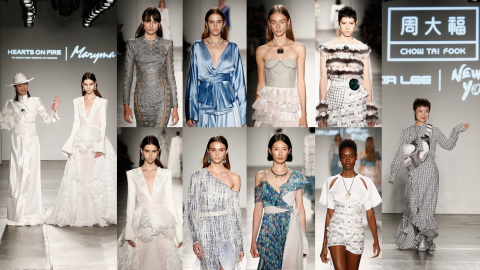
Chow Tai Fook has mounted a New York – New York art crossover exhibition for New York Fashion Week, taking the company’s brands and Chinese art and design into the international arena.
Chow Tai Fook unveiled its high-end jewellery brand Hearts On Fire, as well as the latest New York – New York jewellery series in the art-crossover exhibition, created by Chinese students Scynge Xing, Zhang Mengtai, Wu Tianran and Chen Yihan from the top four art schools of the US, Parsons School of Design, Columbia School of the Arts, School of Visual Arts, and NYU Tisch School of the Arts.
Chow Tai Fook also cooperated with Graduates Art Fair to provide a platform for outstanding Chinese graduates to showcase their talents. Chow Tai Fook selected five young artists – Fu Qiang, Cheng Xiaofang, Zheng Jiahao, Ren Xiaofang, Ma Shaoning – from China’s top eight art schools to display their works at the exhibition.
Ma Yanli, Lan Xi, Jiang Zixin, Zhang He, Qiao Dawei and Tan’ai attended the event as charity ambassadors to show their support.
Chow Tai Fook says the New York – New York Art Crossover Exhibition is dedicated to promoting the development of Chinese art design, providing young artists with a platform to show their talents and using the brands’ influence to help more artists realise their dreams.
After debuting at New York Fashion Week Preferred Show Pier 59 Studio on Sunday, Chow Tai Fook’s New York, New York jewellery series is on pre-sale at major e-commerce platforms in China and North America, including Amazon, JD, Suning, Tmall and Chow Tai Fook’s own site.
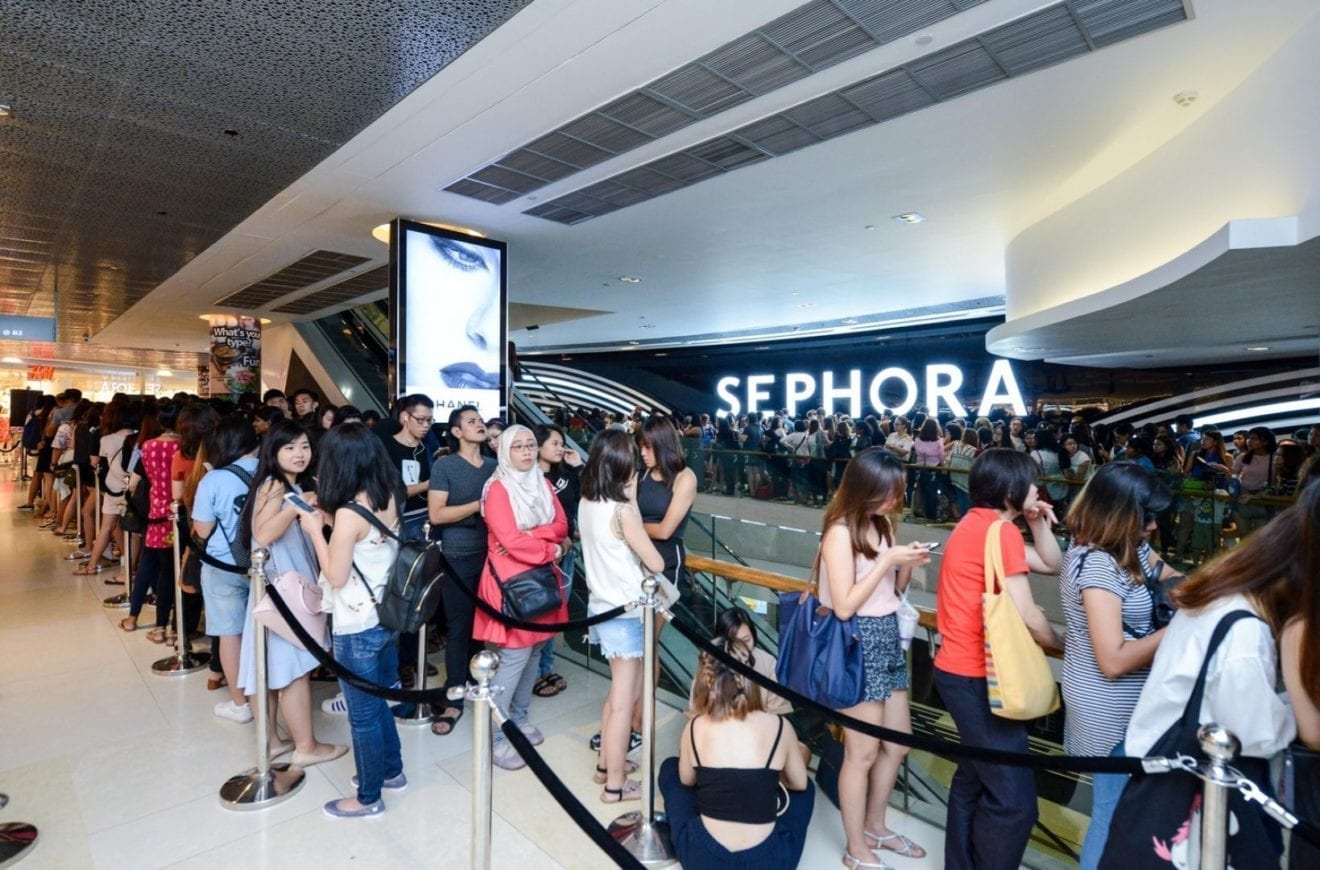
French cosmetic retailer Sephora unveiled plans for new retail experience in China on August 31, coinciding the announcement with news of its next Chinese brand ambassador.
Sephora announced its new concept “My Beauty Power Turn It On” at a press conference at the Shanghai Film Plaza late last month, saying the initiative is designed to help shoppers discover an individual and unique beauty, “and rediscover, lead
and create a new meaning of beauty that is distinct to them.”
The make-up brand introduced its new Sephora mini program, offering a new experience of omni-channel social retailing to Chinese shoppers.
Increasing the Millennial appeal, Z.TAO, a famous Chinese singer and actor, was also named a brand ambassador.
“This is an attempt by Sephora to embrace Chinese social culture and become the first comprehensive vertical beauty retailer to offer a full social shopping experience,” said Sephora China, in a statement.
Sephora’s first ‘Asian New Concept Store’ will be rolled out in Shanghai in September.
“The fully upgraded Asian New Concept Store will give every consumer a chance to confidently create their own beauty power,” said Sephora.“We believe that the unrelenting pursuit of beauty, the constant exploration and leadership in beauty trends, along with the continuous innovation of experiential sales are the best ways for Sephora to fulfill its commitment to Chinese consumers.”
Sephora currently has 228 physical stores in China, covering 74 cities.
The French retailer also operates a Sephora app and official website in China, as well as its Tmall flagship store and JD flagship store.
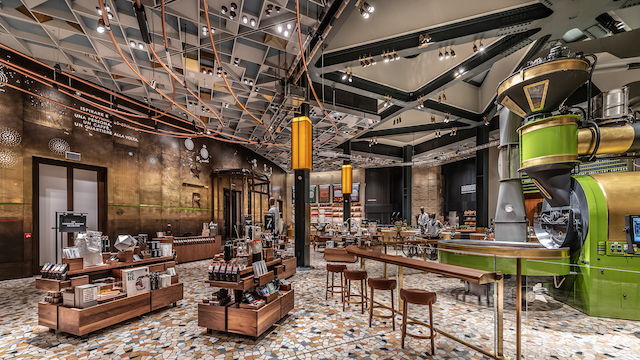
Starbucks describes its newly opened Milan Roastery as its “most beautiful store in the world”.
“During my first trip to Milan in 1983, I was captivated by the sense of community I found in the city’s espresso bars – the moments of human connection that passed so freely and genuinely between baristas and their customers,” said Howard Schultz, chairman emeritus of Starbucks.
“The opening of the Milan Roastery is the story of Starbucks coming full circle.”
The “crown jewel of Starbucks global retail footprint” opened in a restored building on Milan’s Palazzo della Poste on the Piazza Cordusio, just a few streets away from iconic landmarks such as the Duomo di Milano, Galleria Vittorio Emanuele II and Teatro alla Scala.
Standing at 2300sqm (25,000sqft), the Milan Roastery marks the first time the coffee giant has made its debut in a new country with the Roastery format. Just two others exist in the world: in Seattle, which opened in 2014, and in Shanghai, which debuted last year.
Customers entering the Milan Roastery are greeted by a stunning view that spans every aspect of the Roastery experience. Vibrant colours were chosen to reflect the Italian fashion and design community and over the course of the day, the space transforms from the light filtering through the glass ceiling.
At the heart of the building is a Scolari coffee roaster, manufactured just miles from the centre of Milan. To the right, customers will find the main bar, where classic espresso beverages mingle with innovative new flavours. The wood-fronted bar features fluting, which echoes a motif found in Italian architecture throughout history, and is topped with marble sourced from the world-famous quarries of Tuscany. Upstairs on the mezzanine floor, customers can discover Arriviamo Bar – where mixologists are on hand to create specialty cocktails behind a 10m-long marble bar carved from a single block of Calacatta Macchia Vecchia. To the left, customers will see a Princi Bakery, complete with a wood-fired oven.
Liz Muller, chief design officer at Starbucks, says her team spent a whole year living and breathing the city of Milan, working closely with dozens of local artisans to bring the store to life. She says the company wanted to engage “each one of our customers’ senses – sight, sound, touch, smell, and of course, taste”.
“From the palladiana flooring that was chiselled by hand to the bright green clackerboard made by Italian craftsman Solari, everything you see in the Roastery is intentional, offering moments of discovery and transparency.”
The historic setting and detailed design is complemented by an interactive augmented reality (AR) experience, encouraging customers to use their mobile device to learn more about Starbucks Reserve coffees, the roasting process and the company. The centerpiece of the AR experience is a floor-to-ceiling, wall-to-wall visual representation of Starbucks history and its coffee – engraved in brass by local craftsmen, burnished to an ombre finish and backlit to bring warmth to the story.
Outside on a terrace, customers can enjoy the full range of Roastery coffees, cocktails and cuisine in a distinctly European environment – that of a street-side cafe. Also adorning the Roastery’s portico is a striking statue of a siren – the symbol of Starbucks steeped in classical lore – completely hand-carved in Carrara marble by Tuscan sculptor Giovanni Balderi.
The Milan Roastery offers customers a 360-degree walk-around view of the entire roasting process, which starts with green coffee being poured out of burlap sacks, continues through the roaster and sweeping cooling trays, and finishes in a 6.5m-tall bronze cask, with a glimpse offered inside the degassing chamber. From there, coffee beans flow overhead through copper pipes directly to silos at the coffee bars, where customers can enjoy a fresh cup of Reserve coffee, or to the in-house packaging line to be wrapped for distribution in Starbucks stores across Europe, the Middle East and Africa.
Following the opening of the Milan Roastery, Starbucks will bring additional cafes to Milan with licensed partner Percassi beginning late this year. Starbucks says these stores will reflect the unique coffee culture of the Italian market, while also offering Starbucks mainstream food and beverage offer.
Italy marks Starbucks’ 78th international market and comes 20 years after it opened its first European store in London.
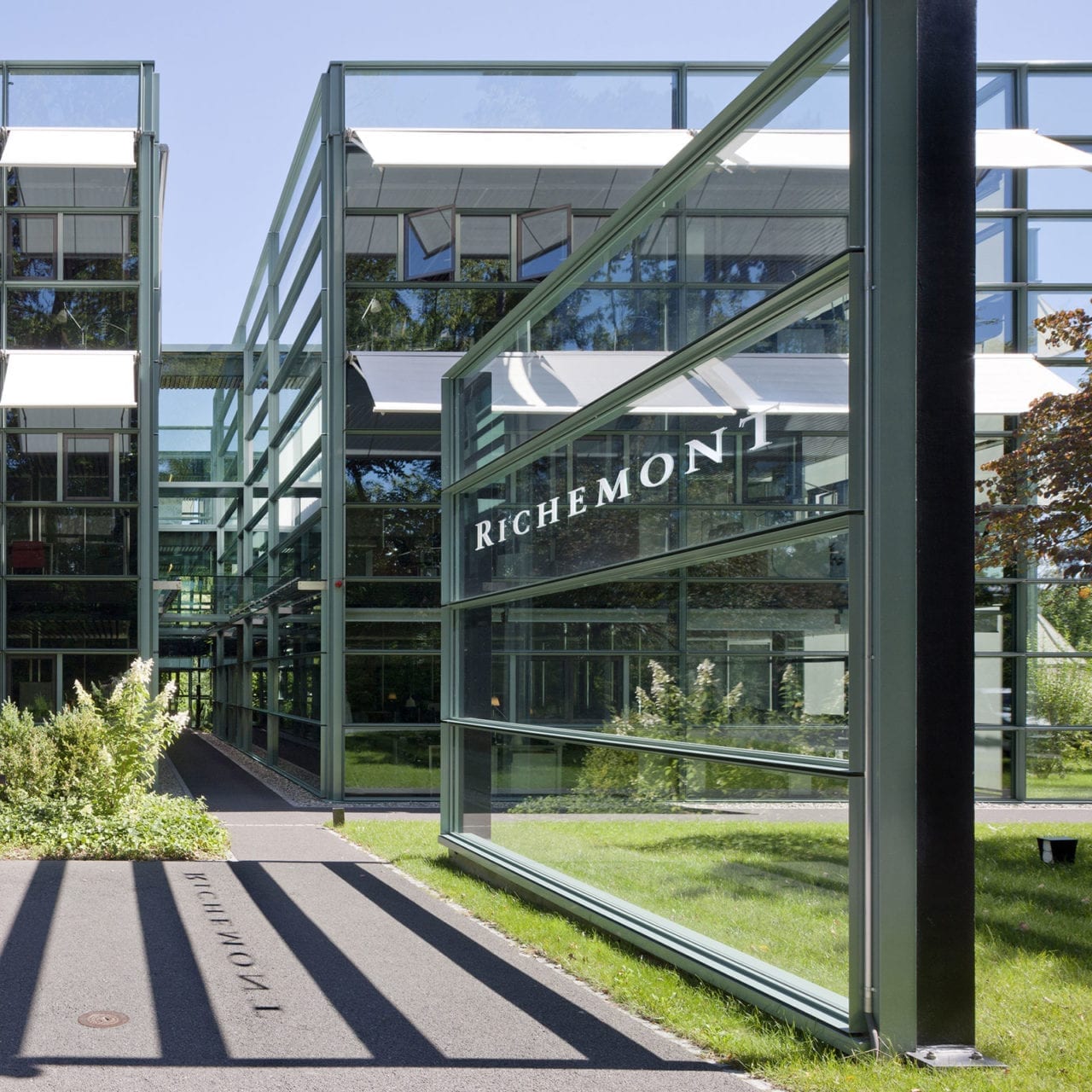
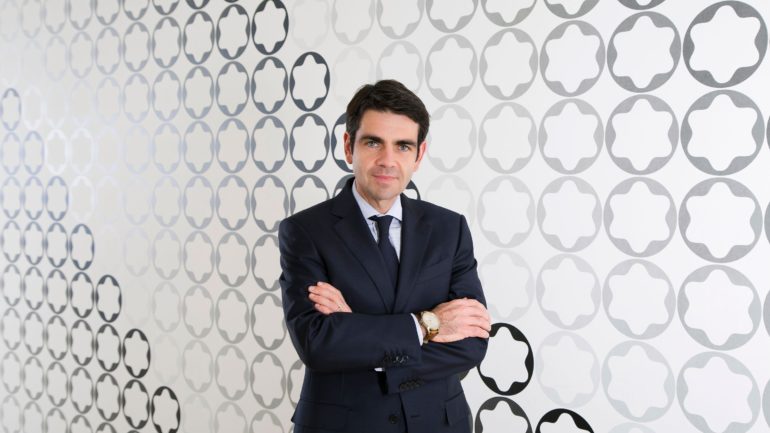
On Monday, after holding the post vacant for almost two years, Richemont Group has appointed Group Chief Operating Officer, Jérôme Lambert, as Group Chief Executive Officer with immediate effect.
Swiss watch and jewellery companies went through hard times back in 2016 as sluggish economical growth and terrorism in Europe hit sales adding to the challenge of meeting ever-changing consumer behaviors.
However, Chinese consumers stepped in and spurred sales back up. Indeed, Richemont said they have increased by 25%, at constant exchange rate, to €5.7bn in the five months ending August 31.
“Jérôme’s new role sees him taking responsibility for the Group’s future growth at a time when consumer habits are changing significantly,” said Johann Rupert, Richemont chairman. “As we position the group to meet these challenges, he will lead the development of strategic plans reflecting the long-term objectives and priorities established by the board.”
Revamping the organization, Mr.Rupert has changed the leadership management of the company appointing his son, Anton, along with Nikesh Arora, former Google executive, to the board.
Earlier this year, Richemont Group also took full control of online retail Yoox Net-a-Porter and bought second-hand online and shop-based watch retailer, Watchfinder.
Richemont’s Specialist Watchmakers, Online Distributors and Other businesses, as well as central and regional functions, will report to Jérôme who will continue to be supported by the group’s team.
China’s cross-border e-commerce is forecast to see turnover top 9 trillion yuan (1.3 trillion U.S. dollars) in 2018, according to a report released by the China E-Commerce Association.
The report, released on Sunday at the ongoing 20th China International Fair for Investment and Trade (CIFIT), held in Xiamen, east China’s Fujian Province, said that the top 10 import sources of China’s cross-border e-commerce trade in 2017 were Japan, the United States, the Republic of Korea, Australia, Germany, New Zealand, the Netherlands, France, Britain, and China’s Hong Kong Special Administrative Region.
Cross-border e-commerce is most active in south China’s Guangdong Province, followed by Beijing, east China’s Zhejiang and Shandong provinces and central China’s Henan Province for exports via e-commerce.
Tong Xiaomin, chief engineer at the Information Center of the Ministry of Industry and Information Technology, said that the Chinese government supports cross-border e-commerce with policies and infrastructure building.
Globally, however, trade protectionism in forms of tariff barriers and anti-monopoly investigations has posed negative influence on the development of cross-border e-commerce, Tong said.
He suggested that Chinese e-commerce firms and importers should heed turbulence in the international trade environment and improve their global competitiveness. Meanwhile, the e-commerce platforms should explore new market and adopt new technologies and applications to ensure the high-quality development.
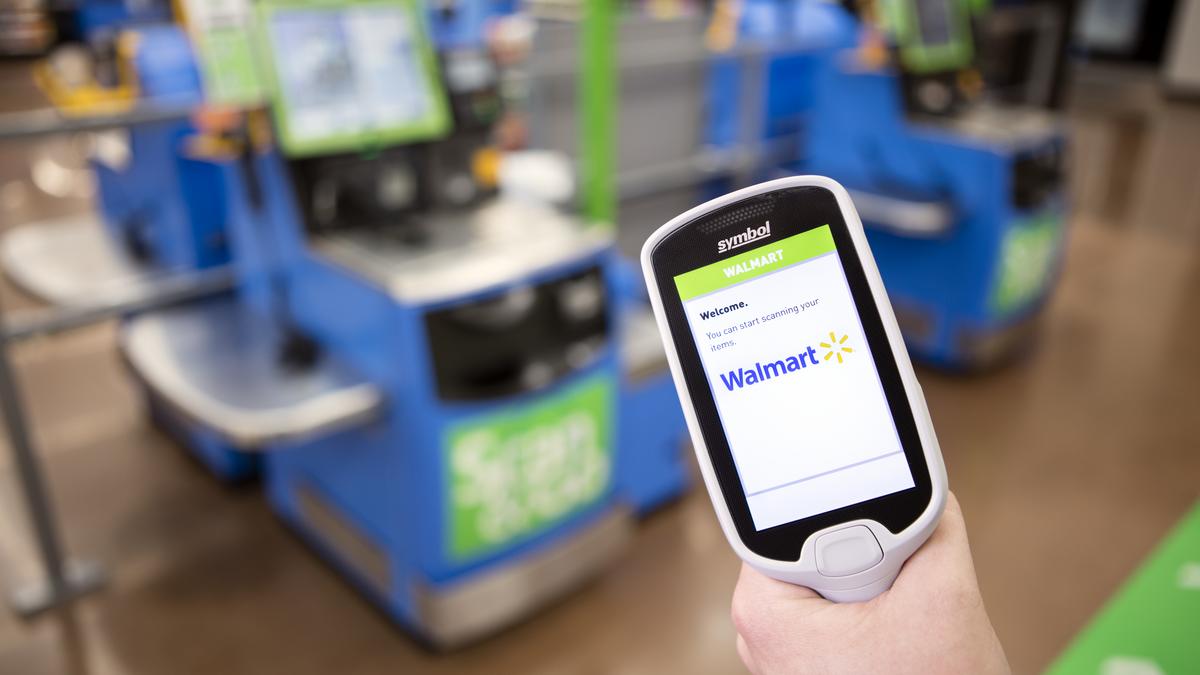
Walmart Scan & Go use in China has broken through the 10 million-users barrier, the first mini-program in the retail industry to reach such a broad user base.
Since launching last April, Walmart Scan & Go – which allows customers to scan their own items and complete payment on their mobile phones for in-store purchases – has been promoted in nearly 300 Walmart stores in more than 50 cities. By the end of the year, it is expected to be available in more than 400 Walmart stores across the country.
In the two-month tryout period in some Walmart stores, Scan & Go reached a penetration rate of up to 30 per cent of in-store customers choosing to use the mini-program to make payment. About 95 per cent of those users said they were willing to continue to use this new self-help checkout method.
The mini-program also features an electronic mapping service called “Find My Item”, which provides customers with an electronic map-based shopping guide service helping in-store customers to quickly locate the products they need.
Jordan Berke, Walmart China Hypermarket’s VP of e-commerce said: “Walmart Scan & Go is one of our important initiatives to deliver innovation and omni-channel experiences to our customers… We believe that innovative technologies provide a more convenient experience to customers and enhance customer loyalty.”
Cecilia Tian, head of smart retail strategic partnership at Walmart’s partner Tencent, said: “Scan & Go meets the customer’s needs by shortening the checkout time. For retailers, Scan & Go helps anchor their digital assets and improve the digitalisation and CRM capability. It brings positive impact on O2O business. Tencent hopes to collaborate with retail partners such as Walmart, who are able to build a holistic, seamless O2O experience with digitalisation tools, improve the operation efficiency and drive business growth.”
ASEAN has been urged to find ways for its member states to join hands together to cushion any possible fallout from the trade war between the United States and China.
Against the backdrop of an escalating trade war between the US and China, Deputy Minister of International Trade and Industry Dr Ong Kian Ming is advocating greater cooperation between ASEAN countries to package the region to foreign investors instead of focusing on country specific promotion.
He said Malaysia and it’s Asean counterparts should look at ways as a comprehensive unit to take advantage of this situation as investors might be interested in relocating and investing more in Malaysia as a result of this trade war.
Drawing reference to the strong two way cross border trade linkage in terms of investment and expertise exchange between Johor and Singapore, Ong said Malaysia should replicate this with other countries.
He also noted that interest from Chinese companies to invest in Malaysia, coming through the Malaysian Investment Development Authority, has risen since last year.
Instead of setting hub in Malaysia, Ong added that Chinese companies could use Malaysia as a connecting point to tap into the Asean market.
He opined that the trade war between US and China is less than likely to find a resolution in the short term and Malaysia, being an open economy will be affected by the trade duel.
In that light, Malaysia should be open to investments and ratify trade agreements such as RCEP and CPTPP, which are yet to be signed in order to strengthen its stance on remaining open to trade.
“As tariffs have gone down, the non-tariff measures has also gone down. That is why we need to have a greater push among the governments in Asean with the help of the business sector to come in and advice the government on the challenges they face so that we can remove or reduce some of the regulatory red tape with regards to the non-tariff measures,” he said referring to non-tariff barriers.
Ong said in that regard, ASEAN is working together to compile a database of non-tariff measures so that the trade bloc could gather some of the regulatory and bureaucratic issues faced by companies when setting shop in another ASEAN state.
International Trade and Industry Minister Darell Leiking urged all the relevant agencies in Malaysia to strive to reduce bureaucracy so as to facilitate more investments into the country.
He also asked for all chambers of commerce within ASEAN to stand together and start trading with each other during a meeting with members of the Malaysia-Thailand Chamber of Commerce (MTCC) earlier last week.
Retailers across the region do not see any immediate impact on their business; however, it is worth monitoring exchange rates, as RMB value might represent a variable to consider while working on price architecture.