Tag: asia

  • Saint Laurent, Alexander McQueen to open first India stores

    Saint Laurent, Alexander McQueen to open first India stores

    Two of Europe’s biggest luxury fashion brands are opening official stores in India next year, according to reports.

    French label Saint Laurent and British Alexander McQueen are set to enter India with respective debut standalone stores, sources said last week.

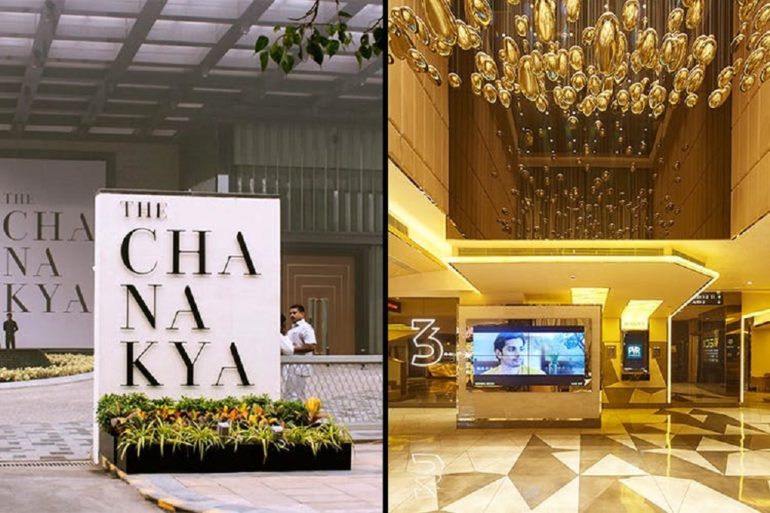
    With a letter of intent signed, the stores are expected to bow in DLF’s Chanakya mall in Delhi mid-2019.

    “There are plans to launch the two brands in Chanakya by the middle of next year,” one of the persons cited earlier said.

    “A letter of intent has been signed between the brands and DLF and the lease deed is awaited.”

    Both luxury brands, which form part of the French conglomerate Kering, already have a soft retail presence in India, being stocked in local boutiques and e-stores.

    Alexander McQueen products are available through multi-brand portals like Rock N Shop, while Saint Laurent is currently sold via stores Kitsch and Luxe Polis, among others.

    It is not understood if the brands plan to roll out more India stores in the near future, nor if the current retail partnerships will remain once each respective flagship opens.

    The Chanakya mall, which reopened in 2017, has attracted a number of international luxury brands such as Ted Baker, Thomas Pink, Diesel, and Rolex in the last twelve months.

    Founded in 1992, Alexander McQueen has standalone stores in the UK, US, France, China, Italy, Thailand, and Japan among other countries. Kering acquired it in 2010, and bought a majority stake of 51% in the brand.

    Saint Laurent was founded in 1961 and is also part of the Kering Group. For the first half of 2018, the Kering Group reported consolidated income of €6.432 billion.

  • Vietnam’s low-tech agriculture startups fail to interest investors

    Vietnam’s low-tech agriculture startups fail to interest investors

    Failure to incorporate market needs and hi-tech elements into their projects is costing Vietnam’s agriculture startups dear, experts say.

    Experts and other participants at the opening ceremony of the Saigon Times Startup Club recently agreed Vietnam comes up short on agricultural startups that appeal to investors.

    “Previous capital investment reports show that funds for agriculture only account for 10 percent (of total investment),” Nguyen Viet Duc, CEO of Innovation Capital Management, said.

    Explaining some of the reasons for this low investment rate, Duc said young startup companies do not satisfy the market demand and fail to factor artificial intelligence (AI) and Internet of Things (IoT) in their operations.

    Taking this analysis further, Hoang Minh Ngoc Hai, general director of Value Commerce Hub, a startup facilitator and business consultancy firm, said not many Vietnam agricultural start-up companies were attractive to Japanese investors since they only want to fund companies that carry the promise of stable output, have more than one founder, and have founders with long-term commitment.

    “We do not have many startups that meet all these factors,” Hai said.

    Commenting on the fact that there are fewer successful projects in the sector, General Director of Dong A Solutions, Tran Bang Viet, said that agricultural startups face more challenges than those in other sectors.

    “Launching an agriculture startup is tough, time consuming, expensive and very complicated,” he said. “Not to mention quality products getting mixed up with bad and fake ones. The money that has to be spent on gaining customers’ trust is very high,” he said.

    However, Viet also felt that agriculture, education and health are promising sectors for startups, because there are longstanding problems that can be tackled with innovative solutions.

    Prime Minister Nguyen Xuan Phuc last month called for a drastic reduction in administrative procedures and easier access to agricultural loans.

    Phuc said he wanted Vietnam to be listed among the top 10 countries in agricultural production and for the nation’s agriculture sector to rank 15th in the world.

    Vietnam is currently ranked second in Southeast Asia and 13th in the world in agriculture production, according to Minister of Agriculture and Rural Development, Nguyen Xuan Cuong.

    Vietnam exported about $36.37 billion worth of agriculture and fisheries products last year.

  • Nine West Closes Last Beijing Shoe Shop as It Retreats From China Market

    Nine West Closes Last Beijing Shoe Shop as It Retreats From China Market

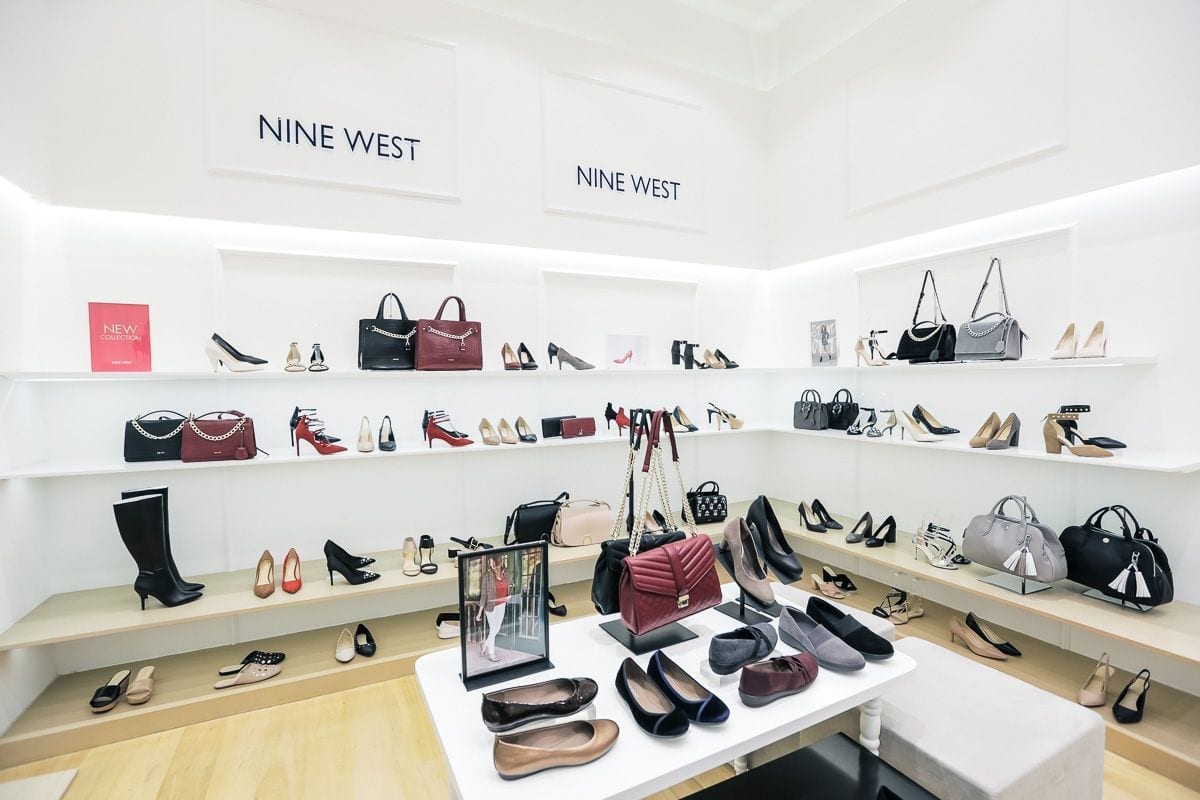
    Nine West China has closed its last Beijing store.

    The New York-headquartered women’s footwear retailer, which filed for bankruptcy in April, was popular in China from the mid-90s but has struggled with increasing competition. It is now pulling out of the region entirely, citing poor management of its stores. It closed its online store last month.

    Nine West China’s regional agency GRI Group has reported financial difficulties and withdrawn from Taiwan and Hong Kong.

    Nine West Holdings is now focusing on jewellery and apparel, rather than shoe retailing.

    Its Nine West and Bandolino footwear brands were sold to Authentic Brands Group in June for US$340 million.

  • ‘US-China trade war will calm down’

    ‘US-China trade war will calm down’

    The burgeoning US-China trade tensions will calm down sooner or later, despite the additional tariffs counterattack between the world’s two largest economies, according to the US leading strategic consultant David Morey.

    “I think the trade war is going to calm down, but as to when it will happen, it is hard to tell as our President (Donald Trump) is rather unpredictable,” Morey said at a press conference in conjunction with the Malaysia Retail Chain Association’s (MRCA) CEO Night recently.

    “But my guess is that we are going to have some change, because the US-China relationship is too important (for them) to be yelling at each other,” he added.

    Morey also opined that the North Korea’s nuclear weaponry issue would have not been solved if not because of the cooperation between the two big economies.

    “And it better calm down because we need to get to more serious trade issues,” Morey said.

    Meanwhile, commenting on the challenges faced by the local companies to reach to the giant companies level, Morey said these companies need to deal with the anti-corruption, bureaucratic, as well as the status quo issues, which takes every government or organisations around the world.

    “Bureaucracy has no political label, it seems to enjoy every political system and you gotta fight that. You gotta fight people that are looking out for their own interest versus the people.

    “But I sort of look at the glass half full when it comes to Malaysia. Sure you have a lot of challenges ahead, but you have made a lot of progress along with Singapore and Korea.

    “I’m not saying everything is perfect in Malaysia, but there is a hunger that the Malaysians have. We can’t give people that hunger but you have it as a nation. People want to get better, they want to learn, they value education for their kids, and not all countries have that same hunger that you have,” Morey said.

    Asked on the challenges faced by the new Malaysian government, Morey said he opined that the challenge for Prime Minister Tun Dr Mahathir Mohamad is the obstacle that every change leader faces in staying relevant.

    “He won by being a change candidate, now can he continue to be the change leader as he was for so many years and decades? That’s the question.

    “And there’s the difference between campaigning and governing. Governing is a lot harder today but I wish him luck. I think he’s doing a lot of right things and we’re all worried about the geopolitical change that’s happening. We are in a dangerous complicated world so we need great leadership,” he added.

  • Grab partners with Vietnamese firm for payment service

    Grab partners with Vietnamese firm for payment service

    Grab announced on Tuesday its partnership with Vietnam’s MOCA Technology and Service company (Moca) for a mobile payment service in Vietnam.

    The ride-hailing firm pushes to cement its position in the Southeast Asian country. Grab has made digital payments and financial services a significant part of its growth strategy in the region, where a chunk of the population remains unbanked, fuelling expectations of a boom in demand for such businesses.

    “This is a great step forward. I think the Moca team is great, their technology and solutions are great, and together with the combined expertise of our Grab team we can truly move Vietnam toward a cashless economy, ” Grab co-founder Tan Hooi Ling said on Tuesday.

    Grab, which counts Chinese ride-hailing firm Didi Chuxing and Japan’s SoftBank Group Corp among its backers, is the most prominent player in Vietnam after it pushed out Uber in a deal that saw the latter exiting Southeast Asia.

    “This strategic collaboration with Moca marks an important milestone for Grab in Vietnam as we seek to accelerate our growth in one of the fastest growing economies in Southeast Asia, ” said Nguyen Tuan Anh, head of Grab Financial Group Vietnam.

    The companies did not give further details of the partnership, but said they expect to launch their joint service in October.

    Moca was granted a license for payment services by the State Bank of Vietnam in 2016 and has a network of 11 local banks as partners for their service, said Tran Thanh Nam, co-founder and chief executive of Moca.

    Grab said it has 175, 000 drivers and bikers across the country. Rival Indonesia’s GoJek entered Vietnam last month in a bid to grasp a share of Vietnam’s fast-growing market, which also has several other local players.

  • Good Goods Issey Miyake concept opens in Tokyo

    Good Goods Issey Miyake concept opens in Tokyo

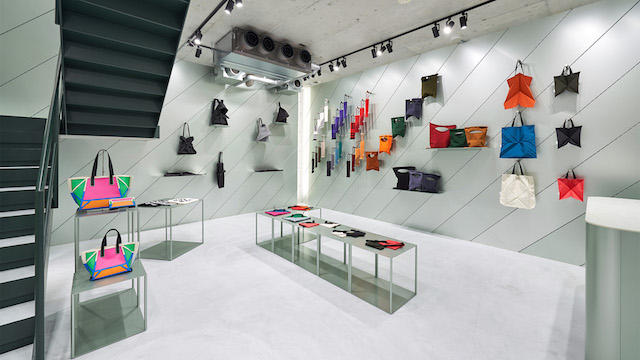
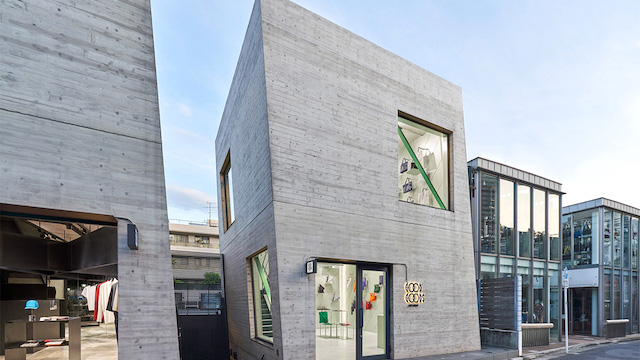
    Japanese fashion designer Issey Miyake has opened a new “Good Goods Issey Miyake” concept store in Daikanyama, Tokyo.

    The two-level 94sqm store, which opened next to label mate “Homme Plisse Issey Miyake”, stocks a curated selection of Issey Miyake pieces as well as some exclusive products. It sports a futuristic interior design by Tokujin Yoshioka.

    In a press release, Yoshioka said: “The space, which features aluminum dyed light green, is designed with the futuristic contrast of texture between concrete and aluminium. Diagonal slits extended throughout the space not only show futuristic expression, but also transform to function as shelves. Issey Miyake’s innovative spirit of making things is reflected in the space.”

    In future, the store will experiment with a seasonal rotation of brands and products.

  • Fendi opens first Australian flagship

    Fendi opens first Australian flagship

    Fendi opened its first Australian flagship store in Melbourne, launching its retail presence in the nation outside a shopping mall or department setting.

    Located on the prestigious Collins Street, the luxury label’s new Melbourne store takes up residence inside the historical Athenaeum club and has been designed in a contemporary and heritage aesthetic.

    Plush pastel pink carpet, light coloured walls, metallic fixtures and mint velvet chairs are just some of the interior design style details.

    The Melbourne store will offer women’s and men’s ready-to-wear collections, as well as accessories and leather goods; all designed by Fendi’s creative directors, Karl Lagerfeld and Silvia Venturini Fendi.

    For the women, Fendi Melbourne will have an area for their bag and accessories collections, displayed on metal shelves with white and gold on the back wall.

    In the store’s centre will lie the women’s ready-to-wear and shoes items, while the men’s area is nearby, featuring mocha walls, cork shelving and straw panels.

    Fur tablets from the Italian brand archives and sketches by Karl Lagerfeld are also framed on the wall throughout the store.

    Marking the Australian flagship launch, Fendi threw a party opening in store with Australian male supermodel Jordan Barrett and influencer Elsa Pataky attending the inauguration.

    Fendi first opened two freestanding Australian stores in Sydney and Melbourne in 2016, opening in the heart of Sydney’s Westfield in the city centre, and in Melbourne’s luxury shopping hub, Chadstone.

    Founded in Rome on Via del Plebiscito, Fendi was bowed by Edoardo and Adele Fendi in 1925.

    Since 2001, the Italian brand has been a part of France’s LVMH Group, which controls more than 70 brands including Louis Vuitton, Dior and Hennessy cognac.

  • Costa Coffee exits Singapore after closing last store

    Costa Coffee exits Singapore after closing last store

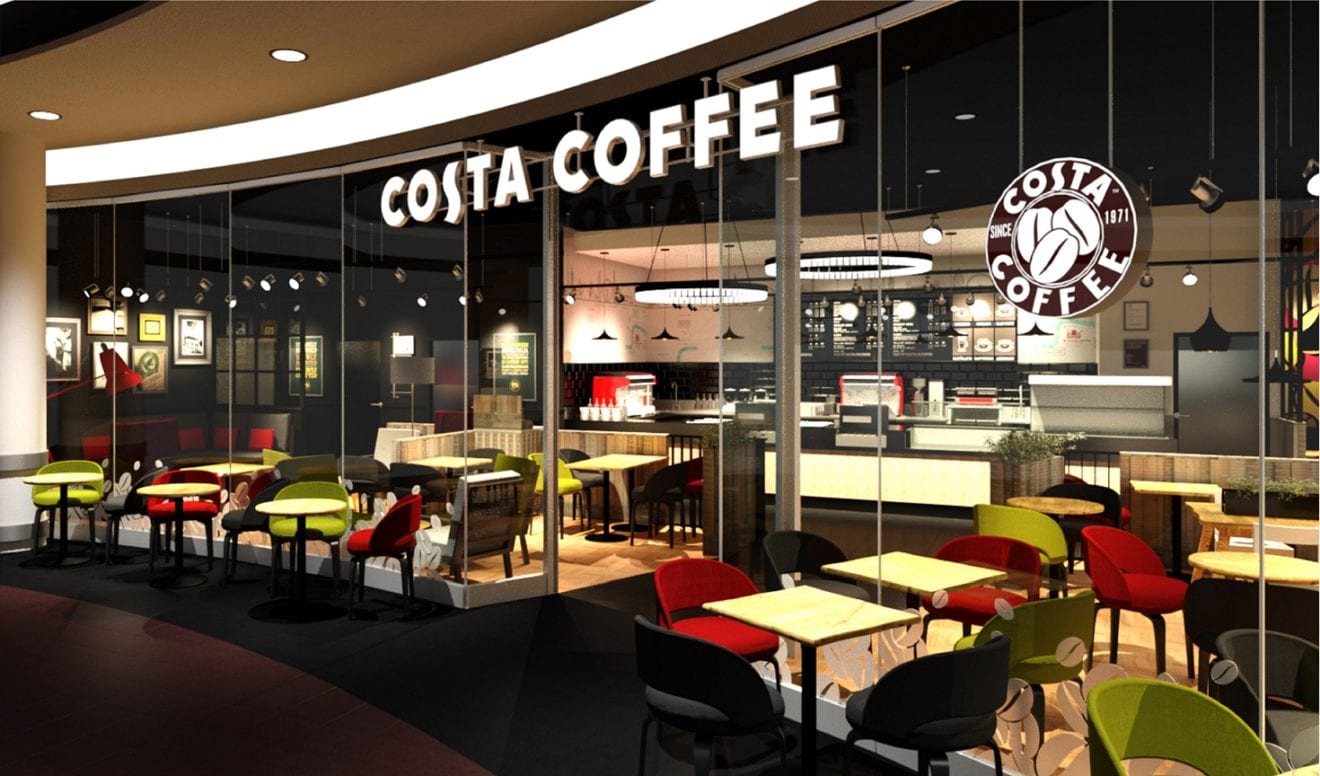
    Just days after Costa Coffee announced it was to be bought by Coca-Cola, UK cafe chain Costa Coffee has confirmed it is exiting Singapore.

    During the last 13 weeks Costa Coffee Singapore has closed six stores in the city and its two remaining outlets will close imminently: Holland Village (September 7) and VivoCity on Sunday week.

    Costa Coffee launched in Singapore in 2012, and has a presence in other Asian markets including Cambodia and Vietnam (where it has one store at Danang Airport).

    A spokesman for Costa Coffee Singapore said: “We are committed to remaining within the South-east Asia region and have ambitious plans to grow the Costa brand.” He said the decision to exit Singapore was made early this year.

    An unnamed employee of Costa Coffee Singapore said that high rents were behind the decision to close the stores,

    However, Esther Ho, director of the School of Business Management at Nanyang Polytechnic, said international coffee chains were struggling in Singapore because they were not focused enough on “experiences” that helped to justify premium prices.

  • Vietnam startups lack government support when it matters most

    Vietnam startups lack government support when it matters most

    Vietnamese startups do not get the financial support they need from the government at the discovery and validation stages.

    The lack of institutional support is one of major factors behind the failure of many startups to take off and thrive, experts say.

    “80-90 percent of startups fail in the early stages because they don’t have enough funding to move on to the expansion stage,” said Phan Hoang Lan, head of the Financial Planning Division under the Ministry of Science and Technology’s Market Development Department.

    Funding for startups mostly comes from venture capital funds, businesses and angel investors, not from the government, experts said at a recent conference.

    There are three periods in the development of a startup – discovery, validation and expansion, said Lan.

    It is in the first two periods that startups need funding the most, Lan said, adding that they end up raising money from family and friends or spending their own.

    This situation is very different from other countries like Singapore, where the government offers a variety of grants that can support up to 70 percent of a company’s costs.

    The U.S. News and World ranks Singapore as the 8th best country for starting a business in its 2018 Best Countries Rankings.

    Vietnam was ranked 52nd, behind other countries in Asia like Japan (2nd), South Korea (12th), Malaysia (34th), Thailand (38th) and the Philippines (45th).

    Since 2015, the government has only been investing in startups in the middle stage of their development, not in the earlier ones, said Lan, who is also the head researcher of the Vietnam-Finland Innovation Partnership Program (IPP2), which seeks to improve local support mechanisms for new innovative companies.

    “Government funding for startups should start in the early period. The government needs to be willing to accept failures in their investments, which could also bring a lot of benefits,” she said.

    IPP2 research shows that early government funding will reduce the “crowding out effects,” which is when the government’s involvement in a sector substantially affects private companies by reducing their investment spending.

    When a business has overcome the difficult period, it will no longer be dependent on the government’s capital and can source investment from other private companies.

    Echoing Lan, Nguyen Tri Hieu, an economist with over 30 years of experience working in the U.S. and Vietnam, said startups in Vietnam mostly receive funding from family and friends in their earlier stages, not from the government.

    In the U.S., startups can find financial support from the Small Business Administration (SBA), which has an annual budget approved by Congress to enable their establishment, Hieu said.

    “But this is not the case in Vietnam, where they get very limited government budget support in some cities and provinces like Hanoi, Ho Chi Minh City, Da Nang and Can Tho,” he said.

    Jouko Ahvenainen, CEO of digital finance firm Grow VC Group, affirmed the vital role of the government in supporting startups.

    The government needs to build an ecosystem to help local and international investors connect with entrepreneurs and help them expand internationally, he said.

    There should be good database of local startups so that investors can make their choices with greater ease, he added.

    The number of startups in Vietnam has seen an increasing trend in recent years, reaching 92 last year, a 45 percent increase over 2016, according to the Topica Founder Institute (TFI), which has an annual program that trains and connects startups with potential investors.

    These startups raised $291 million last year, up 42 percent from 2016, TFI said.

    Startups in Southeast Asia attracted $7.86 billion in total last year, a threefold plus increase over 2016, Tech in Asia data shows.

    Vietnam accounted for only 0.7 percent of that figure, lower than Thailand (2.2 percent), Malaysia (3.1) and Indonesia (22).

    Without government support, some potential economic development will be weakened, said economist Hieu.

    About 90 percent of Vietnamese businesses are of small and medium scale, but they create jobs for a majority of the labor force, he said.

    “The future of the economy depends on the success of startups.”

  • Now’s the time to buy properties

    Now’s the time to buy properties

    The best time to look for properties is now, as the property market picks up from a low base last year, and with a feel-good factor in the air as the industry anticipates new policies from the new government, said Reapfield Properties Sdn Bhd group COO Jonathan Lee.

    “Everybody’s looking for bargains. This is the best time to look. We’ve had the lowest transaction volume since 2012 last year. When you come to that point, what’s going to happen is probably up. Based on new policies, systems and restructuring (by the new government), we’ll have a good reset of the entire systemic approach. This is the right time to be investing,” Lee said in an interview.

    “There will be some adjustment period and in the midst of uncertainties, there are lots of opportunities to explore now.”
    He said although the current scenario is a curveball, it still brings value because the government’s kitchen sinking exercise will positively impact the property market from a systemic point of view.

    “Property is an inelastic product. You cannot build or cut down a lot of things in a short time. Because of the inelasticity, you will see some effect in certain places but it will not be a major impact to the ecosystem. It will change the way developers plan but we don’t see that as a major impact in the short run,” opined Lee.

    He said the sector is anticipating how policymakers will shape the new housing policy (to be announced this month) to dictate the direction of the property market.

    “There is a feel-good factor in the market now where people are more willing to look at the market for their own stay or for investment. We’ve seen some incremental movements due to this.”

    Lee pointed out that one of the challenges in the market is “noises”, where many investors or home buyers are confused about what is good value.

    “A decade ago, Cheras was A price, KLCC was B price and Mont Kiara was C price. There was a fixation of value in certain locations but, today, that has ran a lot, so a property in Cheras, Mont Kiara or Bangsar South could be selling at RM800 psf also. Where is the true value?”

    He said in today’s data-driven world, real-time data is important for the property market, as valuation is based on transactions.
    “If there is more streamlined approach to valuation, where transaction data is real time, then you will see better trends, supply and demand.”

    He said the data in Malaysia is delayed but in markets like Singapore and Hong Kong, there is real-time transaction data that can be retrieved from the local agencies.

    “With data based on transaction volume, price movement, indexes, this will help home buyers, developers, owners, investors to be aligned so you will have more relevant and accurate development and we know what is a good value. A lot of perception is running in the market now. If there’s a systemic way to have cleaner, real-time data, it will be more helpful,” Lee explained.

    He said home ownership in Malaysia is safe, attributed to a solid system, and that the laws that govern the system are well prescribed and codified. “In Malaysia, all ownership of property is undertaken through a registration process. The minute you transfer a title, you have a record of the transaction.”

  • Ikea eyes new stores in Tokyo, Osaka

    Ikea eyes new stores in Tokyo, Osaka

    Ikea Japan says it plans to expand its store network into city centres after the success of its  large-format stores in outskirt locations.

    Ikea Japan K.K. president Helene von Reis said in an interview that the company will open “many shops in Tokyo” given the city’s size.

    “Then we will move into Osaka. We have to start first and understand how this works in Tokyo.”

    She had earlier said during a press briefing that Ikea Japan was working hard to find the right sites in Tokyo. “Hopefully I will be able to give you some good news before this year is over.”

    Ikea Japan’s strategy to head downtown is a contrast to its European experience where it has decided to close smaller city stores after an unsuccessful trial.

    Von Reis said the company recognised customer preferences are changing.

    “Consumers are demanding accessibility and the value of time. It is also a fact that young people don’t have cars. That’s also a global [phenomenon].”

    She said the company believes there is a lot of growth potential for the home furnishings market in Japan.

  • Decathlon moves ahead with its US market return, plans first ‘full-scale’ store

    Decathlon moves ahead with its US market return, plans first ‘full-scale’ store

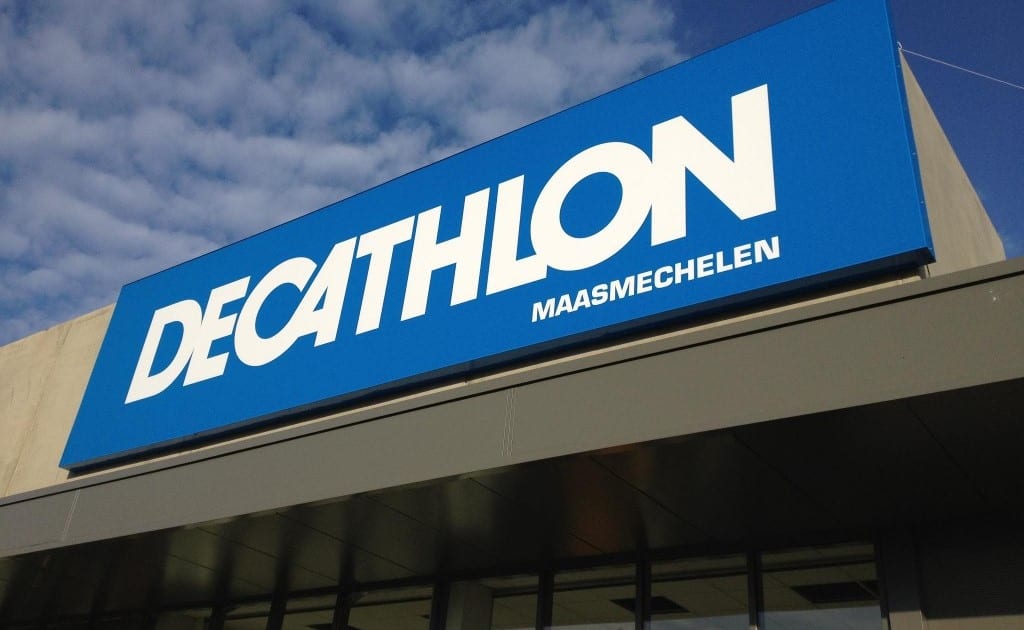
    Sports retailer Decathlon will open its first full-scale store in the US in the second quarter of next year, located in a former Toys R Us space.

    The 47,000sqft store will be located in Emeryville, in the San Francisco Bay area, California.

    In April, Decathlon opened a ‘lab store’ in Market Street, downtown San Francisco as a test platform. That store was just one-sixth the size of the new superstore and features 50 sports.

    “We strategically chose to open a smaller-scale store in the city before expanding to this larger retail center in order to better understand the needs of local sports enthusiasts and develop our interconnected retail and online experience,” said Decathlon US CEO Michel d’Humieres.

    “Our future store in Emeryville will feature more than 100 different sports and allow our customers to find everything they need to ‘get in the game’ in one stop, with plenty of opportunities to discover and try out new sports,” said d’Humieres. “Through this fun, interactive retail center, we are working to build a community around Decathlon in the Bay Area similar to what we’ve accomplished abroad.

    “Since our launch, we’ve had an enthusiastic response to our store and have developed a thriving relationship with the community, and we’ve decided it’s time to introduce the US to our first full-service Decathlon store environment.”

    In August, Decathlon launched an e-commerce platform for US customers and reportedly plans to open more full-range stores in other states.

    French-headquartered Decathlon operates more than 1400 stores in 42 international markets.

  • Foot Locker is coming to HK

    Foot Locker is coming to HK

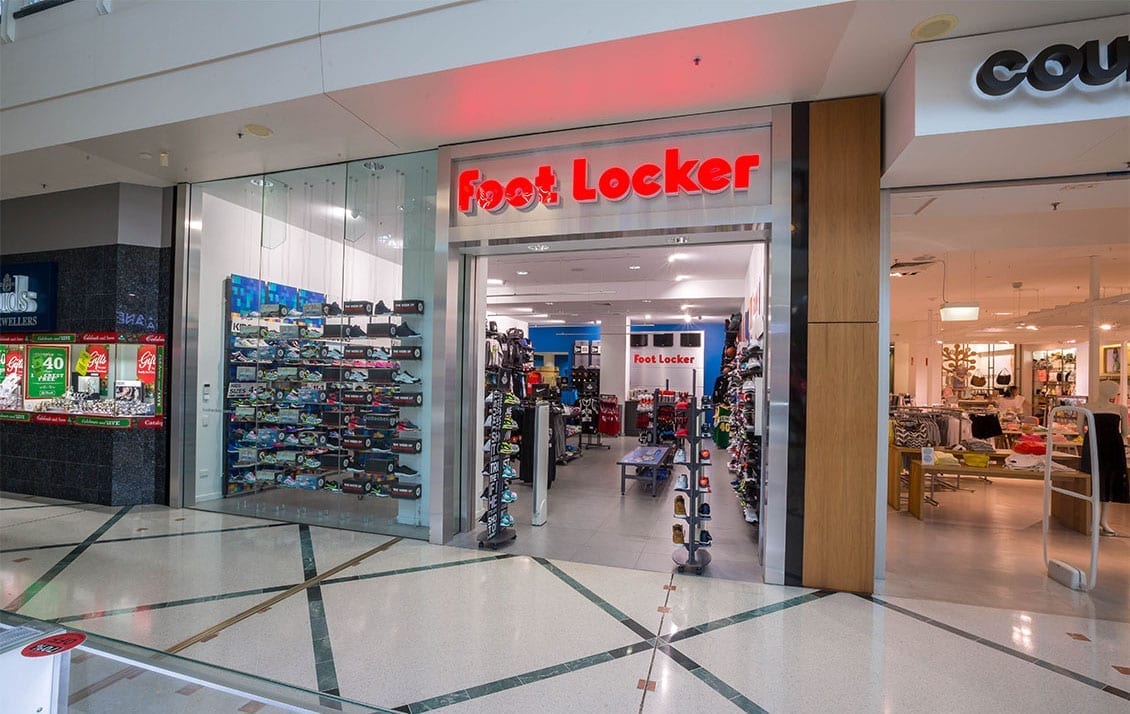
    The US sneakers and apparel giant Foot Locker is coming to Hong Kong.

    The brand will be hosting an event the 19 of this month for the exclusive launch of its new store in TST.

    Located in Yue Hwa International Building, 1 Kowloon Park Dr, Tsim Sha Tsui , you cannot miss the billboard when walking by.

    Stay tuned for more info regarding the official store opening.

  • Vietnam posts surprise $2.2 bln trade surplus in August

    Vietnam posts surprise $2.2 bln trade surplus in August

    Strong growth in telephone and textile exports helped Vietnam post a $2.2 billion trade surplus in August, according to customs data.

    The August surplus even surpassed Vietnam’s $2.1-billion surplus for all of last year, and was a positive signal for economic growth, which is expected to beat the government’s forecast of 6.7-percent target for 2018.

    Exports in August rose 15.6 percent from a month earlier to $23.48 billion, while imports rose 1.6 percent to $21.28 billion, the customs department said on its website.

    Exports in January-August rose 16.7 percent annually to $158.4 billion, led by shipments in smartphones, garments and electronic home appliances, and were on track to outperform the government’s full-year target for a 7-8 percent increase.

    Vietnam, the largest producer of smartphones for Samsung Electronics, shipped $45 billion worth of telephones and spare parts in the eight-month period, up 32 percent annually, easily outstripping the government’s estimate of $30.9 billion, the report showed.

    Textile, garments, electronic and computer exports also rose strongly in the first eight months with a combined value of $52 billion, also much higher than the government’s estimate of $37.9 billion, official data showed.

    Exports of steel and ingots jumped 55 percent in the eight-month period to $3.1 billion, higher than the government’s estimate of $2.9 billion.

    The United States has slapped steel import duties on steel products from Vietnam that originated in China, to deter Vietnam from being used for transhipment by China to avoid U.S. tariffs.

    Eight-month imports were up 12.4 percent at $153.7 billion, producing a trade surplus $4.69 billion, the report showed.

  • Pepsi India to install plastic crushing machines across Maharashtra

    Pepsi India to install plastic crushing machines across Maharashtra

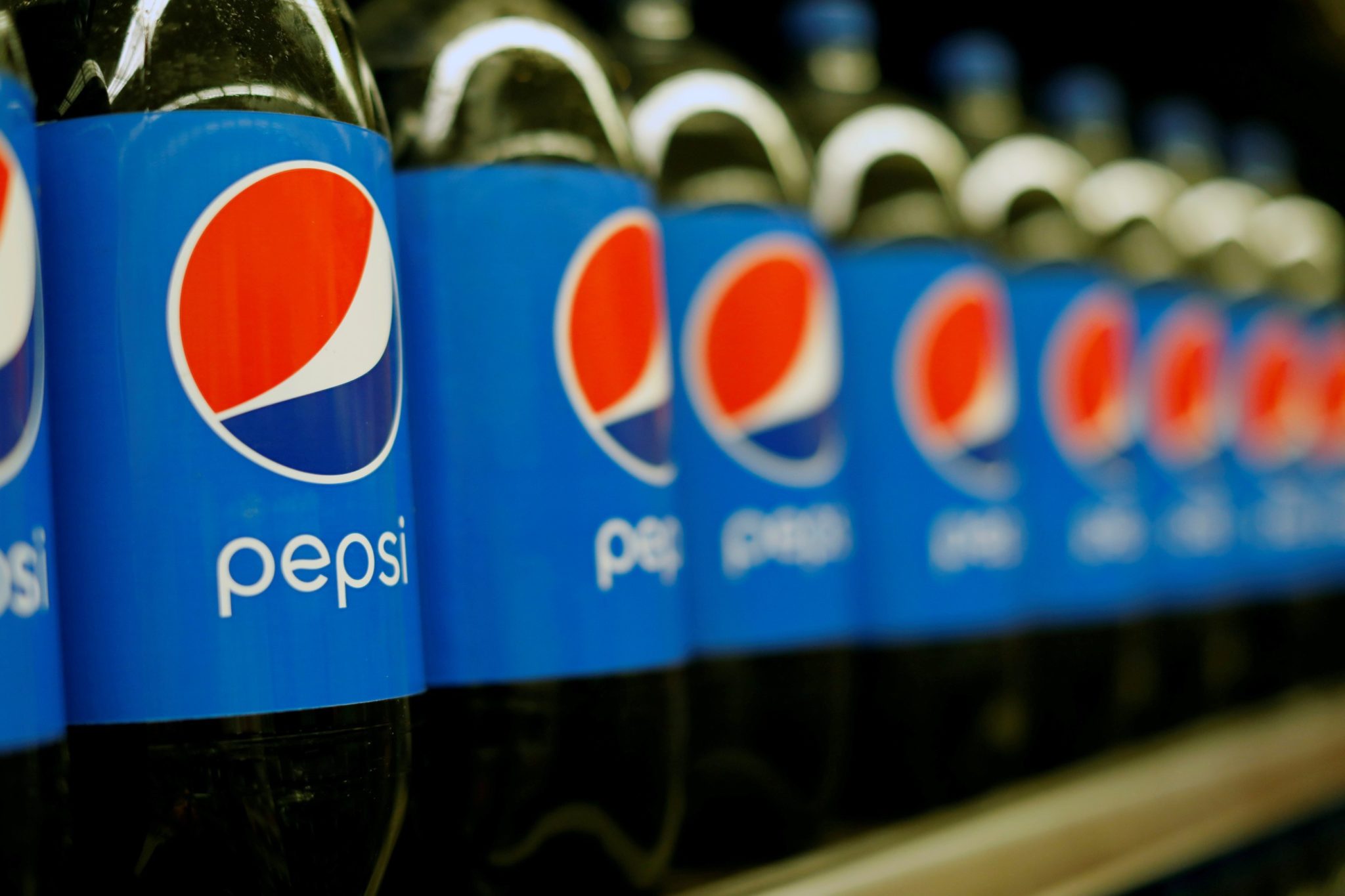
    Food and beverages firm PepsiCo India is planning to install reverse vending machines to crush PET plastic bottles in all the 36 districts of the state over the next two years as part of its plastic waste management initiative, a top executive said.

    According to a report: It aims to collect, segregate and recycle 6,500 tonnes of PET bottles in the state in the first year through this initiative.

    “We plan to roll out this (plastic waste management) initiative to all the 36 districts of the state over the next two years,” Neelima Dwivedi, Vice President, Pepsi-Co India said.

    In a meeting with chief minister Devendra Fadnavis in Nagpur in July, PepsiCo India’s president Ahmed ElSheikh had said the company is committed to the government’s vision and focus on addressing the issue of plastic waste in a sustainable manner.