Tag: asia

  • Reliance Jewels unveils its flagship outlet in Ranchi

    Reliance Jewels unveils its flagship outlet in Ranchi

    Reliance Jewels, one of India’s leading fine jewellery brands, launched its flagship showroom in Ranchi. As Jharkhand, a state with immense natural resources races towards being the new business destination in eastern India, Reliance Jewels is glad to be part of its journey.

    Reliance Jewels’ Ranchi showroom is the third showroom in Jharkhand after Jamshedpur and Dhanbad.

    Reliance Jewels Ranchi showroom was inaugurated by Parimal Nathwani, Member of Parliament (Rajya Sabha) from Jharkhand and Group President (Corporate Affairs) of Reliance Industries Limited.

    On this occasion he stated “I am happy to bring the best of the brands and experience to Ranchi, the state capital of my Karmabhoomi, as we pave way for a better tomorrow. Reliance Retail with its many brands has a formidable presence in Jharkhand today and the addition of Reliance Jewels is sure to enhance the shopping experience for its patrons in Ranchi with its beautifully designed jewellery and unique shopping experience”.

    Speaking on the launch of the new showroom in Ranchi, Sunil Nayak, CEO, Reliance Jewels said, “We are delighted to be a part of such an esteemed city, and are extremely keen on amplifying the charm and enhance the grace of our brand and its offerings here. This showroom will showcase a plethora of designs and will offer contemporary as well as traditional pieces along with an assurance of quality and purity. We are looking forward to serve the people of Ranchi by offering a wide range of exquisite pieces as part of our diverse jewellery collection along with a unique shopping experience.”

    Standing by the philosophy of ‘Be the Moment’ Reliance Jewels as a brand firmly believes that every moment is special and needs to be celebrated. Celebrating millions of such special moments in their patron’s lives over the last 11 Years, Reliance Jewels is excited to be part of Ranchi.

    The new showroom spread over 2,200 sq.ft will not only treat their patrons to new look and design that spells grandeur, but will also showcase exclusive collections of traditional and contemporary gold, diamond, platinum, and solitaire jewellery, along with one of a kind shopping experience. The new showroom with its distinct ambient lighting and eye catching display complemented by delightful customer service is sure to win hearts of patrons.

    Customers will be able to choose from an extensive range of lustrous Diamond jewellery and Solitaire collections, and a wide range of Gold jewellery collections in royal antique, Nakashi & Temple designs, Kundan, Classic yellow Gold Filigree designs and jewellery embellished with precious and semi-precious colour stones that are exquisitely crafted with finesse & precision by our artistes. The showroom will also feature traditionally crafted heritage gold jewellery along with a range of contemporary designs, suitable for every occasion. Patrons will be further treated to a viewing experience of the brand’s popular award-winning collections, which have also been put on display exclusively at this new showroom.
  • Asiana Airlines Korea appointed new president

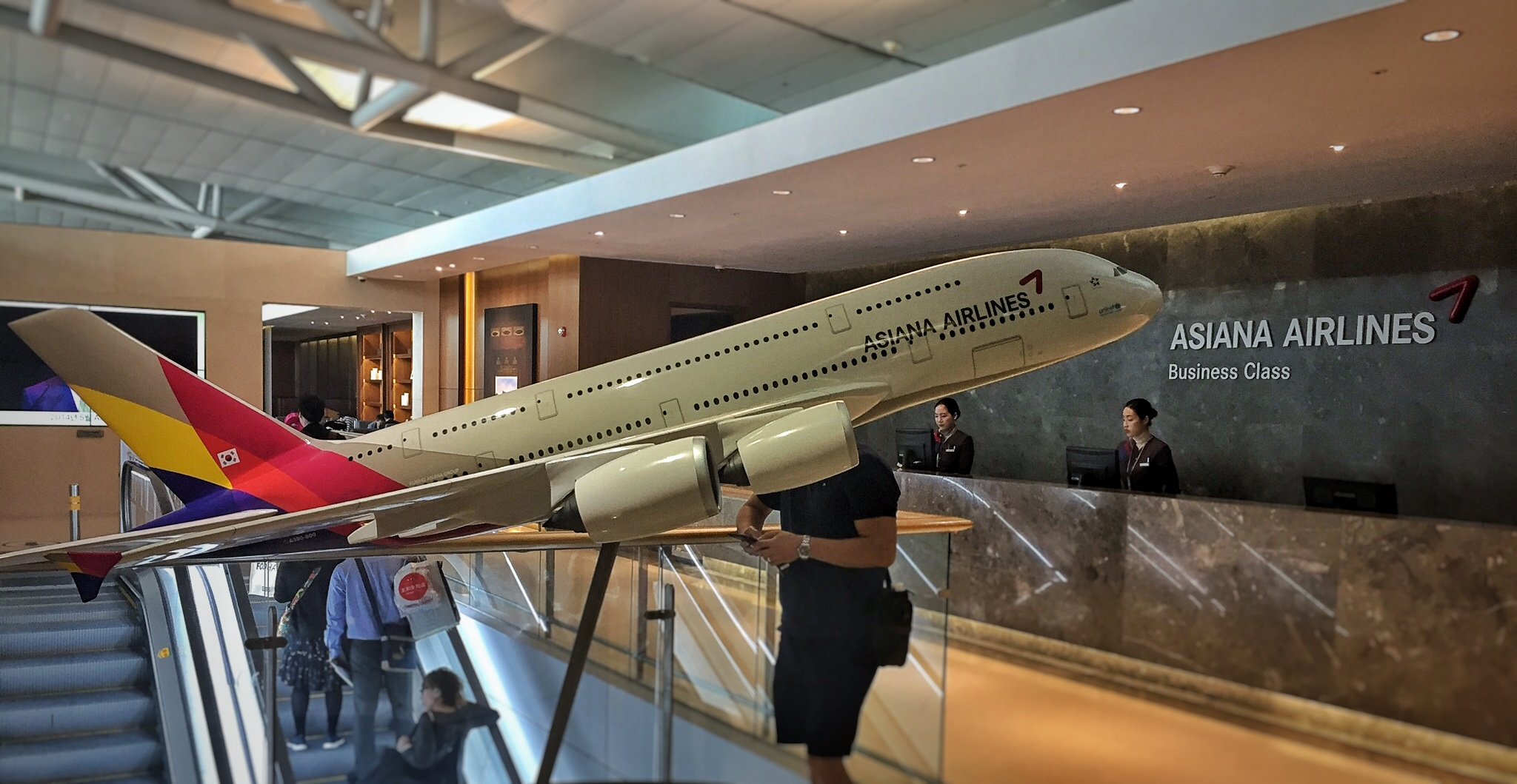
    Asiana Airlines Korea appointed new president

    Kumho Asiana Group announced a personnel shift on Friday, with Han Chang-soo, head of Asiana IDT, an information and communication technology unit of the airliner group, being appointed as the new president of Asiana Airlines.

    Park Se-chang, a third-generation member of the Kumho Asiana founding family, succeeded Han as head of Asiana IDT.

    Park is the only son of Kumho Asiana Group Chairman Park Sam-koo and the current CEO of Kumho Asiana Group, a position that he took over in February 2016.

    The 43-year-old Park has held various positions since he joined the group in 2002, including at Kumho Tire, where he was the vice president.

    While the CEO of Kumho Asiana Group, Park led a task force dedicated to fourth industrial revolution technologies.

    Asiana Airlines’ new president, Han, joined the group in 1986 and was one of the employees that participated in the launch of the airline in 1988.

    From 2005, he worked in strategic planning in the airlines financial department before being appointed as the head of Asiana IDT in March 2015.

    Han’s appointment came after his predecessor Kim Soo-cheon offered to quit a day earlier.

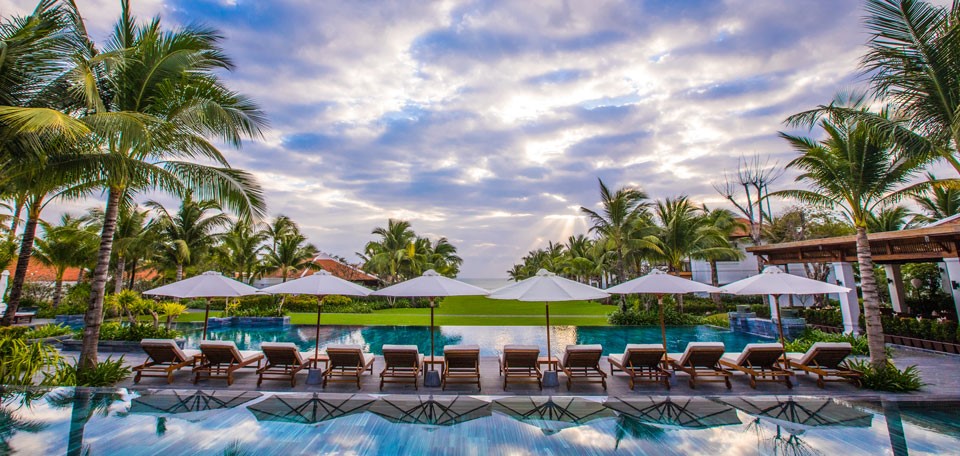
  • Skilled staff shortage cramp Vietnam’s upscale hotels

    Skilled staff shortage cramp Vietnam’s upscale hotels

    Upscale Vietnam hotels are struggling to hire and retain skilled staff, as even those with hospitality training switch careers.

    Nguyen Huu Tho, chairman of Vietnam Tourism Association, estimated a 40 percent staff shortage in the hospitality industry.

    The hospitality industry is booming as tourist arrivals increase year after year and hotels spring up all over the country to meet rising demand.

    This also means a high demand for more staff, but hotels are struggling to find them, says Kenneth Atkinson, executive chairman of Grant Thornton Vietnam, market research firm.

    HotelJob.vn, one of the leading hospitality search services, is currently inviting applications for over 9,500 jobs, from janitors to managers.

    In tourism hotspots like Phu Quoc Island and Sapa, hotels are unable to get the staff they need, he said.

    In fact, many hotels all over the country are experiencing challenges in sourcing skilled Vietnamese persons to fill vacant positions, he said, adding that the shortage often results from people not continuing to pursue a career in hospitality despite being trained in the industry.

    The shortage has resulted in strong competition between upscale hotels in travel hot spots that are having trouble retaining staff. The high labor turnover in the industry is making things very difficult for hotel managers.

    In Nha Trang, the famous beach city in central Vietnam, the CEO of 4-star Rosaka Hotel, Nguyen Anh Vu, said he had to recruit new staff every month as they switch easily to whichever hotel is offering better wages and benefits.

    “Even lowering the standard doesn’t help me to recruit enough people,” Vo said.

    Nguyen Thi Hoa Le, chairwoman of the Peace Tour Company, said that even if staff at Phu Quoc are paid salaries 1.5 times higher than the average in other areas, it is very difficult to keep them.

    Low esteem

    One of the reasons for the skilled staff shortage is that the hospitality industry in Vietnam is not an attractive career path to many.

    “Many Vietnamese people commence in hospitality and then leave for other industries,” said Craig Douglas, chairman of the HR working group under the Advisory Board for the Vietnam National Administration of Tourism.

    “In many countries around the world, young people are excited and proud to work in hotels, but this is not generally the case in Vietnam, where service industries are somehow not regarded in the same way,” he said.

    Douglas also said that there is a shortage of qualified training schools relative to the growth in staff requirement at existing and new hotels.

    The average staff per room required for upscale hotels is between 1.3 and 1.5, he said.

    That means almost 25,000 employees are needed to service all 4-star and 5-star hotels that are operating or being built in Phu Quoc alone, he added.

    But, Le said, there is only one training school for tourism on the island.

    Le said that to have enough employees in Phu Quoc, she has to recruit staff from all over the country and invite experts to come and train them.

    ASEAN employees

    When there are no Vietnamese candidates available, employers will look to other employees from ASEAN countries like the Philippines and Malaysia, who have better language skills and are more price competitive, Atkinson said.

    The Mutual Recognition Arrangements for Tourism Professionals under the ASEAN Economic Community, which was established in 2015, has made it easier for hotels to employ staff from those countries, he added.

    He said hotels have to hire good staff in all circumstances, because a lack of skilled staff will make it difficult to provide quality service to the guests, Atkinson said.

    “If guests do not get the standard of service that they require then the industry will get a bad name internationally, which will negatively impact on the flow of foreign visitors and returning visitors to Vietnam,” he added.

    Last year, there were over 68,200 upscale hotel rooms, accounting for 13.4 percent of the total, according to the Vietnam National Administration of Tourism (VNAT).

    VNAT statistics also show a significant upsurge in the number of foreign visitors to Vietnam over the last few years.

    By the end of August this year, 10.4 million foreign visitors came to the country, up 22.8 percent year-on-year.

  • Inditex to sell all its brands online by 2020

    Inditex to sell all its brands online by 2020

    Zara owner Inditex announced all products from all its brands will be made available online by 2020, including in markets where it does not have any stores.

    Pablo Isla, Inditex chairman and CEO, announced they want to make all their fashion collections available to all their customers wherever they are in the world.

    “Even in those markets which do not currently have our bricks-and-mortar stores,” Isla added.

    Other than Zara, the world’s largest clothing retailer also sells the brands Pull & Bear, Massimo Dutti, Bershka, Stradivarius, Oysho and Uterque across its network of almost 7,500 physical shops. It also operates online in 49 markets.

    In FY2017, Inditex’s online sales saw a 41-per cent increase to reach 10 per cent of group net sales, although it fell short compared to rival Swedish retailer H&M’s which made close to 12 per cent on online sales.

    Isla said all of the Group’s brands will also be adopting the integrated stock management system by 2020 in all the countries in which there is a physical store presence.

    He said the system would make it possible to fulfil online customer orders with store inventory. To date, integrated stock management is in place in Zara stores in 25 markets including Spain, France, Italy, China, the US, the UK and Mexico. Inditex currently has stores in 96 markets. The technology will be completely adopted across the whole group by 2020.

  • Indonesia Pertamina Profits for First Half of 2018 Seen at Multi-Year Low

    Indonesia Pertamina Profits for First Half of 2018 Seen at Multi-Year Low

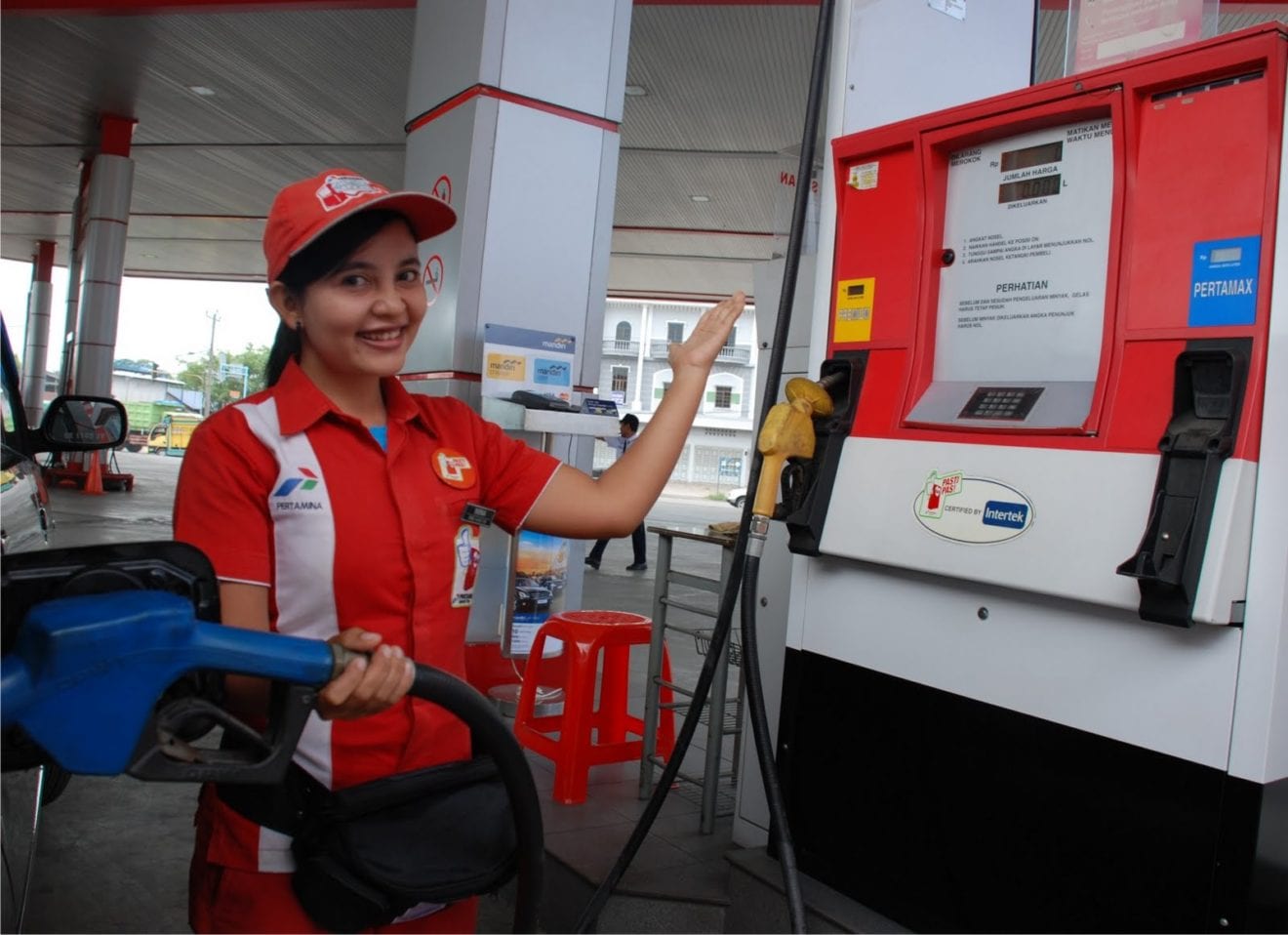
    Pertamina is expected to post its lowest first-half profit in four years for 2018, an official said, with the state energy company squeezed by government fuel polices, higher oil prices and a 9 percent slide in the rupiah.

    Net profit at Pertamina is expected to come in at less than Rp 5 trillion ($336 million) in the first six months of 2018, Deputy State-Owned Enterprises Minister Fajar Harry Sampurno said at the House of Representatives in Jakarta.

    The forecast was a result of oil prices climbing while Pertamina’s “downstream compensation was insufficient,” he said.

    The government, which sets the levels at which the company can sell oil products, has sought to shield the public from rising prices, promising not to raise some consumer fuel prices ahead of elections due in 2019.

    But the policy has dented Pertamina’s finances and cut its means of spending on much-needed infrastructure.

    The company’s latest forecast for its first-half profit is well below half of the company’s full-year 2018 targeted profit of Rp 33 trillion and its audited full-year 2017 profit of Rp 34 trillion, as reported in a legislative hearing on Thursday.

    Pertamina’s full-year profits have not been below $10 billion since at least 2005.

    The company’s previous chief executive was removed in April after repeated clashes with the government over fuel price controls that were estimated to have cost the company more than $1.4 billion last year.

    To ease pressure on the rupiah, which slipped to its lowest since 1998 this week, the government of President Joko “Jokowi” Widodo has also asked Pertamina to rein in capital goods imports for infrastructure projects.

    “All projects that have not reached financial close will be delayed,” Fajar said, referring to his office’s latest “guidance” on Pertamina’s spending plans.

    Pertamina finance director Arief Budiman said the company was revising its 2018 profit target, as well as its work plans and budget.

    “It will likely decline,” Arief said, referring to Pertamina’s 2018 profit target revision, but not giving a figure.

    The company’s work plans and budget usually include operating expenditure but can also include capital spending plans.

    While higher oil prices have yielded Pertamina better returns from its oil and gas output, they have also increased Indonesia’s fuel bill, as a net oil importer, especially with the rupiah slumping.

  • GXG China plans Hong Kong listing

    Chinese menswear retailer GXG has filed for a public offering in Hong Kong.

    The firm, which is controlled by a private equity fund managed by Singapore private equity firm L Catterton Asia (itself backed by luxury giant LVMH Moet Hennessy Louis Vuitton SE), is seeking to raise about US$300 million.

    A statement from the company revealed plans to use the funds to expand its brand and product portfolio via acquisitions and strategic alliances; develop customer-oriented smart stores as an upgrade to its current offline outlets; and establish an advanced logistics centre.

    “Our new retail platform capitalises on online and offline strengths, and increases efficiencies in terms of inventory management, supply chain management, product selection, and logistics by integrating offline retail stores with online channels,” the source said.

    “We intend to maintain and strengthen our position as a leading fashion menswear company and continue to develop our leading position in the broader apparel market in China.”

    Retailer GXG runs more than 2200 stores in China and commands around 3.23 per cent of the Chinese fashionable menswear market, ranking second in China in 2017 in terms of total retail revenue.

  • Purchases made online with phones hit record in July

    Purchases made online with phones hit record in July

    Purchases made using the internet and mobile devices in Korea reached an all-time high in July, government data showed Wednesday, demonstrating the popularity of smartphones, fast delivery and convenient payment options offered to local shoppers.

    The total value of transactions made with computers, smartphones and tablets reached a record 9.45 trillion won ($8.45 billion) in July, up 22.7 percent, or 1.75 trillion won, from a year earlier, according to the data from Statistics Korea.

    The sharp rise was attributed to increased demand for electronics, leisure goods, daily necessities and food amid sweltering weather and the vacation season, the agency said.

    The total value of mobile transactions soared 33.5 percent to a record 5.92 trillion won, accounting for a record 62.6 percent of all online purchases in July.

    Mobile purchases in Korea have been on the rise for years as devices expand their presence in the world’s most wired country and rapidly replace computers as the means of conducting online transactions.

  • Casio G-Shock Bangkok CentralWorld opens door

    Casio G-Shock Bangkok CentralWorld opens door

    Watch brand Casio G-Shock Thailand has opened a store in CentralWorld Bangkok.

    The opening marks the brand’s 35th anniversary and features innovative technology and interactive zones filled with exclusive rare collaborative pieces. The interactive areas include the Tough Test Zone where you can throw your watch at a wall; 3D hyper-visual movies with videos of shock-resistance testing; a G-Shock bar allowing visitors to touch and try every model; and a fast-view giant digital touchscreen catalogue.

    Senior VP of Casio & Hardline Viroj Sukpitak said: “It’s a concept store built with the user-experience in mind. Exclusively for Thailand, G-Shock has created a space that encompasses everything G-Shock, showcasing an extensive product range and the latest inline watches.”

    ‘Absolute Toughness’ is the concept behind the timepieces and the store, which reflects the latest streetwear fashions.

  • US-China trade war can benefit Asean

    US-China trade war can benefit Asean

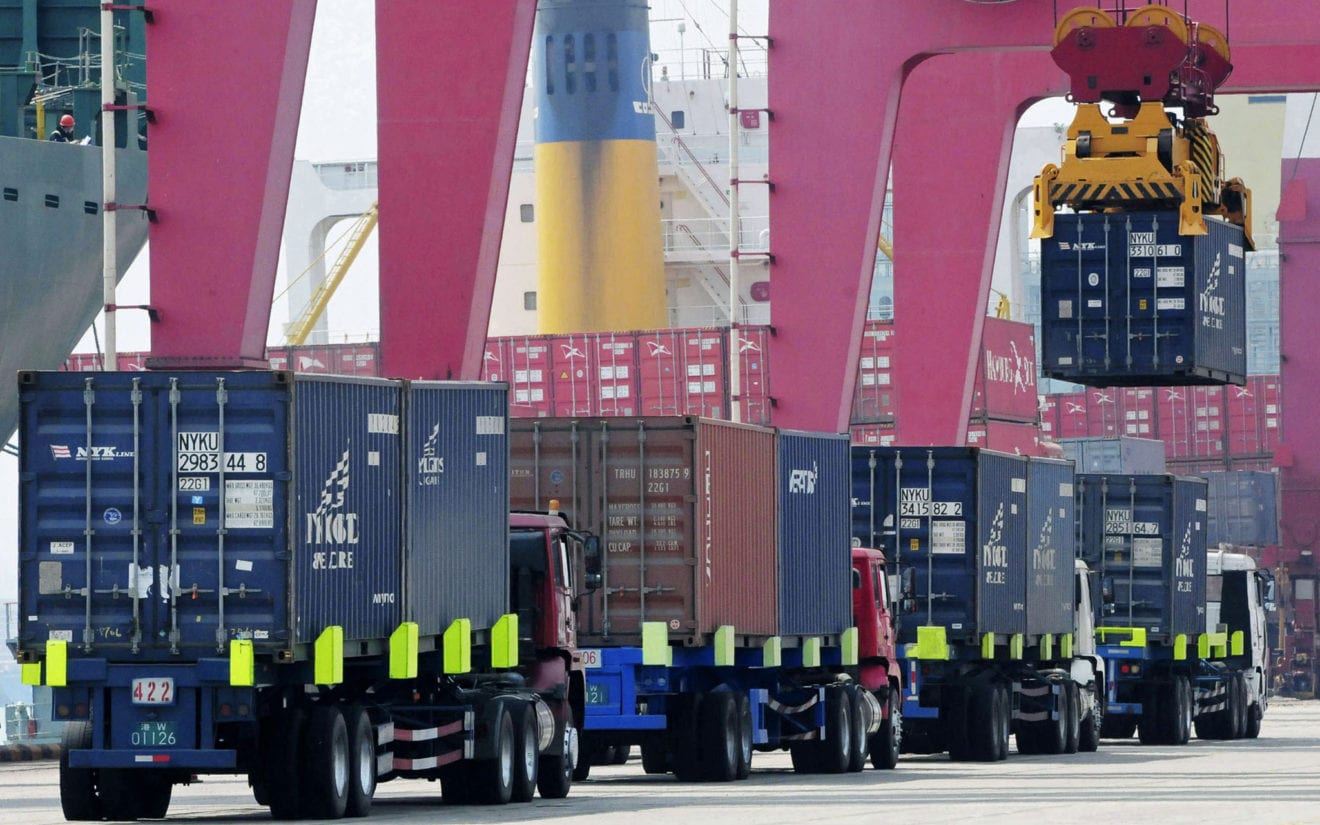
    Against the backdrop of an escalating trade war between the US and China, Deputy Minister of International Trade and Industry Dr Ong Kian Ming is advocating greater cooperation between Asean countries to package the region to foreign investors instead of focusing on country specific promotion.

    “Is there a possibility whereby countries in Asean can work together to deliver a package, an attractive package to foreign direct investors who want to relocate and invest more in Malaysia as a result of this trade war?” he said while delivering his keynote address at the Selangor International Business Summit 2018 (SIBS).

    “So far I have not seen such a concerted effort but I think this is where opportunity lies,” Ong added.

    He said Malaysia and it’s Asean counterparts should look at ways as a comprehensive unit to take advantage of this situation.

    Drawing reference to the strong two way cross border trade linkage in terms of investment and expertise exchange between Johor and Singapore, Ong said Malaysia should replicate this with other countries.

    He also noted that interest from Chinese companies to invest in Malaysia, coming through the Malaysian Investment Development Authority, has risen since last year.

    Instead of setting hub in Malaysia, Ong added that Chinese companies could use Malaysia as a connecting point to tap into the Asean market.

    He opined that the trade war between US and China is less than likely to find a resolution in the short term and Malaysia, being an open economy will be affected by the trade duel.

    In that light, Malaysia should be open to investments and ratify trade agreements such as RCEP and CPTPP, which are yet to be signed in order to strengthen its stance on remaining open to trade.

    “As tariffs have gone down, the non-tariff measures has also gone down. That is why we need to have a greater push among the governments in Asean with the help of the business sector to come in and advice the government on the challenges they face so that we can remove or reduce some of the regulatory red tape with regards to the non-tariff measures,” he said referring to non-tariff barriers.

    Ong said in that regard, Asean is working together to compile a database of non-tariff measures so that the trade bloc could gather some of the regulatory and bureaucratic issues faced by companies when setting shop in another Asean state.

  • H&M to open first hypermarket store in S. Korea

    H&M to open first hypermarket store in S. Korea

    Swedish fashion label H&M is launching an outlet at the Homeplus Bucheon hypermarket in South Korea.

    The brand’s 29th Korean store, located to the West of Seoul, will open on September 20 and is its first hypermarket venture in the territory.

    The company’s first store inside a hypermarket marks a significant strategic step away from high street and fashion-first shopping malls in South Korea. Both H&M and Homeplus Bucheon believe the move will benefit both sides with increased foot traffic at the mall drawn in by the popular brand, while H&M can expect to gain easier access to families.

    The new store will span 1535sqm and retail men’s, women’s and kids’ clothing.

    The group has enjoyed considerable success in Korea, with revenues last year reaching KRW238.6 billion (US$213.5 million).

  • Hong Kong high-speed rail link to Guangzhou ready to go

    Hong Kong high-speed rail link to Guangzhou ready to go

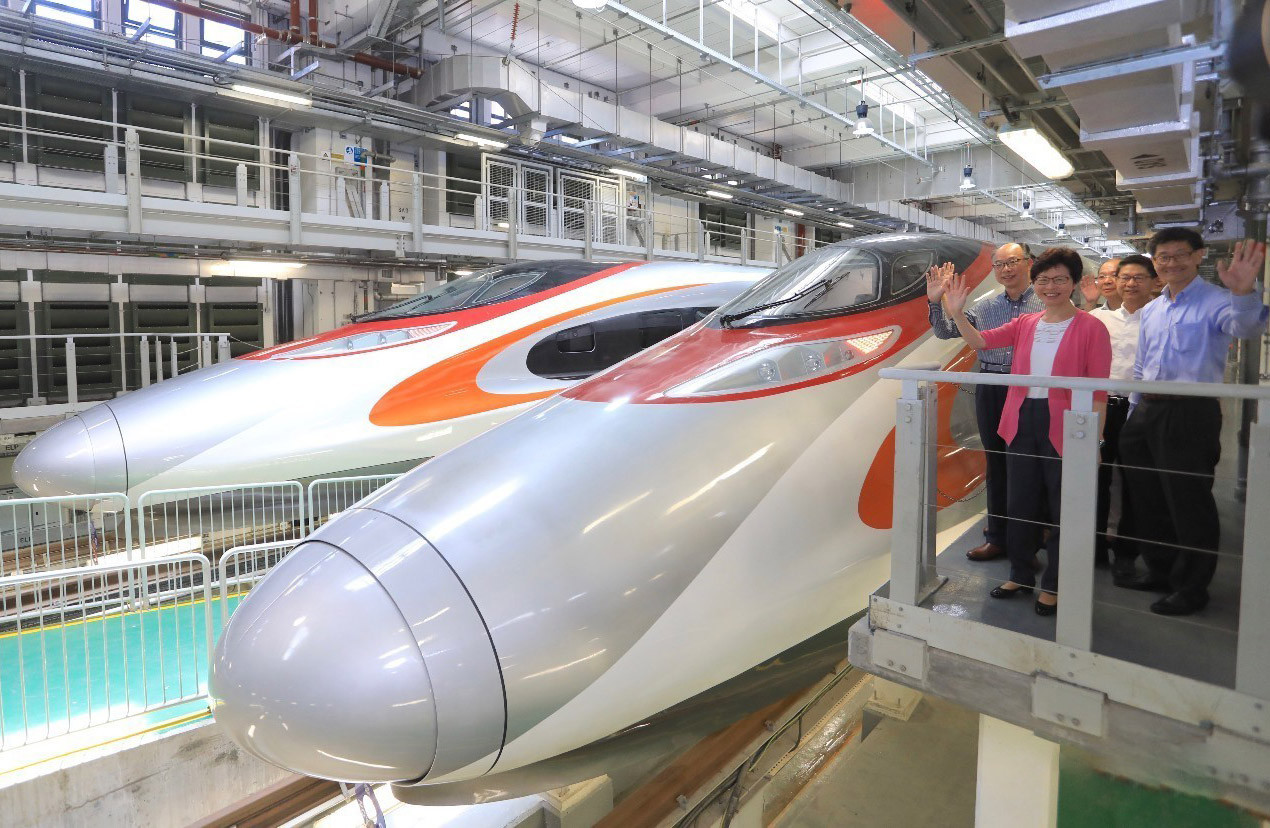
    The 26km Hong Kong section of the Guangzhou-Shenzhen-Hong Kong Express Rail Link is set to debut on September 23, forecasting 80,100 passengers daily. The cross-border service will link the city to 44 destinations on mainland China.

    Last weekend, 20,000 people who obtained tickets last week were poised to catch a first glimpse of the station.

    On the first basement level, 23 counters will sell tickets to 44 mainland destinations, with various modes of payment accepted, such as Octopus, Alipay, WeChat Pay and Samsung Pay.

    Five counters will offer tickets to destinations in mainland China’s rail network or those beyond the 44 stops.

    Passengers can also buy tickets from 39 machines. However, the automated systems only accept home-return permits for Hong Kong and Macau residents as well as second-generation mainland resident IDs. Up to 10 tickets may be bought at a time.

    Those holding other travel documents are required to buy tickets from the counters.

    There are about 40 shops and a large food court located on-site. The nine Hong Kong-owned trains at the terminus do not offer food services in their carriages.

    Other shops will offer banking facilities, as well as souvenirs, fashion products and cosmetics. Brands include Sasa, Asia Favourites, Pocket Noir, Okashi Land, 7-Eleven and Mannings.

    Delayed three years and over budget by one-third of its total costs, the rail line has sparked controversy over a “co-location” arrangement allowing mainland officials to enforce their laws in a port area leased to them.

    A designated zone – including two office floors, a waiting hall for departing passengers, station platforms and connecting passageways and escalators, as well as train compartments – will be subject to mainland jurisdiction and laws.

    Supporters of the joint checkpoint plan have argued the plan would be more convenient for passengers as customs clearance would be consolidated. But critics say the arrangement contravenes the Basic Law, the city’s mini-constitution, which states that mainland legislation shall not apply on Hong Kong soil except in matters of defence, foreign affairs and those “outside the limits” of local autonomy.

    Mainland officials start work at the station today.

    This new connection is part of the bigger plan of interaction in the Greater Bay Area, and will definitely have an impact on the retail industry.

    The long-established business of Chinese visitors going to HK for shopping will now see the same flow of people going from HK to Shenzhen to chill out in the fast-developing so called megacity. Shenzhen is rapidly transforming and working on its infrastructure to welcome visitors, but also its growing population.

  • Pricing incentive for Vietnam solar power projects extended

    Pricing incentive for Vietnam solar power projects extended

    A long-awaited proposal to extend a key pricing incentive for solar power projects in Ninh Thuan Province has been approved.

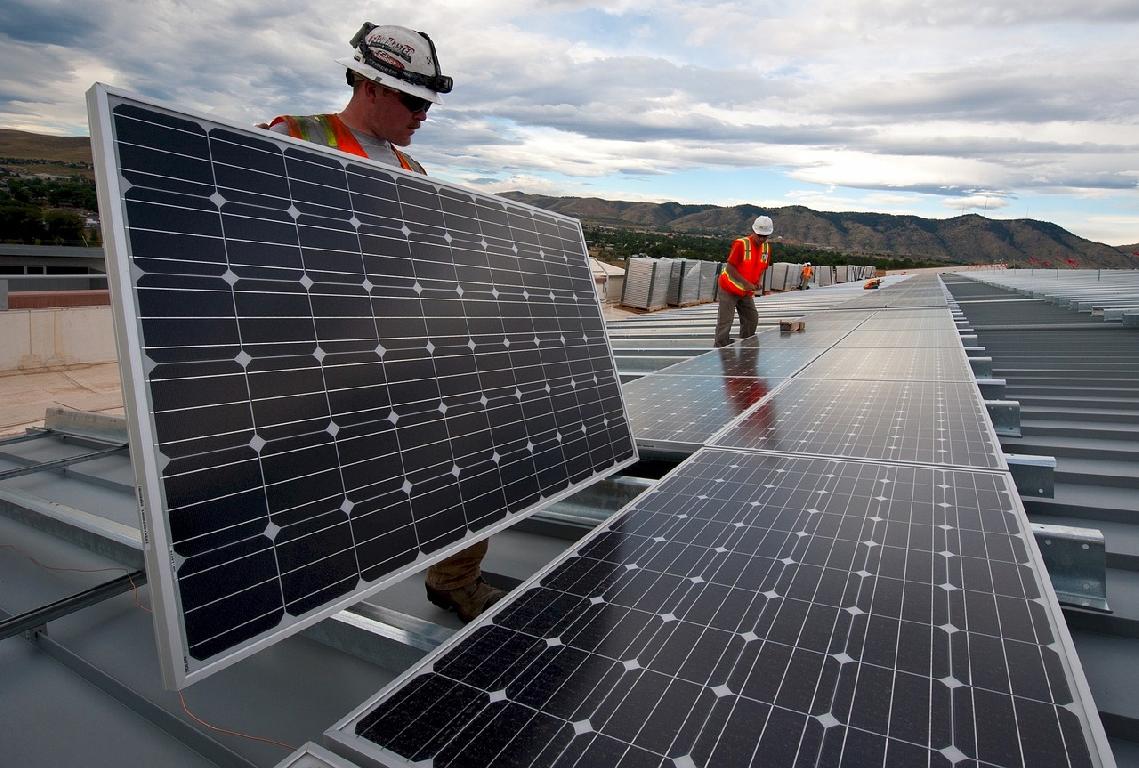
    The Government has issued Resolution No. 115/NQ-CP that allows solar power projects in the central province of Ninh Thuan to enjoy a feed-in tariff (FIT) of 9.35 cents per kilowatt-hour for a period of 20 years as long as they begin commercial operations by the end of 2020.

    This is an extension of the earlier commercial operation date (COD) deadline of June 30, 2019, applying to all localities, which was set by the Prime Minister’s Decision No.11/2017/QD-TTg.

    The extension of COD for Ninh Thuan, as specified in the new resolution, will hold good until projects that were approved by the Prime Minister reach a combined capacity of 2,000MW.

    The FIT for subsequent projects has not been finalized yet.

    Ninh Thuan and Binh Thuan are central provinces that have the greatest potential for renewable energy in the country.

    The COD extension is part of a package of incentives the Government is offering Ninh Thuan to support its 2018-2023 development, based on a proposal by the Ministry of Planning and Investment (MPI).

    The MPI first submitted to the Government a COD extension proposal for Ninh Thuan in early July, but later in the month, the Government Office issued Official Letter No. 7108 stating that the deadline remains unchanged.

    The new resolution has given investors hope that the COD deadline would also be extended to other localities later this year, an industry expert said.

    FITs are payments made for supplying renewable energy to the national grid.

    Recent innovations in solar power technology that have helped bring down production costs dramatically have made Vietnam’s 9.35 cents per kilowatt hour tariff attractive to private investors.

    Hundreds of private investors have submitted proposals to set up solar farms, but the June 30, 2019 deadline was too tight, energy experts had said.

    The projects can get entangled in land acquisition hiccups, procedural lags and a lack of master zoning plans for solar power development at the national and provincial levels, they added.

    There were also concerns over infrastructure needed for the solar power projects to connect to the national grid.

    There are no definitive answers now to questions about pricing for solar power connected to the grid after the end of 2020 in Ninh Thuan and after June 30, 2019 in other provinces.

    How the FITs are decided after June 30, 2019 could depend on what technology prices will be at a specific period of time, according to the Electricity Regulatory Authority of Vietnam (ERAV).

    Meanwhile, power authorities are considering piloting auctions as an alternative option to FITs after June 2019.

    ERAV has sought World Bank assistance and hired consultants to study auction mechanisms.

    Bidders offering the lowest prices to the Electricity of Vietnam (EVN), the country’s sole power distributor, will be awarded development contracts.

    MoIT has approved around 70 solar projects with a total capacity of over 3,000 megawatts to be commissioned before June 30, 2019.

    Vietnam currently relies largely on hydropower and thermal power plants for its electricity demands, but these have drawn frequent domestic and international criticism for their social and environmental impacts.

    Solar accounts for just 0.01 percent of the power output, but the government plans to increase this ratio to 3.3 percent by 2030 and 20 percent by 2050.

    By 2030 Vietnam aims to produce 10.7 percent of its electricity from renewable sources, with wind energy being the other main option.

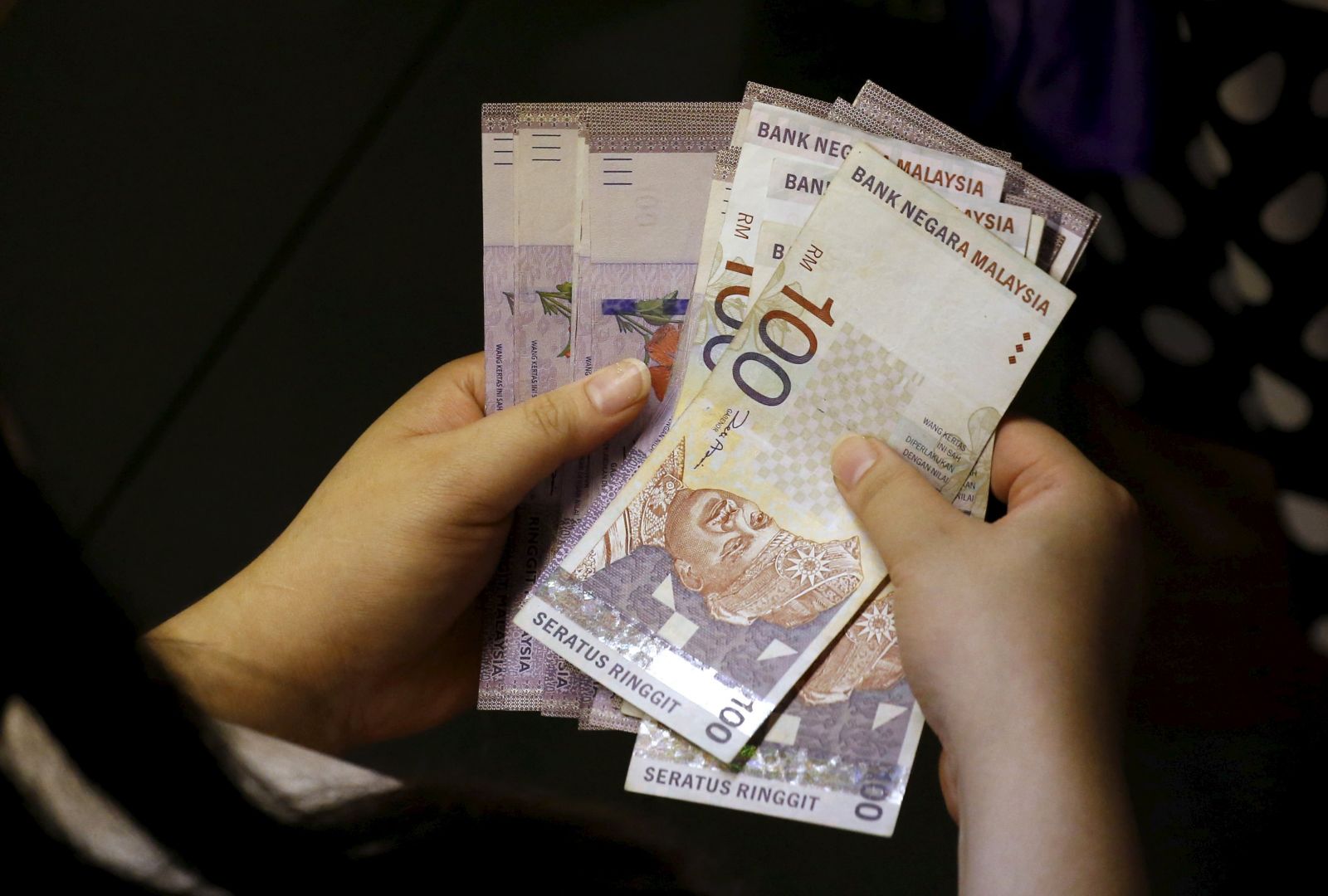
  • Standard Chartered Malaysia tips ringgit to outperform Asian peers

    Standard Chartered Malaysia tips ringgit to outperform Asian peers

    Standard Chartered Bank (StanChart) has lowered its 2018 gross domestic product (GDP) growth forecast for Malaysia to 4.8% from 5.3% projected earlier due to slower-than-expected expansion in the first half of the year and on trade concerns, but is optimistic on the ringgit’s performance going forward.

    Its foreign exchange strategist for Asean and South Asia, Divya Devesh, said the ringgit is expected to continue to be an outperformer, supported by the fact that the currency is undervalued, and higher oil prices that will drive it.

    “Looking at the year-to-date performance across Asia, the ringgit is the second best performing currency after the Thai baht. The ringgit has clearly outperformed its peers in Asia, and more broadly in emerging markets. We think that’s going to continue,” he said at the “Global Research Briefing H2 Update” here today.

    Based on its in-house valuation of currencies, the ringgit is the second most undervalued currency across emerging markets after the Turkish lira.

    “Ringgit is still quite attractive from a valuation standpoint for foreign investors. We’re now seeing more investors invest in Malaysian bonds. In July, for example, there were net inflows into Malaysian bonds after three months of outflow.”

    It projected the ringgit to trade at RM4.0 against the US dollar by end of 2018 and RM4.1 by end of 2019.

    “Domestically, there are lots of supportive factors for the ringgit. The external environment is still unfavourable for emerging markets, hence we’re not projecting a sharp appreciation of the ringgit. We’re still looking at relatively range-bound performance for dollar-ringgit over the next 12-15 months,” Divya explained.

    He also said the impact of global quantitative tightening on the ringgit will be limited and Malaysia will be insulated even in a tightened liquidity environment, given that foreign investors have been underweight on Malaysia and have reduced their positioning in Malaysia significantly from bonds or equities; while the spotlight is going to be on economies and currencies that have twin deficits (fiscal and current account deficits) like India, Indonesia and the Philippines.

    Meanwhile, StanChart’s chief economist for Asean and South Asia, Edward Lee, said Malaysia is among the top three countries in Asia most affected by the US-China trade war on an indirect exposure basis, adding that Malaysia’s trade surplus could be narrower as a result.

    “If US goes ahead with a 25% tariff on the next US$200 billion (worth of Chinese goods) and you add in the previous 25% tariff on US$50 billion (worth of Chinese goods), the potential impact on China’s growth is 0.6 percentage point, which is massive. The 0.6 ppt translates to an impact of 0.3% of Malaysia’s GDP,” Lee estimated.

    The bank’s thematic research head, Madhur Jha, said there is a possibilty of a positive outcome from the US-China trade war that will see China quickening the pace of liberalisation of its economy, which will benefit Malaysia.

    She said commodity prices tend to move in tandem with oil prices, so when oil prices rise, the prices of commodity products also rise. Malaysia as a net commodity exporter will see better revenue and a better growth profile. The oil price is expected to stabilise at around US$70 a barrel this year.

  • Amazon joins Apple in trillionaire’s club

    Amazon joins Apple in trillionaire’s club

    Amazon briefly became the second US company to join the trillionaires club overnight.

    Like Apple just one month ago, Amazon’s market capitalisation has exceeded US$1 trillion.

    Neil Saunders, MD of GlobalData Retail, described the achieved as “extraordinary” after just 24 years in business.

    “That Amazon has achieved this demonstrates its dramatic advancement in both the retail and technology sectors, as well as the influence it now wields over large parts of the consumer landscape. Amazon is a very customer-centric retailer that has earned and deserves its success.”

    The e-commerce behemoth posted losses for many years when it launched in the relative infancy of the online shopping industry. But in recent times its growth has been stellar, based on creating a subscription platform (Amazon Prime), developing smart devices like the Alexa and acquiring and opening retail businesses to expand its reach offline, including upmarket grocer Whole Foods and its cashierless Amazon Go format currently in trial phase.

    Saunders said the valuation reflects the forward potential of the company. “Despite its size and scale, there is still something young about Amazon. It might be mature in a sector like books and media, but in categories like grocery and home furnishings, Amazon is really only just getting started. The same applies to geographic expansion – there are many global pockets of demand that Amazon has yet to fully tap into.”

    Saunders has no doubt Amazon will make the most of all of those opportunities.

    “We also believe it will move more heavily into new areas like pharmacy and healthcare. Its future success will be predicated on the same basis as its past victories: finding innovative ways of delivering on customer’s needs and identifying unique ways of solving their problems.”

    Apple was not the world’s first trillionaires club member: Chinese government-controlled company PetroChina briefly reached a stock market value of about $1.1 trillion in 2007, however it is now worth only about $200 million.

  • E-commerce giants rake in losses as market share war continues

    E-commerce giants rake in losses as market share war continues

    In for the long haul, online retailers are willing to ignore losses, focusing on promotions to attract more customers.

    Hoang has recently been able to buy a few electronic items online at a mere VND500,000 ($20), a fraction of what they would have cost at regular stores.

    He has been doing most of his shopping online in recent years, usually by hunting around for items sold at discounts of 50-80 percent.

    He said: “A few months ago I bought a shirt on sale for only VND5,000 (21 cents). I paid VND25,000 for shipping.”

    Customers like Hoang are the targets of Vietnam’s major e-commerce players. To attract more customers in an ultra-competitive market, these online shops are willing to spend large sums on promotions.

    In the first quarter online retailer Shopee Vietnam had around 30,000 orders a day, most of which were shipped free, according to a report by its owner SEA Ltd.

    Lazada also regularly offers discounts of up to 50 percent.

    But in this process these stores are bleeding, with Lazada, Shopee and Tiki all reporting losses.

    Lazada had an accumulated loss in 2016 of VND2.7 trillion ($115 million), the largest among online retailers in Vietnam.

    Tiki had a loss of VND600 billion ($26 million) in the same year, while Shopee reported a similar loss last year.

    SEA Ltd. said that most of the losses are due to the expenses on advertising and promotions.

    But it is a war that would go on for a long time, Truong Van Quy, CEO of marketing academy EQVN, predicted.

    To attract customers, they are willing to ignore their losses, he said, pointing out that even Amazon had to spend a large amount of money for 15 years just to attract users.

    For an online retailer to break even it first needs to have dozens of millions of customers within five to 10 years, he said.

    This was why Chinese e-commerce giant Alibaba bought Lazada last year for $2 billion, and injected another $2 billion into the company last March, he said.

    Tiki received an investment of $50 million from China’s second biggest online e-commerce firm, JD.com, earlier this year, while Shopee injected another VND1.2 trillion ($51 million) into its business, he added.

    Industry insiders said the sector has huge potential with the expanding middle class and smartphone usage.

    The World Bank has forecast that Vietnam’s $200-billion economy is likely to grow to a trillion dollars by 2035.

    More than half of its population, compared to only 11 percent today, is expected to join the ranks of the global middle class with consumption of $15 a day or more.

    Across the country, the ratio of people using smartphones among mobile phone subscribers reached 84 percent in 2017, up from 78 percent the previous year, according to the 2017 Nielsen Vietnam Smartphone Insights Report.

    Online sales in Vietnam have expanded rapidly in recent years, currently accounting for 3.39 percent of the country’s retail market. The total retail market grew 10.9 percent last year to $173.27 billion, as reported.