Tag: asia

  • Supply of India’s retail space up 27 pc in January-June to meet retailers’ demand

    Supply of India’s retail space up 27 pc in January-June to meet retailers’ demand

    Property consultant CBRE on Tuesday said the supply of retail space rose 27 percent during January-June period this year in seven major cities to cater the rising demand from domestic and foreign retailers.

    In its latest report titled ‘India Retail Market View’, CBRE said the new supply of retail space increased to 1.9 million sq ft in the first half of 2018 as against 1.5 million sq ft in the same period last year.

    The fresh supply came in Chennai, Hyderabad and Delhi-NCR. During the reported period, Chennai witnessed the launch of VR Mall (1 million sq ft), L&T Hyderabad Next and L&T Next Galleria (totalling 0.65 million sq ft) in Hyderabad, and 32nd Avenue (0.25 million sq ft) in Gurgaon.

    In January-June 2017, Mumbai saw a supply of one million sq ft, Bengaluru (0.3 million sq ft) and NCR (O.2 million sq ft). Global brands such as Dyson, Molton Brown, Berluti, American Eagle, Antony Morato, Daniel Wellington and Bath & Body Works entered India with their first stores becoming operational during this period.

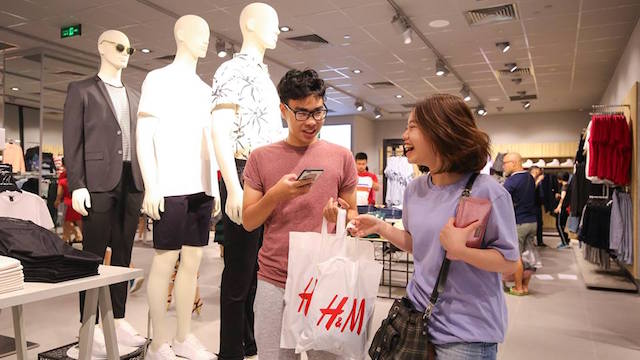
    International brands such as Tom Tailor, Miniso, Taco Bell, Mango, Marks and Spencer, H&M and Starbucks continued to expand operations by entering new markets across the country.

    “The overall outlook for the Indian retail real estate market continues to be positive at the back of various policy reforms, entry of foreign players and increasing urbanisation,” said Anshuman Magazine, Chairman, India & South East Asia, CBRE.

    He said around 4–5 million sq ft of additional supply could be added during second half of 2018 across most major cities.

    “With REITs in the offing, the focus on developing investment grade developments is likely to redefine the retail segment in India,” he added.

    On rentals, CBRE said trends varied across key high streets in major cities during January-June 2018. Rentals appreciated in high-street markets such as Khan Market, DLF Galleria (NCR), Linking Road (Mumbai), MG Road and Aundh (Pune). Some high street locations in Bengaluru and Hyderabad also saw increase in rents.

    On the other hand, rentals remained stable in most of the other high-streets across the country. Rentals across organised retail developments also displayed a varied trend – mall rentals remained stable in Hyderabad, Mumbai, Pune and Kolkata but increased in Bengaluru, Chennai and NCR.

  • Indonesia’s August Inflation Picks Up, but Stays Below Market Expectation

    Indonesia’s August Inflation Picks Up, but Stays Below Market Expectation

    Indonesia’s annual inflation rate picked up slightly in August but was below market expectation and remained within the central bank’s target range, statistics bureau data showed on Monday.

    Consumer prices rose 3.20 percent in August from a year earlier, compared with July’s annual inflation rate of 3.18 percent. Analysts surveyed by Reuters had expected a rate of 3.33 percent.

    Bank Indonesia targets inflation rate in the range of 2.5 percent to 4.5 percent this year.

    The consumer price index was down 0.05 percent on a monthly basis due to a drop in food prices, such as that of chicken and chilies, Central Statistics Agency (BPS) head Suhariyanto told a news briefing.

    The annual core inflation rate, which excludes prices of government-controlled goods and volatile food, also edged up to 2.90 percent in August, the second month of acceleration and higher than the poll’s estimate of 2.85 percent.

    Bank Indonesia Governor Perry Warjiyo has said the rupiah’s slump had not affected prices at least until July. The rupiah has lost nearly 8 percent of its value so far this year and on Monday it was trading at its weakest in 20 years.

  • Fosun International eyes up food distributor and retailer Metro

    Fosun International eyes up food distributor and retailer Metro

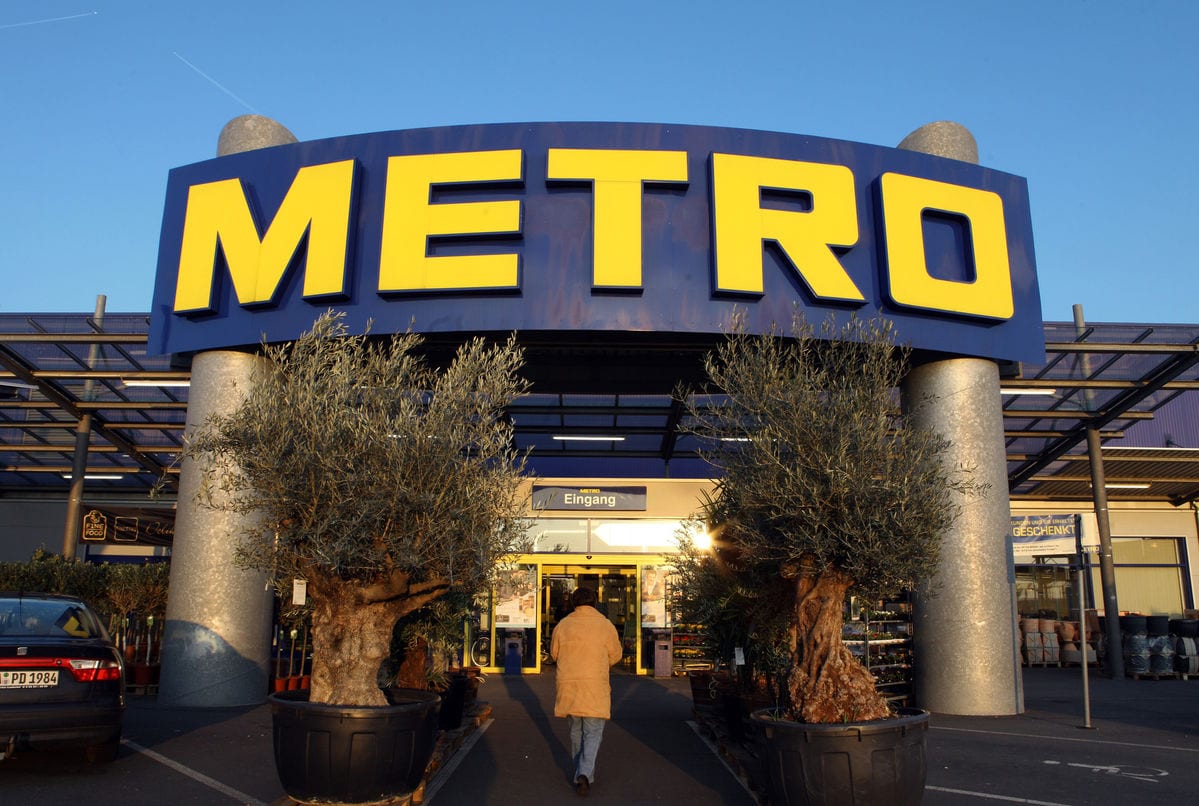
    Chinese international conglomerate and investment firm Fosun International is negotiating a US$500 million holding in German wholesaler Metro, according to a report.

    The unconfirmed news about an acquisition that would see Fosun taking a 9 per cent holding in Metro has already boosted the firm’s share prices and may generate interest from other players, setting off a bidding war with other recent and potential investors in the firm.

    While current and prospective stakeholders in Metro may be preparing to face off, Fosun remains committed to its global acquisitions strategy that has seen it review an average of 25 possible investments per day – more than 9000 in total – over the last year.

    Fosun International currently owns 10 per cent in accessories retailer Folli Follie, resort Club Med, Canada’s Cirque du Soleil and the Malaysian-founded Secret Recipe cafe chain.

  • Fosun International hits $1bn in net profit

    Fosun International hits $1bn in net profit

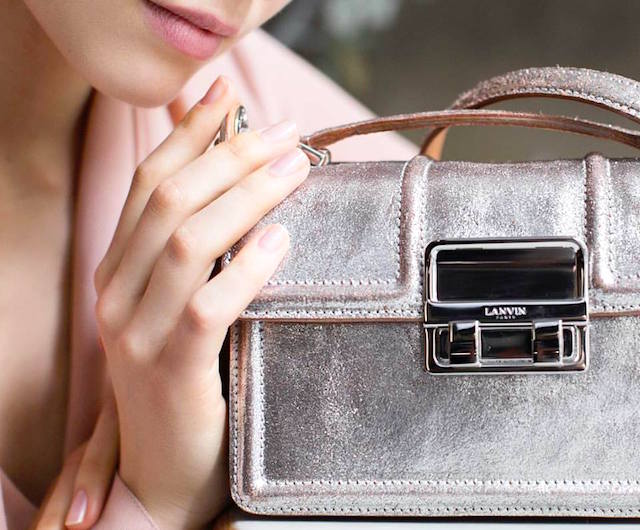
    Fosun International post on Tuesday that company net profit reached Rmb 6.86bn ($1bn) for the first half of 2018, on the back intense acquisition activity, which saw the Chinese firm snap up local and international assets, including luxury brand Lanvin earlier in the year.

    The Chinese investment firm said net profit increased 17% over the last six months, which was slower than previous years, however, with a 33.6% uptick recorded for the first half of 2017.

    Revenue reached RMB43.51 billion for the January to June period, an increase of approximately 20% over the same period last year.

    The company said it “continued to focus on maintaining a healthy and stable balance sheet” and achieved a net gearing ratio of 53.6% with an overall financing cost of 5.18%.

    Since the turn of 2018, Fosun has bought a stake in French confectionery company St Hubert, a minority stake in China’s Tsingtao Brewery and majority stakes in European luxury brands Wolford and Lanvin.

    Fosun’s long-term portfolio also includes Club Med, a stake in Cirque du Soleil and the UK’s Wolverhampton ‘Wolves’ football team.

    Co-founded by Chinese billionaire Guo Guangchang in 1992, Fosun has evolved from an entrepreneurial start-up into a leading investment group taking roots in China with a global foothold.

    Listing on the Shanghai Stock Exchange in 2007, Fosun now forms part of Chinese active investor cohort, which also boasts the firms HNA, Dalian Wanda and Anbang Insurance.

  • Crocs to outsource manufacturing of clogs, other footwear

    Crocs to outsource manufacturing of clogs, other footwear

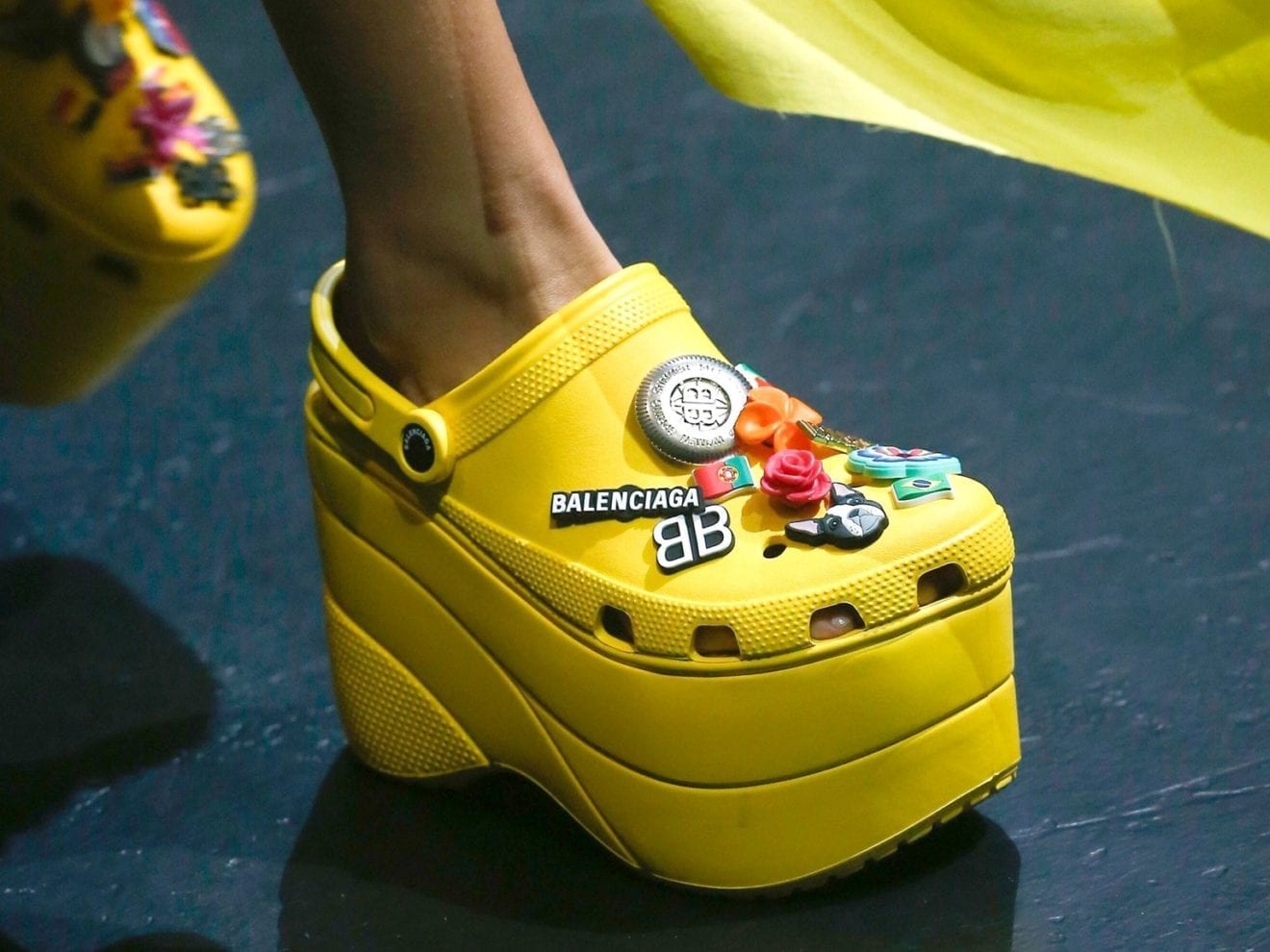
    According to a report, The company announced the outsourcing of additional manufacturing and the closure of a distribution facility in Mexico Tuesday while reporting a second-quarter profit of US $30.4 million, or 35 cents per share.

    Crocs is also closing less productive retail stores as leases expire and focusing more on online sales.

    Executive Vice President Carrie Teffner will leave the company by next April, but is stepping down as CFO on August 24.

    Anne Mehlman, a former Vice President of corporate finance for Crocs and current CFO of Zappos, will take over as CFO.

  • Singapore Myanmar Investco calls off Jones The Grocer franchise JV

    Singapore Myanmar Investco calls off Jones The Grocer franchise JV

    The planned Jones the Grocer Myanmar expansion has been cancelled.

    Singaporean Myanmar Investco investment and management firm has called off a partnership with restaurant chain Jones the Grocer.

    The company, which specialises in investments focused on the high-growth emerging economy of Myanmar, announced without further explanation that the crucial “initial development location” upon which the partnership was based was no longer available.

    The joint venture company formed as part of the agreement with local operator Pinnacle Myanmar will be dissolved.

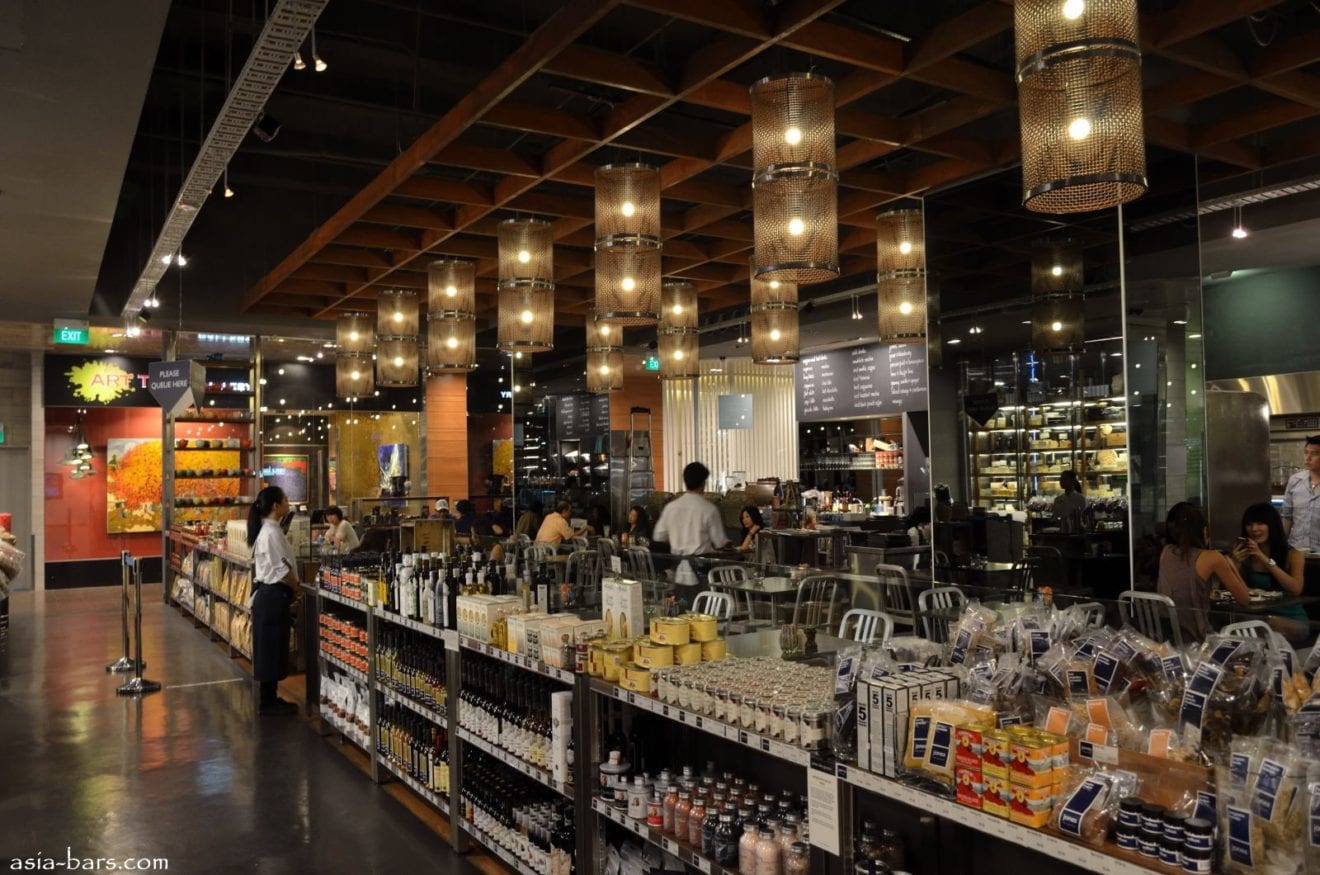
    Jones the Grocer, a cafe and delicatessen concept, was founded in Sydney, Australia, in 1996. Now owned by JTG Holdings, of which LVMH-linked investment company L Capital Asia has a minority stake, it operates stores in Singapore, Thailand, Qatar, Bahrain and the UAE.

  • Phuong Nam makes distress sale of stakes in CGV cinemas

    Phuong Nam makes distress sale of stakes in CGV cinemas

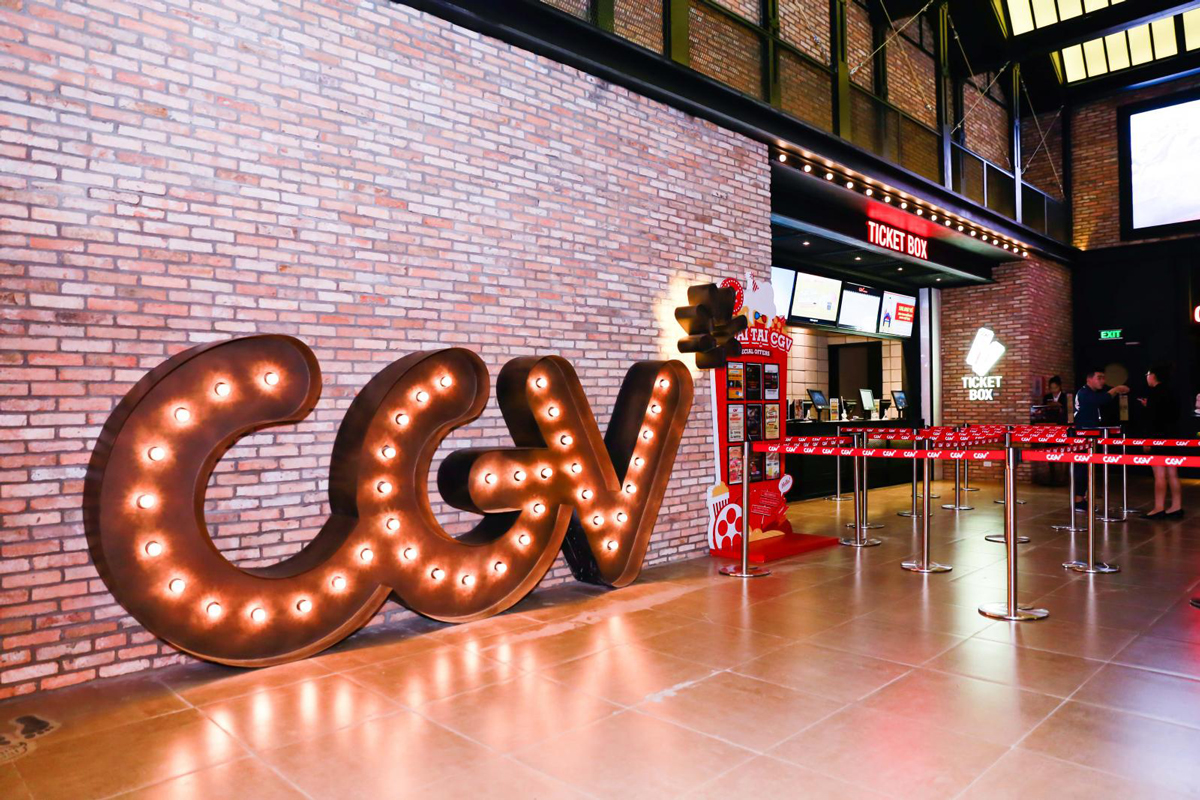
    Phuong Nam Culture Joint Stock Co. planned to sell its remaining 7.5 percent stake in Vietnam’s largest cinema chain, CGV.

    The firm said the sale would be worth for VND101 billion ($4.5 million).

    In June the Vietnamese private firm had sold a 12.5 percent stake to realty firm Kim Cuong Den JSC for VND160 billion ($7.1 million).

    Thus, while the total of VND261 billion is almost nine times what the company had paid to acquire the 20 percent stake (VND30 billion in 2004), it values the chain at just half the price Korea’s CJ Group did when buying Megastar, formerly CGV, seven years ago.

    Phuong Nam’s sale values the chain, which has a 47 percent market share of Vietnam’s cinema industry, at $56 million while the CJ transaction had valued it at $100 million.

    With 53 cinemas, CGV reported revenues of VND2.6 trillion ($115 million) and after-tax profit of VND107 billion ($4.75 million) last year.

    Insiders said the fire sale was due to the financial distress PNC has faced for several years, and the money would help it pay off its debts.

    At the end of the second quarter this year PNC’s liabilities had amounted to VND548.7 billion ($23.54 million), or 93 per cent of its capital.

    It has accumulated losses of more than VND98.3 billion ($4.22 million).

    Established in 1982 in HCMC, PNC has interests in the film (Phuong Nam Film Studio), printing (Phuong Nam Printing Factory) and publishing (Phuong Nam Book) industries. It also has investment in stationery and gift retailing.

    Shares of the company, listed on the Ho Chi Minh Stock Exchange (HOSE), are currently under special control for reporting losses for two consecutive years.

    It will probably be forced to delist if losses exceed owner’s equity.

    On August 30 PNC shares closed at VND13,800 ($0.6) per unit.

  • A Call to Stop Use of Plastic in Bali

    A Call to Stop Use of Plastic in Bali

    Java Mountain Coffee, a Jakarta-based social enterprise advocating for sustainable coffee farming, has called on the hospitality industry in Bali to avoid using plastic and aluminum coffee capsules in a bid to reduce pollution.

    Coffee capsule usage has grown five times faster than growth in coffee consumption globally between 2011 and 2016, Java Mountain Coffee said, citing a 2017 study by Euromonitor International.

    The firm said this is not sustainable, because used capsules usually end up in landfills, rivers and the ocean. Java Mountain Coffee said the used coffee pods also contribute to climate change, especially the plastic ones, which release harmful substances into the environment when exposed to sunlight.

    “Java Mountain Coffee’s response to the recent commitment by the global travel industry to reduce its reliance on plastics and other harmful environmental products, is to stop the use of plastic and aluminum coffee capsules,” the firm’s spokeswoman, Nadine Alexandra, said in a statement.

    “We believe the Bali travel industry collectively can lead the world in environmental responsibility, reversing old uninformed historical human behavior, which has caused irreversible damage to our planet,” she said.

    Java Mountain Coffee participated in an environmental event titled “Act Local, Impact Global,” hosted by Alila Resorts Bali last week. The island hotel industry organized the event in response to a commitment by the global travel industry in June to reduce the use of plastic and other harmful waste products.

    At least 50 hotels, members of the Bali Hotel Association and other travel industry stakeholders attended the event to share their environmental initiatives.

    Among these initiatives is “Komitmen” by One Island One Voice, a Bali-based network of organizations active in the field of waste prevention and management. The initiative calls on individuals, organizations, companies and government offices on the island to separate organic and inorganic waste at the source and to stop using single-use plastic straws, plastic water bottles, plastic retail bags, plastic cups and plastic cup lids.

    “Java Mountain Coffee urges all stakeholders to join us and make a commitment to One Island One Voice’s ‘Komitmen’ initiative,” the firm said.

  • Indonesia Braces for Prolonged Pressure as Rupiah Slides

    Indonesia Braces for Prolonged Pressure as Rupiah Slides

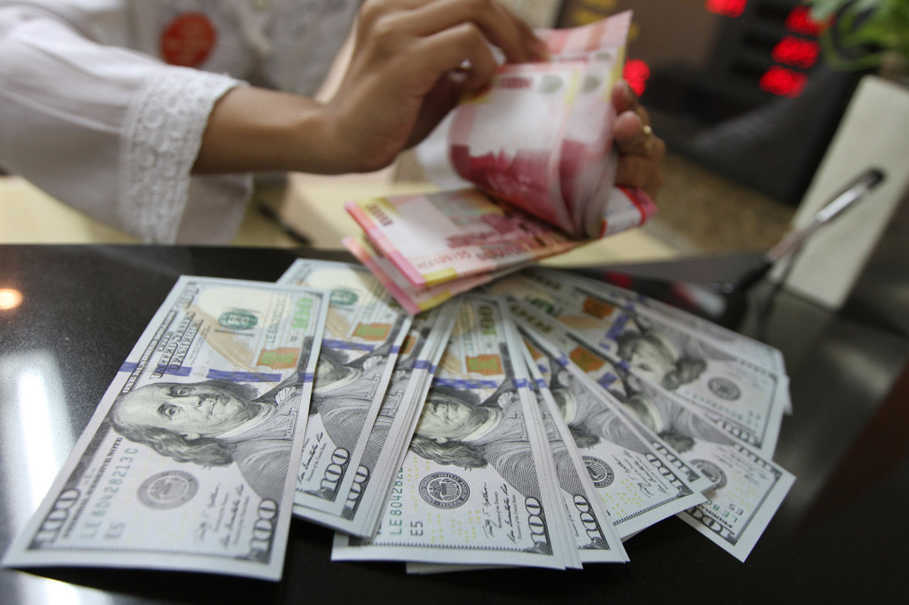
    Indonesia is bracing for prolonged pressure on the rupiah amid souring emerging market sentiment exacerbated by Argentina’s economic woes, Finance Minister Sri Mulyani Indrawati said on Monday (03/09), as the local currency plumbed its weakest levels since 1998.

    The rupiah hit 14,825 per dollar on Monday, the weakest since the Asian financial crisis two decades ago, before closing at 14,810. It has lost nearly 9 percent this year.

    The central bank intervened again on Monday in the foreign exchange and bond markets as foreign investors continued to sell Indonesian assets spurred by rising US interest rates and fears of contagion from crises in Turkey and Argentina.

    “We are monitoring global dynamics and need to be vigilant because the dynamics caused by the sentiment on Argentina is very high. The situation there is not yet finished, so we’re anticipating these dynamics will continue,” Sri Mulyani told reporters after a meeting with President Joko “Jokowi” Widodo and the central bank governor.

    Jokowi had called a meeting with his economic ministers and the central bank governor to stress the importance of communicating to the people what was being done to stabilise the exchange rate, Coordinating Minister for Economic Affairs Darmin Nasution said.

    “The president said ‘don’t let it be that you’ve done something, but the people said you have not,’” Darmin said.

    The government has forced a wider use of biodiesel starting Sept. 1 to reduce oil import bill. Officials have also announced plans to raise import tariffs on some consumer goods, though the list of affected items has not been made public yet.

    Sri Mulyani said authorities will monitor “in detail the behavior of market players” and take steps to prevent speculation.

    Bank Indonesia has raised its benchmark interest rate four times since mid-May, by 125 basis points. It has also spent billions of foreign exchange reserves to intervene in the currency and bond markets.

    International credit rating agency Fitch Ratings has forecast Indonesia’s policy interest rate could rise by 100 basis points through 2020.

    Bank Central Asia chief executive Jahja Setiaatmadja said he saw no sign of the sort of panic-selling seen during the crisis two decades ago, but added that the central bank could have to raise interest rates by at least 200 basis points more by 2019.

    Indonesia’s 10-year bond yield rose to 8.266 percent on Monday, the highest since November 2016, while the main stock index slipped 0.9 percent.

    The cost of insuring exposure to Indonesia’s sovereign debt hit an eight-week high, with the country’s five-year credit default swaps jumping 5 basis points from Friday’s close to 131 bps, according to data from IHS Markit.

    “With an external situation like the one we face now, we must assume that we need to continue to strengthen our fundamentals,” Sri Mulyani said. “We are looking directly at our foundation and looking at where there are factors that are considered sources of weakness.”

  • Nicoletti Home to open 50 stores in mainland China

    Nicoletti Home to open 50 stores in mainland China

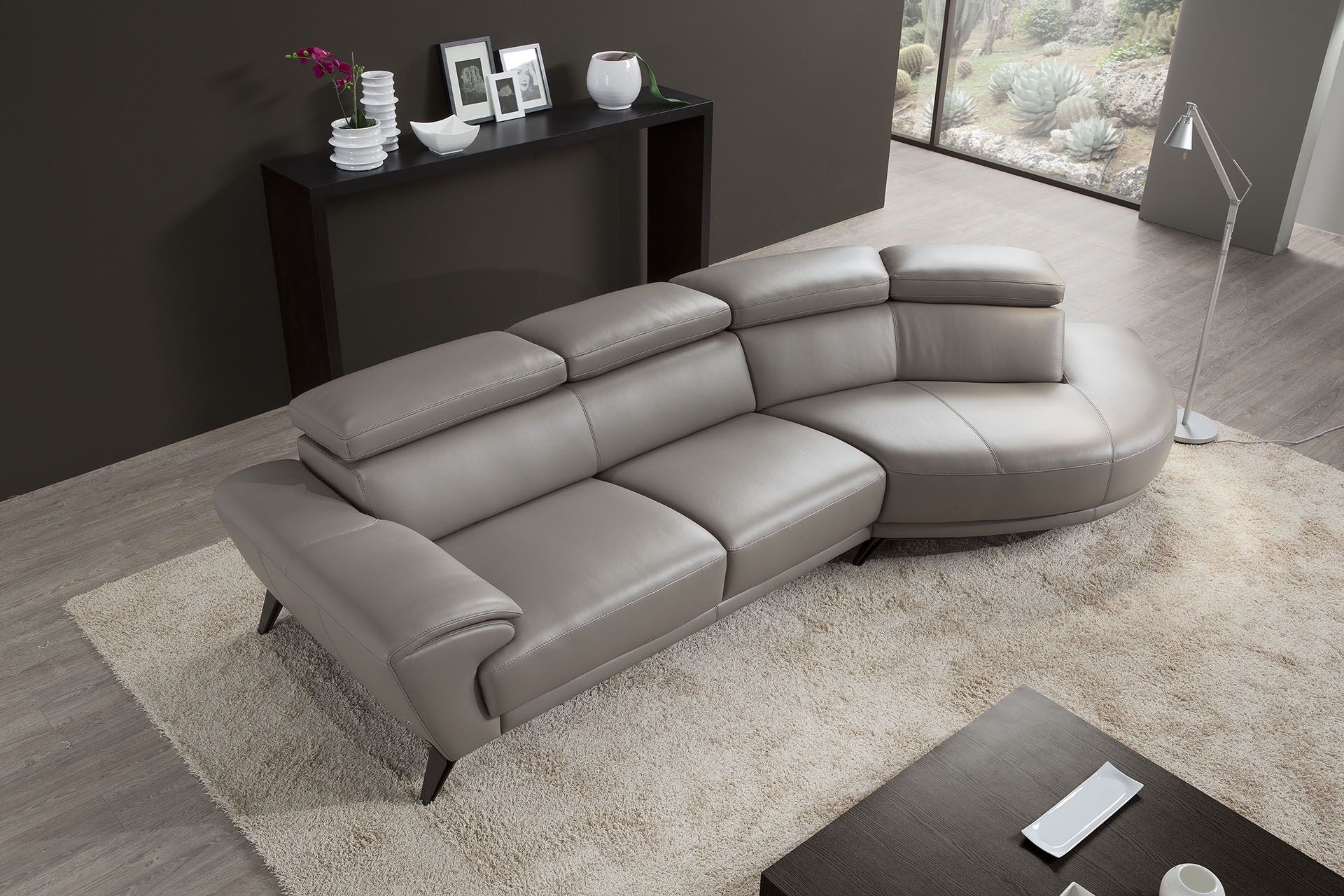
    Italian leather and fabric upholstery brand Nicoletti Home has partnered with Chinese manufacturer/retailer Manwah to establish a retail network of 50 stores throughout the mainland.

    Nicoletti Home already has a strong Asian presence in Hong Kong, Indonesia and Korea.

    Manwah will be directly responsible for managing the stores under a franchise agreement, targeting upscale customers. All Chinese stores will be positioned within furniture malls with an average floorspace of 2000–4000sqft.

    The first outlet is expected to open by the end of the year in a launch backed by the September furniture show in Shanghai.

    The partnership will also be developing a lower-priced collection for production within China, to be distributed by Manwah throughout a 500-store network nationally.

    The firm’s world commercial director Eustachio Nicoletti said: “Entrusting the development of the Chinese market to such a renowned and reliable partner is for Nicoletti Home a guarantee of efficiency and rapid growth. The collection we are going to introduce in the 2018 Shanghai Exhibition with a 200sqm (2100+sqft) showroom is addressed at a medium-to-high profile consumer, who appreciates excellent made-in-Italy products.”

  • Into the minds of Hong Kong’s online shoppers

    Into the minds of Hong Kong’s online shoppers

    Consumers in Hong Kong are accustomed to online shopping, with two thirds of shoppers completing purchases within the day if they were to complete the shopping journey, demonstrating decisiveness compared to shoppers in other markets.

    SAP Consumer Propensity surveyed Hong Kong shoppers to gain insights into their online shopping behaviour, including their motivation to purchase online, and their views on how brands can improve the overall customer experience.

    E-commerce companies looking to enhance the online shopping experience for people in Hong Kong should do three things:

    1. Provide easy exchange and return services (free return labels or nearby lockers) (58%)
    2. Include comparison tools to compare prices and specifications (50%)
    3. Offer different sizes or types of the item to try out before deciding which version to purchase (44%)

    Besides the wishlist provided by by customers, Hong Kong shoppers also shared what drive them to make the decision to purchase. The top three drivers are:

    1. Receiving discount or promotion notifications (56%)
    2. Receiving discount with purchase notifications (36%)
    3. Receiving timely response to a query (25%)

    However, when it comes to abandoning virtual shopping carts, 51% of Hong Kong consumers discard their carts sometimes or all the time, just as likely as other shoppers across Asia Pacific (52%) – ahead of the Americas (46%) and Europe (43%) on average.

    When probed further, around two-fifths (42%) of people surveyed said that they abandon carts because they are concerned with shipping costs.

    The second and third most common reasons was the lack of promotions or discounts (39%) and price-savvy customers preferring to use online sites for price comparisons only (39%).

    “Reviewing cart abandonment data provides a starting point for retailers to identify friction points in the consumer journey and make improvements to the overall purchasing experience for Hong Kong’s customers,” said Frank Zhang, General Manager of Greater China, SAP Customer Experience.

    “The results point toward a deeper demand from Hong Kong consumers for engaging yet simplified buying experiences tailored to their individual needs and lifestyles, which extends to ongoing service and support.”

  • Luxury Malls in India: The destination for new age shoppers

    Luxury Malls in India: The destination for new age shoppers

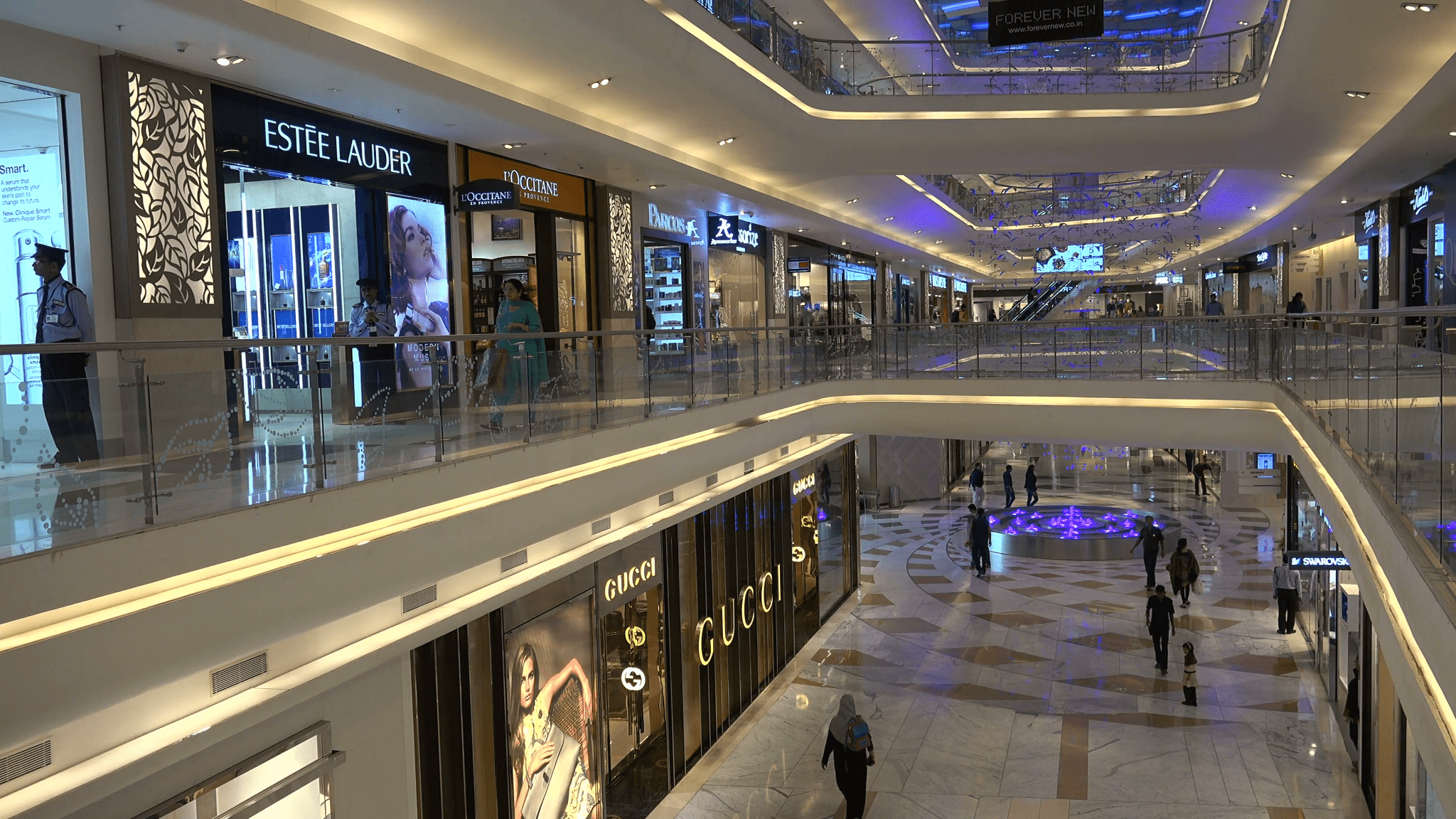
    Indian malls have cracked the ‘how to attract the customer’ code. They have transformed into family entertainment centres, providing shoppers with the best of in retail, fun and food. They have morphed into theme malls, offering inviting and intriguing experiences to draw people in.

    In this era of burgeoning e-commerce retail, malls are reinventing the physical experience, and shoppers are spending long hours in these malls to eat, shop and be entertained.

    With the increasing spending power – owing largely to an increase in disposable income – the modern shopper is progressively experimenting with taste and requirements. This change in behavior and evolving purchasing habits of the younger generation globally has led to a disruption in the way malls operate.

    “The manifestation of social media, rise of emerging markets, sprouting aspirational youth and a growing sense of ‘brand-consciousness’ are propelling the wheel of growth of luxury sector in India. Consumers are becoming aware – and vocal – about their lifestyle, and looks, and are bold enough to experiment with different fashions, silhouettes, colour and fits,” writes Prem Dewan, Retail Head, OSL Luxury Collections Pvt Ltd-Corneliani.

    “Their shopping preferences are no longer dependent on fit or colour of the product; they expect an experience at the boutiques. Also, there is a wider target audience residing in Tier II and III cities that have the propensity to buy luxury goods and are emerging as new reservoirs of luxury spending,” he goes to say.

    Trying to cater to the aspirational consumer, malls are increasingly introducing bridge-to-luxury and luxury brands in India. Mall owners – quick to identify an opportunity in luxury retail – started going the whole hog in their efforts to increase footfalls by launching full-scale luxury malls.

    2008 saw the launch of India’s first two luxury malls – DLF Emporio in Delhi and UB City in Bangalore. The move was welcomed by luxury retailers, giving them the right space to set up shop and the perfect clientele to cater to. And although the growth has been slow, with luxury occupying just a fraction of retail space in India, malls are taking the category seriously.

    What Makes a Mall a Luxury Mall?

    To be on top of the popularity chart, a mall needs to fulfill all aspects of the luxury quotient. The average lifespan of a shopping mall design is about seven years globally. It may exceed by two-three years more in Tier III and IV cities, but for Tier I and II cities, the period is definitely shrinking. This means that shopping centers built before 2007 probably don’t provide the amenities and shopping environment or international fashion brands younger, more affluent consumers are seeking. Newly built malls are way ahead in sale, footfalls and popularity than the older ones. Even the rate of renting space is much higher in these malls.

    For luxury malls, providing extravagant services to their patrons is of utmost importance and they need to start planning right from the architecture stage. The buildings are stunning, elegant with generous spaces both on the exterior as well inside, with large spaces earmarked for stores.

    Top of the line entertainment options, fine-dining restaurants and leisure components – coupled with the best in technology – are crucial in the making of these malls.

    While brand names matter in luxury retail in India, luxury malls globally have gone a step ahead to provide the best in class entertainment to visitors. There are malls that have roller coasters, indoor water parks, five-star hotels with luxury suites, snow parks, spas and other features to relax, re-align and re-energise.

    West Edmonton Mall in Canada – which is counted amongst the top luxury malls in the world – is home to the world’s largest indoor water park. It also features the world’s largest wave pool, an 83-foot-high slide and a children’s play park area. Adding to this is an indoor lake that is home to four sea lions, an ice rink and an 18-hole miniature golf course. Visitors can also try indoor shooting range, watch a movie, or spend some time at the Ed’s Recreation Centre, which houses a bowling alley, a music stage and arcade games.

    The mall also features GalaxyLand, the indoor park is home to 24 rides and attractions, including a triple-loop roller coaster, a 3D Theater and a number of thrill rides. It even houses an inter-domination chapel, where hundreds of couples have gotten married since the mall opened in 1981.

    Despite being one of the top retail destinations in the world, India still has to play catch up to the variety in luxury offered globally. The country only has only few luxury malls to boast of, including DLF Emporio and The Chanakya in Delhi, UB City in Bangalore, Palladium in Mumbai, Bergamo in Chennai, and Quest Mall in Kolkata.

    Here are some factors that make a mall a luxury mall:

    – Niche Geographies

    Location is an extremely important parameter and goes a long way in deciding the kind of audience a mall will be able to attract. Luxury malls need to find prime locations with the right socio-economic strata of people, so they can attract a strong and discerning clientele.

    Luxury malls require a large area to accommodate every possible brand under its roof. The ambience, dining, phygital experience, comfort and service should be of world class as shopping in these mall is preferred mostly by the elite customers.

    In fact, it may not be incorrect to say that the future of luxury malls will be shaped by the kind of brands they bring in (brand heritage), exclusivity, the customer relationships they build, and whether they manage to find the correct location in high-growth areas.

    – Comfort & Convenience

    One downside for luxury malls for the well-to-do is that they constantly need to update their offerings to appease all those discerning buyers searching for the hottest brands. So, they are constantly brainstorming on ways to keep shoppers entertained. At the base level of that initiative is creating a space that shoppers actually want to be in and providing them with the best of convenience and amenities, along with seven-star hospitality services like a huge parking area supporting multiple entries points to avoid crowds and congestion, a concierge and a VIP arrival area.

    Shopping centres also look to provide a ‘mall essence’ that puts consumers at ease, makes them feel comfortable, encourages them to stay longer and, more importantly, persuades them to return. New malls can meet or exceed these needs and consumer expectations by creating iconic “shoppertainment” locations apart from providing the best of facilities.

    – The Best in Entertainment

    Entertainment is everything. And in a luxury environment, it is more than that – it has to be uber-creative and super innovative. Visitors get and bore weary if the mall presents them similar kind of facilities and activities on every visit. Apart from kid zones and theme parks which are fixtures, malls need to cater to the sensibilities of the local community. This is usually done by celebrating local festivals, cultural initiatives and holding events at regular intervals for discerning patrons.

    Luxury malls also usually include features like outdoor plazas, amphitheaters, and outdoor fine-dine food court terrace, adding value to their offerings.

    – Personalization & Technology

    Luxury in its very essence thrives on exclusivity and personalized experiences. Technology, albeit impersonal, has proven to be a strong ally in the recent past and an asset that luxury brands and malls can’t ignore.

    The Challenges of Being in the Business of Luxury in India

    – Security

    As per a report published by Technopak, India doesn’t have the culture of luxury brands on high streets because of safety and security issues. That’s the reason why most luxury brands in India are housed in the shopping arcades of five-star hotels. The monthly rent of these outlets would be Rs 600 to Rs 1,000 per sq. ft, say industry sources. Finding a real estate at an ultra-posh locality for building these malls is a very tough task.

    – Cost and Time

    The cost of construction of a luxury mall is almost three times more than a regular mall, in respect to the amount of the return. It takes three to five years to build a luxury mall and the average cost for overall development (excluding the land cost) in Mumbai and Delhi is in the range of Rs. 7,000-9,000 per sq. ft, compared with Rs 4,000-5,000 a sq. ft for a normal mall, as per real estate developers quotes published in the report. The rental for a luxury mall ranges from Rs 500 to Rs 1,500 a sq. ft per month, while regular malls charge much lower.

    In conclusion, the Indian shopping industry is shifting gears and a sudden upsurge in urbanistaion of society has led to major demands for expansion of city centres on grounds of retail, fashion, F&B, and entertainment – all of which need to be handled with proper planning and infrastructure. Considering the country’s projected GDP growth and rise in disposable incomes, mall developers are hopeful that the luxury market will evolve with time.
  • Higher Risk Still Means Higher Interest in Fintech Lending

    Higher Risk Still Means Higher Interest in Fintech Lending

    For platforms that boast superior debtor risk assessments and aim to compete with conventional banks, online peer-to-peer lending services have so far fell short of their promises.

    These services currently offer annual interest rates of 19 percent on average to their clients, most of which are small and medium enterprises. However, the Indonesia’s Financial Services Authority (OJK) says this is still too high to attract more borrowers that generally do not qualify for bank loans.

    In comparison, conventional banks offer SMEs loans at interest rates of up 10 percent, or 7 percent with the state subsidy. Ajisatria Sulaeman, director of the Association of Financial Technology (Aftech), said borrowers using peer-to-peer services are often those who do not meet banks’ requirements.

    It means there are risks that those banks do not want to take, hence the higher interest to adjust to the higher risk, Ajisatria said. While it is easy for peer-to-peer services to obtain potential borrowers’ behavior data on social media and through the use of services such as technology startup Go-Jek, it is still costly to verify.

    “Without data from the civil registry, how can we make sure that they use their own identity numbers and not those of others?” Ajisatria said.

    “So data from the Directorate General of Population and Civil Registration and the Financial Information Service System are still very important. With that, we can ensure that borrowers are not fraudulent,” Ajisatria said on Thursday.

    Some peer-to-peer lenders even resort back to conventional credit scoring services, such as Pefindo, but this comes at additional costs, which are passed on to borrowers in the form of higher interest rates.

    “The focus is on how we can easily identify borrowers, especially those with good intentions,” Ajisatria said.

    He said peer-to-peer platforms will be in a better position to assess loan risks if they have easy access to the population registry data. The number of bad loans can be reduced, which in turn, will allow peer-to-peer lenders to charge lower interest rates.

    Sluggish lending by banks over the past few years has seen Indonesia’s financial regulator welcome peer-to-peer platforms, which usually disburse small loans to micro, small and medium businesses that banks often consider high risk.

    Loan growth has dropped to below 10 percent over the past two years from 20 percent previously, central bank data shows. Chatib Basri, a former finance minister, said in March that a climate of healthy competition and a growing number of online lending firms could help to reduce high interest rates.

    “This approach can be made by multiplying the firms in the market segment, which will certainly cause interest rates to decline,” said Chatib, who just became an advisor to peer-to-peer lender ModalKu.

    Indonesia currently has 66 registered peer-to-peer lending firms, which have paid out Rp 7.8 trillion ($525 million) in loans as of July this year, compared with just Rp 247 billion by December 2016, according to the OJK.

    These firms serve to connect more than 250,000 individual lenders to 1.85 million borrowers. OJK deputy commissioner Sukarela Batunanggar said the financial regulator until now still has no intention to cap interest rates and limit the size of loans these financial technology firms can offer. Aftech, which was established in 2015 and now consists of 152 fintech startups offering various services, ranging from lending, insurance and investment, plans to issue a standard on fintech interest rates soon, but it is currently still finalizing the amount.

    Economic Contribution

    According to a study conducted by Aftech and the Institute for Development of Economics and Finance (Indef), fintech lending firms have contributed Rp 26 trillion to Indonesia’s gross domestic product since the OJK issued a regulation on such services in 2016.

    Indonesia’s nominal gross domestic product was Rp 13,558 trillion at the 2017 exchange rate, according to the Central Statistics Agency (BPS).

    “While this is relatively small, there is still hidden potential on fintech platforms, as until now, it has not reached those in need of loans across the country,” Indef economist Bhima Adinegara said.

    The presence of peer-to-peer lending firms has resulted in the creation of 215,433 jobs since 2016, with total wages amounting to around Rp 4.6 trillion.

    “The government must use this potential to increase financial inclusion by issuing easier regulations to expand the sector further, so it can contribute more to the Indonesian economy,” Bhima said.

  • Chiling Lin asked by H&M to help reinvent fashion industry

    Chiling Lin asked by H&M to help reinvent fashion industry

    The H&M Foundation is seeking a new round of innovators to help entrepreneurs “reinvent the entire fashion industry.

    Swedish fast-fashion retailer H&M has contributed a further €1 million into the foundation’s fund and reappointed Taiwanese actress Chiling Lin, who is also a sustainability influencer, to the expert panel overseeing applications for funding new ideas that help reduce waste across the industry.

    Intended as a means to speed up the shift from the standard linear fashion model, where clothes often end up in the landfill, to a circular model where materials can be reused or recycled, the Global Change Award was initiated in 2015 by the H&M Foundation, in collaboration with Accenture and the KTH Royal Institute of Technology in Stockholm.

    Now the foundation has opened the fourth round of its annual innovation challenge Global Change Award. With more than 8000 entries from 151 countries over three years, it has become the go-to competition for circular innovation and has been described as “the Nobel Prize of fashion”.

    “It provides powerful funding and yearlong coaching to innovators who come up with solutions to spark the shift towards a circular fashion industry, protecting the planet and our living conditions,” said an H&M Foundation spokesperson.

    Applications for this year’s program close on October 17 – and t year there is a special eye out for ideas embracing digitalisation.

    “New ideas are the foundation for change, but scaling them is an enormous challenge for every innovator,” observed Karl-Johan Persson, H&M’s CEO who also sits on the foundation. “Together with our partners Accenture and the KTH Royal Institute of Technology, we’ve seen previous winners cut years off their timeline through our accelerator program. Now, we are eager to welcome five new circular heroes and encourage everyone who wants to reinvent one of the world’s largest industries to apply.”

    The Global Change Award sets out to find innovations with the potential to make fashion circular and thereby protect the planet and our living conditions. Other criteria are its impact and scalability, that it is novel and economically sustainable, and that the team is suited to make a difference.

    Chiling Lin described it as an honour to be part of the program again this year.

    “We need to unite together to protect our planetary earth by contributing ideas and efforts to sustainability,” she said. “The planet needs our care and dedication to safeguard this world and through this meaningful event, we can gather ground-breaking ideas that provide the fashion industry possible solutions to make fashion truly sustainable.”

    Current winners’ progress

    This year’s Global Change Award winners are currently taking part of the one-year Innovation Accelerator Program, taking them to Stockholm, New York and Hong Kong.

    Crop-A-Porter makes sustainable bio-textiles by using leftovers from food crop harvests

    Its parent Agraloop received €300,000.

    Agraloop is more than one year ahead of its original development schedule and about to begin the optimisation of its Closed-Loop system. Initial patent filings will be developed in the second half of this year at the same time as it runs pilots to produce a prototype Agraloop BioFibre from banana, pineapple, and oil seed hemp. These natural fibres will be processed using their proprietary bio-chemical approach and applied to commercially viable yarns and fabrics. This will go into ground-breaking design collaborations with some of the world’s biggest brands.

    The Regenerator aims to recirculate fashion by separating cotton and polyester blends, turning them into new textile fibre. Parent company Swerea IVF received €250,000.

    Swerea IVF is focusing on the technical development of its process and how to scale it up, both technically and economically. A new, larger reactor is being installed and will be up and running during later this year. The company is also working on improving the efficiency and yield in the process.

    Algae Apparel is turning algae into bio-fibre and eco-friendly dye that is also good for the skin. Parent Algalife received €150,000.

    Algalife has received its first Patent Cooperation Treaty (PCT) and is preparing a second. The company has a fully equipped laboratory and is recruiting staff. The production of algae fibres has started in cooperation with German and Swedish institutes, and it is finishing the final formulas for the dye process of each colour, with fabrics from different brands.

    Smart Stitch is a dissolvable thread that makes repairing and recycling easy. Parent Resortecs received €150,000.

    Resortecs presented its first prototype of dissolvable stitching thread in March, and two months later featured its first fully dismantlable jacket. By July, it had four different solutions meeting all industry requirements and it is currently initiating seven pilots for testing these solutions on products, such as jeans and backpacks.

    Fungi Fashion is producing custom-made clothes from decomposable mushroom roots. Parent MycoTex received €150,000.

    MycoTex has launched the MycoTex shopper, a bag made from 100 per cent mycelium. The company worked with Utrecht University where it researched how to integrate electronic components in MycoTex, resulting in a light strand covering the bag which responds to a sound; and a chip directing customers to a website with more information. The company is now working on improving the material and testing different dyes. MycoTex was recently named “The modern-day makers” by the World Economic Forum, recognising pioneers which are reviving traditional techniques and developing cutting-edge technologies, or merging the old and the new.

  • Walmart unboxes America’s best toy shop

    Walmart unboxes America’s best toy shop

    When it comes to toys, Walmart is not playing around. Walmart has unboxed its plans for America’s Best Toy Shop: its destination for kids’ favorite products – toys! – in its stores and on Walmart.com. Walmart’s toy aisles are set to offer the best toys at the best prices along with more fun for everyone than ever before. Starting Thursday, America’s Best Toy Shop kicks off with:

    – Expanded aisles and the best selection of toys, with thousands of new and exclusive items from top brands, creating Walmart’s broadest assortment of toys ever.
    – The best experience for parents and kids to test, play and shop for toys – through in-store events and demos, and a new specialty toy experience online featuring exclusive content from toy influencers for the first time.
    – The season’s 40 top rated toys from the real toy authorities – kids – to make it easy for parents to know what toys are on trend and tops for kids.
    – Layaway…it’s back August 31.

    “Walmart has always been a destination for toys. Parents shop us for our wide selection of top brands and because we bring fun to stores in ways that only Walmart can,” said Anne Marie Kehoe, Vice President of toys, Walmart U.S. “But today, we are making even bigger investments in the category to ensure we have the widest selection of toys at the best prices and an unmatched in-store and online experience to show customers the best place to shop for toys is Walmart.

    BESTEST Assortment of Toys Ever

    To ensure Walmart has all of the toys kids want, the retailer has expanded America’s Best Toy Shop aisles in select stores across the country. This expanded assortment includes 30 percent new toys in stores and 40 percent more toys online.

    Walmart searched high and low for the biggest trends and the right toys to expand its assortment. New toy brands now available at Walmart include Pomsies, Fancy Nancy, Boxy Girls, Grumblies and Hairdorables. This year, the retailer has added hundreds of new exclusive toys in stores and online. Just one of the hundreds of new exclusives includes Ryan’s World, a line of 11 toys from first-grade internet toy sensation Ryan of Ryan ToysReview, available exclusively at Walmart until Sept. 30. The excitement continues on Walmart.com with new online-only exclusives such as the DC Comics 6-Volt Justice League Batmobile and KidKraft Uptown Espresso Kitchen with 30 Piece Play Food.

    Bringing the WHHHHOOOAAA to Stores and Online

    America’s Best Toy Shop is putting the fun in toys, the Walmart way. Walmart will host more than 2,000 toy play dates over the next two months at Supercenters across the country so that kids can play with top toys as they start to build their holiday wish lists. Here’s a look at the fun happening in America’s Best Toy Shop now through November 1:

    – America’s Best Toy Shop will host its first National Play Day on September 8 in more than 1,500 stores. Kids will leave seriousness and responsibility at the door and enjoy the opportunity to play with top toys, pose for pictures and take home toy booklets and other giveaways.
    – In-store toy demos, including events highlighting toys from Ryan’s World, Barbie and Transformers will take place from August 30 to November 1.
    – Toy roadshows for Nerf and Hot Wheels, will give kids the chance to play with the newest toys from these two classic brands with interactive activities at Supercenters from August 31 to November 1.

    Walmart.com will also open America’s Best Toy Shop online as a specialty shopping destination for customers to discover the perfect toy. As a part of the experience, this year, for the first time ever, customers can hear directly from 25 toy influencers including Clara Lukasiak, Gavin Raygoza, Kenzie Mitchell, and Gabe & Garrett, who will develop exclusive toy content throughout the year, giving customers the scoop on all things toys with advice, reviews and recommendations. The online shop will also include curated toy collections to help customers find inspiration and shop for toys with ease, whether that be by trending item, age, character or brand, among other ways to shop.

    “This year is all about an unmatched experience on Walmart.com,” said Chris Sponiar, General Manager, Toys and Seasonal, Walmart eCommerce U.S. “Whether customers know exactly what they’re looking for or if they want to browse our digital shelves, we are the destination for parents to discover that perfect toy for their child. And, we make it easy. With options like free, two-day shipping or Pickup Today on millions of items, customers can get their toys however they like, either straight to their door or at a Walmart store.”

    Hear ye, Hear ye: The Kids Have Spoken!

    America’s Best Toy Shop launches with a little help from the real toy authorities – kids! Walmart engaged hundreds of youngsters to test and play with dozens of toys. Their favorites resulted in Walmart’s Top Rated by Kids list. Up from 25 toys in previous years, this list of 40 toys will help guide parents on the “it” toys kids are wishing for. Straight from kids themselves, here is a look at the top 40:

    – Power Brands: These brands have been household names for generations and continue to be popular with kids today. Whether it’s a twist on a classic, or a fresh new way to play with beloved icons, these toys are tops with kids:
    – Barbie Dreamhouse
    – Fisher-Price Little People Take Turns Skyway
    – Hot Wheels Ultimate Garage (Walmart exclusive)
    – LEGO Creator Pirate Roller Coaster
    – Nerf Laser Ops 2 Pack
    – Playmobil Hidden Temple with T-Rex
    – Power Wheels Barbie Dream Camper (Walmart exclusive)
    – Razor Ultra Spark Scooter
    – Sing & Spin Scooter Minnie

    – Entertainment Properties: Toys that enable kids to play with their favorite characters from movies and television are all the rage. Here are the characters – in toy form – that kids will be buddying-up with off-screen:
    – Disney Princess Rapunzel Tower Vanity (Walmart exclusive)
    – Harry Potter Wizard Training Wands
    – Imaginext Jurassic World Jurassic Rex
    – Incredibles 2 Jack Jack Doll
    – Paw Patrol Fire Truck Ride-On (Walmart exclusive)
    – Paw Patrol Fire Truck
    – Peppa Pig Fun Fair Playset (Walmart exclusive)
    – PJ Masks Romeo’s Lab Playset

    – Collectibles: Few things can replace the sheer joy of discovering a surprise toy inside a mystery box. Kids may not know what they’re going to find, but that’s the delight! And, be sure they’ll want to collect them all:
    – New product from Hatchimal, hatching Oct. 5
    – Little Live Pets Wrapples
    – LOL Surprise House
    – Lost Kitties
    – Moj Moj Claw Machine
    – Fingerlings Hugs
    – Num Nom Silly Shakers Maker
    – PikMi Pops Super Flip
    – Ryans World Giant Mystery Egg
    – Treasure X Single Pack

    – Innovative Items: The future is here! As kids embark on new adventures, these innovative toys offer uncharted areas of play:
    – Air Hogs Supernova
    – All Star Hover Board (Walmart exclusive)
    – Fisher Price Laugh & Learn 3-in-1 Smart Car
    – Kumi Kreator
    – Little Live Pets Rollie My Kissing Puppy
    – Polaris 1.5 RC (Walmart exclusive)
    – Really Rad Robots Mi-Bro
    – Rideamals Scout Interactive Pony (Walmart exclusive)
    – STEM Jr. Wonder Lab
    – Terra Sect RC
    – Trail Buster RC (Walmart exclusive)
    – VTech Explore & Write Activity Desk (Walmart exclusive)
    – Zoom Tubes Car Trax