Tag: asia

  • HK’s Globber plans global website

    HK’s Globber plans global website

    Hong Kong-based scooter maker Globber has partnered with retail technology specialist Red Ant Asia to develop a visual-led interactive website for 16 markets across Asia-Pacific, North America, and Europe.

    Built using the PrestaShop e-commerce platform, the site is designed to simplify the purchase of a scooter and related products. It features an interactive quiz that links directly to product detail pages; an interactive product comparison feature; recommendations for users, and a product spec comparison page with a drop-down list – allowing comparison of features across two to three products, which has effectively reduced product queries by 95 per cent.

    The site also offers a built-in scooter spare parts form aiming to modernise and simplify the approach to ordering new parts.

    Providing a single platform for Globber’s global team as well as local distributors, the new site supports Globber’s mixed market sales strategy and its international reputation.

    Emma Cox, Globber’s brand manager, said the team at Red Ant Asia understood the markets inside out that the company wanted to target.

    Globber has been selling scooters for toddlers, kids, teenagers and adults since 2014, and now retails in more than 74 countries.

  • CHARLES & KEITH to land in HK

    CHARLES & KEITH to land in HK

    CHARLES & KEITH is the go-to label for accessible designs that are always on the cutting edge of fashion.

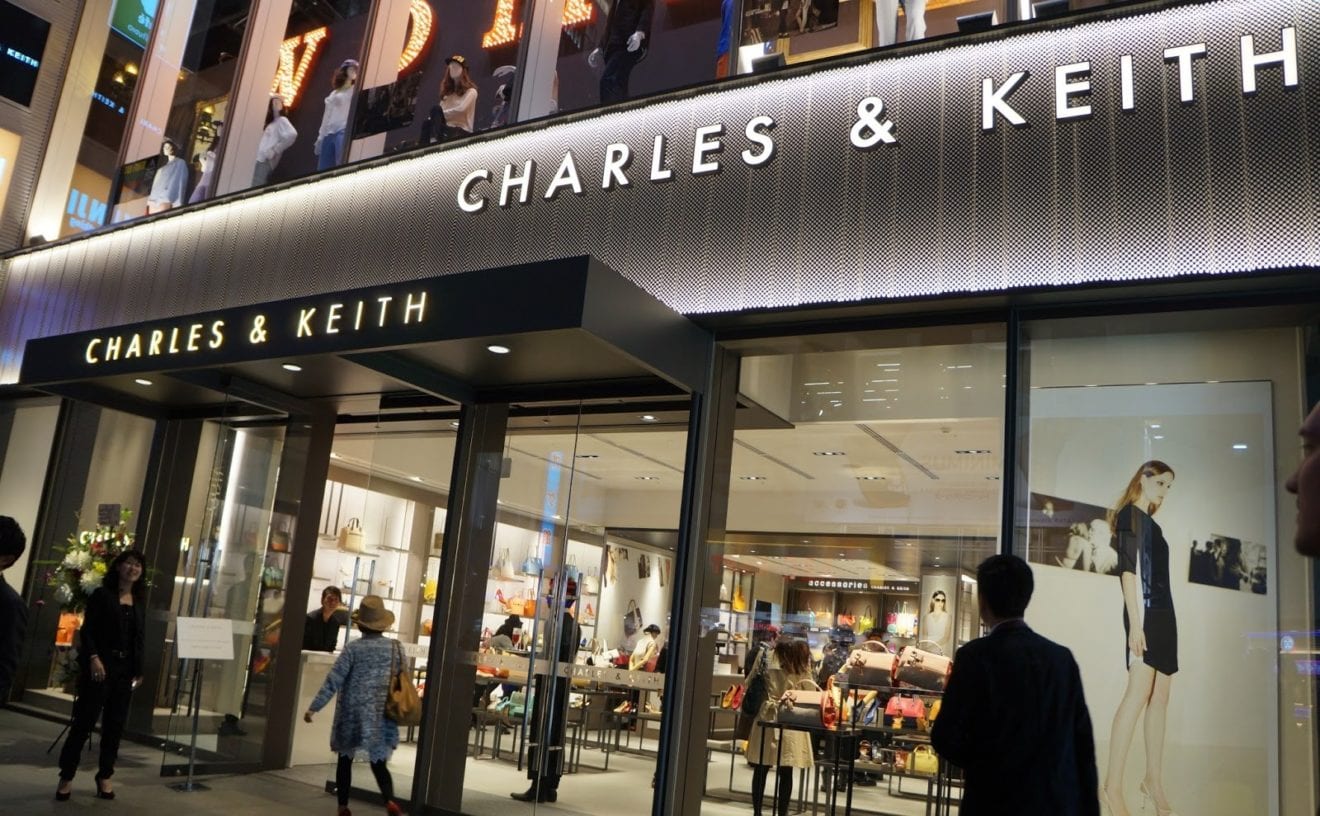
    This October, CHARLES & KEITH is expanding its retail reach by opening two new stores in Hong Kong, an iconic shoppers’ paradise. These stores would be the first to open in the city. The brand’s collections of trend-focused shoes, bags and accessories would be presented and available for purchase at these new stores.

    The new stores are located at Parker House, Central and New Town Plaza, Sha Tin respectively. Parker House occupies a coveted spot in the prime CBD district and houses a selection of premium retail brands, while New Town Plaza is a trendy flagship shopping centre that offers an exceptional array of shopping, dining and lifestyle facilities. Both of these properties are conveniently situated within walking distance of a MTR station.

    The aesthetics of the new CHARLES & KEITH stores is inspired by the brand’s refined design philosophy. They have been thoughtfully designed to be in line with the CHARLES & KEITH brand identity, as well as to enhance the overall shopping experience.

    Featuring limestone fixtures that create a striking contrast with the dark grey powder furnishing, the store’s modern interior design reflects a sophisticated simplicity that perfectly complements the brand’s stylish and covetable collections.

    To provide customers with a curated experience, each section of the store communicates the different stories of the season. From footwear and bags to lifestyle accessories, customers are encouraged to explore the diverse product selection. They would also be able to discover the latest trends and enjoy impeccable service at the stores.

    CHARLES & KEITH is guided by the vision of creating a line of innovative lifestyle accessories with a clear design aesthetic for the chic women. Prompted by the pursuit to be directional and innovative in the global market, the brand works closely with appointed business partners to develop at a sharp pace.

    The panache of the brand being experimental yet integrable to any wardrobe soon saw the accessories line comprising of bags, belts, shades, key chains, tech accessories and costume jewellery run through the collection.

    Today, CHARLES & KEITH is the go-to label for hard to emulate yet accessible designs, available in strategically located stores at prime shopping districts around the world.

  • Alipay blooms outside Mainland China

    Alipay blooms outside Mainland China

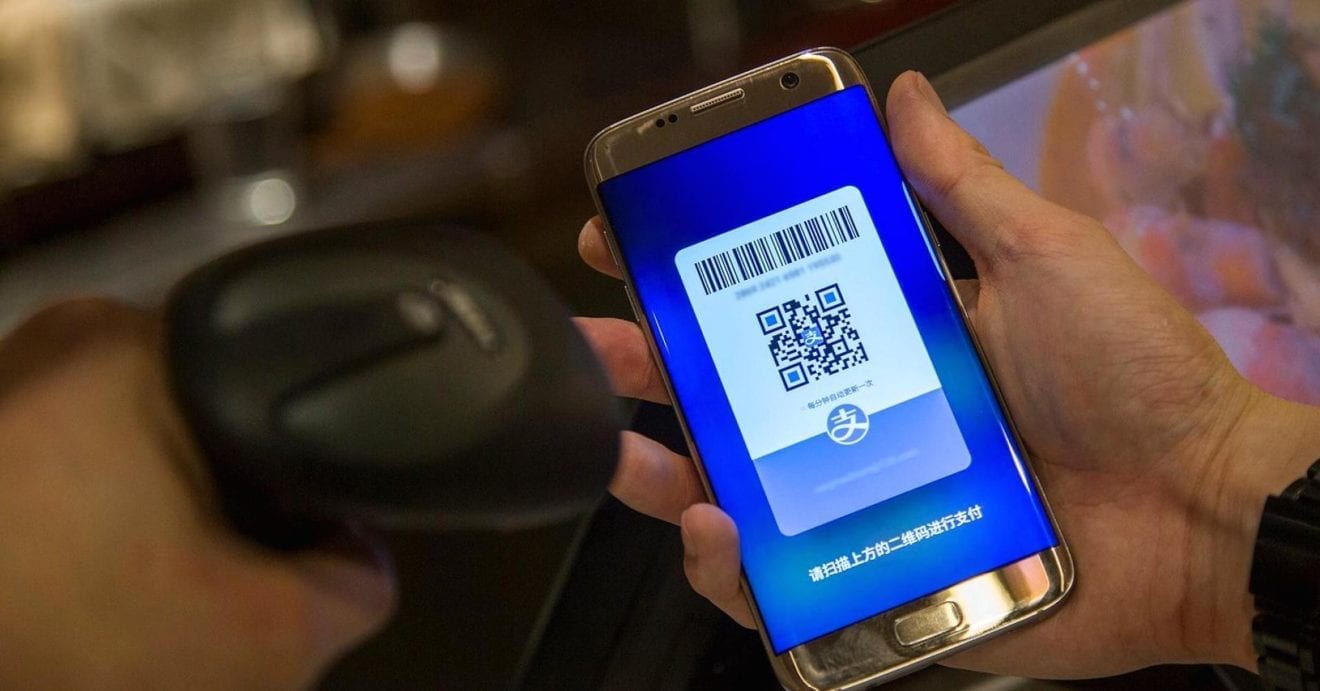
    Alibaba’s Alipay payments outside Mainland China has skyrocketed during the country’s holiday season.

    According to Ant Financial, during July and August of this year, Alipay processed 2.6 times the number of in-store overseas transactions as it did during the same period last year.

    And while Asian countries topped the rankings, double-digit transaction-volume growth was recorded in countries in northern and western Europe, including Denmark, Luxembourg, Norway, Sweden and Switzerland.  The number of Alipay transactions in Russia increased by more than 5000 per cent, as Chinese travellers flocked to the host country of this year’s FIFA World Cup.

    In rankings for transaction volumes, Hong Kong overtook Thailand to take top spot, Australia and Singapore overtook Taiwan; and and Malaysia overtook the US.

    Top 10 overseas markets for Alipay Transaction Volumes July-August

    1 Hong Kong

    2 Thailand

    3 South Korea

    4 Japan

    5 Macau

    6 Australia

    7 Singapore

    8 Taiwan

    9 Malaysia

    10 USA

    Top 10 countries by Alipay transaction volume growth

    (Based on Summer 2018 vs. Summer 2017)

    1 Russia 50x

    2 Luxembourg 39x

    3 Switzerland 18x

    4 Cambodia 14x

    5 Sweden 12x

    6 Norway 11x

    7 Greece 7x

    8 Canada 7x

    9 Malaysia 5x

    10 Portugal 5x

    Average total spending per user increased 43 per cent to RMB2955 (US$432) from last year’s RMB2073 (US$303). The average total spending per user was highest in France (RMB11,386 or US$1666), followed by South Korea and Denmark. European countries accounted for more than half of the Top 10 countries in terms of average total spending per user.

    Top 10 countries by average total spending per user

    1 France

    2 South Korea

    3 Denmark

    4 Italy

    5 UAE

    6 Greece

    7 Spain

    8 Australia

    9 UK

    10 Japan

    Those born in the 1970s, 1980s and 1990s accounted for 85 per cent of all those who used Alipay overseas during the summer months of 2018.

  • The Coca-Cola Company to acquire Costa

    The Coca-Cola Company to acquire Costa

    The Coca-Cola Company has announced that it has reached a definitive agreement to acquire Costa Limited, which was founded in London in 1971 and has grown to become a major coffee brand across the world.

    The acquisition of Costa from parent company Whitbread PLC is valued at US$ 5.1 billion and will give Coca-Cola a strong coffee platform across parts of Europe, Asia Pacific, the Middle East and Africa, with the opportunity for additional expansion. Costa operations include a leading brand, nearly 4,000 retail outlets with highly trained baristas, a coffee vending operation, for-home coffee formats and Costa’s state-of-the-art roastery.

    For Coca-Cola, the expected acquisition adds a scalable coffee platform with critical know-how and expertise in a fast-growing, on-trend category. Costa ranks as the leading coffee company in the United Kingdom and has a growing footprint in China, among other markets. Costa has a solid presence with Costa Express, which offers barista-quality coffee in a variety of on-the-go locations, including gas stations, movie theaters and travel hubs. Costa, in various formats, has the potential for further expansion with customers across the Coca-Cola system.

    The acquisition will expand the existing Coca-Cola coffee lineup by adding another leading brand and platform. The portfolio already includes the market-leading Georgia brand in Japan, plus coffee products in many other countries.

    Costa also provides Coca-Cola with strong expertise across the coffee supply chain, including sourcing, vending and distribution. This will be a complement to existing capabilities within the Coca-Cola system.

    “Costa gives Coca-Cola new capabilities and expertise in coffee, and our system can create opportunities to grow the Costa brand worldwide,” said James Quincey, President and CEO, Coca-Cola.

    Quincey added, “Hot beverages is one of the few segments of the total beverage landscape where Coca-Cola does not have a global brand. Costa gives us access to this market with a strong coffee platform.”

    Coffee is a significant and growing segment of the global beverage business. Worldwide, coffee remains a largely fragmented market, and no single company operates across all formats on a global basis.

    “The Costa team and I are extremely excited to be joining The Coca-Cola Company,” said Dominic Paul, Managing Director, Costa.

    Paul added, “Costa is a fantastic business with committed and passionate associates, a great track record and enormous global potential. Being part of the Coca-Cola system will enable us to grow the business farther and faster. I would like to say a huge thank you to our customers and to everyone in the Costa team who have helped us build the business to this position, and I look forward to the next exciting chapter in Costa’s vision of Inspiring the World to Love Great Coffee.”

    Transaction details

    The purchase price is £3.9 billion. This translates to approximately US$ 5.1 billion. Upon the closing, The Coca-Cola Company will acquire all issued and outstanding shares of Costa Limited, a wholly-owned subsidiary of Whitbread. This subsidiary contains all of the existing operating businesses of Costa.

    Whitbread will be seeking shareholder approval for the transaction, which is expected to take place by mid-October. The deal is subject to customary closing conditions, including antitrust approvals in the European Union and China. It is expected to close in the first half of 2019.

    Coca-Cola expects the transaction to be slightly accretive in the first full year, not taking into account any impact from purchase accounting. For the fiscal year 2018 (ending March 1, 2018), Costa generated revenue and EBITDA of £1.3 billion and £238 million GBP, respectively. This equates to roughly $1.7 billion in revenue and US$ 312 million in EBITDA.

    Because Coca-Cola expects the transaction to close in the first half of 2019, there is no change to 2018 guidance. The company’s long-term targets also remain unchanged. Coca-Cola will provide additional information as part of comprehensive guidance provided during the fourth quarter 2018 earnings call.

    Advisers

    Rothschild acted as exclusive financial adviser to The Coca-Cola Company. Clifford Chance acted as legal counsel to The Coca-Cola Company, and Skadden, Arps, Slate, Meagher & Flom acted as tax counsel to The Coca-Cola Company.

  • Jinqing Cai, President of Kering Greater China

    Jinqing Cai, President of Kering Greater China

    Kering is reinforcing its corporate team in Greater China in order to adapt to the fast-changing business environment in this market, which has been continuously growing in importance for the luxury industry since Gucci opened its first store in China in 1997.

    This new management set-up will strengthen the existing corporate structure specifically dedicated to supporting the long-term development of Kering’s luxury Houses in Greater China.

    Ms. Jinqing Cai has been appointed President of Kering Greater China, starting from September 10, 2018.

    Her mission will be to reinforce the visibility of Kering in Greater China and to strengthen the links between the Group and its local partners. She will be based in Kering’s Shanghai office and will report to Jean-François Palus, Group Managing Director of Kering.

    François-Henri Pinault, Chairman and CEO of Kering, said: “Kering started to invest in Greater China some time ago and had built the foundations of a long-lasting and successful business, while continuously reinforcing our relationships with local partners. I am very pleased with the appointment of Jinqing Cai, which is a further testament to our long-term commitment in Greater China.”

    With this new organization, Kering will be best positioned to further support the rapid development of its luxury Houses in Greater China and to seize business opportunities in the Asia-Pacific region.

    Jinqing Cai started her career in 1993 in New York as an associate in a strategic consulting company. She then moved to Hong Kong to work for private equity fund management companies, k1 Ventures and Lark International Entertainment Limited, focusing on the media and entertainment industries.

    In 2002, she co-founded the PR firm New Alliance Consulting International in Beijing and managed the highly successful inaugural annual conference of Boao Forum for Asia.

    In 2005, Ms. Cai became the founding partner of Brunswick Beijing, playing a central role in the PR firm’s high profile cross-border transactions.

    In 2012, Ms. Cai joined the leading auction house Christie’s as the first Managing Director of Christie’s China. She was appointed President of Christie’s China in 2014 and then Chairman in 2016.

    Ms. Cai received her bachelor’s degree from Wellesley College in Massachusetts and a Master’s in Public Affairs from Woodrow Wilson School of International and Public Affairs, Princeton University.

    She was born and raised in Beijing and was an undergraduate student at Beijing University between 1986-1989, before pursuing her education overseas.

    Ms. Cai is on the international advisory board of the New York Philharmonic Orchestra, and serves as a board member of Teach for China, a non-profit organization focusing on education inequality in China

    In parallel with her new role at Kering Greater China, Ms. Cai will retain a consulting role at Christie’s, serving as Deputy Chairman of the company’s Asia Advisory Board.

  • Lippo Indonesia Delivers First Apartments in Meikarta Megaproject

    Lippo Indonesia Delivers First Apartments in Meikarta Megaproject

    The Lippo Group handed the first 863 apartments in its Meikarta megaproject in Cikarang, Bekasi, West Java, over to their new owners on Saturday, signifying the conglomerate’s success in meeting its commitments.

    Lippo Cikarang, the group’s property developer arm, said in a statement that the apartment units are in the towers known as Irvine Suites and Westwood Suites – both situated in the Meikarta CBD, which is the premium area inside the 500-hectare property development. The two towers have cost Rp 709 billion ($48 million).

    “This handover of apartment units in the Meikarta CBD is real proof of our achievement and success in honoring our commitments to our customers,” Meikarta president Ketut Budi Wijaya said in the statement.

    Saturday’s event marks the start of a series of handovers of apartments in the 84-tower first phase of the gigantic project. All units in the six 42-story apartment towers – Irvine, Westwood, Pasadena, Burbank, Glendale Park and Newport Park – have already been sold.

    The topping-off ceremonies of the first four towers, marking the placement of the last beam on top of the building, have already taken place, while those of Glendale and Newport are scheduled for December this year.

    Lippo plans to hand over the second batch of units in 28 more towers, which are between 32 and 42 stories in height, in February next year.

    The Rp 278 trillion project, which will ultimately consist of 200 skyscrapers hosting offices, apartments, shopping malls, educational institutions and health care facilities, is expected to redefine urban living in Indonesia.

    The developer plans to build 225,000 apartments in total and designate 1.5 million square meters as commercial space.

    Situated 34 kilometers east of the capital, the future city will eventually be home to around a million people who will benefit from several transportation infrastructure projects currently underway.

    In addition to an elevated section of the Jakarta-Cikampek Toll Road, scheduled for completion in 2019, there is also a light rail transit system connecting Cawang, East Jakarta, with East Bekasi. This project has already reached 47 percent completion. Another is the Jakarta-Bandung High-Speed Railway, which is expected to be operational by March 2021.

  • Nestlé and Starbucks close deal for global license of Starbucks CPG and Foodservice products

    Nestlé and Starbucks close deal for global license of Starbucks CPG and Foodservice products

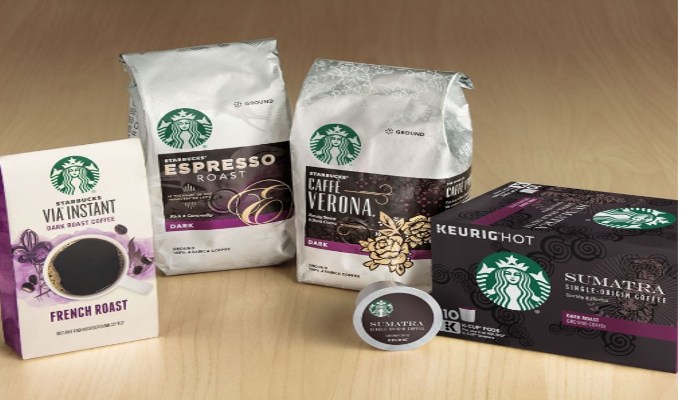
    Nestlé and Starbucks Corporation announced the closing of the deal granting Nestlé the perpetual rights to market Starbucks Consumer Packaged Goods and Foodservice products globally, outside of the company’s coffee shops.

    Through the alliance, the two companies will work closely together on the existing Starbucks range of roast and ground coffee, whole beans as well as instant and portioned coffee. The alliance will also capitalize on the experience and capabilities of both companies to work on innovation with the goal of enhancing its product offerings for coffee lovers globally.

    “This partnership demonstrates our growth agenda in action, giving Nestlé an unparalleled position in the coffee business with a full suite of innovative brands. With Starbucks, Nescafé and Nespresso we bring together the world’s most iconic coffee brands,” said Mark Schneider, Nestlé CEO.

    “The outstanding collaboration between the two teams resulted in a swift completion of this agreement, which will pave the way to capture further growth opportunities,” he added.

    The agreement significantly strengthens Nestlé’s coffee portfolio in the North American premium roast and ground and portioned coffee business. It also unlocks global expansion in grocery and foodservice for the Starbucks brand, utilizing the global reach of Nestlé.

    “This global coffee alliance with Nestlé is a significant strategic milestone for the growth of Starbucks,” said Kevin Johnson, President and CEO of Starbucks.

    Johnson added, “Bringing together the world’s leading coffee retailer, the world’s largest food and beverage company, and the world’s largest and fast-growing installed base of at-home and single-serve coffee machines helps us amplify the Starbucks brand around the world while delivering long-term value creation for our shareholders.”

    Approximately 500 Starbucks employees in the United States and Europe will join the Nestlé family, with the majority based in Seattle and London. The international expansion of the business will be led from Nestlé’s global headquarters in Vevey, Switzerland.

    The agreement covers Starbucks packaged coffee and tea brands, such as Starbucks®, Seattle’s Best Coffee®, TeavanaTM/MC, Starbucks VIA® Instant, Torrefazione Italia® coffee and Starbucks-branded K-Cup® pods. It excludes Ready-to-Drink products and all sales of any products within Starbucks® coffee shops.

  • Lululemon sportswear continues to surge

    Lululemon sportswear continues to surge

    Lululemon Athletica second-quarter sales rose 25 per cent in the second quarter to the end of July, with comp-store sales up 20 per cent.

    The Canadian activewear company reported net revenue of US$723.5 million and income from operations of $134.2 million, up 95 per cent year on year.

    “We are very pleased with the consistent performance of our business,” said chairman Glenn Murphy.

    The company ended the quarter with 415 stores and an inventory up 24 per cent to $392.7 million.

    The solid result followed a 25 per cent increase in the first quarter when net revenue reached  $649.7 million, and widening margins delivered a 130 per cent increase in income to $104.3 million.

    At the time, retail analyst and GlobalData MD Neil Saunders said the company was clearly outperforming the market by a “considerable degree”.

    COO Stuart Haselden said the “great” second-quarter result was achieved across all parts of the business and early indications are it is continuing into the new quarter.

    “This ongoing success positions us to achieve our 2020 goals and beyond. Above all, we want to thank our educators and teams around the world who make this possible.”

    Lululemon Athletica’s incoming CEO Calvin McDonald, said he plans to build on the success. “We have an incredible growth trajectory in front of us given the strength of the brand and our people.”

  • Zhang Ziyi, new Clé de Peau Beauté’s Global Brand Ambassador

    Zhang Ziyi, new Clé de Peau Beauté’s Global Brand Ambassador

    Clé de Peau Beauté, Shiseido Group’s prestige brand, announces that Golden Globe and BAFTA nominated actress Zhang Ziyi has been appointed as a Global Brand Ambassador. In a new campaign premiering this fall, Ms Zhang will represent La Crème — the iconic product that epitomises Clé de Peau Beauté’s dedication to excellence.

    Their first campaign together draws parallels between the legendary status of Ms Zhang and that of the legendary Clé de Peau Beauté product, La Crème. Expressive, lyrical and full of light, the campaign explores the uncompromising commitment to excellence the actress and cream share. Their story, building to the reputation they enjoy today, is narrated by Ms Zhang herself.

    Yukari Suzuki, Chief Brand Officer of Clé de Peau Beauté says of the collaboration: ”We have long admired Zhang Ziyi for her accomplishments and her dedication. Her beauty, warmth and generosity bring radiance to the world around her. Zhang Ziyi perfectly embodies the values of Clé de Peau Beauté because of her spirit and timeless elegance.”

    Jenny Sun, Brand Director of Clé de Peau Beauté China, says: ”Our collaboration with Zhang Ziyi will elevate the awareness and aspirational status of Clé de Peau Beauté in the China market. It will help to further establish the quality and luxury that Clé de Peau Beauté and La Crème are already renowned for.”

    Zhang Ziyi is an actress of rare beauty and monumental achievement. Following her debut in Zhang Yimou’s The Road Home, which won the Silver Bear Award at the 2000 Berlin Film Festival, she has gone on to appear in more than 20 movies including the internationally acclaimed Crouching Tiger, Hidden Dragon, House of Flying Daggers and Memoirs of a Geisha. Her role in 2013’s The Grandmaster earned her 12 Best Actress Awards — the most awarded actress for a single film — cementing Zhang Ziyi as a legendary talent.

    Ms Zhang became a lifetime member of the Academy of Motion Picture Arts and Sciences in 2005, and has been on the Cannes Film Festival juries three times. She is currently a coach on the number one-rated Chinese reality competition show in China, An Actor is Born.

    ”I’m delighted to be the Global Brand Ambassador for Clé de Peau Beauté. And to represent La Crème, an object of desire that is exquisite and modern. I’m proud to be part of bringing this energy to the world,” says Zhang Ziyi.

  • Indonesia’s E-Commerce Market Will Grow to $65b by 2020

    Indonesia’s E-Commerce Market Will Grow to $65b by 2020

    Online sales of physical goods in Indonesia are projected to increase more than eightfold to $65 billion annually by 2020, a study by global business consultancy McKinsey & Company shows.

    The report titled, “The digital archipelago: How online commerce is driving Indonesia’s economic development,” concludes that government support, large numbers of young, digitally savvy consumers and increased participation by micro, small and medium enterprises in e-commerce will drive the digital economy and boost online sales over the next five years.

    “We think there will be leapfrog growth for Indonesia’s e-commerce sales in the coming years, which is boosted by the number of internet users,” McKinsey Indonesia president director Philia Wibowo said in Jakarta on Wednesday.

    According to the Indonesian Internet Service Providers Association (APJII), there were 143 million internet users in the country last year, with about 44 percent of them using mobile devices to go online.

    McKinsey noted that e-tailing, or business conducted online through e-commerce firms such as Blibli, Tokopedia, Bukalapak and Lazada, will likely amount to $40 billion by 2020, while transactions on social media platforms, including Facebook, Instagram, Line, WhatsApp and Blackberry Messenger, may reach anything between $15 billion and $25 billion.

    Total e-commerce sales in Indonesia amounted to around $8 billion last year, with $5 billion of that from e-tailing.

    McKinsey also noted that 83 percent of internet users are expected to make online purchases by 2020, compared with 74 percent currently.

    The business consultancy interviewed 60 experts, ranging from chief executives of publicly listed companies, small and medium business owners, startup owners, former ministers to heads of government agencies, across the archipelago.

    The company also surveyed nearly 3,500 people, including 700 online merchants, 500 offline merchants, 2,000 online buyers and 250 dropshippers.

    “We conducted this research because we saw that there are rarely surveys out there that offer comprehensive reports on e-commerce. This particular sector has a real impact on the country’s economy,” Philia said.

    This is McKinsey Indonesia’s first e-commerce survey.

    Social Impact

    McKinsey said e-commerce has had a positive impact on job creation and social equity in Indonesia.

    As the largest e-commerce market in the region, Indonesia could generate about $20 billion in online sales by 2020, compared with $2.5 billion today.

    This projection shows that online sales in the coming years will also come from regions in Indonesia that are currently untapped.

    The business consultancy projects that e-commerce will support 26 million jobs both directly and indirectly by 2020, compared with 4 million now.

    Meanwhile, buyers can also save money through e-commerce. People living outside Java can expect to pay between 11 percent and 25 percent less for goods online, compared with brick-and-mortar shops.

    Buyers living in Java can save between 4 percent and 14 percent, McKinsey said.

    The business consultancy said e-commerce can also improve gender parity and financial inclusion.

    Challenges

    McKinsey noted that there are five key challenges if Indonesia wants to boost its e-commerce sector.

    The government should ensure that logistics and infrastructure are reliable. Indonesia still trails behind many other countries in terms of infrastructure development and it ranked in 63rd place among 160 countries globally in 2016, according to the World Bank data.

    Online payment systems meanwhile also play an important role in the growth of e-commerce. However, only 49 percent of Indonesians currently have access to financial services, compared with 85 percent in Malaysia and 82 percent in Thailand.

    McKinsey said while the internet is key to building a strong digital ecosystem, only around 60 percent, or 36 million small and medium business in Indonesia currently have an online presence. Of those, only about 15 percent have online ordering and payment systems, which shows an urgent need for small business owners to implement reliable technology and payment systems.

    Aside from that, McKinsey said Indonesia also faces a technical skills shortage. The country only produces eight science, technology, engineering and mathematics graduates per 1,000 citizens, while China produces 34 and India 20.

    Supportive Policies

    McKinsey further noted that supportive government policies also play an important part in boosting the country’s digital economy.

    Indonesia revised its negative investment list in 2016 to allow 100 percent foreign direct investment in e-commerce, if the investment exceeds Rp 100 billion ($6.8 million).

    The government is also committed to improving the country’s infrastructure, prioritizing the building and upgrading of ports and roads to lower logistical costs.

    “The focus on infrastructure projects must be continued, especially to improve access to rural areas,” Philia said.

    The government further established several agencies to support the digital economy, including the Bank Indonesia Fintech Office last year and the National Creative Economy Agency (Bekraf) in 2015.

  • Growth of Indian fashion e-commerce

    Growth of Indian fashion e-commerce

    E-commerce is the future of retail, and is taking giant steps as technology is being redefined with each successive year. But, contrary to popular belief, e-tailing can be expected to actually augment the growth of traditional retail in India along with consolidating wholesale and distribution channels.

    The Indian retail market is emerging as one of the most dynamic and fast-paced sector attracting several new domestic and international players. It accounts for over 10 percent of the country’s Gross Domestic Product (GDP) and around 8 percent of the employment. India is the world’s fifth-largest global destination in retail space. The Indian retail market is estimated at Rs 46,15,000 crore (US $710 billion) in 2017, and is expected to grow at a CAGR of 9 percent to reach Rs 1,08,58,000 crore (US $1,672 billion) by 2027. Corporatized retail had only a share of 11 percent in 2017, out of which, e-retail accounted for meagre 2 percent (Rs 92,300 crore). After the implementation of unified taxation under GST regime, it is expected that the share of corporatized retail will increase at higher rate. With increasing penetration of Internet in India, the acceptability of online shopping is expected to grow at a phenomenal pace.

    INDIAN RETAIL MARKET

    The Indian retail market is primarily dominated by food and grocery (~67 percent) followed by apparel and accessories (~8 percent), jewellery and watches (~8 percent) and others.

    India has witnessed a drastic shopping revolution in terms of retail formats, distribution channels and consumer buying behaviour. There has been an increase in purchasing power of consumers owing to the growth of middle class with higher share of disposable income, easy financial options, etc. The consumers today are more educated and well informed thus becoming more experimental and willing to try new products and new modes of purchases.

    E-retail is one of the fastest growing formats in Indian retail market owing to the convenient and personalized shopping experience. The Indian e-retail is estimate at US $16.3 billion in 2017 and is expected to grow at CAGR of 45 percent to reach US $49.5 billion by 2020.

    E-TAILING IN INDIA

    India is expected to become one of the world’s fastest growing e-tail markets, driven by robust investment in the sector and rapid increase in the number of internet users. Under Government initiatives like ‘Digital India’, Internet has penetrated to 400 million users, 48,000 gram panchayats are connected by optical fibres under Bharatnet program and 120.8 million have access to broadband. The increasing spectrum of Internet reach across geographies of India coupled with corporatization of apparel sector is paving way for emergence of e-commerce as a major retail channel in apparel category.

    E-tailing evolution took place in India starting with books and media as the key category. Electronics joined the e-tail bandwagon next and apparel, lifestyle were the third product categories. The other categories that have found traction include babycare, home and living, etc.

    At present, the e-commerce market is led by electronics category with a share of ~49 percent followed by apparel and lifestyle which is ~25 percent (including footwear, bags, belts, wallets, watches, jewellery, etc.). The adoption of e-tail in apparel and fashion industry is resisted by the consumers’ willingness to touch-and-feel the product before making purchase decision. To address this issue, initiatives like cash on delivery, easy return and exchange, discounts and offers are being implemented to encourage consumers to use online channel for shopping.

    E-tailing is in early stage but is growing rapidly and it will be further catalysed with the digital India program and structural reforms like GST implementation. Current share of e-retail in apparel and lifestyle segment is estimated at 4 percent in 2017 and is expected to grow four times from US $4 billion in 2017 to US $13 billion by 2020.

    E-retailers have rapidly scaled up their product offerings, providing a wide choice to customers. Several players have adopted marketplace models (pure or managed) which has enabled them to offer more categories, more brands and greater market reach for brands. E-retailers are opting for Omnichannel retail model by opening their physical store to capture a bigger market share. In addition, E-tailers are also investing into studios to improve uniformity in product catalogue for different suppliers, thereby enhancing customer’s shopping experience.

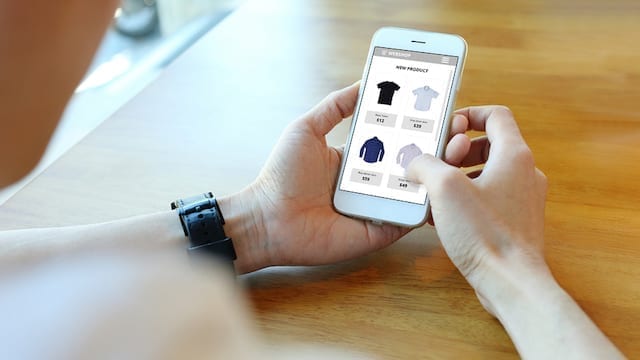
    Along with faster and easier navigation, most e-tailers provide detailed specifications of the products to make it easier for consumers to make purchase decisions. For instance, high resolution pictures and zoom in features are provided on the website to showcase the details of the products. Multiple images from different angles enable detailed view of product. Measurement charts assist the customer to make the right fit decision in case of apparel products, etc.

    KEY GROWTH DRIVERS OF E-TAIL IN INDIA

    Indian online retail has witnessed a surge in recent years and is expected to swell up to ~15 percent of the total retail by 2020 from current contribution of 4 percent (2017) in apparel and lifestyle segment. There are multiple factors which contribute to the growth of e-tail in India.

    Growth of digital penetration – India is in the midst of a digital revolution. The number of Internet users is likely to cross 650 million by 2020 and it is expected that half of the Indian population will be online in the next 3 years. Mobiles have become the most preferred device to access internet. The availability and affordability of smartphones with access to cheap internet data coupled with the rise in disposable income is fuelling the growth of digital penetration.

    Reach of e-retail channel – In next 3-4 years, more than half of India’s incremental Internet growth is expected to come from rural India. Additionally, the digital user demographic is expected to expand beyond the traditional stereotype, with a significant growth in female and older Internet users by 2020. This will result in a larger market size across different geographies, age and genders and not just a small targeted group. The diversity in the Internet users will facilitate an opportunity for online retailers to expand their product portfolio as per the increasing customer base.

    Impact of digital age – Though, Internet has penetrated to 400 million users today, but they are different in usage behaviour and needs. 60 percent of rural Internet users go online using Internet enabled phones and not smartphones. The major use of Internet in rural consumers is limited to entertainment, education and social networking. The online purchase behaviour is best predicted by the ‘digital age’ (years spent online), and not by demographics. With an increase in digital age, the internet users even from rural areas are expected to use e-retail for making their purchase decisions.

    Increasing fashion demands in small cities and towns – With the media exposure, rising awareness, growing aspirations and increasing share of disposable income, Indian consumers are looking to get access to global fashion brands. Limited reach of brick and mortar retail outlets of brands in smaller cities provides an opportunity for online retailers. Heavy discounts and promotions, availability of exclusive products, customized experience, availability of global brands, etc. Have made consumers residing in Tier -II and -III cities and semi-urban areas migrate to these online channels.

    Improved supply chain and end delivery logistics – E-commerce business is completely dependent on effective supply chain management. Successful supply chain management coordinates and integrates activities like manufacturing, operations, transportation and physical distribution of product with last mile connectivity to end users into a seamless process. For customer acquisition from traditional way of brick-and-mortar channel and their retention, it is necessary to provide customized shopping experience to the consumer by giving several convenience options like various payment options, mode of delivery, point of delivery, etc.

    Growth of private labels – With increasing acceptability of private labels among Indian consumers, e-retailers are entering into this emerging segment. The access to exhaustive informative data on consumer’s buying behaviour and preferences have provided an advantage to online retailers in terms of understanding the consumer’s needs. With private labels, online retailers are able to increase their revenues owing to lower distribution overheads, lesser number of intermediaries and negligible marketing cost involved in private labels.

    KEY CHALLENGES

    Despite high growth, e-tailers face several challenges in the country. Challenges and concerns related to e-tailing in India are enumerated as under:

    Competitive intensity – Changing customer preferences and their competitive demand has made e-tailing a highly competitive business which results in cash-burn with regular promotions/ discounts. High discounts by e-retailers to acquire customers have led to unreal customer expectations, low loyalty and losses.

    Sub-optimal logistics and infrastructural bottlenecks – Most of the logistics companies do not have pan-India reach. As some regions are not easily accessible, retailers have to cancel such orders due to inability of logistics partners to provide service in those areas. Inadequate infrastructure such as poor conditions of roads, highway, etc., is one of the main challenges faced by the e-retailers resulting in a major roadblock in their growth story.

    Inability to convert returns into retails – The conventional brick-and-mortar channel is able to convert the return of product into sales. Consumers when go to shop to return the product, they generally shop for other goods due to easy accessibility to other designs and variety in the shop, which is not the same in case of online shopping.

    Different Drivers for online purchase – The purchase drivers are very different across different geographies, regions and population centres. Factors such as promotions, discount and offers are the key driving factor for online purchase across all the regions – metros, tier -I and II cities. But there are other region specific factors such as, availability of new products, better product assortments, easy return policy, express delivery options, etc., which drive growth in different cities and regions. Thus e-tailers have to develop different strategies for different regions and geographies.

    CONCLUSION

    In the current shopper-centric era, Indian fashion industry is joining hands with technological advancements. Retailers are progressively accepting innovative ideas and tactics to create a memorable and personalized shopping experience, at the same time ensuring lower logistics and operational cost thus leading to higher revenues. With increasing internet penetration, e-commerce is expected to grow at relatively higher rate in comparison to conventional retail channels. With increasing acceptance of private labels within the Indian consumers, e-retailers are venturing into private labels.

    E-tailing can play a crucial role in consolidating wholesale and distribution channels, and in developing India-specific business models. By virtue of the advantages discussed in previous sections, e-tailing can bring down the cost of distribution and can complement the growth of traditional retail. In future, e-retail is expected to take a step ahead in adopting Omnichannel retail strategy, capturing higher market share.

  • Anais and Greygrei to make China debut

    Anais and Greygrei to make China debut

    Korean clothing brands Anais and Greygrei are set to enter the Chinese market under Korean young-casual clothing firm Maison de Anais.

    The label, which successfully launched in northern Europe earlier this year, will target the late 20’s to late 30’s womenswear market in China after having received interest at the Shandong Korean Product Exhibition last July.

    The Greygrei brand is currently pending its official release on VIP.com, one of the three leading B2C internet shopping malls with the largest sales among Chinese e-commerce mobile apps.

    A Maison de Anais spokesperson said online fashion platforms are attractive to brands as they can help establish brands in the fast-changing Chinese market.

    “By introducing on VIP.com, Maison de Anais hopes to promote the brand to various buyers and distribution channels in China by increasing the brand competitiveness and reference of Greygrei as we establish direct contact with the customers.”

    Company president Jeong Ho Lee added: “Times are changing where a wide range of age groups, especially female consumers from their late 20’s to late 30’s, are taking the main role in invigorating the fashion market in China, from an era where the early-to-mid-20’s used to be at the helm. Greygrei and Maison de Anais hope to write [a] success story with China as the main stage.”

  • Myntra announces the arrival of the 4th edition of ‘Myntra Beauty Edit’

    Myntra announces the arrival of the 4th edition of ‘Myntra Beauty Edit’

    Myntra is hosting the 4th edition of ‘Myntra Beauty Edit’, the most awaited carnival for cosmetics and beauty products online, from September 4-5. The fourth edition of the two-day mega festival is being complemented with over 30 new brand launches on Myntra’s platform.

    The theme for the current edition of Myntra Beauty Edit is #NeverEnough, which is in line with the common notion of beauty and personal care products never being enough for men or women. The festival offers the perfect opportunity for all to pamper themselves by shopping for such products, at great offers. With over 15000 assortments and styles and irresistible offers on over top 280 brands,

    Miss Claire, Nova, Dermalogica, Juicy Chemistry, Ciate London, GK Hair, Swiss Image, Mauboussin, Faconnnable, Jeanne en Provence, Nissan and Dr. Scheller, are some of the international brands being launched during the event. Shoppers can avail deals that change every four hours during the festival period and will also receive beauty coupons on every purchase.

    Myntra has also launched a 30 second film to promote the festival. The melodic ad showcases a range of beauty products across makeup, skincare, hair care and men’s grooming, accentuating the various options available for all to look special.

    In the video, viewers witness characters trying out various beauty and grooming options to suit their tastes and preferences, while also revealing the irresistible offers, new brand launches and style options during the two day carnival. The film captures the essence of the core message in a very lively and exciting fashion.

  • How to get GEN Z?

    How to get GEN Z?

    From a shared workspace in Shoreditch, Threads Styling sells luxury fashion to ultra-wealthy twenty-somethings from around the world the same way they are used to chatting with their friends: via social media messaging platforms like WhatsApp, Snapchat, Instagram and WeChat.

    A recent Instagram Stories posted by Threads, called “Fresh Fendi Finds,” shows a video of a model in a denim logo-covered trench coat posing in a decadent store, a close-up of her white knee-high crocodile-skin cowboy boots and a series of photos of her gold logo earring hoops with the hashtag #hardwareheaven. Swipe up and you are connected to a personal stylist. “Hello! I would love to help you with this enquiry,” a live chat begins.

    “It’s something really personal and really digital and how you can go beyond e-commerce,” says Threads Styling founder Sophie Hill. The company is not yet profitable, but sales growth has doubled annually for the past four years, putting yearly revenue “in the tens of millions of pounds,” according to a source close to the business. Revenues come from “wholesale to commission” partnerships with brands, though the company does not hold inventory, Hill explains. Now, the start-up has secured $20 million in Series A funding from Highland Europe and C Ventures.

    Hill, a millennial herself, launched Threads Styling in 2010 as a personal shopping service that was entirely mobile and social media-based because it was “exciting, convenient and more personal and curated.” She started by partnering with five-star hotels in London to deliver a shopping concierge service to their guests and quickly built up a following with young, Middle Eastern royalty who not only wanted the bag of the season, but also advice on how to style it, serviced exclusively via their phones. Freelance stylists curated a constant stream of looks to post on social media, while personal shoppers offered fashion advice, sourced items and then dispatched them globally. In 2012, Hill hired her first full-time staff member. Today she has 90.

    Powered by algorithmic “chatbots,” messaging-based e-commerce, or “conversational commerce,” was once believed to be the next big thing in online shopping. Facebook was particularly bullish, painting a bright future for chat-based commerce on its Messenger app. But the technology failed to take off and the hype died down. Now, the introduction of Apple Business Chat has rekindled interest in the space. Threads Styling plans to scale its business with chat bots that can handle conversations with demanding luxury customers. It also plans to add offices in the US and Asia.

    Hill had the foresight to see that Generation Z, born post-1996, do most of their shopping research on social media, while their smartphone ownership is close to universal, with an average of 2 hours 43 minutes a day spent on social networks and messaging services, according to GlobalWebIndex, a consumer data analytics firm. Gen Z are also less loyal to retailers, so developing real relationships is key.

    “It’s a relationship we build with the customer. We’re more like an influencer and less like a brand,” says Hill. Their shoppers are “extremely loyal” repeat buyers, who shop at full price and often buy the entire look in one of the company’s social posts.

    The average shopper at Threads is 25 years old. Many of them are also ultra-high net worth individuals, defined as those with assets over $30 million, says the company’s vice president of brand strategy Rachel Reavley. Average basket size is $3,000 with a return rate below 5 percent. That compares with average order size of $373 at Yoox Net-A-Porter, $729 at MatchesFashion and $1,400 at Moda Operandi. No wonder Threads has over 250 luxury brand partners from Fendi to Chopard and Dior.

    Gen Z is growing in importance for luxury brands. Currently, this generation only accounts for 2 to 3 percent of luxury market sales, while millennials make up 30 percent, according to John Guy, luxury analyst at Mainfirst Bank. But the split is set to shift. In China, half of luxury shoppers are under 30, according to research by Secoo and Tencent.

    Threads is certainly not alone in targeting wealthy Gen-Z shoppers. At MyTheresa ultra high net worth individuals account for 30 percent of total revenues, and “the speed with which Gen-Z customers currently show up in this group is faster than any other customer type, although still at a small scale,” says Michael Kliger, president at MyTheresa. “We have seen a progressive increase in the number of young customers shopping with us globally and have to tailor the way we service these customers, particularly with their focus on social and mobile. They react with speed to any social content, in particular pre-launches, new arrivals or exclusives.”

    “One thing we find that sets Gen Z apart from our other EIP customers is their openness to try new designers; they’re not brand loyal and instead they look for the right product and design over the designer,” says Elizabeth von der Goltz, global buying director at Net-a-Porter, referring to high-spenders that the e-tailer calls “Extremely Important People” or EIPs. “Having said that, the brands that consistently perform really well for this audience are those whose collections are more logo-focused or who offer a more streetwear aesthetic: from Gucci and Balenciaga to Vetements and Off-White. And they’re obsessed with newness.”

    But physical stores are anything but dead. Most Gen-Z consumers actually prefer to make purchases in physical spaces though they may be researched, price compared and influenced by friends on social media prior to the actual transaction. That means luxury stores need to be experience-focused, Instagram-worthy, fun and include engaging customer services akin to a VIP experience, according to Tiffany Zhong, the 21-year-old founder of Zebra Intelligence, a Gen-Z consumer insights platform.

    “I think a lot of luxury brands are missing out, they think millennials are more important and they do not know how to target Gen Z,” Zhong says. “For them, luxury is stuff that’s scarce or stuff that others don’t have, limited edition items. Gen Z cares about being unique,” she continues, adding: “The experience is just as important as the product, whether its in-store or online it’s about making it unique and fun.”

  • Indonesia to Work With Alibaba’s Jack Ma to Increase Exports: Minister

    Indonesia to Work With Alibaba’s Jack Ma to Increase Exports: Minister

    Indonesia will partner with Alibaba chief executive Jack Ma to look into ways to use of the e-commerce giant’s ecosystem to increase its exports, particularly to China, Communications Minister Rudiantara said on Sunday.

    “We are also discussing how to work together to develop tech talents to meet the needs of Indonesia and the region,” Rudiantara said after meeting Ma and President Joko “Jokowi” Widodo on Saturday.

    The Alibaba founder and chief executive, who was in Jakarta for the 2018 Asian Games, was named an e-commerce adviser to the Indonesian government in 2017.

    McKinsey estimated in a report released on Aug. 30 that the value of Indonesia’s e-commerce market will grow to at least $55 billion by 2022 from $8 billion in 2017.

    Alibaba is China’s biggest e-commerce firm, but its ecosystem includes payments platform Alipay and a cloud computing arm.

    Rudiantara told Reuters the details of the deal would be finalized during a second visit by Ma in October.