Tag: asia

  • No fuel tax hike before 2020, minister assures

    No fuel tax hike before 2020, minister assures

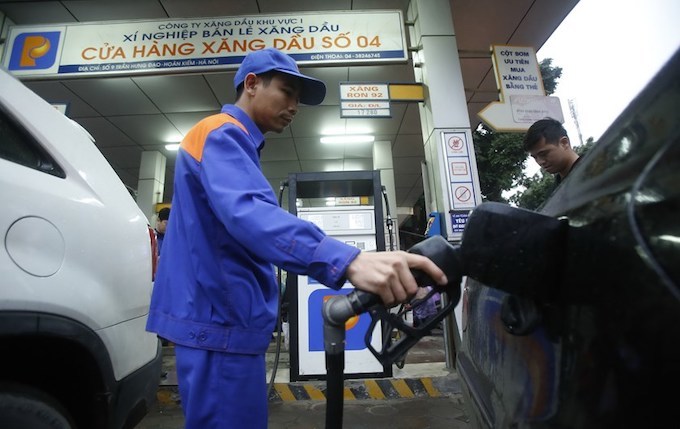
    Vietnam won’t increase its fuel tax before 2020, Finance Minister Dinh Tien Dung has directed.

    Dung has ordered a proposal to increase environmental tax on petrol and diesel to be removed from next year’s plan.

    Earlier this year, the ministry had proposed that the environmental tax on petrol and diesel be increased by 33 percent, or VND4,000 (17 cents) per liter for petrol and VND2,000 per liter for diesel.

    The proposed hike, the highest permitted in Vietnam, was met with strong public opposition.

    But the ministry had defended its proposal by saying that the tax can bring VND57.3 trillion ($2.4 billion) each year to state coffers, an annual increase of VND15.7 trillion ($650 million) from current collections.

    Last month, top legislator Nguyen Thi Kim Ngan approved the delay after listening to experts’ say that the tax will affect Vietnam’s goal of containing inflation below four percent this year.

  • IKEA Korea to start Online Sales this Saturday

    IKEA Korea to start Online Sales this Saturday

    IKEA Korea will open an online mall, on September 1, in line with its Swedish headquarters’ efforts to increase its online sales worldwide, the global home furnishing company‘s local subsidiary said.

    “We will officially launch our e-commerce channel September to offer better accessibility to customers nationwide, because we have only two stores in Korea,” IKEA Korea’s country retail manager Andre Schmidtgall said at an IKEA pop-up store in Seoul.

    According to IKEA Korea, a distribution center has already been established to improve inventory and distribution management efficiency. The online shopping platform will offer a comprehensive range of products with a few exceptions such as foods.

    The company is also considering various ways to cater to urban residents.

    The chief executive said his company is moving to open more “customer touchpoints” in downtown areas around Korea to better understand their needs, as IKEA Group CEO Jesper Brodin said during his visit to Korea in April.

    Including the opening of pop-up stores in Seoul, an IKEA Korea taskforce is conducting various tests to consider the possibility, according to Schmidtgall.

    IKEA’s aggressive expansion in Korea is expected to weigh on domestic rivals such as Hanssem and Hyundai Livart, although the furniture makers have ostensibly taken a positive attitude toward the market competition so far, saying the rivalry can improve their productivity.

    “Hanssem will face more difficulty in recovering its stock prices, following the opening of IKEA’s online marketplace,” KB Securities analyst Jang Mun-jun said.

    Schmidtgall, however, said the company still put emphasis on offline stores, citing the stores can display a wider range of products and allow the retailer to directly meet customers and respond promptly to their needs. He promised IKEA will continue to open additional outlets in Korea.

    IKEA Korea, which runs stores in the Gyeonggi Province cities of Gwangmyeong and Goyang, held a groundbreaking ceremony recently for its Giheung-gu store in Yongin in the same province.

    “We are eager to expand our customer touchpoints and reach more of the many people in Korea through the launch of e-commerce and IKEA Giheung, construction of which is set to be complete at the end of next year,” Schmidtgall said.

    IKEA Korea also said it posted 471.6 billion won (US$425 million) in sales between September 2017 and August 2018, up 29 percent year-on-year. It did not disclose its operating profit.

  • Robots start serving Korea’s customers

    Robots start serving Korea’s customers

    On the 31st floor of Lotte World Tower in Jamsil, southern Seoul, a polar bear-shaped robot is reading customers’ palms instead of their credit cards to take their payments.

    The robot can also answer simple questions and make different 3D faces, depending on the conversation topic. If a customer complains about stress, Veny offers up a helpful suggestion: “There’s nothing like spicy food to beat stress. Why don’t you try the Hot Chicken Flavor Ramen and sprinkle cheese on top?” It throws out jokes, too, though they aren’t always winners: “A king that parks? Park-ing.”

    Veny is one of many robots introduced at local brick-and-mortar retailers in August. Companies have recently been trying to add new automated technologies, like expanded electronic kiosks, to their stores. Several major retailers upped their game last month by introducing humanoid robots in hopes of building closer connections with customers than other machines could provide.

    On Wednesday, the second-generation humanoid Pepper robot starting working at discount chain Emart’s Seongsu branch in eastern Seoul. It works three times a day for one and a half hours each shift at the store’s imported food section.

    Developed by Japan’s SoftBank Robotics, Pepper is equipped with software from Emart to help it serve consumers at the discount store. This was the second launch after the discount chain introduced an early version of Pepper in May. Although identical in appearance, the new Pepper can move by itself and is more outgoing.

    With its sensors and camera, the humanoid robot is on the lookout for consumers to offer assistance. “Sir, I can help you. Wait for me,” it says after spotting a customer. Pepper uses its screen to show items, escorts consumers to them, suggests the best sauce for dinner and waves goodbye.

    Emart explained in a statement that it chose the imported food section as the test-bed for Pepper because it has many products that local shoppers are unfamiliar with. Unlike the mobile Pepper, Veny sits still on top of the cashier desk. The robot has a monitor on its belly through which consumers can pay at 7-Eleven.

    Veny accepts credit cards, but its real trick is reading palms with its electronic paw. After registering your credit card information and doing a palm scan at a kiosk in front of the store, Veny will automatically retrieve payments from your account after you place your hand on his left paw. The service is currently limited to Lotte Card holders.

    Veny’s cashier function is not very different from what existed before at the two 7-Eleven Signature branches, which were the first unmanned convenience stores in Korea when they opened in May last year. A major point the company focused on with Veny was charm.

    The robot can recognize the face of past customers if they permit it to and can also talk about over 1,000 scenarios, including the fictional story of how he traveled to Korea all the way from the North Pole.

    A pioneer in the restaurant business is delivery app Baedal Minjok’s Dilly Plate robot, which was developed by Bear Robotics. For two weeks starting from Aug. 6, the server robot had its first local test-run at a Pizza Hut restaurant in Mok-dong, western Seoul. Dilly Plate looks like a high stool with a round top just about the right size to hold a pizza pan. It can safely carry up to 22 kilograms (49 pounds) at once.

    “The response was better than we expected,” said a Baedal Minjok spokesman who visited the branch several times during the test period. “One thing I noticed was that people got used to seeing Dilly running on the floor quite quickly. After one or two trials, servers seemed more comfortable working efficiently with the robot. Consumers were interested at first, and they quickly got accustomed to Dilly serving plates.”

    Another robot experiment in the food sector is local coffee franchise Dal.Komm Coffee’s b;eat – an unmanned take-out coffee stand. A robot serves drinks behind glass windows.

    B;eat has around 20 branches across Seoul. It takes orders through a mobile app or a kiosk beside the machine from seven iced or hot menu options, ranging from Americanos to cappuccinos. A coffee machine from the Swiss company Thermoplan makes the espresso-based beverages. B;eat’s robot arm moves plastic cups around to pour ice and coffee and delivers drinks to customers. It takes around three or four minutes to receive a drink after ordering it.

    “B:eat runs 24 hours a day, so it works best at places like airports, terminals or public spaces like libraries and universities,” said Dal.Komm Coffee in a statement. After its launch in January, B;eat has also proved to be popular at office buildings.

    While some people are intrigued seeing robots do human tasks, many also fear that this may be the start of robots pushing out the human workforce. Some local media outlets reported that the increased interest in robots in the retail industry is in line with the increased burden on companies due to the minimum wage hike.

    Retail companies say otherwise. They say their ongoing automation efforts are aimed at enhancing service while leaving tedious, repetitive work to robots and offer an entertainment factor get customers into brick-and-mortar stores.

    “An internal survey we did on store staff a few years ago showed that more than 60 percent of their work was taking care of payments,” said a 7-Eleven spokesman. “There are many more tasks that if done properly can lead to increased profits, such as placing orders, cleaning, arranging the shelves and stock management, and these can only be done by people, not robots … even for our unmanned stores, we need people to offer help on the new systems. It’s unlikely that technology will ever completely replace people at brick-and-mortar stores.”

    The global market for reception robots was estimated at $1.4 billion last year. This is expected to reach $11.8 billion by 2025. Robot experts point out that Korea is still in its infancy in terms of service robots.

    “The local robot industry is centered on industrial robots,” said a 2017 report from the Institute for Information and Communications Technology Promotion. “There are a few companies that develop robots for education or cleaning, but it is hard to find any in other service sectors.”

    “Regarding reception and emotional robots, in particular, Korea has very few companies that have technology in the sector comparable to Japan and China, whose governments are supporting the market’s growth.”

  • Vietnam in top 10 countries on belt and road property investment

    Vietnam in top 10 countries on belt and road property investment

    Vietnam is among the top ten major makets that receive the most attention from Chinese belt and road property investors, according to a recent report.

    On August 31, 2018, Uoolu, the leading platform for cross-border real estate transactions in China, released the “Uoolu 2018 Ten Countries on Belt and Road Property Investment Data Report.”

    The “Belt and Road Initiative” was proposed by the Chinese government in 2013 in order to strengthen the relationship with surrounding Asian countries.

    Since then, there has been frequent activity between China and other Asian countries in terms of property investment.

    In the report, Uoolu selected eight countries in Southeast Asia including Vietnam and two countries in the Middle East along the Belt and Road based on the Cooperative Development Index to assess the investment risk in the Belt and Road Initiative region.

    The ten countries were ranked by different criteria such as housing price growth rate and price-to-rent ratio. The data highlights the significant and accessible property markets of the region, as well as the demographics of Chinese investors.

    The primary investors in overseas property are aged between 30 to 49 years old and are mostly from new industries.

    Investors come from IT, and Internet business accounts for 31 percent of investors who are open to mobile technology and new services.

    The new affluent generation has exhibited a short decision-making cycle. 43.56 percent of Chinese investors only take a week to decide on a property investment, and 67 percent invest between $70,000 to $150,000.

  • Epicentre Singapore suffers epic loss

    Epicentre Singapore suffers epic loss

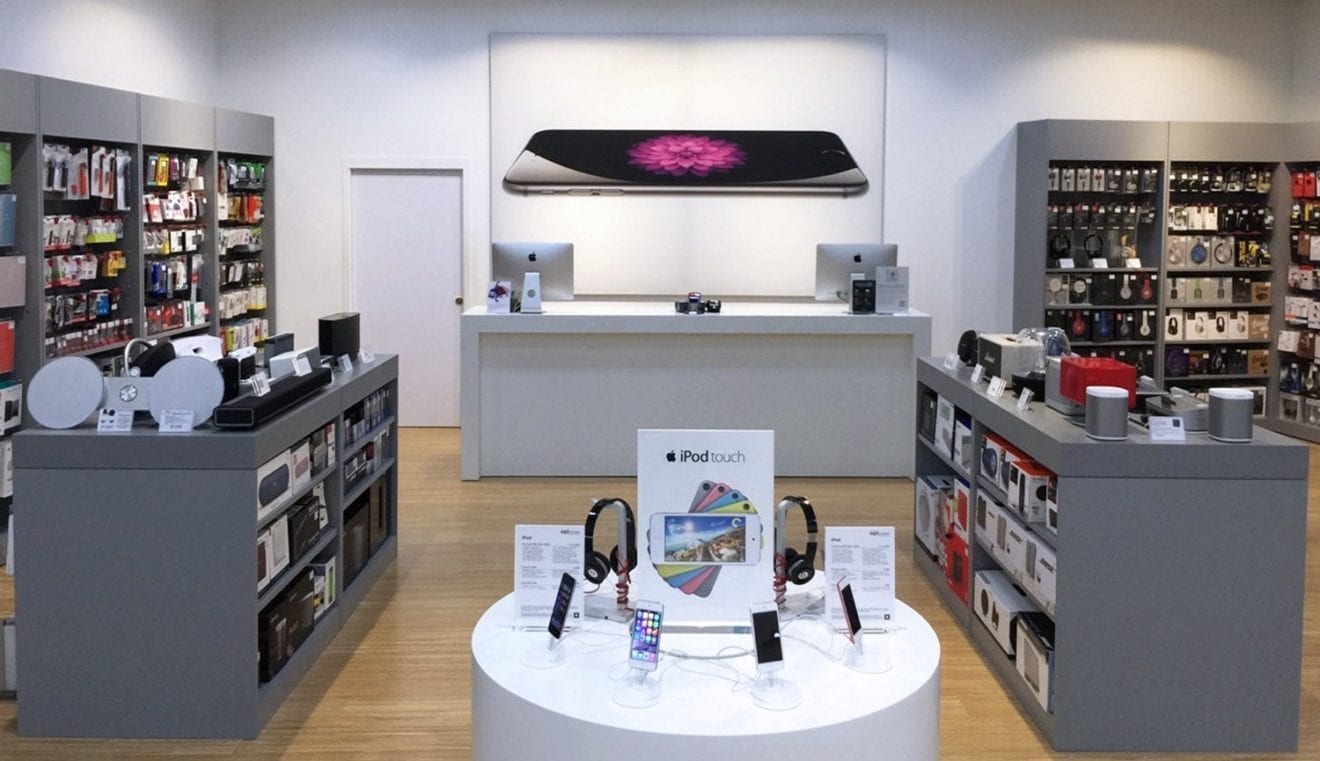
    Singapore Apple reseller Epicentre Holdings has posted a S$7.1 million loss for the last year after all but cutting ties with the tech giant.

    Epicentre announced in June it would sell its four stores and e-commerce site to a rival reseller, after the opening of the Apple-owned flagship store on Orchard Road decimated its sales, with a second flagship already under construction in the city. At the time it said it would retain its Apple retailing business in Malaysia, however since then the company has apparently lost its official Apple reseller status, leading to an $11 million decline in revenue from continuing operations in that market.

    The company received just $516,275 for the Singapore Apple reseller business from Elush, parent of the rival iStudio chain, but Elush took over store lease liabilities.

    Epicentre says it will refocus the business on Japan IPL Holdings, a hair removal and skin rejuvenation salon in which the company bought a 51 per cent stake in June last year. That business was profitable contributing $3.6 million in revenue and $3.4 million in gross profit for the year. It is also planning to acquire a property development and hotel management business, allowing it to diversify away from retail into potentially more lucrative businesses.

    Epicentre was founded in 2002 and at one point operated 10 outlets in Singapore, Malaysia and China.

  • Tiny foreign firms a cause of worry for HCMC

    Tiny foreign firms a cause of worry for HCMC

    The increasing investment of small sums in HCMC by foreign businesses is worrying experts.

    In the first eight months this year 658 new FDI projects were licensed, but they only had a combined capital of $581.8 million, according to the General Statistics Office.

    They include businesses investing just a few thousand dollars.

    French consultancy J&P is capitalized at $3,000, computer consultancy Streamy from Ireland at $2,600 and another French firm, Evocom, at $2,200.

    These firms are “too small” to benefit Vietnam’s economy but there are no regulations prohibiting them, Su Ngoc Anh, director of the HCMC Department of Planning and Investment said.

    The city chairman, Nguyen Thanh Phong, had previously expressed concern about the entry of small foreign firms.

    The average capital of a foreign project in HCMC is less than $1 million, too small to have an impact, he had told a recent conference.

    “Why has the city not been able to attract bigger investment? What are the obstacles?”

    Lack of land

    One of the obstacles is the shortage of land, Dr Dinh The Hien of the Institute of Information and Economic Research (IIB) said.

    The metropolis used to attract many foreign property businesses because of its abundance of land, he said.

    But investing in real estate has been difficult in recent years due to challenges in finding land and completing legal procedures, he said.

    Many foreign firms want to invest in the city but then move to the neighboring provinces of Binh Duong, Dong Nai and Long An which have more available land, he said.

    So attracting FDI in infrastructure and technology should be the goal of the city now, he said.

    Do Nhat Hoang, head of the Foreign Investment Agency, said the high land rentals are scaring investors away from the city.

    Renting land for a factory in HCMC costs about $160 per square meter per year, but five kilometers away from the city, it drops to just $50-60, he said.

    But he said the city should create favorable conditions even for businesses investing $2,000-3,000 so that can develop and invest further.

    Singapore allows businesses to operate with $1 capital, he pointed out.

    What is of greater significance is that Vietnamese firms would improve their services and capabilities when working with these foreign businesses, he said.

    Over 54 percent of 1,765 foreign businesses in Vietnam reported profits last year, the lowest since 2012, according to a survey by the Vietnam Chamber of Commerce and Industry.

    Almost 38 percent reported losses, 10.4 percentage points higher than in 2012.

  • Apple will likely reveal next iPhone on Sept. 12

    Apple will likely reveal next iPhone on Sept. 12

    Apple said on Thursday that it would host an event on Sept. 12 at the Steve Jobs Theater at the company’s Cupertino, California, campus, where it is widely expected to unveil new iPhone models.

    Analysts believe Apple plans to release three new smartphones this year, including one with a larger display than previous models. Analysts also expect Apple to release an iPhone with an edge-to-edge display similar to the iPhone X but using less-costly LCD screen technology.

    Apple’s event invitation made heavy use of the color gold, fueling speculation on social media that the company plans to launch a gold-colored successor to the iPhone X, which is only available in silver and gray.

    Documents filed with the U.S. Federal Communications Commission that were unsealed earlier this year showed Apple had sought approval for a gold version of its iPhone X, but it never released the phone with the color.

    A few hours after Apple’s announcement, 9to5Mac, a technology news website, posted photographs of two gold iPhone models stacked on top each other, with a larger-screened model on the bottom. Both models resemble the current iPhone X.

  • Pandora China soon to be in one roof

    Pandora China soon to be in one roof

    Pandora in China is about to be united under one business.

    The Danish contemporary jewellery manufacturer is moving to increase control of its brand by acquiring its Taiwanese store network from controlling distributor Carrera Corporation as of January 2019.

    The deal will give Pandora in China complete ownership of its distribution and retailing activities, including the mainland, Hong Kong and Macau. It is part of Pandora’s strategy to increase its owner-operated retail footprint in important markets.

    Along with the agreement, Pandora will be adding five concept stores and 14 shop-in-shops to its retail network. Some 100 store staff will transfer to Pandora.

    President of Asia Pacific in Pandora Kenneth Madsen said that for many years, Taiwan has been an important market for the company.

    “Pandora is a leader in the jewellery segment among Taiwanese consumers and we see attractive expansion opportunities. Having complete ownership in greater China will support our growth and development strategy in the entire Asia-Pacific region.”

    Pandora will pay about HKD120 million (US$15.3 million) in cash for the assets. Carrera’s distribution rights were set to expire on January 1, 2019.

  • Cali-Mex makes debut in Thailand

    Cali-Mex makes debut in Thailand

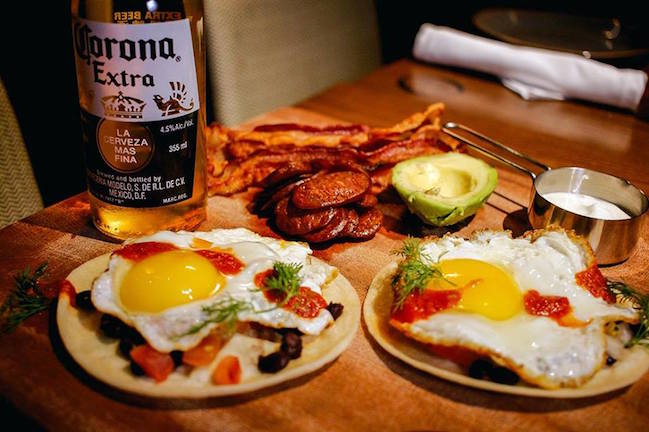
    The ground-floor venue at Sukhumvit Soi 22’s Holiday Inn is set to be the first of 20 outlets planned for Thailand within the next three years. A 150-seat flagship on Sukhumvit Soi 11 is scheduled to open in December.

    Along with Californian-Mexican cuisine, Cali-Mex offers Thailand’s first beer taps at the table, charging by volume.

    View the gallery below :

  • Amazon India christens assisted shopping service as ‘Amazon Easy’

    Amazon India christens assisted shopping service as ‘Amazon Easy’

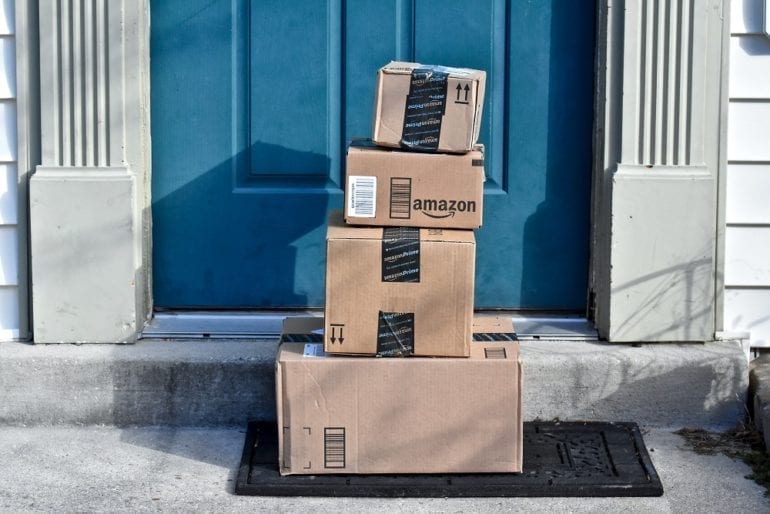
    E-Commerce giant Amazon said its over 14,000 assisted online shopping service points, internally code-named ‘Project Udaan’ till now,will be branded as ’Amazon Easy’ by the middle of 2019, a senior company official said.

    “Starting withover 200 stores across the Krishna, West Godavari, East Godavari, Warangal, Nalgonda and Guntur districts in Andhra Pradesh and Telangana, Amazon Easy will be rolled out nationally acrossover 14,000 existing stores by the middle of next year,” Krishna Thota, Director – Customer Experience and Marketing, Amazon India was quoted by PTI as saying.

    According to a PTI report: Amazon.in appoints associates across logistics and retail startups like kirana stores, medical stores and mobile shopping outlets and small business and provides them a PC-based website. The store owners are trained to help customers find and buy products of their choice, while earning a commission in the process, he explained.

    The India-specific innovation is aimed at enabling customers in smaller markets to get access to the convenience of online shopping, Thota said.

    “Amazon Easy will play a significant role in enabling the next 100 million customers in India to enjoy shopping on Amazon.in starting with this upcoming festive season,” he was further quoted by PTI as saying.

    Amazon.in kicked off the assisted shopping project, code-named Project Udaan as a pilot in 2015 and has since expanded to 14,000+ stores in 21 states with large network partners like Storeking, Vakrangee to smaller partners like Linq, Indiabuys as well as individual entrepreneurs,a press release from Amazon India said.

    Amazon.in equips these offline stores with training materials that include skills like searching, browsing, and navigation on Amazon.in, helping customers set up Amazon accounts, check outs, payments, answering status and delivery queries, and refunds and returns if required. Customers can walk into the neighbourhood Amazon Easy store for assistance while shopping on Amazon.in. Amazon Easy store owners help customers browse the selection, identify and select a product they like, create their Amazon accounts, place orders and checkout to buy.

  • A Game changer in the retail fraternity and a boon to the new tech-savvy customers

    A Game changer in the retail fraternity and a boon to the new tech-savvy customers

    A lucid vision of how technology could impact the retail landscape in the near future was visible when both online and offline retailers started embracing the meaningful improvements technology was bringing in. The progress of the digital native population further led to its progression in the retail sector. In fact, every segment of retail became so digitally efficient, that in no time technology had dramatically altered how we shop. Right from the first point of purchase to the last mile of purchase, from supply chain to the multiple selling channels, from cashless modes of payments to the hassle-free door-step delivery of products and services to customers; everything has been fused with an efficient, innovative and incredibly compelling technological approach.

    In fact, buying and selling are no longer about being relevant, driving growth or boosting profits, instead, it has moved beyond and away from objectifying the whole shopping experience by giving it a customized and personalized value proposition.

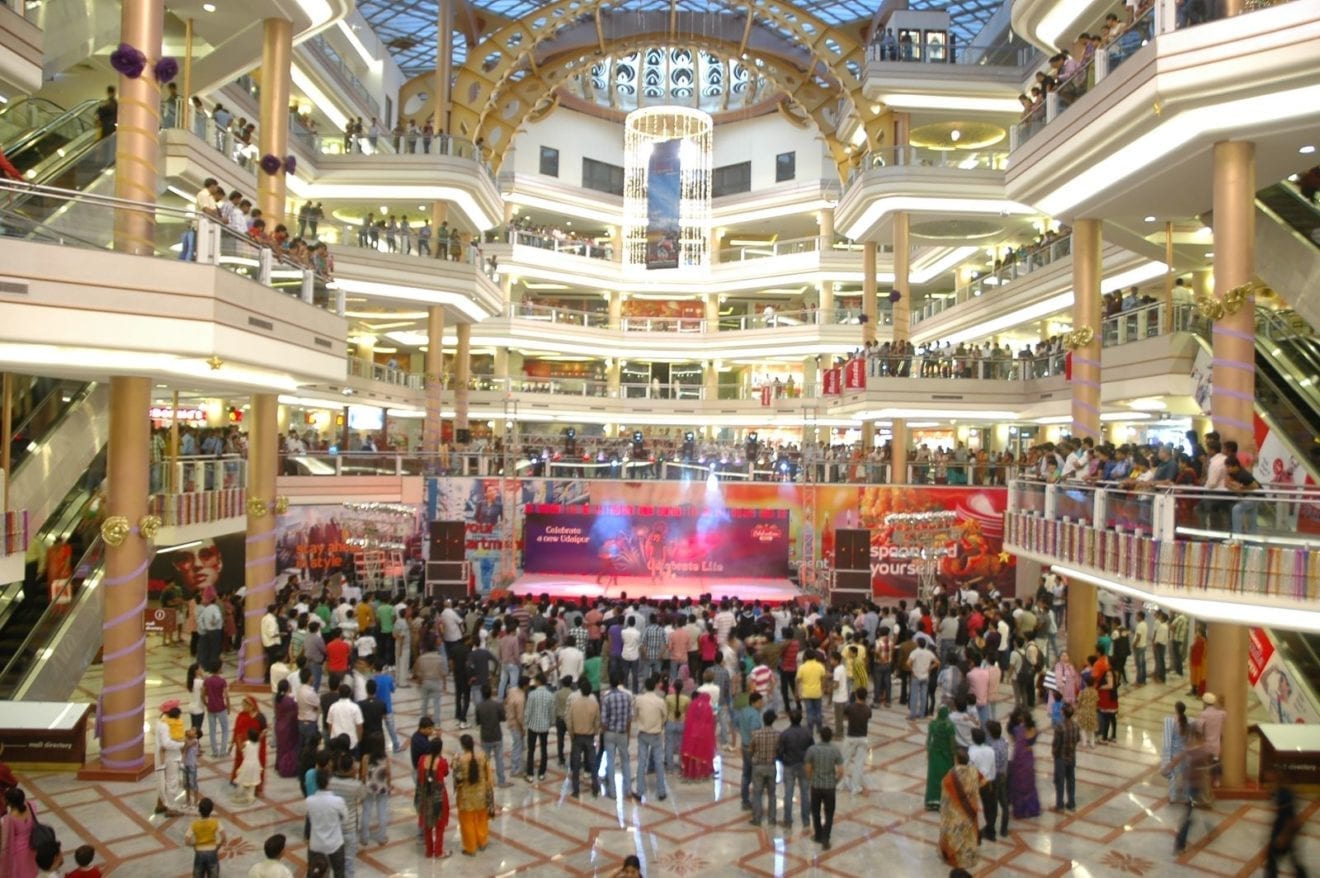
    Malls today have become such places that are supporting and providing a wholesome technological retail experience. It has evolved into a new retail experience that incorporates an exploratory experience around people as they shop, dine, entertain and browse around. It has reshaped customer expectations and is entertaining their experiences with evolved mechanisms. New retail is about creating a constant connection with the entire ecosystem no matter where a shopper is.

    Remember the time, when going to a mall was about entering an air-conditioned multi-storeyed building offering a variety of brands in one place. It was the most fascinating experience for the longest time, as everything was available under one roof. We would simply make a purchase and walk out of a store without talking to anyone. That was just about it. There was no interaction or engagement.

    Soon these malls started offering a host of services like valet parking, baby changing and baby feeding rooms, currency exchange options, pharmacy stores, access for differently able with assistance, wheelchairs, prams accessibility, tailoring services, dry cleaning, driver’s lounge, car wash services, child safety bands and what not to entice customers to come to the mall and stay. This marked the debut of constant customer engagement programme in order to ensure footfall.

    As the cultural mindsets and preferences of customers evolved we moved to a phase that was about innovation and creation. Customers had started gaining access to a plethora of information. They had become information savvy to the extent that before buying anything they were searching and reading about the brand, about the quality, checking reviews and comparing prices online through their smart-phone/ digital devices.

    This began to prove that customers were no longer looking for generic items. They wanted high-quality, personalized experiences that were tailor-made for them but at the same time easy and hassle-free for them. They were looking for quick and easy interaction with personalized engagement. Thus the shopping mall experience had to evolve by strategically providing a twist to a simple mall visit.

    There was a sudden shift from emails to SMS’s that helped streamline the engagement approach. Using social media as a conversation platform with the audience involved the likes of Facebook Messenger or WhatsApp. It was a great way of simplifying the information stream. The messenger functionality and an automatic response was informing costumers about particular deals, discounts, promotions and offers pertaining to their favorite retailers. At the same time, a great user experience with convenience was being built in as well. WiFi’s and wallets for payments within the mall provided high levels of performance and customer satisfaction.

    Sensors in their parking lots were installed to provide drivers with a visual indicator to detect how many parking spots were available on each level. They installed inventions like video walls, digital kiosks, and digital directories to offer quick and easy guides to help shoppers find what they’re looking for at a multi-level mall. While giving a brand consistency and an opportunity to up-sell there was an inexplicable connection being created.

    But, this wasn’t enough. As technology progressed, so has digital disruption. We have reached an era where a proliferation of digital tools like apps, tablets, laptops, is transforming a shopper’s communication, engagement, an opportunity for collaboration, feedback and delivery procedures. They have started spending even more time on smart-phones and mobile devices and got accustomed to easy-to-use, high-quality digital products. Capturing their attention or pulling them out of their comfort zone into a unique physical space became a herculean task. There was a need to develop a new approach to the existing retail process that could not only help the business but also create a better experience for the entire ecosystem. Something, that could fulfill the current desire of reaching out to millennials, manually and technologically. Rather create moments of intense connection which resonated profoundly with their mindsets.

    The new retail revolution hit base. The application of technology today is being used as a medium of re-imagining ways where one can deliver value to consumers while staying relevant in a supremely-connected market. Tools that are providing convenience, personalization, and a seamless, immersive experience without having consumers to look beyond their smartphones.

    New retail, rather this game changer of a strategy enforces the likes of virtual reality, augmented reality, and even artificial intelligence, into creating digital and consumer connections. Adoption of fast-evolving smart technologies for providing in-store, interactive experiences that are fulfilling a mobile-savvy consumers’ desires, is enhancing and elevating the array of possibilities and experiences one witnesses at the mall. The application of phygital is using micro-targeted marketing strategies in order to build an unequaled experience for customers to interact and get further involved with the mall.

    Imagine the exciting possibility to shop online while being physically present in the brand’s outlet. Or the fact that while window shopping, you receive a message regarding a sale with a discount voucher just meant for you? Once inside, why bother changing in and out of several attires, AR will help you decide, what looks good on in terms, of clothes, makeup, accessories through virtual trial rooms. Virtual displays across the malls will even let you shop seamlessly online or in-store. Imagine placing an order, collect, return, or exchange products via the web, mobile, desktop, as well as through physical stores. A lot is happening whilst keeping the customer engaged in an entertaining way.

    Even before they enter a mall, while passing one, the digital connectivity through Bluetooth and GPS entitles them to a personalized message from the retailer urging them to check out what is happening in the mall or a store. They are attracting shoppers and keeping them engaged with unique and relevant proposals. Now, isn’t this information enriching a customer’s shopping journey by delighting them no matter where they are without them having to move their eyes from their digital tool? That is the way new retail is changing the way consumers interact with and buy products. It is blending the physical and virtual worlds together by giving them access to information on their digital tools that make them believe in the purchase they are making.

    And why just consumers, it is giving retailers the opportunity to bring in greater levels of operational efficiency and customer centricity in their business models. It is ultimately benefiting from the continued business of a satisfied customer When a customer sees’s a mall enhancing all their senses – touch, sight, sound, and taste combined with speedy access to give an experience one could never imagine before, they ultimately increase their loyalty.

    Brands on the other hand, who are also employing these tactics are gaining instant gratification with constant consumer interaction in order to stay competitive. Item’s with embedded software or technology is connecting people and places together and enabling them to exchange data. It is helping them predict trends, forecast the demand for certain products, optimize the best pricing strategy in order to maintain a competitive edge and identify the customers who are likely to be interested in particular products by working out the best way to involve them. Keeping everyone up-to-date, ensuring no one misses an opportunity, stay relevant or ahead of your competitors, everything is becoming streamlined and convenient for everyone.

    It is this interesting shift in customer buying patterns that get into existence implementation of many technology practices which were otherwise deemed to be a far-fetched dream. Malls and brands realized the imperativeness to adhere to a more rapidly evolving customer need by bringing in new advancements that involve easier access to products and easier advertising from brands. New Retail is a game changer in the retail fraternity and a boon to the new tech-savvy customer in every possible way. It is continuing to evolve, grow and reshape our shopping world.

  • Vietnam allows use of yuan at Chinese border

    Vietnam allows use of yuan at Chinese border

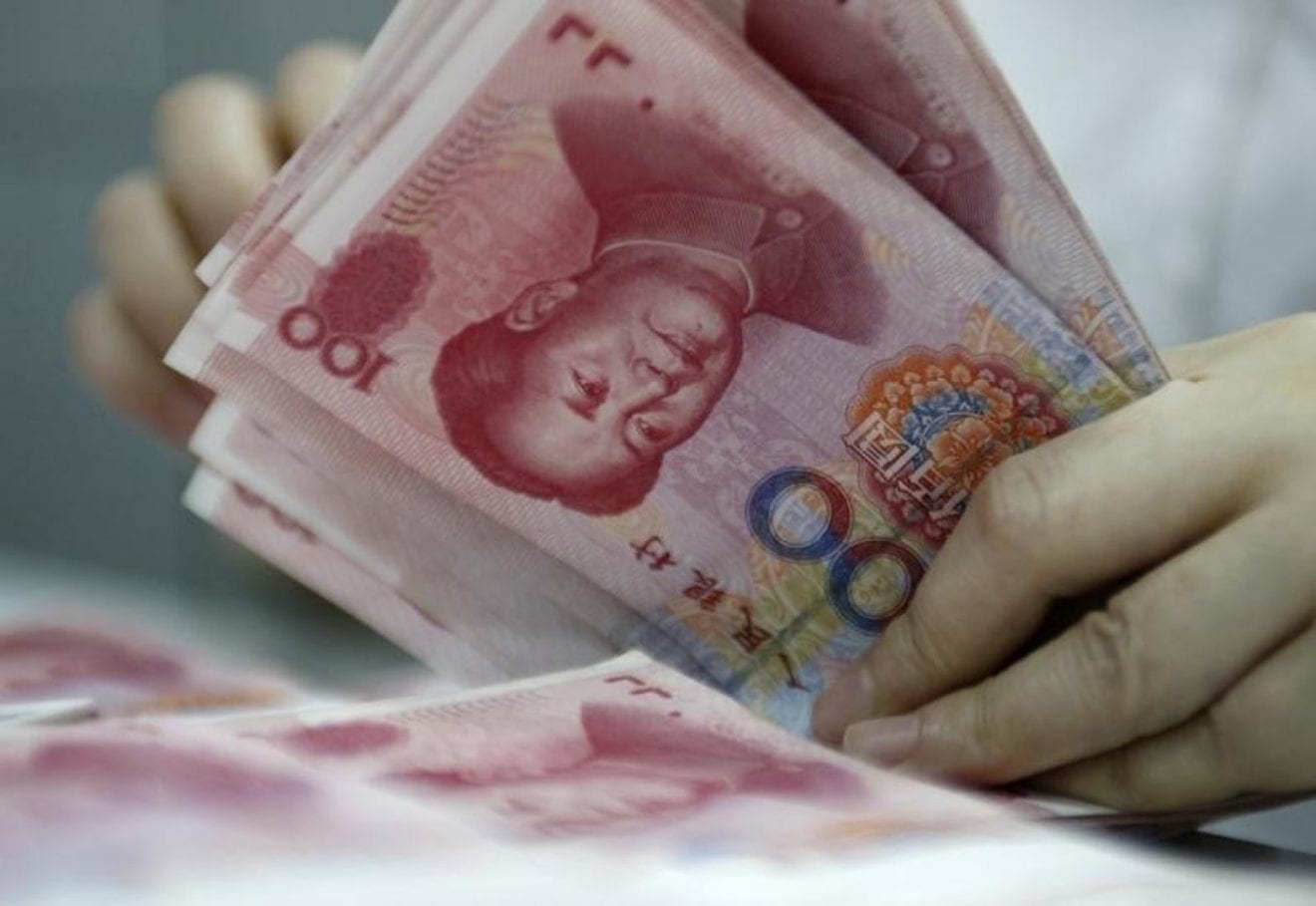
    Vietnamese can trade in yuan at the border with China, the State Bank of Vietnam has decreed.

    It means the transactions that traders and residents have been doing informally in the yuan for long along the border gets legal sanction from October 12.

    Economist Nguyen Tri Hieu said “There have not been any specific regulations on using the yuan in transactions. This will be the first.”

    The new regulation would also allow Chinese tourists to pay for goods and services in their own currency in border areas, he added.

    Vietnam recently became China’s largest trade partner in Southeast Asia. Bilateral trade in the first half of this year rose 17 percent year-on-year to $46.82 billion, with Vietnam’s exports accounting for $16.62 billion.

    Exports to China had risen 61.5 percent against 2016 to $35.46 billion in 2017, according to data from the International Monetary Fund.

    The Ministry of Industry and Trade said it is likely that two-way trade would hit $100 billion this year.

  • Tiffany’s new strategy boosts sales in Asia-Pacific

    Tiffany’s new strategy boosts sales in Asia-Pacific

    An expanding Asian store network has helped New York jeweller Tiffany & Co achieve strong sales increases in the first half of this year.

    Tiffany sales in Asia-Pacific soared 28 per cent in the second quarter, to US$301 million and by the same rate in the first half, to $629 million.

    The company says same-store sales rose by 13 per cent in the first half.

    Management attributed the sales growth across greater China and most other Asian markets largely to higher spending by local customers and, to a lesser extent, spending by foreign tourists.

    In Japan, net sales increased 11 per cent to $155 million in the second quarter and 14 per cent to $305 million in the first half, with comparable sales rising 9 per cent and 12 per cent, respectively, mainly due to locals increasing their spending.

    CEO Alessandro Bogliolo said the company is still in the early stages of addressing its six key strategic priorities, and is pleased with initial customer reactions to its new communication, product and in-store initiatives.

    “We are pleased with our sales and earnings growth and the strength and breadth of the results in the first half of this year, but it is worth noting that strategic investment spending is increasing for the remainder of the year, as expected, which is intended to support longer-term sustainable growth.”

    Global results

    Globally, higher earnings in both periods resulted from broad-based growth in worldwide sales, increases in gross margin and lower effective tax rates, partly offset by higher investment spending. Worldwide second-quarter net sales rose 12 per cent to $1.1 billion, with comparable sales rising 8 per cent. Net earnings rose 26 per cent to $145 million.

    Worldwide first-half net sales increased 13 per cent to $2.1 billion, due to geographically broad-based growth and increases in all product categories; comparable sales increased 9 per cent. Net earnings increased 38 per cent to $287 million.

    The company is about to embark on its recently announced multi-year remodeling of the New York City flagship building.

    “We believe that the thoughtful combination of making short- and long-range strategic investments is necessary to achieve the full growth potential of this legendary brand,” said Bogliolo

    Tiffany sales in Asia-Pacific were partly boosted by rebounding spending on jewellery and luxury goods by Chinese mainland visitors to Hong Kong.

  • Reversal of deferred tax pushes AirAsia’s profit higher in Q2

    Reversal of deferred tax pushes AirAsia’s profit higher in Q2

    AirAsia Group Bhd’s net profit more than doubled to RM361.81 million in the second quarter (Q2) ended June 30, 2018 versus RM146.52 million in the previous corresponding period, thanks to the reversal of deferred tax on the sale of aircraft.

    Its revenue for the quarter under review was up 10.3% to RM2.62 billion from RM2.38 billion.

    The low-cost carrier said in a filing with the stock exchange that load factor was lower at 86% in Q218 compared with 89% in Q217 due to a 17% increase in capacity. Average fare reduced 3% year-on-year, while the overall revenue per available seat kilometre (RASK) decreased 3% to 14.83 sen in Q218 from 15.35 sen in Q217.

    Looking ahead, the group is projected to achieve an average load factor of 83% in the third quarter of 2018 based on the existing forward booking trend.

    Despite strong demand and healthy load factor, AirAsia said it continues to face high fuel costs and weakening regional currencies. In addressing that, the group will drive revenue and sale of ancillary services and focus on reducing costs.

    “Our Malaysian operations remain strong with Indonesian operations slowly recovering. We face challenges in Thailand following the ferry incident in Phuket which has dampened demand from China. Third quarter is usually the peak quarter for travel to Boracay but unfortunately the government of Philippines has restricted travel to the island.”

    Barring any unforeseen circumstances, the board remains positive that the overall results in 2018 will be favourable.

    AirAsia’s first-half net profit nearly doubled to RM1.5 billion from RM762.4 million, with revenue rising 12.5% to RM5.18 billion from RM4.6 billion.

    Its shares dipped 5 sen or 1.4% to close at RM3.44 on 5.73 million shares done.

  • Loob takes Chatime Malaysia to court

    Loob takes Chatime Malaysia to court

    A defamation suit filed by bubble tea brand Tealive against Chatime Malaysia will be heard next February.

    Tealive’s owner Loob Holdings was formerly the primary franchise holder for Chatime before a series of disputes resulted in Chatime owners La Kaffa International terminating their agreement. Tealive is claiming that statements made and released to the media subsequent to Loob Holding’s departure from the brand were injurious to its business.

    The decision to proceed to trial follows the rejection of an appeal to cancel the suit by Chatime and its directors.

    Tealive is demanding a written apology to be published in English and Bahasa Malaysia newspapers, an injunction to prevent a repeat of the defamatory statements, and general damages, costs and other relief as appropriate.