Tag: asia

  • GEO X HBX launches in HK

    GEO X HBX launches in HK

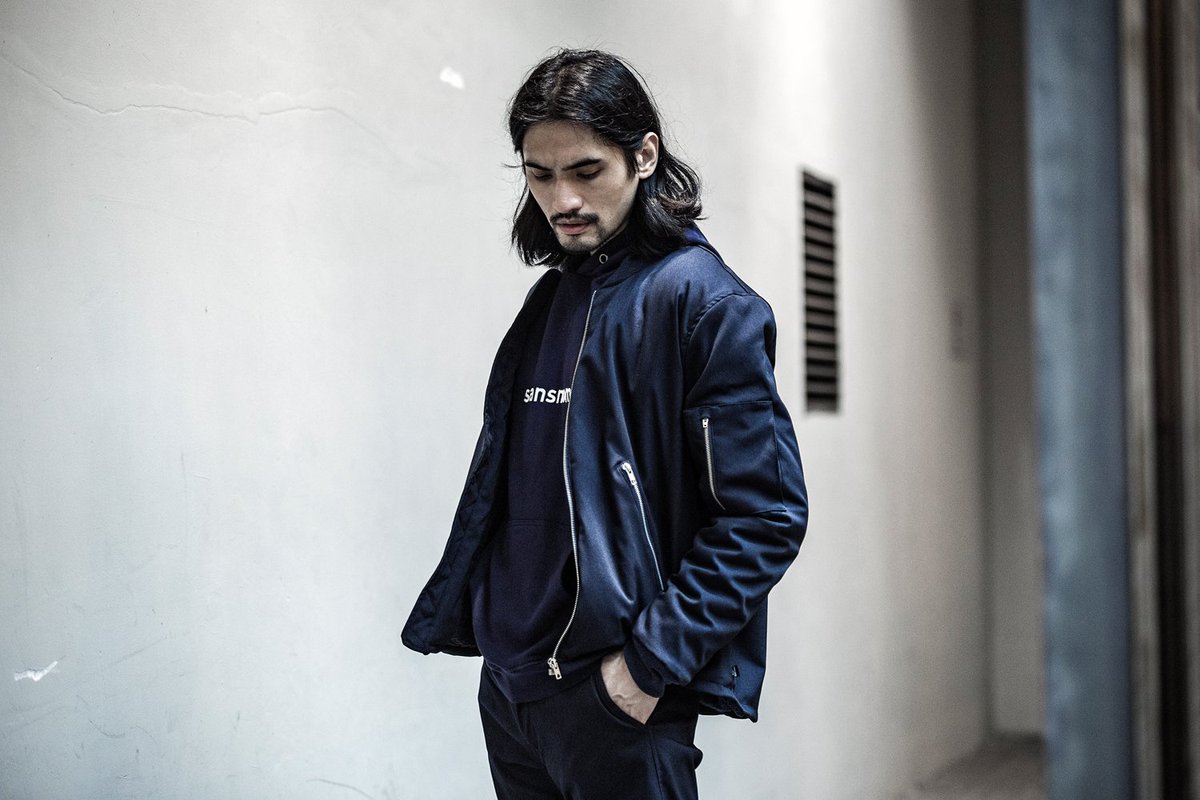
    First launched as a merchandise project by London based designer in 2016, Geo Owen is very well known for his album art, tour merchandising, and prints for Kanye’s coveted YEEZY Season One.

    After years of experience, Geo Owen has now created GEO, a Ready-To-Wear label that is inspired by the study and understanding of the human and physical geography, locally and internationally.

    The aesthetic of the graphics and configuration of the garments across each collection are the outcome of developing individual case studies.

    GEO is now landing in HK with an exclusive collection designed for HBX, Collection Three, which focuses on the composition of the geographical area that the designer live in and the people surrounded by on a day-to-day basis.

    Arriving with the main line is a collection created exclusively for HBX’s online and retail space in Landmark, Central.

    The official launch is August 25, and Geo Owen will be in town.

  • Emart24 opens swanky cafes overlooking Han river Korea

    Emart24 opens swanky cafes overlooking Han river Korea

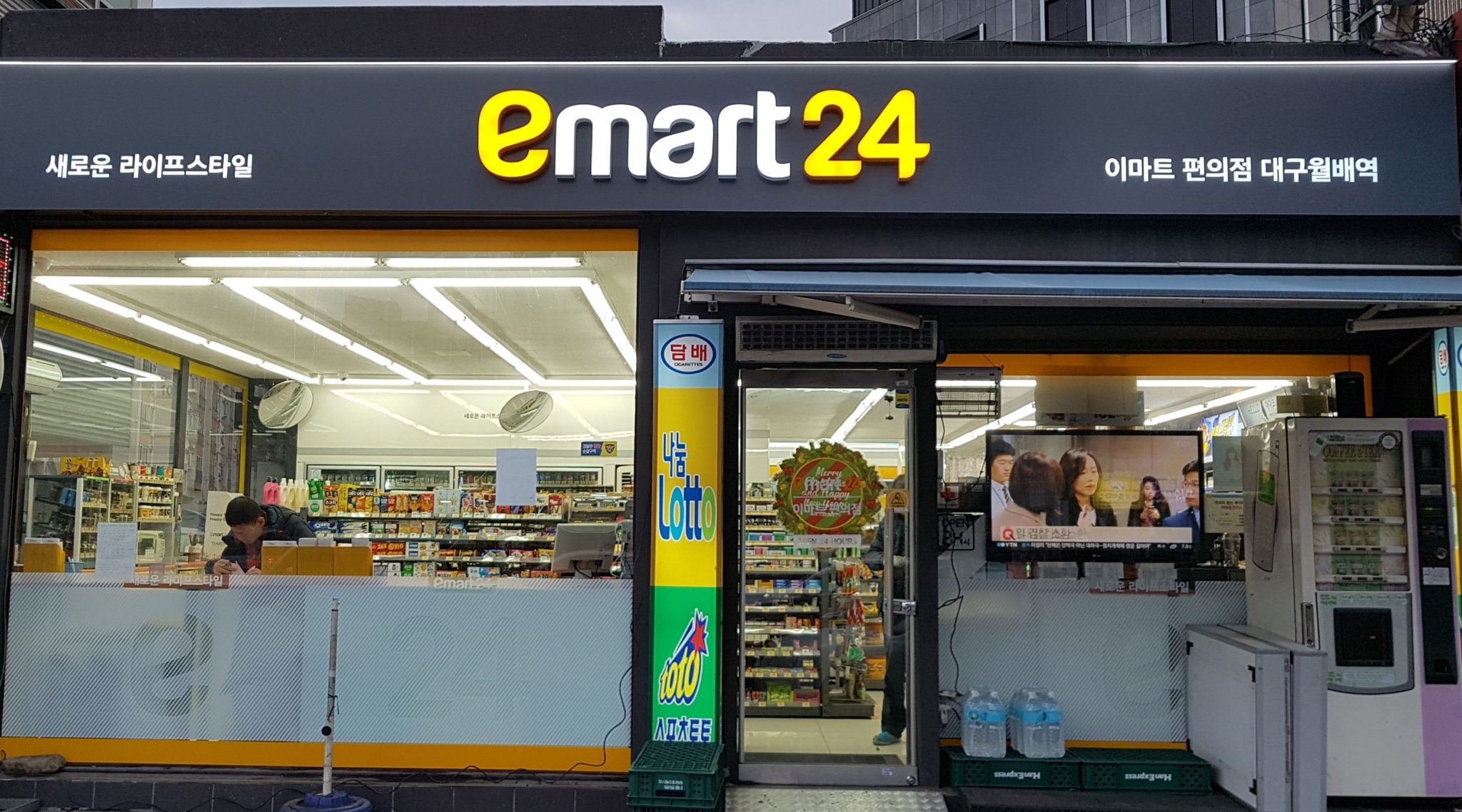
    Convenience store Emart24 is hoping to entice visitors to stay awhile at its two new shops overlooking the Han River that open this Friday.

    The multi-level stores will each host a bookstore and cafe that will offer beer on tap.

    Emart24 is taking over the spaces from two existing observatory cafes which face each other at the south end of Dongjak Bridge. Both spots are known for offering great sunset and nighttime views.

    On the bridge’s western side, the cafe’s view includes N Seoul Tower, while the cafe on the east side looks toward the Moonlight Rainbow Fountain at Banpo Bridge.

    Each Emart24 will have five floors: a cafe and snack zone on the first and second floor, a small bookshop and lounge on the third and fourth and an outdoor rooftop on the fifth.

    “The new operations were aimed to look more like a cafe in order to break through the perception people have about convenience stores and make them into a cultural space,” said Emart24 in a statement released Wednesday.

    True to this concept, Emart24 will only offer one-fifth as many products at the Han River shops as its normal branches. However, it will offer a wider variety of desserts, like cake, puddings and macarons. Baristas will also serve up coffee at the cafe.

    Riverside drinkers will find two beers made from the craft brewery Devil’s Door, run by Emart24’s parent company Shinsegae, as well as Heineken draft beer. Wine options are set to be added in the future.

    The Gureum and Noeul Cafes that Emart24 is taking over are two of eight observatory cafes on the Han River. These cafes were part of an initiative by the Seoul Metropolitan Government to develop cultural and tourism infrastructure on the banks of the Han back in 2009. The sites were rented out by the city and made into coffee shops or restaurants, but not all of the operations were successful.

    An Emart24 spokesman said the company won a three-year contract for Gureum and Noeul, the two largest observatory cafes by the Han River.

    “The company sees it more like an experiment rather than a profitable revenue source,” said the spokesman. “We thought if we make it into a cultural space where people can casually stop by without an entrance fee, more people and foreigners would want to come.”

    The bookstore on the third and fourth floors will offer around 800 titles. Every quarter, local publishing house Munhak Dongnae will curate a new selection.

  • US’s Papa John to try Central Asian market

    US’s Papa John to try Central Asian market

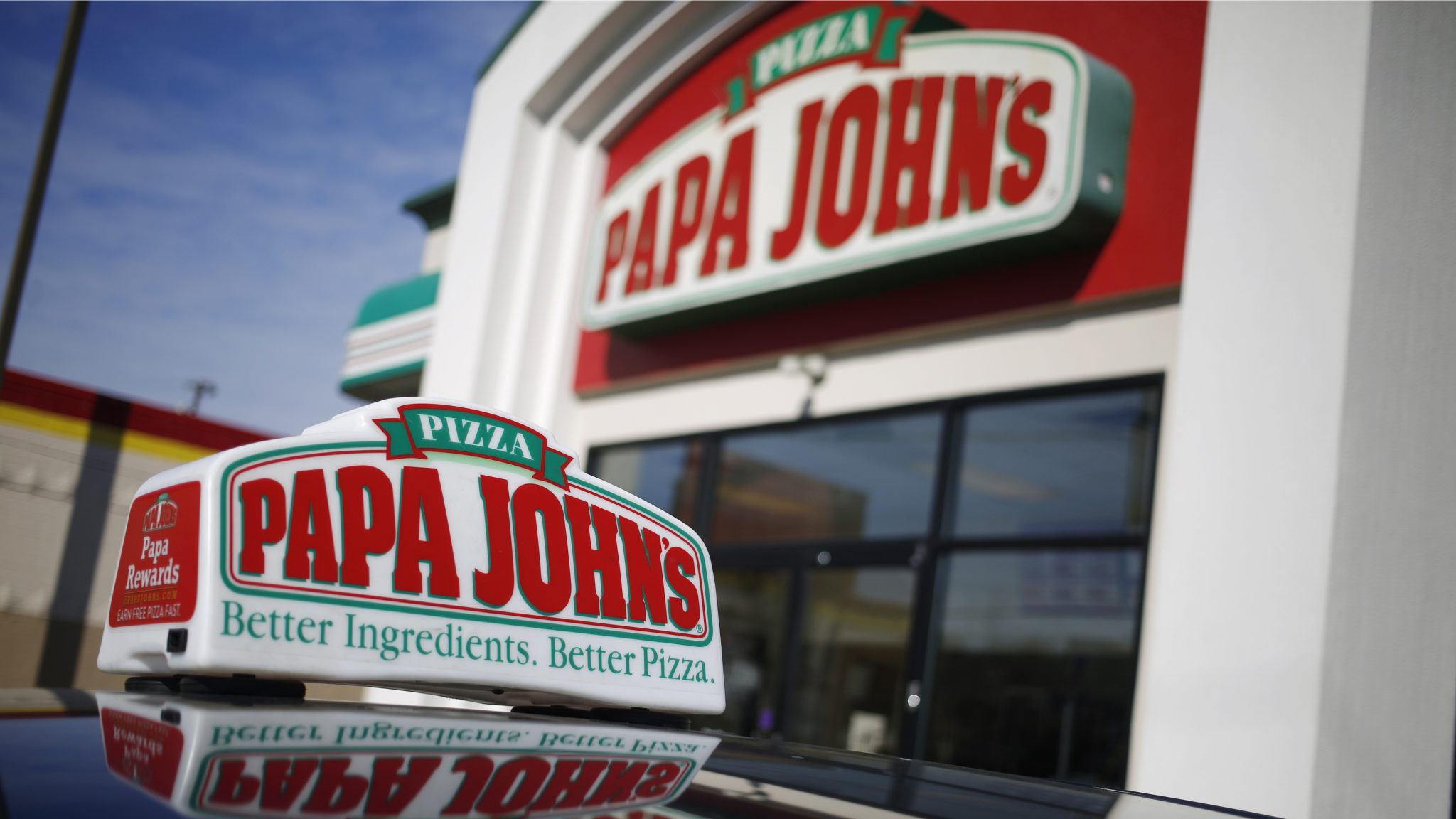
    US pizza giant Papa John’s International has continued its Central Asian expansion, opening its first restaurant in Kazakhstan.

    The Kazakhstan Papa John’s is located in the capital city of Almaty and opened its doors this week. Papa John’s is now in 46 countries and territories around the globe.

    Master franchisee PJ Western plans to open 16 Kazakhstan Papa John’s restaurants. PJ Western currently operates 181 Papa John’s in Russia, Belarus, Kyrgyzstan and Poland, and will continue to expand in Eastern Europe and into Central Asia. A second restaurant in Almaty is scheduled to open in October.

    “We believe that our passion for better ingredients will transfer well to Almaty and beyond and our new customers will love our quality pizza,” said Christopher Wynne, co-owner and CEO of PJ Western.

    The company is Papa John’s largest international franchisee with more than 180 restaurants.

    Papa John’s International is looking for potential franchisees in Paris, Belgium and Denmark.

  • Expert investigation says BMW software to blame in fire incident

    Expert investigation says BMW software to blame in fire incident

    An investigation by the Korea Consumer Association (KCA) concluded that the spate of BMW fires that left Korea in a state of panic over the summer was the fault of the engine control unit (ECU) software, not the hardware issue that the German carmaker has maintained.

    The KCA claim that BMW updated the ECU software to make an engine part, called the bypass valve, open at higher temperatures, leading to higher engine performance and better fuel efficiency but also to a higher risk of fire.

    “An update in the ECU to enhance the car’s performance and fuel efficiency is not wrong by itself,” said Lee Ho-geun, an automotive engineering professor at Daeduk University who is leading the investigation team at the KCA, at a press briefing Tuesday.

    “But the fact that the carmaker didn’t fortify other parts to make them endure higher temperatures, leading to engine fires which put consumers’ lives at risk, is wrong,” Lee added.

    The KCA’s investigative team comprising of experts in the auto industry and law carried out a separate investigation into two BMW vehicles manufactured before August 2011 that are not subject to recalls and four recall-subjected cars.

    The team said that the bypass valve for recall-subjected vehicles opened while in operation, while that of vehicles not subject for recall didn’t open at all while in operation.

    According to Lee, a bypass valve in a diesel engine is generally supposed to be closed in order to block gas that’s hotter than 500 degrees Celsius (932 degrees Fahrenheit) from entering the intake manifold in the engine. It usually opens when the coolant’s temperature is lower than 50 to 60 degrees Celsius.

    “Bypass valve operation is controlled by the ECU,” said Lee. “If a vehicle opens the bypass valve while driving – causing a high possibility of a fire breaking out – it means BMW set the software to behave that way.”

    BMW Korea has persistently claimed that the cause of the fire is a hardware issue in the exhaust gas recirculation (EGR) cooler and valve. The ongoing recall process also includes replacing the two parts and cleaning the EGR pipe.

    The KCA investigative team said it is nothing but a temporary fix.

    “It will reduce the number of fires until the car gets that much accumulated sediment inside the pipe,” said Choi Younh-suk, a professor of smart automotive engineering at Sun Moon University at the briefing.

    According to Koo Bon-seung, an attorney at Heon Law, who is in charge of handling legal issues for the team, a total of 1,784 BMW owners have applied for a class-action lawsuit against BMW with Heon.

    Each owner will seek 15 million won ($13,547) in compensation.

    “As this case involves compensation worth 15 billion won in total, we are going to seek the provisional attachment of BMW Korea headquarters in central Seoul as well as the BMW Driving Center in Incheon and other logistics centers as well,” Koo said.

    Meanwhile, BMW Korea Chairman Kim Hyo-joon said he will look into the option of suspending sales of affected cars in Korea at a hearing held at the National Assembly on Tuesday.

    Kim said he feels shame for selling such defective vehicles in Korea and said he will take responsibility.

    Kim reiterated that the issue derives from a defect in the vehicles and not from the driving habits of Korean consumers.

    Earlier this month, BMW spokesman Jochen Frey came under fire for blaming Korean driving habits and traffic conditions for the fires in an interview with Chinese media. BMW Korea instantly refuted the comment, saying it was a translation error.

  • Aeon to shut down Index Living Mall Malaysia stores

    Aeon to shut down Index Living Mall Malaysia stores

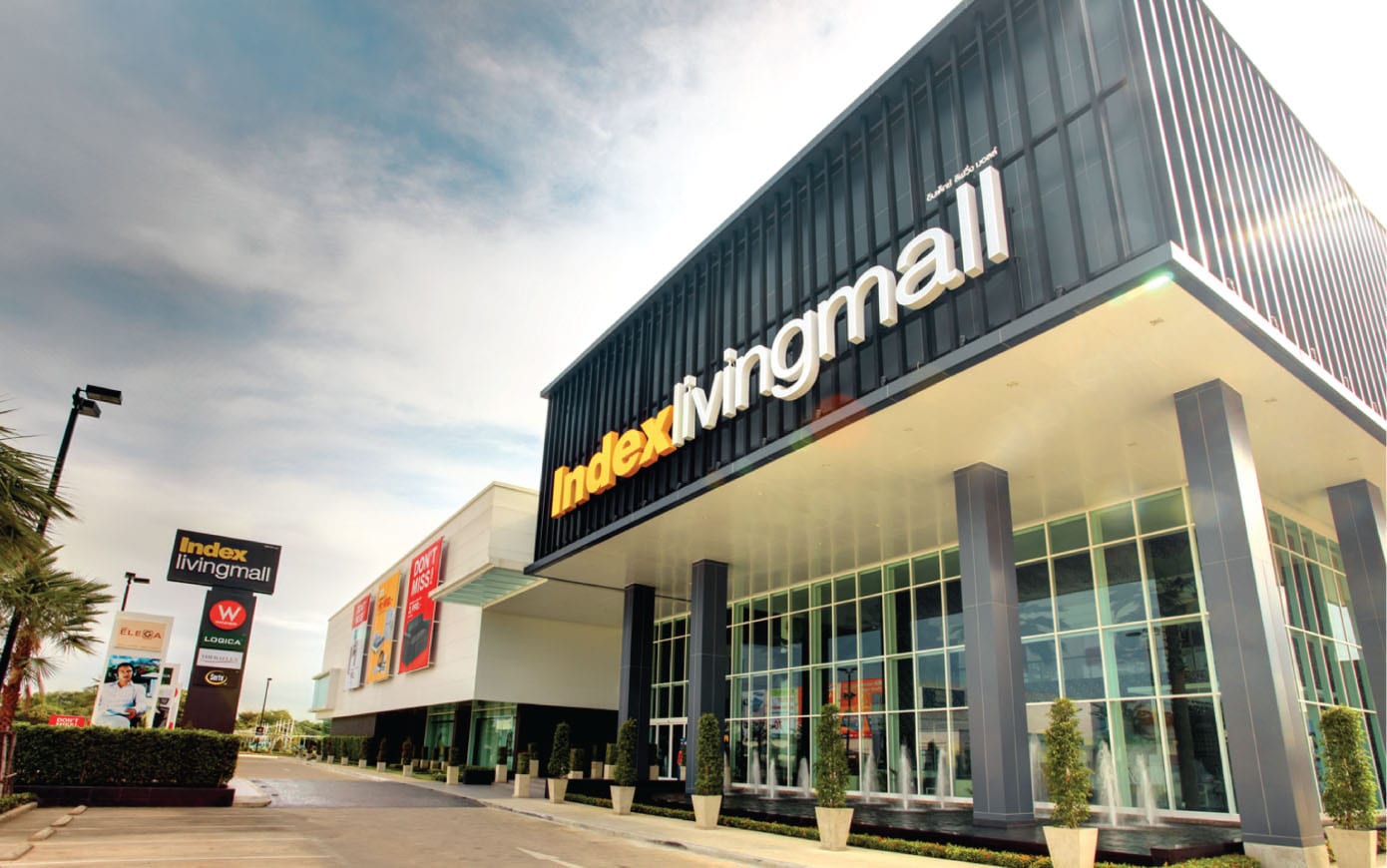
    Aeon Co (M) Bhd’s net profit plunged 64.5% to RM9.79 million for the second quarter ended June 30 compared with RM27.55 million in the previous corresponding period, due to the recognition of impairment loss on investment in its associate company Index Living Mall Malaysia Sdn Bhd (ILMM).

    Its revenue however, rose 5.4% to RM1.06 billion from RM1.01 billion.

    Aeon said in a filing with the stock exchange that ILMM will be closing down the remaining of its furniture outlets in Malaysia by the third quarter of 2018. The outlets are located at Aeon Shah Alam and Kota Baru, IOI City Mall, Putrajaya as well as Aeon Mall Tebrau City, according to its website.

    “As such, for the second quarter result, the company has recognised the impairment loss on its investment in the associate company which amounted to RM8.01 million and also share of its year-to-date operating loss which amounted to RM13.7 million.”

    ILMM is a 49:51 joint venture company between Aeon and Index Living Mall Company Ltd which was incorporated in Thailand.

    Aeon said the outlet closures are expected to reduce its earnings per share and net assets per share by about 2 sen for the financial year ending Dec 31.

    For the first six months of the year, the group’s net profit contracted 29.8% to RM37.73 million from RM53.75 million on the back of a 4.4% rise in revenue to RM2.18 billion from RM2.09 billion.

    Looking ahead, Aeon said the sales and services tax implementation will have an impact on consumer spending and product pricing.

    “With such outlook, the board expects the performance for the current year to remain challenging.”

    For the retail business, the group said it will continue to refurbish its selected stores and employ appropriate marketing and pricing strategies.

    Meanwhile, Aeon foresees the occupancy and rental rates for the property management services to remain stable and sustainable.

    Aeon’s share price closed unchanged at RM2.10 on 590,400 shares done.

  • India’s BuyMore signed agreement with HK company to boost sales

    India’s BuyMore signed agreement with HK company to boost sales

    Indian e-commerce aggregator BuyMore has partnered with retail consulting firm Hong Kong Circle Tech to assist Chinese retailers seeking to sell their products in India.

    The deal will see Circle Tech’s Chinese retail clients listed on BuyMore’s 10 e-commerce websites, a move anticipated to significantly boost e-commerce trade in both countries.

    The partners will initially introduce 450 Chinese brands and US$5 million worth of products to India, which replaced China as the most promising retail market in the world last year.

    BuyMore’s MD & co-founder Sidharth said that more than 80 per cent of lifestyle and electronic products used today originate from China. “This shows that the market has a lucrative opportunity we can enact upon.”

    CEO & co-founder Abhinandan said: “We are hoping to reduce brand monopoly that currently exists in the Indian market. With our leading AI technology we will help Chinese factories streamline their production and cut production costs so that the Indian consumers can benefit from the cost cutting. India is price sensitive and we aim to give quality products at great rates by bringing in Chinese brands.”

    BuyMore will provide free warehousing, listings and cataloguing services to participating Chinese brands.

  • Shilla Duty Free wins Gimpo’s bid for L&T concession

    Shilla Duty Free wins Gimpo’s bid for L&T concession

    Shilla Duty Free wins the bid against Lotte Duty Free for Gimpo International Airport’s five-year liquor and tobacco concession.

    Gimpo is South Korea’s third busiest airport and the core duty categories will now be divided between South Korea’s two biggest duty free retailers – Shilla and Lotte.

    Last month, the two travel retail giants were shortlisted for the five-year concession covering two stores spanning 733sq m. It seems Shinsegae Duty Free had also submitted a bid, but did not make it to the shortlist.

    It appears Shilla’s strength in the business sustainability, financial health and investment category, counting for half of the overall score the bids were judged on, are what made the balance shift in their favor.

    The opening follows the exit of, previous incumbent, CityPlus due to unsustainable losses

    Even though Incheon International Airport is now the nation’s gateway, Gimpo still sees more than 25 million passengers every year.

  • Gome Retail restructure ends up disappointing

    Gome Retail restructure ends up disappointing

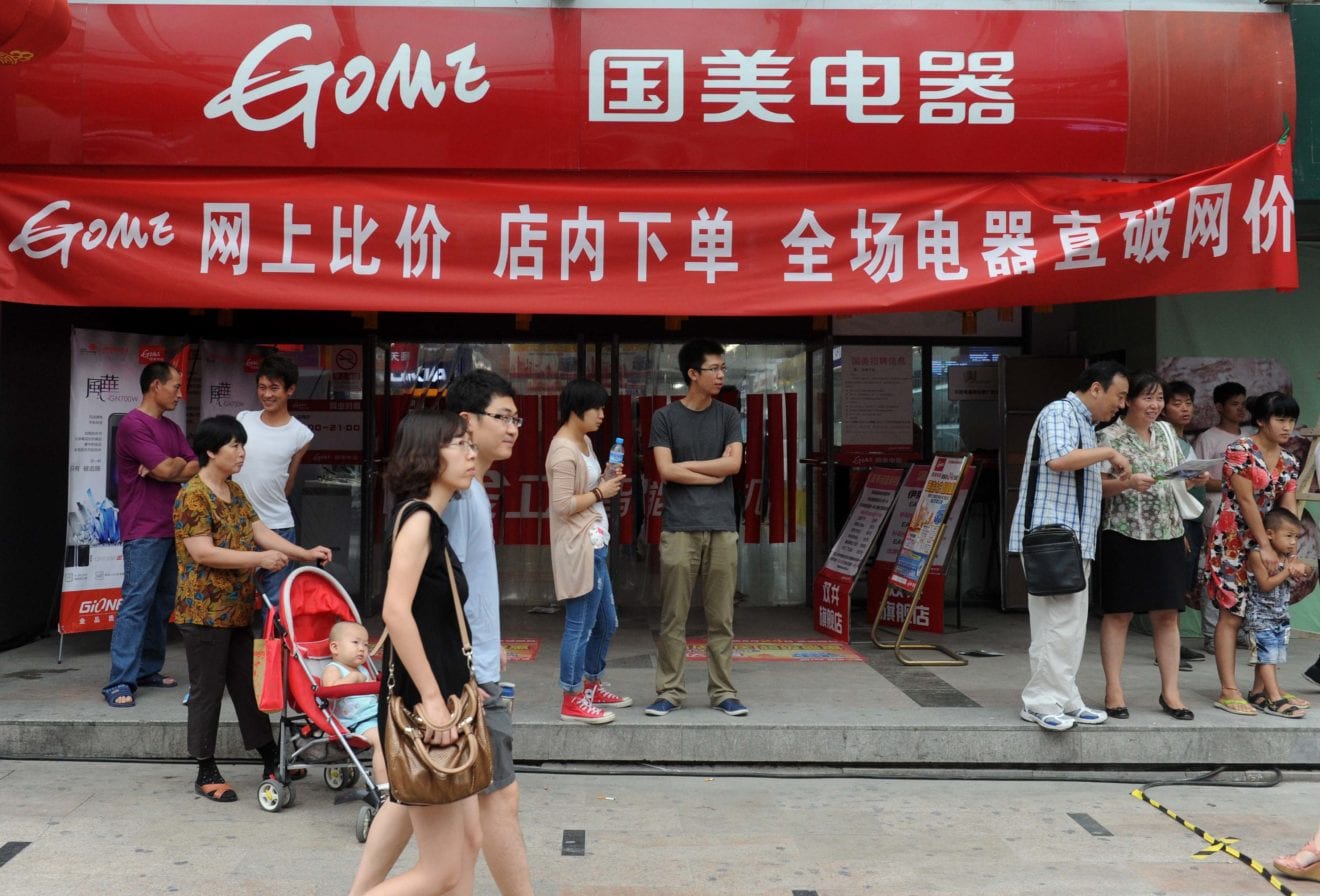
    Gome Retail Holdings has posted a loss attributable to shareholders of RMB457 million for the first half of this year as it continued with implementation of its Home – Living strategic restructure.

    The loss was a contrast to the profit of RMB122 million in the same period last year.

    Gome Retail chairman Zhang Da Zhong said the group accelerated its transformation into “a one-stop home solution provider. At the same time, it promoted the overall integration of its online to offline businesses, aimed at raising management efficiency and enhancing consumer experience.

    Gome is combining its electrical appliances, home decoration, household systems and supermarkets to create sizable “experiential stores” in tier 1 and 2 cities. The group is also optimising its platform to include the Xiaomei Net Café, VR Cinemas and Gome esports.

    During the six months, the group’s total gross merchandise volume (GMV) for both online and offline operations increased by 14.94 per cent year on year, with 67.39 per cent growth in the GMV from the marketplace of the e-commerce business.

    As a result of the implementation of the strategic transformation plan, the group recorded sales revenue of RMB34.706 million, representing a decrease of 8.84 per cent when compared with RMB38.073 billion for the corresponding period last year.

    Gome proposed the ‘Triple New’ initiative of ‘New Business, New Market, New Technology’ to rapidly open county-level stores in tier 3-6 cities, and introduced new service initiatives including the integration of kitchen cabinets and electrical appliances, home furnishing/kitchen cabinet and kitchen interior design services.

    “The Triple New initiative proposed by Gome not only represents an operational shift of focus from products to users, but also demonstrates Gome’s determination to attract customers with quality services,” said Zhong.

    In the months ahead, he says the group will continue to open county-level stores at a quicker pace and work on merging its online and offline operations.

  • CIMB Malaysia expects FY18 to be a record year

    CIMB Malaysia expects FY18 to be a record year

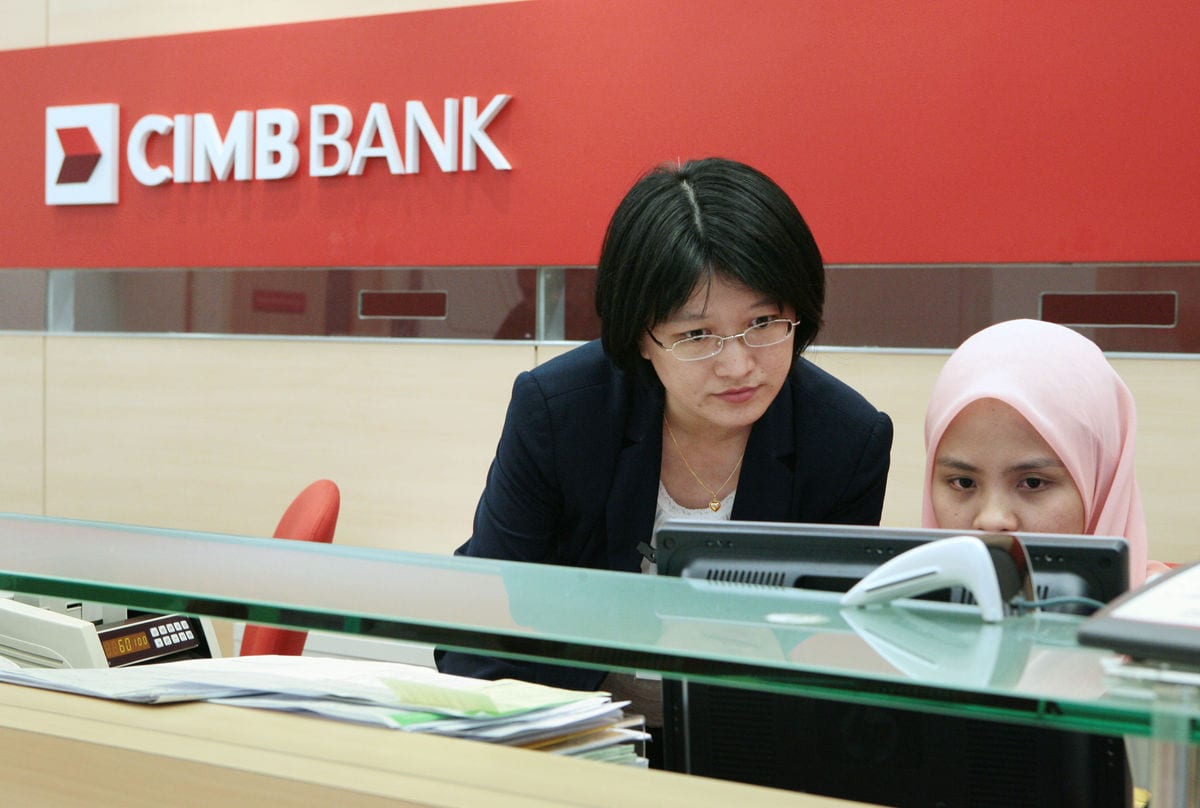
    CIMB Group Holdings Bhd, which posted a record net profit of RM3.29 billion for the first six months ended June 30, 2018 (1H18), expects a record net profit to ensue for the full year on a stronger performance in 2H18 partly driven by improvement in loan growth.

    Group CEO Tengku Datuk Seri Zafrul Aziz said CIMB is on track to meet its loan growth target of 6% for this year, compared with a weaker-than-expected 0.2% last year hit by its Indonesian business.

    It saw a loan growth of 3.4% for 1H18, dragged down by the weakening of rupiah in Indonesia. Excluding foreign exchange fluctuations, its 1H18 loan growth would have been 7%.

    “We’re still keeping our loan growth target. 1H18 was slower and we’re optimistic that in 2H18 we will catch up,” Zafrul said in a press conference after announcing its 1H18 financial results here.

    “For 2H18, we hope to sustain (performance). It’s been a strong two months (July-August), we’ve seen a pickup in capital markets (from slower capital market activities in 1H18), but also in the region in Thailand and Singapore. We’re optimistic. Judging from the pipeline that we have, we should see the same, if not better performance in 2H18,” he added.

    Zafrul said CIMB is focused on achieving its T18 targets, subject to recovery of capital markets, and continued improvement in asset quality across Indonesia, Thailand and Singapore.

    Saying the worst is over for its Indonesian business, he said a rate increase is expected in Indonesia to stabilise the rupiah. On the macro side, it is wary of the currency impact and is also mindful of the election in Indonesia. However he said CIMB Niaga has done well in term of its bottom line, adding that it was the best performing bank in 1H18 in Indonesia.

    “If you look at the numbers on Indonesia, the asset quality is better. The problem is the loan growth and this is something that we need to push further and at the same time we’re tracking the industry.”

    For the second quarter ended June 30, 2018, CIMB’s net profit jumped 80% to RM1.98 billion from RM1.10 billion a year ago bolstered by a RM928 million gain from the sale of 20% of CIMB-Principal Asset Management and 10% of CIMB-Principal Islamic Asset Management. Revenue rose 12% to RM4.86 billion from RM4.33 billion in the previous corresponding quarter.

    CIMB posted a record net profit of RM3.29 billion for the first half of 2018, up 44% from RM2.28 billion a year ago, bolstered by the disposal gain. Excluding the gain, CIMB’s 1H18 earnings was RM2.36 billion, translating to a 3.3% year-on-year growth. Revenue rose 5.5% to RM9.17 billion from RM8.69 billion in the previous year.

    Zafrul said CIMB is finalising its next mid-term growth plan post-T18, which will be premised on customers, people and sustainability, among others. He added that any changes to its management are based on performance and will be decided by the board and not one shareholder.

  • Emperor Watch & Jewellery profit jumps high

    Emperor Watch & Jewellery profit jumps high

    Emperor Watch & Jewellery cites “strong momentum in luxury consumption” as the reason for a massive profit boost in the first half of this year.

    Total sales surged 34.3 per cent to HK$2.454 billion (US$312.6 million), as inbound tourism arrivals from the mainland recovered and Hong Kong retail sales rose.

    Revenue from its core, home market Hong Kong was up 42.8 per cent to $1.908 billion, accounting for 77.8 per cent of total sales.

    “The improvement in consumption sentiment has supported robust demand for watches,” the company said in an announcement. Hence, revenue of the watch segment, the group’s largest revenue contributor, rose 32.1 per cent to $1.942 billion, accounting for 79.1 per cent of total revenue. Revenue from the jewellery segment increased by 43.6 per cent to $512.5 million.

    Gross profit grew 39 per cent to $677.3 million, with gross profit margin rising from 26.7 per cent to 27.6 per cent, due to stronger demand for watches.

    Group net profit more than quadrupled year on year to HK$157.2 million.

    “Given the favourable fundamentals of Hong Kong luxury watch sector, we are cautiously optimistic about our long-term business prospects albeit market volatility,” said Emperor Watch & Jewellery CEO and chairperson Cindy Yeung. “We remain committed to respond proactively to the market dynamics and leverage on our core competencies.” As at June 30, the group operated 84 stores – four more than at the end of last year – in Hong Kong, Macau, Mainland China and Singapore.

    After a successful launch in Singapore in 2013, the group now plans to expand into Malaysia. Yeung said the company will also continue to eye further expansion opportunities globally.

  • Grab to invest US$250m in Indonesian startups over next three years

    Grab to invest US$250m in Indonesian startups over next three years

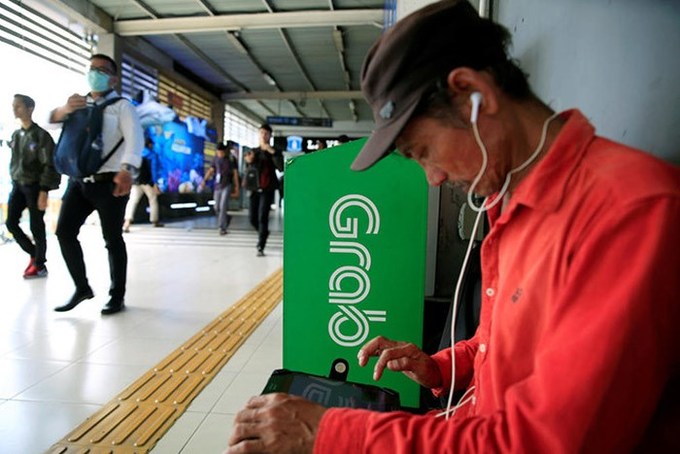
    Grab will invest US$250 million (RM1.025 billion) in Indonesian startups over the next three years through its newly launched innovation arm, as the ride-hailing firm aggressively pushes to cement its position in the Southeast Asia’s largest economy.

    The Singapore-based firm has raised US$2 billion in funding in recent months and also launched the Grab Ventures arm to develop technology start-ups in sectors beyond ride-hailing as it locks horns with Indonesia’s Go-Jek for regional dominance.

    “We are looking at startups in both series A and B, which we could integrate into our ecosystem,” Ridzki Kramadibrata, managing director for Indonesia said.

    The company, which counts Chinese ride-hailing firm Didi Chuxing and Japan’s SoftBank Group Corp among its backers, has already starting looking at startups and will start funding rounds later this year, he added.

    Grab is interested in healthcare and food-and-grocery delivery startups as well as those that facilitate digital payments and automated processes, he added.

    Grab’s rival Go-Jek has already evolved from a ride-hailing service to a one-stop app allowing Indonesian clients to make online payments and order everything from food, groceries to massages. It is now looking to expand in Southeast Asia, to Vietnam, Thailand, the Philippines and Singapore.

    Kramadibrata said Grab is currently the top ride-hailing player in Indonesia and that he was confident the firm would be able to maintain the lead. The firm is valued at around US$11 billion, according to sources.

    “We hold 65% of (Indonesia’s) ride-hailing market, as based on total rides and transactions,” said Kramadibrata. “And it won’t stop there, our market share is increasing.”

    He reckons Grab holds majority market share in 137 cities in Indonesia, compared with Go-Jek’s roughly 50. Kramadibrata said he based his estimates on internal and third-party data that he declined to reveal.

    Its CEO, Nadiem Makarim, said that this month that the company’s app was a market leader in Indonesia, processing more than 100 million transactions for 20-25 million monthly users.

    He did not specify how many of those transactions were only for ride hailing.

    Ride hailing services in Southeast Asia are expected to
    surge to US$20.1 billion in gross merchandise value by 2025 from US$5.1 billion in 2017, according to a Google-Temasek report.

  • GAP exit brings ex parent some turning wheel of fortune

    GAP exit brings ex parent some turning wheel of fortune

    Singapore retailer FJ Benjamin has recorded a change of fortune, turning its first annual profit in four years.

    The multi-brand retailer reported a pre-tax profit of S$939,000 for the year to June 30, compared to a loss of $16.5 million the previous year.

    “We are encouraged by our 2018 operating results,” said CEO Nash Benjamin. “With improved consumer sentiment, we witnessed comparable store growth in most of our brands as well as full-year contributions from new stores opened during 2017.”

    He said the company will now focus on growing the business organically with improved merchandise assortments and the implementation of a new Customer Relationship Management system.

    Sales in Singapore and Malaysia last year grew by $16.2 million, however due to the discontinuation of a business overall revenue declined $39.9 million. The company shuttered its Gap and Banana Republic stores in February after opting not to renew the licence.

    Gross profit margin improved four percentage points to 46 per cent due to higher margins from retained brands and the discontinuation of the less profitable labels.

    Nash Benjamin said FJ Benjamin continues to evaluate prospects for introducing new brands into its portfolio.

  • Musinsa : Online shop creates offline opportunities

    Musinsa : Online shop creates offline opportunities

    Online fashion retailer Musinsa held a presentation to introduce its newly opened Musinsa Studio and announce its goal of reaching a total sales volume of 1 trillion won (US$902 million) by 2020 in Dongdaemun, central Seoul.

    Musinsa, Korea’s largest online fashion retailer, was founded in 2001 as a fashion message board where users shared fashion tips and photos with one another and developed into a small online shopping outlet in September 2004 after it gained popularity among young Korean fashionistas. Its sales volume reached 30 million won last year and is estimated to make a total of 42 billion won by the end of 2018. There are currently around 3,500 different brands that sell their products through Musinsa, with the number growing daily.

    On June 15, Musinsa Studio opened its doors, taking up four floors of the Hyundai City Outlet Dongdaemun branch and offering space to small fashion-related companies. Musinsa has always focused on its online business, and this is the company’s first big step out into offline retail. Many in the fashion industry have taken note that Musinsa didn’t build an offline store, but rather an open studio for smaller, younger businesses to grow.

    “We believe that the two most important things for Musinsa are the brand and the customers,” said Seo Seung-wan, head of the business development team. “So instead of building an offline store, which would limit our communication with customers only through that particular branch, we decided to open up a space for brands [that sell their products on Musinsa] and their customers. The brands [that sell through Musinsa] have grown along with us through the years. So we don’t just sell their things. We are also building an ecosystem with them.”

    Small businesses, even one-person start-ups, can rent a studio space for a minimum of three months, during which the occupants may use the many facilities provided by the company, including the meeting rooms, seminar rooms, free repair service, photography studio and discounted parcel service. Businesses that entered the space early this summer represent a diverse range of talent, from fashion designers and textiles developers to film producers who create fashion-related content.

    The two basement floors contain storage rooms, photo studios and parcel services that occupants can use. “The cost for a box for delivery is set at 3,000 won all across Dongdaemun,” said Lee Ji-hye, a manager of the studio. “Here, we have a staff from CJ Logistics who takes care of all the deliveries everyday at half that price. The doors of the packing zone lead straight out into the parking lot, cutting time and money.”

    The 13th floor houses the brands and an office for the Musinsa customer service team, which Seo emphasized is part of Musinsa’s communication strategy. “We had 20 staff members on the customer service team, but the new office can hold up to 200. Communication is the one thing that we hold most sincerely at Musinsa, so that customers start to believe they don’t have to shop anywhere else. Rather than having an offline store, we can communicate with more customers this way.”

    Through all these means, Musinsa hopes to maintain its position as No. 1 in Korea and further develop into Asia’s biggest online fashion business. “Everything that we do is focused on providing customers with the best experience in online shopping and fashion, and it will always stay that way,” said Seo.

    To celebrate the official opening of the studio, Musinsa is holding the first offline Musinsa Market on the 12th floor on August 29 from 11 a.m. to 6 p.m. Get off at Dongdaemun History and Culture Park station.

  • Malaysian businesses expect slower growth in third quarter

    Malaysian businesses expect slower growth in third quarter

    Businesses expect growth to slow in the third quarter due to lower confidence levels after recording positive business performance in the second quarter of the year, according to the Statistics Department.

    The department’s Business Tendency Statistics for the third quarter 2018 which presents statistics on business performance based on a survey conducted on a quarterly basis – said the second quarter of the 2018 was positive with an overall net balance of +3.6%, mainly contributed by services sector (+22.0%).

    As for the third quarter, overall business performance is expected to grow at a slower pace with confidence indicator of +6.0% compared to the +7.8% in the previous quarter.

    On a sectoral basis, services sector is expecting their business performance to continue to grow in the third quarter of 2018 with confidence indicator of +16.5% as compared to +8.6% in second quarter of 2018.

    Other sectors such as industry and wholesale and retail trade which are also of the expectations of their business situation improving albeit at a moderate rate with smaller confidence indicators at +2.1 % and +3.6% respectively.

    However, the construction sector expects their business situation to be less bullish with a confidence indicator of -7.7%.

    “Majority of the respondents in all surveyed sectors which was 45.1%, anticipated that their gross revenue to increase while 44.4% expected unchanged. In contrast, 10.5% of the respondents foresee a decrease in gross revenue,” said chief statistician of Malaysia Datuk Seri Dr Mohd Uzir Mahidin.

    On another note, business performance is expected to continue to grow for the period of July to December 2018 based on a net balance of +11.6%, supported mainly by services sector that was most optimistic with a net balance of +25.3% as compared to +15.3% for the period of April to September 2018.

  • Top Uber exec makes amends to Korea

    Top Uber exec makes amends to Korea

    Uber’s chief operating officer, Barney Harford, vowed to take Korean regulations more seriously during his visit to Seoul on Wednesday.

    The ride-hailing company is working to revitalize its local business and focus on its taxi and food delivery services, he said.

    “If we look back, we haven’t always behaved in the right way, and that is the case in Korea as well,” Harford said at a discussion attended by members of the American Chamber of Commerce in Korea. “As a company, we want to apologize for that.”

    Following his apology, Harford said that Uber would strive to become a better partner for cities and countries that host its services, hinting that the company wants to start fresh.

    “I want to be clear that going forward, we will not launch products or services that do not comply with regulatory frameworks in Korea,” he said.

    Uber has been plagued for more than a year by a series of high-profile scandals involving its unrestrained office culture and lawsuits that led to a company-wide reshuffle, including the replacement of its CEO and COO. Harford, who has an MBA from Insead, served as Asia-Pacific president at Expedia from 2004 to 2006 and took the CEO post at Orbitz in 2009.

    Orbitz was then sold to Expedia in 2015, and Uber’s new CEO, Dara Khosrowshahi, the former CEO of Expedia, asked Harford to join the company as his right-hand man.

    Harford took over the job last December. His visit to Seoul on Wednesday was his first since he joined Uber.

    Uber first came to Korea in 2013. Its most popular ride-hailing service, UberX, was banned in 2015 after the company’s peer-to-peer ride-hailing model was declared illegal by Korean transportation authorities. The service also faced intense protests from taxi drivers who were afraid of losing their income to Uber.

    Uber has since remained low-profile here, merely operating Uber Black, a premium cab-hailing service; Seoul Taxi, which works in the same way as Kakao Taxi; and car rental services such as Uber Trip and Uber Assist.

    In the meantime, Kakao Taxi, modeled after Uber and run by Kakao, operator of the country’s most popular chat app, has captured more than 90 percent of Korea’s taxi-hailing market. In August last year, Uber introduced its food delivery service UberEats, but it is only available in limited areas within Seoul.

    Harford said he still believes there are ways to use Uber to enhance existing taxi operations. He gave the example of UberFlash in Singapore, which Uber launched earlier this year in partnership with the country’s largest taxi company. The service, before it was sold, allowed customers to get a ride from either a taxi or an Uber depending on which was closer.

    Although the service is no longer available, since Uber sold its Southeast Asian operation to rival Grab, Harford said the partnership was “totally focused on increasing earning opportunities for the taxi drivers in Singapore.”

    Regardless of its minor presence in Korea, Uber has been expanding its Korean workforce in the past several years in hopes of grabbing more of the Korean market. The Uber COO called Korea “an incredibly important market” for the company because of its economy’s size and high level of technology.

    Harford said Uber is currently looking for partnerships and new opportunities in Korea.

    The COO arrived in Seoul on Tuesday night and had a meeting early Wednesday morning with several executives from unnamed Korean technology companies to search for potential “partnership opportunities.”

    “I think there is potential for us to work closely with some of the greatest technology companies in Korea,” Harford said. “The partnership will help us take Korean technologies and integrate them into some of the work that we are doing.”

    Uber recently announced it would diversify into electric bike and scooter services for short trips as a way to ramp up its global business. The company added electric bikes to its app in some cities in the United States.

    Earlier this year, it acquired bike-sharing company Jump and also invested in Lime, an electric scooter firm. However, Harford did not offer a specific timeline for rolling out new services in Korea.

    In a sign of the company’s ambitions, Harford said Uber isn’t just about cars, just as Amazon isn’t just about books.

    “It’s what got us started, but we see ourselves as a company that is about the transportation of people and of things,” Harford said. “There are many ways we are pushing forward in terms of urban transportation.”