Tag: asia

  • How luxury car brands in China show that bigger is better

    How luxury car brands in China show that bigger is better

    China specialises in big numbers and the car market is no different, from 6.7 million passenger vehicle sales in 2008 to 24.7 million in 2017.

    While many articles about business in China tend to wring their hands over the ‘whys’, this topic does not need much social pondering of why Chinese people like cars – people in all countries opt for car ownership when financially able, and you just may have read that the Chinese economy has grown somewhat in the last decade.

    The more intriguing poser is how do car brands ignite passion for their marque in China’s competitive environment?

    The experience of the drive – and the brand

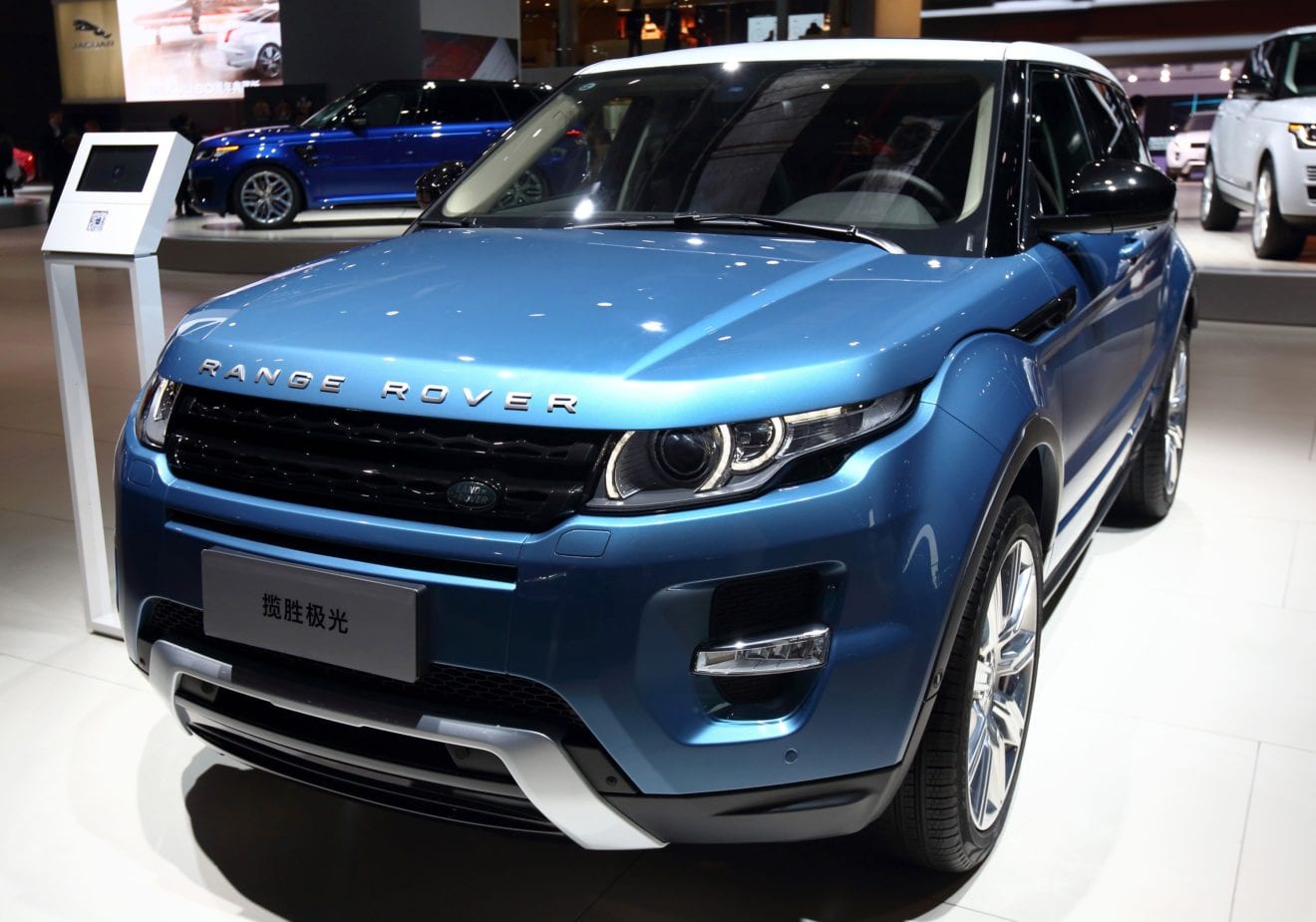
    In something of a pole position in China, Porsche has captured the spirit of Chinese drivers. Popularity rocketed with the launch of the Cayenne and the Panamera. In terms of cars, bigger is always better in China, and flashiness reigns supreme.

    The recent World Premiere of the new Porsche Macan was held in none other than Shanghai, as the CEO, Jens Puttfarken, explained that Porsche was committed to creating not only a vehicle but a lifestyle brand for Chinese customers. The customer in China is, in general, an entire generation younger than in other countries – and China is Porsche’s biggest single market for the third year in a row.

    Porsche have one of the most interactive WeChat mini-programs of car brands. With a campaign of ‘follow your voice’, their mini-program allows the user to choose a car colour, seat their friends on selected seats and then record a voice message which is sent to their chosen friends in WeChat.

    Porsche doesn’t only aim to create a vehicle brand, but a lifestyle brand. The Porsche Experience Center Shanghai is the sixth worldwide and first in Asia, newly completed besides the International F1 Circuit in Jiading district. Potential customers can book test drives via WeChat, and on site there are interactive elements such as racing simulators, kids zones, a café and restaurant, as well as versatile test tracks and even an off-road course for pushing the Cayenne to its limits. As well as ‘experiential’, it’s all ultra-ripe WeChat-posting fruit for each visitor.

    The keyword: ‘Me’

    Mercedes Me is a ‘lifestyle venue’ in a swanky location within Shanghai’s new Bund Financial Center. After the first Mercedes Me was built in Beijing in 2016, the concept clearly works, hence this 2018 addition.

    Quoting directly from the Mercedes press release, the venue delivers “an integrated and personalised customer journey, encompassing three distinct products and services: Food & Beverage, Test-drive and Retail. The overall experience is designed to engage both new and existing customers, and connect them to the lifestyle attributes of the Mercedes-Benz brand.”

    There’s a restaurant, bar and WeChat-photo-friendly designs such as a large, flashy (and flashing) logo outside. Using special on-site tech, visitors can also digitally dream up their personalised car, down to the finest interior details.

    For the car itself, Mercedes have also adapted well to Chinese tastes; WeChat is integrated directly within the infotainment system – no matter how alarming ‘texting + driving’ may sound – and the voice system has regional dialects such as Cantonese and Sichuanese alongside the usual Mandarin option.

    While many car brands have purely functional WeChat mini-programs that let you book a test drive and see the car models (note that in China, people don’t go to their browser and find a website or enter a URL, WeChat is your website in China), Mercedes’ WeChat stands out with richness of information and detailed payment plan details.

    Tesla were first in electric, but will they remain so?

    The Tesla brand immediately switched on interest in China. Chinese consumers like tech, gadgets and a brand that takes them into the desired category of ‘internationalised pioneer’ – someone who is on the edge of the new and not afraid to be first to try. Owning a Tesla is just that, and Tesla focused its energies on the digital gizmos now commonplace in the country:

    Tesla in China took full advantage of WeChat mini-program capability – they show the driver a real-time map of the electric charging stations and with details such as their own acceleration, speeds and energy consumption. If you don’t own a Tesla, you can still use the mini-program to book a test drive. They also promote regular exhibitions and events on the mini-program, and showcase content such as short videos on sustainable living and CO2 reduction.

    Tesla stole a charge on EVs in China, yet they will soon have competition from all brands. The advantage of having an electric car in somewhere like Shanghai is that you pay a drastically reduced price for the registration plate – which currently commands almost RMB 100,000 for a standard petrol car. There was recent announcement that China will remove foreign ownership caps for companies that make fully electric and plug-in hybrid vehicles in 2018, for commercial vehicles in 2020, and the wider car market by 2022. This will likely see a strong influx of not only existing brands offering fully electric cars, but a slew of entirely new brands.

    When a gizmo becomes a gimmick

    Last year, Alibaba rolled out a ‘car vending machine’ which grabbed a few easy headlines, yet was in fact a pure marketing gimmick and not a functional sales platform. Firstly, car buyers in China need to go through plenty of red tape to simply buy and register a car: several trips to various administrative buildings in inconvenient locations. But more importantly, the car-buying aspect is a key momento of affluent life for the Chinese consumer. The sales service, the showroom experience and the like are still all-important, particularly for luxury vehicle purchase. The takeaway? Don’t always believe the headline-grabbing tech news.

    Who wants to share?

    Luxury car ‘sharing’ puts brands on thin ice. While ride-sharing and easy car-hire apps have been very popular, the affluent demographics are not so keen. BMWs were tried in a ‘shared’ concept, only to find that owners who had also chosen a blue BMW were miffed that their own car now looked ‘cheapened’, as it was similar to a general car-for-hire. No other luxury car brand has since attempted a sharing scheme.

    Bigger really is better

    As mentioned, bigger is better. The CEO of Aston Martin, Andy Palmer, was as open as could be with his recent quote: “The DBX SUV exists because of the booming China market,” Palmer told Wards Auto. “Would Aston Martin have done an SUV if not for the China market? Probably not.”

    Aston Martin also revealed a strong trend towards female buyers, as the DB11 Volante was launched in Melbourne a few months ago, with Vice President Simon Sproule telling media:

    “What we can say with fact, is we are now seeing more women as the outright owners and main drivers of the car. In certain markets we’re seeing quite an extraordinary swing towards female buyers. On the V12 coupe in China last year, full year, 50 percent of sales were women. We’ve never seen that for our brand in any market.”

    This also tallies well with Porsche stating that China leads the way for gender balance, with 47% female buyers, after which Russia and the U.S. are second and third with 33% and 22% respectively.

    The takeaways for any brand

    The car market in China reveals modern-day truisms on the expectations of affluent Chinese consumers – you have to be personal, digital and allow your customer to ‘brand’ themselves in the same high-end way that you are strategising for your brand itself.

    Online and offline are both must-haves for any strong luxury brand. Interactive content and booking, locating, testing functionality on a WeChat mini-program as well as branded venues are more than abstract ‘engagement’; they implant the lifestyle values of exclusivity and fun that make Chinese consumers tick.

    Women are the drivers and decision-makers for many luxury sectors, including for the luxury auto industry. As shown above, female buyers make up half of the ownership – and anyone who has lived in China for a while would be able to safely surmise that a good portion of male owners/buyers choices were actually led by their partners.

    The oncoming boom of the EV car market is a society-shaping happening. While the instigation of the global move towards electric cars is related to many factors, the opportunity in marketing communications will have a strong ripple effect to many other luxury categories – related to eco-friendliness, hi-tech connectivity and ‘clean’ living.

    The changes in import tariffs mean that looking only at 2018 H1 sales statistics would be very mis-leading. The word from car companies is that they expect a strong 2H to make up for any deficit, and more importantly, all are still investing into China with full belief of the long-term benefits. Simply put, those with a ‘go big or go home’ China strategy, such as Porsche and other brands mentioned, are the ones that end up winning.
  • China retail sales slump in July

    China retail sales slump in July

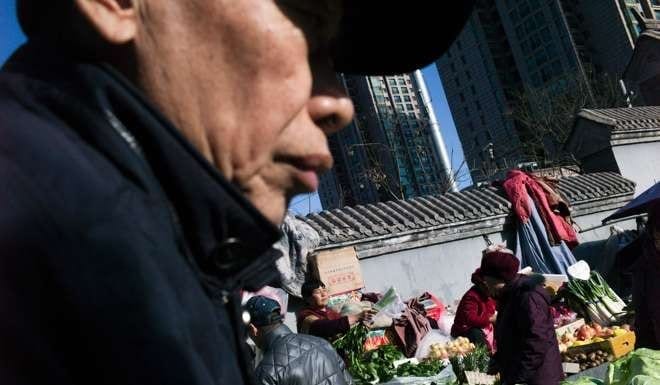
    Mainland China retail sales fell in July according to a survey of 50 major retail chains.

    According to the China National Commercial Information Centre (CNCIC), a government-backed consultancy authorised by the National Statistics Bureau, sales fell 3.9 per cent year on year, with home appliance retailers the worst hit, with a decline of 9.9 per cent.

    Sales of ‘daily necessities’ dropped 5.7 per cent and of clothing by 3.8 per cent. The only category showing strong growth was cosmetics, up 6.5 per cent.

    “In general, the performance of China’s retail sector was rather sluggish in July,” said CNCIC.

  • No cheers from World Cup for Vietnam’s top local brewers

    No cheers from World Cup for Vietnam’s top local brewers

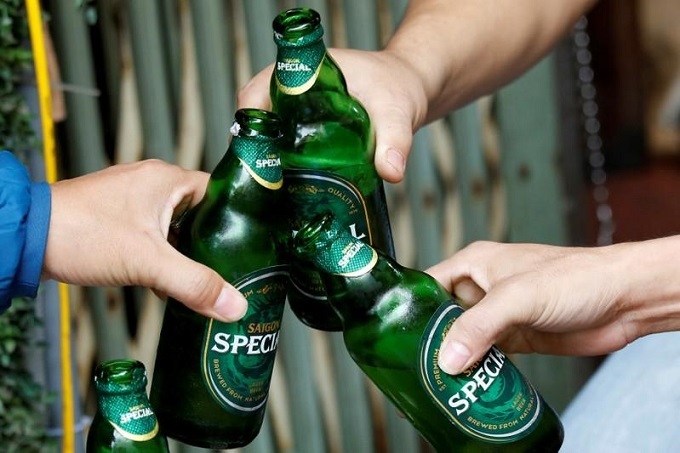
    Sabeco and Habeco, Vietnam’s two largest brewers, reported dismal results in H1 despite some highly favorable factors.

    Generally, for fast-moving consumer goods, the first half of the year is usually good because demand skyrockets during Tet, the Lunar Year national holiday.

    This year the beer industry would have hoped to make a killing since the World Cup football tournament began on June 14.

    Yet the two brewers saw profits actually decline.

    Sabeco, as Saigon Beer Alcohol Beverage Corp. is called, saw pre-tax profit fall 4 percent year-on-year to VND3 trillion ($127 million) on sales of over VND17 trillion ($722 million), up over 8 percent. This was the first time its profits had declined since 2013.

    Its gross margin ratio, which compares gross profit to sales, fell to 23.8 percent from 27.4 percent in the same period last year.

    In July Sabeco’s new chairman, Koh Poh Tiong, told shareholders at its annual general meeting that net profits might fall by 19 percent this year due to increased costs, tax hikes and higher branding expenses.

    Habeco, or Hanoi Beer Alcohol and Beverage Joint Stock Corp., reported revenues of VND4.3 trillion ($183 million) and VND413 billion ($17.5 million) in pre-tax profit, almost unchanged from a year earlier and only 40 percent of its full-year target.

    But, unlike Sabeco, its marketing and advertising spending increased by 15.5 percent in the second quarter to VND167 billion ($7.1 million).

    The slowdown for the biggest brewer in the northern market started three years ago. Even as its rivals were growing steadily, Habeco saw annual sales stagnate at around VND10 trillion ($425 million).

    Its market share is showing signs of shrinking amid expansion by foreign rivals in the high-end segment, according to securities analysts.

    The stocks of both brewers are suffering due to their modest showing.

    On Friday 19 morning, Sabeco traded at VND208,000 ($8.8), 40 percent down from its peak late last year. Habeco has fallen by half to below than 83,000 dong ($3.5 each).

    According to a study on the Asia-Pacific beer market by Euromonitor, Vietnamese consumption is forecast to rise in the coming years despite the stagnation and even decline in China and some European countries.

    Last year Vietnam consumed over 4 billion liters, or 45 liters per capita, the local Beer, Alcohol and Beverage Association estimated.

    The country targets production of 4.1 billion liters in 2020 and 5.5 billion liters in 2035.

  • Vietnam eyes power imports from China, Laos

    Vietnam eyes power imports from China, Laos

    Vietnam might have to import power from China and Laos after 2020, says a senior official.

    “There is a real risk of power shortages in 2021-2023, and the risk will get higher if consumption surpasses forecasts in the coming years,” Hoang Quoc Vuong, Deputy Minister of Industry and Trade, told the Vietnam Energy Forum in Hanoi on Thursday.

    Although the sole power distributor Vietnam Electricity (EVN) is currently able to meet the country’s demand, there is a strong likelihood that the increasing needs of a 95-million population outstrip the capacity.

    This can happen as early as 2020 if the generators don’t operate well or there is not enough coal and liquefied natural gas (LNG) to produce power, EVN Deputy Director Ngo Son Hai said at the forum.

    While more coal power projects are being built in the south, shortages can happen if these constructions run behind schedule, he noted.

    Power shortage will increase by 7.2-7.5 billion kilowatts hours a year in the southern region for each delayed project, Hai said, adding that there were seven underway at present.

    Southern provinces need more coal power projects be built to provide over 18,000 megawatts needed in the next five years, but none of them have opened yet, he said.

    Power production plans in southern Vietnam in megawattsby 2022Projects under constructionProjects yet to be builtEVN

    Deputy Minister Vuong proposed that Vietnam starts importing electricity from Laos and China, to meet rising demand in the country.

    Vietnam should also create favorable conditions for renewable power projects, like solar and wind power, be developed near high consumption areas, he said.

    Vuong noted encouraging the installation of rooftop solar power systems could be one solution to address the looming power shortage.

    To meet the high demand for power, Vietnam needs to produce 278 billion kilowatt hours in 2020, and this number needs to double by 2030, according to EVN.

    The country’s installed power capacity is estimated to reach 47,800 megawatts by the end of 2018, 5.4 times that of 2003, making the country second in ASEAN and 25th in the world, EVN said.

  • Hip-Hop’s influence on the booming Chinese streetwear market

    Hip-Hop’s influence on the booming Chinese streetwear market

    In less than 6 months, hip-hop and associated visual representations exploded into mainstream Chinese consciousness.

    Launched in the summer of 2017, “The Rap of China,” adapted from a similar Korean show saw its first season episodes viewed more than 3 billion times on the iQiyi streaming platform.

    Featuring superstar Wu Yifan, it sparked not only widespread interest in rap music, but also fueled a hip-hop-influenced, high-end streetwear obsession among Chinese youth, led by distinctive brands such as Supreme, Off-White and Vetements.

    Chinese millennials number more than 400 million and they are increasingly demanding more niche, high-end brands that simultaneously offer the comfort of logos, however discreet, while also giving young people space to differentiate themselves from previous generations.

    “I think after consuming high-end fashion brands for a long time, [traditional luxury brands] weren’t making an offering that people like, so I think brands that knew how to capture that internet generation, the millennials, are doing very well. At the core of that consuming is just wanting to feel that they belong to something,” explains Kevin Poon, who co-founded Hong Kong-based streetwear brand Clot alongside friend, actor and rapper Edison Chen in 2003.

    According to figures from Tmall, China’s largest B2C e-commerce platform, streetwear growth last year was 60 percent higher than average apparel category growth, with popular brands on the site including Aape, the youth-centered, price-conscious offshoot of Japanese brand A Bathing Ape, and British brand Superdry. Tmall’s most popular streetwear sub-categories are sneakers and hoodies.

    A report released in March from OFashion and Nielsen showed growth of streetwear consumption in China from 2015 to 2017 at 3.7 times higher than non-streetwear apparel, reaching 62 percent last year, compared with 2016.

    This intersection between hip-hop culture, street fashion, tough guy attitudes and adjacent markers of a rebel attitude, such as tattoos, is familiar over the world.

    While hip-hop from the US has been bootlegged and passed around a small underground fan base in China since the 1990s, the mainstream movement and fashion associations now connected with the genre comes from Korea.

    Following increased attention from censors, a more sanitized mainstream version of rap music, without swearing, political messaging, drug references and misogyny is now prevalent in advertising and social media and the rise of streetwear in China looks set to continue.

    SEE ALSO: FASHION ASIA HONG KONG, wrap-up and interview : Sustainable fashion: high end vs. high street.

    For brands looking to tap into these trends by partnering with associated influencers, Michael Norris, research manager at Resonance China’s consumer insights, naming and brand strategy team, Smart, says the safest bet will be to look behind the scenes, rather than affiliating with performers necessarily.

    “If they are a producer [or] a clothing designer, I would have very little hesitation in partnering with these creatives who are on the front lines of these subcultures [because] they can be a great ally to brands,” he says.

  • BORA AKSU has opened its first store locally at Marina Bay Sands

    BORA AKSU has opened its first store locally at Marina Bay Sands

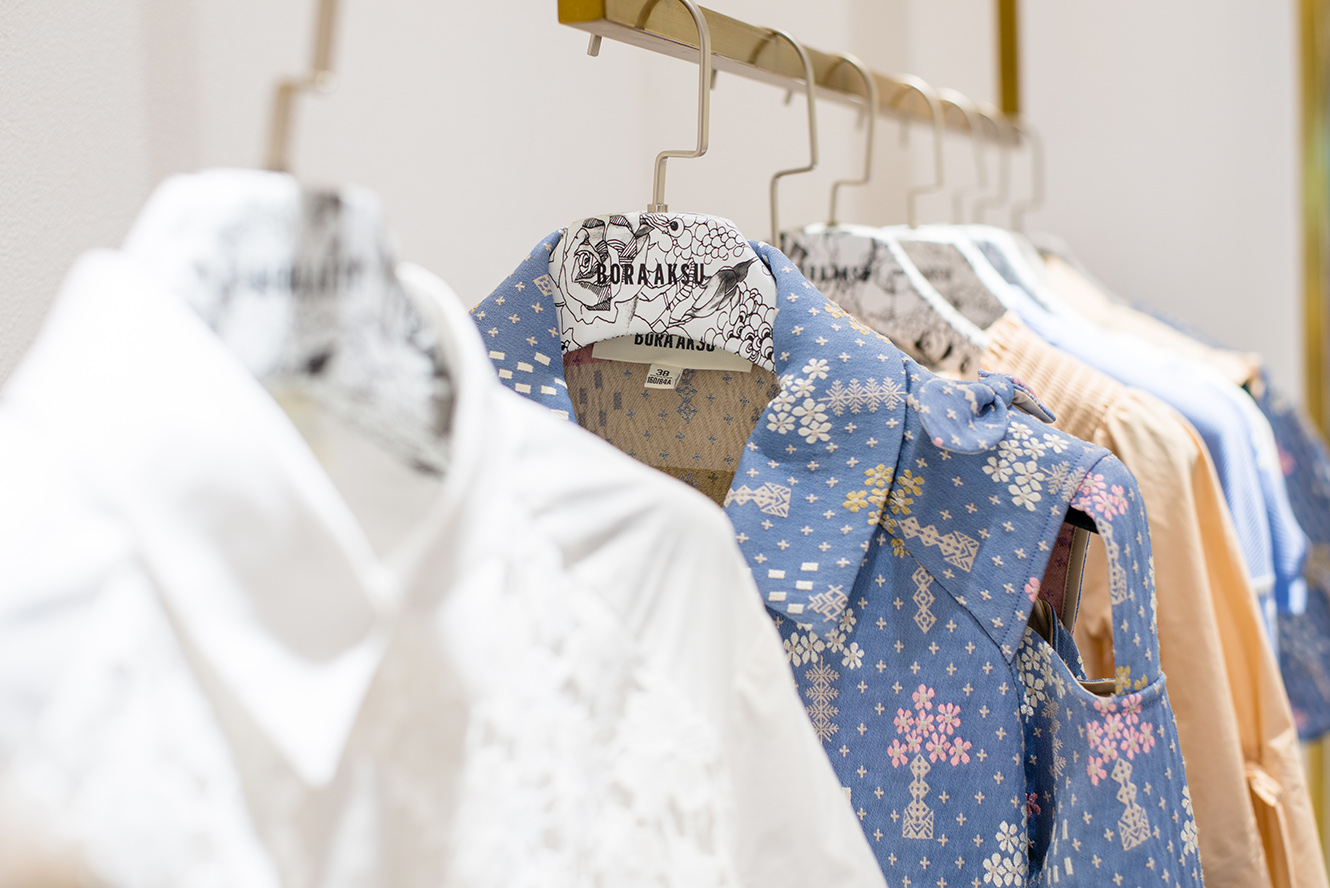
    Bora Aksu, the London-based, Turkish fashion designer, has opened his first standalone store in Asia, at Singapore’s The Shoppes at Marina Bay Sands.

    Aksu’s Autumn-Winter 2018 collection launches the brand there, with pieces priced from S$500 to $2000. (US$366 to $1830). The range includes pinstripe culottes, matching blazers, velvet jumpsuits and flared pants, along with shoes, handbags – and even a $600 doll dressed in miniature versions of his clothing.

    The Marina Bay store takes up about 2000sqft on level B2.

    Aksu is gaining a following in the fashion community for his elegance, sophistication, modern femininity and “rivetingly romantic” demi-couture pieces. His clothes are stocked by Selfridges, Liberty & Co and Wolf & Badger, among others.

    The designer said that he chose Singapore for his first store location because it was the gateway to Southeast Asia.

    “Our pieces offer customers in Singapore ready-to-wear garments encompassing elaborate, exquisite compositions and luxurious tulle fabrics that represent Bora Aksu’s signature looks. Beyond an impressive roster of elegant tailored looks, Bora Aksu’s pieces are known to emote charm, intrigue and seduction which I believe will be well suited to the crowd here in Singapore,” he said.

  • East Saigon running out of apartments for sale to foreigners

    East Saigon running out of apartments for sale to foreigners

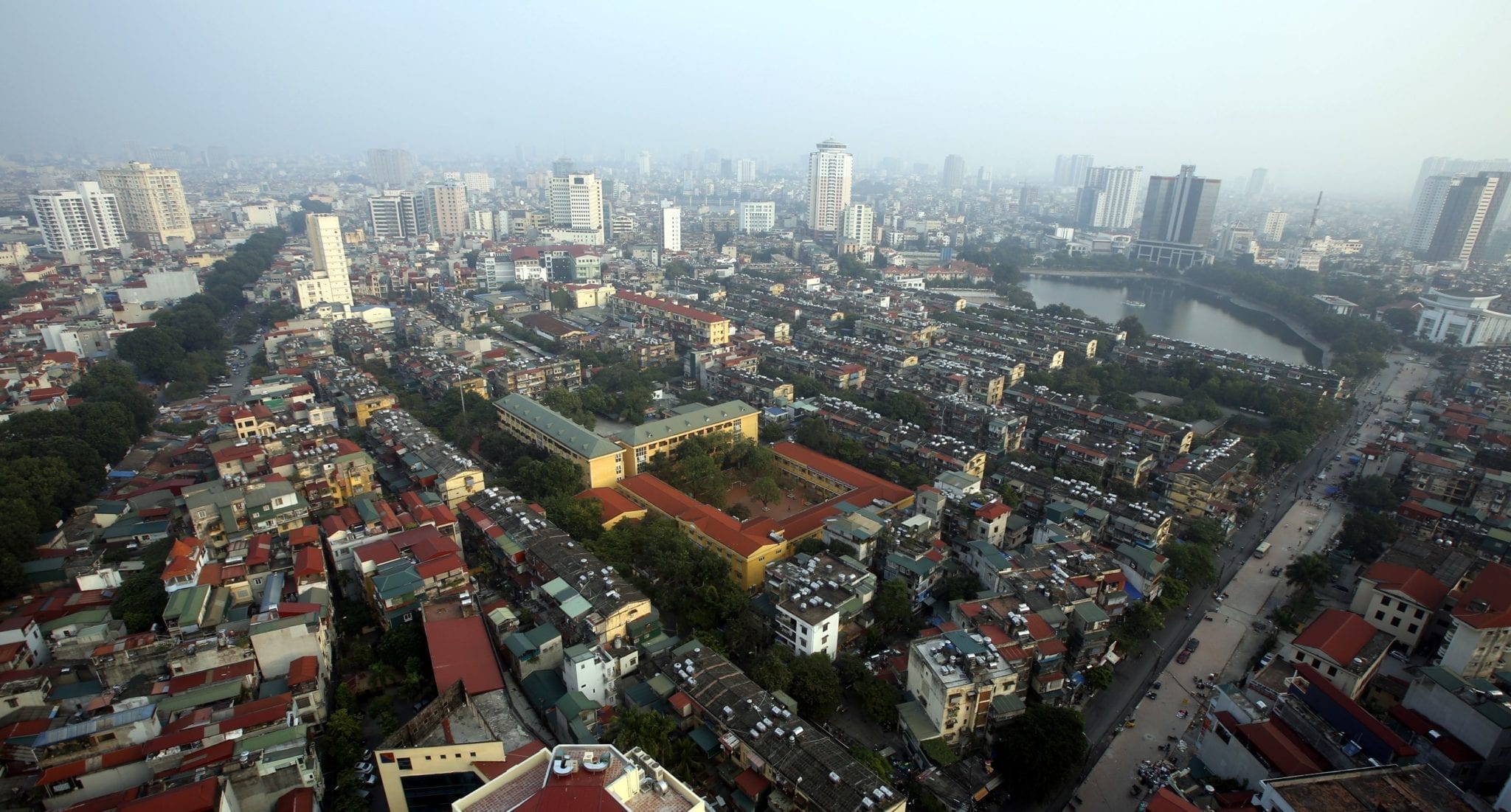
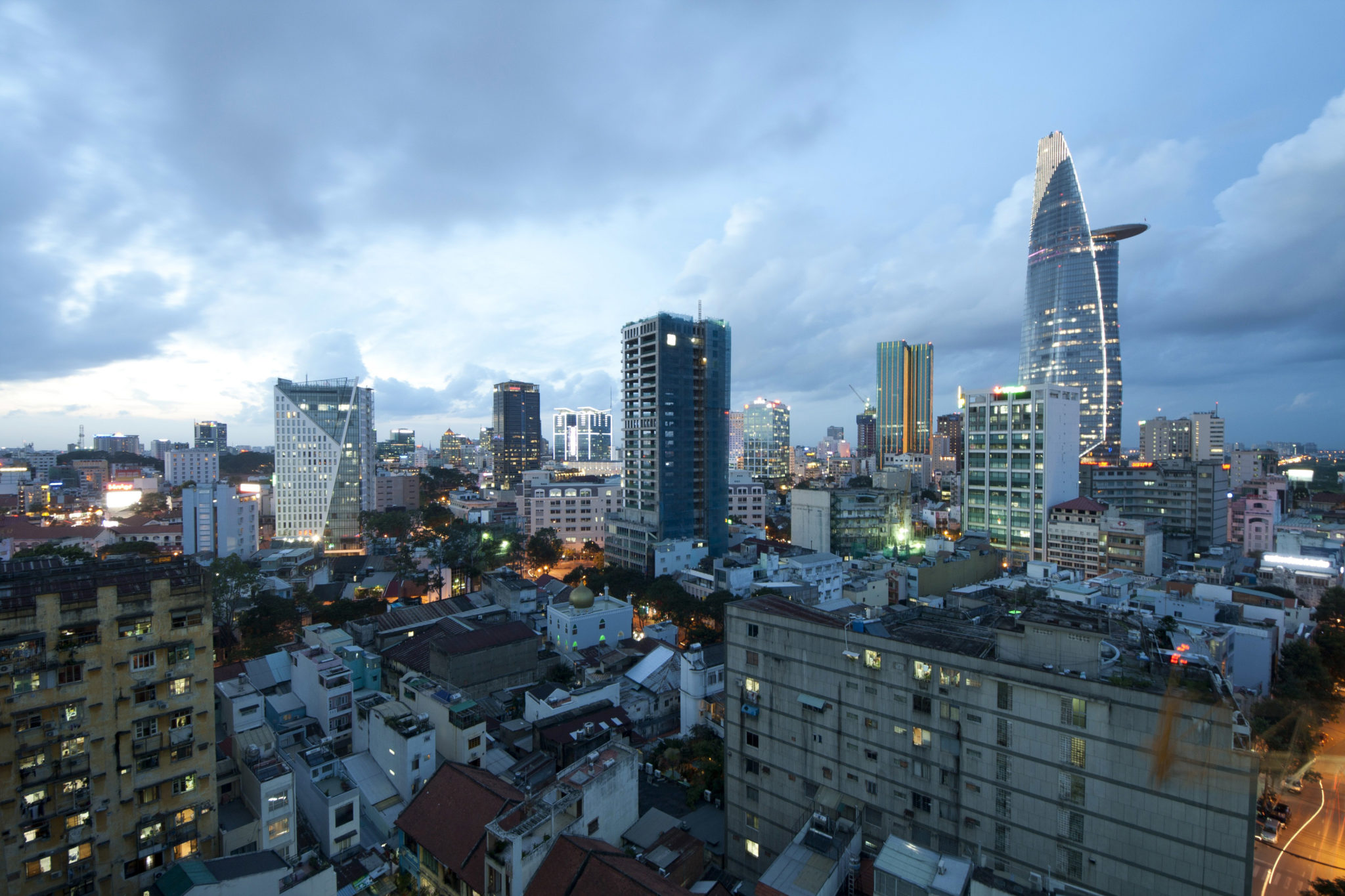
    An ownership cap is preventing foreigners from buying high-end apartments in Saigon, especially its eastern part.

    Thien’s apartment was in a prime area with a view of the Saigon River in Ho Chi Minh City’s Thao Dien Ward, District 2.

    He could have sold it for VND5.5 billion ($236,000) to a foreign buyer, but had to sell to a local investor for VND5 billion ($215,000) because the 30 percent cap of foreign ownership had already been reached.

    Like Thien, Luong bought a high-end apartment on Ha Noi Highway, District 2, in 2017, and sold it to a foreigner early 2018. It was after the contract was signed that he learnt that the foreign ownership cap had been reached. It took him another month to find a Vietnamese buyer for lower profits.

    The amended Housing Law 2014 expanded foreigners’ rights to buy housing in Vietnam but stipulates a foreign ownership cap of 30 percent in each project.

    Savills Vietnam director Matthew Powell said that many apartment projects in HCMC have reached the 30 percent foreign ownership limit since last year, especially in expat dense areas.

    Song Hai, an experienced real estate broker, said many foreigners find property in the east of the city, like District 2, especially in Thao Dien ward, more attractive as it has been an expatriate haunt for some time.

    Earlier, in the third quarter of 2017, a property project located in a prime location in District 1, accessible via the Thu Thiem Tunnel, was so attractive to a group of individual Korean investors that they were willing to take 50-year leases if they could not buy apartments outright as a result of the foreign ownership limit.

    Nguyen Xuan Quang, Chairman of Nam Long Investment Joint Stock Company, said the participation of such individual foreign investors was a positive sign for the market at a time when apartment sales were slowing.

    “Foreign investors might see good market prospects here as returns from property in the city could be better compared to other countries,” he said.

    Nguyen Loc Hanh, deputy general director of sales and marketing at Danh Khoi Real Estate Joint Stock Company (DKR), said quite a few apartment projects in the eastern part of the city have reached the 30 percent foreign ownership limit, especially high-end projects with fewer than 500 apartments typically preferred by foreigners.

    Luxury apartments in the city are still much cheaper than in Hong Kong or Singapore, Hanh noted.

    Alan Kan, committee member of the Hong Kong Business Association Vietnam (HKBAV), said that Hong Kong property prices have risen to unaffordable levels, and so many people there are looking to investing in cheaper places like Vietnam and Thailand.

    According to data from Hong Kong-based Golden Emperor, gross rental yields are between 4.5 percent and 5 percent in Bangkok and much lower in Singapore, Kuala Lumpur and Hong Kong, and cannot compare with the yields of 6-8 percent in Vietnam.

    Powell of Savills Vietnam added that conditions and legal procedures related to foreign ownership have been eased but should be improved further to attract more investors.

    He agreed it was important to have ownership limits to ensure proper oversight and avoid negative impacts on the economy, but Vietnam could consider relaxing the regulations in certain areas to meet demand, especially in the luxury segment, he added.

    According to property consulting firm Jones Lang LaSalle (JLL), Malaysia has a relaxed realty policy that encourages foreigners to buy various kinds of properties.

    Thailand now allows foreigners to buy only 49 percent of a housing project, down from 100 percent earlier.

    Indonesia only allows foreign individuals to hold a right of use title for 30 years extendable for another 20.

  • Giordano slows down in Hong Kong, Macau market

    Giordano slows down in Hong Kong, Macau market

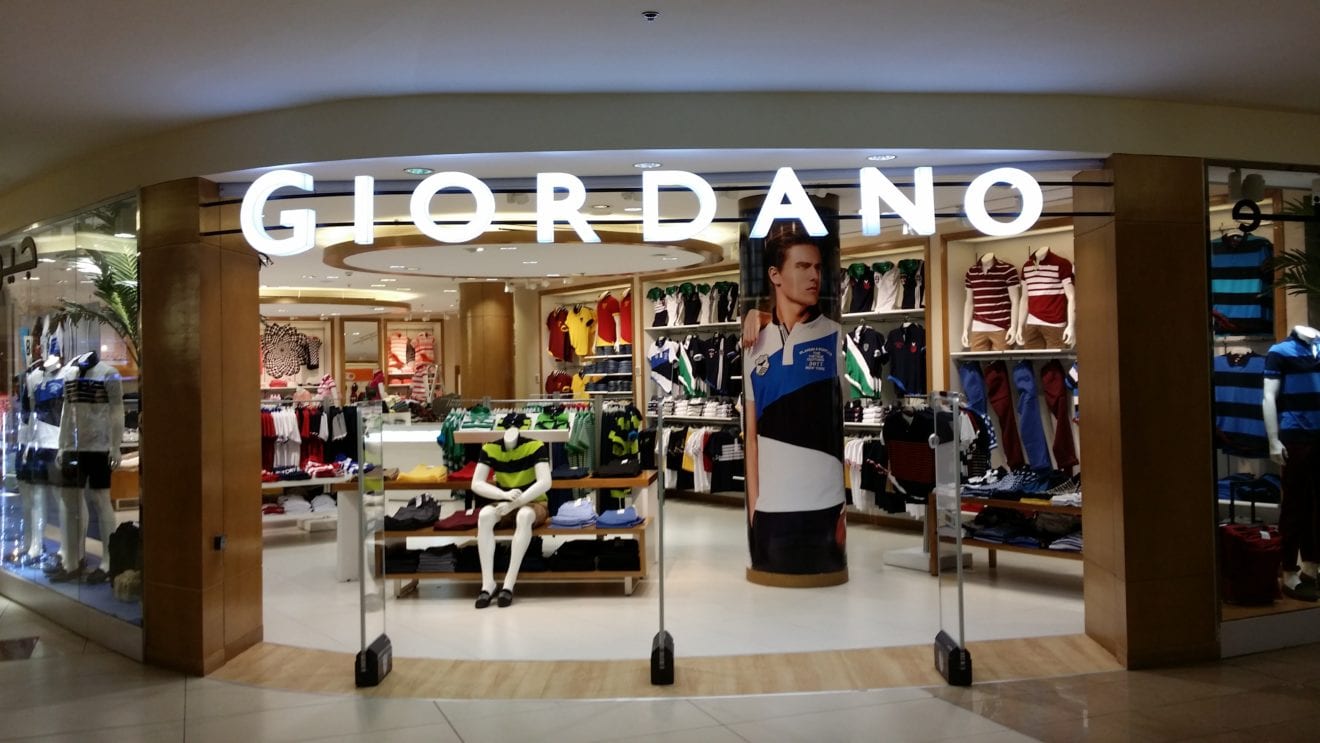
    Apparel retailer Giordano says sales growth in its key Hong Kong and Macau market has become “increasingly sluggish”.

    While the year started well, “inclement weather and fierce competition have hindered performance so far,” chairman and CEO Peter Lau said in the company’s half-year results announcement.

    “But we are confident the experienced local management team will continue to reduce costs and devise creative campaigns to outperform our competitors. This market will also continue to serve as a new idea incubator and talent development centre,” he said.

    Group sales for the first half of this year were HK$2.86 billion (US$364 million), up 9.2 per cent on the same period last year. Comp-store sales and comp-store gross profit rose by 5.1 per cent and 3.1 per cent, respectively.

    Post-tax profit was HK$254 million, an increase of 3.7 per cent, with net profit margin easing by half a percentage point to 8.9 per cent.

    Lau said the company was optimistic about its outlook for Giordano’s Mainland China business.

    “Performance in the first half … has been flat and there is some degree of uncertainty surrounding the impact of the Sino-US trade war in the imminent future. That said, our e-commerce business in China continues to perform better than the group’s average and there has also been an improvement in the performance of both our franchisees and our [stores]. We anticipate that our store network will continue to expand, but we will monitor the pace and scale in view of the macroeconomic conditions.”

    Giordano finished the half year with 2444 stores, equivalent to 2.331 million sqft of retail space throughout Asia-Pacific, 1293 of those standalone stores.

  • Shinsegae DF partners with China’s Ctrip

    Shinsegae DF partners with China’s Ctrip

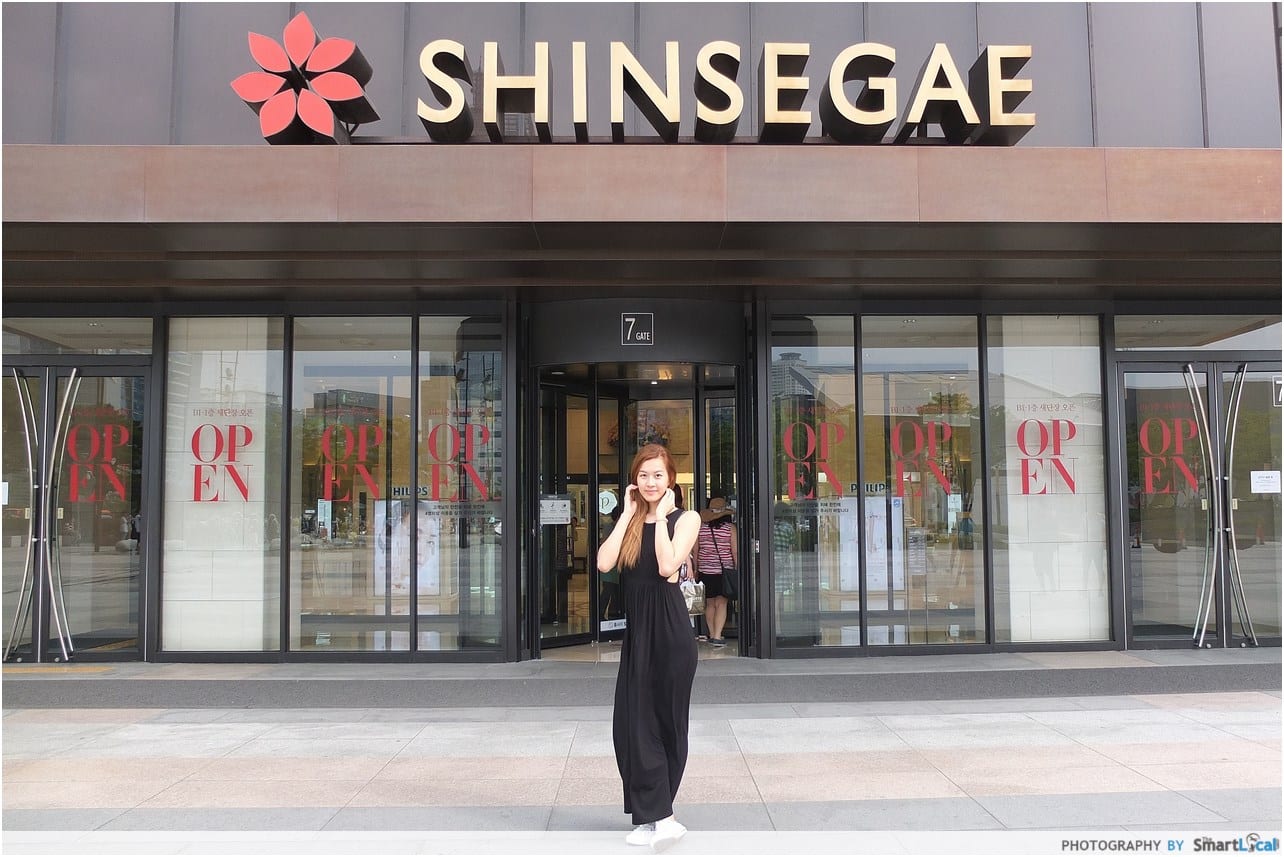
    Shinsegae DF Inc., duty-free store operating unit of South Korea’s retail conglomerate Shinsegae Group, has joined hands with China’s largest online travel agency Ctrip to offer membership service with hopes to woo more Chinese consumers.

    Shinsegae DF said on 3 August that it will offer consumers membership subscription service via Ctrip website, becoming the world’s first duty-free store operator to partner with Ctrip, an online platform in China with over 300 million users offering travel-related services such as accommodation, flight reservation, and tour packages.

    Under the partnership, Shinsegae DF will introduce its brand on the travel agency’s website under Global Shopping section and offer membership subscription service.

    Consumers will be given silver memberships that grant them a 10 percent discount at all times.

    The latest partnership with Chinese e-commerce site comes at a time when Shinsegae DF is going all-out to attract Chinese travelers to boost sales.

    In November, the Korean duty-free store operator joined hands with China’s leading messaging and social media app WeChat with 1 billion monthly users to expand membership. Shinsegae DF has seen a 150 percent average daily surge in the number of foreign memberships since the service launch.

    Average daily sales of Shinsegae DF’s store in Myeong-dong, central Seoul, have also jumped from the 4 billion won (US$3.5 million) range in October last year to more than 5 billion won this year, the company said.

    An unnamed official from Shinsegae DF said that the company will put out efforts to attract Chinese travelers by expanding membership subscription partnership with Alipay in addition to Ctrip and WeChat.

    Shinsegae said the daily average number of foreigners who sign up for its memberships grew over 150 percent following the launch of the service with WeChat.

    “We are putting our utmost efforts in establishing platforms and communities to better communicate with consumers from Greater China,” a company official said. “In addition to Ctrip and WeChat, we plan to expand collaboration with Alipay.”

  • Mao Shan Café China to open 200 more stores

    Mao Shan Café China to open 200 more stores

    The Mao Shan Cafe, a franchised food retail network with a menu centred on durian – plans to open 200 outlets across Mainland China by 2022.

    Mao Shan Cafes serve durian cakes, savouries, pastries, waffles, durian coffee and ice cream and other unique foods based on Malaysia’s Musang King strain of durians, targeting Chinese nationals who are passionate about the fruit.

    In China, where whole durians are harder to come by, sales of durian-flavoured products have skyrocketed in recent years. Duerian imports have surged from 40 tonnes in 2011 to 368 tonnes in 2016.

    A subsidiary of US private equity business The Funding Partners, Mao Shan Cafe also plans to collaborate with Chinese food delivery giants Meituan and Alibaba-owned Ele.me to further boost sales.

    This year, 10 stores are planned for the Guangdong region and the first 100 in the company’s franchised network are expected to be trading by 2020. Sometime before the 200 threshold is reached, The Funding Partners plans to spin the company off in a Mainland China float.

    The chain’s first flagship store opened last month, in a ceremony attended by celebrities including Hong Kong performing artist, Maria Cordero.

    The Funding Partners has interests in Malaysia’s durian growing and export industry and saw the retail network as a way of expanding exports further to the mainland.

  • Toyota Vietnam recalls 11,300 plus cars with airbag faults

    Toyota Vietnam recalls 11,300 plus cars with airbag faults

    Toyota Vietnam has announced the recall of more than 11,300 cars of three models with faulty airbags.

    The inflator canister of over 5,600 Corolla Altis cars manufactured in 2013 can be penetrated by humidity, the Japanese company said in a statement.

    Thus, it can happen that in some crashes, the activation of the airbag can break the inflator into pieces. These pieces can be pushed through the inflated airbag, causing serious damage to users.

    The same fault is likely in 5,100 Vios cars and 550 Yaris cars manufactured at the same year, which are also being recalled.

    Another 372 Corolla Altis cars manufactured between December 16, 2015 to February 15, 2016 are being recalled for airbag crash sensor faults.

    The electrical insulator of the airbag electronic controller unit can fall off after a period of car operation, turning on the warning airbag symbol on the driver’s control board.

    In the event of a crash, the airbag may not be activated because of this fault.

    Toyota said it has not been aware of any accidents involving these faults so far.

    Customers can bring their vehicles for a free replacement of the faulty parts at Toyota garages, which should take three hours.

    This is not the first time Toyota Vietnam is recalling cars with airbag faults. The most recent one was in March this year and August last year, with over 20,000 vehicles in each occasion.

  • SM Prime Holdings income rise from new malls

    SM Prime Holdings income rise from new malls

    SM Prime Holdings has reported a 16 per cent rise in income in the first half of this year.

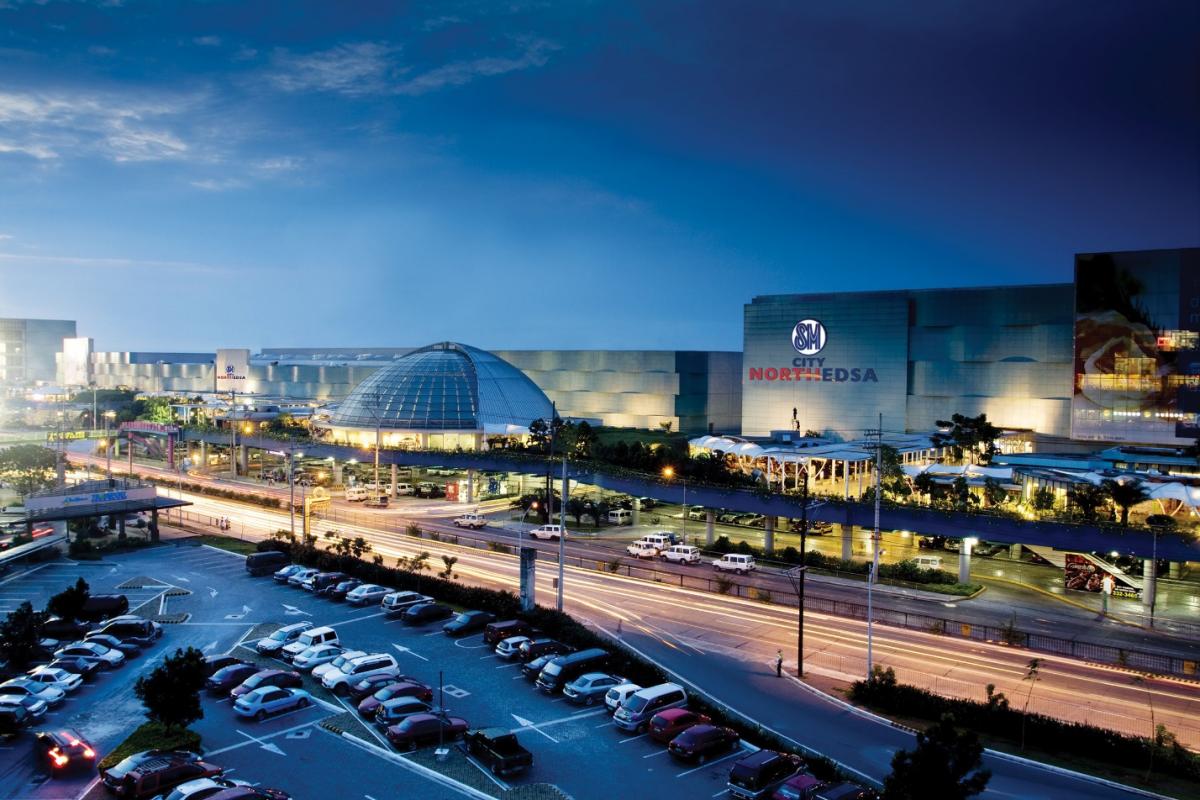
    Sales, boosted by new mall and residential projects, reached a total of P16.6 billion (US$313 million). The firm opened shopping centres in Cavite, Pangasinan and Pampanga during the period and now operates 77 in all, seven of them in China.

    SM Prime president Jeffrey C Lim said: “We intend to deliver more integrated developments in the coming years anchored by lifestyle malls, luxurious yet affordable residences and other complementary amenities across the country.”

    SM Prime is set to open new malls in Albay and Leyte later this year.

  • Bondi Venus champions affordable fashion swimwear for the style-savvy girl

    Bondi Venus champions affordable fashion swimwear for the style-savvy girl

    A vibrant, young swimwear brand launching new bikinis for the summer of 2018 ; Bondi Venus champions affordable fashion swimwear and beach clothing for the style-savvy girl about town who wants to make an impact poolside.

    The company behind the brand have almost 3 years of experience in designing, producing and distributing fine, fashion-led garments and accessories and supply some of Asia’s biggest high street retailers.

    Detail is at the forefront of Bondi Venus. Meticulous technique and an attention to extraordinary features is evident in the debut collection. Sophisticated beadwork and embellishment adorns classic bikini styles; while jewel-encrusted brooches and pretty charms facet South Beach’s own designs and prints, lending to the individual character of the range.

    The first collection from this fresh and exciting swimwear brand focusses on three key trends; ‘Bikinis’, ‘Monokinis’ and ‘Trikinis’.

    These three fashion-forward sets combine seamlessly to create a coherent collection of stunning swimwear and beach clothing. Pieces are sold as individual separates and are designed to allow for mixing and matching across the range.

    The Bondi Venus girl is typically aged 18-35, enjoys socialising with friends and looks for a bikini that not only looks great by the pool, but also steps up to the mark after sunset for a moonlit beach party.

  • Carousell seals partnership with Xend, elevates the PH buying and selling experience

    Carousell seals partnership with Xend, elevates the PH buying and selling experience

    In a strategic bid to accelerate Philippine social commerce growth in a thriving ecosystem, Carousell, one of the world’s largest and fastest growing classifieds marketplaces, has recently launched its major team-up with Xend, the country’s top e-commerce logistics firm.

    Jamie Lee, Carousell’s Senior Manager for Growth Markets pointed out that the partnership deal allows the platform – now with 158 million listings across 7 markets – to enrich the experience of its Philippine-based users and better engage them through a strong logistics partner of choice.

    “We are excited to work with Xend to make buying and selling more convenient. Shipping has been one of the most requested features from our users in the Philippines and Xend provides a unique, cost-friendly logistics solution for our users. With this strategic partnership, we hope to create more value for our community and deepen our presence in the Philippines,” Lee explained.

    Xend Founder & CEO Bjorn Pardo meanwhile said that they are thrilled to forge this partnership as it allows both players to step-up their game in the e-commerce space at scale.

    “The Philippine e-commerce landscape has fundamentally evolved. Sellers and shoppers are now more discerning and adoptive of coherent, frictionless experiences. This collaboration enables us to consolidate the mobile commerce segment and mobilize each others’ resources towards more customer-centric solutions,” said Pardo.

    The deal will jointly offer preferential privileges to Carousell users who use Xend to have their sold items delivered, as well as mount co-branded promotions in each others’ channels, both online and offline.

    With over 9.5 million listings on the Philippines marketplace, fashion and beauty remain as the most popular categories among its users in the Philippines. Xend, on its part, has already breached the 25 million mark for deliveries locally and abroad, and is known for its close to 500,000 user-base, Asia Pacific’s first Facebook Messenger booking bot, and a 6,000-strong integrated land and sea logistics network with PhilTranco, FastCat, Jam Liner, Ceres, and Quick Reliable.

    “It’s all about unlocking localized synergies and generating incremental value. As a next-tier innovation, Xend and Carousell will be collaborating to offer district-oriented meet-up points that leverages the Xend Group’s “pick-up and drop-off” (PUDO) hubs of 350 Neighborhood Partner outlets and possibly the stores too of 7-Eleven, one of our formidable strategic partners,” said JT Solis, Xend’s Vice President for Partnerships & Business Development, who led the negotiation and structuring of the deal.

  • Samsung vows to invest $161B by 2021

    Samsung vows to invest $161B by 2021

    Samsung announced Wednesday it will spend 180 trillion won ($160.7 billion) and hire 40,000 more employees over the next three years to drive growth – an unprecedentedly ambitious plan from Korea’s biggest conglomerate.

    The 180 trillion won includes capital expenditures and research and development, and some 130 trillion won – 43.3 trillion won on annual average – will be dedicated to the domestic market, which Samsung said would indirectly create 700,000 more jobs.

    The annual figure is in line with the 43.4 trillion won Samsung spent on new facilities last year.

    The remaining 50 trillion won in investments is speculated to be earmarked for mergers and acquisitions as well as foreign manufacturing facilities.

    The pledge of 40,000 new jobs is meant to give jobs to young Koreans, the group explained. Korea is struggling with the worst youth unemployment rate in its history. The number of new jobs created by Samsung over the past three years was between 20,000 and 25,000.

    “Today’s announcement follows many months of deliberation and review by the management and board of directors of different Samsung companies that will make the investments, including Samsung Electronics,” Samsung said in a statement.

    The investments are divided into two categories. One is to sustain the company’s leadership in semiconductors and displays.

    “In addition to investments for memory products, spending will be dedicated to non-memory products and new advanced manufacturing equipment,” Samsung said. Developing profitable and new products will be the focus in displays, amid rising competition in the industry.

    The second category is to search for new growth engines. A total of 25 trillion won will go into four specific areas: artificial intelligence (AI), 5G telecommunications, automotive electronics components and biopharmaceuticals.

    The plan to invest 180 trillion won exceeds a widely expected figure of 100 trillion won. Samsung was supposed to announce its investment and hiring plans on Monday when Finance Minister Kim Dong-yeon visited its Pyeongtaek campus in Gyeonggi and met with its de facto chairman, Lee Jae-yong. But Samsung delayed the announcement at the last minute after stories were published that accused the government of “begging” for investments from conglomerates.

    Samsung’s ambitious plan does follow a request from President Moon Jae-in. In mid-July, the president directly asked Lee to “invest more locally and create more jobs” when the two met at a ceremony in India to mark the completion of Samsung’s biggest smartphone factory in the world.

    Wednesday’s announcement made clear Samsung’s industrial focus for the next few years. Samsung Chairman Lee Kun-hee, now bedridden, used to declare Samsung’s growth drivers every several years. In 2010, four years before he had an incapacitating stroke, Samsung named medical equipment, biopharmaceuticals, solar batteries, auto batteries and light-emitting diodes as its growth drivers, estimating they would generate 50 trillion won in annual revenue by 2020.

    In Wednesday’s announcement, Samsung changed its focus to AI and 5G connectivity that will create new opportunities in autonomous driving, the Internet of Things (IoT) and robotics. The top chaebol had already vowed to significantly expand its AI research capability, increasing its number of advanced AI researchers to 1,000. Becoming a global player in advanced markets for 5G chipsets and related devices and equipment is also on Samsung’s road map for the future.

    Samsung aims to become a leader in electronics components for future cars such as system on chip (SoC) semiconductors for autonomous driving, using its leadership in semiconductor, telecommunications and display technologies.

    In biopharmaceuticals, the group said it has seen strong growth in both contract manufacturing and the biosimilar businesses, promising to invest heavily to combat chronic and difficult-to-cure diseases.

    Following the upbeat statement on Samsung’s biopharmaceutical ambitions – despite a recent scandal over suspected accounting fraud – shares of Samsung BioLogics shot up 7.08 percent to close at 454,000 won Wednesday.

    Peaking at 600,000 won in April, the shares nose-dived to as low as 353,000 won early May after the Financial Supervisory Service started auditing it for accounting irregularities.