Tag: asia

  • 11street Malaysia will take advantage of the new partnership

    11street Malaysia will take advantage of the new partnership

    Online marketplace 11street Malaysia is being overhauled following a partnership with PUC Ventures.

    The e-commerce retailer says the changes will enhance the user experience and further contribute to the Malaysian digital economy.

    The revamp will involve improved payment options and shopper experience; better logistics systems; a new mobile app; an influencer and celebrity store, as well as a platform for micro-influencers and convenient e-voucher sales management for sellers.

    The platform aims to offer new advantages to sellers by bringing together overseas buying and selling channels to encourage SME growth.

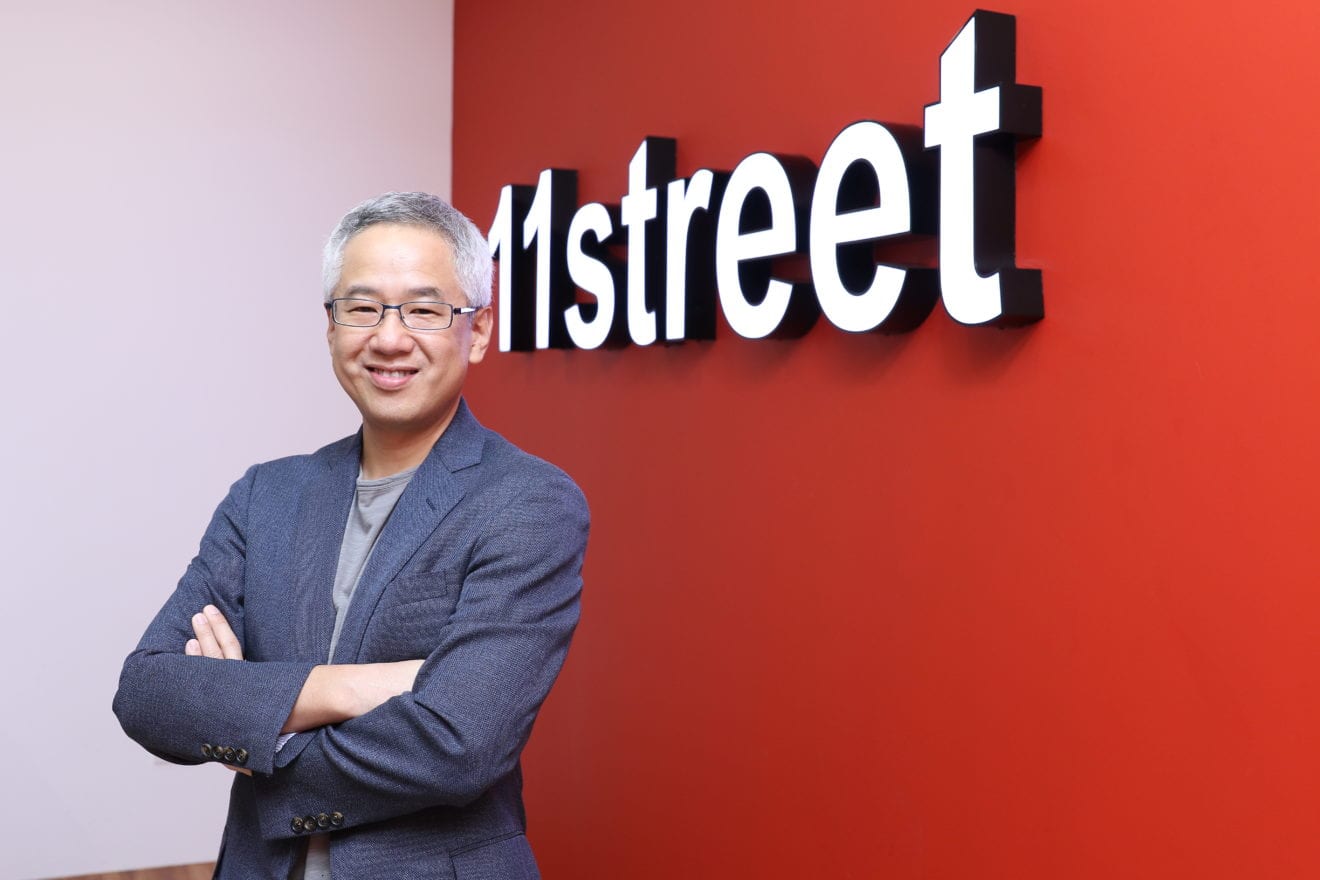
    11street CEO Cheong Chia Chou said: “As everything in our world becomes digitised, there is a need for a stronger e-commerce ecosystem where a customer’s physical digital journey can be fully integrated. Businesses are pushed to ride the wave of this rapid industry expansion to ultimately grow their businesses at a larger scale for better profitability and presence.”

    The partnership was made to expand integration and interoperability across platforms involved in Malaysian e-commerce. A statement released by the firm noted that the Malaysian digital economy has grown exponentially with 15.2 million online shoppers in Malaysia spending an average of RM321.15 (US$78.35) per year.

    The e-commerce industry revenue is expected to show a compound annual growth rate of 17.9 per cent over the next four years.

  • Public Bank Malaysia Q2 earnings up 4.8%

    Public Bank Malaysia Q2 earnings up 4.8%

    Public Bank Bhd’s net profit for the second quarter ended June 30, 2018 rose 4.8% to RM1.40 billion from RM1.33 billion a year ago mainly due to higher net interest income, higher income from Islamic banking business, lower loan impairment allowance and higher net fee and commission income.

    Its revenue jumped 5.2% to RM5.44 billion compared with RM5.17 billion in the previous year’s corresponding quarter.

    For the six months period, the bank’s net profit increased by 8.6% to RM2.80 billion from RM2.58 billion a year ago, mainly due to higher net interest income, higher net fee and commission income and higher income from Islamic banking business.

    Its revenue jumped 5.8% to RM10.79 billion compared with RM10.20 billion in the previous year’s corresponding period.

    Public Bank founder and chairman Tan Sri Dr Teh Hong Piow said the higher profit for the period was largely driven by growth in its loan and deposit business, with further impetus from a 4.9% growth in non-interest income.

    “Sustained business strength continued to place the group in a strong competitive position, with its net return on equity standing at 15.0%. Similarly, the group’s cost-to-income ratio of 33.1% and gross impaired loans ratio of 0.5% remained the best in the domestic banking industry,” Teh said.

    The board of directors declared a first interim dividend of 32 sen per share, which will be paid on Sept 19, 2018, resulting in a total dividend payout of RM1.24 billion.

    “The Public Bank group will continue to ride on the growing economy to strengthen its banking business along its organic growth strategy. The group’s resilient fundamentals, consistent financial performance, agility to market changes and strong customer service culture will continue to be the essential qualities in driving the sustainability of the group’s business, for the interests of all its stakeholders,” Teh said.

  • Dong dips to new low against the greenback

    Dong dips to new low against the greenback

    The U.S. dollar strengthened against the Vietnamese dong on Tuesday as the central bank upped its reference rate.

    The State Bank of Vietnam (SBV) set its highest-ever reference rate for the greenback at VND22,686 on Tuesday, up VND10 from last Saturday.

    Eximbank and Vietcombank were selling the U.S. dollar for VND23,350 at 10:29 a.m. Tuesday, up VND10 from last Saturday.

    A recent report by the Ho Chi Minh City Securities Corporation (HSC) estimates that the SBV has sold about $2.5 billion in total since July, intervening to keep the exchange rate stable.

    The report forecast that the U.S. dollar will continue to strengthen against the dong to reached VND23,500 in the upcoming months.

    The SBV might sell $6-12 billion of its foreign exchange reserves by the end of this year, including the amount it has already sold, the HSC report said.

    Experts have forecast the dollar to rise by 3 percent this year against the dong.

  • Dover Street Market Beijing launched with revamp

    Dover Street Market Beijing launched with revamp

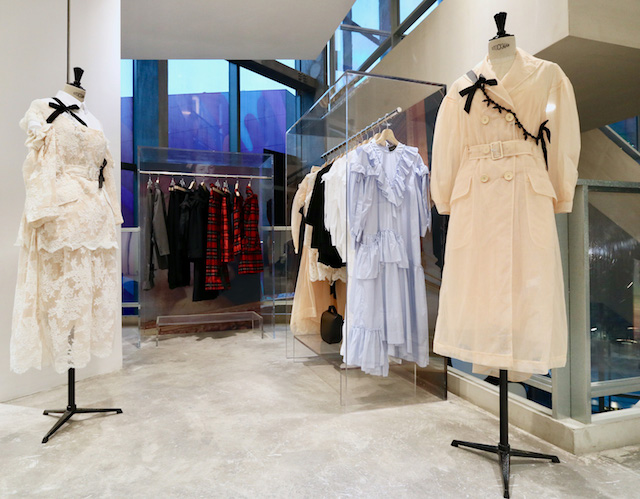
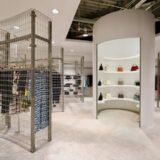
    Dover Street Market Beijing, formerly I.T Beijing Market, has opened for business with a brand-new interior.

    The four-storey, 2200sqm glass house fashion landmark was restructured and redesigned, before a soft opening in April. This week, I.T Group has formally launched the new store, with further upgrades and additions, while renewing the brands and visual displays in line with other DSM stores around the world.

    Much of the interior was redesigned by Rei Kawakubo of the Comme des Garcon team.

    New features include a “village hut” installation at the entrance as well as diverse and contrasting layouts, materials, and colors on every floor, attempting the DSM signature “Beautiful Chaos” style.

    Highlights include a Molly Goddard white dress and wooden-blind partition theme on the second floor; raw industrial metallic silver displays weaving throughout the third floor, and a dynamic white sneaker space and T-shirt space gallery on the fourth level.

    The market has released a full adjusted space and brands schedule for the Fashion Week 2018 season.

    View the full gallery below (9 picture) :

  • Macau’s Suncity again defers Hoiana casino-resort stake purchase

    Macau’s Suncity again defers Hoiana casino-resort stake purchase

    Hong Kong’s Suncity Group Holdings has twice delayed a deal in the last two months to acquire 34 percent of a casino-resort in Quang Nam Province.

    In a statement to the Hong Kong Stock Exchange, the Macau casino operator and investor said it is waiting for the joint venture between VinaCapital and Hong Kong’s Chow Tai Fook to obtain approval from a Vietnamese bank, which has given a loan to the developers of Hoiana.

    So it is postponing completion of the deal, worth $76.8 million, until August 31 this year, the firm said.

    “It is expected that the bank consent will be obtained on or before August 31, 2018. Save for the condition relating to the bank consent, all other conditions have been fulfilled.”

    In June Suncity had said difficulties in acquiring land for the project caused it to put off the deal until July 31.

    VinaCapital and Chow Tai Fook have since acquired the 163 hectares required for phase 1 of the development.

    Suncity announced plans to acquire the stake in the casino and resort in July last year.

    The $4 billion project was initially planned by VinaCapital and Malaysia’s Genting Group, but in 2012 the latter pulled out, and in 2015 Chow Tai Fook came on board.

    Hoiana is one of eight casinos to be licensed in Vietnam now.

    To be built in seven phases it will have a casino with 140 tables and around 1,000 slot machines, guest rooms and a golf course.

  • Korea falls in love with electric vehicles

    Korea falls in love with electric vehicles

    The adoption of electric vehicles may have been rather slow in Korea, but the market for micro electric vehicles – small two-seater electric cars with less range but cheaper price tags – is booming.

    While sales figures and the charging infrastructure for EVs in Korea falls well behind other countries like Japan and the United States, micro electric vehicles are proving surprisingly popular.

    Renault’s Twizy has become the global poster boy for these mini EVs. In Korea, 984 of the tiny Renault Samsung Motors’ cars were sold in the first half of this year, nearly double the number sold in the previous half. Globally, an average of about 1,300 Twizys are sold every six months, which means that nearly 90 percent of global sales took place in Korea this year.

    In fact, the Twizy is so popular here that the French headquarters is considering moving some of the assembly line from Spain to Korea.

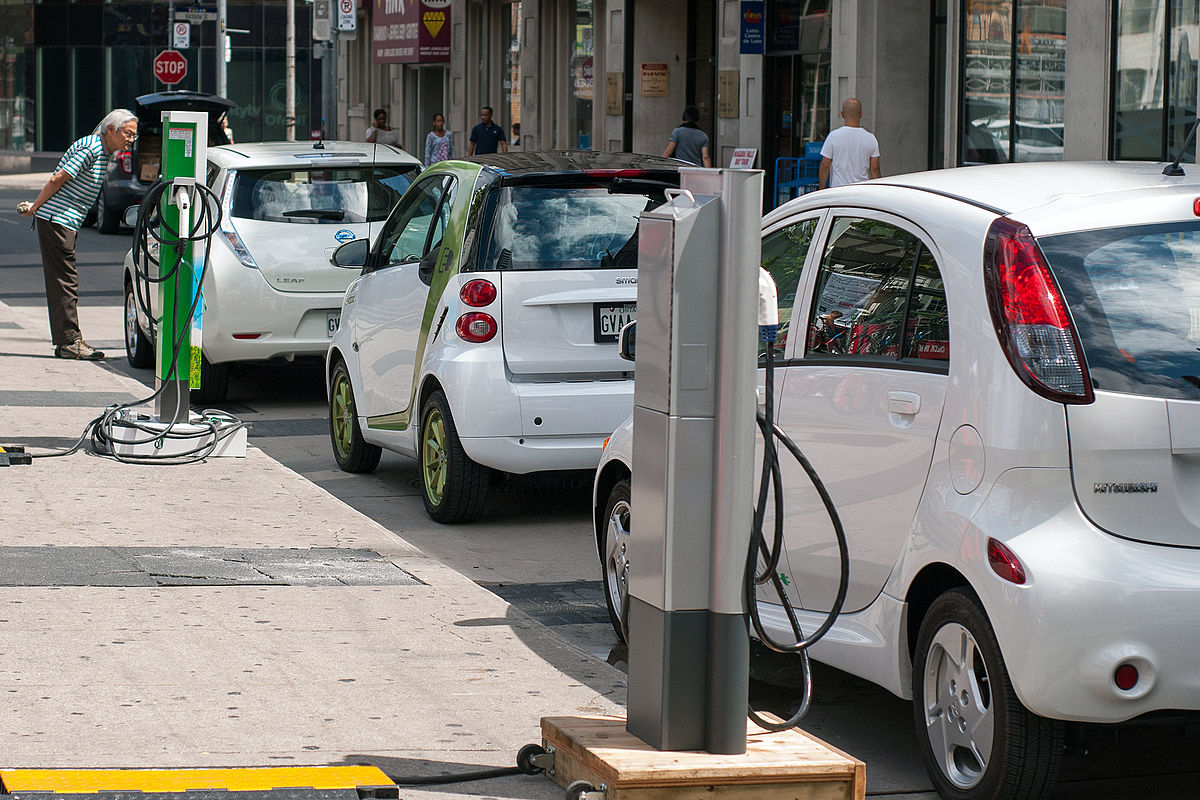
    One of the biggest benefits of micro electric vehicles, like the Twizy, is that they do not require a new charging infrastructure. The vehicles can be charged through any standard 220-volt socket – it takes 3.5 hours and costs about 600 won ($0.53) to fully charge the battery.

    To foster the industry, the government in June categorized electric micro cars in the compact car segment, giving new legal grounds for diverse R&D activities and the establishment of better safety standards.

    Seizing on the opportunity, multiple midsize companies have jumped on the bandwagon and are introducing increasingly souped-up micro electric vehicles.

    Daechang Motors, manufacturer of the infamous Yakult cart in Korea, started mass producing a two-seater electric vehicle called the Danigo in March. The new model costs only about 5 million won for Seoul residents after subsidies, one of the cheapest models on the market.

    Semisysco, another midsize company, has been selling a two-seater electric vehicle called the D2 since February. The D2 is manufactured by Chinese firm Zhidou, and Semisysco is in charge of importing them. From later this year, however, Semisysco is planning on manufacturing them in Korea.

    “The micro e-mobility industry has even more possibilities than traditional electric cars in Korea at the moment,” said Kim Pil-soo, an automotive engineering professor at Daelim University College in Gyeonggi.

    “It has a lower entry barrier from both manufacturers and customers. It is definitely a fledgling industry now but has a lot of potential to grow,” he added.

    Safe and economical

    Upon the government’s announcement on the renewed car segment categorization, institutions that rely on delivery have quickly started to adopt the micro electric vehicles to replace their motorbikes and scooters.

    Korea Post is at the forefront.

    Just last month, the postal delivery service pledged to buy 1,000 micro-electric vehicles to replace its two-wheeled delivery vehicles this year. It said it will replace 66 percent of its current 15,000 two-wheeled vehicles into micro electric cars by 2020.

    “About 300 accidents are reported per year while delivering post,” said Sunwoo Hwan, an official at Korea Post.

    “It mostly results in the driver being severely hurt. In that sense, micro electric vehicles are much safer for delivery drivers,” Sunwoo added.

    Operation costs are also as advantageous when utilizing micro electric vehicles, according to the official.

    “For two-wheeled vehicles, we estimate the life span to be about three to four years,” the official said. “For micro e-mobility, we estimate them to last about eight years. The initial cost may be more expensive but not if you see it in the long term.”

    Fried chicken franchise BBQ has also signed a memorandum of understanding with Renault Samsung Motors to use their Twizys to deliver chicken. It said it will gradually implement a total of 1,000 Twizys within this year.

    “On top of enhanced safety compared to two-wheeled bikes, micro electric cars are extremely cost-effective because it costs about 20,000 won to 30,000 won in charging fees per month,” the chicken company said in a written statement.

    Korea, known for its top-notch delivery service, will continue to take advantage of the new option in the delivery method.

    Shake Shack, La Grilla and Baskin Robbins, which are all F&B affiliates of SPC Group, have also started using Twizys in their delivery fleet to test out their convenience. Pizza delivery franchise Pizza Alvolo also uses Daechang Motors’ Danigo.

    “Demand for delivery food is on a constant rise, and we decided to use Twizy to enhance the convenience of the customers and the staff as well,” a spokesman at SPC Group said.

    Easier access

    Traditionally, cars are purchased at offline dealerships where a long consultation with a talkative dealer is inevitable. Manufacturers of micro electric vehicles are shifting the retail landscape by offering the cars online and in discount stores.

    Daechang Motors has been offering its Danigo vehicle on e-commerce platform TMON since January. It first put a limited 100 units on the platform, but they sold out in two days. It added 200 more units afterwards but they sold within a day as well.

    On the back of such popularity, Daechang Motors is currently offering its cars only through TMON.

    Semisysco is also opting for an online platform to enable easier access to the car.

    It started offering its electric vehicle D2 through Interpark in July.

    It has also signed a partnership with Emart, Korea’s largest discount chain, to display its vehicle along with other household products. The D2 is available at 21 Emarts and other affiliated stores nationwide.

    “The largest number of orders is through Emart,” a spokesperson for Semisysco said.

    “Its price is not burdensome. People who come to the discount store to shop for other products can casually look around, and sometimes that leads to purchase decisions,” the spokesman added.

    Renault Samsung Motors and Semisysco said a majority of their cars’ purchases were made for individual use, such as commuting.

    Room for improvement

    Despite the economic value and agility on narrow roads, it’s not all plain sailing in a micro electric car.

    Under current regulations, vehicles that cannot travel faster than 80 kilometers (50 miles) per hour are not allowed to drive on highways or roads that are built exclusively for cars.

    Although this might not be an issue for short commuting within metropolitan areas, it means that long-distance driving on the weekends or on holidays will not be possible with these miniature vehicles.

    Ultimately, this is the same hurdle that conventional electric cars face when trying to expand in Korea.

    Price could also be an issue for some potential customers. An average price of 9 million won may be cheaper than conventional electric vehicles, but with that money, people can also buy a compact internal combustion engine car from domestic carmakers or a small sedan from a secondhand car market.

    “A subsidy needs to be maintained or expanded in order to further foster the industry,” said Kim. “This segment is completely new and people’s awareness is still lacking,” he added
  • Topshop Topman end franchise agreement with China’s Shangpin

    Topshop Topman end franchise agreement with China’s Shangpin

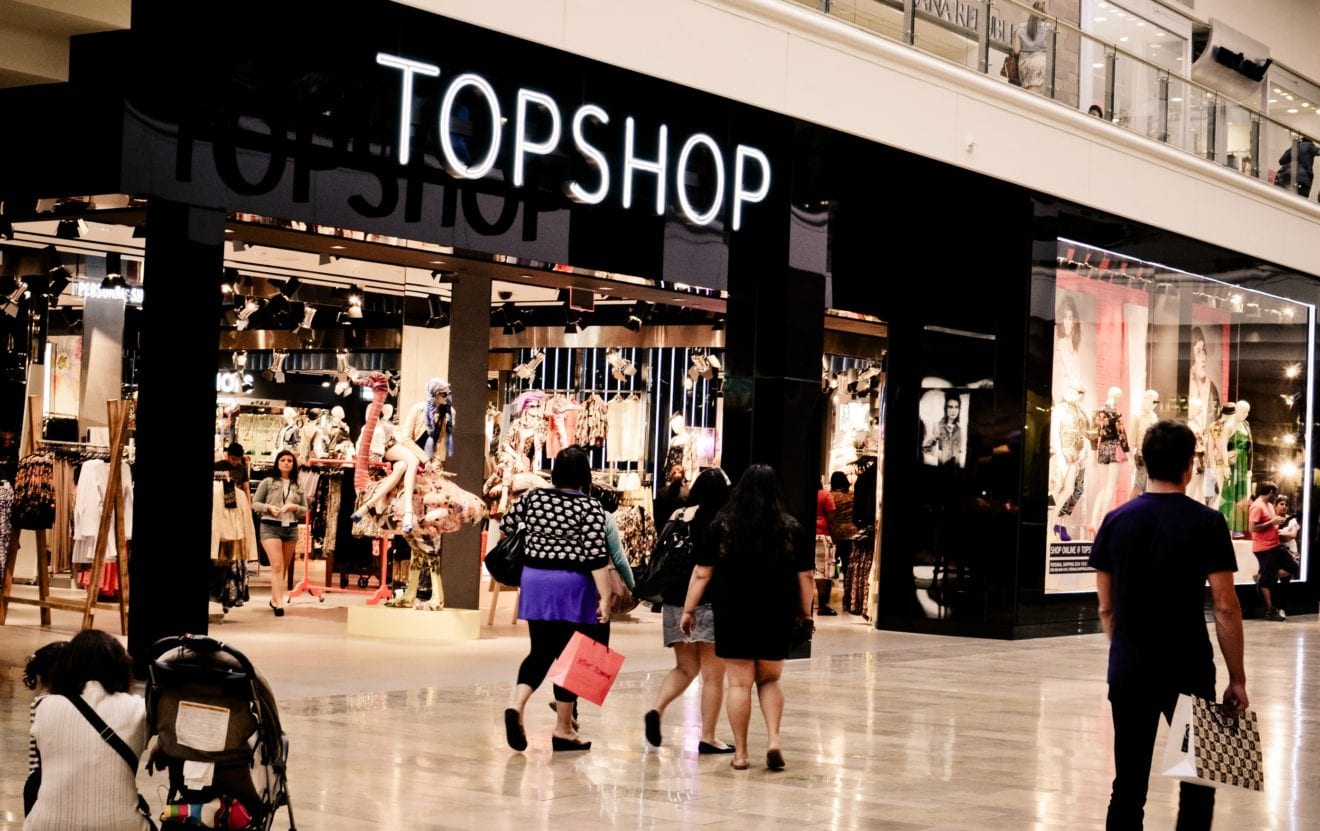
    British apparel group Arcadia has terminated its contract with Chinese franchisee Shangpin to represent its Topshop brand in the PRC.

    Arcadia chairman Sir Philip Green had announced plans to open 80 stores in the region with the Chinese franchise partner in 2016 said that it signalled “the start of a unique, exciting and exclusive partnership that will cement Topshop and Topman’s mission of becoming truly global businesses”.

    None of the planned stores eventually opened.

    A spokesperson for the brand said “Topshop, Topman and Chinese franchise partner Shangpin have reached a mutual agreement to an early termination,” but the UK company nonetheless considered China a “hugely significant market for development”.

    The company said it continues to seek opportunities to grow Arcadia’s brands in China.

  • H&M Upgrades U.S. Web Site And Mobile App

    H&M Upgrades U.S. Web Site And Mobile App

    H&M has launched a new e-commerce site and mobile app for customers in the US and introduced a slew of new features and services aimed squarely at converting younger consumers.

    The fast fashion giant now allows customers in the US to pay for items online via PayPal and return online orders in-store for free.

    It also offers new shipping options, live chat and visual search, as well as tools to rate and review online orders and scan items in-store to check additional sizing and colour options online.

    Later this year, H&M said it will launch a ‘find in store’ tool to enable customers to locate an item in their nearest H&M.

    The site and app will also feature user-generated-content tagged with #HMxME in an inspiration gallery.

    A statement from H&M cited the rapid digitalisation of the fashion industry and the new opportunities it has created.

    “H&M is accelerating its transformation to take advantage of these opportunities to create a seamless and enjoyable shopping experience online, on your mobile device and in our physical stores,” the statement said.

    The online site has been updated with all the new features, but to see the changes reflected in the mobile app, users on need to delete the old app and download the new version for iPhone and Android.

    The changes come on the heels of H&M’s new sizing structure, which was introduced earlier this year to better reflect the North American industry standard and to be in line with the customer expectation in the market.

  • KT korea to offer discount SIMs to tourists

    KT korea to offer discount SIMs to tourists

    KT, Korea’s second-biggest wireless services provider, said Friday it will provide discounts on SIM cards and WiFi services to foreigners visiting the country.

    Foreign travelers can receive a discount of up to 50 percent on KT’s mobile roaming services when ordering from the company’s English website by the end of this year, KT said.

    The SIM cards can be purchased at the KT’s roaming centers at Incheon International Airport, Gimpo International Airport, Gimhae International Airport and Busan International Port.

  • Are automated stores the future of retail in China?

    Are automated stores the future of retail in China?

    The world seems to now follow a path aiming at the removal of the human error factor through technology and automatization. From pilot-free aircraft to captain-less ships and self driving cars, this phenomenon is rapidly spreading.

    China in particular seems to be very keen on the technology.

    The online retailer JD.com has now opened over 20 JD.ID X-mart, an unmanned convenience store, in the country and plans on continuing its expansion both nationwide and internationally as it recently opened its first store in Indonesia. The store allows clients to shop without having to wait in line or pay in person as their credit card is automatically being charged for what they have chosen as they exit the location.

    Shanghai has also lately seen the opening of an automated store called X-24h. Visitors are asked to step on circular panels in front of capsule-style cases filled with bakery goods such as croissants and doughnuts. They can observe robots as they are freshly baking and packing the products. This brings a whole new experience to customers. Shanghai Geant Investment, the company behind the project, aims at bringing visual entertainment to its clients in the form of robots.

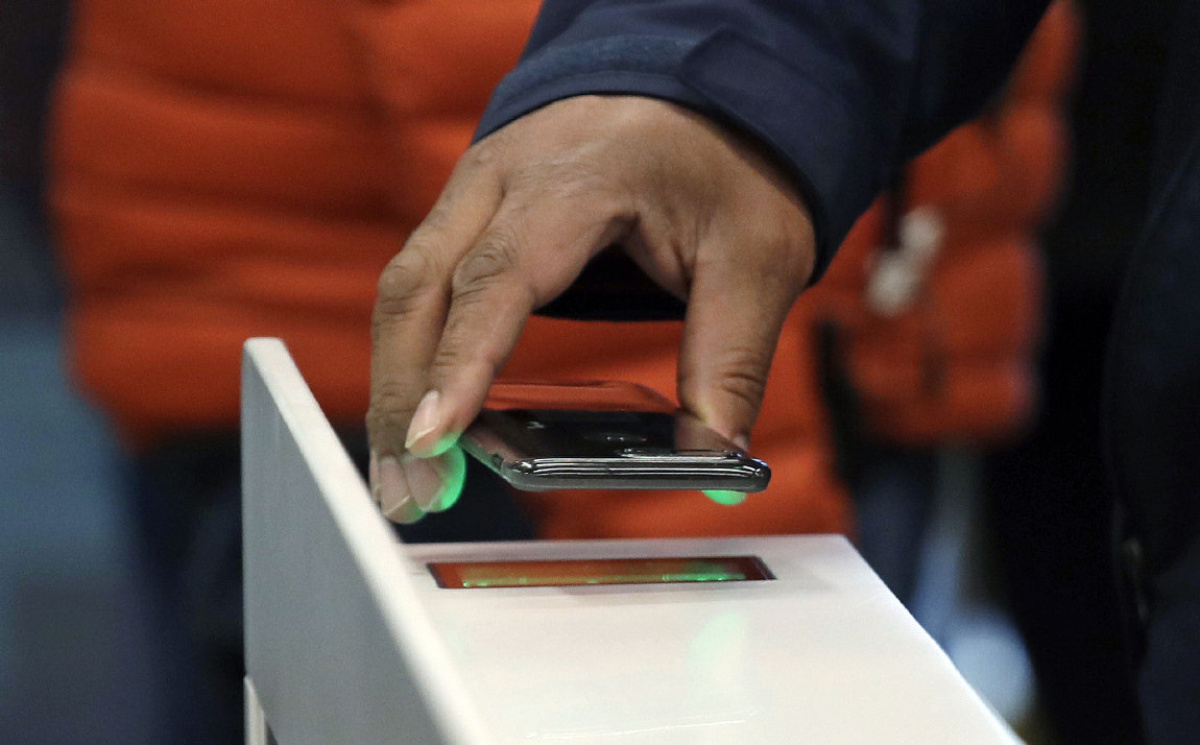
    Using artificial intelligence and mobile payments technology, visitors must scan a bar code for the case to open and leave as their phones are being automatically charged.

    China is the ideal region for these automated stores to thrive due to domestic labor force conditions. As the population in China is aging and people are fighting to escape low-end jobs, unmanned stores seem to be the solution. Moreover, Chinese consumers are open to new experiences and very fond of all technological solutions. They are more flexible and embrace new innovative options. Indeed, as of mid-2017, over 35% of all Chinese mobile phone users had often made mobile payments.

    However, the human touch lacks in those stores and technical glitches can quickly happen and hold them back.

    Some challenges still need to be overcome before technology fully takes over.

  • Thai 7-Eleven number goes down

    Thai 7-Eleven number goes down

    Thai 7-Eleven operator CP All has reported slowing profit growth, despite increased revenue.

    Net profit growth of 2.8 per cent was its weakest quarterly result in years, according to Thomson Reuters. Its net surplus was 4.78 billion baht (US$144.2 million). In the same period a year ago, growth reached 10.8 per cent.

    The company’s gross margin slipped a half percentage point to 27.7 per cent due to higher sales of alcohol, cigarettes and game cards, which have low margins.

    Total sales across the 10,000-strong Thai 7-Eleven store network was 129.7 billion baht, up 7.5 per cent, but the company was impacted by an increase in the minimum wage, rising power prices and higher supply chain costs.

    CP All expects to have 13,000 stores by 2021.

  • Lotte Tour to hold investor sessions for Jeju resort

    Lotte Tour to hold investor sessions for Jeju resort

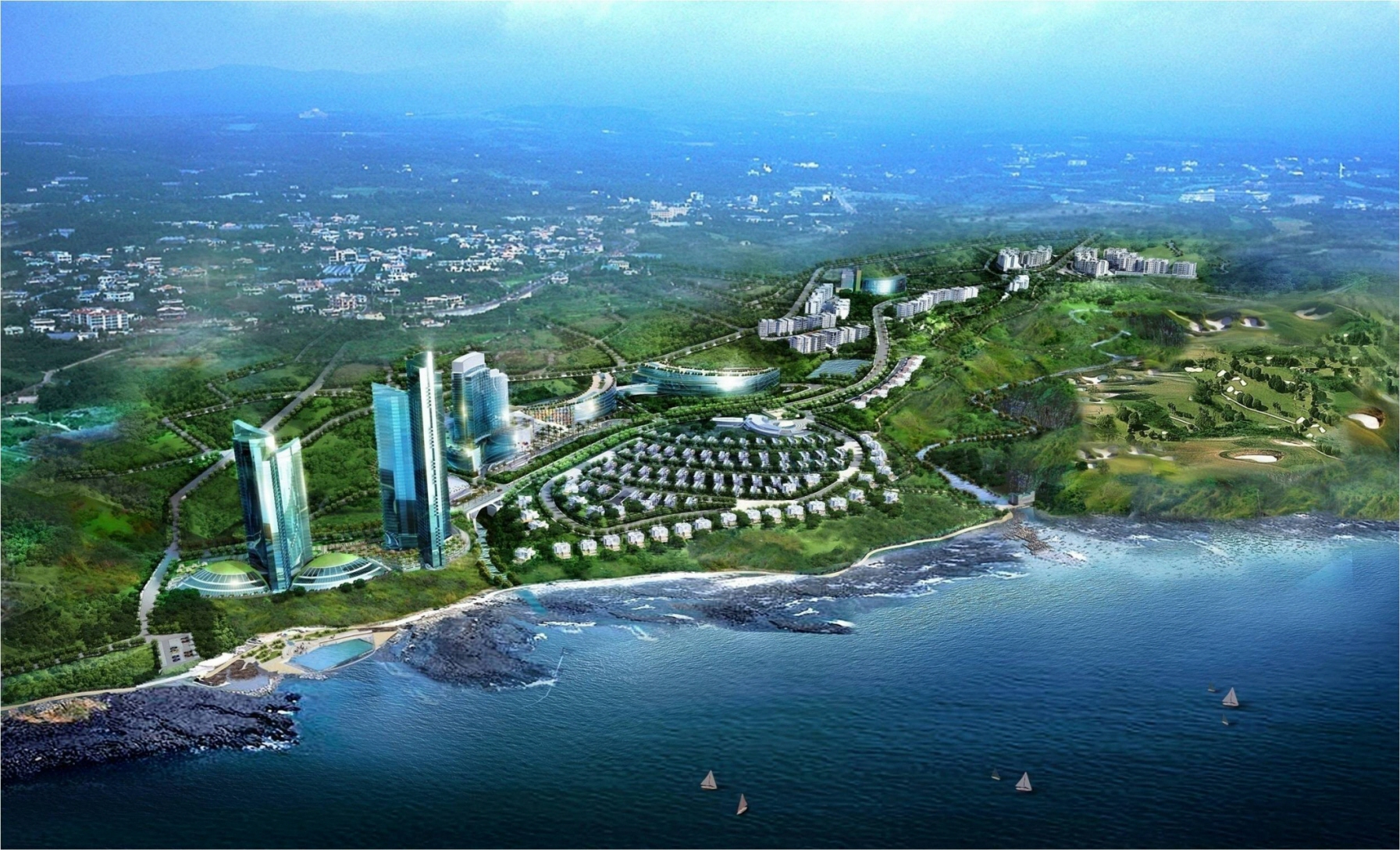
    Lotte Tour Development said Thursday it will hold a series of investor relations sessions next week in a bid to attract more investment to its resort construction project in the southern island of Jeju.

    Lotte officials will meet with institutional investors in Hong Kong and Singapore from Monday to Friday to explain its recent earnings results and take questions on its key businesses, according to its regulatory filing.

    Last week, Lotte Tour announced its plan to raise 240 billion won ($215 million) for the construction of Jeju Dream Tower on the island.

    The construction of the resort, which is being co-developed by Lotte and China’s real estate developer Greenland Group, is expected to be completed by October next year.

  • Maybank IB named best investment bank for fourth time running in Euromoney Awards

    Maybank IB named best investment bank for fourth time running in Euromoney Awards

    Maybank Investment Bank Bhd (Maybank IB) was named the best Malaysian investment bank for the fourth time in a row in the Euromoney Awards for Excellence 2018.

    According to Euromoney, the accolade has been conferred on Maybank for its strong performance during the period under review.

    “Maybank IB had gone from strength to strength as a regional firm that now stands in comparison with all international and regional peers in Asean investment banking and advisory,” said Euromoney.

    It noted that the bank is the clear leader in investment banking in Malaysia.

    Maybank IB also topped the league tables in ringgit sukuk and conventional bonds.

    Euromoney received almost 1,500 submissions from banks for the award programme that covers 20 global awards, more than 50 regional awards, and best bank awards in close to 100 countries.

  • China’s Gome set to open in India

    China’s Gome set to open in India

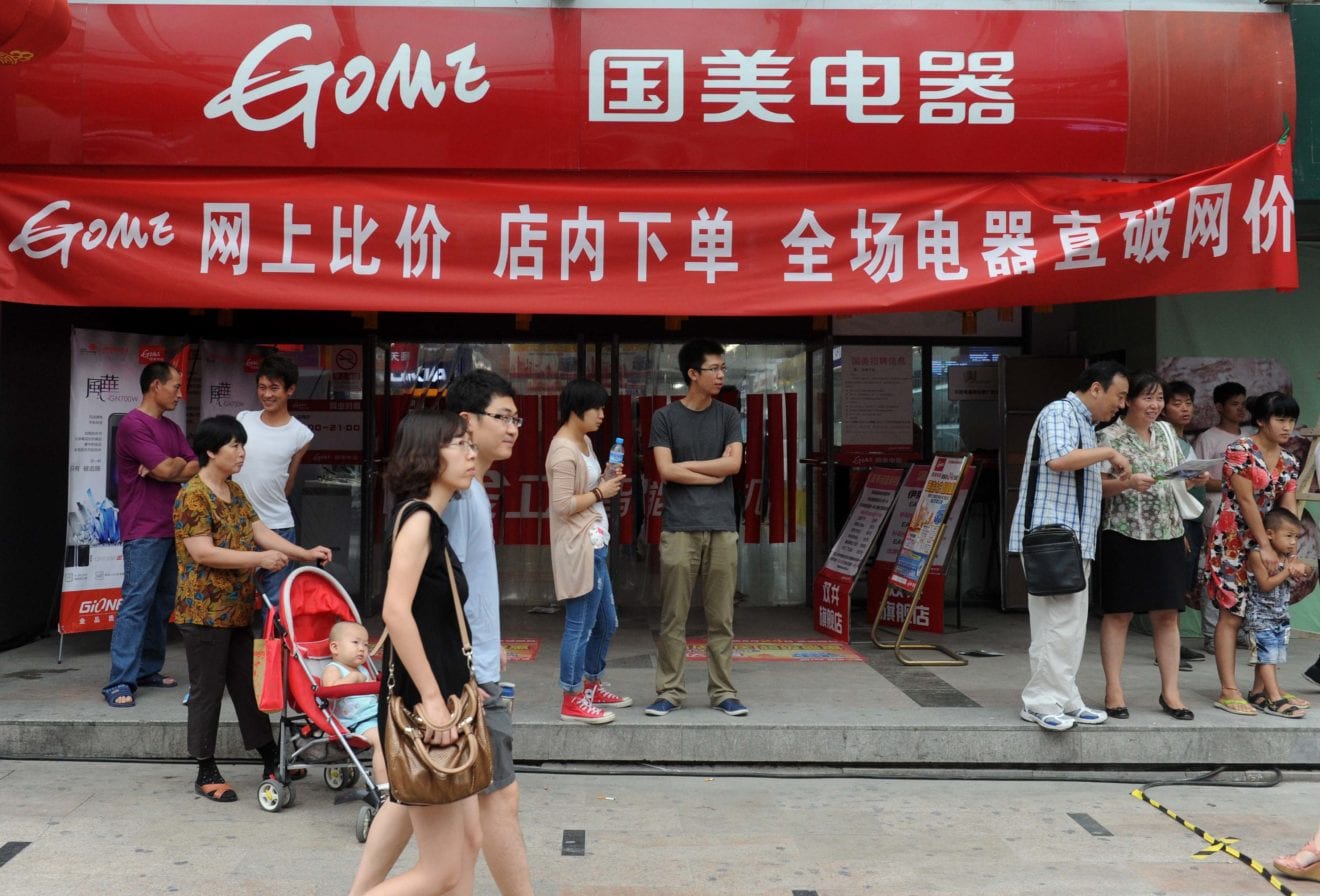
    Chinese electronics retailer Gome is to expand into India.

    The move will involve opening a manufacturing centre in India in order to sell its locally made branded products on the Indian market, which will include appliances, smartphones, and televisions to be sold through multi-brand outlets and online.

    It has already revealed plans to launch three competitively priced smartphones to catch the upcoming festive season in the target region.

    The new firm will be a wholly owned subsidiary of Gome Telecom Equipment, which is part of Hong Kong’s Gome Retail Holdings. Gome Group’s headquarters are based in Beijing.

  • Still no clue how to stop BMWs from bursting into flames in Korea

    Still no clue how to stop BMWs from bursting into flames in Korea

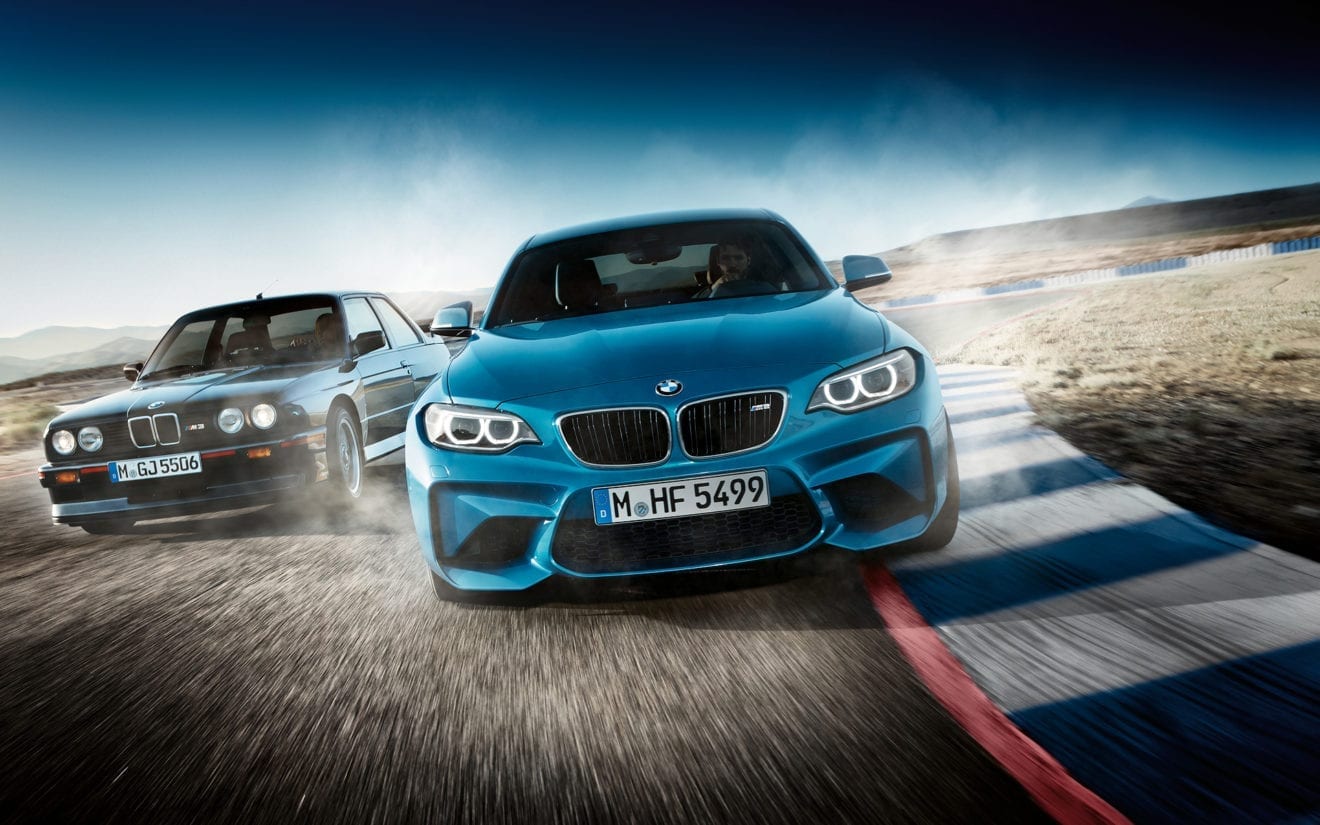
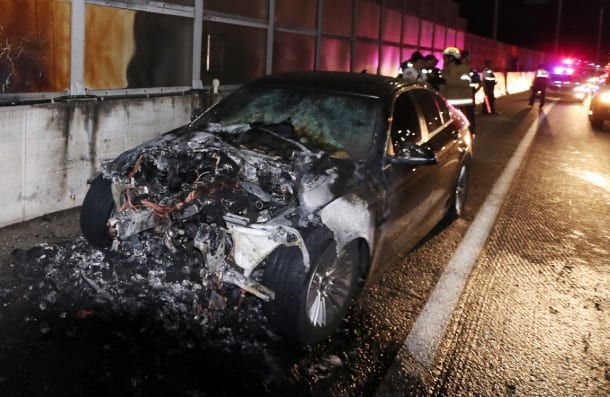
    BMW cars continue to burn in Korea, and neither the carmaker nor the government has a clear idea of how to resolve the ongoing crisis.

    On Saturday, a 120d model burst into flames in Incheon and the following day, a 2015 BMW 520d model ignited on a highway in Hanam, Gyeonggi. Both models were included on a recall list drawn up by BMW Korea.

    On Monday, a BMW M3 gasoline model not on the recall list caught fire on a highway in Namyangju, Gyeonggi.

    They bring the total of BMW fires in Korea this year to 39.

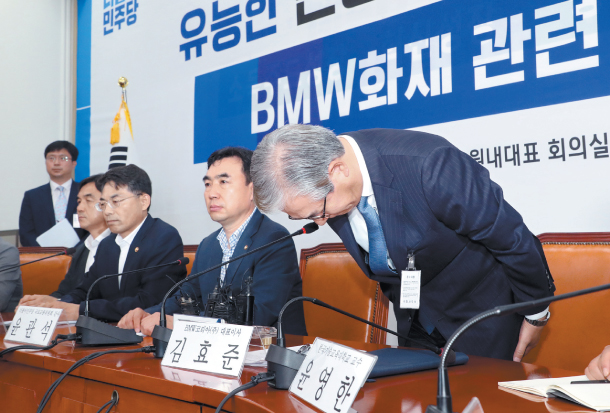
    Members of the Land, Infrastructure and Transport Committee from the ruling Democratic Party held an emergency meeting Monday, attended by officials from the Transport Ministry and BMW Korea Chairman Kim Hyo-joon. Chairman Kim apologized and the lawmakers pledged to revamp regulations on recall procedures, all of which had been promised before.

    “Democratic Party lawmakers from the Land, Infrastructure and Transport Committee agreed that policies on punitive damages and recall processes have to be strengthened and regulations to support hefty fines [on manufacturers] have to be improved,” said Yoon Kwan-seok, a lawmaker from the Democratic Party who is a member of the committee.

    “Regarding the aftermath measures, the government and the lawmakers will work together to improve the regulations,” Yoon added.


    The Transport Ministry said Monday that it will run a series of tests with the help of external experts to see if software was a factor into the fires.

    BMW Korea insists that faulty exhaust gas recirculation (EGR) modules are to blame for the fires. The EGR reduces gas emissions by recirculating a portion of the gases into the manifold pipe. Industry experts have been raising other possibilities.

    One speculation is that a piece of software called the electronic control unit has been manipulated to decrease the amount of emitted gas to meet the tightened standards on diesel engine emissions after the so-called Volkswagen dieselgate scandal broke out in 2015.

    “There is a possibility that a fire broke out, even if an EGR is fine, because the software had been manipulated to reduce the amount of emitted gas,” said Kim Pil-soo, an automotive engineering professor at Daelim University in Gyeonggi. “It is hard to believe that so many fire cases broke out only in Korea if the hardware was the only problem,” he added.

    The Transport Ministry said it will collect multiple samples, including inspected and non-inspected cars as well as models that are not being recalled to test the possibilities.

    Meanwhile, the first police investigation in a class action suit took place on Monday evening.

    Lee Kwang-duk, a BMW owner and one of the plaintiffs in a class-action lawsuit against BMW Korea, was questioned Monday evening. The plaintiffs claim that BMW Korea covered up the causes of fires on purpose for years.

    “I will ask the police to secure emails that BMW Korea exchanged with its German headquarters and the manufacturers of the EGRs,” Lee said before attending the session. Lee is the owner of a 2014 BMW 520d model that caught fire last month after a friend of his drove the car for one hour and parked it in front of a building in Seongnam, Gyeonggi.

    As of Sunday, 67.9 percent of the 106,000 recalled cars had received safety checkups.