Tag: asia

  • A&W Malaysia reveals big expansion plan

    A&W Malaysia reveals big expansion plan

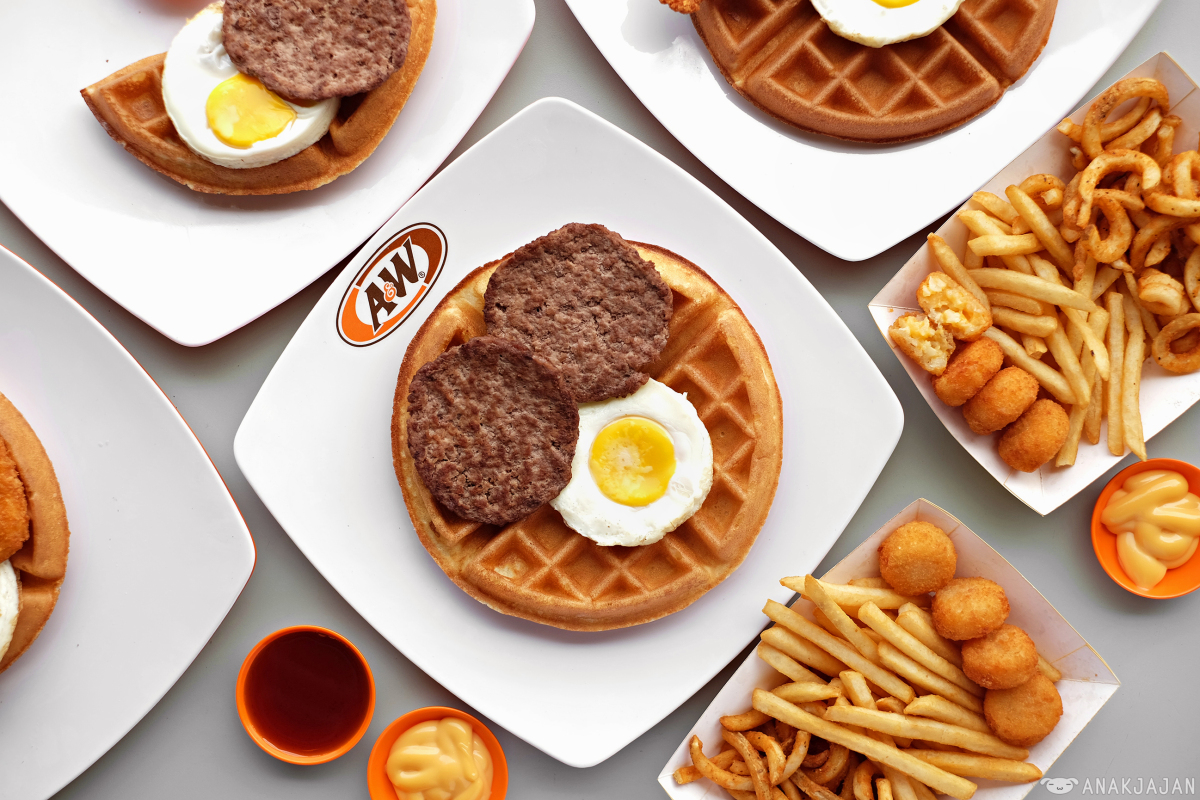
    Fast-food franchise A&W Malaysia is set to open around a dozen new outlets by next year.

    The group currently operates 41 outlets in Kuala Lumpur and Perak that collectively employ 500 people.

    Acting CEO Mohd Hasmadi Zainal said that the company has allocated around RM1.2 million (US$292,500) for each new branch. Seven branches will be opened by the end of this year, five of which will feature drive-through services, in key metropolitan locations such as Kuala Lumpur, Johor Bahru, Ipoh and Penang.

    He added that better prospects for A&W Malaysia’s business are anticipated for the second half of this year based on these growth plans, given the positive performance of recently renovated existing branches.

    A&W is a US-founded fast-food chain which is also about to make a return to Singapore after an absence of 13 years.

  • Drunken Monkey India eyes 10,000 outlets by 2025

    Drunken Monkey India eyes 10,000 outlets by 2025

    Samrat Reddy, Founder and Managing Director of Drunken Monkey grew up in Chennai where he was a frequent visitor to a local juice and smoothie shop in the neighborhood. Not an avid consumer of tea/ coffee, he gravitated towards smoothies. During his stay in Australia and UK, he observed that the sheer number of places or cafes that serve coffee is far greater than places that serve smoothies. He felt if given a chance to experience smoothies, a huge number of people would turnover and incorporate them into their lifestyle.

    Looking to fill this huge gap in the market and inspired from his own experience, he conducted some extensive research on the potential of the smoothie market and subsequently came up with a business plan to implement it. After coming back to India, with more patient groundwork and comprehensive research, hefinally started the first outlet in February 2016.

    “I wanted to do to smoothies what Starbucks did to coffee. The new generation, the millennials want to be catered to and are more willing than ever to experiment with new brands. People want a space to create meaningful social connections without restricting themselves to the regular coffee and chai outlets. Smoothies are the new social lubricant in town,” says Reddy.

    The journey has been challenging so as to build a new market for smoothies rather than feeding to an existing market of milkshakes, coffee, ice creams etc. Logistics of highly perishable products like fruits is another challenge that I faced in this journey. As a result, a scalable and sustainable business model has come out as a learning.

    “Our operating model is mostly FOFO – franchise owned and franchise operated. The training, supply or raw materials and back-end support are taken care of by the brand, the front-end operations are taken care of by the franchise. However, there is a small percentage of outlets which are COCO – company owned and company operated,” he adds.

    Drunken Monkey currently has 60 outlets in 16 Indian cities like Delhi NCR, Bengaluru, Pune, Vijayawada, Indore, Kolkata, Visakhapatnam, Chennai, Guntur, Jalandhar, Chandigarh, Surat, Thane, Vellore, and Kakinada.

    “We operate out of a cafe sit in the model (600 to 1,300 sq.ft) or a kiosk take-away model (100 to 200 sq.ft). These are located on the high-streets of the city and in malls,” says Reddy.

    What’s There To Offer?

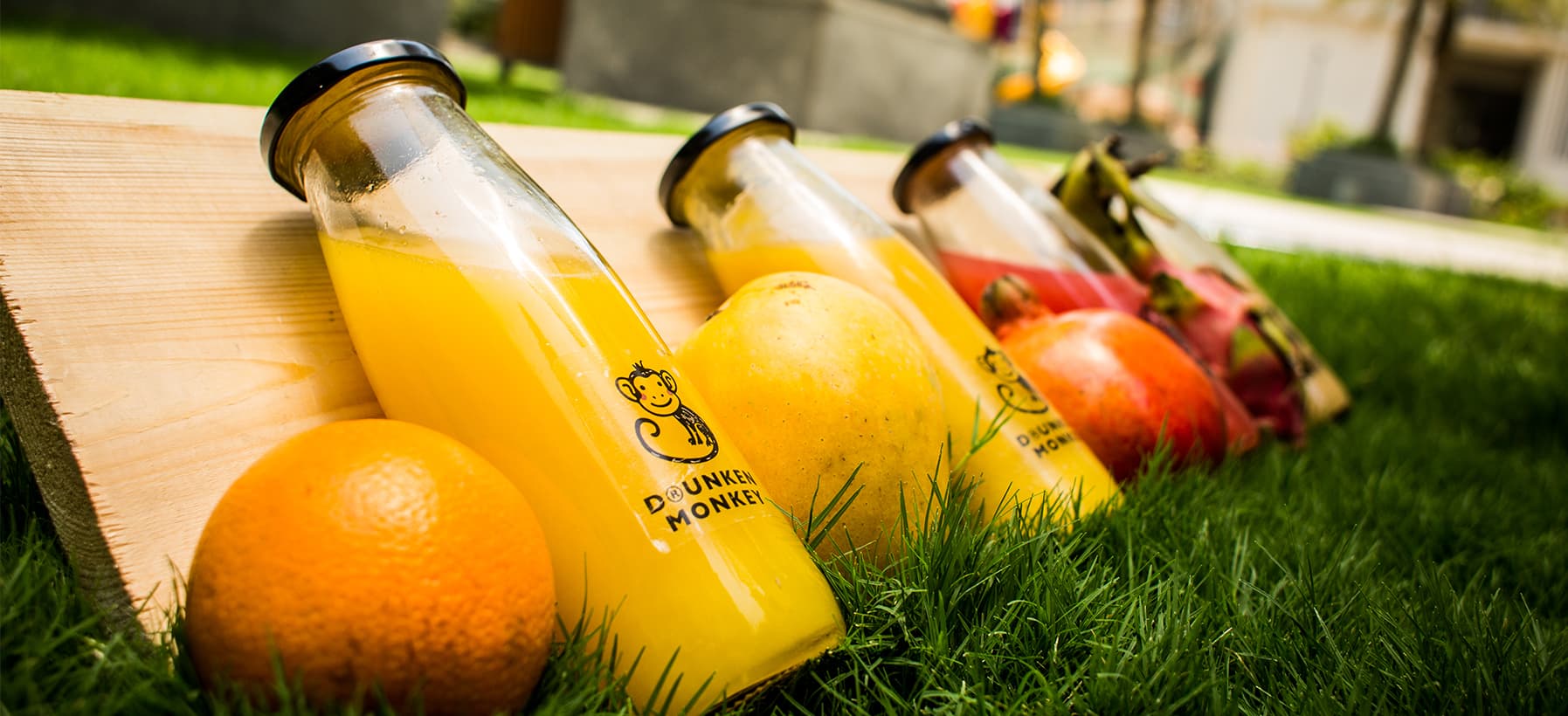
    Drunken Monkey offers over 170 types of smoothies made from locally sourced, natural ingredients, ranging from indulgence to detox, and more. The brand uses pure natural fresh fruit, no artificial flavours, no added sugar, preservatives or concentrates.

    It ensures that the customer is spoilt for choices. There is something for every palette and every mood — from all natural fresh fruit shakes to decadently indulgent smoothies, from detox smoothies to protein smoothies, even a range of smoothies to cure hangovers!

    According to Reddy, “The Fresh Fruit smoothies and shakes are 100 percent natural, without any artificial flavors, preservatives or even ice. The functional range includes Meal Smoothies – wholesome, satisfying blends that keep you going all day, Protein Smoothies – blends of protein and fresh ingredients for a quick pick-me-up, and Hydrator Smoothies that are just perfect for summertime.”

    The brand is unfazed by the competition and believes that they do not have any direct competition in the category.

    “There are a few smoothie players, but they are restricted to limited regions. While, in India, we do not have any competition, internationally we have big players in the market such as Jamba Juice, Booster Juice.  However, the product range built by our RnD team is way ahead of any competition and it would take a lot of effort and time for any player to match it. Apart from that the market for smoothies is a hugely untapped market and the potential for growth is so immense that Drunken Monkey has a great first mover’s advantage by being the pioneers in the smoothie industry in India,” says Reddy.

    Marketing Strategy

    The marketing strategy of Drunken Monkey is aimed at doing to smoothies what Starbucks did to coffee. Four decades ago coffee was not a culture, Starbucks made it what it is now. People want a space to create meaningful social connections without restricting themselves to the regular coffee and chai outlets. Smoothies are the new social lubricant in town.

    “Our vision is to inspire people to feel beautiful, young and full of energy by living naturally high! When people discover and pursue their natural highs, they are more positively engaged, their stress levels are lower and they are able to actively help make communities better!” reveals Reddy.

    Future Plans

    Drunken Monkey is eyeing rapid expansion over the coming years. It is looking to expand to 150 smoothie bars in 2019; by 2021, spread across 5 countries with over 500 smoothie bars and by 2025 – 10,000 smoothie bars.

    Elaborating more on the expansion plans, Reddy says, “Apart from expansion, we plan to reach out to people in different ways through different distribution models. For example – we can get into supermarkets or places where people can pick up smoothies by themselves. So, eventually, we will release a few smoothies with better shelf life, where they can be kept fresh for more time. Apart from this, with fresh fruits, we can do more (apart from smoothies). So, there are more products we can give out in our outlets – expanding our portfolio without leaving our base which is fresh fruits.”

    The brand, which is eyeing Rs 115 crore revenue this fiscal, is planning to spend Rs 50 crore to aid the expansion plans.

    “We are totally self-funded; our initial capital was also self-funded. We will be looking for one round of funding after we reach 200 outlets in India, this funding will help us reach the 500 mark in quick time. Post which we will have another round of funding when we go for abroad expansion and look at expanding our product category and reach,” concludes Reddy.
  • Fred Segal plans expansion in India

    Fred Segal plans expansion in India

    US luxury fashion retailer Fred Segal is planning to expand its business in Asia with new stores opening in Taiwan and Malaysia.

    The move picks up on previously delayed plans to grow internationally that were announced four years ago. New CEO Allison Samek is launching the new stores after an austerity period during which several outlets were shuttered.

    The 3200sqft store in Kuala Lumpur will be set up in the 1 Utama shopping center and include a cafe, retailing a mix of established labels. The Taipei store will be a Frierson-branded flagship spanning two floors across over 7000sqft of retail space. Both locations will open next month.

    “We really looked to the local operating partner to give us feedback on what works in their marketplace and then bought specifically for that demographic,” said Samek.

    The firm is simultaneously establishing its first presence in Europe with outlets in Switzerland.

  • Bugatti Shoes walks in to Iconic

    Bugatti Shoes walks in to Iconic

    AstorMueller, global maker of Bugatti shoes, has appointed Iconic Fashion Retailing as exclusive India retail partner. Bugatti is one of the leading premium shoe brands in Europe, with over 4.5 million pairs sold annually, all designed and crafted by AstorMueller.

    Iconic Fashion Retailing is a prominent multi-brand premium fashion retail chain present in 17 cities. Apart from owned stores, Iconic will distribute and retail Bugatti through various other premium retail destinations, including those exclusively for footwear. Following the rollout of the first group of shop-in-shops will be exclusive Bugatti brand stores in key markets, supported by the strength of Iconic’s distribution. Iconic also has plans to present the collection on keye-commerce platforms, via the marketplace model.

    Iconic will now offer to its customers with the range of Bugatti shoes. Designed by Spanish, German and Italian designers, Bugatti offers a wide range of styles designed for everyone from the traditional businessman to the fashion oriented cosmopolitan and the dynamic sports fashion buyer. The collection features shoes for both men and women and come with many advanced features such as the genial insole, flexcity and the very special hand finished leather. Bugatti MAN includes formal and dress shoes, moccasins, boots, sneakers and casual shoes. Bugatti WOMAN offers pumps, boots, sneakers, dress shoes and ballerinas. Prices range from Rs 4,000 to Rs 10,000.

    Speaking on the introduction of Bugatti, Pawan Khandelwal, Managing Director of Iconic Fashion, says, “We are happy to partner with AstorMueller to present one of Europe’s most successful shoe brands to India. Bugatti is a perfect fit to our premium fashion brands, and we look to take the brand across all main and emerging markets, through various retail partners across India. The first step, though, was to introduce Bugatti into our own Iconic stores, and that’s what we are doing very swiftly this quarter. Iconic is a proven destination for those seeking trendsetting fashion, uncompromising quality and premiumness, and our steady focus on our promise has made the brand solid and aspirational. Bugatti is priced just right for those who demand avant garde fashion.”

    Tim Mueller, Chairman of the AstorMueller Group, which crafts Bugatti shoes, says, “We appreciate Iconic Fashion growth vision for the brand in the Indian market. In 35 countries across Europe and the world, Bugatti is one of the most successful shoe brands of the last decade. Our shoes are recognised for their excellent fit, craftsmanship and attention to detail. The Indian market has been patiently waiting for us to launch in physical retail, and with our trendsetting collections featuring the latest styles from the streets of Europe, we hope to give the Indian consumer the very best.”

    The Autumn Winter 2018 collection is now being introduced ahead of time. Although the launch collection is moderate by Bugatti’s European standards, the entire range will be introduced on par with Europe.

    Says Ewen Campbell, Export Director of the AstorMueller Group says, “We launch numerous styles every season, and we actually also have a fantastic, limited pre-season collection. All these will be introduced to India as well. Many of these go on to become benchmarks in shoe fashion.”

    Says Khandelwal, “The Indian luxury market is worth US $14.5 billion and is rapidly growing. Iconic is positioned as a prestige brand for true fashion enthusiasts with high living standards to upgrade their wardrobes from ordinary mass lifestyle brands to exclusive and premium international brands. Bugatti is precisely one such brand and we have big plans for it.”

    The first shop-in-shop, which offers both Bugatti MAN and Bugatti WOMAN collections, is at the Iconic store in the prominent Ambience Mall, Gurugram, which caters to people across age groups from Gurugram and parts of Delhi as well. Other cities will follow in the course of coming weeks, first in Iconic stores and then in other key fashion and footwear retail stores.

  • IKEA India eyes 15 pc growth year-on-year on same store basis

    IKEA India eyes 15 pc growth year-on-year on same store basis

    IKEA, the furniture retailer which bets big on sustainability, has opened its first store in Hyderabad on August 09. The Swedish home furnishing major has been sourcing from India for its global stores for more than 30 years. Its plan to open retail stores in 40+ cities across the country, reinforces its long-term commitment and deep connection with India.

    Patrik Antoni, Deputy Country Manager, IKEA India says, “We see that Indian market holds a lot of potential for brand IKEA. We do not see India as a country, but we see it as a continent with a lot of people and lot of needs. We see a lot of micro-terms that will support us along with other retailers. It is a growing economy, maybe we might be a little bit bumpy initially but over the coming years India will grow from strength to strength as an economy.”

    He further adds, “We see it as a young country with almost 500 million people below 25 and they will need new homes, we also have a strong observation that people who will shift cities will also need new homes. Then we are very excited about India in the sense that people love homes and it is not the same in the other Asian countries where people many times celebrate outside the home. While in India, it is family, friends, festivals and all over the food, so the four F’s drives life at home and there cannot be a better place for a home furnishing company to be.”

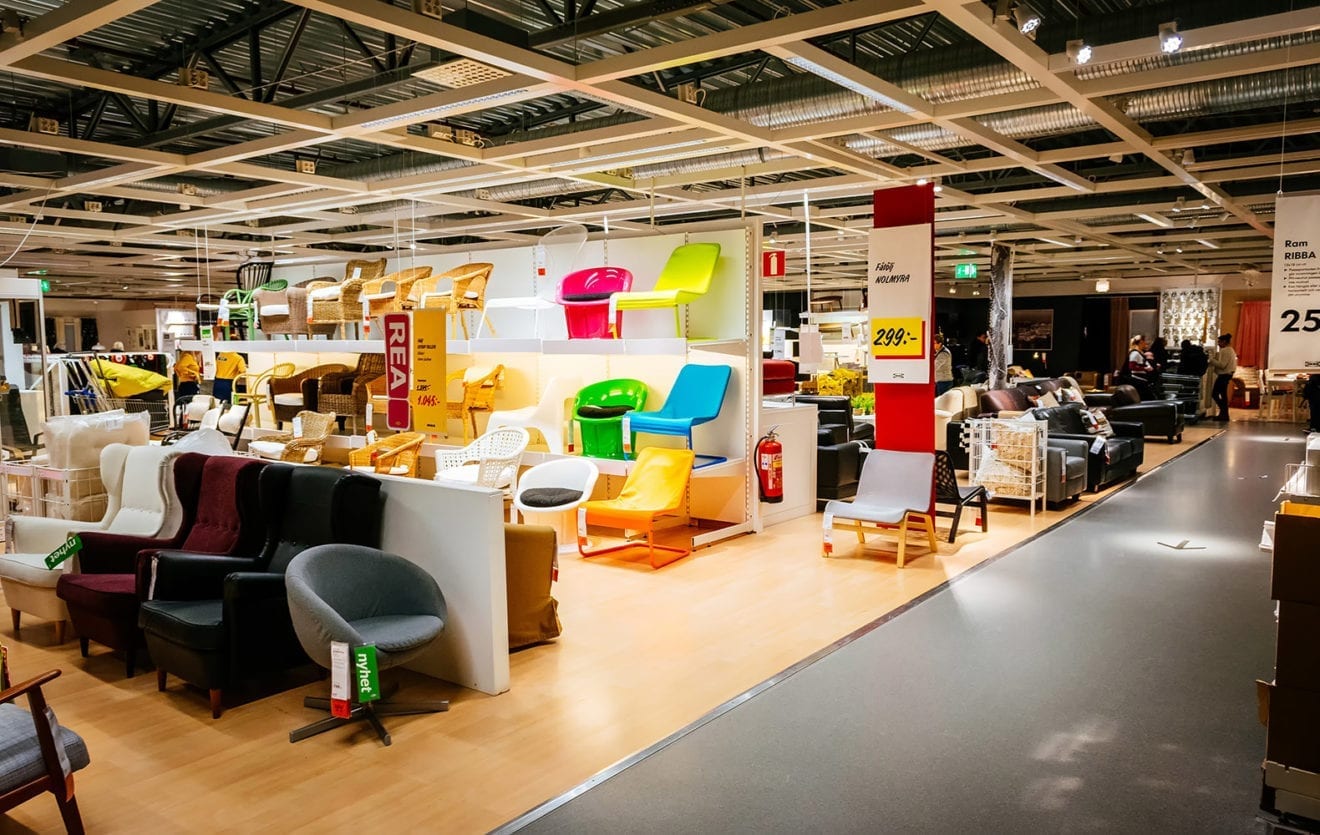
    The IKEA store in Hyderabad offers ideas, inspiration and solutions. It exhibits two full homes that reflect ‘Life at Home’ in Hyderabad, besides different room sets based on different parts of the home like bedroom, kitchen, children’s room and living room. It will also have a market hall where you will find home kitchen utensils and accessories, textiles, rugs, lighting, decoration, stationary and even live plants.

    According to Antoni, “The strength of IKEA Hyderabad is that we have brought all the global IKEA concepts here. We have not compromised on anything. We have got the great experience that we are known all across the world – the inspiration, the customer service, the range – all this has come with us.”

    “What we have done special is that how we have composed the products in the room settings. What we are trying to do is to be relevant for the local market. We have done around 1,000 home visits and research was based on how people live and how they want to live and then we are putting our products in a unique way that represents the Indian needs. If you compare the rooms in IKEA Hyderabad to IKEA Sweden, the main difference is how the rooms are composed and products are composed. On above that, we have 1,000 products that are locally done for India which comes a lot around the food range like frying pans, idli makers etc and coloured bedsheets that we normally do not carry. So we have customised quite a bit,” adds Antoni.

    The 400,000 sq. ft debut outlet in India, features 7,500 furniture and home furnishing products and a 1,000-seater restaurant – which is IKEA’s largest in over 400 stores it has globally.

    “Even IKEA restaurant, which is largest in the IKEA world, is also connected to India’s love for food. We really believe that restaurant will be a huge pull and bring in a lot of people here and we believe that their interaction with IKEA will be over a meal. They will get to know about us through quality of food with low prices and they will realise that the range that we sell is in the same direction,” asserts Antoni.

    Antoni says IKEA would have both large and small stores and more touch points. The e-commerce platform would be launched next year.

    “IKEA Hyderabad is a large store as comapred to many of our other stores across the world. When we enter Mumbai, we want to enter as a multi-channel retailer. Going ahead, we are looking at a store giving a same brand experience, a number of smaller format stores, which will still be big stores, where we can get closer to the customers in the city centres and then an online experience also that gives customers an opportunity to meet IKEA whenever, wherever and however they want,” reveals Antoni.

    Highlighting the USP of the brand, Antoni says, “We are building our customer experience on knowledge. So we do not just produce furniture but we are a Life at Home company. We have been in this business from more than 60 years, and we have a learnt a lot about Life at Home and we combine and build our range based on this knowledge. We do not have a chair that just looks good but it has a function, style and sustainability. Then we have 7,500 products that are built together.”

    The brand is counting on 15 percent growth year-on-year easily on same store basis because the interest in Life at Home will grow.

    According to Antoni,”More the interest in Life at Home will grow in India, more players players will enter India and then the market will grow. This is just a beginning of a new era.”

    In the next phase of expansion, IKEA will be present in other cities like Ahmedabad, Surat, Pune, Chennai and Kolkata with a multi-channel approach. By 2025, the brand is looking at opening more than 25 touchpoints across various cities.

  • Negative impact from regulation on Tencent Holdings growth

    Negative impact from regulation on Tencent Holdings growth

    Tencent Holdings has recorded its first quarterly fall in profits in 13 years, hampered by government delays in approving new online games.

    Second-quarter profit fell 2 per cent to RMB 17.9 billion (US$2.6 billion) on sales totalling RMB 73.7 billion ($10.65 billion).

    The company’s mobile games business revenue fell 19 per cent quarter-on-quarter to RMB 17.6 billion due to delays in the launch of new games and failure to gain approval for charging fees on popular tactical tournament games.

    “This is the worst result in recent memory from Tencent, with the first quarter-on-quarter fall in profits in 13 years and major disappointment on mobile gaming revenue and margins,” said Douglas Morton, the head of research in Asia at Northern Trust Capital Markets in an investor note.

    “The miss, however, was driven purely by regulatory delays to game approvals, meaning the long-term story for Tencent may well remain intact.”

    Another analyst, He Saiyu, from Huatai Financial Holdings, wrote that gaming revenue growth should remain positive later in the year due to increased monetisation of existing games.

    “Mini programs should help to boost Tencent’s cloud, advertising and online payments business grow.”

    He said user traffic and engagement levels across all its major platforms, including WeChat and QQ are all growing at a healthy pace.

  • Amazon invests US $400 million more in its Indian arms

    Amazon invests US $400 million more in its Indian arms

    The US-based world’s largest e-tailer Amazon invested an additional US $400 million (Rs 2,700 crore) in two of its Indian subsidiaries, said business intelligence platform Paper.vc on Monday.

    “Our tally of Amazon’s total investment in its Indian subsidiaries, including this, is US $3.6 billion (Rs 25,241 crore),” Paper.vc founder Vivek Durai said.

    According to documents Amazon filed with the regulators at a meeting on August 6 in Bengaluru, the board of directors of Amazaon Seller Services Ltd approved allotment of 270 crore equity shares of Rs 10 face value for Rs 2,700 crore to the Singapore-based Amazon Corporate Holdings Ltd and an additional 124,753 shares to Amazon.com Incs Ltd without premium.

    “The board of directors of Amazon Retail India Ltd on July 31 agreed to allot 10 crore equity shares of Rs 10 face value for Rs 100 crore to its shareholders (Amazon Corporate Holdings and Amazon.com) without premium on rights basis.

    Ahead of the retail giant Walmart taking majority stake (77 percent) in India’s e-tail major Flipkart for US $16 billion in May, Amazon invested Rs 2,600 crore in its India operations.

    “The Amazon board has consented to allot 260 crore shares of Rs 10 face value aggregating Rs 2,600 crore to the shareholders on rights basis in the ratio of their shareholding,” said Amazon Services Ltd in a filing with the Registrar of Companies (RoC) on May 8.

    Amazon Chief Executive Jeff Bezos had earlier committed to invest a whopping US $5 billion in India to cash in on the rapid growth in e-commerce business.

  • Indian, Swedish food to boost IKEA shoppers’ energy

    Indian, Swedish food to boost IKEA shoppers’ energy

    Walking through the sprawling, newly-opened IKEA store here needs energy and the company is making sure that customers get to recharge at its trademark restaurant. The 1,000-seater restaurant is the biggest among the Swedish home furnishings retailer’s global network in 50 countries.

    The thousands of customers who flocked IKEA’s first India store that opened on August 9 had a massive range of 7,500 world-class products to choose from. With 1,000 products priced below Rs 200, the affordability and the quality of the international brand was the talk of the town.

    So also was the restaurant, with half its menu offering Indian and the other half Swedish food — in line with the company’s global practice.

    “We cater to the local taste wherever we have our operations and half of our food here is Swedish,” Henrik Osterstrom, Country Food Manager, IKEA Food, told IANS at the restaurant, teeming with hundreds of customers.

    At the India store, chicken meat balls have replaced beef meat balls, a popular dish on IKEA’s menu globally. It has also dropped pork from the menu for India.

    “Since many people in India don’t eat beef, we are not selling it. As there are many Muslims, we are respecting their sentiments as well by not selling pork,” Osterstrom said.

    The menu includes vegetable biryani, salmon fillet, dal makhni, cakes, green salad, fruit salad, cinnamon buns and and variety of beverages.

    Osterstrom is happy with the customers’ response so far. “It’s fantastic to see so many people coming here. We are selling a lot of biryani, chicken meat balls, veggie balls and dal makhani as well,” he said.

    Like its home furnishing products, IKEA is also offering a menu to suit all sizes of wallets. Vegetable biryani is priced at Rs 99, chicken meat balls at Rs 149 and veggie balls at Rs 129.

    “We have ensured that the food is affordable, of high quality and of good taste. We call it Swedish-feel Indian-appeal,” said Osterstrom.

    The Swedish dishes include chicken meat balls, salmon fillet, lingonberry juice and cinnamon buns.

    Customers have to serve themselves — right from picking up trays and trolleys to collecting food and later leaving the trays and trolleys at designated points. The service is quick as customers collect their orders in a couple of minutes while moving in the queue along the food counters and the billing is done while heading towards their tables.

    Why choose India for the company’s biggest restaurant globally? “It became like that. I think food is starting point in India. We have large restaurants in other countries, especially in Asia, where food is vital. We wanted to give a nice atmosphere and make sure that it is not crowded,” he said.

    Globally, restaurants contribute 10 percent of IKEA’s sales but Osterstrom hopes it will be higher in India as big footfalls are expected. “People in India llove food. It’s just the beginning and we will see more customers.”

    Over 40,000 customers visited IKEA store on the first day. The company expects at least 60 lakh footfalls annually at the store, which has come up with an investment of Rs 1,000 crore in the heart of HITEC City, the information technology hub.

    IKEA plans to open 25 stores across India by 2025. The next store will open in Mumbai next year followed by Bengaluru and Delhi.

    The concept of a store is integral to IKEA, founded by Ingvar Kamprad in 1943.

    “Our founder, from day one, had this idea. As our showrooms are huge and it takes time for customers to go around the entire store, they feel hungry. We also have a play area for kids. It should be fun day for the whole family,” Osterstrom explained.

    The restaurant is located such that if customers feel hungry, after walking through one home furnishings section of the store, they should get new energy to enter the next phase of shopping, that is, the market hall.

    And, after another long walk through the market hall and checkout, customers find in front of them a cafe for refreshments. Here they get a wide range of cookies, chocolates and other delicacies. A samosa costs just Rs 10 while frozen yogurt, which tastes like soft serve ice cream, is also available at the same price.

  • Kappa parent Dongxiang embraces big growth number

    Kappa parent Dongxiang embraces big growth number

    China Dongxiang, which owns the Kappa brand rights in China, Macau and Japan, has recorded a 14.4 per cent increase in sales for the first-half year despite a restructure of its store network.

    Sales totalled RMB772 million (US$111.67 million), while profit attributable to shareholders reached RMB481 million.

    Kappa brand sales rose 10.7 per cent year on year with same-store sales rising in the mid- to low-single digits, despite a 20 – 25 per cent decline in forward orders and the closing down or upgrading underperforming stores.

    E-commerce helped boost Kappa sales and brand awareness in China, where the company collaborated with platforms, such as Tmall, JD and VIP Shop to launch promotional campaigns during popular festive seasons, and intensified promotion of new products online.

    The company’s Kappa Kids brand improved sales by 16.3 per cent and that now accounts for 7.7 per cent of China Dongxiang’s China regional revenue.

    The company ended the period with 1439 Kappa stores, including 335 trading under the Kappa Kid’s banner.

    Meanwhile, China Dongxiang’s Japan business continued to undergo reforms. The company says revenue from there grew significantly and its loss “shrank substantially” year on year.

    China Dongxiang owns Phenix, Japan’s most popular ski brand, whose market share it is now trying to expand in China and Europe.

  • Sogo store sales rises, helped by tourism rebound

    Sogo store sales rises, helped by tourism rebound

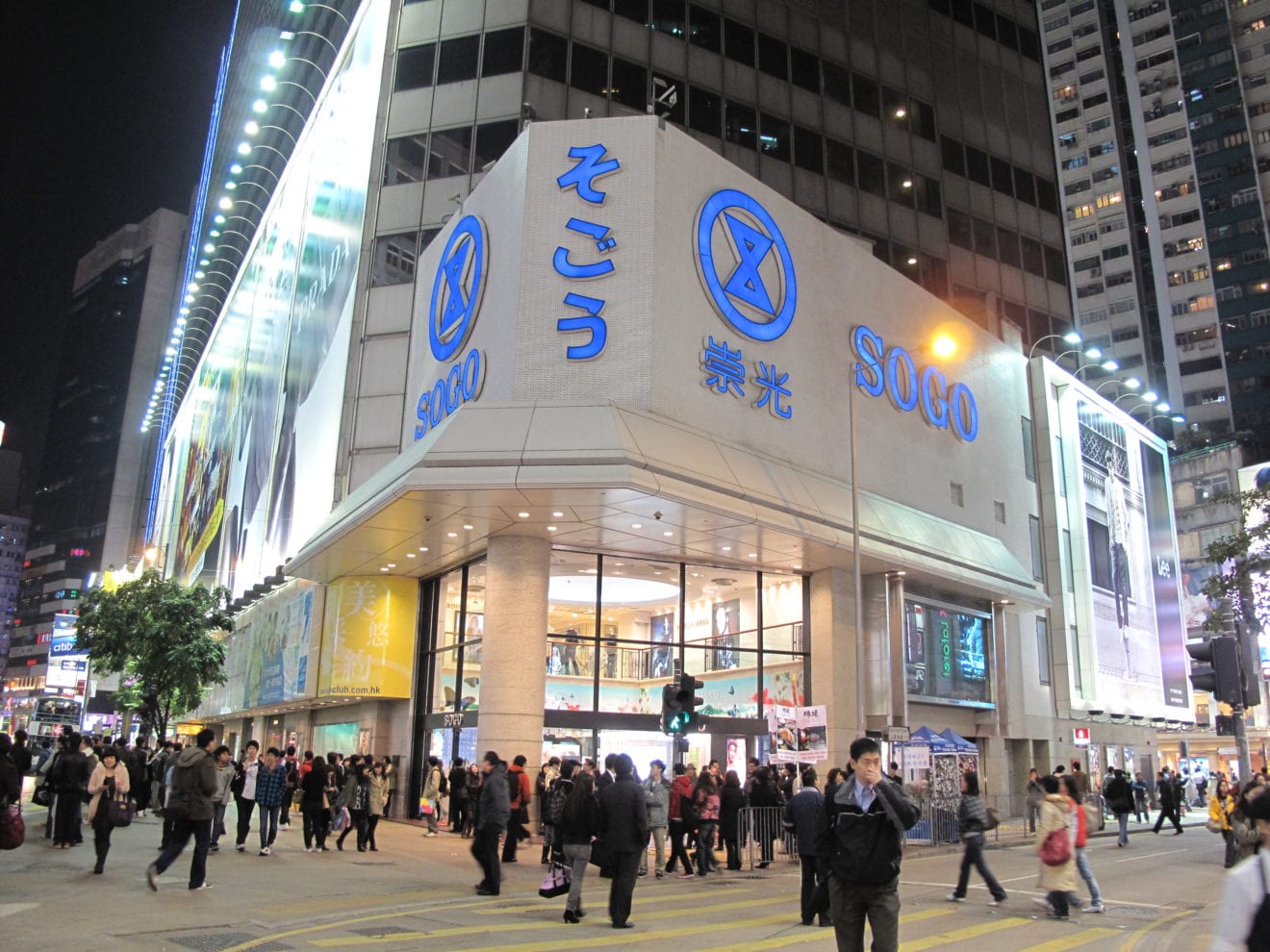
    Sogo store sales on both sides of the harbour surged ahead in the first half of this year.

    Causeway Bay recorded a 20 per cent upturn in sales during the six months to June 30, as inbound tourist numbers rebounded and consumer spending improved.

    The department store’s parent company Lifestyle International, said footfall increased by 7.1 per cent and what it terms the “stay-and-buy ratio” rose by 2.3 percentage points to 34.7 per cent. The average ticket size (excluding Freshmart supermarket sales) rose from HK$1344 in the same period last year to $1482.

    But the store’s greatest growth came in its Sogo Rewards program, with membership rising by 100,000 over the six-month period to reach 480,000. Members accounted for 51.5 per cent of all spending in-store, compared with 45 per cent during the first half of last year.

    Executive director Lau Kam Shim said Lifestyle International will continue to optimise the loyalty program to increase sales in its stores.

    During the half year, the group managed to capitalise on the uptick in consumption by introducing aggressive sales promotions and it streamlined digital payment services. The biannual Sogo ‘Thankful Week’ event held in May drew an overwhelming response from shoppers, achieving record-breaking sales of $1.307 billion, up 19.7 per cent from the previous record achieved in May last year.

    Across the harbour, the Sogo Tsim Sha Tsui store boosted sales by 42.8 per cent, with cosmetics and skin care products the major driver, up 55.4 per cent.

    “Sogo TST extended its robust growth momentum with both average ticket size and traffic footfall increasing from the previous period, thanks to stronger inbound tourism and local demand,” said Shim. “Similar to its counterpart in Causeway Bay, the May Thankful Week event at Sogo TST was well received and achieved record-breaking sales revenue of $429.3 million, up 41.9 per cent from the same event in the previous year.”

    Trade war warning

    While Lifestyle International is bullish about the company’s ongoing prospects, Shim joined the chairman of Lifestyle International’s sister company Lifestyle China, which operates malls on the mainland, warning of potential fallout from the US-China trade war.

    “Looking ahead, escalating Sino-US trade tensions and Brexit negotiations could derail the global economic recovery and undermine business and financial market sentiment,” he said in a commentary on the company’s results.

    “The weakening of the Chinese yuan against the Hong Kong dollar and concerns over a potential slowdown in China’s economy would also make a dent in Chinese tourist spending in Hong Kong and pose challenges to the steady recovery of Hong Kong’s retailing market.

    Notwithstanding the lingering macroeconomic uncertainties, a solid job market, government spending and a still-buoyant property market should continue to render support to Hong Kong’s economy and hence to the local consumption.”

    Combined results

    Overall, Lifestyle International’s department store sales rose 26.2 per cent in the first half.

    The strong growth was mainly attributable to a 35.3 per cent increase in direct sales and a 19.3 per cent increase in commission income derived from concessionaire and APO sales.

    The group’s gross profit margin as a percentage of turnover decreased from 75 per cent to 73.7 per cent, mainly due to higher growth in direct sales relative to concessionaire sales. Net profit attributable to shareholders totalled $882.9 million, down 48.7 per cent on the $1.720 billion of the same period last year. The decline was due to a $56.2 million loss on the group’s financial investments amid a volatile financial market (compared to a $328 million gain last year), profit for a one-off gain in the comparable period of $420.8 million from the sale of its interest in a subsidiary company; and a lower revaluation gain of $108 million compared to the $351.5 million last year in respect of the group’s investment properties, mainly the Kai Tak Land project where it has a development underway.

  • CIMB Niaga Indonesia first-half earnings 28% higher year on year

    CIMB Niaga Indonesia first-half earnings 28% higher year on year

    PT Bank CIMB Niaga Tbk (CIMB Niaga) posted a net profit of 1.8 trillion rupiah (RM504.3 million) in the first half of 2018 (1H18), representing a 28.1% year-on-year (y-o-y) growth, which translates into an earnings per share of 70.54 rupiah.

    The improved net profit came on the back of a 32.6% increase in non-interest income to 1.9 trillion rupiah and a 27.1% y-o-y decline in provision expenses, it told the stock exchange yesterday.

    Its loan loss coverage (LLC) remained comfortable at 106.83%, it added.

    CIMB Niaga president Tigor M. Siahaan said its 1H18 operating income managed to grow by 1.5% y-o-y thanks to the y-o-y improvement in non-interest income.

    Tigor added its operating costs continued to be well managed, rising only 3.4% y-o-y, while the gradual improvement in the economic environment positively impacted its provisions which declined 27.1% y-o-y.

    “We will continue the cautious growth trajectory with asset quality as a priority. With total assets of 260.1 trillion rupiah as at June 30, 2018, representing a 7.6% y-o-y growth, CIMB Niaga maintained its position as Indonesia’s second largest national private-listed bank by assets.”

    As at June 30, CIMB Niaga’s total gross loans increased 3% y-o-y to 185.7 trillion rupiah.

    “Our strategy to focus on the mortgage and small medium enterprise (SME) segments is gaining traction, with each segment growing by 8.9% and 6.2% y-o-y respectively, while our corporate loans grew by 8.8% y-o-y,” Tigor added.

    Its total third party deposits stood at 190.3 trillion rupiah as at June 30 2018, underpinned by a 12.8% y-o-y growth in CASA (current account, savings account).

    “Going forward, we will continue to optimise CASA with our consumer and SME digitalisation, and strengthen our Sharia business proposition and Sharia-compliant product offerings,” Tigor said.

  • Plastic industry hit hard by abrupt scrap import ban

    Plastic industry hit hard by abrupt scrap import ban

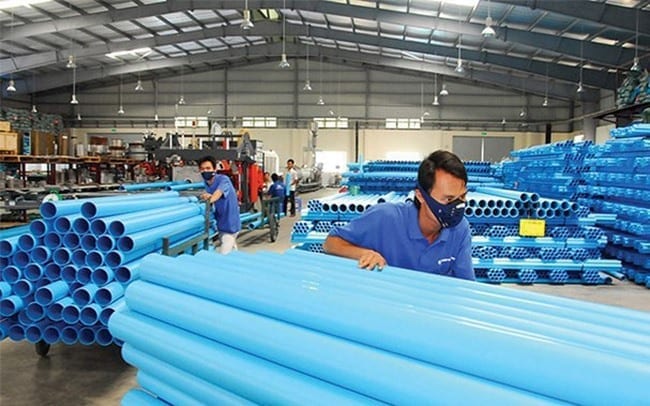
    Vietnamese plastic firms are unable to import scrap following a ban by the government, and said costs are becoming unaffordable as a result.

    “We’ll lose $10 million this year if we cannot import plastic scrap for manufacturing,” Tran Vu Le, director of Le Tran Plastic, told a conference organized Tuesday by the Vietnam Plastic Association (VPA).

    Other businesses attending the event said the inadequate plastic recycling in the country means they cannot source scrap locally.

    “HCMC produces 900 tons of plastic waste daily, but only 90 tons are recycled,” Hoang Phi Vu, director of Minh Tam Tin Nghia Plastic Company, said.

    Most of the plastic waste is mixed with regular trash and not sorted, and so does not meet export standard, he said.

    metric tonsVietnam’s 2016-2017 plastic waste import20162017PEPETPVC05101520253035404550Resource Recycling Inc.

    The problem began recently after Vietnamese authorities banned scrap imports just like China, which banned imports of certain wastes last January.

    As of August 13, there were over 6,600 containers of scrap remaining unclaimed at Cat Lai Port in HCMC and Hai Phong Port, according to the two ports.

    They have been there for over 30 days, 90 days in the case of a majority of them.

    Scrap importers have been reluctant to claim the containers because of “unsuitable” regulations related to their import, VPA chairman Ho Duc Lam told the conference.

    One such regulation requires import of plastic scrap with less than 2 percent impurities.

    “It is very difficult to extract the scrap from the containers to measure if it is below 2 percent,” Dinh Xuan Thang, director of the Hoa Lu Environmental Research and Application Center, pointed out.

    Vietnamese regulations allow empty plastic water bottles to be imported, but not bottles that contained sweetened drinks.

    “Who will sort these bottles to sell to Vietnam?” Hoang Duc Vuong, a spokesperson for recycling businesses in the VPA, asked.

    Plastic exporters to Vietnam H1 2018by percentageJapanU.S.KoreaThailandOther countriesVietnam Customs

    The VPA said in a release: “Vietnamese customs on July 7 slapped without prior warning an abrupt ban on scrap imports which did not give businesses time to react.”

    This ban has imposed a “burden” on plastic scrap importers, it said.

    Lam said he has written to Prime Minister Nguyen Xuan Phuc and the Ministry of Natural Resources and Environment about the problem.

    In the first six months of this year Vietnam imported 277,000 tons of plastic scrap mostly from Japan, the U.S. and Korea.

  • Metro Singapore retail sales decline

    Metro Singapore retail sales decline

    Metro Holdings’ Singapore retail business posted a 7.6 per cent decline in sales during the first quarter of this year amidst “difficult trading conditions”.

    Metro has three Metro-branded department stores in the city and another 10 department stores in Indonesia.

    The company said the retail business as a whole posted a decline in profit due to lower Singapore sales. Its Indonesian stores achieved “marginal growth”, the company said in its results filing.

    Overall, Metro Holdings, whose primary business is property development in China, Singapore, Indonesia and the UK, achieved a net post-tax profit of S$20.3 million (US$14.7 million) for the quarter, down nearly 20 per cent in the same period last year, when it earned $25 million. However, this was largely due to the absence of a significant $8.3 million gain on asset disposals in the comparable quarter.

    CEO Lawrence Chiang Kok Sung said the group will remain “disciplined and focused” in its investment approach to seek out potential investment opportunities in the region to drive sustainable growth.

  • Coach boosts Tapestry growth

    Coach boosts Tapestry growth

    Tapestry growth continues to be boosted by the inclusion of Kate Spade.

    The US apparel retailer has reported fourth-quarter revenue of US$1.48 billion and a net income of $211.7 million. A 31 per cent uplift in sales is the result of the acquisition of the Kate Spade business subsequent to the fourth quarter of the previous financial year.

    However, this is the final quarter during which the sales line will be flattered by this anomaly, which means the next fiscal year will present a much truer picture of underlying growth.

    For this quarter, the results are generally good – but mostly thanks to Coach which has driven the whole business forward. The numbers from Stuart Weitzman and Kate Spade are less impressive. The latter is understandable given that the brand remains in transition, but the former is somewhat disappointing as it is the result of operational missteps.

    Looking at Coach in more detail, total revenue increased by a solid 5.1 per cent, with a supporting rise of 3 per cent on a comparable basis. This is a very respectable result which, once again, underlines the return to full health of a brand that once suffered from ubiquity and excessive discounting. The performance in the US was particularly strong, aided in large part by the more robust consumer economy which has spurred spending on luxury products. However, Coach deserves credit for securing a slice of this growth – something that not all higher-end brands have been able to accomplish.

    Within Coach, the Signature line has been a particular success and has helped to drive both sales and interest in the brand. The development of smaller leather goods in this range has helped to expand the number of products consumers can buy and has created some good gifting options which should help the company in the all-important holiday quarter. We are encouraged by this development as it suggests that Coach has now found a sweet spot in terms of balancing a premium positioning with accessible products that help maximise sales.

    Another win for the company is the men’s range, where an expanded offer has helped to boost sales. While men’s remains a small component of the sales mix, we are heartened by a good performance over Father’s Day and a growing awareness of this part of the assortment. In our view, this part of the business has good potential and will likely be a driver of future growth.

    Kate Spade rebuilding 

    Kate Spade has now been part of Tapestry for a year. Over that time the group has taken a disciplined approach to rebuild brand equity, including pulling back on excessive promotional activity and reducing exposure to unfavourable wholesale channels. This effort is now almost complete and while global comparable sales were down 3 per cent, margins are strengthening and top-line revenue is starting to look more favorable. The brand is now in a better position and should start making a solid top and bottom line contribution over the next fiscal year.

    Stuart Weitzman continued its run of poor performance with a slip in sales and margin. Most of the issues at Stuart Weitzman still stem from production problems, which delayed key seasonal styles. Not only did this reduce sales of those products, it also weakened overall interest in the brand which meant core products had to be discounted to stimulate demand. Unfortunately, these second-half issues undid most of the advancement during the first quarter.

    Looking ahead, we believe Tapestry is in good shape. It should have a successful holiday quarter which will boost the first-half of its new fiscal year. And now that Kate Spade is in order, we do not preclude further acquisitions in the year ahead.

  • Malaysia’s second quarter GDP growth expected to ease to 5.2%

    Malaysia’s second quarter GDP growth expected to ease to 5.2%

    Malaysia’s economic growth pace likely slowed again in the second quarter of 2018, a Reuters poll showed.

    The median of forecasts from 14 economists is for annual growth of 5.2% in April-June. That would be a dip from January-March’s 5.4% and make the latest quarter – during which Malaysia surprisingly got a new government – the third in a row of slowing growth.

    Forecasts for second quarter growth ranged from 4.7-5.6%.

    “Growth likely eased in Q2 and may continue to moderate, with growth drivers shifting more to private consumption than investment,” Standard Chartered said in a research note.

    The bank said growth may have been weighed down by a 6.4% drop in palm oil production from a year earlier and by Prime Minister Tun Dr Mahathir Mohamad’s push to review major infrastructure projects which has spooked investors.

    Since his coalition gained power in a shock May general election, Mahathir has scrapped a broad-based consumption tax and announced plans to potentially scrap multi-billion dollar rail projects with China and Singapore.

    Mahathir, who at 93 is on his second stint as premier, has said that mismanagement by the past administration has caused national debt to balloon to RM1 trillion.

    Ratings firm Moody’s said demand for tech exports has helped Malaysia’s manufacturing and exports in the second quarter, along with higher private spending following a tax holiday that started in early June when the government zero-rated its goods and services tax.

    “The brakes will be applied a little to the upbeat growth engine in the second half as the newly elected government has ended some infrastructure projects,” Moody’s said in a research note on Aug 7.

    Malaysia’s central bank left its key interest rate unchanged at 3.25% in July, at its first policy meeting under new governor Datuk Nor Shamsiah Mohd Yunus.

    The central bank raised its rate by 25 basis points in January, its first hike since July 2014, and the first change since July 2016 when it slashed the rate by 25 basis points.