Tag: asia

  • Evolution in Korean retailers commerce

    Evolution in Korean retailers commerce

    South Korean retailers are increasingly crossing boundaries between their commerce platforms from television to offline and online to attract more customers, market watchers said.

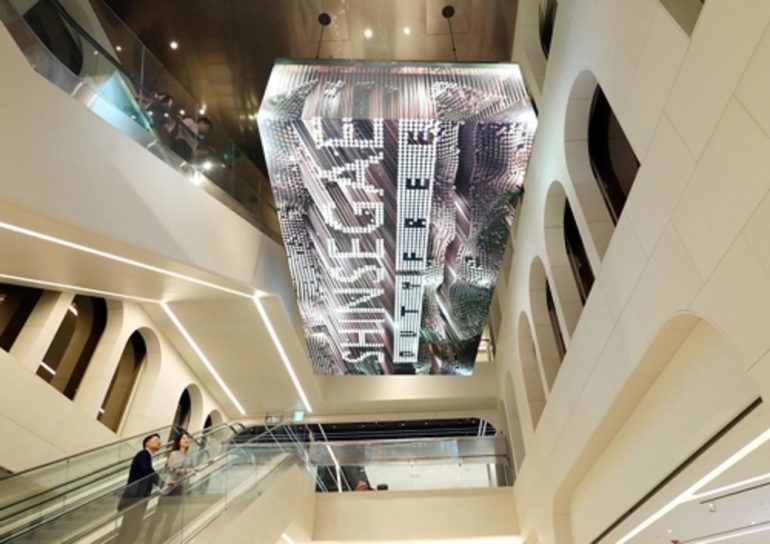
    Shinsegae TV Shopping Inc., the home shopping arm of retail giant Shinsegae, is set to open an offline shop for luxury goods sold through its program S-Style at the retailer’s mall in Paju, north of Seoul, on August 18.

    The 159-square-meter store will mark the first case for a television-based commerce firm to open an offline mall, according to Shinsegae.

    “We will provide a unique experience to our customers, freely crossing over the line between online and offline,” a company official said, adding the launch is aimed at communicating more closely with its customers.

    Shinsegae is not the only retailer moving to break boundaries between its platforms.

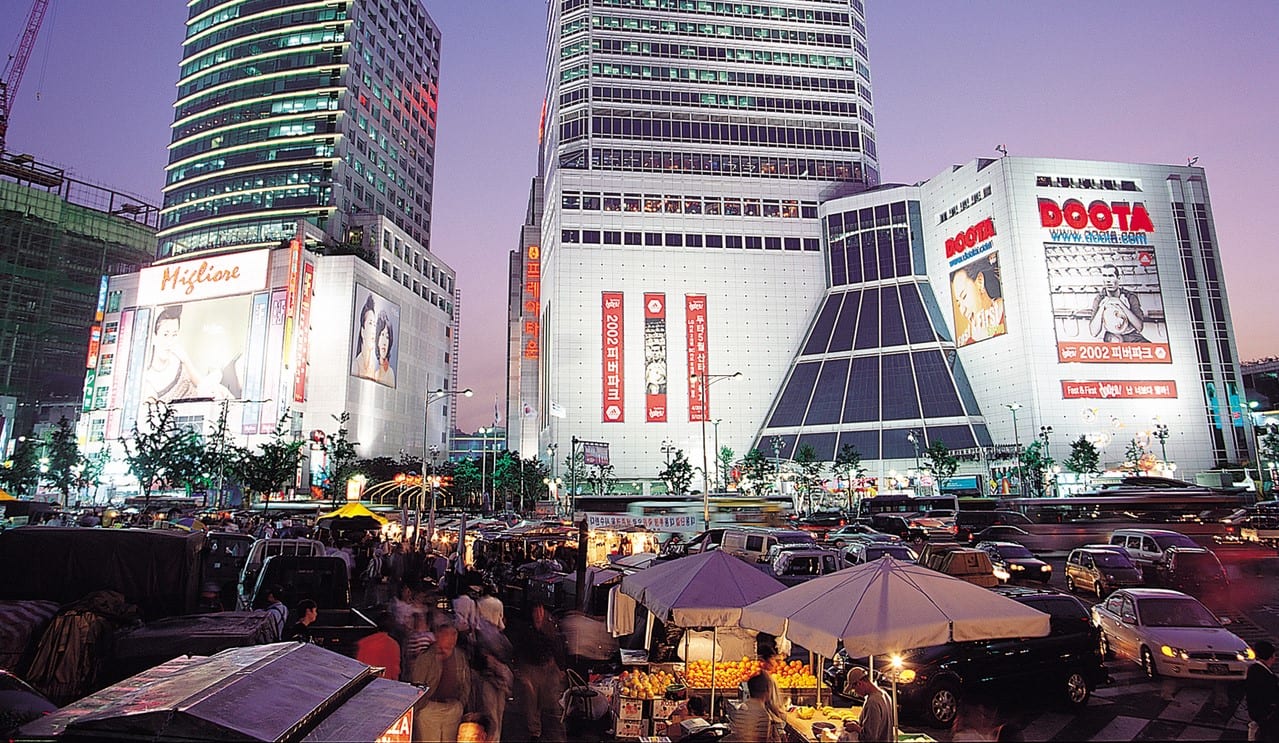
    Earlier onAugust 13, another major retailer, the Hyundai Home Shopping Network Co., opened an online mall named Hootd, gathering products from eight influencer brands. Their combined number of followers on social media amounts to 1.4 million, according to the company.
    Launching the new service, Hyundai said it will actively collaborate with Hyundai Department Store to regularly open pop-up stores and use its TV channel to further raise the influencer brands’ profile.

    Industry watchers say local retailers have been gradually expanding the collaboration of online and offline platforms to create synergy and make up for their respective shortcomings.

    “Despite efforts to overcome the limit of fully delivering product information, online platforms fall short of providing the same experience as offline malls,” said Kim Na-kyung a researcher at the LG Economic Research Institute.

    “Especially to meet the needs of consumers who wish to check products’ traits that cannot be explained in numbers, such as texture and color, offline channels can be an effective complement.”

  • Vietnam e-commerce site Sendo secures $51 million for expansion plans

    Vietnam e-commerce site Sendo secures $51 million for expansion plans

    Vietnam’s growing potential has helped nation’s leading C2C platform attract more venture capital funds.

    In the Series B funding round, the SBI Group and Daiwa PI Partners from Japan, Softbank Ventures Korea and the U.S.-based SKS Ventures were the new investors.

    Series B in venture capital financing refers to funding sourced to take a firm to the next level, past its development stage.

    All existing investors – FPT Group, eContext Asia, BEENEXT, and BEENOS – also participated in the Series B funding.

    Nguyen Dac Viet Dung, executive chairman and co-founder of Sendo, said: “The funding will help the company expand the C2C (customer to customer) platform Sendo, launch the B2C (Business to Customer) marketplace SenMall, and make SenPay the leading fintech platform in Vietnam.

    In a fast-growing e-commerce market, Sendo has differentiated itself by focusing on not only Hanoi and Ho Chi Minh City but also the hitherto untapped Tier 2 cities’ population, where 70 million Vietnamese people live.

    Sendo, which was established in 2012, currently has more than 300,000 sellers serving around 10 million customers nationwide.

    A report last April cited Bain, a U.S.-based global management consulting firm as saying online businesses were booming in Southeast Asia.

    Bain estimated that the region had 200 million digital consumers, or people who bought goods or services online, out of an adult population of 405 million. Vietnam, with a population of 93.7 million, accounted for 35 million of these consumers.

  • Shiseido sales fueled by travel retail

    Shiseido sales fueled by travel retail

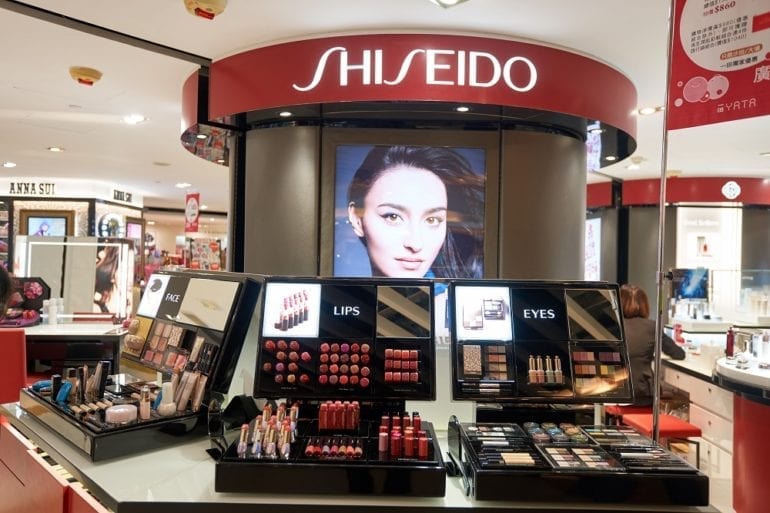
    Japanese beauty giant Shiseido Group has revealed strong sales revenue boosted by travel retail in its mid-year results.

    Shiseido sales reached ¥532.6 billion (US$4.8 billion), with ¥47.66 billion ($430.56 million) net income attributable to the business owners, 153.5 per cent above figures for the same period last year.

    A major influence on the group’s performance this year has been the 40.3 per cent increase in sales across the firm’s travel retail business.

    “In the travel retail business, the benefits derived from active investment in marketing, which included further increase of advertising and promotion in airports around the world, led to continued growth in sales of Shiseido, Cle de Peau Beaute, Nars, and Anessa that far outperformed last year, mainly in Asia,” the company reported.

    The company’s sales performance during this period has encouraged management to expect to achieve its “Vision 2020” goal of ¥100 billion ($904 million) in operating income and an operating margin of 10 per cent two years ahead of schedule.

  • Louboutin’s first online pop-up store on Toplife

    Louboutin’s first online pop-up store on Toplife

    Christian Louboutin’s signature red-soles have tiptoed their way onto Toplife.

    Joining numerous international leading luxurious brands such as Fendi, Saint Laurent, Alexander McQueen or Oscar de La Renta, Christian Louboutin has partnered up with JD’s luxury e-flagship platform Toplife earlier this July to make its debuts on the Chinese e-commerce platform scene. Its online pop-up store features the full offering from the brand’s most recent collection.

    JD President of International Fashion and Head of Toplife, Xia Ding, said “No matter where you are, Christian Louboutin’s signature creations are ubiquitous with style, poise and individuality,”. In this effort to bring a seamless omnichannel experience, clients can enjoy JD’s signature white glove service, JD Luxury Express. Rounding out the online luxury experience with an offline, personal touch, customers can have their goods hand-delivered to their homes by professionally-dressed couriers driving electric cars.

    Leveraging its RaaS capabilities, JD has supported many brands in their debuts on the Chinese e-commerce scene. The company is expecting to welcome more international luxury brands on its luxury e-flagship platform Toplife.

    Christian Louboutin’s signature red-soles have tiptoed their way onto Toplife.

    Joining numerous international leading luxurious brands such as Fendi, Saint Laurent, Alexander McQueen or Oscar de La Renta, Christian Louboutin has partnered up with JD’s luxury e-flagship platform Toplife earlier this July to make its debuts on the Chinese e-commerce platform scene. Its online pop-up store features the full offering from the brand’s most recent collection.

    SEE ALSO: JD.com debuts Toplife, its ecommerce ecosystem for luxury brands

    JD President of International Fashion and Head of Toplife, Xia Ding, said “No matter where you are, Christian Louboutin’s signature creations are ubiquitous with style, poise and individuality,”. In this effort to bring a seamless omnichannel experience, clients can enjoy JD’s signature white glove service, JD Luxury Express. Rounding out the online luxury experience with an offline, personal touch, customers can have their goods hand-delivered to their homes by professionally-dressed couriers driving electric cars.

    SEE ALSO: Red soles are Christian Louboutin’s trademark

    Leveraging its RaaS capabilities, JD has supported many brands in their debuts on the Chinese e-commerce scene. The company is expecting to welcome more international luxury brands on its luxury e-flagship platform Toplife.

  • Vietnam to expand banana farming for China export

    Vietnam to expand banana farming for China export

    A Vietnamese agriculture company, Hoang Anh Gia Lai Agriculture Jsc, is set to invest in another 5,000 hectares of land in Cambodia to grow bananas for export to China.

    It will invest VND976 billion ($42 million) in the project, the company said in a recent statement.

    Most of the bananas will be exported to China by ship or road. They will fetch VND22,000-23,000 (95-99 cents) per kilogram from September to March and VND13,000-14,000 (56-60 cents) at other times.

    While China has a demand for 15 million tons of bananas a year, the company has only been supplying 240,000 tons, Doan Nguyen Duc, CEO of Hoang Anh Gia Lai (HAGL) Agrico, said.

    But to reduce its excessive reliance on the Chinese market, Duc is also hoping to shift 20 percent of the company’s banana exports to South Korea and Japan.

    It expects to harvest over 106,000 tons of bananas and earn revenues of around VND1.7 trillion ($73 million) and VND983 billion ($42 million) in gross profit this year.

    The company already possesses 13,500 ha of farmlands in Vietnam, Laos and Cambodia. It is also a major producer and exporter of dragon fruit and chili.

    HAGL used to be a leading property developer in Vietnam, but restructured in 2010 to focus on rubber and livestock farming.

    HAGL Agrico has been growing fruits since 2016, and last year its passion fruit, banana, chili, and dragon fruit crops fetched revenues of VND1.6 trillion ($71 million), accounting for around 49 percent of HAGL’s total revenues.

    This year, the firm expects sales of VND3.7 trillion ($164.4 million) and gross profits of VND1.67 trillion ($74.2 million).

  • Lotte duty free profit soars

    Lotte duty free profit soars

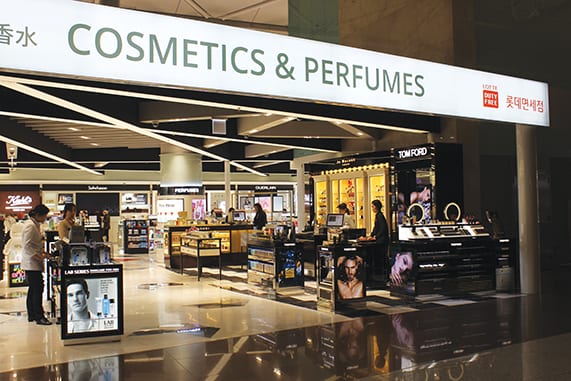
    South Korean duty-free operator Lotte has reported soaring profit following its decision to partially withdraw from Incheon airport.

    In the company’s first half report, it indicated solid worldwide sales accounted for the profit increase, which came to KRW155 billion (US$137 million) – up a staggering 1995 per cent.

    Total global sales hit KRW2.7 trillion (US$2.4 billion), almost all of which came from domestic sales.

    Three out of four concessions at Incheon were shuttered by the firm following long-running losses. The closures have saved the firm considerable expenditure on rent.

    The positive results have encouraged Lotte to expect overseas sales in excess of KRW200 billion (US$177.7 million) this year, following the launch of additional stores in Vietnam and elsewhere.

  • Don Quijote hopes for Seiyu plot

    Don Quijote hopes for Seiyu plot

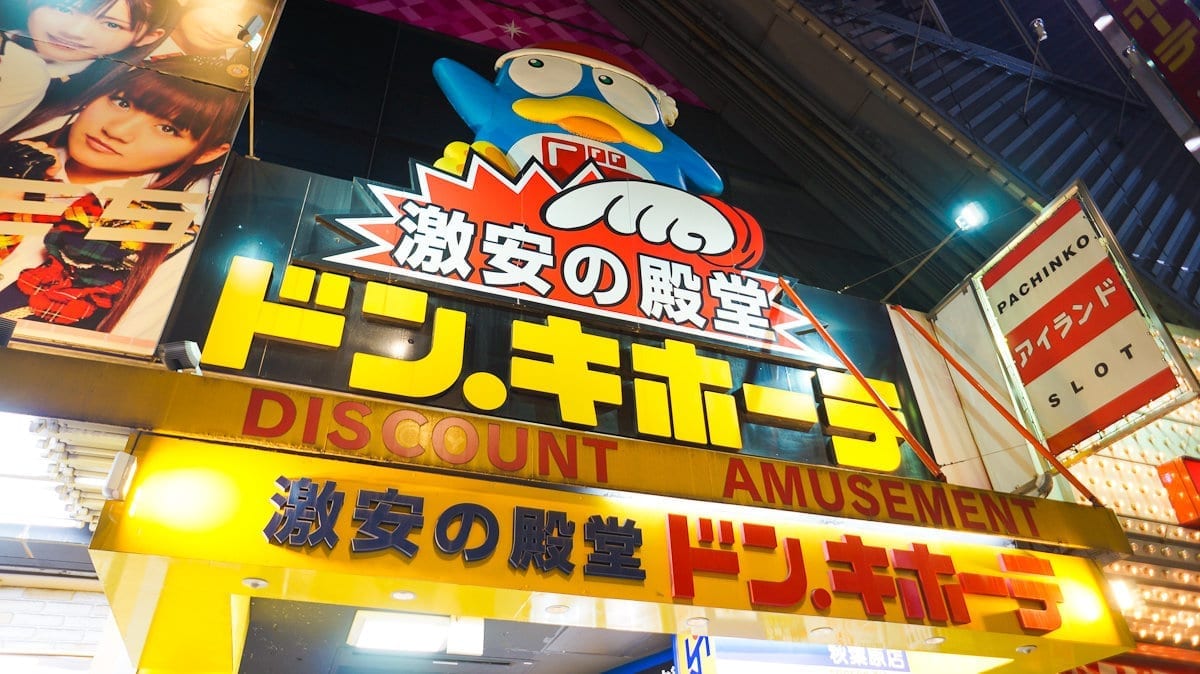
    Japanese discount retailer Don Quijote says it wants to buy Walmart’s Seiyu department store business in Japan.

    But Walmart still claims it is not for sale.

    Despite widely published reports, that Walmart was approaching potential buyers for the unit, the US company denies it is selling up and moving out of Japan.

    A Walmart spokesperson said that the company is not in talks with prospective buyers and is continuing to develop the business.

    Don Quijote CEO Koji Ohara told a press conference this week that if Seiyu came up for sale “we would be interested and it is attractive”.

    “If you don’t have real estate you can’t do retailing. In addition to its human resources, Seiyu has many locations that you cannot get your hands on,” he said.

    The original Nikkei report said Walmart could fetch 300 – 500 billion yen (US$2.7 – $4.5 billion) for the business if it sold. The move was perceived as a potential outright withdrawal from Japan and a chance for the firm to refocus on higher potential markets in China and India.

    Don Quijote, which has recently expanded into Singapore, last week reported its 29th consecutive year of sales and profit growth. The chain aims to have 500 stores in Japan by 2020, 80 more than it has now. But it is struggling to find locations.

  • Courts faces some challenges in Malaysia market

    Courts faces some challenges in Malaysia market

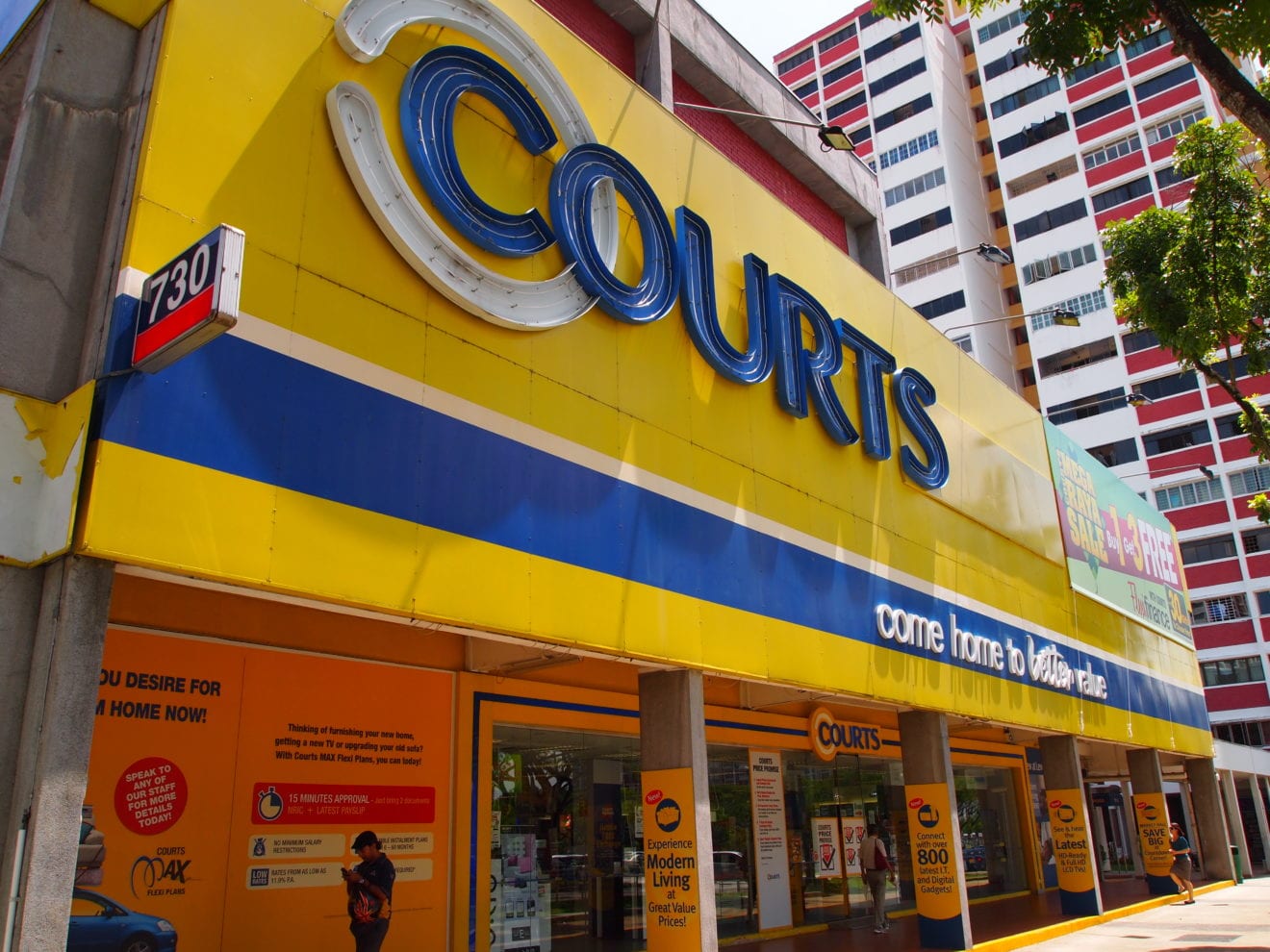
    Electrical, IT and furniture retailer Courts Asia has narrowed a quarter-on-quarter loss following transformation work in its Malaysia operations.

    In its first quarter results, the company said its business in Malaysia had been hit hard by regulatory changes in the territory. The group’s profitability was impacted by the introduction of the Consumer Protection (Credit Sale) Regulations 2017 (“CPAA”), which came into operation on January 1.

    Courts reported a 3.6 per cent year-on-year dip in revenue to S$179.8 million (US$130.86 million) for the period, mainly attributable to Malaysian revenue decline. Correspondingly, a first-quarter net loss of S$2.2 million (US$1.6 million) was reported.

    Courts Asia’s executive director and CEO Dr Terence O’Connor said the group’s business performance continues to be impacted by the interest rate cap imposed by CPAA in Malaysia.

    “However, there are early indicators to suggest that the business transformation work in Malaysia is delivering green shoots. Revenue in Malaysia improved by 16.8 per cent and loss before tax reduced by 36.5 per cent, to S$6.1m from S$9.6 million in the first quarter, compared to the preceding quarter.”

    As part of the group’s ongoing store-optimisation efforts in a post-CPAA environment, five underperforming outlets have been closed, leaving 58 in Malaysia. The group is redefining its store strategy there and will be downsizing its Megastore at Sri Damansara to make way for an incoming tenant. Marketing spend has also been reduced in alignment with a smaller store footprint.

    O’Connor added: “The team recognises the urgency and is in overdrive mode to deliver the transformation work in Malaysia. It is a significant undertaking that will take time to execute and finetune. That said, we have reason to believe that the results are trending in the right direction.”

  • Global chains suffer as Vietnamese coffee lovers vote with their feet

    Global chains suffer as Vietnamese coffee lovers vote with their feet

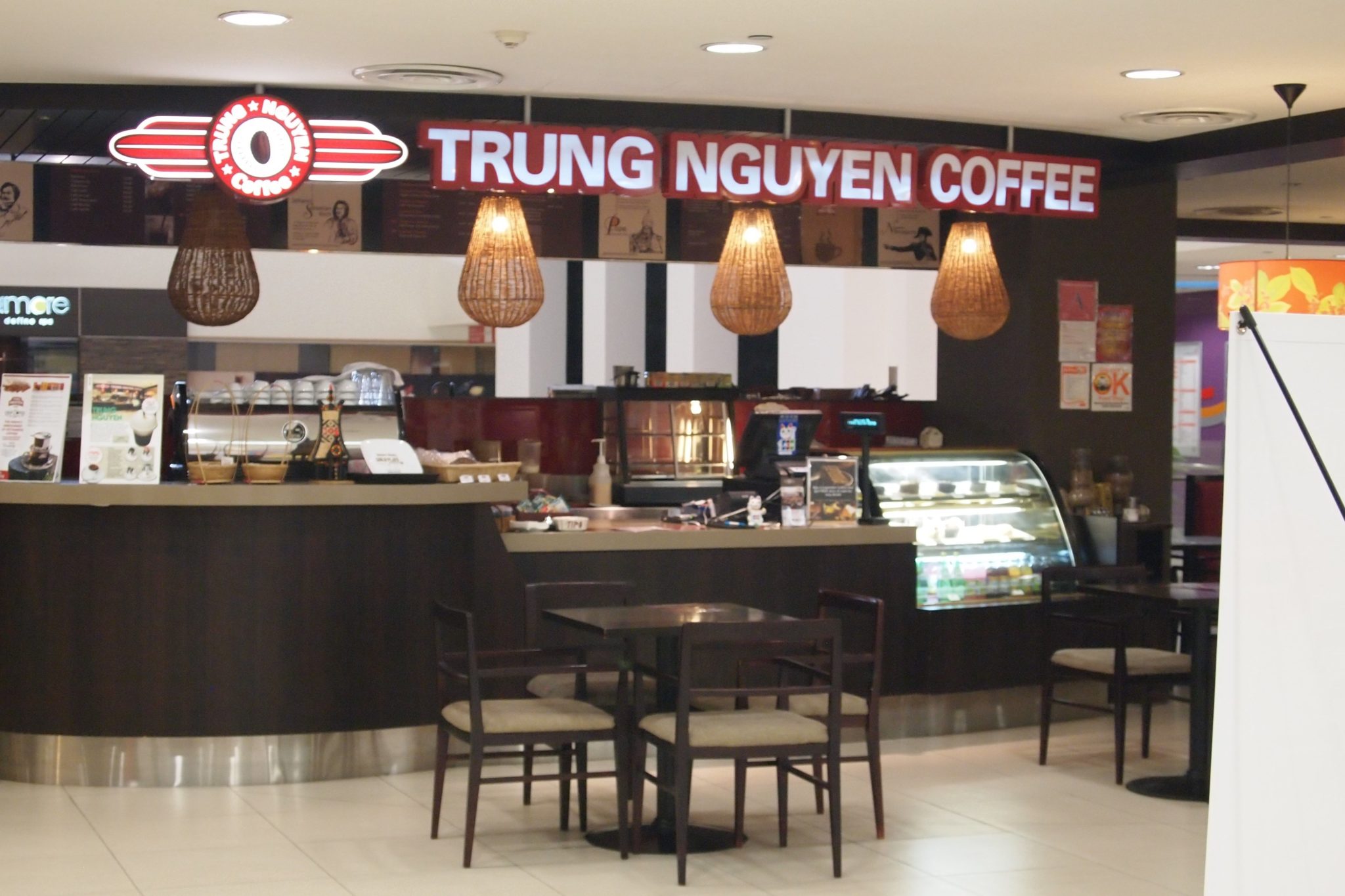
    Local coffee shop chains are outmaneuvering international brands like Starbucks by catering to customers’ demands.

    Young customers are now choosing smaller brands like The Coffee House, Cong Ca Phe and Phuc Long as their to-go spot for affordable brews.

    Local brands not only offer many beverage options but also sophisticated interiors and unlimited and fast internet access to ensure they retain customers, Nikkei Asia Review quoted market researcher Nguyen Phuong as saying.

    All this has helped these brands become very popular among students and young working professionals, who can spend hours there yet feel welcome.

    Phuong said having knowledge of Vietnamese culture and consumers has helped the local brands attract customers.

    By changing their business models to fit customers’ tastes, local brands report growing and some are even looking to expand.

    Nguyen Hai Ninh, CEO of what is thought to be the fastest growing chain, The Coffee House, told Nikkei that he plans to open 700 outlets around Vietnam in the next five years, or around 10 a month.

    Just one month after the brand opened its first shop in Seoul last month, Cong Ca Phe plans to add two more stores in the South Korean capital.

    The chain, which debuted in 2007, has more than 50 stores around Vietnam, and intends to add one or two every month until 2020.

    Thuc Coffee, Urban Coffee Station and Phuc Long report 7 percent annual revenue growth.

    In contrast, international names like Starbucks have grown slower than expected in the Vietnamese market.

    Starbucks only has 38 stores after entering the market five years ago despite boasting huge numbers in neighboring countries such as Thailand (330 stores), Indonesia (320) and Malaysia (190).

    Meanwhile, NYDC, Gloria Jean’s Coffees, and Caffe Bene of Korea have all wound up or are close to doing so.

    Singapore-based NYDC closed its last store in July 2017, Australian brand Gloria Jean’s Coffee also closed its last store in April 2017 after a decade of slow growth.

    Caffe Bene now has only three outlets remaining, according to InsideRetail Asia.

    Talking about the reason for the failure of international brands in the domestic market, industry insiders said that high rents on premium land have raised the cost of retail prices, making their coffee less competitive than local ones.

    A local coffee shop owner told Nikkei that opening a 200-square-meter Starbucks store in Saigon requires an initial investment of $215,000, while Coffee House only needs $86,000.

    Sean T Ngo, CEO of VF Franchise Consulting, said Vietnam, a major exporter of Robusta coffee, imposes high import tariffs on coffee beans, and international coffee chains often use imported Arabica beans that raise costs significantly. Higher costs have driven many customers to domestic brands.

    Phuong said that another reason for the downfall is that old brands are slow to adjust their business models to match customers’ taste.

  • Best Buy surprising acquisition after years

    Best Buy surprising acquisition after years

    The surprise Best Buy acquisition of GreatCall marks the electronics retailer’s first takeover in more than six years.

    Best Buy will spend US$800 million on GreatCall, one of the US’ largest providers of communications technology aimed at helping older adults live independently and more safely in their homes.

    San Diego-based GreatCall now has 900,000 subscribers to its service, which uses mobile technology and easy-to-handle devices to connect older adults with family members or with trained call centre operators who can answer questions or call emergency personnel if necessary.

    The move marks a strategic move away from Best Buy’s core retail business at a time when electronics has become much of a commodity market with thin margins and widespread online competition.

    Neil Saunders, MD of GlobalData Retail, says the investment marks “a logical evolution” for the company.

    “Over recent years there have been significant changes to the electronics market, including fierce competition from the rise of online. However, Best Buy has successfully navigated this new landscape – in large part because it has adapted its proposition and approach.

    One of the main changes has been the move from simply selling products to trying to help consumers select and get the best use out of new devices. In a sense, Best Buy now sees its role as helping consumers to improve their lives through technology.”

    Saunders says GreatCall gives Best Buy a relevant service, driven by technology, that it can offer to consumers.

    “In our view, it also helps counterbalance the pressure on both sales growth and margins of electronics products. The focus on health, and in particular health services aimed at the elderly, puts Best Buy squarely into a market with high demand and strong growth. Moreover, we see this as a good fit as Best Buy is a known and trusted brand name among older shoppers. This should enable the company to grow the GreatCall service.”

    Saunders said that long term, the move should be seen as part of Best Buy’s continued adaptation to a provider of services rather than a pure retailer of things.

  • Petronas Gas shares fall further despite higher Q2 earnings

    Petronas Gas shares fall further despite higher Q2 earnings

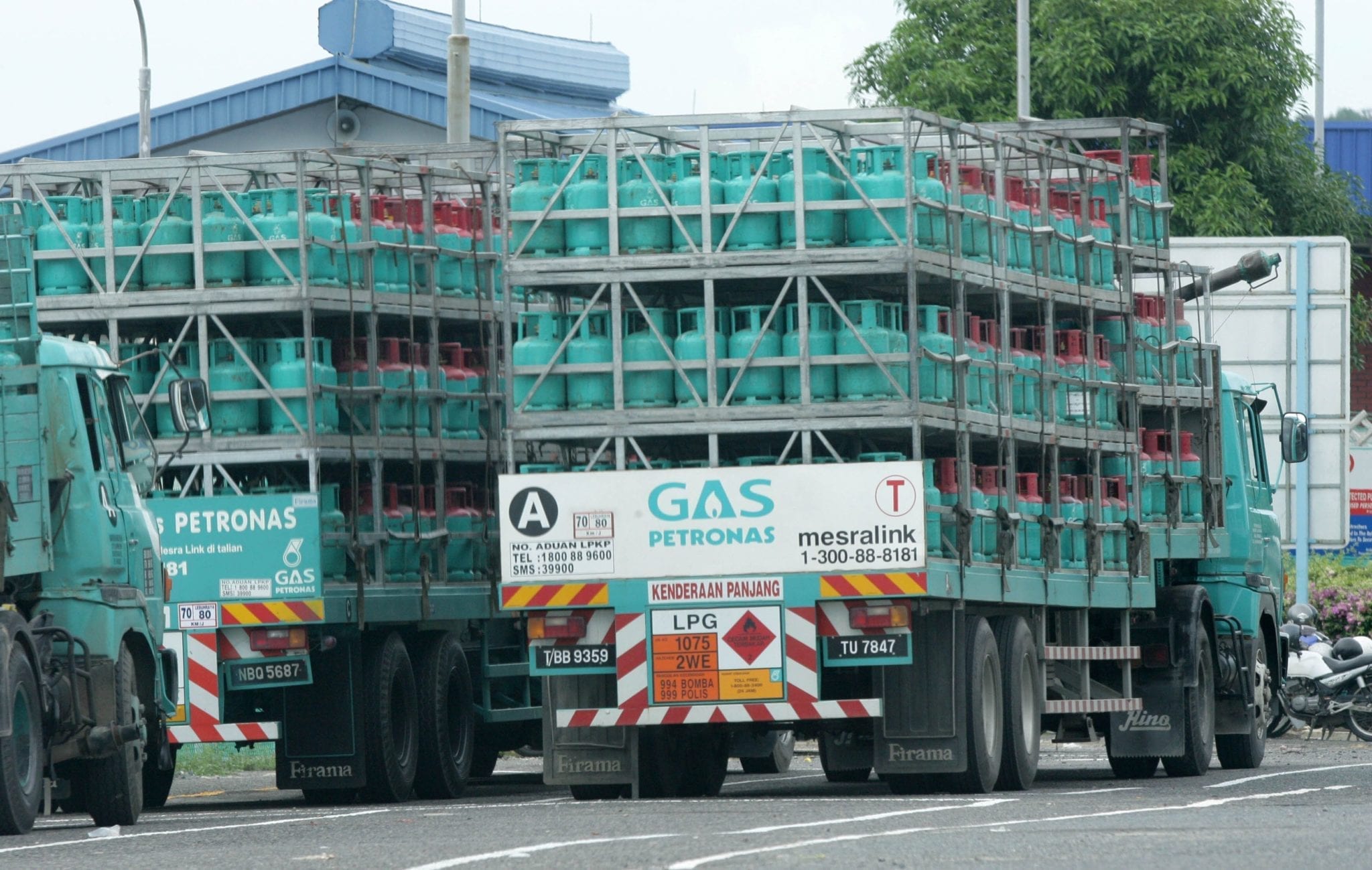
    Petronas Gas Bhd’s share price continued to fall by 14 sen or 0.75% this morning despite reporting a 19.7% jump in its net profit to RM509.3 million in the second quarter (Q2) ended June 30 from RM425.3 million previously.

    At 11.08 am, the stock stood at RM18.52 with 62,900 shares changing hands.

    The group told the stock exchange that the higher profit was in tandem with improved in revenue during the quarter.

    Revenue for the quarter grew 15.7% to RM1.36 billion, compared with RM1.17 billion in the same period last year, mainly contributed by the group’s new LNG regasification terminal in Pengerang, Johor which commenced commercial operations in November 2017.

    “This was further supported by higher revenue from all segments,” it added.

  • Creamistry China to open 100 more stores as mid-term plan

    Creamistry China to open 100 more stores as mid-term plan

    Californian ice cream chain Creamistry has opened its first franchised store in China.

    And the local franchisee, HZ America Corp, plans to open more than 100 Creamistry China outlets within four years.

    Creamistry specialises in made-to-order liquid nitrogen ice cream using all-natural and organic ingredients, adding theatre to the retail sale of ice creams and frozen desserts.

    The inaugural Creamistry China store opened on South Renmin Road in Chengdu. HZ America has the franchise rights to the brand for all of greater China.

    “We are thrilled to launch Creamistry in an untapped market such as China with phenomenal brand area representatives,” says Jay Yim, Creamistry’s founder and CEO.

    “Our experience with premium-quality product coupled with the operations infrastructure in place positions us perfectly to get Creamistry up and running in China.”

    Creamistry of Chengdu will sell localised flavors including Spicy Yolk, made with salty duck egg yolk and a combination of spices; Chengdu, made with the Chinese liquor Luzhou Laojiao; and Rice Wine, made with real fermented rice liquor.

    “Creamistry is far more than just an ice cream shop – it truly is an experience,” says Yim. “The brand’s wild success and rapid growth is a testament to the completely customizable product and unique atmosphere, which has proven to appeal to consumers worldwide.”

    Yim founded Creamistry in 2013 after seeing a street vendor making liquid nitrogen ice cream in South Korea.

    After two years of experimentation his family team tested more than 100 flavours before settling on the chain’s core menu.

  • Chinese brands grab 39 percent of Vietnam smartphone market

    Chinese brands grab 39 percent of Vietnam smartphone market

    Xiaomi and Huawei were the two fastest growing mobile phone brands in Vietnam in the second quarter, technology industry analyst Counterpoint reports.

    They grew respectively by 363 percent and 193 percent, according to the HongKong-based company’s recent release.

    “Further, amid the US-China trade war, the RMB (renminbi) is weakening, resulting in cheaper Chinese products in Vietnam. This will favor the Chinese brands, which now hold around 39 percent of the market in Vietnam,” said Tarun Pathak, Counterpoint associate director.

    Vietnamese smartphone brands face stiff competition from not only Chinese but also other international brands, he said.

    The report noted that Xiaomi had only 1 percent of the market share in the second quarter of 2017, but it surged to 5 percent a year later.

    Overall, Chinese brands have a market share of around 39 percent in the form of Oppo (22 percent), Xiaomi (5), Huawei (5), and other smaller names.

    Besides, the report said Huawei has tied up with local gaming firm VNG to enter the industry.

    Varun Mishra, a research analyst, added that Chinese companies such as Alibaba, JD.com and Tencent have invested heavily in the Vietnamese e-commerce market, which would give a “further boost to the Chinese players who have leveraged both offline and online platforms to sustain growth in similar markets.”

    “While the Chinese players are actively targeting mid-tier segments, local players are being pushed toward the entry level segment.”

    South Korean giant Samsung still dominates the smartphone market with a 37 percent share.

    Vietnamese conglomerate Vingroup has also entered the market. Vingroup hopes to launch its phones next year.

    By the end of March 2018, Vietnam has 118.7 million mobile subscriptions, according to official data.

  • Kenny Rogers Roasters, Jollibean to enter India market

    Kenny Rogers Roasters, Jollibean to enter India market

    The Kenny Rogers Roasters and Jollibean food retail brands are to launch in India.

    Malaysia’s Berjaya Food has signed a preliminary franchise partnership deal with India’s World Iconic Brands Hospitality (WIB) to take the banners into the new market.

    WIB will invest US$50 million to open 30 Kenny Rogers Roasters restaurants and 75 Jollibean kiosks in India over the next five years.

    Berjaya Food owns the two chains as well as operating Starbucks in Malaysia and Brunei.

    CEO Sydney Quays describes India as “a stepping stone” for the company to expand into more foreign markets.

    “We have a lot of interest from Southeast Asian countries,” he told the Sun Daily.

    With 970 shopping malls and more than 200 airports, India represents a strong potential market for both the brands, said WIB MD Gaurav Marya.

    “We’ll spend the next six to eight months to get the model right, understand the preference of consumers and we will scale up the business,” he said.

    The first new outlet will open early next year.

    WIB is a subsidiary of Franchise India, Asia’s largest integrated franchise solutions company, which manages 400 brands.

    Kenny Rogers Roaster restaurants already operate in Malaysia, the Philippines, Singapore, Indonesia, Thailand, Bangladesh, India and Dubai, while India is only the second offshore market for Jollibean, after Singapore.

  • Ezbuy Pakistan enjoys blooming sales

    Ezbuy Pakistan enjoys blooming sales

    Singapore online retailer Ezbuy has expanded, opening Ezbuy Pakistan.

    And already local media are tipping the site to be twice the size of Pakistan’s existing online retailer Daraz.pk, offering 3 million products, ranging from apparel through to electronics.

    Ezbuy Pakistan will offer products from local and overseas suppliers, with overseas orders shipped direct in much the same way Alibaba’s Aliexpress serves regional customers.

    “Our main agenda is to provide great value quality products to Pakistanis at their doorstep,” said co-founder and chief strategy officer at ezbuy.com, Vincent Xue Bin.

    “We would have three platforms; first, ezbuy cross-border and local products; second, Haute Shop fashion products, and a third, B2B serves businesses,” he said in a local media interview.

    “China is manufacturing good quality products at great value rates compared to other countries including Pakistan and we can deliver it to the Pakistani people, schools, universities, hospitals with minimum delivery charges. Our trust with the Pakistani buyers is our main asset.”

    Ezbuy Pakistan is a joint venture between the Singapore operator and a group of Pakistani investors, led by Kamran Shaukat, who says the response to the site since it went live on August 1 has been “overwhelming”.

    Another advantage Shaukat points out for Pakistani suppliers selling on the site is that the platform opens doors to customers abroad. Ezbuy currently operates in Singapore, Malaysia, Thailand, Indonesia, and Taiwan, but products are shipped worldwide.