Tag: asia

  • Uber withdraws lawsuit against HCMC tax man

    Uber withdraws lawsuit against HCMC tax man

    Ride-hailing firm Uber has withdrawn its lawsuit over HCMC’s demand for $2.3 million in back taxes and fines.

    A tax department official said Friday that the HCMC People’s Court has suspended the case in which the Netherlands-based Uber B.V. had sued the department over its demand that the firm pays over VND53 billion ($2.3 million) in back taxes and fines.

    The official, who did not want to be named said that the suspension, which followed Uber withdrawing its lawsuit, was a positive development.

    He expressed hope that this would allow the department and Uber to sit down and resolve the issue of back taxes and fines. In case this does not happen, the department would resume efforts to force Ube to pay its dues, the official added.

    The department had previously attempted to collect the back taxes and fines by sending documents to local banks and asking them to deduct the dues from funds transferred to Uber’s bank account as a form of tax enforcement.

    This attempt failed because the firm had not opened any account in the country.

    In September last year, the Ho Chi Minh City Tax Department asked the Vietnamese branch of Uber International to pay VND66.68 billion ($2.91 million) in back taxes and fines for violating tax laws.

    However, the company appealed the decision, telling the General Department of Taxation as well as the Ministry of Finance that it was not subject to pay taxes under Vietnam’s double taxation avoidance agreement with the Netherlands, where it is based.

    Ride-hailing firm Uber Technologies Inc announced it had agreed to sell its Southeast Asian business to bigger regional rival Grab in March. The app company officially left Vietnam on April 8.

  • Wikipedia launched clothing line with LA label

    Wikipedia launched clothing line with LA label

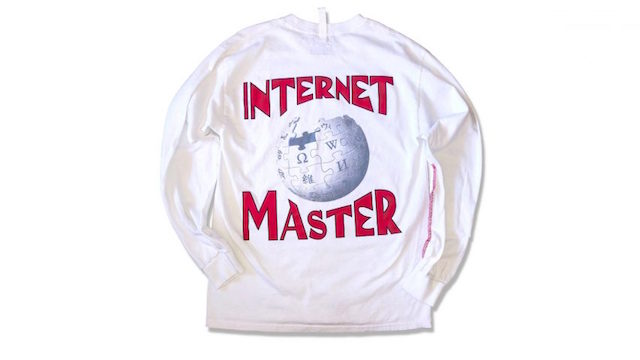
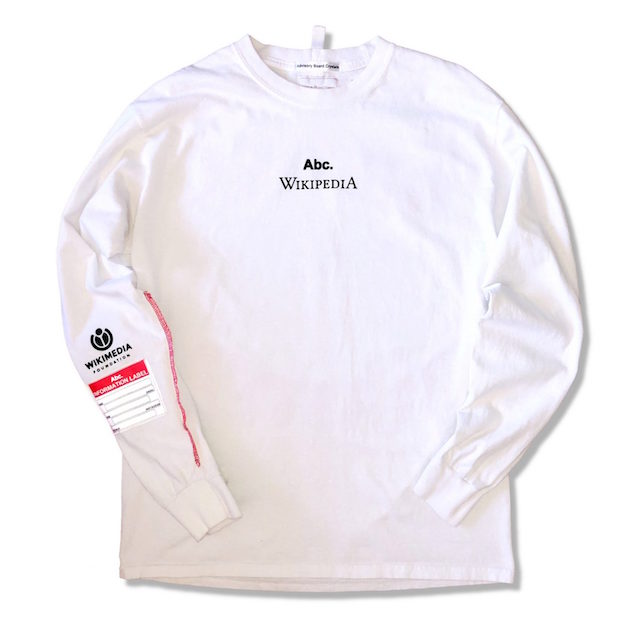
    Online encyclopedia Wikipedia has partnered with Los Angeles-based fashion label Advisory Board Crystals to launch a Wikipedia fashion item.

    The Wikipedia x Advisory Board Crystals collaboration features a long-sleeved tee with iconography from the website, retailing for US$85. All proceeds from sales will be donated to the Wikimedia foundation in support of free information.

    The fashion label’s website reads: “As a nonprofit, Wikipedia and the Wikimedia Foundation’s related free knowledge projects are powered primarily through donations. Help us keep knowledge free.

    “Knowledge is power and awareness is survival. In addition to being a large source of inspiration and information for our projects, Wikipedia leads us to a place in which you can imagine a world where every single human being can freely share in the sum of all knowledge.”

  • Australia Expects Free-Trade Deals With Indonesia, Hong Kong This Year

    Australia Expects Free-Trade Deals With Indonesia, Hong Kong This Year

    The Australian government expects to seal free-trade agreements with Indonesia and Hong Kong by the end of this year, its trade minister said on Friday.

    Concluding the two agreements would wrap years of talks, which in the case of Indonesia have dragged on since 2010, stalling along the way as diplomatic tensions between the two sides flared.

    “I think by the end of this year we’ll conclude successfully an FTA with Indonesia, an FTA with Hong Kong,” Trade Minister Steven Ciobo said at a business lunch in Sydney, when asked about the outlook for the next 12 months.

    He gave no further details on timing, though a deal with Indonesia, Southeast Asia’s largest economy but only Australia’s 13th-largest trading partner, could come as soon as next month when Australian Prime Minister Malcolm Turnbull is scheduled to visit.

    Ciobo, who has already sealed Australian trade deals with Peru and with the 11-nation Trans-Pacific Partnership this year, also said United States President Donald Trump’s protectionist rhetoric had made his counterparts elsewhere more willing negotiators.

    Since Trump’s election, there has been a “desire from a number of countries to double down” on trade pacts, Ciobo said, helping him to seal deals.

    He added that he was “hopeful” of also signing Australian agreements this year with the Pacific Alliance, a Latin American trade bloc and with the China-led Regional Comprehensive Economic Partnership.

    A deal with Hong Kong, Australia’s 12th-largest trading partner, has been under negotiation since last year.

    Two-way trade between the pair is worth roughly A$16.3 billion ($12 billion), according to Australian figures, nearly the same as the country’s two-way trade with Indonesia.

  • Alibaba cloud eyes retail sector with 9 new product launch

    Alibaba cloud eyes retail sector with 9 new product launch

    The Retail industry in China has experienced some significant changes over the past few years.

    New Retail is trending as players in the industry are striving to bring customers an unique omnichannel experience. Shoppers can now buy anything, anywhere, anytime.

    The online-offline shopping experience has been strongly supported by digitalization. Alibaba, China’s e-commerce powerhouse, has been offering a wide range of services to support retailers. However, the latter were only available in China.

    Earlier this week, Alibaba has launched its suite of cloud-computing solutions globally. Among them are a smart access gateway that enables retailers to connect their data from different shops to a single cloud platform, data lake analytics, or a serverless, high-performance query service that analyses historical inventory and sales data. To prevent retailers from data loss, Alibaba Cloud also launched its Anti-Bot Service, a software solution that protects users from online scalpers and crawlers.

    Alibaba’s cloud-computing unit’s chief solution architect, Derek Wang said “This new suite of offerings includes products that are highly efficient, cost effective. Some of them are the first of their kind in the industry.”

    He said that all products have specific features meeting some identified need within the flourishing retail market in the Asia Pacific region, allowing retailers for a more effective deployment of their resources and deeper consumer insights.

    If the New Retail concept has been around in China for a while, Alibaba’s move aims at expanding it across Asia, specifically Southeast-Asia.

    Ng Yu Xuan, a Frost and Sullivan industry analyst, said Asia-Pacific’s cloud computing market is highly price-sensitive, giving Alibaba Cloud an opportunity to expand its footprint in the region through its aggressive pricing strategies.

    However, as AI and machine learning isn’t quite widespread in the developing countries, Ng said that should it want to succeed, Alibaba will have to build an extensive partner ecosystem outside China.

    As more ASEAN businesses are adopting a multi-cloud strategy to avoid supplier lock-in and reap the benefits of the latest innovations in the industry, Alibaba started an ASEAN partner alliance program. The program will allow the e-commerce giant to fuel growth in his Asian ecosystem as it aims to recruit 150 solution partners and train 600 sales and technology personnel in the following 12 months.

  • Cadillac House Korea aims for the trendy

    Cadillac House Korea aims for the trendy

    Cadillac hopes to shake off its stodgy image and attract younger, trendier drivers in Korea, and it has opened a flashy brand experience center to win them over.

    The American luxury brand opened Cadillac House Seoul in southern Seoul on Monday. Visitors can check out photo exhibitions and souvenir shops related to the brand, and many of the carmaker’s models are also on display.

    Cadillac House operated as a pop-up store last year, but the company decided to make it permanent after receiving positive feedback.

    “Our objective this year is to diversify marketing strategy to increase point of contact both online and offline,” Cadillac Korea President Kim Young-sik said in a press conference held Monday at Cadillac House Seoul.

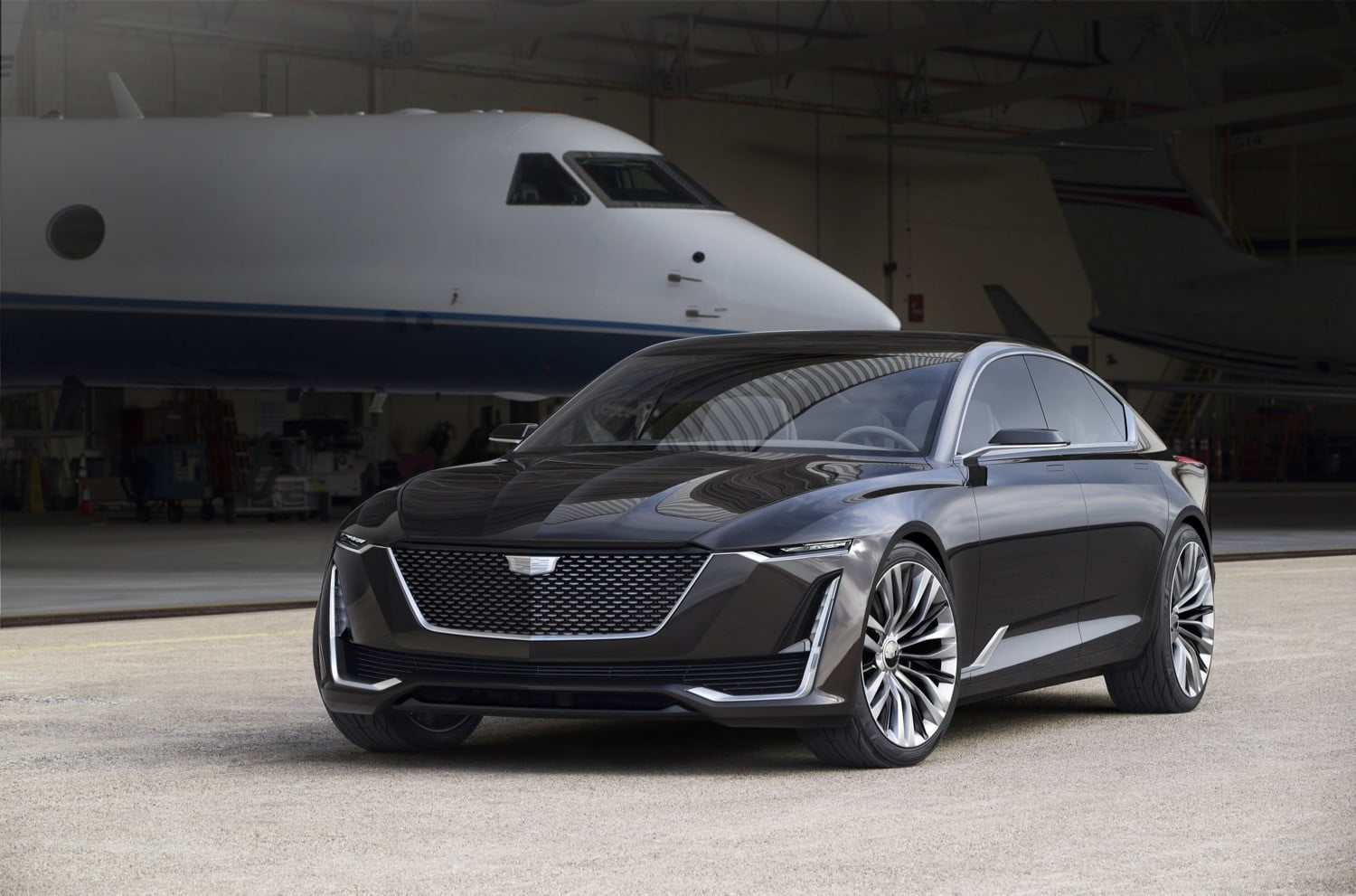
    Cadillac Korea unveiled the Escala Concept sedan in Korea for the first time. It was first revealed in the United States in 2016. Cadillac, which is known for its bulky and classic designs, added futuristic features to the concept car, including a curvy sideline and vertical headlight lamp in the front. The carmaker said that this design identity will be implemented in the company’s production lineup from 2021. The Escala will be on display at the Cadillac House for the next three weeks.

    Cadillac Korea also unveiled a limited-edition version of its ATS sedan called the ATS Supreme Black. The all-black limited edition vehicle also has some of the performance features, such as a rear spoiler, that are only found on Cadillac’s premium vehicles. Fifty of the cars will be sold in Korea.

    The photo exhibition on the second floor showcases Cadillac Korea’s collaboration with camera brand Leica. Three renowned figures in art and culture took photos of Cadillacs in different cities with Leica cameras. Donghae from K-pop group Super Junior is one of the photographers.

    The souvenir shop on the first floor sells diverse lifestyle and fashion products Cadillac developed with New York-based designer Jamie Lee.

    Kim said that Cadillac House showed the carmaker’s ambition to renew its image and become more attractive to younger buyers. It said the latest change of the company’s name from GM Korea to Cadillac Korea will contribute to improving the brand’s image.

    “The fact is that Korea is the only country among Cadillac’s 52 global market that uses the car’s brand [Cadillac] as the company’s name, whereas other countries still use just GM,” Kim said. “It shows that the New York headquarters is showing that there is much interest in the Korean market and a willingness to invest here.”

  • PE takes stake in China’s Leyou

    PE takes stake in China’s Leyou

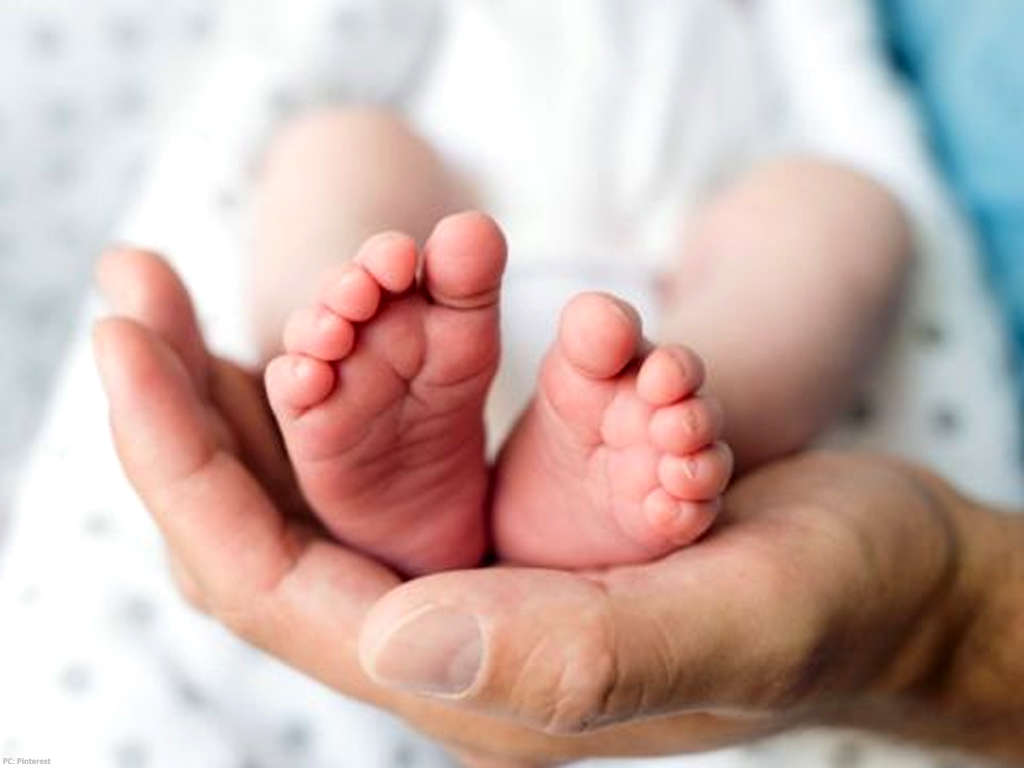
    US private equity firm Warburg Pincus has signed on to buy a majority stake in Beijing baby products retailer Leyou, according to a report.

    Warburg’s acquisition – valued at between US$200-400 million, is a brand with a 580-store strong network of self-operated and franchised outlets operating in 150 cities. The deal was handled by investment bank BDA Partners.

    The revoking of China’s One Child Policy has prompted many investors to expect a Chinese baby boomer market on the way. Warburg has invested in a number of similar industries in the PRC.

    BDA Partners MD Anthony Siu said: “With the relaxation of the one-child policy, there is potential for an uptick in mother-and-baby retail sales… for retailers that have well-established brands, we expect to see more majority buyout transactions. The market is maturing.”

    Previous investors into Leyou have included Goldman Sachs, WI Harper, Deutsche Bank, AsiaVest Partners, and the Carlyle Group. Carlyle remains an investor in Leyou.

  • Tiffany & Co to launch a pop-up store on Luxury Pavilion

    Tiffany & Co to launch a pop-up store on Luxury Pavilion

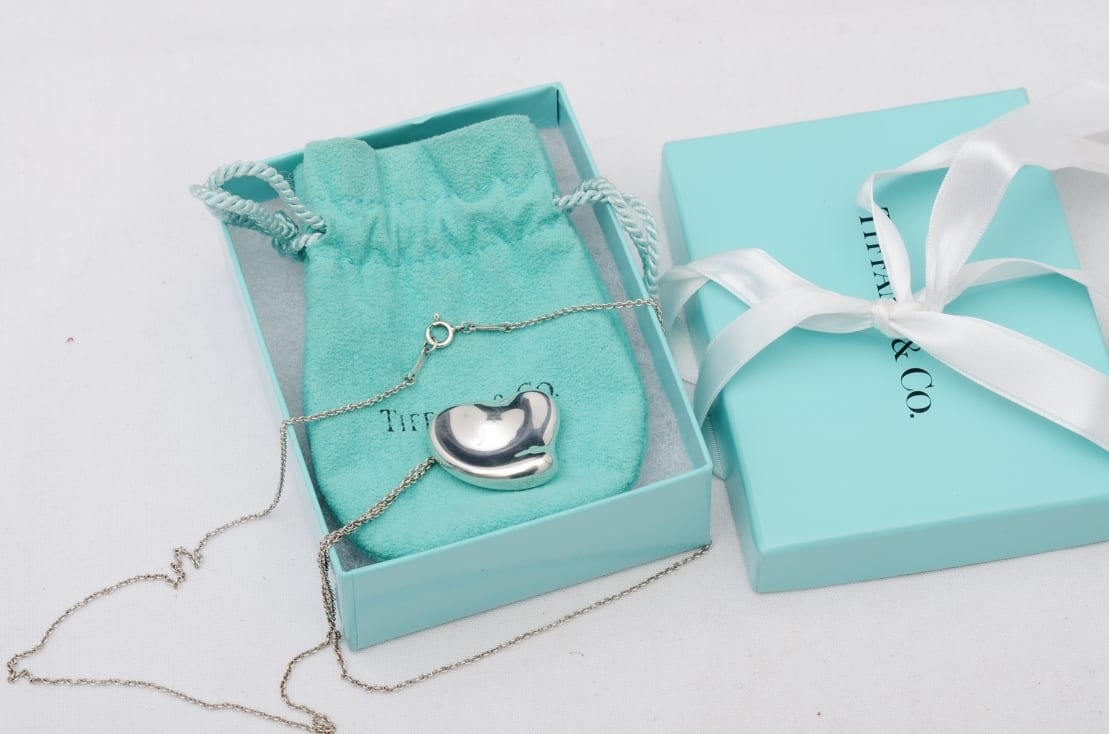
    Iconic jewelry house Tiffany & Co. will release its latest “Tiffany Paper Flowers” collection in China exclusively on the Luxury Pavilion, Tmall’s invite-only platform for luxury brands.

    New York-based Tiffany will launch a virtual pop-up store on the Pavilion, with pre-sales beginning Aug. 16, the Alibaba Group-owned B2C marketplace said. That will give Pavilion shoppers a two-week head-start to purchase the new collection before it hits brick-and-mortar stores in China on Sept. 1.

    During the pop-up, Tiffany will leverage augmented reality-powered technology to engage China’s tech-savvy consumers, as well as offer perks to top shoppers in the platform’s loyalty program, the Luxury Pavilion Club.

    Select members can receive rewards, including a high-end delivery experience and an invitation to an exclusive party in Shanghai to celebrate the collection’s official launch next month, with complimentary stays at the St. Regis Shanghai hotel.

    The Pavilion pop-up is the latest experiential campaign Tiffany has rolled out globally to engage younger consumers. The brand gave New York bodegas, taxis and steps to the NYC Metro a “Tiffany blue” paint job and opened a new concept shop in London that features a fragrance vending machine and a personalization bar for on-the-spot jewelry engraving.

    “Today’s Chinese consumer has many choices when purchasing luxury goods,” said Philippe Galtié, executive vice president of global sales at Tiffany & Co. “[We are] embracing China’s digital innovation as we continue to seek new platforms to deliver a seamless experience to customers in China and around the world.”

    The brand’s platinum-and-diamond range, designed by new Chief Artistic Officer Reed Krakoff, includes necklaces, pendants and bracelets inspired by the idea of flower petals cut from paper and delicately pinned back together.

    Catering specifically to the Pavilion’s high-end Chinese consumers, Tiffany has selected eight pieces from Krakoff’s new collection to launch on the platform. Prices range from RMB 22,400 ($3,253) to RMB 673,000 ($97,926).

    Tiffany reported a strong first quarter, which it said was fueled by China-led growth in Asia and strong sales in North America. Worldwide net sales rose 15% to $1 billion, with sales growth in the Asia-Pacific market growing 28% to $329 million.

    Chinese consumers, particularly millenials, currently account for the lion’s share of sales growth for an industry that is expected to reach $444 billion globally in 2025, according to a June report from management consulting firm Bain & Company.

    “Chinese consumers continue to stand out as a growth-driver for the industry and are more fashion-savvy and digitally advanced than ever before, accelerating the shift of the industry to the millennial state of mind,” wrote lead author of the study, Claudia D’Arpizio.

    Last year, Chinese consumers represented 32% of global luxury consumption, Bain estimated.

    Nearly half of Pavilion shoppers were born after 1990, with millennials making up its core consumer base, said Lili Chen, general manager of the Luxury Pavilion.

    “The Pavilion is not only a shopping platform for luxury goods, but a unique, single destination for luxury, high fashion and lifestyle,” she said. “It is the ideal platform for brands to speak to younger customers.”

    Launched in August last year, the Luxury Pavilion now offers nearly 70 brands, including Burberry, Versace, Moschino, Marni, Tod’s, Giuseppe Zanotti, Qeelin, MCM, La Perla, La Mer, Maserati, LVMH-owned Guerlain, Givenchy, Tag Heuer and Zenith. Products range from apparel and beauty items to watches and luxury cars.

  • Dior Backstage pop-up for KLIA

    Dior Backstage pop-up for KLIA

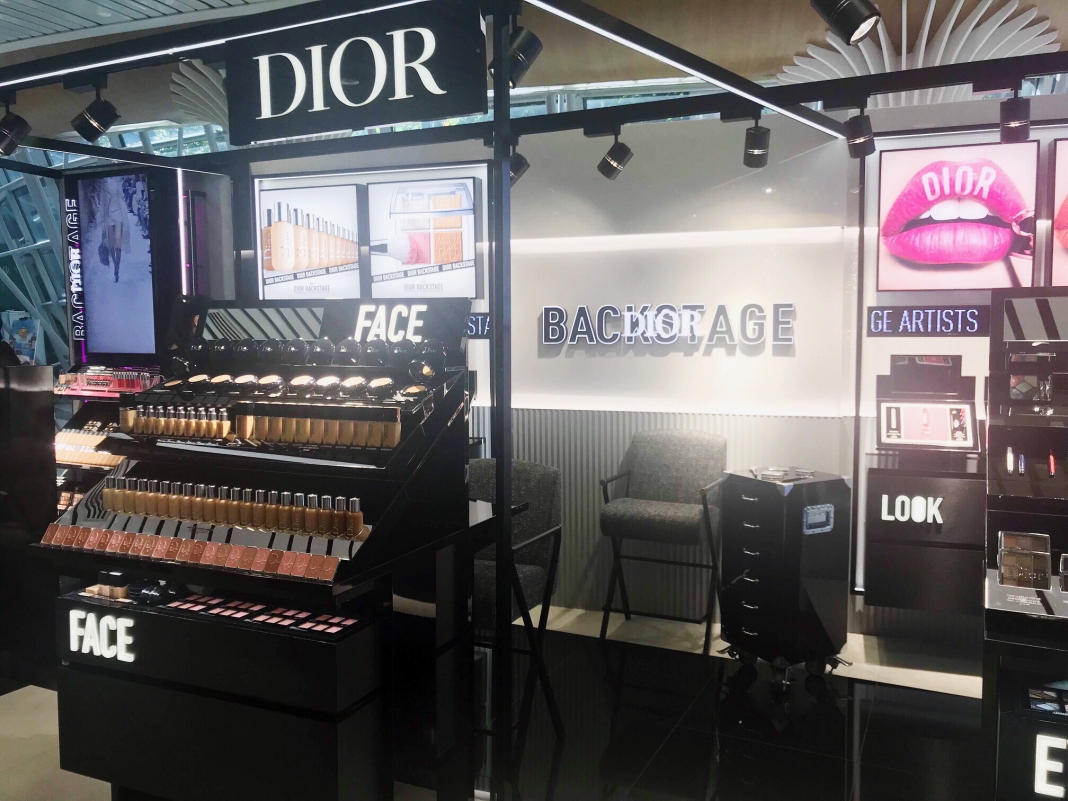
    A Dior Backstage pop-up store is being opened at Kuala Lumpur International Airport (KLIA).

    A partnership between Malaysia Airports, Parfums Christian Dior and Colour & Fragrances, the signature black lacquer store is positioned at KLIA’s international departures as a novel cosmetics concept inspired by the theatre backstage setting.

    It is the first Dior Backstage in Southeast Asia.

    Malaysia Airports senior GM for commercial services Nazli Aziz said: “It is very much in line with our mission of enhancing the total airport experience by continuously introducing unique products and services for travellers.”

    He added that the continued introduction of prestigious and international brands at KLIA will boost the overall retail revenue per passenger.

    Sales revenue for perfumes and cosmetics is forecast to reach RM450 million (US$109.7 million) this year.

    The pop-up will be staffed by a Dior stylist and a team of beauty consultants.

  • China is now the largest market for Samsung

    China is now the largest market for Samsung

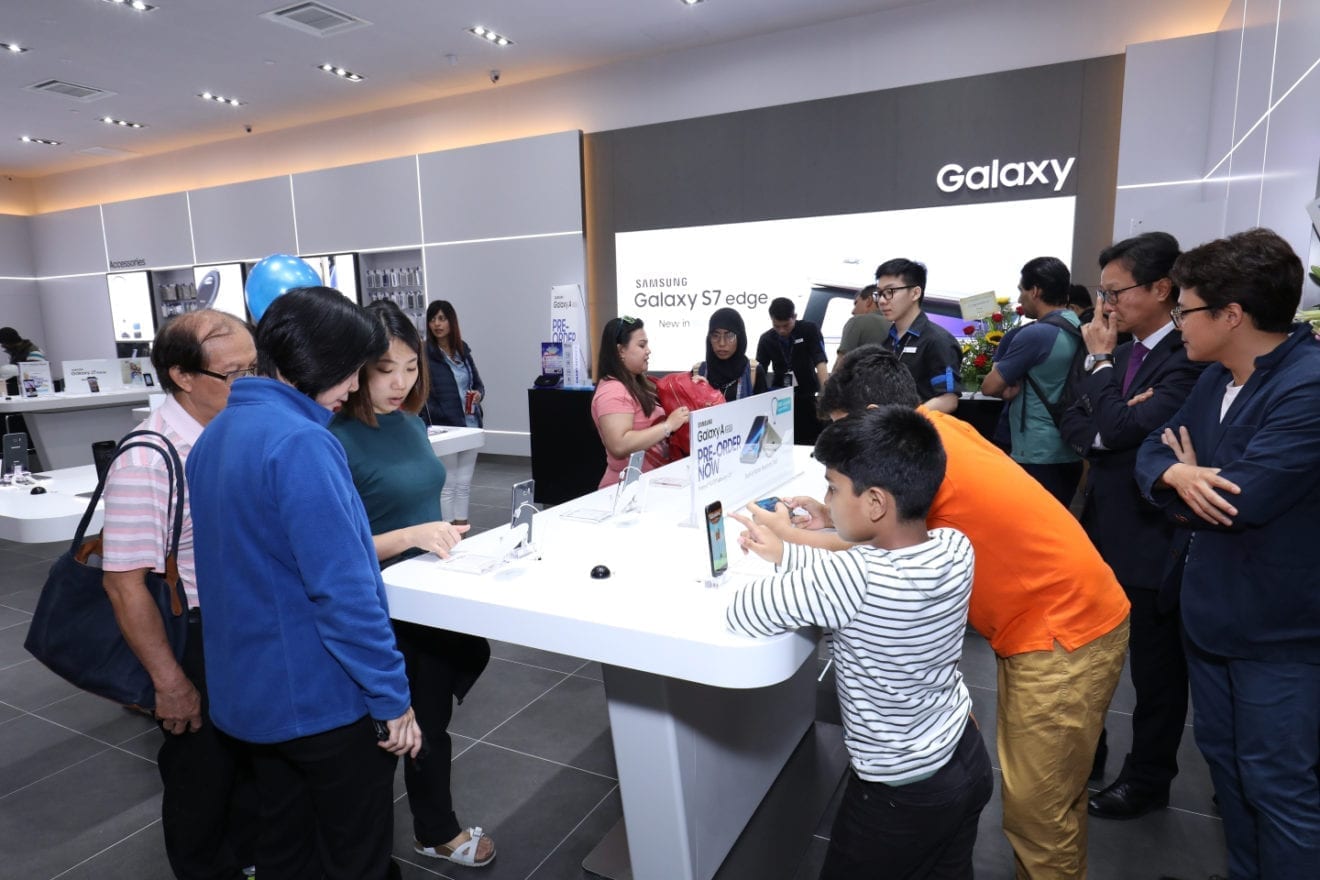
    China accounted for more than 30 percent of Samsung Electronics’ overall sales over the January-June period, industry data showed Monday, emerging as the company’s largest market and outpacing the American continents for the first time.

    The South Korean tech giant, which posted sales of 83.9 trillion won ($74.6 billion) over the first six months of 2018, raked in 27.4 trillion won, or 32.7 percent, from China, the corporate data showed. It marked a sharp rise from 18.5 percent tallied in 2013.

    Asia’s top economy accounted for 20.6 percent of Samsung’s sales in 2014, with the number rising to 28.3 percent for the whole of 2017.

    In contrast to its rising dependency on the Chinese market, Samsung’s latest data sales to the Americas was equal to 26 percent of the total in the first six months of this year, falling from 31.8 percent posted for all of 2016.

    Industry watchers said the increase apparently came as Chinese tech giants’ demand for Samsung’s chips increased sharply. The U.S. government’s protectionism policies also weighed down on Samsung’s sales in the key North American market, they added.

    Samsung’s business report showed Chinese tech giant Huawei Technologies was included as one of the South Korean firm’s top five clients. Other major buyers of Samsung products were Apple, Verizon Wireless, Germany’s Deutsche Telekom AG and Hong Kong’s Techtronics.

    The company said five firms accounted for 11 percent of its first-half sales, without providing further details. The latest list is significant as Chinese and Hong Kong firms joined the top five.

    In 2017, Samsung’s five major buyers were Apple, Best Buy, Sprint, Verizon and Deutsche Telekom.

    Experts said Samsung Electronics should take a careful approach to the Chinese market at the same time, as Beijing’s latest push to foster its own semiconductor industry may adversely impact the company.
    China accounted for more than 30 percent of Samsung Electronics’ overall sales over the January-June period, industry data showed Monday, emerging as the company’s largest market and outpacing the American continents for the first time.

    The South Korean tech giant, which posted sales of 83.9 trillion won ($74.6 billion) over the first six months of 2018, raked in 27.4 trillion won, or 32.7 percent, from China, the corporate data showed. It marked a sharp rise from 18.5 percent tallied in 2013.

    Asia’s top economy accounted for 20.6 percent of Samsung’s sales in 2014, with the number rising to 28.3 percent for the whole of 2017.

    In contrast to its rising dependency on the Chinese market, Samsung’s latest data sales to the Americas was equal to 26 percent of the total in the first six months of this year, falling from 31.8 percent posted for all of 2016.

    Industry watchers said the increase apparently came as Chinese tech giants’ demand for Samsung’s chips increased sharply. The U.S. government’s protectionism policies also weighed down on Samsung’s sales in the key North American market, they added.

    Samsung’s business report showed Chinese tech giant Huawei Technologies was included as one of the South Korean firm’s top five clients. Other major buyers of Samsung products were Apple, Verizon Wireless, Germany’s Deutsche Telekom AG and Hong Kong’s Techtronics.

    The company said five firms accounted for 11 percent of its first-half sales, without providing further details. The latest list is significant as Chinese and Hong Kong firms joined the top five.

    In 2017, Samsung’s five major buyers were Apple, Best Buy, Sprint, Verizon and Deutsche Telekom.

    Experts said Samsung Electronics should take a careful approach to the Chinese market at the same time, as Beijing’s latest push to foster its own semiconductor industry may adversely impact the company.

    “Samsung Electronics, whose dependency on China has significantly increased, may become the victim of the irrational trade dispute between Washington and Beijing, which is ignoring the existing international system,” an industry watcher said.
    “Samsung Electronics, whose dependency on China has significantly increased, may become the victim of the irrational trade dispute between Washington and Beijing, which is ignoring the existing international system,” an industry watcher said.

  • Jokowi Says Indonesia Committed to Closing Wealth Gap

    Jokowi Says Indonesia Committed to Closing Wealth Gap

    President Joko “Jokowi” Widodo said his government will continue its efforts to reduce income inequality in Indonesia, following encouraging results in overcoming wealth disparity over the past few years.

    “Economic justice is a serious concern for us, especially regarding the poorest 40 percent of our population… efforts to achieve social justice for all Indonesians will never stop,” the president said during his state-of-the-nation address in the national legislature in Jakarta on Thursday (16/08).

    Southeast Asia’s largest economy has managed to reduce its Gini ratio to 0.389 – the lowest in the past six years – thanks to land redistribution and cash transfer programs aimed at the country’s poorest.

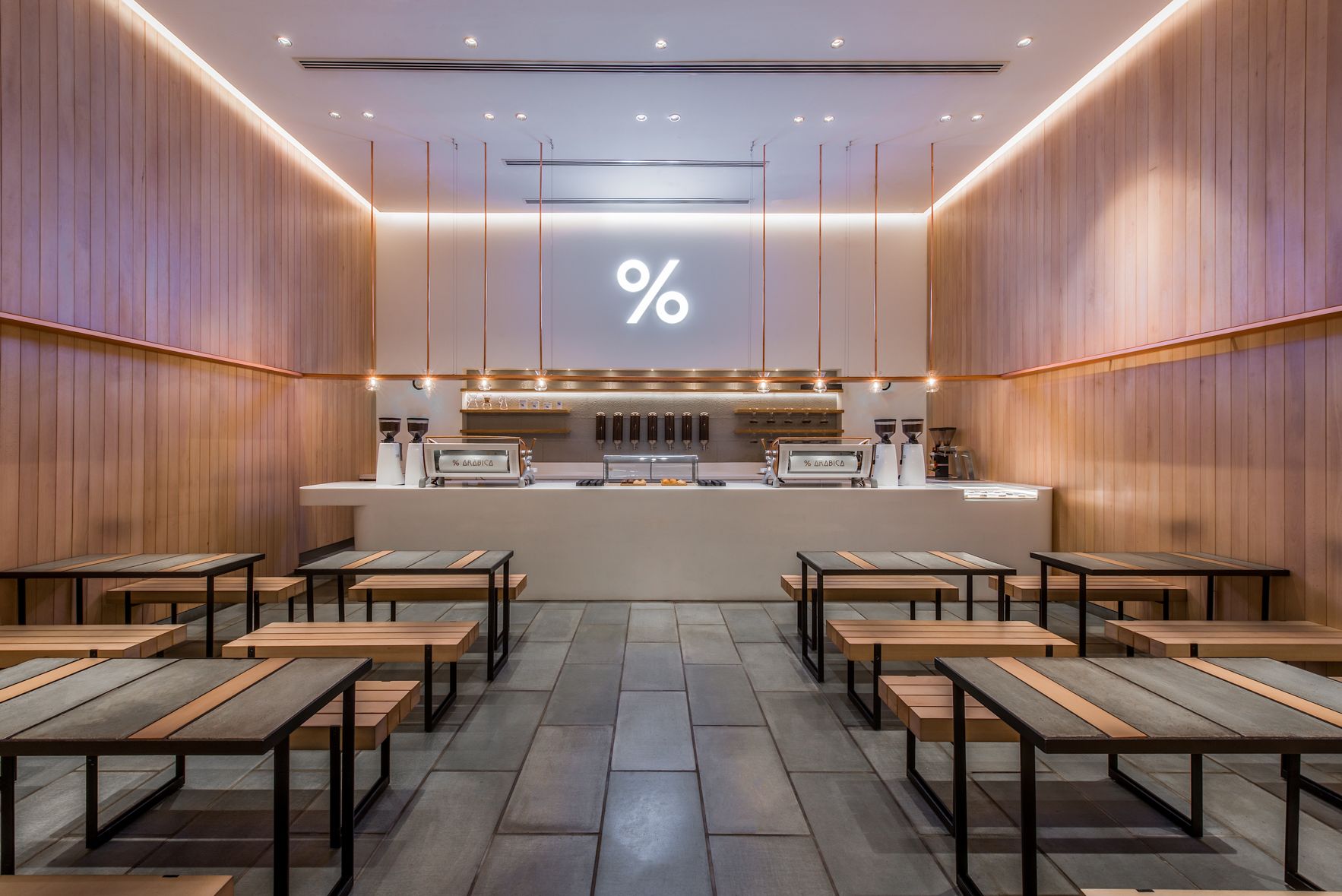
  • % Arabica announces Singapore launch

    % Arabica announces Singapore launch

    Kyoto-headquartered coffee chain % Arabica Coffee is to open its first store in Singapore.

    The company has revealed the location on Instagram: 56 Arab Street. With a fit-out yet to be completed, the store may not open until the end of the year.

    The company has also confirmed it is currently fitting out its first store in Indonesia, with others destined for Malaysia and India.

    With its slogan “See the world through coffee”, % Arabica Coffee has built a strong following via social media. In Asia it has three stores in Japan, three in Hong Kong, one in the Philippines and two in China. It is also in Germany and several Middle East markets, with plans for France, Morocco and Canada.

    % Arabica Coffee was founded in 2014 by Japan-born Kenneth Shoji who grew a love for the beverage while studying in California.

  • Indonesian Retailers Need Better Digital Integration

    Indonesian Retailers Need Better Digital Integration

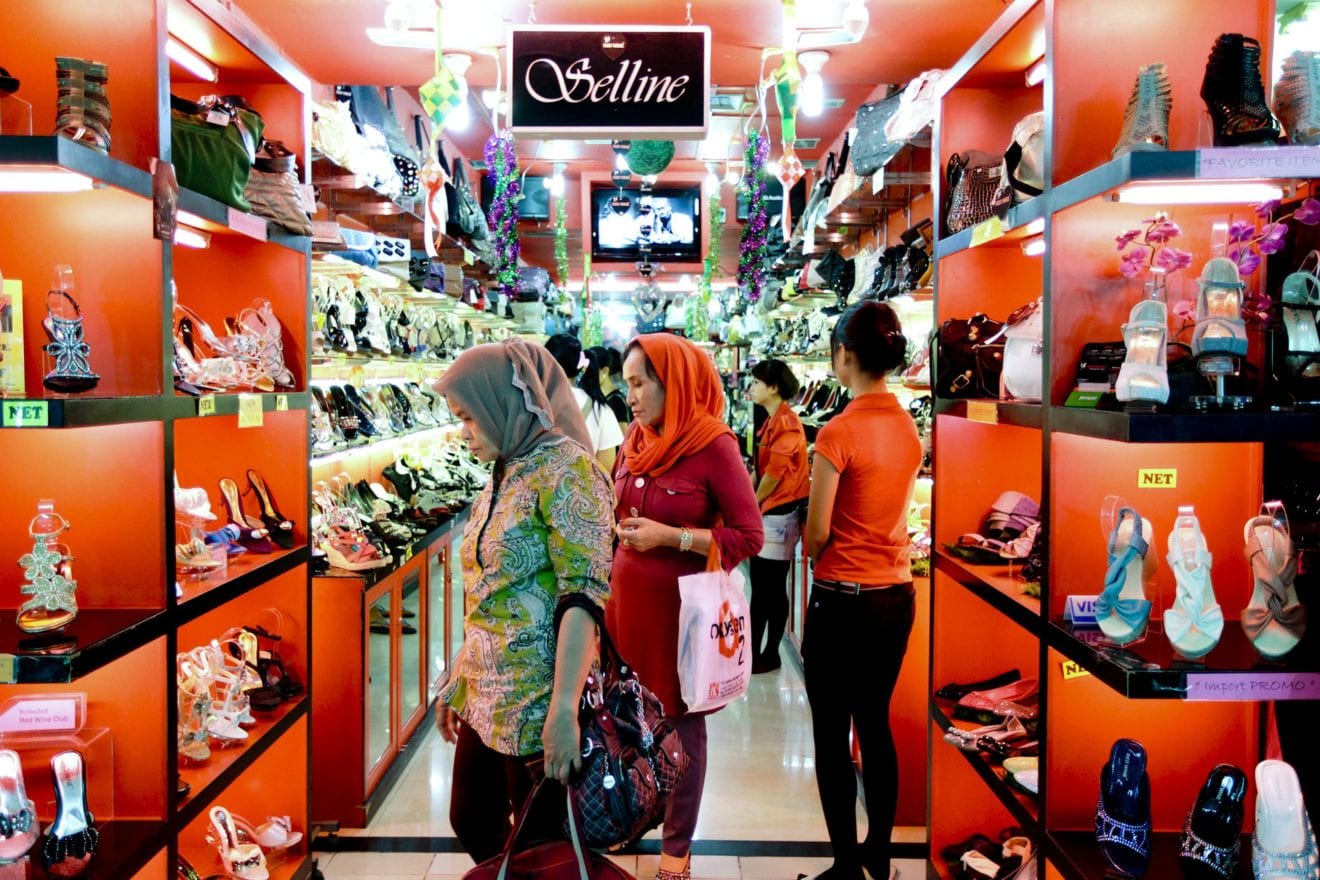
    Integrating with digital platforms will enable Indonesian brick-and-mortar retailers to better engage with customers, who are increasingly shifting their spending from goods to experiences.

    “In Indonesia right now, our retailers underperform… because our customers are already shifting,” Roy Nicholas Mandey, chairman of the Indonesian Retail Association (Aprindo), said in a keynote speech last week during a conference titled “Consumer in Focus.”

    “They are already shifting from a shopper lifestyle to a leisure lifestyle,” he said. In the pre-2014 “shopper lifestyle,” customers took time to explore retail selections at shops and made more frequent purchases, Roy said.

    The “leisure lifestyle” after 2014 has seen customers spend less time at shops, directly buying the products they are looking for and leaving, he said. That has diminished opportunities for retailers to entice customer to make additional purchases.

    Central bank data shows that retail sales only grew at 4.9 percent in the second quarter of this year compared with the same period last year, while annual sales growth used to be in double digits prior to 2014.

    Capillary Technologies, a Singapore-based customer relationship management and e-commerce omnichannel service provider, has pointed out that the integration of brick-and-mortar shops and digital platforms may be the key to surviving the challenges in the current retail environment.

    “Consumers do not perceive brands independently of the platform or medium in which they appear, necessitating a cohesive ecosystem where brand and consumer can smoothly interact,” Abhijeet Vijayvergiya, president and managing director of global accounts and Asia Pacific at Capillary Technologies, said in a press release last week.

    “Additionally, multiple touch-points are needed to connect everything to a single system, such that a unified perception of the brand is conveyed to the consumer. Surrounded by disruptive technology, brands must possess adaptability to turn this obstacle to their advantage, as well as engage in introspection and consumer-readiness for the sake of surviving the industry’s current environment.”

    During last week’s conference, jointly hosted by Capillary Technologies and its business partner GenieTech, the company discussed four areas for retailers or brands to become more consumer friendly. These include understanding customers in the digital age, being seamless, technology-powered one-on-one engagement and powering commerce with artificial intelligence.

    Capillary Technologies is currently working with several Indonesian companies, such as hardware chain store Mitra10, gas retailer Badak, smartphone retailer Erajaya Group, restaurant chain Mujigae and bakery Mount Scopus Group Indonesia to improve their customer relationship management.

    “We want to become the first big IT product company from Asia that is expanding globally,” Vijayvergiya said during a post-conference interview.

    “So, whether it is working in Indonesia, working in China, working in Thailand, working in Malaysia – so we want to really localize. So, our approach is that, while we build global products, but we localize in the markets we go to solve local problems.”


  • Gentle Monster starts its European expansion

    Gentle Monster starts its European expansion

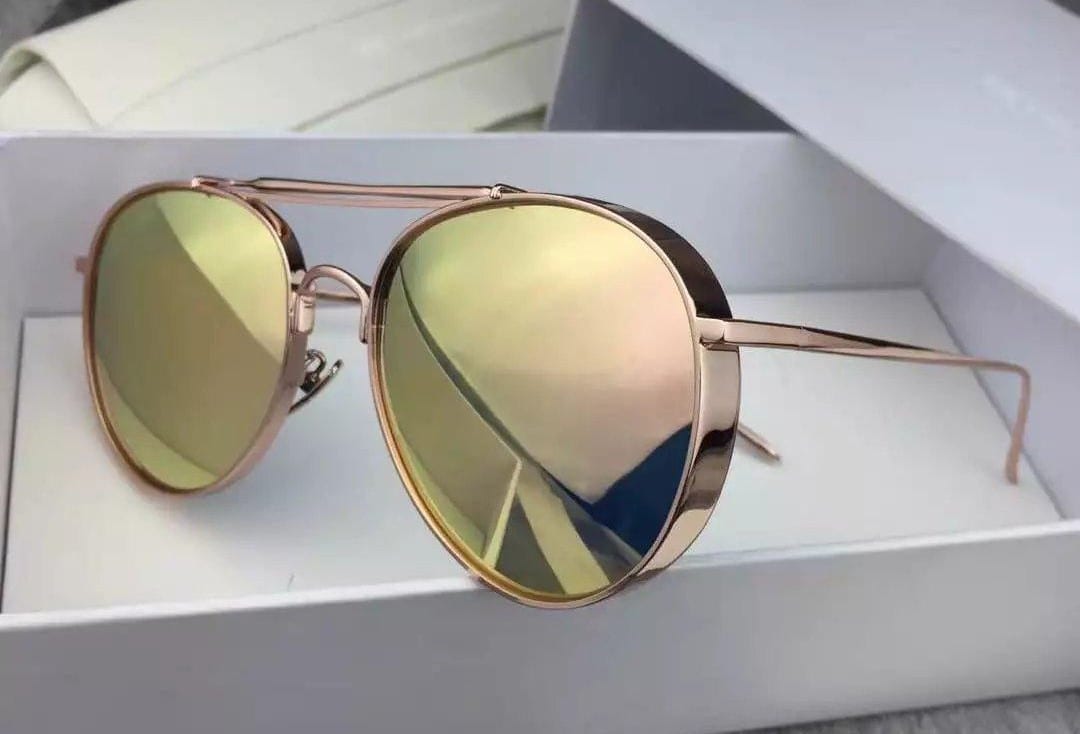
    South Korean eyewear brand Gentle Monster began the first phase of a major European expansion plan when it opened a 450 sq m store in the heart of London’s West End.

    Celebrating the opening at a party, the company’s UK and Europe managing director, Gary Bott, also talked about its Selfridges concession opening Monday and detailed plans for further stores in the EMEA region, including Paris and Dubai.

    The company is riding an eyewear wave in which sunglasses and frames are one of the most dynamic growth categories in the fashion sector at present.

    And that growth means the category is seeing plenty of style and technology innovation, as well as offering opportunities for brands with a strong point of difference to expand into new markets.

    Gentle Monster is known for its unusual frame designs and its powerful creative collaborations and that’s a compelling USP.

    It needs to be compelling too as it’s in a location with plenty of competition. The flagship opening, on Argyll Street, puts it in a prime retail and tourist spot (it’s a stone’s throw away from Liberty and is exactly opposite the London Palladium.) And the Selfridges concession sees it taking its place as one of the anchor brands in the latest phase of the Accessories hall.

    Its UK (and later on, its European) expansion comes on the back of news last September that L Catterton Asia invested in IICombined, the owner and operator of the brand.

    Gentle Monster had been founded in 2011 by Jay Oh and Hankook Kim, and expanded steadily in recent years, although its standalone store numbers had only just edged into double-digits by last autumn. However, the pace has speeded up in recent months with the company having 17 stores before the London opening.

    The faster opening pace will be kept up from now as the company targets the EMEA region, with Gary Bott telling Fashion Network that the brand will open six new stores later this year and into 2019. “We’re looking at Paris first and then Dubai,” Bott said, adding that London was the choice for the first European location because it’s “a platform into Europe.”

    The permanent Selfridges location comes after the company opened a pop-up at The Corner Shop there on June 4 with Bott adding that the temporary store gave the brand valuable experience of the London market.

    Bott said “the feedback and sales especially have gone beyond our expectations. We’ve doubled effectively what we hoped we’d do.”

    The new Argyll Street location underlines just why the brand is so appealing to retailers such as Selfridges as it concentrates on the retail experience as much as the products. Bott said: “We are very much focused on creating a sensory experience for the customer, even down to the individual fragrance for each of our flagship stores.”

    With this in mind, the London flagship follows a completely different design scheme to the brand’s other stores and ‘experience’ really is at the heart of the layout. The firm’s in-house robotic’s team created the concept that mixes aliens with martial arts, focusing more on the visual appeal of Kung Fu than on its ability to cause serious physical damage. The idea is that extra-terrestrials were “captivated by the beauty of Kung Fu, presented in the most unexpected client point-of-view throughout the two floors.”

    Of course, we don’t get aliens or martial artists at the much smaller Selfridges store but experience and a striking visual impact are no less priorities there. An ‘active volcano’ and another robotic installation certainly add an interesting element to the Accessories hall.

    As you can see, robotics really makes up a key part of the company’s store strategy and so it’s no surprise that it invested in a robotics factory in Korea.

    The robotics specialists there work in cooperation with the Gentle Monster store designers with Bott adding that “everything’s half assembled in HQ. And then it travels around the world to whatever destination we’re opening up in our flagships stores, and then our spatial design teams fully assemble everything on site.”

  • Popeyes Brand to Launch in the Philippines

    Popeyes Brand to Launch in the Philippines

    The first Popeyes Philippines store is imminent.

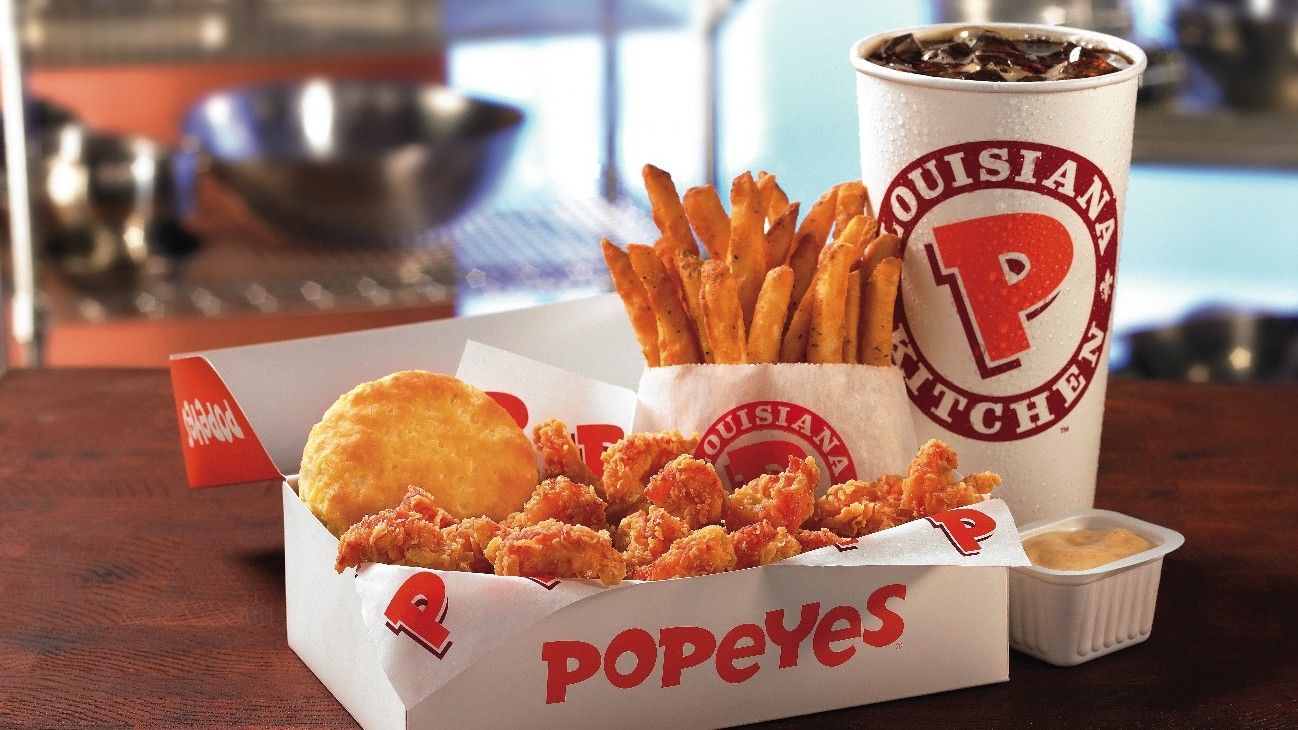
    Popeyes, the US fast-food chain, has signed a master franchise agreement for the country with local operator Kuya J Holdings.

    Popeyes’ president Alexandre Santoro said he believed the brand’s friend chicken offer will resonate well with guests in the Philippines.

    Kuya J Group’s chairman Lowell L Yu said: “The Philippines is a large and growing market, and we are looking forward to serving the high-quality food that Popeyes offers to the country’s more than 100 million people.”

    Popeyes was founded in 1972 and serves cuisine based on its Louisiana heritage. It has more than 2900 restaurants in the US and around the world. In Asia it is already established in Vietnam, Singapore, Malaysia and Hong Kong.

    It is expected the first Popeyes Philippines store will open in Manila.

  • Vietnam instant noodles consumption blooms

    Vietnam instant noodles consumption blooms

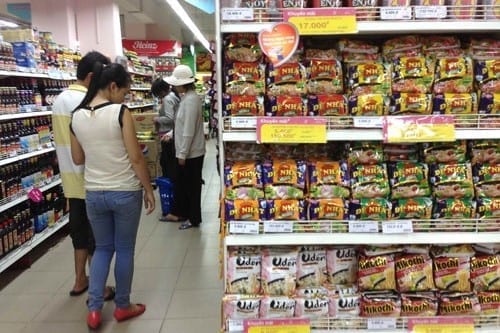
    Vietnam was the world’s fifth largest instant noodles consumer in 2017, consuming 5.06 billion packs.

    This marked a 2.8 percent increase from 4.92 billion in 2016, according to the World Instant Noodles Association (WINA).

    Vietnam had held the fourth spot since 2012, but this was taken by India last year, with a consumption of 5.4 billion packs.

    Other countries in the top five were China (38.9 billion packs); Indonesia (12.6 billion); and Japan (5.6 billion).

    With population over 93 million, Vietnam is second among 2017’s top 3 countries with the highest per capita instant noodles consumption at 53.5 servings; behind South Korea with 73.7 servings and above Nepal with 51.1 servings.

    In 2016, the average Vietnamese person gobbled 53 packs of instant noodles, higher than Indonesians at 49, Japanese at 44 and Chinese people at 38.

    Local enterprises have tapped into this huge market by partnering with overseas companies, increasing the options manifold for the Vietnamese consumer.

    Domestic instant noodle enterprises have reported rising sales, reflecting the increasing consumption.

    A representative of the Acecook Vietnam Joint Stock Company said that the company has seen an eight percent year-on-year increase in revenues in the first half this year.

    Similarly, the Colusa – Milike Food Joint Stock Company reported a net profit of $12.1 million in the first six months, a 10 percent increase from the same period last year.

    Globally, some 100 billion servings of instant noodles were sold in 2017, an average of 270 million packages consumed per day.

    FoodDive, an online news site in food industry, quoted an IMARC Group report as saying the global instant noodles market value reached $40 billion in 2017 and is expected to reach $55 billion in 2023.