Tag: asia

  • Korea’s Income gap widened again in 2nd quarter

    Korea’s Income gap widened again in 2nd quarter

    The income gap in Korea widened again in the second quarter, a serious blow to the so-called income-led growth policy of the Moon Jae-in government, which vowed to narrow the inequality in earnings between the rich and poor.

    According to data released by Statistics Korea on Thursday, earnings for households in the first quintile of income brackets, the bottom 20 percent of the population, retreated 7.6 percent in the second quarter compared to a year earlier.

    Households in the second and third quintile also saw their incomes fall by 2.1 and 0.1 percent – whereas the rich folk kept getting richer.

    The average income for people in the fourth quintile went up by 4.9 percent and for the fifth quintile by 10.3 percent.

    A similar trend was spotted from January to March this year, when people in the first and second quintile experienced 8.0 and 4.0 percent drops in their incomes while people in the fourth and fifth quintiles saw gains of 3.9 and 9.3 percent compared to the previous year.

    The total distribution ratio for disposable income – a barometer of earnings equality – was 5.23, which means the earnings of those in the fifth quintile were 5.23 times higher than those in the first quintile.

    That figure indicates that the Korean economy is facing the worst level of income inequality since 2008 when the ratio for the period of April to June came to 5.24.

    Officials from the Finance Ministry blamed the aging of Korea’s society and other long-term problems such as ongoing slumps in certain sectors like shipbuilding.

    “The Korean economy is suffering from a lack of domestic demand [for goods and services], a result of massive restructuring we have seen in the manufacturing sector since 2015,” said Park Sang-young, a director at Statistics Korea. “It seems like this situation is taking a toll on those in the first quintile of the income group.” Statistics Korea is run by the Finance Ministry.

    The statistics agency explained that the number of employed in households in the first quintile has shrunk from 0.83 per household last year to 0.68 per household this year, an 18 percent fall.

    For households in the fifth quintile, on the other hand, the number of workers rose from 1.99 per household last year to 2.09 this year, a five percent increase.

    But the data released on Thursday coupled with a jobs report from last week – which showed only 5,000 jobs being added to the economy in July – has deeply troubled some analysts.

    Some economists are blaming the Moon administration’s relentless push to raise the minimum wage for the worsening situation.

    For the Moon government, the minimum wage hike is a key pillar of its “income-led growth” policy.

    Its logic is that by pushing up the minimum wage, workers in the first and second quintiles would see their income go up, which was supposed to make workers wealthier, willing to spend more and meant to translate into greater hiring by businesses.

    But the effect has been much less hiring of workers than in the past, particularly in minimum wage jobs, and a measurable widening of the income gap.

    “The drastic hike in the minimum wage has little impact on those in the upper group of the income bracket,” said Yun Chang-hyun, a professor of business at the University of Seoul. “But for those in a more vulnerable position, it robs them of their jobs.”

    Despite such concerns by some analysts, the Korean government is adamant about its policies.

    Kim Dong-yeon, Korea’s finance minister and deputy prime minister for the economy, said on Thursday during a budget meeting at the National Assembly that the government will propose a budget plan next year that contains “the biggest budget allocated for jobs in history.”

  • Inditex’s Uterqüe arrives in China in partnership with Tmall

    Inditex’s Uterqüe arrives in China in partnership with Tmall

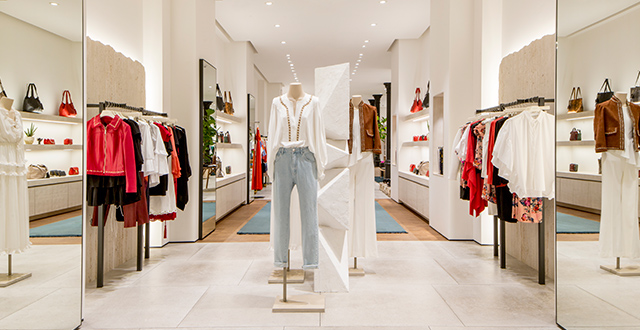
    Zara sister label Uterque has opened a flagship on Alibaba’s Tmall to build brand awareness in China’s premium fashion market.

    Uterque has yet to open any physical stores in China, but the company’s parent Inditex says China is definitely on the radar in the near future.

    According to Alibaba Group news site Alizila, Uterque will continue its tradition of renewing the product selection in stores and online twice a week in China as well and customers of Tmall, Alibaba’s B2C marketplace, will have immediate access to all of the label’s newly launched clothes.

    “With the rapid growth of the market for high-end goods on Tmall, more and more premium fashion brands from Europe and North America have joined the platform, even opening a store on Tmall ahead of its brick-and-mortar roll-out,” said Anita Lyu, VP of Tmall Fashion.

    She said launching online in advance of opening physical stores helps brands understand the market first.

    “Through partnering with Tmall, brands can receive accurate feedback from Chinese users and leverage that to design an overall strategy that suits the China market,” Lyu said. “Meanwhile, tapping Tmall can help boost brand awareness and open up markets more quickly.”

    Inditex operates more than 7448 stores worldwide under eight brands, including Zara, Zara Home, Massimo Dutti, Bershka, Pull and Bear, Stradivarius, Oysho and Uterque. Uterque is the last to open an official store on Tmall.

  • Amorepacific opens outdoor public exhibition on Jeju

    Amorepacific opens outdoor public exhibition on Jeju

    South Korea’s leading cosmetics company Amorepacific is holding an outdoor public exhibition on Jeju Island until October 14, featuring natural aspects of Jeju, like its volcanic topography.

    Titled “apmap 2018 jeju — volcanic island,” the exhibition is part of the company’s “amorepacific museum of art project (apmap),” which portrays the natural vitality of Jeju through contemporary artworks.

    A total of 15 young artists and architects have participated in the exhibition, displaying artworks ranging from sculptures to media art inside the Osulloc Tea Museum on Jeju and outside in the museum’s garden.

    Participating artists and art pieces include Lee Yong-ju and his work titled “Foldable House,” ADHD’s “Ply” and Hong Buhm’s “Veiled Grains and Layers.”

    Lee’s “Foldable House” was inspired by the Jusangjeolli cliff, and “Ply” was inspired by lava, while “Veiled Grains and Layers” was inspired by the forests Saryeoni and Gotjawal.

    The company said the exhibition would help visitors understand Jeju’s scenery in a new way and presents a special experience of art in one’s routine life.

    Through art, visitors will rediscover Jeju’s picturesque landscape and scenery as depicted in the artists’ figurative language, and find moments of contemplation and rest, it added.

    Osulloc Tea Museum on Jeju, opened in 2001 and features a cultural space where 1.8 million people visit each year.

    The company has been running the art project apmap since 2013, to discover rising and unknown artists and support their experimental art creation. Exhibitions take place every four years in parts I and II. Each project aims to introduce new themes and artists.

    From 2013 to 2016, apmap part I was held at Amorepacific venues including its product distribution center Beauty Campus located in Osan, Gyeonggi Province, in 2013, Jeju Island’s Seogwang Tea Garden in 2014, the research center Mizium in Yonging in 2015 and the new headquarters in 2016, which was designed by renowned artist David Chipperfield.
    Part II, which kicked off last year, will be hosted until 2020 on Jeju Island, the company said.

    Jeju Island was selected as a venue considering that contemporary artworks blend well with Jeju’s nature and landscape, the company said.

    The latest exhibition, which is a section of part II, began on August 11 and runs until October. Anyone who visits the Osulloc Tea Museum on Jeju can see the exhibition free of charge. More information about the company’s art project and the exhibition can be found at apma.amorepacific.com.

  • QSR starts selling in Foodpanda Malaysia platform

    QSR starts selling in Foodpanda Malaysia platform

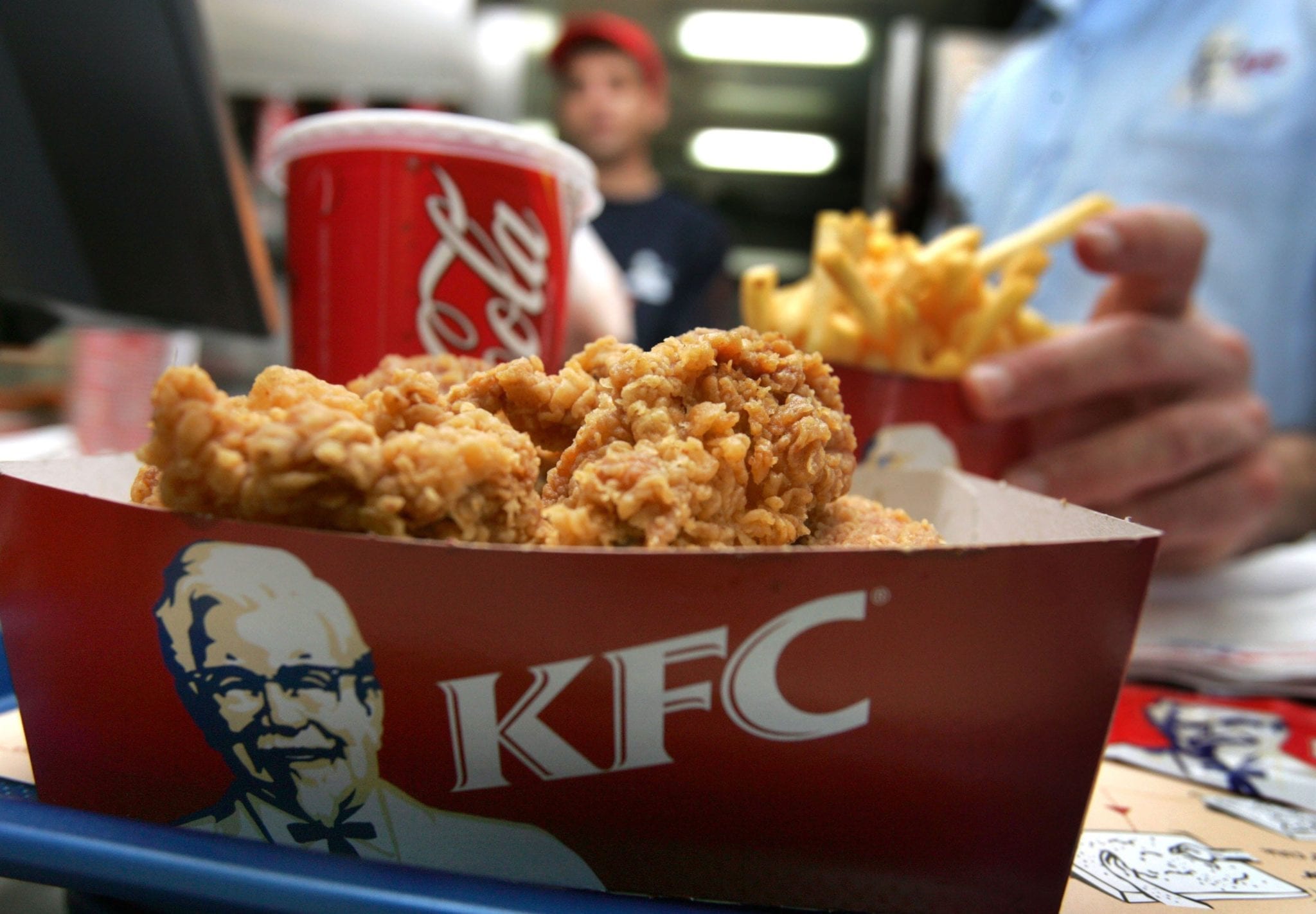
    Malaysia’s largest fast-food operator QSR Brands is partnering with Foodpanda Malaysia to deliver its Pizza Hut and KFC orders, according to a Deal Street Asia report.

    The move is expected to increase food revenue for the firm by 15–20 per cent, and allow delivery outlets for both brands to increase to 480 by the end of this year, and 730 before 2020.

    QSR MD Mohamed Azahari Mohamed Kamil said: “This will provide a new revenue stream by serving not only our non-delivery outlets but also complement existing delivery outlets.”

    QSR is expected to list on Bursa Malaysia this November, seeking to raise around RM2 billion (US$500 million), raising its market capitalisation to an estimated RM6 billion ($1.5 billion).

  • U.S.-China trade war doesn’t rattle Korea yet

    U.S.-China trade war doesn’t rattle Korea yet

    The United States on Wednesday levied 25 percent tariffs on $16 billion worth of Chinese imports. China immediately retaliated by putting the same level of tariffs on $16 billion of American goods.

    Since July 6, each country levied 25 percent tariffs on $34 billion worth of goods, bringing the total of exports slapped with new tariffs to $50 billion on each side.

    And although low level talks are going on between the two countries, the U.S. government is looking into levying 25 percent tariffs on $200 billion worth of Chinese goods. Beijing has warned that it will levy 5 to 25 percent tariffs on $60 billion worth of American goods if the Trump administration actually goes through with its threat.

    While the escalating trade conflict between the world’s two largest economies has cause global concern, the Korean stock market wasn’t heavily affected, closing 0.41 percent or 9.27 points higher on Thursday than the previous day.

    One major reason is that the new tariffs were telegraphed in advance and some analysts believe the two sides will eventually reached an agreement. If they do, that could help the Kospi rise around the third quarter.

    At the beginning of the year, the Kospi enjoyed a bullish rally that even pushed it to beyond 2,600 in inter-day trading. But lately, it has been hovering around the 2,200 mark.

    The trade war between the United States and China is considered one of the biggest factors keeping the Kospi down, along with the recent fear of an emerging markets crisis after Turkey’s currency and debt woes.

    However, there is growing speculation that the Chinese government is under pressure to strike a deal with the United States as its economic indicators have been sagging lately.

    China’s 6.7 percent economic growth in the second quarter was 0.2 percentage points lower than in the first three months of the year. There’s already consensus that, in the second half, China’s growth will slow to 6.5 percent.

    The Chinese stock market has been bearish. Last week alone the index fell every day, closing the week at its weakest level since January 2016. The close on Aug. 17 was a 25 percent drop compared to Jan. 29, when it hit a high for the year of 3,587.03.

    Market analysts are projecting that once the trade conflict is resolved, the Kospi could rise to around 2,580 and 2,650 within this year. Korea Investment & Securities is even more optimistic as it projected the Kospi to reach as high as 2,800.

    “While the conflict between the United States and China is getting worse, it seems the United States has no intention or reason to expand the situation to the point of driving the global economy into the ground,” said Shin Dong-suk, head of Samsung Securities’ research center. “In reality, Donald Trump, who is facing a mid-term election in November, will look for ways to resolve the situation and make the Chinese yield.”

    He said Korea’s stock market will likely see a mild recovery in the third quarter.

    Yoon Hee-do, head of Korea Investment & Securities’ research center, said while the conflict between the United States and China is still worrying, the depreciation of the Korean won against the U.S. greenback will likely improve the performances of listed companies in the third quarter by raising the price competitiveness of their exported goods.

    But some believe the Kospi might not see a significant increase.

    “It’s likely that the market could be moving within a limited range,” said Lee Kyung-soo, head of Meritz Securities’ research center.

    Some raised concerns about Korea’s semiconductor companies, with demand for mobile DRAM chips reaching saturation and Chinese memory chip manufacturers overproducing.

    But Lee Chang-mok, head of the NH Investment & Securities Research Center, said there are still hopes for favorable news such as improvement in South and North Korea relations.

  • MINISO completes one year in India; achieves Rs 700 crore revenue

    MINISO completes one year in India; achieves Rs 700 crore revenue

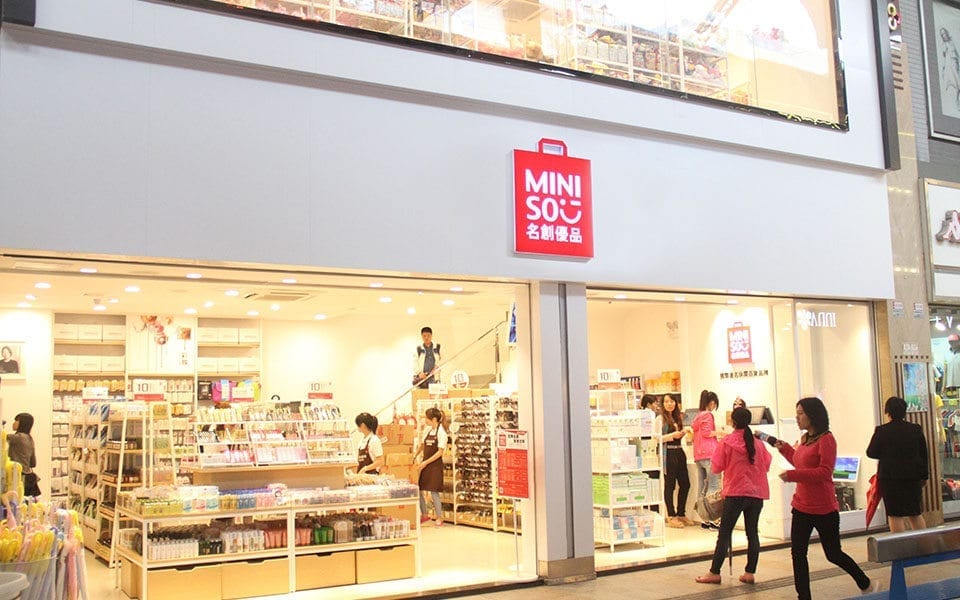
    Japanese retail brand MINISO has completed one year of operation in India and achieved its annual target of Rs 700 crore revenue for 2017-18.

    The brand, which was launched in August 2017, at present operates 26 stores in India – 21 in Delhi/NCR, three in Mumbai, one in Bengaluru and two in Lucknow.

    It plans to take its store count to 800 by 2019 by increasing its spread in existing cities and entering new cities across the country.

    MINISO India plans to expand its business by increasing its footprint across the country. The company aims to open 200 stores by this year end and hopes to increase it to 800 by the year 2019, the company said in a statement.

    “India is one of the top five markets in terms of revenue for MINISO. To expand our presence in India, we have initiated our franchise model and have already started five franchise stores in India,” Miyake Junya, Global Chief Designer and Co–Founder, MINISO said.

    “MINISO India has extensive plans to start operations in Chennai, Kolkata, Hyderabad and Jaipur while tapping into Tier II and III markets. This rapid expansion will be done through company-owned model and through franchise partners as well,” the company added.

  • Japan to host Chaumet exhibition

    Japan to host Chaumet exhibition

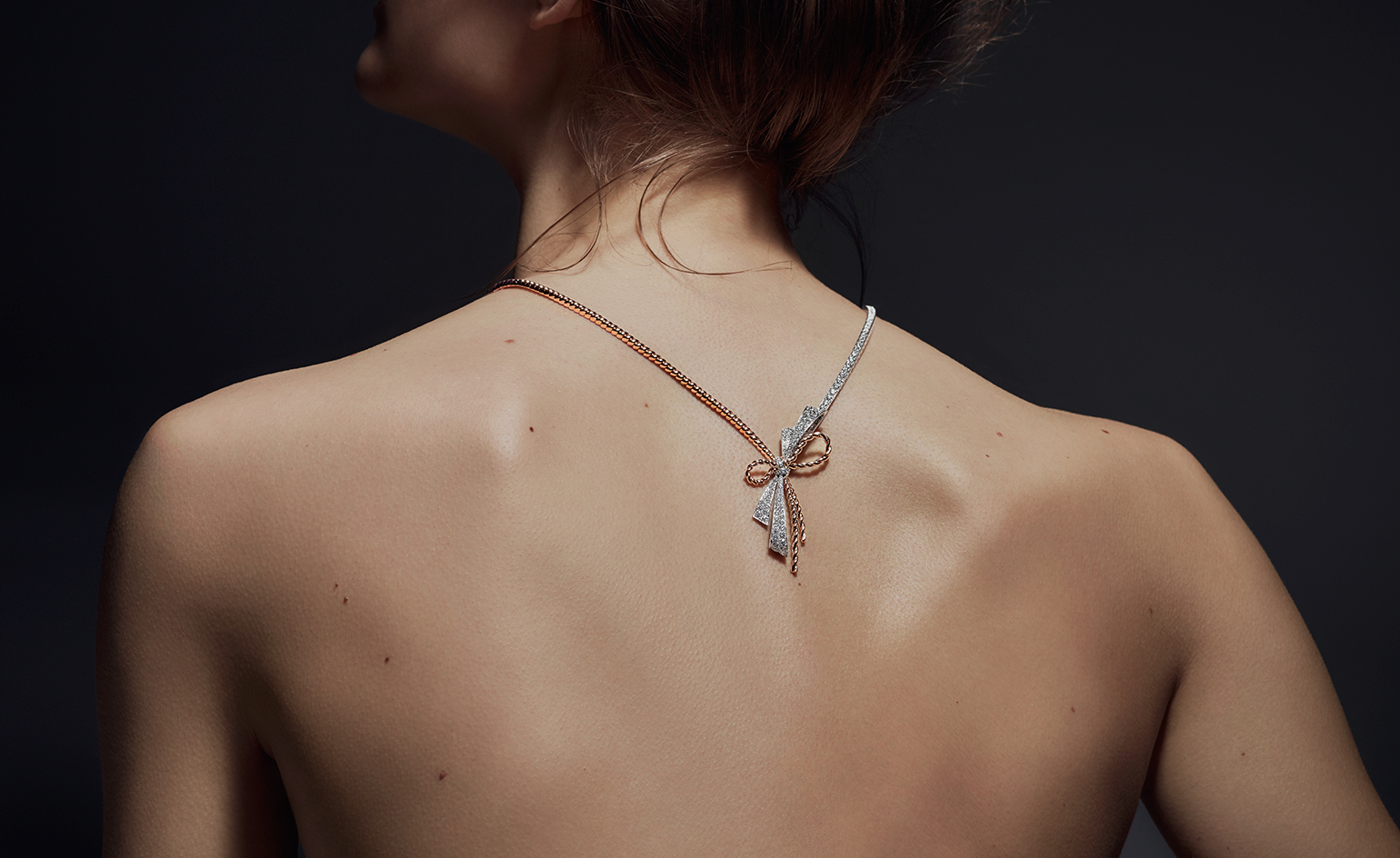
    Parisian fine jewellery house Chaumet has opened its The Worlds of Chaumet exhibition in Tokyo.

    The exhibition, held in the Mitsubishi Ichigokan Museum, presents a broad overview of the history and work of the heritage jewellery brand, emphasising its ties with Japan and the influence of the late-1800’s-era Japonisme movement on Chaumet’s creations.

    Exhibition co-curator Henri Loyrette, honorary president of the Musee du Louvre, said: “For more than two centuries since its founding, Chaumet has shown a curiosity for everything, for all the ‘elsewheres’ in the world, whether historic or exotic. This curiosity has included a special interest in Japan, a country that continues to inspire contemporary creation.”

    Many of the around 300 exhibits on display were loaned by prestigious museums and institutions.

    The exhibition will run through to September 17.

  • Mastermind and A Bathing Ape first concept store opens door

    Mastermind and A Bathing Ape first concept store opens door

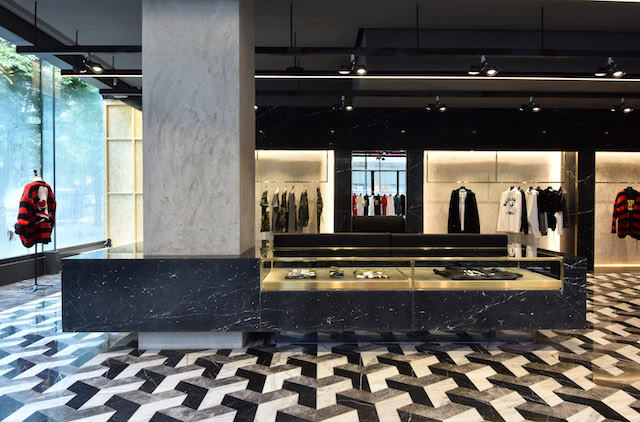
    Mastermind and A Bathing Ape have collaborated to open their first crossover concept store in Hong Kong.

    The store, which opened on Saturday in Causeway Bay, features a streetwear collection from the two Japanese brands.

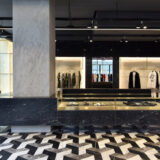
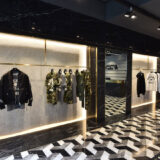
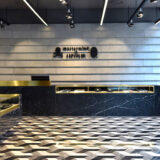
    Decked out in black and white with accents of gold, the store combines the “gothic underworld” of Mastermind with A Bathing Ape’s neon-highlighted fun persona. Marble is used extensively in both the interior and exterior, with metallic racks to create “a sophisticated and imposing atmosphere” according to a spokesperson for the brands.

    “A concrete visual wall embodies the brand’s rebellious spirit while the artfully placed Japanese window blinds add a refined touch from Japan. The op-art style ‘Y’ patterned tile flooring appears to extend endlessly to promote a mysterious and sci-fi sense of scale.” Another highlight is the mastermind x Mobile Suit Gundam Zaku figure in black with the brand’s unique skull and crossbones logo at the entrance.

    Mastermind was conceived by Masaaki Homma in Japan 1997 after eight years as a Yohji Yamamoto sales representative. The name Mastermind Japan stems from ‘M’asaaki and his tribute to his father who is a master hairdresser. The brand’s skull logo “symbolises the battle between good and evil, which underscores the ethos of the brand saying ‘Don’t Give Up Your Dream Until You Die’,” Homma explains.

    Mastermind Japan shut its doors in 2013 with a view to focusing on collaborative projects but later re-entered the fashion scene with the shorter ‘Mastermind’ brand name.

    The military-inspired Mastermind and A Bathing Ape 2018 Fall-Winter capsule collection launched in the new store features a series of hooded sweatshirts, short-sleeved t-shirts, shorts, cap and mask emblazoned with the codes of both brands: camouflage, skull and shark head.

    View the gallery below (5 images) :

  • Farfetch prepares for IPO

    Farfetch prepares for IPO

    Fashion marketplace Farfetch has filed an F-1 form with the US Securities and Exchange Commission with the intention of proceeding with a public flotation of its Class A ordinary shares on the New York Stock Exchange under the ticker symbol “FTCH.”

    The number of shares to be offered and the price range for the proposed offering have not yet been determined.

    Goldman Sachs & Co., J.P. Morgan, Allen & Company and UBS Securities are acting as joint lead book-running managers for the proposed offering. Credit Suisse Securities (USA), Deutsche Bank Securities Inc. and Wells Fargo Securities are acting as joint bookrunners. Cowen and Co. and BNP Paribas Securities Corp are acting as co-managers.

    Reports of the company’s plans to IPO first surfaced in June 2017. Farfetch founder and chief executive Jose Neves had been reticent to lay out a timetable for an IPO, but he acknowledged that it was the logical next step for the company.

    The listing could value the company at up to $5 billion.

    The fashion e-commerce platform, which connects consumers with a curated global network of boutiques and brands, cleared $800 million in gross merchandise value in 2016, generating an estimated $150 million in revenue (Farfetch takes 20 to 25 percent commission from partners).

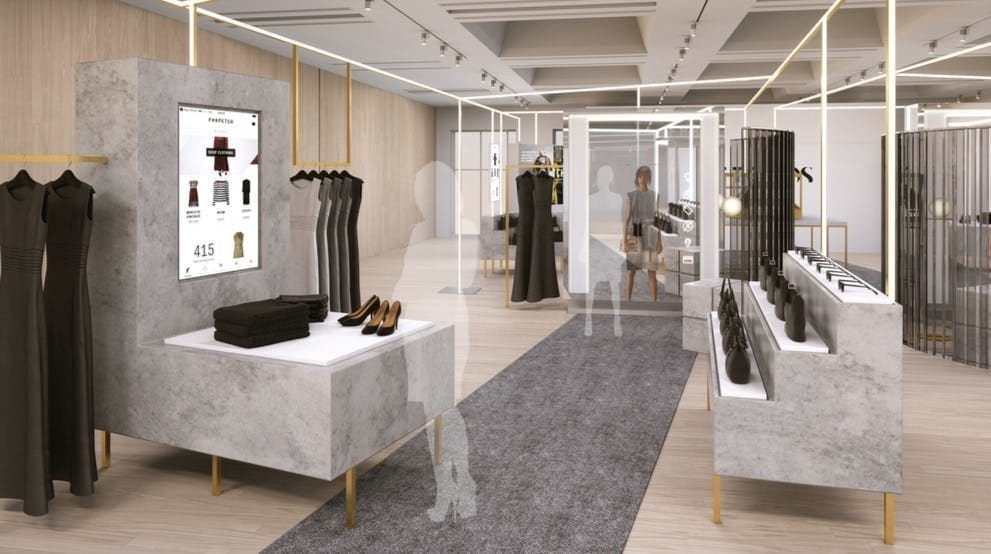
    So far this year, the platform has acquired a Chinese digital marketing agency in a bid to boost its presence in the world’s second-largest luxury market; inked a strategic partnership with Chanel to enhance the French luxury house’s boutique experience; entered into a joint venture with Chalhoub Group, one of the biggest distributors of fashion and luxury goods in the Middle East; and struck a deal with Burberry to expand its global e-commerce distribution and launch a “show to door” London delivery service in a drumroll of announcements designed, in part, to prime the market in advance of its IPO.

  • Flipkart unveils Indian version of eBay for refurbished goods

    Flipkart unveils Indian version of eBay for refurbished goods

    Retail giant Walmart-owned leading e-tailer Flipkart on Wednesday unveiled a dedicated portal ‘2GUD’ for refurbished goods, including mobile phones, laptops and tablets, a week after shutting its eBay India operations.

    “The independent platform ‘2GUD’ aims to bring affordability, accessibility and availability to the refurbished market, while also addressing the problem of trust and convenience,” the company said.

    The platform offers refurbished mobile phones, tablets, laptops and other electronic accessories along with a 3-12 month warranty.”

    Through 2GUD, we aim to remove the trust deficit that exists in the refurbished goods market,” the city-based company’s Chief Executive Kalyan Krishnamurthy told reporters here.

    The platform has been launched on mobile browsers initially through the site 2gud.com, and it will soon be accessible through desktop browsers and a mobile application.

    The company’s executives, however, declined to give the investment being made in its new arm.

    “Every product that is sold on the platform goes through about 47 rounds of checks and is sold in five grades based on their physical condition — ‘Like New’, ‘Superb’, ‘Very Good’, ‘Good’ and ‘Okay’,” the company’s Vice President heading 2GUD operations Anil Goteti said.

    The prices of products on the platform will vary based on their condition.

    With the refurbished goods market remaining “highly fragmented and unorganised”, 2GUD will remove the buyer-seller interaction by performing the necessary quality checks itself, Goteti said.

    The platform also allows customers to return their products, he added.

    The company estimates the refurbished goods market in India to be worth US $20 billion in the coming five to six years.

    The launch of the independent platform for old goods, which was developed over the last 10 months, comes a week after Flipkart shut down the eBay India operations on August 14.

    Several of eBay India’s staff are now working with Flipkart’s new arm for refurbished goods, the company’s executives said, though they declined to share the specifics.

    The Bengaluru-based Flipkart in 2017 acquired eBay India’s operations in a US $1.4 billion fund-raising deal from several investors, including eBay, which invested US $500 million and received US $200 million worth stocks in Flipkart.

    With Walmart acquiring a majority stake (77 percent) in Flipkart in a US $16 billion (Rs 1,07,662 crore) deal in May this year, California-based eBay had announced that it would sell its stake in Flipkart back to the company for about US $1.1 billion and relaunch its India business soon.

  • Ikea Malaysia online platform launched

    Ikea Malaysia online platform launched

    Ikea Malaysia has launched an online store.

    The e-commerce site promises to offer the largest online selection of home furnishings in the country. It marks a strong entry into the Malaysian e-commerce market by the Swedish company’s Southeast Asian subsidiary.

    The site’s delivery service will be available nationwide by package or truck, offering more than 9000 products to online buyers throughout Malaysia purchasing with major debit and credit cards accepted.

    Ikea Malaysia recently extended its return policy from 100 to 365 days to provide their customers more time to exchange or return their products after purchase.

  • Behind dispute between traditional taxi and ride-hailing company in Hanoi

    Behind dispute between traditional taxi and ride-hailing company in Hanoi

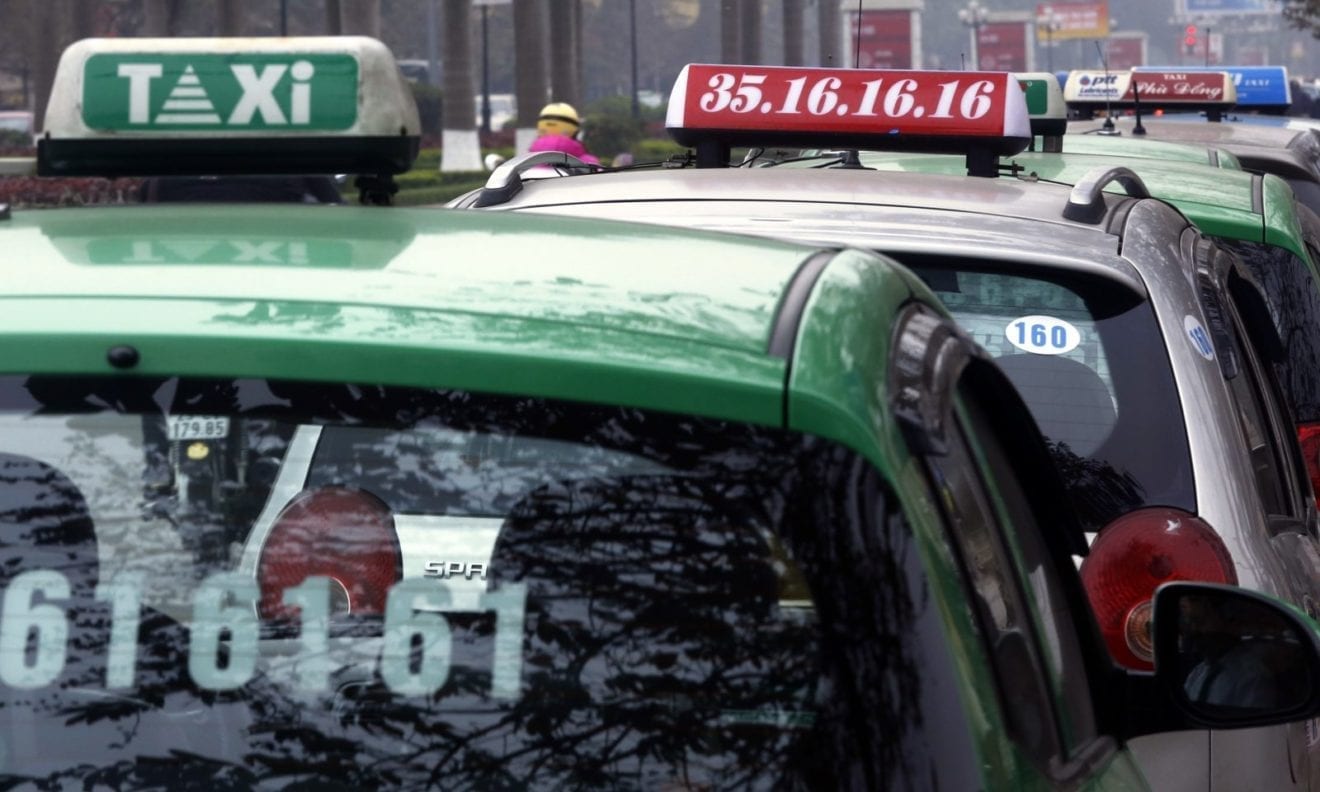
    Three major taxi firms in Hanoi have recently joined forces to have their 3,000 vehicles operating under a single brand starting in October.

    Thanh Cong, Ba Sao and Sao Ha Noi are set to become G7 Taxi in a bid to take on ride-hailing behemoth Grab.

    In April representatives of top traditional taxi firms had sat down to discuss the idea of building one common ride-hailing app for all of them.

    Nguyen Cong Hung, chairman of the Hanoi Taxi Association, said: “Traditional taxis, each with their own app, are now trying to compete with Grab. But we are divided, therefore we need to unite.”

    The meeting came after logistics firm Phuong Trang announced it had invested $100 million in ride-hailing app Vato and leading taxi firm Mai Linh started offering benefits to attract drivers.

    In March southern taxi firms ComfortDelgro Savico and Vinataxi had merged to take on Grab.

    Vinataxi, the third largest taxi firm in HCMC, was confident the merger would increase its growth sixfold this year.

    But Grab is also busy.

    While the acquisition of Uber’s Southeast Asian business last March has allowed Grab to become the dominant player in the ride-hailing business in Vietnam, it is working to improve its strategies to compete with local taxi firms.

    The company introduced Grab for Business in Vietnam earlier this month, a service that helps a company track the trips its employees make to limit unnecessary trips and control expenses.

    Following the recent entry of Indonesia’s Go-Jek as Go-Viet, Grab is deploying various strategies to attract drivers by offering bonuses and opening stops with free wifi and coffee.

    ‘Huge unfairness’

    The Hanoi Taxi Association earlier this month wrote to Prime Minister Nguyen Xuan Phuc saying Grab’s operation has created a “huge unfairness in terms of business conditions which demolish traditional taxi businesses and cause instability in society.”

    It wanted GrabCar to be considered “electronic” to guarantee fairness and all GrabCar vehicles to carry the label “electronic taxi.”

    The Ministry of Transport has labeled GrabCar as “electronic taxi” in then newest version of its bill on transport regulations, but does not require its vehicles to carry the legend.

    In a report related to the bill, which is expected to be discussed at the next session of the National Assembly in October, the Central Institute for Economic Management says lawmakers should not use old standards to new business models.

    “It is a grave mistake to force Grab to operate as a traditional taxi,” Nguyen Dinh Cung, chairman of the institute said.

  • Flipkart acquires AI-led startup to get next 200 million online shoppers

    Flipkart acquires AI-led startup to get next 200 million online shoppers

    In a move aimed at getting the next 200 million online shoppers to its platform, e-commerce major Flipkart has acquired Liv.ai, an artificial intelligence-led speech recognition startup. The company, however, did not disclose the deal amount.

    Post the acquisition, Liv.ai will become a Flipkart centre of excellence for voice solutions, and help accelerate an end-to-end conversational shopping experience for its users, Flipkart said in a statement.

    Founded in 2015, Liv.ai is the first Indian company to build speech to text application programming interfaces (APIs) that enable speech to text conversion in 10 Indian languages including Hindi, Bengali, Punjabi, Marathi, Gujarati, Kannada, Tamil, Telugu and Malayalam.

    US retail giant Walmart has recently completed its US $16 billion transaction to buy 77 percent stake in Flipkart.

    “The next wave of growth of internet users is coming from tier II+ cities and 70 percent of these current internet users are native/vernacular language speakers and this proportion is only increasing,” Flipkart CEO Kalyan Krishnamurthy said.

    Given the complexities in typing on vernacular keyboards, voice will become a preferred interface for new shoppers, he added. He explained that building a voice interface is complex, especially in Indian context given multiple languages and accents.

    The team at Liv.ai has been able to solve this through multiple technological innovations including deep neural net-based methods and this expertise is a big capability add-on for Flipkart, he said.

    “Ultimately, we want to give our customers a conversational e-commerce experience and believe that with the voice interface the opportunities are endless including discovery, search, engagement, transactions etc,” Krishnamurthy said.

    Flipkart said this will help build voice and speech capabilities to help get next 200 million online shoppers, who will prefer native language interaction on the web. As per industry studies, Hindi internet user base is likely to outgrow English user base by 2021 and along with Marathi and Bengali users, will drive the volume growth.

    Liv.ai co-founders Subodh Kumar, Kishore Mundra and Sanjeev Kumar, along with the entire Liv.ai team will join Flipkart as a part of the deal.

    The team under the leadership of Ravish Sinha, Vice President Flipkart, will act as a centre of excellence to drive further developing the voice solutions, integration with Flipkart app and developing use cases for various categories.

  • Aeon Stores Hong Kong posts loss in contrary with good sales

    Aeon Stores Hong Kong posts loss in contrary with good sales

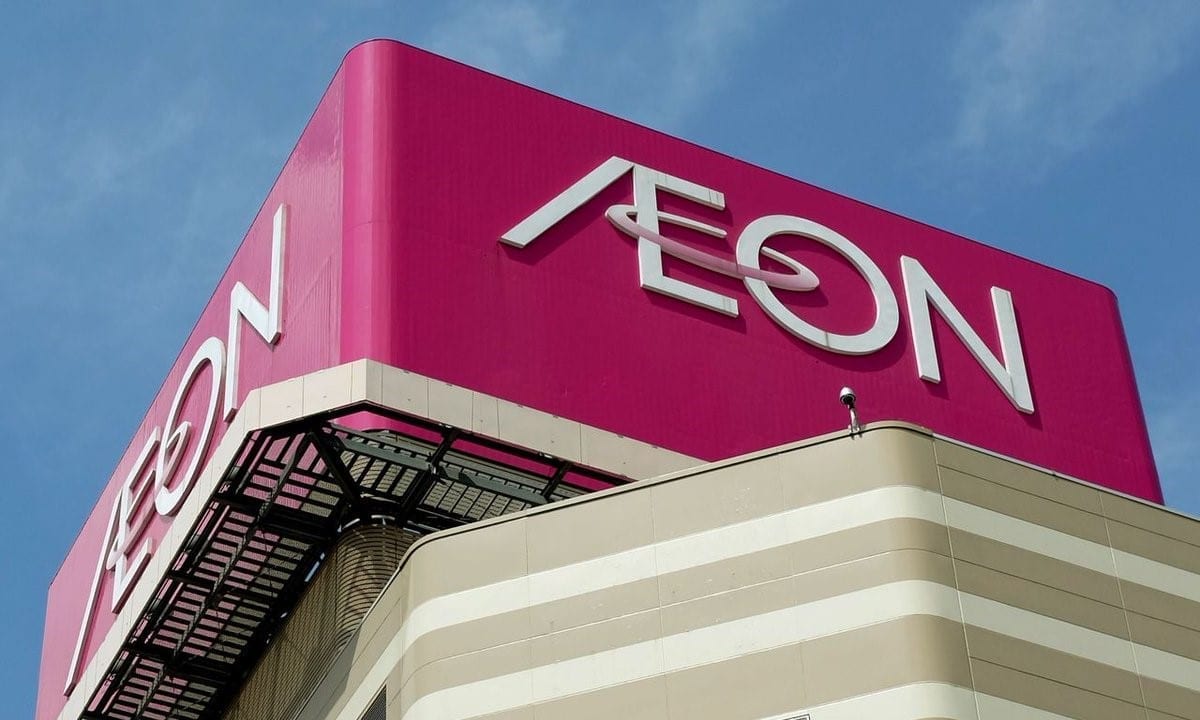
    Aeon Stores Hong Kong has recorded record half-year revenue of HK$4.93 billion ($US628 million) in sales.

    The figure represents a year-on-year increase of 6.7 per cent. The group’s gross profit margin rose by 0.2 percentage points to 30.7 per cent during the period.

    In its report for the June 30 half year, Aeon Stores Hong Kong said the development of new retail store types and O2O e-commerce has intensified competition in the retail market and presented challenges to the group. However, the diversification and personalisation of consumers’ lifestyles has afforded many opportunities.

    During the period, the group continued to actively carry out internal restructuring and cost control, focusing on improving customer experience and operational standards, while at the same time accelerating digital marketing activities to cement its foundation for supporting future growth.

    To address the intensifying competition in the market, Aeon launched a new customer relationship management system last year, introducing big data analysis to strengthen its sales and marketing platform.

    Aeon’s operations in Mainland China reported a loss of HK$13.7 million during the period due to costs associated with cultivating newly-opened stores and the closure of others.

    The expenses contributed to an overall loss attributable to owners of the company of HK$50.48 million ($6.43 million).

    Aeon currently operates 32 stores in southern China.

  • Chanel to debut brand’s first makeup line for men

    Chanel to debut brand’s first makeup line for men

    Diving into the swelling men’s grooming trend, Chanel is launching its first makeup line for guys, a three-product range, starting in South Korea on September 1.

    The collection includes a tinted fluid, coming in four colors, a matte moisturizing lip balm, and four shades of eyebrow pencil.

    The fashion house already has a signature handbag and unisex fragrance named Boy. Though you might assume the name is a gender reference, it is actually the name of Gabrielle Chanel’s first—and tragic—love Boy Capel.

    “By creating Boy de Chanel, its first makeup line for men, Chanel reaffirms the ever-changing codes of an unchanging vision: Beauty is not a matter of gender, it is a matter of style,” the company said.

    “Just as Gabrielle Chanel borrowed elements from the men’s wardrobe to dress women, Chanel draws inspiration from the women’s world to write the vocabulary of a new personal aesthetic for men,” the company said in a statement. “Lines, colors, attitudes, gestures… There is no absolutely feminine or masculine prerequisite: Style alone defines the person we wish to be.”

    The tinted foundation is called Boy de Chanel, and it’s SPF 25 and comes in eight sheer and hyaluronic acid-infused shades. Though Chanel offers hundreds of foundation options in its main beauty line, we imagine both men and women will be running to their nearest Chanel boutique to get their hands on the sleek black bottle. The lack of shades likely means it’s an extremely sheer and adaptable formula.

    The line also includes Boy de Chanel brow pencils in four shades. The final product is a clear, moisturizing lip balm with a matte finish.

    “By creating Boy de Chanel, its first makeup line for men, Chanel reaffirms the ever-changing codes of an unchanging vision: Beauty is not a matter of gender, it is a matter of style.”

    The collection will be rolled out to the rest of the world in November on the house’s e-commerce platforms and in January 2019 in Chanel’s boutiques.