Tag: asia

  • Philippines to take its restaurants globally

    Philippines to take its restaurants globally

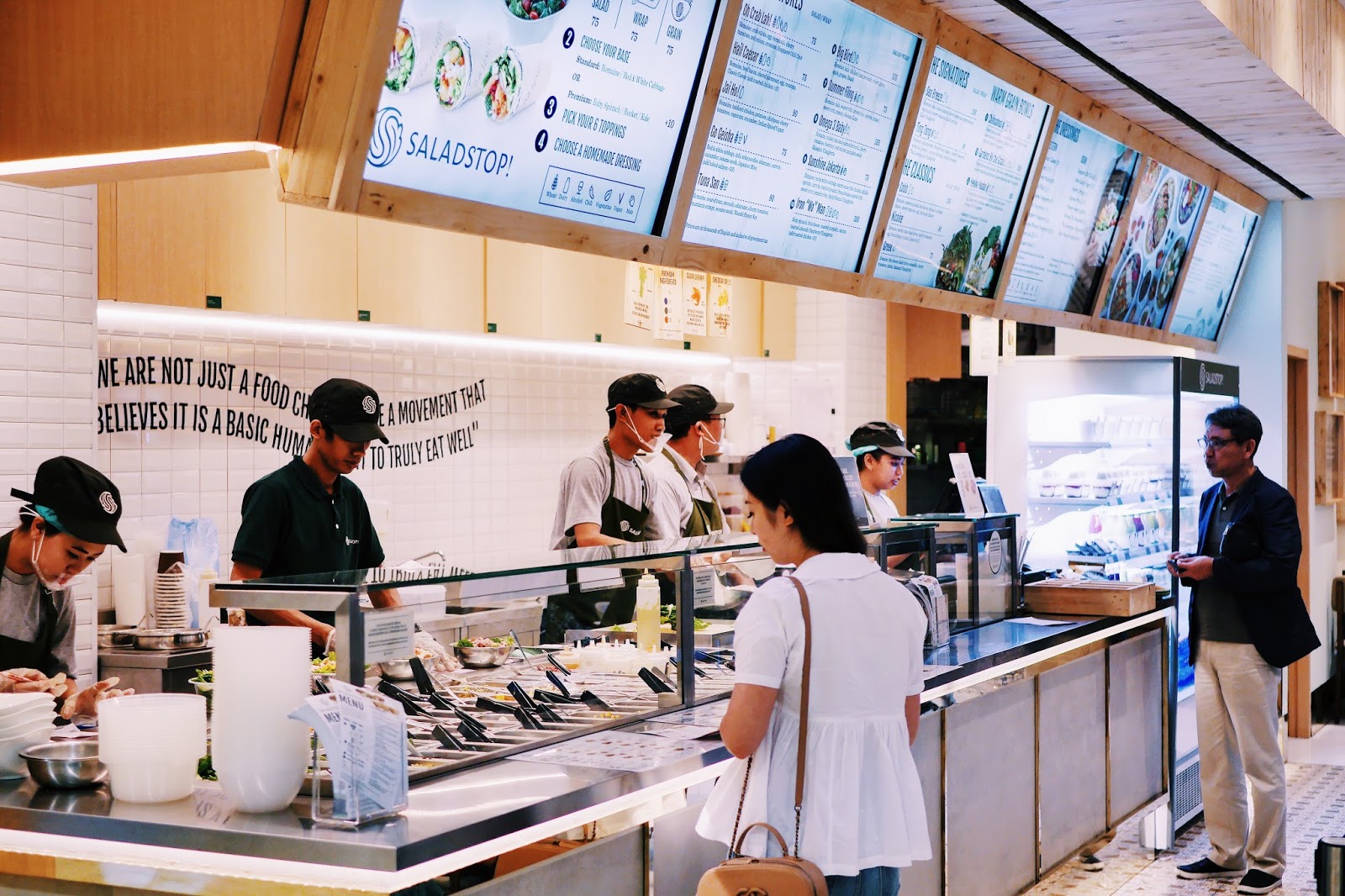
    Philippines private equity firm MFT Group is investing US$3 million to expand its Salad Stop and La Lola Churreria restaurant brands overseas.

    The group will focus on building the business with an initial 10 to 15 branches of Salad Stop and La Lola Churreria restaurant brands. It aims to launch 30 to 40 Salad Stop outlets – considered one of the largest health food chains in the Asian region – in Vietnam, Spain and Portugal within a few years.

    The company is also working to expand its medical business, having recently acquired Hong Kong firm Meihao, a medical equipment provider. MFT claims that the firm will double last year’s revenues for Meihao this year.

  • LG’s wearable robot does the heavy lifting

    LG’s wearable robot does the heavy lifting

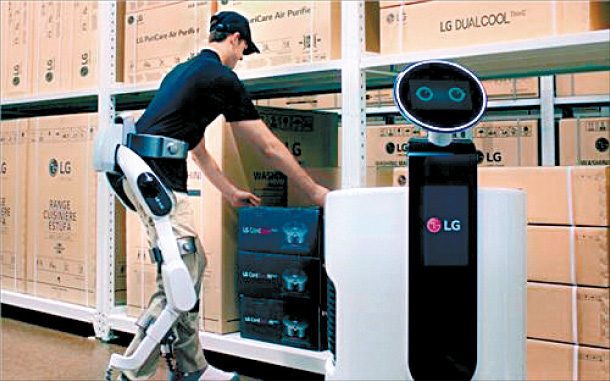
    LG Electronics said Thursday it will showcase a wearable robot that can help workers lift and move heavy objects easier at an upcoming tech exhibition in Germany.

    The electronics company said the CLOi SuitBot will be unveiled to the public at the Internationale Funkausstellung (IFA) Berlin, which kicks off next week.

    LG Electronics said the wearable robot, which strengthens the legs and lower body, will help users enhance their physical strength at construction sites and factories, along with other everyday activities. The device can also assist those with physical impairments.

    The company applied artificial intelligence technology to the robot to analyze the surrounding environment and alert users of potential threats.

    The CLOi SuitBot also stands out from other wearable robots as it is more comfortable and can be worn easily.

    LG said it will continue to expand its research into robotics to help people overcome their physical limitations. Last year, the company bought shares in SG Robotics, a South Korean developer of wearable robots.

    The SuitBot adds to LG’s portfolio of CLOi machines. The company earlier introduced various products for different purposes, including navigation, cleaning, mowing lawns, serving and shopping.

    LG said its CLOi brand aims to provide users with clever robots that run on what it calls “operating intelligence.”

    The company has not yet announced the detailed date for the release of the CLOi SuitBot.

    The Korean tech giant has been forging ties with various partners around the globe to bolster its robot business, including robot developer Robotis, AI start-up Acryl, U.S. robot maker Robostar and Bossa Nova Robotics.

    LG said it will continue to develop more robots for household and commercial purposes.

  • India’s Hidesign plans Asian expansion

    India’s Hidesign plans Asian expansion

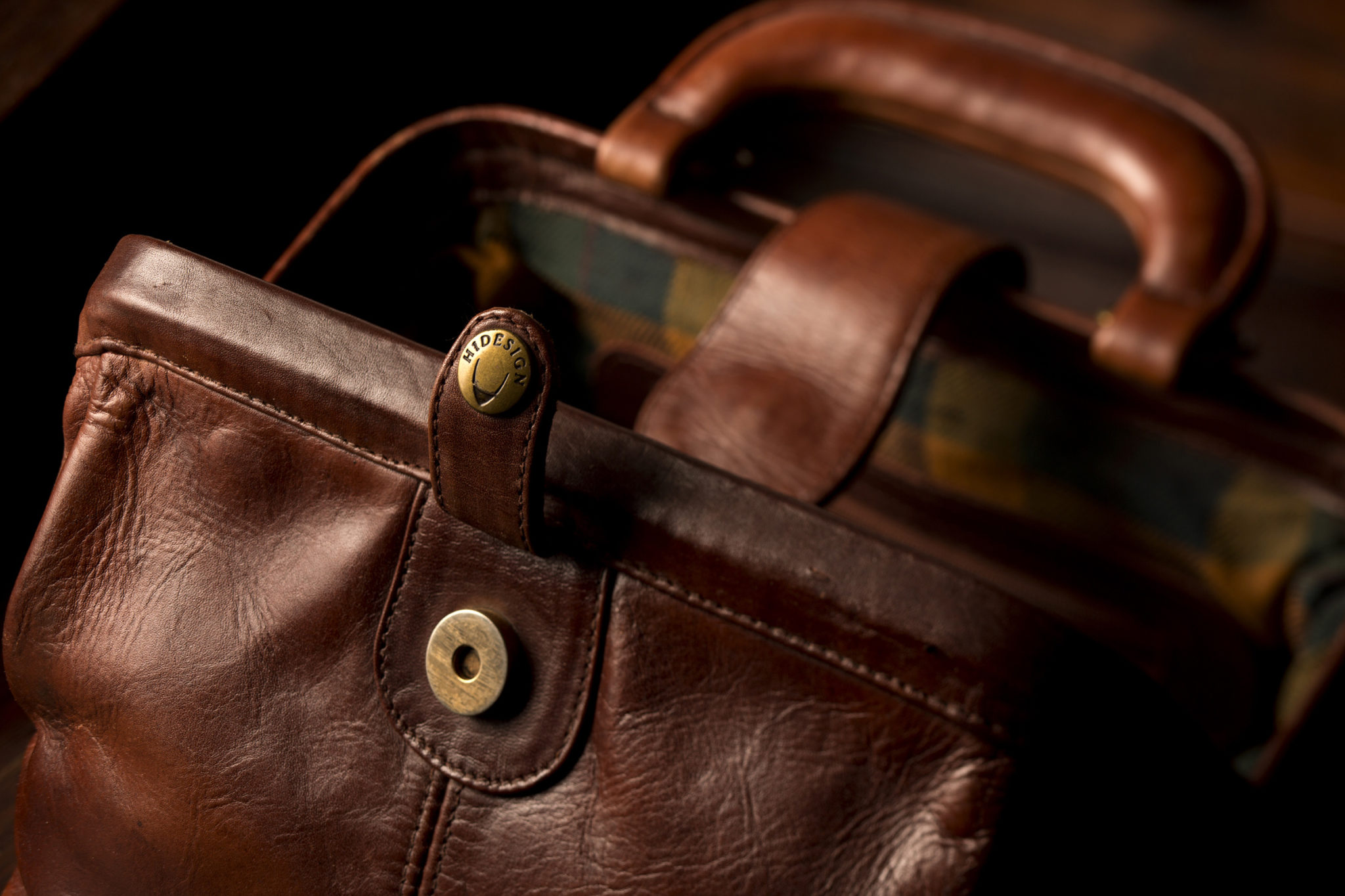
    Indian leather retailer Hidesign plans to open flagship stores at Singapore’s Changi airport and in Indonesia as it eyes an Asia-wide footprint.

    At home, Hidesign plans 12 new stores in the next two months in cities including Goa, Kolkata, Indore, Jaipur, Varanasi and Lucknow.

    The New Delhi-based company, which has been operating for 40 years, has also recently opened in Sarajevo, Bosnia adding to a global network which includes South Africa, Kenya, Nepal, Bhutan, Russia and the Czech Republic. It is also planning boutiques in the UAE, Saudi Arabia, Lebanon and Kuwait later this year.

    Chairman Dilip Kapur says the company wants to become a more viable brand internationally.

    “Our immediate focus is to expand our luxury range Atelier Hidesign – made from ostrich and deer leather – starting at ₹30,000 (US$428) by adding new colours and designs to the existing women’s range and launching men’s collection.”

    Hidesign expects turnover to grow by about 30 per cent year.

    “Our growth is led by new stores as well as e-commerce platforms where consumers from several big and small cities now have access to Hidesign. Discounted products online are also one reason that consumers are buying Hidesign online,” Kapur said.

    Hidesign has 84 standalone stores in India and shops in 14 international and domestic Indian airport stores.

  • MobiFone gets new CEO

    MobiFone gets new CEO

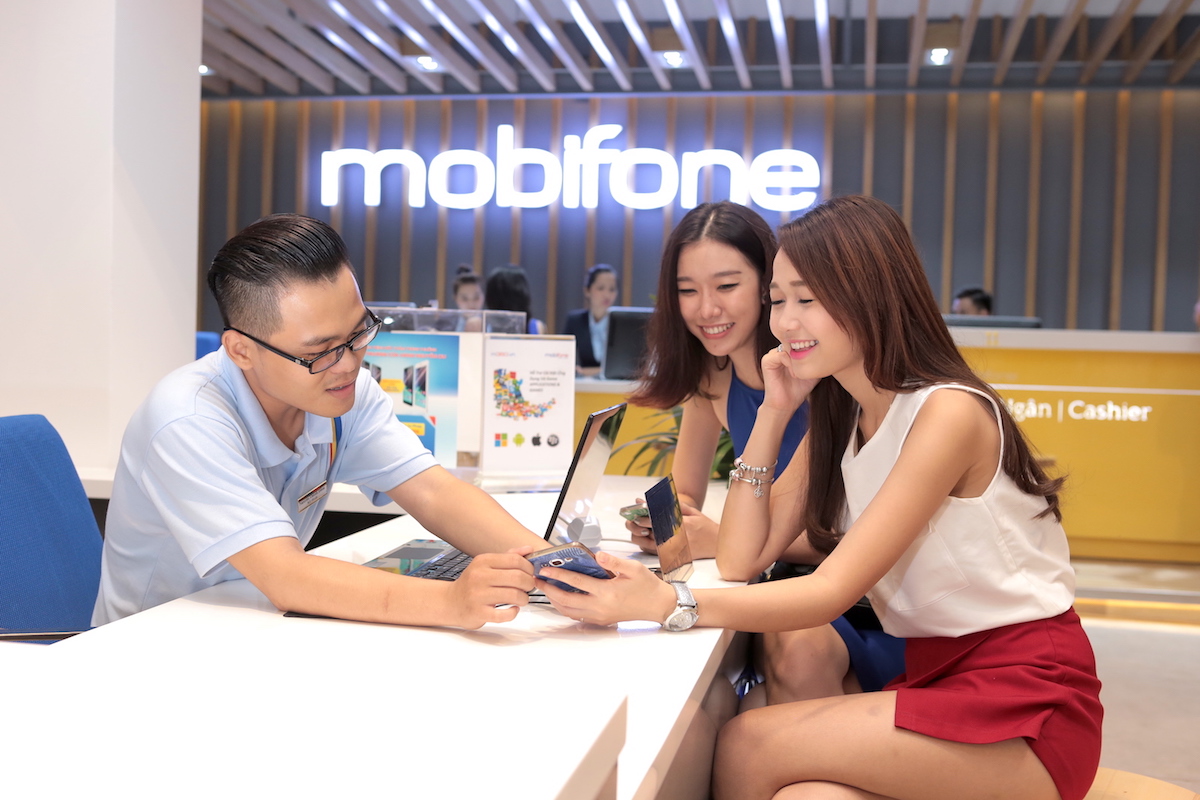
    MobiFone has named deputy general director Nguyen Dang Nguyen as its new CEO in place of the disgraced Cao Duy Hai.

    Hai, 57, was removed last Tuesday for his role in the illegal acquisition of a TV firm in 2016 by the Ministry of Information and Communications, which runs the corporation.

    Nguyen also remains deputy general director in charge of technology area.

    Hai has also been sacked from the company’s board after being found responsible for “serious violations” in the acquisition of private pay TV firm Audio Visual Global JSC (AVG).

    According to the Central Inspection Commission of the Communist Party of Vietnam, Hai had been personally involved in the acquisition and signed many documents in violation of laws to come up with a deal that caused a significant loss to the government.

    MobiFone had made headlines in 2016 when it announced it was breaking into the pay TV market with the acquisition of a 95 percent stake in AVG.

    But the Government Inspectorate concluded the deal, which had not been approved by the government, had violated investment laws and caused an estimated VND7 trillion ($307 million) loss to the government.

    In a report on the deal last March inspectors said MobiFone had committed multiple violations in proposing the deal and AVG’s valuation.

    The ministry and MobiFone were responsible for the serious violations of the laws in assessing, approving and going ahead with the deal, the inspectorate said.

    MobiFone’s after tax profit dropped 26 percent year-on-year to VND1.95 trillion ($86.6 million) in the first half of this year as revenues fell 8 percent to VND14.7 trillion ($653.3 million).

    But the country’s third largest telco has said with the new CEO taking over it expects to achieve the full year’s financial targets.

  • Laura Ashley sales and profit decline, announces sale of Singapore

    Laura Ashley sales and profit decline, announces sale of Singapore

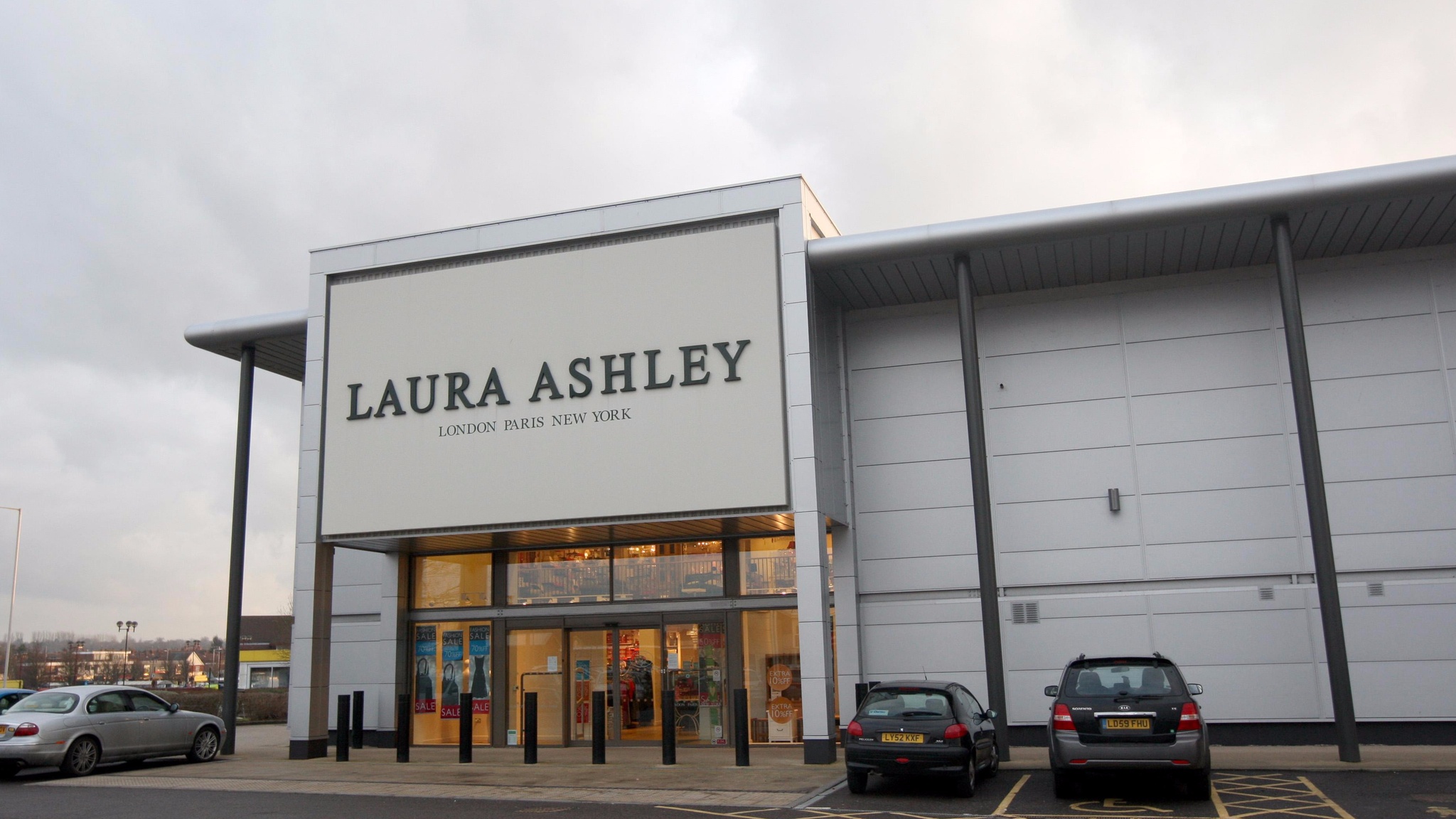
    Malaysian-headquartered apparel and homewares retailer Laura Ashley is selling its commercial property in Singapore against declining sales – but it remains positive about its regional prospects.

    The firm’s full year results announced a fall in profits from £8.4 million (US$10.8 million) last year to £5.6 million ($7.2 million) this year. Total sales for the group also declined to £257.2 million ($332 million) compared to £277 million ($357 million) in 2017. Conversely, online sales increased to make up 25 per cent of total retail revenue.

    Company chairman Tan Sri Dr Khoo Kay Peng said: “As set out at the time of the interim results, the trading environment for the first half of the year was challenging and the board expected these difficult trading conditions to continue into the second half of the year. This proved to be the case and, given the softer trading environment for the year ended June 30, 2018, we are disappointed to report a fall in profits.”

    The company’s Singapore properties will be purchased by SB Investment for a cash consideration of SGD54.5 million (US$39 million), conditional on shareholder approval.

    Peng commented: “Although the proposed sale has led to an impairment charge for the group, on completion of the disposal, group net debt will be significantly reduced and cash flow will be strengthened.”

    Despite the sale, expansion into the Asian market continues to be Laura Ashley’s strategy for the region.

  • What to know about Monica Vinader’s brand positioning

    What to know about Monica Vinader’s brand positioning

    Monica Vinader, founder of the namesake British jewellery brand, always said her goal was to become a £50 million ($64 million) business by 2019.

    Her unaudited sales for the financial year ending July 2018 were £43.2 million — or about $55.1 million — representing year-on-year growth of 21 percent. With plans to add to her 15 standalone stores across the UK, America and Asia-Pacific, she’s confident the business will surpass that next year. Having cornered the market for accessible fine jewellery and built a healthy, profitable supply chain, she now has her sights set on the next target: £200 million ($255 million).

    It is an impressive trajectory for a business she and her sister Gabriela began from a converted forge at Monica’s home in Norfolk in 2007. Their aim was to “plug the gap between fine and fashion jewellery,” and that remains her raison d’etre.

    So-called “demi-fine” jewellery is a growing category in the industry; so much so that Net-a-Porter launched a subsection devoted to it in October 2016. While many jewellers use 14- or 10-karat gold and pavé diamonds, Monica Vinader jewellery is forged in sterling silver coated with 18-karat gold vermeil, using primarily semi-precious stones. Prices start at £35 ($45) for a mini sterling-silver pendant, and most pieces are priced between £65 and £495 ($83 to $631): a sweet spot for both gifting and self-purchasing.

    “We are the ultimate accessible luxury brand. It’s the constant driver of everything we do,” Vinader says. Expanding into fine, solid-gold jewellery and larger diamonds is not on the cards. “We’ve helped people understand what a quality product vermeil can be and that’s what we want to focus on.”

    That said, her upper price point has gradually increased, to £3,495 ($4,458) for a pair of cocktail earrings with 966 pavé-set diamonds totalling 2.62 carats. The use of vermeil means it offers customers far more bling for their buck than other demi-fine brands, which at Net-a-Porter range from plain 14-karat gold pieces at £40 ($51), to a choker dotted with four tiny stones by New York-based brand Wwake at £3,815 ($4866).

    “Demi-fine jewellery sales are performing incredibly well — we’re constantly reordering as so many styles sell out,” says Elizabeth von der Goltz, Net-a-Porter’s global buying director. “We still see a lot of opportunity within our demi-fine business and we are growing our investment in this sector.”

    The popularity of accessibly priced jewellery is in part due to a loosening of formality in the industry, Vinader believes. “Across all categories, luxury is more approachable and instant. People no longer think about keeping jewellery in the safe or saving it for a special occasion. They want something that fits with their everyday life, and our lives nowadays are quite informal,” she says.

    Self-gifting has been a huge driver of growth; women now buy jewellery as an accessory, in the same way as shoes or bags. Vinader capitalises on what she calls this “millennial mindset” by regularly introducing new, fashion-forward designs and engaging with customers via social media. The brand’s Instagram feed became shoppable this spring (it says sales driven through this channel are difficult to trace), and it works with influencers to raise brand awareness. Its customers also act as authentic advocates, tagging the brand in their own social-media posts.

    Vinader isn’t the only jeweller to target millennials. Under new creative director Reed Krakoff, Tiffany has directed its attention towards a younger audience by enlisting 20-year-old actress Elle Fanning to advertise its dainty new Paper Flowers collection (starting at £2,325, or $2,966), and De Beers has launched a range of “starter” diamonds, priced from £700 ($893) for a single 0.07 ct diamond on a white gold bracelet. New diamond brand Vashi, meanwhile, has positioned itself as the engagement ring supplier of choice for millennials, thanks to its casual-seeming stores (walls are covered with graffiti from happy couples who #saidyes) and focus on easy customisation: customers can select a diamond and design their own ring from a set menu of options.

    Vinader clocked the potential in personalisation early on — firstly through the ability to stack and style her jewellery (at £85, or $108, for a colourful cord friendship bracelet, why not buy two, or three?), and then via engraving. The company developed an app that allows every member of staff, not just a specialist engraver, in every store and shop-in-shop to fulfil any order. The trend isn’t going anywhere. “It’s more popular every day,” Vinader says, showing off a new charm bracelet that capitalises on this appetite for individuality.

    “Monica Vinader continues to own the ‘everyday luxury’ trend of essential pieces that most women want to build into their jewellery wardrobe,” says Ruby Chadwick, accessories and jewellery buyer at Liberty. “The brand has continued to be a significant part of our jewellery business, so much so that later this year we are expanding its space in the jewellery hall and maximising the personalisation service to meet consumer demand.”

    Having last received investment in 2016 (£14 million from Piper Private Equity, with £6 million from Winona Capital to fund the first US store), growth is now self-funded. Vinader’s workforce stands at 220 worldwide, with 48 staff in London and 54 in Norfolk – where she has taken over 16,000 square foot of converted farm buildings on the Holkham Estate – and the rest split between offices in Hong Kong and New York, plus the global network of sales associates. Hiring, coaching and retaining the right people has been one of her biggest challenges, as has the transition from start-up to larger corporation. “If you can foster that entrepreneurial instinct in the teams then they retain some of that [start-up] ethos,” she says.

    It’s an ethos she also encourages with her workshops in Jaipur, Mumbai and Bangkok. Bringing them closer to the planning and giving them visibility on volumes and growth has been essential in ensuring the scalability of her supply chain. “The most important part has been driving the psychological alignment: we see them as partners. We understand them, they understand us, and we’re all going after the same goal.”

    Her team sources rough stones, which are cut in Jaipur to fit designs, helping to keep costs down and improve scalability. Stones, she says, are “a real time drain, but something we invest a lot of time and energy in because they’re key to what we do.” She’s not interested in lab-grown diamonds, even though they would fit her accessible luxury ethos, priced from 30 percent to 80 percent below natural stones. “I’d never say never, but it’s not in our DNA. We’re obsessed with natural stones.”

    She doesn’t rule out expanding beyond jewellery eventually, but for now, she’s focusing on growing within the UK and worldwide. Having recently opened a fifth London store in Bicester Village, she’s planning to expand outside of the capital in the near future, as well as adding more outlets in the US, UAE and Asia. The brand’s US presence has been bolstered by a partnership with Nordstrom which comprises 55 fully branded shop-in-shops across the country. Increasing e-commerce, which currently accounts for 50 percent of sales, is a huge driver towards that £200 million goal. “Our online business is growing tremendously and there’s still a lot we can do to capitalise on it. We’ve always been web first; that’s how people shop nowadays.”

    Vinader’s creativity is matched by her sister’s Type A rigour. She talks a lot about the importance of data, analysis and planning. But the last decade is summed up best by the qualitative stories of the women who wear her jewellery.

    “To celebrate the anniversary, we decided to use real customers in our digital marketing campaign. We did the casting over Instagram and had an overwhelming response from women telling us what the brand means to them. Sitting with my sister watching the videos was one of the most moving things I’ve ever done. We laughed, we cried – to hear that community advocate for us in such a generous, genuine, unscripted way has been truly humbling. I’m looking forward to seeing what the next 10 years holds.”
  • iPrice to get investment from Naver Korea

    iPrice to get investment from Naver Korea

    South Korean internet service company Naver has invested in Malaysian retail aggregator iPrice.

    The firm intends to invest an undisclosed amount to fund iPrice’s expansion into the Indonesian market and to improve its platform towards a better user experience. It currently operates in seven Asian countries, serving to compare prices between similar products on different e-commerce platforms. It aims to become the primary gateway to online shopping in Southeast Asia.

    The firm recently acquired capital investments from Line Ventures, a Japanese subsidiary also owned by Naver.

    iPrice Group co-founder and CEO David Chmelar said: “Naver not only operates the leading search engine in Korea but has also been able to build an impressive shopping and price comparison engine in the country. Given the wealth of experience and strategic value that Naver brings to the table, we couldn’t pass the opportunity to welcome them as our latest investor.”

    Peter Na of Naver added: “The tremendous traction which iPrice has continued to display throughout its latest fundraising is a testament to the impressive execution of the team and the explosive growth of Southeast Asia’s e-commerce market.”

  • Alibaba signs new deal that speed up cosmetics certification in China

    Alibaba signs new deal that speed up cosmetics certification in China

    Alibaba Group has signed a deal with Zhoushan Free Trade Zone, in China’s eastern Zhejiang province, that speeds up the cosmetics certification in China for Tmall brands who want to import non special-use cosmetics.

    This agreement, signed between the Hangzhou-based e-commerce giant and two Zhoushan City government agencies, cuts the approval time down from a typical six to eight months to just three months, Alibaba said.

    The expedited service could be a major boon for brands that wish to accelerate the launch of their products in China, as they move to keep up with the rapidly changing tastes of the Chinese consumers, said Jet Jing, the head of Alibaba’s B2C marketplace Tmall.

    According to Chinese regulations, non-special-use cosmetics are products that do not have any specialty functions, such as lipstick and eyeshadow. Specialty items, such as sunscreen or freckle-removal cream, are not included in this agreement. Currently, nearly 80 per cent of the cosmetics sold on Tmall are non-special use, Alibaba said.

    The deal, effective immediately, is result of a policy enacted in March last year through which the China Food & Drug Administration accelerated the approval time for first-time imported non-special used cosmetics at the Shanghai FTZ. Since then, 11 FTZs nationwide, including Zhoushan, have been granted permission to offer the same expedited approval by centralising all the necessary testing agencies in one location.

    In China, only the very first shipment of non-special-use cosmetics undergoes this kind of testing. After that initial approval, all other testing is random in order to ensure that the quality of imported cosmetics is maintained. Alibaba emphasised that all required documentations and testing remains the same under the new scheme.

  • US-China trade war escalates as new tariffs kick in

    US-China trade war escalates as new tariffs kick in

    The United States and China escalated their acrimonious trade war today, implementing punitive 25% tariffs on US$16 billion (RM65.6 billion) worth of each other’s goods, even as mid-level officials from both sides resumed talks in Washington.

    The world’s two largest economies have now slapped tit-for-tat tariffs on a combined US$100 billion of products since early July, with more in the pipeline, adding to risks to global economic growth.

    China’s Commerce Ministry said Washington was “remaining obstinate” by implementing the latest tariffs, which kicked in on both sides as scheduled at 12.01pm in Beijing (11.01pm Malaysian time).

    “China resolutely opposes this, and will continue to take necessary countermeasures,” it said in a brief statement, adding that Beijing will file a complaint over the latest tariffs with the World Trade Organisation.

    US President Donald Trump has threatened to put duties on almost all of the more than US$500 billion of Chinese goods exported to the US annually unless Beijing agrees to sweeping changes to its intellectual property practices, industrial subsidy programmes and tariff structures, and buys more US goods.

    That figure would be far more than China imports from the US, raising concerns that Beijing could consider other forms of retaliation, such as making life more difficult for American firms in China or allowing its yuan currency to weaken further to support its exporters.

    Economists reckon that every US$100 billion of imports hit by tariffs would reduce global trade by around 0.5%.

    The tariffs took effect amid two days of talks in Washington between mid-level officials from both sides.

    Washington’s latest tariffs apply to 279 product categories including semiconductors, plastics, chemicals and railway equipment that the Office of the US Trade Representative has said benefit from Beijing’s “Made in China 2025” industrial plan to make China competitive in high-tech industries.

    China’s list of 333 US product categories hit with duties includes coal, copper scrap, fuel, steel products, buses and medical equipment.

  • Sa Sa celebrates its 40th anniversary

    Sa Sa celebrates its 40th anniversary

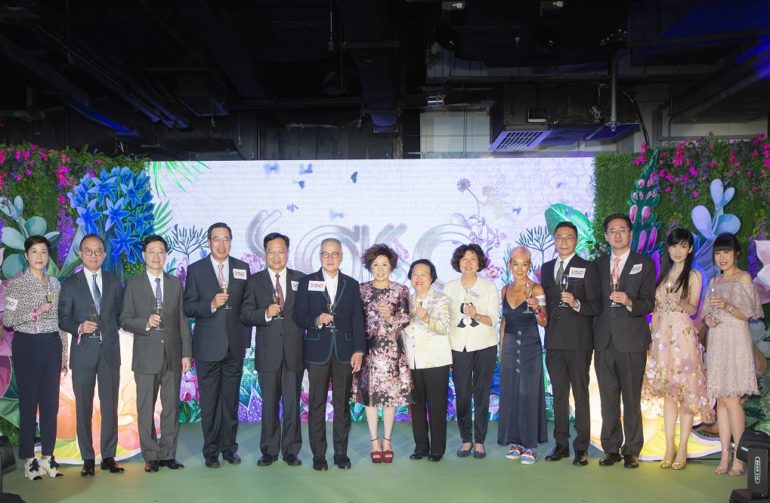
    Sa Sa International Holdings Limited announced its collaboration with Taobao Global to develop a complete loop retail ecosystem with the integration of online and offline platform with the goal to encourage local buyers to start selling as an important role in retail industry.

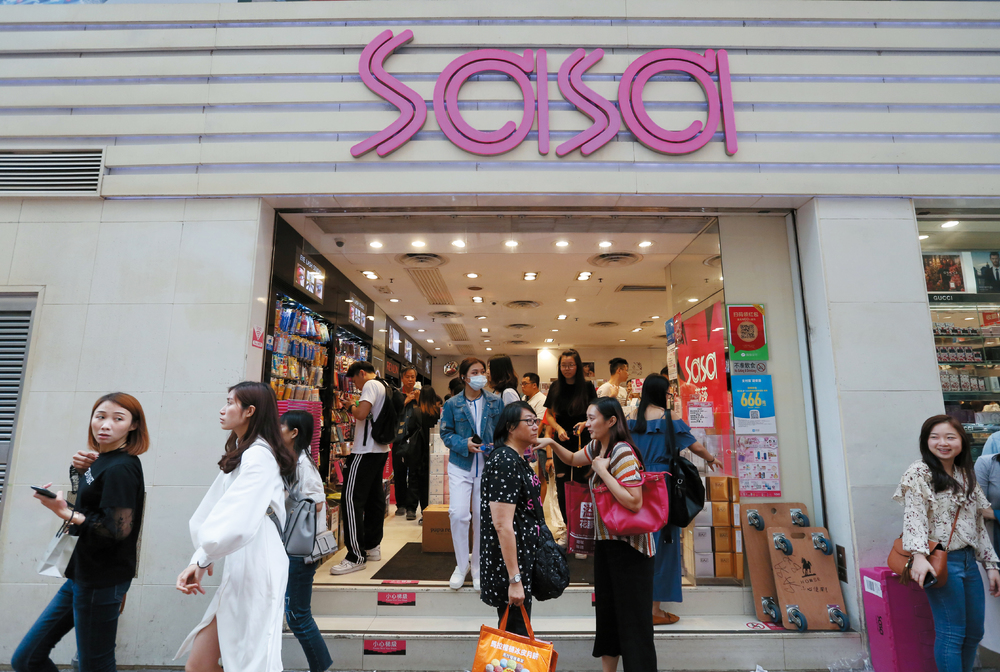
    This collaboration will enhance shopping experience for mainland Chinese customers. In celebration of the Group’s 40th anniversary, Sa Sa also revamped its store image to offer customers a more comfortable and fashionable shopping environment.

    Sa Sa will join hands with Taobao Global in order to develop a new collaboration model for retail industry.

    The new collaboration will connect Taobao Global buyers, who are familiar with consumption trends, have a unique taste in merchandise selection and able to motivate their followers by adopting innovative retail technology inclusive of Taobao’s marketing tools such as live broadcast to Chinese consumers with diverse characteristics who crave for overseas products.

    Buyers from Taobao Global promote products of Sa Sa’s Hong Kong retail stores on Taobao’s online platform, while mainland customers will be able to purchase Sa Sa’ products through the buyers on the platform. This enhances Sa Sa’s brand exposure and boosts its sales by absorbing the online purchasing power.

    Taobao Global will promote the most popular products in the first-ever “Taobao Global Counter” to be opened in five of Sa Sa’s stores located in Tsim Sha Tsui, Mong Kok and Causeway Bay. The first batch of approximately 70 Taobao Global buyers will be doing in-store live broadcast shopping and recommending the selected products to mainland consumers.

    Mainland consumers can watch the live broadcast and do online shopping at the same time. Taobao Global Counter will be gradually set up in the next batch of around 100 Sa Sa’s stores in Hong Kong, offering shopping convenience and discounts to mainland consumers.

    Dr Simon Kwok, SBS, JP, Chairman and Chief Executive Officer of the Group , said, “Being the leading cosmetics and retail group in Hong Kong, Sa Sa possesses a strong physical retail network. Combining the strengths of Sa Sa’s retail stores and Taobao Global’s huge base of influential buyers, we will broaden our customer base through developing a new retail operation model of online-to-offline collaboration, which will bring more overseas cosmetics and beauty brands to the vast group of Chinese consumers. The Group is looking forward to bringing new cross-border online-to-offline shopping experience to customers, with an aim of catering customers’ purchasing preferences under the trend of “New Retail”. Through strengthening its brand management capabilities and expanding new marketing channels, Sa Sa’s leading position will be strengthened as the best choice of sole agent for overseas cosmetics and beauty brands entering the mainland China. This cooperation also brings more diversified products to the Group and gives impetus to its business growth.”

    Ms Wei Meng, General Manager of Taobao Global , said, “Taobao Global connects active buyers across the globe to mainland consumers and offer different array of unique oversea goods. Through Taobao Global buyers’ online recommendations, Sa Sa’s diversified and trendy products will be able to swiftly meet Chinese customer’s demands for customized goods. We expect that Taobao Global and Sa Sa can develop a new retail model with the joining of online and offline platforms and bring a more personalized and advanced shopping experience to users. The shopping model provides quality merchandise and offers an official regulated place in hope of encouraging more local residents to pursue the role of being buyers and realise their dreams of owning a business.”

    In celebration of the Group’s 40th anniversary, Sa Sa is also going to revamp image of its stores, including the 5,300 sq. ft. Grand Plaza Store in Mong Kok, 3,600 sq. ft. Grandmark Store in Tsim Sha Tsui, 1,200 sq. ft. Metro Town Store in Tseung Kwan O, 1,300 sq. ft. Tuen Mun Town Plaza Store and 1,500 sq. ft. San Hong Street Store in Sheung Shui. Six new stores in Hong Kong slated for opening in the second half of 2018 will also adopt the new design. Sa Sa’s staff will have new uniform, providing professional and attentive services to our customers in a brand new image.

    New Uniform Design
    Sa Sa has invited renowned couture designer Mr. Barney Cheng to design a new uniform for our beauty consultants, creating a vivid “making life beautiful” image.

    Similar to the uniform launched for the Group’s 35th anniversary, the new uniform will continue to adopt black as the major color to maintain Sa Sa’s elegant style and incorporate the latest “athleisure” elements into the chic and stylish 40th anniversary new uniform.

    New Store Image
    With its morale of “making life beautiful”, Sa Sa is in the hope of making every generation pretty and everyone precious eternally.

    Sa Sa’s stores will feature a brand new image, demonstrating modernity and simplicity with black and white to be the theme colors. In the counters of skin care, fragrance, make-up, hair care and body care products, counter edges will be painted in dark and gold-brass colors to have a touch of elegance and uniqueness.

    To enrich the visual, a stark color contrast and simple lines can create a sense of spaciousness and brightness in soft and warm lighting while products presented in vertical style allows a clear view at a glance.

  • BreadTalk high expectation on its tea brands

    BreadTalk high expectation on its tea brands

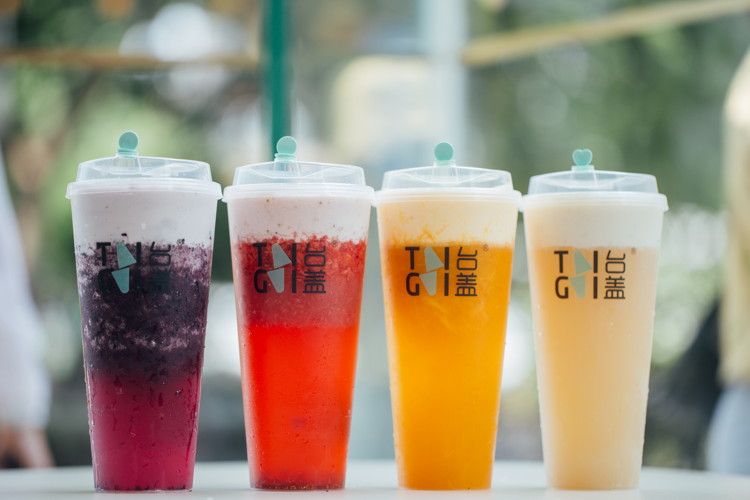
    Bakery franchise BreadTalk Group has brought two Shenzhen-based specialty tea brands – Nayuki and TaiGai – into Singapore.

    BreadTalk will operate and manage both brands in its joint venture with Shenzhen Pindao Food & Beverage Management. The agreement marks both tea brands’ first overseas stores, which will open this year. They enter a market in which tea drinks are an increasingly popular beverage product.

    Both the Shenzhen-based tea brands have been successful in China. TaiGai operates 60 stores on the Chinese mainland, while Nayuki has 100 new stores planned in China by end of this year – it made national news when it opened three stores within 33 days, earning it the label “veloci-tea”.

    Their signature offerings feature healthy tea options using mainly fresh fruits and premium-quality teas. While Nayuki is known for its “soft-euro bakes” cake products, TaiGai is best known for its signature fruit-blended milk cheese crowns, which it terms “fruity milky kisses”.

  • Samsung Electronics No. 3 globally for R&D spending

    Samsung Electronics No. 3 globally for R&D spending

    Samsung Electronics ranked third globally in terms of research and development (R&D) expenditures last year, data showed Thursday.

    According to the report compiled by Ernst & Young, a global accounting firm, Samsung Electronics spent 13.1 billion euros ($15 billion) on various R&D projects in 2017.

    U.S. online commerce giant Amazon topped the list with 20.1 billion euros, trailed by Alphabet, the parent company of Google, with 14.8 billion euro. Samsung’s semiconductor rival Intel came in fourth with 11.6 billion euros.

    The Korean tech company said in its business report that it spent 8.7 trillion won ($7.77 billion) on R&D projects over the January-June period of 2018.

    The report said the world’s top 500 players in terms of R&D expenditures spent a combined 532 billion euros for the whole of last year, up 6 percent on-year.

  • Uber hires CFO on the road to IPO

    Uber hires CFO on the road to IPO

    Uber on Tuesday named a news chief financial officer as the smartphone-summoned ride service remained on the road to a stock market debut next year.

    Nelson Chai came on board from Chicago-based insurance firm Warranty Group, where he was chief executive, according to Uber.

    “I’m incredibly excited to bring on someone as experienced and thoughtful as Nelson,” Uber chief executive Dara Khosrowshahi said in a release.

    “He will be a great partner for me and the entire management team as we move towards becoming a public company.”

    Uber, which operates in 65 countries and has disrupted local transport in many locations despite regulatory hurdles and resistance from taxi operators, has expressed plans for an initial public offering of shares late next year.

    Chai has more than a decade of experience at firms including CIT Group financial holding company and Merrill Lynch & Co, according to Uber.

    “I look forward to working closely with Dara and team as we build on the company’s strong growth and forward momentum,” Chai said in the release.

    Uber last week disclosed that its second-quarter loss jumped despite taking in more money, as it invested in scooters and other “big bets.”

    The San Francisco-based smartphone ride star reported it lost US$891 million on net revenue of US$2.8 billion, while overall bookings rose to US$12 billion.

    He added that Uber is investing in “big bets” including restaurant take-away delivery service Uber Eats and “environmentally friendly modes of transport” including e-bikes and scooters.

    The company, with a valuation by investors of more than US$60 billion, is also devoting resources to what it sees as high-potential markets in India and the Middle East, according to Khosrowshahi.

  • Kia Motors unveils KX1 entry-level SUV in China

    Kia Motors unveils KX1 entry-level SUV in China

    Kia Motors, Korea’s second-largest automaker, said Thursday that it has unveiled its KX1 entry-level SUV in China in its latest move to meet the demands of young customers.

    The KX1 SUV comes with a 1.4-liter MPI gasoline engine mated to a five-speed manual gearbox or a six-speed automatic transmission, the carmaker said.

    Chen Bingzhen, a senior executive at Dongfeng Yueda Kia, said the KX1 is a trendy SUV that has been tailored specifically to young people.

    Dongfeng Yueda Kia is a joint venture between Kia Motors and China’s Dongfeng Motor.

    Kia has three plants in China, which have a combined capacity of 890,000 units.

    The carmaker sold 191,328 cars in China in the January-July period, up 27.8 percent from the same period a year earlier.

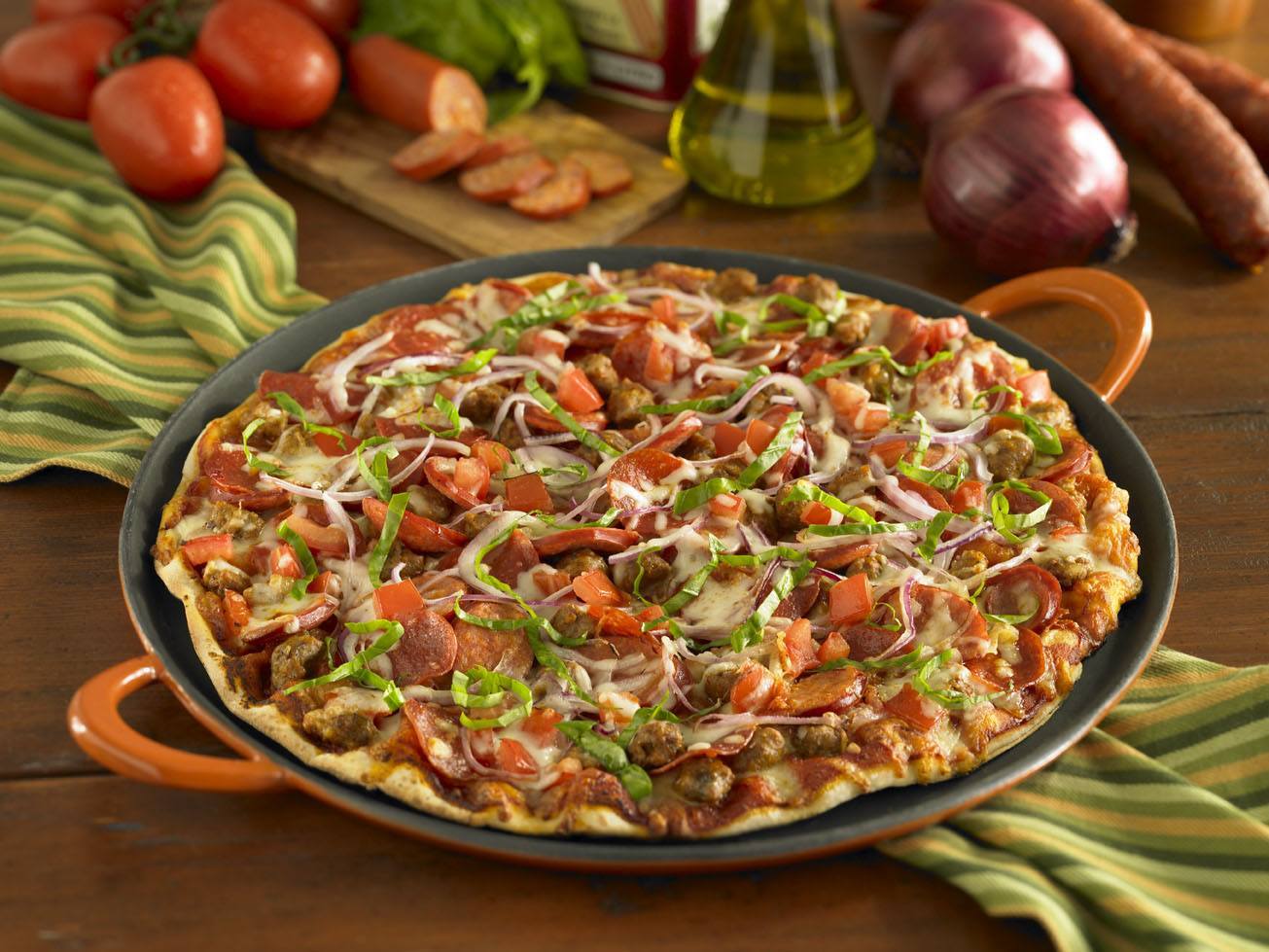
  • Shakey’s Pizza  plans Asia expansion

    Shakey’s Pizza plans Asia expansion

    Philippines fast-food operator Shakey’s Pizza Asia says it plans to continue expansion across the region by opening 18 to 20 new stores annually for the next three years.

    President and CEO Vicente L Gregorio said after the company’s annual meeting that the company will be shifting to a 50-50 mixed of company-owned and franchise-operated stores in future.

    Shakeys Pizza Asia currently operates 217 stores across the Philippines, with three in five of those company owned. But the franchise model will be used as the company expands into the Mindanao and Visayas regions. By the end of this year it expects to have 228 outlets trading.

    “VisMin continues to become the big potential moving forward because they are under penetrated,” he said. “We continually receive inquiries there and we just opened a franchised store in Ormoc. And there are other second-tier cities that we are evaluating.”

    Meanwhile, the company continues to look for opportunities to expand offshore. Talks are underway with potential partners in several Southeast Asian markets and enquiries have been received from the Middle East.

    “For overseas branches, we’re looking for the right franchise partner. We want to make sure we do it right,” Gregorio said.

    And Shakey’s Pizza Asia is keeping an eye out for similar businesses which it could acquire or invest in which might complement its operations at home or abroad. He said these would ideally target the same market demographic as Shakey’s Pizza.