Tag: asia

  • Indonesia to Unveil Higher Import Tariffs Soon Amid Push to Aid Rupiah

    Indonesia to Unveil Higher Import Tariffs Soon Amid Push to Aid Rupiah

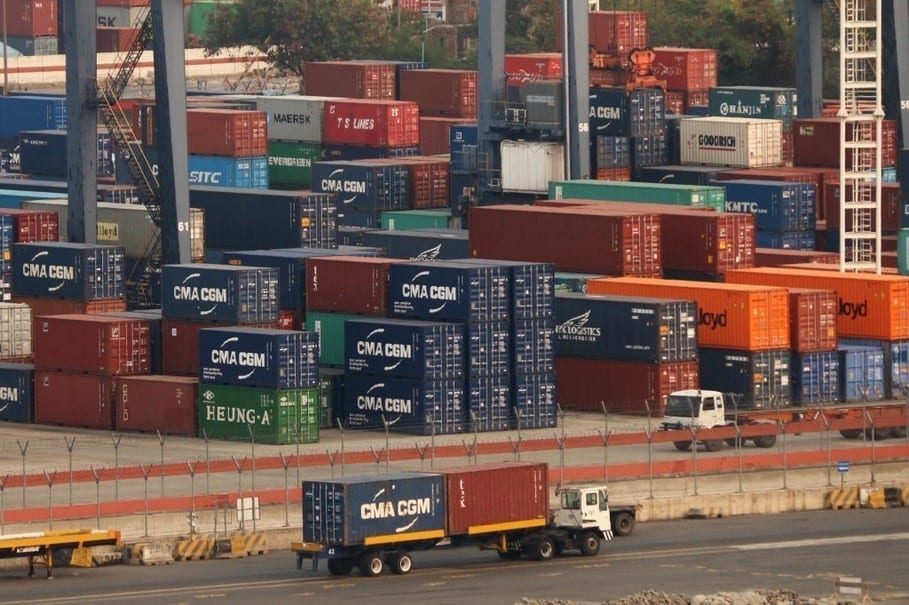
    Indonesia will release a list of goods subject to higher import taxes in the next few weeks, ministers said on Friday (24/08), part of efforts to shrink a widening current account deficit and curb pressure on its shaky currency.

    The rupiah on Friday slipped to 14,660 to the dollar, its weakest level since October 2015.

    A central bank official on Thursday blamed the rupiah’s drop on high demand for dollars by local importers. But the currency has also been caught up in a flight from emerging market assets as US interest rates rise and worries about global trade fights increase.

    Indonesia’s July trade deficit was the biggest in five years and the second-quarter current account deficit, at 3 percent of gross domestic product, was the largest in nearly four years.

    “We are reviewing 900 imported commodities to see the domestic industry’s capability in producing them,” Finance Minister Sri Mulyani Indrawati told a news conference with other ministries and Bank Indonesia (BI).

    Indrawati previously said the government would impose a 7.5 percent tariff on about 500 imported goods that can be locally made.

    Southeast Asia’s largest economy currently applies a 2.5 percent import tax on a vast range of products for registered importers, but it charges 7.5 percent for unregistered importers.

    Suahasil Nazara, head of the finance ministry’s fiscal policy office, said the government was rethinking the tariff difference between registered and unregistered importers.

    “We will hike the import tariffs from the current rates to give a signal, ‘let’s use domestic production,’ ” Nazara said.

    Trade Minister Enggartiasto Lukita said the measures to contain imports should not disrupt investment because the list would not include raw materials for production.

    A senior government official told the list, which is not finalised, will focus on semi-durable and perishable goods, including consumer goods used by hotels and restaurants.

    Stabilising the rupiah has been a top priority for the government and BI. The central bank has raised interest rates four times by a total of 125 basis points since mid-May.

    BI governor Perry Warjiyo said the central bank continues to intervene in the FX and bond markets to defend the currency.

    The government’s measures to control imports also include delaying some infrastructure projects and forcing a greater use of biodiesel.
  • Lotte Duty Free takes over Australia and NZ stores ownership

    Lotte Duty Free takes over Australia and NZ stores ownership

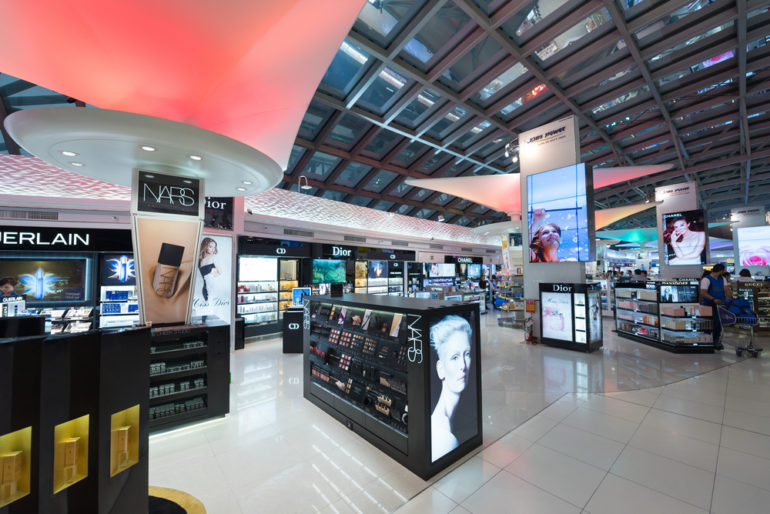
    Lotte Duty Free has bought a change of outlets in Australia and New Zealand from local operator JR Duty Free.

    The four Australian stories are in airports in Brisbane, Darwin and Canberra and in downtown Melbourne, while the New Zealand store is at Wellington airport.

    JR Duty Free reportedly operates seven stores in Oceania and five shops in Israel. Its revenue last year was US$617 million.

    Financial details of the deal were not revealed.

    Lotte Duty Free believes growing numbers of Chinese tourists into Oceania offer an opportunity to grow its business in the two markets.

    The South Korean company has been steadily enlarging its global footprint since 2012, expanding into Vietnam, Japan, Thailand, Indonesia and the US.

  • CIMB Bank Philippines teams up with G-Xchange for marketing of financial products

    CIMB Bank Philippines teams up with G-Xchange for marketing of financial products

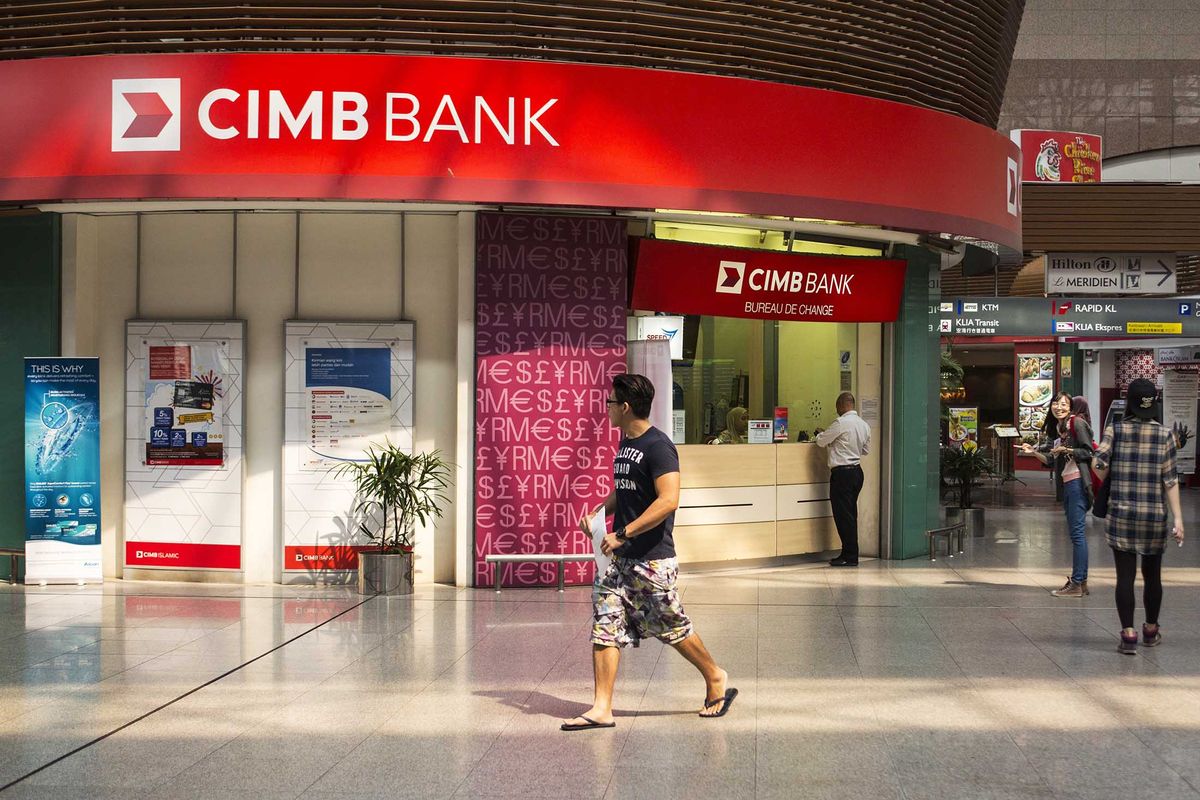
    CIMB Bank Philippines Inc has signed a memorandum of agreement with G-Xchange, Inc (GXI) for the purpose of creating and marketing financial products on the latter’s digital platform in the Philippines.

    In a filing with Bursa Malaysia, CIMB Group Holdings Bhd said the agreement will be effective for three years from the signing date.

    CIMB Bank Philippines is a foreign bank branch of CIMB Bank Bhd, a 99.99% subsidiary of CIMB Group Sdn Bhd, which in turn is a wholly owned subsidiary of CIMB Group Holdings.

    GXI is a wholly owned subsidiary of Globe Fintech Innovations, Inc, which in turn is owned by Ant Financial, Ayala Corporation and Globe Telecom.

    CIMB Group Holdings’ share price rose 0.67% or 4 sen to close at RM5.98 with 8.52 million shares traded on Friday.

  • India fastest growing market for Uber Eats globally

    India fastest growing market for Uber Eats globally

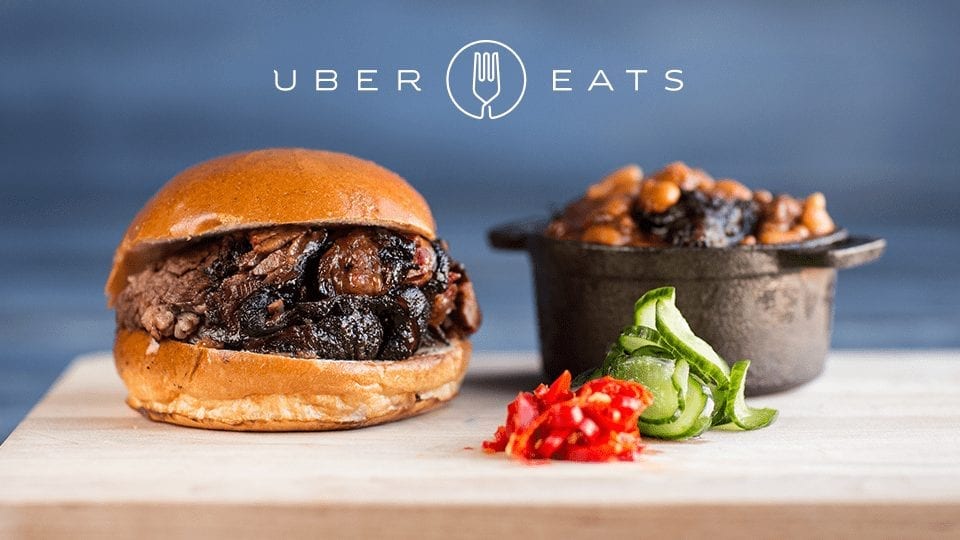
    US-based Uber said India is the fastest growing market for its food delivery platform Uber Eats and the service is being rapidly expanded to cover more Indian cities.

    Uber had launched Uber Eats in India in May last year and recently expanded the service to five more Indian cities — Tiruchirappalli, Surat, Nashik, Ludhiana and Mysore — to now cover 28 cities.

    “India continues to be the fastest growing market for Uber Eats in the Asia Pacific region and globally. As urbanisation picks up in the country, we look for opportunities to take our service to newer cities and expand our network, especially in tier II cities, which we believe, offer tremendous potential for the food tech industry,” Bhavik Rathod, Head of Uber Eats India said in a statement.

    While the company did not disclose specific numbers, it said the number of orders on its platform has “more than quadrupled” in the last three months and recorded nearly 50 percent month-on-month growth.

    Interestingly, Vijayawada and Madurai were the first two cities where Uber Eats was launched before the rides service. Uber CEO Dara Khosrowshahi had recently said the company is “deliberately investing” in products like Uber Eats and “high-potential” markets in the Middle East and India, even though its losses widened year-on-year in the June 2018 quarter.

    According to a report: Globally, the Uber Eats business is growing 200 percent per year and has a US $6 billion run rate. Uber Eats was started in 2014 as a small delivery pilot in Los Angeles and was later launched as a separate mobile app in Toronto in December 2015. In India, Uber Eats competes with the likes of Zomato and Swiggy as well as FoodPanda, which is owned by Uber’s rival, Ola.

  • SportsDirect Malaysia opens its largest store

    SportsDirect Malaysia opens its largest store

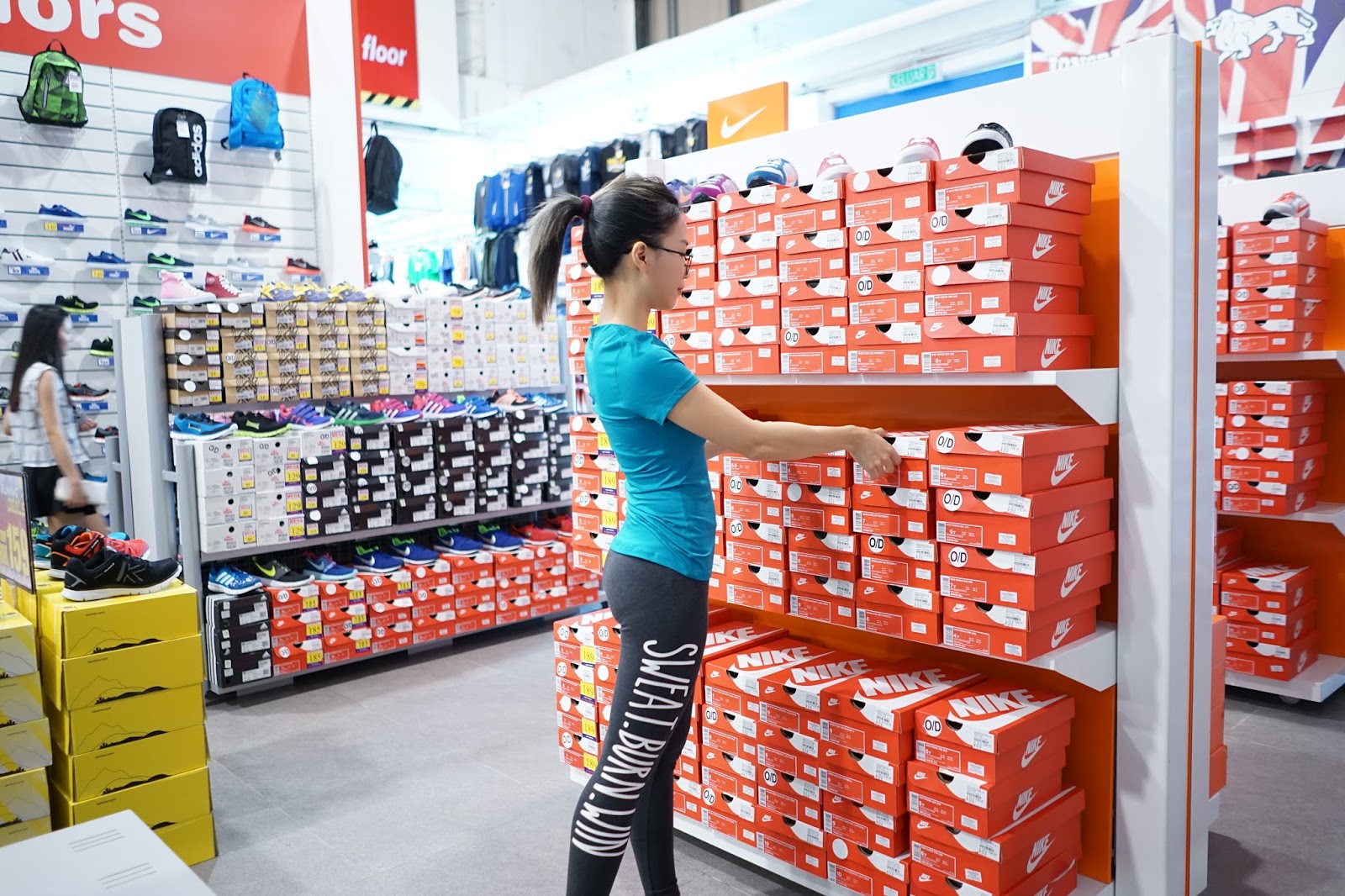
    SportsDirect Malaysia has opened its largest store yet in the country, at Section 51A.

    The British sporting goods retailer’s new Petaling Jaya flagship, together with sister company MST Golf, comprise a 41,000sqft joint destination that is the largest sporting goods retail outlet in the country. The opening reflects the reportedly significant success of the brand in Malaysia.

    Divided into zones for easier navigation, the new SportsDirect Malaysia stores sells a broad range of international sporting brands.

    SportsDirect Malaysia MD Paul Gibbons said: “We are committed to be the leading sports and lifestyle retailer internationally by offering our customers an unrivalled range of high quality leading brands. This store alone carries an inventory of over 23,000 pairs of sports shoes to cover all our consumer requirements”.

  • Bitcoin mining makers plan Hong Kong IPOs

    Bitcoin mining makers plan Hong Kong IPOs

    Three of the world’s largest bitcoin mining equipment makers plan to raise billions of dollars with initial public offerings in Hong Kong, even as other companies report plunging demand for the chips needed to make bitcoin and a halving in the price of the cryptocurrency.

    Soaring cryptocurrency prices last year triggered a boom in demand for specialist mining chips and in developing “mines” – facilities with thousands of machines that create the coins by solving complex mathematical puzzles.

    Yet the U.S. chipmaker Nvidia said this month that second-quarter sales to crypto miners totaled just $18 million, compared with $100 million expected by analysts.

    Nvidia’s chief financial officer, Colette Kress, said she anticipated “no contribution” to revenues from cryptocurrency in coming months.

    That has raised concerns about the upcoming Hong Kong listings by three Chinese manufacturers of bitcoin mining equipment, Bitmain, Canaan and Ebang International Holdings.

    The companies all design high-end computer chips intended for mining cryptocurrencies, particularly bitcoin, and sell mining equipment containing the chips. In addition, Bitmain mines cryptocurrencies on its own account. Companies like Nvidia also sell specialty chips used for mining.

    “The marked decline in the price of bitcoin since the start of the year is likely to weigh on investors’ interest in these companies,” said Benjamin Quinlan, chief executive of financial services consultancy Quinlan & Associates.

    But, he added, “the fall in the price of bitcoin from its peaks has not been matched by an equivalent fall in the numbers of people mining it.”

    Bitcoin is currently trading at $6,699, down 64 percent from its December 2017 peak of $18,690. Daily mining revenue was 77 percent lower than in December, according to Blockchain.info, a data analytics and wallet provider.

    “As the bitcoin price decreases, so does the profitability of mining itself, which decreases demand for mining chips and miners,” said Wang Leilei, a consultant at financial services consultancy Kapronasia.

    It is not just the price of bitcoin that is causing worries.

    People close to the IPOs said regulatory scrutiny and a patchy performance by Hong Kong offerings this year were additional concerns.

    Julian Hosp, president of TenX, a Singapore-based blockchain firm, has also warned that if coins switch mining algorithms, then the machines designed to mine them would become useless.

    “I would be quite wary of investing in these miners,” Hosp said, referring to the equipment makers. “They are not long-term businesses and I think they’ve had their uptrend for now.”

    Canaan and Ebang filed plans in May and June respectively for floats in Hong Kong, while Bitmain is expected to file its plans next month for an IPO in which it aims to raise at least $3 billion, sources close to the deal said.

    Cryptocurrency trading is a global activity, but Chinese chipmakers have led the way in developing the most efficient means to mine the coins.

    Bitmain had three quarters of the market for the specialist chips last year, followed by Canaan on 14 percent, according to estimates by analysts at Bernstein.

    Ebang is aiming to raise up to $1 billion, according to sources, while Canaan is targeting at least $400 million – down from a figure of up to $2 billion touted earlier this year by people involved in the deal.

    While EBang is expected to face Hong Kong’s listing committee in September – a key approval needed for marketing the IPO – Canaan’s offering is taking longer.

    A source close to Bitmain’s IPO said the company was aware about the potential for close regulatory scrutiny.

  • Foreigners big investors in Hanoi, HCMC 5-star hotels

    Foreigners big investors in Hanoi, HCMC 5-star hotels

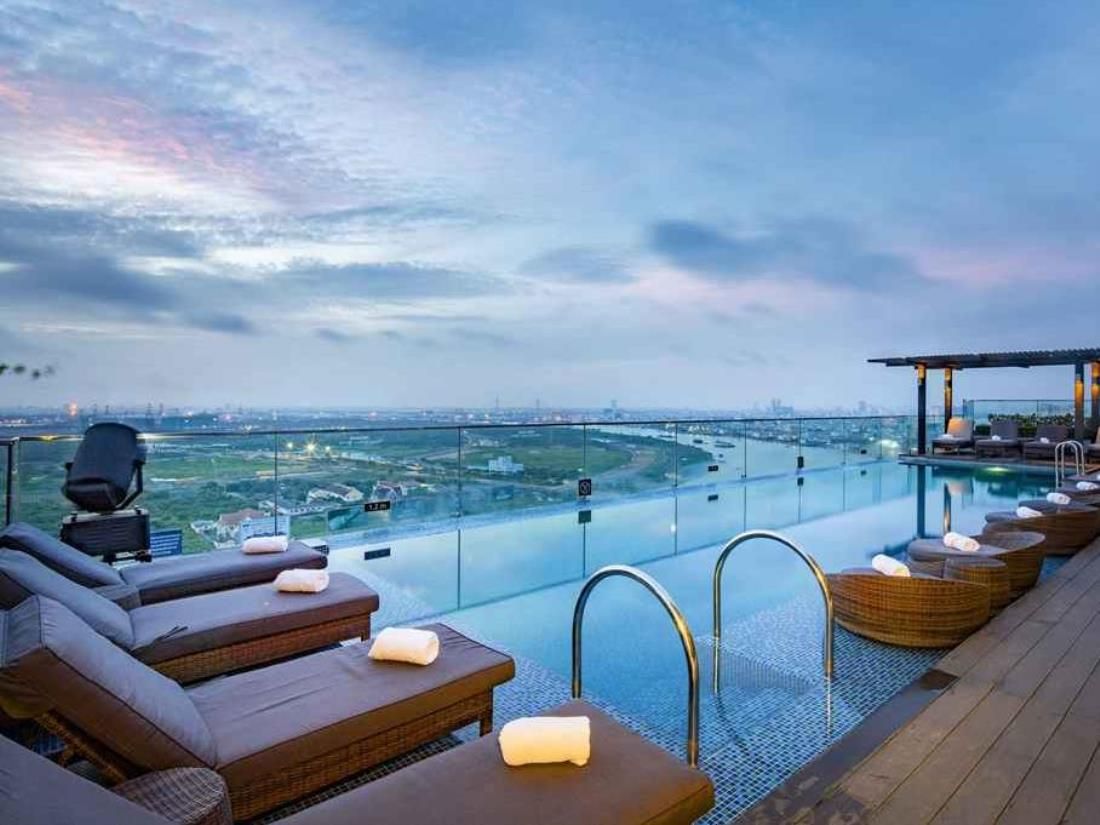
    More than half of five-star hotels in HCMC and Hanoi are owned by foreign investors.

    Ten out of 19 five-star hotels in the best locations in HCMC have foreign owners, according to data. They include Sheraton, Caravelle, InterContinental, Asiana Saigon, and Sofitel.

    Many of the foreign investors came to the country in the last two decades and first began by partnering local firms.

    One of them, Singapore-based Glynhill Investment Vietnam, established the $61.5 million Caravelle together with travel agency Saigon Tourist in 1992.

    In 1994 Lam Ho Investments, another Singaporean firm, signed a deal with Saigon Tourist to build the Sheraton hotel at a cost of $97 million.

    UOL Group, one of Singapore’s top real estate firms, picked up a 26 percent stake in the five-star Sofitel Saigon through its subsidiary, the Pan Pacific Hotel Group.

    Hong Kong investors also own stakes at premium hotels in HCMC. One of them, Keck Seng Investments, has a 64 percent stake in the Sheraton and 25 percent in Caravelle.

    Koreans, late entrants in the market, have been making major acquisitions in the last five years.

    In 2013 Lotte Hotels & Resort bought a 70 percent stake in the Legend Hotel from Japan’s Kotobuki Corporation.

    Lotte also manages the hotel, which overlooks the Saigon River.

    The company considers the hotel the first step in its expansion into Vietnam and Asia.

    In Hanoi, nine of 16 five-star hotels have foreigners as major shareholders.

    They have been investing in the sector for decades, with Hanoi Westlake, Melia, Sheraton, Daewoo, Nikko, and Pan Pacific being the major names.

    Malaysia’s Berjaya Corporation Berhad owns 75 percent of InterContinental Westlake and 70 percent of Sheraton.

    Other Korean firms own stakes in Lotte, Intercontinental Hanoi Landmark 72 and Grand Plaza.

    Vo Quoc Phuong Trang, head of Investment Consultancy said that international firms usually seek to own major stakes to enable them to take part in the hotels’ development and management.

    Hanoi and HCMC, with their steady economic and tourism growth, would continue to draw foreign investors in the high-end hotel segment, which has low risk but offers steady revenues, she said.

    As of last year there were 118 five-star hotels/resorts in Vietnam, almost twice the number in 2013.

    They had an occupancy rate of over 75 percent, 5 percentage points up from 2016, according to global consulting firm Grant Thornton.

  • Trinity blooms under Shandong Ruyi

    Trinity blooms under Shandong Ruyi

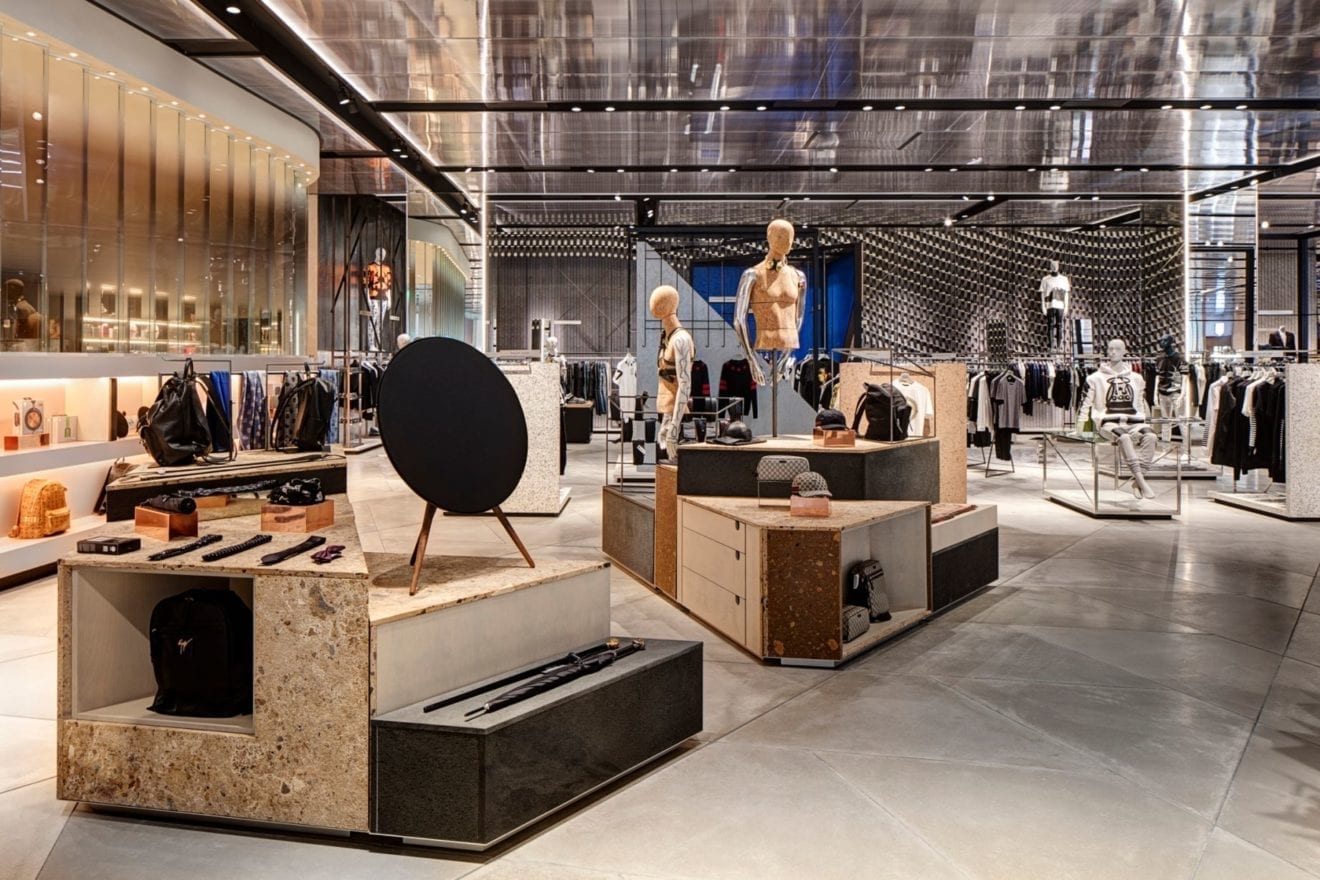
    Menswear retailer Trinity has announced double-digit same-store sales growth in its first half year.

    The period coincides with Shandong Ruyi International Fashion Industry Investment Holding taking a controlling interest in the group last April.

    During the review period, the group’s total revenue increased by 3.2 per cent compared to the same period last year to HK$890.1 million (US$113.4 million).

    Retail sales and same-stores sales recorded a growth of 8.1 per cent and 10.1 per cent respectively year-on-year. The increment was partly offset by the decrease in wholesale revenue as a result of the strategic shift from wholesaling to licensing to improve the long-term profitability of the group.

    The gross profit margin remained stable at 69.6 per cent as a result of the continued discounting trend.

    Trinity chairman Qiu Yafu said: “The recent licensing arrangements between Trinity and Ruyi will further strengthen the presence of our premium brands, Cerruti 1881, Kent & Curwen and Gieves & Hawkes, in key European markets and enable the group to refocus its resources to develop its core business in the greater China region. Capitalising on Ruyi’s international exposure and experience, we are confident Trinity will further consolidate its position globally and further penetrate the Chinese Mainland market.”

  • Indonesia’s Pertamina EP Discovers New Gas and Oil Reserve

    Indonesia’s Pertamina EP Discovers New Gas and Oil Reserve

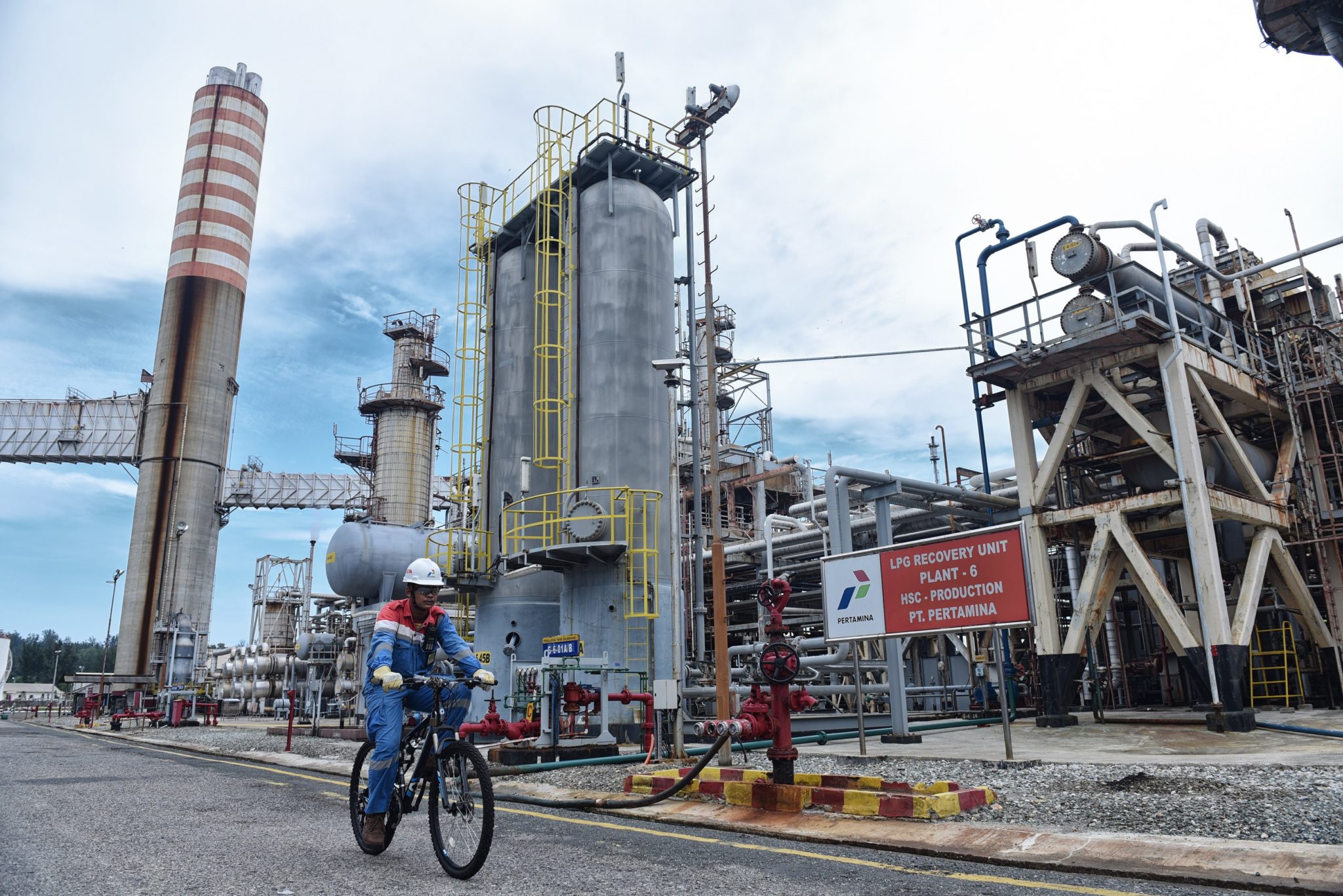
    Pertamina Exploration and Production, the exploration arm of state energy firm Pertamina, announced on Thursday (23/08) a discovery of a new gas, oil and condensate reserve in West Java.

    The company, known also as Pertamina EP, found the reserve while drilling the Akasia Maju wells at the company’s Jatibarang field in Indramayu. The operation was completed on Monday, at a final depth of 2,517 meters.

    In a production test, from one of the wells the company managed to extract 1,700 barrels of oil per day. Currently, the Jatibarang field produces 5,180 barrels of oil per day. The company wants increase it to 5,890 barrels.

    “Thank god all the effort we’ve put into it gave positive results. We’re certain that with our synergy and hard work we can contribute to the nation’s achievements in production,” Pertamina EP exploration and new discovery project director Achmad Alfian Husein, said.

    The discovery also opens the possibility of further exploration of the area.

    Jatibarang field has been in operation since 2017. Pertamina EP currently manages 50 onshore structures and one offshore, with 170 oil and gas producing wells in the field.

  • Emart’s 2nd-gen Pepper is chattier than before

    Emart’s 2nd-gen Pepper is chattier than before

    An upgraded version of Emart’s humanoid Pepper robot will start roaming the aisles of the retailer’s Seongsu branch in eastern Seoul starting tomorrow.

    Pepper is a humanoid robot developed by Japan’s SoftBank Robotics. Its main function is emotional perception and communication with humans at stores or at home. Emart developed programs tailored to using Pepper as an assistant to customers.

    The company said Monday the robot will serve as a guide for customers at the Seongsu branch’s imported food section three times a day between tomorrow and Sept. 12.

    This is the second test run for Pepper. Emart first sent the robot to its Seongsu store in May. The difference from three months ago is that Pepper can now move by itself.

    Pepper’s conversation skills have also received an upgrade. In May, Pepper was able to respond to simple questions on promotion events and offer product information after recognizing products with its camera.

    The new Pepper is smarter. It now has an artificial intelligence-based chat function that helps it engage in longer conversations. The robot also has access to data from SSG.com, the ecommerce website of Emart’s parent company Shinsegae, so it can make suggestions from various product categories. “For example, Pepper can spot a consumer lingering around the imported food corner, step up to them to ask which dish they plan to cook and propose a sauce that would best suit their needs,” said Emart in a statement.

    Many retailers are finding ways to use technology to downsize their workforce. The most common form of automated retail is electronic kiosks. Many eateries, from chains like McDonald’s to local non-franchise eateries, have machines for taking orders.

    Service robots like Pepper are becoming increasingly popular. Delivery app Baedal Minjok launched the robot server Dilly at a Pizza Hut branch earlier this month to transfer pizza from the kitchen to tables. In January, local coffee franchise Dal.komm Coffee launched b;eat, an automated coffee-making robot, which it installed at 10 of its coffee shops across Korea.

    “The primary purpose for the service robots that are coming out nowadays is to offer an entertaining point to enhance the consumer experience at their stores,” said Ryu Han-seok, an IT columnist. “Brick-and-mortar retailers haven’t had anything attractive and differentiating to show to consumers recently.”

  • Japan’s Aeon to invest in grocery delivery Boxed

    Japan’s Aeon to invest in grocery delivery Boxed

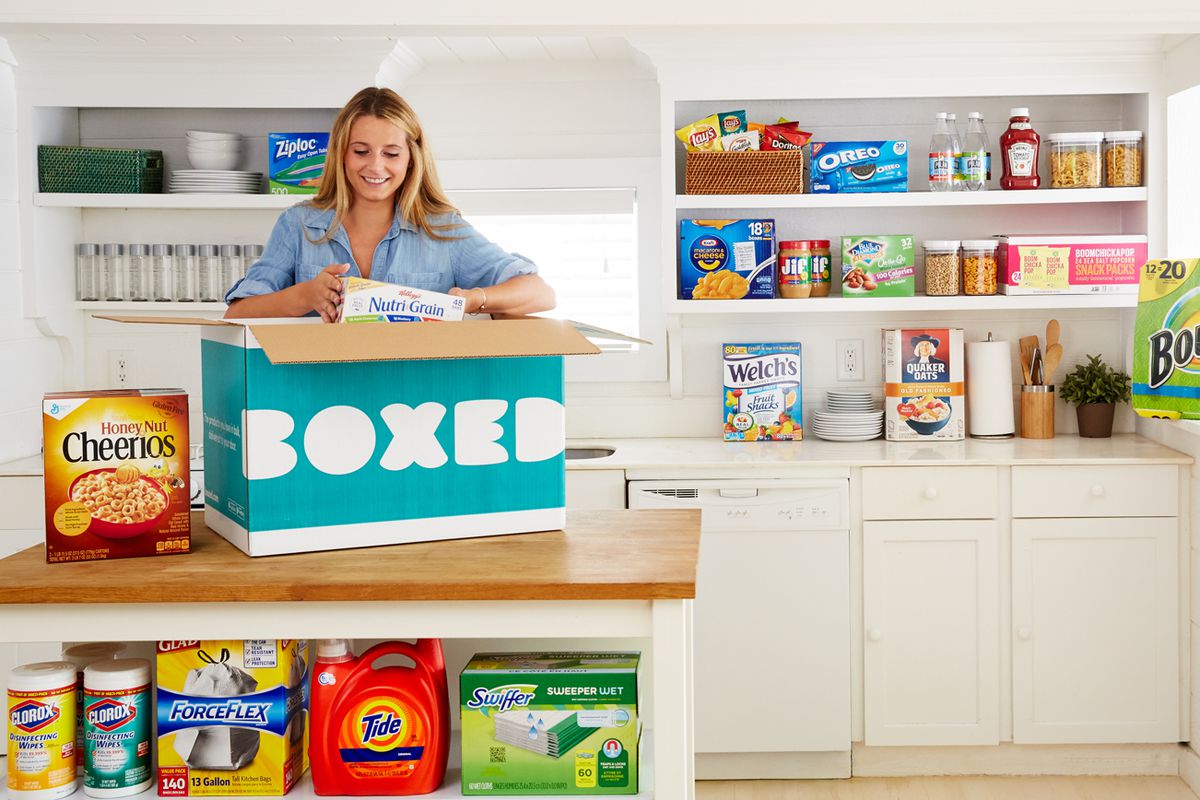
    Japanese retail group Aeon has lead a US$111 million funding round in US bulk grocery delivery business Boxed.

    Besides the cash injection, Aeon and Boxed will share knowledge and experiences on issues such as logistics, robotics and AI data, helping to accelerate Aeon’s digital transformation.

    “Our industry is constantly evolving. Our latest fundraising efforts will allow us to capitalise on those changes,” said Boxed CEO and co-founder Chieh Huang in a statement.

    “We’ll also continue to expand our national footprint by focusing on reaching our core consumer in various key markets, to increase national brand awareness of Boxed,”

    Other participants in the latest Boxed funding round were Alpha Square Group, CDIB Capital, Gabriel Naouri and existing shareholders in Boxed.

  • Grofers eyes over Rs 2,500 cr revenue in FY19

    Grofers eyes over Rs 2,500 cr revenue in FY19

    Online grocery firm Grofers expects its revenue to cross Rs 2,500 crore this fiscal on the back of strong addition of new customers along with increasing cart sizes of existing users.

    According to a report, The SoftBank-backed company, which competes with the likes of Alibaba-funded BigBasket as well as e-commerce majors like Flipkart and Amazon, currently has a monthly revenue run rate of about Rs 150 crore (translating into Rs 1,800 crore for the year).

    “We had launched a loyalty programme — Smart Bachat Club (SBC) — earlier this year and that has given a strong fillip to out business. It’s a subscription offering, where the customer is paying in advance for special pricing on items and we have seen huge uptake for it, we have crossed half a million subscribers already. By December, we expect to reach one million,” Albinder Dhindsa, Co-founder and CEO, Grofers said.

    He added that the frequency of shopping for SBC members is 2.5 times that of non-members, while their carts are 30 percent larger.

    “SBC is playing an important role in our business and we will continue to focus on growing the membership as it also gives us predictability of demand… Overall, we expect to close the fiscal with a monthly revenue run of Rs 215 crore (which translates to Rs 2,580 crore on annual basis),” he further said.

    Asked about competition, especially with Walmart-backed Flipkart and Amazon expanding their presence aggressively in the segment, Dhindsa said the company isn’t worried.

    “Giants have been there but we have been growing despite of that. We have been focussed on our performance, the categories we play in and in offering value to users. And so far, it has worked well for us,” he said.

    He added that the company is focussing on enhancing its coverage of the cities it operates in rather than adding more names to the list.

    In March this year, Grofers had announced raising Rs 400 crore (around US $62 million) in funding led by SoftBank, Tiger Global and Apoletto Asia. It has raised funding of US $226.5 million till now. Its average daily order volumes were over 35,000 per day in June this year.

    Grocery segment accounts for a significant portion of the unorganised retail segment in the country. With people becoming comfortable buying even milk and bread online, the online grocery segment is projected to witness a strong growth over the next few years in India.

    As per estimates, e-tail is just 0.5 per cent of the total grocery market in India, which is pegged at US $400 billion, or 70 percent of all retail.

    Earlier this month, Flipkart had said it plans to expand its online grocery service ‘Supermart’ to 5-6 major Indian cities by the end of the year. In May, Amazon India had re-branded its groceries service to ‘Amazon Now’ and has been aggressively ramping up selection and focussing on speedier delivery to consolidate its position in the segment.

    Also, in February this year, Bigbasket has raised US $300 million led by Chinese e-tailer giant Alibaba and others. It had said it plans to use the money to build farmer networks, expand deeper into existing cities, and to hire new hands.

  • Indonesia Oil Palm Estate Fund Adequate to Support B20 Biodiesel Policy

    Indonesia Oil Palm Estate Fund Adequate to Support B20 Biodiesel Policy

    The Indonesia Oil Palm Estate Fund is confident that it can shoulder additional subsidies paid out to producers under the government’s new biodiesel policy for the rest of the year.

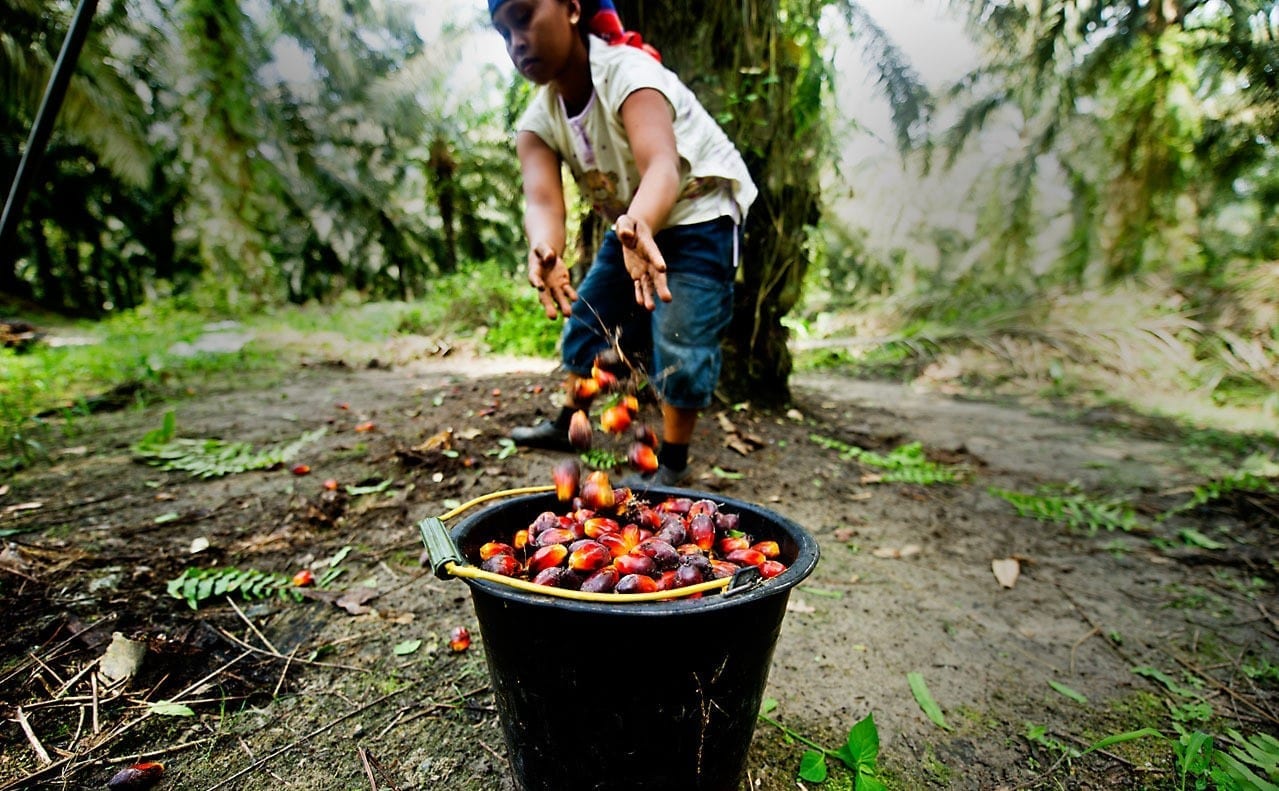
    The government will require all diesel engines in the country to run on B20, or diesel containing 20 percent biofuel derived from palm oil, from next month to reduce imports. It implemented the policy to reduce the country’s current-account deficit, which grew to 3 percent of gross domestic product in the second quarter of this year – a level the central bank believes is undermining economic stability.

    But the policy will also swell the subsidies paid to 19 biofuel producers, including Wilmar and the Sinar Mas Group. The fund, also known as BPDPKS, estimates that the policy would double biofuel demand in the second half of this year to 2.1 million kiloliters.

    The fund will need around Rp 9.8 trillion ($672 million) in total to subsidize the production of 3.2 million kiloliters of biofuel for the entire year.

    “[The fund] should be enough,” BPDPKS president director Dono Boestami said on Monday (20/08).

    He said the fund has collected Rp 6.4 trillion from the palm oil export levy in the first half of 2018, which is nearly 60 percent of this year’s Rp 10.9 trillion target, most of which is used as incentives to support renewable energy production.

    “We have prepared funds to expand B20 mandatory biodiesel [production], which is expected to absorb the excess supply of palm products in the market,” Dono said.

    Palm oil production has been on the rise over the past few years, and reached a record 42 million metric tons last year, representing a 115 percent increase from 2010. Palm oil production in the first half of 2018 rose to 22.3 million tons from 18.5 million tons last year.

    But palm oil exports have declined 6 percent to 14.16 million tons in the first half of 2018 due to the imposition of higher import tariffs by some of the biggest importers, such as India and the European Union.

    The fund was established in July 2015 to manage the income derived from levies on companies that export palm oil commodities to ensure the industry remains sustainable. Some of the funds are used to subsidize biodiesel, which currently costs more to produce than petroleum diesel. Biodiesel must be sold at more than Rp 9,000 a liter to cover production costs, while petroleum diesel currently costs Rp 5,150 a liter.

    The BPDPKS has disbursed Rp 4.4 trillion in the first six months of this year, most which was used to subsidize biodiesel production. The remainder was used for the development of the country’s palm oil industry, such as plantation rejuvenation, farmer training, research and promotion.

    Rp 288 billion was spent on the rejuvenation of 5,384 plantations covering a total area of 12,063 hectares as of June, much less than the government’s full-year target of 180,000 hectares.

    Dono said the main obstacles involve getting recommendations from the Ministry of Agriculture to restore plantations and legal verification of business licenses and land ownership.

    The BPDPKS has also funded 118 studies by 37 universities and institutions, which resulted in 101 scientific publications and three books.

  • GAP is struggling figure out next strategy

    GAP is struggling figure out next strategy

    At headline level, Gap’s second-quarter results look strong: Total group sales are up by 7.5 per cent, while US sales rose by 9.3 per cent.

    However, these gains are inflated by a change in the way revenue is recognised and when this is accounted for, sales increased by a more subdued 4 per cent. Growth falls still further, to around 3.4 per cent, when currency fluctuations are taken into account. While such adjustments may seem pedantic they are important as they help give a true picture of how Gap is actually trading.

    Regardless of the various financial mechanics, two things stand out from this quarter’s numbers. First, growth has slowed since the prior quarter – even though the consumer economy has strengthened. Second, growth is not evenly balanced across all parts of the business.

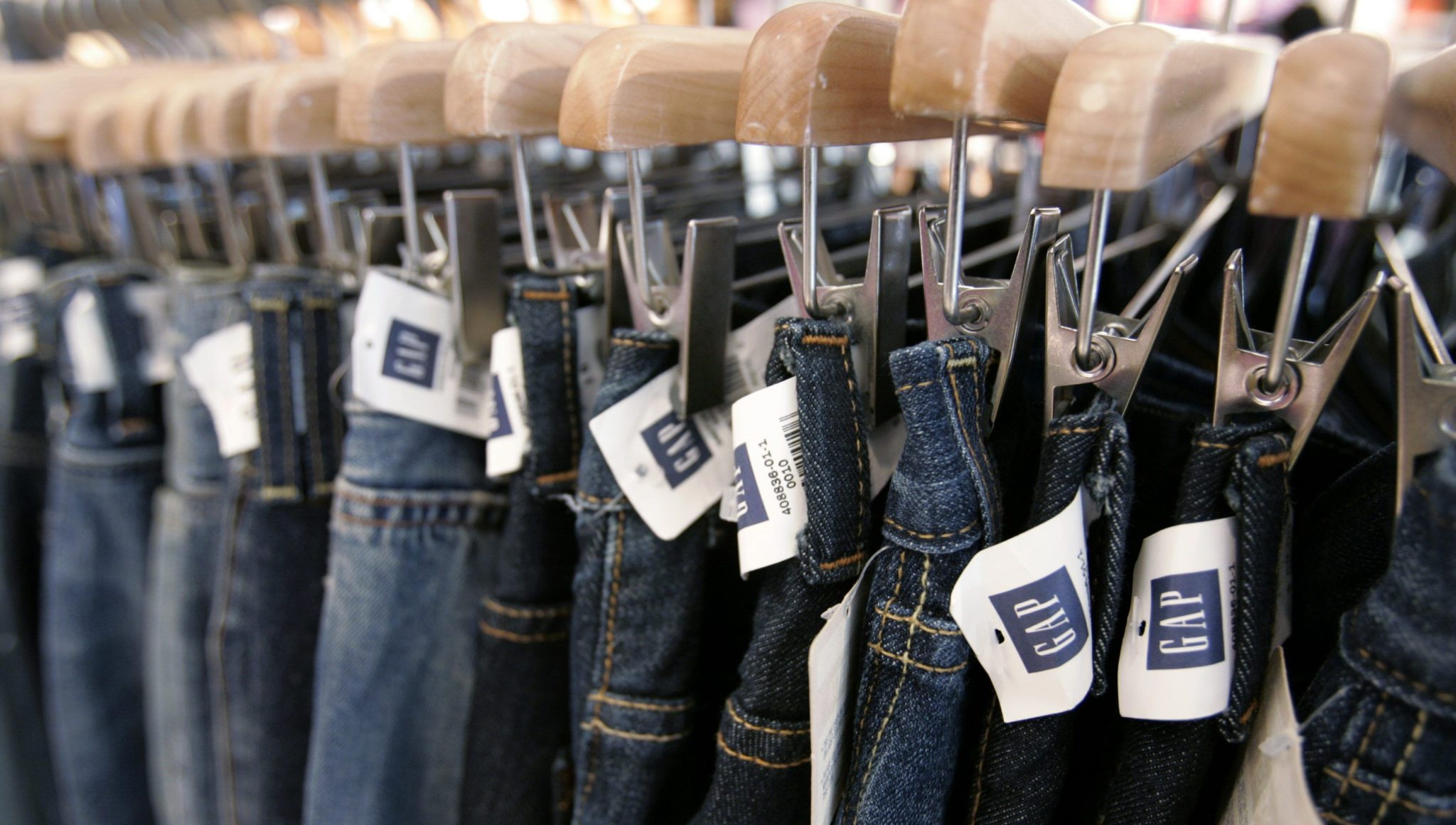
    One of the notable areas of weakness is the Gap brand in the US. Here, total sales rose by a very modest 1.2 per cent. While there were some store closures, they were not so numerous as to drag down the growth rate significantly. Moreover, global comparable sales at Gap were down by 5 per cent, off the back of a 1 per cent decline in the prior year. That the Gap brand cannot deliver, even over a period of very robust consumer spending, is evidence that it is still broken. A rising economic tide does float all retail boats, but it cannot float those with holes in them and, in our view, the Gap brand is still a very leaky vessel.

    The main problem is still the range. As much as Gap claims this has improved, there is scant evidence on the ground. The assortment continues to look samey and boring, with little effort being made to create newness or points of interest. This creates two problems. First, it discourages people from visiting and purchasing. Second, it means Gap struggles to charge full price and has to resort to continuous discounting to try and stimulate sales. Neither of these things are healthy.

    In our opinion, management needs to press the Gap brand’s reset button. The brand is adrift and needs a much clearer identity and sense of purpose. This is now an urgent requirement as a lot of other apparel brands – like J Crew, American Eagle, and Abercrombie & Fitch – are all upping their game and producing more consumer-centric collections. While the market is moving forward, Gap is, at best, standing still. This shows in our data, which indicates satisfaction with Gap’s proposition is still declining.

    Old Navy “superstar”

    Fortunately for the group, the superstar Old Navy has come to the rescue. Its results are the direct opposite of its troubled sister brand. Total sales growth accelerated over the prior quarter, rising by a stellar 13.7 per cent, while comparables rose by a solid 5 per cent off the back of a good increase in the prior year. There is definitely evidence that the strong consumer economy aided Old Navy, especially among families who were willing and able to spend more. However, the fact that the division continues to produce nice fashion edits at good price points is key to its success. Furthermore, we are encouraged by upcoming initiatives, such as the addition of plus sizes into the range.

    Even Banana Republic managed to put in a better showing, although with a modest 2 per cent rise in comparables there is clearly more work to do in refining the offer. The jury is still out on whether the current recovery is sustainable.

    Overall, the group has made some progress. However, the deep-seated problems at the Gap brand need to be resolved. And soon.

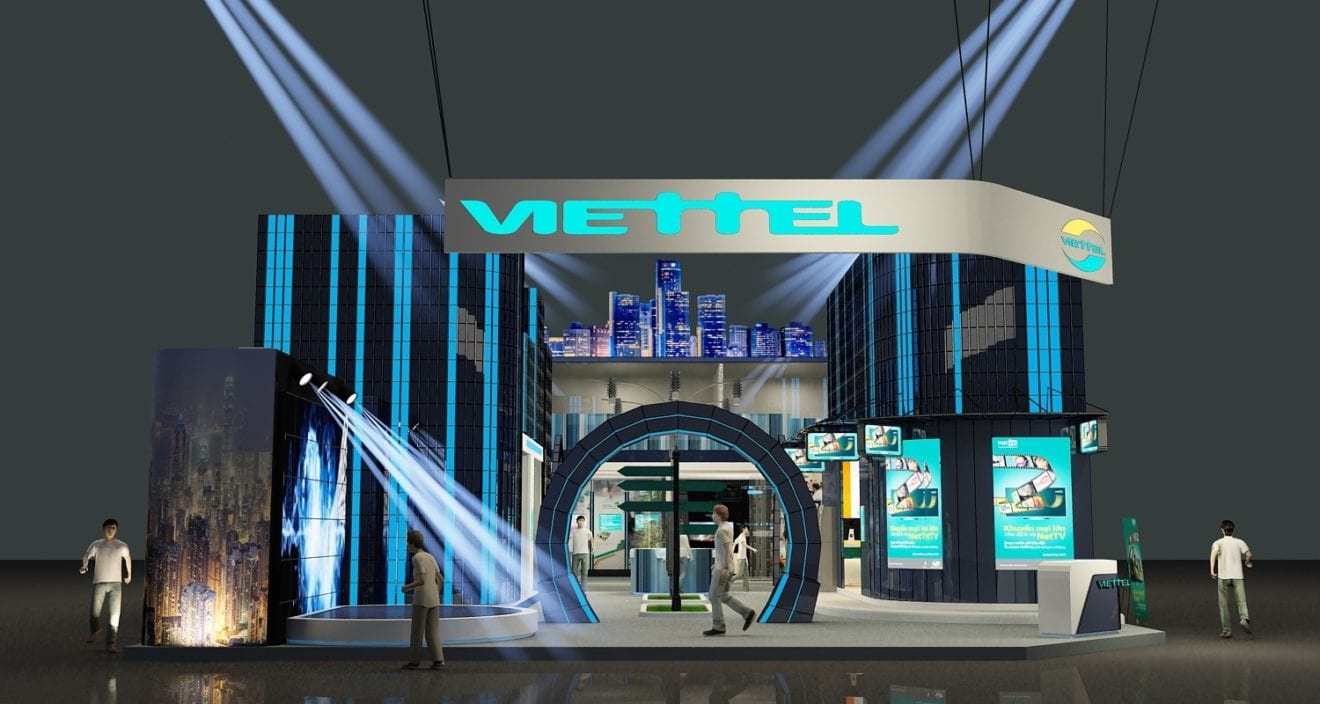
  • Vietnam telecom firm Viettel eyes Philippine market

    Vietnam telecom firm Viettel eyes Philippine market

    Vietnamese telecommunication company Viettel has set its sights on the Philippines as the next destination in its overseas expansion drive.

    The company said on Thursday, as the archipelago’s economy clears the way for the entry of a third operator.

    Fixing the Philippines’ notoriously patchy and expensive telecom services was a campaign promise of populist President Rodrigo Duterte, who had said late last year that a third player would join the market and end the duopoly of PLDT Inc and Globe Telecom Inc, which have a combined market capital of about $10.7 billion.

    “Viettel is interested in the third license on telecommunications in this market,” the military-run Viettel Group, Vietnam’s largest mobile carrier by subscription numbers, said.

    “Viettel will thoroughly consider participating in case the conditions of the bidding documents are in line with the strategy of Viettel.”

    The Philippines’ Department of Information and Communications Technology (ICT) issued draft rules this month on the entry of a third player, which require foreigners to team up with local partners holding congressional franchises.

    Foreign ownership of a telecom firm in the Philippines is capped at 40 percent, although Eliseo Rio, the acting ICT head, said in a recent interview that moves were underway to change that, so foreigners can raise their stakes later on.

    The Philippines has one of the world’s largest rates of average daily social media usage, yet insufficient infrastructure means its 105 million people suffer frequent dropped calls, weak signals and intermittent data.

    Viettel has already invested in 10 countries across Asia, Africa and America, and had 43 million subscribers overseas, as of end-2017.

    Last month, a Viettel official said the company was also eyeing opportunities in Ethiopia after the government there announced its intention to liberalise key economic sectors including telecommunications.

    In June, Viettel and its local partners launched a $1.5 billion 4G network in Myanmar, making them the fourth telecom operator in the country.