Tag: asia

  • Galaxy Note9 does better than S9 on preorder sales

    Galaxy Note9 does better than S9 on preorder sales

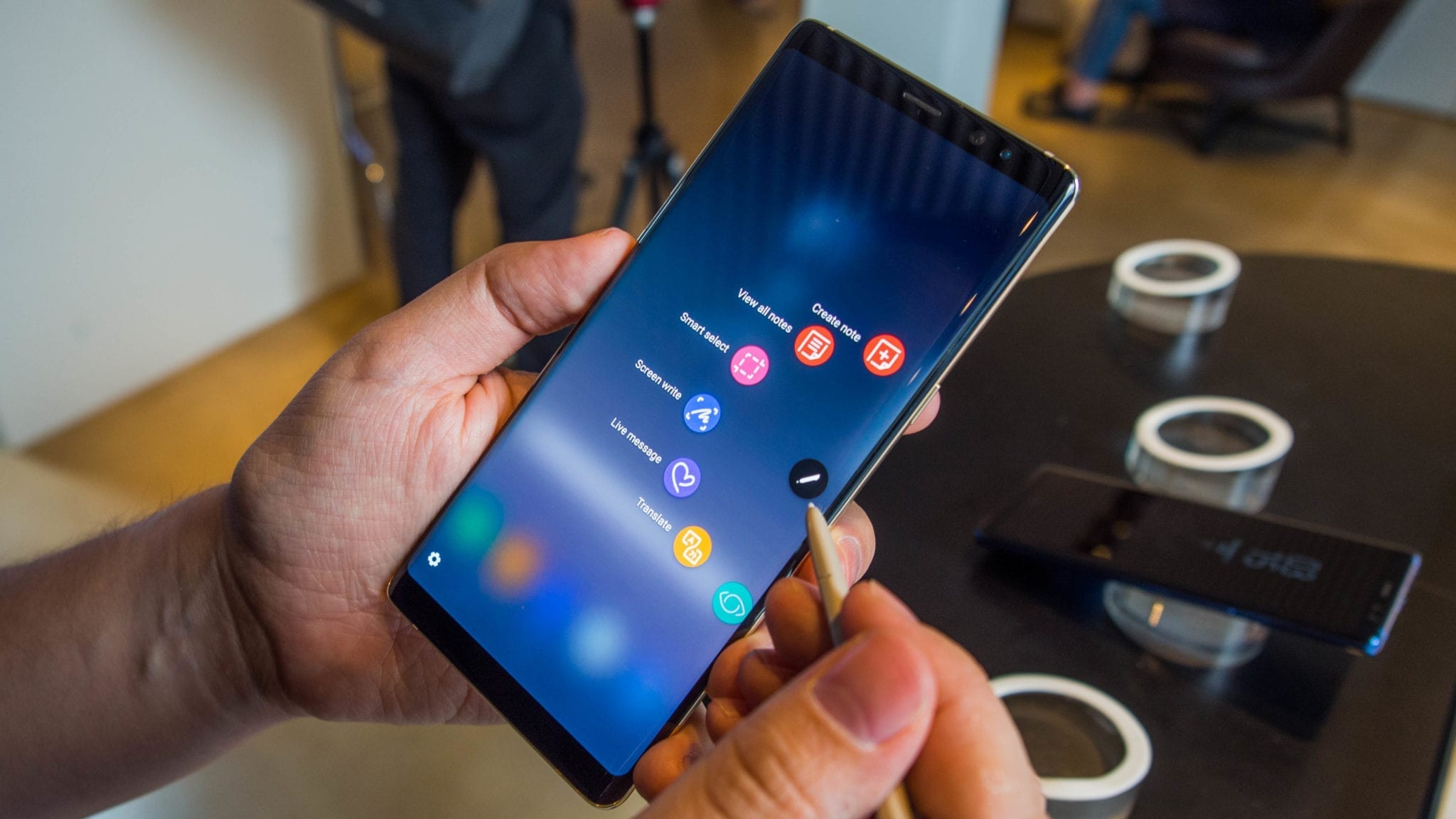
    Samsung Electronics latest smartphone, the Galaxy Note9, attracted more preorder sales than the Galaxy S9, released in March, mobile carriers here said Monday.

    “The number of preorders for the Galaxy Note9 is roughly 30 to 50 percent higher than the Galaxy S9,” a source from a local mobile carrier said.

    The representative added that despite the stronger numbers it is still some 80 percent of the preorder numbers for last year’s Galaxy Note8.

    The overall figure for the Note9 is viewed as being solid considering demand for the Note8 shot up due to the battery debacle of the Note7 that was released in 2016.

    Local mobile carriers will end preorders for the new smartphone on Monday, and start handing out the devices to customers on Tuesday. The official release is slated for Friday.

    The Galaxy S9, which failed to grab the market’s attention due to a lack of features compared with predecessors, has been cited as one of major hurdles that has weighed down Samsung’s mobile business.

    The Note9 is currently seeking to revitalize the IT and mobile business through its 4,000 mAh battery along with a top-notch stylus equipped with Bluetooth technology.

  • Here, the Portuguese brand who caught the eye of millennials

    Here, the Portuguese brand who caught the eye of millennials

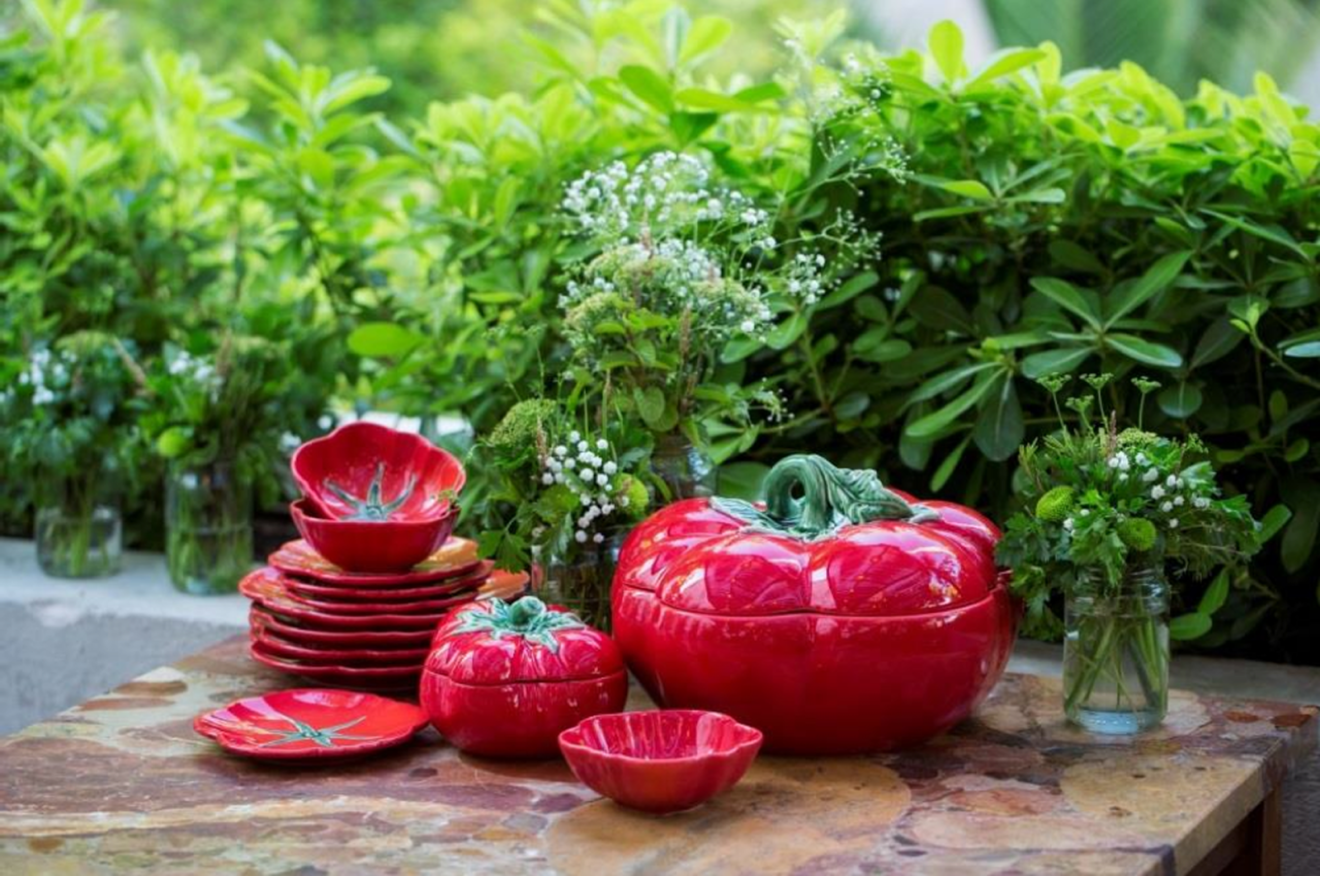
    The world of the 19th-century Portuguese ceramics company Bordallo Pinheiro is whimsical, colourful and eccentric, and its surreal creations are taking over tables and Instagram feeds around the world. How has this 134-year-old brand – stocked in Liberty, SCP, Amara, Couverture and Arket – become a must-have for millennials?

    With the current vogue for macramé wall hangings and velvet sofas and hanging baskets, it seems we are turning to our grandmothers’ homes for inspiration.

    Elsewhere, bold colour fills the high street, from Frida Kahlo to tropical Havana brights. In the age of Brexit and Trump, Scandi-style neutrals don’t cut it; there’s an appetite for something stronger.

    The company’s founder, Raphael Bordallo Pinheiro, was a visionary – a subversive socialist who liked to poke fun at late-19th-century Portuguese society. He was a caricaturist, interior designer, sculptor and publisher of satirical newspapers, with an artist’s disregard for convention. His dream was to elevate everyday tableware to the design standards of porcelain pieces – the preserve of the upper classes.

    His designs are strongly rooted in Portuguese culture, its culinary heritage and natural environment. Raphael wanted vegetables, flowers, insects, fish and animals at the table. He also had a passion for science – “a technical sensibility”, says Elsa Rebelo, Bordallo Pinheiro’s artistic director.

    “He experimented to achieve natural colours and detailed features, such as feathers and leaves. His goal was to create objects that look as real as possible.” The company is opening its first shops outside Portugal this year, in Paris and Madrid. Half the one million pieces it sold last year went to buyers outside Portugal.

    Rebelo works with in-house sculptors to create new moulds from original pieces. “In our archive, we have hundreds that were designed by Raphael and his son Manuel between 1884 and 1910,” she says. “When we’re choosing which to release, we look at the sculptural aspect of a design and also try to reflect the aesthetic tastes of the moment.”

    The company’s way of working hasn’t changed much in the intervening decades. Its factory is on a pine-lined side street on the outskirts of Caldas da Rainha, a city 75km north of Lisbon. The single-storey building feels more like a large artist’s studio than a commercial factory, and products are almost entirely hand made by a 250-strong workforce. Outside the mould-making workshop, racks of animal designs sit on long shelves like a watchful zoo.

    For the vast majority of pieces, workers hand fill the moulds with liquid clay, tipping them gently from side to side, to fill each nook and remove air bubbles. When dry, another team puts the pieces together, delicately fixing a tail to a hissing cat, a claw to a lobster, six slender legs to a wasp: some designs are made up of as many as 25 moulds.

    After a first firing, the pieces are hand glazed or painted by a team of more than 20 artists. A second firing completes the process. For fans of the brand there’s no danger of running out of designs. “We have enough [in the archives] to release new products for another 100 years or more,” Rebelo says.

  • Google planned first flagship store for Chicago

    Google planned first flagship store for Chicago

    Google is reportedly planning to open its first permanent retail store, in a trendy Chicago neighbourhood.

    According to a report in the Chicago Tribune, a two-storey Google flagship store will open in the Fulton Market area, known locally as the meatpacking district.

    Google declined to confirm the report. “We don’t comment on rumor or speculation,” spokeswoman Kayla Conti said.

    But citing reliable sources, the Chicago Tribune said the lease is close to being finalised. The store will take up 14,000sqft and will be used to showcase the online company’s growing array of gadgets, including its smartphones, tablets, home security systems and Google Home, which is its answer to Amazon’s Echo.

    The store will be located in historic low-rise brick buildings on W. Randolph Street.

    Until now, Google’s brick-and-mortar foray has been limited to pop-up stores and concessions.

  • Little B store China is pumped up with white-glazed tiles and neon lights

    Little B store China is pumped up with white-glazed tiles and neon lights

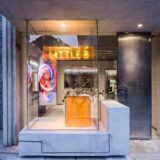
    Nestled in an alleyway in Shanghai’s historic Xintiandi district, a high-end convenience store like none other has opened its doors.

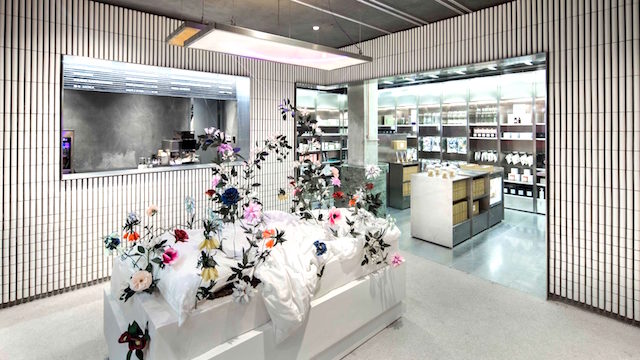
    Little B was designed by Chinese studio Neri&Hu, which mixed curved white-glazed tiles with stainless steel to create what resembles more of a science fiction movie set than a conventional cluttered c-store.

    Unlike the usual stores, each item in Little B is sourced from various high-end brands that, according to its owner, lifestyle brand The Beast, have been curated to suit the “culturally astute and increasingly discerning taste of Chinese consumers”.

    As reported, Neri&Hu wanted to preserve the store’s light grey concrete exterior, given the area comprised reconstructed mid-19th Century Shikumen – stonegate – houses.

    Neri&Hu wanted their design to reflect this exclusivity of the store, and took inspiration from the aesthetic of pop-up shops to give the space a “spontaneous” feel by leaving the entrance relatively empty.

    Similarly, they avoided cluttered shelves and crowded aisles to truly set the concept – and its stock – apart.

    “We encouraged the client to not just fill the entire space with products, but instead to leave some undefined space as an extension of the public realm,” Neri&Hu said.

    “This area is left raw with concrete floors, in the spirit of the temporary nature of pop-ups. It’s a blank space that allows for any possibility,” they said.

    In the retail area of the store, display and shelving fixtures made from stainless steel wrap around the perimeter.

    “Stainless steel, a rather sterile material, is brought to life by the layering various finishes: including brushed and polished, perforated and bump textured,” said the designers.

    “The vibrant packaging of the products, the colours and shapes from the feature artwork, as well as the signage lighting begin to reflect off of each other, blur boundaries, and activate the space,” they continued.

    View the full gallery below (6 images) :


  • Go-Jek Close to Profit in All Segments, Except Transportation

    Go-Jek Close to Profit in All Segments, Except Transportation

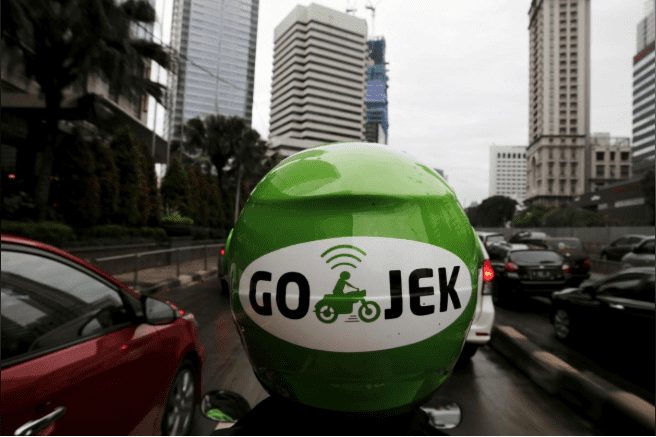
    Go-Jek, Indonesia’s first billion-dollar startup, is “extremely close” to achieving profitability in all its segments, except transportation, its founder and chief executive, Nadiem Makarim said.

    Launched in Jakarta in 2011, Go-Jek – a play on the local word for motorbike taxis – has evolved from a ride-hailing service to a one-stop app allowing clients in Southeast Asia’s largest economy to make online payments and order everything from food, groceries to massages.

    “We’re seeing enormous online-to-offline traction for all of our businesses and are close to being profitable, outside of transportation,” the 34-year old chief executive said.

    The startup is expected to be fully profitable “probably” within the next few years, Nadiem added.

    Already a market leader in Indonesia, where it processes more than 100 million transactions for its 20-25 million monthly users, Go-Jek is now looking to expand in Southeast Asia.

    Ride-hailing services in Southeast Asia are expected to surge to $20.1 billion in gross merchandise value by 2025 from $5.1 billion in 2017, according to a Google-Temasek report.

    Go-Jek said in May that it would invest $500 million to enter Vietnam, Singapore, Thailand and the Philippines after Uber struck a deal to sell its Southeast Asian operations to Grab – the bigger player in the region.

    Go-Jek is seeing strong funding interest from its backers as it targets an aggressive expansion, Nadiem said.

    “Since its Aug. 1 launch, the app has already grabbed 15 percent of market share in Ho Chi Minh,” Nadiem said. The firm this week opened recruitment for motorcycle drivers in Thailand.

    The startup expects anti-monopoly concerns swirling around the Grab-Uber deal, which Singapore said had substantially hurt competition, to help clear a path for its expansion.

    “We’re bringing back choice. The Singapore government is particularly eager to bring back competition,” Nadiem said, adding that the order of overseas rollouts had not been set.

    Overseas Push

    Go-Jek’s offshore push comes at a time when Singapore-based Grab is stepping up funding to expand in Indonesia and transform itself into a consumer technology company, starting with a partnership with online grocer HappyFresh.

    “Mimicking Go-Jek’s strategy is the highest form of flattery,” Nadiem laughed.

    “The super app strategy has been around for a while now and no Southeast Asian player can claim to have pioneered it,” Grab said in a statement. The company also said Grab has not lost market share in Ho Chi Minh City since August, but declined to provide market share data.

    Nadiem believes Go-Jek’s understanding of food merchants will give it an edge over Grab, which counts investors such as Chinese ride-hailing firm Didi Chuxing and Japan’s SoftBank Group among its backers.

    Nadiem, who sees food delivery as Go-Jek’s core business, said he was not concerned about funding, without giving details.

    Go-Jek was reported in June as being in talks to raise $1.5 billion in a new funding round and was valued at about $5 billion in a prior fundraising, sources said. The firm had said in March it was considering a domestic initial public offering.

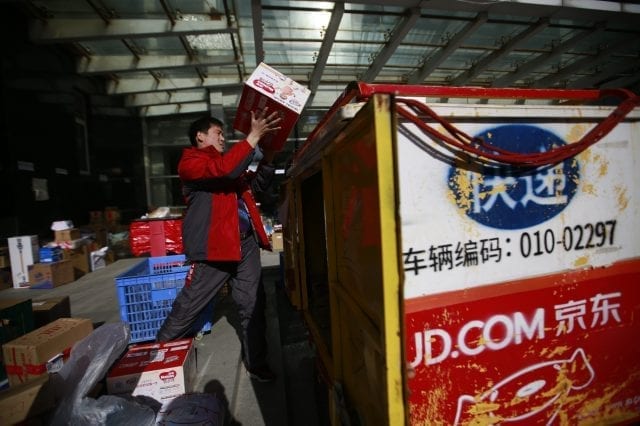
    Nadiem noted Go-Jek’s backers were sharing both capital and expertise. The company is collaborating with Google on platform mobility, Tencent on payments strategy, JD.com on logistics operations and Meituan Dianping on merchant transactions and deliveries.

    Go-Jek has set up a venture capital arm, Go-Ventures, to invest in startups in Southeast Asia “with strategic importance to our business,” the chief executive said.
  • Memebox and Sephora partner on ecommerce

    Memebox and Sephora partner on ecommerce

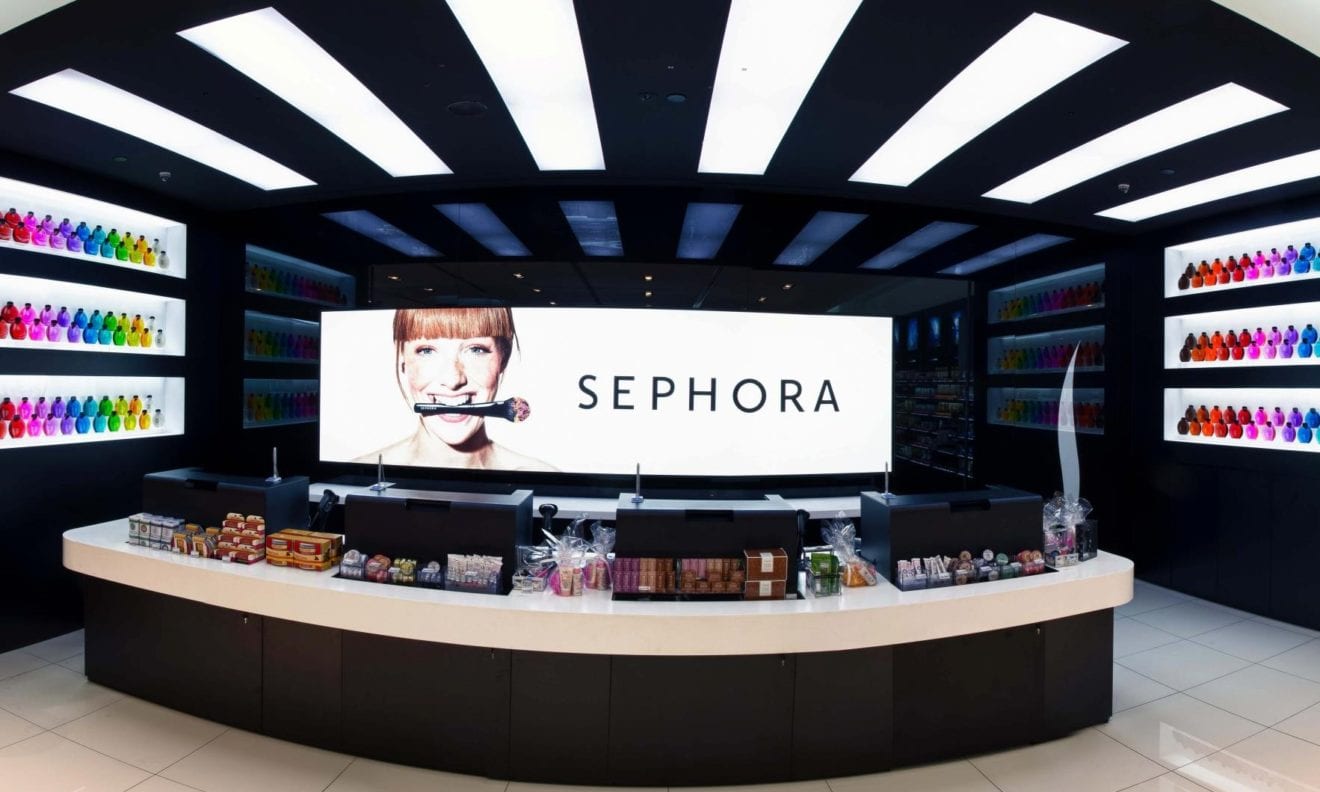
    Memebox signed a partnership deal with global beauty giant Sephora to expand its global presence in the ecommerce scene and develop a joint brand due for release this autumn, according to Formation Group on Monday.

    The achievement comes only six years after the local beauty company launched as a small start-up in Korea. It now has offices in five regions around the world including Pangyo, Gyeonggi and San Francisco.

    Formation Group is a venture capital firm and a stakeholder in Memebox.

    One goal of the partnership with Sephora, a global beauty retailer owned by LVMH Group with operations in 33 countries, is to expand Memebox’s global ecommerce site that recently re-opened after being closed down last year.

    Memebox launched in the United States in 2014 as an online store offering K-beauty products. Last year, it halted the global ecommerce website with an aim of developing an online community where consumers can exchange know-how and reviews on beauty products.

    The website has more than five million users per month uploading videos and tips.

    However, the ecommerce site was re-launched in June. “We decided the timing had come to develop a competitive edge with our own ecommerce platform, now that the awareness and credibility regarding Korean beauty brands has greatly improved in the United States,” said Memebox CEO Ha Hyung-seok.

    The launch also gave U.S. consumers access to Memebox’s in-house brands: Pony Effect, I Dew Care and Nooni.

    One of Memebox’s strengths is the accumulated data from its community which has more than 30,000 product reviews from people of different ethnicities and cultural backgrounds. In a beauty market where trends change fast, an up-to-date database of consumers is a big asset not only in terms of marketing, but also for fast product development.

    Another apparent result of the collaboration between Memebox and Sephora is scheduled to come this autumn: a color cosmetics brand for which details have not yet been revealed.

  • JD quarterly report leaves some concern

    JD quarterly report leaves some concern

    Chinese e-commerce company JD boosted second-quarter revenue by 31.2 per cent, but losses ballooned nine-fold.

    JD quarterly sales reached RMB122.3 billion (US$218.5 billion) for the three months to June 30, with net service revenues of RMB11.8 billion (US$1.8 billion), up 51 per cent year on year.

    On a rolling 12 month basis, annual active customer accounts increased by 21.5 per cent to 313.8 million in the year to June 30.

    The operating margin of JD Mall was just 1.1 per cent, although that was an improvement on the 0.8 per cent of the same period a year earlier.

    JD chairman and CEO Richard Liu said the e-commerce business was continuing to win over new personal customers. “We are also seeing more corporate clients, both Chinese and international, leveraging JD’s superior technology and retail infrastructure to help take their businesses to the next level. We will continue to prioritise technology innovation to empower our partners with enhanced capabilities and improved efficiency, helping us to realise our ‘Retail as a Service’ strategy, and driving our next phase of growth.”

    The net loss from continuing operations attributable to shareholders was RMB2.213 billion (US$334.4 million), compared to RMB287 million for the same period last year.

    Despite continuing losses in what is  along-game business, JD is attracting investment. In June, Google invested $500 million as part of a new strategic partnership.

    “We are pleased to see continued healthy performance in the second quarter, with solid revenue growth and improved margins in our core JD Mall business,” said Sidney Huang, CFO, in a statement “Our new business initiatives continue to gain impressive traction across the industry. We will maintain a balanced, long-term approach to investing in the technologies that will define the future of retail.”

    During the second quarter, JD expanded its leadership position in fulfillment capabilities among China’s e-commerce companies. As of June 30, JD operated 521 warehouses covering an aggregate gross floor area of 11.6 million sqm in China.

    The company had more than 170,000 merchants on its online marketplace, and 173,904 full-time employees at the end of the quarter.

  • Police seized counterfeit goods at Sim Lim Square

    Police seized counterfeit goods at Sim Lim Square

    Singaporean police have found $1.03 million worth of fake goods at Sim Lim Square.

    The counterfeit products were seized from four retail outlets in the high-profile shopping centre.

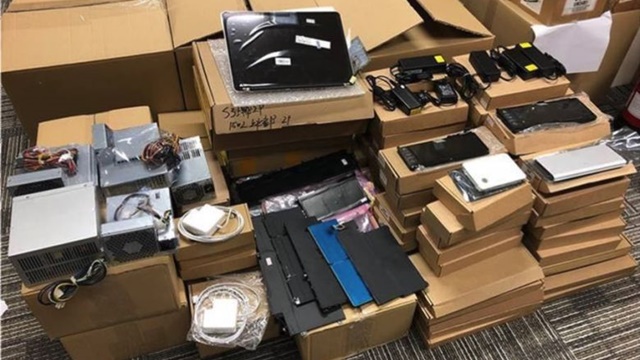
    Some 6000 pieces of trademark-infringing items including laptop power adaptors, batteries, LCD screens, power supply units, cables and earpieces were seized in the raid and three men were arrested.

    According to Criminal Investigation Department, selling or distributing goods with falsely applied trademarks can attract fines of up to $100,000, and jail terms of up to five years.

    “Police take a serious view of intellectual property right (IPR) infringements and will not hesitate to take action against perpetrators who show blatant disregard for our IPR laws and at the expense of legitimate businesses,” said Florence Chua, director and deputy commissioner of police (investigations and intelligence).

  • Vietnamese firms conspicuously absent as auto parts industry thrives

    Vietnamese firms conspicuously absent as auto parts industry thrives

    Vietnam enjoys a trade surplus in the auto parts industry, but domestic firms play no role in this success.

    The reason for this strange situation is that the market is dominated by export-oriented foreign invested enterprises, while domestic firms are shackled by a lack of policy and regulatory support, both officials and industry insiders say.

    Last year, the country exported $4.4 billion worth of auto parts and imported the same $3.5 billion, said Nguyen Thi Xuan Thuy, head of research at the Institute of Strategic Research and Policy under the Ministry of Industry and Trade.

    This trade surplus of $900 million mostly came from foreign direct investment (FDI) businesses, not local firms, she said at a recent conference.

    The FDI businesses, including Nissei, Furukawa, MTEX, FAPV and Pronics, produce in Vietnam and export auto parts to major auto makers in China, Japan, Korea, Thailand and the U.S, she added.

    Importers of made-in-Vietnam auto partsin percentageJapanU.S.ChinaKoreaThailandGermanyOther countries

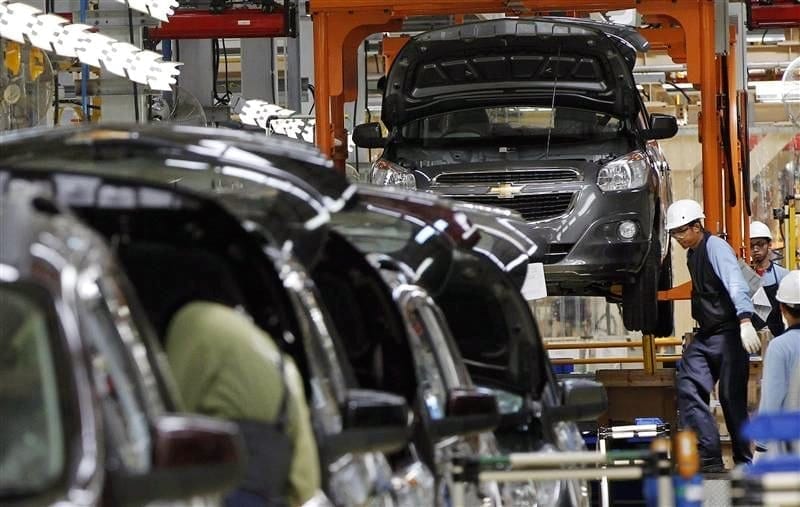
    Meanwhile, for the automakers in Vietnam, 90 percent of the 30,000-40,000 parts to make a car are imported, said Pham Tuan Anh, deputy head of the Department of Industry under the Ministry of Industry and Trade.

    There is a lack of suppliers in Vietnam compared to other countries in the region, he added.

    Echoing Anh, Thuy said that Vietnam has 20 auto assemblers, but only 226 parts suppliers. Neighboring Thailand, meanwhile, has 16 auto assemblers and 2,390 suppliers.

    Many constraints

    Vietnamese companies in the auto parts industry face many challenges, and one of them is the lack of assistance in terms of legal framework, said Do Huu Hao, chairman of the Vietnam Society of Automotive Engineers.

    Regulations concerning parts suppliers are changed often and the tax policies are also unsuitable for the industry, he said.

    Another reason is that local manufacturers have limited financial capacity to compete with their foreign counterparts.

    The auto part industry is heavily dependent on imported material, but the low financial capacities of local suppliers prevent them from buying more of it, Hao said.

    These factors make cars made in Vietnam 10-20 percent more expensive that of Thailand or Indonesia.

    Vietnam’s total vehicle sales increased 3.9 percent to 21,466 units in July from a year ago, according to the Vietnam Automobile Manufacturers’ Association (VAMA).

    Total vehicle sales in the first seven months of 2018 dropped 4.1 percent from the same period last year to 148,536 units, VAMA said.

  • ThaiBev to intensify Vietnam focus after lackluster 3Q

    ThaiBev to intensify Vietnam focus after lackluster 3Q

    Thai Beverage on Wednesday announced plans to double down on the Vietnam beer market after posting disappointing third-quarter results.

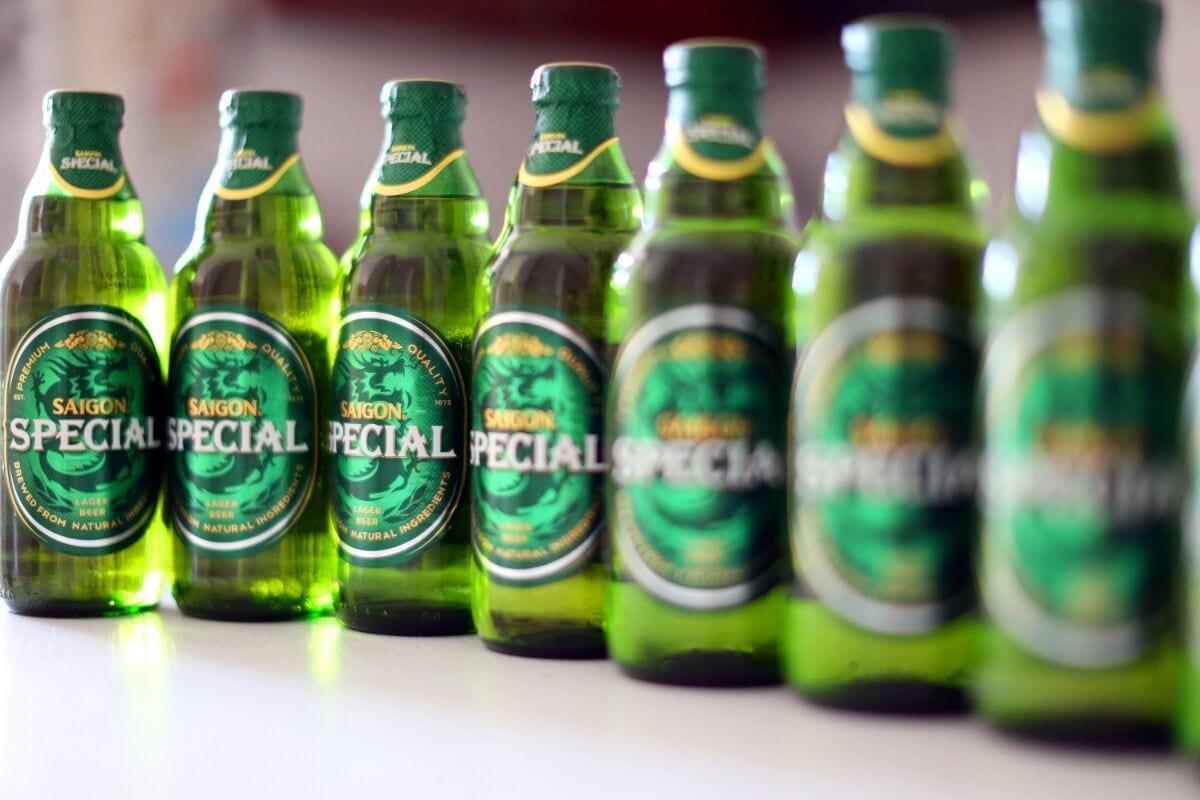
    It said it will focus on optimal use of its 54 percent stake in Vietnam’s largest brewery Saigon Beer Alcohol Beverage Corp (Sabeco), known for its Saigon Special beer.

    It is reported that although the firm acquired its stake in Sabeco last December, ThaiBev only began conducting due diligence of the brewery’s production facilities recently, after its current CEO, Bennett Neo Gim Siong, was appointed on August 1.

    The firm stated it was working on several areas to boost Sabeco’s performance, including procurement, marketing and R&D.

    ThaiBev officials said they were optimistic about Sabeco’s potential and profitability in Vietnam’s beer market.

    The latest announcement came after ThaiBev on Tuesday posted a net profit of 5.99 billion baht ($180 million) for the third quarter ending June 30, a 61 percent fall from 15.23 billion baht ($458 million) a year ago.

    The drop was attributed to several factors, one of them an increase in net losses from the non-alcoholic beverage business.

    Last year, Sabeco produced nearly 1.8 trillion litres of beer, recording sales of VND35.2 trillion ($1.56 billion) and an after-tax profit of VND4.95 trillion ($199.5 million).

    It exported 28.6 million liters of beer for over $15 million.

    Vietnam is the biggest beer market in Southeast Asia, consuming nearly four billion liters last year.

  • China expansion gives good result for Jumbo Group

    China expansion gives good result for Jumbo Group

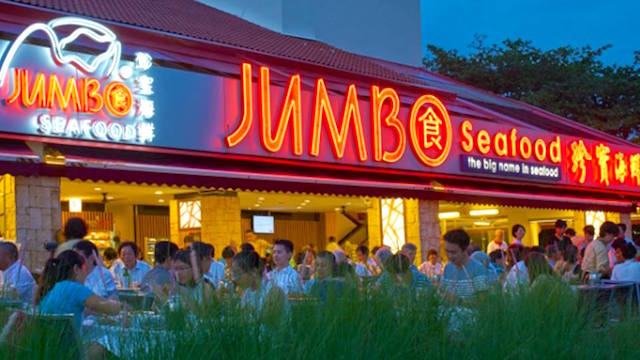
    Singaporean restaurant chain Jumbo Group has announced sales of S$35.8 million for the three-months to June 30, boosted by new outlets in China.

    Two new restaurants opened in Beijing and Shanghai, combined with a recently opened venue in Xi’an’s SKP luxury mall, increased revenue for the quarter by $1.8 million comparative to last year’s figures for the corresponding period. The group has also recently launched one of its franchises in Taiwan.

    Despite the revenue growth, overall profit attributable to owners of the company showed a decrease of $1.2 million from the same quarter last year, down to $2.2 million. This was attributed to the closure of two outlets in Singapore, rising costs of materials and fresh seafood, and staffing and promotional costs for launching the Chinese stores.

    The firm’s gross profit margin was correspondingly lower at 62 per cent during the quarter, compared to 62.7 per cent last year.

    The group’s executive director and CEO Ang Kiam Meng said he was heartened the business’s expansion in the region has borne fruit.

    “On the domestic front, we see an overwhelming response at the new Tsui Wah outlet at Clarke Quay. This is in line with our strategy to increase the vibrancy of our business and Singapore’s food and beverage landscape. As a growing business, there will be a gestation period as reflected in our latest set of financial results. We are confident that we will be able to produce a sustainable performance as we expand our footprint regionally and strengthen our position.”

    The group will continue to expand across the region in the coming year, with new outlets planned for Thailand, Taiwan, China and Singapore.

  • Baia Baia launches in Australia

    Baia Baia launches in Australia

    International fashion and accessories brand Baia Baia, known for its playful and spirited approach to custom creation, made its Australian debut with the opening of its first Australian flagship store in Sydney’s Queen Victoria Building late July.

    Baia Baia is a bespoke charm concept, where fashion and creativity collide, designed to offer infinite possibilities that represent happiness, uniqueness, free spirit and style.

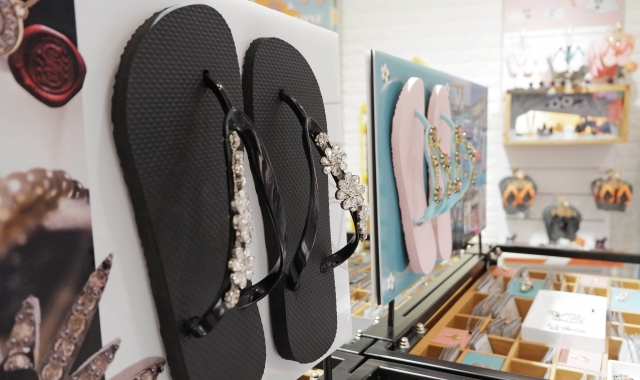
    The brand was founded in France by Steve and Chiara Rosenblum. Baia Baia’s philosophy is based on an ethos of togetherness, fun, and casual chic, embracing the idea of a Baia Baia Tribe, where personality shines with confidence through customised DIY creations of thongs, jellies, furries, bags, stationery and other fashion accessories.

    At the helm as collection director is Parisian-born Chiara, a renowned contemporary art collector, editor-at-large for French magazine Be Contemporary and mother to three young girls.

    Chiara, who with her husband also co-founded a 1500sqm art museum designed by esteemed architect Joseph Dirand, draws on her global aesthetic, design and artistic influences to craft Baia Baia’s ranges, each heroing the brand’s DNA of fun and accessible fashion for all ages, focusing on personalisation and entertainment.

    Presenting hundreds of charms categorized into 12 distinct fashion tribes, the in-store and online Baia Baia experience allows customers to embark on an expressive journey, offering a template of creativity to craft fashion accessories that is uniquely your own. The charms, like a tattoo, tell personal and unique stories.

    At the avant-garde of a revolution of empowerment, Baia Baia provides the environment and tools to achieve fashionable self-creation, ensuring no two persons wear the same, where fashion meets and mingles with one’s own personal sense of style, fun and memories.

  • Low apartment prices, high returns make HCMC a magnet for foreign investors

    Low apartment prices, high returns make HCMC a magnet for foreign investors

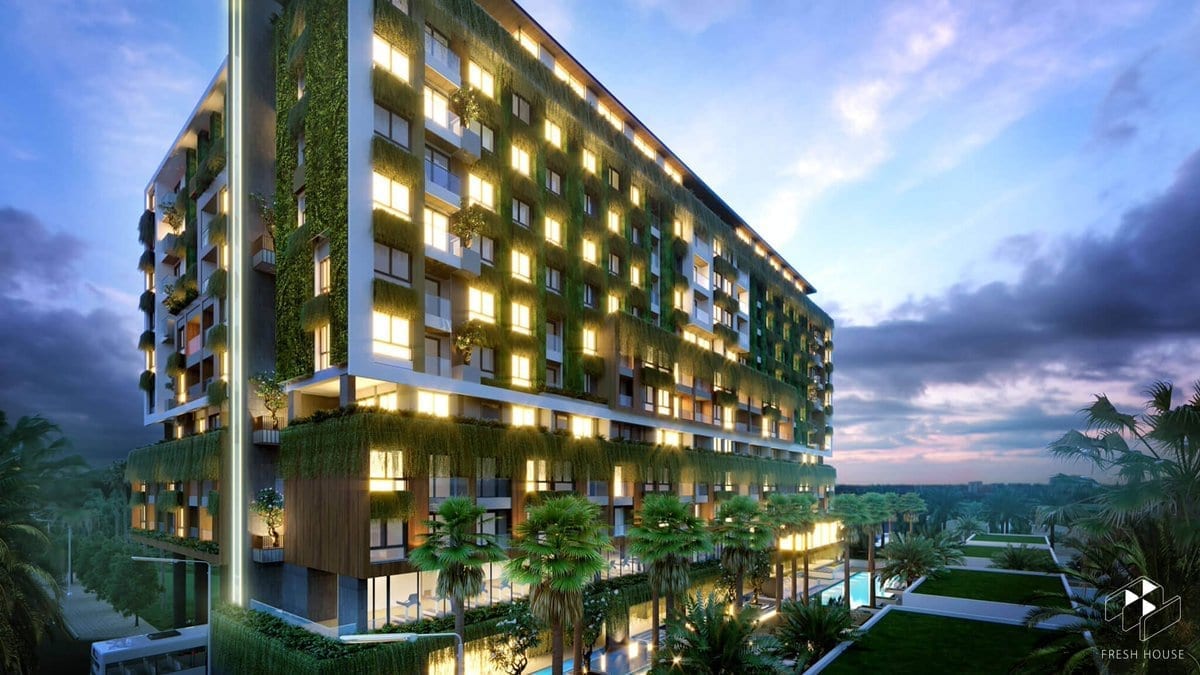
    High-end properties in HCMC, where prices are much lower than in major cities in neighboring countries, are attracting plenty of foreign interest.

    A high-end apartment in the city costs around $5,000 per square meter, but the same one in Hong Kong could cost four times, Nguyen Khanh Duy, director of residential sales at real estate service provider Savills HCMC, said.

    Buyers from China, Taiwan and Hong Kong last year accounted for 25 percent of transactions by foreign buyers, up from 21 percent in 2016, according to data from real estate consultancy CBRE Vietnam.

    “Chinese buyer demand for Vietnam properties in the first quarter of 2018 was more than 300 percent higher than the first quarter of 2017,” said Carrie Law, chief executive of the online Chinese real estate agency Juwai.com.

    The country is still lower on the preference list than Thailand or Malaysia, but demand is growing, Law said.

    According to Duy, what attracts many of these buyers to the country, and HCMC in particular, is the high return on property.

    It is currently 5-6.5 percent in Thao Dien ward and Thu Thiem Peninsula in District 2. This is higher than in other Asian countries, where returns are only 3.7-5.2 percent, he noted.

    Duy said the high returns and competitive prices of high-end properties are drawing high-income Vietnamese and international buyers to the city.

    The demand for high-end properties has been increasing and surpassed supply, and so there is potential more of this type of development in the next three to five years, he added.

    A CBRE report said the high-end segment accounts for the highest proportion of new launches in the second quarter — 54 percent.

    In the last three years 35,000 luxury apartments have come into the market. This is a major increase on 2012-14 when fewer than 10,000 units were on offer, CBRE said.

  • Second Cos Malaysia second store opened

    Second Cos Malaysia second store opened

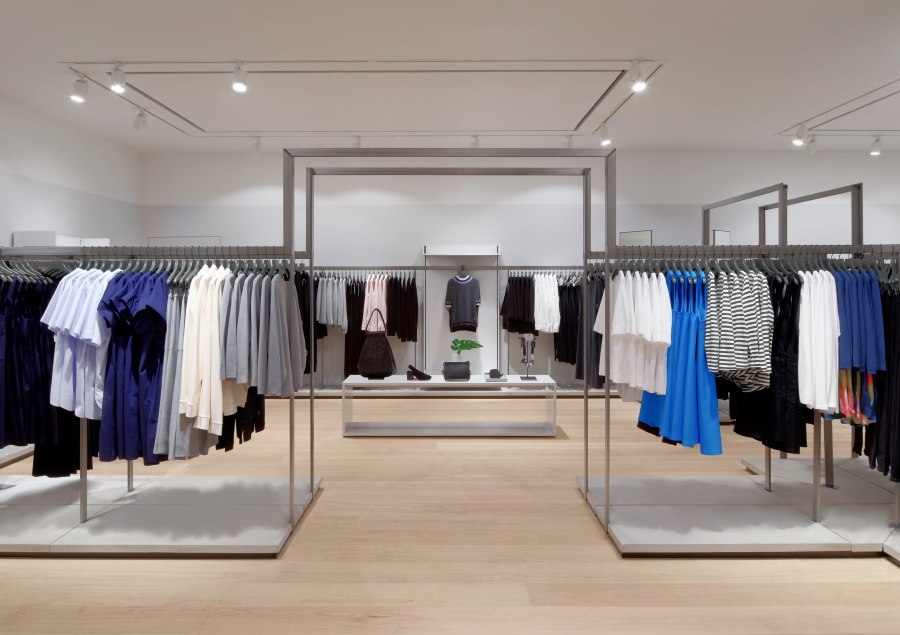
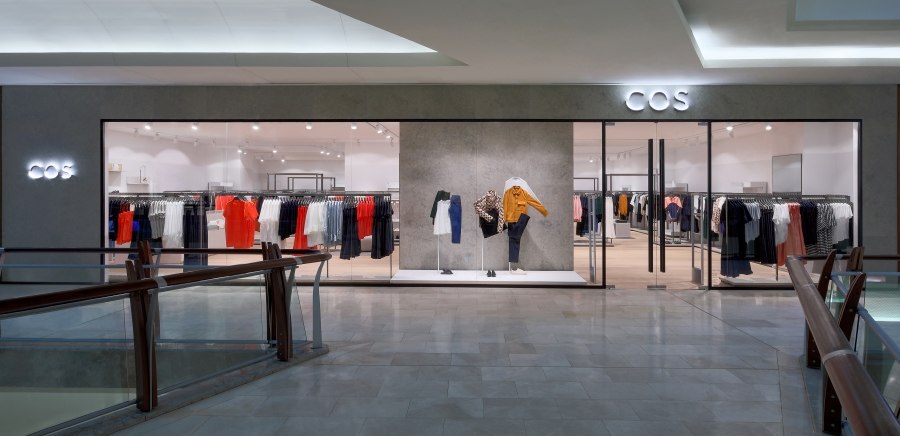
    Swedish fashion brand Cos has opened a second Malaysian store at The Gardens Mall in Klang Valley.

    The launch of the spartan 306sqm Cos Malaysia store comes just 18 months after the brand’s first opening at Pavilion Elite shopping centre. The store’s minimalist decor features Vicenza stone surfaces set off by the brighter tones of the fashions on display.

    Cos Garden Mall has opened with its existing Spring/Summer collection, but will follow the change of season shortly with Autumn/Winter 2018 coming soon.

    An H&M sister brand, the home website describes its fashion aesthetic as merging “lasting quality with timeless design; clean silhouettes, innovative techniques and functional details inspired by art, technology and architecture.”

  • Dip in Indian rates on rupee weakness dulls Vietnam offers

    Dip in Indian rates on rupee weakness dulls Vietnam offers

    Rice export prices in India fell this week as the rupee weakened, weighing on demand for the Vietnamese variety.

    Rates for India’s 5 percent broken parboiled rice fell by $3 per tonne to $389-$393 per tonne this week.

    “Rupee depreciation is allowing us to lower prices, but at the same time competitors are also lowering their quotes,” said an exporter based at Kakinada in the southern state of Andhra Pradesh.

    The Indian currency fell to a record low against the dollar on Thursday.

    Farmers in India had planted summer-sown paddy rice on 30.78 million hectares as of Aug 10, down 2.9 percent from a year ago due to scant rainfall.

    Monsoon rains in India are likely to be below-normal levels in 2018, a private weather forecaster said earlier this month, raising concerns over farm output and economic growth in Asia’s third-biggest economy, where half the farmland lacks irrigation.

    The falling rice prices in India also weighed on the market in Vietnam, the third largest exporter, but rates for the country’s 5 percent broken variety were unchanged at $395-$400 a tonne.

    “Trade is slow as Vietnamese prices are comparatively higher, especially compared with Indian prices … Exporters have lost their African customers to Indian rivals due to that,” a Ho chi Minh City-based trader said.

    Vietnam exported 444,235 tonnes of rice in July, down 17.4 percent from June, government customs data released late last week showed. That was slightly lower than a government forecast of 450,000 tonnes.

    In Thailand, the world’s second biggest rice exporter, demand also remained soft, traders said.

    Thailand’s benchmark 5 percent broken rice price was quoted at $390-$393, free on board (FOB) Bangkok, little changed from last week’s $390-$395.

    The commerce ministry on Wednesday said Thailand had exported 6.99 million tonnes of rice worth 3.52 billion baht this year by August 15, a 2 percent increase from a year ago.

    Meanwhile, Bangladesh, which had emerged as a major importer of rice since 2017 after floods damaged its crops, continued to procure rice domestically.

    In the 2017-18 financial year that ended in June, Bangladesh imported a record 5.7 million tonnes of rice. However, imports dropped sharply after the government imposed a 28 percent tax on shipments to support its farmers following a revival in local output.

    Rice at government warehouses stood at nearly 1.3 million tonnes, data from the country’s food ministry showed.