Tag: asia

  • Nestle’s Q2 earnings driven by higher margin

    Nestle’s Q2 earnings driven by higher margin

    Nestle (Malaysia) Bhd’s net profit for the second quarter ended June 30 rose 2.93% to RM166.16 million from RM161.44 million a year ago due to higher margin.

    In a filing with Bursa Malaysia, the company said its gross profit margin increased by 10 basis points from 37.8% to 37.9%.

    Nestle saw a slight increase in operating expenses from RM265 million to RM271 million, which was mainly attributed to the one-time costs from the start-up of the new national distribution centre (NDC). Pre-tax profit increased from RM211.9 million to RM214.4 million.

    Revenue for the quarter rose 1.98% to RM1.31 billion from RM1.28 billion a year ago driven by the launch of new products and strong consumers and trade promotions.

    In addition, increased festive sales during the Hari Raya period in June contributed to the company’s positive growth.

    “In the second quarter, we also started operations in our new NDC. This move from the existing NDC to the new NDC resulted in a shift of sales from June (Q2) to July (Q3) because of the required and planned ramp-up of the operations in the new NDC, which will support strong growth in years to come,” it said.

    The board of directors has declared an interim dividend of 70 sen per share amounting to RM164.15 million in respect of financial year ending Dec 31 which will be paid on Sept 27.

    For the six months ended June 30, net profit rose 1.34% to RM397.38 million from RM392.13 million a year ago while revenue for the period rose 3.13% to RM2.74 billion from RM2.66 billion a year ago.

    During the period, Nestle saw higher domestic sales and an increase in its export business. It said that the domestic growth was driven by strong demand, especially during the festive seasons.

    The group continued to deliver strong innovations and renovations during the period, which have set a solid base for growth in the second half of the year.
  • One step closer to Makro Siem Reap commercial centre

    One step closer to Makro Siem Reap commercial centre

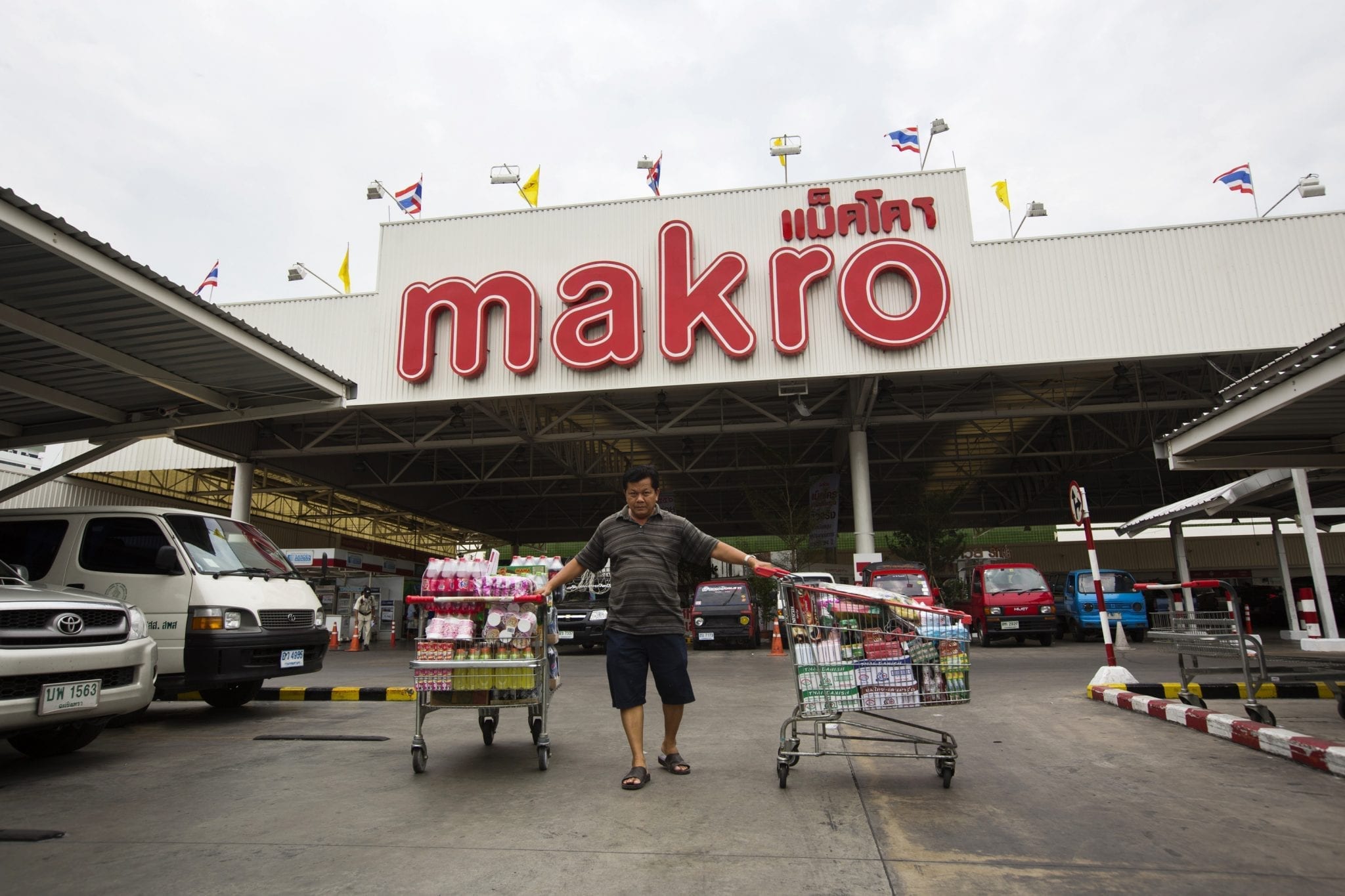
    Thai cash-and-carry brand Makro is set to build a large development in Siem Reap.

    The Council for the Development of Cambodia has approved the building of a Siem Reap commercial centre which will be anchored by Makro.

    Associate director of CBRE Cambodia James Hodge said that the development reflects the modernisation of the national retail market that is following in Phnom Penh’s footsteps to develop a modern format retail to meet consumer demand.

    “Certainly a provincial town or city that benefits from high numbers of tourists will also interest retail developers. They see an opportunity to tap into another source of potential customers,” he said.

    Costs for developing the mall have been estimated at US$19 million, and will involve the creation of 179 local jobs.

    Regarding the impact on local businesses, Hodge said: “Businesses may respond by considering prices, the quality of the service or environment they offer to customers. Usually competition is a good thing for consumers as it ensures businesses remain up-to-date and listen to customers in order to remain relevant”.

  • Vietnam set to increase minimum wages in 2019

    Vietnam set to increase minimum wages in 2019

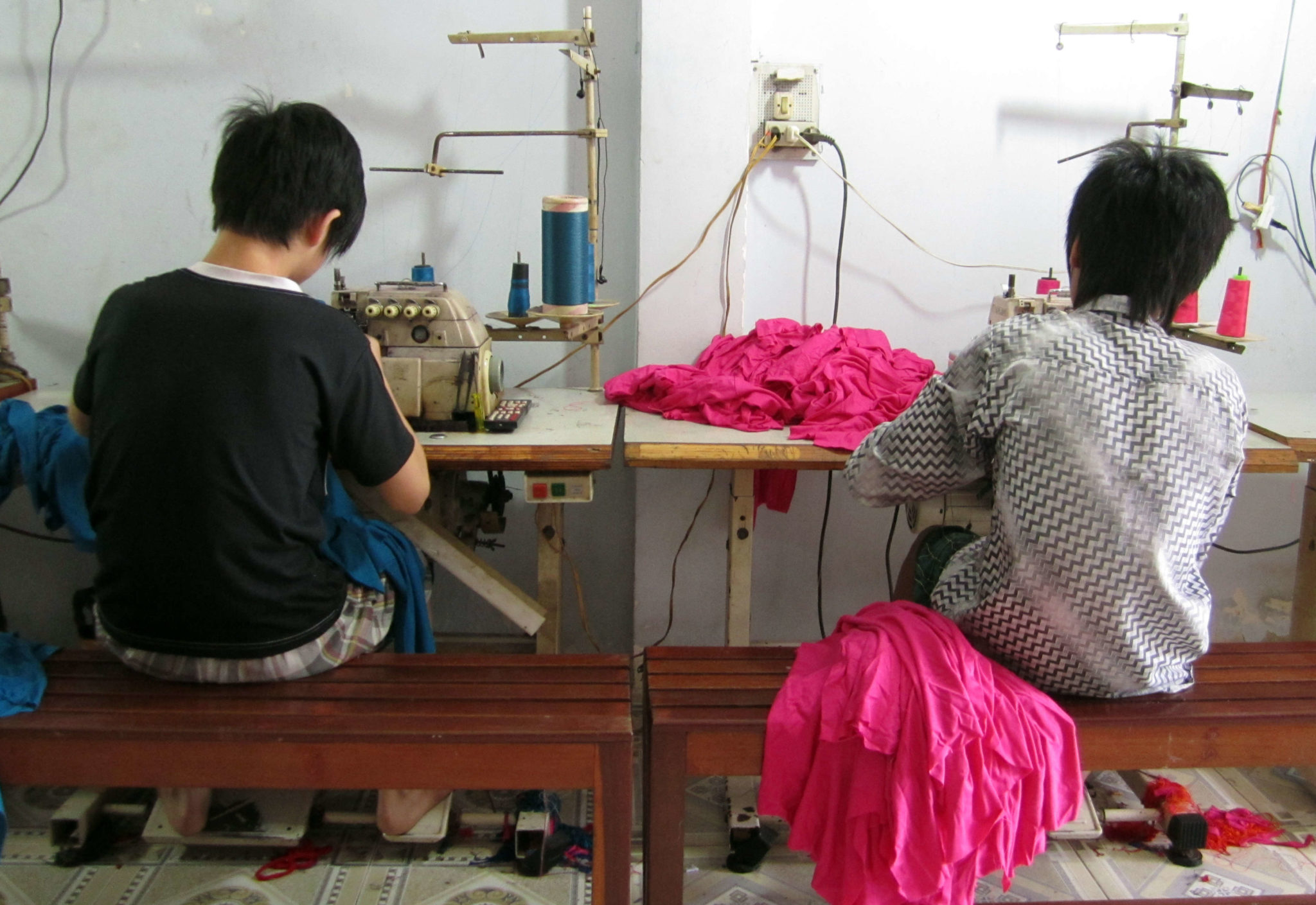
    Vietnam’s National Wage Council has proposed a minimum wage increase of nearly $7-9 per month across all four levels in 2019.

    Overall, the average increase across the four levels will be 5.3 percent.

    All members of the National Wage Council (NWC) on Monday voted on the proposal to be submitted to the government.

    Under the proposal, the minimum monthly wage across four levels will be raised, depending on the area, from $171 to $180 (region 1); $152 to $159 (region 2); $133 to $140 (region 3); and $118 to $125 (region 4).

    At the same meeting, the Vietnam General Confederation of Labor (VGCL), proposed a minimum increase of 6.1 percent, while the Vietnam Chamber of Commerce and Industry, representing the business owners, proposed a 5.1 percent increase.

    All sides came to an agreement of a 5.3 percent increase as the final rate so the meeting could move to the voting round.

    Doan Mau Diep, deputy labor minister and chairman of NWC, said a 5.3 percent increase was reasonable and acceptable.

    “As the inflation rate is not too high, labor productivity is rising and businesses are facing exchange rate risks, we think it is reasonable to increase the minimum wage between 5 and 5.5 percent.”

    VGCL recently published a study on minimum wage and cost of living after surveying over 3,000 laborers in 150 different businesses in the country.

    26.5 percent said they were “barely getting by,” while 12.5 percent said their incomes were not enough to support their families, and have to work overtime or extra jobs to make ends meet.

    The study found that an average worker’s minimum spending is VND6.5 million ($290) each month, while the average base salary is just VND4.6 million.

    Thus laborers need to work on average an extra 28 hours a month just to make ends meet, the study found.

  • Apple Japan will open its ninth store

    Apple Japan will open its ninth store

    Apple Japan is about to open its ninth retail store.

    The new Apple Kyoto shop will commence trading at 10am on August 25, according to a video in Japanese on the company’s Youtube account. It will be the first in Kyoto city, which is on Honshu Island. Previous Apple Japan stores have opened in Osaka, Fukuoka, Aichi, Miyagi and, of course, Tokyo.

    To mark the opening of the Apple Kyoto store, the tech company has created a new wallpaper downloadable online.

    Apple Kyoto is located on the first floor of the recently opened Kyoto Zero Gate building, adjacent to the Daimaru Kyoto department store and opposite well-known Shinjo Street.

  • What’s happening at Pandora?

    What’s happening at Pandora?

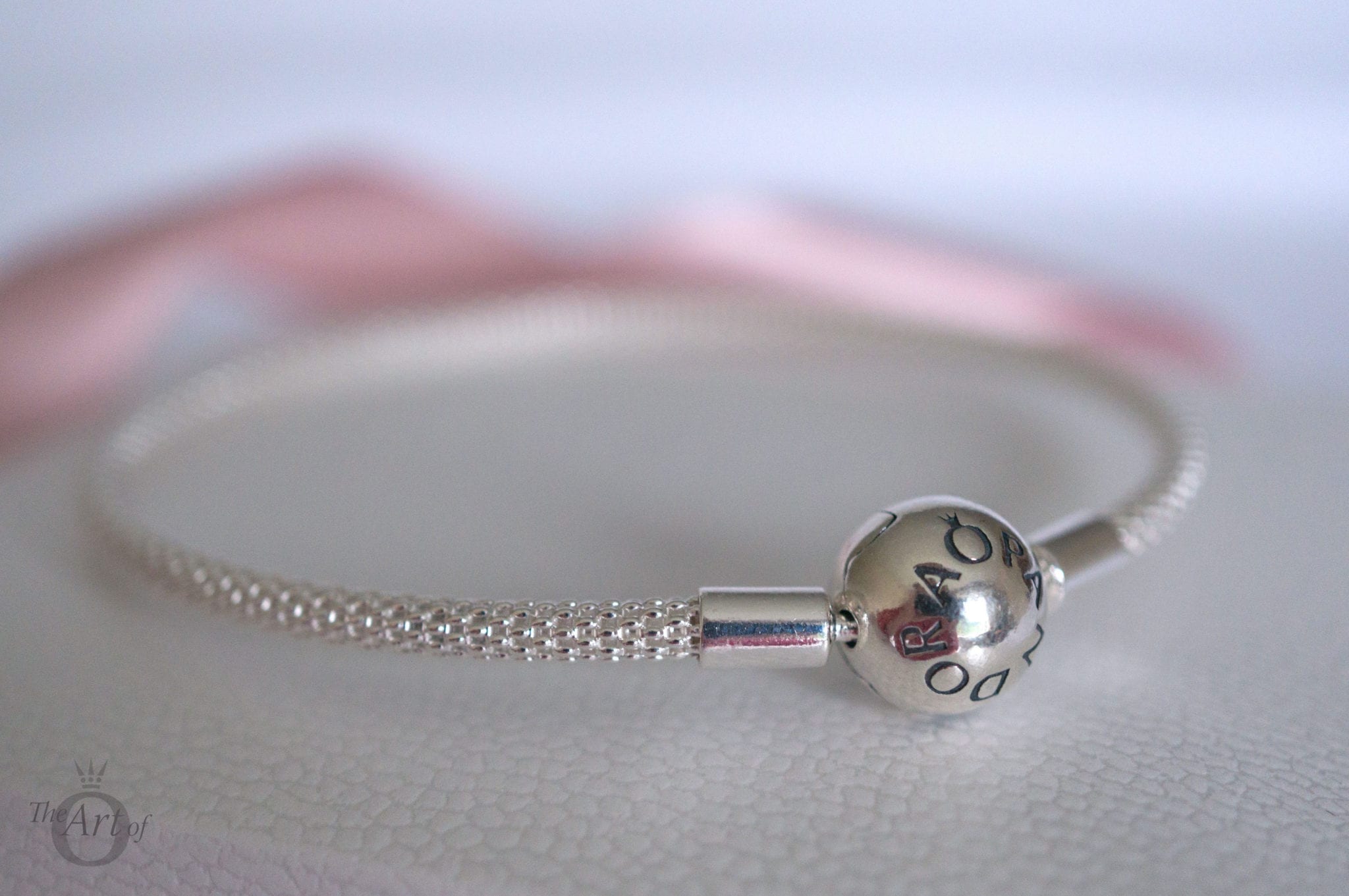
    Pandora said it expects to make less sales revenues in 2018, despite plans to open some 250 retail stores globally, of which 25% will be in Asia-Pacific. Meanwhile, the ailing Danish jeweller dismissed its CEO last week amid staff cuts of hundreds of employees.

    Anders Colding Friis is stepping down as President and CEO of the company effective as of 31 August 2018. Pandora’s CFO, Anders Boyer, and the newly recruited COO, Jeremy Schwartz, who joins September 1, will be jointly responsible for replace Friis until a new CEO is found, according to a press release from the Copenhagen-based firm.

    Meanwhile, staff cuts operationally will affect 397 globally, including 218 staff in pandoraThailand.

    Pandora adjusted its 2018 financial guidance for 2018 just three days prior, and said the move reflects lacklustre results for the second quarter, as well as weaker than anticipated total like-for-like sales-out growth in July.

    Pandora said new charms have failed to sell as well as expected, adding that a change in inventory levels and a soft performance in the wholesale channel have also made a negative impact on revenues.

    For 2018, expected revenue growth is now 4-7% in local currency from the previously 7-10%. Finally, Pandora said it now expects its earnings before interest tax depreciation and amortisation margin to be 32%, down 3 percentage points from its previous forecast.

    In the second quarter of this year, sales grew 4 percent in local currency to DKK 4.82bn. The EBTIDA margin was 31.1%, down from 33.4% in the second quarter of 2017.

    Furthermore, Pandora said it expects to add around 50 more concept stores in 2018. Some 60 of these are slated for the Asia-Pacific region.

    In July, Pandora lowered its prices in China across its jewellery collections for instore, online and on Tmall.

    “We are committed to servicing our Chinese customers and are very pleased with the opportunities for continued growth in China,” said Kenneth Madsen, President of Pandora’s Asia Pacific region.

    “This price reduction across our jewellery assortment is one element in our strategic programme to limit grey market trading of our products in China, and continue to enhance our customer experience in the world’s largest jewellery market.”

    Pandora first entered China in 2010, and today has 170 stores in 50 Chinese cities.

  • VF next plan for Wrangler and Lee business

    VF next plan for Wrangler and Lee business

    Fast-growing apparel brand owner VF Corporation plans to spin off its Wrangler and Lee denim business into a second listed company.

    Dubbed NewCo for now, it would be a global leader in the denim category as well as incorporating the VF Outlet operations. Those businesses contributed US$2.5 billion to VF’s turnover last year.

    VF chairman, president and CEO Steve Rendle said since last year the company has been engaged in a disciplined reshaping of its brand portfolio to better position the company for long-term success in a quickly changing business landscape. In that time, VF has acquired Williamson-Dickie, and the Icebreaker and Altra brands, and sold Nautica and its Licensed Sports Group, including the Majestic brand. That has sharpened the company’s focus on activity-based outdoor, active and work lifestyles. Its brands now include North Face, JanSport, Smartwool and Eagle Creek,

    “The decision to separate these businesses will allow VF to sharpen its focus as a consumer-centric and retail-minded organisation anchored in activity-based lifestyle brands,” said Rendle.

    The Wrangler and Lee jeans business is both successful and sustainable with iconic global brands and a clear path to value creation as a standalone entity, he said.

    “This exciting step forward will mean that both VF and NewCo have the resources, management focus and financial flexibility to thrive in a dynamic consumer marketplace, creating an even brighter future for both organisations and all of their stakeholders.”

    With annual sales estimated at more than $11 billion, the trimmed-down VF business will have more flexibility to pursue its merger and acquisition strategy, explore new growth vectors and apply even more investment behind its organic brand portfolio, he said in a statement.

    Post split, VF would move its headquarters to metro Denver, a location it believes is more in keeping with its outdoor wear focus and an ideal home for its Global Innovation Center for technical fabrics and Digital Lab.

    “Locating these brands, along with select VF leaders, at the base of the Rocky Mountains will enable us to accelerate innovation, unlock collaboration across brands and functions, attract and retain talent and connect with consumers,” said Rendle, who will remain in his current role.

    NewCo’s Asian focus

    Meanwhile, the new Wrangler and Lee denim business will be free to pursue further expansion of its global footprint, with a sharp focus on Asia, building on its established presence in China. The company expects to unlock significant scale and cost efficiencies by streamlining operations, providing flexibility to pursue strategic acquisitions over time.

    Scott Baxter has been designated CEO of the new company and  Rustin Welton as CFO.

    NewCo will be headquartered in Greensboro, North Carolina where Lee will relocate its headquarters from Kansas City, joining Wrangler.

    The separation is anticipated to be complete in the first half of next year, following customary regulatory approvals and tax and legal considerations.

  • AirAsia share price up marginally after selling stake in Expedia JV

    AirAsia share price up marginally after selling stake in Expedia JV

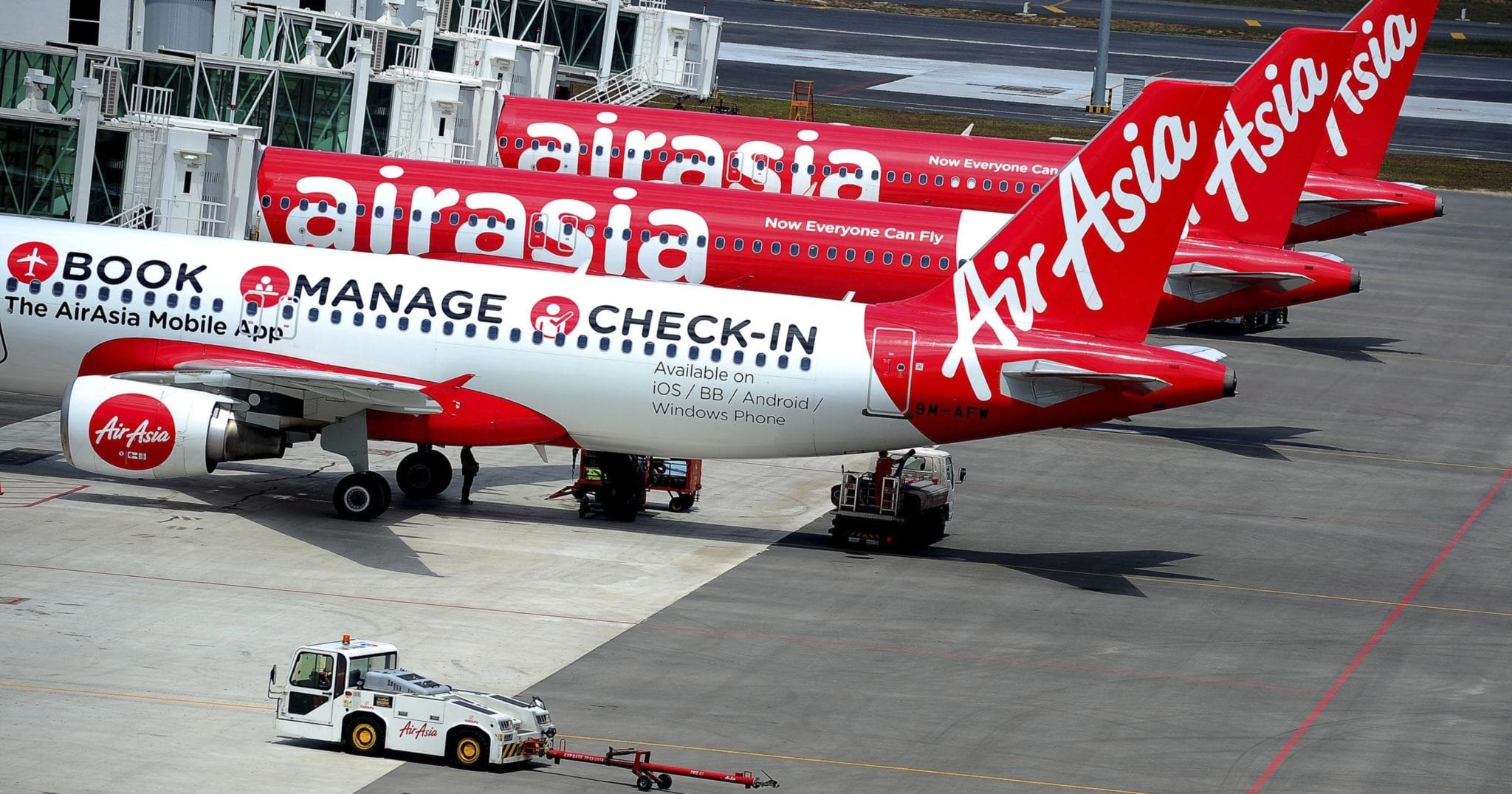
    AirAsia Group Bhd’s (AAG) share price rose 0.90% this morning after it divested its remaining 25% stake in its joint venture (JV) company, AAE Travel Pte Ltd for US$60 million (RM240 million).

    The airline sold its remaining stake to the 75% stakeholder in the company Expedia Inc’s Expedia Southeast Asia Pte Ltd — in a bid to monetise its investment and utilise the proceeds as working capital.

    At 10.41am, AAG was trading at RM3.38 with 2.18 million shares changing hands.

    AirAsia divested the other 25% interest it had in March 10, 2015.

    The group announced in a bourse filing yesterday that it has executed a share purchase agreement for the disposal and the cash purchase consideration is net of AirAsia’s concurrent purchase of AirAsiaGo.com domain names and related assets from AAE Travel Pte Ltd by Travel 360 Sdn Bhd.

    AirAsiaGo.com, which offers a full suite of travel products including AirAsia flight and hotel packages featuring Expedia Group lodging content, will continue to be powered by Expedia Group.

  • Go-Viet perks up competition in Vietnam’s ride-sharing market

    Go-Viet perks up competition in Vietnam’s ride-sharing market

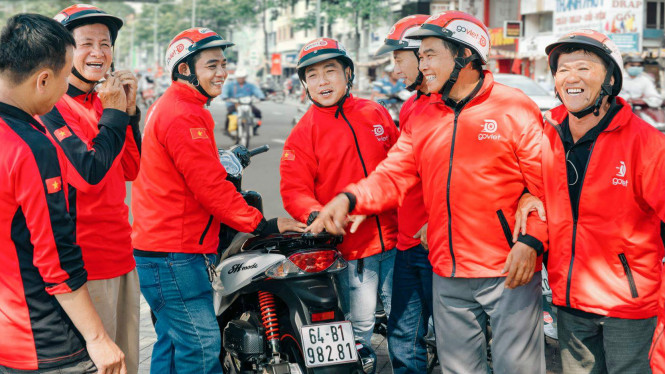
    Go-Viet’s attractive perks for drivers are motivating many to shift from Grab, and the market leader is responding.

    He’s one of the first drivers to sign up with ride-sharing service Go-Viet, but Thanh Hung is still wearing the well-recognized green GrabBike uniform.

    “Too many drivers have just signed up for Go-Viet so there are not enough jackets,” Hung said.

    The 40-year-old motorbike driver said he was able to make VND800,000 ($34) in a day and a half since he began driving for Go-Viet, much higher than the VND500,000 ($21) he would get from GrabBike for the same work duration.

    Hung said he is also attracted by the tax exemption Go-Viet promises for the first six months and the bonus he’ll get if he finishes nine trips a day.

    Go-Viet, a Vietnamese version of Indonesian service Go-Jek, entered the Vietnamese market early this month, seeking its slice of the market pie that Grab has been dominating after the departure of Uber.

    Aiming to tailor its service to Vietnam with a different name and local teams, one of the first goals of Go-Jek in the country is to recruit drivers.

    “The company hopes to bring a stable income to tens of thousands of drivers through technology,” Nguyen Vu Duc, CEO of Go-Viet said in June.

    The company had contacted potential drivers months before the launch, either by meeting face to face or talking to them online, its communication representative Huong Cung said.

    Grab did not comment on the ploys Go-Viet is using to attract drivers, but it’s also deploying its own strategies.

    The company has just launched a campaign to reward drivers with five percent of the total revenue they make in a week, said Nguyen Thu An, communication director of Grab Vietnam.

    In early June, Grab also announced a plan to have over 100 stops for Grab drivers with free wifi, coffee and even vehicle washing service in Ho Chi Minh City and Hanoi.

    “There is a large number of drivers who don’t like Grab and want to work for Go-Viet,” said Vu Hoang Tam, a mobile app expert and one of the founding members of GrabBike in Vietnam.

    This creates a good supply of drivers for Go-Viet, which has learned a lot from the “previous battle,” Tam said, referring to the competition between Grab and Uber earlier this year.

  • Japanese convenience store ready to fight new challenge

    Japanese convenience store ready to fight new challenge

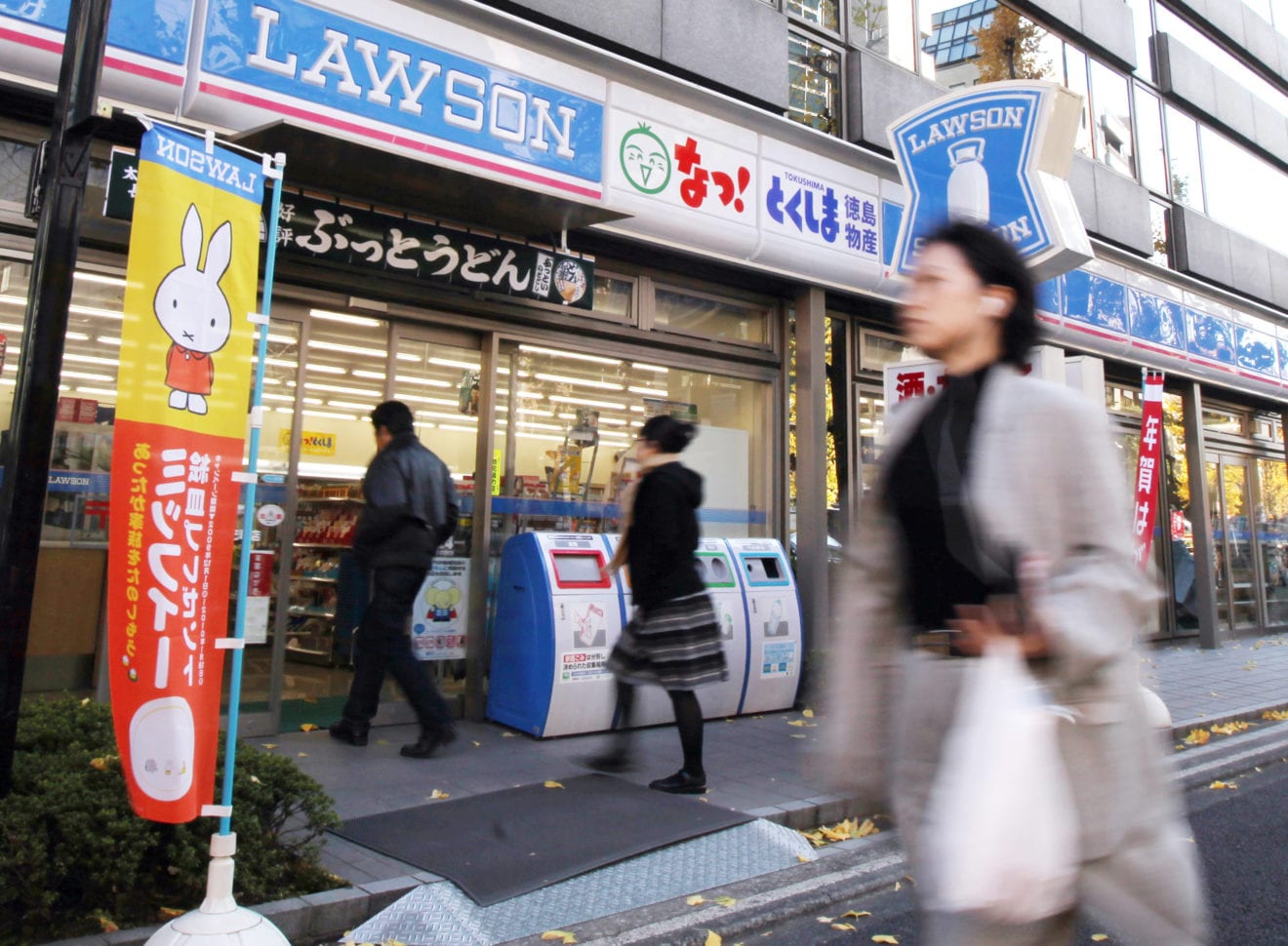
    Healthcare is becoming a staple category for Japanese convenience store chains as they seek to counter the encroachment of pharmacies on their traditional product ranges.

    According reports, while Japanese drugstores are increasingly offering snacks and quick meals, convenience stores are now selling medicines and even setting up health consultation stations in stores.

    Lawson-branded stores have launched 17 in-store consultation corners and plans to expand this number to 100 locations.

    Lawson president Sadanobu Takemasu said the company wants to resolve the community issues that arise “in an age where many people live to be 100”. The service is intended to attract more families and elderly people.

    FamilyMart and Seven-Eleven convenience chains in Japan have also been found to be selling medicines, with some also offering pharmacy-style advice.

    Japanese drugstores have been increasingly expanding beyond medical products in recent years, which has paid off. The value of pharmacy industry sales has gone up five per cent in the past two years, as opposed to two per cent on convenience store sales over the same period.

    The number of pharmaceutical outlets increased 11 per cent since 2015, during which time convenience store expansion was limited to just three per cent.

  • Malaysian economy could shrink if US-China trade war escalates

    Malaysian economy could shrink if US-China trade war escalates

    Malaysia’s gross domestic product (GDP) could contract by 1.3% in two years should the trade war between the United States and China intensify.

    CIMB Group chief economist Dr Donald Hanna said Malaysia’s economic growth could shrink in the event of continuous escalation in tariff imposition and a confidence shock in the financial market, which could result from, say, China offloading its substantial holdings of US debt.

    That will not only result in a reduction of global trade but will also affect Malaysia, which is an open economy – and trigger interest rate increases in the US.

    However, at current levels, Hanna noted that the impact of the trade duel between the two economic giants on Malaysia is small.

    He projected GDP growth to decelerate to around 5.1% in the second quarter (Q2) of 2018 from the 5.8% recorded in Q2 2017 – taking the cue from the slower growth in the Industrial Production Index for June, which rose only 1.1%.

    Full-year GDP growth is expected to be around 5.1-5.2%. This will be due to the natural moderation in GDP growth which started slowing down after a robust expansion in the second half of last year and not due to the US-China tensions.

    Hanna said the trade war appears to be one of US President Donald Trump’s policies that could see some longevity, compared to others on issues such as immigration and abortion.

    He noted that if Trump’s objective of waging a trade dispute is to shrink the US trade deficit, it is not likely to be achieved because of other macroeconomic policies that the US administration has in place.

    Hanna, who was speaking at the 13th CIMB Asean Research Institute’s Asean Roundtable Series: Trade War and Its Impact on Asean, also said Malaysia could be a preferred location for US and Chinese companies to relocate their investments – in the face of tariff slapping.

    Echoing that sentiment, European Union-Malaysia Chamber of Commerce and Industry CEO Roberto Benetello said China is likely to rethink its trade alliances in the region and get closer to partners in Asean.

    This could be a call to accelerate the Regional Comprehensive Economic Partnership (RCEP), which could see a slowdown in the ratification process, thanks to the ongoing spat.

    American Malaysian Chamber of Commerce executive director Siobhan M Das said that without the US market, Asean could become a dumping ground for China’s excesses.

    Malaysia Productivity Corp board member and former ambassador of Malaysia to the World Trade Organisation (WTO) Datuk Muhamad Noor Yacob said the focus should be on the WTO’s Dispute Settlement Body.

    Although observers have voiced their concerns over the possibility of Trump pulling the US out of the WTO, the country has been one of its active users, accounting for more than 100 of the 500 disputes attended to by the body since 1995. It has also been an active respondent to many disputes.

    The roundtable also saw speakers stressing on the importance of the RCEP and free trade agreements between the regional trading bloc and potential trading partners.

  • Vietnam most vulnerable in ASEAN to US-China trade war

    Vietnam most vulnerable in ASEAN to US-China trade war

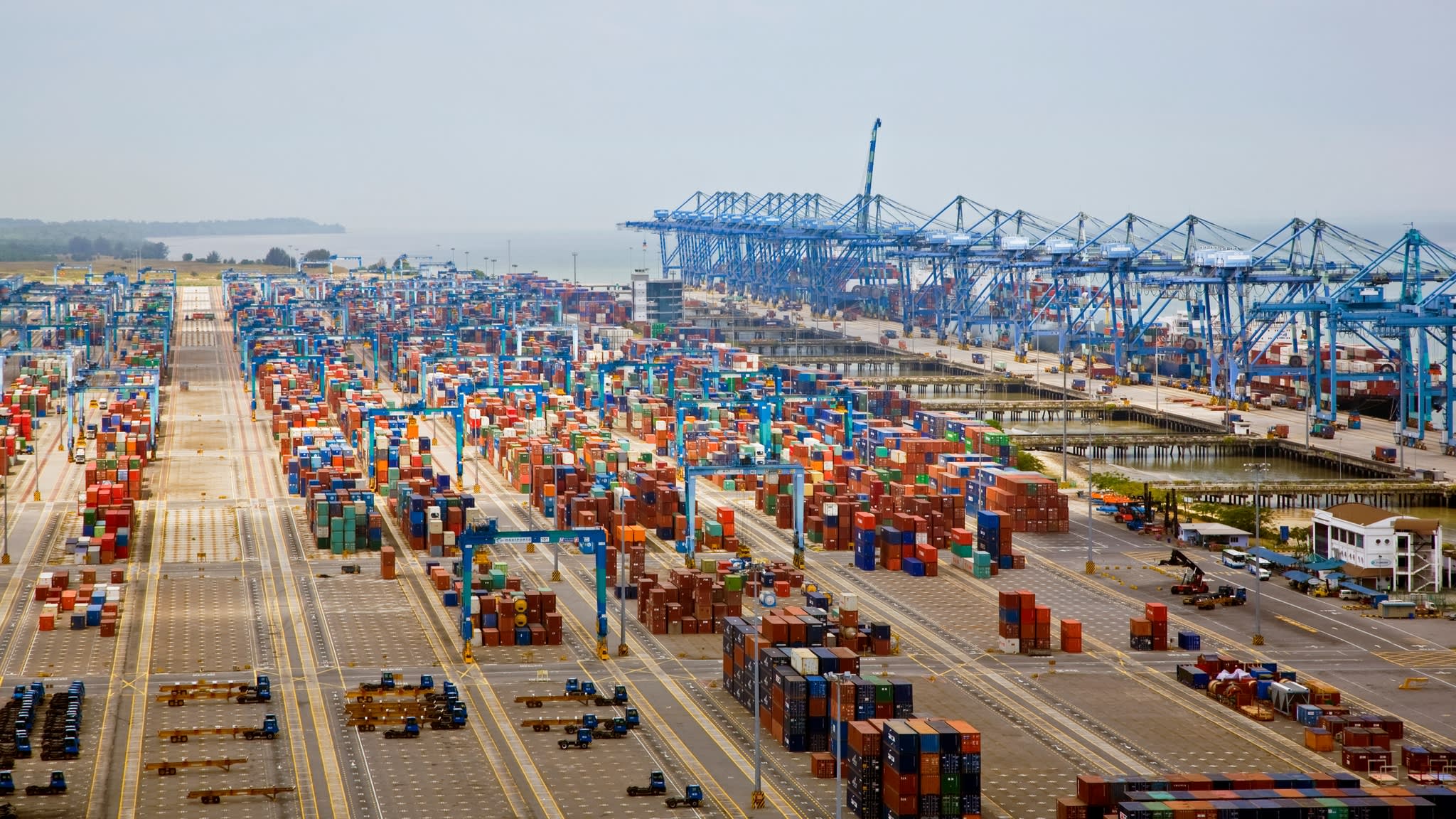
    Vietnam will be the most vulnerable country in Southeast Asia should the U.S.-China trade war persist, according to recent research.

    This is because Vietnam is the most export-dependent of the ASEAN big five, which also includes Indonesia, Malaysia, the Philippines, and Thailand, quoted from Financial Times Confidential Research report.

    Vietnam’s exports were worth $214 billion last year, 21 percent up from 2016, according to Vietnam’s Customs. The U.S. was the largest importer of Vietnamese goods last year, buying goods worth over $41.6 billion.

    “Vietnam’s exports to the U.S. rank first among the ASEAN five, making the country sensitive to softening U.S. consumer demand,” the report said.

    Another reason that Vietnam and other ASEAN member countries would be impacted by the escalating trade tension is the strengthening of the U.S. dollar, it said.

    The dong has been devalued by 1.5 percent this year, and the government could take more aggressive action if exports slow significantly, it said.

    But Vietnam, Thailand and Malaysia might still benefit from the currency weakness “if foreign direct investment shifts away from China as more companies hedge against the risk of trade action,” it added.

    Trade tension between the U.S. and China continues to escalate. A Reuters report cited Beijing as saying last week that it would slap additional tariffs of 25 percent on $16 billion worth of U.S. imports.

    The announcement came after Washington said it would impose 25 percent tariffs on another $16 billion in Chinese goods after imposing tariffs on $34 billion last month.

    So far, China has now either imposed or proposed tariffs on $110 billion of U.S. goods, representing the vast majority of its annual imports of American products.

    Vietnamese experts too have cautioned that the country would suffer collateral damage because of this trade war.

    A report released last week by the Ministry of Planning and Investment’s National Centre for Socio-Economic Information and Forecast said Vietnam’s GDP growth would take a hit from the trade tension.

    The report predicts a drop of 0.03 percent this year, 0.09 percent next year and 0.12 percent in 2020 and 2021.

    In money terms, it translates into VND8 trillion ($344 million) in 2021.

  • L’Oreal China get fuel from Colorlab by Watsons

    L’Oreal China get fuel from Colorlab by Watsons

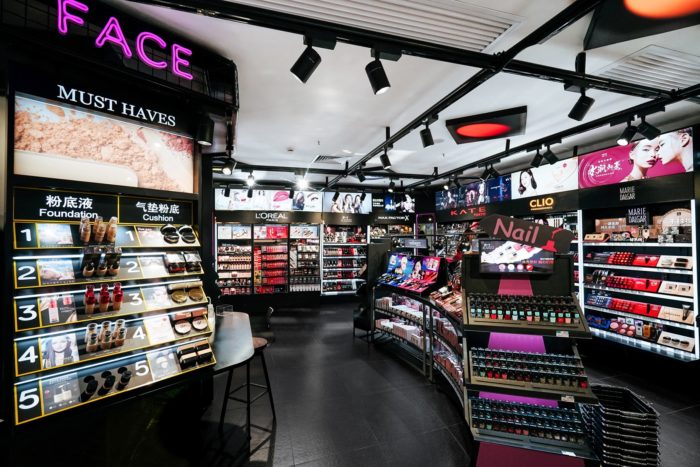
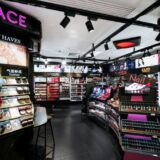
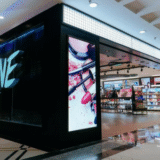
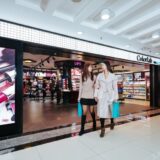
    International health and beauty retailer AS Watson has teamed up with L’Oreal to launch Colorlab by Watsons, a new concept makeup store in China.

    The first Colorlab launched in Shenzhen early this year as a trial, followed by more openings in Guangzhou and Shanghai. Now the company has revealed plans to roll out a further 50 stores across China by the end of this year. The stores feature modern black interiors to convey a fashionable and trendy experience-led makeup space, with access to on-hand makeup artists.

    L’Oreal brands occupy more than 30 per cent of retail space, and such an arrangement is exclusive to Colorlab only.

    With the rise of online shopping and changing shopping behaviours of younger customers, it is expected that the focus on innovative physical spaces and refreshing shopping experiences will help attract younger buyers.

    AS Watson Group COO Malina Ngai said: “Makeup was identified as a huge growth area for Watsons, and working with L’Oreal on the development of this new store concept meant that we had the expertise of an established makeup supplier at the forefront. Colorlab stores put the customers experience first and rather than just purchasing makeup, we wanted to give customers access to advice and expertise from skilled makeup artists, as well as the opportunity to try out different looks and play about with new products.”

  • Lazada, Shopee, 11Street top e-commerce ranking in Malaysia

    Lazada, Shopee, 11Street top e-commerce ranking in Malaysia

    Lazada, Shopee and 11Street have been ranked the top three companies in terms of the most visited website in Malaysia in the second quarter (Q2) of 2018, according to iPrice Group’s Map of E-Commerce (MoE) list.

    Based in KL, iPrice Group is a privately owned online shopping aggregator. According to its portal, the MoE ranks Malaysia’s top 50 e-commerce players based on their average quarterly traffic, mobile application ranking, social media followers and number of staff. The data was collected in July 2018.

    Lazada came out top in traffic ranking with 27.99 million visitors and the number of Facebook followers with 25.5 million followers. It took second place for app downloads and Twitter with 31,035 followers.

    Shopee took second place in traffic ranking with 12.3 million visitors, while 11Street came in third place with 6.4 million visitors.

    However, iPrice said that Shopee inched closer to Lazada’s monthly traffic by two fifths in Q2 2018. In Q1 2018, Shopee’s was one over five to Lazada’s monthly average visitors.

    Fashion Valet and CJ Wow Shop entered the top five most visited Malaysian-based e-commerce platform in Q2 2018, while Lelong remained as the most visited Malaysian-based e-commerce platform with 5.2 million visitors.

    The top three most visited Malaysian-based e-commerce platforms were Lelong, GoShop (818,000 visitors) and Hermo (758,000 visitors).

    In the fashion, health and beauty category, Hermo, Fashion Valet, Poplook, Babydash and Naelofar Hijab are the five most visited Malaysian-based e-commerce platforms as of Q2 2018.

  • Nike drops matching “Qixi Festival” editions

    Nike drops matching “Qixi Festival” editions

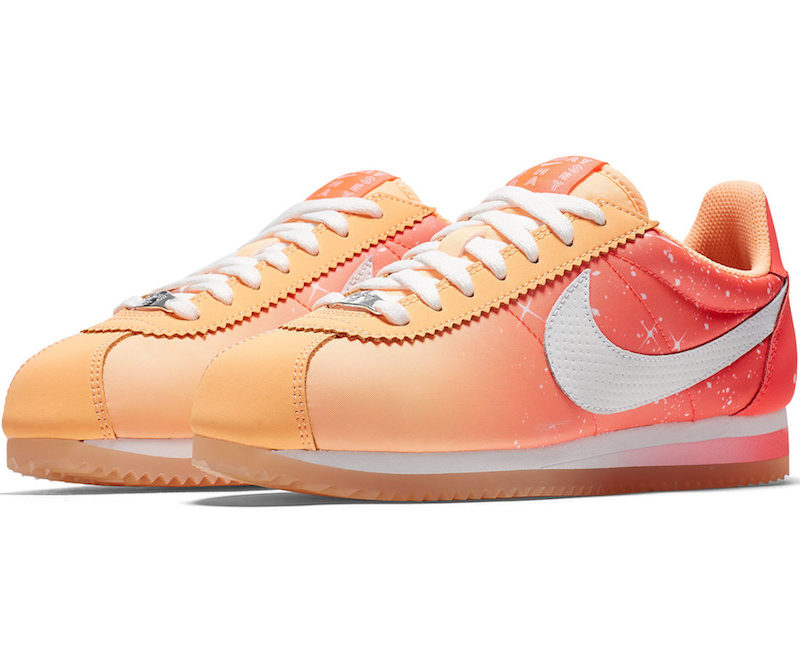
    Nike is celebrating China’s Qixi festival, taking place this Friday, 17 August, with a duo of Classic Cortez Nylon colorways for Men and Women.

    The special edition pack features two colorways inspired by the “Dusk till Dawn” Chinese folklore of Niulang and Zhinu. The Chinese Valentine’s Day celebrates the yearly reunion of the couple, banished to the opposite ends of the Sliver River, on the seventh day of the seventh lunar month through a bridge formed by magpies.

    The Men’s edition features a gradient “Dark Obsidian” hue and the Women’s version a “Flash Crimson” wash, each boasting galaxy stars to represent the fading sky of the summer night. The constellation of Vega (Zhinu star) and Altair (Niulang star) are printed on the heel counter in glow-in-the-dark ink, while a tongue tab branded with “Today is the Day” rounds out the limited edition pair.

    Nike’s Classic Cortez Nylon “Qixi Festival” pack will launch exclusively in China on August 18 via Nike’s SNKRS app and select retailers.

  • Yoyoso plans its entrance to India

    Yoyoso plans its entrance to India

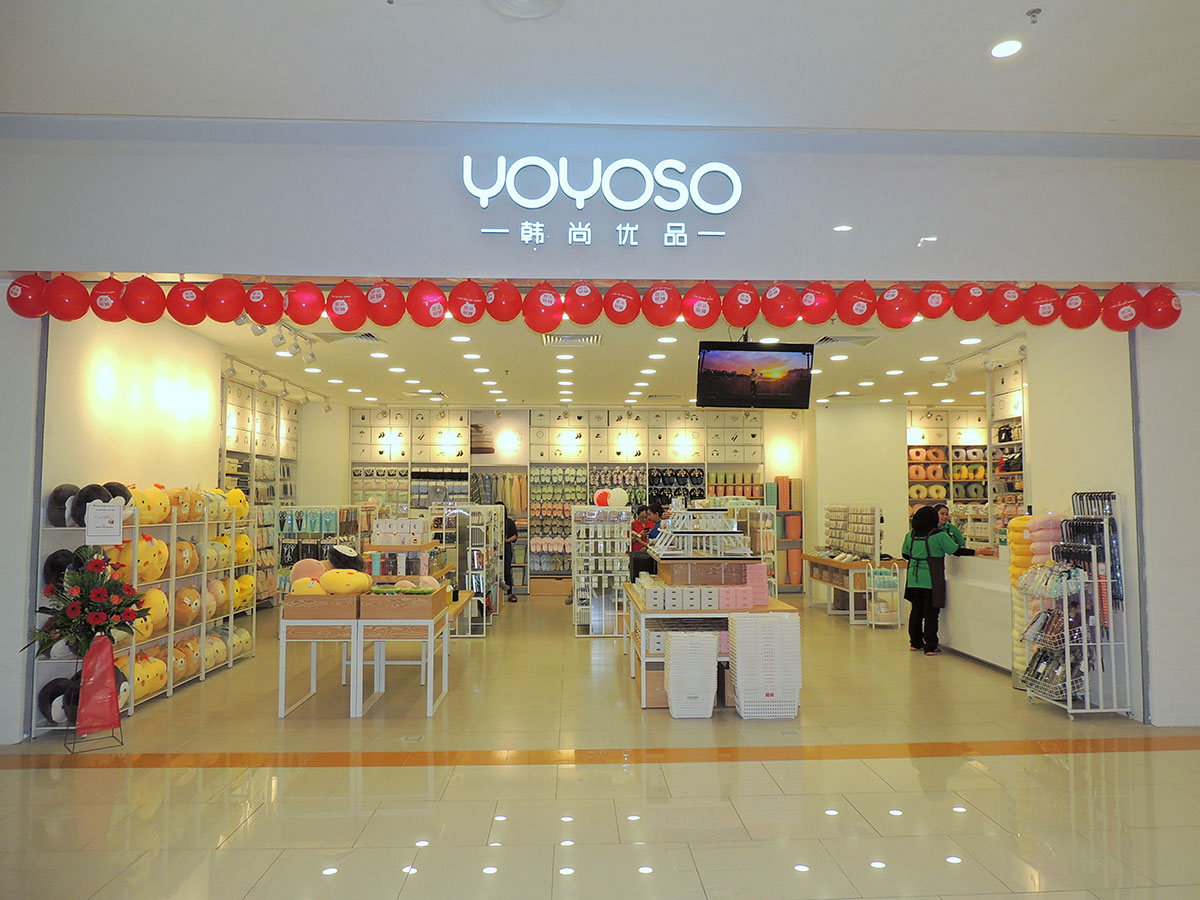
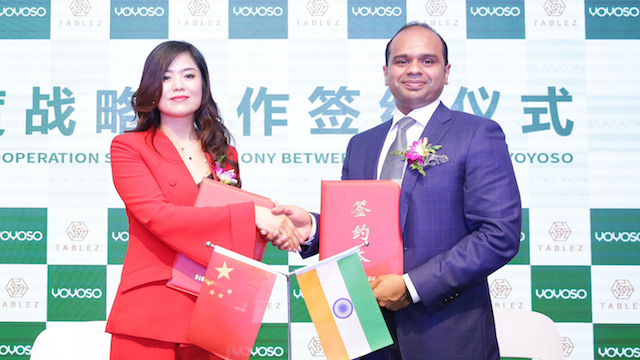
    Chinese lifestyle brand Yoyoso has partnered with Indian retail operation Tablez to bring its outlets to India.

    Ma Huan, president of Yoyoso, said Indian is one of the most important parts of the global market for the business.

    “It’s a great opportunity for both Yoyoso and Tablez.”

    Tablez’ parent company LuLu Group also has plans to open hypermarkets in Yoyoso’s base city of Yiwu, as well as other Chinese cities.

    Tablez MD Adeeb Ahamed said: “Through mutual cooperation, we are confident that Yoyoso will bring plenty of surprises and happiness to a new generation in India.”

    Yoyoso is a discount store, similar in nature to Miniso and Mumuso.