Tag: asia

  • Vietnamese brands look plain as foreigners wear the beauty industry crown

    Vietnamese brands look plain as foreigners wear the beauty industry crown

    The beauty care industry is doing better than expected in Vietnam, but foreign brands are the ones sitting pretty.

    Nguyen Van Minh, chairman of the Vietnam Essential Oils Aromas and Cosmetics Association (VOCA), said companies in the beauty and personal care industry have seen stronger growth than they’d forecast.

    “Vietnam is an emerging market for the beauty care industry, with annual growth rate averaging 30 percent in recent years,” he said.

    In 2016 alone, the industry generated $1.2 billion in revenue, a figure that the association had previously predicted for 2020.

    The import value of beauty care products surged almost twofold from around $3 billion in 2016 to $5.5 billion last year, but exports stayed insignificant at just VND500 million ($21,520) last year, it said.

    These figures match findings by British research firm Euromonitor International, which said last year that up to 90 percent of beauty products in Vietnam are imported.

    It also said the market value of this industry had crossed $1 billion since 2015 and repeatedly recorded double digit growth in recent years.

    A representative of Medicare, a drug and beauty care retailer based in Ho Chi Minh City, said that imported products or those produced in Vietnam by foreign companies make up most of its sales, and that imported brands will have more opportunities to expand their market shares than domestic rivals in the future.

    At the Mekong Beauty Show 2018, an international beauty and cosmetics expo that was held in the city in June, 110 of more than 300 international exhibitors were South Korean companies who came to find potential importers and business opportunities in Vietnam.

    Dominic Oh, general director of Korea International Exhibition and Convention Center (Kintex), the event’s organizer, said that Vietnam was considered one of the key markets for South Korea’s beauty care sector.

    In 2016, Singapore was the biggest exporter to Vietnam’s beauty care sector, accounting for 34 percent of its total imports. The EU followed with 19 percent, Thailand, 9 percent, and South Korea, 8 percent, according to Euromonitor International.

    In its report on beauty and personal care in Vietnam, the research firm said the market was dominated by global brands, thanks to innovative products, strong distribution network and dynamic marketing.

    Three foreign companies, Unilever Vietnam International Co Ltd, Procter & Gamble Vietnam Ltd and Colgate-Palmolive Co Ltd were in the top three positions in 2017, it added.

    Local firms held back

    According to VOCA, as their incomes improve, Vietnamese people are paying more attention to beauty and personal care, creating a lot of opportunities for businesses.

    In a report released early April, the World Bank said 70 percent of Vietnam’s population are now classified as economically secure, including the 13 percent who are now part of the global middle-class.

    These income classes are growing rapidly, rising by over 20 percentage points between 2010 and 2017.

    An average of 1.5 million Vietnamese have joined the global middle class each year since 2014, confirming that households continue to climb the economic ladder after escaping poverty.

    The WB also predicted that as many as 33 million Vietnamese will be in the middle class by 2022.

    Despite this fertile ground for beauty care products, Vietnamese brands have struggled to do well.

    Even top companies with decades in the market, like Saigon Cosmetics Corporation and Lan Hao Cosmetics Co Ltd, have stopped at making low and mid-range products.

    Minh, chairman of VOCA, said local firms were held back by a lack of serious investment in packaging, design and advertisement.

    Medicare, an HCMC-based drug and beauty care retailer, said it looked for Vietnamese partners to produce Medicare-branded beauty and personal care products, but local firms did not have the capacity to make products that could compete with foreign rivals.

    As organic beauty products is the new trend, VOCA chairman Minh said local firms should make good use of natural ingredients that are plentiful in Vietnam to create high quality products so that they can start competing with foreign firms.

    However, doing this will require bigger investments in more advanced technologies; and given the current state and scale of domestic firms, the upgrade is easier said than done, Minh said.

  • Facebook’s first time decline in monthly active user growth

    Facebook’s first time decline in monthly active user growth

    Facebook has long been set for growth.

    Its monthly active users have always been rising over time but the company’s second quarter earnings announcement last Wednesday has changed the tone.

    If Asia-Pacific stayed on track jumping from 873 to 894 million users while the US remained at a stable 241 million monthly active users, Europe seems to have lost its way.

    For the first time in history, monthly active users dropped by 1 million between the first and second quarters, falling to 376 millions.

    Facebook has recently been facing many challenges from its latest setback in setting up an innovation hub in China to tanking share price and scandals over user data. The latter is how the company justified its decline.

    Indeed, Europe has recently passed the GDPR, The General Data Protection Regulation, which strengthen numerous personal data rights. The regulation affects every company, but it is of paramount importance to those processing large amounts of consumer data. Facebook therefore could not escape it. The company’s CEO, Mark Zuckerberg, confirms the hit the regulation brought on the industry and defines it as an “important moment” which led to “a decline in monthly actives in Europe, down by about 1 million people as a result.”

    The GDPR was instated on May 25, that is, two-thirds of the way through Facebook’s second quarter. Thus, it is expected to still see some knock-on effects in the third quarter.

    Moreover, Facebook’s compliance with the regulation is under question as the platform has blocked the use of certain of its features to those refusing to share certain types of data. This very policy goes against the spirit of the GDPR which states companies are not to penalize users for not sharing information.

    The social media giant has developed its platform and turned it into one of the biggest advertising online space. However, a significant share of that advertisement comes from the use of consumer data and Europe is a market Facebook cannot overlook as it brings more revenues than Asia-Pacific, in spite of its smaller user’s numbers, with $3.3 and $2.3 billion respectively.

    Facebook acknowledges the weight of users’ engagement in retaining their advertising business. As Sheryl Sandberg, COO, notes, “as we look further out, we recognize that there’s still risk we’re going to watch closely”.

  • India mall space leasing saw a rise of 77 percent Y-o-Y in H1 2018

    India mall space leasing saw a rise of 77 percent Y-o-Y in H1 2018

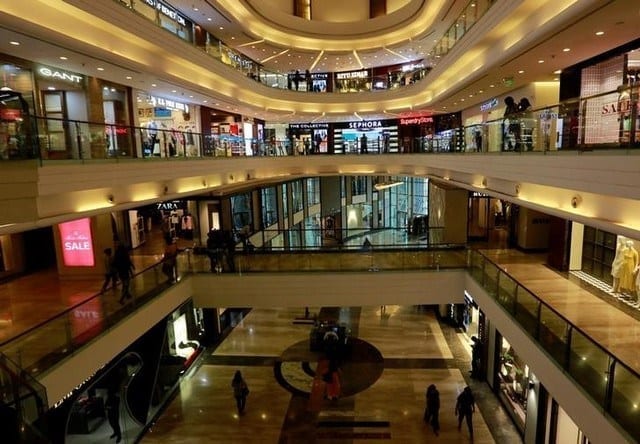
    JLL, one India’s largest professional real estate services firm, in their half yearly update note that net absorption in H1 2018 for retail space has seen a rise of over 75 percent year–on–year (y-o-y) recording a total absorption of 1.9 million square feet (msf) in the first half of 2018.

    In the same time new completions saw a decline of about 25 percent year–on–year with total completion of new mall space recorded at approximately 2.1 msf in H1 2018 over 2.8 msf in H1 2017.

    The retail market, which has been experiencing a new lease of life with investment interest returning to the market, has also see a growth in leasing activities from both international and domestic brands.

    RETAIL REAL ESTATE PERFORMANCE (H1 2018)

    City New Completion (‘000) Net Absorption (‘000)
    H1 2017 H1 2018 H1 2017 H1 2018
    Mumbai 800 120 652 118
    Delhi 2,005 385 726 325
    Bangalore 2
    Chennai 988 8 957
    Hyderabad 500 -104 358
    Kolkata 75 150 169 154
    Pune -355 33
    TOTAL 2,880 2,143 1,098 1,945


    The total net absorption for H1 2018 was recorded at close to 2 msf in top seven cities[1] of India of which Chennai saw the highest absorption at 950,000 square feet (sf). Chennai saw the completion of a major retail project which attracted many brands to set up and start operations.

    Delhi (325,000) and Hyderabad (358,000) also saw healthy leasing activities, though, Delhi saw a slowdown owing to reduced new completion in the period under study.

    Mumbai, saw total new leasing of 118,000 sf in H1 2018. The trends of retail supply and absorption are linked as malls usually are reticent in starting operations without complete or near complete absorption of malls. Only in very limited cases, do malls start with noticeable vacancies.

    The new supply for retail mall space was estimated to be 2.1 msf in H1 2018 which was lower by approximately 25 percent over the same time last year. However, with robust leasing activities, the reduced supply will help the rentals remain stable and even firm up over a period of time.

    Development companies have been aiming at creating products that match the requirements of retail companies in terms of location, quality of development, as well as design and other relevant aspects to ensure sustained sales velocity.

    Chennai saw the highest volume of retail mall supply in H1 2018 which was close to 1 msf. While Hyderabad recorded new supply of 500,000 sf in the same period. Both these cities had not witnessed any new supply in the comparable period last year.

    Ramesh Nair, CEO & Country Head, JLL India said: “The retail scenario in India has started to show signs of maturity now, by concentrating on malls that will have longevity, sustainable business and have scope of refurbishment and renovations in the future. As Indian consumer becomes more discerning, the physical asset surrounding retail has become important in creating the right experience. Therefore, developer companies are now creating retail destinations rather than mere shopping centres. In the next few years, we will see a concentration of large format malls that will allow shoppers a variety of experience beyond purchase.”

    JLL’s estimation for next 6 months of 2018 (July – December) to see fresh supplies of 3.7 msf in the top 7 cities of the country. Of the total, Hyderabad will see the highest volume of 1.8 msf. Delhi at 715,000 sf will see the next highest volume of mall space supply followed by Chennai (511,000 sf) and Bangalore (500,000 sf). Pune is expected to be the only market which will not see any new addition of retail mall space in 2018.

  • Food and fuel boost japanese retail sales rise

    Food and fuel boost japanese retail sales rise

    Japanese retail sales increased by 1.8 per cent in June thanks to strong food sales and rising petrol prices.

    According to the Ministry of Economy, Trade and Industry, Japanese retail sales reached ¥11.8 trillion (US$106.25 billion) during the month. It was the eighth consecutive monthly rise.

    Rising crude oil prices flowed through to petrol pump prices, which surged 16.7 per cent year on year. Sales of cosmetics and pharmacy products rose 3.9 per cent, largely due to demand from overseas visitors.

    Food and beverage sales rose 1.5 per cent, with prepared meals and meat fuelling growth.

    Supermarket sales rose 1.9 per cent, while department store sales rose 2.6 per cent, which the ministry said was due to there being one more Saturday in June this year than last year.

  • Hanoi seeks approval for Vingroup’s $300 million IT park

    Hanoi seeks approval for Vingroup’s $300 million IT park

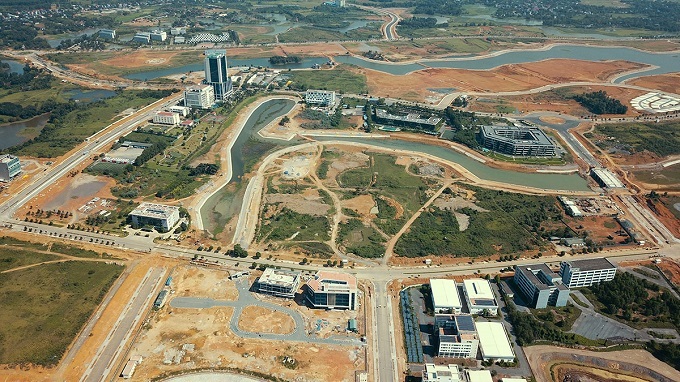
    Hanoi has submitted a proposal to the Ministries of Construction and Planning and Investment for building a new IT park possibly in Dong Anh District.

    It will be built by Vingroup on Vo Nguyen Giap Street on the way to Noi Bai Airport.

    It is estimated to cost US$302.54 million and likely to spread over 78.1 hectares, housing a maximum of 19,557 personnel.

    Its construction, to begin in the fourth quarter of this year, will be finished at the end of 2020, when it will open.

    Authorities hope it will interest both foreign and local IT companies thanks to its modern technical and social infrastructure, R&D facilities and other advantages.

    Vingroup also seeks to build facilities such as a data centre, IT functional zones, accommodation for specialists, commercial offices, an R&D complex, a training and consulting zone, exhibition space, parks and a recreation zone inside.

  • Japan’s Utena debuts in Singapore

    Japan’s Utena debuts in Singapore

    Japanese beauty brand Utena has launched in Singapore.

    The 91-year-old heritage brand, which is currently distributed throughout Greater China and Thailand, is now available at selected Watsons stores, Yue Hwa, Welcia-BHG, Tokyu Hands, Don Don Donki, Metro Singapore, and online via Shopee, Lazada, Redmart and Qoo10.

    Its key products are a high-level beauty serum mask called the Premium Puresa Golden Jelly Series, now selling in Singapore, and the Matomage Hair Styling series fortified with natural ingredients, arriving in stores next month.

  • Japan to Help Build Fish-Processing Centers in Indonesia

    Japan to Help Build Fish-Processing Centers in Indonesia

    The government will use a grant from the Japan International Cooperation Agency to build integrated marine and fishery centers on islands in Indonesia’s six outermost regions to boost exports.

    The agency, known as JICA, granted total funding of 2.5 billion yen ($22 million) for the construction of processing centers on Sabang in Aceh, Natuna in the Riau Islands, Biak in Papua and Morotai Moa and Saumlaki in Maluku.

    “Once the program is completed, small fishermen will be able to use the upgraded fishing ports … and have access to various facilities, such as fish storage,” Shinichi Yamanaka, JICA’s Indonesian representative, said in a statement on Wednesday (01/08).

    “Hopefully, this cooperation initiative will stimulate local fisheries and coastal citizens’ standard of living, especially those on Indonesia’s farthest islands,” Yamanaka said.

    Nilanto Perbowo, secretary general of the Ministry of Maritime Affairs and Fisheries, said the government expects the facilities to be operational by 2020.

    The facilities are part of President Joko “Jokowi” Widodo’s program to develop Indonesia’s remote areas, which includes the establishment of 20 integrated marine and fisheries centers.

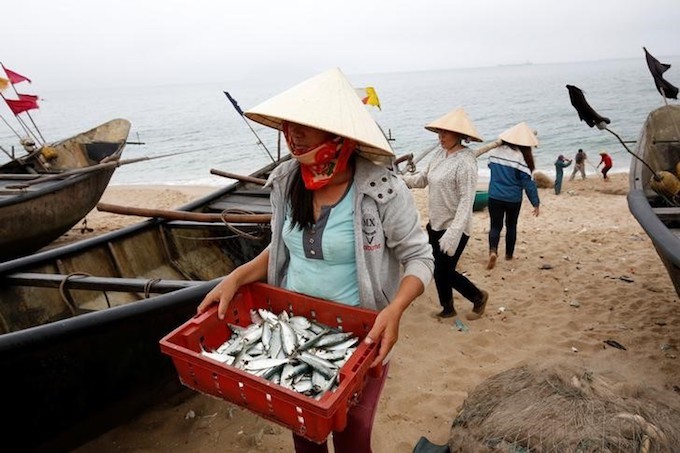
    The Indonesian fishing industry has seen rising production over the past three years, since the government started to crack down on illegal fishing activities. But the industry lacks the capability to process bigger catches, limiting local fishermen from reaching a broader market.

    The country’s fishermen caught 7.7 million metric tons of fish last year, up 18 percent since 2014, when the crackdown began, according to Maritime Affairs and Fisheries Ministry data.

    Still, it missed the government’s target of 8.8 million tons. Destructive Fishing Watch, a fisheries watchdog, said slow progress in mechanizing the fishing industry is one of the factors behind the failure. The government has set a target of 9.5 million tons of fish for this year.

    Maritime Affairs and Fisheries Minister Susi Pudjiastuti met with Japanese Foreign Minister Taro Kono in Tokyo in May to request assistance with the construction of the facilities, arguing that the East Asian nation also stood to benefit from the increased availability of Indonesian products. The Banda Sea near Maluku for example, is a known source of yellowfin and bluefin tuna, which are in high demand in Japan.

    Susi also asked Japan to exempt Indonesia from its 7 percent import tariff on fishery products, noting the archipelago’s successful crackdown on illegal fishing in its waters. Thailand and Vietnam are also exempt from the import tariff.

    Indonesia has managed to reduce illegal fishing by foreign vessels by 90 percent and decreased illegal fishing by 25 percent overall, according to a study published on Nature Ecology & Evolution in March. The country took various steps to achieve this, including the sinking of hundreds of foreign vessels caught fishing illegally.

  • New e-commerce policy draft may curb deep discounts by India online retailers

    New e-commerce policy draft may curb deep discounts by India online retailers

    Any group company of an online retailer or marketplace may not be allowed to directly or indirectly influence the price or sale of products and services on its platform, a recommendation in the initial draft of a national e-commerce policy suggests.

    The policy draft has been circulated among stakeholders for discussion and could completely restrict e-tailers from giving deep discounts. The draft has also suggested to introduce a pre-set timeframe for offering differential pricing or deep discounts by e-commerce players to customers.

    The suggestions are part of the strategy to address anti-competitive issues in the e-commerce sector effectively, says a report.

    “The restriction imposed on e-commerce marketplace, to not directly or indirectly influence the price of goods and services, would be extended to group companies of the e-commerce marketplace.

    “A sunset clause, which defines the maximum duration of differential pricing strategies (such as deep discounts) that are implemented by e-commerce platforms to attract consumers, would be introduced,” the draft reads, according to a report.

    Further the draft recommended to permit 49 per cent foreign direct investment (FDI) in inventory-based business-to-customer model of e-commerce. Currently, FDI in such businesses is prohibited and it is allowed only in marketplace model.

    It stated that sale of country-made goods through online platforms would be promoted by permitting limited inventory-based business-to-customer model, where 100 per cent made in India items would be sold through Indian owned e-retail companies.

    The initial draft has also talked about adopting a common definition of e-commerce for the purpose of domestic policy making and international negotiations as currently there is no commonly accepted definition.

    At present, industry ministry, consumer affairs, department of IT, WTO, OECD and UNCTAD have separate definitions.

    The draft has proposed that “e-commerce may be understood to mean buying, selling, marketing, selling, marketing, distribution, or delivery of goods, services and digital products (like e-music, e-books, software) through electronic means”.

    It also called for steps to develop capacity for and incentivise data storage in India though creation of facilitative data infrastructure.

    The incentives could include according infrastructure status to data centres and server farms besides extending tax benefits and rebate in customs duties.

    The draft, said that the development of cutting-edge and innovative technologies in India would be promoted by ensuring access to data.

    In context of international trade negotiations, policy space for granting preferential treatment and imposing customs duties on e-transmission to digital items created in India would be retained.

    Further, it recommends steps for increasing use of Rupay. The steps could include identifying deficiencies in infrastructure, providing budget, branding, and addressing quantitative deficiencies in service for wider use of Rupay.

    It suggested to set up a ‘social credit database’ through PPP to promote digital lending and use of blockchain technology for further financial inclusion.

    To enhance participation of MSMEs in e-commerce, it has called for several steps including setting up of e-retail platform, addressing issues of financing for online participation, incentivising platforms and aggregators to engage MSMEs.

    The initial draft has recommended the Competition Commission to consider amending some threshold rules to mandatorily examine competition-distorting M&As below the existing ‘de minimis’ level.

    E-commerce companies may be asked to mandatorily make full disclosure to the consumer regarding the purpose and use of data in a simplified way, and also share main features of their terms and conditions besides disclosing clauses governing their arrangement with the vendors.

    It has also suggested setting up of a central consumer protection authority to act as a nodal agency for intra-government coordination, mandatory registration of all e-commerce operators, registration of complaints.

    “The legal framework governing unsolicited commercial SMSs and calls would be strengthened. A law/regulation to govern unsolicited commercial e-mails would be framed,” the draft stated.

    It said that the grounds for seeking disclosure of source code to government would be expanded to include situations of unfair trade practise, fraud.

    “The policy space to seek disclosure of source code would be retained, by not taking any commitments on this issue in international trade negotiations,” the draft said.

    The relevant GST provisions would be modified to create a level playing field between online and offline delivery of goods and services, besides providing GST refund for goods exported by courier would be considered.

    “A single legislation to address all aspects of ecommerce would be enacted and a single regulator would be set up to consider issues like FDI implementation,” the initial draft said.

  • 50th Anniversary Of Big Mac Marked With Coin Currency

    50th Anniversary Of Big Mac Marked With Coin Currency

    McDonald’s has minted a coin in more than 50 countries to mark the 50th birthday of the Big Mac.

    Called the MacCoin, it will be released tomorrow, August 2, and while it has no real value, it can be exchanged at restaurants for a Big Mac until the end of this year. Many are likely to be retained by collectors.

    The fast-food company has had 6.2 million MacCoins pressed, in five designs each reflecting a decade in the life of the Big Mac:

    • The 1970s, showcasing the decade’s flower power.
    • The 1980s alluding to pop art.
    • The 1990s defined with bold, abstract shapes.
    • The early 2000s specifically focusing on the technology that was at the forefront of the turn of the century.
    • The 2010s MacCoin calling attention to the evolution of communication.

    The seven languages featured on the front-side of the MacCoin – Arabic, English, Indonesian, Mandarin, Portuguese, French and Spanish – represent many of the countries participating.

    Coins can be earned by entering contests via social media channel Twitter and other means depending on the market – they’re not being distributed from restaurants or used as change in stores.

    The MacCoin was inspired by The Economist’s Big Mac Index, which is the publishing house’s measure of global spending power (comparing, each year, the price of a Big Mac in many international markets, converting them to a common base currency).

    “As one of the most well-known and iconic McDonald’s menu items – and business driver – around the globe, the Big Mac deserves the celebration that the coin evokes,” says Jeff McLean, CFO at McDonald’s Canada. “The fact that in 50 years, the Big Mac has become so universally recognised it’s used to measure the purchasing power of international currencies is pretty remarkable.”

    Nick Delligatti, fourth-generation McDonald’s owner-operator and great-grandson of Jim Delligatti, the inventor of the Big Mac, said, “When my great-grandfather Jim Delligatti invented the Big Mac at his grill in Uniontown, Pennsylvania, he just wanted to make his local customers happy. August 2 would have been my great-grandfather’s 100th birthday, and I believe he would be very proud knowing his humble sandwich has made such a lasting impression that people all around the world can enjoy it wherever they find a McDonald’s.”

    Originally sold for just 45 cents, the Big Mac is now available in more than 100 countries.

  • Vietnam plans to make loans easier for agriculture investors

    Vietnam plans to make loans easier for agriculture investors

    Prime Minister Nguyen Xuan Phuc has called for a drastic reduction in administrative procedures and easier access to agricultural loans.

    He said at a recent conference in the Central Highlands city of Da Lat that relevant departments and ministries should reduce the number of administrative procedures by 50 percent, make it easier for enterprises investing in agriculture to get loans, and create opportunities to expand infrastructure for agriculture production.

    The Ministry of Planning and Investment told the conference that just 8 percent of businesses nationwide, or 49,600, had invested in agriculture sector, as of the second quarter of 2018.

    The ministry also noted that capital investment by foreign investors in agriculture accounted for just two percent of the total.

    Le Van Cuong, president of the hi-tech agricultural company Dalat GAP, said getting a loan from the banks was an investor’s biggest challenge.

    The banks only accept land use right certifcate as collateral, but the land’s value affixed by the bank for the loan is much lower than its market price. Furthermore, no preferential interest rate is offered, which means borrowers would have to pay 8-8.5 percent per year on large sums that are needed to build glasshouses and other equipment, Cuong said.

    an unnamed World Bank representative said Vietnam’s agriculture sector faced three big challenges – fragmented agricultural chain value; low FDI; and modest overall capital investment. The representative suggested that the government issues fresh regulations and offers tax breaks to attract more foreign investors.

    Phuc wanted Vietnam to be listed among Top 10 agricultural production countries and for the nation’s agriculture sector to rank 15th, globally.

    Vietnam currently ranks second in Southeast Asia and 13th in the world in agricultural production, said Minister of Agriculture and Rural Development, Nguyen Xuan Cuong.

    Vietnam exported about $36.37 billion worth of agriculture and fisheries products last year.

  • IFC Invests $150m in Indonesia’s OCBC NISP’s Green Bond

    IFC Invests $150m in Indonesia’s OCBC NISP’s Green Bond

    The International Finance Corporation has invested in $150 million in “green bonds” issued by Indonesian lender Bank OCBC NISP, the private sector arm of the World Bank Group said in a statement on Wednesday (01/08).

    The five-year green bond, of which the IFC will be the sole subscriber, is the first ever debt paper issued by a commercial lender in Indonesia to fund environmentally friendly projects and help the nation mitigate the effects of climate change. The IFC and OCBC NISP signed a partnership agreement in Jakarta on Tuesday.

    The green bond is also expected to support government programs aimed at achieving a 29 percent reduction in greenhouse gas emissions by 2030. Green projects, including the development of green buildings, renewable energy and infrastructure, are prioritized in terms of funding.

    “This is a major milestone for the Indonesian banking sector as it’s expected to catalyze the development of the green bond market in Indonesia,” IFC chief executive Philippe Le Houérou said in the statement.

    “In a country where green financing is relatively low, this first ever green bond by a commercial bank marks the first step in unlocking the potential of the green bond market in Indonesia to spur new financing for climate smart projects. The IFC is in discussions with other players and keen to provide investment and advisory support to help develop green financing products in the country.”

    Indonesia is considered one of the world’s top greenhouse gas emitters – mainly due to forest fires – and the government has been under constant pressure from environmental activists to end deforestation and environmental degradation, especially in forest areas.

    According to the National Development Planning Board (Bappenas), Indonesia reduced carbon emissions by 15.5 percent between 2010 and 2015.

    In addition to its investment in the green bond, the IFC said it will support Bank OCBC NISP with advisory services, such as identifying projects that comply with the green bond principles and reporting assets considered environmentally friendly.

    “We realize that sustainability is a long journey and the pioneering green bond is an early step for Bank OCBC NISP to help our clients to do business in more sustainable way and to contribute to positive developments and governments goals,” Bank OCBC NISP president director Parwati Surjaudaja said.

    “Together with the IFC, we are looking forward to further collaborate and find innovative solutions that widen opportunities for economically, socially, and environmentally sustainable private investment,” he added.

    OCBC NISP, the local arm of Singapore-headquartered OCBC Bank, is Indonesia’s 10th-largest lender, with Rp 170.3 trillion ($11.8 billion) in assets as of June 30 this year.

    More to Come

    The IFC said it has worked with the Indonesian government and the Financial Services Authority (OJK) to develop a sustainable financing roadmap for the country. Indonesia became the first Asian country to sell green bonds internationally when the government issued a $1.25 billion five-year green sukuk, or Islamic green bond, on Feb. 23 this year.

    Speaking at a press conference in Jakarta on Wednesday, Houérou said the IFC is currently also in discussions with other private-sector players in Indonesia interested in issuing green bonds. He said there are several plans in the pipeline but declined to elaborate.

    “The opportunity is huge. It’s big. It’s a new trend worldwide, but now it’s in the region and Indonesia. The private sector is seeing more and more opportunity, while the government is also supportive of the initiative,” Houérou said. He added that he chose OCBC NISP to invest in the green bond because the lender has been financing projects in renewable energy and infrastructure.

    The IFC said it estimates that Indonesia may offer $272 billion worth of potential opportunities for green financing schemes.

    Vivek Pathak, the IFC’s director for East Asia and the Pacific, said the green bond might not offer lower interest rates, but in the long run, it could attract a large pool of investors and also boost the company’s image and business prospects.

    “When we were approaching the banks, the first question the banks ask is: ‘Would I get a lower interests rate?’ And my answer is no. But the thing is, there are investors that focus on climate financing exclusively. So there is a pool of capital out there, which these companies are able to access,” Pathak said.

  • FMCG sales slightly up in urban Vietnam

    FMCG sales slightly up in urban Vietnam

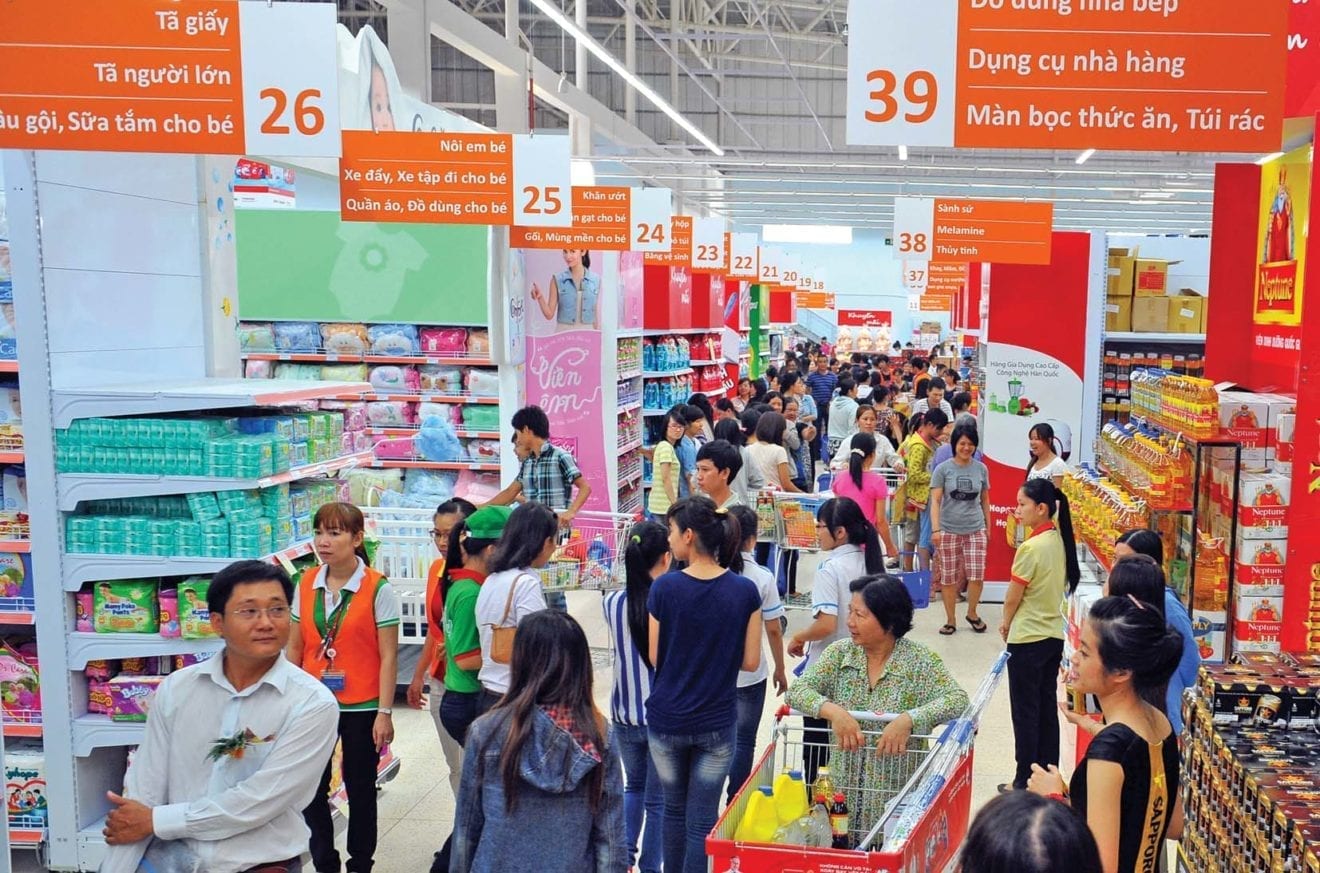
    National sales of FMCG on traditional and modern trade channels in urban areas reached $14 billion in Q2, growing 0.7 percent, Nielsen reported.

    The fast-moving consumer goods growth year-on-year was driven by sales increases seen across six out of seven super categories: beverages (including beer), milk and dairy products, household care products, personal care products, baby care products, and cigarettes.

    Baby care witnessed the biggest jump to 12 percent while food showed a decline of 1.9 percent, according to the market research firm’s newly-released Market Pulse Quarter 2 report.

    “FMCG has yet to reflect an upturn in economic conditions while Vietnam’s GDP growth hit 7.1 percent in the first half of 2018,” Nguyen Anh Dung, executive director of Nielsen Vietnam’s retail measurement services division, said.

    But there were many growth pockets, with modern trade channels seeing double-digit growth, he noted.

    Semi-retail channels comprising stores with both wholesale and retail sales also saw strong growth.

    Overall, the modern distribution channel enjoyed growth of 11.9 percent while the traditional channel was sluggish. Sales through traditional channels in urban areas rose 1.2 percent while in rural areas there was a drop of 2.4 percent.

    Dung said seasonality could provide an opportunity for certain categories such as snacks, dairy, beverages, and confectionary to innovate and connect with consumers in novel ways.

    “FMCG products have become basic while other products provide more excitement with innovation and new customer experiences. Consumers are willing to loosen their purse strings as reflected in strong growth in entertainment, tourism, cellphone, and automotive sales.”

    It is time for manufacturers to bring excitement back to the FMCG industry, and the most important thing is to listen to consumers and put them at the center of all decisions they make, he said.

    They provide the key growth cues if manufacturers can satisfy their needs, he added.

  • JD Sports Opens its Flagship Store at ION Orchard

    JD Sports Opens its Flagship Store at ION Orchard

    UK-based multi-brand sportswear and shoes retailer JD has opened an Ion Orchard flagship.

    The new 7200sqft store follows the recent opening of a JD’s store at Jurong Point, and offers an expanded range that includes favourite brands such as Nike, Adidas, Puma, Under Armour, and JD’s home brand Supply & Demand. It also retails a wider range of JD Exclusive trainers, only available at JD stores in Singapore.

    JD also stocks trainers direct from Europe with the Western Europe range, which are not readily available in Southeast Asia.

    The group runs over 1400 stores under various retail fascias.

  • Flamingo Bloom plans expansion in Australia, Singapore

    Flamingo Bloom plans expansion in Australia, Singapore

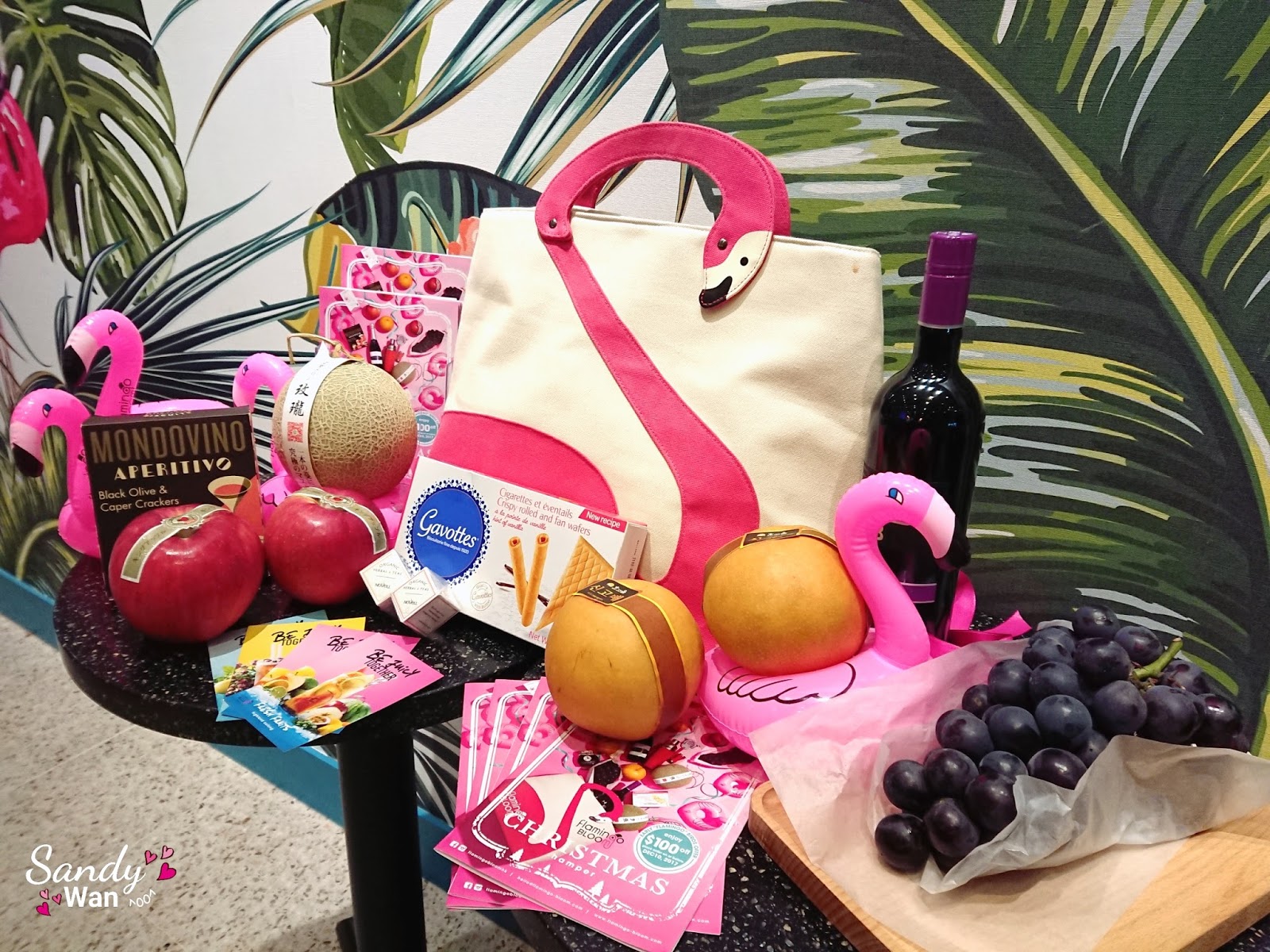
    Hong Kong-based fresh-brewed tea brand Flamingo Bloom has opened four stores in its first year of trading.

    The health-conscious beverage retailer first set up just last year in Hong Kong’s Central, but has already opened a larger space in Tsim Sha Tsui, a flagship in Malaysia, and a store at the IFC mall this month, which attracted long queues on launch day.

    Founder Louisa Wong has indicated plans to open further locations in Malaysia, as well as expand to Australia and Singapore, with the intention to open in Melbourne by the end of this year.

    “Even though we’re in a quality mall, the operating costs in Malaysia are so much lower – about a third of what we pay in Hong Kong – so it’s easier to reach sales targets,” she said. “In Malaysia’s tropical climate, cold teas mixed with fresh fruits have proved popular.”

    The store retails highly Instagrammable Chinese tea-based beverages mixed with fresh fruit and boba pearls – or blended as a latte.

  • Baby product chain dupes clients with false labels

    Baby product chain dupes clients with false labels

    Con Cung, Vietnam’s largest baby products chain, has been using false labels to mislead its customers, authorities say.

    The chain was unable to furnish invoices and other legal documents for the products, which it claimed were imported, Nguyen Trong Tin, the deputy head of HCMC’s Market Surveillance Agency, said Tuesday.

    For instance, a plastic milk container it sells has a label claiming it is manufactured with German technology but fails to indicate origin, he said at a press conference on business fraud and fake and smuggled goods.

    Many of the firm’s products lack legally required information on their labels, Tin said.

    “These violations are enough for Con Cung to be dealt with legally.”

    His agency is continuing its investigation to decide how serious the firm’s violations are.

    Con Cung has come under the scanner in the last two months after a customer complained it had sold him a shirt with a label that said “Made in Thailand” but looked like it had been swapped with another label.

    The company responded that the shirt was imported from Thailand, but soon afterwards took it off its shelves and offered a coupon for the value of the shirt to almost 4,000 customers who had bought it.

    It had previously claimed it did not sell fakes and its labels were changed only because of “technical issues” after the manufacturer had made mistakes in them and its Thai partner company changed its own name.

    It even offered a reward of VND1 billion ($43,000) to the first person who can prove that it sells fake goods.

    “There is no reason for us to cheat,” its chairman, Nguyen Quoc Minh said at a press conference on Monday.

    Founded in 2011, the company has 288 Con Cung and 30 ToyCity stores, mostly in Ho Chi Minh City and southern provinces.

    The chain, which received funding from the Vietnamese-Japanese DAIWA-SSIAM Vietnam Growth Fund in 2017, plans to have more than 1,000 stores by 2020.

    Its pre-tax profits in 2016 were VND8 billion ($350,000) on revenues of VND524 billion ($22.9 million), according to the Vietnam Industry Research and Consultancy.

    HCMC’s Market Surveillance Agency busted over 88,000 cases of smuggling, business fraud and fakes in the first six months of this year and fined the offenders over VND7.4 trillion ($316 million).