Tag: asia

  • Luxury group Kering reports positive numbers

    Luxury group Kering reports positive numbers

    Fashion giant Kering’s decision to focus the business on luxury appears to be paying off.

    In what chairman and CEO Francois-Henri Pinault termed “dazzling top-line and earnings performances” during the first half year, total revenue rose 33.9 per cent on a comparable basis and operating margin rose above 30 per cent for the first time in the company’s history.

    Kering sales in Asia rose by 37.6 per cent, excluding Japan, where sales rose by 30.7 per cent. That growth rate lagged the US, (up 45.4 per cent) but was well ahead of Kering’s home European market’s 25.1 per cent. Online sales more than doubled.

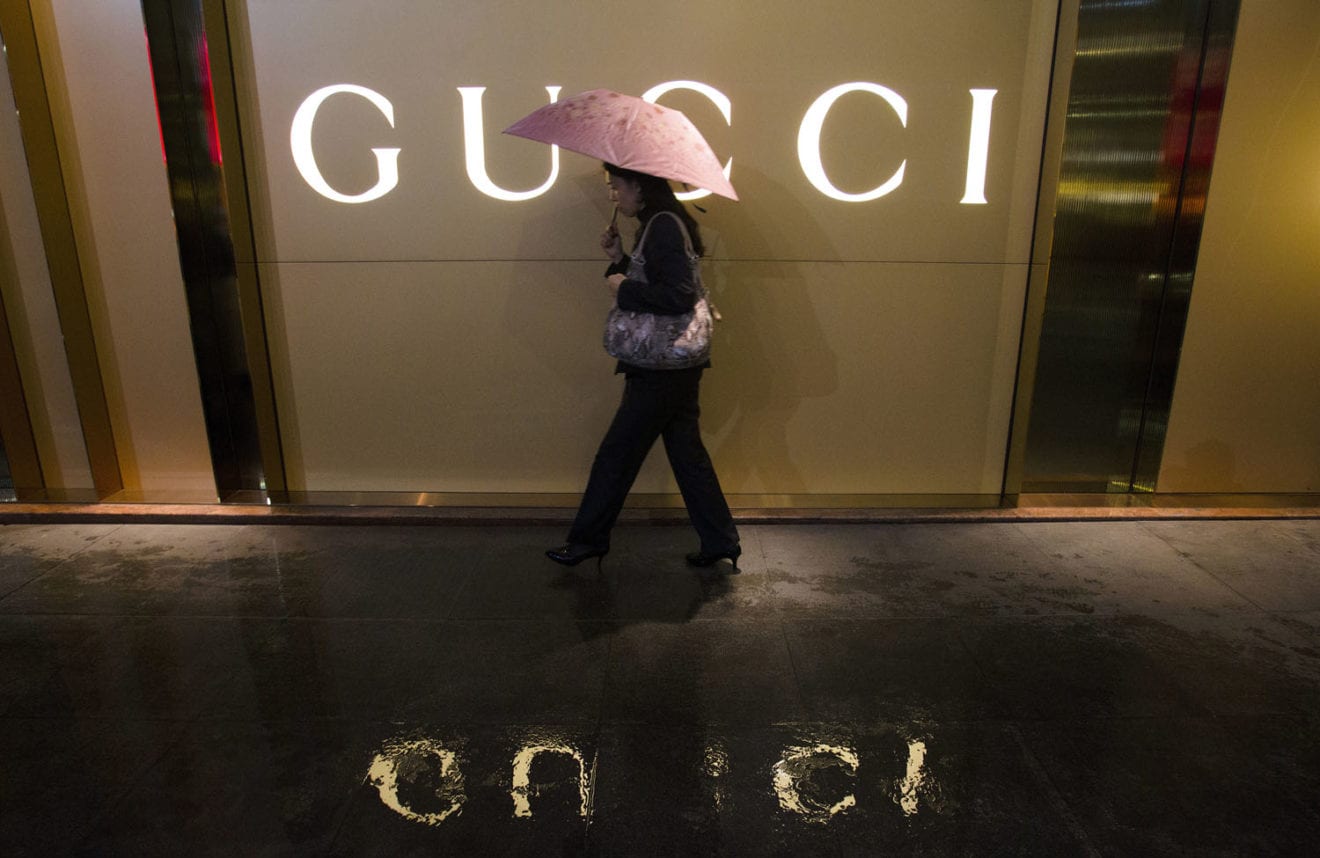
    While the growth occurred across most of the company’s brand portfolio, Gucci clearly led the way with sales up 44.1 per cent on a comp basis and margin from recurring operations reaching 38.2 per cent. Yves Saint Laurent sales rose 19.7 per cent.

    Revenue from Bottega Veneta was stagnant, up just 0.9 per cent, but all the other houses collectively rose by 36.5 per cent, led by Balenciaga and Alexander McQueen.

    First-half year consolidated revenue was €6.432 billion, up by 26.8 per cent before taking into account exchange rate influences and changes to the group structure. A year earlier, Kering’s portfolio included sportswear label Puma, a majority stake of which has since been spun off.

    Net income rose 185.7 per cent to €2.36 billion, although just over half of that was a capital gain resulting from the sell-down of Kering’s Puma stake.

    Pinault said Kering’s growth was “grounded in the exclusivity and desirability of our brands”.

    “The development model we implement across our houses paves the way for increased value creation as well as profitable, sustained and consistent organic growth. While facing increasingly demanding comps and an uncertain global environment, we will once again substantially enhance our financial and operating performances in 2018.”

  • AirAsia Q2 load factor down 3% to 86% on seat capacity expansion

    AirAsia Q2 load factor down 3% to 86% on seat capacity expansion

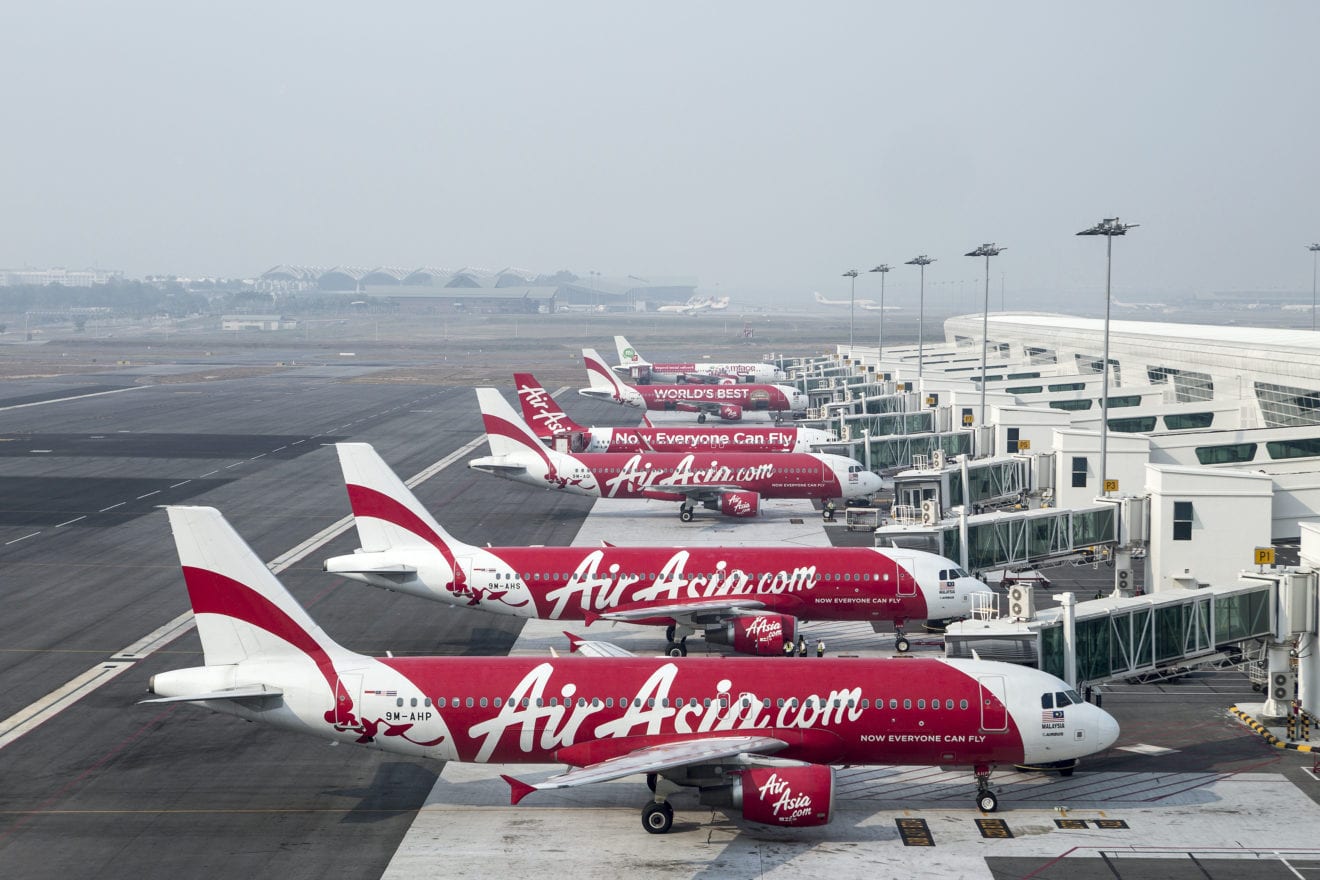
    AirAsia Group Bhd’s operations in Malaysia, Indonesia and the Philippines saw a 3% drop in its load factor to 86% for the second quarter of 2018 (Q2 18) compared to the same period of 2017.

    Seat capacity for the quarter under review, however, increased 17%.

    The low-cost carrier said in a statement that it carried 10.88 million passengers in Q2 18, representing a 13% increase against the 9.61 million passengers flown in Q2 17.

    AirAsia Group’s total fleet size grew to 124 aircraft comprising 88 in Malaysia (AirAsia Bhd), 15 in Indonesia (PT AirAsia Indonesia Tbk) and 21 in the Philippines

  • CRCT’s 2Q 2018 distributable income rises 10.0%

    CRCT’s 2Q 2018 distributable income rises 10.0%

    CapitaLand Retail China Trust Management Limited (CRCTML), the manager of CapitaLand Retail China Trust (CRCT), announced today that it registered distributable income of S$25.7 million for the period 1 April to 30 June 2018 (2Q 2018), an increase of 10.0% from S$23.3 million a year ago.

    The stronger performance was boosted by the first full-quarter contribution of Rock Square. Distribution per unit (DPU) for 2Q 2018 was 2.64 cents on an enlarged unit base, representing an increase of 0.8% from 2.62 cents in 2Q 2017, and 8.2% higher than 2Q 2017’s adjusted DPU of 2.44 cents following CRCT’s private placement exercise in December 20171.

    For the period 1 January to 30 June 2018 (1H 2018), distributable income was S$52.4 million, an increase of 9.8% compared to the same period last year. DPU edged up 0.6% from a year ago to 5.39 cents. On a comparable unit basis1, DPU for 1H 2018 would have been 7.8% higher than 1H 2017’s adjusted DPU of 5.00 cents.

    Based on an annualised DPU of 10.59 cents and CRCT’s closing price of S$1.54 per unit on 26 July 2018, the annualised distribution yield for 2Q 2018 was 6.9%. Unitholders can expect to receive their DPU for 2Q 2018, along with DPU for 1Q 2018, on 20 September 2018.

    Mr Tan Tze Wooi, CEO of CRCTML, said: “We are pleased that our portfolio reconstitution efforts and proactive asset management are showing positive results, delivering a double-digit growth for 2Q 2018’s distributable income. Rental reversions at our core multi-tenanted malls for the quarter averaged a healthy 10.5%, while portfolio occupancy as at 30 June 2018 was resilient at 97.4%.”

    He also added: “Since acquiring Rock Square on 31 January 2018, we have focused on extracting the lease renewal upside while enhancing the mall’s tenant mix. This strategy led to strong rental reversions at Rock Square averaging above 20% for the second consecutive quarter. New entrants in the mall include a digital experience store by Xiaomi and popular beverage store Nayuki Tea. To optimise Rock Square’s layout and further expand its offerings, we created over 500 square metres of retail space by converting unutilised space and adding retail kiosks.”

    In 2Q 2018, CapitaMall Wangjing completed the transformation of the recovered space on Level 4 with 19 of the 23 new retailers opened as at June 2018. r Tan Tze Wooi explained:”the new retail zone, which offers a strong mix of lifestyle and experiential retail tenants that host crowd-pulling events, is expected to drive footfall and improve sales for the entire floor with positive spillovers for the rest of the mall. The early recovery of the former anchor tenant space, executed within timeline and budget, demonstrates our proactive asset management approach to strengthen the appeal of CRCT’s malls.”

    “During the quarter, we early refinanced S$150 million of loans ahead of maturity in 2019 to lock in favourable rates. In addition, we undertook our maiden issue of S$130 million medium term notes (MTN) under CRCT’s S$1 billion MTN programme, which was well-received by debt investors. Diversifying our funding sources to the debt capital market is part of our capital management strategy to harness greater financial flexibility for our next phase of growth as we actively source for strategic acquisitions to expand our portfolio. As at end June 2018, CRCT’s gearing was a healthy 32.1%, well below the regulatory limit of 45%,” he concluded.

  • Tesco set to open new discount Jack’s store to rival Lidl and Aldi

    Tesco set to open new discount Jack’s store to rival Lidl and Aldi

    British supermarket operator Tesco is set to unveil a new network of Jack’s stores: a budget grocery concept it hopes will take the fight directly to German discounters Aldi and Lidl.

    While the company has not made an official announcement, sources are reporting details leaked from multiple sources.

    In the first phase of a roll-out program, Tesco plans to open 60 Jack’s stores, initially in main cities. A Liverpool outlet will reportedly open its doors within five weeks and staff are being recruited for at least another three stores, suggesting an opening is imminent.

    A source revealed the chain will be called Jack’s and advertisements for staff refer to small teams in a new company that is operationally independent of Tesco.

    Analysts suggest Tesco will be able to use its recently acquired wholesaler Booker to help supply stores and Jack’s limited range and compact footprint would differentiate it from full-service Tesco stores with large product ranges and Booker’s cash-and-carry model which primarily targets business and the foodservice sector, selling in bulk.

    Some media have quoted inside sources saying the designs of Jack’s stores show “striking similarities” with Belgian chain Colruyt.

    Tesco trialled a discount format called Victor Value in the 1908s, but scrapped the concept after four years, fearing it would cannibalise sales of its main network. But in today’s UK grocery market with Aldi and Lidl already accounting for 13 per cent of the British grocery market and achieving year-on-year sales growth around 8 per cent, cannibalisation is less of a concern than losing sales to rival chains.

  • Morphy Richards starts selling in South Korea

    Morphy Richards starts selling in South Korea

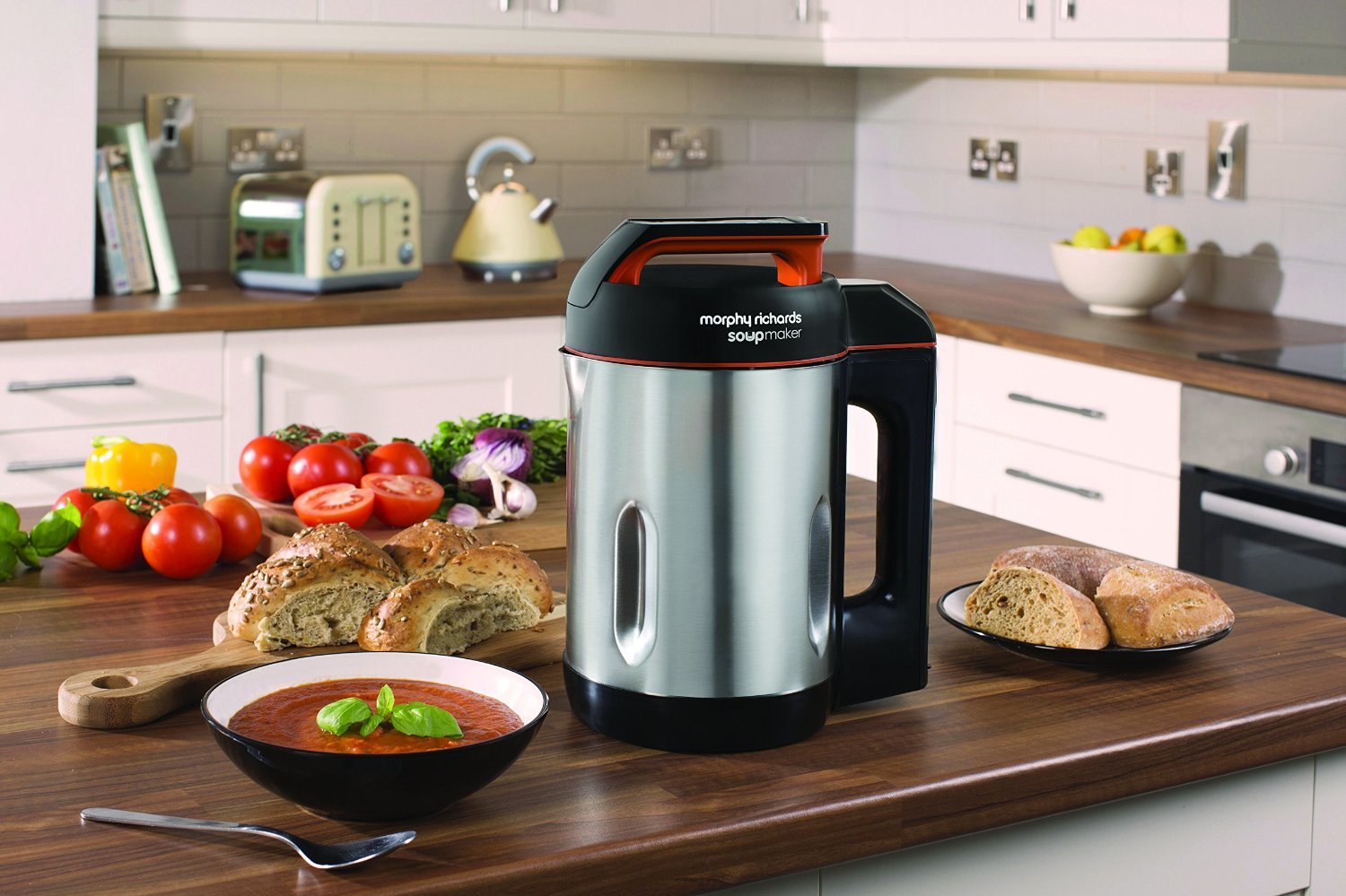
    London-based household appliance maker Morphy Richards has launched in the South Korean market.

    The heritage brand hopes to find a niche in a country dominated by global electronics giants via its local distributor M&S Solution, which already hosts an appliances e-commerce platform. It will expand the distribution channel to Korean department stores, electronics stores and TV home shopping.

    An official from Morphy Richards said the British appliance maker will work hard to win the hearts of South Korean consumers with its “outstanding technology and brand popularity built over more than 80 years”.

  • Smart Trends eyes Asian, African markets

    Smart Trends eyes Asian, African markets

    Smart Trends International Sdn Bhd, a training recruitment and consultancy specialist, is looking to expand its operations in the emerging Asian and African markets.

    Smart Trends offers corporate training and technical programmes, which are designed to equip workers and non-workers with specific skills and abilities to perform their jobs efficiently and helps in improving their skills and enhancing their performance.

    The company had also recently signed a strategic partnership with NCFE (UK) to develop specially tailored technical and vocational courses for the Asean region. NCFE is an awarding organisation by the qualification regulators for England, Wales and Northern Ireland.

    “We are trying to venture into these markets in the fourth quarter of this year because we feel that there is a lot of potential especially in terms of vocational education,” Smart Trends chairman and group CEO Datuk Dr Emmanuel Benson said on the sidelines of the Global Leadership Awards 2018 recently.

    “Africa is an emerging market and they need education, especially on vocational and technical training. Not everyone (there) can afford to attend college or university,” he added.

    Smart Trends currently has presence in Sri Lanka and Vietnam with the opening of its training centres in these countries.

    In 2017, it has successfully trained and placed over 1,200 Malaysians with global multinational companies (MNCs) and Malaysian manufacturing, construction and oil & gas firms, according to its website.

    Going forward, Benson said he believes that there will be a lot of multinational job opportunities coming in to Malaysia, driven by surging foreign direct investments (FDIs) into the country as well as growing industries.

    “Training industry is an evolving and growing sector where you know micro-skilling is always needed.

    And what we are lacking (here) is that our graduates are not able to get a job and many people are getting retrenched, so micro-skilling is pivotal and plays an important role in order to get one employed,” he added.

    During the event, Benson bagged two awards, namely the “Masterclass CEO of the Year” and “Leadership Excellence in Human Capital Development Through Technology Innovation”.

  • Fashion brand Cover Story targets high revenue

    Fashion brand Cover Story targets high revenue

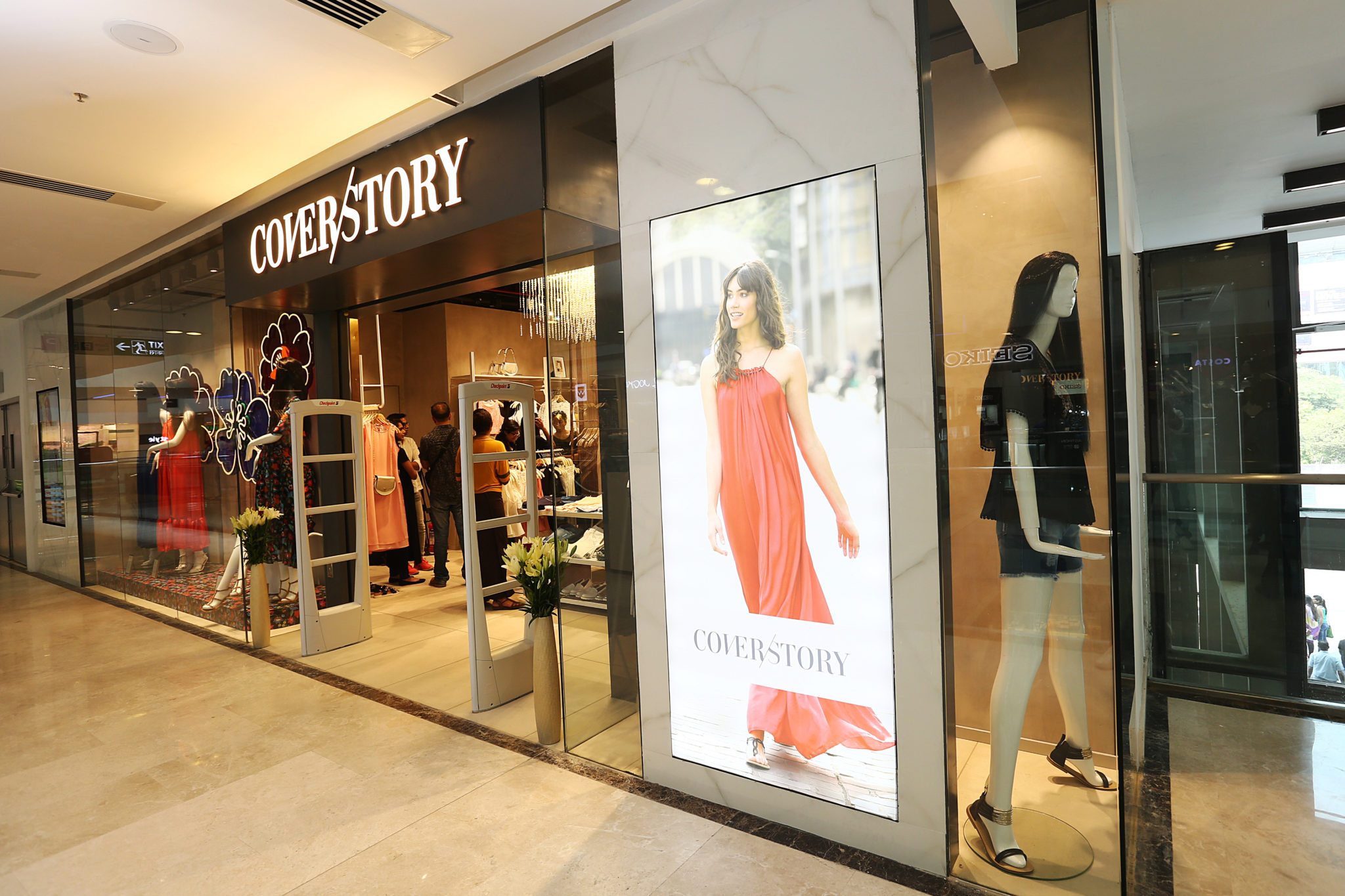
    Indian fashion brand Cover Story is aiming to generate ₹100 crore (US$14.6 million) in sales in the ongoing financial year.

    The brand has been trading in western womenswear since 2016, targeting young Indian women with fittings matching their own ethnic body types. It is currently focused on expanding its accessories offering.

    Manjula Tiwari, the CEO of Future Group’s Future Style Labs, which owns the Cover Story brand, said, “We are looking to break even at the Ebitda level at the end of this fiscal year. We are growing at more than 100 per cent, witnessing 12 to 30 per cent like-for-like growth in our stores, indicating an increasing consumer base – consumers who are coming back to our stores.”

    The fashion brand Cover Story has seen average sales per store at ₹25 lakh (US$36,430) a year, and achieved total retail sales of ₹51 crore (US$7.43 million) in the 2018 financial year. Around 7 to 8 per cent of sales were made on e-commerce platforms.

    The brand’s stores are located in top national malls, often adjacent to international competitors such as H&M, Vero Moda and Zara to attract customers shopping in that market. It intends to open six new outlets and 50 shop-in-shop stores this year.

  • All behind the new (fake) “Supreme” store opening in Shenzhen

    All behind the new (fake) “Supreme” store opening in Shenzhen

    There are 11 Supreme stores in the world: two in New York, one in Los Angeles, one in London, one in Paris, and six around Japan. There are none in China. So what’s the deal with the new “Supreme” store opening in Shenzhen, China that no one knows about?

    The fake store has gone to extremes to replicate the original Supreme store experience, with identical interior fixtures, hip-hop playing, and even the same plastic bag. The only giveaway is the small logo affixed to the end of the Supreme mark, which may look like a registered trademark logo to the untrained eye, but upon closer inspection is a custom mark that reads “NYC,” further differentiating the counterfeit brand from the bona fide bogo. This mark extends to everything from the store signage to even the hangers.

    Why would a bootleg brand go through the trouble of adding an extra, inaccurate detail? Probably because the label owns the copyright to the “Supreme NYC” name in China.

    To clarify China’s unusual legal stance on trademarks, we spoke to lawyer Julie Zerbo of The Fashion Law. “In addition to the Chinese government’s relatively lax stance on instances of infringement of non-native [foreign] brands’ intellectual property rights by native [Chinese] entities, the way that trademark law operates in China allows for instances like [the fake Supreme store],” Zerbo explains. “Unlike in the United States and most other countries, where trademark rights are gained by actual use of a trademark, in China an individual gains rights merely by being the first to file a trademark application.”

    In other words, if you’re fast enough to register a trademark before anyone else, the trademark is yours.

    Unlike real Supreme stores, this one currently sells only hoodies. The wares come in an oatmeal gray, several colorblocked versions. Supreme’s “motion logo” hoodie is also aped in black and white versions. The retail price is 880RMB—roughly $130 USD. The price is pretty steep for fake goods, but it appears the brand is trying to peddle its Supreme NYC label as a middle-of-the-road alternative between expensive resell prices on legit supreme, and low-quality knockoffs that generally cost half the price.

    There are even more curious differences in how Supreme NYC brands its goods. Unlike Supreme’s 100% cotton fleece hoodies manufactured in Canada, the dubious brand makes its hoodies from a cotton/polyester blend, and denotes the clothing as manufactured in China.

    What do you think of this example of counterfeit culture? Let us know in the comments.

  • Citygate’s Outlets Hong Kong is ready

    Citygate’s Outlets Hong Kong is ready

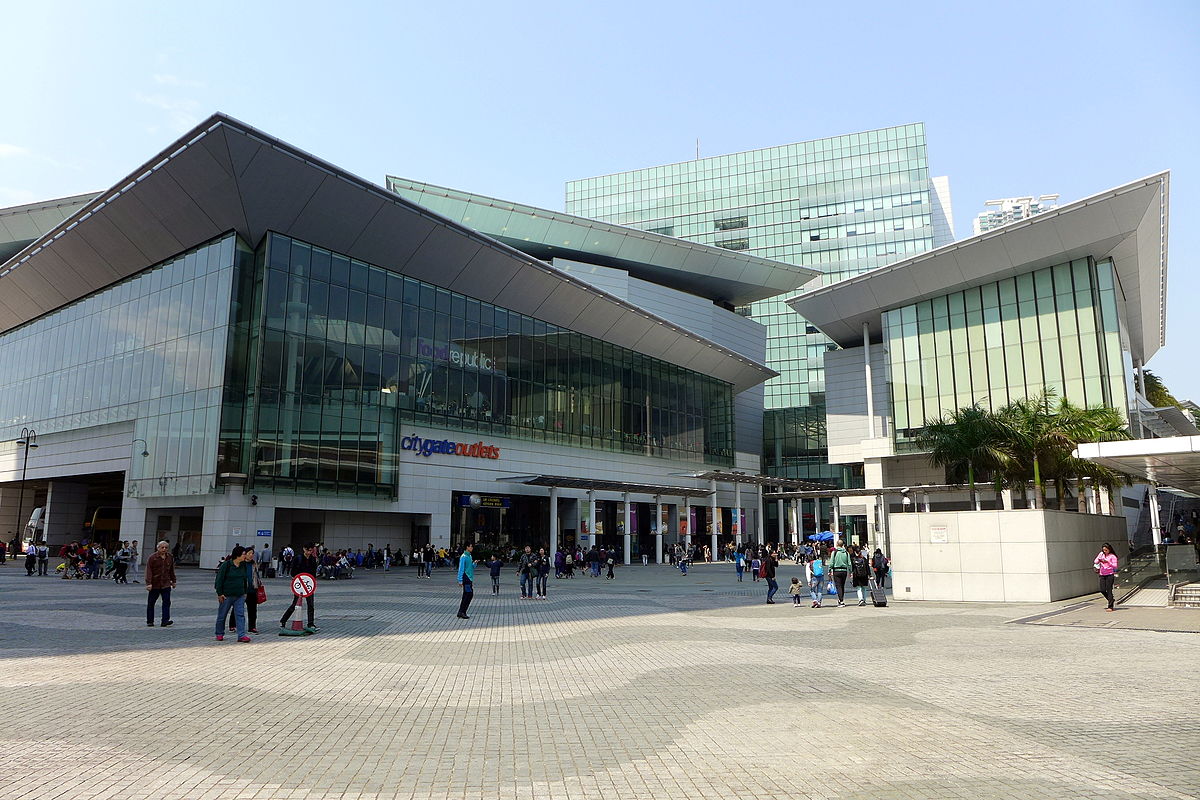
    Citygate Outlets is ready for the summer.

    With over 80 international brands offering 30% to 70% discounts, the mall has collaborated with brands to bring its customers unique Summer Pop-ups, memorable experiences with special performances and rewards for its most loyal customers.

    Direction New-York for this Summer’s Pop-ups.

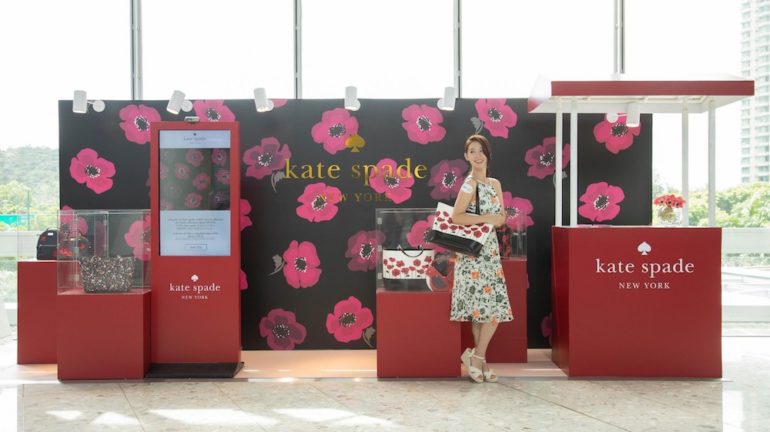
    Starting with a fresh breeze of air to break the summer heat, Citygate Outlet is showcasing Kate Spade New York’s Poppy Floral Collection in a Insta-worthy pop-up area. Following Kate Spade and its free popsicles comes Travel Destiny-themed Michael Kors’ pop-up. Popsicles will still be on the menu along with exclusive shopping privileges, heart-shaped balloons and a limited-edition gift, free with any in-store purchase.

    Malls are also engaging in customer experience.

    Citygate Outlets is bringing performers from around the world for a series of lively musical performances. From African master drummers Mamadou and Drum Jam to Japanese percussionist Kumi Masunaga or collaborations with the Ukulele Federation and Hula Association the mall is creating unforgettable instants for its customers. Shoppers will have the opportunity to give a try to playing drums and ukulele with performers and truly feel and live the beats and Hawaiian vibes.

    All the summer essentials are offered at the mall with limited discounts. Customers can get ready from head to toe with Havaianas’ flip-flops up to 40% off, Arena’s and Speedo’s pop-ups featuring swimsuits up to 65% off and all the essential summer accessories with sales promotions on Brands such as luxury watchmaker Breitling or designer sunglasses Optical 88.

    More surprises awaits the mall’s visitors. Indeed, as their shopping session comes to an end, consumers having reached a pre-defined amount of spending on the same day using their credit card or EPS during the promotion period will be eligible to redeem fashionable and practical travel gifts.

    The icing on the cake to end a memorable day.

  • Foreign investors target Vietnam’s huge sports betting market

    Foreign investors target Vietnam’s huge sports betting market

    Choi Hak Soo, president of South Korea’s Golden Horse, said during a meeting with leaders of Bac Ninh last week that his company plans to set up a subsidiary in the northern province to build a racecourse.

    He expected the $500 million investment plan to be ready by October for submission to the government for approval, saying his company is in the process of mobilizing funds.

    Golden Horse had first proposed the plan to Bac Ninh last year when the National Assembly (NA) was wrapping up its discussion on legalizing sports betting.

    The 400-hectare entertainment complex will include a horse racecourse, a resort and a residential area, and create 5,000-10,000 jobs.

    The NA late last year approved a bill legalizing sports betting, and last month the government promulgated a decree regulating the sports-betting business, throwing open opportunities for foreign investors.

    Illegal sports betting used to be rampant in the country.

    A year earlier the government had also cautiously opened casino doors to locals.

    There are no official reports on the value of illegal sports betting, but a study by Prof Ha Ton Vinh, who has spent much of his professional life studying Vietnam’s gambling and sports betting activities, said Vietnamese used to spend an estimated $800 million a year overseas on gambling.

    The police have in the last two years busted dozens of illicit online gambling and sports betting operations worth hundreds of millions of US dollars.

    At the meeting in Bac Ninh, Choi said Golden Horse faces many rivals in sports betting in this country.

    Amplefield, a Singapore-listed company, is the latest name to enter the industry here. Last April it signed a memorandum of understanding to set up a joint venture for building a racecourse in HCMC.

    Amplefield will hold a 60 percent stake in it while Malaysia’s Equine Sanctuary, a provider of horse care services and horse-racing consultancy services in Singapore, will hold the rest.

    According to Amplefield, the joint venture will build a 300-hectare racecourse and property complex in Sing Viet City. It will include a residential component with some 16,000 units, horse racing, gaming and golfing facilities.

    “This is the first step towards the development of the racino facilities, and we are excited about what lies ahead as this has tremendous potential to be a huge draw for both tourists and locals and stimulate further development activities in the area,” Yap Weng Yau, executive director of Amplefield, said in a statement.

    Another South Korea firm, G.O.Max, is also pursuing a giant horse racing and entertainment complex in the province of Vinh Phuc at an estimated cost of $1.5 billion.

    It had been proposed to the Vinh Phuc People’s Committee as long ago as in 2005 as a $570 million investment, but was not approved. Now, following the new developments, the investor has again decided to throw its hat in the ring.

    G.O.Max has projected building a horse racecourse on a site of 200 hectares and running three races a week. Seventy betting points will be set up in 54 cities and provinces around the country, as well as an online betting system.

    Jung Young Jin, strategy director of G.O. Max, has indicated to the media there will be revenues of $972 million and taxes of $100 million a year in the first five years.

  • After Sprinting to Aid Rupiah, Bank Indonesia Could Struggle in a Marathon

    After Sprinting to Aid Rupiah, Bank Indonesia Could Struggle in a Marathon

    Bank Indonesia has done more than any Asian peer to defend its currency amid a global rout in emerging markets, but the fact that the rupiah has kept slipping suggests the central bank would struggle to maintain the pace in a prolonged battle.

    Like many developing markets with current account or trade deficits, Southeast Asia’s largest economy is hostage to forces outside its control, including rising US interest rates, higher oil prices and the Washington-Beijing trade conflict.

    And the difficult position Indonesia authorities face “may not end quickly,” Bank Central Asia chief executive Jahja Setiaatmadja told reporters on Thursday (26/07). “This is truly a marathon.”

    What differentiates Indonesia is how strongly the central bank has come out of the blocks.

    Bank Indonesia (BI) has lifted rates 100 basis points, twice what the Philippines has done, and has drawn more heavily on its foreign reserves than other Asian nations have.

    Still, the rupiah is down more than 6 percent in 2018, nearly as much as the peso and Indian rupee. Bond yields went down after Indonesia’s 50 bps June rate hike – which BI said reflected a “pre-emptive, front-loading and ahead-of-the-curve” policy – as investors gave their thumbs-up, but the reprieve proved temporary.

    An Open Economy

    For sure, economists do not perceive the lackluster results in stabilizing the market as a failure. Much is due to the fact Indonesia’s economy is more open than India’s or the Philippines’ and its financial markets have larger foreign investor participation.

    But limited results raise concerns about BI’s firepower in case the Sino-US trade conflict escalates and lasts for years, or US heads into recession.

    In such an environment, BI’s traditional tools won’t be enough. Further hiking rates at this pace will choke growth and add to pressure on the currency. And foreign exchange reserves are only $20 billion above the $100 billion mark at which some economists expect BI to turn less interventionist.

    Given policy constraints, the economy “may not be able to able to handle more rate hikes,” Paul Mackel, HSBC head of global emerging markets FX research in Hong Kong, said in a note.

    Mackel said Indonesia might consider temporarily requiring exporters to sell some FX proceeds and curb importers’ FX purchases, similar to what Malaysia did in 2016.

    President Joko “Jokowi” Widodo on Thursday pleaded with exporters to bring home earnings they currently keep offshore to help manage the rupiah from falling further, Finance Minister Sri Mulyani Indrawati said on Friday.

    Indonesian authorities, who know they need a multi-pronged approach, have revived an old tool and created a new one they hope will help the rupiah.

    To give foreign investors more instrument choices, they auctioned nine- and 12-month Bank Indonesia Certificates (SBI) for the first time since 2016, raising Rp 6 trillion ($412.51 million). The instruments, which foreigners can buy in secondary markets, help bring more capital in and let BI mop up the dollars investors sell to purchase the bonds and rebuild reserves.

    Next week, BI launches a new benchmark for overnight inter bank money markets, called Indonia, mirroring euro zone’s and Britain’s Eonia and Sonia. It aims to improve the transmission of BI rate moves to the financial sector.

    Beyond reserves, the central bank “has at its disposal a number of measures” to counter FX volatility, said Roland Mieth, emerging markets portfolio manager at PIMCO in Singapore.

    Finding Dollars 

    The finance ministry is also reducing rupiah bond issuance, hoping to meet some financing needs with additional foreign-currency loans from lenders such as the World Bank and the Asia Development Bank.

    “We are getting many offers, but we are only taking what is needed to cover the shortfall in our rupiah bond issuance,” Scenaider Siahaan, finance ministry director of borrowing strategy told Reuters.

    Foreigners, who hold more than one-third of Indonesia’s government bonds, sold nearly Rp 29 trillion ($2 billion) of local currency bonds in April to June. Following BI’s 50 bps benchmark hike, this month has seen 5 trillion rupiah returning.

    While the central bank has been “very much” proactive, that doesn’t mean Indonesia is out of trouble, said Rohit Garg, emerging market fixed-income and foreign exchange strategist at Bank of America Merrill Lynch in Singapore.

    “If trade tensions do increase … there is only so much that BI can do to make sure that rupiah weakness is limited,” he said.
  • Mitsui Fudosan plan to open more store

    Mitsui Fudosan plan to open more store

    Japan’s largest factory outlet operator is considering opening a similar park in Thailand.

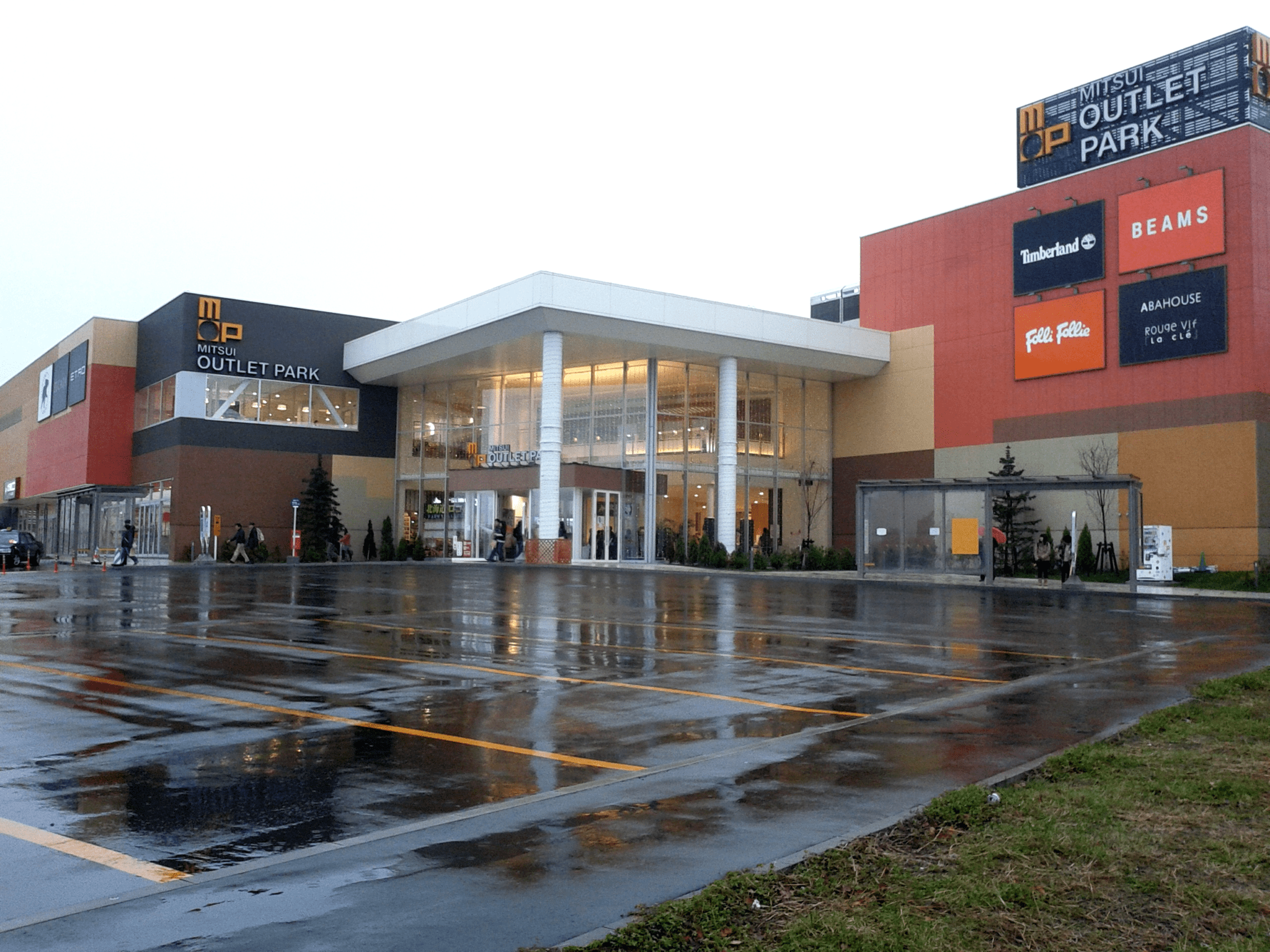
    The firm, Mitsui Fudosan Retail Management, is the developer of Mitsui Outlet Park, which attracts increasing numbers of Thai visitors each year. 120,000 Thai nationals are expected to visit the park this year, compared to 80,000 last year and 60,000 in 2016.

    Kazuo Iida, the GM for the firm’s tourism sales promotion department, said, “We’re interested in opening the Mitsui Outlet Park in Thailand, but the plan is just in the consideration process.

    “The number of Thais who visit Mitsui Outlet Park ranks fourth after China, Hong Kong and Taiwan,” he explained. “The number of Thais who visit Mitsui Outlet Park will outpace Taiwanese visitors for third place in the near future.”

    With the outlet park set to open a third-stage expansion at the end of October, it is moving towards becoming the outlet mall with the most stores in Japan, according to Iida.

    The group operates 13 outlet malls in Japan and two branches in Taiwan and Malaysia.

  • Asia’s large format retailers prepare for steady growth

    Asia’s large format retailers prepare for steady growth

    Global research organisation IGD has reported that Asia’s large format retailers are set to grow 3.3 per cent a year to 2022, with Vietnam, India and the Philippines forecast to see double-digit growth from large format players over the next five years.

    Most of this growth is predicted to be driven by domestic retailers, except for Vietnam where foreign retailers have been investing to gain a foothold in this fast-growing market. Indonesia will see steady growth, also driven mainly by domestic players; with China coming through as another market with significant growth opportunities due to its vast geography.

    Many large format retailers in Asia are still enjoying steady growth through expansion although they are facing pressures from increased competition in more developed markets.

    Besides expansion to new regions, retailers are also digitising physical stores to create a seamless shopping experience in more matured markets.

  • Velesto Energy bags RM101m job from Shell

    Velesto Energy bags RM101m job from Shell

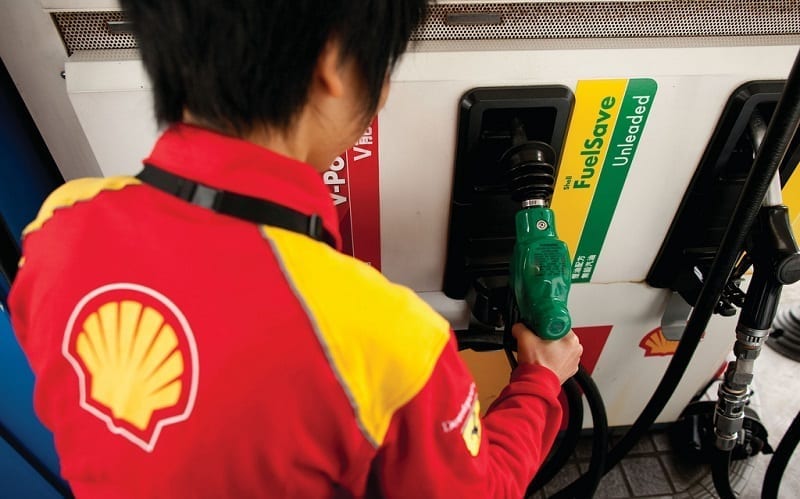
    Velesto Energy Bhd’s (formerly known as UMW Oil & Gas Corp Bhd) wholly owned subsidiary Velesto Drilling Sdn Bhd (VED) was awarded a US$25 million (RM101 million) contract from Sarawak Shell Bhd/Sabah Shell Petroleum Company Ltd for the provision of jack up drilling rig services.

    Velesto will assign its Naga 7 for the contract, which will go on from Aug 1, 2018 to Sept 30, 2018.

    The provision of the services is expected to contribute positively to the group’s earnings and net assets during the contract period for the financial period ending Dec 31, 2018.

    Velesto shares were unchanged at 30 sen on 21.64 million shares done.

  • Korean beauty brands finally out of Thaad’s shadow

    Korean beauty brands finally out of Thaad’s shadow

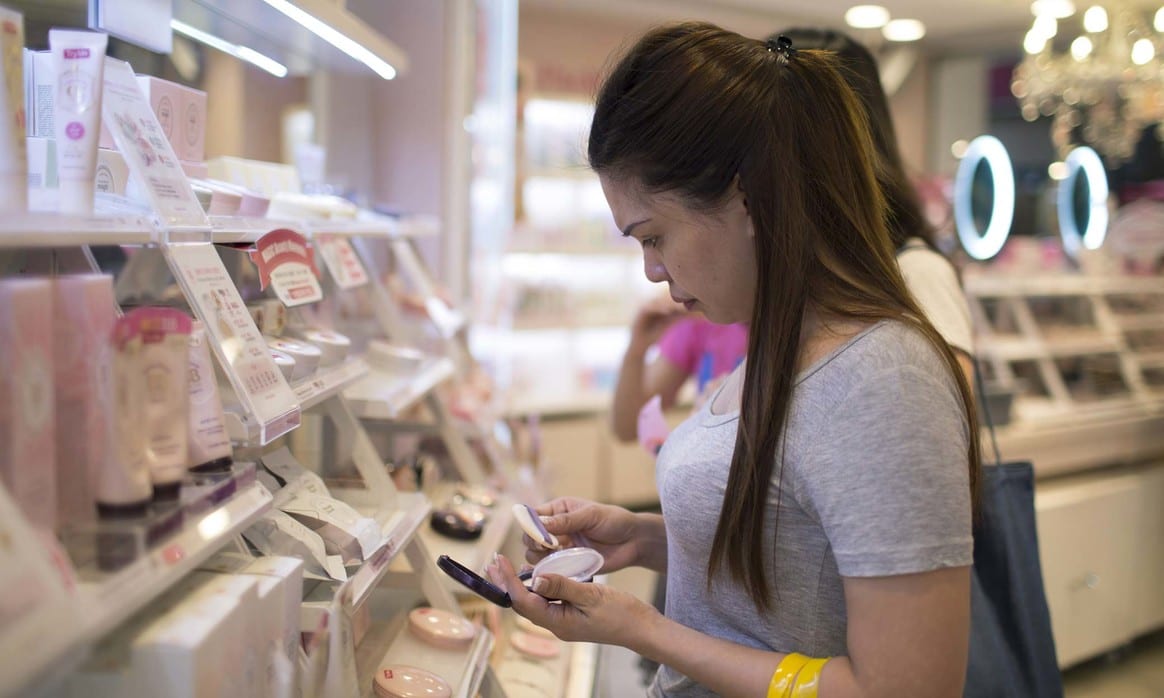
    The top two domestic beauty companies have posted strong second quarter earnings, indicating that they are finally recovering from the loss of Chinese customers following the Thaad deployment last year.

    Both Amorepacific and LG Household & Health Care announced their earnings this week, with LG taking the lead with record-high second quarter earnings.

    Amorepacific Group’s second-quarter earnings released on July 26 showed that the beauty giant finally made a turnaround for quarterly results. It raised 170.3 billion won (US$152 million) in operating profits, a jump of 30.6 percent from the same period last year, and 1.55 trillion won in revenue, a 10 percent increase year on year.

    The company has recorded minus growth in both revenue and operating profit for the last four quarters.

    Amorepacific was hit hard by the installment of the U.S.-led Terminal High Altitude Area Defense (Thaad) antimissile system here that caused Chinese consumers to boycott Korean brands and a suspension of group tourists entering the country. Prior to the Thaad deployment, China made up 70 percent of Amorepacific’s overseas revenue.

    The incident spurred the company to diversify its global business portfolio. Second quarter results showed that efforts made last year are slowly starting to bear fruit: Operating profit from overseas businesses rose 129.3 percent on-year and revenue was up 16.7 percent.

    “The Asian market saw two-digit growth thanks to more luxury brand stores and localized products,” said Amorepacific in a statement. “The advancement of Innisfree and Laneige in the United States expanded our customer base.”

    Despite improved second quarter earnings, the company’s performance in the year’s first half retreated from last year. Revenue for the first six months was slightly down by 1.5 percent on-year to 3.22 trillion won and operating profit reduced 11.9 percent to 448.4 billion won.

    The general consensus among analysts was that Amorepacific’s earnings will improve thanks to a base effect from last year and relations with China having improved. The question is when. Some experts remarked that the speed of recovery so far has been slower than expected, partly because the number of Chinese tourists has not returned to pre-Thaad levels.

    LG Household & Health Care, announced a record result for the first half thanks to its strong luxury brands that helped maintain sales among Chinese consumers. Its revenue rose 8.7 percent year on year to 3.31 trillion won and 12 percent in operating profit at 550.9 billion won.

    It also broke a record in the second quarter with revenue of 1.65 trillion won, an 11.1 percent rise from last year, and operating profit of 267.3 billion won to represent a 15.1 percent increase.

    LG said The History of Whoo, a best seller in China, reached 1 trillion won in revenue as of July thanks to high duty-free sales. Its SU:UM and O HUI also successfully appealed to Chinese consumers as luxury brands, contributing to a 36 percent increase year on year in the company’s cosmetics sales overseas during the second quarter.

    Analysts generally had a positive outlook on the company’s strong luxury line as consumption of premium beauty brands in China is rapidly rising.

    “Luxury brands are expected to lead [LG’s] revenue growth in the second half,” said Yoo Min-sun, an analyst at Kyobo Securities. “The company’s annual growth rate for duty-free revenue in 2018 is likely to reach 40 percent year on year.”