Tag: asia

  • L’Occitane Hong Kong sales rises

    L’Occitane Hong Kong sales rises

    L’Occitane sales rose to HK$2.7 billion (US$344 million) over the last three months.

    The French headquartered, Hong Kong-listed retailer’s as-yet unaudited trading update for the three months ended June 30, shows a rise of 6.2 per cent (reported rates) and 12.3 per cent (constant rates) year-on-year for the three month period.

    The market showing the highest sales growth was the US at 73.7 per cent, attributed to the resurgence of the L’Occitane en Provence brand and LimeLife. Same-store sales grew 0.6 percent year on year.

    Local currency sales in Hong Kong were shown to have risen 25.5 per cent with same-store sales growth as high as 11.1 per cent.

    Detailed financials are expected to appear in the firm’s annual report due at the end of the 2019 financial year.

  • Alibaba invests in digital advertising with recent acquisitions

    Alibaba invests in digital advertising with recent acquisitions

    In a matter of days, Alibaba is investing in two separate China-focused digital advertising firms, as the e-commerce giant continues to increase the span of its company portfolio in 2018.

    Alibaba confirmed that it has agreed to acquire a minority stake in China’s Focus Media Information Technology, effectively tapping into the online marketing sector with the news.

    The transaction will see Alibaba take a 6.63% stake in Focus Media, costing the Chinese firm some 9.63 billion yuan (US$1.4 billion) in the process. In a filing, the Shenzhen-listed firm said the deal would see Alibaba become Focus Media’s strategic investor.

    Founded in 2003, Focus Media operates in China’s interactive digital and advertising landscape.

    In the latest move into digital marketing, media reports were released over the weekend outlining Alibaba’s acquisition of WPP’s Chinese unit.

    Sky News reported on Saturday that Alibaba has partnered with Tencent and China Media Capital Holdings for early-stage talks to buy a minority stake in the advertising giant’s local subsidiary.

    For an estimated 20% minority stake, which is much higher than Alibaba’s share in Focus Media, the deal is said to be worth approximately $2.5 billion.

    Alibaba looks collate its Chinese agency operations into a new holding company and retain majority ownership and control, said Sky News.

    WPP is the world’s leading advertising group. The group has been facing headwinds in recent months, with the news that company founder, Martin Sorrell, has left his post at the helm back in April, on misconduct allegations.

    His replacement is yet to be disclosed.

    Alibaba continues to ramp up its investments in 2018, a continuum from the year prior. The spending comes as Alibaba fights increased competition from Chinese rival JD.com. The latter this year has partnered with social media giant Tencent on offline retail, marketing and payments.

    For the last fiscal fourth quarter, Alibaba said in May that March-quarter revenue grew 61% to 61.9 billion yuan ($9.73 billion) from a year earlier, beating analyst estimates of a 53% increase.

  • Jubilant FoodWorks operating revenues for Q1 FY19 stand strong at Rs 8,551 million

    Jubilant FoodWorks operating revenues for Q1 FY19 stand strong at Rs 8,551 million

    Jubilant FoodWorks Limited reported its financial results for the quarter ended 30th June, 2018.

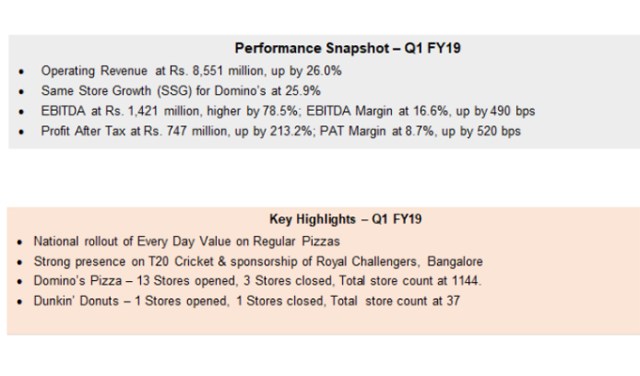
    Operating Revenues for Q1 FY19 stood strong at Rs 8,551 million, representing a growth of 26.0 percent over Q1 FY18, and a sequential growth of 9.6 percent over the preceding quarter. The growth was on the back of a strong Same Store Growth (SSG) of 25.9 percent in Domino’s Pizza.

    Overall profitability also improved, with EBITDA for Q1 FY19 coming in at Rs 1421 million at 16.6 percent of revenue, a growth of 78.5 percent over Q1 FY18. Profit after Tax in Q1 FY19 stood at Rs.747 million at 8.7 percent of revenue and a growth of 213.2 percent over Q1 FY18.

    The strong performance in Q1 FY19 was on account of a good response to the Every Day Value offer on regular pizzas launched in March 2018, and which was supported aggressively during the IPL T20 cricket season. In addition to this, the continued success of the all new Domino’s product upgrade launched last year also drove a strong growth in core pizza orders.

    In addition, Dunkin’ Donuts made sustained progress towards its goal of breaking even with a slew of innovations that drove sales growth and which was accompanied by disciplined cost management.

    Commenting on the performance for Q1 FY19, Shyam S. Bhartia, Chairman and Hari S. Bhartia, Co-Chairman, Jubilant FoodWorks Limited said,”We are pleased to start the year on a strong note with our robust performance in Q1 FY19. The strong growth in Domino’s came on the back of a superior product, Value for money delivery and growing digital contribution. This together with our focus on achieving break-even in Dunkin’ Donuts by the end of the financial year will continue to drive profitable growth for us.”

    Commenting on the performance for Q1 FY19, Pratik Pota, CEO and Whole time Director, Jubilant FoodWorks Limited said, “We delivered a strong quarter in both Domino’s and Dunkin’ Donuts. In Domino’s, the extension of EDV to Regular Pizzas received a very good response with an increase in both new customer acquisition as well as existing customer frequency. Dunkin’ Donuts too saw encouraging growth and made good progress towards profitability on the back of successful innovations and disciplined cost management.”

  • Real estate giant shakes up market with yet another business

    Real estate giant shakes up market with yet another business

    Vingroup has invested VND2.4 trillion ($103.2 million) for an 80 percent stake in payment intermediary services firm VINID Joint Stock Company, according to a statement on the National Business Registration Portal.

    VINID, incorporated this week, has a charter capital of VND3 trillion ($129 million) and its other two founding shareholders are Hanoi-based VICARE Corporation (19 percent) and a person named Nguyen Minh Hong (1 percent).

    VINID sought to operate in 12 different areas of business, and received a registration certificate from the Hanoi Department of Planning and Investment.

    The payment services business must wait for State Bank of Vietnam permission, but the company has indicated it intends to begin as soon as it gets the green light.

    VINID is running Vingroup’s customer loyalty program, issuing VinID cards to customers of all of Vingroup’s subsidiaries.

    The firm takes care of four million card holders, Pham Nhat Vuong, chairman of Vingroup, told the 2018 annual general meeting held in May.

    The entry into the payments industry is meant to take advantage of Vingroup’s huge range of products, the company stated.

    The entry into payments comes on the heels of a slew of announcements the company has made about new business plans this year.

    In June Vingroup had said it would make electronic goods with the Vsmart brand of smartphones getting priority.

    It has set up VinSmart company with a charter capital of VND3 trillion ($129 million) to produce smart electronic products including phones and carry out R&D into artificial intelligence, automation, and next-generation materials.

    It will build a plant at the Dinh Vu – Cat Hai Economic Zone in the northern port city of Hai Phong.

    In April Vingroup revealed plans to enter the pharmaceutical industry and set up a medical research and production facility in the northern province of Bac Ninh.

    It would invest VND2.2 trillion ($94.6 million) in the first phase of the project, the company said.

    Vingroup is the largest listed company in the Vietnamese stock market with its market capitalization reaching $13.62 billion, the group stated on its website in April.

    Last year it raked in net revenues of VND89.350 trillion ($3.84 billion), a 55.1 percent increase year-on-year.

  • Fast food chain Jollibee to open 25 stores

    Fast food chain Jollibee to open 25 stores

    Philippine fast-food chain Jollibee plans to open 25 UAE stores by 2020.

    Describing the UAE as “a key market” in its regional development plans, Jollibee has already opened a 12th store in Al Ain Mall and is preparing two other mall locations in Abu Dhabi and Dubai. It has also updated its menu offerings to satisfy local palates, while still ensuring the menu appeals to the large population of Filipino OFWs in the area.

    Jollibee UAE CEO Hisham Al Gurg said, “The UAE is a key expansion market for the brand, ever since we launched our first outlet in Dubai Mall in 2015… the awareness of the brand in the UAE is increasing rapidly. The launch of the new restaurants is driven by strong demand from customers, thereby bringing the brand closer, not only to the larger Filipino community present in the country, but also to several other nationalities.”

    The company is currently developing a voice recognition service called Bee Talks to help customers place orders verbally via a Facebook app.

    Jollibee has operated as Golden Bee Restaurants in the UAE since 2015.

  • Indonesia Commits to Developing Low-Cost Airport Terminals

    Indonesia Commits to Developing Low-Cost Airport Terminals

    The Ministry of Transportation has given its support for the development of airport terminals specifically catering to low-cost carriers, as part of Indonesia’s efforts to lower travel costs and boost tourism.

    “Be it specialized terminals or airports for low-cost carriers, we will certainly explore the matter further,” the ministry’s civil aviation director general, Agus Santoso, said on Tuesday (24/07), as quoted by Antara.

    Agus said President Joko “Jokowi” Widodo issued a directive for the establishment of more welcoming transportation infrastructure to attract more foreign tourists to Indonesia.

    Indonesia took a cue from Malaysia and Singapore, which have been operating low-cost terminals over the past several years. The two neighboring countries last year attracted 26 million and 17 million foreign tourist arrivals, respectively. Indonesia only managed to attract 14 million.

    Low-cost terminals, which provide only basic amnesties, could allow airlines make significant cost savings. This may allow them to offer cheaper tickets and in turn, attract more travelers, Agus said.

    “The low costs are derived from minimal services, but we will nonetheless always uphold safety, whether it be for low-cost airlines, terminals, or even airports,” he said.

    The country’s largest airport operator, Angkasa Pura II, earlier announced a plan to transform Terminal 1 and Terminal 2 at Soekarno-Hatta International Airport outside Jakarta into Indonesia’s first low-cost terminals.

    The terminals are undergoing a massive revamp to update and expand facilities dating back to their opening in 1985 and 1992, respectively. Angkasa Pura II president director Muhammad Awaluddin said the company will use the opportunity to transform them into low-cost terminals.

    “We saw that it is possible to synchronize this program with the revitalization effort,” he said.

    Awalludin said he will reduce human involvement in low-cost terminal services, which would further trim costs. Terminal 4 of Singapore’s Changi Airport has managed to achieve that by implementing automated machines from the check-in counters, through baggage storage to immigration counters.

    “Is Changi low in quality? No. Did Changi abolish many of its functions? No. So we will match that standard,” he said.

    Awaluddin said Soekarno-Hatta Airport’s low-cost terminals would further benefit budget airlines currently operating from there, including the country’s largest, Lion Air and Citilink.

  • PM Vietnam warns against allowing in global waste

    PM Vietnam warns against allowing in global waste

    “Authorities need to work in co-ordination to stop scrap from entering Vietnam and affecting the environment and people’s lives,” he said at a meeting of the government’s standing committee on importing scrap Wednesday.

    They need to investigate the scrap containers that have entered the country without anyone accepting delivery so far and occupying huge space at ports, he said.

    They need to take legal action against violations of environmental laws and illegal imports of scrap, he said.

    They should not permit businesses to import scrap, he warned further.

    The Prime Minister approved a proposal to issue a directive on controlling scrap imports, which will be an important legal basis for the Ministry of Natural Resources and Environment to stop their imports.

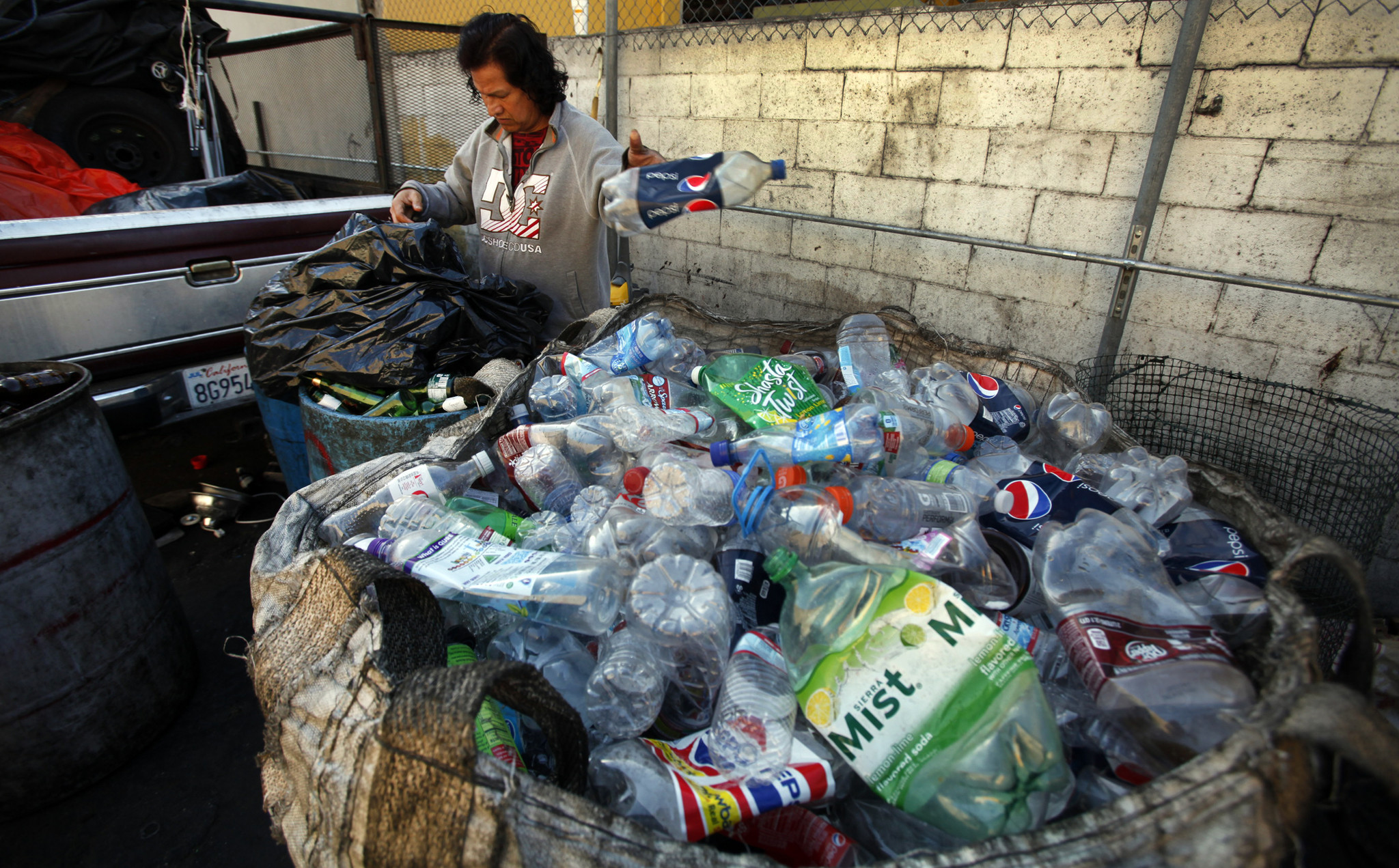
    Since China announced last year it would stop allowing imports of waste as part of its “war on pollution” Vietnamese experts and officials have been concerned this country could become the next dumping ground for the world’s scrap.

    Over 900 Vietnamese firms import paper, plastic and metal scrap for use in manufacturing, according to Vietnam Customs.

    In the first six months 8,000 containers of scrap arrived at Cat Lai port in Ho Chi Minh City, said its operator, Saigon Newport Corporation.

    A third have remained at the port for over 90 days without anyone carrying out clearance procedures for them, it added.

    This year Vietnam had imported 2.28 million tons of metal scrap for over $816 million as of June 15, an increase of 55 percent year-on-year, according to customs.

  • Ele.me big ambition ready to dominate China’s food-delivery market

    Ele.me big ambition ready to dominate China’s food-delivery market

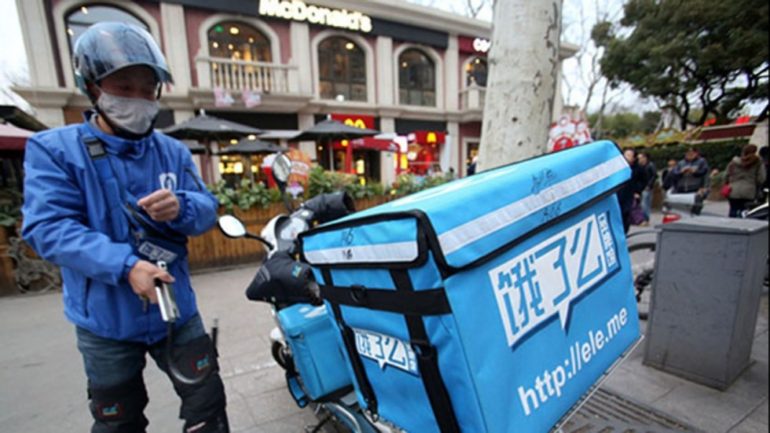
    Ele.me aims to grab a majority share of China’s food-delivery market in the near future, CEO Wang Lai, (pictured), said this week.

    Moving into Alibaba’s ecosystem has already created new and immediate opportunities for Ele.me and the 3 million-strong delivery force registered through its platform, Wang said. While core food delivery is likely to provide strong growth longer-term, insights offered by various Alibaba apps and platforms, coupled with a growing need for last-mile delivery in Alibaba’s overall New Retail strategy, offer hints of what’s to come.

    Alibaba took control of Ele.me in May. In June, after plugging the delivery company into its ecosystem, Ele.me delivery orders for categories including supermarkets, convenience stores under Alibaba’s Ling Shou Tong program, fresh fruits and flowers climbed 110 per cent from a year earlier. In the future, Wang said there’s the chance for tie-ups with other Alibaba business units and collaboration with nationwide food chains as a delivery partner.

    Ele.me has already begun benefiting from consumer insights derived from Taobao, Tmall, Alipay, Youku and other platforms and apps in the Alibaba ecosystem, which drives traffic to Ele.me and helps it understand the needs of Chinese consumers.

    As for Ele.me’s core food-delivery market, the Alibaba unit recently launched a RMB3 billion summer promotion campaign that’s already starting to show results in several Chinese cities. In Hangzhou, Ele.me added 100,000 customers to its membership program early this month. In Changsha, during just the first two weeks of July, gross transaction volume climbed by almost 15 per cent over the same period in the previous month.

    The summer campaign kicked off with discounts and coupons for late-night snacks delivered during the recently ended FIFA World Cup 2018 tournament. The World Cup deals spurred what Ele.me said was a “rapid rise in food delivery” in early July, with momentum sustained since then.

    But it is the sector’s longer-term prospects that excite Ele.me’s CEO. Chinese customers spent around RMB4 trillion on food in 2017, according to China Cuisine Association data. Less than 10 per cent of that went toward food delivery, which has become one of the fastest-growing and most-competitive areas in China.

    “We view the limited penetration of delivery in the food and beverage sector to-date as a tremendous opportunity for growth,” Wang said.

    Ele.me also complements Koubei, Alibaba’s local services platform. By combining Ele.me’s on-demand delivery service with Koubei’s consumer-acquisition and in-store engagement capability for restaurants and service establishments, Alibaba can offer an integrated online/offline experience to consumers, in line with the group’s overall New Retail strategy.

    “The local-services market is a must-win for Alibaba as part of its New Retail strategy, and we look forward to Alibaba’s continued financial and technological support to win this market,” said Wang. “As the spending power of Chinese shoppers continues to grow, the local-services sector becomes critical for Alibaba to build customer and merchant engagement and fulfill its mission of accelerating the digital transformation of traditional retail.”

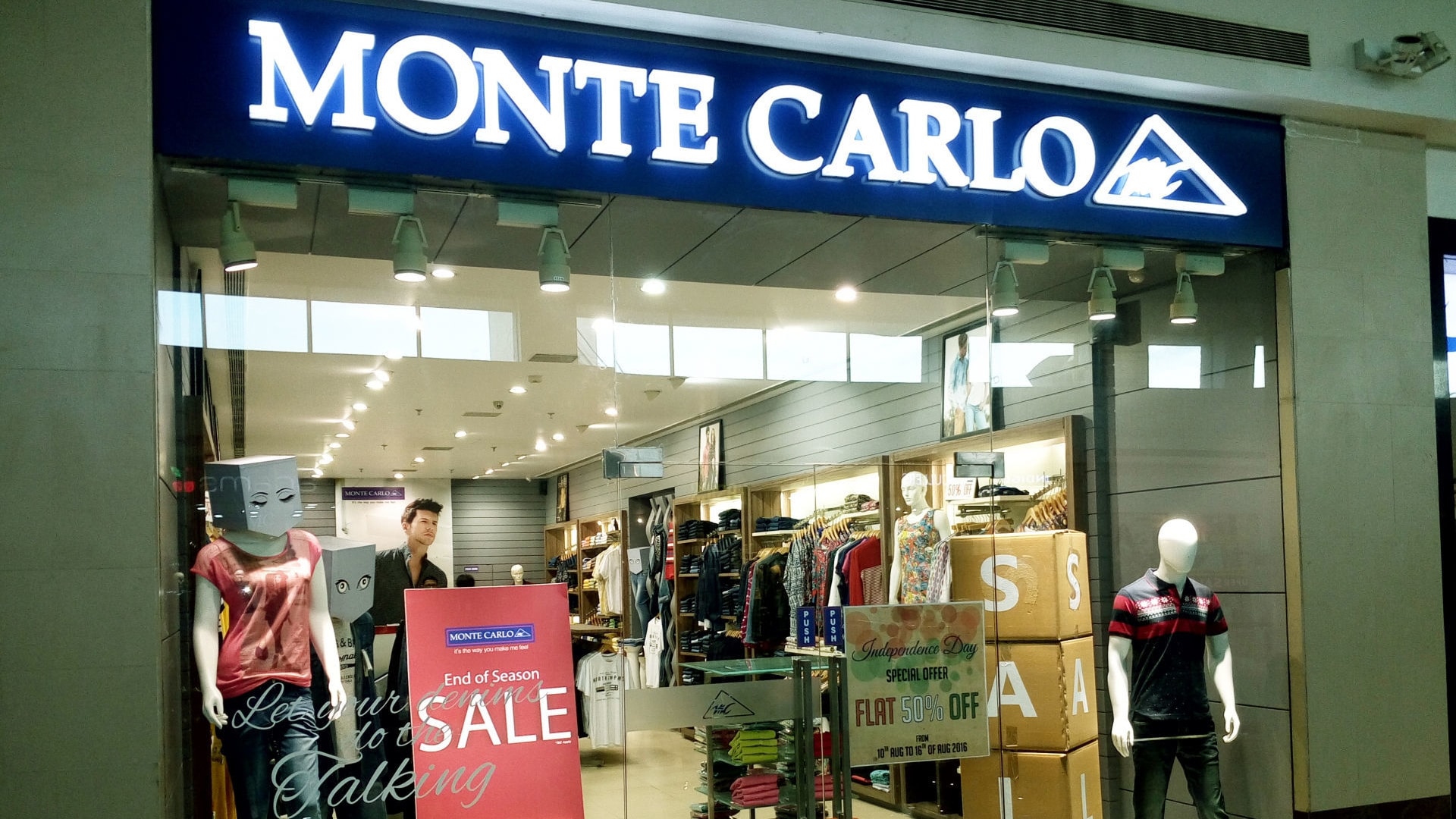
  • Monte Carlo launches largest brand outlet in Delhi, unveils new logo

    Monte Carlo launches largest brand outlet in Delhi, unveils new logo

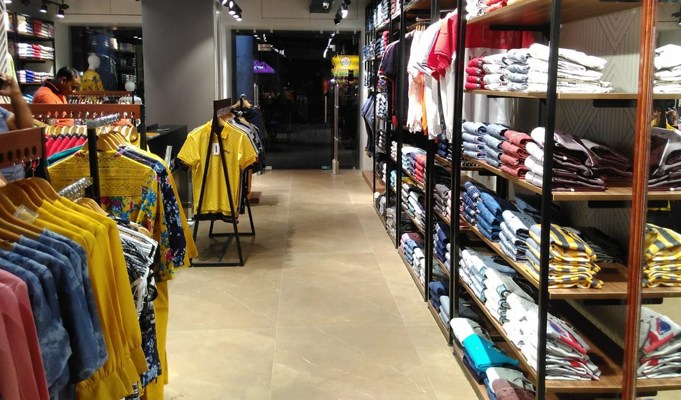
    Monte Carlo, India’s premium fashion brand has inaugurated a new retail outlet in Delhi. The newly launched store is in Janakpuri, a prominent shopping hub of India’s capital city. The brand outlet offers a diverse range of stimulating clothing options for men and women across all age groups. The alluring ambiance of this exclusive store is all set to treat its customers with modern décor, plush feel and sophisticated shopping experience. The staff at the store is specifically trained to deliver a smooth and pleasant experience to the customers.

    Monte Carlo’s latest spring and summer collection along with Luxuria, a luxury collection designed for elite buyers are featured at the new store.

    “Our new store is one of our largest stores in Delhi. Following our strategy to revamp the brand identity and render it a fresh appeal, the store features new-fangled collection with an utterly pleasing décor. Given its presence at one of Delhi’s most posh and shopper busy localities, the retail outlet will provide us a strategic presence and visibility in West Delhi” says Rishabh Oswal, President, Monte Carlo.

    The newly launched store already registered heavy footfall on its very first day with residents of Janakpuri checking out the stylish summer collection and rejoicing the new look and feel of the brand.

    Previously Monte Carlo had launched a brand outlet in Rajouri Garden, another popular shopping hub in Delhi. The store launches are being followed after the unveiling of the new logo by Monte Carlo, revamping its brand identity.

    In the new logo, the blue background and red rectangle enclosing the text have been given up and the tagline is also brought closer to the brand name “Monte Carlo”, which is given a new typography style. The triangle with letters “mc” has been retained, and given a dynamic appeal in order to connect with the fashion conscious populace and exhibit a contemporary and modern expression.

    Designed with utmost planning and attention, the bolder and trendier logo signifies the ethos of the company better and will be featured in all brand communication hence forth, including TV commercials and outdoor advertising. The company has retained its tagline “It’s the way you make me feel”.

    Monte Carlo is already an established brand in North, Central and East India and enjoys great customer loyalty. The brand has always been bringing the latest international trends to Indian market and offers meticulously designed apparels that are always high on quality. Coming up with a new logo and adding more brand outlets at prominent locations in major Indian cities is part of the brand’s new marketing strategy to become the ‘one-shop-destination’ for all fashion conscious consumers in India.

  • Tanduay partners with Shopee to launch online fashion store

    Tanduay partners with Shopee to launch online fashion store

    Rum distiller turned fashion-brand Tanduay has launched an online store in partnership with Singaporean e-commerce platform Shopee.

    The new international e-storefront features some fashion products formerly only available at the Tanduay store in Century Park Hotel.

    The fashion foray is an unusual execution of using apparel to build brand awareness and thus expanding the potential customer base for an unrelated product (in this case alcohol).

    Chief marketing officer of Tanduay Paul Lim said, “Online shopping has continued to gain traction in the region with the increasing internet and smartphone penetration. We are excited about the opportunities that our partnership will open for our business.

    “As of now, the move is consistent with our core strategies to reach a growing global market of online shoppers.”

    Tanduay’s brand manager Edzel Ty noted that all of the brand’s marketing insights point towards the future of commerce online.

    The brand’s rum was recently named number one globally by Drinks International, displacing Bacardi.

  • Sephora top executive named CEO of Lululemon

    Sephora top executive named CEO of Lululemon

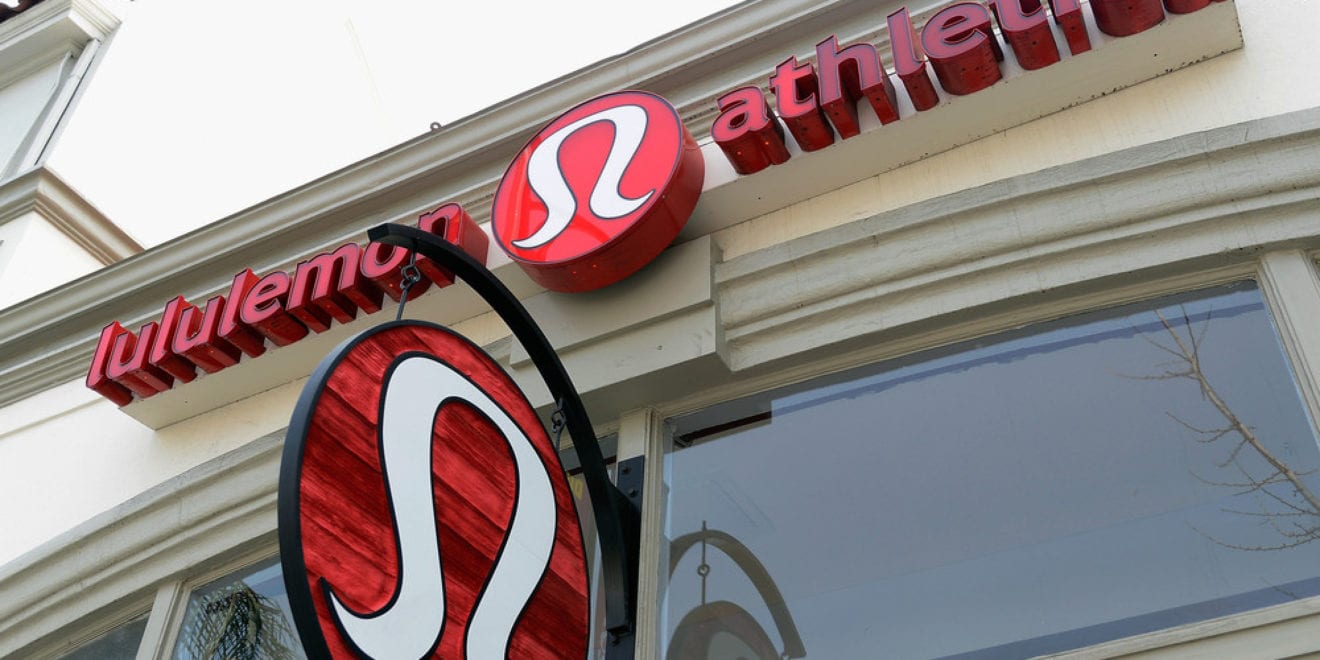
    Calvin McDonald has been named CEO of Lululemon, replacing Laurent Potdevin, who was ousted earlier this year amid allegations of conduct violations.

    The Canadian-born McDonald earned his MBA at the University of Toronto and prior to joining Sephora in 2013, he spent two years as president and CEO of Sears Canada and 17 years in various roles with Loblaw Companies Ltd.

    Vancouver-based clothing company Lululemon’s stock jumped almost 80 percent in the past year. Analysts say it is one of the bright spots in apparel retail and in May, despite having no CEO, the firm reported a net revenue rise of 23 percent from the previous year, to $649.7 million in the first quarter.

    “I’m joining lululemon at an exciting time, with the brand’s strong business momentum, guest loyalty and passionate employees,” McDonald said in a statement.

    McDonald helped Sephora become a “mobile-first” brand during his time there, and he is expected to bring the same mindset and focus to Lululemon.

  • Indonesia to Postpone Coal, Palm Oil Insurance Rules by Six Months

    Indonesia to Postpone Coal, Palm Oil Insurance Rules by Six Months

    The Ministry of Trade has decided to postpone for six months the application of rules saying coal and crude palm oil export shipments should use Indonesian insurers, the country’s leading coal industry association said.

    The decision would be the second time that application of the rules, issued in October and due to come into effect on Aug. 1, have been postponed.

    The rules were part of trade regulations intended to boost the role of the archipelago’s shipping industry and save foreign currency. Elements of the regulations were postponed in April to 2020 with little clarification from the trade ministry.

    The decision to postpone the insurance rules was announced by the ministry at a brief meeting with industry representatives on Thursday (26/07), Indonesian Coal Mining Association (ICMA) executive director Hendra Sinadia said.

    “Everybody is very anxious,” Hendra said, referring to coal buyers and exporters confused about how they could put the rules into practice for shipments sold on a free-on-board (FOB) basis, on which the vast majority of Indonesia’s coal exports are sent.

    Under FOB terms insurance is the responsibility of the buyer, Hendra noted.

    Trade Minister Enggartiasto Lukita is expected to formally announce the decision on his return from a visit to the United States, Hendra added. Enggartiasto is due to return to Jakarta on July 28, according to the trade ministry, though its representatives did not immediately respond to questions on the matter.

    Ido Hotna Hutabarat, chief executive of coal miner Bumi Resources unit Arutmin Indonesia, said the rules were unworkable.

    “This cannot be carried out for FOB sales because we don’t have rights to control the buyer,” he said, adding that FOB shipping terms were preferable as they were lower risk.

    Indonesian Palm Oil Association (Gapki) executive director Mukti Sardjono said on Wednesday Gapki would discuss how to implement the rules with the Trade Ministry. “We hope the implementation of this regulation won’t be a disincentive for exports,” he said.

    Dody Dalimunthe, executive director of the Association of General Insurance Companies of Indonesia (AAUI), said there were 73 Indonesian insurance companies that can cover coal and CPO shipping. “And many companies already use this insurance,” he said.

    Earlier, ICMA chairman Pandu Sjahrir said diplomats from several countries including Japan had asked the trade ministry for a transition period for the insurance rules to come into effect. The Japanese embassy did not respond to a written request for comment.

  • Secoo partners with Shangdong Ruyi

    Secoo partners with Shangdong Ruyi

    Asia’s largest online luxury platform Secoo has formed a strategic partnership with Chinese company Shangdong Ruyi for the sale and distribution of the latest  luxury clothing and accessories.

    The partnership between the Chinese firms will see both companies “leverage respective resources and expertise in branding, technology, network and channel management to jointly establish a global omnichannel fashion supply chain characterized by deep cooperation in brand operations, big data, smart manufacturing and smart retail,” said Beijing-based, Secoo, in a press release on July 16.

    Ruyi is no stranger to fashion and retail. The group currently supplies for a wide range of luxury brands globally, and in recent years, has acquired minority stakes and taken ownership of several international fashion and luxury brands. Most recently, Ruyi acquired Sandro, Maje and Claudie Pierlot, under France’s SMCP umbrella, which is listed on the Euronext Paris exchange.

    In addition to SCMP, Ruyi also owns British trench coat brand Aquascutum, and has a controlling stake in Hong Kong menswear group Trinity, which operates Cerruti 1881, Gieves & Hawkes and Kent Curwen.

    The new partnership correlates with Secoo’s goal to establish links with big name players in the luxury e-commerce sphere, according to Richard Li, rounder and CEO of Secoo, adding that his firm is a good match for Ruyi.

    “Our leading integrated luxury e-commerce platform is well-suited to drive growth through rapidly expanding brand collaborations and increasing product portfolios,” said Li, in a statement.

    The pair will cooperate on a variety of fashion and luxury retail innovations ranging from big data solutions to smart manufacturing to first-class shopping experiences for Secoo’s high-end customers.

    Ruyi hopes to tap this savvy customer base across Secoo’s integrated online and offline shopping platform. Currently, the firm operates Secoo.com, its mobile applications and offline experience centres, which attract approximately 20 million customers.

    “We believe this expansive integrated platform along with our valuable brand assets and supply chain network expertise will synergize and unlock unparalleled opportunities in the fashion market for both firms,” said Yafu Qiu, chairman of Ruyi Group.

    In the news follows recent tie-ups with brands in different areas, including Parkson Retail Group (cosmetic products), Capital Outlets Group (brands entry), Caissa Travel (customized travel service), Pernod Richard (alcohol products) and Edison Chen (limited products).

    This month, Secoo alos received a $175 million investment from L Catterton Asia and JD.com, aimed at “fastening brands relationship and enriching products categories,” said Secoo.
  • Top 10 largest apparel companies worldwide in 2018

    Top 10 largest apparel companies worldwide in 2018

    Forbes has released the 16th annual Forbes Global 2000 edition which lists the top 10 largest apparel retail companies in the world. The list includes publicly-traded companies from 60 countries and has been complied using data from FactSet

    Research systems to screen for the biggest public companies in four metric: sales, profits, assets and market value. We bring you Forbes ‘World’s Top 10 Largest Apparel Companies’

    View the top list below :

  • China’s Sandan Fresh to go offline

    China’s Sandan Fresh to go offline

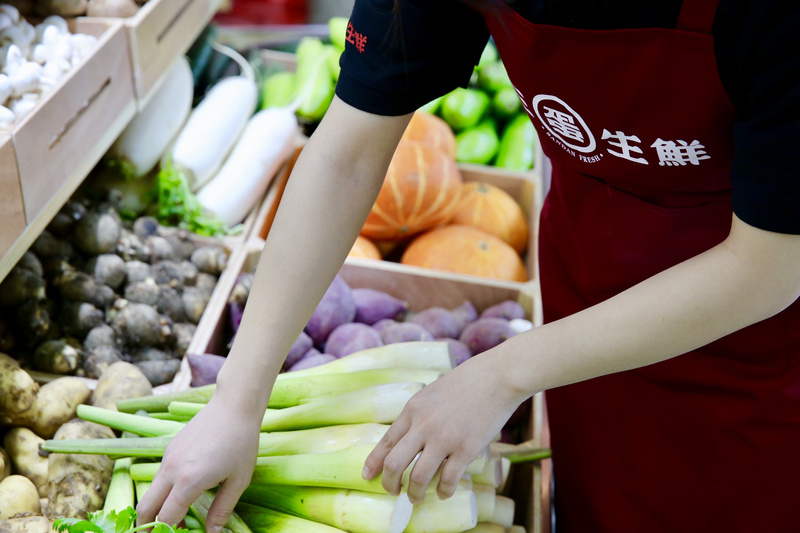
    Chinese online grocer Sandan Fresh has opened its first offline store in Shanghai.

    The Chinese company plans to open 30 more stores in the city over the next year as reported.

    The stores will be small in size, allowing a large number convenience-style stores to be established.

    The first store covers 100sqm, and currently has around 800 – 1000 items including fruit, vegetables, meat, eggs and soy products.

    Through a combination of ‘offline’ stores and ‘smart shelf’ machines, the company can provide customers with more of an integrated shopping solution, including delivery to stores, and home delivery for purchases made through the social media platform WeChat, a Sandan Fresh spokesperson said.

    In addition to its retail stores, Sandan will also install numerous self-service smart-shelf machines around the city for customers to place orders online and pick up their goods there.

    Each of the 30 planned stores are set to be accompanied by 10 smart-shelf machines.

    The company expects about half of its sales to come from in-store purchases and the other half from WeChat purchases for home deliveries.