Tag: asia

  • New Biodiesel Recipe Can Cut Indonesia’s Fuel Imports

    New Biodiesel Recipe Can Cut Indonesia’s Fuel Imports

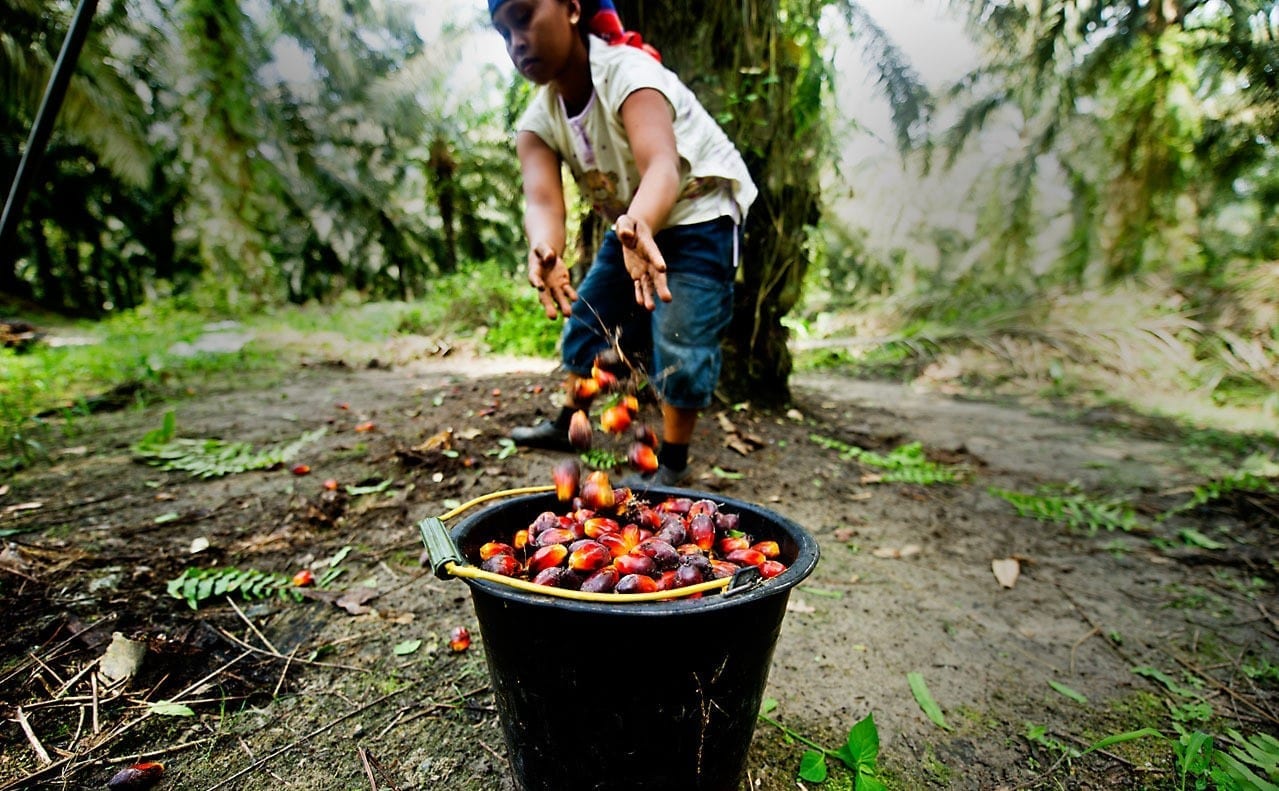
    Indonesia, the world’s biggest palm oil producer, is offering incentives to developers of a new 100 percent palm oil-based “green diesel,” which the net oil importer hopes can replace costly fuel imports within three years, Industry Minister Airlangga Hartarto said.

    Biodiesel for land transportation in Indonesia currently consists of a 20 percent bio component that is mixed with petroleum diesel. That component is expected to be raised to 30 percent in 2020.

    In Indonesia, the bio portion of biodiesel is made with fatty acid methyl esters (FAME) from palm oil, but efforts to increase FAME concentrations in biodiesel have faced resistance from regulators as well as the automotive and oil industries.

    While biodiesel can cut fuel costs and reduce emissions, higher blends of FAME require special handling and equipment as the fuel has a solvent effect that can corrode engine seals and gasket materials, and it can solidify at cold temperatures.

    But according to Airlangga, Indonesia has found a new way to produce biodiesel that is not based on FAME that can avoid these problems.

    “We already have a prototype and in three years we will be ready to produce it,” he said last week.

    “Green diesel” made completely from palm oil has “the same specifications as petrol” and is compliant with the Euro IV emissions standard, said Airlangga, who chairs Indonesia’s second-biggest political party, Golkar.

    A biorefinery owned by Elevance Renewable Sciences and Wilmar International is currently producing “green diesel” in a pilot project, and has been given a corporate tax discount to develop full-scale output, Airlangga said.

    Modifications to engines and machinery “wouldn’t be needed because its specifications are the same as [B20] biodiesel,” he added. “It’s actually better than conventional fuel.”

    According to Lila Harsyah Bakhtiar, an official at the Industry Ministry, green diesel is made using hydrotreated vegetable oil, a technology that is expensive to develop but which could avoid disruptions to automakers who were “angry” over repeated changes to the FAME-based biodiesel mix.

    Elevance and Wilmar did not reply to requests for comments.

    According to its website, Elevance uses a patented process at its refinery in Gresik, East Java, to produce 180,000 metric tons of modified triglyceride, unsaturated methyl esters and olefins per year.

    Indonesia’s biodiesel program was already reducing Indonesia’s fuel import demand by $21 million per day, Airlangga said, adding that green diesel can “help [improve] our trade balance, and strengthen the rupiah while creating jobs.”

    Southeast Asia’s largest economy is among the region’s most vulnerable to external factors due to its sizeable current account deficit and its large fuel imports.

    Because of that, the rupiah has been among the hardest hit this year as investors have sold emerging market assets.

    Indonesia has been pushing increases in domestic palm oil consumption to cushion a possible slowdown in export demand. The European Union last month agreed to phase out the use of palm oil in transport fuels from 2030 because of deforestation concerns.

    The Indonesian Automotive Industry Association (Gaikindo) has previously said increasing biodiesel blends can increase fuel consumption and may lead to engines overheating.

    The minister asserted that green diesel generated 90 percent fewer emissions than conventional fossil fuels.

    However, a 2015 study funded by the European Commission found that among vegetable oils, palm and soybean oils generated the highest indirect greenhouse gas emissions because of deforestation and the drainage of peatlands associated with their cultivation.

    Indonesia is expected to consume between 3.2 million and 3.3 million kiloliters of FAME this year, below an earlier target of 3.5 million kiloliters, according to the Indonesia Estate Crop Fund.

    The Indonesia Biofuel Producers Association (Aprobi) expects unblended biodiesel exports to reach 800,000 kiloliters this year.

  • Be prepared for property bubble burst, Ideas tells govt

    Be prepared for property bubble burst, Ideas tells govt

    The government must be ready for the property market bubble to burst, and the risk of it leading to an economic crisis, said the Institute for Democracy and Economic Affairs (Ideas).

    Ideas senior fellow Dr Carmelo Ferlito (pix) in his policy paper titled “Affordable Housing and Cyclical Fluctuations: The Malaysian Property Market” recommends that the government respond with market-oriented solutions and pay special attention to the household financial exposure.
    “Second, the government needs to downplay its role in the property market by reducing the number of government agencies and encourage the private sector to get involved in the affordable housing market.

    “Third, the government must enhance Malaysian financial literacy, with an orientation toward the value of saving and the possibilities offered by the rental market,” Ferlito said in a statement today.

    He said the government may also open and ease up the regulation in the property market for foreigners who are in possession of a regular working visa and are paying taxes, to help the industry.

    Ferlito’s policy paper highlights the evolution of the Malaysian property market over the past decade, which has resulted in a high number of unsold properties, especially in the high-end segment, and a partially unsatisfied demand for affordable housing.

    He said the spectacular growth of the high-end property segment was ignited by rising profit expectations supported by a growing demand and, at a later stage, by a supportive credit market.

    The mix of these elements has generated a bubble which, following the property transaction dynamics, reached its peak between 2012 and 2013, and that bubble is now expected to burst.

    Ferlito noted that the focus on the high-end segment was justified by high demand and it is therefore natural that investment expanded in that sector.
    “However, now that it appears clear that unexploited profit opportunities are disappearing, a capital allocation restructuring appears necessary.”

    He added that the high involvement of government agencies in the affordable housing market risks crowding out private initiative and prevents the necessary restructuring from taking place.

    “It is important to let the bubble burst; too much credit will only delay the bursting, keeping prices artificially high and putting at risk the financial solvency of buyers. Without credit support, the crisis will happen faster and force both capital restructuring and prices to move downwards,” Ferlito said.

  • New retail experience at Sunway Malls’ Malaysia

    New retail experience at Sunway Malls’ Malaysia

    Those who visited Sunway Pyramid recently may have seen and enjoyed the stack of escalators that connects the upper level car park floors to the retail floors through its latest asset enhancement exercise.

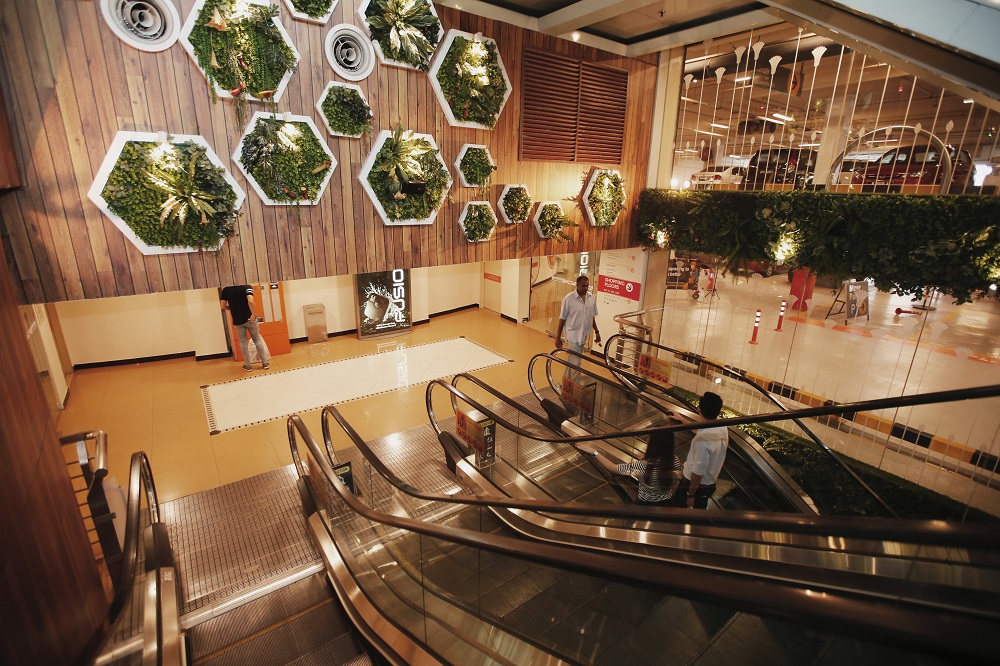
    Dubbed as ‘Oasis Garden’, the exercise saw the creation of a rainforest-like environment across 6 floors of escalator decks through creative use of sight, sound, smell and touch in generating a life-like experience.

    “When we were identifying the areas to bring out the soundscape, the escalators stood out in terms of importance and conduciveness. As two thirds of our mall traffic utilises those escalators which translated into 2 million visitors per month, the location represented a strategic value to make an impression to a great number of visitors. It is a captive market we had not targeted before,” said Mr Chan, CEO of Sunway Malls & Theme Parks.

    “The whole idea of Oasis Garden was to create a pleasant transition for people walking from the parking bays to the retail space and vice versa. I dare say Oasis Garden is Malaysia’s first sensory escalator deck,” he continued.

    Sunway Malls asserts that they are now looking beyond promotions, advertising and public relations to attract footfall and sales conversion. With 1 in 5 Malaysians spending their time in a mall at any given weekend and intense competition in the Klang Valley, Sunway Malls needed to ensure that brand advocacy and mall affiliation is a focus not to be forgotten amidst the excitement of tactical marketing.

    “We recognise that there is a need for a strategic all-inclusive approach that works in tandem with tactical marketing. Customers at present have a high expectation on service and quality of products. They are spoilt for choices and they have come to expect more holistically and gravitate towards brands who can engage with them in a creative manner. Events and promotions so bring in the traffic but we are a 21-year-old mall and I believe we can do more than that so we can impress our customers during their stay with us, converting them into returning customers,” said Chan.

    The escalators, connecting CP7 to CP2 parking floors at the Orange Atrium, now features artificial greenery with sounds of birds chirping, crickets, frogs and monkeys. The sounds of flowing water and gushes of wind complemented the entire “garden”, creating an immersive sound experience for shoppers.

    “The car park is a relatively harsh environment without air-conditioning. The mall can be a very crowded place and the sight of a rainforest-like garden helps to change the feel and mood of the shoppers, allowing them to experience something soothing, refreshing and therapeutic, said Chan.

    “To ensure we achieve the right soundscape, we sought the assistance of Professor Matthew Sansom, the associate dean of Sunway University School of Arts and Head of Performance and Media. He has had 20 years of experience working with sound and he explores the relationship of sound with people and the environment,” said Jason Chin, General Manager of Operations for Sunway Malls.

    So far, the mall has invested approximately RM250,000 on Oasis Garden. 60% of its materials are recycled from previous festive décor and events.

    “The sounds of nature really helped mask the sounds of the escalator mechanism, car screeches, and just general white noise from the crowd. Authentic sound from 17 species of birds were used to create this soundscape,” Chin explained.

    The mall has further enhanced Oasis Garden with scents of the forest, to create an even more wholesome experience for its shoppers.

    In many ways, Oasis Garden also serves as an awareness that Sunway is committed to the United Nation’s Sustainability Development Goals. Rainforests play an important role in ensuring the eco-system of life on land is well preserved.

    It took the mall over 6 months to get Oasis Garden to where it is today.

    “We also have a Paradise Garden in Lower Ground 1, just outside the Blue Entrance. It’s a seating area with real plants since it’s in the outdoors but the next area we are looking at to implement soundscape is our newly-refurbished Main Entrance at the Ground Floor. Professor Sansom is currently studying the area,” said Chin.

    “Our success with Oasis Garden shows that we can turn science into art, and we can translate a space into something people can enjoy. When a visit to the mall is delightful, we know we have done something right for our shoppers,” concludes Chan.

    Asset enhancement exercises are common for Sunway Pyramid as the mega mall went through a series of exercises to keep abreast. It underwent an extensive renovation and expansion back in 2007 and added a new retail podium known as Sunway Pyramid West in 2015.

    Sunway Malls is gearing to be amongst Malaysia’s largest mall owner-operator and currently manages five malls:Sunway Pyramid, Bandar Sunway; Sunway Giza Mall, Kota Damansara; Sunway Putra Mall, Kuala Lumpur; Sunway Velocity Mall, Cheras, Kuala Lumpur; Sunway Carnival Mall, Penang.

  • Grand Senheng opens electronics megastore Kuala Lumpur

    Grand Senheng opens electronics megastore Kuala Lumpur

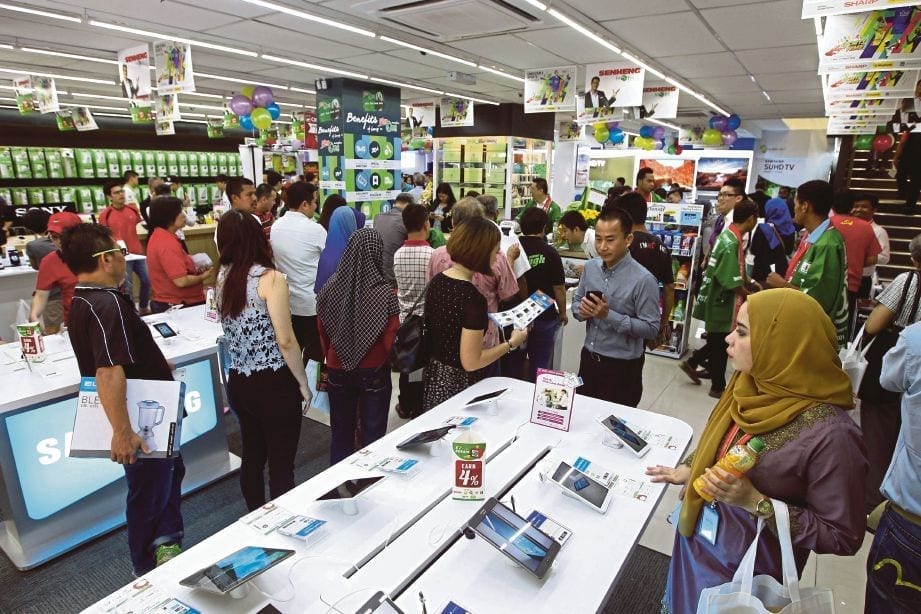
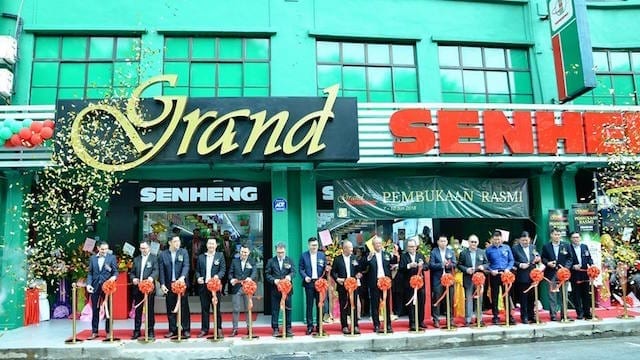
    Malaysian electrical retail chain Senheng has opened its first megastore, in Pandan Jaya, Kuala Lumpur.

    Set to be a one-stop destination for anything electrical or electronic, the Grand Senheng megastore enhances the customer experience by allowing shoppers to try out products in a unique and exclusive environment.

    “We pride ourselves on bringing great value, better lifestyle and a seamless shopping experience to our customers,” said managing director KH Lim.

    Senheng adopted a seamless business model last year, designed to align in-store, online and mobile shopping activities.

    To mark the opening, 500 units of high-quality electrical products were offered at only RM10 (US$2.46).

  • Vietnamese firms get the hang of mergers, acquisitions

    Vietnamese firms get the hang of mergers, acquisitions

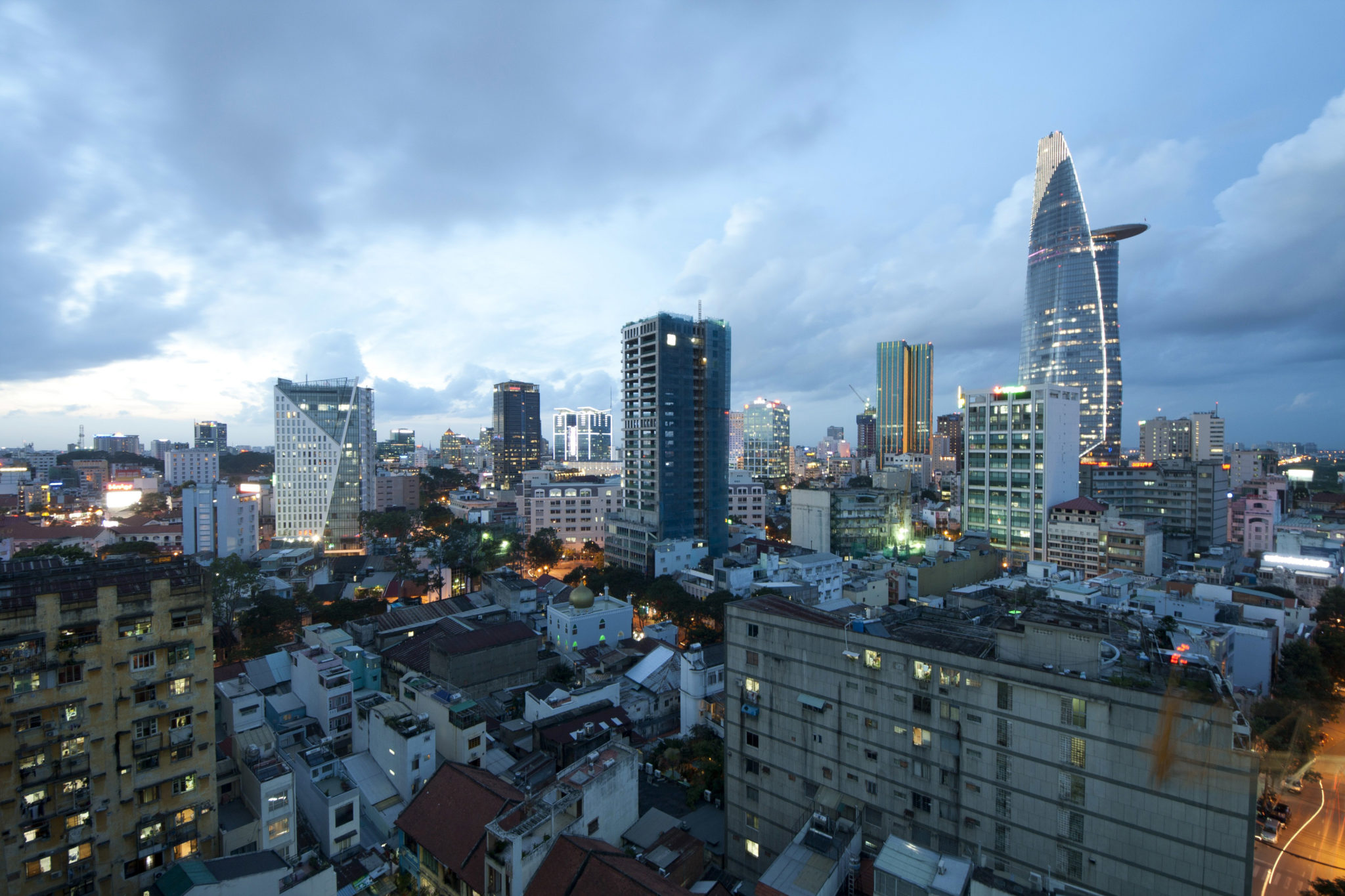
    A new report by the annual Vietnam M&A Forum shows that 17.72 percent of the total value of M&As in H1 2018 involved Vietnamese buyers. The corresponding figure last year was 8.2 per cent.

    Such a rise shows Vietnamese investors are and would be “more active” acquirers though foreign investors will continue to lead the market, it said.

    In H1 2018, M&As reached $3.35 billion, up 39 per cent year-on-year.

    Dang Xuan Minh, general director of AVM Vietnam, one of the organisers of the Vietnam M&A Forum, said many Vietnamese firms like Kido, Vingroup, Masan, FPT, Viettel, Pan Group, and Vinamilk are using M&As as a ticket to growth.

    They have all done some 4-5 deals on average either as a seller or buyer, he said.

    Nguyen Van Thinh, CEO of Deloitte Vietnam, said he has seen a sharp rise in the involvement of Vietnamese firms in M&As, especially by bigger private firms like Vingroup.

    “Vietnamese firms will be a major driving force of M&As in Vietnam along with foreign investors in the coming years,” he said at a press conference on the Vietnam M&A Forum 2018, scheduled to take place in HCMC in August.

    Four thousand M&As deals worth $48.8 billion took place in Vietnam in 2009-2018, according to the M&A Vietnam Forum report.

    In 2017 the value had risen 10 fold from 2009 to $10.2 billion as Thailand’s TCC Group acquired 53.59 per cent of Vietnam’s number one brewer Sabeco for $4.89 billion.

    This year M&As deals are expected to fall to $6.5-6.9 billion since there are no large deals like Sabeco on the horizon, the report said.

    Most future deals would be seen in the real estate and consumer goods sectors, while telecom, energy, infrastructure, pharma and education are also likely to attract funds.

  • 2,000 planes flew over Korea per day in first half of 2018

    2,000 planes flew over Korea per day in first half of 2018

    About 2,000 planes flew over Korea per day on average during the first half of this year, according to the Ministry of Land, Infrastructure and Transport.

    The transport ministry’s data, released on Monday, showed that a total of 394,000 planes travelled over the country, including those that landed on Korean soil and those that were just passing by, up 5.4 percent compared to a year ago.

    Monthly traffic for the first half reached its peak in May, when 68,000 planes flew over Korea.

    The transport ministry’s data also showed that a total of 27,100 airplanes flew in and out of Korea during that period, up 8.6 percent from the same period last year. On a daily basis, 1,499 planes flew in and out of the country.

    An official from the transport ministry said that international airplane traffic is likely to increase in the second half and is expected to reach a historic high.

  • Ivanka Trump clothing stop operation

    Ivanka Trump clothing stop operation

    Ivanka Trump is closing down her fashion brand, reflecting a lack of time to devote to the business and the political challenges the company faces.

    A statement on the brand’s Facebook page thanked customers of bring part of the journey.

    “It has been an honor to build this incredible community of women and we are very proud of the content and product we delivered,” the statement reads.

    “Most importantly, we cultivated amazing partnerships and friendships during the life of the brand.”

    Major US retailers including Marshall’s, Nordstrom and TJ Maxx have already removed her clothing and accessories from their shelves.

    Neil Saunders, managing director of GlobalData Retail noted that while the brand will disappear in the short term, the copyrights and intellectual property would be retained, leaving the door open for a potential relaunch in the future.

    “Ms. Trump was always closely associated with the brand but her current responsibilities mean she has had to take a back seat,” said Saunders.

    “This lack of control is likely uncomfortable when the label bears her name and is largely seen as an extension of her personal brand.

    “The close association is also the reason for the various political challenges. Views on the brand have become highly polarized and it has become a lightning rod for protests and boycotts. While the company is still viable, doing business has become far more challenging and these problems will only increase.”

    According to the New York Times, The brand’s headquarters were nestled in Trump Tower in Manhattan, and Ms Trump initially relied on human resources, technology and legal support from her father’s real estate company to get started. “In later years, she aspired to turn the label into a full-fledged lifestyle brand, recruiting executives from major fashion companies to help. Yet the company remained mostly a licensing business, making deals with manufacturers who paid to use the Ivanka Trump name.”

  • Hyundai Mobis finds a job for AI

    Hyundai Mobis finds a job for AI

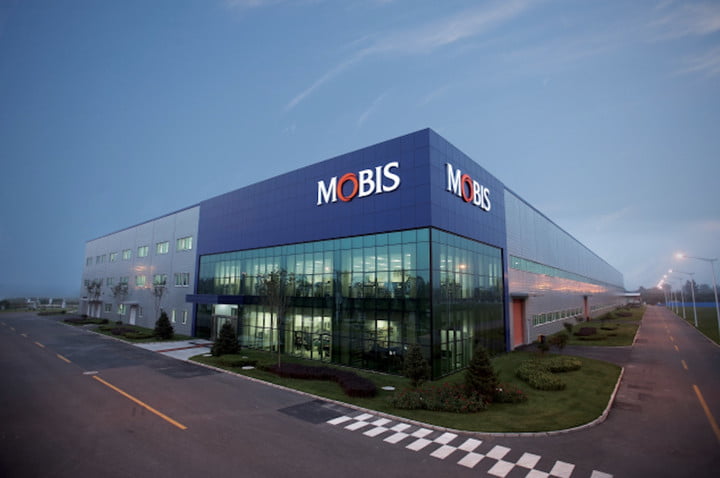
    Auto parts maker Hyundai Mobis announced Sunday that it has developed artificial intelligence-based software and a chatbot equipped with a deep learning algorithm to speed up its research in smart car technology.

    The artificial intelligence-based software is called Maist, short for Mobis Artificial Intelligence Software Testing, and has been co-developed by a research team at the Korea Advanced Institute of Science & Technology led by Professor Kim Moon-zoo.

    Maist is designed to test different software that is to be installed in cars. According to Hyundai Mobis, installing Maist will double the efficiency of the software development process.

    “About 50-70 percent of the testing process will be done by Maist from now on, allowing researchers to engage in more creative works,” an official at Hyundai Mobis said.

    The chatbot is called Maibot, short for Mobis AI Robot, and is able to search through the lab’s cloud, home to more than 200,000 research cases, to find material that a user is looking for. The algorithm will allow Maibot to become more advanced, Hyundai Mobis said.

  • Perfection in a Heineken pour

    Perfection in a Heineken pour

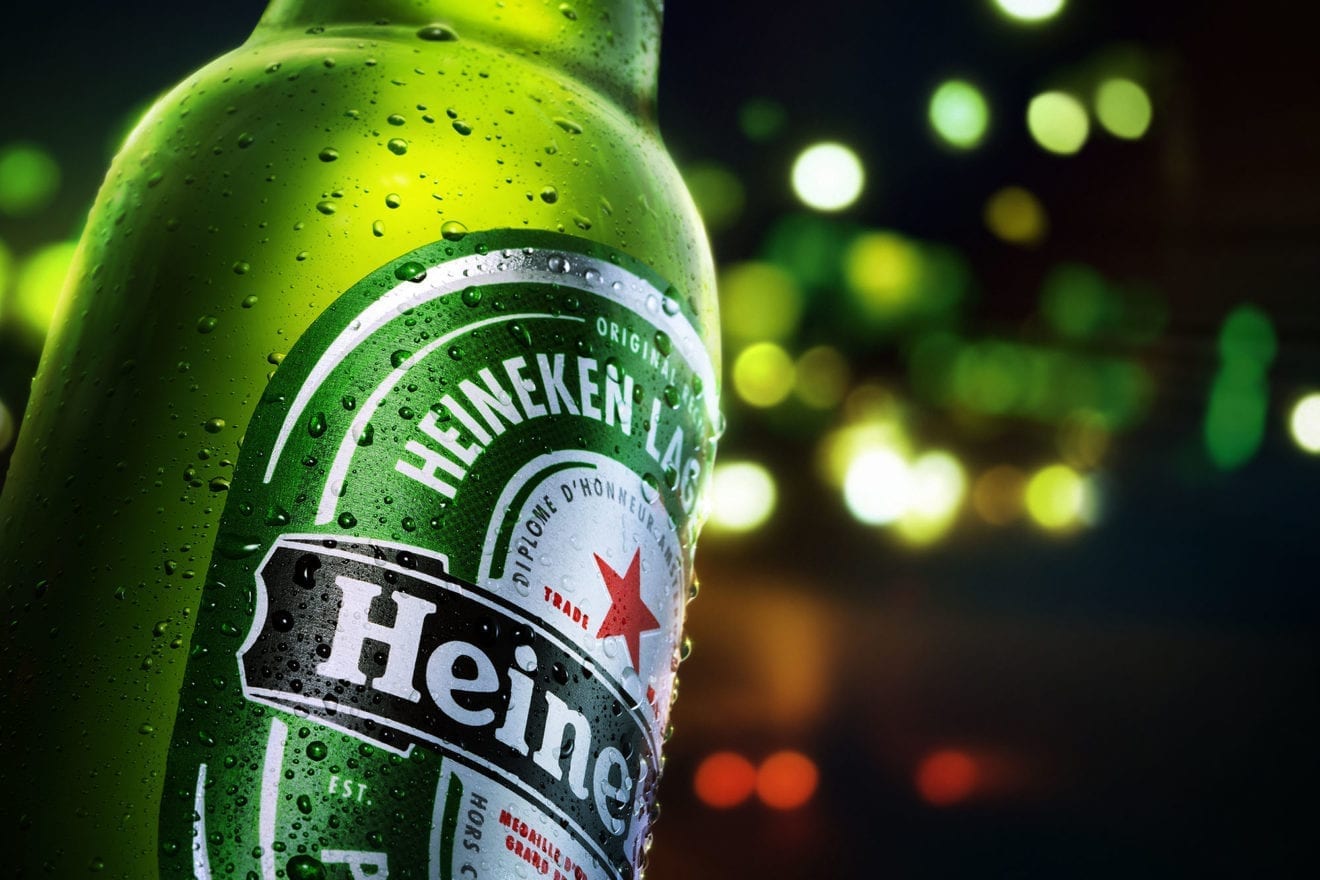
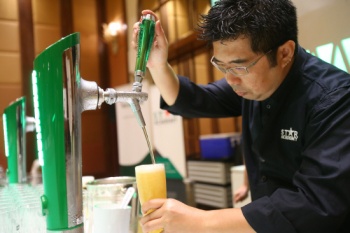
    HEINEKEN Malaysia’s Star Academy has kickstarted the latest edition of its programme to train bartenders to serve the perfect pour based on the five-step Heineken Pouring Ritual.

    The Heineken Star Serve, now in its fifth year, will see Star Academy trainers Jonathan Chong (pix) and Thomas Ling providing professional training to 600 participants across eight cities throughout this month.

    The participants will later be put through rigorous theoretical and practical assessments, not just on Heineken product history and knowledge, but also technical know-how, as well as other areas.

    The top performers will then enter a national finals competition where the winner will represent Malaysia at the Heineken Global Bartender Finals in Amsterdam, the Netherlands.

    In past global competitions, Malaysian finalists have made the country proud.

    Eddy Jay Jaimin was crowned champion in the 2016 Heineken Global Bartender Finals, while Jimmy Goh Teong Hock was the runner-up in 2013.

    The winner this year will be chosen based on his/her skill and knowledge in pouring the perfect pint of premium Heineken draught beer following the five-step Heineken Pouring Ritual of rinse, pour, skim, check and serve:

    Step 1: Rise the glass to make it clean and cold.

    Step 2: Pour with the glass at a 45° angle for a full, satisfying head.

    Step 3: Skim off the foam at a 45° angle to seal the head.

    Step 4: Check that the head sits on the horizontal line of the star.

    Step 5: Serve on a coaster with the logo facing the drinker.

    This golden standard includes ensuring a two-finger foam head to seal in the freshness and full-bodied flavour of the beer.

    But then again, less foam does not mean it’s a bad beer.

    Another key component to a perfect pour is the scientifically-designed glassware, which brings us to the next factor – beer bubbles.

    As one of the most vital constituents of a good pint of beer, the embossed base of the pint glass encourages the best carbonation, making for a long-lasting foam head, which ensures that every sip of beer is as good as its last.

  • Korea rush to lobby against U.S. auto tariffs

    Korea rush to lobby against U.S. auto tariffs

    Government officials and representatives from the local auto industry rushed to the United States last week to request that Korea be exempted from higher tariffs on imported cars.

    The Korean delegation, headed by Trade Minister Kim Hyun-chong, met with officials from the White House, Congress and think tanks during their U.S. trip from Wednesday to Friday, arguing that imported cars from Korea should be excluded from the tariff renewal based on Section 232 of the Trade Expansion Act.

    Finance Minister Kim Dong-yeon on Saturday also raised the issue at the G20 meeting held in Buenos Aires, Argentina.

    Kim Hyun-chong’s delegation included Hyundai Motor President Chung Jin-haeng and Korea Automobile Manufacturers Association President (KAMA) Kim Yong-geun, among others.

    The trade minister met with Larry Kudlow, the National Economic Council director, and Mick Mulvaney, the White House Office of Management and Budget director.

    “Kim explained that the revised Korea-U.S. FTA already reflects the concerns that the U.S. has about its automobile industry and security,” said an official from the Ministry of Trade, Industry and Energy on Sunday.

    In March, Korea agreed to extend a 25 percent tariff on Korean pickup trucks in the U.S. to 2041, instead of 2021, ensuring the unfavorable export conditions for Korea’s pickup truck manufacturers continues.

    “He also emphasized the fact that Korea and the United States impose zero tariffs on cars imported from each other’s country based on mutual benefits,” the official added.

    According to the ministry, the U.S. officials agreed with the Korean delegation and showed concern that the new tariffs might have a negative effect on America’s labor market and the economy considering the industry’s complex global supply chain.

    Hyundai Motor President Chung met with lawmakers based in Georgia and Alabama, two states where the automaker runs assembly lines. Korea International Trade Association Vice Chairman Han Jin-hyun mostly met with officials from the U.S. government and think tanks such as the Center for Trade and Economics and the Center for Strategic and International Studies.

    Finance Minister Kim Dong-yeon was also determined to prevent renewed tariffs.

    “Finance Minister Kim Dong-yeon explained to his U.S. counterpart that the two countries have been carrying out fair trade with the renewed Korea-U.S. FTA until now, and expressed his strong opposition to imposing higher tariffs on imported cars from Korea,” the Finance Ministry said in a release. “Kim also emphasized the positive effect that Korea’s auto industry has had in the U.S., such as hefty investment and employment,” the release added.

    U.S. President Donald Trump has been pushing for higher 25 percent tariffs on imported cars on national security grounds. The plan sent jitters through Korea’s auto industry, which relies heavily on exports to the U.S. According to industry statistics, 30 percent of exports to the U.S. last year came from the auto industry.

    Trade Minister Kim will continue to lobby U.S. officials. He will visit the United States from July 25 to July 27.

  • Hyundai, Kia hope to hit targets with SUVs

    Hyundai, Kia hope to hit targets with SUVs

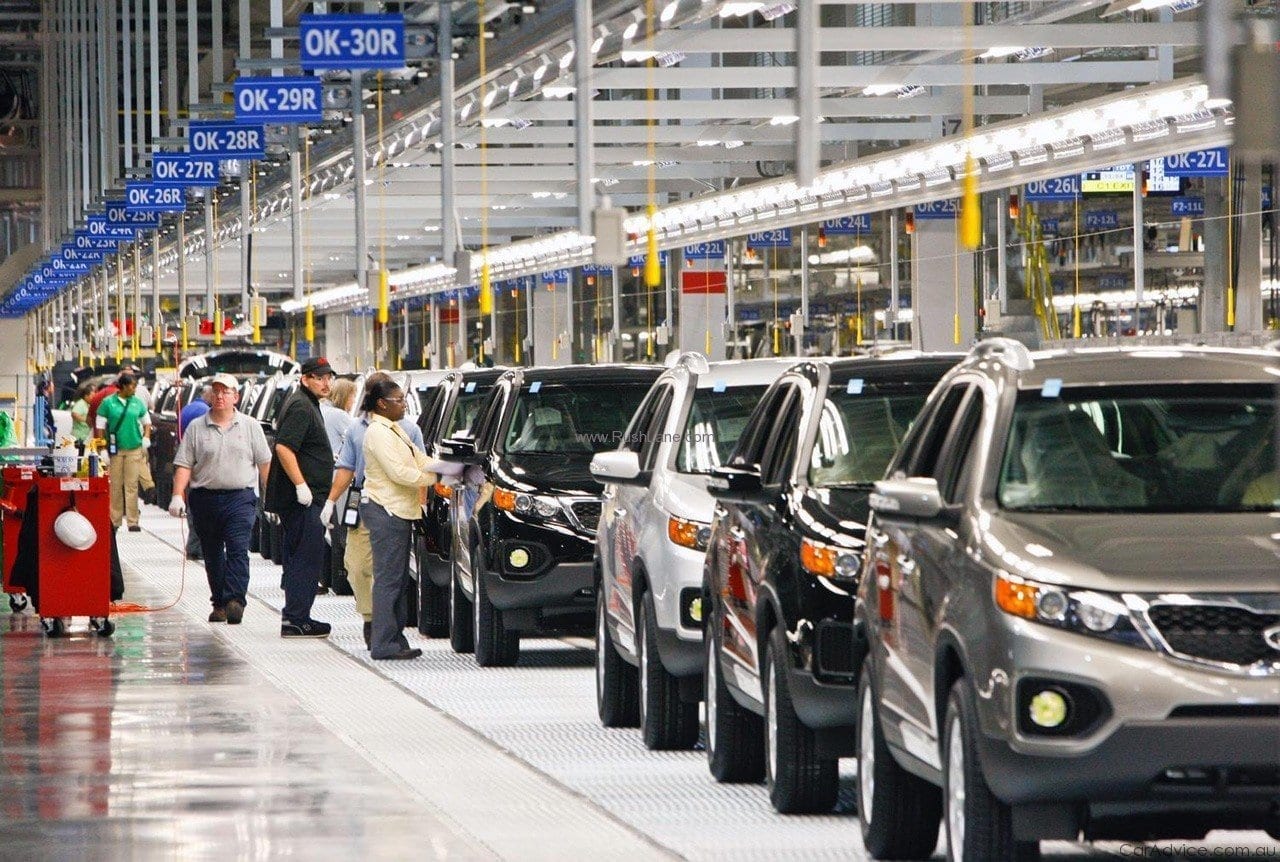
    Hyundai Motor and affiliate Kia Motors said on Friday that they would achieve their sales target for the year by launching new sport utility vehicles in two major auto markets, the United States and Europe, in the second half.

    In separate biannual meetings with overseas sales executives, Hyundai and Kia discussed measures to achieve their sales target of a combined 7.55 million vehicles, up 4.1 percent from the 7.25 million they sold last year, Hyundai Motor Group said in a statement.

    In terms of major challenges in the second half, the company named interest rate increases in the United States, rising oil prices and an unfriendly business environment due to U.S. tariffs on imported vehicles.

    To boost sales in the second half, Hyundai plans to launch a new Santa Fe and upgraded Tucson in the U.S. market in July and November. Kia will launch a Sorento facelift in June.

    The new Santa Fe is the most essential model in determining Hyundai’s annual earnings results this year. If it is well accepted in the United States, Hyundai will come up with strong financial figures at the end of the year, the company said.

    In Europe, Hyundai will gradually the Santa Fe, Tucson and Kona, and Kia will roll out the Sportage SUV. The company has recently set up a task force to attract female customers in Saudi Arabia after the country permitted women to drive cars.

  • BTS and Converse team up for BT21 sneakers

    BTS and Converse team up for BT21 sneakers

    American footwear brand Converse has collaborated with South Korean character brand Line Friends’ for Converse x BT21 sneaker collection.

    The Converse x BT21 sneakers will be available for purchase this Friday at Converse and Line Friends stores only in China, Hong Kong, South Korea, and Taiwan.

    The collaboration offers a limited-edition line of Chuck Taylor All Star Low Black/White, and Chuck Taylor All Star Black, both with BT21 designs on them. The sneakers will come in a BT21 design shoebox with eight customised badges, shoelaces and a BT21 labelled tote bag.

    Prices are set at US$84 for low-cut sneakers and $87 for high-cut sneakers.

    BT21 are characters created by South Korean boy-band BTS in collaboration with Line Friends. The characters have appeared on products from several brands, including Dunkin’ Donuts and Paris Baguette.

  • SsangYong expands to Australia

    SsangYong expands to Australia

    SsangYong Motor will establish its first overseas sales unit in Australia in November to take advantage of rising demand for SUVs there, the carmaker said Monday.

    The establishment of its first overseas sales unit will serve as a stepping stone for SsangYong Motor to further fortify its global sales, the carmaker said.

    SsangYong Motor, the Korean unit of Indian auto giant Mahindra & Mahindra, sold its cars in other countries before through partnerships with local dealerships. It has never operated its own sales unit outside of Korea before.

    “The Australian sales unit will be SsangYong Motor’s first overseas sales unit to be directly managed by the carmaker,” said CEO Choi Johng-sik in a written statement released on Monday. “It will help us to be more flexible in handling the local market, such as the marketing strategy.”

    SsangYong Motor currently exports cars to Europe, South America and the Middle East.

    Chile was the biggest export market for SsangYong Motor last year.

    When the Australian unit opens in November, SsangYong Motor is expected to launch a full range of models, including the Tivoli, G4 Rexton and Rexton Sports. SsangYong Motor said it hopes to eventually run 60 directly managed dealerships in Australia.

    SsangYong Motor stopped selling its cars in Australia in 2016. It had previously been selling vehicles to local dealerships.

    Its decision to resume sales is due to the sharp growth in Australian SUV sales. According to the carmaker, sales of SUVs accounted for 18 percent of vehicle sales in Australia in 2006, but they expanded to 39 percent last year. Sales of pick-up trucks, which SsangYong Motor also sells, rose by 70,000 vehicles during the same period.

    The unique Australian automobile market, which is completely reliant on imported vehicles, also factored into SsangYong’s decision to launch an overseas sales subsidiary.

    “While countries that have a homegrown brand tend to be hard to penetrate, Australia doesn’t have their own marque, which is why we thought the brand would have a better chance,” a SsangYong Motor official said.

    After launching its existing models, SsangYong Motor said it will continue to launch new models in Australia to secure its position in the market.

  • Online Food Order Vietnam Rally

    Online Food Order Vietnam Rally

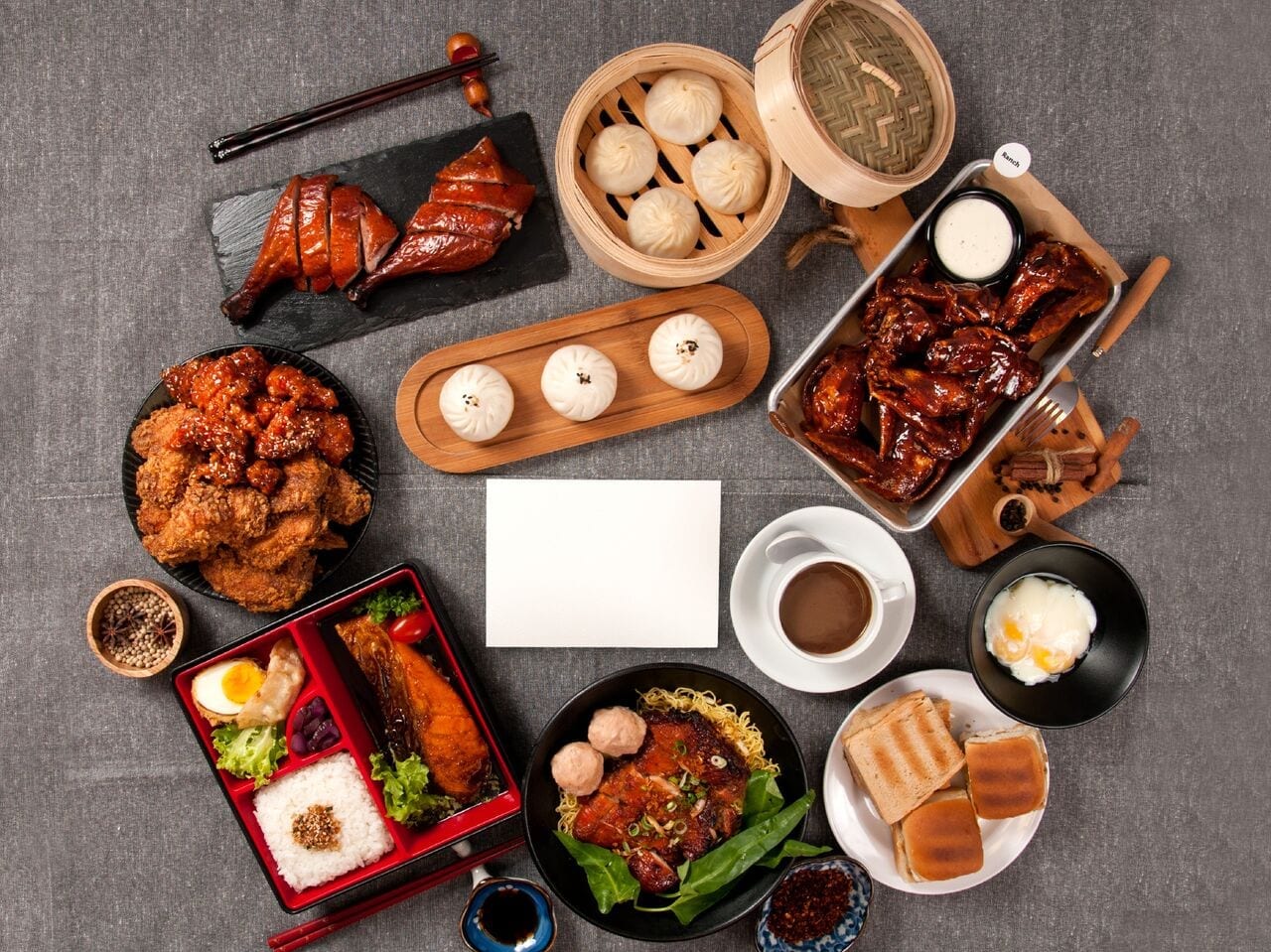
    The Association of Vietnam Retailers says that there has been an exponential increase in the number of people ordering food online in Hanoi and HCMC in the last few years, and it is foreign firms that are cashing in on delivering it.

    The food delivery market is now dominated by Delivery Now, and Vietnammm.com.

    Delivery Now is a product of Foody Corporation, once a Vietnamese food service startup that was acquired by Singapore-based internet firm Sea LTD last year, while Vietnammm.com is a subsidiary of Takeaway.com, one of the world’s largest online food ordering websites based in the Netherlands.

    Invested in by Ho Chi Minh City-based Scommerce Group, an information technology and services firm, Lala is considered a rising star in food delivery sector by industry insiders, having the advantage of hi-tech knowhow from its parent firm.

    Lala connects its users directly with restaurants before its shippers from Ahamove, also a child of Scommerce Group, delivers food.

    Delivery Now has already gained great popularity in the country and GrabFood poses a serious threat, Vu Hoang Tam, co-founder and director of Lala, said.

    “Obviously, GrabFood is already equipped with an army of drivers, which makes it so easy for its delivery service” he said.

    Two months ago, Malaysia-based ride-hailing firm Grab launched GrabFood in Ho Chi Minh City.

    Apart from Malaysia and Vietnam, GrabFood is now available in six others countries in Southeast Asia: Singapore, Indonesia, Cambodia, Myanmar, the Philippines and Thailand.

    GrabFood has partnered with more than 1,000 restaurants around HCMC and is expected to expand its service to Hanoi in late September and Da Nang later this year.

    But GrabFood also has certain weaknesses as it does not link customers with restaurants. Its drivers are simply hired to go to the restaurants and bring back the food requested by customers.

    There is an element of risk involved for the drivers, who have to pay for the food first and collect payment from customers later.

    Currently invested in by Hanoi-based tech firm VCCorp, eat.vn and chonmon.vn are the two names getting known in the food delivery market these days.

    While chonmon.vn targets local customers, eat.vn focuses on serving expats and foreign visitors to Vietnam.

    “If a fierce battle started around 4 years ago for the ride-hailing service in Vietnam, it is time now for a yet another battle in the food delivery market,” a company representative said.

    However there are fears that despite the strong growth of the industry, local firms could be pushed out of the game, leaving the field exclusively for foreign investors.

    Do Xuan Quang, deputy head of Vietnam Logistics Business Association, said Vietnam was the fastest growing e-commerce market in Southeast Asia, and along with the strong growth of the logistics industry at 15-20 percent, a similar movement in the delivery market is not surprising.

    In 5-10 years, the delivery market in Vietnam will be valued at around $10 billion, he said.

    This is clearly a fertile ground for businesses but if Vietnamese firms do not prepare themselves for the race, they will repeat the failure of the logistics sector, allowing foreign companies to take over the market, he added.

    U.K.-based market research firm EuroMonitor International values the food delivery market in Vietnam at around $33 million this year and at more than $38 million in 2020.

    It also puts the annual growth rate of the market at 11 percent.

  • Bangkok retail rents shows bright outlook

    Bangkok retail rents shows bright outlook

    Bangkok retail rents rose in prime downtown locations in the second quarter, yet there was a decline in midtown locations, despite retailers migrating there.

    According to research from real estate specialist Edmund Tie & Company, occupancy rates in both downtown and midtown remain strong as supply in the downtown area was limited.  While tenants started to take space in newly launched retail malls in midtown areas, rents dropped to THB1610 (US$47.82) per square metre per month in the midtown area. They remained stable downtown, up 1.15 per cent year on year at THB2630 per sqm (US$78.60).

    However, retail occupancy rates decreased to 94 per cent in downtown and 89.8 per cent in midtown during the quarter.

    Three upcoming retail developments are scheduled for completion in midtown this year: IconSiam (51,500sqm), the adjacent Takashimaya Department Store (36,000sqm) and Ari Hills on Pahonyothin Road, (1500sqm).

    Edmund Tie & Company said developers have been more cautious in recent years in the downtown market, partly because many Thais have put spending on hold in light of household debt.

    “Tourism continues not to be a significant source of customers for many retailers beyond prime downtown locations. Although several downtown developments have been delayed previously, there has been some progress recently. EmSphere established a projected deadline of 2020 as the site has been cleared for construction.”

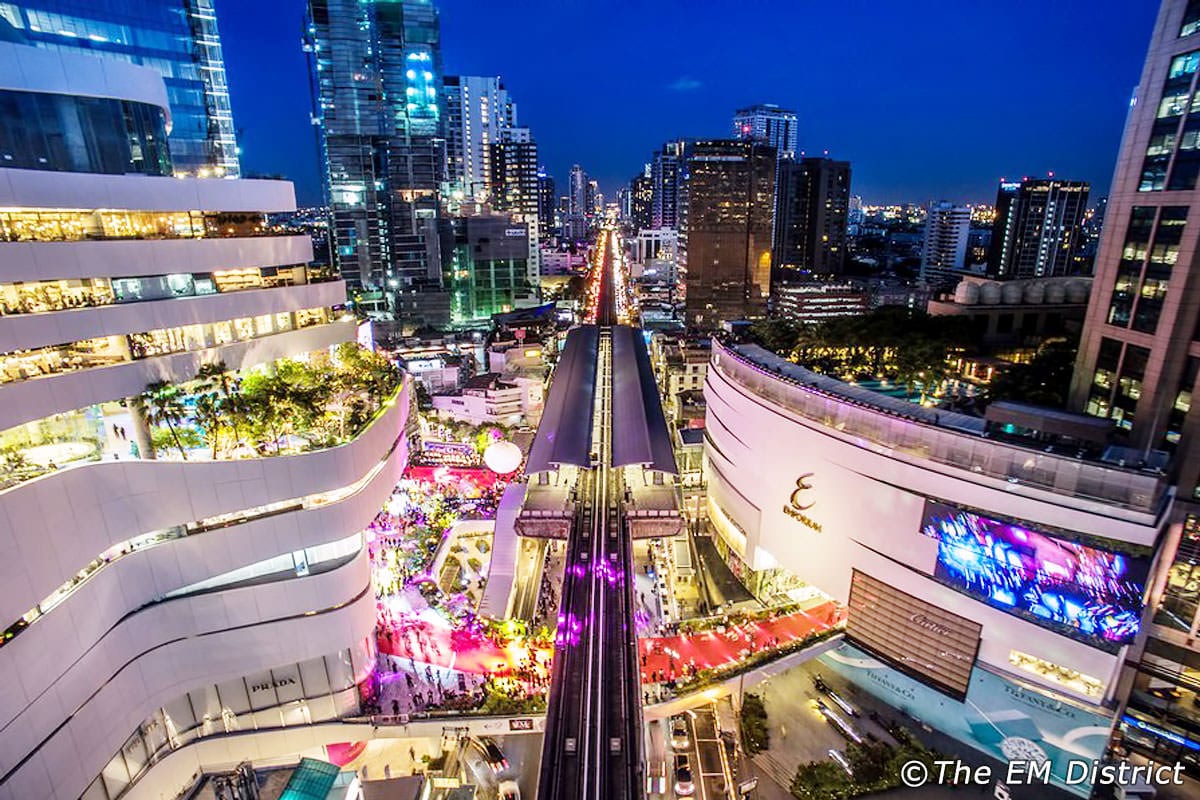
    EmSphere is adjacent to the Emporium and EmQuartier shopping centres on Sukhumvit Road, interlinked with the Phrom Phong Skytrain station.

    “The downtown retail market in Bangkok is dominated by a small number of landlords but with a growing number of mixed-use developments with key retail components, the number of retail landlords will increase,” concluded the report. “Food and beverage tenants remain keen to expand in the Thailand market and there is increasing competition for choice units in new mixed-use developments.”