Tag: asia

  • UOB Malaysia issues RM600m notes

    UOB Malaysia issues RM600m notes

    United Overseas Bank (Malaysia) Bhd (UOB Malaysia) has completed its first issuance of RM600 million Basel III-compliant Tier 2 subordinated medium-term notes at a fixed coupon rate of 4.8%.

    The bank said in a statement that the issuance of the sub-notes was under its RM8 billion senior and subordinated medium term notes programme and are rated AA1 by RAM Rating Services Bhd.

    Increased from an initial target of RM500 million, the issuance was 2.5 times subscribed with orders in excess of RM1.5 billion.

    Its CEO Wong Kim Choong said the strong credit rating, tight pricing and the oversubscription reflects the continued confidence of the investment community in UOB Malaysia’s robust capital position and business fundamentals.

    “Strong investor demand also saw the notes priced at the lower end of the initial price guidance range with a fixed coupon rate of 4.8%.

    He said UOB Malaysia plans to use the net proceeds from the issuance for general business purposes.

    The notes will be due in 2028 and callable after July 2023. UOB Malaysia and HSBC Bank Malaysia Bhd are the joint lead managers on this transaction.

  • Indonesia Companies Rush to List Before Upcoming Election Year

    Indonesia Companies Rush to List Before Upcoming Election Year


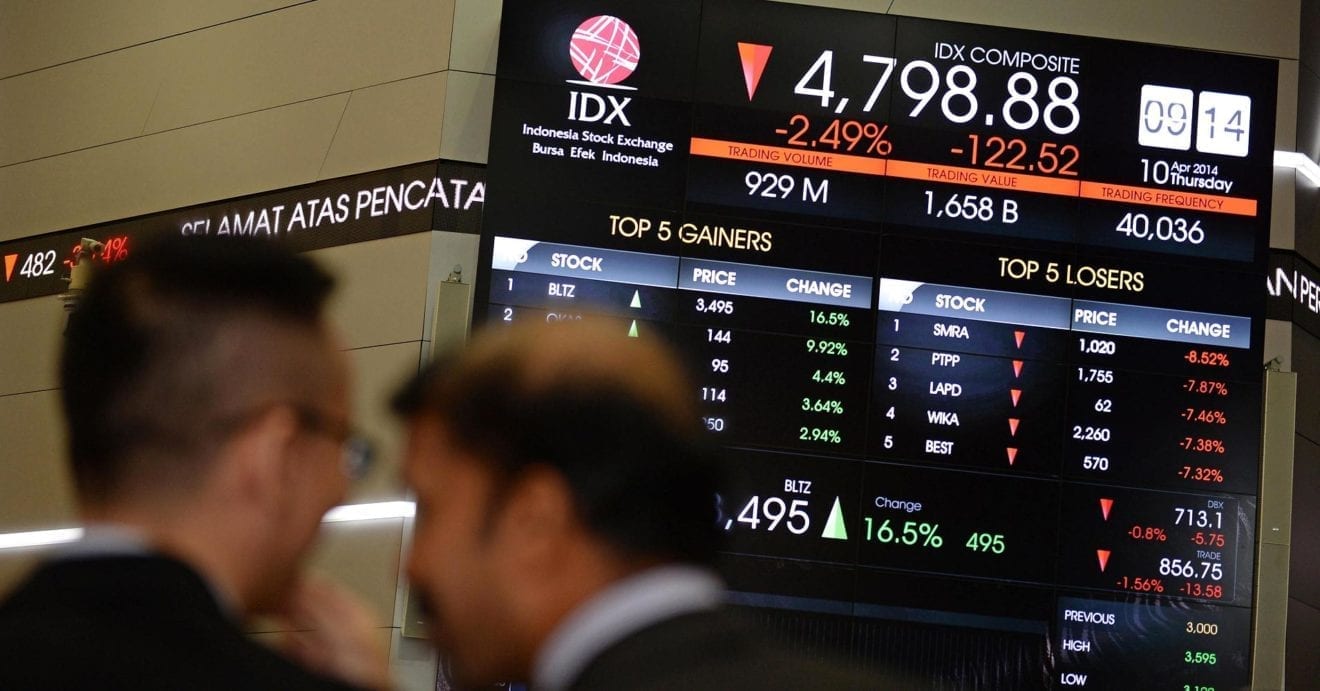
    Companies are rushing to go public this year in search of fresh funds despite volatility in the market and investors likely to maintain a tight grip on the purse strings ahead of Indonesia’s 2019 general election.

    Thirty companies have listed on the Indonesia Stock Exchange (IDX) between Jan. 1 and July 12, raising a total Rp 11.5 trillion ($790 million). In contrast, 20 companies undertook initial public offerings in the same period last year, raising about Rp 3.8 trillion in fresh capital.

    The bourse expects 16 more companies to list during the rest of this year, among them Garuda Food, MD Pictures, Arkadia Digital and Media Net Visi Media, better known as Net TV. That would bring the total for the year to a record 46.

    Kiswoyo Adi Joe, an analyst at Narada Kapital Indonesia, said prospective companies are hurrying for early listings on the IDX this year rather than wait for next year because of the uncertainty associated with an election year.

    “They seem to worry about the upcoming election year, which would be more difficult and uncertain. While the JCI [Jakarta Composite Index] is flashing green, these companies will rush to list on the IDX,” Kiswoyo said.

    Most of the public listings so far this year were by small and medium firms, such as digital exchange platform NFC Indonesia, palm oil producer Mahkota Group and property firm Sinergi Megah Internusa.

    Among them were subsidiaries of state-owned companies, such as insurance firm Asuransi Tugu Pratama Indonesia, shariah-compliant lender BRI Syariah and logistic firm Indonesia Kendaraan Terminal, which raised more than Rp 1 trillion.

    These companies prefer to seek funding through IPOs because it is cheaper than borrowing from banks or issuing bonds and medium-term notes, said I Gede Nyoman Yetna Setia, newly appointed company valuation director at the IDX.

    “Banks require guarantees and companies usually only qualify for loans of up to 30 percent of their guarantee value. At a certain point, when they need loans for big expansions, they do not have any guarantees left,” Nyoman said.

    However, companies seeking to raise capital will find themselves in a volatile market.

    The benchmark JCI has slipped more than 7 percent since the beginning of the year, with foreign investors dumping Rp 51 trillion in shares. The rupiah has meanwhile lost 6.9 percent of its value since the beginning of the year and currently trades at 14,487 against the US dollar.

    “Whenever the US Federal Reserve raises interest rates, it affects our stock market and bonds. There are also other factors, including the current geopolitical situation, especially the heated trade war between the United States and China,” said Ari Pitojo, chief investment officer at asset management firm Eastspring Investments.

    While the uncertainty will force some investors to adopt a wait-and-see approach, others will perceive the valuations of these companies as low and scoop up their stocks at bargain prices. This will shore up demand for the IPOs this year.

    “Market volatility has little effect on any particular IPO because it is mostly about a company’s fundamentals,” said Nafan Aji, an analyst at Binaartha Sekuritas.

    “But this year, the stock market is perceived as relatively cheap, so many want to hold IPOs.”

  • Free fall for Ajisen Hong Kong

    Free fall for Ajisen Hong Kong

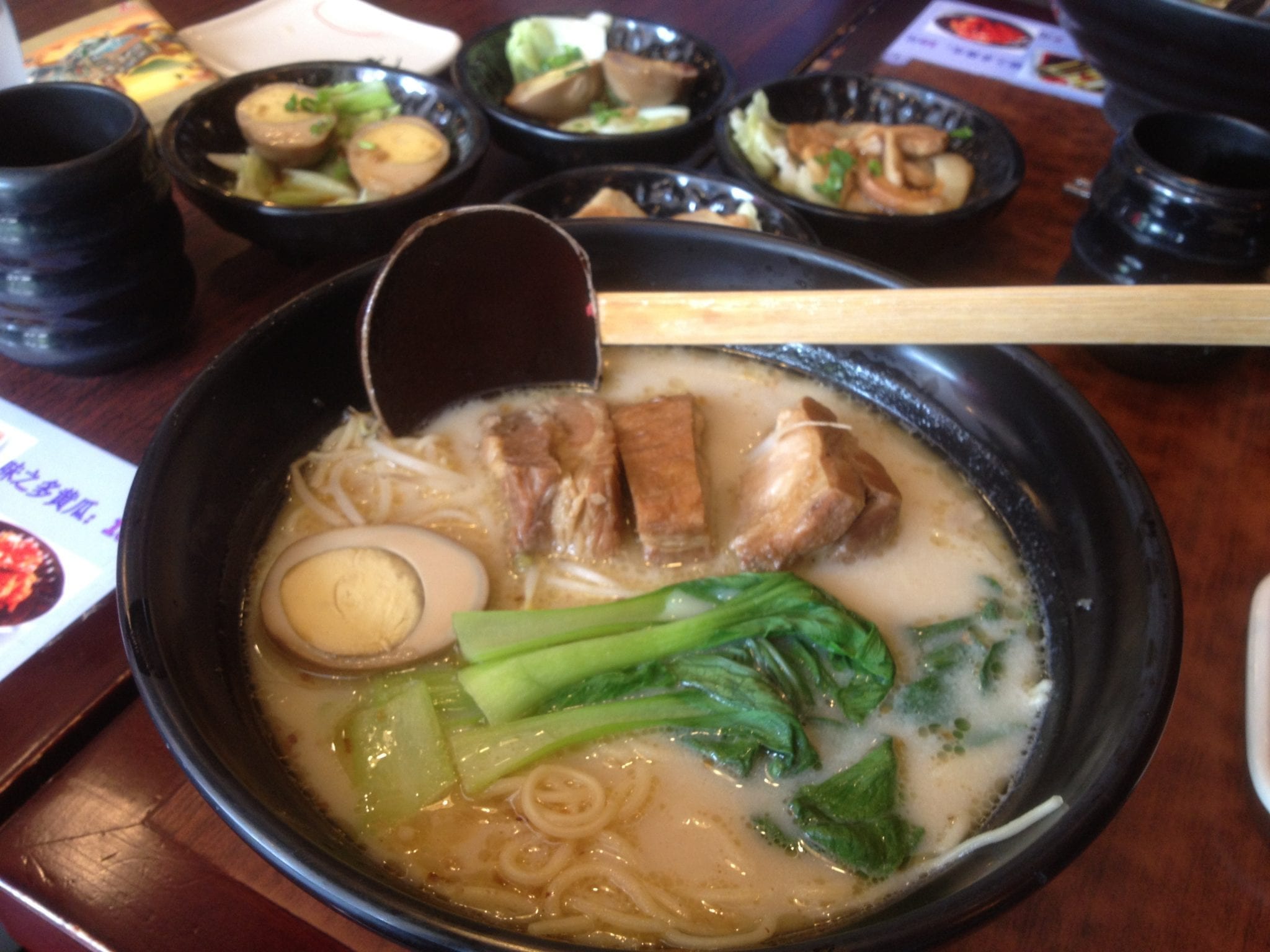
    Ajisen Hong Kong same-store sales plunged 10.8 per cent in the three months to June 30.

    Sales on the mainland slipped by a more modest 1.8 per cent.

    However, the company offered no explanation for the decline when it released basic operating data to the stock exchange yesterday.

    The Hong Kong-listed restaurant operator has been reporting difficult trading conditions for several successive quarters. In April, it reported a 4.3 per cent decline in Hong Kong same-store sales, however overall sales were marginally up for its first quarter.

    And in March, Ajisen announced it had ended the 2018 fiscal year with fewer restaurants, for the first time in recent years.

    Back then, the company said the market in China was over-supplied by restaurants with catering stores reaching 5.81 million last year, a decrease of about 3.4 per cent (210,000 outlets) on the previous year.

  • JLL : 83% of retailers plan to open new stores over the next 12 months

    JLL : 83% of retailers plan to open new stores over the next 12 months

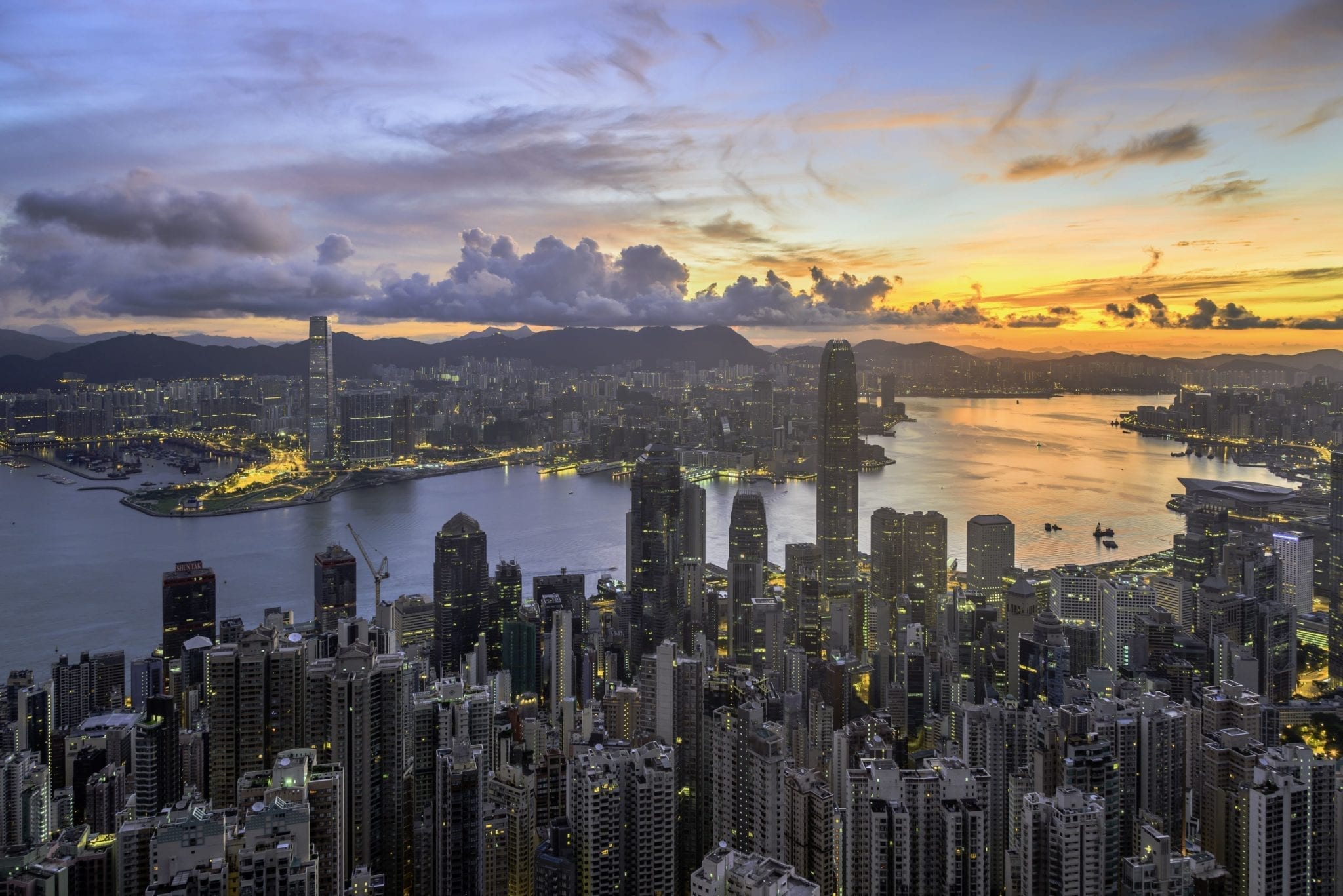
    A recent survey by JLL found that 83% of international and local retailers have plans to open new stores in Hong Kong over the next 12 months, a significant jump from 62% as recorded a year ago.

    More retailers planned to expand as retail sales in the first half have increased noticeably and are expected to grow further.JLL surveyed 40 retailers and retail landlords in June and found that more than 90% of the respondents stated their retail sales in the first half of 2018 fared better than those in the previous year.

    They also envisioned the like-for-like sales will grow by more than 10% in the second half. The resilient retail sales have encouraged 83% of the retailers to have plans for more store openings in Hong Kong in the coming 12 months.

    Hong Kong’s retail sector has been taking a broad upturn after bottoming out late last year. The latest government figures showed that the value of total retail sales gained strong momentum for the first five months of 2018, surging by 13.7% year-on-year, with all categories recording positive growth.

    An visible increase in visitor arrivals particularly those from mainland China, and a robust wealth effect led by strength in the city’s stock and property markets, coupled with an improvement in the overall local consumer sentiment, all contributed to the solid performance of the retail sector.

    In May 2018, the value of total retail sales increased by 12.9% year-on-year to a provisional estimate of HK$40.5 billion. A breakdown of retail sales by category revealed that the value of sales of jewellery, watches and clocks, and valuable gifts continued to lead the sector’s recovery, posting an impressive growth of 23.8% year-on-year. This was followed by medicines and cosmetics at 18.7%. Department stores and supermarkets also saw higher commodity sales.

    James Assersohn, Director of Asia Pacific Retail at JLL, said: “There is a great deal of positivity in the market at the moment. Retailers from almost all sectors are seeing strong and sustained growth in their sales which will lead to them investing more into the market. The luxury sector is currently the biggest winner, led predominantly by the Mainland Chinese tourists, but we also see locals increase spending which provides a deeper and more sustainable growth trajectory for retail businesses here”.

    “While the resuming demand for luxury goods would propel further recovery, it is worth noting that changing consumption patterns and shopper profiles fueled by millennials and generation Z have also led to greater demand for mass and mid-market brands, serving as a significant boost to local spending. The presence of the affordable brands of the kind are growing in major shopping districts at a swift pace. They will remain one of the main sources of leasing demand this year and onwards” he continued.

    Terence Chan, Head of Retail at JLL in Hong Kong, added: “The number of inbound visitors has increased remarkably in recent months, which helped lift retail sales to a considerable extent. Retailers are set to look for retail spaces in the major four shopping districts for expansion. However, given that the bulk of leasing demand continues to be from retailers with lower rental budgets, we believe a v-shaped recovery in retail rents is unlikely happen in the short term. We expect the rents of high street shops and prime shopping centres to grow in the range of 0-5% for the full year.”

  • Ihop  opens third outlets in Thailand

    Ihop opens third outlets in Thailand

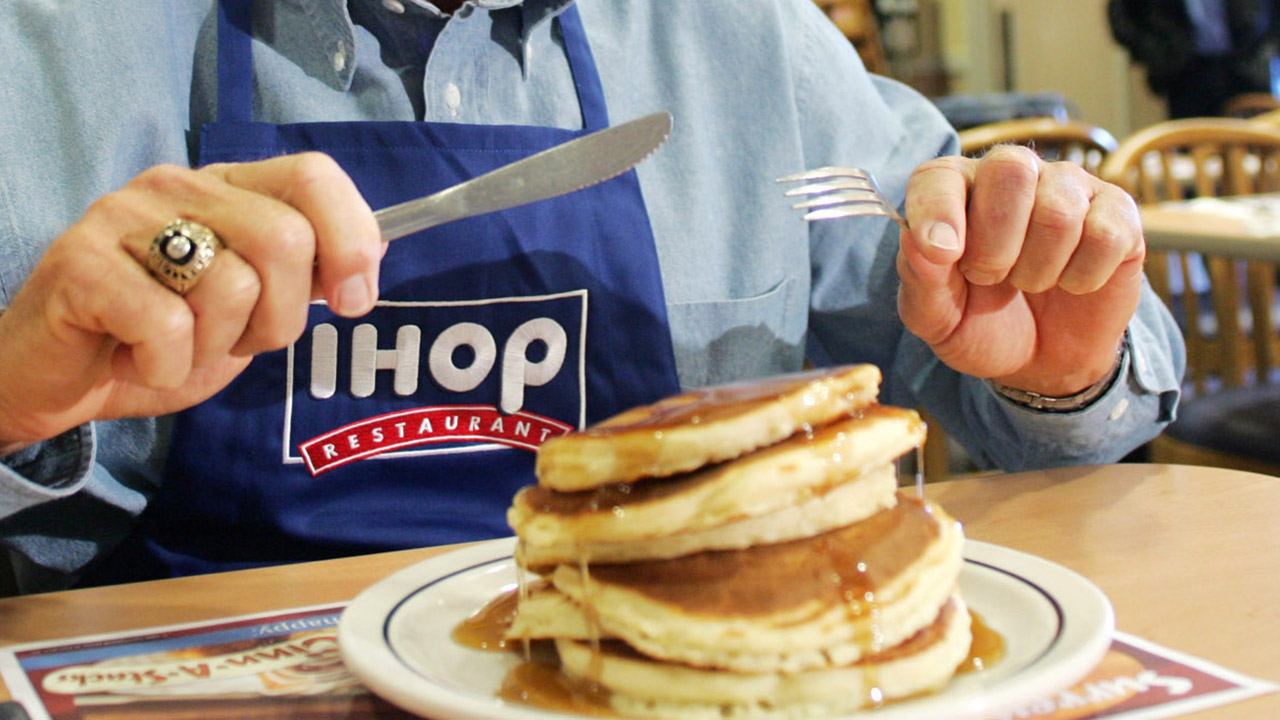
    American all-day breakfast restaurant chain Ihop Thailand has opened its third outlet, in the Mega Banga Mall.

    Located on the ground floor of the Foodwalk Zone, the new outlet spreads over 167sqm of interior space with an additional 92sqm of terrace, and can seat 88 guests.

    Guests will be able to enjoy Ihop’s buttermilk pancakes, waffles and omelets as well as burgers and beverages.

    Ihop was brought to Thailand last year by King of Pancakes, with the first outlet located in Bangkok’s Siam Paragon Mall.

    The chain expects to open 10th location by 2021.

  • Galaxy Macau launches first-in-Macau experiences

    Galaxy Macau launches first-in-Macau experiences

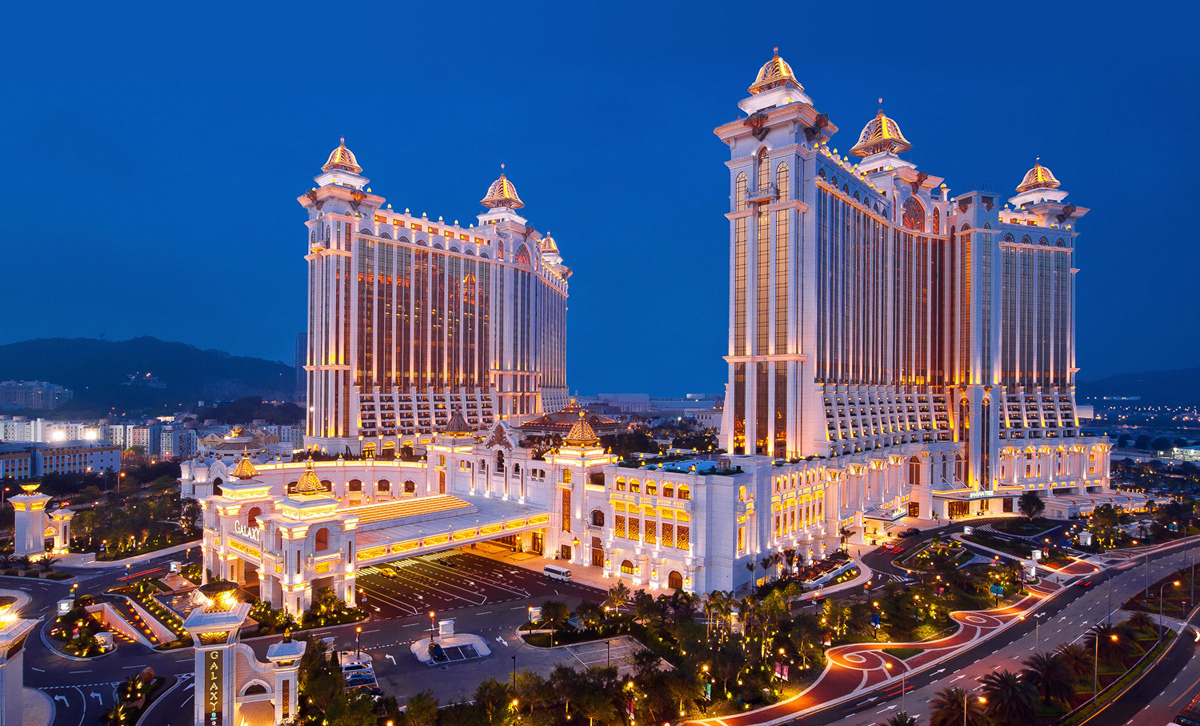
    Starting this season and continuing through the Fall and Winter, The Promenade Shops will bring shoppers the most exclusive opportunities available for the first time and nowhere else in Macau, including the grand opening of new stores, product and collection launches and first-ever pop-ups and installations.

    The Promenade Shops is home to the first and only Delvaux flagship store in Macau, bringing shoppers unprecedented access to the most authentic luxury leather goods house from the kingdom of Belgium.

    In August 2018, Delvaux at The Promenade Shops will open its doors to a new, elegantly designed flagship location on the ground floor. The new flagship is designed in Flemish traditional style with a modern and subtle approach. Celebrating the opening of the flagship store, shoppers will have the opportunity to fully explore the brand’s exquisite craftsmanship and luxury creations, including a global exclusive and limited-edition Brillant Mini Box Calf in Skyway with Ivory buckle and the Delvaux Autumn-Winter 2018/2019 collection which exudes the timeless aura of Hollywood glamour in its vibrant jewel tones, illuminated calf leather and opulent graphic motifs.

    Also new to Macau is Italian streetwear and luxury fashion label Off-White™, only at The Promenade Shops. Sported by top-name celebrities such as Beyoncé, Rihanna and Kylie Jenner, the first-to-Macau Off-White store at The Promenade Shops was designed by the brand founder Virgil Abloh.

    Conceptualized around pink marble and permeated with black and white marble, it’s the first and only Off-White store in the world to use pink marble. In celebration of the launch of new store in Macau, operated by Rainbow Group, Off-White™ will offer an exclusive and limited availability capsule collection named as “Rainbow” only obtainable at The Promenade Shops.

    Shoppers are likewise invited to be the first in Macau to explore iconic luxury vintage-inspired label Mr&Mrs Italy. 100% made in Italy by artisans and available for the first time in Macau at The Promenade Shops, the brand brings FW 1819 Collection which presents new stylistic combinations, creating unique and bold garments in the outwear category, exploring the brand’s iconic pieces.

    The Promenade Shops is also home to new-to-Macau jewelry brand FRED from Paris, renowned for its modernity and French Riviera touch, as well as its expertise of exceptional gemstones, pearls, and diamonds. Jewelry lovers in Macau won’t want to miss the sun kissed FRED 2018 collections now on display at The Promenade Shops.

    Hazel Wong, Assistant Senior Vice President of Retail for Galaxy Macau, said, “Since opening in 2015, The Promenade Shops has gained a reputation as Macau’s go-to shopping destination for first-to-Macau brands and experiences, as well as product launches and special events accessible nowhere else in town.

    This is the stage upon which the most celebrated names in style and luxury living make their Macau debut, such as Delvaux, Off-White™, Mr&Mrs Italy and many more. We are also delighted to welcome Tiffany’s exclusive Home & Accessories Collection. The Promenade Shops is thrilled to keep on bringing shoppers the newest and most exclusive fashion to discover at every turn.”

    The first-in-Macau opportunities at The Promenade Shops are never ending, with more exclusive brands, collections and café destinations arriving all the time. This fall and winter will see the launch of bold menswear and womenswear by Marcelo Burlon of Milan, and luxurious cosmetic brand YSL Beauté – both first-in-Macau brands making their debut at The Promenade Shops.

    Canadian luxury fashion house Ports International is also open at The Promenade Shops, bringing its sophisticated and modern tone of ready-to-wear, leather goods and accessories collections to Macau shoppers for the very first time. Onitsuka Tiger, one of the most world-renowned sports fashion brands from Japan, will introduce its fusion of Japanese heritage and modern flair to those looking for refreshing new styles.

    The new Tiffany’s Home & Accessories Collection is likewise available exclusively at The Promenade Shops. This is the only place in Macau to find coveted Tiffany’s lifestyle goods, born from the notion that beautiful things should not be limited to special occasions.

    Luxurious accessories, possessing a whimsical wink that is quintessentially Tiffany’s, include the Color Block Piggy Bank, Tiffany x Steiff Return to Tiffany® Love Teddy Bear in Mohair, and the Everyday Objects Tin Can in Sterling Silver and Vermeil with Tiffany Blue® Enamel Accent inspired by the culet of the dazzling stone Tiffany is known for – all available at The Promenade Shops and nowhere else in Macau.
  • Malaysia ranked 5th most complex country in corporate compliance regulation

    Malaysia ranked 5th most complex country in corporate compliance regulation

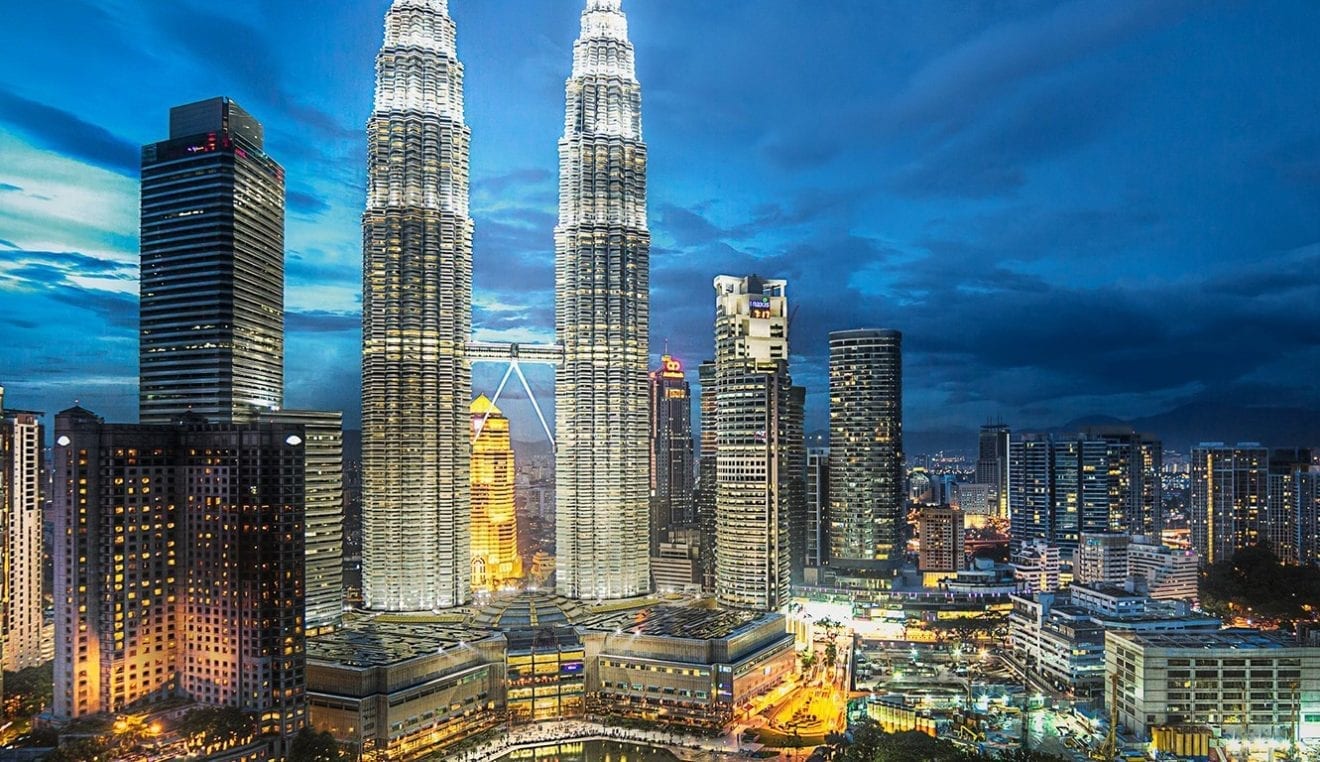
    Malaysia has one of the most complex corporate compliance regulations among 84 jurisdictions in the world, according to TMF Group’s Compliance Complexity Index.

    Malaysia emerged as the fifth country in the world with the most complex corporate compliance regulation and second in Asia Pacific.

    The ranking was based on the difficulty of adhering to local business regulations and associated issues – such as local reporting requirements, and the time taken to set up companies.

    TFM Malaysia’s group managing director Sharon Yam said the index confirms the notion of Malaysia being reputed as one of the most complex jurisdictions for businesses to operate in.

    “However, the government has enacted legislation that is causing drastic changes to the business landscape and compliance regulations, and may ultimately result in greater simplicity for businesses,” she said.

    “With the introduction of an updated version of the 1968 Companies Act, out of date and time-sapping regulations have been replaced by more modern compliance standards. For example, the maximum age of directorship has been abolished, and companies are no longer required to state their shared capital. In the long term, this will make it easier for companies to comply with regulations, and Malaysia may begin to slide back down our list.”

    The United Arab Emirates emerged as the country with the most complex regulations followed by, Qatar, China, Argentina and Malaysia.

    TMF Group provides accounting, corporate secretarial, HR administrative and capital market support to companies of all sizes in more than 80 countries.

  • Malaysia Airlines to capture 50% moslem market share in Malaysia, Indonesia

    Malaysia Airlines to capture 50% moslem market share in Malaysia, Indonesia

    Malaysia Airlines Bhd (MAB) aims to tap into 50% of the umrah pilgrimage market in Malaysia and Indonesia with 270,000-290,000 umrah pilgrims projected to make their pilgrimage to the holy land in the upcoming pilgrimage season.

    The national carrier entered into a charter service deal with a coalition of four umrah tour operators comprising KRS Travel Sdn Bhd, ATS Global Travel & Charter, Ecoriths Leisure Travel &Tour and Rayhar Travels Sdn Bhd to provide air charter services during the umrah season beginning October 2018 until June 2019.

    MAB group CEO Captain Izham Ismail said all the 149 flights will be operated via its Airbus A380-800 aircraft. The agreement will see the carrier transporting 70,000 pilgrims from Malaysia and neighbouring countries such as Indonesia.

    The direct flight are from Kuala Lumpur to Jeddah and Madinah in Saudi Arabia.

  • Toyota Eyes 53 New Export Destinations for Indonesia-Made SUV

    Toyota Eyes 53 New Export Destinations for Indonesia-Made SUV

    Toyota Motor Manufacturing Indonesia, the local unit of the Japanese automotive giant, aims to expand its export market by shipping its all-new Rush sport utility vehicle to 53 countries in Asia and Africa this year.

    Toyota currently only exports vehicles to the Philippines, but it believes the model, updated early this year, would appeal to a broader market.

    “The Toyota Rush is indeed one product aimed at export. Where previously we only exported it to one other country, this new model will be delivered to 53 countries,” Henry Tanoto, deputy director of Toyota Astra Motor, a joint venture between Toyota Motor Manufacturing Indonesia and the country’s largest car distributor, Astra International, said on Tuesday (24/07).

    The Toyota Rush still leads in Indonesia’s so-called low SUV market segment, with data compiled by the Association of Indonesian Automobile Industries (Gaikindo) showing that 19,508 units were sold in the first semester of 2018, up 69 percent from the same period a year ago.

    Japanese manufacturers have long sought to establish Indonesia as an export hub in the Asia-Pacific region.

    Toyota has pledged $1.9 billion to expand its manufacturing capacity in Indonesia between 2015 and 2019.

    Exports of Indonesian-made completely built-up cars has risen more than 14 percent over the past three years to 231,000 last year. The country exported 110,135 completely built-up cars between January and June, according to Gaikindo data.

  • Central bank allows dong to slide against greenback

    Central bank allows dong to slide against greenback

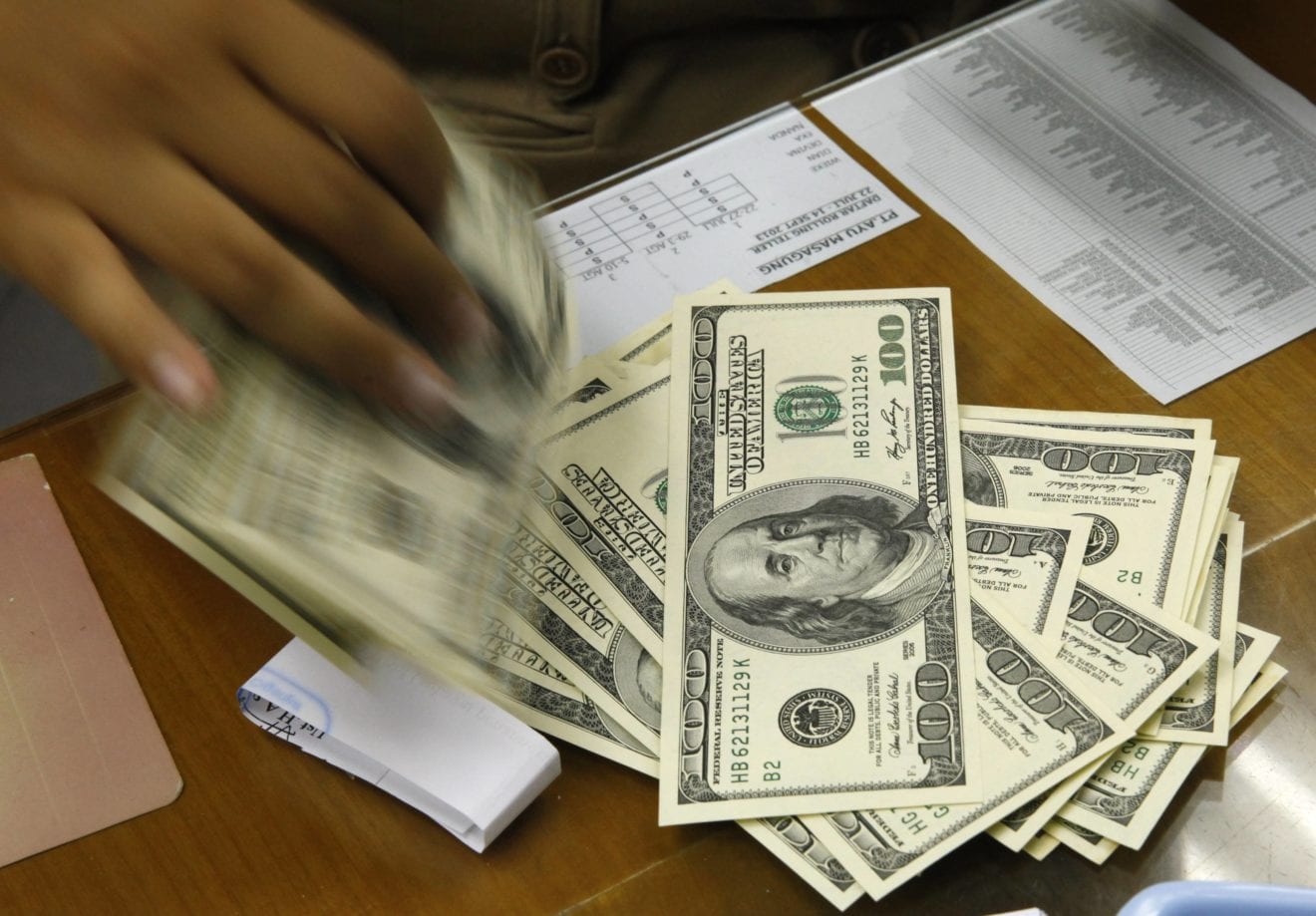
    The State Bank of Vietnam sold the greenback at VND23,284 on Wednesday, down from VND23,050 last  Friday.

    It fixed a central rate of VND22,654 on Wednesday compared to VND22,634 on Monday, and banks too sold dollars at higher rates, Vietcombank at VND23,250 and Eximbank at 23,260.

    The higher dollar rates are likely to affect importers, according to industry insiders.

    When the dong depreciates against the dollar, steel businesses have to pay higher prices for feedstock, a source from the Vietnam Steel Association, who asked not be named said.

    “But it’s too early now to say how this weakening of the dong will affect steel firms.”

    Economist Nguyen Tri Hieu said that import firms would continue to suffer because of a strong USD and he estimated it to strengthen by 1-3 percent this year against the Vietnamese currency.

    But export businesses would enjoy the stronger dollar, he said.

    They should seek to expand and take foreign currency loans since interest rates are currently low, he added.

    The SBV said it allowed the dong to weaken against the greenback to keep the market stable.

    Pham Thanh Ha, head of its monetary policy department, said the recent increase in the central bank’s dollar selling was to stabilize the market.

    Its monetary policy would remain unchanged to control inflation and stabilize the economy, he said in a statement.

  • 7-Eleven open second unstaffed X-store in Taiwan

    7-Eleven open second unstaffed X-store in Taiwan

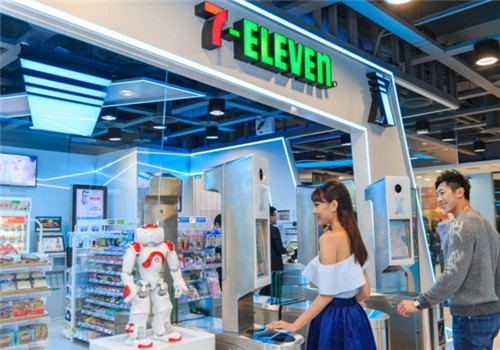
    7-Eleven Taiwan operator President Chain Store Corporation has opened its second unstaffed X-store in Taipei.

    Located in Xinyi District, the store recognises customers by facial-recognition card or iCash 2.0 card.

    There is also an intelligent ATM machine using fingerprint and facial recognition technologies, allowing customers to deposit small change and withdraw foreign currencies, project management department chief Hsu Yi-hsiung said.

    The first X-Store opened on the first floor of the company’s headquarters in January, targeting the large crowds of white-collar workers and students in the area.

    The number of customers at the first X-Store increased 50 per cent over six months, Hsu said.

    With the growing convergence of online and offline, automated shops such as the X-Store enhance customer expectations, while improving in-store service and automating supply chain and real-time inventory management.

  • LVMH reports double-digit growth for second quarter

    LVMH reports double-digit growth for second quarter

    Luxury conglomerate LVMH said it plans numerous product launches before the end of the year as it races to stay ahead of fast-growing competitors like Kering SA’s Gucci and closely held Chanel.

    Second-quarter sales rose 11 percent, the Paris-based owner of Louis Vuitton handbags and Sephora cosmetics said in a statement late Tuesday, beating analysts’ expectations.

    The world’s largest luxury company reported double-digit percentage growth in sectors from fashion to jewelry and cosmetics. The shares rose as much as 2.6 percent in Paris.

    LVMH has so far thrived despite the opening rounds of a global trade war, as the Chinese consumer’s appetite for French luxury goods surged during the quarter. But because of the threat of higher tariffs and other economic uncertainties, “the current trends cannot realistically be extrapolated to the second half of the year,” Chief Financial Officer Jean-Jacques Guiony said on a call.

    “Management sounded quite confident, despite ongoing concerns about Chinese demand and tougher comps,” Raymond James analyst Hermine de Bentzmann wrote, adding that the result augured well for Kering.

    Chinese consumers account for roughly a third of luxury purchases, according to consulting firm BCG — and as much as 70 percent of the sector’s growth. LVMH sales in Asia surged 17 percent last year, and traveling Chinese shoppers lifted other markets. Now, investors are watching carefully to see how long the boom can last for luxury’s leader, especially as U.S. President Donald Trump’s trade moves risk shaking confidence in the industry’s biggest client base.

    “The threats are there but I don’t think they have materialized yet in any way,” Guiony said.

    Shanghai’s CSI 300 stock index has fallen 11 percent this year, fueling fears that high-end shoppers could tighten their belts. China moved to bolster consumption by lowering import duties on many products earlier this month, and luxury brands including Louis Vuitton and Hermes have cut prices to pass the benefit on to consumers.

    The company said its coming product launches include new perfumes from Christian Dior, endorsed by Jennifer Lawrence, and Givenchy, promoted by Rooney Mara. A Guerlain skin serum and a Chinese launch of the Kenzo World line are among the other debuts.

    The plans come as LVMH’s competitors have thrown down the gauntlet in recent months. Gucci set a midterm sales target that would rival estimates for Louis Vuitton, long the world’s largest luxury brand with more than 9 billion euros in annual sales. Chanel released its yearly financials for the first time in 108 years — at the same time as Vuitton’s most recent fashion show — to reveal that its sales of quilted leather handbags and No. 5 perfume had already bested Vuitton by some measures.

    In a bid to keep its edge, LVMH has reshuffled the creative leadership at its biggest fashion brands in recent months. Designer Hedi Slimane, who set the menswear agenda for more than a decade with skinny jeans and suits at Dior Homme and Kering’s Saint Laurent, has been tapped to add menswear and haute couture at LVMH’s womenswear brand Celine, with his first shows this fall. New menswear chiefs at Vuitton and Christian Dior both made their debuts in June.

    LVMH’s first-half profit was boosted by rapid growth at Vuitton and the exit of a duty-free concession at the Hong Kong airport. Sales in the second quarter totaled 10.9 billion euros ($12.7 billion), above analysts’ prediction of 10.79 billion euros.

  • Vietnam steel faces protectionism in Canada, EU

    Vietnam steel faces protectionism in Canada, EU

    The EU and Canada are taking safeguard measures to protect their steel companies from exports from Vietnam.

    The EU claimed it is taking the protective measures due to a surge in imports from many countries in recent years.

    Imports of steel products had been 18.8 million tons in 2013 but jumped to 30.5 million last year, according to the Official Journal of the European Nation published on July 18.

    Vietnam is listed among the developing countries which face provisional measures lasting 200 days starting July 19.

    Three of its products – non-alloy and other alloy cold-rolled sheets, metallic coated sheets and stainless cold-rolled sheets and strips — now attract a 25 percent additional tax.

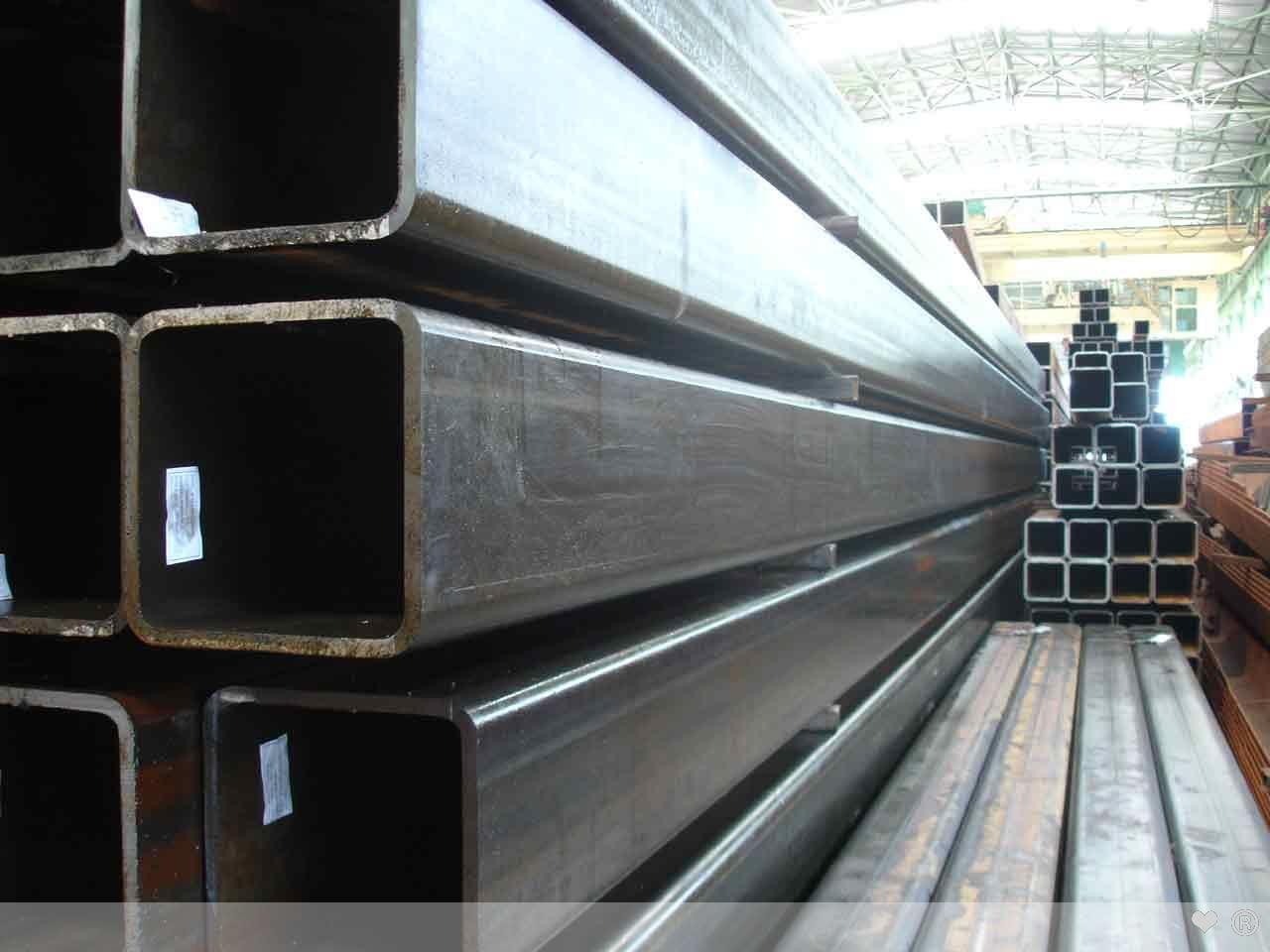
    The Canada Border Services Agency (CBSA) said it is considering if Vietnamese carbon steel-welded pipes are being sold at unreasonable prices making it harder for local companies to compete.

    Other countries are also being investigated, including Pakistan, the Philippines and Turkey.

    The investigation, which began on July 20, came after Novamerican Steel Inc. in Montreal city alleged that local steel companies could not compete because of price undercutting by the countries listed subsequently.

    The CBSA will work with local authorities to investigate and expects to release its preliminary evaluation on October 18.

    Vietnam exported 4.71 million tons of steel worth $3.15 billion last year, 35.6 percent and 55.1 percent up from 2016 in terms of volume and value.

    ASEAN member countries are its main importers, accounting for 59.2 percent of exports, and the U.S. ranks second at 11 percent, a Vietnam Steel Association report said earlier this year.

  • Thailand approves electric vehicle investment plans of Nissan, Honda

    Thailand approves electric vehicle investment plans of Nissan, Honda

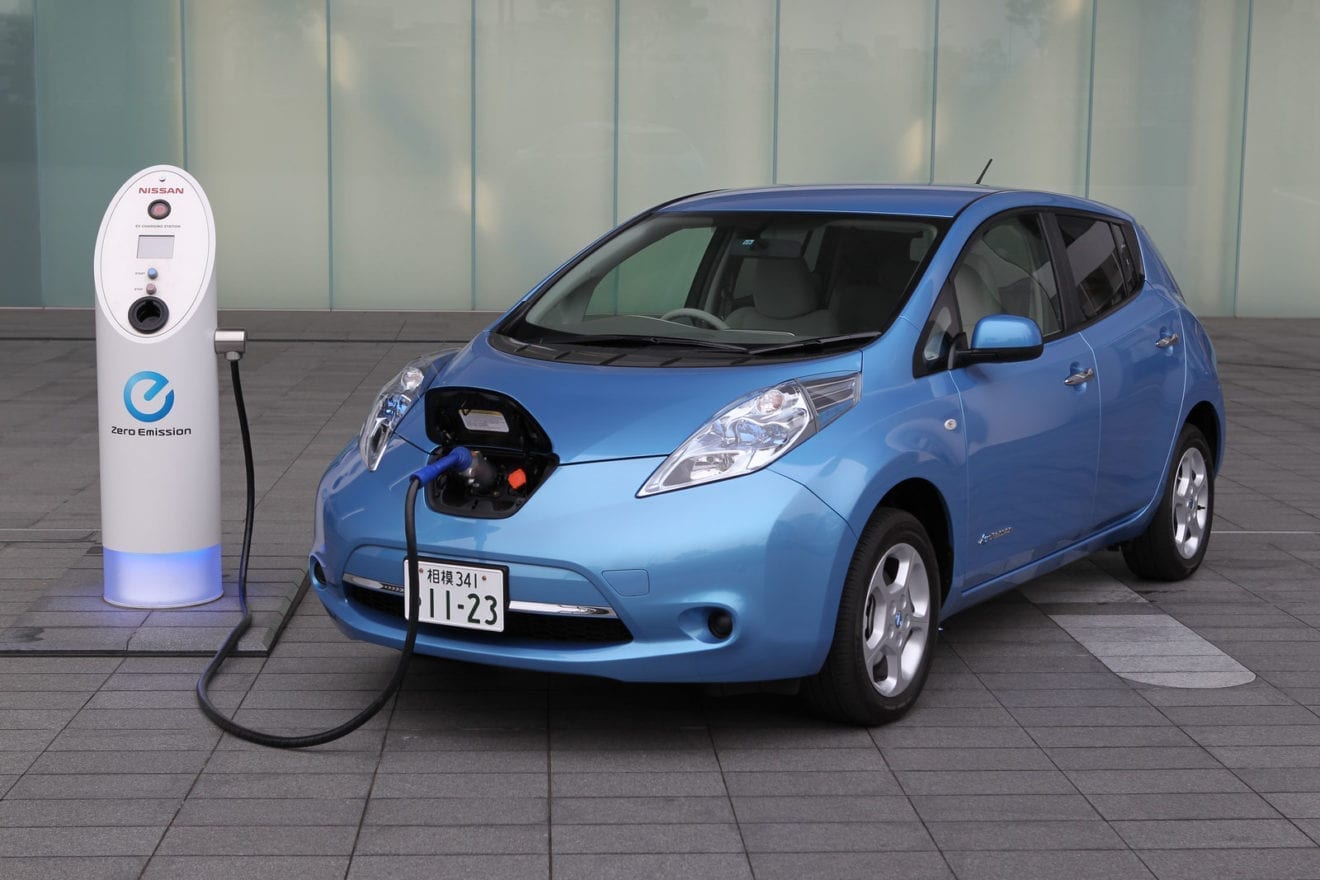
    Thai authorities said today they have approved investment plans worth 29.63 billion baht (RM3.8 billion), including projects by two Japanese automakers to produce hybrid electric vehicles and batteries.

    Nissan Motor (Thailand), a unit of Nissan Motor Co will invest 10.96 billion baht in one venture while Honda Automobile (Thailand), a subsidiary of Honda Motor Co will spend 5.82 billion baht on its project, the Board of Investment (BoI) said in a statement.

    The agency said it also approved a tax break for Thai AirAsia X’s 9.25 billion baht plan to lease six Airbus A330 aircraft, and for Mars Petcare (Thailand)’s 3.5 billion baht investment in pet food.

    The BoI said Thai and foreign firms submitted projects worth 284.6 billion baht in January-June, which it said was “close to” the amount in the first half of 2017, without giving the previous number. The board said the projects were mainly for Thailand’s Eastern Economic Corridor a centrepiece of the junta’s policy to lift growth and targets high-tech investment.

    The agency is sticking to its target of securing 720 billion baht in investment pledges this year, up 12% from last year, as large applications are expected in the second half, it said.

    Meanwhile, Toyota Motor Corp’s Thai unit said Thailand’s total domestic car sales are expected to be 980,000 units this year, up 12% from 2017, and more than previously expected.

    Toyota, which commands about one-third of the Thai vehicle market, also raised its own 2018 car sales in the Southeast Asian nation to 315,000 cars, up 31% from last year, Toyota Motor Thailand’s president Michinobu Sugata told a news conference. Sales have been supported by stronger economic growth and more activities by carmakers, he said.

    In January, the company predicted overall domestic sales at 900,000 cars and its own sales at 300,000 units.

  • Japan’s Inagora inks agreement with Thailand’s CP

    Japan’s Inagora inks agreement with Thailand’s CP

    Japan-based e-commerce platform Inagora is teaming with Thailand’s CP (Charoen Pokphand) Group to boost its China business.

    The joint venture is also researching expansion into Southeast Asia.

    Inagora targets Chinese shoppers seeking Japanese goods. It boasts 4 million registered users and an inventory of about 40,000 SKUs, ranging from food and household goods through to more luxury items. Last year, its turnover totalled about US$98 million.

    Inagora opened a brick-and-mortar store in Zhengzhou this month as it broadens its market reach and eyes new markets. Japanese trading house Itochu and others invested about $68 million into the business last year to help fund expansion.

    By teaming with CP, whose operations include the 10,500-strong 7-Eleven convenience-store network in Thailand, Inagora hopes to start offering Chinese shoppers products from other markets. It may also look to sell Japanese and other Asian products to people living in Southeast Asia.