Tag: asia

  • Food-Tech startup SmartQ acquires Goodbox’s Digital Cafeteria business

    Food-Tech startup SmartQ acquires Goodbox’s Digital Cafeteria business

    In an effort to scale up its expansion plans, SmartQ, a Bengaluru-based leading online food tech platform has announced that the company has acquired the Digital Cafeteria business of Goodbox which provides mini apps to businesses.

    The acquisition is a part of the company’s long term strategy to aggressively increase its footprint across India. Post the acquisition, Goodbox will continue its current focus on the hyper-local delivery business for groceries, pharmacies, etc.

    Speaking about the acquisition, Krishna Wage, Co-founder and CEO, SmartQ, said, “This is another important landmark for SmartQ as it reinstates our position as a leader Digital Cafeteria Business. Goodbox already has an existing customer base of 10+ MNCs across the country. Post the acquisition, SmartQ will further strengthen its digital cafeteria business by adding Goodbox’s customer base to the portfolio.”

    He further said, “Next few years are very important for us as an organization. To take the organization to the next level of strategic growth, we are further scaling up our product portfolio, service offerings and business strategy”.

    SmartQ has clocked more than 1 crore transactions in last one year. Experiencing a 50 percent month-on-month growth with over 1,20,000+ daily transactions, SmartQ has grown to 100+ locations in India and globally.

    Founded by Krishna Wage and Abhishek Ashok in 2014, the company has immensely grown its product portfolio, customer base, geographical presence and sales turnover over the years. Charting a great success story for itself, SmartQ has expanded its operations to international markets such as Singapore and New Zealand.

    SmartQ has raised close to Rs 9-10 crore funds in total. In 2016, the startup raised Rs 3.1 crore funding from YourNest Angel Fund. In 2018, the company again raised close to a Rs 4.75 crore from an investor group led by some Dubai-based investors, while existing investor YourNest also participated in the round.

    Addressing various challenges faced by employees and caterers, SmartQ enhances cafeteria and food-court experience by eliminating queues, minimizing wait time, increasing collaborative work time. By enabling corporate employees to place their orders through multiple means, SmartQ implements its innovative and cutting-edge product digital cafeteria Solutions.

    SmartQ is the exclusive technology partner with some of the largest food service providers in the world. SmartQ plans to expand their horizons to multiple other sectors where there are queue issues and ultimately remove queue from the face of the earth.

  • China Probes Stainless Steel Imports From Indonesia, EU, Japan and Korea

    China Probes Stainless Steel Imports From Indonesia, EU, Japan and Korea

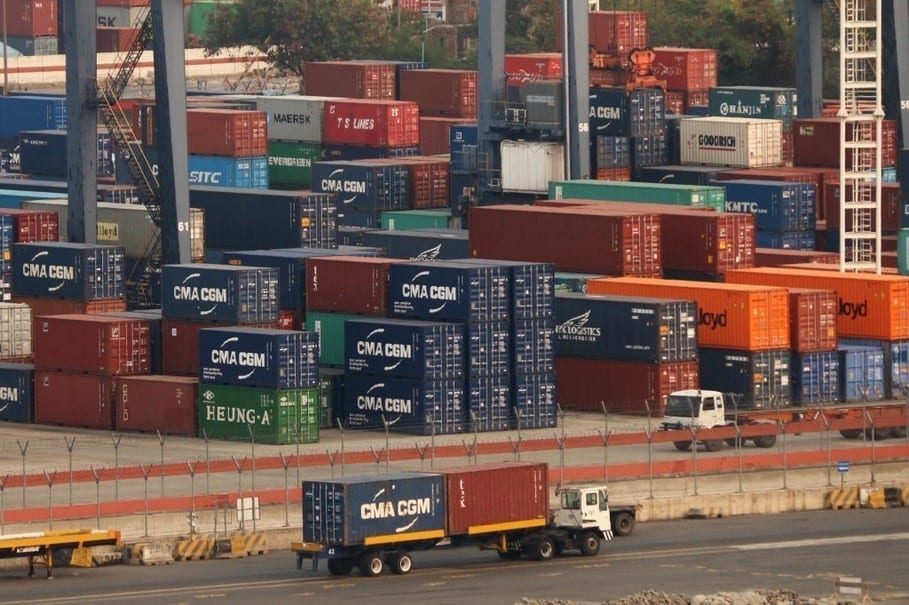
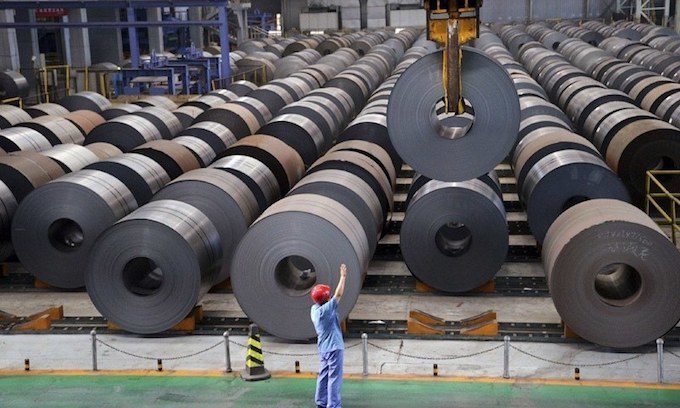
    China on Monday (23/07) launched an anti-dumping probe into stainless steel imports worth $1.3 billion, including from a privately owned Chinese mill with operations offshore, after complaints that a flood of product has damaged the local industry.

    The Commerce Ministry said on Monday the investigation will target imports of stainless steel billet and hot-rolled stainless steel sheet and plate from the European Union, Japan, South Korea and Indonesia, which nearly tripled last year.

    The move follows a complaint by Shanxi Taigang Stainless Steel, with backing from four other state-owned mills including Baosteel’s stainless steel division, which blamed cheap imports on falling prices, it said.

    China makes and consumes around half of the world’s stainless steel, which is used to protect against corrosion in buildings, transportation and packaging.

    While the complaint targets eight foreign producers, it also lists a number Chinese companies, including the Indonesian unit of one of the world’s top producers, Tsingshan Stainless Steel, and 19 traders who import product.

    Some private Chinese companies have opened or started building plants in Indonesia in recent years, drawing on its plentiful nickel resources and lower-cost of production.

    A significant portion of the new production has been sold in China, analysts say.

    The rapid increase in imports damaged the Chinese market, according to the complaint filed by Shanxi Taigang and released with the commerce ministry document.

    Almost two-thirds of China’s stainless imports came from Indonesia last year, up from 5 percent in 2016 and zero in 2015, the complaint said. That rose to as high as 86 percent in the first quarter, it said.

    Imported prices of the stainless steel products fell 23 percent to $1,867 a ton in 2017 from $2,436 a year earlier.

    “If we allow these products to continue to enter the Chinese market with low prices and take more market share, sales of China’s domestic products will continue to decrease,” the complaint said.

    Peter Peng, senior consultant at CRU in Beijing, said the investigation was “totally driven by an industrial dispute between SOEs [state-owned enterprises] and the fast-growing private mills.”

    “Due to their cheap production costs, it’s more competitive than Chinese products,” he said.

    Tsingshan opened a mill there last year with annual capacity of 3 million tons while Delong Holdings plans to start production there next year.

    Anti-dumping duties would force mills to find new markets for their product, adding to a global glut, Peng said.

    The European companies targeted by the probe include Spain’s Acerinox, Finland’s Outokumpu Oyj and Luxembourg-based Aperam.

    Among the Japanese companies are Nisshin Steel, Nippon Steel & Sumitomo Metal Corp and JFE Steel Corp. Indonesia’s Jindal Stainless and South Korean steelmaker Posco are also listed.

    China imported 703,000 tons of those products in 2017, up almost 200 percent from a year earlier, with 98 percent coming from the regions targeted by the investigation.

    Shanxi Taigang accounts for 25-35 percent of China’s stainless production.

  • Sephora plans expansion in India, marks fifth store in Mumbai

    Sephora plans expansion in India, marks fifth store in Mumbai

    Sephora opened its doors at Oberoi Mall, Goregaon, Mumbai recently. Spread across 3,130 square feet, the store is located on the ground level of one of the city’s buzzing retail hubs in the suburbs. With presence in cities such as New Delhi, Noida, Gurgaon, Mumbai, Kolkata, Chennai, Chandigarh, Bangalore and Pune, this is Sephora’s 17th store in the country.

    Talking about the brand journey Vivek Bali, Chief Operating Officer – Sephora India at Arvind Beauty Brands said, “It’s been a very strong journey for Sephora with a fantastic response from the millennial customers. I am very proud to say that Sephora is the No.2 searched brand for millennial. So when we opened the physical stores in India with the right assortment of brands matching the Indian skin types it brought in an overwhelming response. We are different and we have brands which nobody has. We continue to promise the customer about 6-10 new brand additions every year which we will be exclusively available at Sephora. We have started our journey in the urban centers as 60 percent of the business comes from here. Balance 40 percent comes from the Tier II and III cities which are very important. Sephora will be embarking its journey in Tier II cities this year. We are registered a double digit growth with Sephora.”

    Like all the other Sephora stores in the city, this store too carries the retailer’s popular in-house and exclusive range across make-up, skin-care, fragrances, bath and body categories as well as beauty accessories. The collections include well-known names in beauty such as Sephora Collection, Benefit, Makeup Forever, Cover FX, Becca, Stila, Smash Box, Glam Glow, Boscia, Burt’s Bees etc.  In addition to these product ranges, beauty enthusiasts are also able to shop luxe brands such as Dior, Estee Lauder, Clinique, Tom Ford Private blend, Clarins, Givenchy, Shiseido, Forest Essentials and Elizabeth Arden, making Sephora the one stop destination for all things beauty. Australian makeup brand, Klara Cosmetics with its 100 percent colour pigment range launched its collection at the store. Collections from Jo Malone and Olive will be unveiled shortly at the new store. For the discerning man, the store carries a wide range of men’s grooming products.

    The store houses the newest edition of the Beauty Studio, where shoppers are offered Mini Flash Make overs and personalized consultations from Sephora’s beauty advisors. At the beauty studio, shoppers can learn to create key makeup looks from Sephora such as Night Smokey, Diamond Lips, Perfect Brows, Dewy Foundation, Frozen Eye Shadow and Golden Frame Smoky Eyes. They can also learn the techniques for 4K contouring and how to achieve the perfect eyeliner.

    Speaking on the customer experiences and its way forward Vivek says, “We look forward in enhancing the customer experience in Sephora and we talk about the new looks. We demonstrate, promote and educate the customers for the new looks which in turn gives an experience to the customer to try the product and then buy it. This exercise will go a long way in improving the consumption in India.”

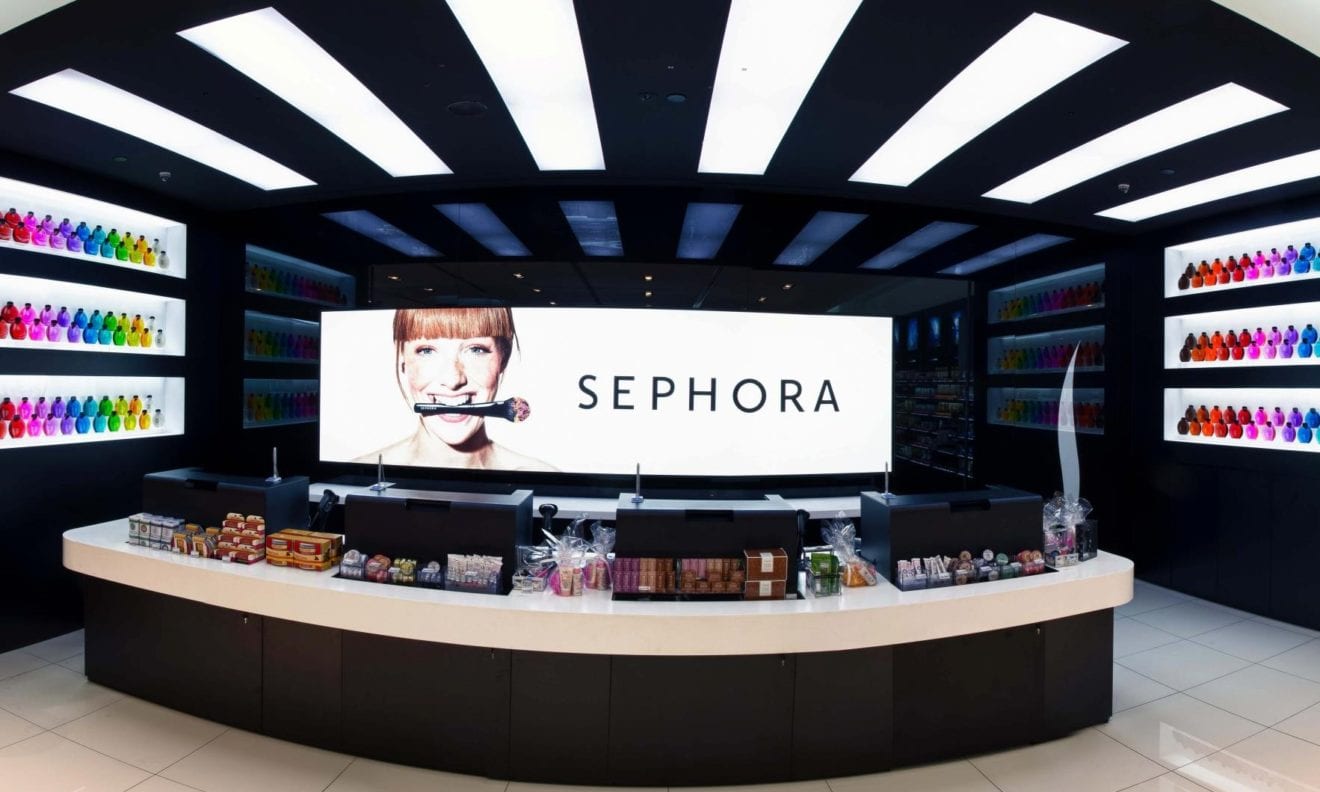
    In line with its brand ethos, the Sephora store is brightly lit with vibrant colours creating a lively atmosphere for its shoppers. The various categories of products have been divided into convenient sections enabling shoppers to pick their favourites with ease.

    Quoting on the retail numbers and its retail Omnichannel approach Vivek comments, “We have 16 operational stores and this Oberoi Mall, Goregaon, Mumbai store is the 17th store. We will be looking at opening 8 to 10 stores every year. As we evolve we have already seen the larger sizes of the stores also. On an average our stores are around 3,300 sq.ft. now and this will keep increasing with more and more brands coming in. Sephora is already a fully Omni brand where the customer can get the same experience from both online and offline. They have the choice to buy from the online store or come at the physical store and can even book the product online and pickup from the store. We operate through pour store and we deliver to the customer from the nearest store.”

  • Vietnam job seekers switch to foreign companies

    Vietnam job seekers switch to foreign companies

    The increase was recently announced by the executive search company Jobstreet.com.

    Le Thi Huyen Anh, key account sales manager at Jobstreet.com, attributed this to the appealing working environment, remuneration and bonus and other rewards at foreign firms.

    Speaking about the dramatic changes in the area of human resources, she said the element of technology is creating new job prospects, job titles and responsibilities and demanding specific skill sets and multitasking capabilities in new candidates as well as existing employees.

    But the ratio of Vietnamese employees who can meet the multitasking requirements in technology-based working environments remains modest, she said.

    According to Jobstreet’s bliss index of employees, a candidate’s final call on whether to select or prove their loyalty to a certain workplace depends not just on the income and job title. There are also other determinants such as position, reputation, corporate values, working culture and the community of fellow staff members, it said.

    Certain job titles like “officers” and “specialists” are offered higher wage increases and bonuses than others. Half of businesses recently surveyed by Jobstreet.com are committed to expanding recruitment while 10 percent plan to keep the recruitment ratio unaltered next year.

    Nguyen Thi Thu Trang, general manager of JobStreet.com, said the top three recruitment categories this year are wholesale-retail, communication-marketing and information technology.

    Vietnam received an estimated $16.2 billion in foreign direct investment (FDI) in the first half of this year, down 4.4 percent from the same period last year, according to the General Statistics Office.

  • Nike to rise salary of its employees

    Nike to rise salary of its employees

    After an internal review of the company’s pay structure, Nike has decided to increase the salaries of about 7,400 employees globally. 

    Ten per cent of the company’s workforce, across all job levels, will have their pay adjusted starting next month said Nike spokeswoman Illana Finlay in a statement on Monday. These changes are aimed to keep Nike salaries competitive within their industry, and “support a culture in which employees feel included and empowered.”

    The review comes at a time in which Nike’s HR policy is in the spotlight with several executive-level resignations, including president Trevor Edwards, in which Nike flagged “conduct inconsistent with Nike’s core values and against our code of conduct,” though there were no direct allegations of misconduct against Edwards.

    At the time, Nike’s human resources chief Monique Matheson noted the company had “failed” in promoting and hiring women and other senior-level positions.

    “While we’ve spoken about this many times, and tried different ways to achieve change, we have failed to gain traction,” said Matheson.

    “Our hiring and promotion decisions are not changing senior-level representation as quickly as we have wanted.”

    Deloitte LLP managing principal and vice chairman Cathleen Benko was recently appointed to the company’s board of directors, bringing experience leading an award-winning women’s initiative and broader inclusion focus at Deloitte.

  • Carrefour to open 300 mini stores in Indonesia

    Carrefour to open 300 mini stores in Indonesia

    Carrefour Indonesia has sealed a deal with the nation’s Mosque Council (Dewan Masjid Indonesia, DMI) to open up to 300 mini supermarkets.

    The stores will be built in mosque districts by Carrefour’s local entity Trans Retail Indonesia and range in size between 10sqm and 250sqm.

    According to Salaam Gateway, the company is working with the national mosque body to select districts for stores in cities including Jakarta, Sukabumi, Bandung, Bekasi, and Depok, as well as in provincial centres such as Riau, Padang, Lombok, and Makassar.

    VP for corporate communications with Trans Retail, Satria Hamid, says a memorandum of understanding has been signed with DMI “and we agreed on three points: boost human capital skills in retail management, grow the number of entrepreneurs from mosque districts, and increase the purchasing power of this captive market.”

    Profits will be shared equally.

    The retail infrastructure and store operations will be overseen by DMI and Trans Retail will supply products as well as providing technical assistance, training, and support on merchandising, safety, hygiene and other operational factors.

    The new Carrefour Indonesia stores will compete with Alfamart convenience stores.

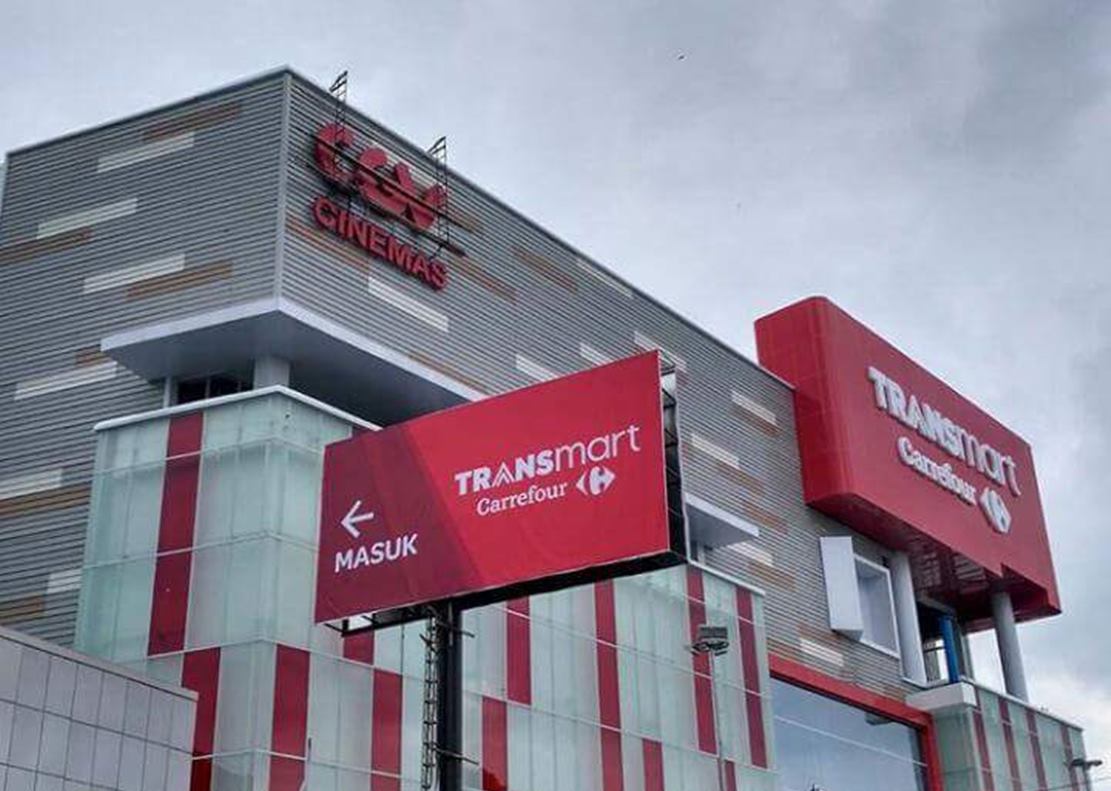
    Trans Retail operates 112 Carrefour hypermarkets and supermarkets across Indonesia under the umbrella of four brands: Carrefour, Transmart Carrefour, Transmart, and Groserindo Carrefour.

    Trans Retail’s parent CT Corp acquired 100 per cent of Carrefour Indonesia from Carrefour France in late 2012.

  • Know more about Amazon’s 5-minute shopping trip

    Know more about Amazon’s 5-minute shopping trip

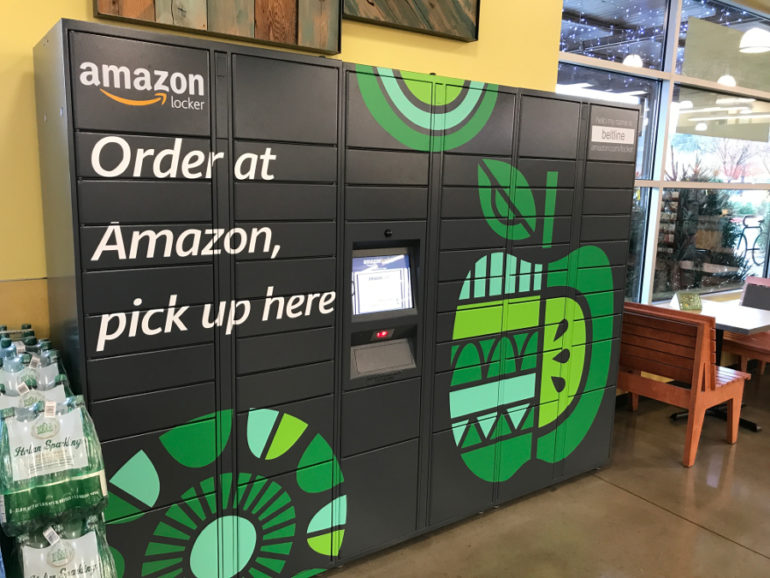
    Thanks to Amazon and Whole Foods, a new kind of locker talk could be sweeping the grocery sector, and it centers on how much can be bagged in a five-minute window.

    Micro-shopping trips, defined as trips that take less than five minutes, are becoming increasingly common thanks to grocery services that let customers order online and pick up in-store. The development made national news when such trips were reported to have climbed 8.7% at Whole Foods stores after Amazon acquired the grocery chain in August 2017, according to research by data-analyzing firm InMarket. The increase is attributed to its Amazon Lockers, where shoppers can pick up preordered items.

    These super-short trips can result in higher-proportioned revenue because shoppers who place pickup orders, encouraged by the prospect of a quick in-and-out visit, remain prone to split-second purchase decisions.

    “As good as delivery is getting — one-day delivery, sometimes one-hour delivery — that still can’t compete with the one-second immediacy of being in store and picking up that avocado … because I thought about it in that moment,” explained Todd Dipaola, chief executive and founder of InMarket.

    This explains why retailers from Walmart to Kroger are adding pickup options to attract time-strapped shoppers.

    Evidence that shopper lockers and similar pickup options lead to shorter trips exists in the breakdown of micro-trips at Whole Foods. Micro-visits at stores with Amazon Lockers rose by 11%, according to InMarket. At stores in the same cities without lockers, such trips rose by 7%.

    It counters what retailers strive for, which should be longer trips, but when shoppers have at their fingertips the means to shop wherever and however they want, food sellers are forced to acquiesce. However, smart merchants can find advantages in the micro-trips, from more efficient store formats to improved targeted marketing.

    Consider: 34% of shoppers who use click-and-collect shopping features (order online, pick up in-store) buy more than intended, according to research by WSL Strategic Retail. More important: 89% of those who use it are satisfied with the experience, largely because of the convenience.

    How big a segment is this? Right now, about 40% of U.S. shoppers use click-and-collect for groceries, according to Nielsen research, and the figure is expected to increase as the service becomes more available. Nielsen and the Food Marketing Institute estimate that Americans’ total online grocery spending will reach $100 billion between 2021 and 2023.

    Walmart Towers Over Convenience, Target and Kroger Click On

    As click-and-collect options expand, shopper loyalty shifts from brand to service, which often means ease. Among the services aimed to attract shoppers:

    Walmart Towers. In the first quarter of 2018, the superstore chain generated nearly $3.2 billion in e-commerce sales, according to its earnings report, and it is prioritizing online sales growth over that from new stores. Walmart operates 1,100 online grocery pickup locations and plans to add 500 pickup kiosks, or towers, by the end of 2018. It installed nearly 200 of the towers, which shoppers access by scanning barcodes into the kiosk computers, in 2017.

    Kroger’s ClickList. Online sales rose 66% in the first quarter of 2018, Kroger reported, crediting its ClickList in-store pickup service. The chain is even retrofitting some stores to accommodate ClickList, which enables users to retrieve orders at designated drive-thru areas. Among its features is a “favorites” list that tracks a shopper’s most commonly purchased items for faster reordering.

    Target Drives Up. Target is aiming for micro-parking with its Drive Up service, which it recently extended to 270 locations in the South. Through the app-enabled option, customers can place orders and wait to have their items brought directly to their cars by a store team member. Orders arrive within two minutes of the consumer pulling into the store parking lot.

    The 5-Minute Window Is Open for Business

    But how can a parking lot encounter, or any of these designated pickup options, translate to added purchases? It all hinges on understanding what the shopper is trying to accomplish.

    Here are ways merchants use what they offer to better cater to shoppers in a five-minute window.

    Be complementary. In addition to tracking frequently ordered items, Kroger can change suggestions week by week based on the items its ClickList shoppers purchase. With this history, it can alert shoppers if they will soon need to replenish detergent or benefit from complementary products. Promotions sent while the shopper is online can translate to larger digital baskets, while special promotions timed for at-store pickup can encourage the shopper to run in for a discounted item (particularly when those items are near the pickup area and can be easily retrieved).

    Shorten other causes for a trip. Shoppers do not always enter a store to pick up an order or even fulfill a list. Sometimes they have to return or exchange a purchase, grab a cup of coffee or simply use the restroom. Beauty vending machines that sell lipstick, cologne, shaving items and hair accessories can be placed by the restroom (two birds; one stone). As for transforming the pesky return process into an easy, quick shopping trip, Walmart’s Mobile Express Returns app allows shoppers to make super-fast returns in dedicated express lanes — and it gets them into the store, perhaps to buy a few dinner ingredients.

    Cover the last foot. This is where retailers really are tasked with understanding the shopper’s pain when picking up an online order, because they often have a lot going on. If a consumer is saddled with kids who are hungry after a day at school and a lengthening mental to-do list, she simply does not want to traverse the store for another thing. So retailers can bring the things she needs to her. Nearby grab-and-go snacks, prepared meals and even wine could find their way into her bag — if an easy payment option is available.

    Necessary for any of these efforts to work is understanding the shopper’s pain points and remembering that while convenience is essential for micro-tripping, not all shoppers insist convenience be fleeting. Lockers may help retailers bag sales, but they won’t capture loyalty — that takes locking in on shopper lifestyles.

  • Indonesia Scrambles to Mitigate Trade War With US

    Indonesia Scrambles to Mitigate Trade War With US

    While bracing for the fallout from a trade war between China and the United States, Indonesia is doing its best to avoid sparking a trade war of its own with the world’s largest economy.

    Indonesia found itself on the wrong end of a trade imbalance with the United States, amid President Donald Trump’s apparent dislike of trade deficits.

    Now the United States is planning to a revoke duty-free incentive for Indonesian goods under the Generalized System of Preferences (GSP), imposed in 1976 to increase poor and developing countries’ competitiveness in global trade. This could affect some $2 billion in Indonesian exports to the United States.

    If the plan passes, it could have serious repercussions for Indonesia’s manufacturing and agricultural sectors – key industries that provide most of the jobs in the archipelago.

    “I think the problem is the United States’ attitude towards trade and specifically towards surpluses and deficits. It’s a fundamental misunderstanding of the way trade works… It’s unfortunate that Indonesia has been singled out, simply for having a trade surplus,” Chris Clague, managing editor of the Economist Intelligence Unit’s thought leadership division in Asia said.

    Indonesia ranked in 16th place among countries with trade surpluses with the United States at $9.7 billion last year – nearly three times higher than in 2013.

    The United States has been demanding greater access for its goods, services and investments in Indonesia, in addition to several other issues, such as stronger intellectual property rights protection. But Indonesia does not have a comprehensive bilateral free-trade agreement with the United States and efforts to bring the countries in under multilateral deals such as the Regional Comprehensive Economic Partnership (RCEP) and Trans-Pacific Partnership (TPP) also fell through, leaving limited avenues for the United States to get what it wants.

    “[The GSP] is a unilateral agreement, so if [the United States] wants to evaluate it, we have no right to protest. We can only serve what they want,” Coordinating Economic Affairs Minister Darmin Nasution told reporters last week.

    “Because the government has an interest in maintaining the facility… we will do everything we can to keep it,” he said.

    Trade Minister Enggartiasto Lukita will lead a team to the United States on July 21-28 to try and persuade that country to keep its special tariff treatment for some Indonesian products, the ministry said in a statement.

    This will be the first official meeting between the Ministry of Trade and its US counterpart under Trump’s presidency.

    “Indonesia is ready to partner with the United States and address the issue of a trade deficit because the two countries have products and services that are not competing but complementary,” Enggartiasto said in the statement.

    While the United States is also evaluating special tariffs for India and Kazakhstan, Indonesia is the only country that has been given a chance to discuss the matter with the United States.

    “We can lobby the United States because we have a big market, an investment destination, a strategic region and good economic potential in the region. So our bargaining position is very strong to negotiate with the United States,” Indonesian Textile Association (API) chairman Ade Sudrajat said on Tuesday.

    He said Indonesia should establish a free-trade arrangement with the United States to ensure that country cannot withdraw its trade facilities as it wishes. That way, Indonesian exports can also easily enter the United States and be more competitive as it will not be subject to tariffs, he said.

    According to the Trade Ministry, there are plans to finalize six free-trade agreements or comprehensive economic partnership agreements this year. They include the RCEP, Indonesia-Australia Comprehensive Economic Partnership Agreement, Indonesia-European Free-Trade Association, Indonesia-EU Comprehensive Economic Partnership Agreement, Indonesia-Iran Preferential Trade Agreement and Indonesia-Malaysia Border-Trade Agreement.

    Steel Spillover

    The world’s two largest economies kicked off a trade war two weeks ago with the United States imposing punitive tariffs of 25 percent on $34 billion worth of Chinese imports, which prompted the latter to immediately retaliate. The United States wants to reduce its trade deficit with China after it hit a record high of $275.81 billion in 2017.

    The United States imposed import tariffs on several Chinese products, including steel and aluminum, which could spill over to other countries, such as Indonesia. The archipelago forms part of a free-trade arrangement between the Association of Southeast Asian Nations (Asean) and China, which commenced in 2010.

    Indonesian steel imports rose 33 percent to $4.7 billion in the first half of this year, compared with the same period a year ago.

    But Hidayat Triseputro, executive director of the Indonesian Iron and Steel Industry Association (IISIA), said between 25 percent and 30 percent of the steel imports are the result of dumping, making it very difficult for local producers to compete.

    Indonesia produced 4.8 million metric tons of the alloy last year, according to World Steel Association data. This is a tiny amount compared with the 831.7 million tons by China, the world’s largest steel producer.

    Still, domestic production should be enough to cover 90 percent of Indonesian steel demand.

    “Imports dominate up to 40 percent of our market… That’s why we want to tighten imports; there must be detailed data to screen them,” Hidayat said.

    However, what happens with the steel industry could soon befall other industries. The International Monetary Fund has warned that a trade war between the United States and other countries could cost the global economy $430 billion and risk lowering global growth by 0.5 percent by 2020.

    “This is potentially very, very bad, if not bordering on something catastrophic. The world economy has finally recovered from the impact of the 2008-09 global financial crisis … and now we’re running into a situation that could have a potentially devastating and deadening effect on global trade,” said Clague of the Economist Intelligence Unit.

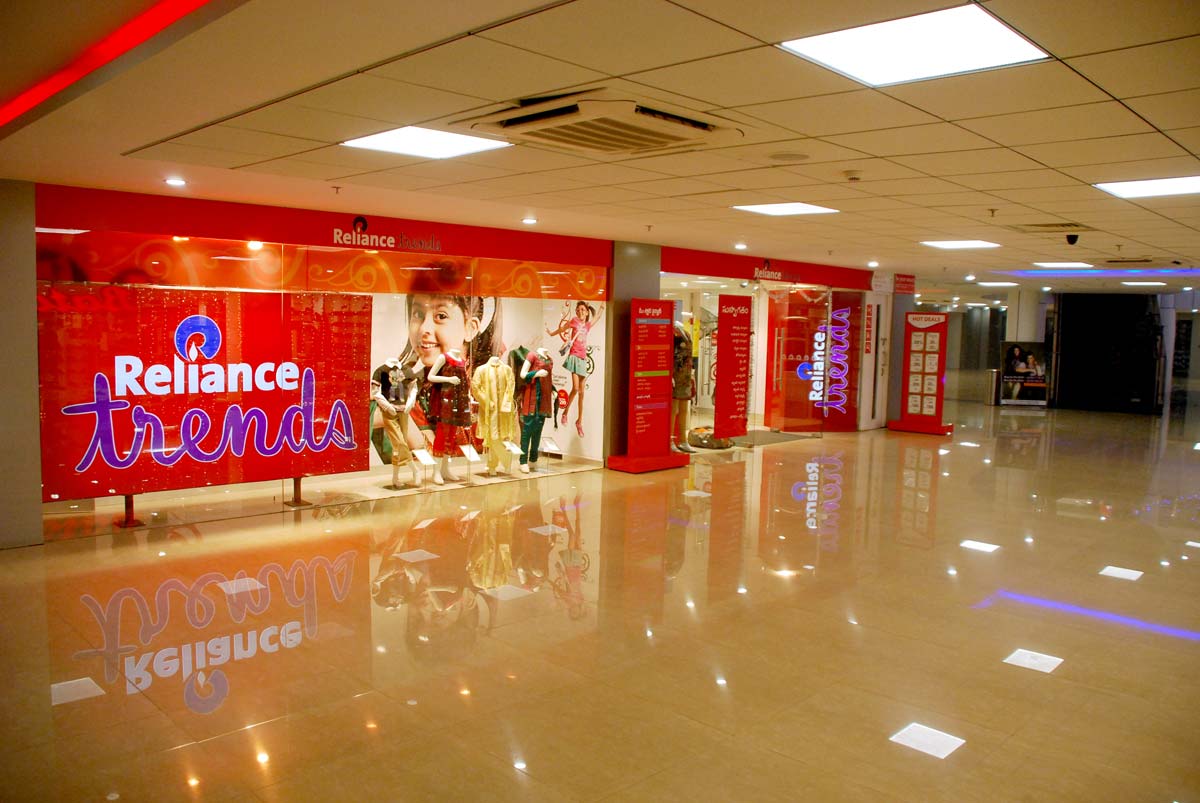
  • Reliance Brands buys 8 pc additional stake in Genesis Colors

    Reliance Brands buys 8 pc additional stake in Genesis Colors

    Reliance Industries Ltd on Saturday said its subsidiary has purchased additional 8.14 percent stake in luxury fashion retail firm Genesis Colors for about Rs 34.17 crore.

    “Reliance Brands, a subsidiary of the company, has purchased an additional 8.14 percent equity stake in luxury fashion retail firm Genesis Colors Limited for about Rs 34.17 crore, taking its total stake in GCL to 9.29 percent,” RIL said in a filing.

    According to a PTI report: GCL was incorporated in November, 1998 and is in retailing and wholesale business of branded readymade garments, bags, footwear and accessories directly and through its subsidiary/ joint ventures.

    “GCL belongs to a similar industry as Reliance Brands Limited. This acquisition will add to the existing portfolio of branded fashion retail outlets,” the filing said.

    GCL’s had provisional annual turnover of Rs 86.02 crore in fiscal year 2017-18. It had turnover of Rs 80.04 crore and Rs 114.16 crore in 2016-17 and FY 2015-16, respectively, the filing added.

  • Brands are turning to influencer marketing and duty-free too

    Brands are turning to influencer marketing and duty-free too

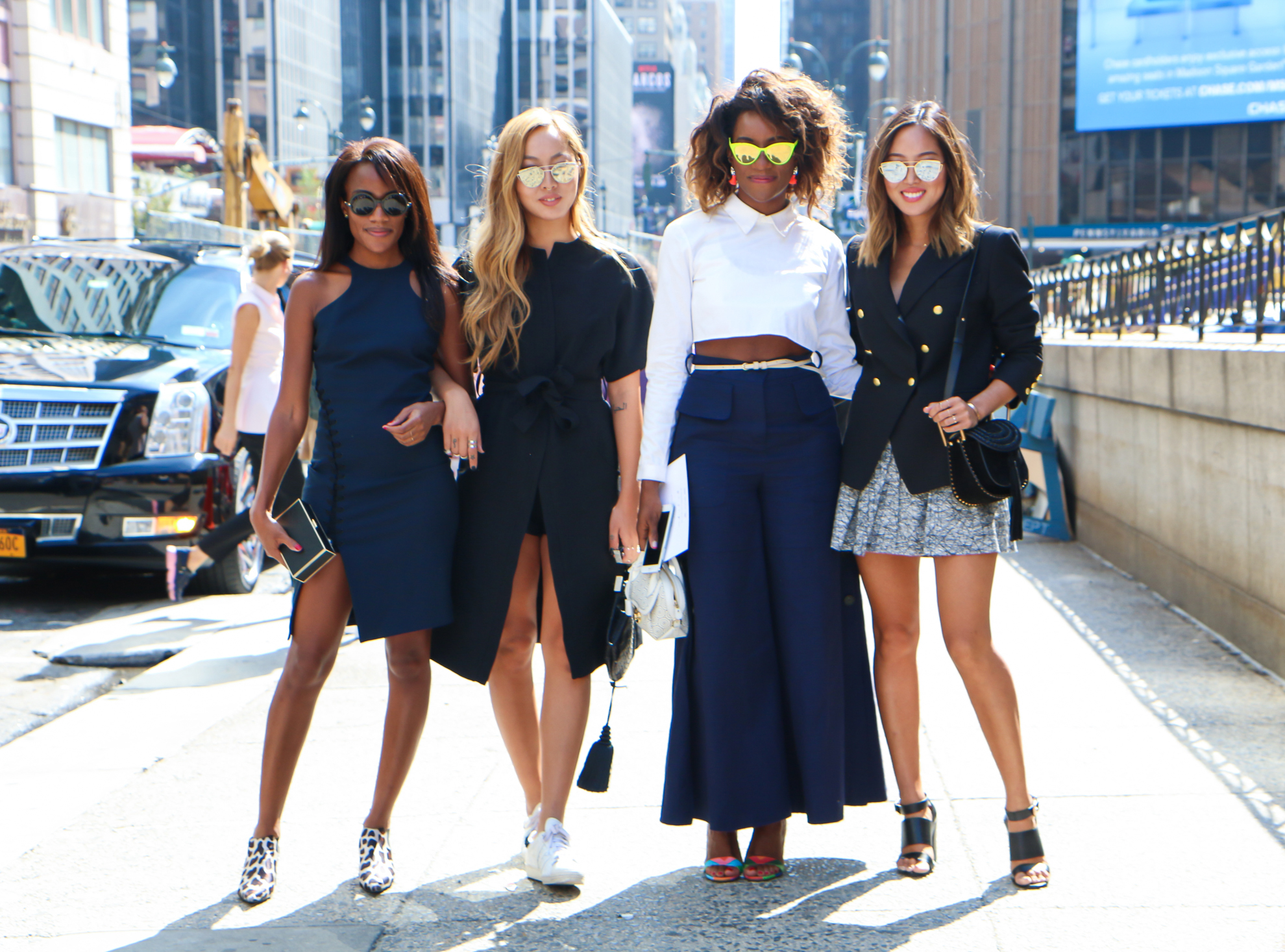
    Fashion and beauty industries have quickly caught on to the trend that the younger generation is spending a significant amount of time on social media platforms, such as Instagram, Facebook, Twitter and YouTube, rather than traditional advertising platforms like TV.

    A 2017 survey by statistics portal Statista found that 84 percent of Koreans are active social media users.

    Another set of statistics showed that an average of 2 hours and 15 minutes per day is spent on social networks globally. As for Instagram, 90 percent of its users are younger than 35, and 68 percent are female, according to US social media marketing firm Dreamgrow.

    This has led to more brands turning to influencer marketing to lure consumers, further boosting the power of social media stars.

    “Influencer marketing has more focus on influential people rather than the target market as a whole. It identifies the individuals with influence, and orients marketing activities around these influencer,” Park Kyung-a, CEO of mobile marketing and advertising company Stella said.

    “Followers of these influencers are more than fans who like celebrities since they not only gain useful information from them but also empathize, communicate, and share common interests with influencers,” Park said.

    Paying celebrities to share branded content on social media is one of the most widely-known forms of influencer marketing.

    This kind of advertising, in which celebrities and popular Instagramers earn money by posting their experience with products, has developed globally in recent years on social media platforms.

    In the US, the social media influencer market was valued at US$1 billion (1.1 trillion won) in 2016, but is expected to reach US$2 billion by 2019, industry data showed. The US alone contributes to a whopping 85 percent of Instagram’s total advertisement revenue, according to data.

    The lucrative business is also significant in other countries. One of China’s best-known Wang Hong — a Chinese word for social media star — reportedly earns US$46 million a year. According to Forbes, top Chinese actress Fan Bingbing made about US$21 million in 2016.

    In Korea, over 2 trillion won was spent for advertising on mobile platforms last year, surpassing that of advertising on cable TV — 1.8 trillion won — for the first time.

    While Instagram influencers in the US charge up to US$100,000 for a sponsored post, industry insiders here say brands in Korea pay from 100,000 won to more than 2 million won for a single social media post, depending on the loyalty of the person’s followers.

    Beauty and fast fashion brands are at the forefront of using social media influencers who have millions of followers.

    South Korean cosmetics giant Amorepacific is one of them. Its budget cosmetics brand Etude House has seen success in influencer marketing, the company said.

    In February, it collaborated with beauty YouTuber Holy, who has some 382,000 subscribers, to promote a new cleansing water product. A video of Holy trying out the product garnered more than 630,000 views in just four days after its release. In a month, the video garnered over 3.8 million views, according to the company.

    “As these influencers try to review the product from a creative, new and different point of view, in ways that sometimes the company cannot think of, it is more appealing and more candid,” said Ahn Hyeon-jin, a public relations official at Amorepacific.

    “The rapid growth of influencer marketing shows how the ad industry is transforming as brands struggle to reach consumers in a widespread world of diverse content on the internet, which is now the biggest platform ahead of TV,” he added.

    Viral online posts have indeed raised revenue, according to Galleria Department store.

    In March, Galleria Department store collaborated with beauty influencer Sangahtube for the marketing of Tom Ford beauty products.

    Following the release of online content on Sangahtube’s social media channels, sales of Tom Ford beauty products on its online mall went up by 55 percent on-year, officials said.

    To make the most of influencer marketing, brands are testing ways to measure paid-partnership posts, industry insiders say.

    Although influencer marketing has many benefits in terms of brand awareness and winning over consumers, it can also go awry if an influencer loses public support.

    “To minimize the risks of influencer marketing, we determine the type of influencers the brand is engaging with before deciding on collaboration. While reach and engagement rates are great indicators in choosing influencers, the factors that define each influencer persona are found in influencer’s motivations and attitudes,” said Ahn from Amorepacific.

    Since there’s little that brands can do to predict whether an influencer will lose public support, brands are trying out new ways of creating sponsored content.

    “Brands are finding their own approach to transparency and authenticity, whether or not the term ‘sponsored’ has a negative impact on consumer perception,” said an agency official who has planned several offline events with social media stars.

    “Since paid partnership does not always equate high sales or explosive consumer feedback, what’s important is that the brand matches with the right influencer for its product to sincerely deliver the brand’s value — or at least what the brand wants to say,” she added.

    Also Shinsegae, which opened its second city center duty-free store in Seoul at Express Bus Terminal in Gangnam on 18 July, has a dedicated area for social media users.

    The new five-story shopping space seeks to attract young and rich foreign tourists interested in Korean cosmetics and fashion. Thirty-six percent of the 13,570-square-meter space has been allotted to Korean brands.

    Inside the store, there is a space called Studio S where social media influencers can use microphones and lights for live broadcasting and filming. On the store’s launch day, Chinese online stars, often referred to as Wang Hongs, crowded the complex.

    The store is not without international luxury brands. It is the first duty-free store in the world to offer Manolo Blahnik and the first duty-free store in Korea to have Italian women’s shoes brand Sergio Rossi.

    A Shinsegae official said the store put emphasis on high-end shoes, accessories and watches.

    Other shops include Gucci, Saint Lauren, Chloe, Marc Jacobs, Kenzo and others. By September, some 350 shops will be housed in the Gangnam store. Chanel, Louis Vuitton and Hermes have not entered this store but Shinsegae is reportedly continuing to speak with the luxury brands.

    Each floor of Shinsegae’s Gangnam duty-free store is connected to the original Shinsegae Department Store, and there is a giant food court called Famille Station. It’s also close to JW Marriott Hotel Seoul.

    Shinsegae anticipates sales revenue of 500 billion won (US$441 million) for the first year of business. Its first in-city duty-free store in Myeong-dong annually records sales of 1.8 trillion won.

    Shingsegae DF Global is the third-largest duty-free operator in Korea, following Lotte and Shilla in terms of market share.

  • Palm Oil From Indonesia’s Shrinking Forests Taints Global Brands

    Palm Oil From Indonesia’s Shrinking Forests Taints Global Brands

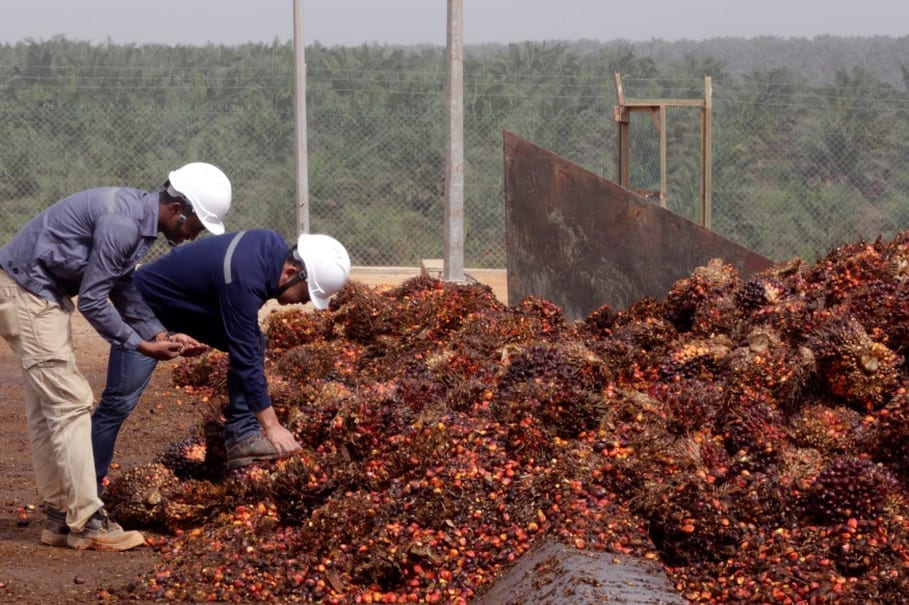
    Palm oil sourced from illegally cleared rainforest areas in Indonesia has flowed through traders to major consumer goods brands despite widespread commitments to cease purchases of non-sustainable oil, a new report says.

    Palm oil companies Royal Golden Eagle (RGE), Wilmar, Musim Mas Group and Golden Agri Resources sold oil from 21 “tainted” mills to more than a dozen global brands including Nestlé and Unilever, according to the report by Eyes on the Forest (EoF), a coalition of environmental nongovernmental organizations, including WWF Indonesia.

    In spot checks since 2011, EoF used GPS tracking to follow trucks carrying palm oil fruit, known as fresh fruit bunches, to mills from plantations within Tesso Nilo National Park and the Bukit Tigapuluh protected forest areas in central Sumatra.

    “All companies bought directly or indirectly from at least some of the 21 implicated mills,” according to the report, which calls for traceability on palm oil to be improved and to be extended to plantations that supply mills.

    Forest cover on Sumatra Island, home to endangered tigers, orangutans and elephants, had declined by more than half to 11 million hectares in 2016 from the 25 million hectares it had in 1985, as palm oil and other plantations have expanded and encroached on protected areas.

    Nestlé said in an emailed response it was “committed to tackling” deforestation. A company spokeswoman said the firm was working with partners to transform the palm oil industry “further down the supply chain.”

    Unilever said by email it publicly disclosed suppliers and mill details and was committed to increasing traceability in the palm oil supply chain “and to working with our suppliers and partners to resolve issues.”

    Unilever also said it was examining “details behind the investigation to determine the right approach and next steps.”

    Environment Ministry spokesman Djati Witjaksono Hadi said smallholders, “not companies,” owned plantations in national parks.

    Hadi referred further questions on the mills to the ministries of agriculture and industry, which did not immediately respond to requests for comment.

    Similar issues were highlighted in earlier EoF reports including in 2016, but a lack of strict supervision by traders has led to more forest clearing and illegally grown palm oil entering global supply chains despite their commitments to improve traceability and stop deforestation, the report said.

    Traceability

    “We acknowledge that it’s really challenging to get traceability beyond the mill and going right down to the plantation source,” Elizabeth Clarke, WWF global palm oil lead said. “But it’s absolutely paramount that they do this.”

    Among those mentioned in the report, Wilmar International was accused of buying palm oil from Citra Riau Sarana (CRS) whose three mills were found to have bought fresh fruit bunches from Tesso Nilo in 2011, 2012, 2015 and 2017, even though Wilmar sold its 95 percent stake in CRS in 2014.

    “Whatever action they’ve been taking, it hasn’t fixed that particular mill, and this is what we’re asking these particular individuals to do,” the WWF’s Clarke said.

    Responding to the report, Wilmar said it had “continued to engage with CRS and to monitor their traceability system” from 2014. “While there was progress made on traceability, we have stopped purchasing from them since June 2018 for other reasons,” Wilmar said in an emailed statement.

    But Wilmar said it had not received “a clear confirmation from the authorities which companies are illegal in the landscape” despite making a request to the Environment Ministry.

    CRS could not immediately be reached by phone for comment.

    Sime Darby Plantation, also named in the report, said it had 94 percent visibility of its supply chain “which provides key customers access to traceability information that can help them make informed choices about the palm oil products that they purchase.”

    It also said it was working with nongovernmental organizations to eradicate deforestation for the remaining 6 percent.

    Daniel A. Prakarsa, head of downstream sustainability at Sinar Mas Agribusiness and Food, a subsidiary of Golden Agri, said the company considered 39 percent of its output to be fully traceable, and was targeting full traceability from the 427 mills of its suppliers by 2020.

    “Our policy is to help suppliers to comply. Not just [saying] ‘this is our standard, you must comply, otherwise we stop [buying],’” he said.

    Musim Mas Group did not immediately respond to a written request for comment. On its website, the group says it is working with smallholders and other stakeholders along the supply chain to achieve sustainable palm oil production.

    Clarke from the WWF said trading firms “need to make it very clear to the mills that they won’t buy from them until they can provide assurance that it is 100 percent legal.”

  • Qoo10’s acquisition is finally done

    Qoo10’s acquisition is finally done

    US-headquartered eBay has bought out its partners in the Japanese e-commerce business Qoo10.

    According to regulatory filings seen by US media, eBay has paid US$306 million in cash for Qoo10’s Singapore-headquartered parent Giosis and relinquished its existing equity holding.

    In July 2015, eBay was a partner in a founding round lead by Singapore Press Holdings, and also including Saban Capital Group, UVM 2 Venture Investments LP, Brookside Capital and Oak Investment Partners, which raised $182 million. eBay was an original founding investor.

    At the time, Qoo10 operated six online e-commerce marketplaces across Asia – in Singapore, Japan, Indonesia, Malaysia, Hong Kong and China. It had 17.6 million registered users across the region and a combined turnover of more than US$408 million in 2014.

    eBay’s investment this month would value Giosis at $573 million, given the cash paid combined with eBay’s shareholding of $266 million.

    Earlier this year, when flagging the proposed purchase, eBay CFO Scott Schenkel projected Qoo10 would generate about $1 billion in gross merchandise volume per year, a fraction of eBay’s circa $100 billion expected this year.

  • New management targets lower profits for Vietnam’s top beer maker

    New management targets lower profits for Vietnam’s top beer maker

    Sabeco targets profits of VND4 trillion ($173 million) this year on revenues of VND36.09 trillion ($1.58 billion), a 2.4 percent rise over last year.

    Newly appointed chairman Koh Poh Tiong explained to shareholders that spending on brand promotion would be higher this year.

    He said rising cost of raw materials due to bad harvests across the world and the new special consumption tax, up to 60 percent from 50 percent, effective this year, would also hit profits.

    Last year Sabeco produced 1.8 billion liters of beer and reported sales of VND35.22 trillion ($1.54 billion), up 11.2 per cent year-on-year, and net profit of VND4.95 trillion ($216 million), up 9.6 percent.

    This is Sabeco’s first annual general meeting since the TCC Group, led by Thai tycoon Charoen Sirivadhanabhakdi, paid Vietnam’s Ministry of Industry and Trade (MOIT) VND110 trillion ($4.89 billion) for a 53.59 percent stake late last year.

    The management said that thanks to Sabeco’s collaboration with Thai Beverage it would be able to get raw materials cheaper in future.

    The firm also hopes to capitalize on ThaiBev’s experience in public relations, logistics and working with global PR agencies to promote its brand internationally.

    The management said Sabeco is exploring opportunities to expand capacity.

    Shareholders heard that the firm faced difficulties in competing with strong foreign brands, and so plans to further develop its distribution networks, especially in HCMC.

    Asked about the possibility that the Sabeco brand could disappear since “it is in Thai hands” now, especially if MOIT divests further, he said TCC Group plans to develop this brand since it had spent an enormous $4.89 billion to buy it.Koh said Sabeco has a 40 percent market share.

    Last April the ministry had called on Sabeco to pay VND2.5 trillion ($111 million) in undistributed profits to the government, the major shareholder with an 89.6 per cent stake as of December 31, 2016.

    Koh told shareholders that since the firm had submitted related documents to the government, he could not give them a more detailed answer.

    The AGM approved a new seven-member board for 2018-23 including four representatives of the Thai company – Koh, Michael Chye Hin Feh, Pramoah Phornprapha and Tran Kim Nga.

    Of the remaining three, chief accountant Nguyen Tien Dung and Luong Thanh Hai are MOIT’s representatives.

    The price of Sabeco (sticker SAB) shares on the Ho Chi Minh stock exchange has plunged since TCC Group’s acquisition.

    On July 20 it traded at around VND200,000 ($8.74), giving the company a market value of VND128 trillion ($5.6 billion).

    TCC Group had bought Sabeco’s shares at VND320,000 ($13.98).

    Koh told shareholders that the price merely reflects supply and demand in the market, while TCC looks at the long term and the firm’s future prospects.

    Vietnam is one of the top 10 beer producing countries in the world besides being the top consumer in Southeast Asia and the third largest in Asia with an average of 43 liters per person per year, according to Sabeco’s management.

    MOIT figures show that the brewery market growth has been slowing, growing at only around 5 per cent in the last five years compared with 10 per cent 10 years ago.

    Last year it grew at 5.6 per cent.

  • Gov’t Eyes $200m in Additional Revenue Next Year From Excise on Vaping Liquid

    Gov’t Eyes $200m in Additional Revenue Next Year From Excise on Vaping Liquid

    The Ministry of Finance estimates that the government may collect up to Rp 3 trillion ($207 million) in additional revenue next year from a new excise on tobacco extract, or vaping liquid, commonly used in electronic cigarettes.

    While Indonesians have been puffing on e-cigarettes since 2013, the government only imposed an excise on vaping liquid on July 1. Under a new regulation, the liquid is subject to a 57 percent excise tax, more than four times the maximum excise on regular cigarettes.

    The government requires up to 200 domestic producers to start attaching excise ribbons to the product containers and pay excise on it by Oct. 31. Only vaping liquids containing tobacco extract or nicotine are subject to the excise.

    “If there are any businesses not using the ribbon after the transition deadline, we will seize it,” said Heru Pambudi, director general of customs and excise at the Ministry of Finance.

    According to Noegroho Wahyu, acting director of excise, only three producers are currently registered but the government expects the remaining producers to do so before the deadline.

    The government will likely only collect between Rp 50 billion and Rp 70 billion in additional revenue from the new excise this year, but it eyes potential revenue of around Rp 3 trillion per year once all manufacturers are registered, Noegroho said.

    Vaping liquid is the latest commodity to attract excise as part of government efforts to curb people’s consumption of harmful substances. Indonesia is also considering to tax on plastic bags and soft drinks, but the government has yet to make a decision on the matter.

    Indonesia collected Rp 151 trillion in excise – mainly from cigarettes – last year, accounting for 9.1 percent of total state revenue.

    The government considers several aspects, including public health, impact on the industry and tobacco and clove farmers, in determining excise tariffs on tobacco products, Noegroho said.

    With vaping liquid subject to the maximum rate for tobacco-related products, there may not be any further increases in the future.

    Aryo Andrianto, chairman of the Indonesian Personal Vaporizer Association (APVI), said the excise rule means the government has officially acknowledged and provided the industry with legal certainty.

    Vaping liquid producers meanwhile plan to only increase their prices by a maximum of 20 percent to soften the blow on consumers, Aryo said.

    “They don’t mind [the increase],” he said.

    APVI members also hope the government may be more willing to support the industry’s export efforts.

    Deni Syarifa, chairman of the E-Liquid Micro-Entrepreneurs Association (APeM), estimates that manufacturers can export up to 2 million bottles of vaping liquid per month.

    “There is currently demand for around 5,000 to 10,000 bottles per month from just one country,” Deni said, adding that producers plan to ship the liquid to countries in Asia, Central America and Europe.

  • Prime members in India enjoyed the biggest Prime Day yet

    Prime members in India enjoyed the biggest Prime Day yet

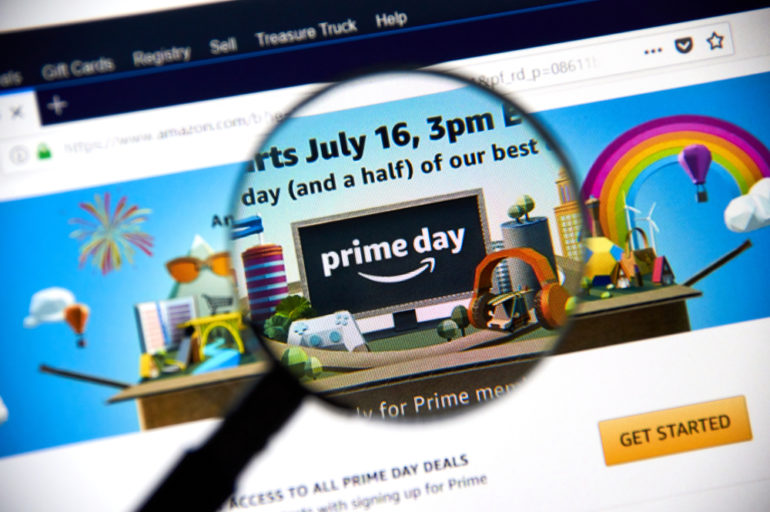
    Prime members in India joined members in 16 other countries to celebrate Prime Day, Amazon’s exclusive shopping event for Prime members. The 36 hours during Prime Day saw members in India shop and stream as never before, taking advantage of 200+ exclusive new product launches, thousands of deals, and video and music selections specially curated for Prime Day.

    More new Prime members joined the program in the one week leading up to Prime Day than any week since the launch of Prime in India. Additionally, more members than ever enjoyed Prime Video and Amazon Prime Music content, with the week leading up to Prime Day having the highest number of streamers ever.

    “Prime Day offers us a unique opportunity to thank Prime members with a celebration of our best deals, exclusive selection as well as new Prime Video and Prime Music content,” said Amit Agarwal, Senior Vice President and Country Head, Amazon India.

    Agarwal adds, “Extending Prime Day to 36 hours this year allowed us to further reward members with unbeatable deals, access to exclusive new products and unforgettable experiences that highlight the many benefits of a Prime membership. We also want to thank our sellers, brands and our content partners who helped to make Prime Day bigger and better.”

    Amazon Prime Day 2018 Shopping Highlights (Compared to normal business days in June 2018)

    – Prime members shopped for deals and streamed content across hundreds of cities in India, including Lucknow, Ludhiana, Jamshedpur, Ahmedabad, Noida, Thane, Kochi, Ernakulam, amongst others.
    – Customers in India purchased over 5X as many Fire TV devices this Prime Day than last Prime Day. July 17 was the best day ever for Echo devices on Amazon.in.
    – Wireless grew over 5X, offering members brands like OnePlus, Redmi, Huawei and Honor.
    – Large Appliance grew 9X and included selection from Bosch dishwashers and washing machines.
    – Everyday essentials saw 3X overall growth with Amazon Pantry finding strong customer favour. Members enjoyed brands like Nestle’s new breakfast cereal NesPlus, Saffola Oats, Dettol Liquid Handwash and Nivea Fresh Active Deodarant.
    – Fashion saw an over 2X growth with new brand launches including brands like Marks & Spencer and New Balance.
    – Consumer Electronics grew over 4X, with a Buy One Get One deal from TCL TVs and new launches of Sennheiser Wireless Noise Cancellation headphones and Bose QC 25 headphones.
    – Prime members topped up their Amazon Pay balance 7X more than on a regular day.

    Small and Medium-Sized Business Spotlight

    Prime Day 2018 was a success for small and medium-sized businesses who put their passion and unique skill sets on display. Prime members around India purchased thousands of products from these entrepreneurs, startups, artisans and mom-and-pop shops. Over 50,000 participating small and medium-sized businesses saw an average growth of 240 percent this Prime Day over an average day in June. Amazon Launchpad start-ups saw an average of 6X growth.

    In the new Prime exclusive launches, RoadGods (Xator backpack), Leaf Wearables (Beast headphones), Spruce Shave Club (beard oil & beard wash), Fego (motor bike air suspension seat) and Smartivity (DIY educational toys) were among the most popular products.

    “We are extremely happy with how Prime Day turned out for us. Our brand saw a spike of over 2X in sales and units sold over business as usual! This is very encouraging for us and the artisans working with us.”- Ravi and Gunjeet Singh, Two Moustaches

    “Prime Day 2018 has been phenomenal for RoadGods. The response to our new products ‘Xator’ and ‘Blue Ghost’ have been extremely encouraging. We saw a 2X growth in our overall business in just 36 hours! ” – Apoorv Mangalam RoadGods

    “Being a new start-up on Amazon Launchpad, this was our first Prime Day experience and we couldn’t have asked for more. Our brand saw more than 10X sales growth over business as usual in less than two days. And the cherry on the cake was to get mattress orders from all across the country, from Faridabad to Mysore.” – Ankit Garg, Wakefit

    Brand Spotlight

    “Red as a colour emotes a sense of self-confidence and positivity, and with the OnePlus 6 Red Edition, we aim to deliver a vivid sensory experience that will last for years. Amazon’s Prime Day is a great opportunity for our community to get their hands on this special edition in India. Last year, we received record sales for OnePlus 5 during Prime Day and this year, OnePlus 6 Red has crossed that mark by miles.” said Vikas Agarwal, General Manager – India, OnePlus

    “The launch of NesPlus through a digital-first approach marks an important milestone in the brand’s journey. We are extremely overwhelmed by the response that NesPlus has received for Prime Day across the towns and cities of India. NesPlus became no. 1 in the gourmet section of grocery and sold 1 unit every 3 seconds within hours of being on sale. With consumers increasingly opting for solutions online, it has become vital for all brands to move towards an integrated plan of action. Over a million customers have already interacted with the brand so far through the various online initiatives, specially the Virtual Reality integration. We are very excited to partner with Amazon for the NesPlus journey in India.” said Aparna Chopra, Business Executive Officer, Nestlé Breakfast Cereals

    Unique Prime experiences Across India

    In the weeks leading up to Prime Day 2018, Prime members saw Amazon unbox real-world experiences across the country. Amazon India had featured a virtual reality (VR) experience for customers in India’s top metros. Tens of thousands of customers in Delhi, Mumbai, Bangalore, Chennai and Kolkata visited top malls before July 17 to experience hundreds of new products launching exclusively on Prime Day. Additionally, pop-up installations and augmented reality experiences fueled customer excitement in the run-up to Prime Day 2018.