Tag: asia

  • CIMB Thai’s Q2 profit down 46.4% on higher bad debts, impairment losses

    CIMB Thai’s Q2 profit down 46.4% on higher bad debts, impairment losses

    CIMB Group Holdings Bhd’s 94.11%-owned indirect subsidiary CIMB Thai Bank PCL reported a 46.4% decline in net profit to THB191.2 million (RM23.2 million) for the second quarter ended June 30, 2018 against THB356.6 million (RM43.3 million) in the previous corresponding period, mainly dragged by bad and doubtful debts and impairment losses.

    Its operating income expanded 4.9% to THB3.4 billion from THB3.25 billion for the quarter under review.

    For the six-month period, CIMB Thai’s net profit went down 24.6% to THB 360.1 million, due to higher operating expenses coupled with a 1.0% increase in provisions. Meanwhile, its operating income rose 6.5% to THB6.8 billion.

    CIMB Thai’s net interest margin over earning assets stood at 3.87%, higher than the 3.81% a year ago, driven by more efficient management of funding costs.

    As at June 30, 2018, total gross loans (inclusive of loans guaranteed by other banks and loans to financial institutions) stood at THB215.2 billion, an increase of 1% from December 31, 2017.

    Loan loss coverage ratio decreased to 90.1% as at 30 June 2018 from 93.2% at the end of December 2017. As at 30 June 2018, total provisions stood at THB11.3 billion, translating to a THB4 billion excess over the Bank of Thailand’s reserve requirements.

    Total consolidated capital funds as at June 30, 2018 stood at THB43.9 billion. Bank of International Settlement (BIS) ratio stood at 17%, 12% of which comprised Tier-1-capital.

    At the noon break, CIMB Group’s share price fell 2 sen or 0.3% to RM5.83 on 7.55 million shares done.

  • John Herrera made debut in the Philippines

    John Herrera made debut in the Philippines

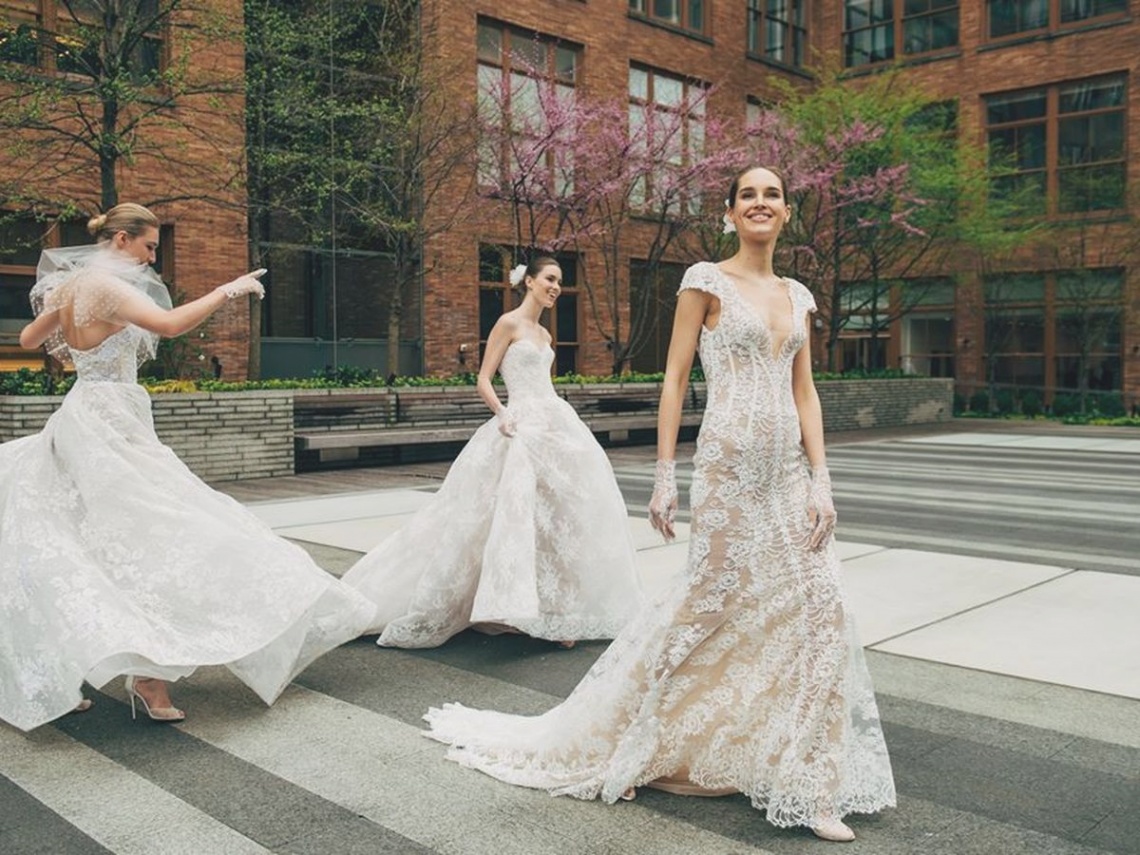
    Fashion designer John Herrera has opened his first boutique in the Philippines, at Shangri-La Plaza mall.

    Executive VP and GM of the mall Lala Fojas said: “We are very happy to have John open his home in the Philippines with us. It is an honor…You can always assure yourself that you will have a unique, one-of-a-kind piece and Shangri-La is very much a prime mover when it comes to art and culture.”

    Herrera, who has professed a profound fondness for Shangri-La Plaza, noted: “Before, the Philippines was very centered around made-to-order, made-to-measure clothes but then I saw a trend wherein foreign companies are coming here, creating off-the-rack bridal collections (and selling them) and I realized that it’s perfect for my business now to do both things – to make clothes and sell them in London and in the Philippines because both businesses have become aligned now. I couldn’t pass it up.”

    The London-based designer is best known for evening and bridal wear.

  • Vashi redefines the fine jewellery model

    Vashi redefines the fine jewellery model

    Shopping for diamonds at Vashi is not a typical fine-jewellery purchasing experience.

    Entering the brand’s location on Piccadilly, opposite London’s famed Fortnum & Mason store, there are no security guards in sight.

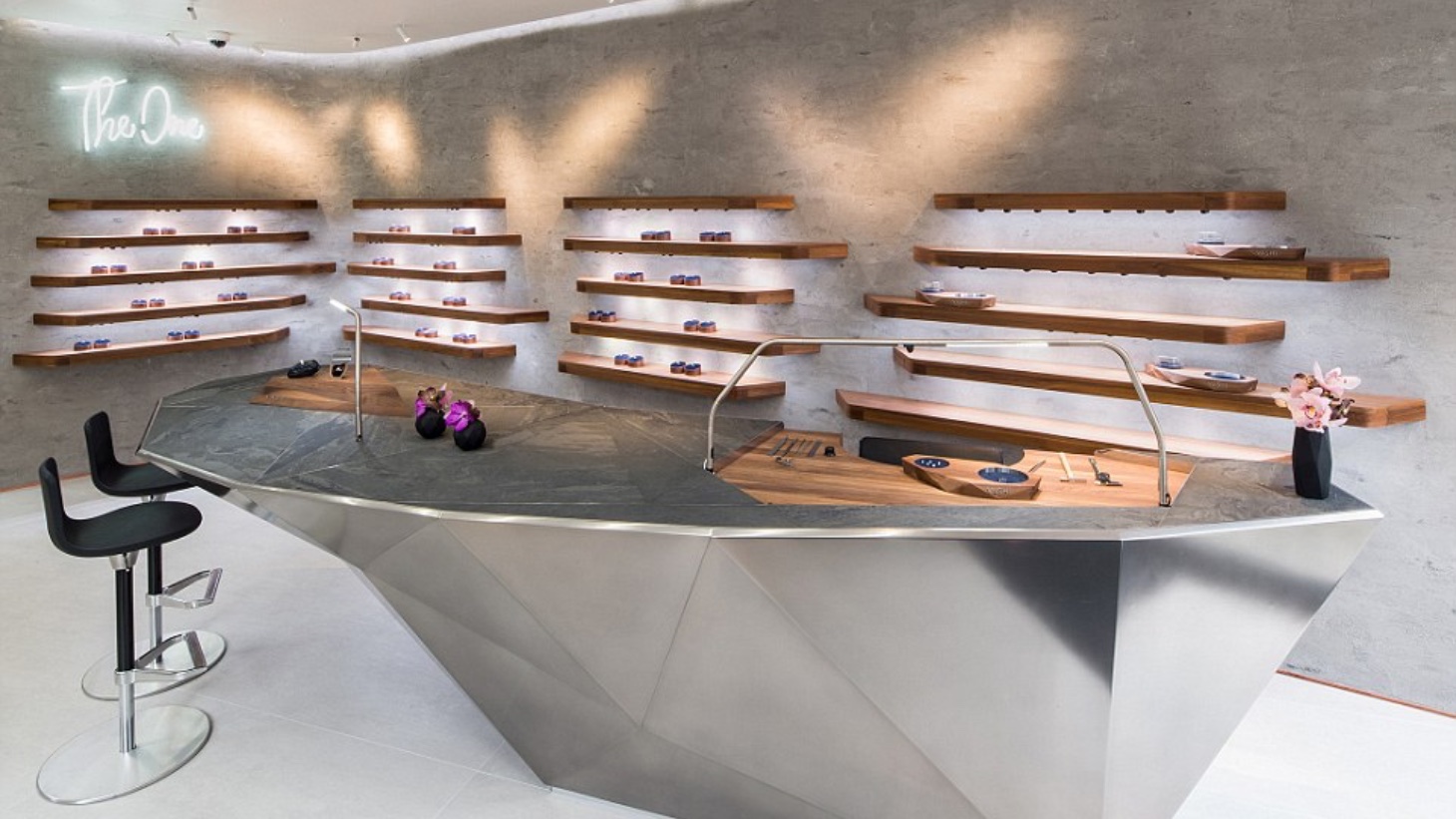
    Customers are welcomed into the diamond emporium by smiling shop staff, and met by a modern, sparsely furnished shop space. Instead of pieces on display being housed in large glass units, diamond rings sit on shelves, free of any casing and ready to be touched — no white gloves required.

    The vibe is meant to appeal to Vashi’s millennial customers.

    The brand got its start selling direct-to-consumer diamonds online in 2007. Vashi.com was established in 2013, growing over the next five years as more consumers have come around to the idea of buying engagement rings and necklaces online rather than in luxuriously appointed showrooms.

    Today, bespoke or customised product makes up 70 percent of the company’s business.

    Vashi remains a minnow in the global jewellery business — its 2017 revenue of £8 million ($10.6 million) last year is less than Tiffany & Co. sells in a single day. But unlike its bigger competitors, Vashi has a relatively young clientele. It’s also growing, with the company predicting sales of £20 million ($26.5 million) this year.

    Founder and chief executive Vashi Dominguez said the company’s growing network of stores — three locations in London, a 1,200 square foot space at Selfridges London set to open in August and a US expansion in the works for next year — is meant to cement the brand’s status as an antidote to traditional high-end jewellers, which Dominguez says can often become intimidating places to make a purchase.

    “[Today’s millennial-minded customer] is looking for an experience. Great product and beautiful service are not enough,” he continued. “We are centring the experience around [the customer], versus I think most companies are centring around the product.”

    The drive to open physical locations was partly an acknowledgment that, while online fine jewellery sales are on the rise, the majority of transactions still occur in-store. Despite brick-and-mortar locations still being relatively new, Vashi sales are roughly balanced between online and in-store.

    “Retail is just an extension today, it’s just another channel,” said Dominguez. “There is the internet, there are department stores, there is mobile, there is social, and customers are going to shop however [they want to], so you’ve got to make sure you create an omni-channel experience.”

    Developing the in-store model took three years, as translating the brand’s online customisation service into an in-store experience proved a challenge, Dominguez said. “I wanted to give people access to jewellery workshops, but jewellery workshops are generally very dusty environments.”

    The result: an on-site “diamond lab,” akin to a workshop where customers can be involved in the creation process — one at each location. Now, production for all online and in-store orders happens in the diamond labs, so customisation doesn’t slow down the purchasing process.

    “[Millennials are] quite impatient, they want things now,” Dominguez said. “So we engineer our supply chain and build our production in house, so that if you create something and you want to have it today, you can have it today, versus come back in three months.”

    As the majority of pieces sold are made-to-order, prime real estate space can be dedicated to furthering customer experience, rather than used to store ready-to-sell inventory.

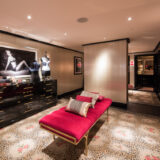
    One such example is the Piccadilly store’s “VIP rooms,” which are, in fact, open to everyone. Plush sofas, art on the walls, plants, coffee table books and even a record player give the room a more intimate feel.

    “Even if you have just come in and you want to learn about the brand, we bring you in, you can have a Corona beer or a glass of champagne,” says Dominguez.

  • AirAsia X rises 5.33% on Airbus purchase

    AirAsia X rises 5.33% on Airbus purchase

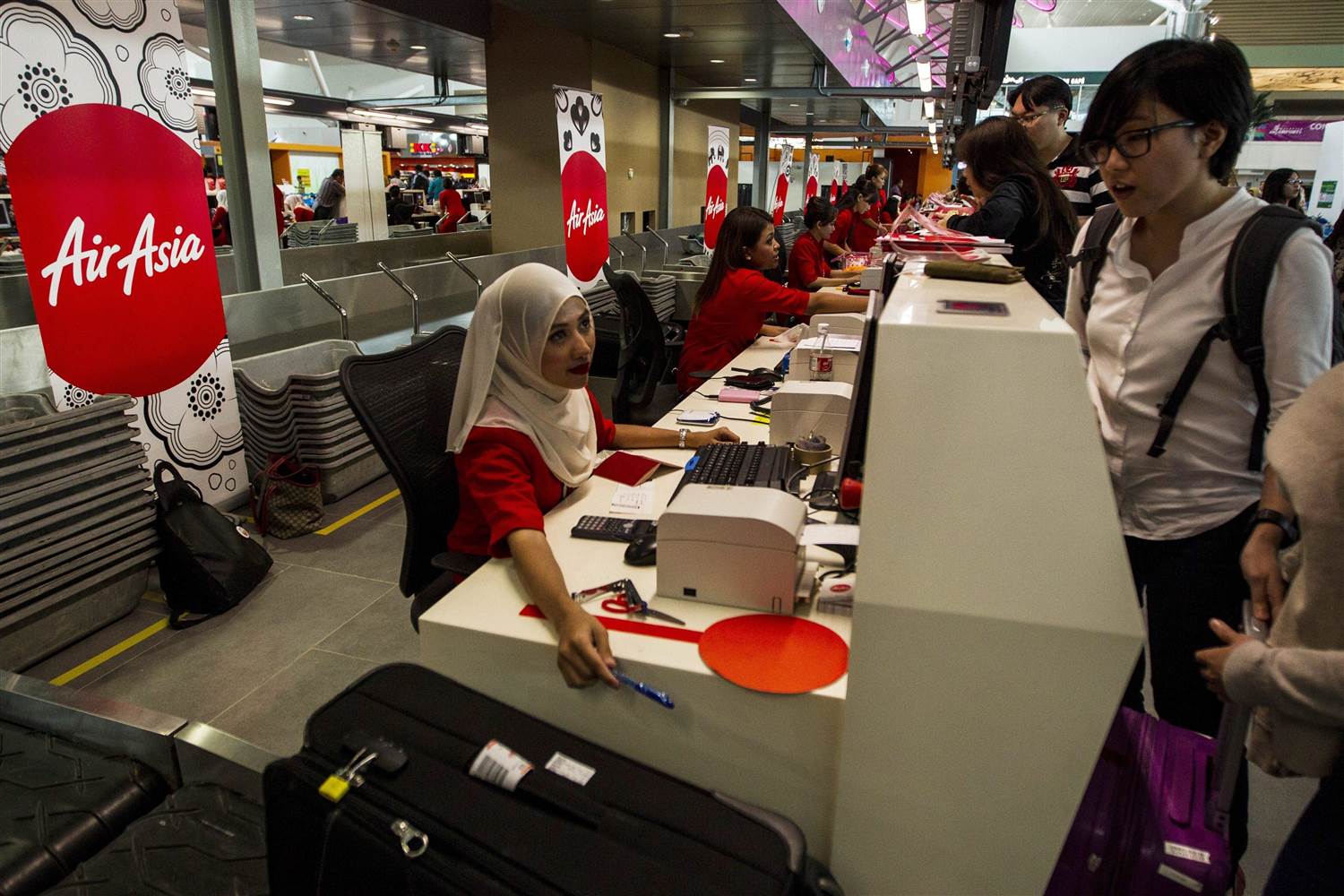
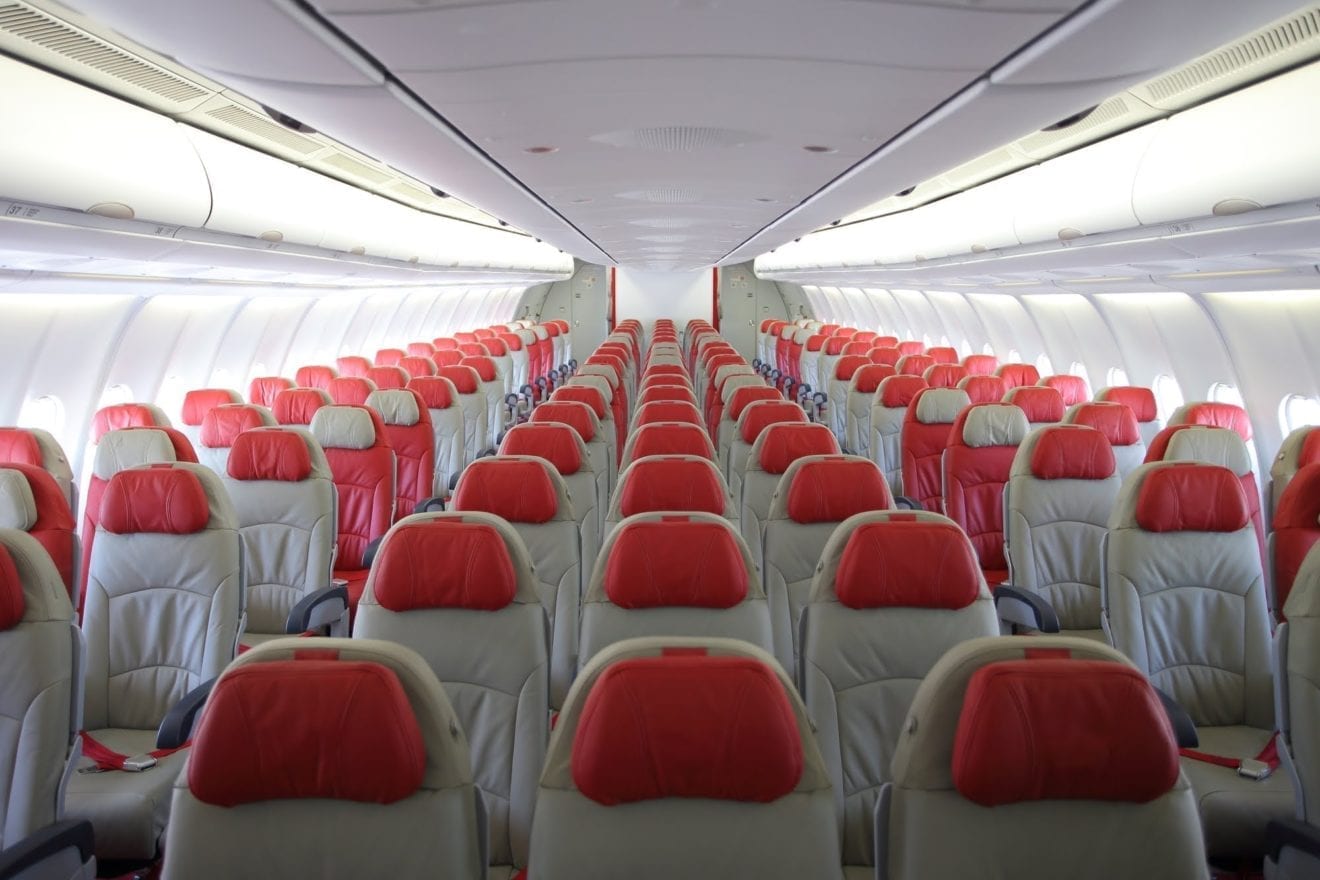
    AirAsia X Bhd’s share price rose as much as 5.33% to 37.5 sen on early trade after the airline confirmed its order of 100 Airbus A330neo widebody aircraft.

    At 12.01 pm, the stock was trading at 37.5 sen with 31.62 million shares done.

    Yesterday, AirAsia Group CEO and AirAsia X co-group CEO Tan Sri Tony Fernandes said that the group was in discussions with Airbus for two years and was looking to cancel the order before reaffirming and increasing the order, after reviewing AirAsia X’s model over the last one year.

    “We got close with Boeing, they ran a good campaign. It was a close fight. Until a week ago, I didn’t really know which way we were swinging … but I’m confident we chose the right plane for us,” he said.

    The order for the 100 aircraft is worth US$30 billion (RM121.8 billion) at list prices.

    Fernandes said funding sources for the order include sale and leaseback, leasing capital and debt capital but he declined to reveal the contract value of the order.

  • China helps Hermes sales blooms in Asia

    China helps Hermes sales blooms in Asia

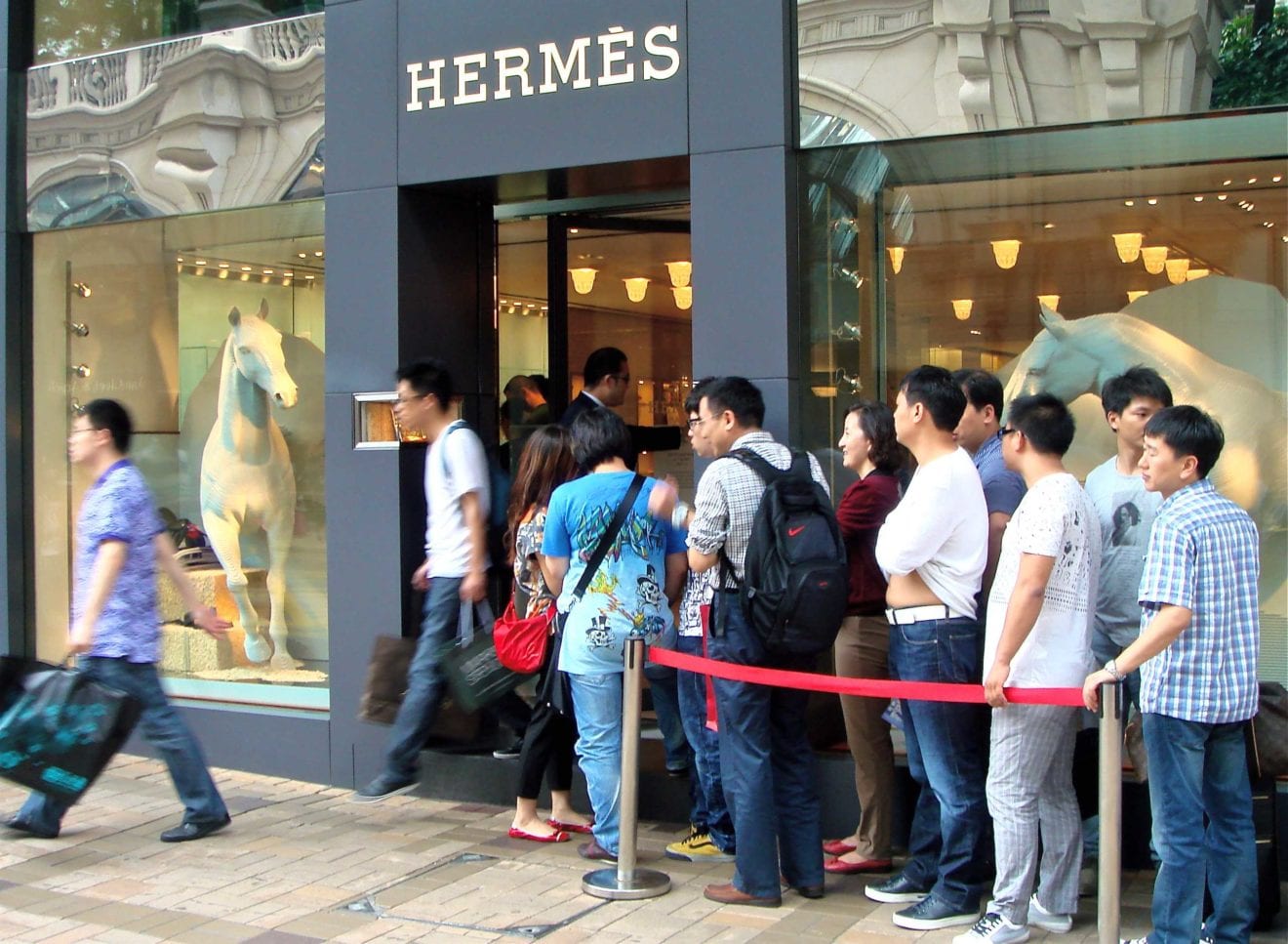
    The company has reported strong sales growth for the first half of this year with all business lines and all geographical areas all ahead of last year, and especially positive momentum in greater China and the whole Asian region. The group benefited from the opening of its Landmark Prince’s store in Hong Kong in January, and a Changsha store which opened in May.

    According to the report, figures for Asian sales (excluding Japan) showed a 15 per cent growth as opposed to an average growth across all sectors of 11 per cent.

    The group’s consolidated revenue amounted to €2.853 billion (US$3.347 billion) in the first half of 2018.

    Hermes’ final half-year results, which will be published on September 12, will include a net capital gain for the Asian region of €50 million (US$58.65 million) resulting from the sale of the former Hong Kong flagship store.

  • Inside of Victoria’s secret HK Flagship.

    Inside of Victoria’s secret HK Flagship.

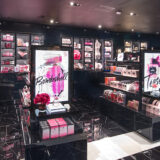
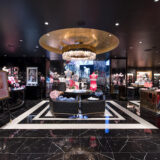
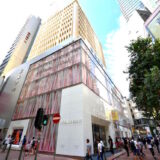
    Hong Kong Victoria’s Secret flagship store opened in Causeway Bay last week.

    The spans four floors with a total retail space of more than 50,000 sqft.

    The store opened this week, though despite heavy pre-publicity, including painted trams and street art, the opening itself was a muted affair, more like a soft launch.

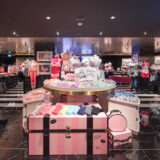
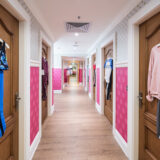
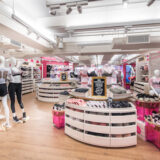
    Inside, parts of the store seem dark and a little cluttered, but others – like the Pink brand space which takes up a full floor, are brightly lit and clearly on target for its university-age customer profile.

    Tomorrow, Victoria’s Secret Angels Josephine Skriver and Martha Hunt will be in Hong Kong, appearing in-store from 6pm to 8pm to “meet and greet fans”.

    Features of the multi-story store include a dedicated zone for the brand’s Pink casual range of bras, panties, loungewear and beauty and a bra-fitting service.

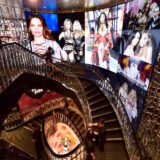
    Early photos show parts of the store have a dark and cluttered look, especially the centrepiece staircase.

    Outside, the store features a mirror-glass facade with bright lighting in the brand’s signature pink hues and a large video display facing the Times Square showing the Victoria’s Secret Angels and the brand’s latest collections.

    View the complete gallery of the interior below (10 images) :


  • Korean-licensed Mumuso sells Chinese products, found guilty of ‘misleading’ consumers

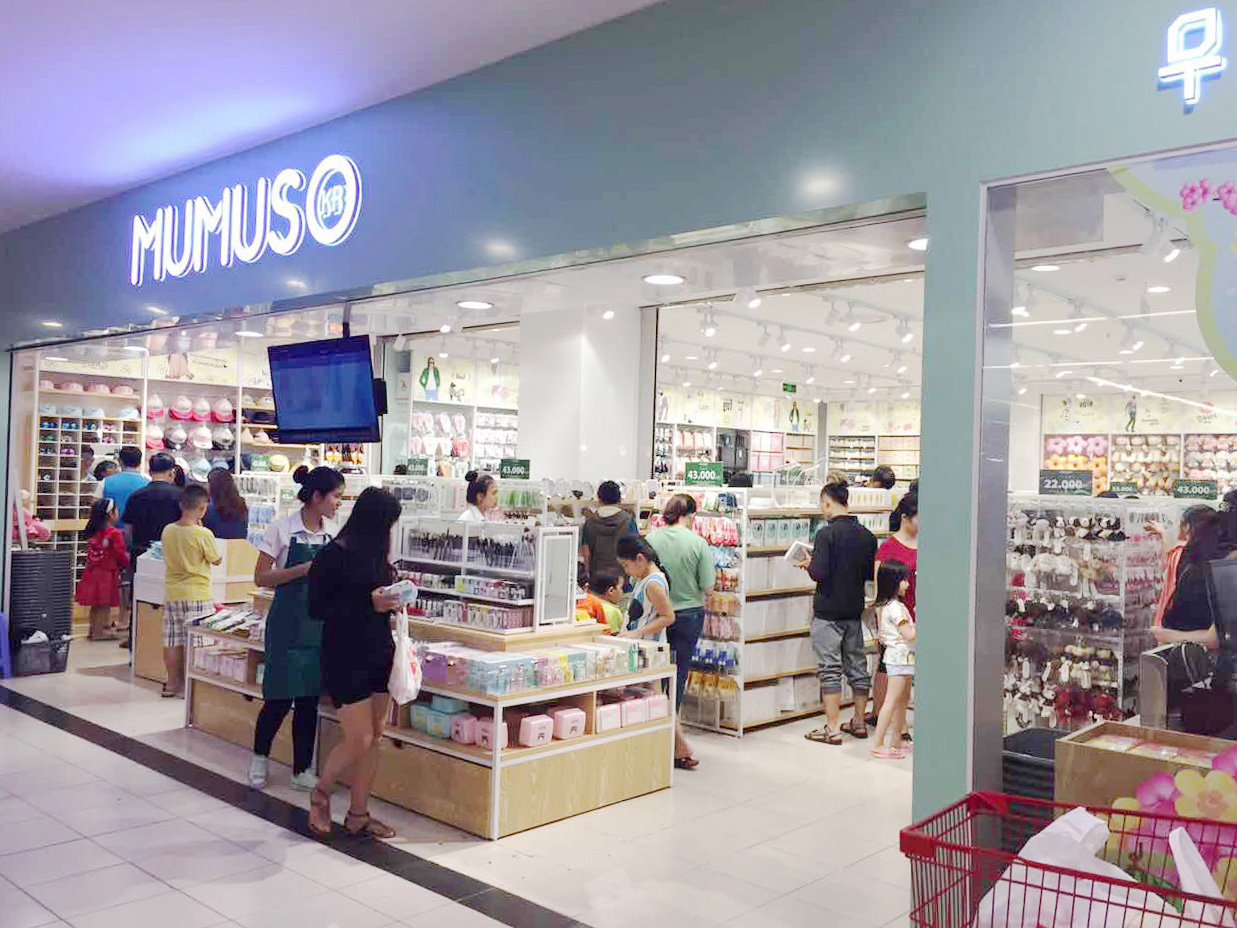
    Korean-licensed Mumuso sells Chinese products, found guilty of ‘misleading’ consumers

    After inspecting 2,273 items sold by Mumuso Vietnam Import Export Company Limited in the country, the Ministry of Industry and Trade (MOIT) said 99.3 percent was imported from China.

    Earlier, the company, whose product range includes beauty, healthcare, fashion accessories and home appliances, said that it was a legitimate Korean enterprise that has outsourced production to China.

    It had also said then that the product designs are made by a South Korean company.

    The inspectors said local laws were violated despite the firm’s explanation saying that Mumuso is a trademark established in Korea and its products are manufactured at its headquarters in Shanghai, China.

    The inspectors also said Mumuso put out a lot of content expressing its products’ connections to Korea, could show no documents or other proof for such information, especially relating to the origin and the technology used.

    The company was violating the Vietnamese Competition Law by engaging in unfair competition with similar firms selling Chinese-origin products. The content they provided has led to wrong understanding among customers about the chain and its products, the inspectors said.

    They said that the company had provided incomplete and inaccurate information to Vietnamese consumers, who’d assumed that the products were Korean.

    Mumuso does not have a single store in Korea.

    It has committed several other violations including not having a Vietnamese label on their products and providing inaccurate information about its website to the Ministry of Industry and Trade, inspectors found.

    It had registered neither the franchising associated with the Mumuso trademark nor its head office engaging in commercial activities. It had also not informed the MOIT about its promotion programs.

    The ministry has instructed relevant agencies to deal with all the violations that the company has committed under various laws of Vietnam.

    In Vietnam since late 2016, Mumuso has rapidly developed in Hanoi and Ho Chi Minh City, with 27 stores in central locations.

    It sells many low cost products, starting from as little VND22,000 (less than $1) per unit.

  • AirAsia X inks conditional amendment agreement with Airbus for additional 34 aircraft

    AirAsia X inks conditional amendment agreement with Airbus for additional 34 aircraft

    AirAsia X Bhd has entered into a conditional amendment agreement with Airbus S.A.S for the purchase and delivery of an additional 34 A330-900neo aircraft pursuant to the A330-300 purchase agreement dated June 14, 2007.

    This comes after the low-cost long-haul carrier announced yesterday that it had placed an order of 100 Airbus A330neo widebody aircraft.

    AirAsia X said that the aircraft will be delivered between October 2019 and the second half of year 2028.

    The aircraft will each be fitted with a set of two Rolls-Royce Trent 7000-72 engines.

    The group said the rationale for entering into the conditional agreement is to seek additional aircraft for its operational growth and also for aircraft replacement in respect of current aircraft on lease, which will be returned to the respective lessors within the next 10 years.

    “The new generation aircraft provide many benefits including greater fuel efficiencies, lower operating costs, enhanced customer comfort and importantly, greater range capability enabling non-stop services to new international markets, namely Europe and the US.”

    It added that the additional delivery of the aircraft also provide opportunities for the group to operate from other hubs in Malaysia such as Penang and Kota Kinabalu.

  • CDFG/Sunrise has won a tender for Shanghai’s airports’ duty-free

    CDFG/Sunrise has won a tender for Shanghai’s airports’ duty-free


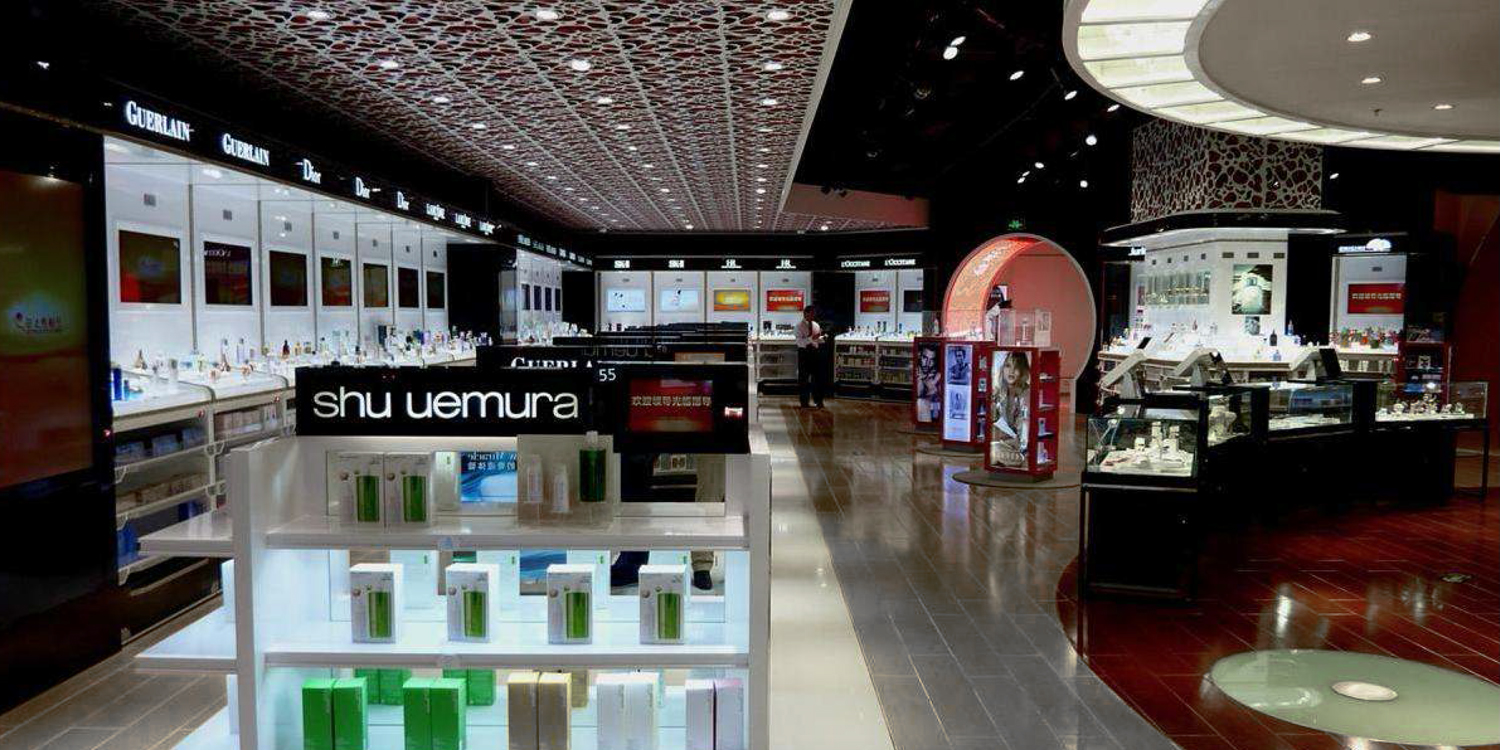
    China Duty Free Group (CDFG) has announced Sunrise Duty Free, in which it holds a 51% share, has won a tender to operate duty-free across Shanghai Hongqiao International Airport and Shanghai Pudong International Airport for a seven-year period.

    The tender was issued by Shanghai Airport (Group) Co., Ltd., Shanghai International Airport Co., Ltd. and the tendering agency Shanghai International Tendering Co., Ltd.

    The retailer hailed the competition for the tender as “fierce”. CDFG understands the existing duty-free operation at Hongqiao Airport spans 1,500sqm, which will increase to 2,088sqm with the new contract.

    The duty-free operation at Pudong Airport will increase from 6,600sqm before the tender to 16,915sqm. Sunrise has been operating at Shanghai Pudong International Airport for nearly 20 years.

    CDFG President Charles (Guoqiang) Chen said: “The [addition] of Shanghai Hongqiao International Airport and Pudong International Airport duty-free business is another important milestone in the development of CDFG. From winning the bid for Hong Kong International Airport and Beijing Capital International Airport in 2017 to winning the bid for Macau Airport and Shanghai airports this year, CDFG has experienced a remarkable leap-forward in its development.”

    In 2017, Hongqiao International Airport reached 41.88 million passengers. It is located 40km away from Pudong Airport and 13km from the city centre.

    CDFG described Shanghai Hongqiao as a “convenient airport and an important part of Shanghai’s Dahongqiao Business District, hailing its “unique geographical advantages” as having great commercial potential.

    One of the three major international airports in China, Shanghai Pudong International Airport exceeded 70 million passengers in 2017 – ranking ninth largest airport in terms of passenger numbers in the world.

    The airport is undergoing development to eventually become a large-scale composite hub integrating local capacity distribution hub functions, portal hub functions, and domestic and international transit hub functions.

    Pudong aims to eventually become an important tourist hub within the global aviation network, therefore the standard of its airport retail is very important, CDFG underlined.

    In an effort to boost Shanghai’s profile as a destination, CDFG will actively cooperate with Shanghai Airport (Group) Co., Ltd. and Shanghai International Airport Co., Ltd to enhance and enrich the shopping environment and product offer. The company’s vision is to position Shanghai’s two major airports as a window to “Shanghai’s Shopping”.

    In terms of products, CDFG will leverage its partnership with Sunrise to improve the product offer and enrich the portfolio with more brands. The line-up of brands will include international names that are popular with Chinese people.

    “In terms of price, we continue to maintain the price advantage of value for money, providing more attractive commodity prices for tourists at home and abroad. In terms of service, we pursue excellence and create a more luxurious and convenient tax-free shopping experience for consumers,” CDFG said in a statement.

    Chen added that winning the duty-free tender at Shanghai Hongqiao and Pudong International Airport proves the successful partnership of CDFG and Sunrise Duty Free. The companies have significantly strengthened following their integration, he stated.

    “I believe that through the continuous improvement of market share, enhancement of our procurement and operation capabilities, and deepening strategic partnerships with brands, we will ultimately benefit the development of China’s duty-free industry, the development of airport duty-free businesses and increase the number of consumers.

    “As the largest duty-free enterprise in China, CDFG will continue to expand in China’s duty-free industry to become stronger and better. Our goal is to attract overseas consumption and improve China’s duty-free business – as the industry’s international competitiveness continues to improve.”

  • Vietnam Casino fined $15,000 for tax evasion

    Vietnam Casino fined $15,000 for tax evasion

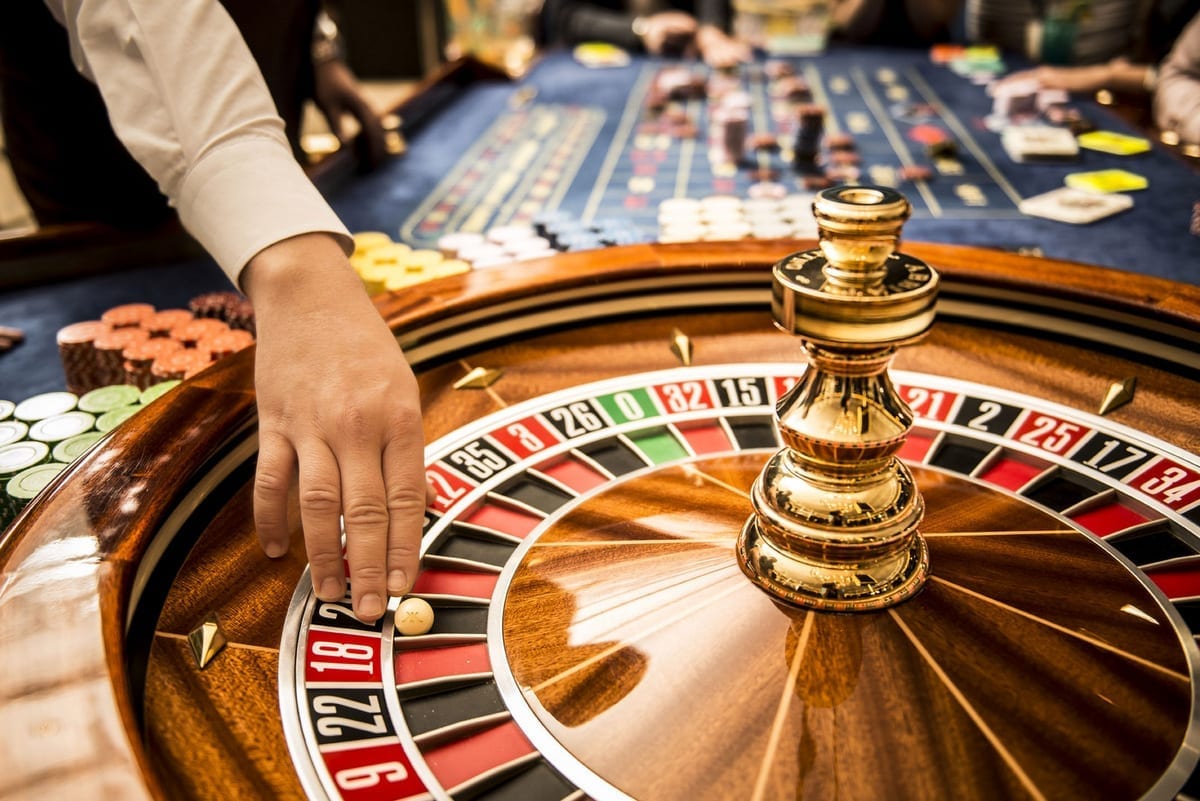
    The Quang Ninh Tax Department says it has found the casino violating corporate tax and value-added tax regulations after inspecting returns filed in 2017 and its value-added-tax receipts until February 2018.

    The department has levied total fines of $15,000, including $10,500 for faulty reporting of value added tax and $3,700 for using illegal invoices.

    The Casino Gaming Club is the only gambling facility approved to serve foreigners exclusively in Ha Long Bay City, but it has been in the red since 2013.

    Last October, the company’s financial report stated that its losses in the third quarter had jumped 23 times from a year ago to more than $3.04 million.

    Managers said most of its customers were from Taiwan and mainland China, but their numbers have dwindled in recent times.

    In the first three months of this year, the company earned nearly $2.92 million in revenue, and around $69,000 in after tax profits. This is a sharp increase compared to a $908,000 loss during the same period last year.

    However, the company’s accumulated loss is estimated at more than $7.4 million on a total capital investment of $30.5 million.

    Vietnam has six casinos that are open exclusively for foreigners, and four of them are reporting losses.

    Earlier this year the government lifted a long standing gambling ban on Vietnamese nationals, allowing them to patronize two casinos, one on the southern resort island of Phu Quoc and the other at the Van Don Special Economic Zone in the northern province of Quang Ninh.

  • Profit dive leads Ministop to uncertainty

    Profit dive leads Ministop to uncertainty

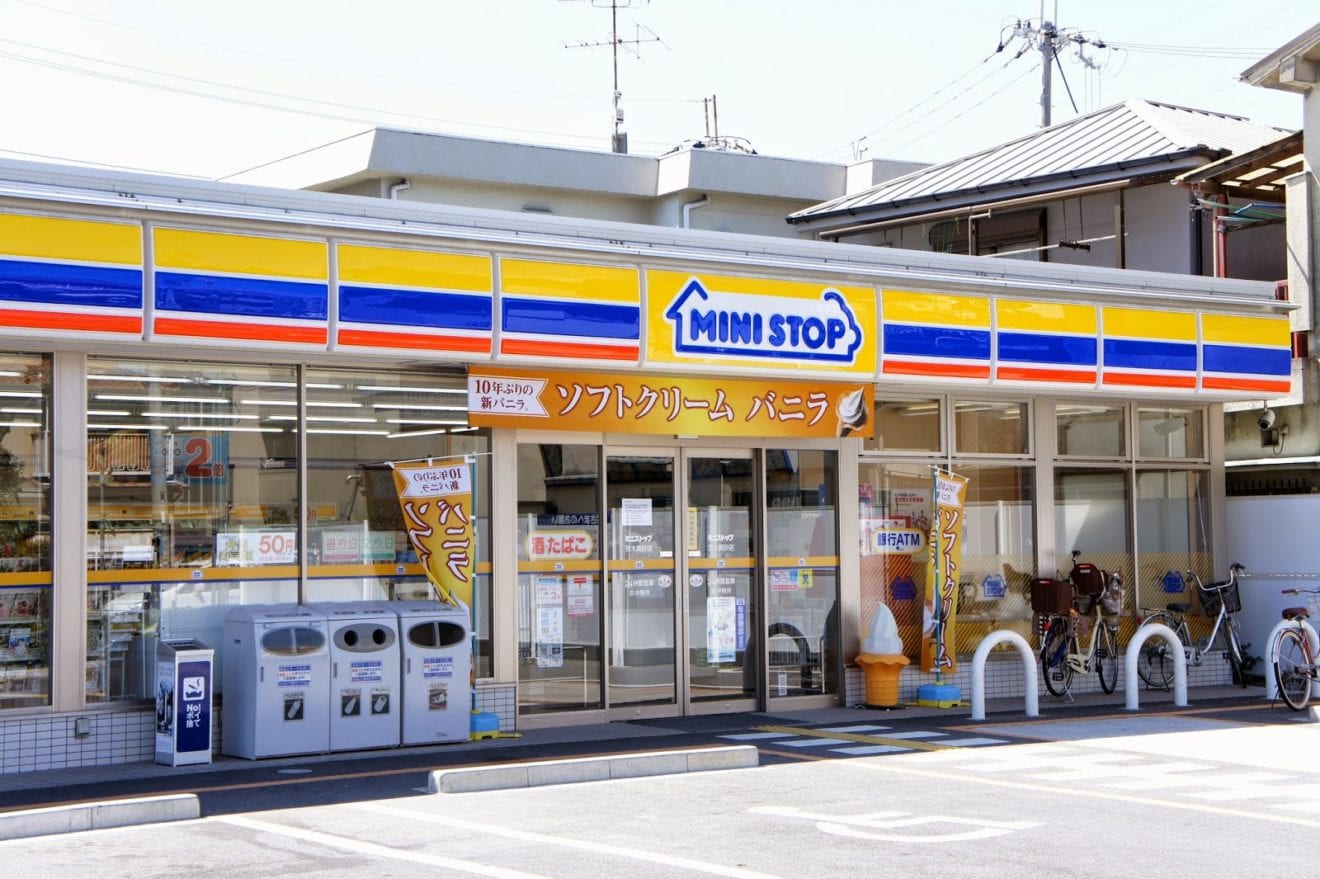
    The future ownership of South Korea’s fourth-largest convenience store chain, MiniStop Korea, is uncertain with options under review.

    Parent Aeon Group of Japan is apparently tiring of falling profits from the chain and has appointed Nomura Securities to explore sale options, including a clean sale of its stake or attracting a strategic investor.

    With more than 2500 stores spread across South Korea, MiniStop’s sales reached 1.18 trillion won (US$1 billion) last year.

    In a statement issued this week, Aeon said: “Even though we are considering business tie-ups with other companies to improve corporate value, there are no concrete plans on selling off MiniStop Korea yet.”

    Aeon currently owns 76.06 per cent of MiniStop Korea with local Daesang Group holding 20 per cent and Japan’s Mitsubishi the remaining 3.94 per cent.

    Intense local competition is behind the decline in MiniStop Korea’s profitability, according to local industry sources. Profit plunged 23 per cent last year to 2.6 billion won (US$2.3 million). In 2015 the company achieved an operating profit of 13.2 billion won.

  • Malaysia’s onsumer confidence in Q2 hits 21-year high

    Malaysia’s onsumer confidence in Q2 hits 21-year high

    Malaysian consumer confidence jumped to its highest level in 21 years in the second quarter of 2018 (Q2 2018), as households were upbeat about the labour market and their future incomes, according to Malaysian Institute of Economic Research (MIER).

    The think-tank said its Consumer Sentiments Index (CSI) survey, which involved 1,020 households in Peninsular Malaysia, rebounded above the 100-point optimism threshold to soar to 132.9 points in the second quarter, the highest level since Q2 1997.

    MIER said this is likely due to the recent change in the political landscape, abolition of the Goods and Services Tax (GST) and the consumers’ expectations of an improvement in the economic welfare.

    Speaking at MIER’s 33rd National Economic Briefing today, its executive director Dr Zakariah Abdul Rashid said the survey also revealed that the consumers are having ambitious spending plans in the coming months, especially for consumer durables.

    “This is underpinned by the improved consumers’ current incomes as well as future incomes and favourable employment outlook as shown by the survey results,” he added.

    MIER said based on the CSI survey results, 21% of the households interviewed enjoyed better finances in Q2 2018, the highest proportion received since Q1 2014, while majority (65%) of them saw no change in their incomes recently.

    “Only 13% of the respondents this time lamented being worse off financially then before, the smallest proportion tabulated since Q4 2004,” it noted.

    Consistent with its CSI survey, MIER said that businesses are also upbeat on the economy, as its Q2 2018 Business Conditions Index (BCI) rebounded strongly recording the highest level over the last 13 quarters, surpassing the demarcation level of 100-point threshold of optimism.

    Meanwhile, Zakariah said the government’s decision to abolish the GST and reinstate the Sales and Services Tax (SST) would not significantly impact the country’s economic growth.

    “The brief period of the tax holiday and the shift to SST in September won’t have much impact on GDP as the (GST and SST) elements play a very small or insignificant role in (contributing to) GDP. I think other factors (such as domestic demand, private and public consumptions) are more important,” he added.

    MIER maintained its GDP (gross domestic product) growth forecast at 5.5% this year. GDP growth is expected to moderate to between 4.8% and 5.3% next year.

    Additionally, Zakariah said growth prospects for 2018 and 2019 would depend heavily on resilient growth in domestic demand and good performances of major developed economies.
    Meanwhile, he said, the ringgit is expected to trade between RM4.18 and RM4.20 against the US dollar by year-end due to capital flows amid global interest rate differentials.

  • Farfetch acquires Curiosity China

    Farfetch acquires Curiosity China

    Fashion “unicorn” Farfetch has acquired digital marketing agency CuriosityChina in a bid to boost its presence in the world’s second-largest luxury market.

    CuriosityChina will enable the fashion e-commerce platform to offer additional services to luxury brand partners operating in the country’s fast-moving and unfamiliar digital marketing environment. The terms of the transaction were undisclosed.

    “With this partnership, Farfetch can now provide plug-and-play access for luxury brands to expand rapidly in China via an integrated platform servicing Chinese consumers via web, app, WeChat store and mini-programs,” explained Farfetch founder José Neves.

    CuriosityChina’s employees will join Farfetch, including co-founders Judy Liu, Alexis Bonhomme and Arthur Shui, who will take on the titles of managing director, China; vice president of commercial, China; and head of technology innovation, China, respectively.

    The move follows a 2017 deal between Farfetch and JD.com, China’s second largest e-commerce player, which invested $397 million into the platform. Farfetch launched in China three years ago but the market currently accounts for only 10 percent of the company’s revenue, according to Cowen & Co, a financial services firm.

    In 2016, Farfetch — a technology platform which connects consumers with a curated network of fashion boutiques and, increasingly, brands — cleared $800 million in gross merchandise value, generating an estimated $150 million in revenue (Farfetch takes 20 to 25 percent commission from partners).

    The acquisition of CuriosityChina is the latest in a series of strategic moves by the Farfetch, which has raised over $700 million in funding and is seeking scale as it gears up for an IPO. Neves has been reluctant to lay out a specific timetable for the flotation, but according to a source close to the deal, the company is planning to IPO in New York in September 2018 at a valuation greater than $5 billion.

    So far this year, the platform has inked a strategic partnership with Chanel to enhance the French luxury house’s boutique experience; entered into a joint venture with Chalhoub Group, one of the biggest distributors of fashion and luxury goods in the Middle East; and struck a deal with Burberry to expand its global e-commerce distribution and launch a “show to door” London delivery service.

  • Asia boosts Swatch Group sales record

    Asia boosts Swatch Group sales record

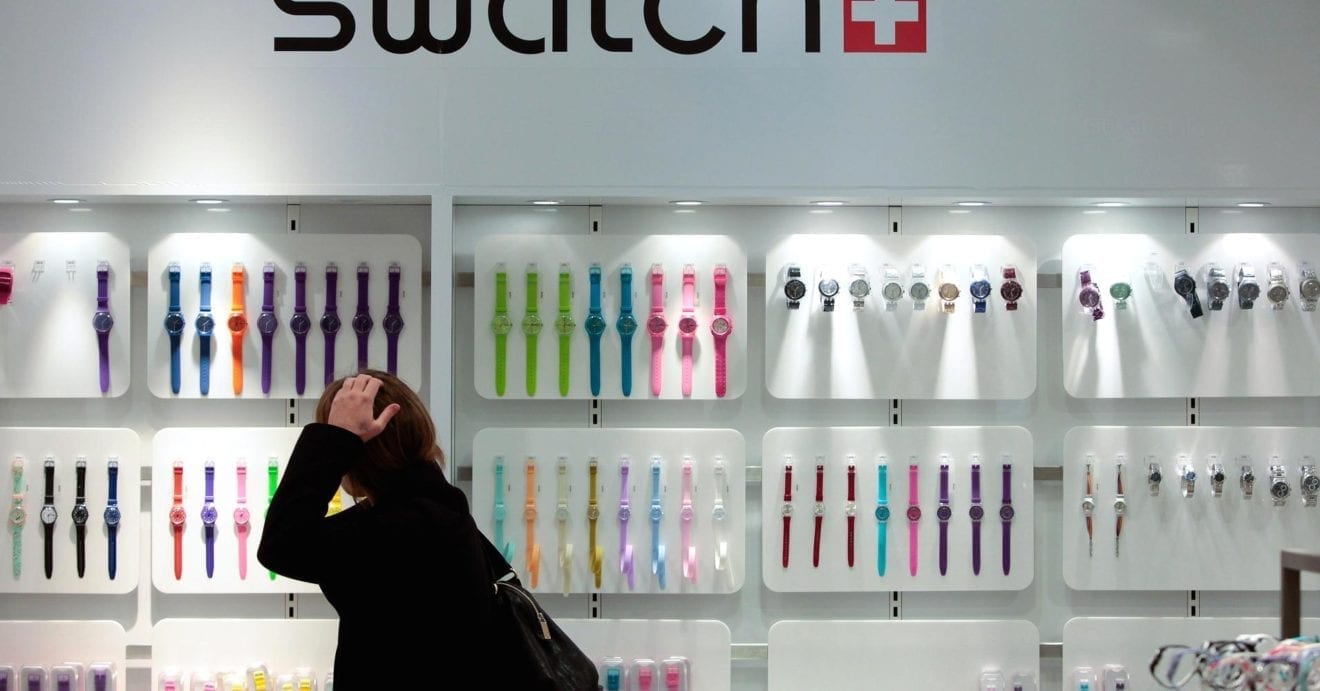
    An overview of watchmaker Swatch Group’s international business has revealed record half-year sales, largely led by Asia.

    The group’s net sales increased by 14.7 per cent during the first half of this year, with growth in all regions led by Asia and America. Its net income has increased by 66.5 per cent to CHF468 million (US$467 million), with a net margin of 11 per cent, compared to the previous year’s 7.6 per cent.

    Consumer demand, particularly from millennials, for authentic, innovative brand products is greatly increasing on a worldwide scale regardless of region or price segment. The company sees an increasing interest in pre-owned and vintage products as an immense opportunity for the 18 Swatch Group brands.

    Further growth is projected for the second half of this year.

  • The Asian side of Moncler’s Genius Project

    The Asian side of Moncler’s Genius Project

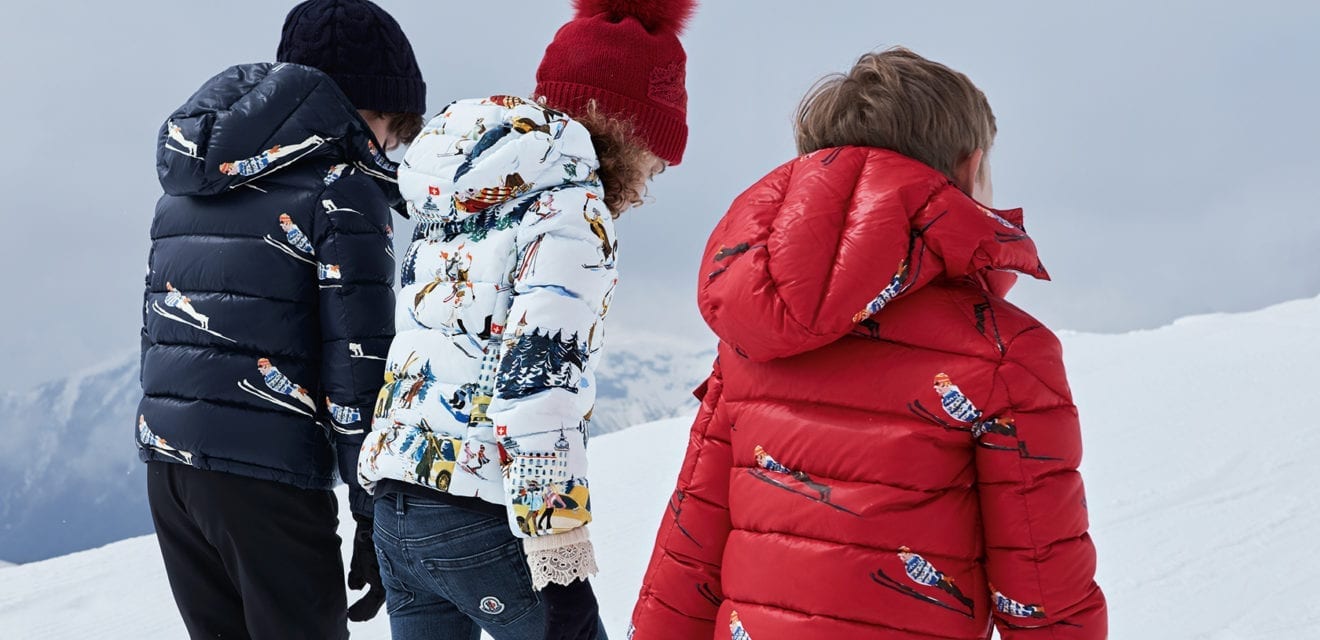
    Debuted at Milan Fashion Week during February of this year, French-Italian outerwear brand opened up eight spaces in the Moncler Genius building to exhibit their eight collaborations with makers across multiple disciplines.

    Collections that would be released from June to October 2018 were showcased from Pierpaolo Piccioli, Moncler 1952, Grenoble, Simone Rocha, Craig Green, Noir Kei Ninomiya, Fragment Hiroshi Fujiwara, and Palm Angels, and aptly referred to in totality as “a republic of imagination.”

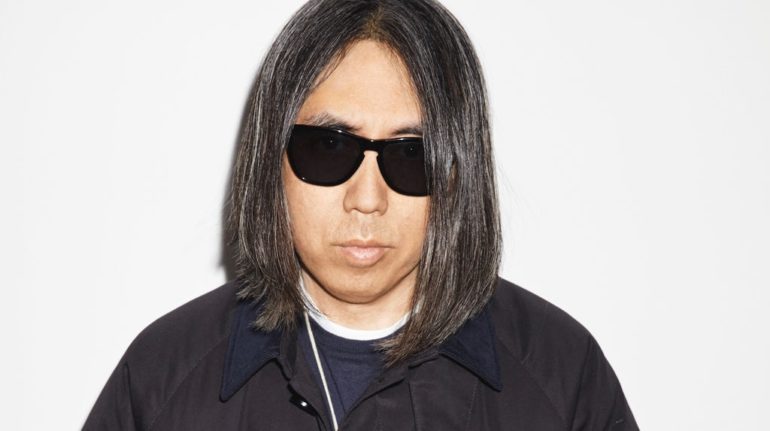
    Months later, we’re finally seeing the first release from Moncler’s Genius Project and it comes from modern renaissance man Hiroshi Fujiwara. Best known as a Japanese streetwear designer, he is responsible for Nike’s HTM designs and his own label and agency known as Fragment as well as being the first DJ to bring hip-hop to Japan and his work with brands like Supreme, Levis, Stussy, and Beats by Dre.

    For his partnership with Moncler, the once-DJ/producer and always disruptive multi-hyphenate presented the 7 Moncler Fragment Hiroshi Fujiwara collection, and with its release Fujiwara selected six individuals (plus himself) with similar interests across seven cities. With him kicking off the release in Florence, Italy, DJ Kitty Cash represented New York, a friend of Cash and equally as fashionable DJ Siobhan Bell held down London, French singer-songwriter Eddy de Pretto launched Paris, entrepreneur, singer-songwriter Chau Pak Ho was in Tokyo, singer Crush represented Seoul, and the rapper-singer Vava launched Beijing.

    Each city and individual kicked off the first of two releases of Moncler and Fujiwara’s (one now with a second in December). New York’s representative Kitty Cash put together a playlist that included “Praise The Lord” from A$AP Rocky and Skepta, “Come Over” from The Internet, and “Hater” from Key!.

    “I wanted to keep the song collection current and youthful; a mix of underground and mainstream Hip-Hop and R&B tracks. Underground was important to focus on because it kept with the tradition of introducing new artistic movements that Moncler has become known for,” Cash says.