Tag: asia

  • Toll opens logistics hub in Singapore

    Toll opens logistics hub in Singapore

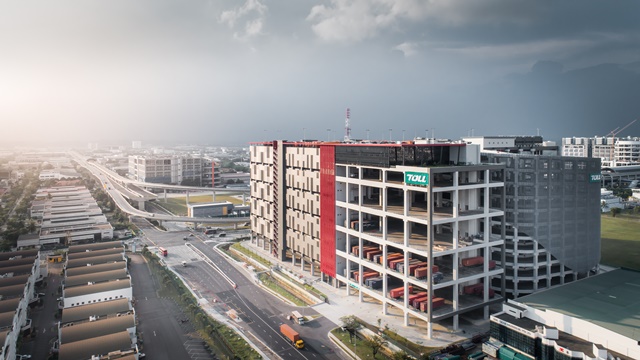
    Transport and logistics provider Toll Group has opened a S$228 million (US$167 million) logistics hub spanning over 1 million square feet.

    Located in Tuas, Singapore, the opening of Toll City is expected to increase the firm’s Asian network and traffic, strategically located near road links into Malaysia. It has in part been created to serve the booming Asian e-commerce industry.

    Toll City accommodates new technologies such as driverless vehicles, smart-city telematics to track and optimise road fleet in real-time, 3D-printing and Smart RFID cabinets for real-time inventory accuracy and accountability. In addition, Toll City hosts the SiTadeL Control Tower that provides decision support. SiTadeL won the Supply Chain Asia innovation award in 2017.
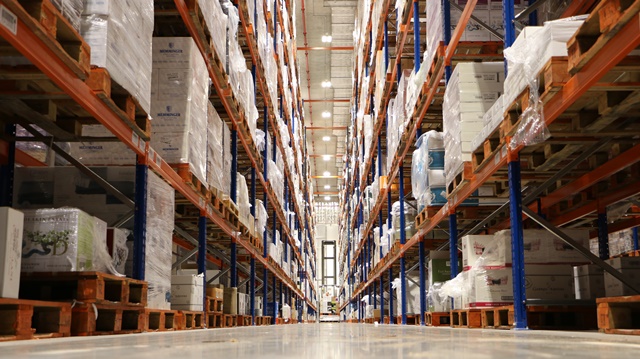
    Other emerging technologies being explored at the facility include automated machine handling equipment, in-warehouse cycle counting drones, voice picking and intelligent conveyor systems, augmented reality glasses for navigation and instruction, and exoskeletons for warehouse operation.

    Kelvin Wong, assistant MD for EDB said: “Toll City… is in line with the Logistics Industry Transformation Map, catalysing deep supply-chain innovation that translates into better business opportunities and good jobs within the logistics sector in Singapore.”
    Vincent Phang, executive VP of Toll Global Logistics Singapore and CEO of ST Logistics added: “Toll’s focus on technology developments will revolutionise the way people work, as we create resilient supply chain solutions that deliver smarter, faster and better outcomes for our clients… we offer an integrated supply chain management process that’s prepared for surge periods, and potential supply chain disruptions caused by human or natural disasters.”

    Toll City is supported by the Singapore Economic Development Board.
  • Business optimism in Malaysia soars in Q2

    Business optimism in Malaysia soars in Q2

    Business optimism in Malaysia rose 24 percentage points (pp) to 52% net as at the end of the second quarter (Q2) of 2018 versus 28% in Q1 after the change in the new federal government, according to Grant Thornton International Business Report.

    This near doubling in business optimism was the highest among the Asean countries.

    Grant Thornton Malaysia’s country managing partner Datuk NK Jasani said the results indicated that Malaysian businesses are upbeat and confident with the outlook of country’s economic landscape.

    “The outcome of the 14th General Election has contributed to this significant increase of confidence among Malaysian businesses and the results can been seen in various sectors.”

    He opined that the government should now emphasize on business transparency and have business friendly budget to continue this positive momentum.

    Business owners are confident about their business performances over the next year, with many having positive outlooks for revenue, employment and also investments. A net 56% of businesses are expecting an increase in revenue over the next 12 months, an increase of 22pp from Q1.

    The report finds that a net 26% of businesses owners are expecting to hire more employees, an increase of 12pp from Q1.

    Apart from that, business owners are expecting to increase their level of investments. 66% plan to increase their investment in technology; 44% in plant & machinery; 24% in research and development; and 22% in new buildings.

    Lesser business owners have cited the economic uncertainty as a constraint to their business growth, a decrease from 44% in Q1 to 32% in Q2.

    However, there is growing concern on the lack of skilled workers, energy costs and exchange rate fluctuations.

    Access to skilled workers is seen as the biggest constraint to growth by Malaysian businesses at 46%, an increase of 14pp from Q1.

    Concerns have also increased for exchange rate fluctuations, driven by the prospect of further US Federal Reserve rate increases this year.

    Jasani said with many businesses across Asean still borrowing in US dollars, fears over rate rises could easily blow business confidence off course.

    “For the emerging economies, including Asean, it is not an easy situation for businesses. However, action can be taken to reduce the risks associated with a reliance on US dollars. One option is to hedge and lock in a more predictable exchange rate for a period of time.”

  • First time’s charm – Amazon’s Prime Day success in Singapore

    First time’s charm – Amazon’s Prime Day success in Singapore

    Prime day, Amazon’s own one-day-only retail holiday, was introduced in 2015 to overtake the well-established Black Friday and Cyber Monday and become the sales event of the year.

    The student has now surpassed the master as the number of ordered items by prime members in Singapore went through the roof for the exclusive shopping event surpassing those of Cyber Monday, Black Friday and the launch of Prime Now.

    Prime Day is a one-day only global shopping event exclusively for Prime members. Amazon Prime is a paid membership programme currently charged S$2.99 a month, with the option of a 30-day free trial. It offers members free international shipping, exclusive shopping and entertainment benefits. Crucial benefit of the program in Singapore is the free two-hour delivery service on a wide range of products for orders over S$40.

    This year, Amazon welcomed the Singaporean market to celebrate Prime Day. The kickoff was given at midday on July 16 where prime members were given 36 hours to shop with exclusive advantages.  Members enjoyed deals on a variety of categories including groceries, beauty products, consumer electronics and home appliances. Coca-Cola Zero, Kleenex toilet tissue and Play-Doh playsets were among the best-selling items for the event. Members also received thousands of units of free gifts and samples and enjoyed significant savings through credit card promotions.

    Henry Low, director of Prime Now Asia-Pacific said they “were excited to bring Amazon’s epic shopping event to Singapore for the first time this year to say “thank you” to our members”. A very-well received thank you as more members in Singapore joined Prime on 17 July than on any other single day since its launch.

    Prime Day is now officially Amazon’s biggest global shopping event in its history, another notch on the company’s belt.

  • Q2 revenue hikes for eBay

    Q2 revenue hikes for eBay

    US e-commerce platform eBay revenue rose by 9 per cent during the second quarter to June 30, to US$2.6 billion.

    Gross merchandise volume (GMV) rose 10 per cent, reaching $23.6 billion, or 7 per cent on a foreign-exchange neutral basis. Net income was $638 million.

    “In the second quarter, we continued to execute our strategy, making improvements to the core eBay experience,” said president and CEO Devin Wenig. “At the same time, we pursued significant opportunities in advertising and payments.

    “As we look ahead to the second half of 2018, we expect acceleration in our core business and continued strong growth in earnings.”

    eBay says the number of active buyers on its platforms increased by 4 per cent globally to 175 million.

  • Collecting back taxes from Uber tough, say authorities

    Collecting back taxes from Uber tough, say authorities

    Apart from the company contesting the department’s claims, the fact that it has sold its Southeast Asia business to its former competitor Grab adds to the difficult, department deputy director Tran Ngoc Tam said at a recent half-year review meeting.

    He said the department had sent documents to many local banks asking them to deduct the full amount of money transferred to Uber’s bank account as a form of tax enforcement, but it turned out that the firm had not opened any account in the country.

    After an inspection that it carried out in September 2017, the department had requested the Vietnamese branch of Uber International Services Holding B.V. based in the Netherlands to pay VND66.68 billion ($2.91 million) in back taxes and fines for violating tax laws.

    However, the company appealed that decision, telling the General Department of Taxation as well as the Ministry of Finance, that it is not subject to paying taxes according to Vietnam’s agreement on double taxation avoidance with the Netherlands, where it is based.

    The Ministry of Finance issued an official reply, which rejected Uber’s argument. In response, the company filed two lawsuits against the Ho Chi Minh City Tax Department.

    Tam said at the meeting that while the court was handling the lawsuit, there was no certain time frame within which the issue could be resolved. He said it would be difficult to collect taxes and fine from Uber even if the department were to win the lawsuit, because the company did not have a bank account in Vietnam.

    Furthermore, the company had sold its Southeast Asia operations to competitor Grab on April 8, which means it no longer had a presence in Vietnam.

  • Cafe 25 opens 10,000th store

    Cafe 25 opens 10,000th store

    Convenience-store brand GS25 says 10,000 of its outlets now serve coffee products distributed under its house brand Cafe 25, just 30 months after the brand was launched.

    The figures show how successful South Korea’s convenience stores have been in challenging coffee-focused chains like Lotte’s Angel-in-Us and even Starbucks, by offering discounted alternatives through vast store networks.

    The GS Retail-owned group says it has already surpassed the 100 million-mark for the total number of coffee products sold, with Cafe 25 selling 40 million cups in the first half of this year alone.

    GS25 is putting significant effort into making the coffee products successful by installing top-notch coffee machines that sell for 13 million won (US$11,440) in each of its stores.To commemorate 10,000 GS25 store milestone, the company will be selling 50,000 promotional coupons online via Gmarket and Auction that allow customers to buy iced Americanos and iced lattes for half the usual price.

    An official at GS25 said the success of Cafe 25 products can be explained by the company’s bid to offer high-quality coffee products at affordable prices, while also leveraging the chain’s vast network of stores.

  • Japan urges caution over Trump’s complaint on strong dollar

    Japan urges caution over Trump’s complaint on strong dollar

    Japan should be careful about recent remarks by US President Donald Trump on currencies and might need to convince Washington its monetary easing is not aimed at weakening the yen but beating deflation, a finance ministry official said on Saturday.

    The US dollar fell the most in three weeks on Friday against a basket of six major currencies after Trump complained again about the greenback’s strength and about Federal Reserve interest rate rises.

    The US president also lamented the strength of the dollar and accused the European Union and China of manipulating their currencies.

    Trump is not trying to influence currency markets, Treasury Secretary Steven Mnuchin has said, reiterating that a strong US dollar reflects a strong US economy and is in the United States’ long-term interest.

    “This time, the targets are China and the European Central Bank. But the content of criticism is the same so we need to be careful,” the Japanese official said in the Argentine capital.

    The Bank of Japan has pursued an aggressive monetary stimulus to achieve its elusive 2% inflation target.

    Despite five years of massive money printing, inflation has struggled to accelerate but the yen has steadily weakened.

    China is the primary target, however, as Beijing accounts for the “bulk of the US trade deficit”, Japanese Finance Minister Taro Aso said.

  • Pandora shares fall on price cuts in China

    Pandora shares fall on price cuts in China

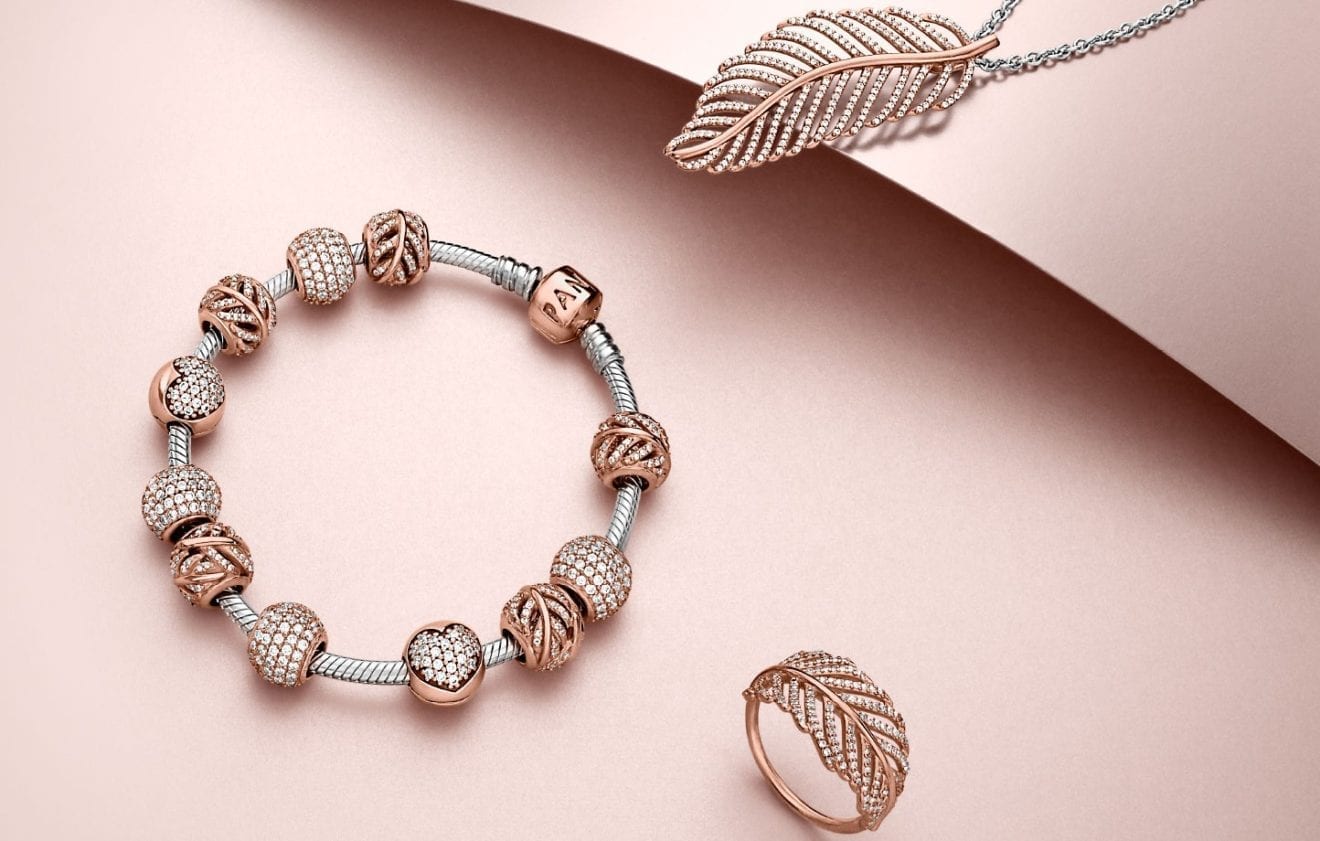
    Danish jeweler Pandora AS cut its retail prices on most of its jewelry sold in China by 15% to combat the sale of its goods through unofficial channels in the country.

    Shares traded as much as 7.2% lower on the day following the news.

    “Pandora jewelry is highly sought after, and the demand has seen a rise in the grey-market trade within China,” the company said in a statement.

    “The price reduction aims to limit this, as well as balance the retail price difference in the mainland Chinese market and other markets.”

    Since entering China in 2010, Pandora said it has grown its revenue by double or triple digits each year as the company has opened more stores, entered new cities and expanded its online presence. Presently, it has over 170 concept stores in more than 50 cities in China.

  • India Reliance to borrow US$2.5 billion to refinance debt

    India Reliance to borrow US$2.5 billion to refinance debt

    Owned by India’s richest man Mukesh Ambani, Reliance is negotiating with more than a dozen banks to arrange the loans in single or multiple tranches as it rolls out an optical-fiber network and sets up more retail stores.

    This loans are to refinance existing offshore debt raised about two and a half years ago and would reduce average borrowing costs or extend maturities, the daily added.

    The conglomerate, whose interests range from petroleum to retail stores, has an ambitious plan to roll out its fixed-line broadband service Jio GigaFiber for 1,100 cities of India.

    Meanwhile India’s leading telecom service provider and Reliance rival Bharti Airtel is also looking to raise $1 billion overseas to refinance its high-cost debt.

    It wants to expand its fourth-generation (4G) mobile-phone technology network in order to face stiff competition posed by Reliance Jio.

  • Innisfree teams up with Alibaba to open new concept store in China

    Innisfree teams up with Alibaba to open new concept store in China

    South Korean cosmetics giant Amorepacific’s cosmetics brand Innisfree has opened a new concept store in Hangzhou, China, in collaboration with Alibaba’s Tmall, the company said Thursday.

    According to Innisfree, its new concept store features a technology-based shopping experience, backed by Tmall’s new retail technology.

    Tmall is China’s largest B2C platform for brands and retailers, in terms of GMV.

    At the store, customers can test makeup products by using Magic Mirror, which has adopted Tmall’s augmented reality technology. An automated vending machine that sells mask sheets and sample products will allow customers to easily purchase items at lower prices, the company said.

    In addition, smart shelves are installed to show each product’s information on interactive screens.

    “With the South Korean cosmetics brand acing in the Chinese market, especially with Innisfree being the only brand to have hit 1 billion RMB ($148 million) of sales, our trial with Innisfree to provide a new retail and interactive experience based on big data technology will strengthen customers’ brand experience and increase their satisfaction,” said Mike Hu, head of Tmall’s retail business division.

    Tmall also plans to collect information on real-time product availability at 61 stores in Shanghai and Hangzhou through big data technology to boost online sales and help stores digitize their operations and upgrade the supply-chain operation and offer shoppers an integrated online and offline experience.

    “Tmall is one of the most innovative and leading retail platform operators globally. We will strive to adopt digital technology and interactive content marketing from Tmall for Innisfree’s brand value,” said Filipp Cai, head of Innisfree China.

    Innisfree, which means “pure island” in Korean, is based on the philosophy of introducing beauty products with natural ingredients sourced from the Korean island of Jeju. It opened its first store in China in 2012.

  • Pandora adjust pricing in China to limit grey market

    Pandora adjust pricing in China to limit grey market

    PANDORA, the world’s largest jewellery manufacturer, today announces a retail price reduction across the majority of its jewellery assortment within the Chinese market.

    Effective from July 19, 2018  the reduction is across the majority of the Company’s jewellery collections, with the overall adjustment range at around 15%.  The new prices are reflected on all platforms including the PANDORA owned eSTORE and the Tmall flagship store.

    Being the most known jewellery brand globally, PANDORA jewellery is highly sought after, and the demand has seen a rise in the grey market trade within China.  The price reduction aims to limit this, as well as balance the retail price difference in the mainland Chinese market and other markets.

    “We are committed to servicing our Chinese customers and are very pleased with the opportunities for continued growth in China. This price reduction across our jewellery assortment is one element in our strategic programme to limit grey market trading of our products in China, and continue to enhance our customer experience in the world’s largest jewellery market,” says Kenneth Madsen, President of PANDORA’s Asia Pacific region.

    Since entering China in 2010, PANDORA has grown its revenues double or triple-digit each year as the Company has opened more stores, entered new cities and expanded its online presence in the country. Today, PANDORA has over 170 concept stores in more than 50 cities in China.


  • Sarah Zhaung Jewellery opens UK doors

    Sarah Zhaung Jewellery opens UK doors

    Named after the eponymous jewellery designer, Sarah Zhuang Jewellery decided to expand from its home market after a successful showcase at Couture London.

    Sarah Zhuang Jewellery wowed press and retailers at the show with its selection of versatile fine jewellery designs.

    Recognising the brand had something different to offer consumers in the UK, leading London independent jewellery retailers Kabiri and Talisman Gallery in Harvey Nichols have secured Sarah Zhuang Jewellery for its stores.

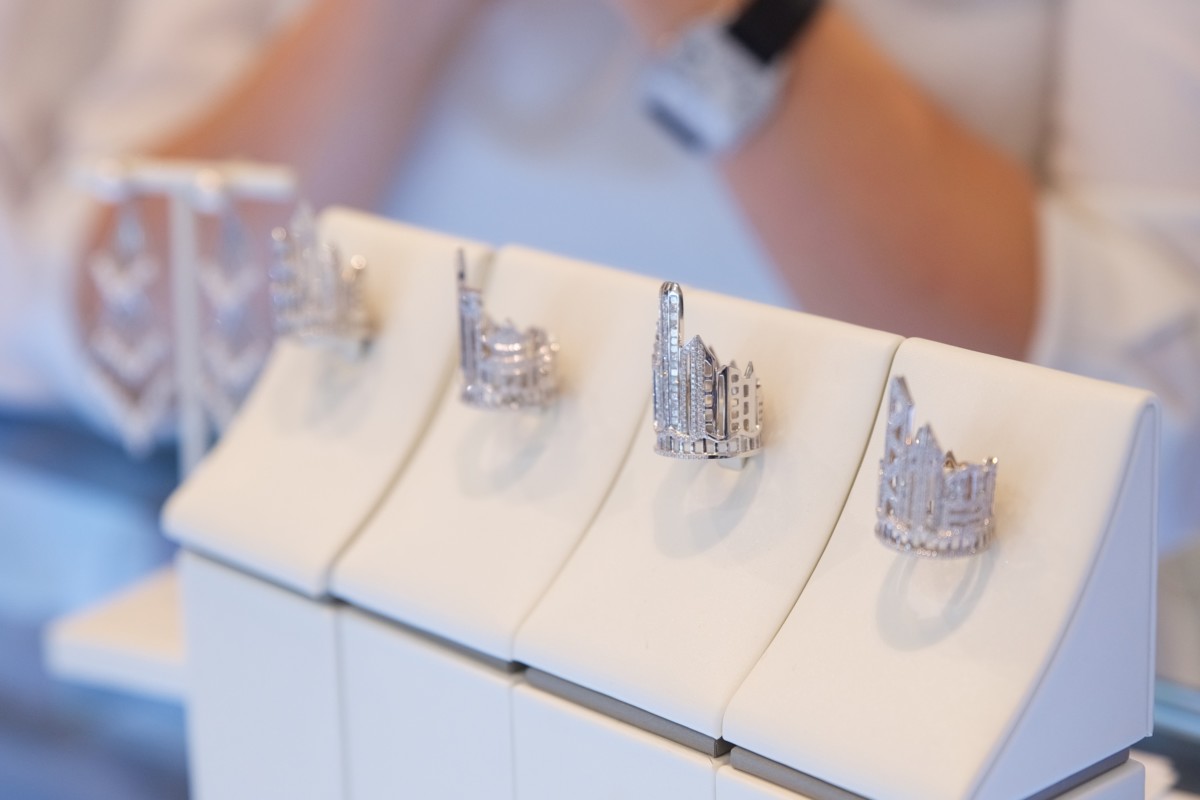
    All of Sarah Zhuang Jewellery collections are hand-crafted and designed to personify a unique trait of contemporary women. Pieces are crafted in 18ct gold and adorned with diamonds and precious gemstones, with each piece designed to be worn in multiple ways.

    Founder and designer of the namesake brand, Sarah Zhuang, shares on the move into the UK: “London is a very important market for us. It is the first time that we have expanded outside of Asia. We are extremely thrilled to have received such positive feedback from Couture London, and to have connected with Harvey Nichols and Kabiri through this wonderful event.”

    Born into a family that has worked within the jewellery trade for more than 20 years, Zhuang has lived and breathed design from a young age. Fuelled by her passion for jewellery craftsmanship, she received her design certificate from the GIA and a professional diploma from Hong Kong Design Institute, before studying in Florence, Italy, to further hone her skills in jewellery design and making.

    In 2017, she launched her own eponymous brand, which she describes as ‘as versatile as women;.

    Already stocked in retailers in Hong Kong, China and Japan, Sarah Zhuang Jewellery is looking for other retail partners to expand her presence in the UK and internationally.

  • StreetTrend buys majority interest in Italian footwear retailer P448

    StreetTrend buys majority interest in Italian footwear retailer P448

    US-based footwear holding company StreetTrend has signed a joint venture agreement with Italy-based investment firm Panda to purchase a majority interest in luxury sneaker and footwear retail brand P448.

    The deal covers all creative design, manufacturing operations and brand assets of the footwear brand in Forli.

    Following the acquisition, P448 founders Marco Simone and Andrea Curtis will maintain an equity stake and continue to operate the business.

    StreetTrend chairman Kulkin said: “When we launched StreetTrend last year it was very clear that we had to include P448 in our portfolio of luxury sneakers.

    “The feedback about the product design and quality coming out of Europe was amazing and I was thrilled to sign an exclusive distribution agreement to market the brand in North America, the UK, Hong Kong, and China.”

    Following the transaction, Panda CEO Paolo Griffo will serve as the CEO of P448 and lead the new management team of the brand. He will also continue to run Panda.

    Kulkin will serve as non-executive chairman of P448, while Simone and Curtis will serve as co-creative and design directors.

    As part of the deal, StreetTrend will assist the P448 brand to expand its current global distribution footprint.

    The company is also planning to open a new P448 store at the Palazzo Serbelloni in Milan, Italy, in October.

    Griffo said: “The company will continue to grow by being innovative and executing on our vision of offering a unique Italian spin on shoes that reflect streetwear, including looks that capture the surf, skate and music culture.”

  • Shakey’s Pizza Asia first Dubai store opened

    Shakey’s Pizza Asia first Dubai store opened

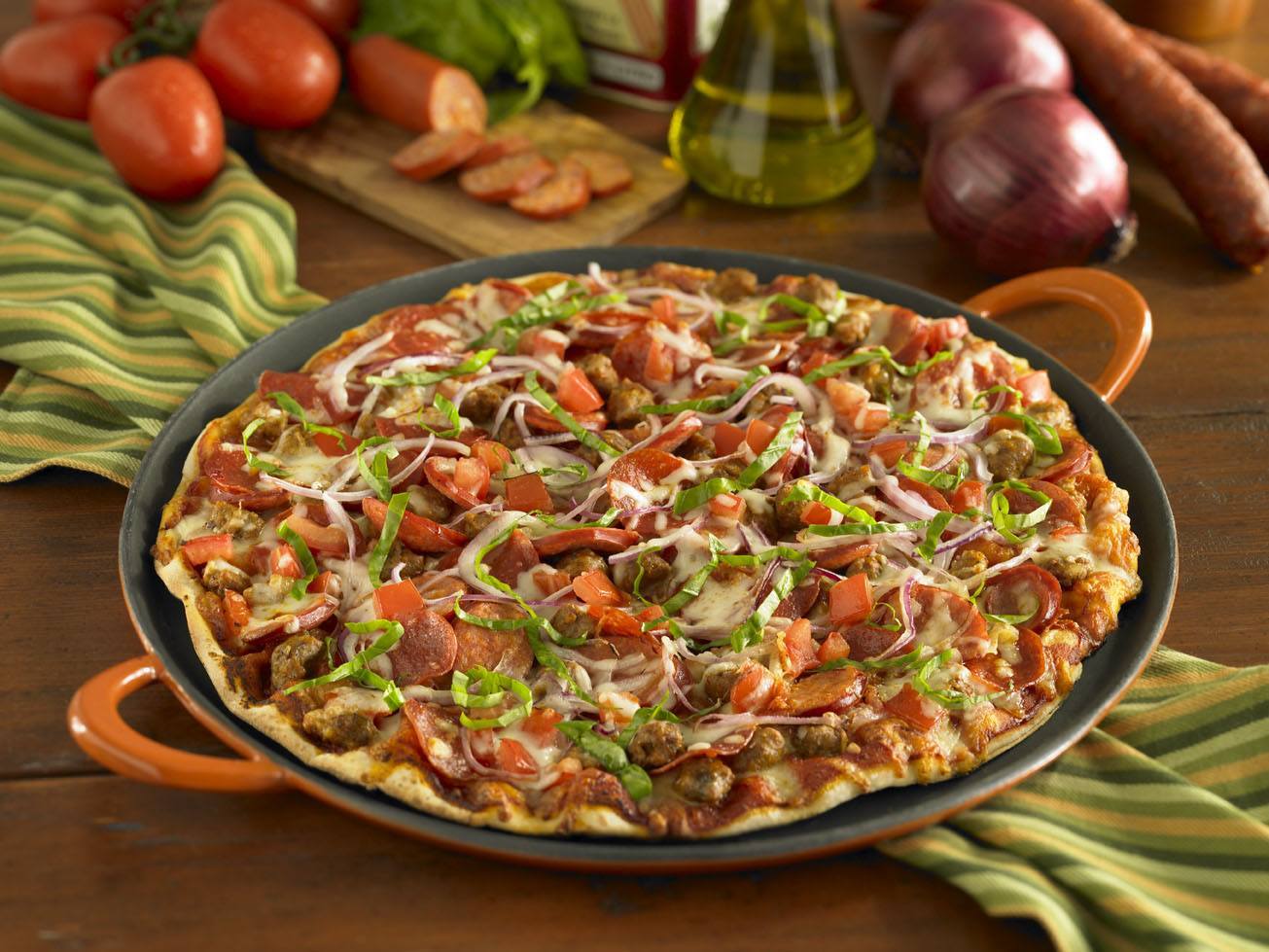
    Shakey’s Pizza Asia Ventures has followed archrival Yellow Cab into Dubai.

    The Philippine pizza brand says it has opened a store targeting the ranks of Filipinos working in the Middle East.

    Shakey’s Pizza Asia’s Dubai franchisee Aljeel Capital plans to open 10 stores over the next five years.

    “Dubai, UAE, and the rest of the Middle East are great markets for us,” Shakey’s Pizza Asia Ventures president and CEO Vic Gregorio said in a stock exchange filing.

    Shakey’s Pizza Asia Ventures has the rights to the US brand in Asia (excluding Malaysia and Japan), Australia, the Middle East, China and Oceania. Besides moving into offshore markets, the company plans to open a further 20 stores in the Philippines by 2020.

    Founded in 1954, Shakeys was the first US pizza chain to adopt a franchise model. But its growth since has been slow compared to its rivals, and store numbers in North America have shrunk to the double-digits. The Philippines is the brand’s biggest market with more than 160 stores already.

  • Standard Chartered Bank says Vietnam economy to grow faster than expected

    Standard Chartered Bank’s Global Focus report on the economy for the third quarter said manufacturing and construction will be the fastest growing sectors this year.

    FDI inflows will remain strong, with 50 percent coming into manufacturing, the report entitled “Fattening tail risks” said.

    Vietnam received an estimated $16.2 billion in FDI in the first half of this year, down 4.4 percent from the same period last year, according to the General Statistics Office (GSO).

    “We are positive on Vietnam’s growth medium-term on strong manufacturing activity as FDI inflows to manufacturing remain strong. We believe that Vietnam will remain one of the fastest growing economies in Asia in 2018,” Asia Economist for Standard Chartered Bank Chidu Narayanan said.

    The report said Vietnam would have a trade surplus this year due to high export growth and slowing imports.

    The country reaped export earnings of $113.9 billion between January and June, a year-on-year increase of 16 percent. Meanwhile, it spent $111.2 billion importing goods, up 10 percent.

    A World Bank report last month had said Vietnam’s economy might expand by 6.8 percent this year, revising upwards the bank’s previous forecast of 6.5 percent. It estimated growth of 6.6 percent in 2019 and 6.5 percent in 2020.

    Prime Minister Nguyen Xuan Phuc has said the target this year is to keep inflation below four percent and achieve economic growth of 6.7 percent. The consumer price index increased by 0.55 percent and 0.61 in May and June, pushing the inflation rate for the year-to-date to 3.29 percent.