Tag: asia

  • Amazon Prime Day fizzles yet retailer expects membership growth

    Amazon Prime Day fizzles yet retailer expects membership growth

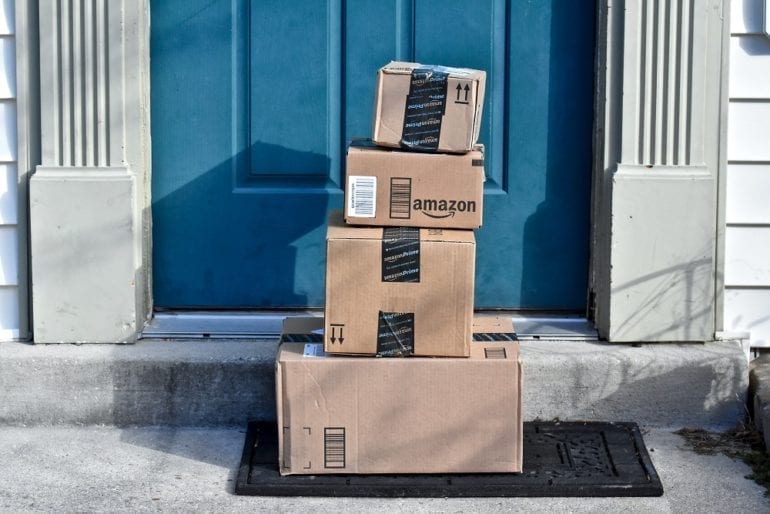
    Amazon is hoping for record Prime Day sales and sign-ups to Prime memberships in Australia, even after its website crashed at the beginning of the event.

    The online retailer experienced ‘technical glitches’, as well as some disappointed Australian consumers, during the flash sale, sparking the twitter hashtag, #PrimeDayFail.

    Amazon extended Prime Day to 36 hours from 30 hours last year and added four countries, including Australia, in its drive to increase Amazon Prime membership.

    Despite the glitches, Amazon claimed the first 10 hours Prime Day grew even faster, year-over-year, than the first 10 hours last year, exceeding US$1 billion in sales globally. Best-selling items included the Fire TV Stick with Alexa Voice Remote, Instant Pot 6 Qt 7-in-1 Multi Use and Echo Dot.

    According to various reports, spending jumped 89 per cent in the first 12 hours of the event compared with the same period last year.

    Amazon’s Black Friday equivalent had been expected to achieve US$3.4 billion of spending, up more than 40 per cent from last year. And despite the tech issues, Amazon’s stock gained 1.2 per cent to $1843.93 as of close of trade on July 17.

    The impact on Australian retailers has yet to be reported. However, Amazon retail’s arrival in Australia late last year proved underwhelming, with many consumers reporting the online retailer as worse than expected according to fresh research undertaken by Starcom. Local consumers were also disappointed when their US accounts were blocked as of 1 July, forcing them to use the Australian version.

    Since then, Starcom said Amazon.com.au has made up ground, with its improved pricing, product offerings and two-day distribution.

    “It is our belief Amazon’s free and fast delivery proposition is core and essential for long term Prime membership, but it is the little bursts of excitement, whether from access to amazing deals or favourite photos and music, that inspire people to take action and actually sign up,” Starcom director audience and measurement solutions, Nicole Conroy, said.

    “Based on our initial analysis and knowing that in the US more new customers joined Prime on Prime Day 2017 than on any single day in Amazon history12, we believe Amazon Prime Day will be a critical factor in boosting membership numbers in Australia.”

    Mindshare’s research into ‘The Amazon effect’ in June found overall online shopping traffic has grown 9.1 per cent off the back of Amazon’s launch, with local consumers turning away from overseas ecommerce sites in favour of locally based options.

    Amazon also grew traffic by 24 per cent post-launch, or between February-April 2018 and February-April 2017, attracting an additional 1.3 million visitors per month. This compared to an 11 per cent decline in Web traffic the previous year.

    However, local retailers hurt by Amazon’s arrival are commonly operating in categories of traditional strength for the US giant, such as gaming, books and consumer electronics. In Australia, these brands included EB Games, Booktopia, Harvey Norman, Supercheap Auto, Cotton On Group, eBay and Priceline, which all experienced a dip in traffic year-on-year.

    Globant VP of technology, Nicolás Ávila, saw Amazon Prime Day as a symbol of how Amazon transformed a great customer experience into a loyalty program.

    “Instead of building a loyalty program that is based on points, Amazon decided to charge a premium for clients willing to pay for a premium offering,” he commented. “Companies like Amazon, Apple and Disney have shown that building an emotional connection with customers comes from not focusing on the conversion, but instead improving the overall customer journey and removing friction points through new products and technology.”

    Avionos president, Scott Webb, said Amazon has continued to evolve its positioning, adapting to changing consumer expectations and retail industry trends.

    “What started as basically a flash sale to drive site traffic has now grown into a multi-channel blitz of Amazon’s private-label brands and in-store promotions, particularly with Whole Foods in the mix,” he said. “Prime Day has now infiltrated the brick-and-mortar market and even looks a bit like sales put on by traditional retailers, like Nordstrom’s Anniversary Sale or Macy’s Independence Day Sale – just more adapted to today’s online shoppers.

    “This has been a growing change in Amazon’s business model because today, it’s not enough for retailers to compete only online. We’re seeing Amazon continue to recognize this changing dynamic as it further blurs the line between online and offline commerce offerings. I think this is one of the first of many years that we’ll see Amazon expanding its Prime Day offerings into the physical space.”

    Episerver director of product strategy, personalisation, campaign and analytics, Jeff Cheal, said Amazon has set the standard customers have come to expect from a seamless and convenient shopping experience.

    “While Amazon has done well to cultivate strong brand loyalty, our experience and research shows that customers are quick to jump ship if an online shopping experience doesn’t live up to these new standards, even with sites they are previously familiar with,” he said.

    “If site performance stands in the way of a consumer’s shopping experience, especially during a banner sales event, users won’t quickly forget this. If Prime members can’t shop for the deals they were promised on Prime Day – Amazon’s highly-publicized bell ringing event – it means Amazon has fumbled in delivering on the very premise that has made it into the retail juggernaut it is today.”

  • Vietnam in danger of becoming a dump as China says no to trash

    Vietnam in danger of becoming a dump as China says no to trash

    It’s another waste-full day in Minh Khai, Hung Yen Province.

    Blocks of plastic bags sprawl on the ground, fill up alleys, besiege houses; machines groan and toss shredded plastic pieces into the air; sewage carrying debris leaks onto the streets; and kids splash themselves in a dark, murky pond.

    It is a scene similar to the recycling dead zones in China –exhaustively detailed in documentaries such as Plastic China and books like Adam Minter’s Junkyard Planet.

    There’s a big difference, though.

    China’s recycling villages are cleaning up their act in haste.

    Since January 1, the world’s biggest waste importer and recycler has said no to old mobile phones, paper, textiles and plastics it had always imported from the world for decades. It wants to take back its blue sky.

    While a blue sky has not been a frequent sight in industrial Hung Yen or polluted Hanoi, it has been definitively gray in Minh Khai, one of Vietnam’s largest plastic recycling villages.

    It’s noon, traditional Vietnamese nap time, but in Nguyen’s 100-square-meter workshop, the machines are still roaring.

    The 31-year-old recycler is overseeing five employees as they cut, melt and mold plastic, even as she darts between heaps of translucent bags and her kitchen to cook her family of six a quick lunch.

    These days, Nguyen, who declined to give her full name, can’t afford to take a long break. Her pellet-making machine handles about 1.5-2.5 tons of plastic per day, about 50-75 tons a month. Trash is pouring in from all over the world, Nguyen said, but mostly from Germany, Japan and the U.S.

    Nguyen has been a recycler for about two decades but only in the past year has she seen such a surge in the volume of foreign waste.

    She cannot cite figures; all Nguyen knows is that Chinese brokers hand her cash and tell her they need no contract. “I don’t even know who they are but every month, I buy about three containers from them,” Nguyen said.

    Like many recycling households in Minh Khai, Nguyen will sell her pellets back to China, where they are made into cheap plastic tables, stools, containers that find their way back to compete in Vietnamese market.

    Minh Khai has 1,000 households, of which more than 90 percent recycle plastic at home. Hanoi lacks an effective official recycling scheme, so for more than three decades, Minh Khai has been one of the major informal recycling hubs that handle plastic for the capital and the Red River Delta.

    Until 2017, only 143 households were registered businesses.

    “It’s only in the past two years that our village started buying more from Chinese brokers,” a 64-year-old recycler named Hoang remarked. “Truck after truck brings up to a thousand tons of plastic a day.”

    “My neighbors are not only working by day but they have started to run the machines at night as well to handle the new waste. I can’t get enough sleep,” Hoang complained.

    In May, a national TV channel estimated that around 1,000 tons of plastic waste was arriving in Minh Khai every day, a ten-fold surge since mid-2017.

    Hung Yen authorities acknowledge the surge in waste, but are not able to locate its origins. And until they find a way to sort this problem, informal recycling hubs like Minh Khai are not the only destinations that will see foreign waste pile up.

    From January to November 2017, Vietnam increased its imports of PE and PET plastic by more than 166 percent and 137 percent year-on-year, respectively. In November 2017, it was also the biggest importer of scrap plastics marked “mixed/other.”

    In the first quarter of 2018, Vietnam imported nearly 79 million pounds of recovered plastics, up from 40 million pounds over the same period in 2017. It became one of the U.S.’s largest scrap plastic buyers, Resource Recycling Inc. quoted the U.S. Census Bureau as saying.

    International dumping ground

    In 2011, China introduced its Green Fence program, an attempt to slowly close its doors to contaminated materials.

    China had been importing 45 percent of world’s plastic waste since 1992, and according to a research article published on Science Advances this June, the Chinese ban will displace an estimated 111 million metric tons of plastic waste by 2030.

    While major exporters like Europe and the United States are diverting their trash to Southeast Asia, industry insiders say that China’s recycling industry itself could shift to other destinations in the region, such as Vietnam.

    According to a report, Chinese recyclers are already moving much of their capacity abroad, as the curbs on imported trash have deprived them about half the materials they normally need to produce plastic pellets.

    The report says over 1,000 Chinese recyclers already investing in Southeast Asia, particularly Malaysia and Thailand, hoping to indirectly move processed foreign scrap in higher-grade form to meet their country’s new standard.

    However, the new routes have not been smooth since shipments have faced delays, while Thailand and Malaysia were also tightening regulations. One China-invested importer was already forced to close in Thailand, while Malaysia has not been accepting import permit applications since mid-May.

    In Vietnam, fears of the country turning into “an international dumping ground” are growing.

    Despite a halt in issuing scrap import permits since 2017, Vietnamese seaports have been clogged with thousands of containers of foreign scrap.

    As of May 2018, nearly 28,000 containers were stuck in seaports across Vietnam, according to the Vietnam Maritime Administration. The goods range from electric cords, outdated household appliances, secondhand fabric and used cars to plastic and paper scrap, which makes up the majority.

    Tan Cang Cat Lai, one of Vietnam’s largest shipping terminals, had more than 8,000 TEUs (1 TEU equals a 39-cubic-meter container) of plastic waste and paper as of May 21.

    The Tan Cang Cai Mep International Terminal also said that the large volume of plastic waste containers the port has received has caused troublesome backups and delays. Both terminals, which are operated by the Saigon Newport Corporation, say they are not accepting plastic scrap until October 15.

    Customs officials are ramping up inspections after a recent report of the  Vietnam Customs described numerous violations in scrap paper and plastic waste imports – including materials not meeting quality standards, mislabeling, forged import permits and even lack of permits.

    In a recent National Assembly session in Hanoi, Tran Hong Ha, Minister of Natural Resources and Environment, responding to concerns that the country can become a landfill of industrial and radioactive waste, said Vietnam has to start saying no to scrap import because the country is not able to deal properly with solid waste.

    “Waste in Vietnam is different from the world and even the advanced technologies that other developed countries use to treat their waste have turned out to be inappropriate in Vietnam,” he said.

    Many domestic waste treatment plants do not operate effectively and if those plants cannot meet technical and environment criteria, they should be shut down, the minister added.

    Until developed nations find a concrete solution for the new-found crisis, it appears that the burden will be borne by Vietnam’s seaports and its limited recycling infrastructure.

    For informal recyclers like Hoang and Nguyen of Minh Khai, business will remain hectic, but they are not complaining.

  • Chinese retail landlords rise to the challenge of e-commerce

    Chinese retail landlords rise to the challenge of e-commerce

    China’s retail real estate arena is the fastest-developing market in the world – forcing landlords to change their strategies to meet the challenge of e-commerce.

    When it comes to mobile shopping, 30-minute delivery and customer apps, China leads the world. Around 20 percent of China’s retail sales are online, placing it ahead of the UK, U.S. and South Korea, the other nations where e-commerce is most entrenched.

    And landlords are having to move fast to adapt to the new online/offline norm.

    “China is leading the world when it comes to blending online and offline retail, to the extent that in a few years’ time, those terms will leave our vocabulary,” says James Hawkey, head of retail for China at JLL. “We are moving to a world where all retail transactions will be internet-influenced.”

    Hawkey notes the historical definition of “online” and “offline” revolves around the place of transaction, something that is becoming increasingly unimportant. “People may go to a store to try something on and then buy it online for home delivery,” he says

    Chinese companies have been ahead of the curve when it comes to successfully blending online and offline retailing. In May, Dalian Wanda Group teamed up with tech firms Tencent Holdings and Gaopeng for a new online/offline retail joint venture.

    The new partnership aims to give Wanda’s shopping malls a “comprehensive digital upgrade”, improving connectivity between stores, malls and customers. Wanda hopes the initiative will bring “enormous online traffic through WeChat and other platforms”, which in turn will bring more physical traffic to its 236 Wanda Plaza shopping centres.

    Developer Chongbang has taken a lead on linking online and offline businesses. Its latest LifeHub malls in China have online fulfilment centres, where customers can pick up, try on and return goods they have ordered online. Chongbang has been bringing previously online-only brands into its malls, with what it calls its O+O (online plus offline) programme.

    Hawkey also cites Alibaba, the online retail giant, which is moving in a significant way into physical retail, with initiatives such as its Hema supermarkets. Alibaba came up with the phrase “New Retail” to describe the step beyond an either/or approach to online and offline retail. Hawkey says the key is the interaction of “people, product and place”, whether that place is physical or virtual.

    He also believes that retailing will become more ‘event-based’ with brands tailoring events and promotions to their community, which will be developed online and offline.

    The landlord challenge

    In response, shopping centre owners need to “create an amazing environment where people want to spend their time,” says Hawkey. This means focusing on design, landscaping and air quality (the latter being crucial in China). A mall’s interior space needs to have a level of flexibility, which can serve brands looking to run special events, or for the centre’s management to organise their own.

    For the China retail owner, tenant mix will become increasingly important, says Hawkey, in order to provide an offering which truly serves the need of its demographic; just leasing up the space as quickly as possible is no longer enough to be sustainable long term.

    China shopping centres also need to integrate their online and offline presence and use customer data intelligently in order to bring people to malls for targeted events and offers. “You can’t just say roll up, roll up, one and all!” says Hawkey.

    However, real estate fundamentals such as location and design cannot be overlooked. “Most of China’s large cities have districts with some oversupply,” says Hawkey. “Prospective new owners of a shopping centre might see problems with management and leasing, which can be rectified, but it is far harder to improve a mall which is poorly located or designed.”

  • Nike to fill former Esprit flagship space

    Sportswear brand Nike will take over a 7000sqft shop in the Leighton Centre for a monthly rental of HK$1.5 million (US$190,000).

    The space formerly housed an Esprit flagship, with the local fast-fashion brand reportedly paying rent of HK$2 million (US$255,000). Esprit vacated the space, located in one of the world’s busiest and priciest shopping districts, at the end of June. Esprit’s departure comes at a time when many Hong Kong retailers are abandoning or renegotiating prime streetfront locations.

    The 26,000sqft Esprit flagship at Tsim Sha Tsui was also vacated earlier this year before being taken over by a shoe retailer.

    The company took a net loss of HK$954 million (US$121.5 million) in the second half of 2017. It is currently poised to close more than 40 European stores.

  • Ministop Korea denies rumors of closing shop

    He added that reports which said Ministop has selected Nomura Securities as deal manager to sell its Korean unit are untrue.

    Established in 1997, Ministop Korea is the fourth-largest player in the country. But recently the company has faced some difficulties doing business here. The number of Emart24 outlets has increased dramatically from 501 in 2014 to 3,236 as of June this year, outnumbering Ministop’s 2,346 outlets. Moreover, the Fair Trade Commission slapped it with a 234 million won (US$207,796) fine for signing illegal and unfair contracts with its suppliers.

    Emart24, the convenience store chain of retail giant Shinsegae, which is considered to be one of the likely candidates to acquire Ministop, also denied the reports, saying it is unrealistic.

    “Our operating system is totally different from Ministop. If we acquire the chain, we will have to adjust all the differences, which takes too much effort,” a Emart24 spokesperson said.

  • Vietnam’s Cong Ca Phe eyes South Korea expansion

    Vietnam’s Cong Ca Phe eyes South Korea expansion

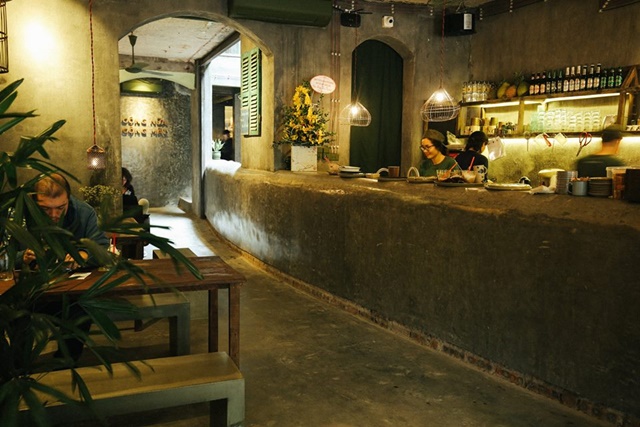
    Vietnamese traditional-coffee chain Cong Ca Phe is opening its first overseas outlet by the end of this month.

    The Hanoi-based chain has appointed a master franchise in South Korea and according to the Cong Ca Phe South Korea Instagram account, the first outlet will open in Yeonnam-dong, a popular destination for local youth.

    According to a report, all staff are being trained in Vietnam, and the main barista is Vietnamese.

    An all-original menu will be served in the Seoul outlet, including Cong’s signature coconut coffee and local Vietnamese snacks such as peanut brittle and sunflower seeds.

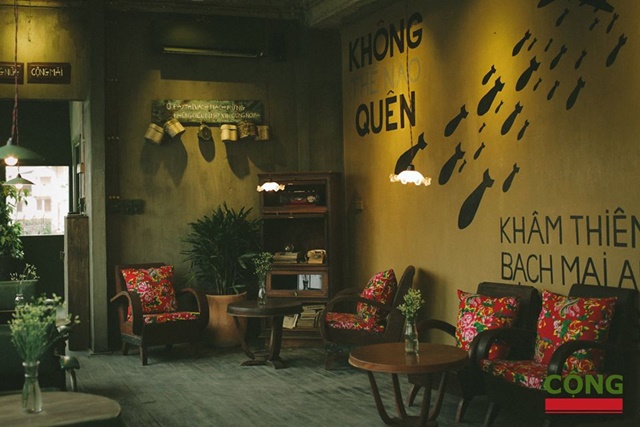
    Founded in 2007, Cong Ca Phe’s interior design is inspired by the 80s in Vietnam, the so-called “subsidy period” with colourful murals depicting old communist-era lifestyle. They usually have wooden floors, mid-tone brown tables, and antique wooden chairs, padded with chinese cotton-print cushions.


    The chain now has more than 50 outlets across Vietnam, both company owned and franchised.

  • What’s Asia’s fastest growing budget hotel chain?

    What’s Asia’s fastest growing budget hotel chain?


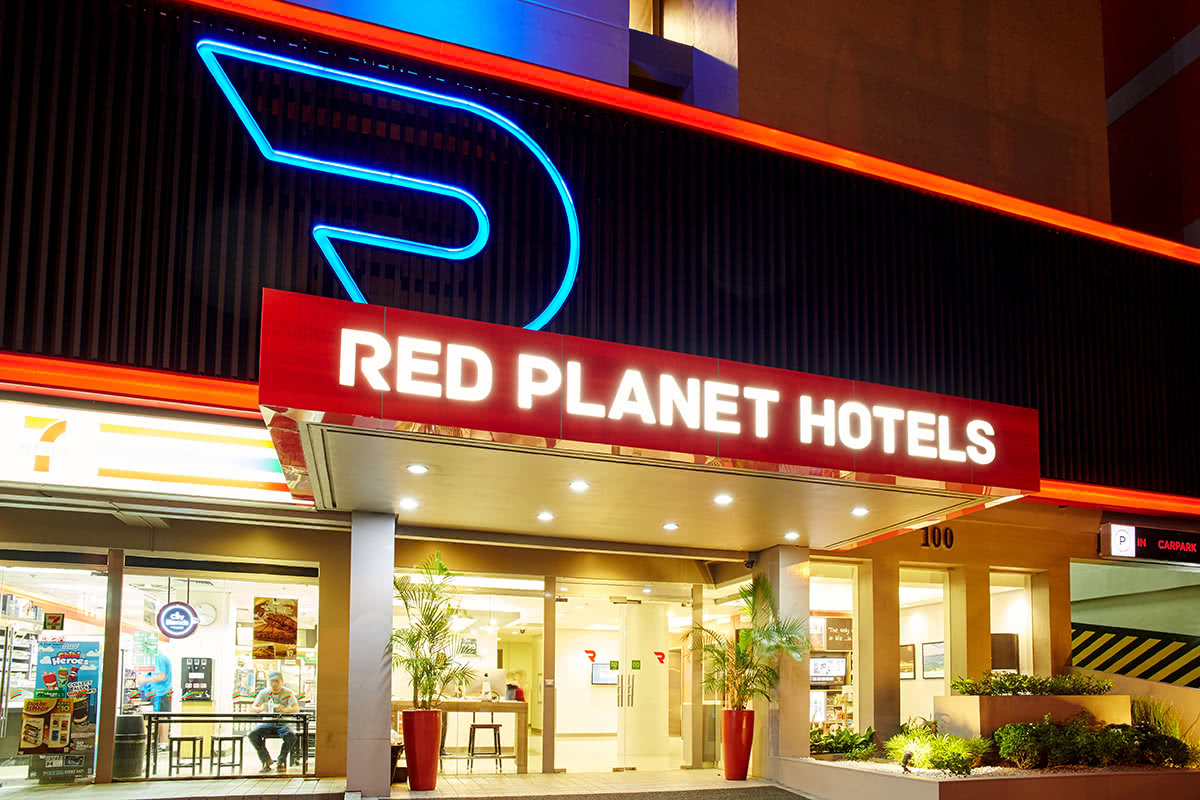
    Bangkok-based budget hotel chain Red Planet has been rapidly expanding in Asia, responding to the growing number of new travelers in the region.

    Established in 2010, Red Planet has become one of Asia’s fastest growing budget hotel chain.

    It operates 30 hotels with more than 4,700 rooms in four countries — the Philippines, Japan, Thailand and Indonesia — which includes one hotel in Tokyo not under the Red Planet brand.

    To speed up the company’s development, it is now seeking to enter into a franchise contract and creating joint ventures with real estate funds. The company has plans to double its pan-Asia hotels to 60 by 2023.

    The market for budget hotels is rapidly growing in Asia-Pacific, the region which has long seen the polarization of luxury Western hotel chains and inexpensive but substandard chains operated by local companies.

    OYO Rooms in India has expanded the concept of organized, cost-effective and higher-quality hotel chains by creating a network of partner hotels since 2013. Other Asia-based startup budget hotel chains, including ZEN Rooms and RedDoorz, both of which are based in Singapore, have copied that model.

    “Cleaning or English support are the services required at any level of hotels,” said Tomohiko Sawayanagi, international director of Jones Lang LaSalle Hotels & Hospitality Group. “Newly emerging budget hotels meet these demands, used for both business and leisure opportunities throughout the region.” According to Euromonitor International, the market size grew to $27.7 billion in 2017, up 47% from 2012. It is forecast to increase to $32 billion in 2022.

    Red Planet has been expanding its business in this competitive market, by making use of technology. This could be especially appealing to young customers, as well as to the global hotel industry whose corporate management tends to adopt an analogue-based structure, rather than automated.

    Guests can have text conversations with the hotel’s front desk on a chat service on Red Planet’s booking app. From the moment customers reserve a room until they check out, guests simply send text messages and responses are usually immediate. The app also helps in finding local tourist spots or nearby restaurants, and offers discounts.

    The company is planning to launch a new computer reservations system by the end of this year, which compiles customers’ data across its network. For instance, if guests ask for an extra pillow in an app chat while staying at a hotel in Tokyo, they will automatically receive an extra pillow the next time they travel to one of the chain’s other hotels across Asia.

    It also plans to launch an automated check-in process by the end of this year, providing machines to complete the process without the need for staff, although some staff will still be present for face-to-face customer support.

    Red Planet already applies artificial intelligence for a system that calculates room prices every 15 minutes based on the predicted occupancy. More than 120 daily reports offer the actual and expected future performance of each hotel, enabling managers to make decisions in advance to maintain high occupancy levels.

    “Our technology is developed in-house with six members of the group, unlike other hotel chains which use a third-party company,” said Simon Gerovich, chairman and co-founder. “It is easy to adjust and scale our business speedily.”

    These various uses of technology allow Red Planet to reduce its labor costs — it hires 10 to 12 employees for 160 rooms, Gerovich said, while five-star hotels usually have 2.5 to three employees a room — and to maintain an occupancy rate of 85% or higher.

    The company also keeps a steady focus on comfort and convenience — with an eye on making guests repeat customers.

    The hotel’s compact rooms are roughly 15 sq. meters, but space is maximized. The beds, custom-made in Thailand, allow space for suitcases to be stored underneath. A youth-oriented tourist-friendly atmosphere is created along the hotels’ hallways, with photos of local areas covering the walls.

    Hotel lobbies have a bank of Apple computers for free guest use. Room prices, which can change frequently based on demand, are usually between $45 to $90 in Japan and even lower in other countries.

    “We are mainly targeting young millennials of 25 to 35 years old, tech-focused, who spend little time in their room but prefer experiencing in their trip,” Gerovich said. The one-stop services on the company’s app provide complete research and reservation procedures for guests for their trip.

    Gerovich describes the brand as a “copy and paste business model.” The company concentrates on building a systematic operation procedure so that “we can grow much more rapidly with potential partners with uniform guidelines in a future,” he said, “just like McDonald’s provides handbooks to franchisees on how to build a kitchen and make a hamburger.”

    This strategy has seen success. Its Philippine hotels had an average occupancy rate of 85% to 90% in April, while Red Planet Tokyo Asakusa was 97.5%. “Our business model works well in a crowded, congested city where we can reinforce the accessibility for business and leisure with good location,” Gerovich said.

    Gerovich’s background sheds light on his company’s nonconformist business model.

    “I’m grateful to the 2008 global financial crisis for correcting our plan,” Gerovich said, recalling an encounter with Timothy Hansing, CEO and co-founder of Red Planet. Gerovich, who worked in Tokyo as an equity derivatives trader at Goldman Sachs for six years, resigned and moved to Bangkok in 2005.

    He started his hotel career as an entrepreneur in real estate, focusing on the development of high-end hotels. He met Hansing, who had years of experience in the hotel industry, and together they worked on a new project on the popular Thai resort island of Phuket.

    But global events intervened. Gerovich said the project looked to falter amid the financial crisis and when political turmoil in Thailand led to a downturn in the country’s tourism and luxury businesses. “I understood the market-dependent risks of the five-star hotel industry, but at the same time I took note of the increase in the world’s connectivity with the development of low cost regional airlines,” he recalled.

    There were already very inexpensive hotel chains but Gerovich was convinced that “it would be nice for tech-focused young adults to stay at clean, affordable hotels.”

    Gerovich’s background in finance and Hansing’s expertise in hotel operations led to the idea of Red Planet. Gerovich said Hansing’s “unique ideas” included the use of technology that could help hotel managers from becoming submerged in a paper reporting system and the difficult task of forecasting occupancy rates.

    Red Planet grew quickly by utilizing the celebrity of an existing chain hotel brand. In 2012, Red Planet bought a 16% stake in Malaysia-based Tune Hotels, the budget hotel chain led by AirAsia founder Tony Fernandes. Red Planet became its major franchisee, building and operating hotels in cities served by low cost carriers in the Philippines, Thailand, Indonesia and Japan. When the company ended its partnership with Tune Hotels in 2015, it rebranded 24 of those properties as Red Planet.

    In contrast with other hotel chains, whose facilities are often built and leased by landowners or developers, Red Planet has been developing its hotels on its own, purchasing the land to build new hotels or refurbish existing buildings. That allows the company to choose locations without depending on landowners and to easily standardize the rooms’ format.

    “Red Planet can develop its hotels even at locations where developers or fund managers may hesitate, which is one of the biggest strengths of the company,” said Sawayanagi at JLL.

    Gerovich also made use of his strong connections to Goldman Sachs for Red Planet’s fundraising.

    In March, the hotel chain said it concluded an 11.77 billion yen ($111 million) sale-and-leaseback deal with Goldman Sachs, by selling ownership rights to four of its Red Planet branded hotels in Japan and simultaneously entering into a lease-and-operate agreement for 20 years.

    Red Planet can then use the funds to pay back its development costs to banks, build another hotel and sell again, and reduce its property taxes. In September 2016, the company announced a separate $70 million investment from Goldman Sachs.

    Though Red Planet is privately owned, including with stakes held by Goldman Sachs and other parties, the company has listed subsidiaries in Japan and Indonesia. In 2012, Red Planet took a stake in a financially troubled music recording company that was listed on Japan’s stock exchange. Seeking the music company’s restructuring was much easier than establishing a subsidiary in Japan and applying for an initial public offering. Red Planet Japan is about to see increases both in sales and profit this year, after selling other nonrelated businesses and focusing only on hotel operations.

    Red Planet expects revenue to reach $46 million this year, nearly 10 times what it had in 2012. The company is “seeking to establish the most scalable business,” Gerovich said. Its EBITDA margin, the operating profitability of its total revenue, has been as high as 50%, while the typical five-star hotel is 20% to 25%.

    The recent travel trend in Asia favors the company’s expansion plans. Red Planet focuses primarily on Japan and the Philippines, two countries that have seen a sharp rise in tourism.

    According to the Japan Tourism Agency, the number of international visitors to the country swelled to 28.7 million in 2017, more than three times the figure in 2012. Of those visitors, 61.4% had visited Japan previously. While the government estimates that Japan will have 40 million foreign tourists annually by 2020, Mizuho Research Institute said in a report last year that the country will be lacking as many as 4,000 rooms at that time to accommodate those visitors.

    The effect of a new law on home-sharing in Japan, or minpaku, should benefit the budget hotel business. Since the new regulation came into effect in mid-June, Airbnb and other home-sharing services are facing a massive drop in hosts in Japan, as the company pulled roughly 80%, or 50,000, of its listings in Japan that did not meet the requirements.

    “Budget hotels should have a potential in expanding their business among this area by providing an affordable price range,” said Tatsunori Kuniyoshi, research associate at Euromonitor International.

    “Japan is our smallest market but our second-largest revenue contributor,” Gerovich noted.

    The Philippines, where the company has its largest presence with 13 hotels, has seen a development in tourism in recent years. Tourist arrivals reached 6.6 million in 2017, up 11% from the previous year, and increasing at an annual pace of roughly 10% since 2010. The country saw a sharp increase in visitors from China in 2017 amid Philippine President Rodrigo Duterte’s friendly relationship with Chinese President Xi Jinping, marking 43% growth since Duterte took office in mid-2016.

    Red Planet announced in early June the establishment of a new subsidiary in the Philippines and the acquisition of two new properties, with plans to open hotels in 2019 and 2020.

    “This is an important year for us, because the size of our business is becoming substantial,” said Gerovich. “We are currently moving to the next phase, starting to focus on potential partnership and franchising.”

  • Future is for e-commerce, JD.com says

    Future is for e-commerce, JD.com says

    E-commerce has changed the face of retail. A drone can handle delivery, and payments and orders are all done with a smartphone.

    These changes are now coming to South East Asia, said an executive of a prominent Chinese retailer.

    Gloria Li, Corporate Vice President of JD.com, which is described as the largest retailer in the online and offline space, believes “after several years [from now], the penetration of e-commerce in South East Asia market will increase.”

    The expected increase is due to two facts — customer behaviour and the efficiency of the e-commerce, she said during a meeting with a group of visiting media representative recently to Beijing.

    First, the young generation is “gradually getting everything from the internet … Secondly, we are seeing more efficiency in e-commerce versus traditional retail because e-commerce has no boundary. You can access products from either phone or iPad, or PC or, sometimes, smart hardware like a smart refrigerator,” she said.

    JD.com in China is an example of the “amazing speed” of the growth of e-commerce.

    Its 2017 revenues were estimated at $55.7 billion (Dh. 205 billion), recording a 40 per cent increase from the previous year, Li said.

    The company, which started 15 years ago, has today 500 warehouses across China, 301.8 million customers, and 82 per cent of them are ordering via mobile.

    Two years ago, the company started delivering products through drones, particularly in rural areas. It has other methods such as robots too.

    Today, it is the third largest internet company globally after Amazon and Alphabet, according to the company.

    JD.Com, which was listed on Nasdaq in 2014, started expanding beyond China two years ago. It first reached Indonesia, which was quite similar to what the Chinese market looked like a few years ago, Li said. The Chinese retail company then began doing business in Thailand and in Vietnam, she said.

    Delivery using drones does not only depends on technology, but also on laws and policies in other countries, said Li. “We have not entered the ME market yet. It is a very young company,” she said of JD.com.

    “At the same time, we are also seeking opportunities to outreach other markets in the world in the future, like Europe, US, and maybe Africa,” said Li in the interview conducted in the company’s headquarters in the Chinese capital.

    In the company headquarters, JD.com offers customers the opportunity to buy by themselves from stores and display areas. There is a store for different products, including electronics, cosmetics, and accessories.

    There is also a mini supermarket, where entry is allowed using the mobile phone. Cameras located on the ceiling of the small grocery follows the customer and registers the picked up items. At the exit, the money charged using the personal information used for the phone number, and no cash or credit cards are used.

    Commenting on the security procedures against any hacking or piracy, Li said “we have a dedicated team focusing on security and data privacy. This is the most important thing for the customer”.

    During the purchase process, the cameras follows a certain feature of the buyer, such as the colour of the cap or jacket, while the personal information kept private in the system, she explained.

    The JD.com executive refuted the claim that technology is eliminating humans’ opportunities for work.

    “When the company started 15 years ago, it had 38 people. Now, it has 170,000 people. This shows that we recruit on an average 10,000 a year.”

    Human workforce is needed for many tasks such as delivery, monitoring and tracking orders at the warehouses. Humans direct robots, she said.

  • Bo’s Coffee Philippines targets to open 200

    Bo’s Coffee Philippines targets to open 200

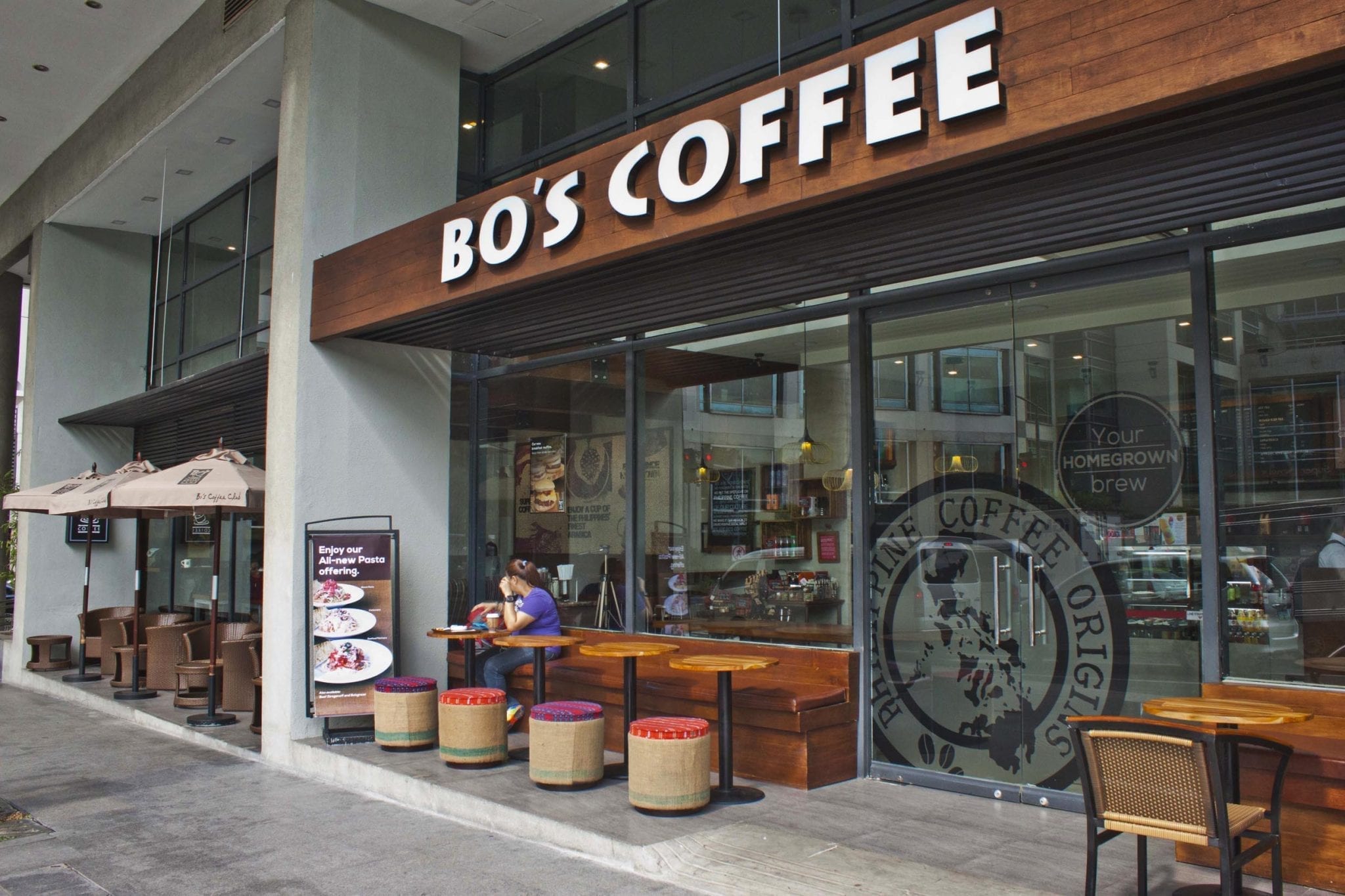
    Philippine coffee chain Bo’s Coffee is planning to operate 200 local stores within two years.

    The plan represents a change in direction for the brand, which opened its first outlet in Qatar recently. Overseas expansion for Bo’s is now shelved until 2020, while the brand’s immediate focus for growth is Luzon.

    Founder Steve Benitez said: “The Qatar opening was long overdue. Finally, we have opened it. Our partners there are planning to open three to five more branches. We are happy to hear that despite minimal marketing, the coffee shop there is doing well. However, the plan is to grow the brand locally before we expand aggressively in other countries.”

    Bo’s Coffee recently announced a change to its franchising system, which now serves both regional and territorial franchisees.

  • TWG celebrates 10th anniversary by store opening

    TWG celebrates 10th anniversary by store opening

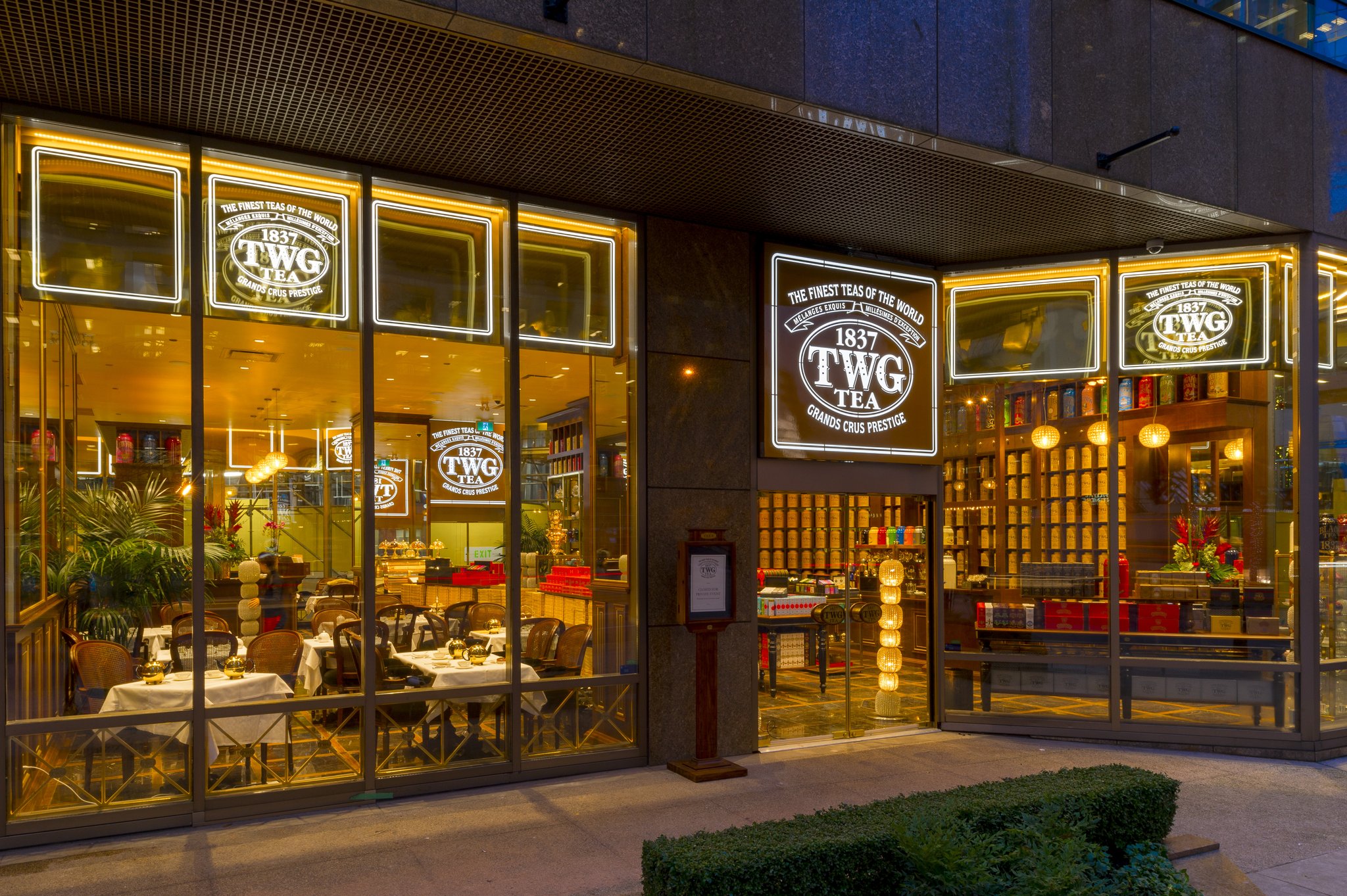
    Tea WG has announced its launch in Europe in conjunction with its 10th anniversary.

    The luxury tea brand will open two Tea WG Salons & Boutiques in London at Knightsbridge and Leicester Square, achieving the distinction of being the first luxury tea brand to emerge from Asia in the UK market.

    Both new venues are opening in heritage buildings and include retail boutiques, patisserie counters and tea salons with refined, luxurious interiors designed and conceived by Taha Bouqdib. The concept salons showcase more than 800 of Tea WG’s signature harvests and tea blends, as well as its tea gastronomy, tea accessories and tea-infused foods.

    The brand was originally established in Singapore in 2008 as a luxury concept that incorporates unique and original retail outlets, exquisite tea rooms and an international distribution network to professionals.

  • Two foreign brands dominate personal hygiene market in Vietnam

    Two foreign brands dominate personal hygiene market in Vietnam

    Among the 10 most popular personal care brands in the country, Diana and Kotex hold a whopping 80 percent of the domestic market share.

    Unicharm, the Japanese company which owns the Diana brand, has been in Vietnam for 27 years.

    Diana brand products earned revenues of VND5 trillion ($218 million) in 2016, up 10.6 percent over 2015, for a net profit of VND819 billion ($35.7 million), making it the market leader by far.

    In second place is the Kotex brand, owned by the U.S. based Kimberly-Clark Corporation, which reported revenues of VND4.9 trillion ($214 million) in 2016, a year-on-year increase of 9 percent, for a net profit of VND485 billion ($21 million).

    With a large proportion of young people in its population of 93 million, both brands expect the Vietnamese market for personal sanitation products to grow significantly in the coming years.

  • Bid to Revive Property Market Highlights Bank of Indonesia’s Policy Dilemma

    Bid to Revive Property Market Highlights Bank of Indonesia’s Policy Dilemma

    As Indonesia’s central bank drives up interest rates to defend a fragile currency, governor Perry Warjiyo is banking on a revival of the sluggish property sector to help maintain growth momentum in Southeast Asia’s biggest economy.

    Five years ago, luxury Indonesian apartment prices skyrocketed amid a commodities boom that saw some wealthy buyers pay cash upfront. The boom’s end, slower economic growth and rules to curb property speculation slammed on the brakes.

    Now, authorities want to encourage buying. From August, the central bank is scrapping its 15 percent minimum mortgage down payment for first-time home buyers and relaxing rules on loan disbursements, in a bid to support listless credit expansion.

    “We need to support our economic growth,” Perry said in a recent interview, asserting that property can have a multiplier effect on other sectors.

    This comes as Indonesia is caught in the cross hairs of an emerging market sell-off that caused the central bank to raise interest rates by 100 basis points in six weeks, to defend the rupiah.

    Filianingsih Hendarta, a senior Bank Indonesia (BI) official, estimates the eased mortgage rules will add 0.04 percentage points to economic growth this year. That sounds small, but Indonesia’s higher interest rates will reduce its growth pace, making a net gain from the rule changes welcome.

    BI’s growth forecast is 5.1-5.2 percent, compared with 2017’s 5.07 percent.

    But given the absence of a hot commodity market and the rising interest rates, seeking to make property an economic pillar might highlight authorities’ lack of credible policy options in the current environment.

    A Pedestrian Pace 

    Standard & Poor’s expects property sales to be flat this year despite BI’s new measures.

    “We don’t think there will be a major recovery, everything will probably move at pedestrian pace until the second half of 2019, after elections at best,” analyst Kah Ling Chan said, referring to parliamentary and presidential polls next April.

    In recent years, Indonesia’s biggest online housing broker Rumah123.com, part of Australia’s REA Group, has recorded sluggish sales.

    “The number of buyers seems to be stagnant now,” country manager Ignatius Untung of Rumah123.com said.

    Bankers have said they will not completely remove downpayments and instead will adjust the interest rates on home loans based on a customer’s risk profile.

    Roosniati Salihin, deputy president director of Bank Panin , said tepid demand is a major problem for property. “The market needs to be reinvigorated. The banking sector is only waiting for customers to walk in,” she said.

    Soelaeman Soemawinata, chairman of the Real Estate Association of Indonesia, said its “most optimistic scenario” is for the number of units sold to increase by 10 percent in the next year.

    “But the property industry is hard to predict,” he said. “People’s psychology affects this.”

    Preference for Renting

    The younger generation prefer to rent than purchase a home, said Handayani, consumer banking director of Bank Rakyat Indonesia.

    “Kids nowadays prefer to rent and to travel whenever they have spare money,” she said.

    Even if banks start requiring no downpayment at all, that would mean higher installments for customers, which won’t sit well given higher interest rates, said Aldi Garibaldi, senior associate director of Colliers International Indonesia, a property services firm. He said he does not think BI’s measures will be enough to spur demand.

    While BI’s easing is welcome, the central bank should take it up a notch by scrapping rules on the maximum number of credit facilities per person and allow banks to dispense more cash upon signing loan documents, said Adrianto Adhi, president director of developer Summarecon Agung.

    BI’s announcement on mortgages has spurred some young Indonesians to consider home-ownership.

    Newly married Khaerul Estian, a 28-year-old who works in a bank, has started looking. He hopes not to have to make any down payment, given small savings. But Estian intends to buy, even if higher interest rates raise the ultimate cost.

    “It’s a risk, but the most important thing is to own a house,” he said.

  • Hong Kong retailers continue expansion

    Hong Kong retailers continue expansion

    A vast majority Hong Kong retailers in a survey say they plan to open new stores during the next year, according to property company JLL.

    Albeit a small sample base of 40 retailers, 83 per cent of international and local retailers told JLL they will expand – a significant increase form the 62 per cent of a similar survey a year ago.

    “There is a great deal of positivity in the market at the moment,” said James Assersohn, director of Asia-Pacific retail at JLL. “Retailers from almost all sectors are seeing strong and sustained growth in their sales which will lead to them invest more into the market.”

    Hong Kong retail sales rose 13.7 per cent during the first five months of this year and there are no signs of the rebound slowing down. However, the rise is being driven by luxury goods and jewellery, with growth in more staple products like food and furniture in the mid-single digits.

    “The luxury sector is currently the biggest winner, led predominantly by the mainland Chinese tourists,” said Assersohn.

    Almost all of the retailers questioned by JLL said they had experienced an increase of sales during the first half of this year and predict they will continue to grow by more than 10 per cent in the second half.

  • Find the Perfect Piece of Pokémon Jewelry at U-TREASURE

    Find the Perfect Piece of Pokémon Jewelry at U-TREASURE

    Japanese jewellery brand U-Treasure has released a series of Pokemon-themed merchandise.

    The firm launched the “Pikachu Electric Motif” collection of rings for men and women to be available from the U-Treasure Shinjuku store in Tokyo and the K.uno Meitetsu store in Nagoya, as well as online. The rings will be available in platinum, yellow gold, and white gold as well as blends, and diamond-studded engagement and wedding rings are available. All the rings feature the Pikachu character.

    U-Treasure has also announced the re-release of its popular “Poke Ball” accessory case.

    The accessory brand has also released branded jewellery featuring Sailor Moon, Disney, and Star Wars.

    View the gallery below (6 images) :

  • Vini Vici beauty enters China

    Vini Vici beauty enters China

    Shinsegae International Co., the fashion arm of South Korea’s retail giant Shinsegae Group, aims to open a flagship store of its cosmetics brand VIDI VICI in China late next year to tap deeper into the world’s largest market.

    Prior to the opening, it will launch a premium skin care line with a concept of lotus in November, the company said.

    Shinsegae International recently established a local office in China to prepare for the opening of a VIDI VICI flagship store, according to a company official. It could open the store by the end of next year after getting necessary licenses from Chinese authorities.

    “VIDI VICI is famous for its skin care goods in China, so we are planning to add a premium skin care line consisting of six products for women in their 30s and 40s with a price tag of below 200,000 won (US$178.08),” said an official at Shinsegae International.

    VIDI VICI has successfully earned more than 10 billion won in sales every month since March thanks to the brand’s popularity among Chinese consumers.

    It swung to profit of 570 million won for the first time last year since it was taken over by Shinsegae International in 2012. Its revenue is expected to reach 130 billion won this year, according to analysts.

    Shinsegae International’s cosmetics business also reversed to profit of 5.7 billion won last year on sales of 62.7 billion won, and sales are forecast to more than triple to 200 billion won this year.

    Meanwhile, Shinsegae International recently has won the exclusive right to sell the lineup of U.S. top makeup brand Hourglass Cosmetics in Korea and opened a store in a department store in Seoul.