Tag: asia

  • Noon.com comes to Asia

    Noon.com comes to Asia

    Middle Eastern e-commerce firm Noon.com is coming to Asia.

    The venture of Dubai billionaire Mohammad Al Abbar and Saudi Arabia’s Public Investment Fund (PIF) announced its launch in Asia, with two units in China and an office headquarters in mainland China.

    The $1 billion Internet retailer said one of the units will serve as sourcing offices, and will be located on the mainland, while the other will bow in Hong Kong.

    “China’s booming e-commerce market has one of the most active marketplaces in the world,” said Noon.com founder, Mohammed Alabbar.

    “Noon is fully embracing the opportunity to work closely with leading Chinese manufacturers to bring a high quality, value driven assortment to the region. We’re also looking to partner with top brand owners and marketplace platforms to help us curate a wider and more diverse assortment of products for our customers in the Middle East.”

    Dubai-based Noon.com, a seller of fashion, accessories and footwear, as well as groceries and household items, among other items, is a new comer to the e-commerce scene.

    Destined to rival U.S. e-commerce giant Amazon.com, its October 2017 debut came close behind Amazon’s acquisition of the region’s biggest online retailer, Dubai-based Souq.com, for $650 million.

    Noon.com currently delivers to Saudi Arabia and the United Arab Emirates, the region’s largest economies.

    Last month, the firm said it had signed a partnership agreement with Ebay to allow online shoppers to buy products from the United States and other parts of the world.

  • Prudential BSN Takaful Malaysia aims for 1 million customer base

    Prudential BSN Takaful Malaysia aims for 1 million customer base

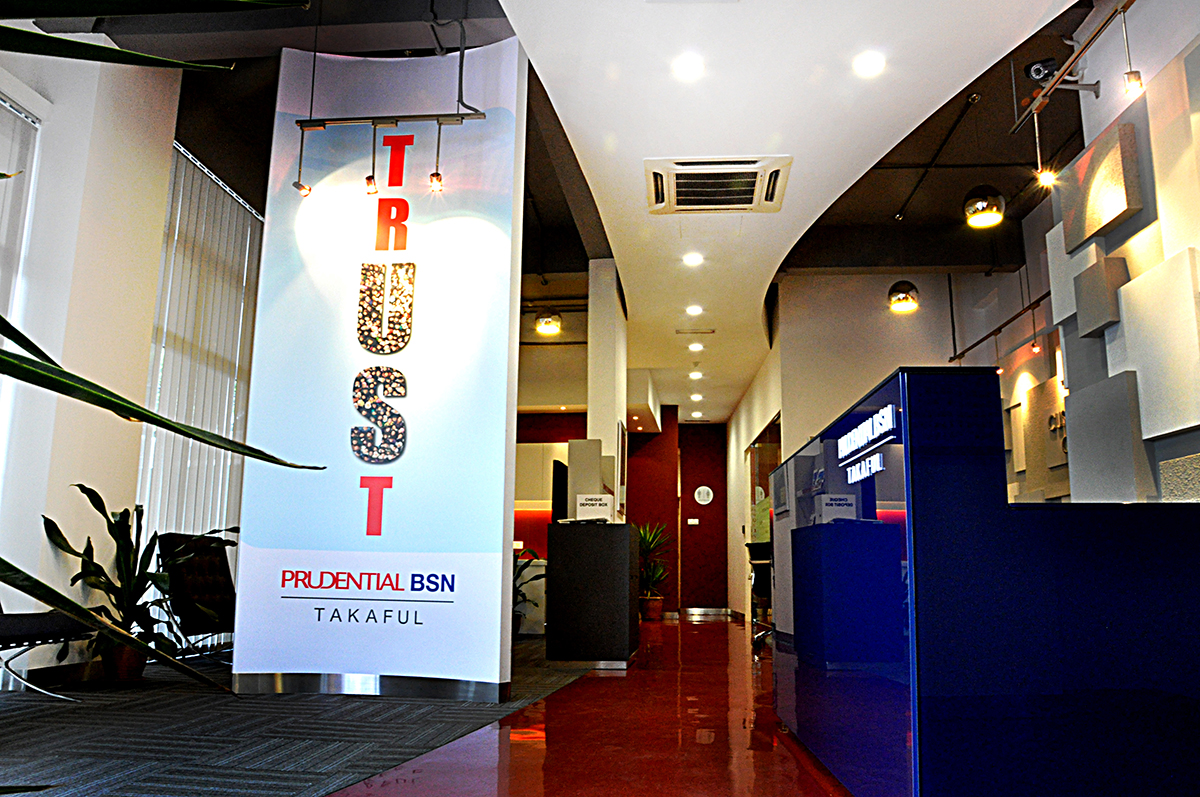
    Prudential BSN Takaful (PruBSN) is hoping to increase its customer base to one million with two of its new takaful packaged solutions namely the PruBSN Setia and PruBSN Impian, which provide customisable and comprehensive protection.

    The takaful operator’s current customer base stands at around 850,000. The targeted increase is expected to be further supported with other new product launches this year.

    To address escalating healthcare cost, the PruBSN Setia is a health protection coverage for working adults which covers medical, critical illness, accidental and income replacement riders.

    “When it comes to health protection, many working adults in Malaysia rely solely on their employer to provide medical benefits. Given today’s economic environment and living conditions, they will need to enhance their existing coverage to fully support their protection needs,” said PruBSN chief marketing offer Wan Saifulrizal Wan Ismail.

    “With PruBSN Setia, employees can take advantage of the multiple rider options to add up on to their life insurance or takaful plans. We want to help strengthen the future financial safety net for working adults and their families,” he added.

    Meanwhile, the PruBSN Impian provides expectant mothers with comprehensive prenatal, medical, critical illness and saving solutions for their children from as early as 14 weeks of pregnancy to 100 years old. This further extends to long term savings plan for the child’s education.

  • Pablo Cheesetart exits Malaysia market

    Pablo Cheesetart exits Malaysia market

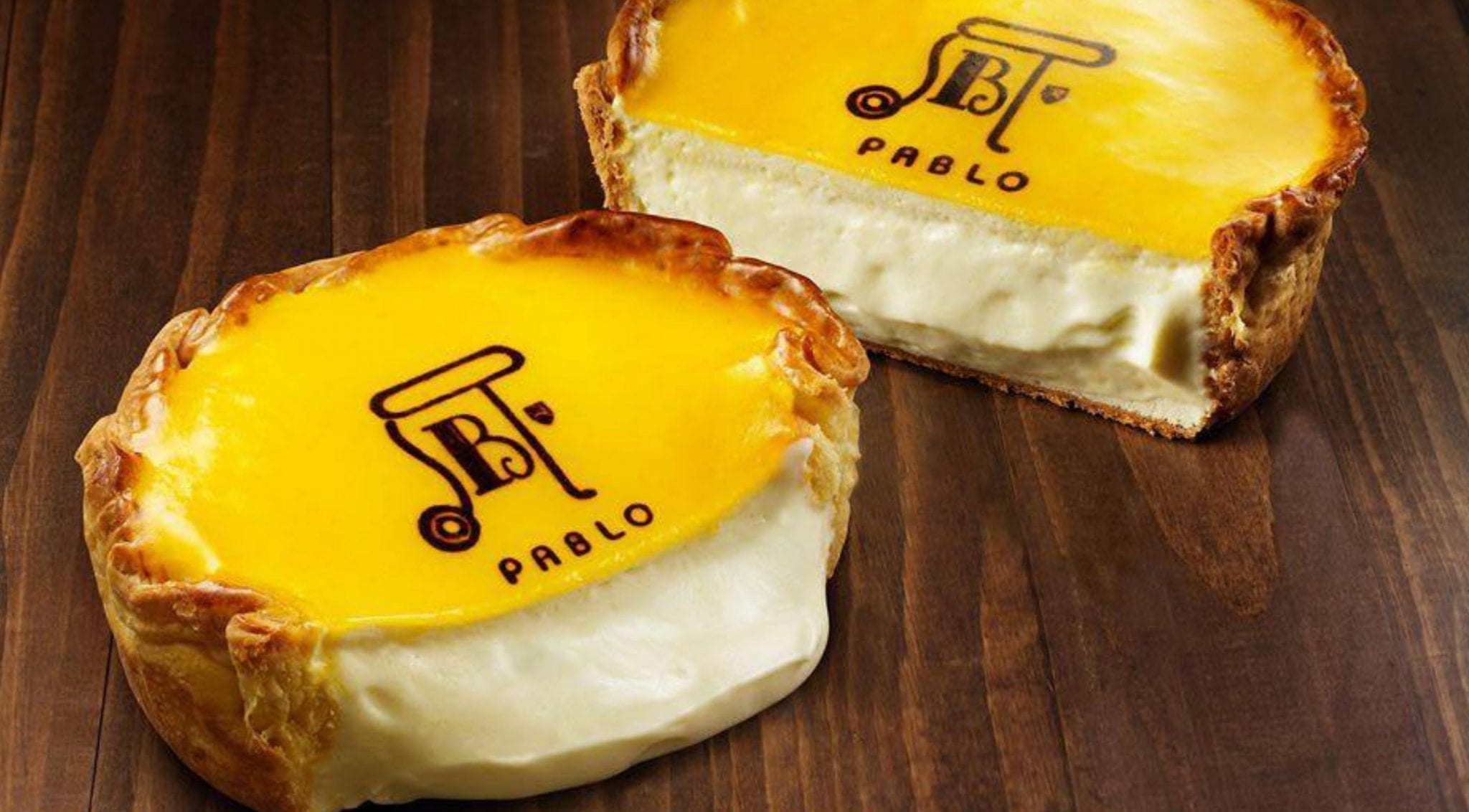
    Fans of Japanese dessert franchise Pablo Cheesetart are reporting signs that the brand is withdrawing from Malaysia.

    The internationally popular concept started business in Malaysia in 2016 as one of a number of competing operators riding on a cheesetart trend, at a time when long queues were commonly seen at vendor outlets.

    Online commentators have noted that the brand’s locations in IOI City Mall Putrajaya and One Utama Shopping Mall have closed down. Pablo’s Facebook page has been deleted, although an instagram account run by the brand remains live without recent updates.

    No official statement from Pablo Cheesetart has been released.

  • DFS celebrates the 5th Annual “First Class Beauty” Campaign

    DFS celebrates the 5th Annual “First Class Beauty” Campaign

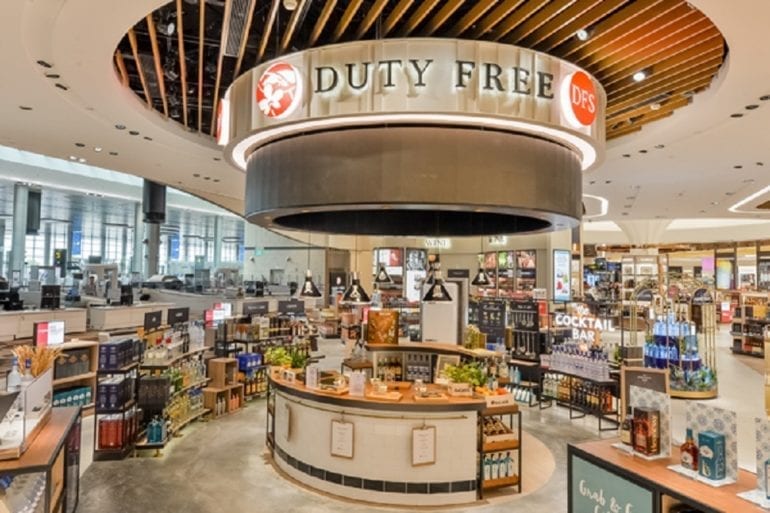
    DFS Group, the world’s leading luxury travel retailer, will bring the best of beauty to traveling customers worldwide this August with its fifth annual and much-anticipated First Class Beauty campaign. 24 DFS and T Galleria by DFS stores across 17 destinations will be transformed into a non-stop whirlwind of beauty excitement, featuring exclusive products and experiences from more than 40 leading brands.

    The latest edition of First Class Beauty, themed “Your Day-to-Night Beauty Experts”, offers a curated selection of products that work every hour of the day, guided by the advice and expertise of DFS’ trained Beauty Associates. Perfect for the world traveler who seeks to look and feel the very best across all time zones, or who loves to transform their look as the sun goes down, “Your Day-to-Night Beauty Experts” represents an assortment of makeup and skincare that is essential for anyone on the move, many of them exclusive to DFS.

    As with previous First Class Beauty campaigns, these exceptional products will be brought to life in DFS stores worldwide through an ongoing calendar of exciting and immersive experiences to delight the traveling customer. From August 1 to 31*, participating stores will host a series of playful activations that highlight and enhance the enjoyment of discovery and surprise in every customer’s journey to today’s discerning beauty aficionado.

    Global world firsts include a utility-meets-fantasy MAC Workshop Café, and DFS x Meitu’s awe-inspiring lipstick bar boasting the latest AI and AR make-up applications. Combining hot new technology with a sense of fun and wonder, these unique counter makeovers respond to customers’ desires for a more youthful and entertaining retail experience.

    “‘Your Day-to-Night Beauty Experts’ is our biggest edition yet of First Class Beauty, with the largest number of participating brands and the most exciting activations. We are thrilled to leverage our deep expertise in beauty, and our understanding of what makes our customers happy, to bring the ultimate First Class Beauty experience to discerning global travelers,” said Christophe Marque, DFS Group Senior Vice President Beauty.

  • Hong Kong Boutique Hotel Step Up Their Game with Restaurant to Room Service

    Hong Kong Boutique Hotel Step Up Their Game with Restaurant to Room Service

    Ever get slightly disappointed by the poor selection (or lack) of food at a hotel’s room service menu? Well lucky for you, your indulgent cravings for mouth-watering dishes are being answered as Deliveroo joins forces Madera Group to provide on-demand restaurant to room service.

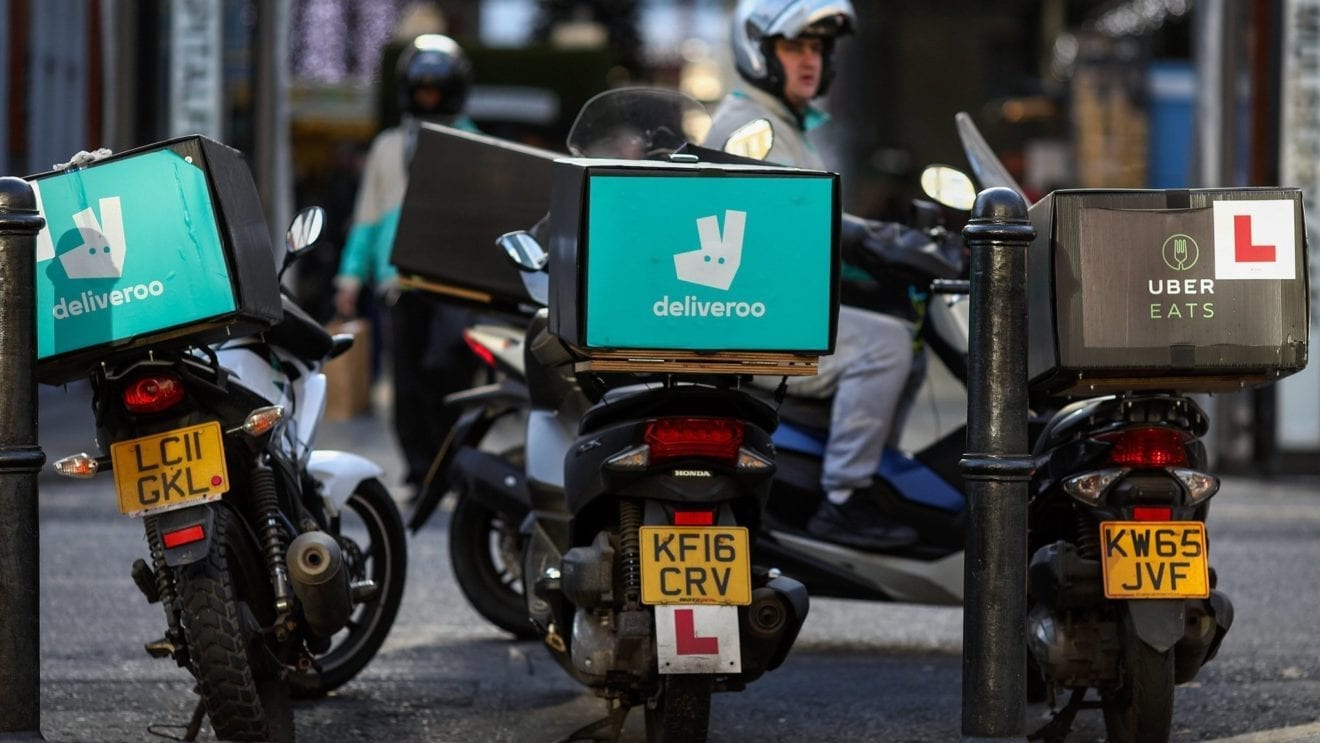
    Madera Group have strategically partnered with the leading food platform in Hong Kong to have inroom Deliveroo menus where guests can simply ring up guest services to order. With Deliveroo’s wide selection of restaurant partners, this means that guests can get their hands on a buffet of amazing cuisines including favourites such as 208 Duocento Otto, Yu Mai and Honeymoon Dessert with a mere phone call. The cost is simply added to the final bill upon check-out. There really is no way to top that level of room service!

    Lucas Lai, Head of Madera Hospitality Management at Madera Group comments, “As an award-winning luxury boutique hotel, we understand the ever-changing wants of the modern day traveller so it makes sense for us to partner up with Deliveroo to further enhance our guest experience, to provide all-day room service.”
    Brian Lo, General Manager of Deliveroo Hong Kong adds, “Customers love the convenience of at-home delivery so we are bringing our on-demand offering and amazing food selection straight to their hotel

    door. We are delighted to partner with a well-established player in the hotel-apartment sector and widen local restaurants to tourists and business travellers alike.”

  • Alipay and Singapore Tourism Board join hands to boost Chinese tourist spending

    Alipay and Singapore Tourism Board join hands to boost Chinese tourist spending

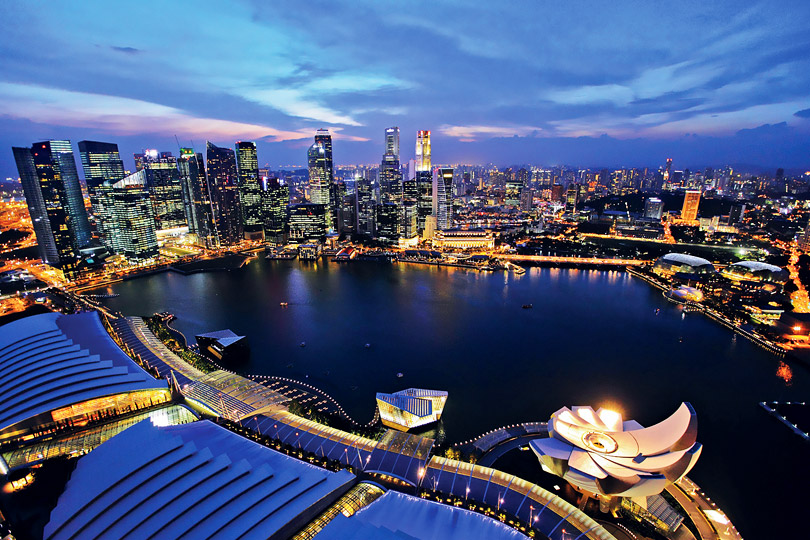
    Alipay, the world’s leading mobile and online payment and lifestyle platform operated by Ant Financial Services Group, together with the Singapore Tourism Board (STB), have launched a series of joint marketing initiatives aimed at raising destination awareness of Singapore and driving tourist spending among Chinese visitors.

    Alipay and STB signed a Memorandum of Understanding (MOU) in September 2017 to enhance Chinese tourists’ overall experience in Singapore. Under the MOU, both parties agreed, among other things, to explore co-investing in joint-marketing initiatives to encourage Chinese tourists to spend with Alipay while in Singapore.

    Since signing the MOU, Alipay has experienced double-digit growth in user spending. China has also become Singapore’s top market in 2017 for both tourism receipts and visitor arrivals, contributing S$4.2 billion in tourism receipts and 3.2 million visitor arrivals.

    The marketing activities are designed to incentivize Alipay users, through rewards and discounts, to spend across different types of tourism businesses such as retail, F&B and attractions, further boosting their spending in Singapore. Alipay and STB will also create tailored itineraries that are aligned with STB’s new Passion Made Possible brand. These itineraries will encourage Alipay users to pursue their passions by exploring and discovering new attractions, dining and shopping experiences. It will also give them more reasons to visit and spend more in Singapore.

    Additionally, the partnership will deepen STB’s understanding of Chinese visitors’ consumer behavior and spending patterns, leveraging Alipay’s insights.

    “With China being Singapore’s top source market for both visitor arrivals and tourist spending last year, we are pleased to partner with Alipay as their keen insights and deep understanding of Chinese consumers will help us to continue to grow in this critical market.

    We hope to continue to broaden over time our partnership with Alipay to explore more innovative marketing initiatives in the areas of content, digital and technology to further enhance the Chinese visitor experience,” said Ms Jacqueline Ng, Director, Marketing Partnerships & Planning, STB.

    “Singapore is a favorite destination for Chinese travelers. According to research released by Nielsen last year, it is one of Chinese tourists’ top ten preferred travel destinations in the world. Alipay is very pleased to be working together with the Singapore Tourism Board to ensure the consistent smart lifestyle for Chinese travelers in Singapore that they experience at home. At the same time, we are excited to connect more merchants in Singapore with Chinese tourists and be discovered by them through the app.” Said Cherry Huang, General Manager, Cross-border Business for South and Southeast Asia, Alipay.

    Alipay is committed to helping more local merchants be discovered by Chinese tourists and better supporting the needs of the Chinese travelers by providing a more efficient and convenient payment method via its platform.

    Mobile payment is gaining momentum among Chinese travelers overseas. According to the recent Nielsen reporti, 65% of Chinese tourists used mobile payment platforms during their overseas travels, more than six times in comparison to non-Chinese tourists (11%). Over 90% of Chinese tourists would consider using mobile payments when traveling overseas if more overseas merchants accepted them.

  • Eatigo and Tripadvisor hold hand to keep its leadership in Southeast Asia

    Eatigo and Tripadvisor hold hand to keep its leadership in Southeast Asia

    Eatigo, the leading restaurant reservation platform in Southeast Asia, has received a follow-on investment from its existing strategic investor, TripAdvisor, bringing its total raise across all its investors to date to over US$25M. The pre-series C investment for Eatigo comes as TripAdvisor’s restaurants business unit and its subsidiary, TheFork, look to help expand Eatigo’s presence and services across the Asia Pacific region.

    On the heels of a successful entry into Hong Kong, the Philippines, Malaysia and India in 2017, Eatigo will use the funds to launch in several more markets and extend its product offering. Over the past year, the company has grown rapidly to claim a leading position in every market it operates in.

    “Eatigo is excited to continue its strong relationship and collaboration with TripAdvisor. These new funds will be integral in allowing Eatigo to consolidate and extend the reach of our leadership and expertise in helping customers reserve the perfect table,” said Eatigo’s CEO and Co-founder Michael Cluzel.

    Eatigo operates in 6 countries, has over 4 million users, and offers the largest inventory of discounted restaurants offers in the region with over 4,000 restaurant partners, from upscale hotels and fine-dining establishments to popular restaurant chains and neighbourhood budget eateries.

    TripAdvisor Restaurants was established to better support the needs of diners and the 4.6 million restaurants listed on the travel site. TripAdvisor’s 2014 acquisition of its subsidiary, TheFork, provided the ideal complement to the site’s millions of restaurant listings by positioning it as an immediate online reservations leader in the dining and hospitality industry. Today, TheFork operates out of 11 countries globally and supports reservation services for more than 50,000 restaurants. In the Asia Pacific region, TheFork operates the Dimmi brand in Australia.

    “As we look to further our presence in the Asia Pacific region, we believe our latest strategic investment in Eatigo will continue to support a great business and strong management team,” said Bertrand Jelensperger, senior vice president of TripAdvisor Restaurants and founder of TheFork. “TripAdvisor’s continued partnership with Eatigo will help us both better serve millions of diners and restaurant owners who are increasingly turning to online channels.”

  • Walmart to boost digital footprint

    Walmart to boost digital footprint

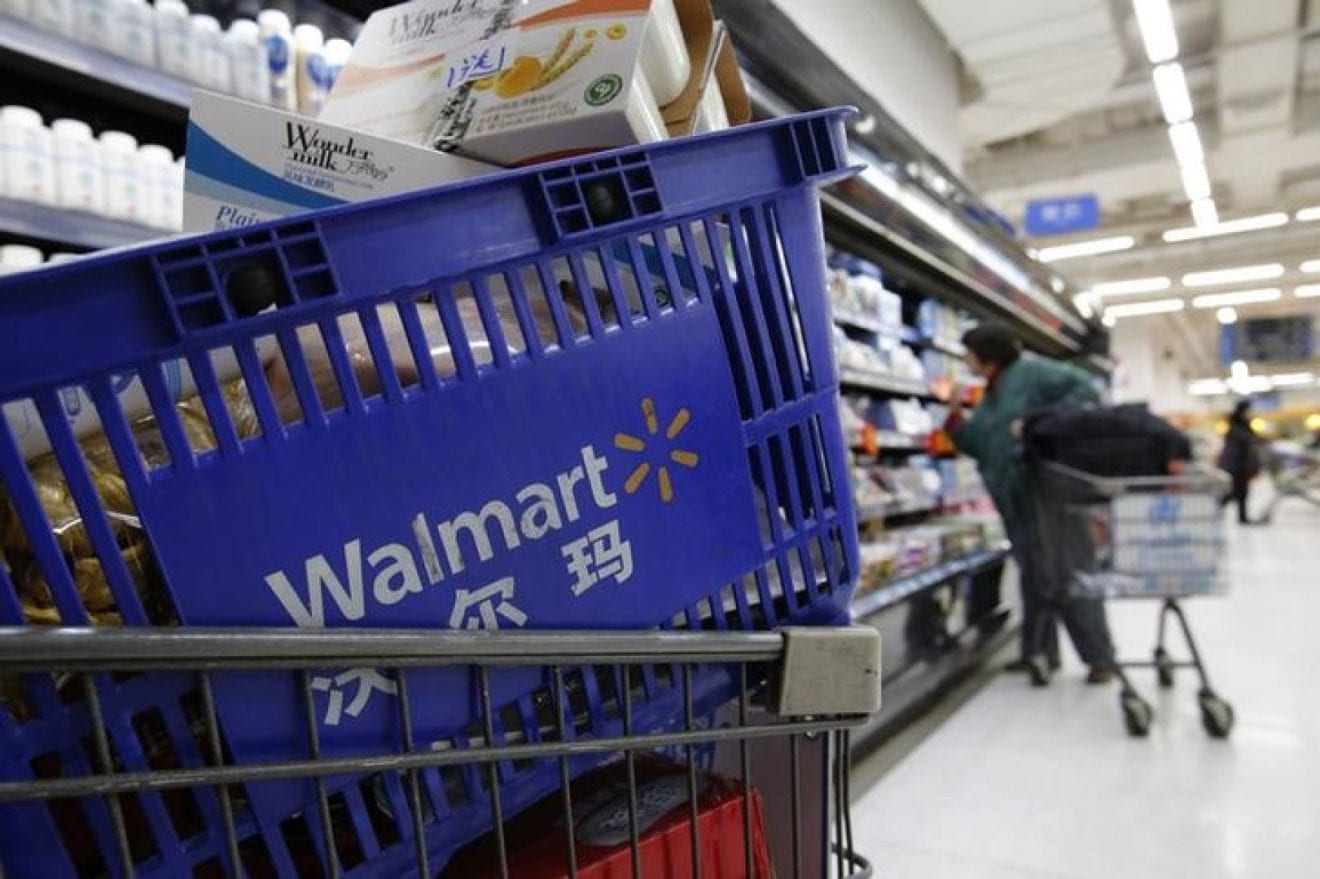
    Aiming to make shopping faster and easier for millions of customers, cash-and-carry major Walmart on Tuesday announced a five-year strategic partnership with Microsoft.

    Already using Microsoft services for critical applications and workloads, Walmart will now embark on a broad set of Cloud innovation projects that leverage Machine Learning (ML), Artificial Intelligence (AI) and data platform solutions for a wide range of external customer-facing services and internal business applications.

    “Walmart’s commitment to technology is centred around creating incredibly convenient ways for customers to shop and empowering associates to do their best work,” Doug McMillon, CEO, Walmart, said in a statement.

    “Whether it’s combined with our agile cloud platform or leveraging machine learning and artificial intelligence to work smarter, we believe Microsoft will be a strong partner in driving our ability to innovate further,” McMillon added.

    Walmart has selected full range of Microsoft Cloud solutions, including Azure and Microsoft 365, for enterprise-wide use to help standardise across the company’s family of brands.

    “The world’s leading companies run on our Cloud, and I’m thrilled to partner with Walmart to accelerate their digital transformation with Microsoft Azure and Microsoft 365,” said Satya Nadella, CEO, Microsoft.

    Under the partnership, Walmart and Microsoft engineers will collaborate on the assessment, development and support phase of moving hundreds of existing applications to Cloud native architectures.

    To grow and enhance the online experience, the company will migrate a significant portion of walmart.com and samsclub.com to Azure, including its Cloud-powered check-out, thus, enabling Walmart to grow and reach more global markets than before.

  • Texas Chicken to open 80 more stores in Indonesia

    Texas Chicken to open 80 more stores in Indonesia

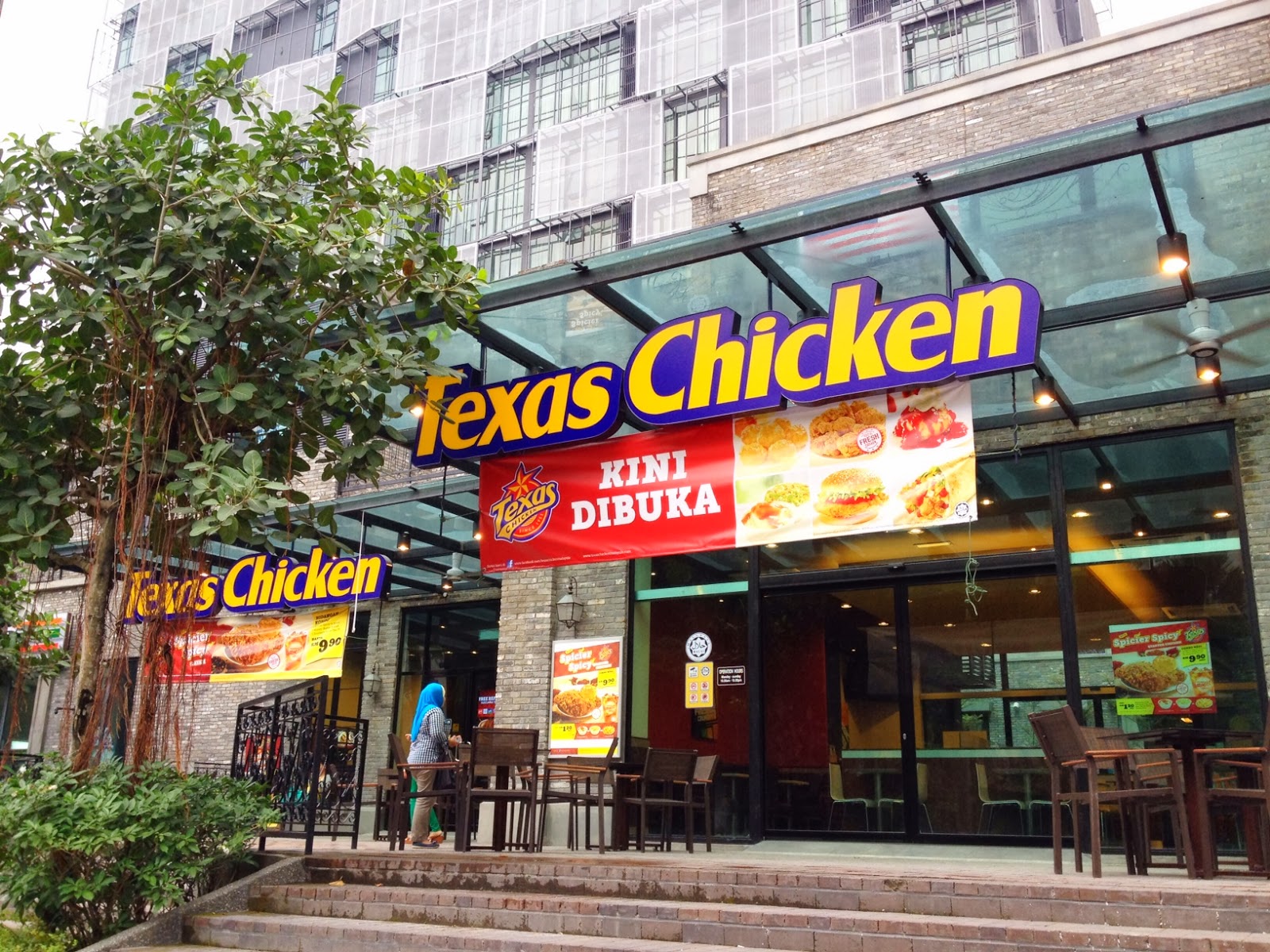
    Quick Service Restaurant (QSR) has signed an 80-restaurant deal with US fast-food chain Texas Chicken.

    QSR is the third Texas Chicken Indonesia master franchisee to enter the market, following Quick Serve Indonesia which signed a development agreement earlier this year and Cipta Selera Murni, which has been there since 1985 and now has 59 restaurants.

    The companies said in a statement that QSR will open and operate locations “primarily in Indonesia” which it says is one of the fastest growing markets for the company. But it did not elaborate on where other stores may be located.

    QSR expects to open its first three restaurants by the end of this year. “The Asia Pacific market has been a sweet spot for Texas Chicken. We’ve experienced incredible growth in this part of the globe,” said Tony Moralejo, executive VP of international business for Texas Chicken. “The public and franchisee response to our presence in Indonesia, and the surrounding Asian markets, has been encouraging and we are excited to watch the developments that will occur in the coming years.

    “To continue the momentum of this expansion, we are actively pursuing more franchisees, who believe in the brand and its growth potential.”

    The newest Texas Chicken Indonesia operator plans stores in the DKI Jakarta, South Sumatra, Bengkulu, Banten, West Java and Lampung Provinces over the next 10 years.

    QSR is a subsidiary of Singapore-listed Envictus International Holdings, a well-established F&B operator with several businesses in its portfolio, including bread maker Hearty Bake, San Francisco Coffee and Delicious restaurants in Malaysia and foodservice supplier Pok Brothers.

  • Tom Ford Beauty Suria KLCC is now open

    Tom Ford Beauty Suria KLCC is now open

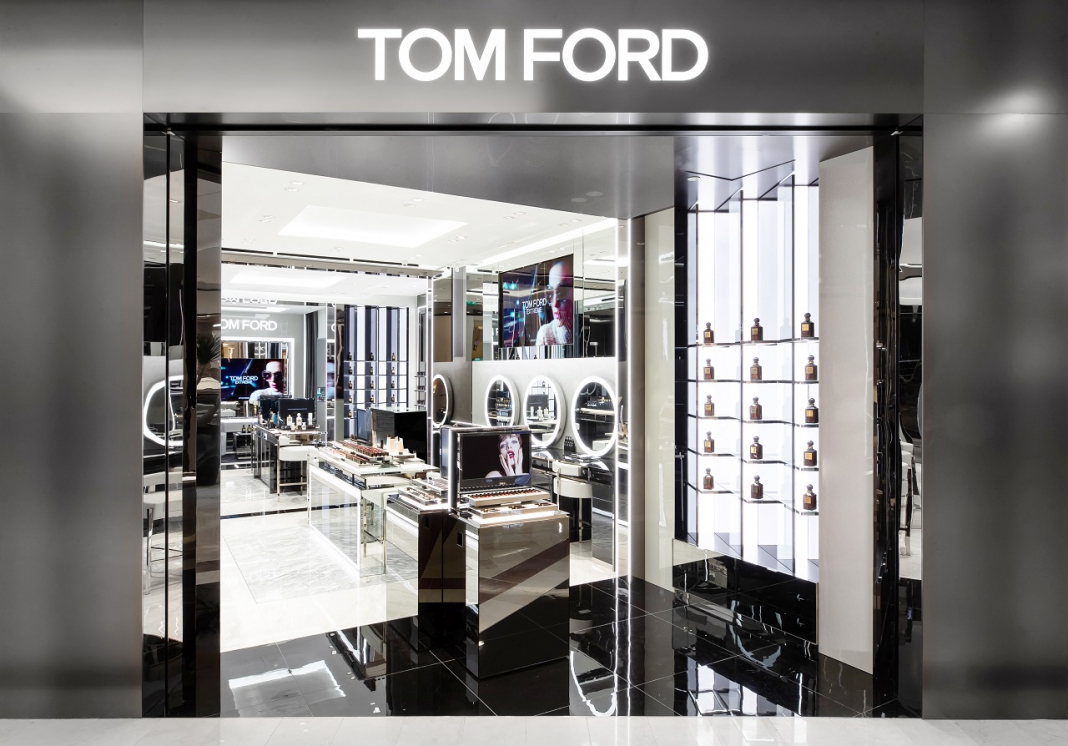
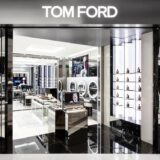
    Tom Ford Beauty has just opened its second free-standing store in Suria KLCC.

    The launch follows the opening of the brand’s flagship store in Covent Garden, London last year.

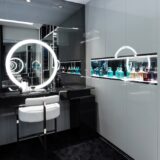
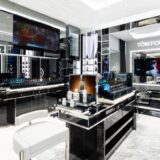
    The KLCC store features a layered grey glass sculpted design that casts rings of light on white marble slabs to showcase the beauty and skincare products on display. A key feature is a display of 100 Boys & Girls lipsticks.

    Buyers are invited to experience fragrance customisation, brow sessions, VIP masterclasses and bridal services.

    Private makeup services are available with the store’s beauty specialists by appointment.

    View interior gallery below (6 images) :

  • Adidas pledges to use only recycled plastic by 2024

    Adidas pledges to use only recycled plastic by 2024

    Global sportswear maker adidas announced that it has committed to using only recycled plastic by 2024. The pledge to eliminate the use of virgin plastic includes using polyester, a popular material in sportswear for its sweat resistant properties and because it weighs less.

    adidas said on Monday that it would stop using virgin plastic in its offices, retail outlets, warehouses and distribution centres, a move that would save an estimated 40 tonnes of plastic per year, starting from 2018.

    It also said its apparel line for the spring and summer of 2019 will contain around 4 percent recycled polyester.

    adidas is the latest in a series of global companies that have pledged to reduce plastic use.

    In 2016, the brand had completely done away with the use of plastic bags in all its stores.

    In the same year adidas collaborated with environmental group Parley and decided to lead the way with an ‘eco-innovative’ design. They mass produced shoes made from recycled water bottles found in the world’s oceans. The shoe was named UltraBOOST Uncaged Parley, but is more popularly known as Ocean Plastic Shoe.

    This year, with awareness growing, the German company is expecting a sharp increase in sales of its Parley shoes, which are made with plastic waste that has been intercepted before it reaches the ocean.

    While still a small share of its global sales, adidas expects purchases to jump to 5 million pairs this year compared to 1 million in 2017.

    Coffee retail giant Starbucks also plans to eliminate plastic straws from its stores, and McDonald’s is trialing a similar programme in the UK and Ireland.

    Swedish furniture major IKEA is also phasing out single use plastic from its stores and restaurants.

    Global use of plastic has increased 20-fold over the past 50 years and is expected to double again in the next 20 years.

    The material is cheap and versatile, but governments and consumers are increasingly aware of its huge environmental costs.

    Research shows there will be more plastic than fish by weight in the world’s oceans by 2050. On a global basis, only 14 percent of plastic is collected for recycling.

  • UFC Gym plans Tokyo expansion

    UFC Gym plans Tokyo expansion

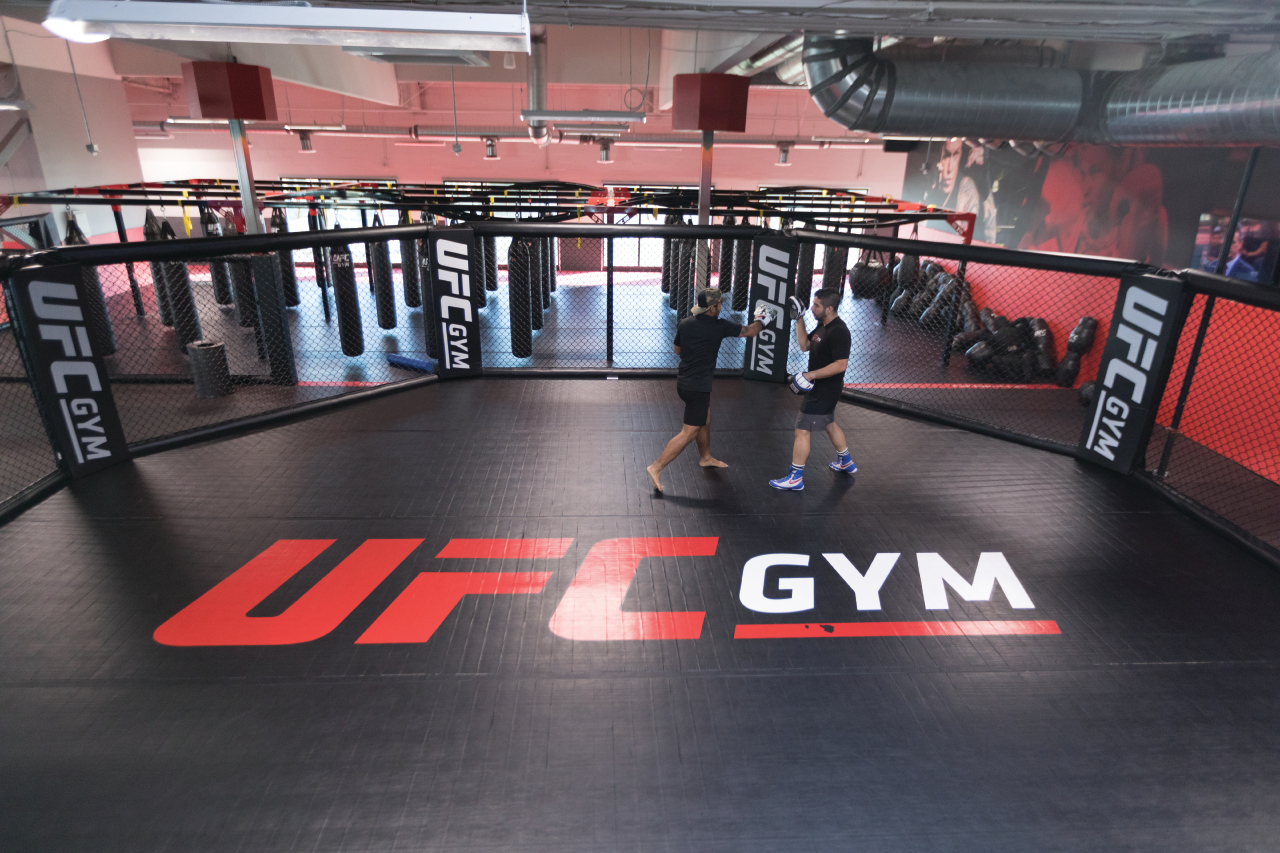
    UFC Gym has announced plans to open 20 franchise locations in Japan starting from next year.

    The gym, which creates its own training programs inspired by UFC athletes’ training regimens, has opened more than 150 locations worldwide since first opening in 2009.

    UFC Gym president Adam Sedlack said: “We are thrilled to announce the addition of Japan to the UFC Gym family. The overall passion for sports, entertainment and fitness is strong in Japan, and we believe this market will be a perfect fit for our ‘Train Different’ philosophy.”

    The gym is seeking enquiries from potential franchisees both domestically and internationally.

  • E-commerce booms in Vietnam but top firms stay in the red

    E-commerce booms in Vietnam but top firms stay in the red

    Vietnam’s e-commerce sector grew by more than 25 percent last year and can maintain this growth rate in the next two or three years, according to the Vietnam E-Commerce Association (VECOM).

    It says online sales is set to hit $10 billion by 2020, accounting for five percent of the country’s total retail sales.

    Yet the four top firms that have built up the nation’s e-commerce so far, Lazada, Tiki, Shopee and Sendo, have repeatedly reported accumulated losses.

    Market observers explain that in a “primitive market with high growth rates,” top companies are not afraid to accumulate losses in order to entrench themselves in positions of strength by focusing on expanding their market share at “at all costs.”

    Singapore-based Lazada entered Vietnam in 2012 when it was still owned by Germany’s Rocket Internet.

    In April 2016, China’s Alibaba Group Holding Ltd bought a controlling stake in Lazada for about $1 billion to support its expansion plans in Southeast Asia.

    In June 2017, Alibaba Group increased its investment in Lazada by an additional $1 billion, raising its stake from 51 percent to 83 percent.

    Lazada Vietnam reported a loss of VND977 billion ($42.2 million) in 2015 and over VND1 trillion ($43.3 million) in 2016. It attributed losses to big spending on management and sales promotions.

    By late 2016, its charter capital stayed at just VND15 billion and loans accounted for most of the working capital it was using.

    However, Lazada is still an attractive investment option, with Alibaba announcing in March that it would double its investment in the e-commerce firm to $4 billion.

    A project of Garena, a consumer Internet platform provider based in Singapore, Shopee is second in the list of e-commerce firms suffering big losses in Vietnam.

    In 2016 when it first entered Vietnam, Shopee posted losses of VND160 billion, but this had risen to more than VND600 billion last year.

    By the end of 2017, the total asset value of Shopee had risen ten times to more than VND730 billion as its parent firm raised its total capital by VND30 billion to more than VND1.14 trillion.

    Compared to Lazada and Shopee, which have giant firms backing them, Tiki and Sendo are quite modest, meaning they had made smaller losses.

    Tiki started off as an online book store in 2010 before venturing into e-commerce. Just six years later, the firm was valued at $45 million, following domestic tech firm VNG injecting some $17 million in a 38 percent stake acquisition deal.

    Tiki had posted revenues of nearly VND62.4 billion ($2.71 million) in 2016, a six-fold increase over 2015. However, this was accompanied by a loss of around VND179 billion ($7.78 million) because of high operational costs.

    In its annual report for 2017, VNG showed Tiki making a loss of VND282 billion ($12.26 million) for the year.

    Despite its losses, Tiki has remained attractive to investors as a leading brand in the market. In mid-January this year, JD.com Inc., a giant retailer in China, injected an unspecified sum into Tiki. The Chinese firm had announced last November that it would pump $44 million into the Vietnamese e-commerce platform, making it Tiki’s largest shareholder.

    The last of the top four is Sendo owned by Vietnamese tech giant FPT.

    Sendo raised more than VND400 billion in the two years of 2015 and 2016 and the company reported losses of VND60 billion in 2015 and VND136 billion in 2016.

    However, there its equity stands at more than VND227 billion thanks to a stock issue in 2016.

    In a report last April cited Bain, a U.S.-based global management consulting firm as saying online businesses were booming in Southeast Asia.

    Bain estimated that the region had 200 million digital consumers, or people who bought goods or services online, out of an adult population of 405 million. Vietnam, with a population of 93.7 million, accounted for 35 million of these consumers.

    Vietnam’s youthful population is among the keenest users of mobile devices in the region, while the country’s consumers spend more time online than most of their neighbors, several studies have pointed out.

    Research firm Nikkei estimated that Vietnamese people spend nearly 25 hours online per week, on a par with or just behind Singapore and the Philippines.

  • PepsiCo to help India implement plastic ban

    PepsiCo to help India implement plastic ban

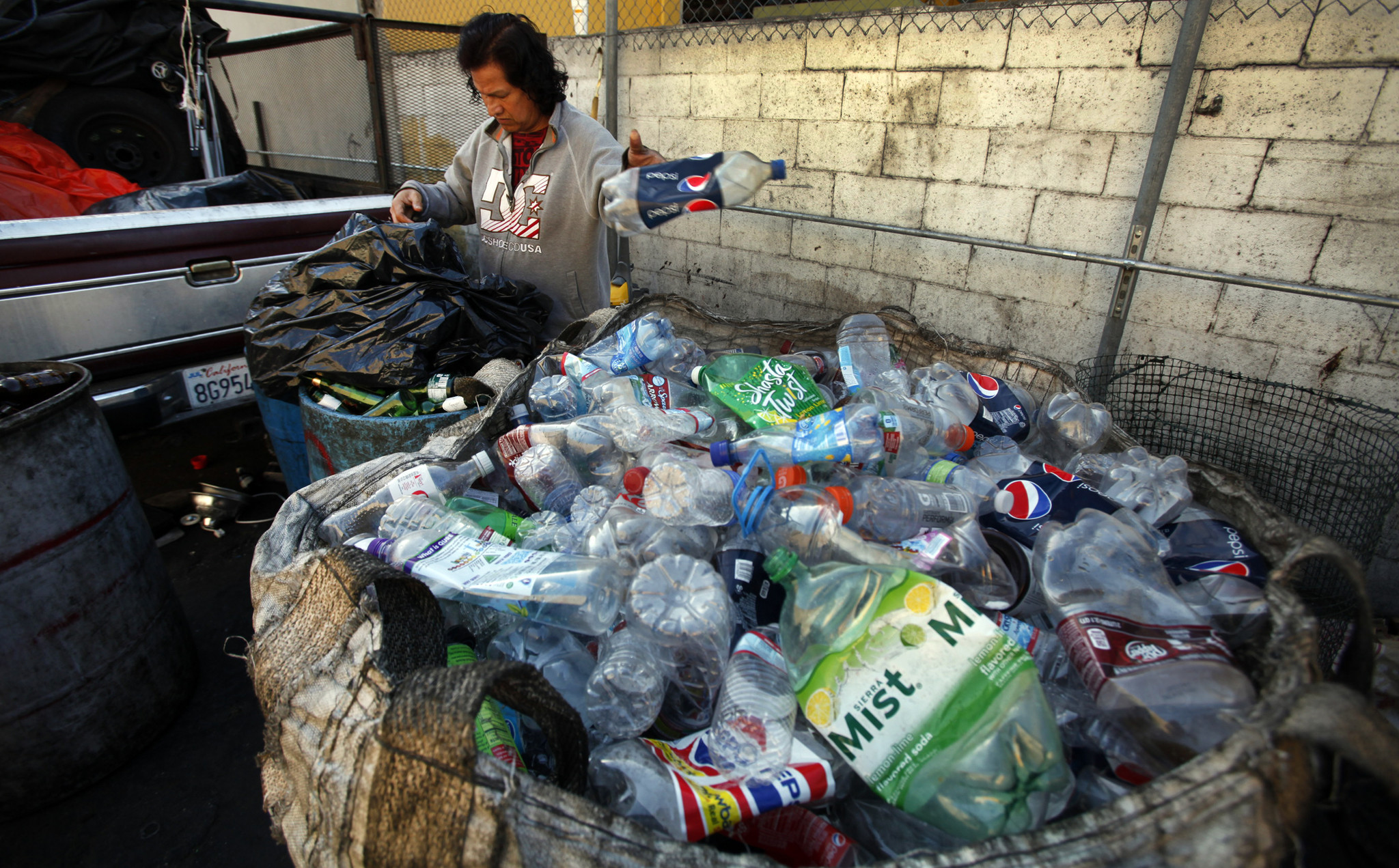
    PepsiCo on Wednesday expressed its commitment to support the plastic ban enforced in Maharashtra, India, including the extended producer responsibility for PET plastic waste bottles, a top company official said.

    PepsiCo India President and CEO Ahmed ElSheikh met Chief Minister Devendra Fadnavis here and said it has partnered with Gem Enviro Management for setting up infrastructure to collect and recycle the PET plastic bottles in the state.

    Pledging to collect and recycle all the PET plastic bottles generated through PepsiCo’s beverages, he said that Gem Enviro will set up Reverse Vending Machines, collection points and centres at various locations in Maharashtra.

    “The programme will also ensure effective recycling of the PET waste collected. In addition, through the Indian Beverage Association, we are also setting up a consortium for industry players to come together and work towards enhancing the plastic waste management infrastructure in the state,” ElSheikh announced.

    He added that the company plans to design all packaging to be recoverable or recyclable by 2025 for which it is working on new technologies for sustainable packaging solutions.

    “We will be piloting the first ever 100 per cent compostable, plant-based packaging for our popular snacks products – Lay’s and Kurkure – this year, and have resized these snacks packaging to reduce paper consumption in the value chain,” ElSheikh said.

    For the beverages business, the company has launched Pepsi Black in non-returnable glass packaging and will collaborate with Central Pollution Control Board for two pilot projects for multi-layered packaging waste management.

    “As part of our efforts to increase recycling, we have also successfully piloted a ‘Film to Fuel’ project at our Pune plant to convert all the packaging film waste from the plant, into fuel, ensuring 100 percent recycling of packaging waste at the plant,” said ElSheikh.

  • City’super plan to open more stores in mainland

    City’super plan to open more stores in mainland

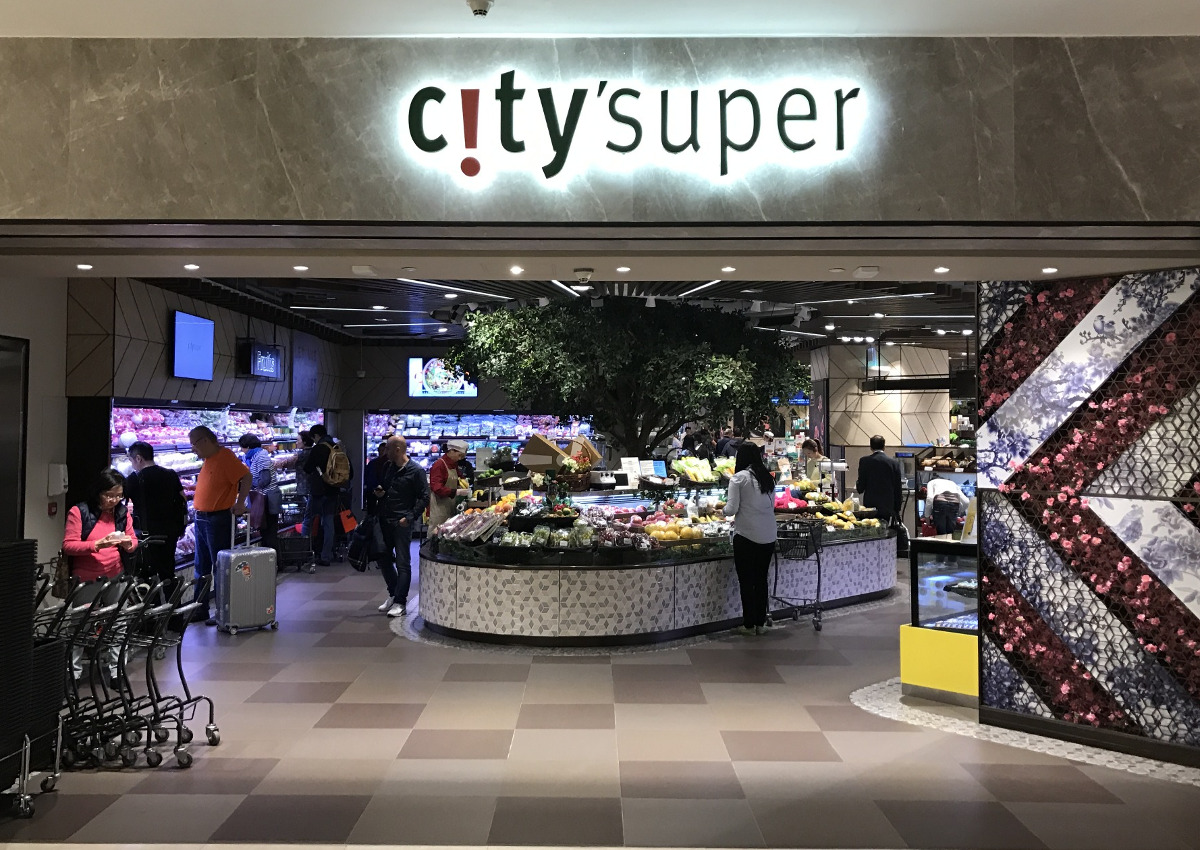
    Upmarket Hong Kong supermarket operator City’super says it is planning to expand on the mainland.

    Currently the company has four supermarkets in Hong Kong and five in Shanghai. It opened its first store in Times Square in Causeway Bay in 1996 and its first in Shanghai’s IFC Mall in Pudong in 2010.

    President Thomas Woo said that the company believes there is an opportunity to serve the increasing ranks of middle class Chinese consumers who are growing a taste for premium foods.

    The company will initially focus on the Yangtze River Delta outside Shanghai.

    Woo says mainlanders seem more ready to spend on items such as imported liquor than Hongkongers.

    “We felt that the potential on the mainland has yet to be tapped by City’super,” he said. “We don’t aim to expand across the mainland, but we are setting eyes on the affluent region of East China.

    “We felt that there is no wealth gap between mainland and Hong Kong shoppers. Chinese consumers’ attitude about life has become more exquisite as they pay more attention to food origins to ensure healthy eating.”