Tag: asia

  • Grofers India to enter FMCG segment; targets Rs 2,500 crore revenue by FY19

    Grofers India to enter FMCG segment; targets Rs 2,500 crore revenue by FY19

    Grofers closed FY 18 with Rs 950 crore of sales and is targeting for a stronger growth trajectory in 2019, with a 50 percent contribution from its private brands.

    The company has launched seven new brands under two categories Budget and Popular G-Brands.

    “With this, Grofers’ private labels expands to 250 food and non-food products for its consumers. With this significant business expansion, Grofers aims to drive the next wave of growth for e-commerce sector by bringing the next 100 million customers to its platform,” it said in a statement.

    Grofers’ range of private label is priced approximately 5 to 50 percent lower than the market price for popular brands in these categories, it claimed.

    The brand is bullish on growth with a revenue target of Rs 2,500 crore and roll out of over 500 SKUs for FY19, it added.

    Its presence would be in food products including tea, fruit jam, muesli, tomato ketchup, corn flakes, rose shahi sharbat and household categories of detergents, household care, oral care, tissues and disposables, kitchen tools and accessories, furniture and storage, among others.

    “Our foray into the FMCG segment uniquely differentiates and positions us in the e-grocery business. This vertical expansion is key to drive our next phase of growth in India. In the last five years, we have received an overwhelming response from our customers and experienced tremendous growth,” Albinder Dhindsa, Co-Founder and Chief Executive Officer, Grofers said.

    “Through many industry-first initiatives, we have been instrumental in bringing new customers to the e-commerce fold with 15 per cent of this customer base being our monthly unique shoppers. Our focus is to service the families of India who are yet to experience the world of e-commerce and our target is to bring the next 100 million new customers to e-commerce industry through our platform,” he added.

  • Vietnamese dong caught between rising dollar, falling yuan

    Vietnamese dong caught between rising dollar, falling yuan

    As the trade war of duties and counter duties escalates, China has weakened its currency to boost exports making its goods even cheaper in Vietnam.

    Local economists have noted that while the yuan has lost 4.18 percent against the U.S. dollar over the last two weeks, the Vietnamese dong has only lost a little above one percent, making Chinese imports much cheaper.

    Vietnam has to balance between keeping the trade deficit control and being able to compete with cheaper Chinese goods in the market.

    In the past three months, the yuan has fallen 3 percent against the dollar while Vietnam only devalued dong around 1.1 percent.

    And Vietnam should take precautions because the yuan could fall even further, financial expert Nguyen Tri Hieu said.

    “China has set the yuan’s foreign exchange rate at 6.95 per dollar,” he said. “But around two years ago, that number was even lower at 6.69 per dollar. So there is a potential for the yuan to slip further.”

    Hieu said he believes that if the government decides to devalue the dollar, a three percent drop by the end of this year is reasonable.

    Economist Ngo Tri Long, former director of the Market Price Research Institute under the Ministry of Finance, cautioned that that the central bank should adjust the dong’s exchange rate based on the market and not the yuan.

    “In my opinion, adjusting the dong’s value at the moment is a risky move, especially, with a three percent drop.

    “It is going to be hard to achieve the nation’s target of keeping inflation below four percent by the end of this year. Not to mention other future-factors we should take into consideration other factors like higher oil prices and damage caused by natural disasters.”

    But if Vietnam decides to move forward with devaluing the dong decision, the adjustments should be based on market demand and not on the yuan’s value. Long felt that a two percent drop would better match current market.

    On the other hand, president of Vietnam Institute for Economic and Policy Research Nguyen Duc Thanh stated that Vietnam should reduce dong’s currency exchange rate against the dollar and the yuan.

    However, such a move it would greatly affect many businesses, Thanh said.

    “This is a risky step since it will have ripple effects on many sectors like stocks and real-estate.”

    Asked how businesses can protect themselves from future foreign exchange fluctuations, Hieu recommended that businesses follow set contracts with fixed exchange rate.

  • Amazon servers crash in Prime Day event

    Amazon servers crash in Prime Day event

    Amazon’s annual shopping event, Prime Day, kicked off overnight, promising steep discounts on a wide range of items.

    But shoppers were left disappointed in the early hours of the sale, when the e-commerce giant’s website and app crashed, reportedly due to the high volume of traffic.

    “The good news is that after extensive marketing and hype, Amazon has clearly pushed demand for its Prime extravaganza to an all-time high – maybe even more than it anticipated,” said GlobalData Retail’s managing director, Neil Saunders.

    According to Downdetector.com, a website that monitors site outages, Amazon began experiencing problems shortly after the event kicked off. Downdetector’s outage map indicates that users around the world had trouble accessing the site, though most glitches appear to have occurred in the US.

    Saunders noted the irony of Amazon’s website crashing, since the company provides technology for other websites to handle large volumes of traffic.

    “The failure of Amazon’s systems and sites is rare: the online behemoth is one of the most advanced digital retailers and is usually able to cope with even extremely high levels of demand,” he said.

    “There is no doubt that this will erode sales and deter some customers from buying. The outage is especially problematic as many of Amazon’s Prime deals are promoted for a set window of time – something that could cause a great deal of frustration for potential customers.”

    US$3.4 billion on the line

    According to Coresight Research, Amazon was expected to bring in US$3.4 billion from Prime Day, up more than 40 percent from last year.

    While it is too soon to say what impact the outage will have on the company’s revenue, Saunders believes Prime Day is likely to be a financial success even with the glitch.

    In a perverse way, the site crash itself is an indicator of the event’s popularity. But with local Prime Day deals available to Australian shoppers for the first time this year, some wonder whether the event holds the same appeal in Australia as Amazon’s home market of the US.

    A review of 435 Prime Day deals on Amazon.com.au by Market Track Global found that the average discount on items is 35.4 per cent.

    Market Track Global noted that the deepest discounts so far are for the Braun TributeCollection Bench Blender at 82 per cent off and the NUK Thermo Express Bottle Opener at 80 per cent off, but many of Amazon’s own products are also steeply discounted:

    “In the early going, you’re seeing a lot of deals for Amazon-branded and Alexa-connected products, and the discounts are compelling. We looked at about 15 early deals for Amazon and AmazonBasics brands and shoppers are saving over 40 per cent off on average for these products.”

    However, the most significant measure of Prime Day’s success in Australia may not be the number of transactions made on the site over the course of 36 hours, but rather the number of people who sign up for Prime during the event.

    Research firm Starcom noted that the biggest jumps in Prime membership have traditionally occurred during key shopping events like Black Friday, Christmas and Prime Day.

    “Based on our initial analysis and knowing that in the US more new customers joined Prime on Prime Day 2017 than on any single day in Amazon history, we believe Amazon Prime Day, set to take place on July 16, will be a critical factor in boosting membership numbers in Australia,” Starcom’s director of audience & measurement solutions, Nicole Conroy, said.

    According to Starcom’s research, 52 per cent of visitors to Amazon’s Australia site said they are likely to join Prime, which offers members free shipping and returns, access to exclusive deals and digital content, among other benefits, for an annual fee of $59.

    Starcom also found that those who sign up for Prime tend to spend 4.6 times more, buy three times more frequently and feel more connected to Amazon than non-prime members.

    Given the slow initial uptake of Amazon in Australia, the e-commerce giant has a strong incentive to boost Prime membership and, subsequently, sales Down Under.

  • De Beers to focus on smaller cities in India for expansion

    De Beers to focus on smaller cities in India for expansion

    Global diamond producer De Beers is looking to partner local retailers in smaller cities to boost sales which it claims grew at 100 percent last year.

    According to a PTI report: The company sells its diamond jewellery through 250 partnered retail stores in the country under the brand ‘Forevermark’.

    “There is a strong appetite for diamonds in smaller cities. We plan to increase stores gradually in those cities by partnering local retailers,” Stephen Lussier, Forevermark CEO and Executive VP De Beers Group of Companies told PTI.

    Sales during January-June, 2018 remained robust and the overall sales volumes may double as compared to the last year, he said.

    “We are doing much better with our brand. We had 100 percent growth in 2017. In 2018, we will double again,” he told PTI adding that the Forevermark brand has 30 per cent market share in India.

    The company is not only investing in marketing of its brand but also organising special events to equip partners with the new retail innovations, latest technology and consumer insights to help them leverage their business better and stay ahead of the consumer curve, he added.

    Stating that the fundamentals of diamond are strong worldwide, Lussier said the sale of Forevermark brand jewellery grew on a monthly basis notwithstanding the banking fraud by diamantaire Nirav Modi.

    Diamond prices are stable globally though prices of polished ones are on the rise when compared with rough diamonds, he added.

    De Beers sources diamonds from its seven mines in South Africa and Canada.

  • Cover Story to launch second flagship store at Mall of India, Noida

    Cover Story to launch second flagship store at Mall of India, Noida

    Cover Story, a fast fashion brand for women by Future Style Lab, is set to launch its flagship store on July 20, 2018 at Mall Of India, Noida. The store will be spread across 1,420 sq.ft. of area, at a prominent ground floor location amidst the most fashionable brands around.

    The sprawling area is an apt location for Cover Story with its state-of-the-art workspaces, retail havens, entertainment zone, F&B options and signature hospitality services. With the latest in fashion trends available here at Mall Of India, Noida is every fashionista’s ultimate shopping destination.

    The new store’s stock will have the latest Spring-Summer ‘18 and Autumn-Winter’18 collection.The collection, designed at the creative headquarters in London, consists of women’s apparel, accessories and shoes. The collection is inspired by the story of two BFFs, who are bold, adventurous and ready to rock the world. Luxurious and contemporary designs make the collection versatile enough to be worn on different occasions, during the day or night, by the modern woman. The collection draws inspiration from nine unique storylines, each designed with a catwalk trend keeping form, fabric and fit in mind.

    In the past one year, Cover Story has opened many stores across Delhi NCR, Mumbai and Surat, Kolkata, Coimbatore, Kochi, Chennai etc. Apart from these stores, Cover Story has nation-wide presence in different shop-in-shop formats including Central, Kapsons, Iconic and Sohum.

    Additionally, the brand has its own online store to help cater its customer from anywhere, by simply visiting the website – www.coverstory.co.in Cover Story is retailed through online marketplaces including Myntra, Jabong , Amazon.in and Koovs.

  • Lazada Vietnam appoints Chinese CEO

    Lazada Vietnam appoints Chinese CEO

    Chinese national Zhang YiXing, 36, will take over from Alexandre Joel David Sylvain Dardy, who was the CEO since 2014.

    The change in leadership was announced by Lazada Vietnam’s legal representative, the Recess Company.

    In 2016, Chinese e-commerce giant Alibaba purchased 83 percent of Lazada’s stocks for $2 billion. In March, Alibaba injected another $2 billion into Lazada to boost its Southeast Asian expansion.

    Founded in 2012, Lazada currently operates in Indonesia, Malaysia, the Philippines, Singapore, Thailand and Vietnam, and has 560 million consumers in the region.

  • Scentence debuts in Saudi Arabia

    Scentence debuts in Saudi Arabia

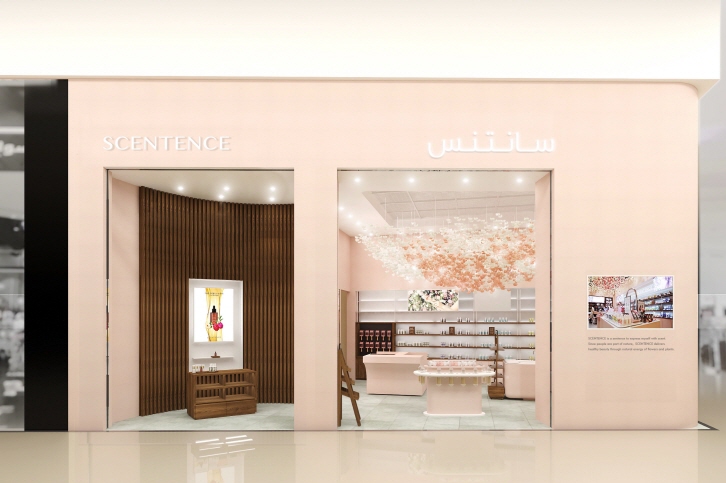
    E-Mart, South Korea’s largest discount-chain operator, is set to open a store in Saudi Arabia this week.

    Last November, E-Mart firm signed an agreement with the kingdom’s major retail group Fawaz Alhokair to open the beauty store Scentence at the Al Nakheel Mall operated by the Saudi company, which averages 25,000 daily visitors.

    The 66sqm store will open to the public in the Saudi capital Riyadh on Sunday, July 22.

    “Scentence is expected to post stable growth in the new market on the back of the Middle Eastern beauty market’s raid expansion and the popularity of K-beauty,” said Jung Kyung-ah, an E-Mart official in charge of the retailer’s health and beauty business.

    Saudi Arabia’s beauty market has been growing at an average of 15 per cent every year, according to E-Mart.

    The Middle Eastern foray is part of a broader plan to increase the reach of E-Mart’s brands globally.

  • Chowman India expands presence; opens 12th outlet

    Chowman India expands presence; opens 12th outlet

    Chowman, a name synonymous with neighbourhood fine dining has over the years carved a niche as one of the city’s most favourite destinations for authentic Chinese cuisine and the fastest growing fine dining chains. Having set its foothold across all prime locations of the city, Chowman has now thrown open its door to yet another outlet in Baguiati near Jora Mandir bus stop.

    Marking its territory across the city, from Golf Green to Salt Lake, Chowman has given Kolkata yet another food palate on the food aficionados’ platter. Strategically located at Baguiati, this restaurant also has the Chowman’s signature décor with elegant red and black color scheme surrounded by low lighting along with the bronze Buddha statute, pots and bells are thoughtfully put together for a soothing ambiance. The exquisite infrastructure of Chowman with 76 seater restaurant makes the day perfect with good combination of food and fine dining which makes it stand out of the crowd.

    Chowman offers a wide variety of menu ranging from various flavors of fish, chicken, prawn, lamb as well as crab meat which can be enjoyed with your loved one, family and friends.

    According to Debaditya Chaudhury, Managing Director of Chowman and Founder-member of Bengali rock-band Lakkhichara said, “We now have 12 Chowman outlets across the city with more than 50,000 loyal customers and a delivery fleet catering to every corners of the city. This is out 12th outlet and by far the biggest one with 76 seats. Chowman has over the years democratized the concept of neighbourhood fine dining restaurant in Kolkata. We wish to open few more outlets by 2019 and then foray into other cities like Mumbai and Bangalore.”

  • Online-payment startup Paidy bags US$55m funding

    Online-payment startup Paidy bags US$55m funding

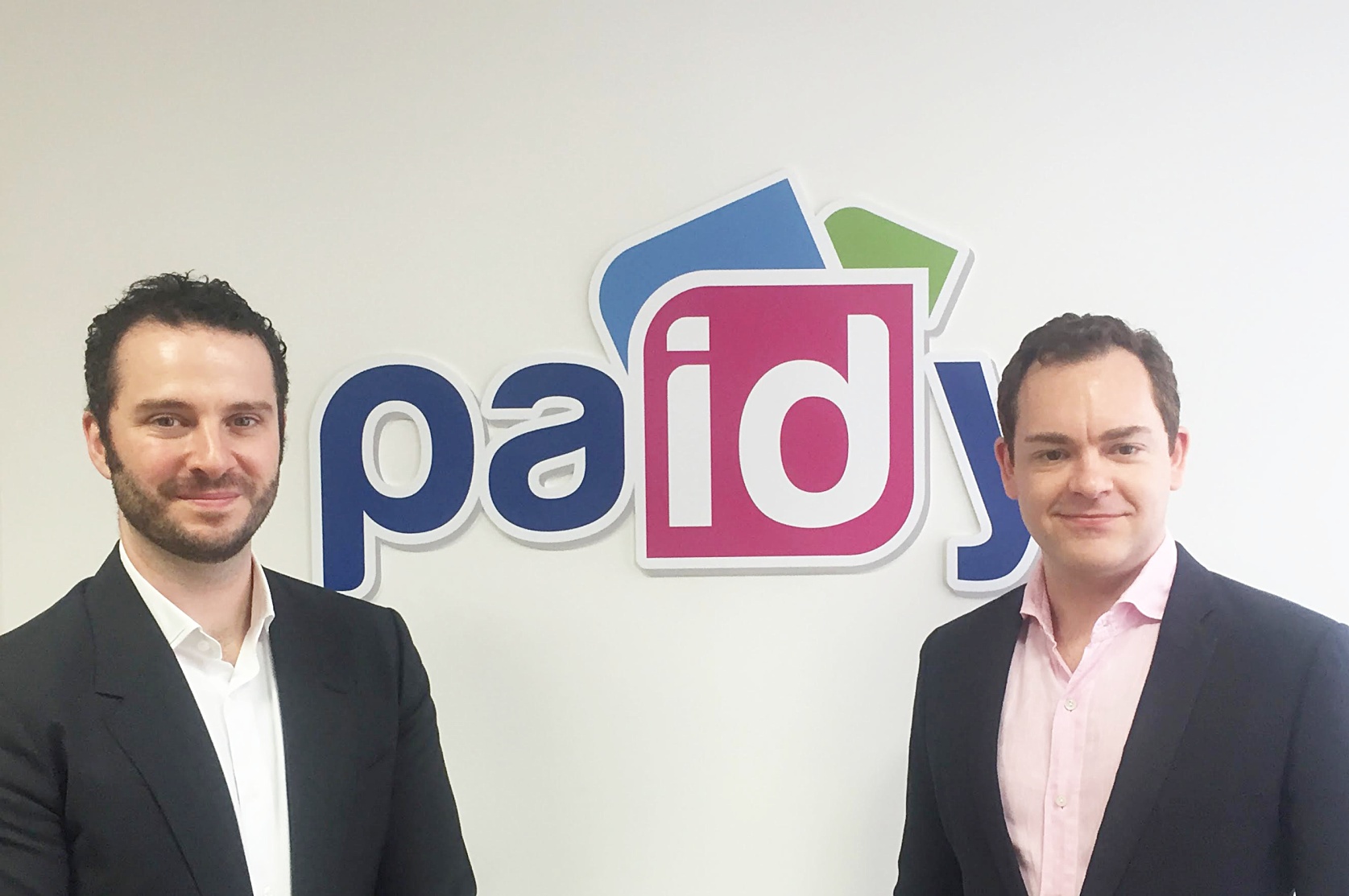
    Japanese startup Paidy has received US$55 million to build a scheme allowing online shoppers to buys goods without a credit card.

    The series-C funding was led by Goldman Sachs and Japanese trading house Itochu Corporation

    Paidy was created because even though Japan’s credit-card penetration rate is high, their usage rate is relatively low, even for online purchases. “Instead, shoppers pay cash on delivery or at convenience stores, which function as combination logistics/payment centers in many Japanese cities.”

    While that solution is convenient for cardholders worried about fraud, it inconveniences retailers because they have to maintain a pool of cash for merchandise not paid for.

    “Paidy makes it possible for people to buy online without creating an account or using their credit cards”. Instead, if a merchant uses Paidy, its customers are able to check out by entering their mobile phone numbers and email addresses. Then Paidy authenticates them with a four-digit code sent through SMS or voice. Every month, customers settle their bills, which include all transactions they made using Paidy, at a convenience store or through bank transfers or auto-debits (installment and subscription plans are also available).


  • China’s e-commerce explosion is creating massive cultural change in its rural areas

    China’s e-commerce explosion is creating massive cultural change in its rural areas

    The good leap ahead: China’s lack of big-box shops has allowed the nation to leapfrog the age of brick-and-mortar retail and head straight to on-line ordering. In america, “e-commerce is a desert,” says Jack Ma, cofounder of Alibaba. “In China, it’s turn into the primary course.”

    Reaching all of China: The Chinese language authorities and e-commerce giants like JD.com are investing closely in creating infrastructure to ship to rural areas of the nation. By drawing on locals to supervise deliveries and function model ambassadors, corporations can encourage potential clients to embrace the brand new applied sciences.

    The air supply community: Drones have been key in serving to JD.com get its merchandise to rural clients. Based on the New Yorker, small cities like Zhangwei now get about 4 drone deliveries a day. Demand for drone piloting courses is hovering, too, as folks look to capitalize on the pattern.

    By the numbers: China might need the most important e-commerce market on this planet—twice the dimensions of the US—however lots of of hundreds of thousands of individuals in rural areas aren’t but procuring on-line. As giants like JD.com attain into far-flung areas, that’s altering quick: China’s e-commerce market is predicted to double within the subsequent two years.

  • China’s E-Commerce Giants Aren’t Worried About Trade War

    China’s E-Commerce Giants Aren’t Worried About Trade War

    How does the CEO of China’s second largest e-commerce company feel about the escalating U.S.-China trade war?

    Richard Liu, founder and CEO of JD.com–an online retailer with 300 million annual active customers, $56 billion in revenues in 2017, and investors including Tencent, , and –doesn’t like it. But he’s not worried either.

    “I can tell you it’s okay, ” Liu said on Monday. If his customers think the price of American goods has become too high, JD.com can find products, whether it be meat, apparel, or some other item, from Europe or Japan or Korea (among other places) to sell to them instead. “We can find another choice,” he said, adding that he didn’t think the trade war would benefit either party.

    Whatever the case, Liu noted that consumer experience–which comes down to quality, price, and service–remains JD.com’s top priority. It’s that focus that motivated his company’s early and significant investment in drone delivery; it currently uses a daily fleet of 500 drones that has over 100,00 hours of flying time.

    Whatever the product (so long as it costs at least roughly $10) and wherever the customer, JD.com delivers it for free and in less than 24 hours. Competing in Chinese retail–and against its chief rival Alibaba–without that sort of service, said Liu, would be a “disaster.” Liu hinted that may be struggling to achieve that speed in China.

    JD.com, which thrives partly because of “shopping circles”–social media-enhanced shopping–on China’s leading social platform WeChat, plans to enter the American retail market soon.

  • China leads the world in mobile payments

    China leads the world in mobile payments

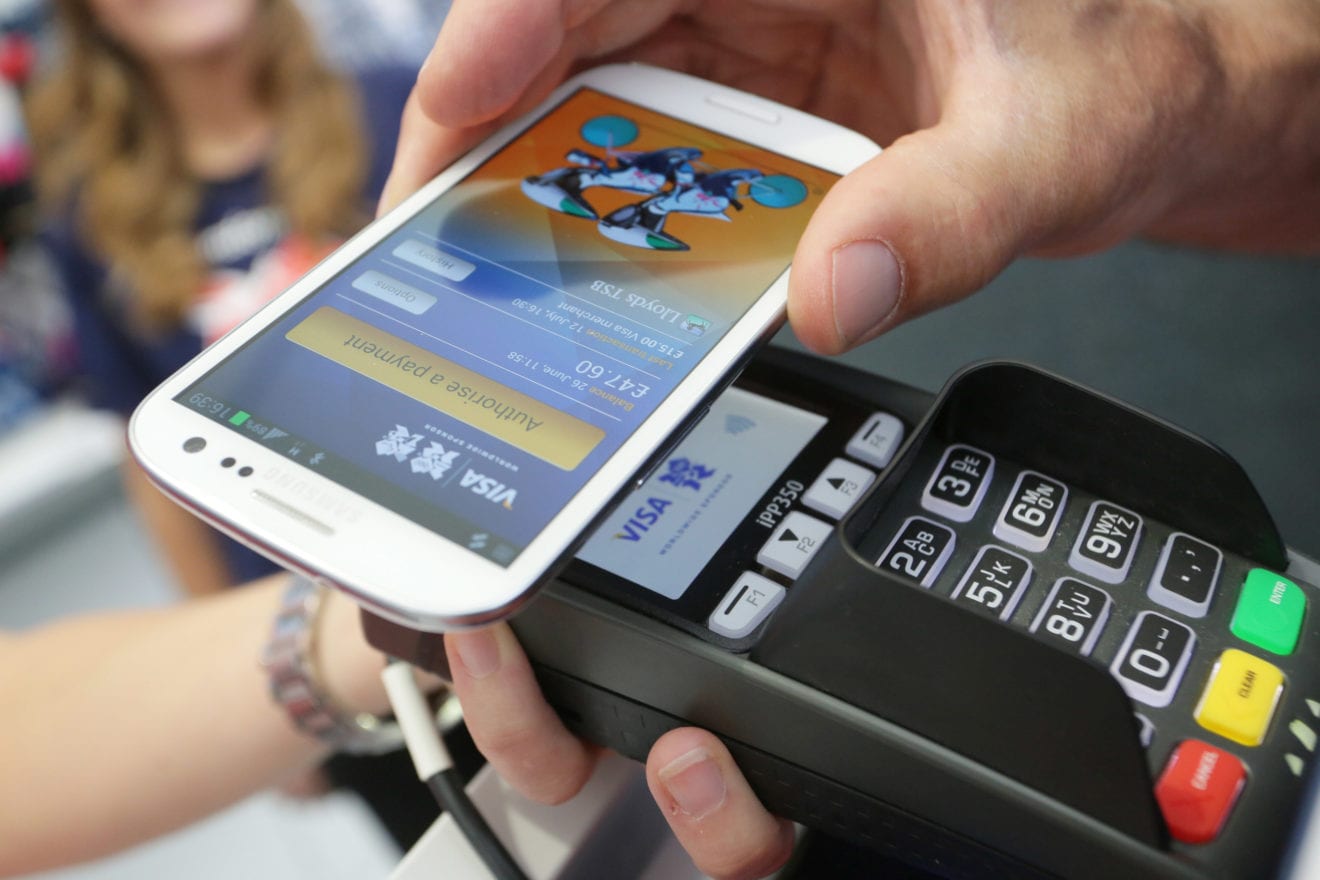
    In China, with just a mobile phone in your hand, you can hop on the subway or bus, shop in a supermarket or convenience store, pay for needed supplies while on campus or settle a traffic fine via the mobile Quick Pass function.

    This is now part and parcel of the daily routine for many people in China.

    Today, mobile payments have seamlessly penetrated into every person’s daily activities and has had a profound effect on their lives. All eyes are on China, as the world’s most populous country has rapidly taken the lead into the era of mobile payment.

    Ahead of the rest of the world

    A survey of 18,000 consumers across 23 countries and regions by Ipsos, an international market research firm, shows that 77% of all Chinese use mobile payment services, ranking the country first in the world. The penetration rate of mobile payment in the US and Japan has so far only reached 48% and 27% respectively.

    Given the size of the Chinese population, the difference is remarkable.

    Taking the daily movement of its population as an example, dramatic changes have been observed in the way Chinese commuters and travelers pay when they board a bus or subway or drive a car to get where they are going, all of which has been made possible by the popularity of mobile payments.

    Using UnionPay mobile payment to settle all fees that occur while in transit is now the commonly accepted way to get from point A to point B in more than 400 counties and cities across China, with the highest percentages of the population already doing so located in Shanghai, Guangzhou, Tianjin, Hangzhou, Fuzhou and Jinan.

    To cite Hubei province as just one example, car owners who have added their vehicle information to the UnionPay app and set up their UnionPay payment function as the default payment option can drive through any toll plaza along the highway without stopping, and the system will automatically recognize the license plate and submit the highway toll.

    Convenient mobile payment service for all payment scenarios

    With the goal of improving the quality of life through service enhancements that benefit every person resident in China, a project to evidence the convenience of mobile payments under the aegis of China’s central bank named the “mobile payment convenience demonstration project” targets areas that are most likely to touch on every person’s life, including what are referred to as the 10 major payment scenarios:

    • Travel by bus or subway
    • Food market and other local convenience shopping
    • Restaurant dining
    • Supermarket shopping
    • Use of public services
    • Self-service vending machines
    • On-campus activities
    • College or university cafeteria
    • Healthcare
    • Settlement of traffic fines
  • Axiata to sell loss-making Pakistan unit

    Axiata to sell loss-making Pakistan unit

    Axiata Group Bhd is planning to sell its entire 89% stake in Multinet Pakistan (Private) Ltd for a sum of US$1 on a cash-free and debt-free basis.

    The group told the stock exchange that its unit Axiata Investments (Labuan) Ltd (AIL) had entered into a share purchase agreement with Adnan Asdar Ali, who currently holds the remaining 11% stake in Multinet.

    It noted that Multinet’s financial performance has been declining for the last few years with accumulated losses of PKR754 million (RM25.64 million) for the financial year ended Dec 31, 2017.

    Accordingly, the group said Multinet’s contribution to its financial and business performance is immaterial.

    Axiata assured that the exercise will not have any material effect on the group’s consolidated net assets, gearing and consolidated earnings for the financial year ending Dec 31, 2018.

    Multinet is engaged in the business of providing telecommunication and electronic media services including internet services, design, development, implementation of networks including a wide range of non-mobile telecommunications services with a focus on the business-to-business (B2B) segment of the market.

    Axiata gained 2.7% or 11 sen at RM4.17 with 5.75 million shares being traded.

  • KT triples the Wi-Fi speed at 3 Seoul Starbucks branches

    KT triples the Wi-Fi speed at 3 Seoul Starbucks branches

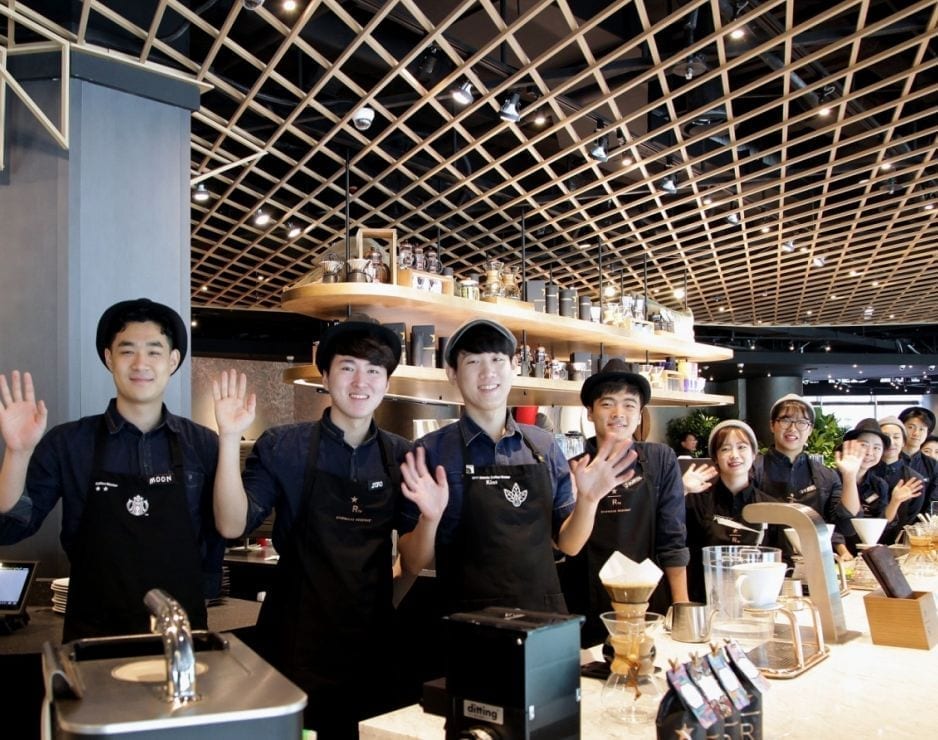
    KT will triple the speed of the internet at some Starbucks Korea branches starting today.

    The company announced Monday that it will offer 10 GiGA Wi-Fi services at three Starbucks Korea branches. The cafes are in the Jongro Tower in central Seoul and COEX and Kyobo Tower in Gangnam District, southern Seoul.

    According to KT, the 10 GiGA Wi-Fi will enable consumers to use the internet at a speed of 4.8 gigabits per second (Gbps). This is three times the speed previously offered by the coffee chain, which topped out at 1.7 Gbps.

    The upgraded speed is meant to ensure the internet is still smooth and fast when multiple users are connected at once. In the past, customers complained about the internet slowing down when many users tried to connect at once.

    KT plans to expand the service to all of Starbucks’ premium Reserve stores in Korea by September.

  • Lush Malaysia KL launches soon

    Lush Malaysia KL launches soon

    A personnel recruitment tweet has revealed that the UK cosmetics brand Lush Malaysia is preparing to open in Kuala Lumpur.

    The notice, verified by Lipstiq Malaysia, was posted on July 9 to seek full- and part-time sales ambassadors, supervisors and trainee managers.

    Lush retails handmade natural bath and beauty products that it says are environmentally-friendly, 100 per cent vegetarian and cruelty-free. The items are sold without packaging or using recycled packing materials.

    The brand, which has stores in many Asia-Pacific markets, including Hong Kong and Australia, is likely best known for its strongly-scented effervescent “bath bombs”.

    There is no further information as of yet regarding where the Lush Malaysia store will be located or when its will open.