Tag: asia

  • Not Jack Ma, this is the richest guy in Asia

    Not Jack Ma, this is the richest guy in Asia

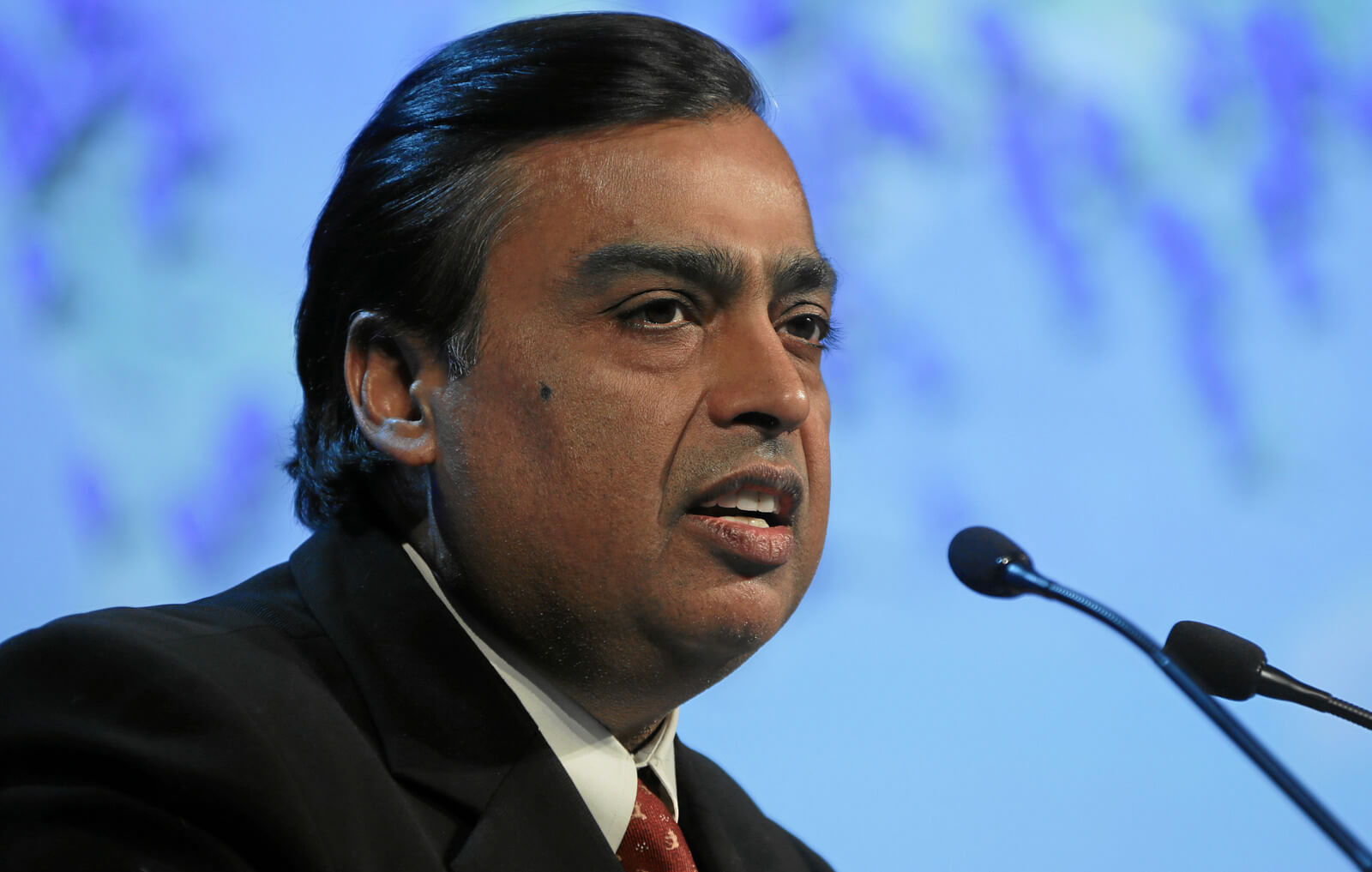
    Mukesh Ambani, Reliance Industries chairman has beaten Alibaba founder Jack Ma to become thr richest man in Asia on Friday, according to a report by Bloomberg.

    As per the report, Ambani’s estimated wealth rose to a whooping 44.3 billion dollars on Friday as Reliance Industries Ltd’s shares shot up to 1.6 per cent. Alibaba Group founder Ma’s wealth stood at 44 billion dollars at close of trade on Thursday in the US.

    Reliance doubled its petrochemicals capacity, adding 4 billion dollars to Ambani’s fortune in 2018. According to the report, Ambani also announced his plans to leverage his 215 million telecom subscribers to expand his e-commerce offerings.

    On the other hand, Ma lost 1.4 billion dollars in wealth this year.

    The shares of RIL rose for the fifth consecutive session on Thursday, and surged to a 52-week high of Rs 1,091 on the BSE, amid aggressive business plan announced in the AGM, ahead of its June quarter earnings.

    The company announced aggressive business plan at its annual general meeting (AGM) held last week. The stock has been on an uptrend ever since and has gained 13.05 per cent since July 5.

    At the AGM, Mukesh Ambani had unveiled an ultra high-speed fixed line fibre broadband for homes and enterprises across 1,100 cities and announced plans for an e-commerce platform that may rival likes of Amazon.


  • Guerlain opens first Asian ‘Parfumeur’ concept boutique in Hong Kong

    Guerlain opens first Asian ‘Parfumeur’ concept boutique in Hong Kong

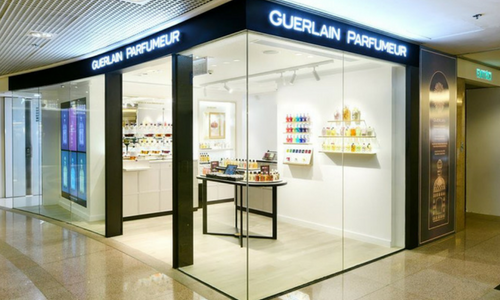
    Following the success of its first concept store which is dedicated exclusively to fragrances on rue Saint Honoré in Paris, Guerlain has open the Guerlain Parfumeur boutique in Hong Kong this month, being its first concept store in Asia.

    The store is under the signature “Guerlain Parfumeur depuis 1828” concept. The main goal is to offer a unique experience for customers revolving around completely tailor-made products and services, according to the brand.

    The new concept store shows the innovative retail concept that integrated with digital technology and usage of data. The store features 60 Guerlain fragrances which are meticulously classified into four main olfactory families, allowing customers to take advantage of a digital fragrance consultation to identify their personal olfactory profile.The algorithm helps the customers to find their very own “signature fragrance”.

    After choosing their fragrance, customers are invited to the personalisation atelier, where they can finalise their purchase by selecting every detail to make the fragrance their own – from bottle shape and colour, engraved message, to ribbons and bows for embellishing the bottles.

    LVMH group, Guerlain’s parent company, has rolled out ambitious international deployment of Guerlain’s perfume concept store since May 2017, starting with Brussels.

  • Singapore’s May retail sales rise by 2.2 per cent

    Singapore’s May retail sales rise by 2.2 per cent

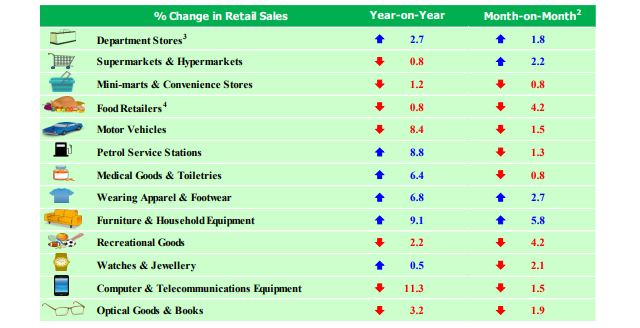
    Singapore retail sales rose 2.2 per cent in May after excluding motor vehicles.

    The year-on-year increase was driven by rising sales of furniture and household equipment – up 9.1 per cent – and increased shopping before the Hari Raya festive period. Sales at petrol service stations rose 8.8 per cent, due partly to higher petrol prices.

    Sales of the apparel and footwear, medical goods and toiletries and department stores rose by between 2.7 per cent and 6.8 per cent. But sales of computer and telecommunications equipment fell 11.3 per cent.

    Compared to April, Singapore retail sales increased 0.4 per cent, after excluding motor vehicles.

    Statistics Singapore estimated total retail sales in May as worth S$3.8 billion. Online retail sales accounted for about 4.3 per cent of that.

    Compared to May last year, sales of food & beverage services increased 1.2 per cent in May to an estimated $689 million.

    Fast-food outlets and food caterers registered higher sales at 10.8 per cent and 5.7 per cent respectively, while turnover of restaurants and other eating places, such as cafes, fell by 0.3 per cent and 1.9 per cent respectively.


  • J-beauty brands to broaden their market

    J-beauty brands to broaden their market

    The flood of Chinese tourists to Japan has given a fresh uplift to the high-end beauty products market. Buoyed with success, some niche brands are now venturing beyond China.

    Nagoya-based MTG, which sells health and cosmetic tools that cost hundreds of dollars, is gearing up for further expansion abroad. The company made its stock market debut in Tokyo on Tuesday, raising 34.2 billion yen ($309 million).

    Excitement around the listing — the second largest initial public offering in Japan this year after e-commerce unicorn Mercari in June — was reflected in its share price, which ended 27% higher than the offer price of 5,800 yen, giving it a market capitalization of $2.56 billion.

    This is partly due to the stellar growth of its overseas business; revenue for its global segment more than doubled to 11.2 billion yen in the year ended September. This was driven by sales in China, mostly through Alibaba Group Holding’s Tmall shopping platform.

    “Over the next three to five years, we want to grow in Asia, centered around China,” MTG President Tsuyoshi Matsushita said at a press conference on Tuesday. The company is exploring options to enter Russia, Dubai and the Philippines, he added.

    Established in 1996, MTG designs and sells beauty and health products in collaboration with universities, medical institutions and celebrities. To stimulate interest among Chinese consumers, the company recently appointed Chinese actress Fan Bingbing as “global ambassador” for ReFa, its best-selling facial and body massage tool.

    “I have seen many Japanese brands that have great quality but lose because of branding and marketing,” said Matsushita. “Overseas sales now account for 35% of the total. We want to show that upstarts from Japan can compete globally.”

    Japan’s beauty market has benefited from a rise in foreign tourists, especially from China — with annual visitor numbers from that country tripling between 2014 and 2017. Popular products are exposed through social media to mainland Chinese consumers, who buy the products through e-commerce platforms like Tmall. This virtuous cycle enables relatively new players like MTG to succeed without having a large physical presence in a foreign country. Matsushita said that five years ago the company did not have any overseas talent.

    The eagerness to go global highlights the opportunity that MTG and its rivals see ahead: millennials willing to spend lavishly on new ideas to improve their looks. Such behavior is rare in Japan, where spending on skincare and cosmetics is already the highest in the world and led by older women.

    “The main difference [with] Japan is that users in China are very young,” said Kimiyo Yamazaki, president of high-end beauty device maker Ya-man. “In Japan our products… target seniors who want to go beyond cosmetics, but in China they are college students, or people in their 20s and 30s.”

    Ya-man makes high-end facial care devices that can cost upwards of 40,000 yen. It logged a 50% increase in net profit for the year ended March to 3.3 billion yen, driven by sales in China. The company launched its products in South Korea and Singapore last year, and recently expanded to Indonesia. It is looking to enter Vietnam before the end of this year.

    Ya-man targets 30 billion yen in annual revenue over the long term, 30% higher than its latest fiscal year. Jiro Kojima, an analyst at Daiwa Securities, estimates that half of that growth will come from East Asia and other overseas markets. “The market for products like facial rollers is continuing to expand in Asia,” he wrote in a research note to clients in June.

    Other companies are also expanding their product lines. Fancl, a smaller cosmetics rival to Shiseido and Kose, has seen overseas sales for its supplements grow faster than its core cosmetics business. The company recently unveiled plans to sell supplements in China as early as 2020, pending approval from local regulators.

    Some observers warn that the current boom in Japanese brands might cool. The growth in exports of South Korean cosmetics products to China is said to have slowed last year amid tensions over the deployment of the U.S. THAAD anti-missile system in South Korea, to which Beijing has strongly objected. Another challenge is preventing copycat products — MTG has partnered with Alibaba to protect its intellectual property.

    “We need to create a system that doesn’t rely on a single brand or product,” said MTG’s Matsushita. “We made some progress. Now we need to prove the high expectations by shareholders with numbers.”
  • Converse x KASINA Capsule launched

    Converse x KASINA Capsule launched

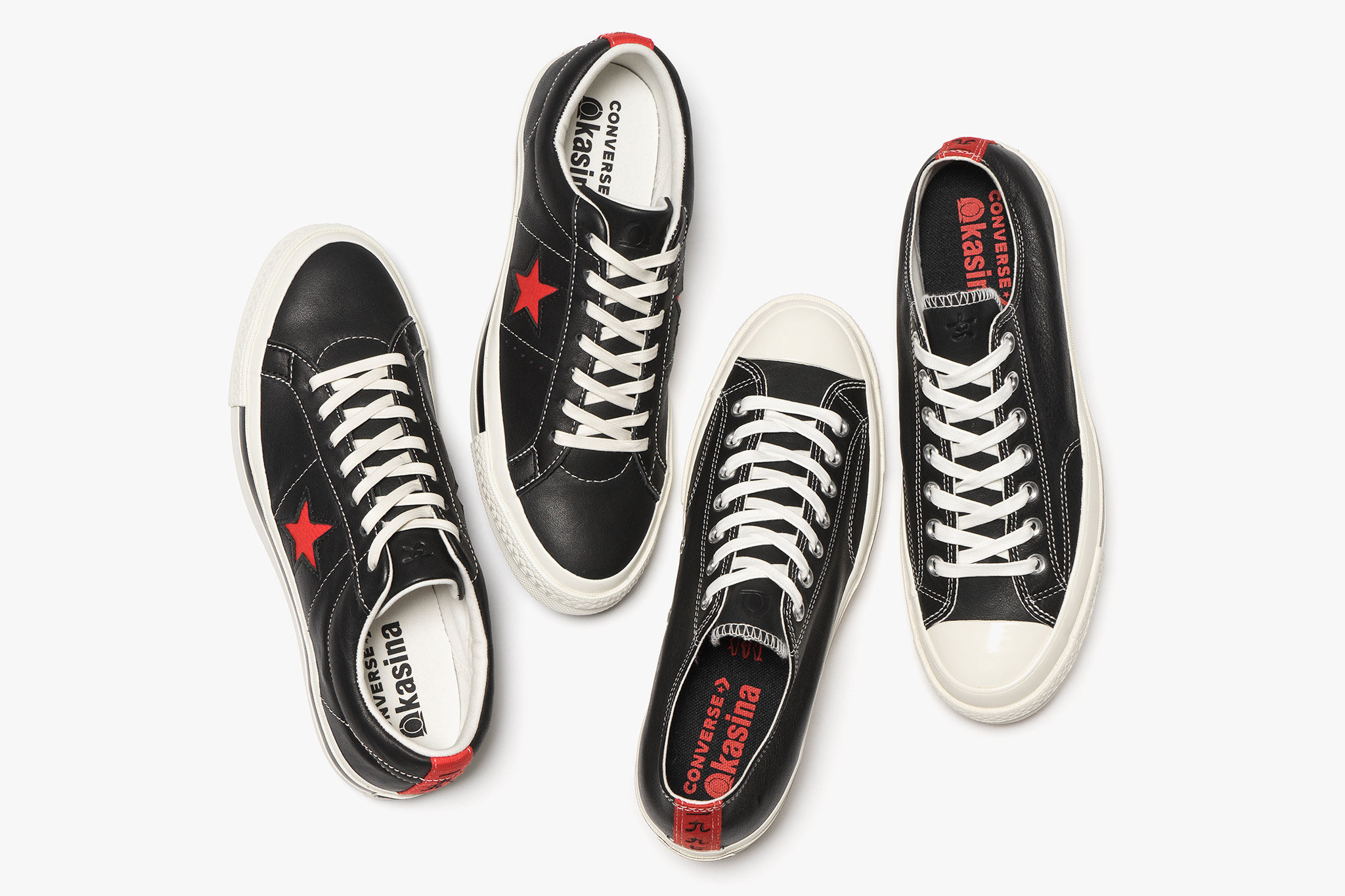
    Popular footwear label Converse has partnered with South Korean streetwear brand Kasina to release a collaborative capsule collection.

    Today’s Kasina x Converse global release on converse.com and in Kasina stores will feature Chuck 70 Ox and One Star silhouettes, an homage to Kasina’s urban styles and the iconic Korean fashion staples of recent decades.

    Kasina started trading in 1997 as a skateboarder garment label that blossomed as its image found favour with KOLs in Korean entertainment. The shoes bear the firm’s inaugural year on the heel along with the brand’s symbol – the Chinese character for “woman”.

  • Vietnam stands to lose from trade war between big powers

    Vietnam stands to lose from trade war between big powers

    The Vietnam Institute for Economic and Policy Research (VEPR) has cautioned that the ongoing trade war between the U.S and China is changing the dynamics of trading in the world, and would eventurally hit Vietnam more than in its exports sector.

    Pham Sy Thanh, head of VEPR’s Chinese Economic Studies Program, said: “When a large economy decides to protect itself, other economies will start to imitate.”

    Global trade growth last year reached 4.7 percent, but this year’s estimate of 3.1 to 5.3 percent shows that even top economists are uncertain about how the trading picture will turn out after this trade war, he said.

    If this continues, multilateral relationships will be replaced by bilateral ones, which will be a disadvantage for a developing country like Vietnam, because stronger countries will have more resources and power to negotiate, he said.

    Another consequence of the trade war on Vietnam is that it will be profoundly affected as global production chains shift.

    As the lack of workforce is no longer a big problem thanks to the fourth industrial revolution, “smaller countries will lose their advantage in just a few years,” he said, adding that technology giants, such as Foxconn, are now investing more in manufacturing in its own country, the U.S.

    When large corporations no longer see the attractiveness of developing countries, their capital will flow back to the big countries, and the abundance of labor will no longer be perks for developing countries such as Vietnam, Thanh said.

    The U.S. has announced that it would slap a 10 percent tariff on $200 billion worth of Chinese export goods as soon as September. This announcement came after it slapped a 25 percent duty on about $34 billion worth of Chinese goods earlier this month.

    China had retaliated “immediately” with a similar action, the country’s foreign ministry had said in response to the first move by the U.S.

  • Les Georgettes by Altese debuts in Malaysia

    Les Georgettes by Altese debuts in Malaysia

    French jewellery brand Les Georgettes by Altesse has opened in Malaysia.

    Renaissance Luxury Group Apac sales director Elsa Pages said Les Georgettes, with an international distribution network of eight subsidiaries worldwide and premier distributors in more than 60 countries along with 3000 points of sale, considers Malaysia one of the main, mature markets to set the brand presence towards developing the brand throughout South-East Asia.

    Les Georgettes by Altese debuted in 2015 in France, and had 600 kiosks across France within its first six months of trading. It pairs high-quality heritage-brand Altesse jewellery with interchangeable Breton leather bands by Texier. Bracelets are the brand’s main products.

    The brand’s first kiosk opened at Bangsar Village 2 at the mall’s ground floor under Habib Jewels, whose MD Datuk Seri Meer Sadik Habib said that the kiosk’s gallery-like atmosphere allowed customers to walk around casually.

    “We travel a lot to learn the latest trends globally and selectively bring in the best brands to offer world class jewellery items at an affordable price to the market, which is our core value,” he added.

    Habib plans to open at least three to five Les Georgettes by Altesse stores within this year, starting in Klang Valley and potentially extending to Johor Baru, Penang and East Malaysia. The total investment for one kiosk is between RM500,000 to RM1 million (US$124,000 to $248,000).

  • Vietnam part of attractive Southeast Asian start-up scene

    Vietnam part of attractive Southeast Asian start-up scene

    The trend of investing in Southeast Asia start-ups gained momentum in 2016-17, including in Vietnam, though the country has yet to get its “unicorn,” or a privately held start-up with a valuation of $1 billion or more.

    “I think one of the reasons start-ups in Southeast Asia get such attention from foreign investors is the ‘unicorn’ companies, which attract talent from other countries to the region,” KK Fund’s general partner, Kuan Hsu, said.

    “In contrast to Vietnam and Malaysia, which are yet to have any unicorns, Indonesia already has four companies in this category.”

    Vietnamese start-ups received $61.5 million worth of investments last year. But Topica Founder Institute (TFI) said it is much higher than that, with $300 million invested in 92 different deals, and potentially even higher.

    Hsu said that Vietnam and Indonesia are favored destinations for anyone looking to start companies because they have big populations on top of large numbers of young people, and thus have huge consumption potential.

    Nikhil Kapur, head of South Asia, GREE Ventures, agreed with that view, saying Vietnam shows many promising signs of becoming a start-up nation though it is still at an early stage.

    “We will evaluate annually to determine Vietnam’s potential growth for start-ups. But at the moment, we need more time to carefully study the market because Vietnam is different from other countries in the region. Some businesses are on the right path to becoming a successful company.”

    Research shows there is a new start-up for every 57,982 people in Vietnam. According to the website Worldometers, the country had roughly 1,664 start-ups.

    But Hsu said the nationality of founders does not matter when counting the number of start-ups in a country, only where the businesses are registered.

    For instance, Loi Luu, a Vietnamese entrepreneur and the CEO of Kyber Network, registered the business’ headquarters in Singapore. As a result, this successful company, listed among the 50 most successful start-ups in Southeast Asia in terms of attracting investments, is considered Singaporean.

    Now e-commerce is the most popular sector with foreign investors.

    The Vietnam E-commerce Association said the country’s e-commerce market grew by 25 percent last year and this rate is expected to continue through 2020.

    Last year the sector saw 21 deals worth $83 million, the highest of all sectors.

    It was followed by culinary technology, financial technology, communications, transportation, and online travel.

    The start-up to attract the highest funding was Foody, which received $198 million from Sea Group for an 82 percent stake.

    Sea Group also bought two unnamed companies in logistics and financial technology for $64 million and $50 million.

    Rounding off the top six were Tiki ($54 million from JD.com Inc), an unnamed company ($20 million from TNB Ventures) and Vntrip ($10 million from Hendale Capital).

  • Smart Solutions Can Improve Lives in Southeast Asian Cities: McKinsey

    Smart Solutions Can Improve Lives in Southeast Asian Cities: McKinsey

    Solutions such as ride-hailing services, data-driven transit planning, intelligent traffic systems, data-driven disaster risk assessments and smart energy meters, could save lives, add jobs, reduce living costs and curb emissions in cities across Southeast Asia, according to a recent study by McKinsey Global Institute, the research arm of the global consulting firm.

    In the study’s findings, released earlier this month, McKinsey said combined smart solutions in mobility, crime prevention and emergency response can prevent the loss of 5,000 lives to traffic accidents, fires and homicides each year.

    Almost 1.5 million additional jobs could also be created by creating a better hiring environment through digital applications, while citizens could save $16 billion through the implementation of smart-home solutions that lower energy bills and provide better housing alternatives.

    Moreover, these solutions could cut greenhouse gas emissions by 270,000 kilotons annually, or equal to the Laos’s total emissions per year, McKinsey said.

    Some private companies in Southeast Asia have found a foothold in advancing these solutions in the region. Smart mobility applications, such as those implemented by Indonesia’s Go-Jek and Singapore-based Grab, could create up to $70 billion in value across Southeast Asia, McKinsey said.

    Still, a thorough implementation of smart solutions would need government and the private sector complementing each other.

    “Smart solutions include an integrated mix of hardware, software and changes to the physical infrastructure,” said Mukund Sridhar, a McKinsey partner and co-leader of infrastructure practice in Southeast Asia.

    “Neither the public nor the private sector can build and run smart cities by themselves. Most infrastructure systems and critical services are public goods of which the public sector is the natural owner,” Sridhar said.

    Public goods, such as roads, can benefit from private-sector solutions. These include real-time road navigation apps such as Google Maps and Waze, which enable road users to avoid congested areas and accidents, saving them time.

    But roads can reach a point when it cannot accommodate more traffic, and that is when smart regulations are necessary. These include dynamic congestion pricing, which charges road usage fees adjusted dynamically based on road conditions and road speeds with higher fees charged during peak hours to reduce the number of private vehicles on the road, Sridhar said.

    “An example of this is Singapore’s electronic road pricing, or ERP, which has kept road speeds within ‘optimal’ range despite growth in the vehicle population,” he said.

    Sridhar said for countries like Indonesia to benefit from smart solutions and use it to overcome urban challenges, the government must lay out a clear roadmap on the role of the private and public sectors and implement it consistently.

    “It makes sense to identify those areas where city agencies can step back and make room for other players, including private-sector companies, state-owned utilities, universities, foundations and nonprofits,” he said.

  • Alibaba’s Ele.me to further expand into the food delivery business

    Alibaba’s Ele.me to further expand into the food delivery business

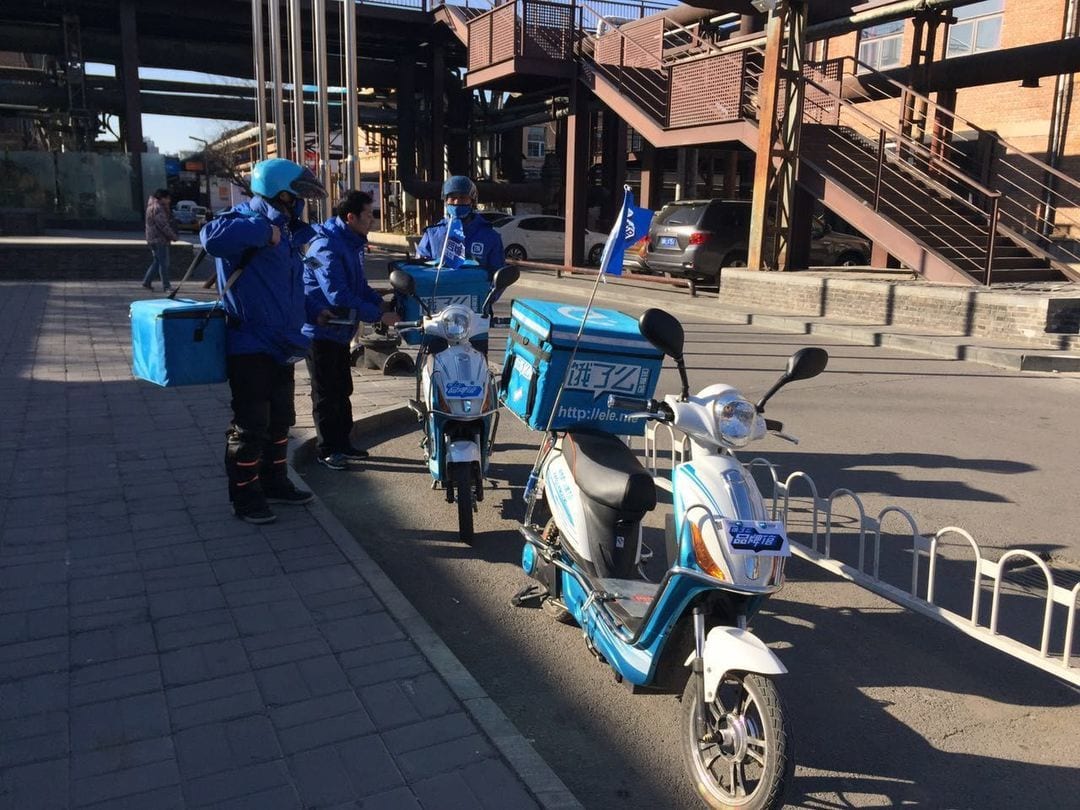
    Ele.me’s announcement comes three months after Alibaba acquired full control of the food delivery app, for an undisclosed price, valuing the business at US$9.5 billion.

    “The determination of Alibaba gives Ele.me confidence,” Alibaba vice-president Wang Lei, who is also Ele.me’s CEO, said in the statement. “Ele.me is not only going to win this summer’s battle [in food delivery], it will also take the crown in the local services and new retail sector. We have sufficient capital and traffic,” he added.

    Alibaba is not the only player eyeing the food delivery business. Meituan-Dianping, China’s on-demand service giant that filed for a Hong-Kong IPO two weeks ago, controls 59.1 per cent of the market, according to the China-based market research firm iResearch.

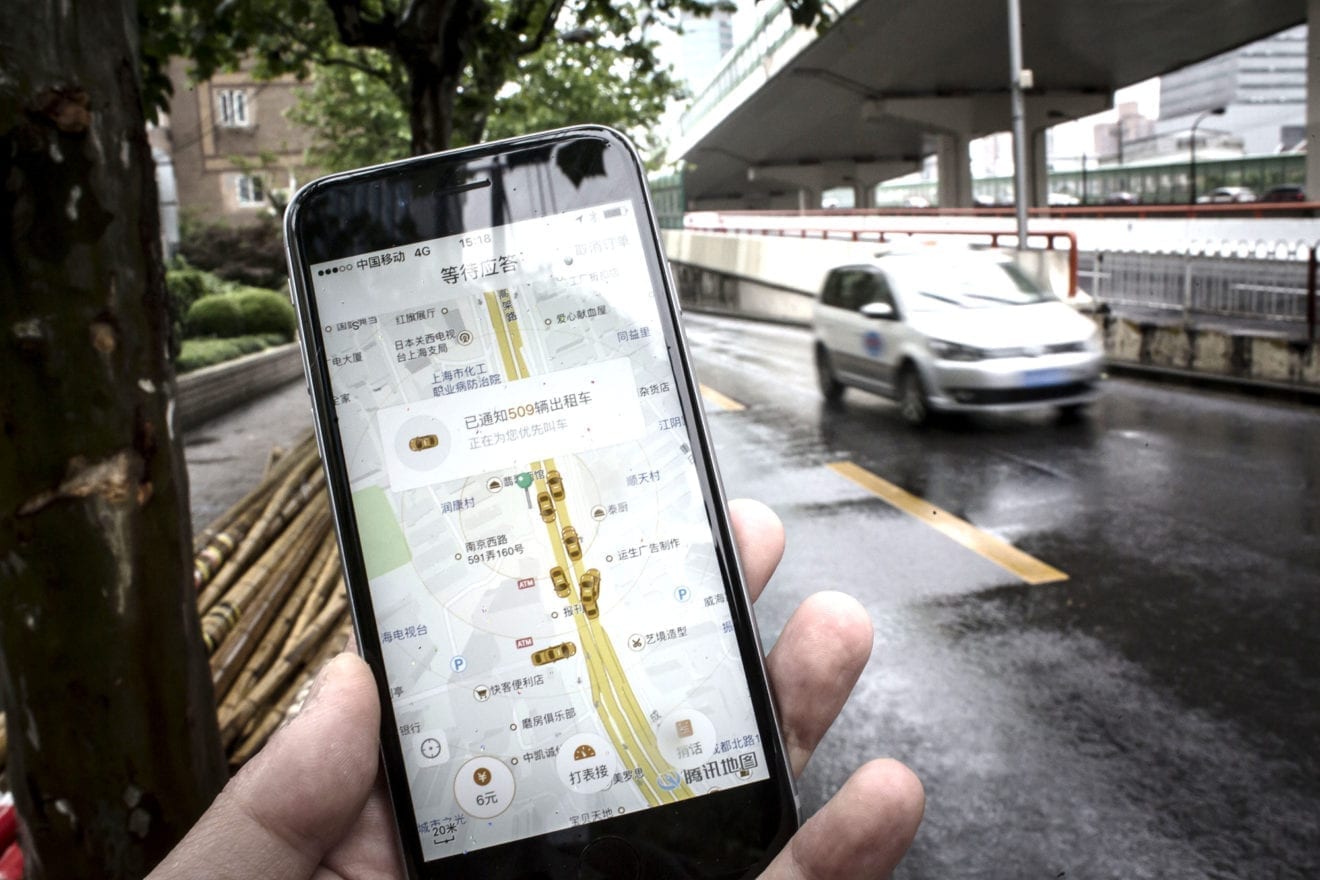
    Didi Chuxing, China’s ride hailing giant, is the latest entrant in the already competitive food delivery business with a stand-alone platform called “Didi Foodie” launched in April. Didi Foodie currently operates in four mainland Chinese cities, including Nanjing, Taizhou and Chengdu, using heavy subsidies to reduce the cost of a customer order of rice to as low as two yuan (US$0.3), including delivery.

    Ele.me’s pledge to invest billions of yuan also demonstrates Alibaba’s ambition to amass more bricks-and-mortar assets and further develop its short-distance logistics system. Fengniao, Ele.me’s logistics system, has established around 3,000 distribution stations across the country. Ele.me’s supply chain will also be connected with Tmall, one of the two Alibaba’s e-commerce sites, according to the company statement.

    The cash injection would provide every delivery employee with a monthly salary increase of about 1,000 yuan (US$149), the company said. The average monthly salary for food delivery workers in China’s first-tier cities was 6,829 yuan in 2016, according to a report by 58.com, a local job listing website.

  • Volkswagen, Toyota lead a surge in imports

    Volkswagen, Toyota lead a surge in imports

    Audi and Volkswagen have roared back to the Korean imported car market after a two-year absence.

    After launching in May, Volkswagen’s flagship midsize Tiguan SUV became the best-selling imported car model in Korea in June.

    The Tiguan 2.0 TDI sold 1,076 units in June, according to the Korea Automobile Importers & Distributors Association on Thursday. It was the only imported model that sold over 1,000 units last month.

    In its launch month, Volkswagen Korea sold 1,561 Tiguans.

    “Although Volkswagen’s brand image was dented due to the emissions scandal, the Tiguan SUV is widely known to be well-made and it seems like Korean consumers have been waiting specifically for the model,” said Kim Pil-soo, an automotive engineering professor at Daelim University.

    “At the moment, there are no substitutes for the Tiguan SUV that satisfy those who want to buy an imported car in a medium price range. Due to its relatively low price, Tiguan is able to appeal to consumers who were thinking about buying domestic brands.”

    On the back of those strong sales, Volkswagen Korea was ranked third in sales of imported cars in June with only two models on offer, the Tiguan and the Passat sedan.

    As for specific imported models, BMW’s 5-series sedan 520d came in second in June sales with 963 units, followed by Audi’s A6 35 TDI with 891 units.

    Korea’s imported car sales continued to grow in the first half of this year.

    According to KAIDA statistics, a total of 140,109 imports were sold between January and June, which was an 18.6 percent year-on-year jump.

    Mercedes-Benz Korea managed to maintain its top spot for six consecutive months. It sold 41,069 units in the Jan.-June period, an 8.9 percent year-on-year increase. BMW Korea followed, selling 34,568 units, a 19.2 percent year-on-year jump.

    Japanese brands are expanding their presence in Korea. In the past, Japanese brands were largely neglected here because they were considered overly expensive.

    Toyota Korea came in third spot in the Jan.-June period. It sold 8,350 units, recording a whopping 60.8 percent year-on-year increase. A hybrid version of its new Camry sold 3,051 units in the first half, followed by the gasoline-powered Camry, which sold 2,104 units.

    Toyota’s luxury arm Lexus tumbled two steps from last year’s third spot to fifth, but its sales still recorded solid growth. It sold 6,276 units in the first half, a 7.2 percent year-on-year jump.

    “With the rising interest in imported cars, people who would have bought domestic brands are now turning to import brands. Japanese brands are benefiting from that shift in consumption patterns,” Kim added.

  • Victoria’s Secret flagship store in HK to open soon

    Victoria’s Secret flagship store in HK to open soon

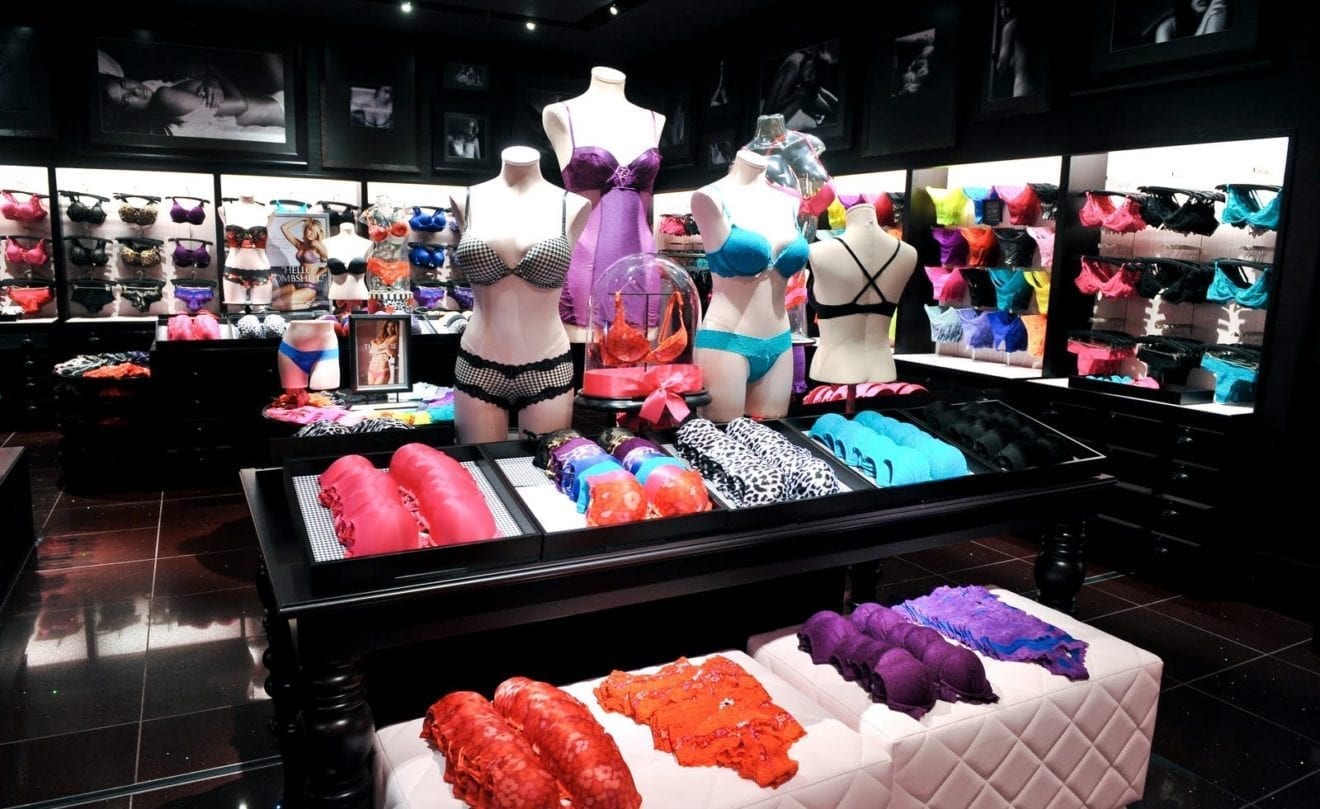
    Lingerie label Victoria’s Secret will open its first flagship store in Hong Kong on Tuesday, July 17.

    The Victoria’s Secret Hong Kong flagship has been under construction for more than a year since fast-fashion label Forever 21 exited the prime Causeway Bay site, opposite Hysan Place and a busy MRT exit.

    The new Capitol Centre store represents part of the brand’s moves towards general expansion globally. It will feature a broad range of lingerie collections as well as perfumes and body care products.

    An art project and photo competition for social media is being organised to celebrate the opening. The brand has collaborated with two local artists to create angel wing murals at Central and Sheung Wan, representing its signature runway props. Passersby who instagram themselves by the mural will be eligible for a chance to meet the Victoria’s Secret Angel models in person.

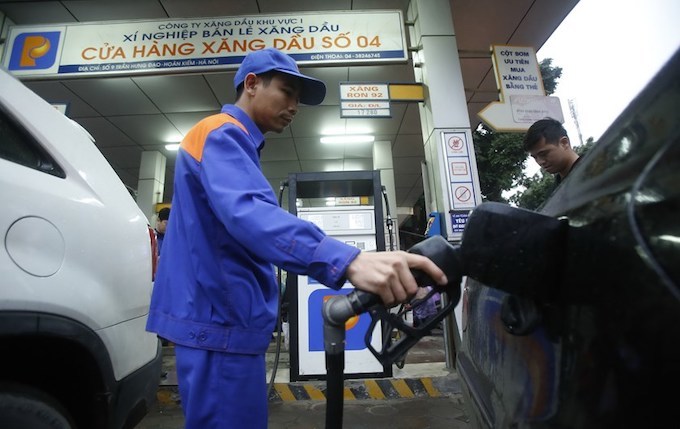
  • Vietnam postpones plans to increase fuel tax

    Vietnam postpones plans to increase fuel tax

    Top legislator Nguyen Thi Kim Ngan on Thursday approved the delay after listening to experts’ concerns that the tax will affect Vietnam’s goal to contain inflation below four percent this year.

    “Although increasing the environmental tax on fuel will bring trillions of Vietnamese dong to the state budget,” there is uncertainty in price changes for the rest of the year,” Ngan said.

    As the trade tension between the U.S. and China has been escalating, and the fact that stormy weather during the second half of the year often increase commodity prices in Vietnam, it would be more appropriate to raise the fuel tax at a later time, said Nguyen Van Giau, chairman of the External Affairs Committee of the National Assembly.

    Giau proposed that the tax be imposed two months after the next Vietnamese Lunar New Year, which will fall on February 2019.

    Earlier this year, Vietnam’s Finance Ministry proposed that the environmental tax on petrol and diesel be increased by 33 percent, or VND4,000 (17 cents) per liter for petrol and VND2,000 per liter for diesel.

    The proposed hike, which is the highest rate permitted in Vietnam, has met with strong public opposition. But the ministry defended its proposal by saying that it was supported by many ministries and departments, and that fuel prices in Vietnam is still lower than in 120 other economies in the world.

    The proposed tax can bring VND57.3 trillion ($2.4 billion) each year to state coffers, an annual increase of VND15.7 trillion ($650 million) from current collections, it said.

    The Standing Committee of the National Assembly will discuss the proposal again in August.

  • GS Retail set footprint in US e-commerce

    GS Retail set footprint in US e-commerce

    South Korean retailer GS Retail has announced a KRW33 billion (US$29 million) equity investment in a US online retailer.

    The company has purchased stock in Thrive Market, in a move intended to secure a foothold in America’s thriving organic food sector. It is GS Retail’s first overseas investment.

    Thrive’s core business is to sell organic products to its subscriber base, posting annual sales growth of 40 per cent since it launched in 2015.

    A spokesman for GS Retail indicated that the firm expects Thrive to post solid growth in future, with expected sales of over KRW200 billion (US$178 million) for the current financial year.

    GS plans to market Thrive products through its existing GS25- and GS-branded retail chains within a year.

  • Virtual influencers : what about moral and legal issues?

    Virtual influencers : what about moral and legal issues?

    We all know that spokespeople and endorsers can be erratic. Wild antics can generate negative PR and damage brands. What if you could eliminate the threat of a spokesperson going rogue while still tapping into the massive influencer audiences?

    Although swapping the Kardashians for virtual influencers might sound like a dream come true, the reality is that virtual influencers and their creators bring their own set of PR and legal challenges.

    Meet Shudu Gram and Miquela Sousa. Shudu is billed as the world’s first digital supermodel while Miquela, also known as Lil Miquela, is a virtual influencer. As unreal as Max Headroom, they are merely online personas fashioned out of the imaginations of artists. Shudu was invented by a photographer, and Miquela’s creators are cloaked in secrecy.

    In a matter of months, they have collectively amassed more than a million followers on Instagram. Shudu is being positioned more as a piece of art like a mannequin, but Miquela is put forward as a normal girl. “She” (through her creators) posts pictures of herself with purported friends on Instagram, claims to support Black Lives Matter and participates in media interviews.

    Virtual influencers operate online much like real-life ones do. Brands want to team up with them to tap into their fan base. Even if they aren’t originally designed to be a brand ambassador, with enough popularity, they will almost surely attract companies seeking endorsement deals. Shudu recently rocked Rihanna’s Fenty Beauty lipstick in an Instagram post that went viral, and Miquela pushes Prada and Chanel, among other brands.

    You are probably asking yourself: If virtual influencers are so lifelike and intriguing that they are going viral, do I really need to hire human influencers to market my products?

    Whether this trend has staying power or whether virtual influencers will prove boring in the long run is one issue. After all, it’s the unattainable assets mixed with the fatal flaws in real-life human beings that sustain the public’s interest. Celebrity has a cycle. Consumers are known to lift them up, tear them down and cheer their comeback. It’s the imperfection that ultimately creates connection.

    But, setting aside longevity issues, there are many business and legal issues to consider before we can declare that virtual influencers will put the humans out of business.

    Substituting digital constructs for real-life people simply creates different challenges, as we are seeing with Shudu and Miquela. If you want to experiment with creating your own digital construct or if you want to tap into an existing creation, here are some of the business and legal issues you need to consider.

    Virtual influencers are the expression of an idea in the form of a product. As such, whoever created the intellectual property will want to protect it as well as anything generated by the virtual influencer. For example, Miquela is promoting Prada and has her own music on Spotify.

    With serious money on the line, questions need to be considered in contracts, such as who owns the creation? Is it the brand whose product the virtual influencer is pushing or the artist who dreamed up the virtual influencer? If the IP was created internally, will that affect how legal agreements take shape versus it being created externally? You should consider the intellectual property issues when deciding whether to work with an outside artist or hire someone in-house.

    You still need to include morals clauses in contracts, which may cover not only the virtual identity but also the creator (even if they haven’t been publicly identified at the time of entering into the contract). Amongst other things, these clauses help provide protection and recourse related to PR issues of reputation, tarnishment (blurring), appropriation and authenticity.

    Issues of anonymity are particularly important to address contractually, especially in this information age. Trust, privacy and transparency are issues that are top-of-mind for today’s consumers. The creator’s anonymity or lack thereof will likely impact the virtual influencer’s value, and you should build these considerations into related contract rights and obligations. For example, no one currently knows who created Miquela. What if her cover is blown and consumers don’t appreciate who is behind the curtain? The backlash could damage the brands involved, and that risk needs to be accounted for.

    Shudu’s creator is a white male whose digital creation was inspired by real-life African American models. Already, he is facing cries of cultural appropriation as people point out that he is profiting off of an image of a black woman without paying one. Bad PR costs money. Will Rihanna’s brand be affected? He has named models who inspired him. Does he owe them a percentage of proceeds? These imaginary people could pave the way for real innovation in IP law.

    As of the time of writing, the Federal Trade Commission (FTC) and other regulators have yet to weigh in specifically about virtual influencers. Yet, we can expect that the existing rules, such as the FTC Endorsement Guides, will apply—at least to the extent they can.

    After all, how can a virtual identity have an opinion based on actual experience? Is the creator’s or operator’s experience relevant? You should consider what disclosures are needed under the existing FTC guidance, for example, regarding the “material connection” it has with a virtual influencer. You might as well familiarize yourself with the existing guardrails to get ahead of what seems to be inevitable enforcement or additional regulation down the road.

    In summary, getting practical-minded and creative attorneys involved early (and often) is important when embarking on technological innovation, and that’s especially true with this new frontier of virtual influencers. From the outset, there are business and legal issues to consider before even a single pixel is laid down. From ideation to promotion, you’ll need to protect your brand’s reputation and your company’s bottom line.