Tag: asia

  • Malaysian stocks, ringgit to remain under selling pressure

    Malaysian stocks, ringgit to remain under selling pressure

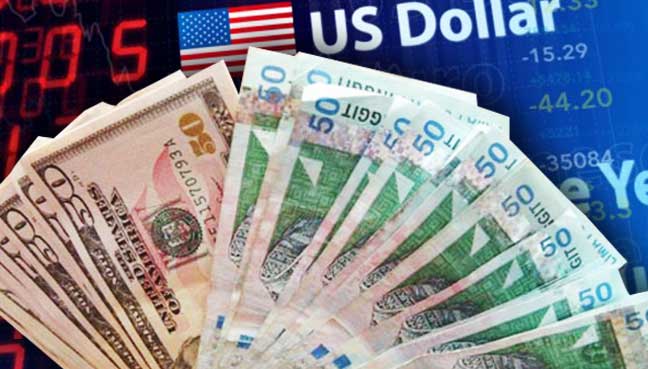
    The Malaysian stock market and the ringgit, which have seen constant pressure since the surprise outcome of the 14th general election, are unlikely to change course anytime soon as the US action to slap tariffs on imports from China is expected to increase risk aversion in the short term, say economists.

    Last Friday, the US imposed tariffs on US$34 billion (RM137 billion) worth of goods from China. Beijing was quick to retaliate, announcing levies on the same value of US imports. Bursa Malaysia’s benchmark index, the FBM KLCI, fell 1.6% or 26.79 points to close at its intraday low of 1,663.86 points in reaction to the news, while most emerging market currencies, including the ringgit, yuan, Indian rupee, baht, won and Singapore dollar traded lower. The Malaysian unit closed at 4.0465 to the US dollar on Friday.

    MIDF Amanah Investment Bank chief economist Dr Kamaruddin Mohd Nor said that the local currency as well as the emerging economies’ currencies are expected to remain under pressure this week amid heighten trade tensions between the two economic powerhouses.

    He said trade tensions would hamper investor sentiments towards emerging economies, which in turn would influence the flow of funds as investors assess the possible risks and adverse outcomes associated with the dispute.

    “Thus, selling pressure due to this factor as well as other external factors (faster than expected interest rate increases in the US and stronger dollar) will weigh on the ringgit and regional currencies in the near term,” he added.

    Meanwhile, FXTM global head of currency strategy and market research Jameel Ahmad said there is some risk aversion in the atmosphere following the announcement by US President Donald Trump, where emerging market currencies and stock markets appear to be struggling as a result of a cautious trading environment.

    “If Asian stock markets continue to trade cautiously in wake of the US trade tariffs on China coming into play, there is a likelihood that this could also negatively impact the European stock markets,” Jameel said.

    Socio-Economic Research Centre executive director Lee Heng Guie noted that emerging markets’ assets, including currencies, have been under pressure in recent weeks due to the trade tensions, damaging market volatility due to capital reversals on expectations of higher US interest rates ahead and US dollar strength.

    Additionally, Lee said the ringgit is expected to remain at the current trading range given the multifacet external headwinds amid domestic political and policy transition.

    He noted that among the potential long-term effects from the tariffs’ implementation are slowing trade and investment as trade activity lessens, which would weigh on firms’ profitability and investments’ returns.

    Lee added that domestic demand would also dampen as households’ income becomes affected by the weak performance of export-oriented companies and industries.

    “In addition, global financial market volatility will have negative spillover on domestic equity market,” he said.

    Therefore, Lee said the government needs to widen its trade relationships with countries that are committed to adopting fair and open trade practices while companies work on products and markets complexities to minimise the disruption amid the global network of supply and value chains.

    Kamaruddin said while the research firm which does not expect local companies to face devastating near-term disruptions, they will have to be prepared if the list of products involved are part of their value chain.

    Overall, economists said the continued trade spat between the US and China, the return of market volatility, and the reality of higher US interest rates pressuring emerging financial markets and currencies, are expected to weigh on Malaysia’s growth momentum this year.

    “The estimated impact on GDP growth is around 0.1-0.3 percentage point,” Lee said.

    However, Kamaruddin said MIDF is keeping its full-year 2018 GDP growth forecast at 5.5%.

  • FamilyMart marks its 100th store in Indonesia

    FamilyMart marks its 100th store in Indonesia

    FamilyMart Indonesia has opened its 100th store with plans to continue to expand the network.

    The Japanese-founded convenience-store chain opened its first store in Indonesia in October 2012 and has so far focused on growth in the capital, Jakarta, with a small presence in areas including Depok, Tangerang, Karawang and Bekasi.

    “Our target is to have 120 stores by the end of this year,” FamilyMart Indonesia CEO Wirry Tjandra said at the opening ceremony of the 100th store, which is located at Gran Rubina in South Jakarta.

    Some of the growth has come from taking over stores previously operated by other brands.

    “We have taken over 49 stores from Starmart and 13 stores from 7-Eleven,” Tjandra said.

    FamilyMart has more than 20,000 stores across Japan, China, Taiwan, Thailand, the Philippines, Vietnam, Malaysia and Indonesia.

  • Temasek set to book record S$300m portfolio

    Temasek set to book record S$300m portfolio

    Singapore state investor Temasek Holdings Pte Ltd is likely to book a record S$300 billion (RM892.3 billion) for the value of its portfolio, powered by gains in DBS Group Ltd and Chinese banks, while it steps up investment in tech startups.

    At the same time, Temasek is swooping in on opportunistic purchases with its stake buy in Swiss-based airline caterer Gategroup Holding AG, weeks after an announced move to buy into Hainan Airlines Holding Co Ltd. Both firms are part of China’s debt-saddled HNA Group Co Ltd, which has been selling part of its holdings.

    Analysts estimate Temasek, the top investor in about a third of companies in Singapore’s Straits Times Index, to report a net portfolio value of about S$300 billion for the year ended March 31, up roughly 9% versus a nearly 14% increase to S$275 billion a year earlier.

    Temasek said it will give details of its performance this week.

    “Last year was a good year across all asset classes and across the world. A rise in its portfolio value to above S$300 billion is quite doable,” said Song Seng Wun, economist at CIMB Private Banking.

    Last month, Temasek and GIC Pte Ltd, Singapore’s bigger state fund, featured among main investors in a record-setting US$14 billion (RM56.5 billion) fundraising by China’s Ant Financial Services Group. Temasek also put more money into online Chinese services firm Meituan Dianping last year.

  • Indonesia’s Textiles Exporters Brace for Trump’s Trade War

    Indonesia’s Textiles Exporters Brace for Trump’s Trade War

    US President Donald Trump has warned that he may revoke special trade tariffs for Indonesia, especially on textiles, in a bid to reduce his country’s trade deficit, an official said on Thursday (05/07).

    The United States was Indonesia’s second-largest export destination last year, at 11 percent of total exports, or $17 billion. Indonesia enjoyed a surplus of $9.59 billion.

    “[Trump] is now doing as he wishes, including to us. He has warned us that we cannot export more than the United States. He has warned that there are several special tariff arrangements that will be revoked, especially on textiles,” Sofjan Wanandi, chief advisor to Vice President Jusuf Kalla, said during a discussion on Thursday (05/07).

    Indonesia exported textile products, both knitted and unknitted, worth a total of $4.12 billion to the United States last year.

    According to Industry Ministry data, the United States currently imposes import tariffs of between 5 percent and 20 percent on Indonesian textile products, while there are no tariffs on textile imports from Vietnam.

    Sofjan, who recently visited the United States to meet with officials, said it is uncertain what Trump will do in the near future as “no one understands what he actually wants,” he said.

    According to Sofjan, who is also advisory board chairman at the Employer’s Association of Indonesia (Apindo), the US economy is currently thriving, which enables Trump to create and change trade policies as he considers most beneficial.

    “We don’t know when Trump will start the trade war; maybe tomorrow, maybe never,” Sofjan said.

    Retaliation

    Ade Sudrajat, chairman of the Indonesian Textile Association (API), emphasized that Southeast Asia’s largest economy needs to retaliate soon if a higher tariff is enforced.

    “If [a higher tariff] is imposed, it will be a huge obstacle for the textile industry, so it must be countered. If we keep quiet, then we become the losers,” Ade said, adding that Indonesia’s large imports of agricultural products from the United States could be used as a bargaining chip.

    Indonesia imported agricultural products worth $1.27 billion – mainly seed oil, fruits and medicinal plants – from the United States last year, followed by equipment and machinery, animal feeds and cotton.

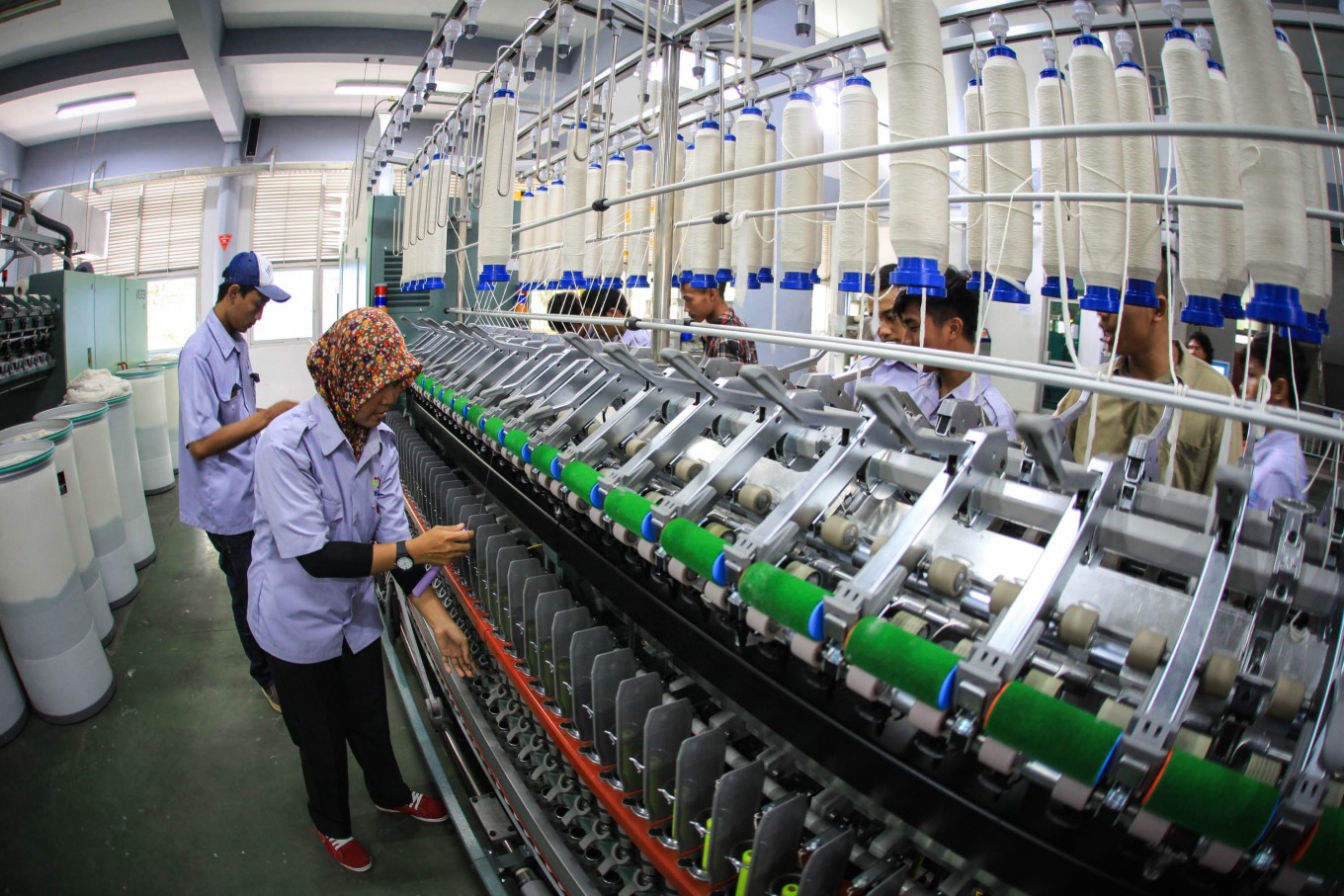
    Indonesian textile exports rose 4.4 percent to $12.4 billion last year, exceeding the API’s target of $11.8 billion and the Industry Ministry’s $12 billion.

    The ministry has set a textile export target of $13.5 billion for this year and $15 billion for next year.

    The number of people employed in the textile industry increased 17 percent last year to 2.73 million, compared with 3.3 million in the processed food and drinks industry and 3 million in the automotive industry. The ministry seeks to increase the number of people employed in the textile industry to 2.95 million this year and 3.11 million next year.

    According to the Trade Ministry, total investment in the nation’s textile industry amounted to Rp 10.9 trillion ($758 million) in 2017. Indonesia produced about 2 percent of the world’s textile supply, which earned the country $11.87 billion in foreign exchange.

    “It will be unfair for us if the textile industry is targeted and the government prefers to do nothing,” said Ade of the API.

  • Capillus Announces Grand Opening of the First Capillus Store in Hong Kong

    Capillus Announces Grand Opening of the First Capillus Store in Hong Kong

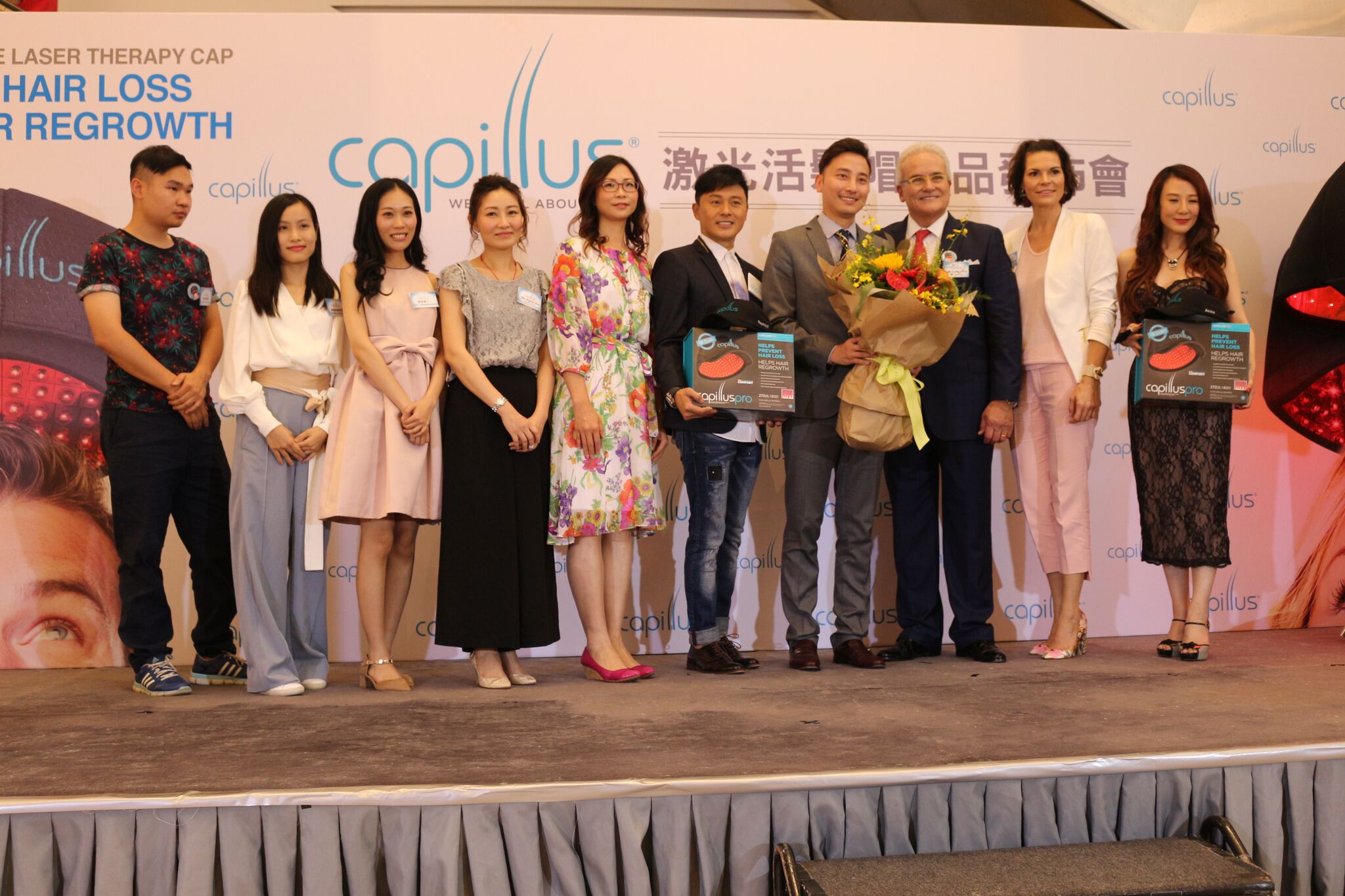
    Medical device manufacturer Capillus has opened its first store in Hong Kong.

    The firm, which specialises in treatments for hair loss, opened the Capillus store at Mira Place Mall in Tsim Sha Tsui, through its partnership with Yaniv Healthcare – which became the exclusive Capillus Hong Kong distributor last year. The company has traded in China since 2013.

    Capillus CEO Carlos Piña said “I believe our target customers are universal. Whether in Hong Kong or in the US… hair loss can be devastating psychologically. Our goal is to reach those for whom hair loss is a concern before it becomes an irreversible condition.

    “We are very proud of our commercial venture with Yaniv Healthcare and are looking forward to further expansion into the Chinese market through our partnership”, he said.

  • Australia’s Volley expands in China market

    Australia’s Volley expands in China market

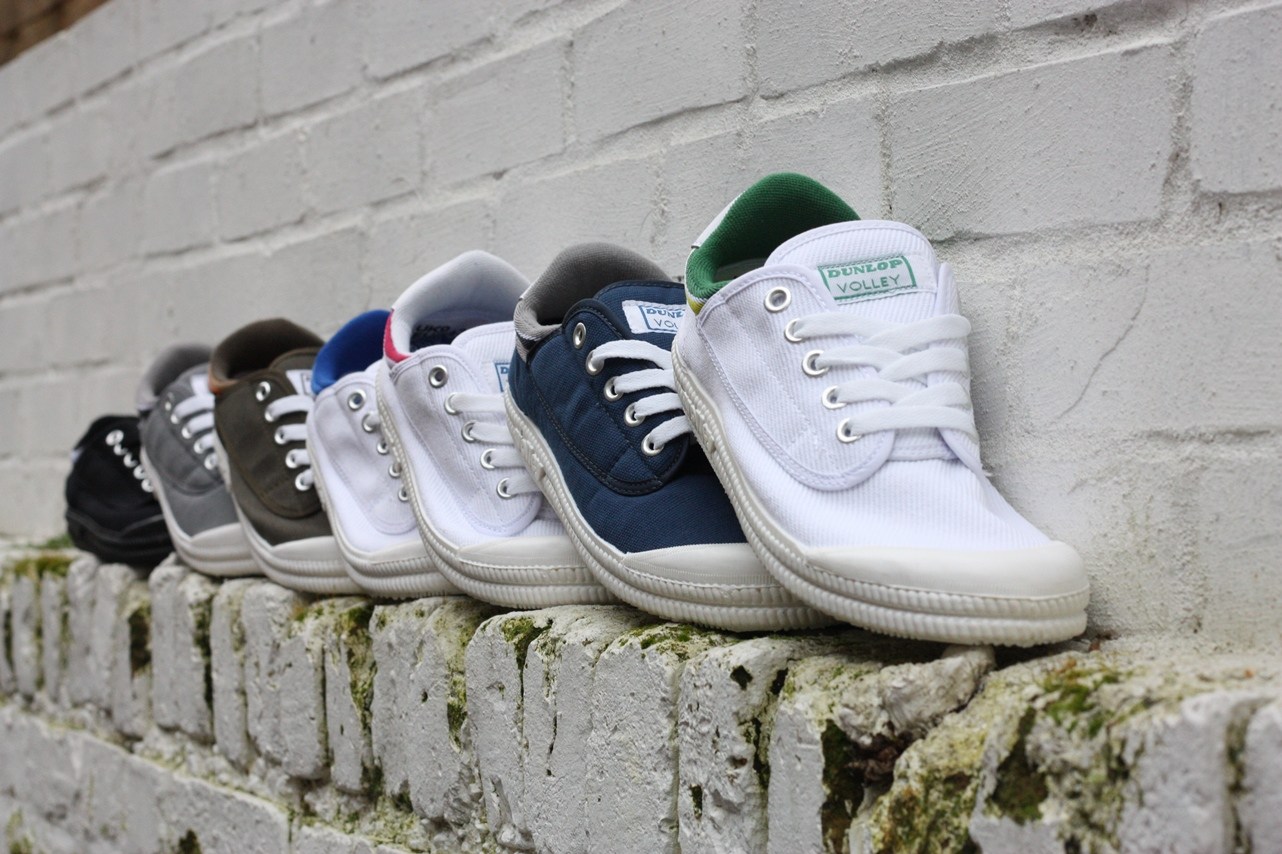
    Australian shoe brand Volley will open 50 stores in China following a surge in online demand.

    The 79-year-old brand became unexpectedly popular after Mandopop diva Faye Wong was photographed wearing then at Hong Kong International Airport. Subsequent orders online crashed the company’s e-commerce platform.

    With the success of a trial pop-up store in Beijing, the brand’s first shop will open in Shanghai later this month.

    Collective brand manager John Szwede said the celebrity focus was a major factor in deciding to open the stores. In a discussion, he said: “Since opening the pop-up store in May, we’ve had our biggest growth month in China ever. The split between online and physical store sales is almost 50-50. It’s remarkable how big the market is.”

    Szwede added that 70 per cent of the brand’s wholesale sales are now going to China.

  • Beauty&You : The ultimate customer experience

    Beauty&You : The ultimate customer experience

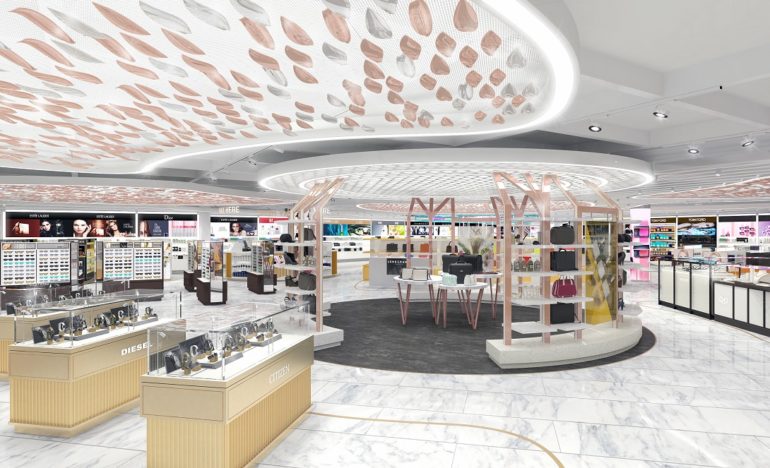
    The Shilla Duty Free, one of the world’s leading travel retail companies, has unveiled their new retail stores at Hong Kong International Airport (HKIA) following a successful six-month soft launch period.

    The Grand Opening Ceremony featured the unveiling of the full Beauty&You concept store and a spectacular K-celebrity guest line-up to commemorate the special occasion.

    Attended by esteemed VIPs including Shilla’s senior management, representatives of the Airport Authority Hong Kong, brand and business partners, as well as media, the elaborate event began with the official ribbon cutting ceremony at the main East Hall outlet, followed by guided tours introducing the new store experience.

    Guests were then invited to attend a special showcase by KPop sensation Highlight, Shilla’s new brand ambassador for 2018-2019. Highlight brought their energy and enthusiasm on stage through a series of performances and interactive games with fans.

    “We are very pleased to announce the grand opening of The Shilla Duty Free’s brand-new retail stores at one of the busiest airports in the world,” says Alice Woo, Managing Director of Shilla Travel Retail Hong Kong Limited, “With the highly-anticipated launch of Beauty&You, we hope to redefine the airport retail experience and customer journey with a comprehensive brand profile presented in an interactive and engaging environment. Our aim is to deliver the ultimate shopping experience to a diverse audience in one of the most robust travel markets in the world.”

    The Shilla Duty Free’s Beauty&You concept symbolises the brand’s commitment to deliver a comprehensive beauty retail experience and be at the forefront of the experiential retail trend.

    ‘Beauty’ and ‘You’ together represent beauty tailored to each individual customer and the infinite combinations available through the multitude of brands and experiences. Crafting the notion that beauty retail can surpass the limitations of cosmetics and skincare products and become associated with fashion and accessories, this retail concept gives room for all definitions of beauty.

    With around 200 brands on offer, The Shilla Duty Free will also bring a list of premium brands new to HKIA, including David Beckham’s global grooming brand HOUSE 99; the best of Korean and Japanese brands like The History of Whoo, su:m37º , THREE, ReFa; image-maker NARS; Italian crafted luxury leather goods labels and accessory brands Bresciani, Maglia Francesco, Victrix; as well as fashion accessory brands like Alexander McQueen and Didier Dubot, just to name a few.

    More than 60 new brands will join our extensive brand selection in offering an innovative and enjoyable shopping experience for customers.

    Furthermore, the new concept revolves around curated hospitality on par with the superior product offerings to create a seamless retail experience. Designed to provide “journeys of discovery” for every customer, the engagement zones together with the stores’ professional beauty and fashion advisors, all offer personalized recommendations. Customers will explore a space meant not only for shopping, but also for retailtainment, in discovering their very own beauty preferences.

    Representing how modern and travel-savvy customers shop, the new retail stores have
    incorporated a blend of branded and non-branded counters, as well as engagement zones where brands and categories come together under a single umbrella. These special lifestyle and themed areas are designed to enhance the retail experience through engaging customer interactively into immersive experience spaces.

    They include Elements – an area dedicated to gentlemen-specific products, New Generation – a section showcasing the best of Korean and Japanese cosmetics and
    perfume brands, and a dedicated Curated Zone, where Shilla will collaborate with different brands each month to feature themed selections and trendy looks with perfume, cosmetics and fashion products on display. In the grand opening month, Lancôme will be presenting a selection of their best-selling items through their “Pink Time” showcase. SK-II and The History of Whoo will also be featured in the Curated Zone, with different interactive elements in visually striking displays to appeal to customers.

    In these engagement zones, The Shilla Duty Free has incorporated the use of digital technology to offer an enhanced shopping experience. Our own Shilla Beauty Selfie makeup app in New Generation invites customers to virtually try on looks from various brands such as Anna Sui, Innisfree, KATE, Etude House, THREE, Ladurée, NARS and Urban Decay. More animated features such as “Get the Look” and “Magic Mirror” are designed to communicate the most updated beauty and fashion trends, promising fun and informative tips.

    Other in-store activities during the opening period highlight Shilla’s brand partners, such as Atelier Cologne’s engraving service, M.A.C.’s interactive ‘selfie’ machine, which allows users to simulate different lip colours and instantly print out photos. Cartier Eyewear and Perfume have also partnered up for the first time to introduce their Panthère range in a stunning display.

    All Beauty&You stores offer Arrival Pick-Up services for a hassle-free traveler’s shopping experience. Customers can visit and purchase at any Beauty&You stores before departure and collect the goods at the pick-up counter in the Arrivals Hall store upon their return to Hong Kong International Airport.

  • Central Bank Claims Indonesia’s Economy Is Not Overheating

    Central Bank Claims Indonesia’s Economy Is Not Overheating

    The central bank said Indonesia’s widening current-account and trade deficits until the middle of the second quarter of this year should not be seen as indications that the country’s economy is overheating or growing beyond its capacity.

    The country’s trade deficit grew to $2.38 billion between January and May, which is expected to raise the current-account deficit to between 2.5 percent and 3 percent of gross domestic product in the second quarter, according to Bank Indonesia Deputy Governor Mirza Adityaswara.

    Indonesia’s current-account deficit rose to 2.15 percent of GDP in the first quarter, compared with 1.7 percent last year.

    “Actually, if we take out infrastructure imports, which are for long-term development, the trade balance in January-May was in surplus,” Mirza said on Tuesday (03/07).

    Indonesia’s imports of infrastructure goods for development amounted to $4 billion, defense equipment to $1.1 billion and rice to $400 million in the period between January and May, Mirza said.

    Separately, Finance Minister Sri Mulyani Indrawati said on Tuesday that the government would review its capital goods imports for infrastructure projects to lower the current-account deficit and support Indonesia’s financial markets.

    The deficit exacerbated the rupiah’s decline, which has fallen by more than 6 percent against the US dollar so far this year, as foreign investors dumped Indonesian stocks and bonds in anticipation of higher interest rates in the United States and the growing prospect of a global trade war.

    Bank Indonesia has risen its benchmark rate by 100 basis points in the past six weeks to stem the rupiah decline, but Enny Sri Hartati, director of the Institute for Development of Economics and Finance (Indef), said the rate hikes would only provide foreign investors with good returns in the short term.

    “It’s not that we’re not supporting the interest rate hikes. Our current-account deficit is big and what helps [to balance it] is the capital account, but it’s very difficult to put our hopes on capital coming in from foreign direct investment,” she said.

    Indef also noted that higher interest rates would curb economic growth, which is already suffering from weak domestic consumption and slow loan demand.

    Domestic credit growth, which only rose 10.2 percent year-on-year and 2.93 percent year-to-date in May, also shows that Indonesia is still recovering from adverse global economic conditions. Credit growth rose to above 20 percent in 2013.

    The central bank projected that Indonesia’s economy would grow at 5.2 percent this year, slower than the government’s projection of 5.4 percent as outlined in the 2018 state budget.

    “If the current economic condition continues, we predict that it will not reach 5.2 percent by the end of the year, even with the Asian Games and the IMF-World Bank meeting the government seems to push as economic growth boosters,” said Rusli Abdulah, a researcher at Indef.

  • Givenchy Beauty debuts in Korea with Hyundai

    Givenchy Beauty debuts in Korea with Hyundai

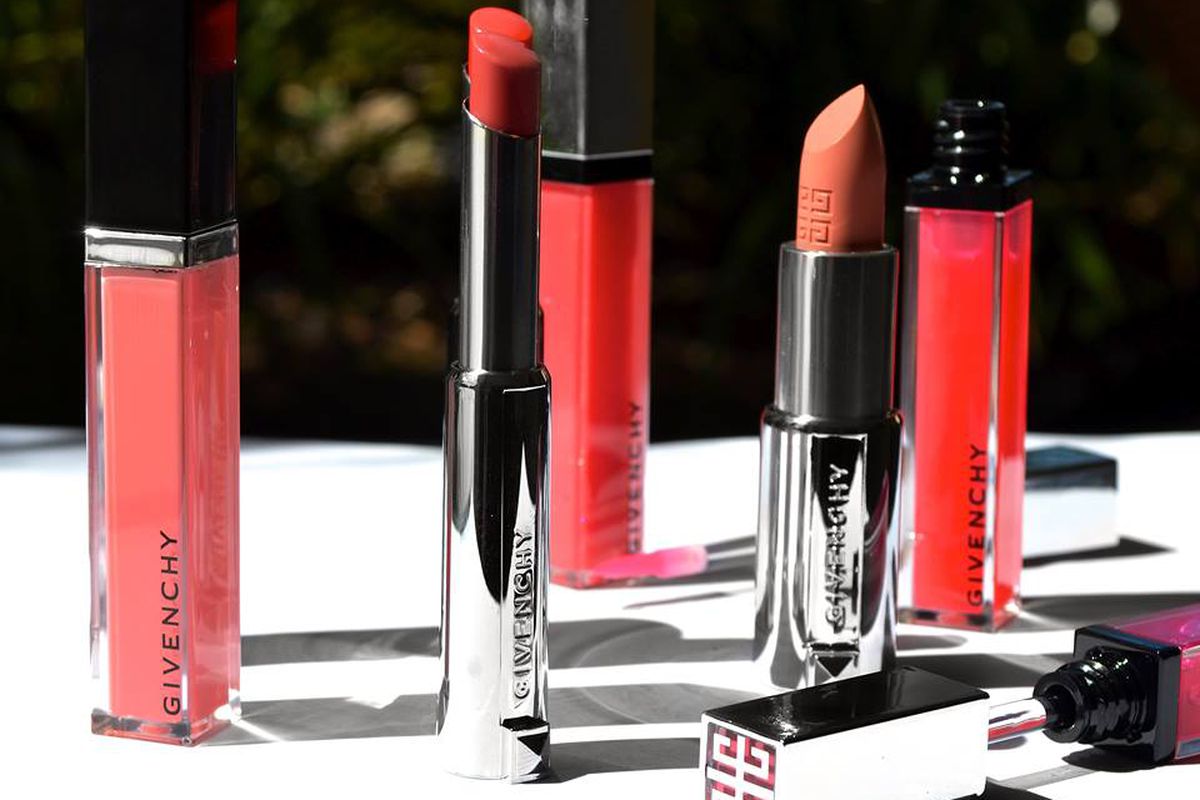
    Givenchy Beauty will open its first South Korean store this month.

    The cosmetics and skin-care line of the French luxury fashion house Givenchy has taken space in the Hyundai Department Store in the trendy southern Seoul district of Apgujeong.

    The first store will open on July 31 and a second, at another Hyundai Department store in Sinchon, northern Seoul, will open next month.

    With the huge growth of the Korean beauty industry over recent years, Givenchy Beauty believes its broad range of makeup, skincare and perfume products will appeal to local women comfortable spending on premium solutions.

    Once the Givenchy Beauty stores are open, Hyundai Department Store will become the first Korean retailer to host stores from five global premium beauty brands, the others being Dior, YSL, Chanel and Tom Ford.

  • Secoo and Italia’s Richard Ginori tie up in partnership

    Secoo and Italia’s Richard Ginori tie up in partnership

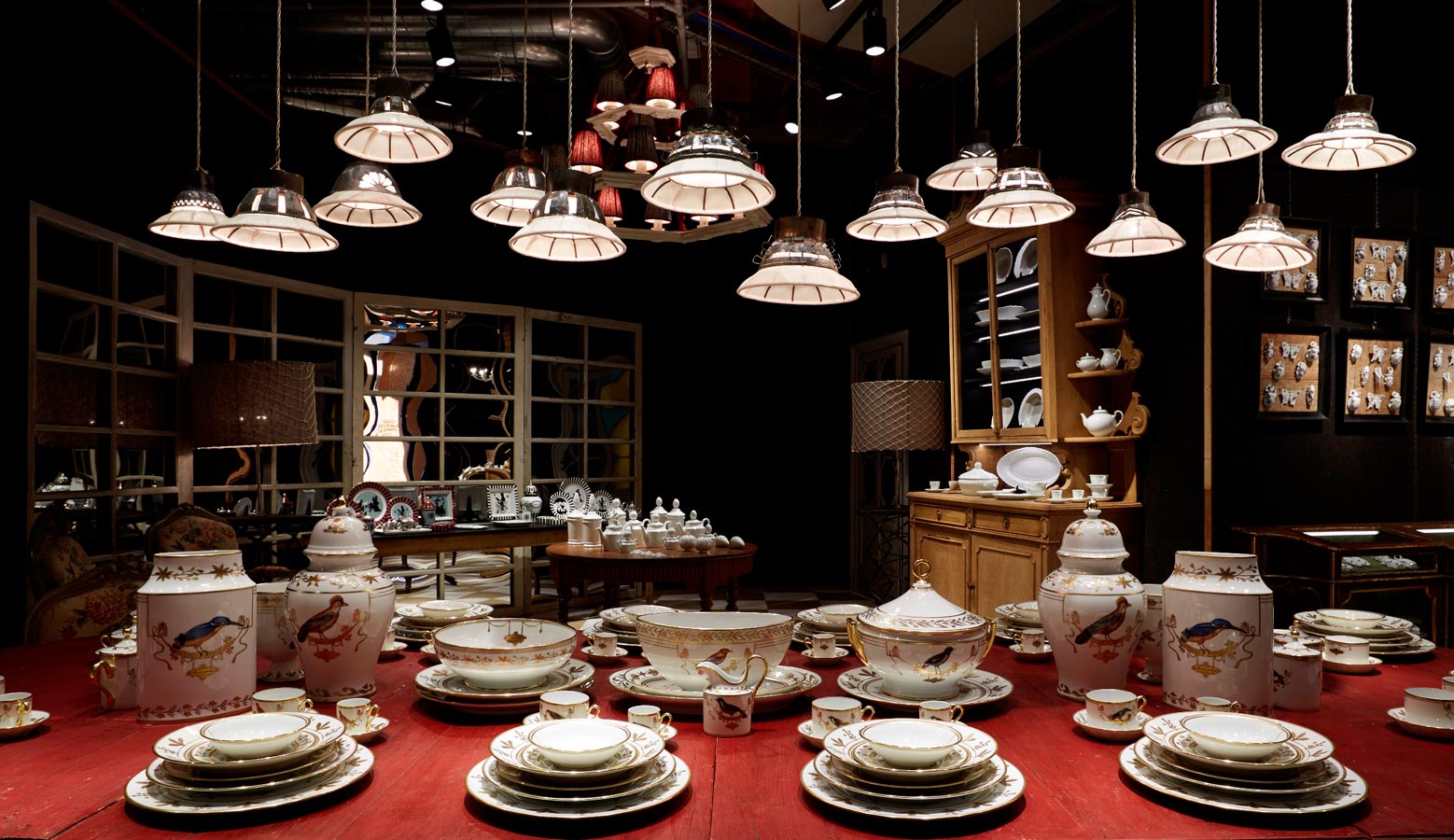
    Luxury retail platform Secoo has announced a partnership with Italian porcelain manufacturer Richard Ginori exclusively for the Chinese market.

    The heritage brand, founded almost 300 years ago, is one of the region’s most prestigious manufacturers of fine porcelain tableware and artistic porcelain.

    Li Rixue, Secoo’s founder and CEO, said: “The entry of Richard Ginori carried out our business strategy of further tapping into China’s robust luxury consumer market demand. With our consistent focus on both the diversity and quality of the products and services that we offer to our customers, we are confident that we are well positioned to capture emerging opportunities driven by the consumption upgrade in China and unlock values to our customers.”

    The move serves as part of Secoo’s strategy to become a leading premium lifestyle platform and luxury e-commerce site.

    Secoo customers can select from a wide range of porcelains offered online and collect the product from the brand’s offline experience centers in nine major Chinese cities.

  • Link Net and Japan’s Softbank Join Hands to Launch IoT in Indonesia

    Link Net and Japan’s Softbank Join Hands to Launch IoT in Indonesia

    Link Net, an internet service provider operating under Lippo Group subsidiary First Media, and Japanese telecommunications provider SoftBank Corp have signed a partnership agreement to develop and deploy the internet of things, or IoT, in Link Net’s businesses in real estate, health care and mobile ecosystems in Indonesia.

    Link Net chief executive Marlo Budiman and Hidebumi Kitahara, vice president for global business strategy at SoftBank, signed the agreement during a ceremony at Aryaduta Hotel in Central Jakarta on June 29.

    “We are pleased to collaborate with SoftBank in the initial phase of the initiative involving the deployment of IoT devices, along with video analytics for homes, commercial buildings, malls, offices, streets and other areas at our various property developments,” Marlo said in a statement on Thursday (05/07).

    The collaboration will see the deployment of an IoT system in the Lippo Group’s shopping malls and Siloam hospitals, as well as at Meikarta, the company’s $21 billion megaproject in Cikarang, West Java.

    Lippo has billed Meikarta as the Shenzhen of Indonesia, a tech and manufacturing city located in the southern part of mainland China, near Hong Kong.

    Marlo said the development of IoT in Indonesia is in line with the country’s vision of becoming the largest digital economy in Southeast Asia.

    “The global mobile industry is now entering the era of 5G, with IoT becoming the central focal point of innovation. This partnership with Link Net shows our strong commitment to further boost technological innovation in the global market and further advance the development of information and communications technology in Indonesia,” Kitahara said.

    The partnership was initiated during a meeting between Lippo Group deputy chairman James Riady, Lippo Group director John Riady and directors of the SoftBank Group in Tokyo during May this year.

    SoftBank is a subsidiary of the SoftBank Group, a multinational Japanese conglomerate that focuses on information technology, which includes investments in numerous startups and tech conglomerates, such as China’s Alibaba and Malaysian ride-hailing service Grab.

    In addition to internet connectivity and fixed-line communication services, SoftBank is also expanding its business into robotics, financial technology and cloud security systems.

  • Gordon Brothers acquires Bench brand

    Gordon Brothers acquires Bench brand

    US-based investment company Gordon Brothers has bought troubled UK fashion label Bench and all its related IP assets.

    Gordon Brothers has an established history of reinvigorating wounded fashion labels and retailers. It was a partner in the joint venture that bought Aeropostale out of Chapter 11 bankruptcy in the US several years back, and it relaunched the Wet Seal brand as an e-commerce business.

    Bench has about 80 single-brand stores in Europe and North America and more than 2000 wholesale points of sale. The company recently commenced insolvency proceedings in the UK, which subsequently affected its German service companies in Munich.

    In a statement announcing the deal, Ramez Toubassy, president of Gordon Brothers’ brands division, said: “Streetwear has never been hotter than it is today. We are excited to be able to acquire an authentic pioneer in the category and bring our thoroughly modern branding, marketing and business model to bear in reestablishing Bench as a streetwear powerhouse.”

    The new owner says it will focus on “re-establishing the brand’s European e-commerce presence while it methodically re-builds the business’ wholesale footprint in that territory”.

    In North America, Gordon Brothers will continue the brand’s long-standing partnership with Freemark Apparel Brands Group.

  • Indonesian Conglomerates-Backed Tech Fund to Be Launched in 6 Months

    Indonesian Conglomerates-Backed Tech Fund to Be Launched in 6 Months

    An Indonesian tech venture capital fund backed by the country’s largest conglomerates will be launched within the next six months, Communications Minister Rudiantara said.

    “We, Indonesian investors, must immediately enter the tech market,” the minister said on Thursday (05/07).

    He said the fund, which would be pooled from Indonesian conglomerates, was supported by his ministry, with its structure being discussed with the Financial Services Authority (OJK).

    The size of the fund has not been disclosed.

    Rudiantara said he held discussions with local conglomerates on how they should unite and support “series A, B and C” as well as “unicorns,” a term used for startups worth at least $1 billion.

    The Sinar Mas Group, one of Indonesia’s largest conglomerates, previously said that it would invest in a pooled venture fund supported by the government.

    The country’s startup sector has witnessed a boom as investors are lured by the youthful demographic in the nation of more than 250 million people, who resort to online shopping for everything from tickets to electronic gadgets.

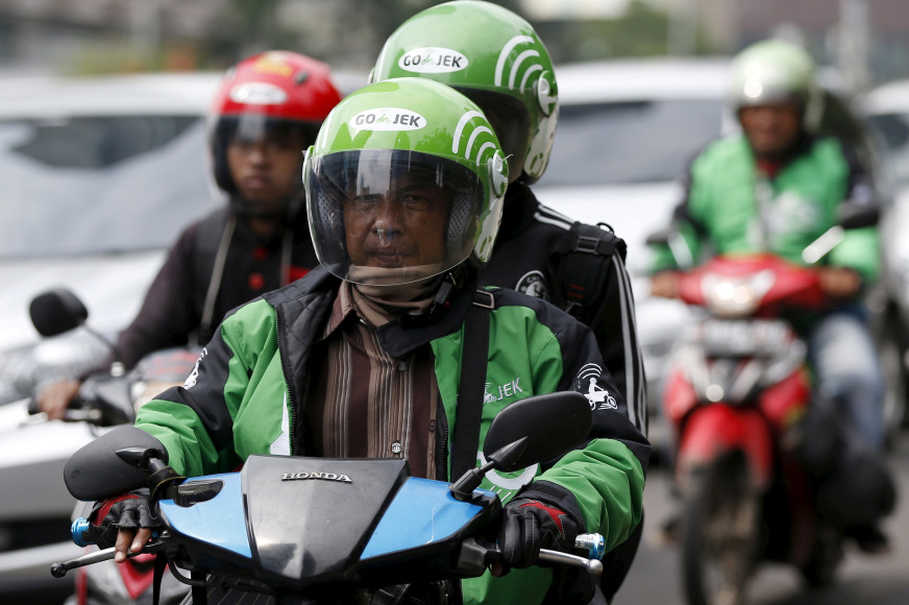
    “While two national conglomerates such as Djarum and Astra became investors in a ‘unicorn’ such as Go-Jek, it is not enough,” the minister said.

    The country has four “unicorns,” including ride-hailing service Go-Jek, travel site Traveloka and market places Bukalapak and Tokopedia.


  • Walgreens investment in GuoDa is finally happening

    Walgreens investment in GuoDa is finally happening

    Walgreens Boots Alliance has finally achieved regulatory approvals for its Chinese pharmacy acquisition – more than six months after announcing the deal.

    The US-headquartered drugstore giant has bought a 40 per cent stake in Sinopharm Holding GuoDa Drugstores Co, better known as simply GuoDa, which it describes as a leading retail pharmacy chain in China. It will invest about US$416 million in capital to acquire the stake.

    “We believe GuoDa holds a strong position in the sector, and as a global pharmacy-led health and beauty enterprise, we are well positioned to support its further growth ambition,” said Walgreen Boots executive vice chairman and CEO Stefano Pessina.

    “We are delighted that we have received regulatory approvals and our investment agreement has now been completed.”

    Walgreen Boots believes it can build the GuoDa business by sharing its international best practices and pharmacy expertise.

    “We believe there is great potential in working together to play a transforming role in the evolving Chinese retail pharmacy market.”

    Founded in 2004 and headquartered in Shanghai, GuoDa operates more than 3800 retail pharmacies across around 70 cities, and employs close to 20,000 people.

    Both Walgreen Boots and GuoDa believe recent healthcare reform undertaken by the Chinese government present “unprecedented opportunities” to expand the business nationwide.

    Last December, at the time he announced the planned investment, Pessina said after a 10-year presence of Walgreen Boots in China, it was an exciting opportunity to invest in the nation’s retail pharmacy sector.

  • Louis Vuitton is lowering its retail prices in China

    Louis Vuitton is lowering its retail prices in China

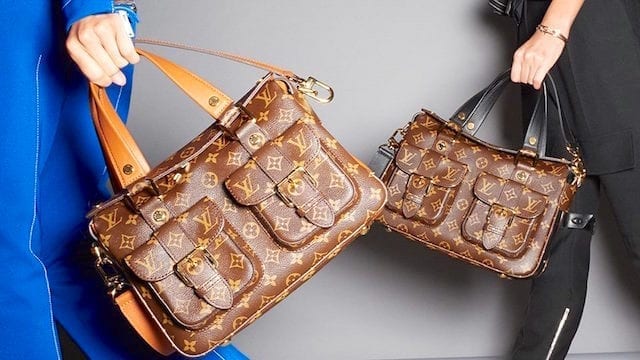
    LMVH maison Louis Vuitton is lowering its retail prices in China. In a statement issued by the maison to the newspaper Jing Daily, the brand announced that it had decided to “lower prices on a wide range of products to support the government’s efforts to reduce the cost of luxury goods sold in China”.

    The Ministry of Finance in Beijing, starting from the first of July, has lowered taxes on imports for an average of 20.7 percent, with a view to favoring purchases in the country. In 2011, luxury goods sold outside of China were about 68 percent cheaper than those same products sold in China; thanks to the measures adopted over time, in 2017 the difference decreased to 16 percent.

    The new prices of Louis Vuitton would have already been updated on the Chinese e-commerce of the brand and in stores. The estimate is that of a cut between 300 yuan (about 40 euros) and 1,500 yuan (just under 200 euros) on different products; the average price reduction, according to the headline, would therefore be between 3 and 5 percent.

    It is still unclear whether other luxury fashion houses will follow the same strategy as Louis Vuitton, but a chain effect is expected. For example, since 2015, Chanel has adopted a “harmonized” pricing policy, with the aim of reducing the price gap in China and abroad, and thus encouraging purchases in the country.