Tag: asia

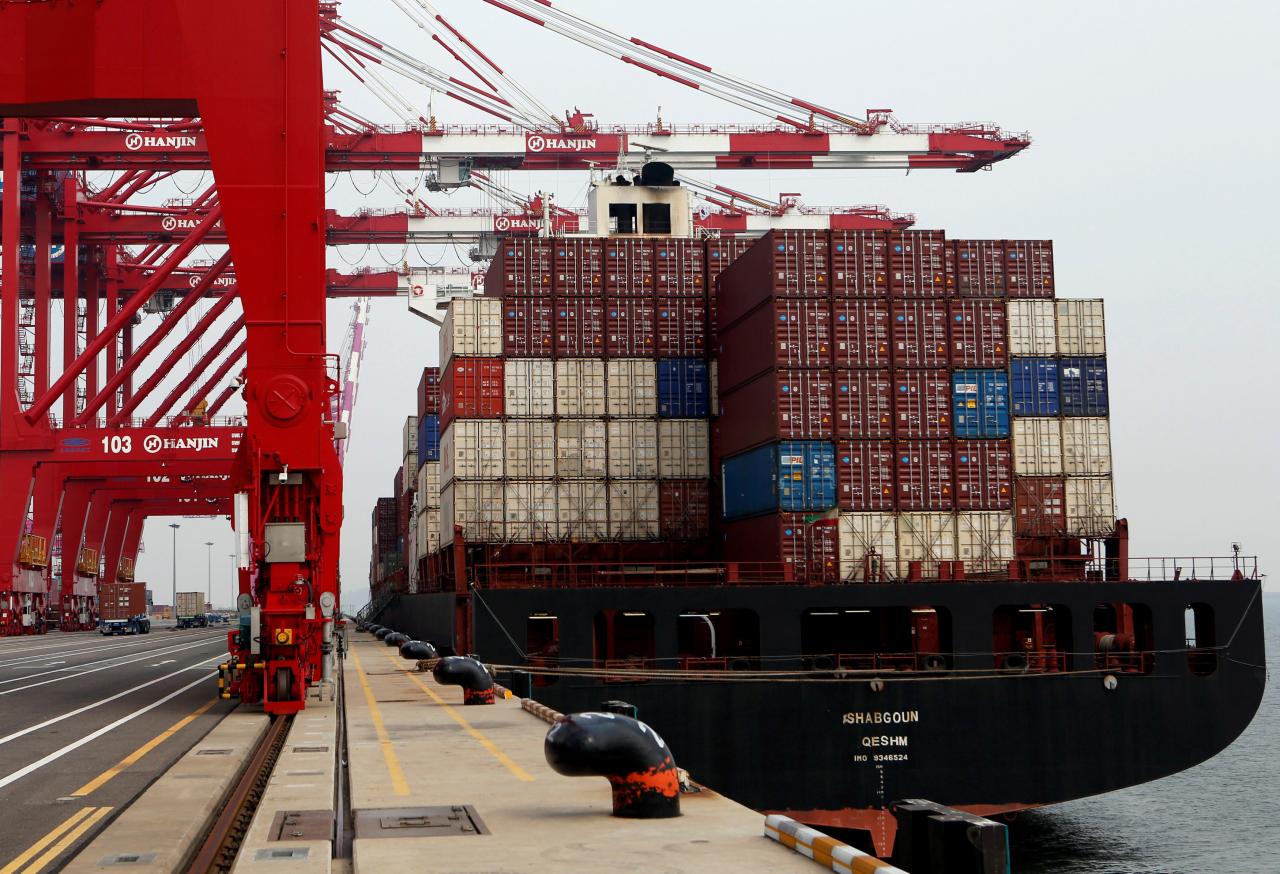
  • S. Korea firms diversify exports to India

    S. Korea firms diversify exports to India

    South Korean companies are pumping up their efforts to diversify export items to India as they seek to tap deeper into Asia’s third-largest economy, industry sources said Friday.

    So far, South Korean companies have focused on such manufacturing sectors as autos, chemicals, electronics, steel and machinery, but their recent push represents a strategy of finding new growth engines in India with great growth potential.

    Leading the pack are South Korean food companies and fruit growers, which are eager to discover new revenue sources in the fast-growing economy with a population of 1.3 billion, the world’s second-largest after China.

    In March, Ottogi Co., South Korea’s second-largest maker of instant noodles called “ramyeon,” started exporting a veggie noodle product to India, targeting Indian vegetarians who make up nearly 30 percent of the country’s population.

    Years earlier, South Korean instant noodle makers tried to make forays into the Indian market, but they fell by the wayside due to strict labeling rules and other regulations.

    Ottogi, however, had carried out a thorough survey of Indians’ tastes and the country’s food laws since 2016, with its latest veggie ramyeon obtaining a certificate from the food safety regulator here.
    The veggie noodle product is currently on sale not only at large stores in New Delhi and Mumbai but also at restaurants frequented by Indians, according to Ottogi.

    “India is expected to grow into an instant noodle market worth 1 trillion won ($890 million) by 2020. Initially, Ottogi aims to export 10 billion won worth of ramyeon to India by that year,” a company official said.

    Instant noodles are not the only product of note. South Korea has also recently succeeded in exporting pears to India.

    According to the local daily Economic Times, the Indian government recently gave the go-ahead to imports of South Korean pears and other fruits. South Korean pears will be sold to consumers after being treated in low temperatures and fumigated.

    “Pears will become the first South Korean fruit imported into India. The move will give more options to Indian consumers,” a local food industry source said.

    India imported $15.2 million worth of pears between April 2017 and February 2018, mainly from the United States, the Commonwealth of Independent States and South Africa.

    In addition, Lotte Confectionery Co., a key food unit of South Korean retail giant Lotte Group, currently operates a factory in Noida, northern India.

    Orion Corp.’s Choco Pie cake and other South Korean food products are also popular among Indian consumers. Choco Pie — an individually-wrapped, chocolate-covered, marshmallow-filled snack cake — sells in other foreign countries, including China and Russia.

    On top of South Korean foodmakers’ push into the subcontinent, companies already operating in India are redoubling efforts to upgrade their businesses by exploring new areas and taking other measures, the New Delhi office of the Korea Trade-Investment Promotion Agency (KOTRA) said.

    “Automakers are shifting their focus to electric cars, while manufacturers of electronics and electric goods are seeking localization of parts production in a departure from complete knock-down (CKD) kits,” a KOTRA official said.

    According to informed sources, shipbuilding and startups have emerged as promising industrial sectors as the Indian government has put forward a set of measures to boost those areas.

    Despite India’s support measures, South Korean companies are still confronted with a poor environment for corporate establishment and living in the country, they added.

  • Walgreens to invest $416 million in Chinese pharmacy chain

    Walgreens to invest $416 million in Chinese pharmacy chain

    Walgreens, the biggest U.S. drugstore chain, said it will buy the minority stake from China National Accord Medicines Corp. for about $416 million.

    The Deerfield-based company said it will expand its global retail pharmacy operations by taking a 40 percent stake in Sinopharm Holding Guoda Drugstores Co. Ltd., a subsidiary of Chinae National Accord Medicines Corp.

    Sinopharm GuoDa “operates and franchises retail pharmacies across China,” a market that Walgreens CEO Stefano Pessina has said he wants to tap as the companies looks to faster growing and emerging markets to extend its reach.

    “It is China’s leading pharmacy chain,” Walgreens Pessina said in a statement.

    The deal comes when the Chinese government has been encouraging private investments and equity from abroad in its health care industry.

    Healthcare expenditure in China is expected to reach $1.1 trillion by 2020, according to the U.S. Department of Commerce.

    GuoDa, which operates and franchises 3,800 retail pharmacies across 70 cities in China, said the Walgreens investment would help its nationwide expansion plans. The company employs close to 20,000 people.

    “We are delighted that we have received regulatory approvals and our investment agreement has now been completed,” Pessina said. “We believe GuoDa holds a strong position in the sector, and as a global pharmacy-led health and beauty enterprise, we are well positioned to support its further growth ambition. We are looking forward to sharing our international best practices and pharmacy expertise. We believe there is great potential in working together to play a transforming role in the evolving Chinese retail pharmacy market.”

  • Ford says no plans to hike China prices despite new tariffs

    Ford says no plans to hike China prices despite new tariffs

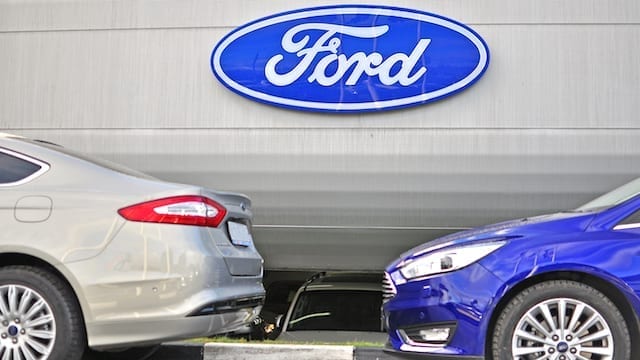
    Ford Motor Co said on Thursday that for now, it will not hike prices of imported Ford and higher-margin luxury Lincoln models in China, thus absorbing the additional cost of tariffs on U.S.-made vehicles due to be applied starting on Friday.

    The U.S. carmaker, which has faced sluggish sales in the world’s largest auto market, said in a statement that “it has no current plans to increase the manufacturer’s suggested retail price (MSRP) on its import line-up in China.”

    Ford’s move, which would reduce the profit margins on its cars imported to China, makes it the first foreign automaker to address pricing issues ahead of the new tariffs that will affect around $34 billion of U.S. imports, from soybeans and cars to lobsters.

    German automaker Daimler AG said last month that its 2018 pre-tax profits would fall versus last year because new import tariffs on cars exported from the United States to China would hurt sales of high-margin Mercedes-Benz sports utility vehicles.

    Ford has much to lose if rising trade tensions between China and Republican U.S. President Donald Trump escalate into a full-blown tariff war. Last year, it shipped about 80,000 vehicles to China from North America, more than half of them its upper-end Lincolns – including the Lincoln Continental sedan and the Lincoln MKX crossover SUV.

    China, which just days ago cut tariffs on all imported automobiles, plans to slap an additional 25 percent levy on 545 American products, including U.S.-made cars, should Trump’s administration proceed with plans to implement tariffs on $34 billion of Chinese imports beginning on Friday.

    Ford encouraged the United States and China to resolve their dispute, and said it would “monitor the situation as it evolves.”

    Most of the vehicles Ford sells in China are made locally with its joint venture partners.

    All Lincoln vehicles that Ford sells in China are imported from North America. The brand last year sold 54,124 vehicles in China, up 66 percent from 2016. It is unclear how long it will take for any impact on profit margins at Ford, as the automaker will likely have a couple of months’ supply of imported vehicles already on the ground in China.

    Ford and Lincoln both cut prices on imported models in May after China announced steep tariff cuts for automobiles and car parts that took effect on July 1.

    Trade-related issues are cropping up for Ford at a time when it is suffering from a big sales slump in China caused by a lack of new models in its line-up. Last year, its sales fell 6 percent even as overall vehicle sales in China rose 3 percent.

    Other firms that export U.S.-made cars to China include BMW, Daimler’s Mercedes and Tesla. Those automakers did not immediately respond to requests for comment.

    China is General Motors’s largest market. A GM spokesman said that aside from a very small number of Chevrolet Camaro cars, virtually all of its vehicles and parts sold in China are made there. The automaker is still assessing what to do about that small number of imported vehicles, the spokesman said.

    Fiat Chrysler Automobiles NV (FCA) produces the bulk of the vehicles it sells in China locally, but exports the Jeep Wrangler, Jeep Grand Cherokee and Chrysler Pacifica minivan to China.


  • JD.com Could Be Returning to Russia

    JD.com Could Be Returning to Russia

    JD.com, the second largest e-commerce player in China, could be returning to Russia soon according to a recent Kommersant report. JD previously entered the Russian market in 2015, but retreated a year later after struggling with cross-border logistics issues, merchant partnerships, and high marketing expenses.

    JD’s previous effort featured partnerships with payment providers Qiwi and Yandex’s Yandex Money, logistics provider SPSR-Express, and online retailer Ulmart. This time around, JD.com could partner with AlfaGroup’s X5 Retail Group, which owns a nationwide network of Pyaterochka discount stores, Perekrestok supermarkets, and Carousel hypermarkets.

    JD will let Russian customers purchase products online, and those goods will be delivered to Pyaterochka, Perekrestok, and Carousel stores for pickup. The partnership seems like a win-win deal for both companies — JD can piggyback its online operations off X5’s network of stores instead of launching new logistics services, and X5 adds more non-food products to its stores.

    The deal should also lower marketing costs for JD with co-marketing campaigns: Ads for JD’s products are appearing in Pyaterochka stores, and will likely appear in Perekrestok and Carousel stores in the near future. The partnership could also revive JD’s previous relationships with Yandex and Qiwi, which both hold partnerships with X5.

    Why does JD.com need the Russian market?

    JD and its bigger rival Alibaba have been looking for growth opportunities beyond the Chinese market. The two companies are already clashing across Southeast Asia, where JD’s marketplace faces stiff competition from Alibaba-backed Lazada.

    Both companies are also targeting Western markets. JD recently announced its plans to expand into Western Europe, and a new partnership with Alphabet’s Google will help it sell products to American shoppers. JD also lets Chinese shoppers buy overseas products from various countries through its cross-border e-commerce platform, JD Worldwide.

    Alibaba’s AliExpress platform, which lets Chinese sellers reach overseas buyers, is popular in Russia and Eastern Europe. 14% of European shoppers (including 69% of Russian shoppers) bought goods on AliExpress last year. That makes it the second biggest e-commerce platform in Europe after Amazon, which controlled a quarter of the market. Alibaba also recently launched a dedicated version of Tmall for Russian shoppers.

    Alibaba’s popularity in Russia is troubling for JD, which seemingly surrendered the market to its rival with its premature exit. It’s also bad news for JD’s top investor, Tencent, which also reaches some Russian users with WeChat, the top mobile messaging app in China. In China, JD relies heavily on its integration with WeChat — which has over a billion monthly active users — to display ads, sell products, and accumulate shopper data.

    The Russian market is trickier. Its mobile messaging market is dominated by apps like VK, WhatsApp, Skype, and Viber, which don’t have comparable relationships with JD.

    Russia has a relatively high internet penetration rate of 71%, and about half of Russians shop online. Yet e-commerce transactions could only account for 3% of the country’s retail market this year, which suggests that many shoppers still rely on brick-and-mortar retailers.

    Those numbers suggest that the Russian market is still ripe for a major e-commerce disruption. Alibaba will be a tough competitor for JD, but partnering with X5 Retail is a smart move since Russian shoppers still rely on brick-and-mortar stores. If JD can attract more partnerships, its second attempt could prove more fruitful than its first.

  • Xiaomi retail share offer 9.5-times oversubscribed

    Xiaomi’s highly-anticipated initial public offering in Hong Kong drew nearly ten times more applications for share purchases than what it made available for retail investors, after the Chinese tech giant priced at the bottom end of its target range.

    The company received applications for more than 1bn shares, about 9.5 times the 108.9m shares the company made available under its IPO in Hong Kong, according to a regulatory filing.

    That came after Xiaomi, touted as the biggest tech listing since 2014, was valued at just half its original $100bn ambition with its shares offered at HK$17 (US$2.16) each. The offering implies a market capitalisation of $53.9bn, compared with a $45bn valuation at its last private funding round in 2014. Shares in the lossmaking company start trading in Hong Kong on Monday.

  • Footwear company Rockport saved from bancruptcy

    Footwear company Rockport saved from bancruptcy

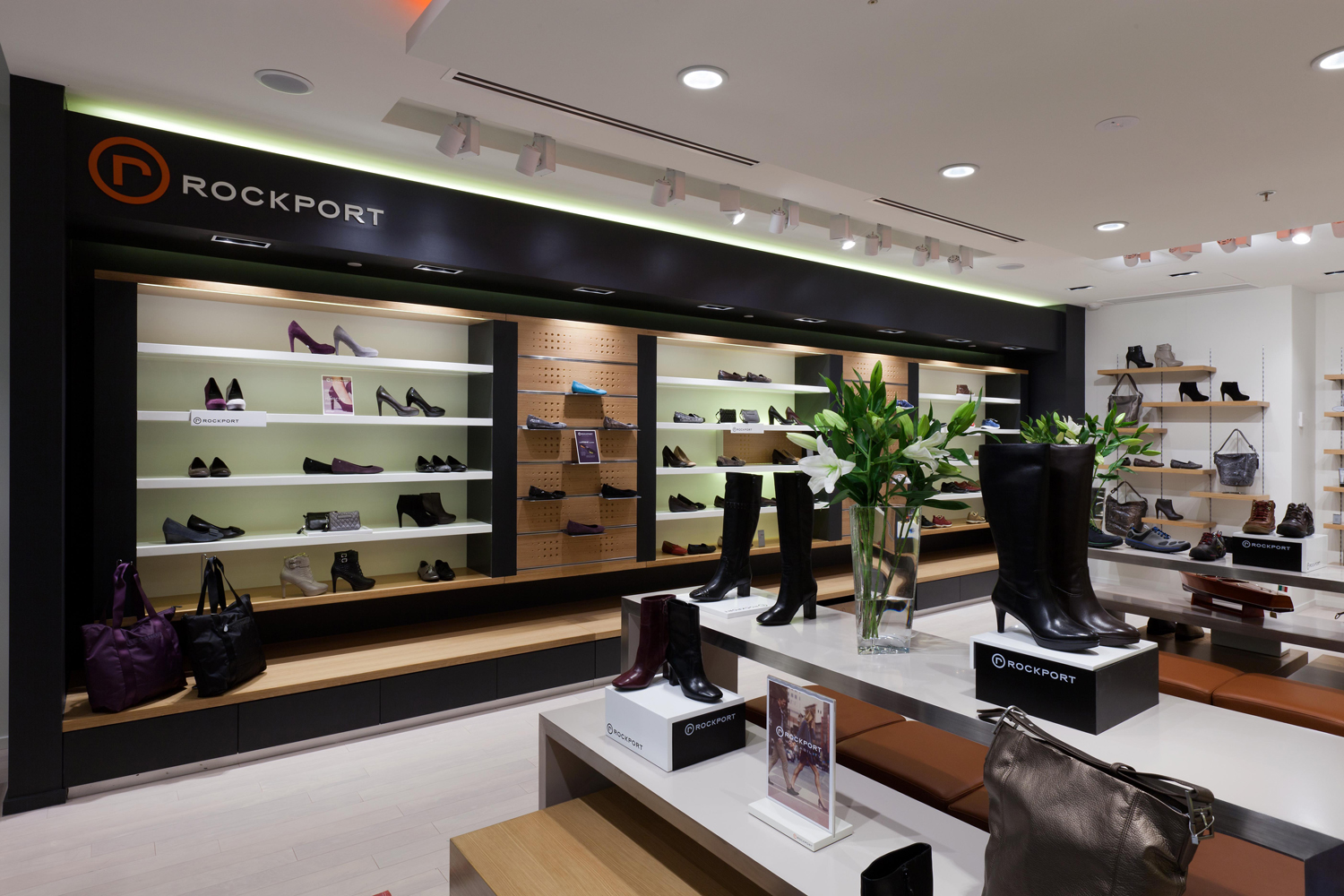
    Struggling footwear retailer Rockport Group has been rescued from Chapter 11 bankruptcy by private equity company Charlesbank Capital Partners.

    Subject to approval by the US Bankruptcy Court of Delaware, Charlesbank’s subsidiary CB Marathon will acquire substantially all of Rockport’s assets, including the global wholesale, independent and e-commerce operations and all of its Asian and European operations and retail stores. However, as part of its ongoing Chapter 11 process, Rockport has begun the orderly wind down of its North American retail operations, which will be completed by July 31.

    Boston-headquartered Rockport has been designing and selling mens and womens footwear since 1971, its product range skewed to outdoor sports shoes. The company said in a statement the sale to Charlesbank “will enable Rockport to ensure the continuation of its deep heritage and great brands and enhance its focus on its global wholesale, independent and e-commerce businesses”.

    “Throughout this process and following the sale to Charlesbank, Rockport customers can continue to shop Rockport’s… brands and diverse assortment of footwear at leading department stores and specialty retailers around the world, as well as through the company’s e-commerce platform.”

    The company said the financial strength of Charlesbank will better position Rockport in today’s evolving retail landscape. Following the sale, Rockport will have significantly less debt which will help position it for growth.

    Charlesbank was named as the so-called “stalking horse bidder” during Rockport’s court-supervised sale process under the Bankruptcy Code. However, the court required an open bidding process before approving the takeover offer.

    After the bidding deadline last Friday, Rockport talked to “a number of potential buyers” but did not receive any bids competitive with Charlesbank’s so a proposed auction was cancelled.

    Alvarez & Marsal served as restructuring advisor through the process.

  • Is beauty going to save department stores?

    Is beauty going to save department stores?

    For a brief window, customers at Saks Fifth Avenue can see beauty’s past and — the department store chain hopes — its future.

    Starting Tuesday, shoppers entering the chain’s Manhattan flagship will walk through the original beauty floor, a dark enclave of branded counters that’s in the process of being shut down, to take an elevator one floor up to “Beauty 2.0.”

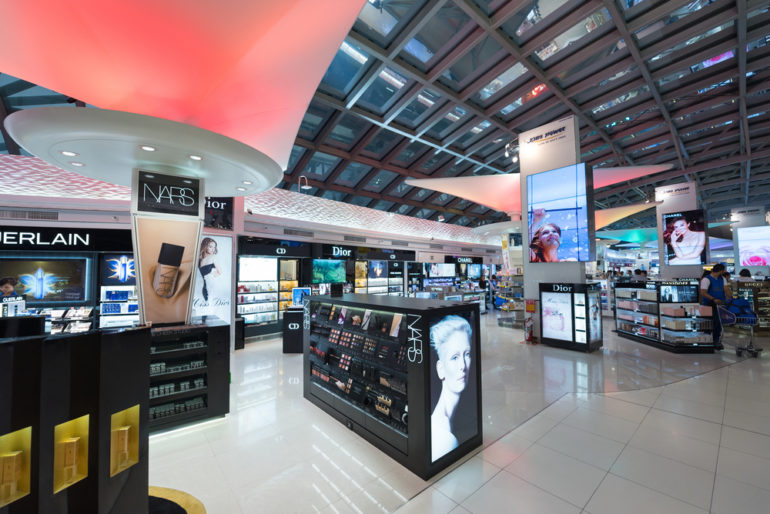
    They’ll emerge into a brightly lit, white marble-clad space, with products scattered across a maze of shelves and displays, as well as treatment centres offering facials and body-slimming massages. Mini-storefronts devoted to brands like Gucci and Kiehl’s line the periphery.

    Saks is the latest department store chain to put the beauty counter at the centre of its survival strategy. US beauty sales rose 6 percent last year to $17.7 billion, according to NPD Group, and cosmetics displays still draw in crowds at a time when foot traffic in malls and shopping districts is falling. Saks and peers like Bloomingdale’s and Barneys New York count on busy beauty counters to drive sales even as revenue from categories like footwear declines due to intense online competition. Hudson’s Bay Co., which owns Saks, reported declining same-store sales for the chain in 2016 and 2017, though it partially rebounded in the first quarter of this year.

    At Saks, high-end skincare has been an “explosive” market in recent years, said Kate Oldham, the company’s senior vice president and general merchandise manager of beauty, jewellery and home. But department store beauty counters are losing traction with consumers, many of whom find the maze of display cases and polished attendants inaccessible and overwhelming. According to NPD, 37 percent of makeup consumers today shop in specialty stores like Sephora and Ulta, compared to 28 percent who rely on department stores.

    “The world of beauty has changed — everybody is getting into the business and there are a lot of new players coming in,” Oldham said.

    The new department store template is to entice consumers with exclusive services, products and events. Nordstrom and Barneys New York, have introduced natural and wellness categories to their line-up to court health-conscious consumers. Bloomingdale’s targets more niche and independent brands in its millennial-focused Glowhaus section, as does Neiman Marcus with its Trending Beauty Shop.

    Stores are also creating new attractions beyond the usual samples and makeovers. Last year, Harrods debuted its Wellness Clinic, which provides treatments ranging from cryotherapy to bespoke DNA-driven skincare. Nordstrom collaborated with the beauty website Byrdie on a standalone pop-up shop and event space featuring talks and masterclasses with buzzy industry figures like Jen Atkin and Joanna Vargas. In February, Barneys launched a similar event series hosted by brand founders like WelleCo’s Elle Macpherson and a Sally Hershberger salon at its Madison Avenue flagship.

    The goal is to give customers a “sense of discovery” and a reason to repeatedly return to the store, said Gemma Lionello the executive vice president and general merchandising manager of accessories, beauty and home at Nordstrom.

    At Barneys, novel product categories like conscious beauty and masks are “attracting a new customer that might not have shopped with us before,” said Jennifer Miles, the company’s senior vice president of cosmetics.

    With so much competition swirling, the Saks team decided a total revamp of its beauty counter was needed. That included moving the section up to the second floor, a break with the department store tradition to keep beauty front of house, but the space was bigger (32,000 square feet) and had more natural light. New white fixtures and installations spotlight a wider selection of brands — 122 in total, including 61 that hadn’t been previously sold at Saks, like Aesop, Care/of and Givenchy. While, some, like Aesop, have been given their own boutiques, many of the new brands are relegated to a separate “Apothecary” section in the middle of the store, a concept already in place at other Saks locations.

    The floor includes space for events, including fragrance mixing and master classes, as well as 15 spa treatment rooms. A handful of those rooms are dedicated to exclusive branded treatments by the likes of Dior and La Mer. Other highlights include natural face lifting from London-based FaceGym, a flower shop from EB Florals and organic manicures from Sundays Nail Studio. A beauty concierge is available to help locate products and schedule service appointments, and an advisor is on hand to dole out personalised skincare advice.

    Not all of these concepts are new: Nordstrom, for example, also employs beauty concierges and stylists, while Target has had brand-agnostic beauty experts working its floors since 2013. The new layout is blatantly reminiscent of a Sephora, though the boutique aspect offers a point of difference.

    The goal was to make the space more “fluid,” said Oldham, so that customers could easily shop between categories. The walls are at a low height, so customers can see across the floor, and there’s less counter space so customers can better view the products.

    “We felt that if we were going to do something it had to really be a destination,” Oldham said. “We really wanted to have a Saks point of view, so that it’s not just a box of brands.”

    Attracting younger customers is also a priority. In addition to a traditional marketing blitz that includes ads on top of taxis and displayed on digital screens across the city, Saks hired digital influencers, including YouTube star Kelsey Simone, to promote Beauty 2.0.

    While Saks doesn’t break out sales by product category, analysts estimate the new floor’s first-year sales could reach $90 million. That’s a fraction of Hudson’s Bay Co.’s $14.3 billion in sales last year. But the company, which said last year it would cut 2,000 jobs, is counting on Saks to drive growth, investing $250 million in remodelling the 5th Avenue flagship store.

    At Nordstrom, beauty has been a “top-performing category” for several years, Lionello said. But same-store sales grew by less than analysts had anticipated in the first quarter, the company said last week.

    “It’s better late than never,” said Larissa Jensen, the executive director and beauty industry analyst at NPD. “[Saks] seems to be elevating it and making it more of a destination and less of a department, which is key.”

    Still, these retailers have their work cut out for them to claw back business. Ulta’s sales shot up 21 percent to $5.9 billion in the fiscal year ending in February, and LVMH, which owns Sephora, said the chain gained market share, with particularly strong growth in North America.

    Fragrance, however, is still a stronghold for department stores. Fourty-six percent of consumers still shop for fragrance at department stores, compared to only 30 percent at specialty stores, NPD said. This could explain why Saks doubled the space of its fragrance section on the new floor, and why Harrods expanded its Salon de Parfums with seven exclusive new boutiques last year.

    It could take more than sprucing up the shopping environment to ward off competition, especially as online juggernauts like Amazon invest in beauty. One problem: the department store concept as a whole falls flat with some consumers.

    “[These stores] are set up incorrectly, down to how they’re named,” said Christopher Skinner, the founder of School House, a creative branding and retail design agency that works with clients like LVMH. “Shopping by department is just not how people work anymore, we’re all about breaking down barriers now.”

    NPD’s Jensen said stores could organise merchandise into sections that appeal to different categories of consumer, like those who value environmentally friendly products.

    “A consumer who cares about health and wellness, and the environment, shouldn’t have to go to the shoe department to get a sustainably-made shoe or the bag department to buy an ethically-made purse,” said Jensen. “Wouldn’t it be great if it was just all one section?”

    Department stores are also giving their websites’ beauty sections a refresh, even as they invest in their in-store experiences. While in-store sales have been flat or declining at many of these chains, including Hudson’s Bay, their online sales are for the most part growing.

    Although many of these retailers now offer the Amazon-era requirements of speedy shipping and free returns, their online beauty presence often lags specialty store competitors. Sephora, for example, has its Beauty Insider Community, where customers share tips and tricks on message boards and rack up points for shopping. Its Sephora app offers exclusive previews and promotions, as well as virtual product try-on.

    Saks launched its SaksFirst BeautyRewards programme in August, and the company, as well as competitors like Neiman Marcus, is deploying new technology like virtual try-on mirrors in stores. However, unlike at Sephora, customers have to spend $250 to join, and the program lacks the community aspect that has helped to popularise Beauty Insider.

    The Canadian department store Holt Renfrew has gone a step further, giving associates the ability to track consumers who shop both online and in person, and regularly incentivises them to stop by a store. It also equips associates with iPads to give customers additional information about products and make checkout easier.

    SEE ALSO : Luxury cosmetics brand Hera opens store in Singapore

    Department stores will need to ensure both their online and in-store beauty counters keep pace with changing shopping patterns, said Karen Moon, the founder of retail forecaster Trendalytics.

    “[Even if changes like Saks’] bring higher volumes of foot traffic through the door today, retailers should ensure that their in-store and digital presences are prepared to take on the emerging trends of tomorrow,” she said.
  • Malin + Goetz debuts in Hong Kong IFC Mall

    Malin + Goetz debuts in Hong Kong IFC Mall

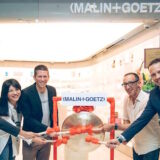
    Skin-care brand Malin + Goetz has opened its first store in Asia, located in Hong Kong’s IFC mall.

    Selling high-quality, small-scale production items, the new 400sqft location is the firm’s 11th store worldwide, with other locations limited to New York (where the company launched in 2004), Los Angeles, and London. The store’s design, by New York-based architect Andrew Bernheimer, is unlike any of the brand’s other outlets, which each have their own unique look to reflect local features. The Hong Kong fit-out is influenced by the city’s 1970’s architecture and its “Blade Runner” apartments with their prominent air-con fans.

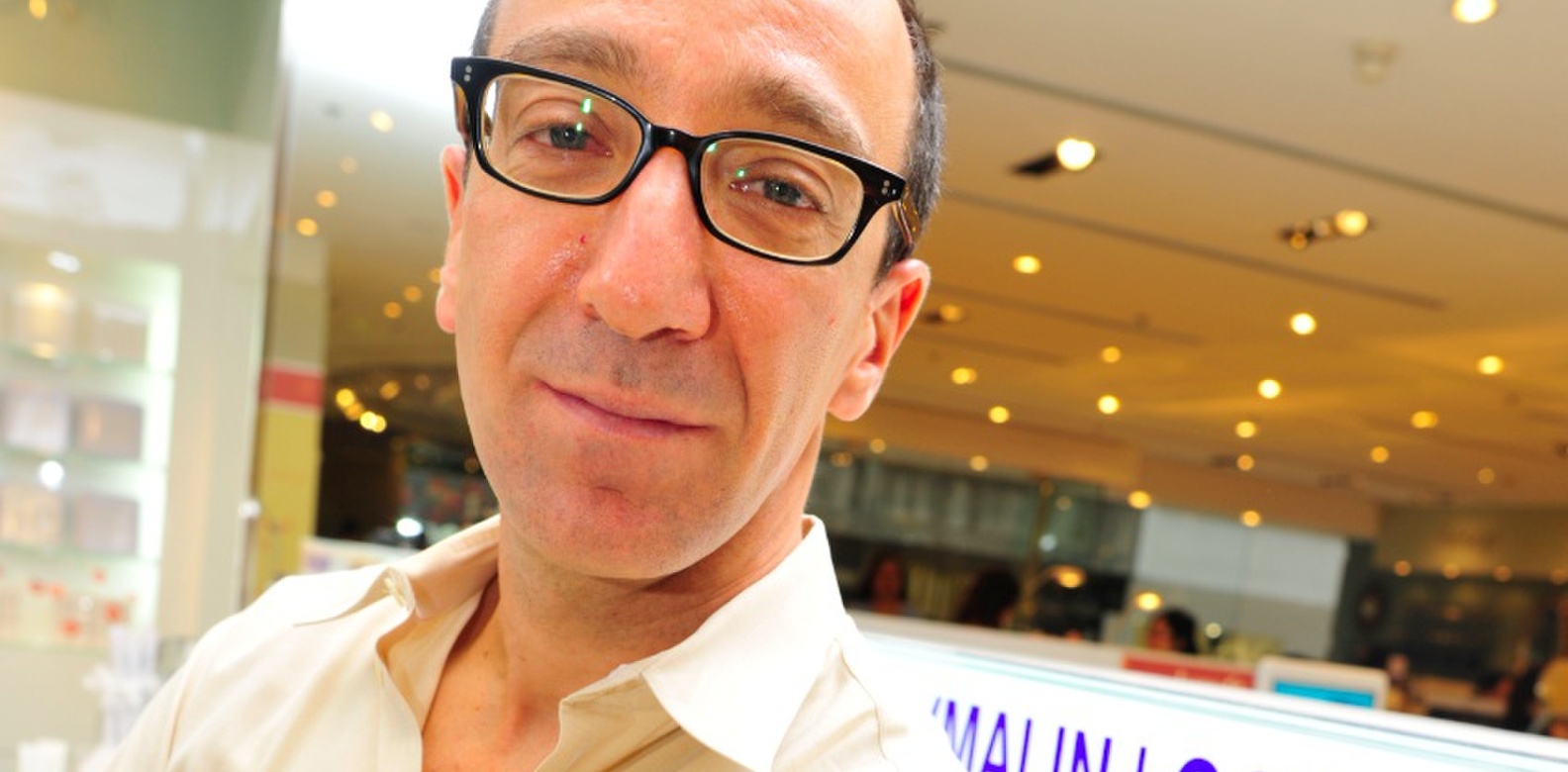
    According to co-founder Matthew Malin, who was present at the Hong Kong launch, “We have a very cosmopolitan, international customer, and they’re traveling all over the world, and we see a lot of people from Hong Kong in all of our US and UK stores, and it just made a lot of sense… People here take beauty very, very seriously, and they take shopping very seriously, so we would be remiss not to be here.”

    The company’s founders are continuing research the Hong Kong market and are already planning a second location in the city.

  • Razer Pay launched in Malaysia

    Razer Pay launched in Malaysia

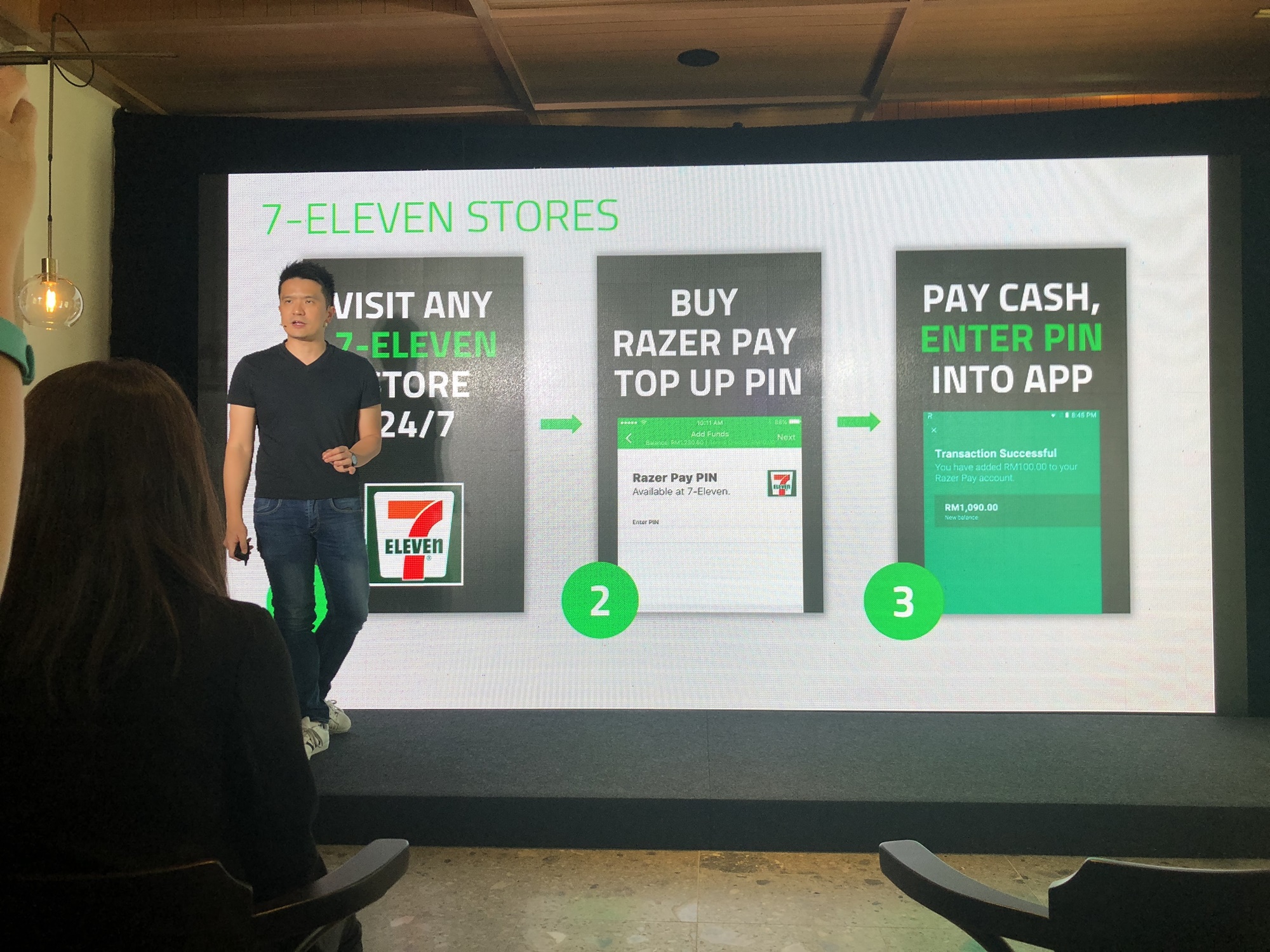
    Leading lifestyle brand for gamers, Razer and Berjaya Corp Bhd (BCorp) today launched the Razer Pay e-wallet in Malaysia.

    Razer Pay is the e-wallet designed for youth and millennials, allowing users to top up easily, transfer money quickly and pay everywhere.

    As a partner to Razer Pay, BCorp has pledged to donate up to RM5 million to the Tabung Harapan Malaysia fund.

    From today until Aug 30, 2018, BCorp has committed to donating RM10 with each first time use of the Razer Pay wallet at participating Berjaya outlets.

  • Luk Fook Malaysia expands into opening of third store

    Luk Fook Malaysia expands into opening of third store

    Luk Fook Malaysia has opened its third shop, at the Genting Highlands Resort.

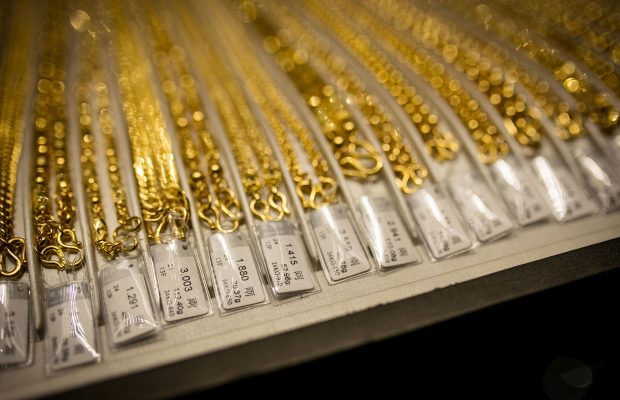
    The Hong Kong-based jewellery retailer expanded into Southeast Asia in 2010 and now operates 1660 locations through nine countries and regions, including greater China. The Genting Highlands shop will give the brand access to a well-established tourist market that frequents the high-altitude attraction that features casinos and theme parks.

    Luk Fook Holdings’ chairman and CEO Wong Wai Sheung said the group is dedicated to providing global customers with high-quality jewellery products, unparalleled shopping experiences, as well as caring and professional services.

    “With the drive for the Belt and Road Initiative, together with booming tourism in Southeast Asia, the group is optimistic about the prospects for the region. Following the opening of two retail shops at Pavilion Elite and Suria KLCC in Kuala Lumpur in 2016, the group has established a new retail shop at the 6000-foot highland famous casino and tourist spot – Genting Highlands of Malaysia – to further expand our retail footprint, which fulfils the corporate vision of ‘Brand of Hong Kong, Sparkling around the World’”.

    The opening ceremony was attended by multiple dignitaries and celebrities, while Rilakkuma-branded gold coins were distributed among guests.

  • India aim to open 50 Bath & Body Works stores in 5 years

    India aim to open 50 Bath & Body Works stores in 5 years

    Major Brands India, a leading retailer for premier international fashion apparel, accessories and beauty brands, has added yet another exciting brand to its portfolio: Bath & Body Works – one of the world’s leading specialty retailers of fragrant products for the body, hands, and home.

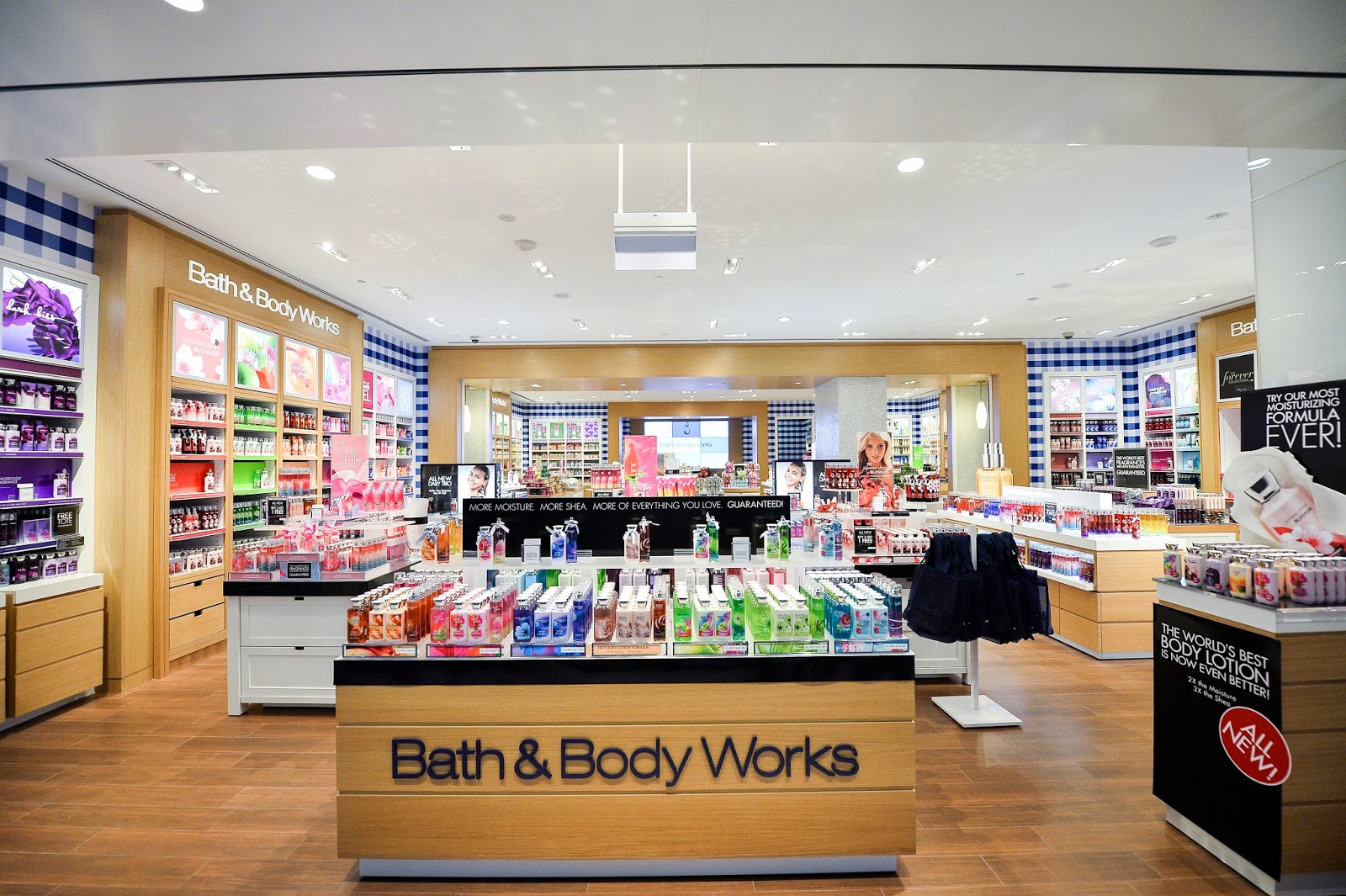
    The first Bath & Body Works store opened in June in India in New Delhi at Select CityWalk, followed closely by its second store in DLF Mall of India, Noida.

    At the launch, Tony Garrison, Senior Vice President, Bath & Body Works International said, “Bath & Body Works is a 25-year-old brand. We opened our first store in the Boston and have grown up to 1,600 stores in the US. About seven years ago, we decided to go international, so we opened first store of Bath & Body Works in Canada and since then there has been no looking back. Today, we are present in 34 countries. Now, India is a next big step for us.”

    “Rising awareness of premium personal care products, growing disposable incomes, changes in consumption patterns and lifestyles, promise exciting times for Bath and Body Works in India,” added Renu Karumsi, Associate Vice President, Bath & Body Works International.

    The Bath & Body Works Select CityWalk store is spread across approx. 1,300 square feet while the Mall Of India store covers approx. 1,500 square feet area. Both locations present an exciting and new experiential environment that will allow customers to explore an extensive array of fashion fragrances for the bath, body and home.

    From fun and flirty scents to sophisticated and exotic fragrances, Bath & Body Works offers a wide range of world-class fragrances to suit every personality and occasion.

    Hallmark collections of the brand including the Signature Collection Body Care, Bath and Body Works and White Barn Home Fragrance, Bath and Body Works Hand Soap, Sanitizers and Aromatherapy, will be available at the store.

    According to Karumsi, “The Indian stores are 100 percent replica of our stores in global markets. What we do is that we launch with the consistent assortment and then as we learn more about the customer we fill the store accordingly. About 80 percent of our range stays the same globally and rest 20 percent keeps on changing based on preferences.”

    “We are very price competitive and we have 1,500 SKUs at Bath & Body Works,” added Tushar Ved, President Major Brands India.

    Launched in 1990, the brand’s portfolio today comprises over 200 different private label scents, including the iconic Sweet Pea and Japanese Cherry Blossom, award-winning A Thousand Wishes and soothing Eucalyptus Spearmint as well as seasonal new releases. At Bath & Body Works, customers are invited to sample luxurious lotions, hand soaps, fragrances and more to discover their favourites.

    “All our products are made in US and we have something for everybody,” said Garrison.

    Karumsi added, “We are eyeing mist and candles to be fastest moving categories.”

    Bath & Body Works, which has come to India with expansion plans of Rs 80 crore in the next two years, is looking forward to harness the reach of social media and influencer marketing in order to resonate with today’s millennials who consume news largely via digital platforms and are excited to share new discoveries.

    The brand’s immense portfolio and product categories will be presented in dynamic, new age digital formats, with engaging content to not only reach out to users familiar with the brand, but to also engage with and induce experimentation with newer audiences across demographics.

    “We have no immediate plans to go online in India. First we want to make connections with the consumers and once the customers experiences and understand the product then it will be easy to go online,” said Karumsi.

    Bath & Body Works will be opening its next two stores in Delhi – Ambience Mall Gurugram and Vasant Kunj and then will be heading to Mumbai.

    “Our strategy has been to own a market, understand how the model works and then enter the other regions,” revealed Garrison.

    After Mumbai, we also plan to open Bath & Body Works stores in the best malls of Bengaluru and Chennai. We are looking to open 50 Bath & Body Works stores in 5 years but we will follow a cluster strategy,” added Ved.

    Over the past few years, Major Brands has been instrumental in introducing blockbuster brands to the Indian market like Aldo, Aldo Accessories, Charles & Keith, Inglot, La Senza, Promod, Beverly Hills Polo Club, Call it Spring and New Balance.

    “Since 2001, Major Brands has continually introduced a selection of premium brands from across the world, giving Indian shoppers the best of high street in the country. With the launch of Bath & Body Works, the most awaited brand in India, we are sure our customers will love the experience of the line of bath and body products including home fragrances. We are excited to add yet another international category leader to our portfolio. The market size of India’s beauty, cosmetic and grooming market is expected to reach US $20 billion by 2025 from the current US $6.5 billion. A rising aspiration among Indians to look better, groomed to feel good has led to this market’s rapid growth of more than 42 percent in the last five years,” said Ved.

    In keeping with international formats, the Bath & Body Works stores in India will showcase latest trends as well as the newest, freshest fragrances for body, hand, and home, giving consumers exciting, luxurious, and indulgent new experiences.

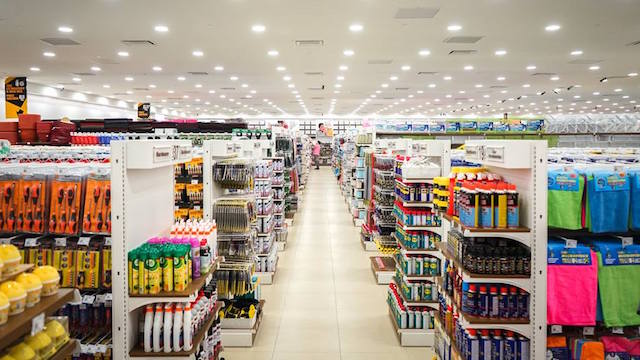
  • Mr DIY plans exapansion after e-commerce blast

    Mr DIY plans exapansion after e-commerce blast

    Home improvement retailer Mr DIY is planning to open 135 new stores in Malaysia this year.

    The move, which will take the total number of Mr DIY trading locations to 500, comes on the heels of the launch of the brand’s new e-commerce platform. The site targets technically competent users who are too busy to visit the store in person or those seeking to buy bulk quantities.

    The brand says it is nonetheless committed to heavy expansion of its brick-and-mortar store network, planning to roll out 300 new stores across Asia Pacific this year, including those in Malaysia, and expanding into Singapore and the Philippines. The firm already has outlets in Thailand, Indonesia, and Brunei.

    Mr DIY recorded more than RM1 billion (US$247.1 million) in sales last year and is forecasting a 40 per cent increase in revenue this year.

  • Osram to embark on high-end LED technology in Malaysia

    Osram to embark on high-end LED technology in Malaysia

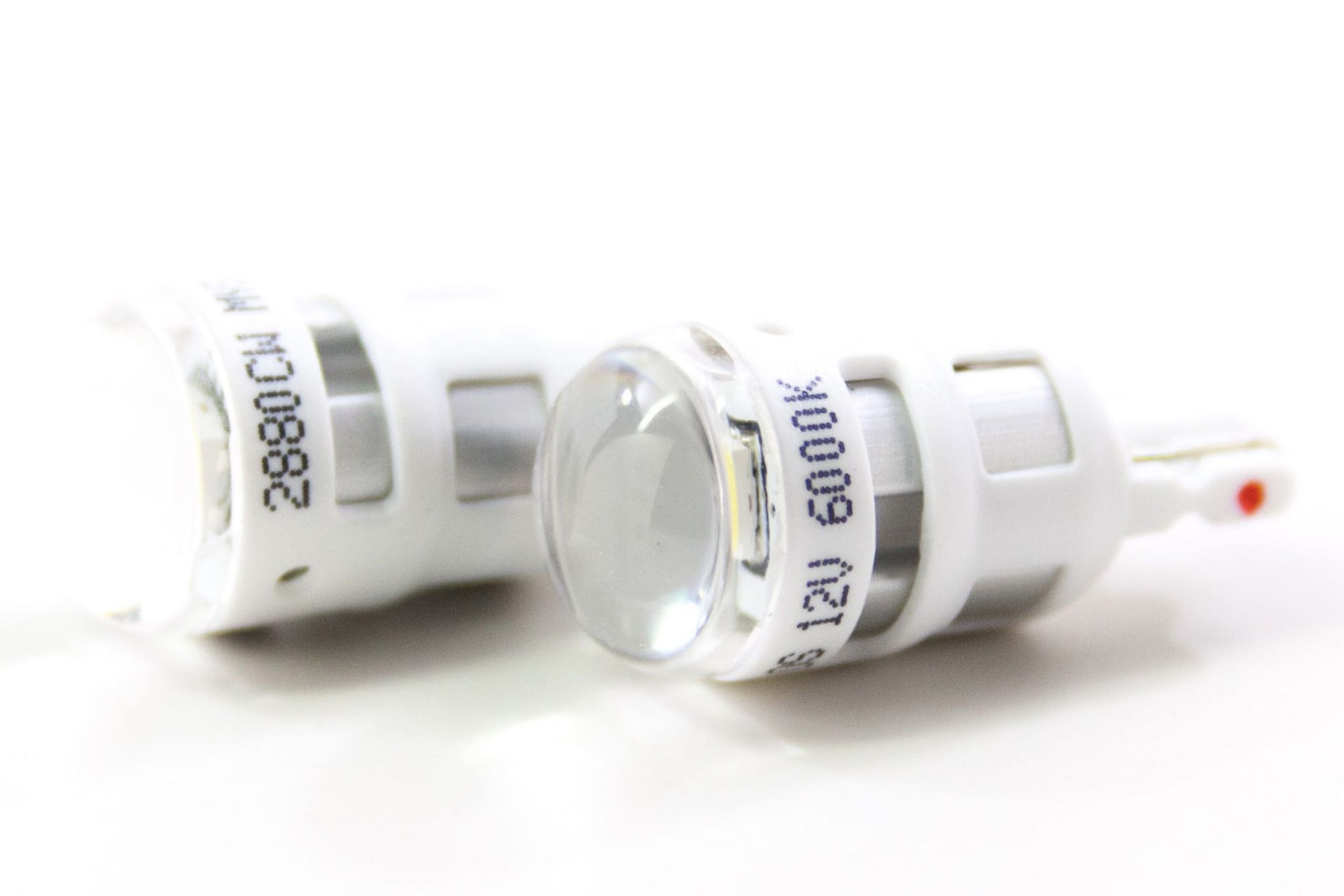
    Light-emitting diode (LED) chip company Osram Opto Semiconductors (M) Sdn Bhd is looking to embark on advanced lighting technology in Malaysia, particularly for automotive applications as it sees huge growth potential in the market.

    “There is more and more of real high-end (lighting) applications needed (in Malaysia) such as pixel headlights in cars for instance and we see that as a huge opportunity for us,” its CEO Dr Ronald Mueller said at the handover ceremony of equipment worth RM2.4 million by Osram to four public universities today.

    Additionally, Mueller said the German-based company is also bullish in the application of micro-pixelated LED for display devices, which he believes will revolutionise the quality of visualisation and improve the illumination quality.

    “We are very confident in micro-pixelized displays, where in five years you might have a 10 sq m of a highly dense pixelized LED displays that is totally different compared with what we have today.

    “These are the areas that we think as hugely interesting and will grow. It’s just a question of when it will takes off. It maybe will take a couple of years but we will go into that direction ,” he added.

    Primarily focused on semiconductor-based technologies, Osram’s products are used in highly diverse applications ranging from virtual reality to autonomous driving and from smartphones to smart and connected lighting solutions in buildings and cities.

    Meanwhile, Malaysian Investment Development Authority (Mida) deputy CEO Arham Abdul Rahman, who officiated the handover ceremony, said as of May this year, Osram’s accumulated investment in the country amounted to RM4.6 billion, with a local spending of RM500 million, supporting close to 600 local vendors.

    “Today’s event is an example of a foreign investment that has contributed much to Malaysia. Mida would like to encourage other global companies to emulate these practices and bring the electrical and electronic industry to the next level of technology sophistication and competitiveness,” Arham said.

    Osram’s donation of the latest semiconductor and photonic equipment involved Universiti Malaya, Universiti Sains Malaysia, Universiti Malaysia Perlis and National University of Malaysia.

    The equipment will be used to provide hands-on educational experience for high-tech industry’s students.

    “By donating our manufacturing equipment for use in universities, we are helping to train the next generation of engineers,” Mueller added.

  • Alibaba Says Its AI Copywriting Tool Passed the Turing Test

    Alibaba Says Its AI Copywriting Tool Passed the Turing Test

    Alibaba’s digital marketing arm Alimama has unveiled an artificial intelligence-powered copywriting tool.

    Tapping the huge pool of content on Alibaba’s e-commerce sites Tmall and Taobao, the AI copywriter uses deep learning and natural language-processing technologies learn from millions of top-quality existing samples to generate copy for products. Brands and advertisers can insert a link to any product page, and click the “Produce Smart Copy” button to see multiple copy ideas.

    Currently, the AI copywriter technology has passed the ‘Turing test’ and is capable of producing 20,000 lines of copy in a second, said Alimama. Brands using the new tool, such as Hong Kong-listed fashion chain Esprit and Texas-born clothing brand Dickies, can adjust the length and tone of their copy, such as dictating whether they want the tone to be “promotional, functional, fun, poetic or heartwarming.”

    The tool is used on average nearly a million times per day, by merchants and marketers on Alibaba-owned sites such as Taobao, Tmall, Mei.com (a fashion flash sale website) and 1688.com (Alibaba’s Chinese-language wholesale buying site).

    “For merchants, from today onwards, AI can take care of a portion of their copywriting needs. And it significantly changes the way [copywriters] work: They will shift from thinking up copy – one line at a time – to choosing the best out of many machine-generated options, largely improving efficiency,” Alimama said in a statement.

    As with design, copywriting involves a certain degree of repetitive, low-value work that can be made made more efficient, Alimama added. A single product might require up to 10 versions of copy for different ad formats, like posters, web banners, product pages and other special event pages.

    “All the content produced by the AI Copywriter is the result of applying deep learning models, trained with large volumes of quality content created by humans. Human creativity is the cornerstone for the machine, which isn’t able to replace the creativity of people,” said Christina Lu, GM of Alimama marketing. “AI for marketing… allows people to devote more energy to richly creative work.”

    “The AI copywriter is a really amazing tool,” said Shaozhang Ding, head of e-commerce for the Asia Pacific market at Esprit. “Based on a massive database of existing copy and advanced AI technologies, the tool can reduce the repetitive and tedious copywriting workload for our teams.

    The AI Copywriter is the latest in a suite of technologies Alimama has developed to assist small to mid-sized businesses on Alibaba’s e-commerce platforms, including a “smart banner designer” released in April that can resize and reformat promotional website banners with the slide of a mouse (drag a corner of the banner to change the shape of the box, and the system automatically reproportions the images and copy to fit the new format). In the same vein, Alibaba released an AI-powered video-editing tool for brands to generate – in less than a minute – 20-second videos to use for promotion on Taobao.

  • Amazon India launches 3rd fulfilment centre in Bengal

    Amazon India launches 3rd fulfilment centre in Bengal

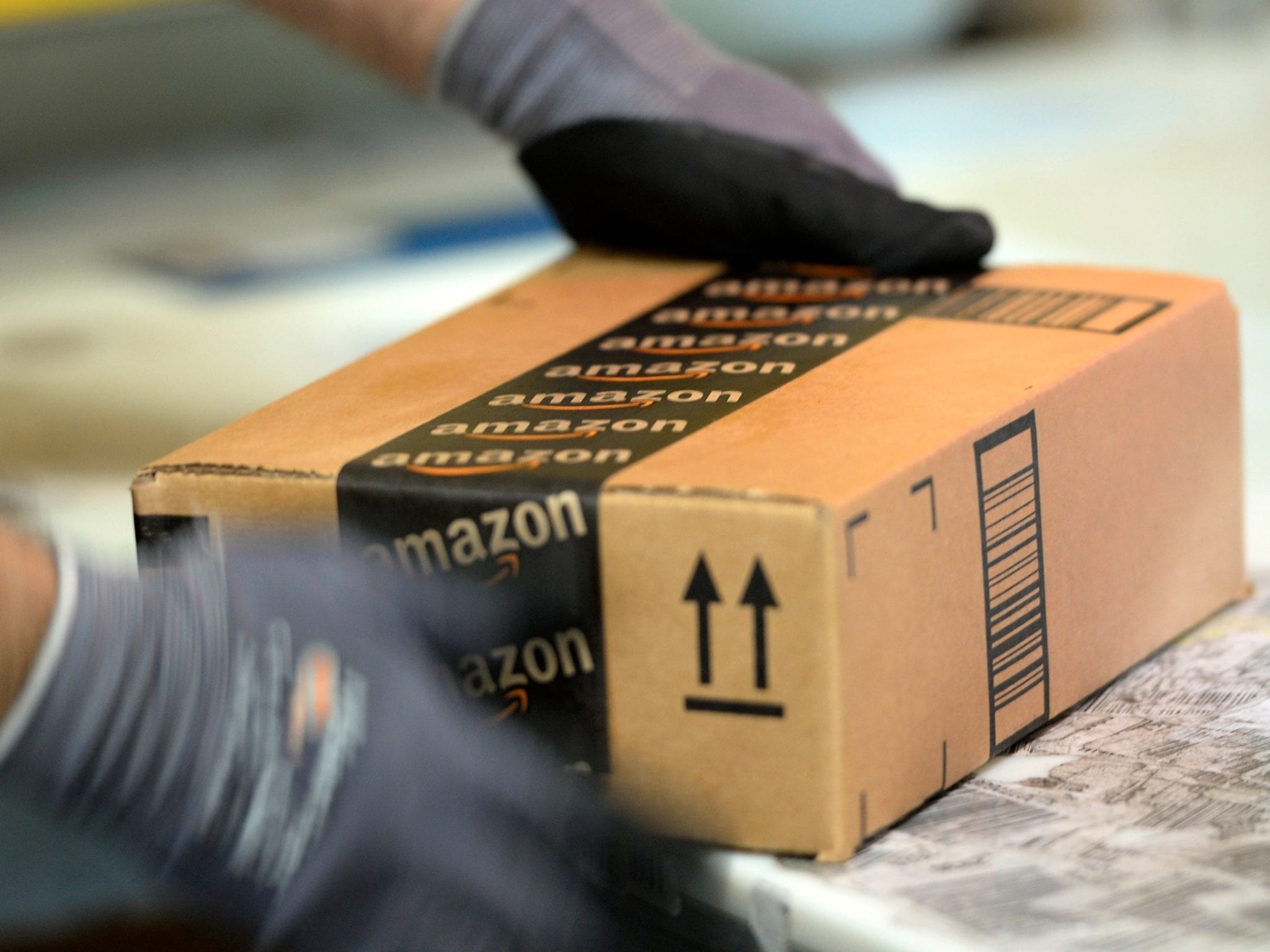
    Spread over 140,000 square feet with over 600,000 cubic feet of storage space, this centre is one of the five announced for 2018.

    “We have been consistently investing in our infrastructure and delivery network, so that we can increase our speed of delivery.

    “With the launch of our third fulfilment centre in the state, we strongly believe that we will be able to better serve our customers with one-day and two-day delivery,” its Vice President (Customer Fulfilment) Akhil Saxena said, adding Prime membership in the state has been on the rise.