Tag: asia

  • Prices of Vietnam’s exported rice highest in the world

    Prices of Vietnam’s exported rice highest in the world

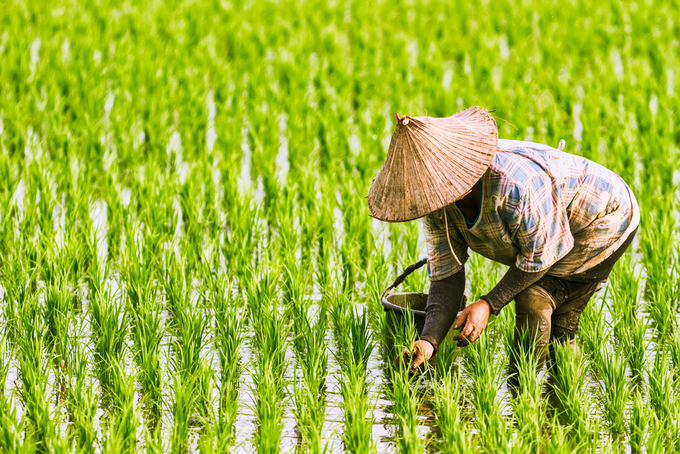
    Prices of Vietnam’s exported rice are still the highest in the world, with that of 5% broken rice reaching 638 USD per tonne, and 25% broken rice $623 per tonne, according to the Vietnam Food Associaion.

    Meanwhile, Thailand’s 5% broken rice is sold at $628 per tonne, and that of Pakistan at 598 USD a tonne.

    In the Mekong Delta – the largest rice granary of Vietnam, the price of paddy rice remains at an unprecedented high level in many localities, helping farmers achieve good profits.

    In July, the United Nations Food and Agriculture Organisation (FAO)’s rice price index rose to its highest level in nearly 12 years. The move was due to a spike in prices in key rice exporting countries after India imposed export restrictions.

    Recently, the Vietnamese Ministry of Industry and Trade announced the list of 210 businesses that are eligible to export rice.

    According to the ministry, in the first seven months of this year, Vietnam exported 4.83 million tonnes of rice. The country plans to export about 2.67 million tonnes in the remaining five months of the year.

  • Parking an expensive headache for Hanoi apartment owners

    Parking an expensive headache for Hanoi apartment owners

    Hanoi apartment owners are spending up to hundreds of million dong (VND100 million = $4,200) on parking spots in their building due to insufficient space to accommodate increasing car ownership.

    For the first time in two years, Phuong Linh in Hanoi’s Ha Dong District was able to park her car in the basement of her own apartment building after paying VND20 million to a neighbor who just moved away.

    Due to the limited space in the basement, Linh has been parking her car in other parking lots around her neighborhood ever since she moved to the building.

    Only car owners who registered early can park their vehicles in the basement, and once they move, other residents like Linh rush to purchase the right to park in the spaces they leave vacant.

    This means that on top of the VND20 million, she still has to pay monthly parking fees.

    “I have to pay a lot, but I consider myself lucky. There are 30 other residents like me waiting for the next empty parking slot.”

    Stories like Linh’s have become increasingly popular in Hanoi, a city of 8.4 million where the number of both condominiums and cars has been surging in recent years.

    Manh Dung in Nam Tu Liem District last month bought an SUV, but he only found out after the purchase that there were no car parking spots left in his building.

    Nearly 100 residents have queued for the next empty slot, he said.

    Using connections, Dung managed to contact one of the building managers and secured a parking slot for VND40 million. The deal was unofficial.

    The manager said that if he moves away in the future, he can sell the slot for almost the same price, as there will always be demand for parking slots in the building.

    “I paid right away. A basement parking space is valuable, especially when it rains.”

    Many developers have set aside auto parking areas in the basement of their buildings, but the increasing number of cars in the city has made the limited number of parking slots a treasured real estate.

    By February this year Hanoi had over one million cars, up 36% from around the same period in 2019. This means that one in every eight Hanoi residents owns a car.

    Some developers, therefore, charge big bucks for parking slots.

    A developer of a 40-floor condominium in Ha Dong District earlier this year charged VND220 million for a 20-year parking space rental contract.

    It also offered to sell a parking slot permanently at VND400 million for a sedan, and nearly VND500 million for an SUV.

    Due to the high price tag, some residents at the building have no choice but to find outdoor neighborhood parking lots and pay around VND1.2 million a month per vehicle.

    In July, a developer of a 30-floor building in Thanh Xuan District charged VND60 million upfront for a five-year car parking slot. Residents protested the policy, saying that they did not want to pay such a hefty sum all at once.

    The developer also offered to lease a parking slot for VND200 million over 40 years. This means that a resident of a 70-square-meter apartment in the building would have to pay 10% of their apartment price for parking.

    Nguyen Viet Huy, a lecturer at Hanoi University of Construction, said that the competition for car parking space at condominiums has become more popular in Hanoi in recent years.

    There are legal requirements on how much parking space is needed at every condo project, but the figures are not backed by any scientific study, he added.

    Dao Ngoc Nghiem, deputy chairman of Hanoi Urban Development Planning Association, said that many developers who built their projects 10 years ago did not expect the number of immigrants in Hanoi would rise as fast at around 1.4% annually.

    “Parking space therefore have become one of the top criteria in apartment purchasing these days.”

    The lack of public parking spaces also contributes to the issue, as only 10% of parking demand in Hanoi has been met, he said, adding that more elevated and underground parking lots should be built.

  • Vegetable, fruit exports hit new high

    Vegetable, fruit exports hit new high

    Vegetable and fruit exports increased by nearly 56% year-on-year in the first eight months to a record US$3.5 billion worth, according to Vietnam Customs.

    Increase in Chinese demand from was a major reason for the jump.

    Several other countries in the region, hit by droughts and floods, also increased their imports, Dang Phuc Nguyen, general secretary of the Vietnam Fruits and Vegetable Association, said.

    Durian accounted for 30% of the export value.

    Durian prices are expected to rise in September as supply has declined in other Southeast Asian countries. Vinafruit expects exports of the fruit to be worth $1.5 billion this year.

    Coconut also has potential for higher exports to China and the U.S., with the latter recently allowing imports of husked nuts from Vietnam.

  • Cobram Estate’s sales surge after bumper olive crop

    Cobram Estate’s sales surge after bumper olive crop

    Listed Australian olive oil grower and processor Cobram Estate Olives, has recorded a 21 percent year-on-year boost in sales, to $169 million for the last financial year as its foray into the US pays off.

    The majority of the sales – $117 million – were from its Cobram Estate brand – the top-selling olive oil in Australian supermarkets – and its newer Red Island brand, which collectively rose by 17 percent.

    Sales of Cobram Estate in the US surged 69 percent and turnover in the market reached $43 million, up by 46 percent.

    In a results presentation, the company reported a higher-yielding crop last year to 12.5 million litres, offset by a lower margin as the price of producing packaged goods rose.

    However, looking forward, the company says the Australian olive oil crop is down this year, however, it still expects to have sufficient oil for its packaged goods targets.

    “The sales outlook remains positive, benefiting from a global shortage of olive oil and record high global prices of European olive oil flowing through to both Australia and the US,” the company said.

    Established in 1988, Cobram Estate Olives is Australia’s largest producer and marketer of premium quality extra virgin olive oil and owns more than 2.6 million olive trees across 7000ha of farmland in Victoria, and a further 334,000 trees on 558ha in California.

  • Apple Pay has many mountains to climb before it can become the world’s top payment option

    Apple Pay has many mountains to climb before it can become the world’s top payment option

    A few days ago we showed you some video ads that Apple has put together for a promo campaign it is running for Apple Pay, its mobile payment service. Apple does keep .15% of the value of a transaction that has been paid for with Apple Pay. That means if you use your iPhone or Apple Watch to pay for a $100 purchase, Apple collects the princely sum of 15 cents. But don’t worry about Apple; because Apple Pay is so often employed, one analyst says the company will take in $4 billion from the feature this year.

    And Apple feels that there is so much potential upside to Apple Pay that it is worth it to spend the money promoting the service. Hence, the new promotion campaign for the feature. According to data from the U.K.’s Merchant Machine, Apple Pay is only the fifth most-used payment method in North America based on the number of transactions. Visa is number one on the continent with a market share of 15.08% followed by MasterCard (10.98%), PayPal (10.70%), American Express (9.97%), and Apple Pay (9.22%).

    Globally, PayPal is number one with a market share of 20.53% with Visa and MasterCard second and third with market shares of 15.67% and 10.49% respectively. American Express is fourth (8.77% market share) with Apple Pay rounding out the top five (7.37%). Other tech-related firms that appear in the global rankings include Amazon Payments (6th place, 6.04% share), and Google Pay (8th place, 4.30% share).
    The best showing for Apple Pay is in Africa where Apple’s mobile payment service is third with a 9.49% market share. PayPal (25.06%) is on top on the continent with Visa next (17.14%). Interestingly, in Africa, both Apple Pay and Amazon Payments (9.23%) are ahead of Master Card’s 8.42% share. And in Asia, Apple Pay is fourth with 7.65% of transactions on that continent.
    So Apple is hoping to pump up usage of Apple Pay by using its new tagline, “Pay the Apple way.”It also is promoting the service on the social media platform that used to be called X and on other online sites as well. Mobile payment services are a convenience since you can whip out your phone or flick your wrist (assuming you’re wearing a smartwatch) to make a payment instead of struggling to take a credit card out of your wallet.
  • Google announces rich text formatting for Keep Notes on Android

    Google announces rich text formatting for Keep Notes on Android

    Last week code was found within Android which revealed a feature in progress for Google Keep. This alluded to the possibility of adding rich text formatting to notes within Google Keep, a highly requested feature for those that use the app regularly.
    However, as the discovery had not rolled out to any users yet, all we had to go on at the time were the screenshots and notes provided by by Mishaal Rahman on his X post. Thankfully, we didn’t have to wait long for official word, as Google has now announced via its Google Workspace Updates Blog.
    In the official announcement, Google revealed that Google Keep will be gaining new text formatting options to notes on Android devices. The company cites the amount of users requesting this feature as its motivation for following through.
    The new formatting options allow for users to customize notes by making text bold, italic, or underlined. You can also choose from heading styles like H1 and H2.
    The new formatting options will only be available for new notes, although support for existing notes is expected to be added in the coming weeks. The rollout begins today for all Google Workspace customers and users with personal Google Accounts, although it make take up to two weeks for the feature to reach all users.
    To use the new formatting options, tap on the text you want to format and then select the desired option from the toolbar. However, keep in mind that text formatting is only available on Android devices, so if you open a note with formatting on a desktop browser or an iOS device, any formatting you had previously applied won’t be visible there.
    Even though the addition of formatting options to Keep does not bring it up to the same level as more advanced note-taking apps such as Microsoft’s OneNote or Squid, especially when you can only see the formatting changes on Android, it is definitely a good start to a feature that has been so highly requested for such a long time.
  • Vöost launches skin hydration effervescent products

    Vöost launches skin hydration effervescent products

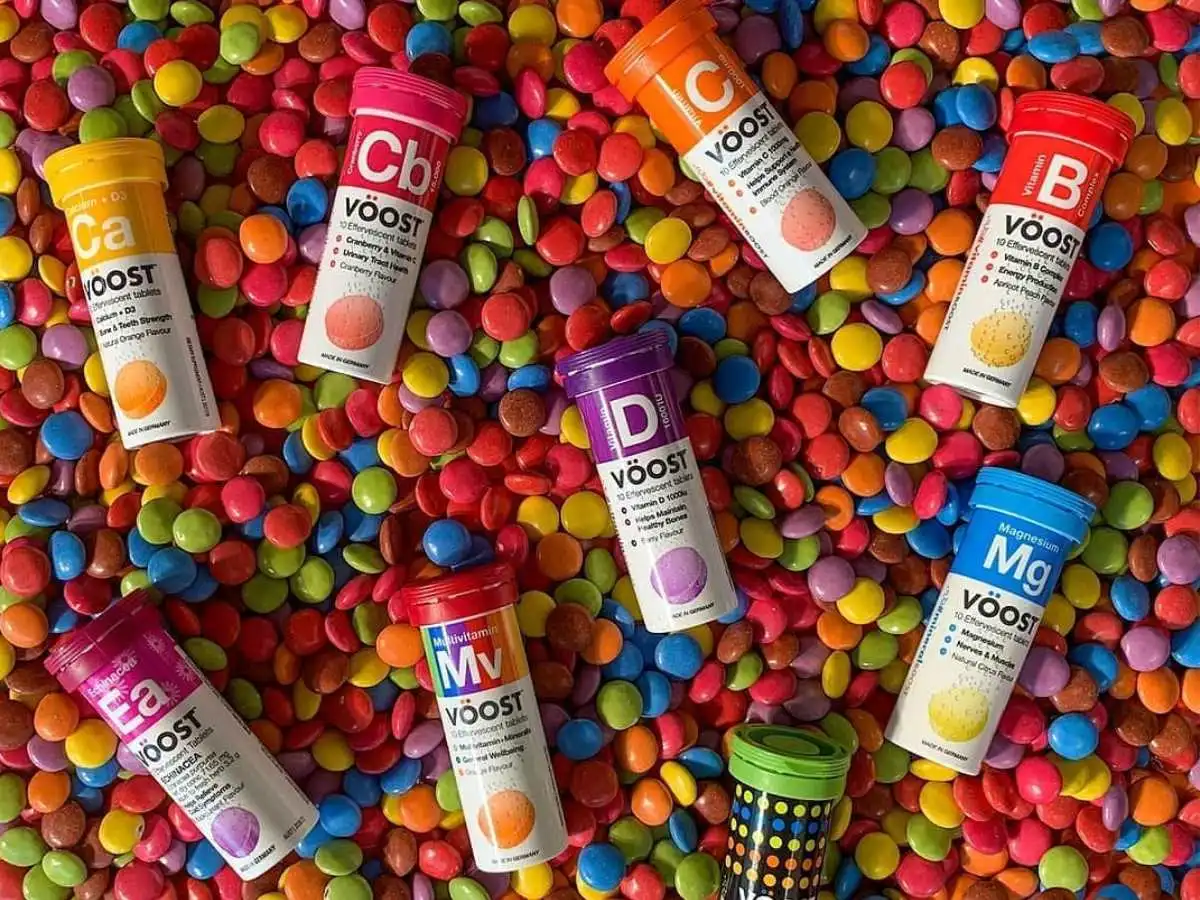
    Australian supplement brand Vöost has added two new beauty products to its extensive range of effervescent vitamins and minerals.

    The company says its new Vöost + Skin Hydration and Vöost + Hair, Skin & Nails are designed to support healthy skin, hair and nails from within. The new additions will join the Vöost Collagen effervescent range.

    The Vöost+ Skin Hydration in Rose Lemonade flavour features hyaluronic acid which supports skin hydration, skin elasticity and firmness and helps to relieve skin dryness.

    It contains vitamin C and vitamin E which act as supporting ingredients to reduce free radical damage to body cells.

    Meanwhile, the Vöost + Hair, Skin & Nails in Strawberry + Kiwi flavour contains biotin, selenium, vitamin E, vitamin C and zinc. It supports healthy hair and skin, nails as well as collagen formation.

    The products are available in Woolworths, Coles and Chemist Warehouse stores and online.

  • Bega Cheese reports strong market share growth for FY23

    Bega Cheese reports strong market share growth for FY23

    Bega Cheese says it has gained market share and margin momentum in the second half of the year following significant cost increases in the first quarter.

    For FY23, the dairy company achieved a revenue of $3.4 billion, marking a 12 per cent rise from the previous year. It closed the fiscal year with a net debt of $203.6 million and a reduced leverage ratio of 1.6 times.

    Statutory EBITDA (earnings before interest, tax, depreciation, and amortisation) was $144.1 million, with a post-tax loss of $229.9 million significantly impacted by non-cash asset impairment of $230 million.

    Meanwhile, normalised EBITDA was $160.2 million, with a profit after tax of $28.5 million.

    According to Bega, its strategic decisions in the past five years played a pivotal role this year as it navigated “difficult and rapidly changing” conditions.

    The implementation of price adjustments, cost reduction initiatives, and a stream of new products significantly improved the financial performance of the Branded segment, particularly in the latter part of the year.

    However, the continued decline of milk production and excess milk manufacturing capacity have created a highly competitive environment and a disconnect between returns from globally treated commodity markets and Australian farm gate milk prices.

    Bega said this scenario will continue for some time, resulting in a non-cash impairment and a strategic decision to right-size some of its commodity assets.

    Reflecting on the results, executive chairman Barry Irvin emphasised the company’s strategy to shift to a predominantly branded business model.

    “The non-cash impairment of our bulk commodity assets reflects industry circumstances and reinforces the importance of our strategy to transform to a predominantly branded business,” said Irvin.

    “The right-sizing of our commodity assets and their further integration with our branded business creates a great platform for the support and growth of our brands while maintaining the capability to respond to changing market circumstances.”

    Looking ahead, Bega has outlined a restructuring and simplification program to accelerate its transition to an integrated, predominantly branded business.

  • Italian products thriving in the Australian market

    Italian products thriving in the Australian market

    The Australian market has seen a great surge in Italian imports in recent years, indicating broad consumer taste for all things “Made in Italy”, with special emphasis on authentic Italian-made food products.

    Whilst there remains a shortage of official data on Italian product consumption in Australia, import records reveal a compelling story – a diverse range of products, from processed tomatoes to fine wines, pasta to chocolate, have garnered substantial attention from Australian consumers.

    According to data from the Australian Bureau of Statistics, F&B imports from Italy to Australia have reached a value of $1.13 billion in the year ending December 2022, a year-on-year increase of 15.6 percent.

    “Across the past 10 years, we have seen the value of all Australian F&B imports double,” says Simona Bernardini, director of the Italian Trade Agency’s Sydney office, “with Italy maintaining fifth position in the world rank as one of the major trade partners for Australia in front of other European countries.”

    Italy has emerged as Australia’s top trade partner for processed tomatoes, securing a substantial 71 percent market share valued at $123 million. It is also Australia’s primary supplier of pasta – the quintessential Italian food product for most Australian consumers – with a 19 percent share at $90 million. Italy is also at the front of the pack in multiple F&B categories, including wine ($131 million), chocolate and products containing cocoa ($89.5 million), cheese ($80.5 million), baked products ($50.6 million), sauces and mix condiments ($65 million) and olive oil ($32 million).

    “Major Italian players such as Lavazza, Barilla, Ferrero, and Campari have successfully navigated the Australian market by strategically focusing on marketing and communication”, observes Bernardini.

    Despite these achievements, she maintains that there is a vast untapped potential beyond pasta, citing the diversity of Italian culinary delights: “Italy has a huge variety and number of food products to offer, still unknown to Australian consumers,” she emphasizes. “The food processing industry plays a vital role in the economy of our country.

    “Over the years, manufacturing processes have become more advanced, and many companies continue to invest in cutting-edge technologies. We also offer an extensive range of organic and ‘free-from’ products designed for people with food intolerance and allergies.”

    Italy’s dedication to sustainability aligns well with Australian consumer preferences. However, Bernardini acknowledges the need for more transparent regulations in Australia, saying: “Clear regulations are needed, firstly in product labelling and to limit greenwashing practices.” Scrutiny from the Australian Competition and Consumer Commission – which has clamped down on claims of sustainability – underscores the importance of authentic communication in this area.

    Italy’s agricultural sector is considered amongst the greenest in Europe, with the least number of agri-food products containing irregular chemical residues. It is the second country in the EU for agricultural land dedicated to organic farming, and the second country in the world for the export of organic products. Italy features about 840 geographical indications certified as “protected designations of origins” (PDO) and “protected geographical indications” (PGI) also recognised by EU regulations, and which guarantee high-quality standards of a wide variety of food products, wines, and spirits.

    E-commerce remains a pivotal avenue for Italian businesses to broaden their reach in the Australian market. Whilst in other countries Italian food companies have been working actively on digital platforms and marketplaces, accessing the Australian online market involves long-term planning due to transport, food perishability, standards, quotas, and import duties’ impact on imported products.

    “We hope that in the future there will be further development in the Australian market,” says Bernardini, “with an expansion of marketplaces and digital platforms more focused on the F&B segment that could become the springboard for more gourmet food available through online channels.”

    As far as Bernardini sees, there lies significant potential ahead for the Italian/Australian trade relationship, especially in the F&B category. The Australian demographic features a good number of dual-income households, with poor time for cooking and a steady demand for ready-to-eat foods. At the same time, Australians are becoming more oriented to freshness, wholesomeness, and healthy lifestyles – to a large extent, they are willing to pay a “premium price” for food with those characteristics. For these reasons, many Australian importers visit Italy at least once a year to see what’s new, and to place orders if they find products that fit the demand.

    “As educated and affluent consumers, Australians are willing to try new products,” she says. “Furthermore, the country receives a growing number of immigrants from all over the world, bringing with them different food tastes and boosting the diversity of the culinary scene in Australia. In addition, Australians love to travel, and often they take time to visit Europe and Italy, bringing back memories of the food and flavours they enjoyed abroad.”

  • Recycling fees in Vietnam higher than in Europe

    Recycling fees in Vietnam higher than in Europe

    Fourteen business associations have petitioned nine ministers to complain about Vietnam’s unusually high recycling fees, which are several times higher than that in Europe.

    The associations, which include American Chamber of Commerce in Vietnam, Vietnam Association of Seafood Exporters and Producers, and Vietnam Textile and Apparel Association, said that a recent draft bill on recycling required fees higher than in developed countries.

    Vietnam’s recycling fee for aluminum packaging is 1.26 times higher than the average of 14 countries in Western Europe, they said.

    The fee for recycling glass is 2.12 times.

    The ideal cost should be 30-50% of that in European countries as workers’ salary in Vietnam is only 10% of their counterparts in European countries.

    The associations estimate that their combined recycling fee for paper, plastic and metal is at VND6.13 trillion ($257.35 million) annually.

    This is unusually high as it does not take into account the profit that recycling companies get from the materials they receive.

    Recyclers of aluminum cans, for example, post profits between VND700 billion and 1.29 trillion annually.

    It is unreasonable that manufacturers and consumers are paying trillions of dong every year to support recyclers, the associations said.Recycling

  • Vietnamese internet startup VNG files for IPO in the US

    Vietnamese internet startup VNG files for IPO in the US

    Vietnamese internet company VNG Corp has filed for an initial public offering (IPO) in the United States via VNG Ltd, a U.S. Securities and Exchange Commission filing showed.

    The listing will make VNG the first technology firm from Vietnam to list in the U.S.

    VNG said in the filing that it planned to offer some 21.7 million shares, with the proposed price range yet to be set.

    IPO proceeds will be used to pay original foreign investors who were direct shareholders of the company and repay outstanding loans, among others, the filing showed.

    The company counts the likes of Chinese social media and gaming giant Tencent and Singapore state investor Temasek as shareholders.

    Founded in 2004, VNG was Vietnam’s first unicorn, or startup valued at $1 billion or more, and it inked a preliminary agreement in 2017 with U.S. bourse operator Nasdaq Inc to explore an IPO.

    The Ho Chi Minh City-headquartered company’s businesses include online games, payments, cloud services and Vietnam’s most popular messaging app, Zalo.

    Citigroup, Morgan Stanley, UBS, and Bank of America are underwriters of the IPO, according to the filing.

    VNG’s IPO follows the recent U.S listing debut by VinFast and could help to add momentum for other Southeast Asian companies seeking IPO in the U.S.

    Philippine real estate company DoubleDragon Corp earlier in August announced that it was considering listing its Singapore-registered unit Hotel101 Global on the Nasdaq via a merger with a special purpose acquisition company (SPAC).

    Southeast Asian used car marketplace Carsome Group was also weighing a listing in the U.S.

    “While the future outcomes of these startups’ IPO plans cannot be guaranteed, the growing interest in international listings and the presence of notable players in the region indicate a promising landscape for Southeast Asian startups seeking to expand their reach and access global capital markets,” said Seth Farbman, chairman and co-founder of New York-based stock transfer agency VStock Transfer.

  • Global rice crisis nothing like in 2008

    Global rice crisis nothing like in 2008

    After India banned rice exports, prices of the grain have shot up but are unlikely to top the US$1,000 per ton levels reached in 2008 in the current scenario.

    India prohibited the export of non-Basmati rice varieties in late July, driving up global prices.

    The export prices of Vietnam’s 5% broken rice jumped by $25 per ton.

    In some Vietnamese rice-growing areas, traders have been scrambling to buy the grain to fulfill contracts they have signed, pushing up prices steadily.

    Do Ha Nam, vice president of the Vietnam Food Association, said export prices climbed to $700 per ton on August 10, the highest since 2008.

    On August 17, following reports that India would soon lift the ban, the prices began to edge down again.

    In Vietnam, retail prices jumped by VND3,000-5,000 per kilogram in August to VND18,000-20,000 ($0.76-0.84).

    For many people, the developments are redolent of 2008.

    Vo Tong Xuan, a scientist who created many award-winning rice varieties, said in 2008 export prices reached 100-year highs of more than $1,000 a ton.

    The world faced a food shortage that year.

    The weather was unfavorable, oil prices were high, food reserves were low, and demand was rising in countries such as China and India.

    Xuan said the Vietnamese government at that time ordered exporters not to sign new contracts and capped exports for the year at 4.5 million tons.

    But, worried about the rising prices and low supply, people rushed to buy and hoard rice, but traders refused to sell, waiting for prices to climb further.

    In the event, prices skyrocketed from VND12,000 to VND20,000 per kilogram.

    Xuan said that scenario is unlikely to reoccur even though both times India, which accounts for 40% of the world’s supply, banned rice exports.

    In 2008, global rice reserves fell and demand exceeded supply, he said.

    According to the United Nations Food and Agriculture Organization, Asia’s rice stocks at that time were low, falling from 140 million tons to 60 million tons in 2007 before recovering to 105 million tons a year later.

    At least 37 countries faced a food crisis as prices suddenly increased from $550 to $1,000.

    Xuan said this year global rice stocks have decreased but not significantly.

    India banned exports on July 20, but the latest reports from that country show that rainfall has increased again since the beginning of August and is conducive for sowing the summer-autumn crop.

    Data from the Indian Ministry of Agriculture shows that, as of August 4, 28.3 million hectares had been sown, 3.4% more than a year ago.

    India has 24.6 million tons of rice and 13 million tons of paddy in reserve, three times target set by the government.

    India is therefore expected to lift the ban soon, and this would quickly bring rice prices down.

    Nam said the world market would adjust soon. In 2008 global stocks had been the lowest in 30 years, but now they are only marginally lower than last year, he said.

    Global production is forecast to increase by 2% to 520 million tons.

    Thailand and Vietnam, the world’s second and third largest exporters, are encouraging exports.

    “Supply from these two countries is abundant,” Nam said.

    In Vietnam, the area under autumn-winter rice in the Mekong Delta, Vietnam’s rice basket region, has been increased from 650,000 hectares to 700,000 ha.

    Thailand and China, having learned lessons from 2008, are well prepared this time.

    China, the world’s largest rice consumer, has recovered more than 170,000 hectares of land since 2021 for farming to move toward self-sufficiency in feeding 1.4 billion people.

    Last year, President Xi Jinping called for ensuring there are 120 million hectares of arable land across the country, a number his government considers sufficient to ensure domestic supply.

    China has urged farmers to reduce cultivation of fruits and increase production of food crops, including paddy.

    Analysts expect global rice prices to increase this year, but only to around $600-800 per ton.

    “It is very difficult to reach the $1,000 mark like in 2008,” Xuan said.

    According to Bui Chi Buu, former director of the Institute of Agricultural Science for Southern Vietnam, businesses should take advantage of the opportunity to export the grain and not hoard it.

    “If they hoard in and speculate, businesses are at risk of making losses when India lifts the ban. Rice inventories will surge while the shelf life of rice is only three to six months.”

    Experts said since domestic prices are now higher than global prices, farmers, traders and exporters need to be cautious.

    Minister of Industry and Trade Nguyen Hong Dien recently instructed relevant authorities to inspect businesses and warehouses to monitor supply of rice and prevent speculation and hoarding to keep prices in check.

    This year Vietnam has some 7.1 million hectares under the grain and expects to grow 43 million tons of paddy, equivalent to 27-28 million tons of rice.

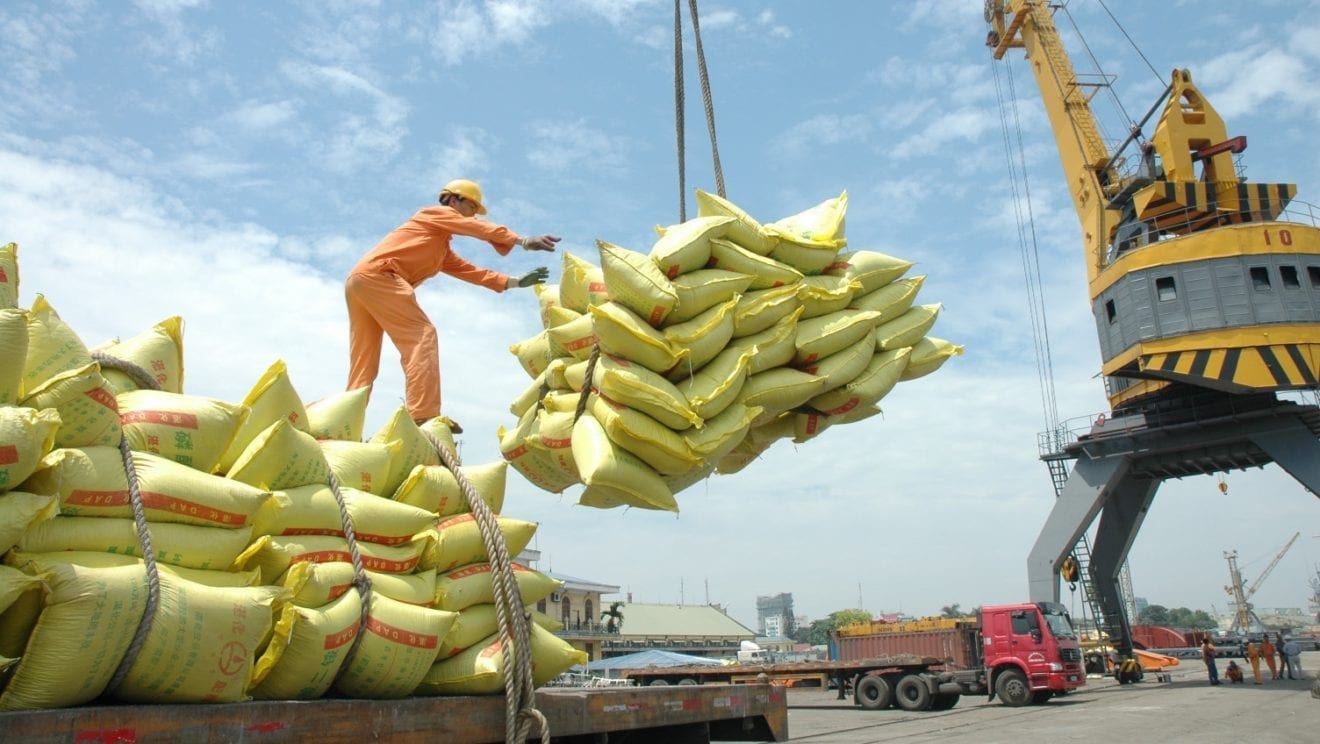
    The country exported nearly 4.9 million tons of rice worth more than $2.6 billion in the first seven months of the year, a year-on-year increase of 31% in value.

  • Vitasoy launches plant-based oat yogurt range

    Vitasoy launches plant-based oat yogurt range

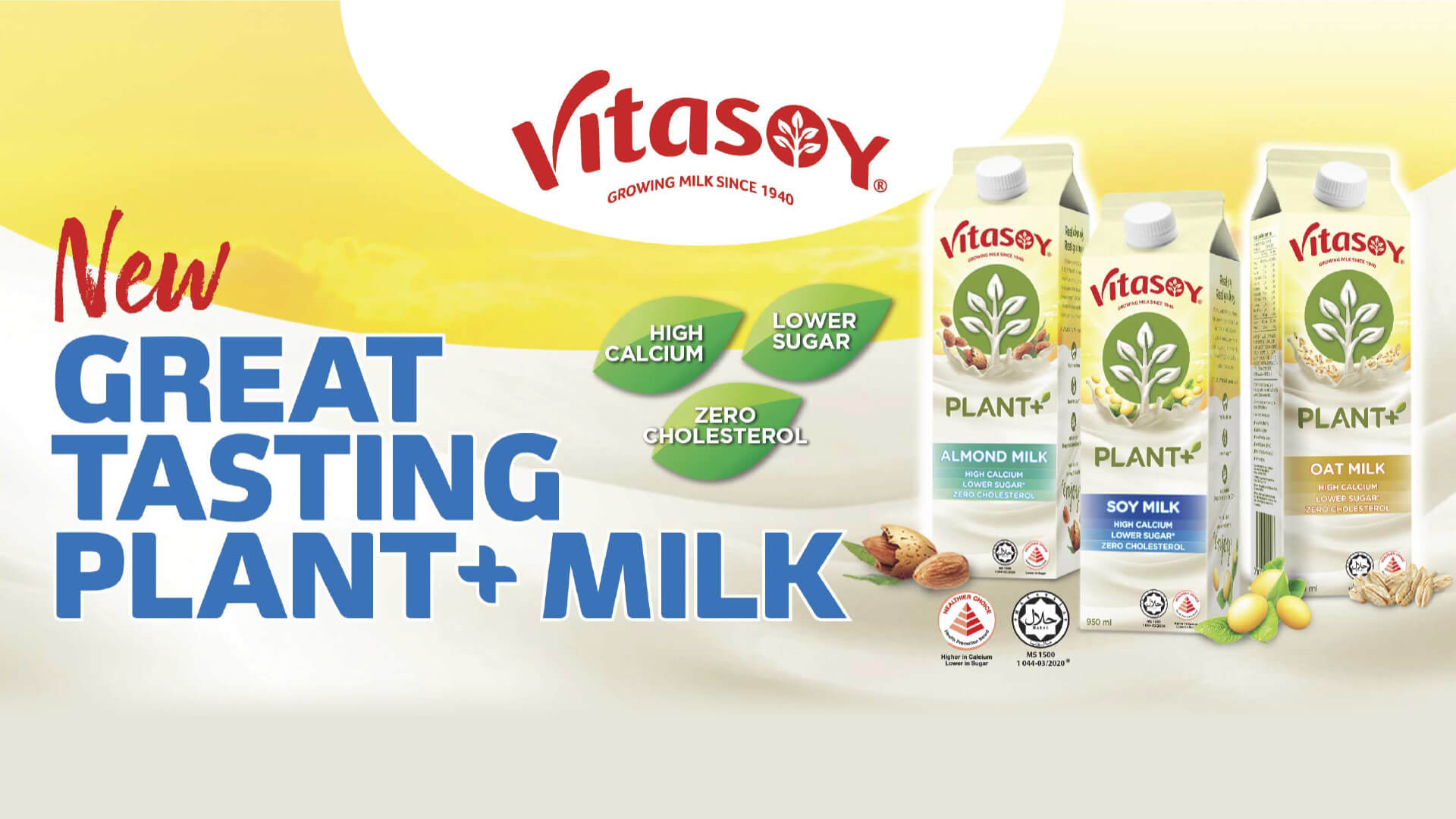
    Beverage brand Vitasoy has unveiled a new plant-based yogurt range made with homegrown oats.

    The range is made at Vitasoy’s Albury-Wodonga facility and is available in three flavours Blueberry, Vanilla and Summer Fruits – which include a blend of mango, guava, passionfruit and pineapple.

    The oat yogurts are nutritionally fortified with high-quality plant-based calcium, vitamin B12, vitamin D, protein and calcium and come with a 4 Health Star Rating.

    Nick Bartram, marketing and strategy GM of Vitasoy Australia, said the business has responded to demand from customers to introduce an additional plant-based yogurt range to the market.

    “Following the incredible consumer response to the launch of our Greek Style Soy Yogurt portfolio last year, we saw an opportunity to diversify the range using an Oat milk base.

    “We were determined to deliver our signature smooth and creamy texture, along with a strong nutritional profile by adding protein and calcium, when developing this range.”

    Belinda Dib, accredited practising dietitian at Vitasoy Australia, said the products combine the soluble fibre present in oats with live cultures found in fermented products and will support gut health.

    Vitasoy Oat Yogurts are now available in select Coles supermarkets nationally and retail for $3 each.

  • South Korea’s Hyosung motorbikes come to Vietnam

    South Korea’s Hyosung motorbikes come to Vietnam

    South Korean motorbike brand Hyosung has come to Vietnam with the GV300R, a 300 cc vehicle whose prices start at VND148 million (US$6,200).

    It has a 29.5-horsepower engine, a smart key, an LCD screen, and a pillion that costs around VND5 million.

    The motorbikes are manufactured in China.

    Hyosung belongs KR Motors, a company established in 1978 in South Korea.

    At first it partnered with Japan’s Suzuki and assembled the latter’s products. But it established its own research and development unit in 1986 and has since been making its own motorbikes.

  • Thailand’s KBank in talks to buy Vietnam lender in up to $1B deal

    Thailand’s KBank in talks to buy Vietnam lender in up to $1B deal

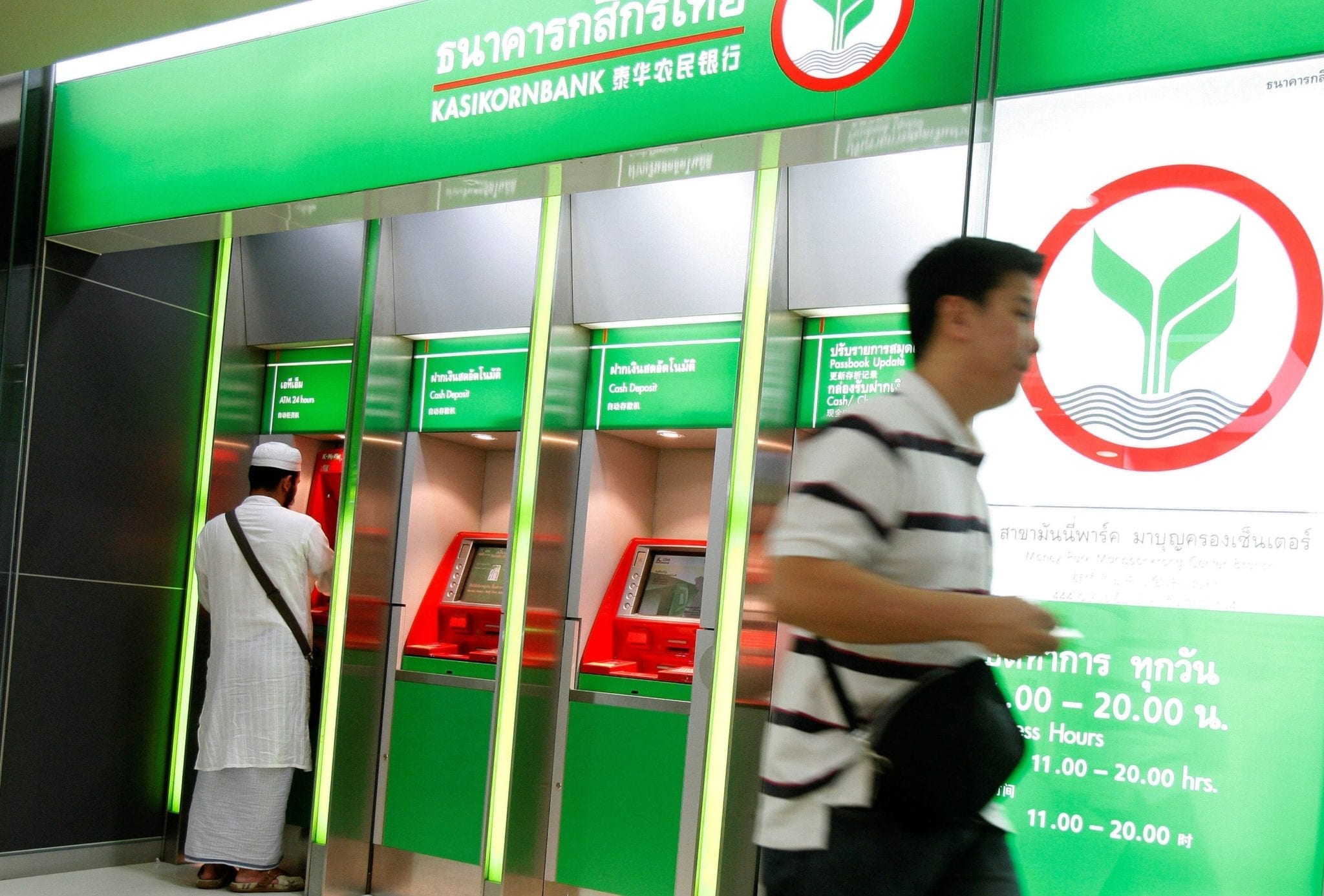
    Thailand’s second-biggest lender Kasikornbank is in talks to buy consumer finance provider Home Credit Vietnam in a deal of up to $1 billion that would further its push to expand in Vietnam, two sources said.

    The Bangkok-based lender, also called KBank, hopes to become one of Vietnam’s top 20 banks in terms of assets by 2027. It has total assets worth $119.7 billion, second only to Bangkok Bank in Thailand, Refinitiv data showed.

    The news comes at a time when Vietnamese banks are under pressure as a slowing economy and protracted turmoil in the real estate sector have stoked an uptick in bad loans and triggered broad rate cuts.

    A potential deal would underscore a trend of consolidations in Asia’s finance sector and make KBank’s the second-largest M&A transaction in Vietnam’s financial industry this year after the sale of a $1.5 billion stake in Vietnam Prosperity Joint Stock Commercial Bank to Japan’s Sumitomo Mitsui in March, according to Refinitiv data.

    KBank has talked to financial advisors to explore the potential acquisition, according to the two sources, although deliberations are still ongoing and no final decision has been made.

    “KBank is currently operating KBank Biz Loan solution, a credit service for small-scale retail stores. The potential deal with Home Credit will enable the bank to promote access to financial services for small business clients,” said one of the sources familiar with the matter.

    The sources declined to be named as the matter is private.

    KBank and Home Credit Group did not respond to Reuters‘s requests for comments.

    Vietnam, home to more than 100 million people, possesses a fast-growing working-age population where KBank estimated that over 69% of the population has no bank account, the highest in Asia.

    In June, the Thai lender obtained the Vietnamese central bank’s approval to raise its core capital for its business in the country to $285 million from $80 million, to become its second-biggest foreign bank.

    It had set a target of $400 million in net income, with outstanding loans of 180 billion baht ($5.13 billion) and customer base of 8.4 million in the country within 2027.

    Home Credit Vietnam, part of Netherlands-headquartered non-bank financial institution Home Credit Group, started operations in the Southeast Asian country in 2008 and has grown to now employ 6,000 staff serving 12 million customers, according to its website.

    Besides cash loans, the company offers installment loans to buy motorbikes and consumer durables. It has 9,000 outlets in Vietnam, its website shows.

    Home Credit Group is controlled by the Czech Republic’s biggest investment group, PPF, which was founded by late billionaire Petr Kellner. It reported a wider loss in the first half of 2022, mainly due to the impact from the sale of Russian operations.