Tag: asia

  • David Jones to open European luxury concessions on $200 million redevelopment

    David Jones to open European luxury concessions on $200 million redevelopment

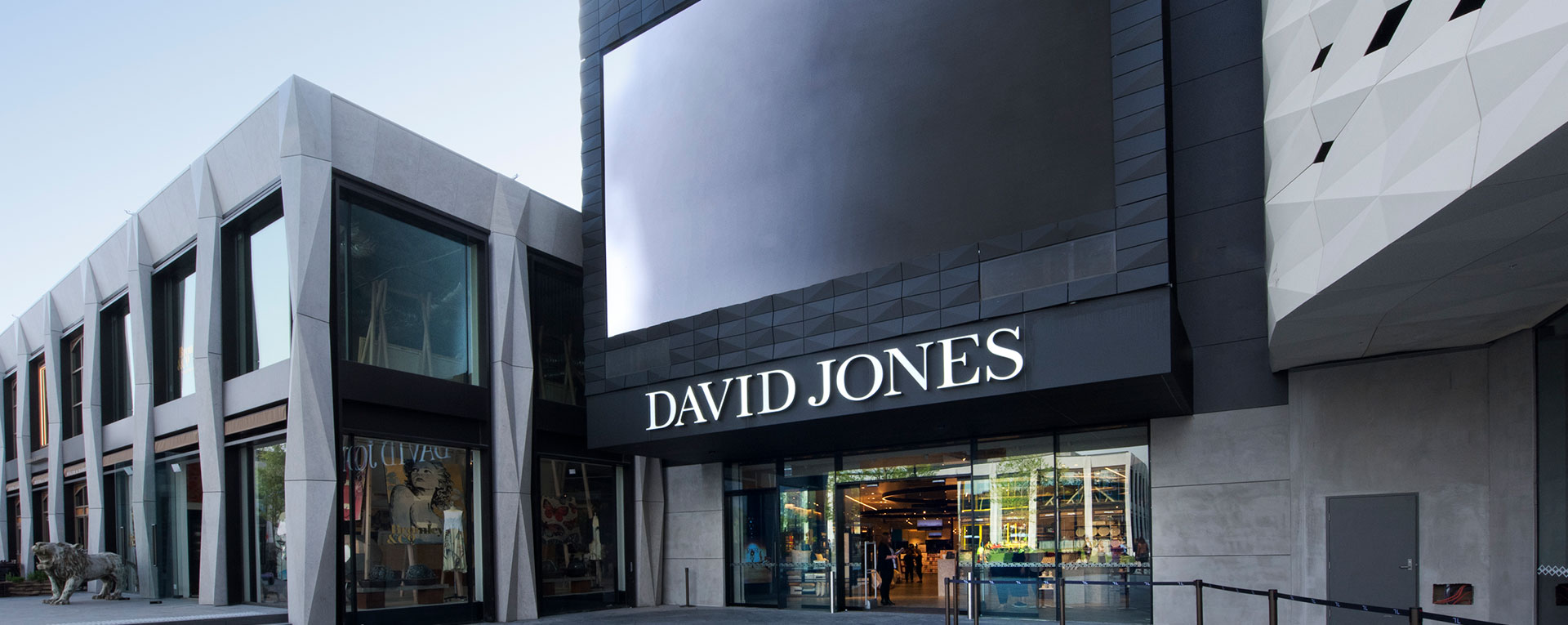
    Upscale Australian department store David Jones is set to become even more luxurious, with the addition of several major European fashion houses at its Sydney flagship store, as part of a $200 million redevelopment.

    The 180-year-old department store chain said that French labels Louis Vuitton and Chanel, as well as Italy’s Gucci, are set to open as in-store boutiques at David Jones’ flagship Elizabeth Street store in Sydney.

    Other major labels include Givenchy, Loewe, J.W. Anderson and Mansur Gavriel, coming in the form of store concessions and exclusive collections.

    After Sydney, the luxury upgrade will also be rolled out to David Jones’ Melbourne stores.

    Funded by the $360 million sale of the company’s Market Street store in 2016, the redevelopment of the Elizabeth Street store will see it grow to 12 floors from 8, with products categorised into six “worlds”.

    Floors 7 and 8 will feature an Australia-first champagne and dining room, while below, a luxury shoe department featuring Louis Vuitton, Chanel and Gucci, will bow.

    The move is likened to the retail model at London’s Harrods or Sak’s Fifth Avenue in the U.S., and looks to up the ante at DJs, who has suffered sluggish sales of late, along with rival Myer, as consumers flock to online shopping, as well as boutiques, instead of mass stores.

    David Jones chief executive David Thomas said that department stores could still be relevant to consumers, but had to play to their strength of being a “mall without the shopfronts” by offering a wide range of the best products, and customer service to match.

    “So you come in for a black boot, we should be able to show you the 10 best black boots on the market, as opposed to going into one brand in a mall, where you can only see their offering,” he said.

    It’s far less intimidating than walking into a specialty store and far more convenient. That’s how we fight back, that’s the role of the department store.”

    David Jones said comparable sales fell 3.3 percent in the last half, while profits fell by more than 30%. At the time of reporting, the company attributed poor consumer sentiment and its poor private label clothing designed in South Africa, for the demise.

    The Elizabeth Street store renovation, planned as a floor-by-floor revamp, should be completed around late 2019.
  • Casino teams with L’Oréal to launch Paris wellbeing stores

    Casino teams with L’Oréal to launch Paris wellbeing stores

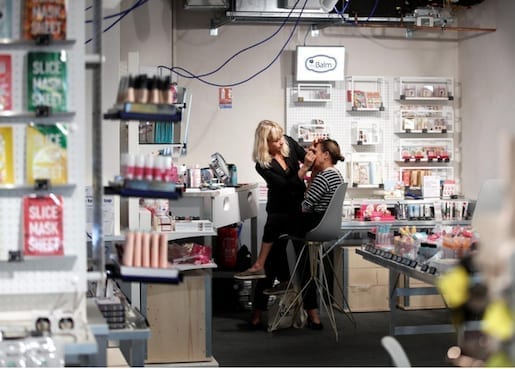
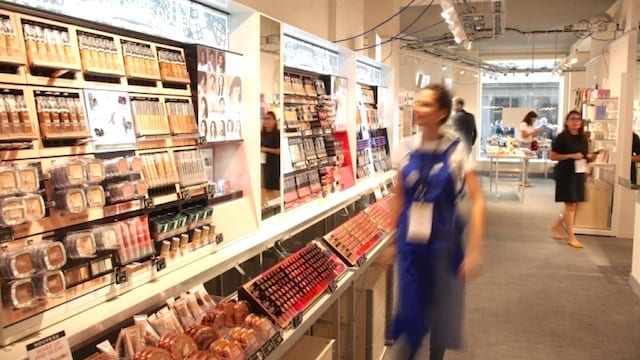
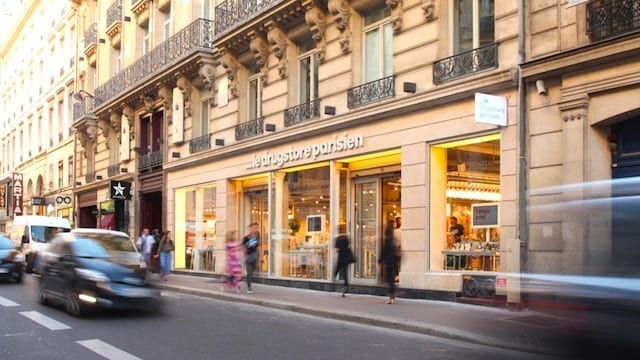
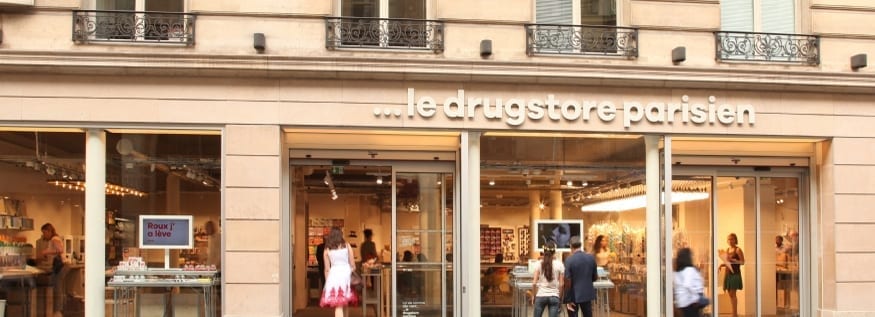
    French retailer Casino Group has teamed with cosmetics company L’Oreal France to launch Le drugstore Parisien, a new retail concept targeting city-dwellers in the heart of Paris.

    The two companies boldly claim the concept will “revolutionise the beauty and well-being shopping experience in the French capital”.

    Operated under Casino Group’s Franprix banner, Le Drugstore Parisien is positioned as “the urban store for beauty from within, practical treats and serendipity [the art of making unexpected discoveries].”

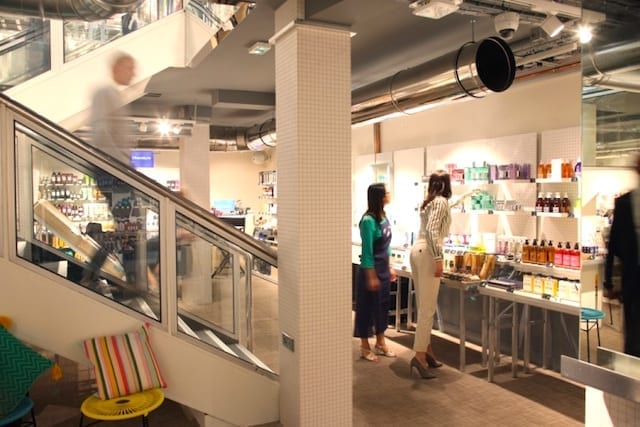
    The store will offer beauty and well-being products alongside over-the-counter pharmaceutical products, sewing kits, accessories and healthy snacks and treats.

    A number of L’Oreal brands will be available, including L’Oreal Paris, Maybelline, Garnier, NYX Professional Makeup, Essie and Sanoflore, as well as exclusive, expert brands so that shoppers can discover something new with every visit.

    Amenities designed specifically for urban consumers will also be on hand, such as free Wi-Fi, mobile-phone charging points, water fountains, shoe-shining machines, sinks and dressing tables, dry cleaning, parcel pick-up points, light therapy areas, key exchange, and one-hour delivery for certain products.

    Jean Paul Mochet, CEO of convenience banners at Casino Group, said the company has for several years been working to find ways of helping convenience stores connect better with customers.

    “In cities, we have been paying particular attention to the new ways space and time are used, which are radically changing consumer behaviour. The lines between work, culture and fun are being blurred, creating a new way of living. So city-dwellers need tailored products and services to make their lives easier. This goal was exactly what we had in mind when designing Le Drugstore Parisien – a unique, laid-back place that celebrates joy, pleasure and well-being amidst the hustle and bustle of Paris life.”

    The first two Le Drugstore Parisien sites opened last weekend at 66, Rue de la Chaussee d’Antin and 122, Rue du Bac in districts 9 and 6, respectively. They will be trade seven days a week, from 10am to midnight Monday to Saturday and from 11am to 8pm on Sundays. One day a month, they will open for 24 hours to offer Parisians exclusive events and well-being services.

  • Japan leads foreign investors in Vietnam in year’s first half

    Japan leads foreign investors in Vietnam in year’s first half

    Foreign investors invested a total of over 20 billion USD in 1,366 new projects and 507 existing ones as well as in contributing capital and buying shares in domestic company in the reviewed period.

    With 5.06 billion USD, the Republic of Korea was Vietnam’s second biggest investor, followed by Singapore with 2.39 billion USD.

    During January-June, foreign investors poured their capital into 55 provinces and cities, in which Hanoi ranked first with 5.87 billion USD. The capital city was followed by Ho Chi Minh City (3.68 billion USD), and Ba Ria-Vung Tau province (1.93 billion USD).

    Manufacturing-processing industry continued to attract the most foreign direct investment (FDI) in Vietnam in the first half of 2018, with 7.91 billion USD, accounting for 38.9 percent of the total registered capital.

    It was followed by real estate, with 5.54 billion USD, and the wholesale and retail sector with 1.5 billion USD, making up 27.3 percent and 7.4 percent of the total, respectively.

    To date, Vietnam has attracted nearly 26,000 projects with a registered capital of 326 billion USD. Disbursement is estimated at 180 billion USD.

    Foreign investment accounts for 25 percent of the country’s total investments and contributes 20 percent of GDP. Last year, the sector contributed nearly 8 billion USD to the State budget, 14.4 percent of total revenue.

    At present, 58 percent of foreign investments focus on processing and manufacturing, generating half of industrial production value.

  • Uniqlo Philippines global flagship launch is happening

    Uniqlo Philippines global flagship launch is happening

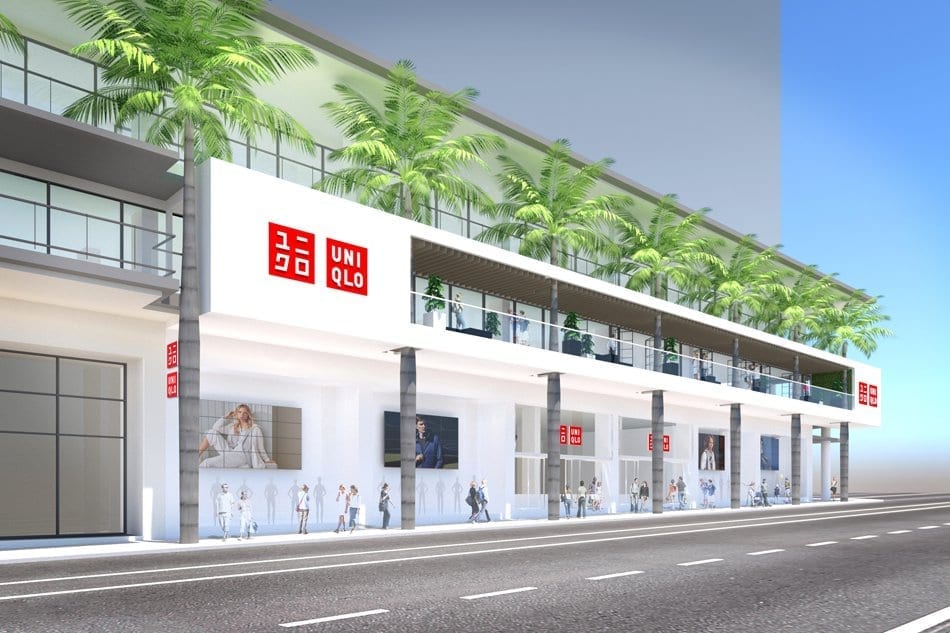
    Uniqlo Philippines has set the opening date for what will be the Japanese brand’s largest store in Southeast Asia.

    The new store will open on October 5 in Glorietta 5 at Makati City, in Metro Manila.

    Uniqlo says the store will have a sales area of 4000sqm and is designated a “global flagship”.

    “The new store will offer local and international customers a huge shopping area and a world-class immersive shopping experience featuring large visual displays and state-of-the-art design concepts,” Uniqlo said in a statement. “As with other global flagship stores, it will also showcase the full lineup of LifeWear for men, women, kids and babies.”

    Uniqlo has launched a nationwide campaign as a lead-up to the store’s launch, called ‘Our Future Is Here’. The fast-fashion retailer is inviting customers to nominate Filipinos who they believe are leaders in sports, film, music, culture, design, and other disciplines, influencing the nation’s future.

    “The great success of Uniqlo Philippines is thanks to our customers here. The Our Future Is Here campaign is an exciting opportunity to deepen our connection with the city of Manila through our global flagship store, to engage communities and celebrate the innovators who will shape its future,” said John Jay, president for global creative at Uniqlo’s parent, Fast Retailing.

    Denmark foray

    Meanwhile, Uniqlo has announced plans to launch in Denmark, opening its first store in Copenhagen in the second quarter of next year.

    The 1400sqm store will be located on the Stroget, one of Europe’s longest pedestrian streets, in Louises Hus, a historical building dating back to the mid-1700s.

  • Thai investors acquiring more retail market share in Vietnam

    Thai investors acquiring more retail market share in Vietnam

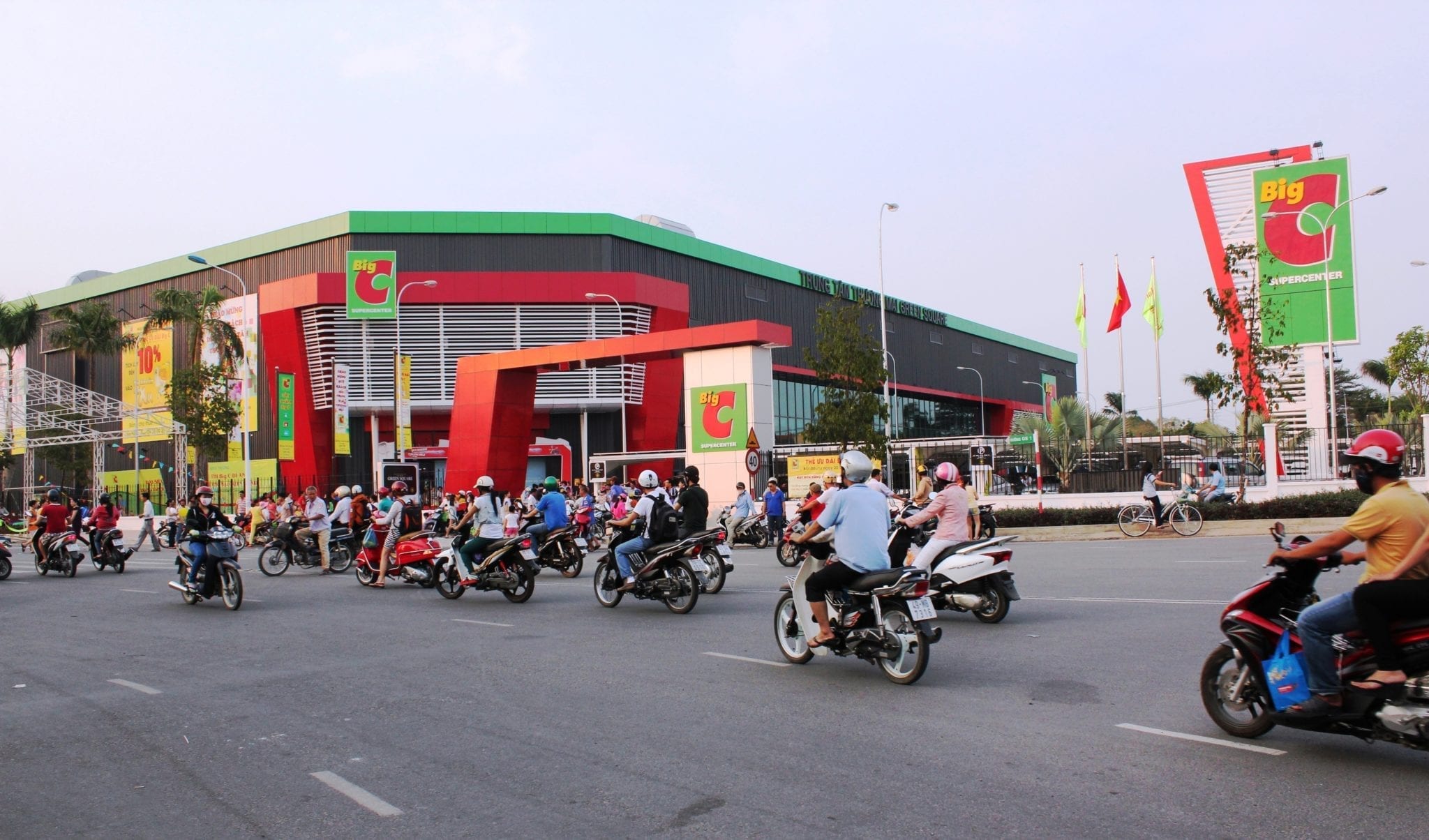
    In 2015, just after four years of establishment, Central Group Vietnam (CGV), acquired 49 percent of stake of Nguyen Kim. In 2016 alone, CGV acquired two big brands – Big C Vietnam and Lan Chi Mart. Through M&A deals, CGV has also brought other brands from Thailand and other countries to Vietnam.

    BJC, a subsidiary of TCC Holdings, has also been expanding in Vietnam. With MM Mega Market alone, BJC has 19 shopping centers, 3 entrepots in Da Lat (fresh vegetables and fruits), Dong Nai (fresh pork), Can Tho (seafood) and two general storehouses that provide fresh food. Besides, it also has B’s Mart with the network covering large cities.

    In 2016, after wrapping up the deal of taking over Metro Cash & Carry, BJC renamed the supermarket chain as MM Mega Market Vietnam, and since then, it has been following the business strategy with B2B (70 percent) and B2C (30 percent) Investment modes.

    Phidsanu Pongwatana, managing director of MM Mega Market, said the company is building the first pork entrepot in the north. It plans to open one to three distribution centers in the north next year, which will create 700 jobs.

    In 2017, CGV announced investment of $30 million to increase retail premises in Vietnam to 470,000 square meters.

    Meanwhile, the holding company in Thailand plans to invest $6.4 billion more in the next five years to expand the domestic and overseas markets, especially Vietnam, which is a key part in its plan to expand operation in the retail and hotel fields.

    Vietnam is considered a potential market, expected to bring to the group turnover four times higher in the next five years. It strives for revenue of $13 billion this year, an increase of 14 percent over 2017. Tos Chirathivat, CEO of Central Group, said the group would open 500 more shops in Vietnam by 2022.

    An analyst said Thai investors are now eyeing Vietnam because the market is witnessing development like Thailand did some decades ago with the rapid increase of the middle class and high economic growth rates.

    He also said the young population, increased consumption level, and the tariff cut to zero percent all have turned Vietnam into a vast market in ASEAN.

    According to the Foreign Investment Agency, the accumulative capital registered by Thai investors in Vietnam by March 2018 had reached $9.3 billion.

    With 490 projects, Thailand now ranks 10th among 126 countries and territories having FDI in Vietnam.

  • CapitaLand acquires 32-hectare prime mixed-use site in Chongqing

    CapitaLand acquires 32-hectare prime mixed-use site in Chongqing

    CapitaLand has acquired a company which owns a mixed-use development site in China’s Chongqing.

    The CapitaLand Chongqing project, which will boost the Singapore developer’s residential pipeline in China by more than 2100 units, includes a 335,000sqm shopping mall scheduled for completion in 2022, and a further 100,000sqm of office and retail space.

    CapitaLand is acquiring all the shares in the company which owns the 32 hectare site at the gateway to China’s fast-growing western region. The deal is valued at about S$1.19 billion.

    The land parcel is located in Xinpaifang, a mature residential and commercial zone in Liangjiang New Area, the first national-level development area in inland China and a part of Chongqing’s Free Trade Zone. It is a 20-minute drive from Jiangbei International Airport and a short distance from Guanyinqiao and Jiefangbei CBDs, which is next to Raffles City Chongqing.

    Lim Ming Yan, president & group CEO of CapitaLand Group, said given the site’s scale, strategic location and excellent connectivity, the Chongqing’s Xinpaifang asset is a prized acquisition that will boost CapitaLand’s land bank in a key gateway city in China’s southwest.

    “Through our ‘core city clusters, dominant assets’ strategy, we have steadily ramped up our network in China’s first- and second-tier cities, cementing our lead as the foreign real estate developer with the largest portfolio of integrated developments.”

  • New York-based Russian label J.Mendel files for bankruptcy

    New York-based Russian label J.Mendel files for bankruptcy

    After fighting creditors in court for several months now, fashion label J.Mendel has filed for bankruptcy, in a last minute bid to restructure debts and continue operations.

    The U.S-based womenswear brand has officially filed for Chapter 11 protection in bankruptcy court in New York.

    According to J.Mendel’s controlling investor Stallion Inc. and its John Georgiades — who has been at the helm of the Russia-founded firm since Marc Durie’s leaving as CEO in early 2016 – the company plans to “move forward” despite the news.

    “Restructuring the company’s debts will allow J.Mendel to face the current challenging luxury retail environment, and I am confident that this will allow the company to move forward with renewed financial stability, allowing us to focus on crafting the best designs for our devoted clientele,” said Georgiades.

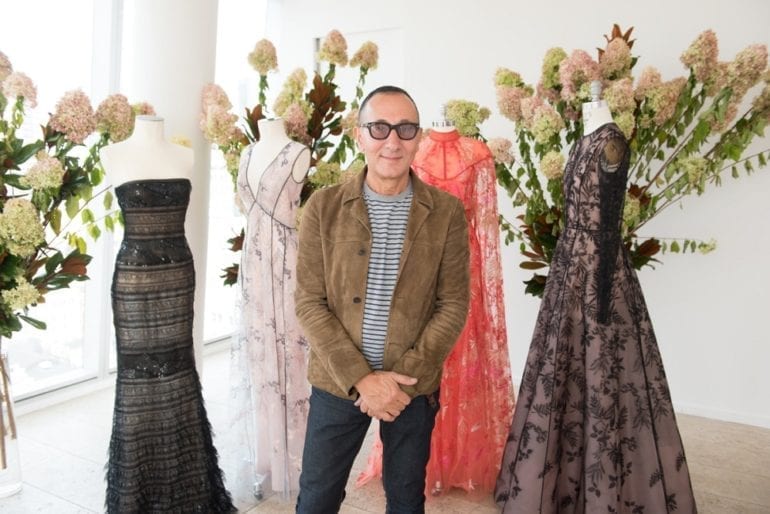
    With bills owing to landlords and modelling agencies, among other firms, J.Mendel’s creative director and brand scion Gilles Mendel, revealed that he continues to work on the label’s upcoming collection.

    “I am actively designing our spring 2019 collection and look forward to presenting it in September during fashion week,” said Mendel.

    Founded in St. Petersburg, Russia, in 1870 before moving to New York in the 1980s under Mendel’s guide, J.Mendel is known its formal women’s wear and gowns that often appear on red carpets.

    In 2015, J.Mendel reportedly made some $30 million a year in sales from its ready-to-wear, couture, bridal and accessories lines.

    According to recent U.S. press reports, the brand owes real estate firm The Arsenal Co. $1.1 million relating to the lease of an entire floor in a Midtown building, where the brand previously kept its headquarters, which is left early and has since stopped paying.

    Earlier this year, public relations firm Karla Otto said the brand owed $260,000 for its work putting on J.Mendel’s first couture show in July 2016 in Paris.

    The New York Times is also suing J.Mendel for $28,000 owed for advertising. DNA Model Management is owed close to $60,000 in unpaid modelling fees while Er Fur Trading Corp. requires $107,500 for animal fur skins.

    It also owes e-commerce platform management company Acadaca LLC some $60,000.

  • Valextra opens flagship in Chengdu China

    Valextra opens flagship in Chengdu China

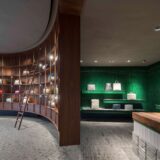
    The new Valextra flagship store in China’s Chengdu, designed by Neri&Hu, features hovering walls and a conical light funnel modelled on the Pantheon in Rome.

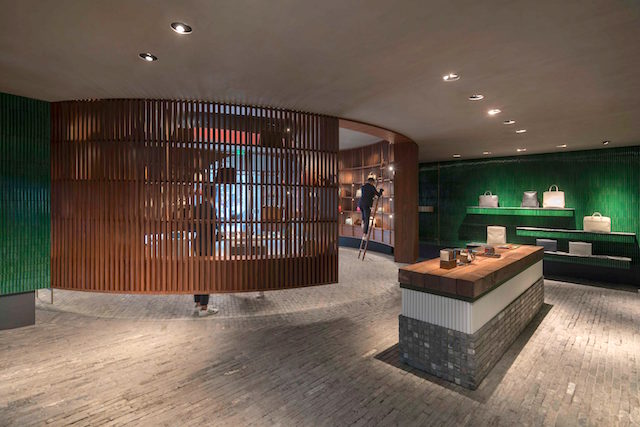
    The Italian accessories brand’s 160sqm store is divided into two connected spaces: a library and a reading room.

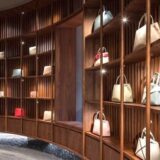
    When customers enter the store, they are greeted with a grid of walnut shelving, on which merchandise is displayed.

    Like a library, ladders are used to access the merchandise placed on the upper shelves.

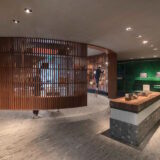
    Reclaimed grey bricks are laid on the floor, sliced and twisted in a circular motion, reflecting the deep conical light funnel in the ceiling above – a design element that Neri&Hu says was used to recall the oculus of the Pantheon in Rome.

    Lit like a museum, the space uses both artificial spotlighting and natural light, which penetrates the space from the deep facade windows. At the centre of the library the grey brick rises from the floor plane to meet a slab of solid white marble that forms a merchandise display table.

    Through the library screen, customers enter the ‘reading room’, which is clad in vertically placed rectangular, green tiles. The tiles’ curved glazed surface create a reflective undulating effect that the designers said adds “texture and depth”.

    Imposing facade

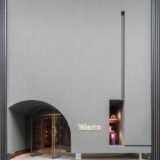
    To create the store, the pre-existing shopfront which was designed to match its shopping centre neighbours was demolished, replaced with an imposing solid wall of dark concrete that spans two stories.

    A strip of glass runs around the bottom of the black wall, making it appear as if it is hovering above the ground.

    Narrow vertical and horizontal windows are carved into the thick wall to provide glimpses of the store within, while a deep set arched entrance with a curved glass door detailed in brass and curved green tile is positioned off centre.

    View the gallery below :

  • VN’s seafood exports to face difficulties following EC’s warning extension

    VN’s seafood exports to face difficulties following EC’s warning extension

    Truong Dinh Hoe, general secretary of the Vietnam Association of Seafood Exporters and Producers (VASEP), noted that the seafood volume sent to the European Union (EU) will drop as both exporters and importers will suffer from more time-consuming customs clearance procedures, resulting in higher costs.

    VASEP deputy general secretary Nguyen Hoai Nam pointed out that the EC will return to Vietnam next year to check whether the country has clamped down on illegal, unreported and unregulated fishing.

    Meanwhile, the country’s management of fishing and origin traceability remains inadequate. Vietnam currently has nearly 110,000 fishing boats, with 33,000 of them specializing in offshore fishing. However, only some 3,000 boats have satellite-positioning devices installed.

    Although the EC’s recommendations have been included in the 2017 fisheries law, decrees and guiding documents, law enforcement needs to be strengthened at the local level.

    Answering a question by Retail News on the possibility of a red card for Vietnam’s seafood, which would entail a complete ban on Vietnamese seafood exports, if the country fails to fix the situation as requested by the EC, Hoe said the EC is not likely to issue a red card as the local seafood sector is striving to cope with its shortcomings and comply with the EC’s recommendations.

    However, it is not easy to resolve the existing problems over the short term. Thailand, for example, has had a yellow card for several years, Hoe added.

    Nguyen Thi Trang Nhung, deputy director of the Department of Science, Technology and International Cooperation under the Directorate of Fisheries of the Ministry of Agriculture and Rural Development, said that the department will hold a press conference on the problem on July 3.

    The EC on October 23, 2017 announced a yellow card for Vietnam’s seafood exports to the EU market.

    The nine recommendations given to Vietnam to act on within the six-month period from October 23 last year to April 23, include ensuring the effective adoption of revised laws; enhancing the effective execution of international regulations and management measures; increasing the traceability of seafood products; preventing sales of products from illegal, unreported and unregulated fishing; and promoting cooperation with other countries.

  • Vietnam’s Mobile World sales rises

    Vietnam’s Mobile World sales rises

    Vietnam’s Mobile World saw a 43 per cent jump in revenue in the first five months of this year.

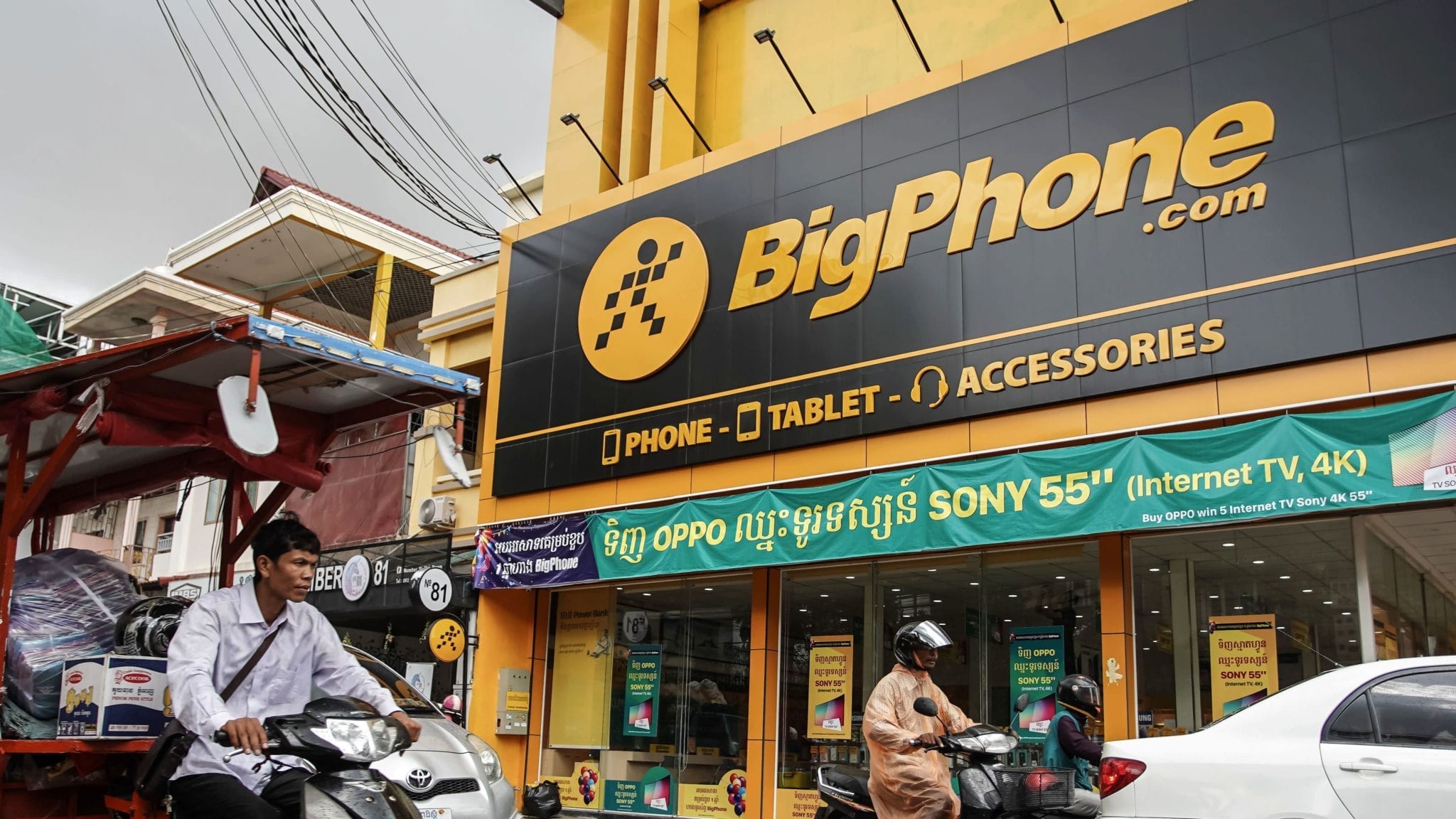
    The mobile device and consumer electronics retailer posted net sales of VND37 trillion (US$1.61 billion) and an after-tax profit of $55.8 million, 44 per cent up year-on-year.

    Of its divisions, electronic retail arm Dien May Xanh accounted for 56 per cent, mobile phone retail chain The Gioi Di Dong 41 per cent, and its fledgling grocery chain Bach Hoa Xanh 3 per cent.

    According to Mobile World’s CEO Tran Kinh Doanh, the company plans to expand Bach Hoa Xanh to 1000 stores in Ho Chi Minh City, and more in other provinces.

    The Gioi Di Dong chain has scaled down its network to 500 stores this year after closing six stores.

  • Starbucks opens new Hong Kong flagship

    Starbucks opens new Hong Kong flagship

    The first Starbucks Hong Kong flagship has formally opened in Causeway Bay.

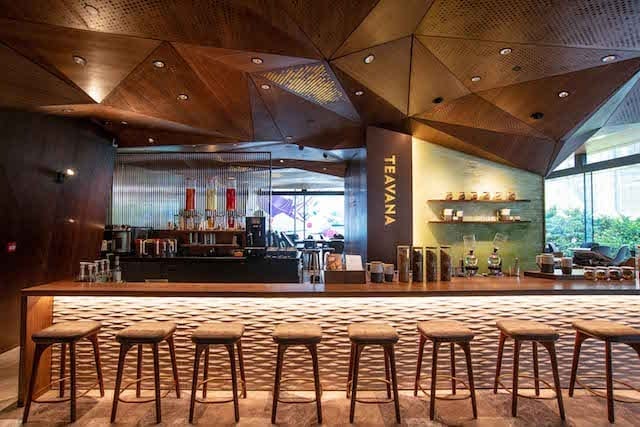
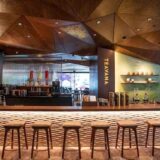
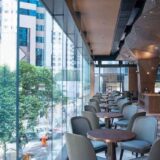
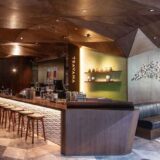
    The new store is located on level one of Lee Garden Three. As previously reported, the store features the city’s first standalone Teavana Bar and a ‘Mixology Bar’ where coffee-inspired alcoholic beverages are served, along with premium coffee and an expanded food menu.

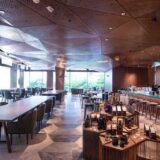
    The 5500sqft store is positioned as “an urban retreat within the bustling city” and what Starbucks describes internationally as “a Third Place” for customers to socialise with family and friends. (First and second places are home and work).

    The Starbucks Hong Kong flagship opened on Friday and boasts more than 50 new food and beverage items, as well as branded homewares and merchandise, including items exclusive to the store.

    The Starbucks Reserve coffee bar is built with marble in deep green shades inspired by coffee plantations. Staff will guide customers through the flavours of different coffee origins, and through various coffee brewing methods including nitro cold brew, siphon, pour over, coffee press, Chemex and Black Eagle Espresso.

    The Starbucks Hong Kong flagship features a coffee tree-inspired centre pillar that extends through the store ceiling, made with 370 pieces of geometric wooden panels shaped like coffee leaves.

    Local designers Fa and Jun from Kanvas Studio created a feature art piece for the flagship made with 250 pieces of handcrafted ceramics inspired by the natural form of coffee and tea leaves.

    The Teavana Bar will feature five Hong Kong-exclusive teas among 15 new menu items at the Starbucks Hong Kong Flagship to offer consumers an alternative to coffee.

    The Teavana Bar will launch the first cold foam-tea series, bringing the foaminess customers of hot beverages to iced beverages with matcha latte with cold foam and black tea with Earl Grey jelly and cold foam.

    Food options at the new Starbucks Hong Kong flagship include gourmet toasts (bacon, Nurnberger sausage & scrambled eggs, avocado & scrambled eggs and soft-boiled egg & smoked salmon, for example). The menu also features a salad bar, flatbreads and pancakes.

    The full pictures of the new flagship store can be viewed below :

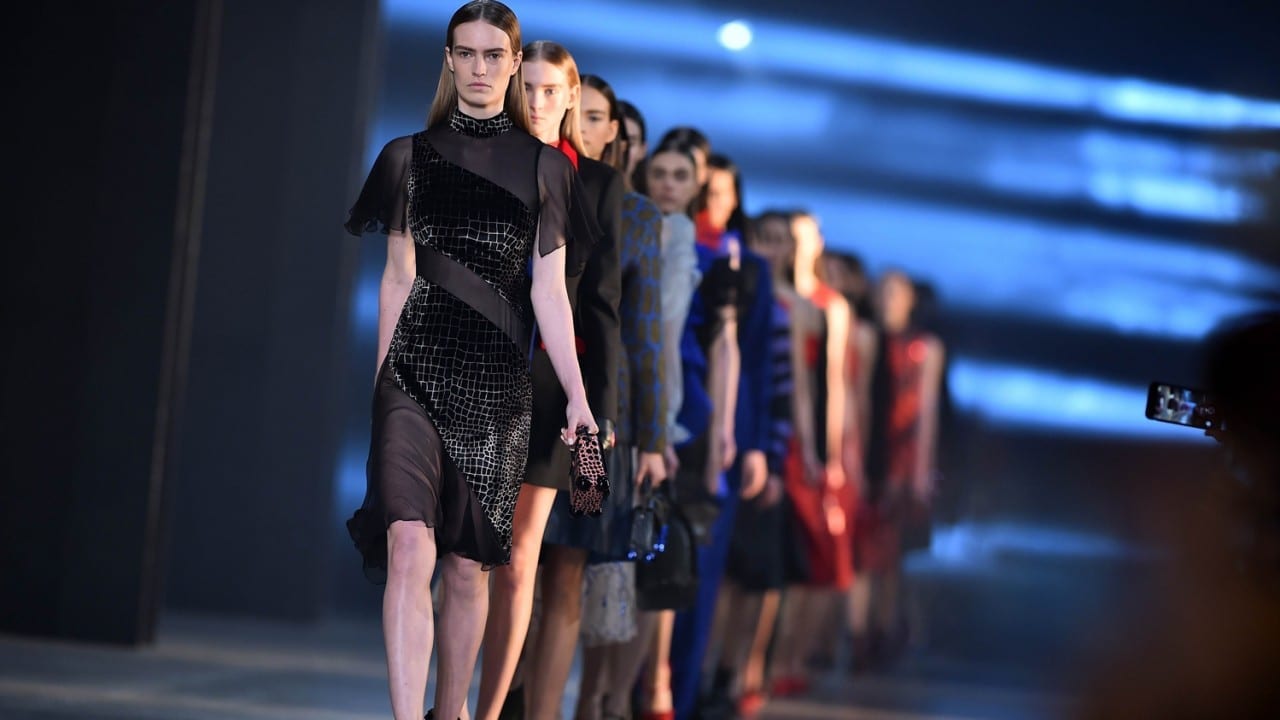
  • Christopher Kane in talks with Kering to take back his brand

    Christopher Kane in talks with Kering to take back his brand

    Kering is announcing that discussions are underway with Mr. Christopher Kane about the conditions in which the British designer could take back full control of the eponymous brand.

    In 2013, Kering had acquired 51% of the brand created by Christopher Kane in 2006.

    Christopher Kane, the label, launched in 2006 and began almost immediately upon Kane’s graduation from Central Saint Martins, capitalizing on the success of his award winning MA collection that had already garnered much media attention.

    The designer has always been acknowledged as both a precocious and truly gifted talent. Christopher Kane has quickly matured and grown to become one of the powerhouse labels of British fashion with one of the biggest International profiles.

    The catwalk shows, held during London Fashion Week, are a widely acknowledged highlight of the International fashion calendar.

    Developing his playful signatures of constant innovation, rebellious femininity and extraordinary skill, his clothes continue to surprise and seduce with their ineffable sense of chic.

    Christopher Kane and Kering wish to continue to collaborate with the aim of achieving a gradual and harmonious transition.

    As an accounting consequence of the talks underway, the Group will apply IFRS 5, Non-current Assets Held for Sale and Discontinued Operations to this asset in its half-yearly accounts to 30 June 2018, which will be published 26 July.

    The brand is currently consolidated according to the full consolidation method.

  • Vietnam’s Bamboo Airways commits to 20 Boeing aircraft

    Vietnam’s Bamboo Airways commits to 20 Boeing aircraft

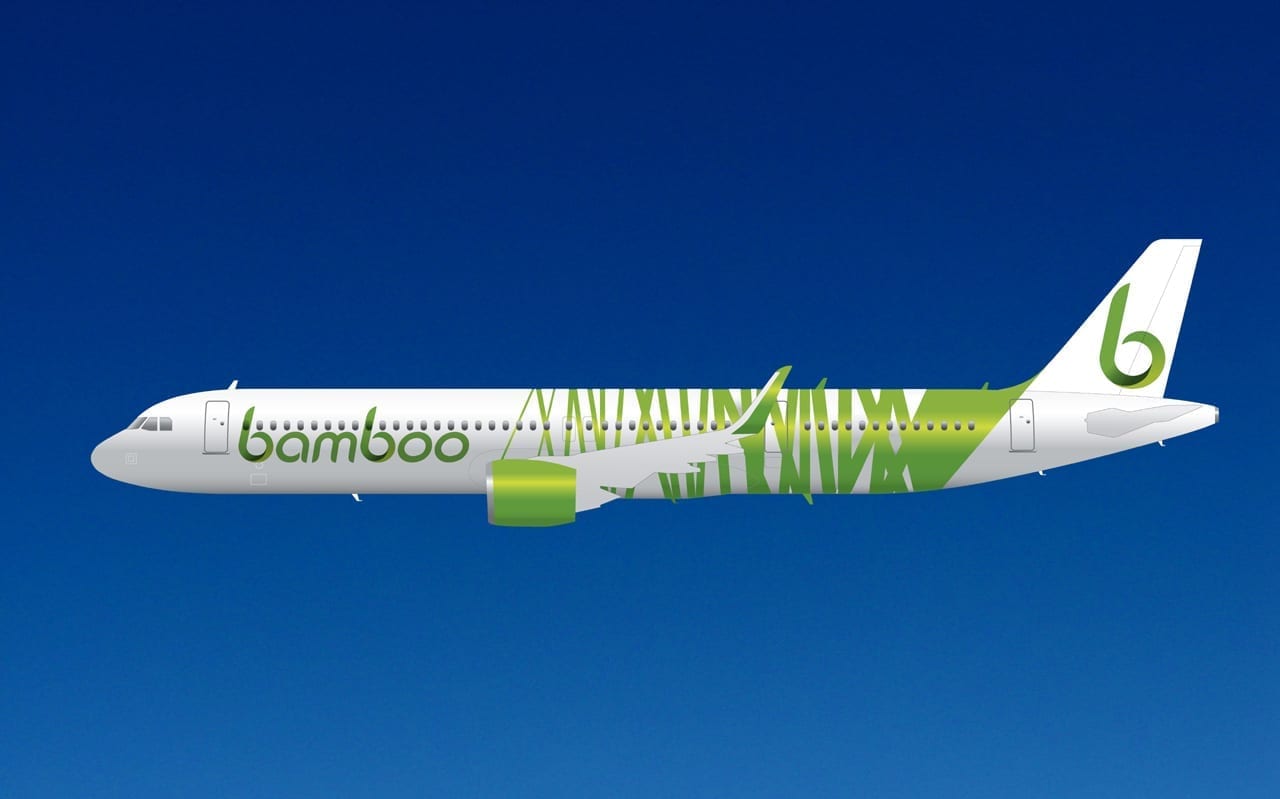
    Boeing Co (BA.N) said on Monday entered into an agreement to sell 20 of its widebody long-haul aircraft to Vietnamese startup Bamboo Airways in a $5.6 billion deal at current list prices.

    As part of the deal, which is yet to be finalized, FLC Group-owned FLC.HM Bamboo Airways has made a deposit in mid-June to reserve the 787-9 Dreamliners, whose delivery is likely to begin from April 2020, through 2021, Boeing said.

    Bamboo Airways plans to begin commercial operations next year out of Hanoi.

    FLC Group has also signed an initial agreement with Airbus SE (AIR.PA) in March for up to 24 A321neo aircraft.

  • Australian, New Zealand central banks say no plans to issue official digital currencies

    Australian, New Zealand central banks say no plans to issue official digital currencies

    The central banks of Australia and New Zealand ruled out today the notion that they would issue official cryptocurrencies anytime soon, warning the potential damage to their banking systems could outweigh the benefits.

    Tony Richards, head of the Reserve Bank of Australia’s (RBA) payments policy, said that bitcoin and other cryptocurrencies had not proven their worth as reliable stores of value or means of payment because of their volatility and vulnerability to hacking.

    “Nine years after its launch and about five years since it entered the public consciousness, bitcoin continues to have structural flaws that make it unsuitable for many uses, many of which stem from its inefficient verification process,” he said in the text of a speech given in Sydney.

    Given their low usage in Australia, cryptocurrencies were unlikely to have any significant impact on the RBA’s oversight of monetary policy and the banking system, he said.

    The RBA had no plan for the time being to adopt any new electronic form of money for households, he added.

    “Based on our interactions with our counterparts in other countries, it is also not front of mind for most other advanced economy central banks,” Richards said.

    The Reserve Bank of New Zealand (RBNZ) also said that while it was open to exploring new technology, it was unclear whether a central bank digital currency will bring conclusive benefits.

    While digital currencies could make distribution of money safer and cheaper, they could increase the likelihood of bank runs during periods of financial instability, said RBNZ deputy governor Geoff Bascand.

    That was because in times of financial stress, depositors could easily and remotely transfer large deposit holdings to a central bank digital currency, he said.

    “A breakdown in the financial system can cause enormous economic and social harm. We could not issue a digital currency if it might undermine financial stability,” Bascand said in the text of a speech at an Auckland conference.

    “The payments industry is dynamic, which is good. But the Reserve Bank must be a considered prospector in the exploration for digital currency benefits – we have New Zealand’s currency and financial system at stake.”

    Wild swings in the price of cryptocurrencies, and fears they may be used for illicit activities such as tax evasion, have drawn the attention of global policymakers.

    Finance leaders of the Group of 20 major economies agreed in March to open the door to regulating the booming industry, though they have only just started adopting individual rules due to the difficulty of agreeing on a multilateral approach.

    Most central banks are wary of embracing cryptocurrencies and say they have no plans to issue their own digital money with the exception of Sweden, where the shift away from the use of cash is significantly more advanced than in other countries.

    Bitcoin prices dropped their lowest in more than four months on Friday, continuing a downtrend driven by authorities’ measures to impose tighter regulation on cryptocurrencies.

  • Celine Dion to sell her Collection via Tmall

    Celine Dion to sell her Collection via Tmall

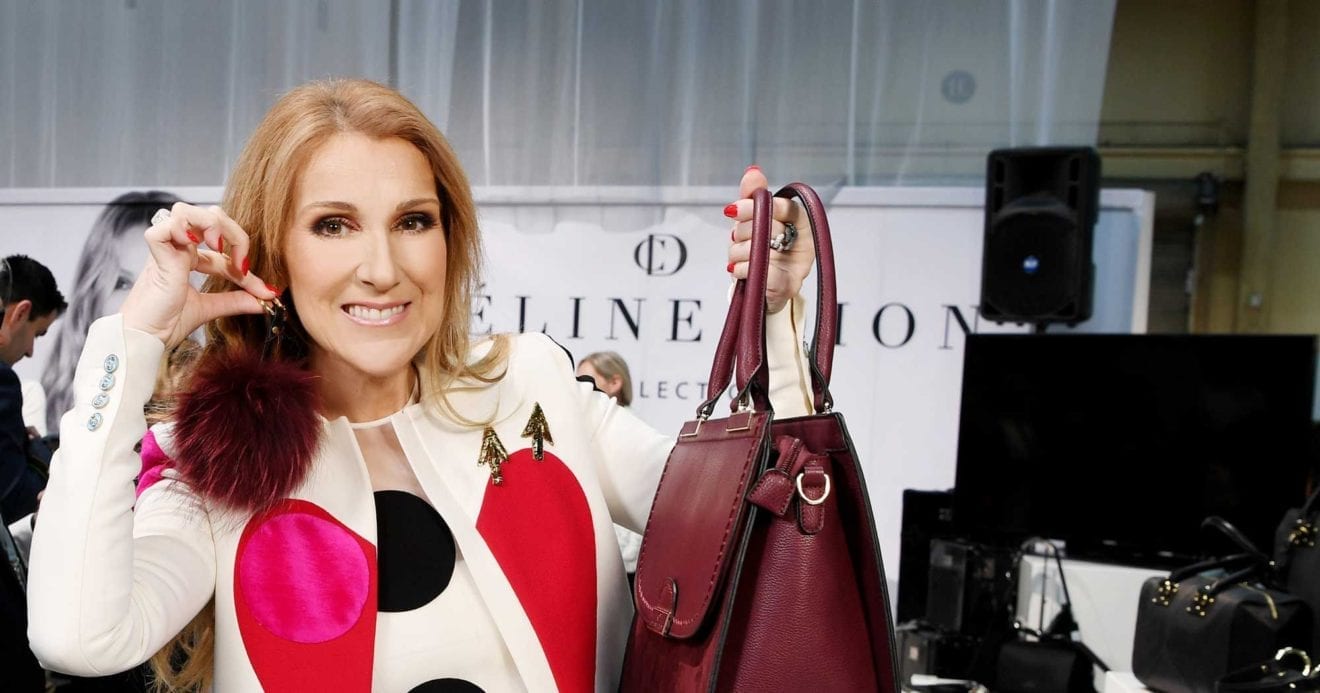
    Alibaba Group’s Tmall is now distributing the Celine Dion Collection in a new partnership with Canadian handbag, luggage and accessories manufacturer The Bugatti Group.

    The partnership will make the popular brand available to Tmall’s 500 million-plus consumers located in Mainland China, Hong Kong, Macau and Taiwan. It is the largest B2C platform in the region.

    The Bugatti Group North America CEO Andrew Hattem called the partnership “a big step to the growth of our global distribution” for the celine Dion Collection brand.

    He said China will be the largest global market for its flagship brand.

    An exclusive leather collection, “Harmonic”, was released to mark the Tmall launch.