Tag: asia

  • L’Oréal completes its Stylenanda takeover

    L’Oréal completes its Stylenanda takeover

    French cosmetics giant L’Oréal has completed its takeover of Korean fashion and makeup company Stylenanda just 50 days after it first announced that it would acquire 100 percent of the company.

    L’Oreal said on June 19 that it will operate Stylenanda separately from L’Oreal Korea’s four existing divisions.

    L’Oreal explained that it intends to encourage the creativity of Stylenanda’s fashion business and its makeup brand 3CE.

    Stylenanda’s new CEO will be Shin Ji-eun, 37, a general manager at L’Oreal Korea. Shin joined L’Oreal Korea in 2004, has worked various positions within the company in both Korea and France, and most recently worked as the general manager of marketing operations in Indonesia, one of the key emerging markets to the company.

    Kim So-hee, 35, the founder and former CEO of Stylenanda, will serve as its chief creative executive. “Kim will continue to contribute to the success of Stylenanda by providing major input in both the fashion and makeup divisions of the brand, “ said a L’Oreal official.

    L’Oréal did not disclose the exact amount it paid to take over 100 percent of the fashion brand, but considering that Stylenanda originally planned to sell 70 percent of its shares for 400 billion won (US$361 million), industry sources estimate the company was sold for between 570 billion won and 600 billion won.

    L’Oréal’s focus in acquiring Stylenanda was its makeup brand 3CE. Although Stylenanda started out as a clothing business in 2004, ever since it launched 3CE in 2009, makeup has propelled the brand’s growth. 3CE is popular both domestically and in China and Southeast Asia, and makeup products now account for 70 percent of Stylenanda’s total sales. L’Oréal believes that it can effectively target Asian markets, including China, using 3CE.

    Unilever bought Carver Korea, which owns the Korean cosmetics brand AHC, for 3 trillion won last year for a similar reason. L’Oreal, which has been criticized for its relatively poor competitiveness in makeup relative to skincare, is planning to solidify its position in color cosmetics through 3CE.

    The beauty industry has high expectations for growth in the Asian cosmetics market. The Asian makeup market is expected to account for more than 30 percent of the global makeup market in the future, and the Chinese market, particularly, has huge growth potential.

    According to Euromonitor, a global market research provider, the Chinese color cosmetics market is expected to reach 6.6 billion dollars in 2020. Between 2013 and 2016, its average annual growth was 11.3 percent, higher than the global color cosmetics market average of 6 percent.

    L’Oréal anticipates that if it sells 3CE products through its current distribution networks, it will be able to increase its influence in Asia as well as the North American and European markets.

    L’Oréal’s also hopes the acquisition will help boost its brand image, as 3CE’s main customer base is Asian millennials.

  • China, Japan and Korea enter 5G alliance

    China, Japan and Korea enter 5G alliance

    The ICT ministers of South Korea, Japan and China have jointly agreed to collaborate on the standardization of 5G technology.

    Korean minister for science and ICT Yoo Young-min, Chinese minister for industry and information technology Miao Wei and Japanese minister for internal affairs and communications Yoo Young-min convened last week to discuss ways to promote cooperation in communications policies and regulations.

    The meeting marked the first ministerial meeting between the three countries in seven years, and the sixth overall.

    The ministers agreed to collaborate on accelerating the commercialization of 5G technology, reducing roaming fees between the three countries and facilitating the deployment of 5G and other advanced technologies for the 2020 Summer Olympics in Tokyo and the 2022 Winter Olympics in Beijing.

    At the summit, more than 200 government and business leaders from the three countries also agreed to cooperate on the development of emerging technologies including 5G, IoT and AI.

    Meanwhile Korea’s ICT ministry has set today as the deadline for applications to participate in South Korea’s first 5G auction.

    The nation’s three mobile operators SK Telecom, KT and LG Uplus are expected to all apply to participate in the auction, which is scheduled to commence next Friday. Spectrum in both the 3.5-GHz and 28-GHz bands will be put on the block.

  • Castore to open in Hong Kong soon

    Castore to open in Hong Kong soon

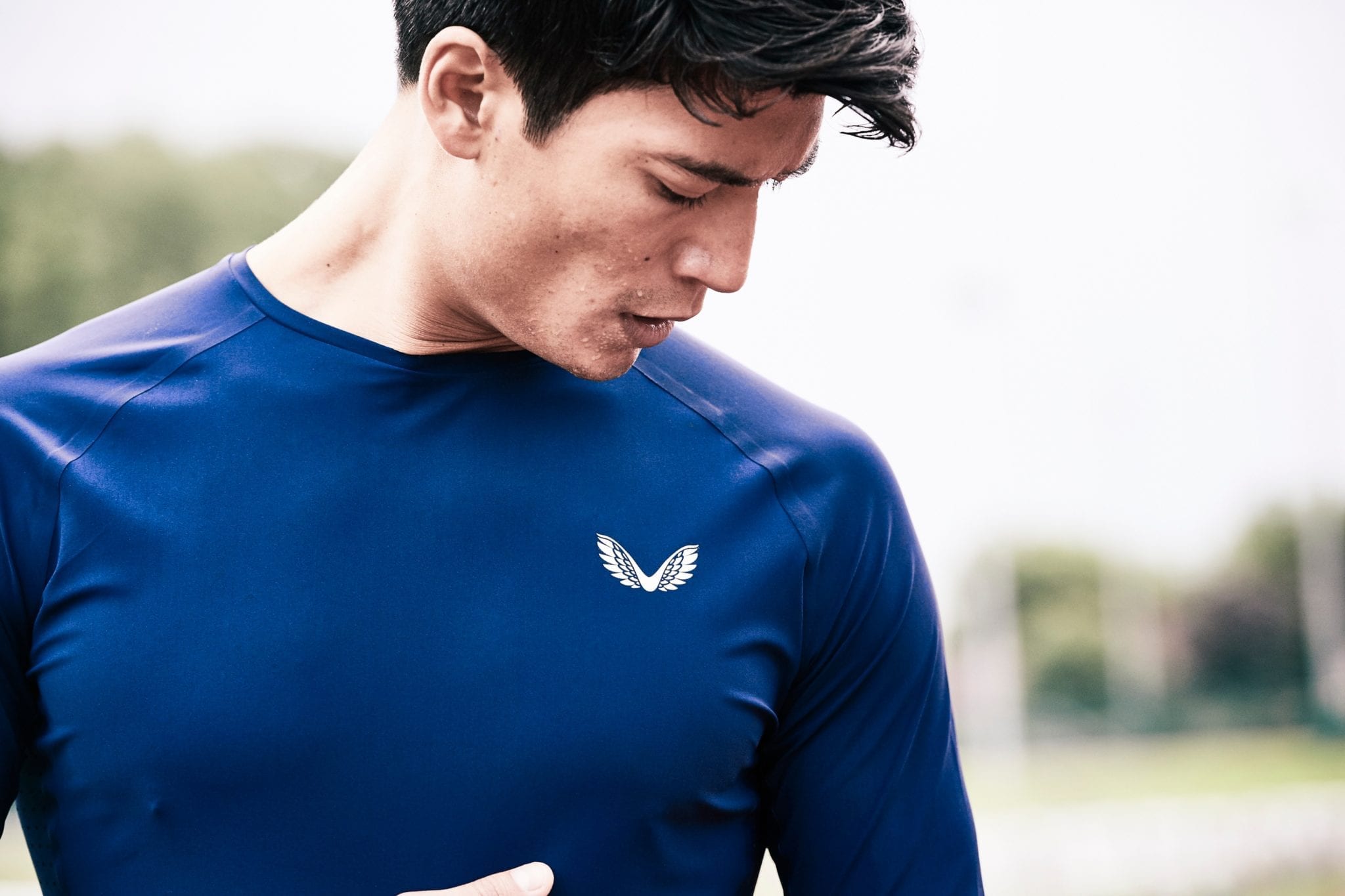
    Private investors have contributed £3.2 million to Chester, UK-based sportswear brand Castore to support its expansion into Asia and the US.

    The firm’s co-founders – brothers and former pro athletes Tom and Phil Beahon – plan to use the funds to set up a dedicated Asia website, and are in the early stages of planning their first store in Hong Kong.

    Among the investors are Robert Senior (formerly head of Saatchi & Saatchi), Arnaud Massenet (previously husband of Natalie Massenet, founder of Net-A-Porter), and Tom Singh (founder of New Look).

    Castore’s mission is to build “the lightest, most durable, highest-performing sportswear in the market,” achieved through testing products in competitive environments.

    “All our garments have been tested on elite athletes to ensure they excel at the highest level, worn for 100 consecutive days before being approved for full production,” the company explains on its website.

  • Palm falls on weak export demand

    Palm falls on weak export demand

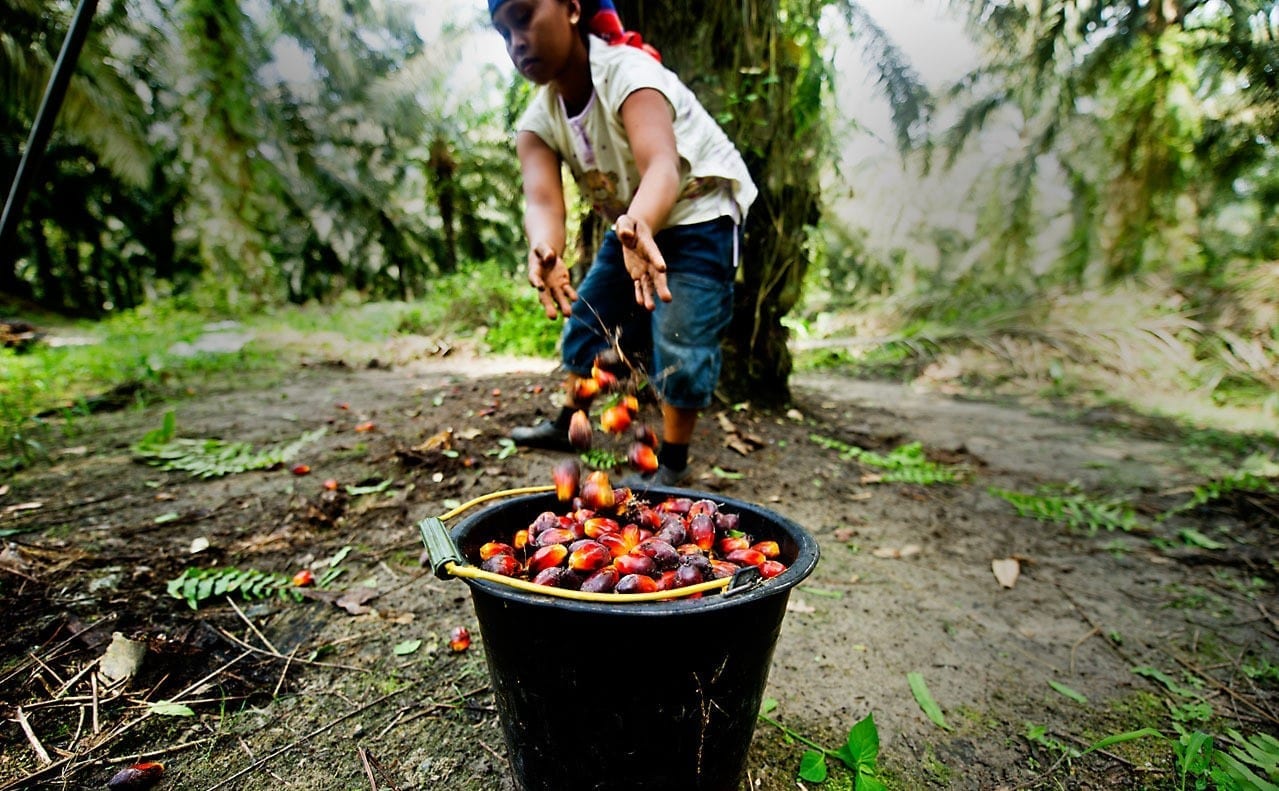
    Malaysian palm oil futures fell at the midday break today, as weak export demand and losses in US soyoil weighed.

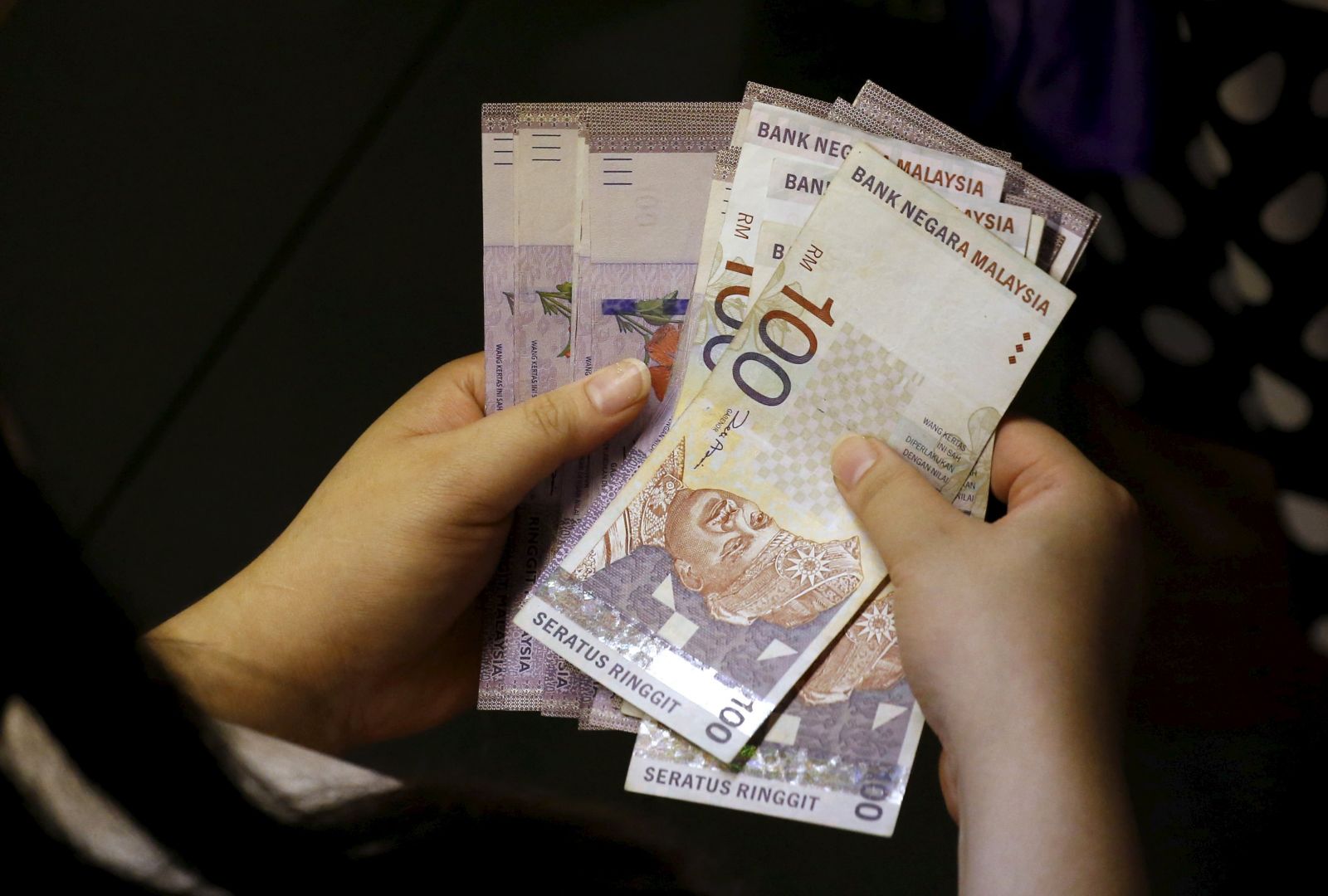
    The benchmark palm oil contract for September delivery on the Bursa Malaysia Derivatives Exchange was down 0.8% at RM2,266 per tonne, its sharpest intraday loss since June 19.

    Palm gained in the previous session, snapping four consecutive days of losses. It is down nearly 7% so far this month.

    Trading volumes stood at 19,531 lots of 25 tonnes each at noon.

    “The market is lacking demand, this is the primary cause of price declines,” said a Kuala Lumpur based trader.

    “Exports have been bad since the export tax was reinstated, and Indonesian prices are more competitive than ours,” added the trader, referring to Malaysia’s tax on crude palm oil exports.

    Malaysia resumed export taxes on crude palm oil in May, after suspending it for four months at the start of the year to increase demand and boost prices. It announced a 5% rate for the month of July.

    Exports of palm oil and related products from the world’s second largest producer declined 12.5% from June 1-25, reported inspection company AmSpec Agri Malaysia today, versus the corresponding period in May.

    Palm’s decline could also be due to weakness in US soyoil on the Chicago Board Of Trade, another trader said. The Chicago July soybean oil contract was last down 0.2% today.

  • Go-Jek to launch ride-hailing services in Vietnam

    Go-Jek to launch ride-hailing services in Vietnam

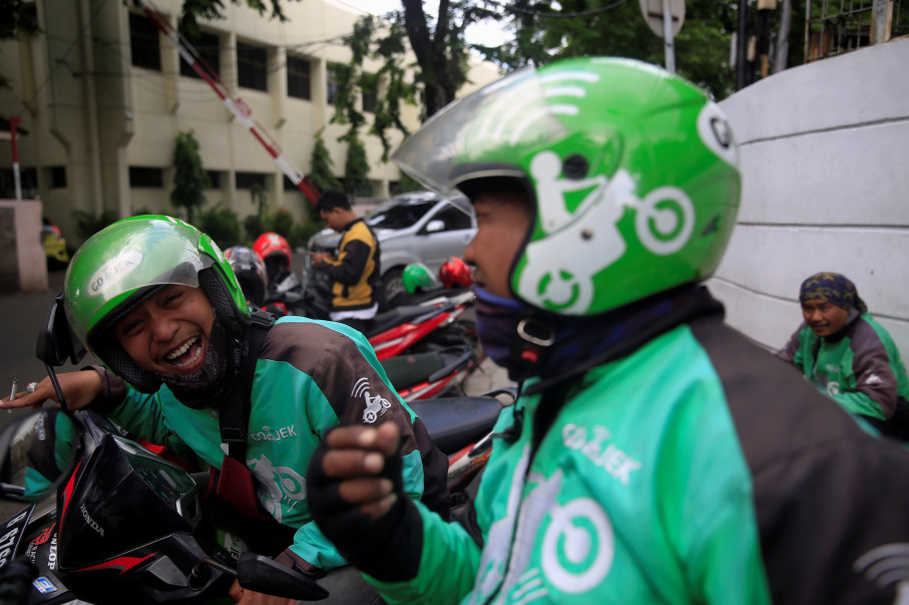
    Indonesian ride-hailing app Go-Jek will officially launch in Vietnam this July under the brand name of Go-Viet.

    The firm will be run by a group of Vietnamese managers.

    Go-Jek will provide Go-Viet with financial and technological backing, as well managerial inputs.

    “We believe that these in-country teams have the knowledge and experience to make the businesses in Vietnam a huge success,” said Nadiem Makarim, Go-Jek CEO and founder.

    He said local teams will have in-depth knowledge and expertise to operate in Vietnamese market.

    The app would first offer ride-hailing and on-demand logistics services to customers in HCMC before expanding to other cities and provinces with food delivery and other services.

    The launch of Go-Viet in Vietnam is part of Go-Jek’s plan to expand to Southeast Asian markets, including Vietnam, Thailand, Singapore and Philippines.

    Founded in 2010, Go-Jek has raised over $1.5 billion from investors like Google and China’s Tencent Holdings.

    Starting out as a phone-based motorbike ride-hailing app, Go-Jek is now a digital platform which offers transportation, logistics and delivery services.

    Go-Jek isn’t the only firm vying for a spot in Vietnam’s transport market. Singapore based blockchain-powered ride-hailing app MVL is also on the verge of entering.

    Ever since Uber left Vietnam in April, Grab has dominated the local market, and authorities are investigating possible breaches of anti-trust laws.

  • Vietnam’s Vinalines to go public in September

    Vietnam’s Vinalines to go public in September

    Vietnam’s largest shipping firm and port operator has been given the go-ahead by the Prime Minister to hold its initial public offering (IPO) later this year.

    The equitization plan of State-owned Vinalines, or Vietnam National Shipping Lines, is a combination of divestment and share issuance.

    Nguyen Canh Tinh, acting general director of Vinalines, said the company will auction more than 280 million shares, equal to 20 percent of its total chartered capital of VND14.04 trillion ($616.6 million), on the Hanoi Stock Exchange in September. The shares will carry the code VLG.

    Around 207 million shares, or 14 percent of the capital after equitization, will be offered to strategic investors, and another 2 percent stake earmarked for employees and the trade union as preferred shares.

    The State will retain a 65 percent stake in the company, equal to nearly 913 million shares.

    Vinalines has been in talks with several investment funds, and some multinational companies and shipping firms from Japan, Thailand and South Korea about the share sale. South Korean automaker Hyundai Motor has expressed its interest in buying Vinalines shares.

    Vinalines, under the management of the Ministry of Transport, engages in shipping, port management and maritime service, and logistics activities in Vietnam and international markets.

    It posted a consolidated revenue of VND16 trillion in 2017, beating its annual target by 15 percent, resulting in a net profit of VND515 billion. Of that revenue, over VND4.4 trillion came from port services and VND7.1 trillion from transport services.

    Its assets were valued at more than VND18 trillion last year.

  • Aeon Cambodia opens second mall, plans the third

    Aeon Cambodia opens second mall, plans the third

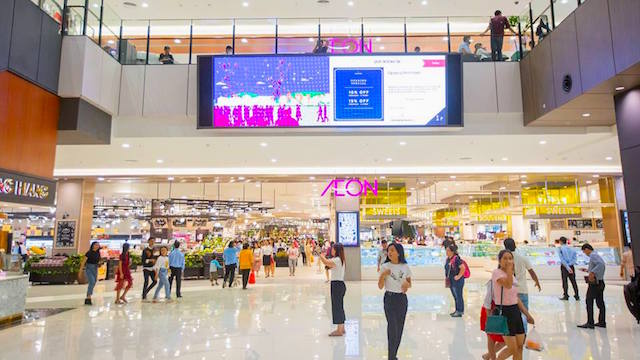
    Japanese retailer and mall operator Aeon has opened Cambodia’s largest shopping mall in Phnom Penh.

    It is the second Aeon Mall to open in the Cambodian capital.

    MD Seiichi Chiba said at the opening that Aeon Cambodia’s first Phnom Penh mall has been well-received by Cambodian shoppers, attracting more than 18 million people since opening in 2014, prompting the development of the second mall.

    While the new property has been constructed in a relatively low-priced location, its larger scale has involved similar building costs to the city’s first Aeon, which reportedly cost around US$205 million. Sources close to Chiba have disclosed that Aeon Cambodia may have been scouting for further potential sites for a third mall that could be built in the city’s southern districts.

    In July last year, market research firm Euromonitor named Aeon Group the best-performing APEC retailer in terms of total sales, number of outlets, sales area and sales per square metres.

  • YouTube hires Derek Blasberg

    YouTube hires Derek Blasberg

    YouTube is forming a new division dedicated to fashion and beauty content partnerships, led by Derek Blasberg.

    The appointment comes less than a week after Instagram launched its long-form video app, IGTV, in a clear bid to compete with the Google-owned platform.

    Blasberg will be based in New York and report to a team led by YouTube’s Kelly Merryman, vice president of content partnerships. He is tasked with cultivating relationships with brands and high-profile people in the industry so that they will use the platform more often, more effectively and build audiences there.

    Merryman’s team has similar divisions dedicated to news, sports, television, gaming and other categories and had been looking for the right person to lead its fashion and beauty industry relationships. A different division at YouTube will continue to focus on fashion and beauty influencers who built their followings on the platform.

    Instagram hired Eva Chen, the former editor-in-chief of Lucky Magazine, in 2015 to play a similar role as head of fashion partnerships at Instagram. Since then, the platform has deepened its connection with the fashion and beauty sectors by working with designers, brands, stylists, makeup artists and influencers to ensure they get the most out of Instagram. Chen’s team assists in creating content and helps these industry players engage with their audiences.

    With Blasberg, YouTube has found a popular, well-connected frontman to court fashion and beauty leaders. A former columnist and editor for Style.com, Harper’s Bazaar and other fashion and lifestyle publications for over a decade, Blasberg is leaving his role as the host of CNN Style on CNN International after two years and heading to YouTube full time. He will retain a role as a contributing editor at Condé Nast’s Vanity Fair, where he was appointed the title of Our Man on the Street in 2015.

    “I am looking forward to bridging the world of YouTube creators with the global style and beauty industries in this newly created role and department,” said Blasberg in a statement.

    Blasberg is a smart hire, but he has his work cut out for him. Instagram has an outsized influence in the highly visual fashion world. The platform and its fashion partnerships team have become an active part of the industry scene, most recently sponsoring a table at the Met Gala and supporting tentpole events like the CFDA Awards by installing and running Instagram-friendly photo sets. With the launch of IGTV, brands and influencers have a new outlet for vertically aligned videos for up to one hour in length, edging closer to something more typically found on YouTube.

    “Vertical video is ideal for fashion and it’s a format that younger audiences are really comfortable with,” said Jim O’Neill, principal analyst at Ooyala, a video and analytics technology company. “The whole idea of up to an hour-long option is potentially really big for Instagram influencers, more so than even brands.”

    YouTube has some advantages, including a larger user base — 1.8 billion unique monthly visitors to Instagram’s 1 billion — who are already trained to search for videos on the platform. On YouTube, Chanel has 1.1 million subscribers; a recent campaign video for its Bleu de Chanel Parfum was seen 3.8 million times. On Instagram, where the house has 28.5 million followers, the same commercial was viewed 250,000 times in the feed post format.

    “In this newly created role, Derek will collaborate with our incredible creators and diverse portfolio of brands to achieve even more success,” said Merryman in a statement.

    YouTube already has some fashion trailblazers: model Karlie Kloss launched her own channel, Klossy, in 2015 and now has over 700,000 subscribers. She recently released a series sponsored by Ford as part of a partnership with her nonprofit Kode with Klossy, that features her interviewing trailblazers in science and technology.

  • Audi CEO Stadler faces at least another week in jail

    Audi CEO Stadler faces at least another week in jail

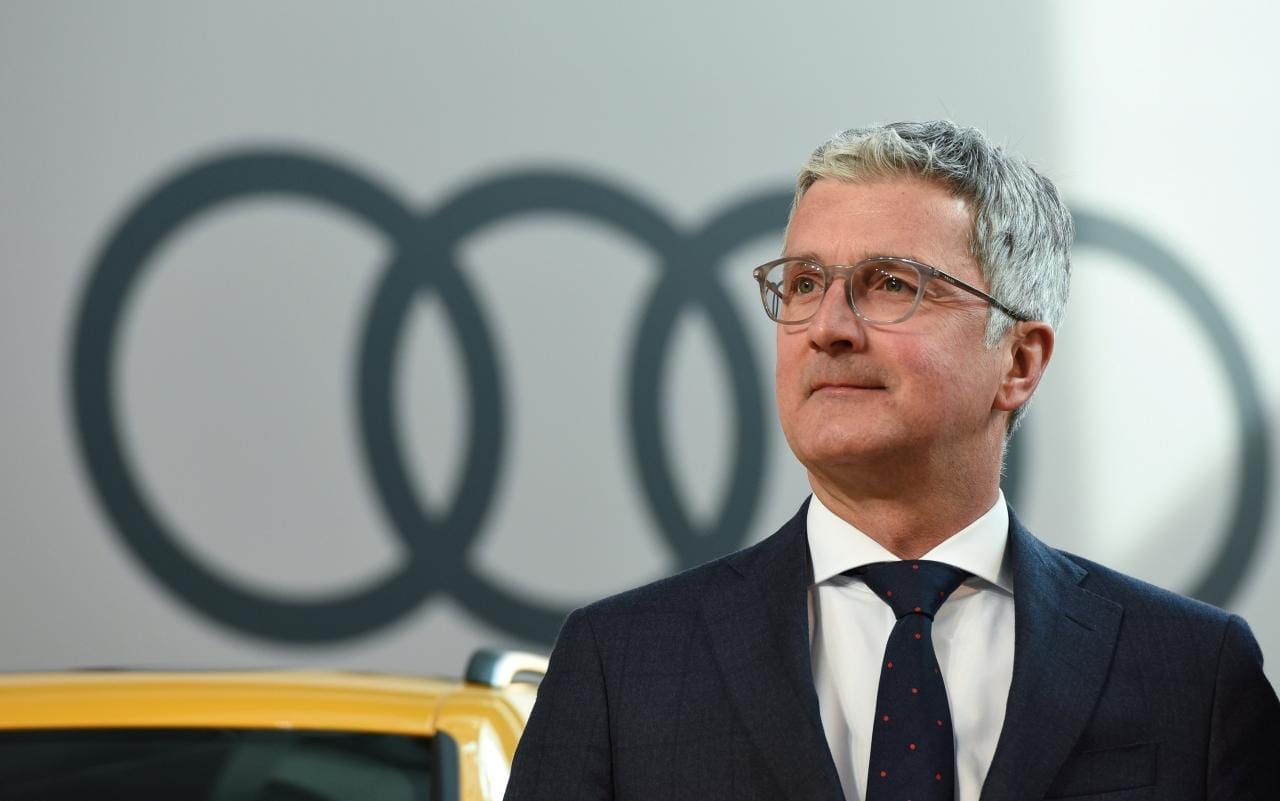
    Suspended Audi CEO Rupert Stadler is facing at least another week in custody after agreeing to additional questioning by prosecutors over his role in the diesel emissions scandal.

    His defense attorneys and investigators scheduled meetings for next week, Karin Jung, spokeswoman for Munich prosecutors said in an interview. He will remain in custody for now.

    Stadler, who became a suspect in the probe at the end of May, was arrested a week ago. He was first questioned June 20, but the interviews were adjourned to allow his lawyers to assess the evidence before deciding whether to resume talks.

    In his first interrogation, prosecutors had quizzed Stadler over the fraud allegations against him and their suspicions — from a wire tapped phone call — that he threatened to suspend an Audi employee who had testified in the criminal probe, two people familiar with the case have said.

    The arrest of the 55-year-old marks the highest-profile detention since Volkswagen Group’s cheating scandal erupted when the automaker admitted to rigging 11 million vehicles globally to bypass emissions tests. Volkswagen has rejected claims that top executives including Stadler were aware of the criminal scheme that stretched over nearly a decade.

  • Balabala debuts in Hong Kong

    Balabala debuts in Hong Kong

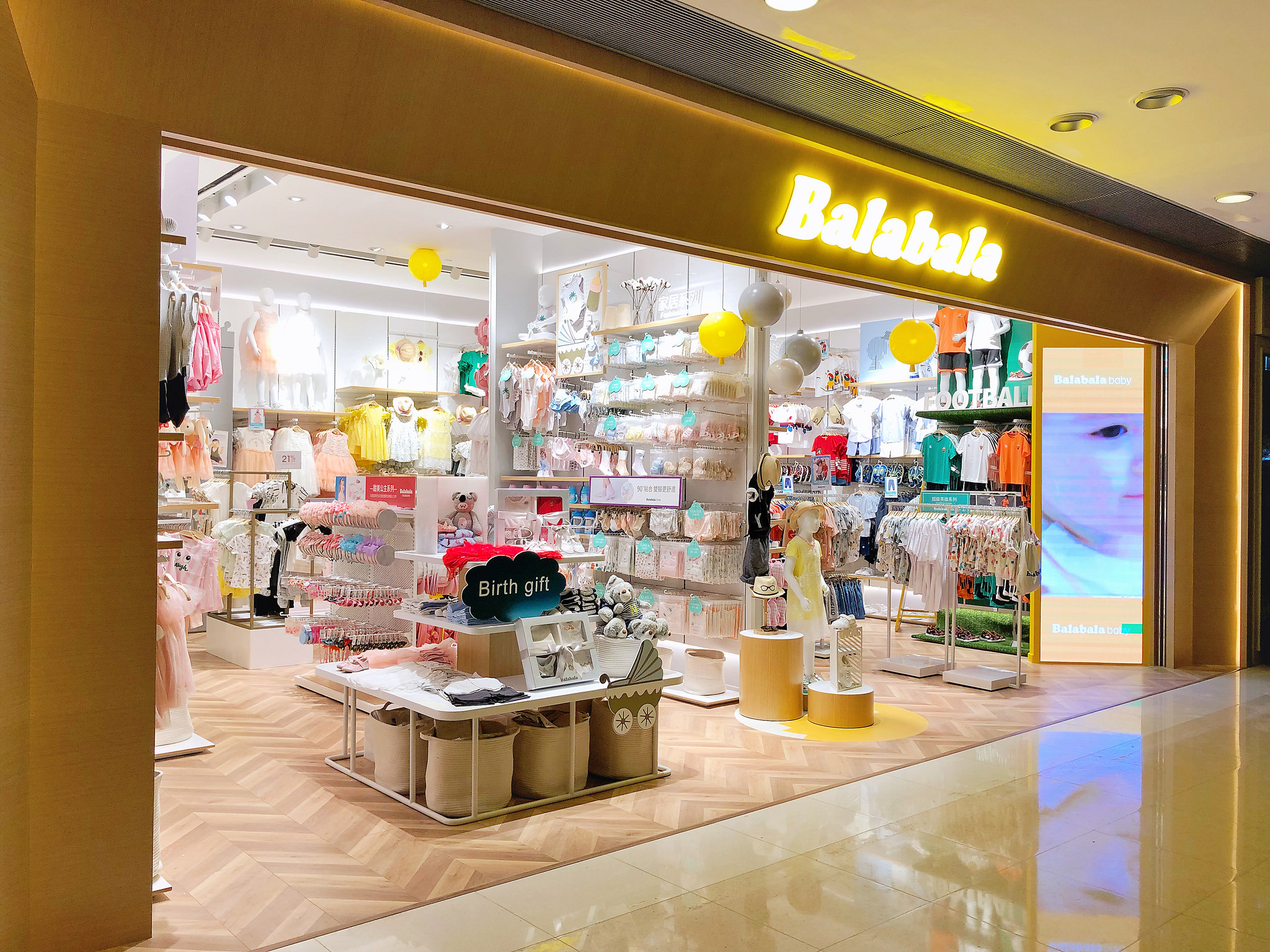
    Chinese children’s apparel brand Balabala has opened its first store in Hong Kong.

    A niche brand operating under Chinese fashion firm Zhejiang Semir Garment Co, Balabala’s Kowloon location will retail casual kidswear for all ages.

    Leeky Li, deputy GM of Semir International Group (HK), described the move as an opportunity to bring the company to the world stage.

    “Hong Kong is an international and well-developed city offering an ideal platform for us to enter the global market,” she said. “The retail market here is also very established, which means a lot of convenience for us when we set up and grow from here.”

    She also noted that the Hong Kong branch will serve as a major bridge and contact point to execute the firm’s global expansion plan in terms of acquisition, joint venture and overseas franchising.

    “The city is also a key sourcing centre for our group. Therefore, Hong Kong offers us numerous strategic advantages,” she said.

  • Analyst cuts core earnings growth forecast for banking sector

    Analyst cuts core earnings growth forecast for banking sector

    AmInvestment Bank has cut the banking sector’s core earnings growth forecast to 7.6% from 9.2% after lowering expectations for banks’ non-interest income.

    The earnings growth will be contributed by an increase in revenue and improvement in operating expenses. Last year, banks’ core earnings grew 10.6%.

    Non-interest income is now expected to be more challenging than earlier expected, due to softer capital market activities, with IPOs and capital raising in the equity market likely to remain slow.

    AmInvestment Bank, which has reiterated its “overweight” call on the banking sector, is maintaining the loan growth expectation of 5% for the Malaysian banking industry supported by a gross domestic product growth of 5.5%. Domestic demand and improvement in external trade remain the drivers of economic growth.

    Banks registered slower loan growth in Q1’18, dampened by the slower pace of overseas loans even though domestic loan growth was above the industry rate.

    AmInvestment Bank expects loan growth of banks to improve in H2’18 underpinned by a pickup in consumer loans.

    “A stronger consumer spending is anticipated in the short-term period between the implementation of zero-rated GST and reintroduction of SST. We expect business loan growth to also improve, supported by the absence of large corporate loan repayments and a non-repeat of the forex translation impact seen in Q1’18.”

    The research house also noted that loans to the manufacturing, wholesale and retail sectors, benefiting from the improvement in consumer spending, are anticipated to be stronger compared with loans to the construction and construction-related sectors. This is in view of the fact that several major infrastructure projects have been terminated while some are under review.

    Net interest margin-wise (NIM), AmInvestment Bank anticipates it to taper off in H1’18 from Q1’18, which was boosted by an Overnight Policy Rate (OPR) hike of 25 basis points last January. NIM is projected to only expand two basis points (bps) this year against a projection of a three bps increase previously.

    “The lagged repricing of banks’ deposit rates adjusting to the increase in OPR coupled with keener competition for deposits compared to H1’18 as the sector moves closer towards the implementation of net stable funding ratio (NSFR) will be the contributing factors.”

    “Also, the tapering of margin is also expected to be partly attributed to pressures on the asset yield of banks’ subsidiaries in Indonesia (Maybank Indonesia and CIMB Niaga).”

    AmInvestment Bank believes the OPR will be maintained at 3.25% in H2’18, based on the headline inflation, which is still expected to be low, thus sustaining a positive real interest rate.

  • Telstra launches mobile satellite small cell

    Telstra launches mobile satellite small cell

    Australia’s Telstra has launched a new offering providing satellite-based small cell solutions for remote areas, and has signed on the first customer for the service.

    The Mobile Satellite Small Cell product offering is designed to provide most of the benefits of Telstra’s LTE-Advanced services at a lower cost.

    People and organizations in remote areas will be able to use the service to extend coverage in underserved remote areas.

    According to Telstra, the service can support voice, email, messaging and internet browsing but is not intended to support data-heavy applications such as video streaming or calling.

    The operator is targeting the offering at local councils, tourist attractions, agricultural businesses and other organizations seeking to extend coverage where none exists.

    Telstra aims to sell up to 500 satellite small cells over the next three years after having tested the technology for the last 12 months. The first two small cells will be deployed for Queensland’s Winton Shire Council.

    “The Telstra 4GX-lite Mobile Satellite Small Cell is a way to bridge the gap between what customers want and what is financially viable. This solution gives consumers, businesses and local councils more control over where they can get mobile coverage, making them part of the decision making process,” Telstra group managing director for networks Mike Wright said.

    “We’ll continue to look for innovative ways to expand our network across the country so that all Australians can have access to the latest technology and stay connected to the things they love.”

  • WHO backs Vietnam’s new tax proposal on sugary drinks

    WHO backs Vietnam’s new tax proposal on sugary drinks

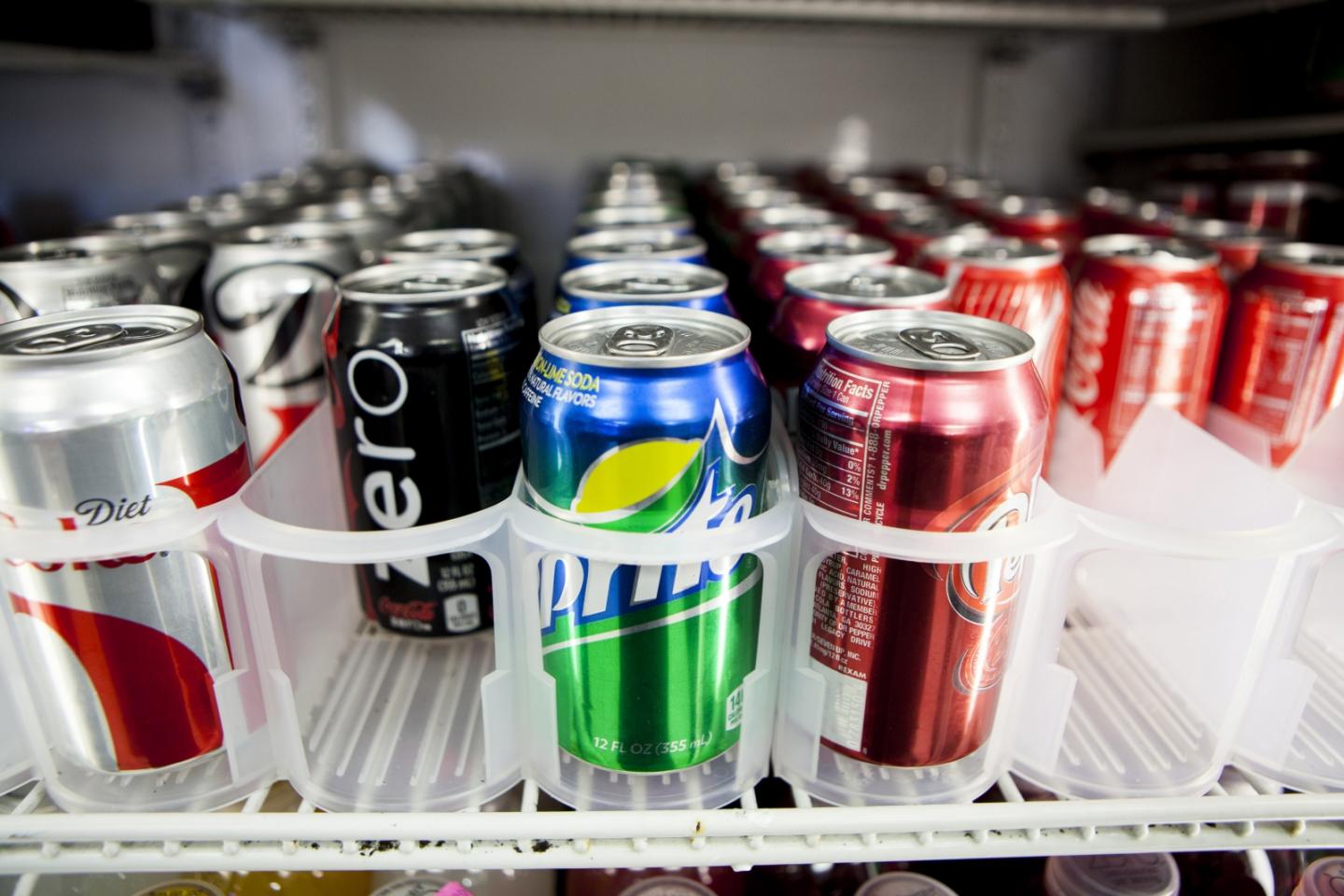
    World Health Organization (WHO) experts have expressed strong support for a new tax on sugary drinks proposed by the Ministry of Finance.

    The proposal, which will go into effect in 2019 if passed, will impose a 10 percent special consumption tax on different type of beverages, including sweetened drinks.

    While the tax aims to prompt a shift from unhealthy consumption habits, it has been criticized by business representatives and experts who say the industry is already taxed heavily.

    The tax proposal comes in the wake of Vietnam being put on high alert over its consumption of sugary drinks, which has skyrocketed over the last 15 years.

    The WHO noted that a fourth of Vietnam’s population was already obese or overweight.

    Guilermo Paraje, a WHO consultant, said the 10 percent special consumption tax will increase the average price of sweetened drinks in the Vietnamese market by 5 percent, and provide a VND4 trillion ($173.9 million) boost to the state budget.

    He further suggested three tax proposals that would increase the tax contribution to VND12 trillion – one liter of sweetened beverages will be taxed VND3,500; VND35 per gram of sugar in every 100 milliliters of a drink; or a 40 percent tax on factory price. All three options will increase average soda prices by 20 percent.

    “People will substitute sugary drinks with water or other products, leading to alternative jobs. The industry has also experienced industrialization so there are not many job opportunities in this sector,” Paraje said.

    Dr. Jun Nakagawa, WHO representative in Vietnam, said excessive consumption of sugar was the leading cause of overweight and obesity, which are linked to many health risks such as diabetes, heart disease and gout.

    Vietnam has added sugary drinks to the list of items to be placed under stricter control and tax regulations, along with cigarettes and alcohol.

    The government has banned the sale of soft drinks in all school canteens across Vietnam.

    Truong Tuyet Mai, deputy director of the National Institute of Nutrition, said that Vietnamese people are forecast to consume over 5 billion liters of sweetened drinks in 2018, nine times more than in 2000, and the figure is estimated to reach 11 billion by 2025.

    The new 10 percent special consumption tax would also accrue to other beverages, including carbonated or non-carbonated soft drinks, juices, flavored water, energy drinks, instant tea, pre-packed coffee and flavored milk.

  • International chain of sushi restaurants will arrive in Singapore

    International chain of sushi restaurants will arrive in Singapore

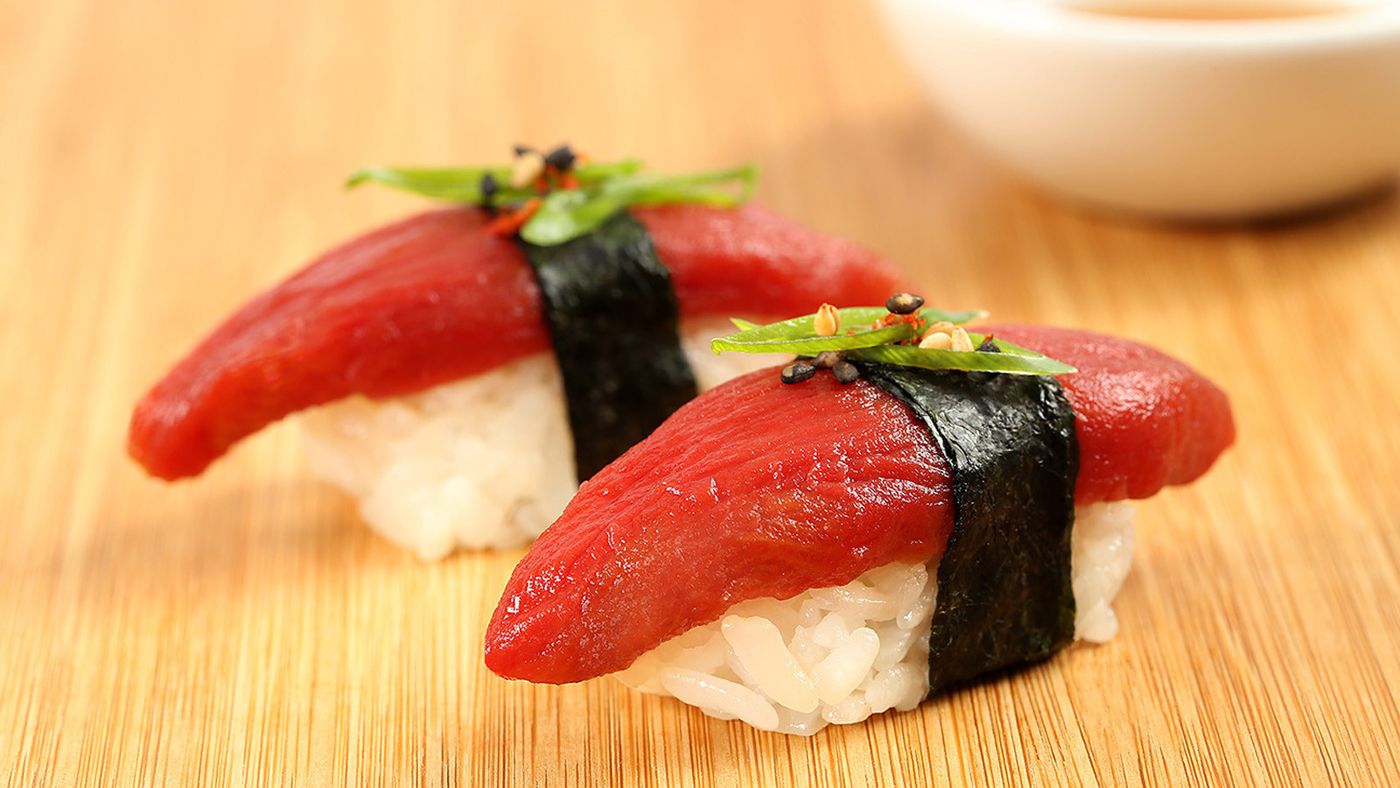
    Singapore-listed brand management company LifeBrandz has created a subsidiary to launch a chain of sushi restaurants internationally.

    Cloud Eight will open sushi venues led by Japanese chef Hatch Hashida, son of master chef Tokyo Hashida from one of Japan’s legendary sushi restaurants Hashida Sushi.

    LifeBrandz says new restaurants will be opened in Singapore, Tokyo and San Francisco “in near future”.

    “Chef Hashida strives and takes great pleasures in bringing his food to a global standard and recognition,” said a Lifebrandz spokesperson.

    “He has more than two decades of experience not only in Japan, but across several countries, including Singapore, the US, the UAE, Indonesia and Sri Lanka.”

    LifeBrandz was established in 2001 and listed on SGX in 2004, last year transitioning into a services company covering brand development and management, food and beverage, travel, fintech, IT and fund management.

    The company’s first foray into food and beverage was Mulligans, an Irish bar on the beachfront of Thai tourist destination Pattaya.

  • Merchandise from K-pop is popular with Chinese

    Merchandise from K-pop is popular with Chinese

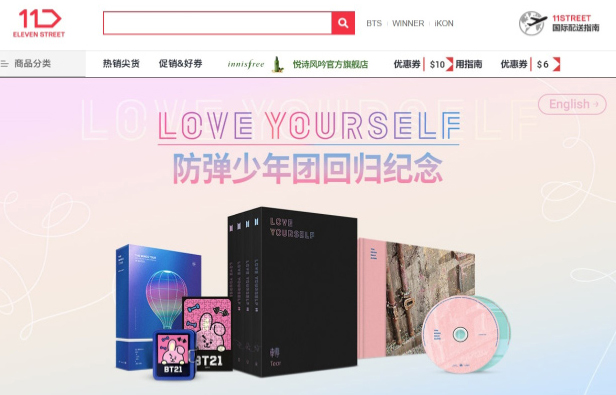
    K-pop merchandise is selling well on e-commerce platform 11st’s global website, boosted by fans from the greater China region, which account for 43 percent of the products’ sales.

    According to figures for the first five months of the year, 43.2 percent of customers for K-pop merchandise online are from China, Hong Kong, Macau and Taiwan.

    A large part of that demand – 30.7 percent – came from Taiwan, which was the No. 1 destination for goods bought on 11st. Japan was second place (10.8 percent), followed by the United States (10.6 percent), China (6.6 percent) and Hong Kong (6.2 percent).

    “Until last year, cosmetics and beauty products were the majority of items bought by foreign customers on our website,” said a spokeswoman for 11st. “But recently revenue from idol-related products, apart from CDs, has started to account for a significant proportion of our sales.”

    The company just started this year to launch promotion and marketing events to sell K-pop merchandise in partnerships with domestic entertainment companies.

    11st sold K-pop merchandise to 60 countries worldwide that included South America, Europe, Middle East and Africa.

    Taiwanese customers had a big preference for merchandise featuring Super Junior, SHINee, TVXQ, Blackpink, iKON and GOT7, while Japanese were keen on merchandise related to Eun Ji-won, a member of Korea’s first-generation idol group SechsKies.