Tag: asia

  • Chanel opens Kuala Lumpur pop-up

    Chanel opens Kuala Lumpur pop-up

    French luxury label Chanel has opened a pop-up store in Kuala Lumpur this month, as its KL flagship location undergoes renovations for relaunch in late 2018.

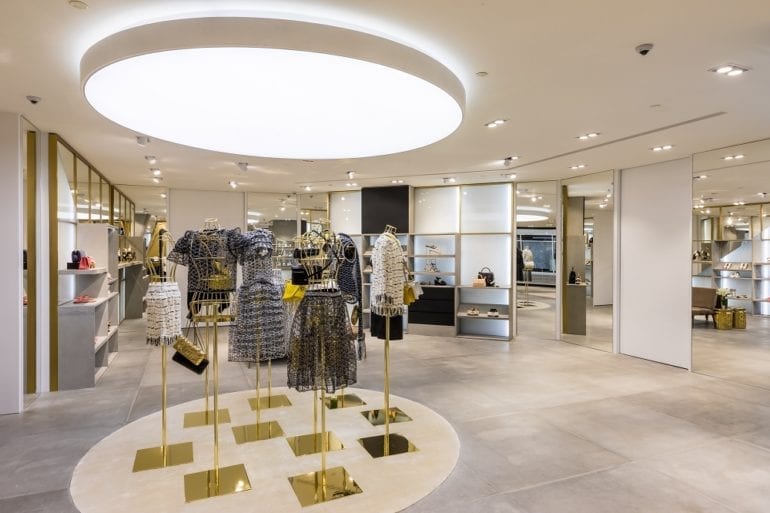
    Located in Suria KLCC, the 400 square-metre temporary store stocks Chanel’s range of product, including its spring/summer 2018 collection featuring opulent fashion, accessories and shoes.

    The pop-up is also home to the recently launched Métiers d’art Paris-Hamburg 2017/18 collection that showcases the exquisite craftsmanship of the fashion house’s Maisons d’art.

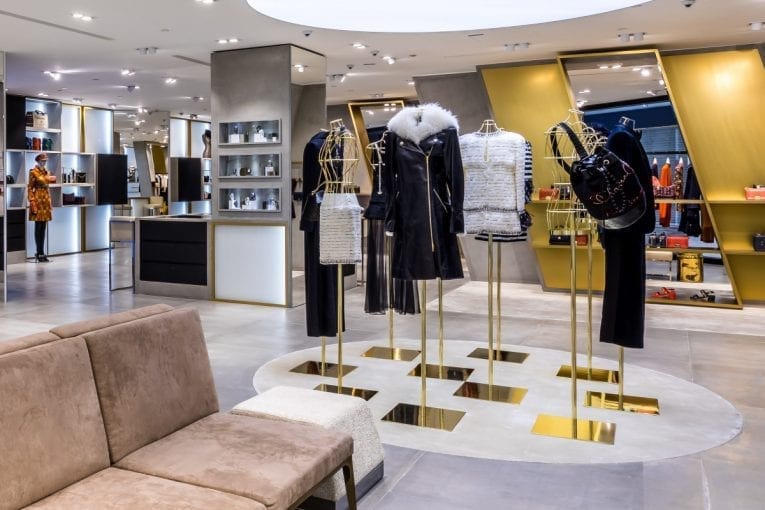
    The store has been designed in the je ne sais quoi elegance known to the Parisian house, found in the minimalist colour palette of beige, cream and tan, spotted with more graphic décor like dark gold fixtures and concrete modules.

    Key retail fixtures include a vast handbag wall, with the grid-ish shelves girded by neon tubes of light, and licked by champagne gold trim. A modular outlay showcases the latest shoes and then, in a separate area, there’s a place for customers to find the costume jewellery.

    Finally, concrete displays hoist Chanel’s ready-to-wear, including textural tailoring and more flowing pieces.

    A VIP dressing room and bespoke furniture are designed to make the customers shop in comfort and at their leisure.

    In April this year, Chanel successfully bowed an arcade-inspired beauty pop-up store in Kuala Lumpur. Dubbed “Coco Game Center”, the event encouraged shoppers to experiment with endless makeup and beauty products. Now closed, it ran from 8 April  to 13 May.

    More recently, Chanel released full year earnings for the first time. The label posted revenues of $9.62 billion for 2017, an 11 percent rise from a year earlier at constant currencies, helped like its peers by a strong performance in Asia Pacific especially, where sales grew 16.5 percent.

    Profit rose 18.5 percent from a year earlier to $1.79 billion.

  • SF Express Entering New Retail with Shop in Chongqing

    SF Express Entering New Retail with Shop in Chongqing

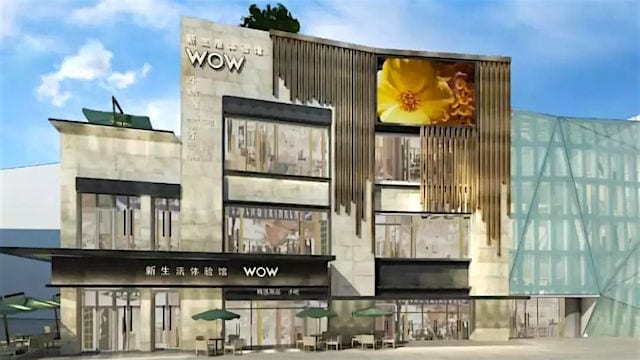
    Chinese courier firm SF Express has opened its first New Retail store in Chongqing.

    The 3000sqm four-level “Wow Global Specialty Products Shop” is now the largest site in the city using the cross-border New Retail model, a mode of selling that involves data analytics and omni-channel technologies to effect an online/offline crossover. Chongqing is among the first cities slated for testing cross-border e-commerce trade by the Chinese administration.

    The SF Express store showcases a range of imported products hand-picked by procurement teams, featuring many that have been endorsed by Chinese online Key Opinion Leaders. The store uses facial recognition and behavioral analytics, including other technologies, to interact with customers based on extensive data on the brand’s online shoppers that it has collected over the years in the courier business. Shoppers may buy in-store or elect to order their purchases to be shipped from abroad.

    Wang Wei, president of SF Express, said New Retail integrates online and offline channels; marketers’ understanding of their customers; and a timely response to customer needs…

    “SF is using its huge on-the-ground network, air-cargo handling capacities and its 2000-plus researchers to build a national brand of integrated services encompassing online e-tailing and an offline supply chain.”

  • Citaglobal Airports’ proposal for new LCCT was supported by AirAsia

    Citaglobal Airports’ proposal for new LCCT was supported by AirAsia

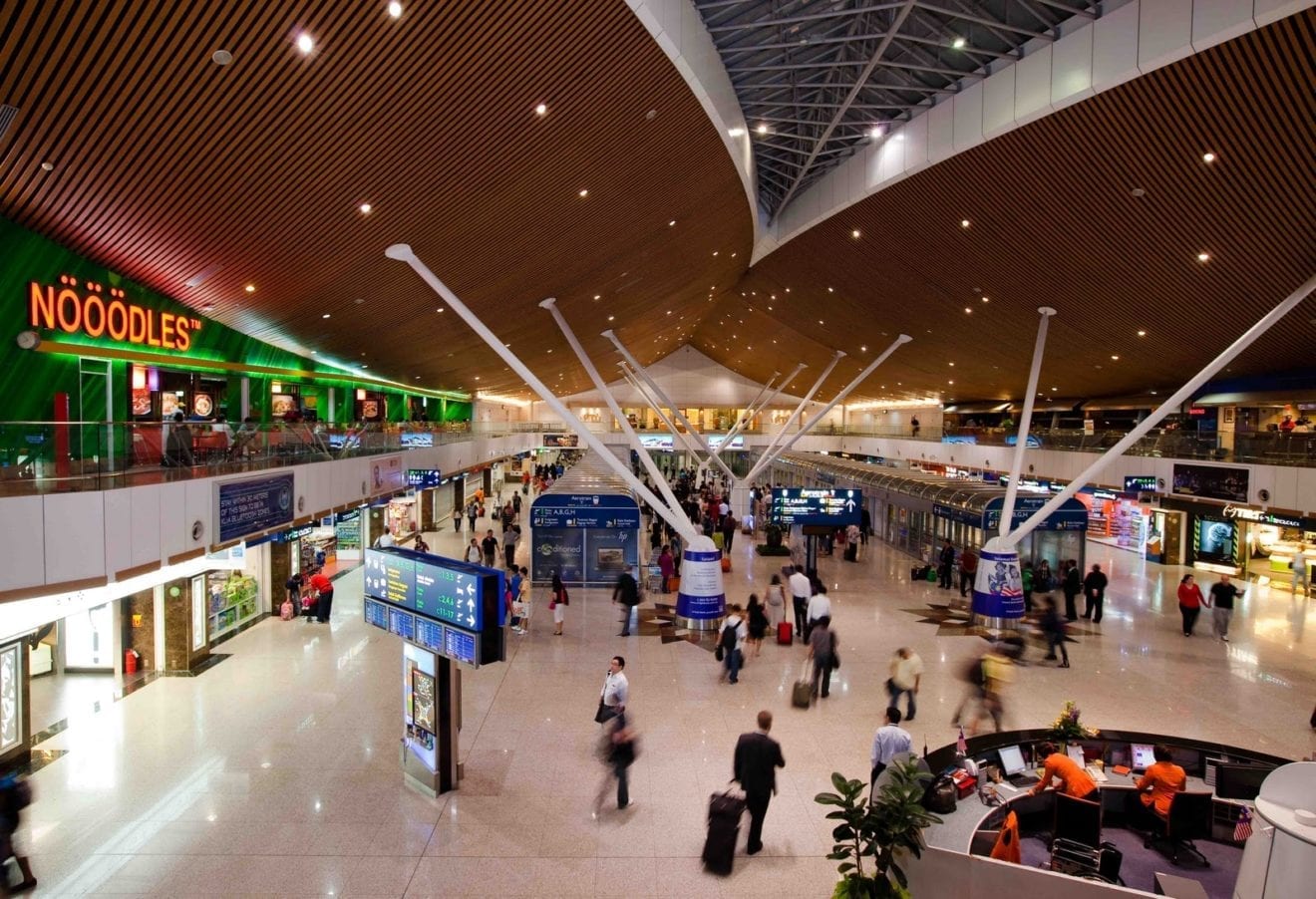
    A proposal for a new low-cost carrier terminal (LCCT) to be developed at Kuala Lumpur International Airport (KLIA) was made last year by a company called Citaglobal Airports Sdn Bhd, a move which looks to have had the backing of the AirAsia group, the largest user of klia2, the current LCCT.

    Documents revealed that the company’s director, Datuk Seri Mohamad Norza Zakaria, had proposed to then prime minister Datuk Seri Najib Abdul Razak, via a letter dated Nov 24, 2017, the building of a new LCCT that will be able to accommodate higher passenger numbers, especially with the establishment of the Digital Free Trade Zone.

    Citaglobal Airports said it will be able to generate the required funds for the project from the private sector which will benefit the government in terms of savings on infrastructure and operation costs.

    In addition to that, it said UK-based airport operator Manchester Airports Group Plc indicated interest to manage and operate the new LCCT.

    The project was said to require 450 acres, for which Citaglobal Airports suggested the government transfer land rights from the Director General of Land and Mines to the Transport Ministry, which will then be leased out for the project for a period of 99 years.

    “The necessity for a new LCCT in KLIA will make Malaysia a leading hub in Asia with a ‘dual hub’, whereby the main KLIA terminal will house the OneWorld Alliance, klia2 will house other premium airlines and the new LCCT will accommodate the low-cost carriers,” the proposal read.

    Companies Commission of Malaysia records show that Citaglobal Airports was incorporated on Nov 2, 2017 and is involved in wholesale of goods without particular specialisation and management and business consultancy activities.

    AirAsia Bhd issued a letter of support for the plan via a letter dated Nov 2, 2017 which coincides with Citaglobal Airport’s incorporation date. The letter carried AirAsia’s letterhead and bore the signature of its executive chairman Datuk Kamarudin Meranun and copies were sent to AirAsia group CEO Tan Sri Tony Fernandes and AirAsia Bhd CEO Aireen Omar.

    The low-cost airline expressed its interest in shifting its operations to the new LCCT.

    “We understand that Citaglobal Airports Sdn Bhd plans to develop a LCCT at KLIA. We are in full support of this proposal as the aviation sector is a major contributor to the country’s economic growth and accords significant contributions to other sectors of the economy,” it said, citing a study by Bain & Co.

    Kamarudin said it would support Citaglobal by making the new LCCT the base for AirAsia Bhd and AirAsia X Bhd operations, have all flights operated by AirAsia group operate at the new LCCT and participate with Citaglobal to generate non-aeronautical revenue.

    Citing the recent increase in Passenger Service Charge (PSC) introduced by the Malaysian Aviation Commission (Mavcom) and the proposed equalisation of PSC at both airports, on top of other cost increases proposed by the commission and the Department of Civil Aviation, the airline said an LCCT with a much reduced PSC and cost for travellers is required to accommodate the low-fare travel segment while KLIA and klia2 could be used to accommodate premium airlines.

    AirAsia declined to comment in response to the matter.

    According to Malaysia Airports Holdings Bhd, AirAsia accounts for 95% of traffic at klia2 and they are the largest occupant.

    “Any new airport terminal construction will be under the purview of the Ministry of Transport and will need to get the government’s approval. We are currently guided by the existing National Airport Master Plan,” its spokesperson said, who added that it has not received anything official on the matter.

    The Transport Ministry was yet to respond to request for comments as at press time.
  • GM to transfer Vietnam operation to Vingroup’s car arm, eyes sales boost

    GM to transfer Vietnam operation to Vingroup’s car arm, eyes sales boost

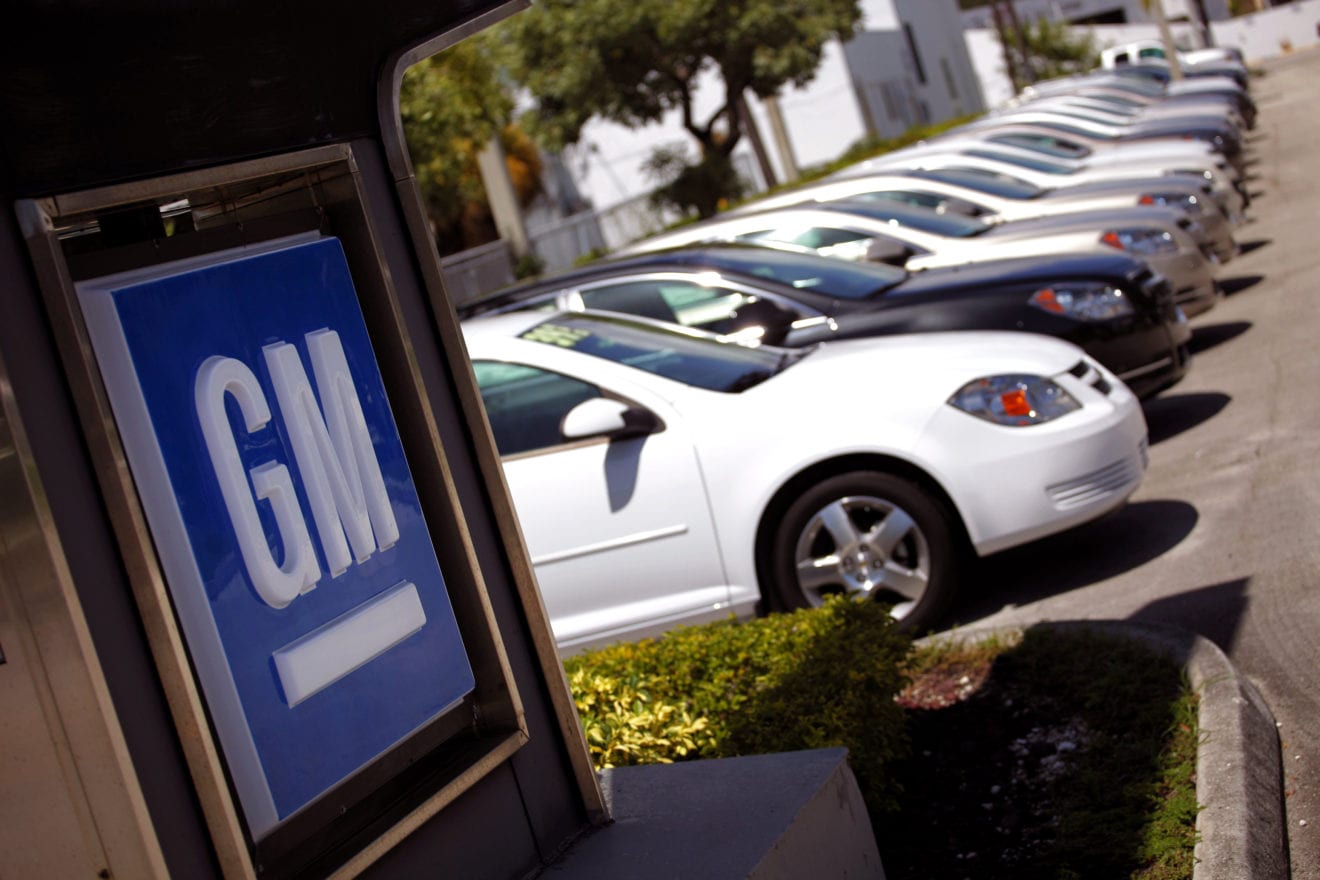
    General Motors (GM.N) has agreed to transfer its Vietnamese operation to VinFast Trading and Production LLC and distribute Chevrolet cars through the local carmaker, in a move that could help drive up its modest sales in the country.

    The U.S. automaker will transfer full ownership of its Hanoi factory to VinFast for the Vietnamese firm to produce small cars under a GM global license from 2019, the companies said in a statement on Thursday, without disclosing a value for the deal.

    As part of the deal, VinFast, a unit of Vietnam’s biggest private conglomerate – Vingroup JSC VIC.HM, will be the exclusive distributor of the Chevrolet in Vietnam.

    “The GM-VinFast strategic partnership will best position the Chevrolet brand and dealer network for long-term growth in Vietnam by leveraging GM’s global scale and expertise, married with VinFast’s domestic strength and insight,” said Barry Engle, executive vice president and president of GM International.

    The transfer, which includes GM’s Hanoi plant, dealer network and employee base, is expected to be conducted by the end of 2018, the companies said in the statement.

    GM used its Hanoi plant to assemble Chevrolets with parts imported from South Korea – a country where the U.S. automaker came close to bankruptcy as it struggled to turn around its debt-laden unit. GM Korea is GM’s biggest production base in Asia excluding China.

    The plant will be used solely to produce VinFast cars after the transfer, while Chevrolet cars will be imported.

    VinFast said this partnership with GM was “integral” to its plan to “launch a portfolio of five VinFast vehicles in 2019”.

    It is building a $1.5 billion factory in the northern province of Hai Phong and plans to launch a sedan and sport-utility vehicle in the third quarter of 2019, and a small car, electric car and electric bus by end-2019.

    “Our vision is to build an automobile manufacturing eco-system that will include assembly plants, local automotive suppliers and dealers, and a string of supporting industries,” said VinFast CEO Jim DeLuca.

    Vietnam’s automobile sales grew 24 percent in 2016 but fell 10 percent last year to 272,750 units, data from the Vietnam Automobile Manufacturers’ Association (VAMA) showed. Sales fell 6 percent in the first five months of 2018.

    While GM’s sales in Vietnam have been rising since 2014, its numbers last year were only an eighth of the country’s market leader, local Truong Hai Auto Corp, and a sixth of runner up Japanese rival Toyota Motor Corp (7203.T), VAMA data showed.

    Sales of the Chevrolet, the only vehicle GM offers in Vietnam, grew 8.5 percent to 10,576 units in 2017, lagging gains of 34.5 percent in Indonesia and 25.7 percent in Thailand.

  • Shinsegae unveils its first independent hotel in Seoul

    Shinsegae unveils its first independent hotel in Seoul

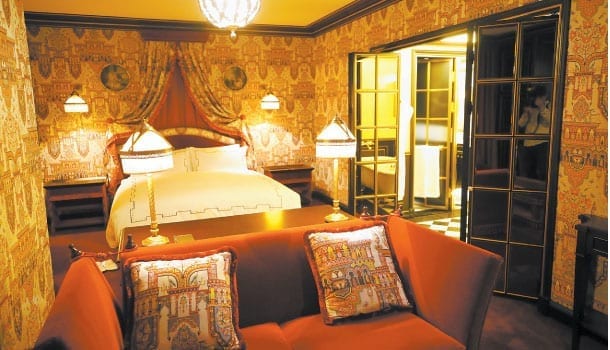
    L’Escape, Shinsegae’s new boutique hotel, aims to combine the ambience of 19th-century Paris with intriguing restaurants and bars from Korean and foreign trendsetters.

    Located in central Seoul, behind the main Shinsegae Department Store branch, L’Escape opened its doors to the press for the first time.

    “Our ultimate goal is to be a lifestyle platform that offers trendy cultural content and food experiences to enjoy inside the hotel,” said L’Escape’s General Manager Kim Bum-soo. “365 days a year, L’Escape will have something going on, whether it’s a party or [pop-up restaurant by] globally renowned chefs and sommeliers.”

    During the event, L’Escape unveiled a list of partners that collaborated to develop the hotel’s restaurants, bar and cafe. They include Seoul-based dessert cafe Maison M’O, bartender team Taxonomy and The Modern, a two-Michelin-star restaurant located in New York.

    The hotel’s exterior and interior was designed by French architect Jacques Garcia, famous for his luxurious boutique hotels, such as the Hotel Costes in Paris and the NoMad Hotel in New York City.

    Shinsegae also invested heavily in guest amenities for the new hotel. The company hired foreign experts and brands to develop exclusive products for L’Escape, from flower decorations to bedding. Perfumer Alienor Massnet, who has worked with Maison Martin Margiela and Memo Paris, developed a signature scent that will be made into candles and sprays applied to the guest rooms.

    L’Escape’s general manager himself was a major contributor to selecting and signing partnerships. Better known as Pat2Bach, Kim is a well-known power blogger in food and leisure circles.

    Kim was invited to join Shinsegae Group by its Vice President Chung Yong-jin in 2011, and has helped launch the company’s craft beer pub Devil’s Door and organized the eateries inside Starfield malls.

    His appointment as the hotel’s general director is a bit of a surprise, though, as he has no experience as a professional hotelier. “My ambition is to meld the food and cultural experiences I’ve had,” he said. “I think of myself more as a producer that shapes the hotel as a whole instead of a conventional general manager that greets guests.”

  • Items worth $273m seized from premises linked to Malaysia ex-PM

    Items worth $273m seized from premises linked to Malaysia ex-PM

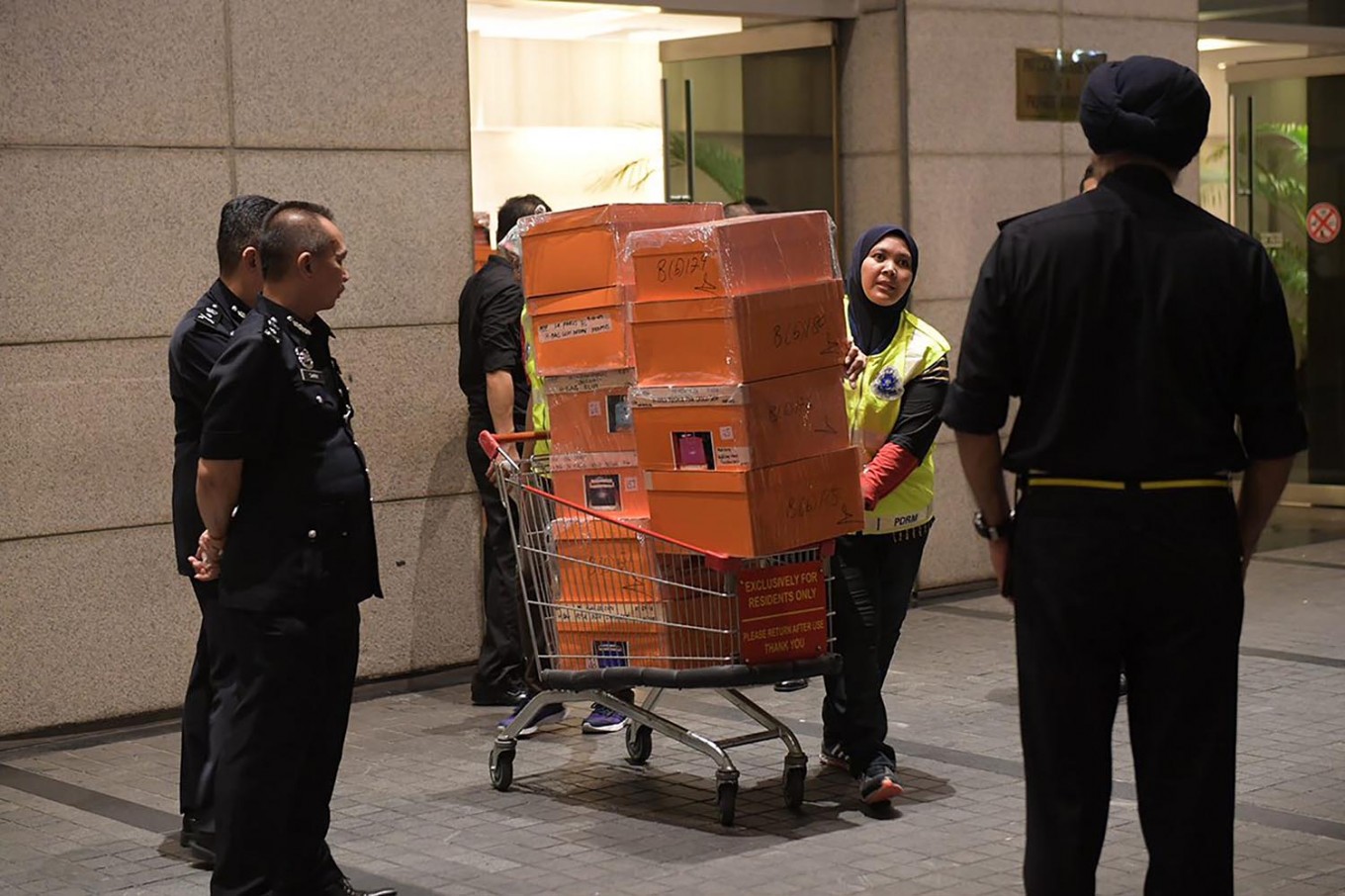
    Items seized from six premises linked to ousted Malaysian leader Najib Razak, including cash, a vast stash of jewelry and luxury handbags, are worth up to $273 million, police said Wednesday.

    “The total cost of all the items, the retail price, will be touching 910 (million) to 1.1 billion ringgit,” Amar Singh, the police’s head of commercial crime said. That is equivalent to $225 million to $273 million.

    The items included 116 million ringgit ($28.8 million) in cash in 26 different currencies, about 12,000 pieces of jewellery and hundreds of handbags as well as a large number of watches.

    Allegations of massive corruption were a major factor behind the shock election loss of ex-premier Najib’s long-ruling coalition in elections last month to a reformist alliance headed by Mahathir Mohamad.

    Najib and his cronies were accused of plundering billions of dollars from sovereign wealth fund 1MDB and using it to buy everything from US real estate to artworks. Najib and the fund deny any wrongdoing.

    His luxury-loving wife Rosmah Mansor became a lighting rod for public anger due to her vast collection of handbags and jewels, and her reported love of overseas shopping trips.

  • Tod’s And Mr. Bags Take Luxury Retail Omnichannel

    Tod’s And Mr. Bags Take Luxury Retail Omnichannel

    Luxury retail has run into a conundrum as digital channels and eCommerce continue to edge out brick-and-mortar shopping venues. Although eCommerce may not be replacing traditional retail just yet, it’s a channel that merchants can’t afford to ignore. Despite this widely accepted reality, many luxury brands have been doing just that: ignoring it.

    For many luxury brands, the in-store experience and presentation are part of the package. This has kept them from embracing omnichannel retail in the same way as some of their more affordable counterparts – which has been to their detriment, as shoppers are gravitating toward brands that meet them where they’re at, not the ones that require them to go find the brand in a retail setting.

    But all that may be starting to change as marketplace and eCommerce functions become more common across social channels such as WeChat, Instagram and Snapchat. Luxury is now beginning to find its way into the spheres where consumers are spending their time.

    Tod’s and Tao Liang Join Forces in Baoshop

    Exhibit A? Luxury brand Tod’s has jointly designed a limited-edition bag with Tao Liang, a.k.a. Mr. Bags: one of China’s most popular fashion bloggers and a powerful style influencer with 4 million social media followers. The product made its world premiere through a WeChat mini program called “Baoshop” on Tuesday, June 26.

    Baoshop is a limited-time exclusive pop-up shop customized by Liang just for shoppers. It’s designed to give them information about the product and a funnel to completing the purchase via WeChat Pay. In a press release about the bag’s world premiere, Liang said the mini program offers convenience and efficiency for shoppers while preserving the high-quality luxury experience.

    That could provide a major assist for luxury as a category as it looks to move sales from the physical to the digital world. There are definitely takeaways from Liang and Tod’s Baoshop that could be applied to any other market – though of course, each market has its own unique advantages and challenges that will factor into the success of such an approach.

    What it Means for the Worldwide Luxury Market

    The omnichannel evolution is underway in China’s luxury sector. Mini programs like the Baoshop by Liang and Tod’s have already become key elements as brands step up their digital game to connect with shoppers – but they are by no means the only ingredient in Chinese luxury’s recipe for success.

    The market has given birth to a unique economic model called the fans economy. Essentially, what happens in the fans economy is that influencers like Tao Liang act as middlemen between consumers and luxury brands. This gives luxury brands a lens into what potential shoppers are looking for and what their buying habits are like, enabling them to refine their interactions with consumers.

    Whether that can translate outside of China remains to be seen, but it’s definitely not out of the question. Every country has its fashion influencers, and every influencer has fans who will follow their style idols not only with their likes and re-posts, but with their dollars. So in that sense, a fans economy could be possible anywhere.

    However, it’s also important to consider the role WeChat has played in creating this economy. The company says it’s continually working to provide more and better digital toolboxes for brands, merchants and influencers, empowering them to serve their buyers and fans ever more directly.

    The soil may be fertile for a fans economy in the U.S., Europe, or elsewhere, but it may take efforts by a company like WeChat to truly make it grow.

  • Suning.com Listed on China’s 500 Most Valuable Brands with a Brand Value of 23 Billion RMB

    Suning.com Listed on China’s 500 Most Valuable Brands with a Brand Value of 23 Billion RMB

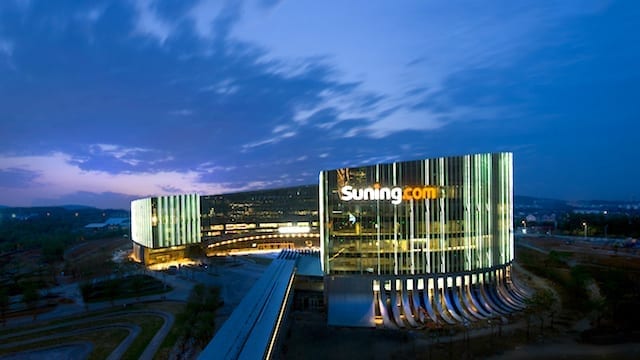
    Suning.com, a Fortune Global 500 company owned by Suning Holdings Group (“Suning”) was listed on the 15th China’s 500 Most Valuable Brands, with a brand value of 23 Billion RMB, ranked No.13 on the list and No.1 among the retail industry.

    The list of China’s 500 Most Valuable Brands is released by World Brand Lab, the leading independent consultancy of brand valuation and marketing strategy in the world. It evaluates brand value based on three dimensionsfinance performance, customer impression and brand awareness. The total value generated by the 2018 listed brands is RMB 1.844 trillionDue to its strong growth in revenue and brand awareness, Suning.com has achieved a brand value of RMB 23 billion, up 19% year-on-year.

    Suning.com saw a strong financial growth in 2017, obtained an operating revenue of RMB 187 billion, with a year-on-year increase of 24.67%. In the first quarter of 2018, Suning.com has achieved Omni-channel sales of RMB 69.33 billion, up 46.33% year-on-year.

    “Innovative technologies such as AI, Big-data and block-chain bring new opportunities to the growth of brand value,” commented by the chairman of World Brand Laboratory and Nobel laureate and economist, Robert Mundell.

    Suning put forward its ‘Smart Retail’ strategy in 2017, which revolves around Smart Sourcing, Smart Selling, Smart Services, Smart Logistics and Smart Business Models. The strategy meets and beats consumers’ expectations by providing personalized goods and services in diversified consumption scenarios to improve shopping experience. During the past 6.18 Shopping Festival, Suning gained a 121% sales increase in total, reflecting the increasing brand reputation among customers and embodying the success of Smart Retail.

    Meanwhile, Suning has been actively working on corporate social responsibility programs. By the end of 2017, Suning has contributed over RMB 1.1 billion to public welfare regarding disaster relief, education, poverty alleviation, environmental protection and other fields.

    China has entered a new era of quality consumption, which provides a broad market for local brand’s development,” said Sun Weimin, vice chairman of Suning.com, “As a leading retail brand, Suning is proud to be listed among the China’s 500 Most Valuable Brands and will continuously undertake the responsibility to enhance Chinese brands competitiveness.”

  • Global stocks are bouncing after Trump made a conciliatory move in the trade war

    Global stocks are bouncing after Trump made a conciliatory move in the trade war

    Stocks in both Europe and the Americas are bouncing on Wednesday after President Donald Trump made a move that looks likely to deescalate the trade war developing between his adminstration and the rest of the world.

    Earlier, Trump announced the details of a plan to crack down on Chinese investment in US technology companies, and the final results were weaker than expected.

    The news buoyed investors, who have previously been nervous about the possibly devastating consequences a trade war could have on the global economy.

    Major share indexes in both Europe and North America are significantly higher on Wednesday as a result of the announcement, with the USA’s benchmark Dow Jones Industrial Average up by almost 250 points.

    While Trump’s climb down has soothed Western markets, things in Asia overnight were not pretty, with the earlier escalation of trade tensions having a significant negative impact on Chinese markets, with stocks in the world’s second largest economy suffering major losses.

    China’s benchmark share index, the Shanghai Composite, dropped 1.1% on Wednesday — leaving it nursing losses of 22% from its most recent high, extending the bear market it entered at the beginning of the week. Bear markets are characterised by a fall of 20% or more from a high.  

    Negative sentiment in Asia overnight also saw Hong Kong’s Hang Seng drop 1.7%, and the Shenzhen Composite fall 1.8%.

    For China, there is an ongoing double whammy of bad news. As well as Chinese stocks falling into a bear market, the country is also witnessing a major slide in the price of its currency, the yuan, which overnight fell to its lowest level in more than six months.

    The USD/CNH, or the US dollar versus the offshore traded yuan, hit a high of 6.6105 earlier, leaving it at the highest level since December 20 last year.

    An increase indicates the US dollar is strengthening against the yuan.

    Along with escalating trade tensions between the United States and China, the yuan has been under pressure in recent months from a softening in Chinese economic data as well as divergent monetary policy settings between the PBOC and US Federal Reserve.

  • Hugo Boss Men Vietnam introduces new concept

    Hugo Boss Men Vietnam introduces new concept

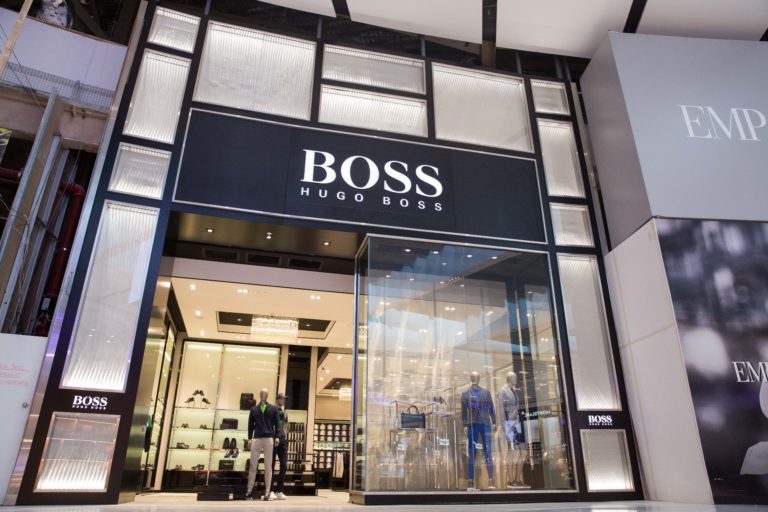
    Hugo Boss Vietnam has opened its first standalone store for men – Hugo – at Vincom Ba Trieu, Hanoi.

    Located at the front of the Vincom shopping centre, the 100sqm store displays basic items from the brand’s business and casual collections, along with Hugo’s Spring-Summer 2018 range.

    According to insider, Vietnam is the first market to get this new concept, with Singapore to follow in September.

  • Epicentre Singapore to close door

    Epicentre Singapore to close door

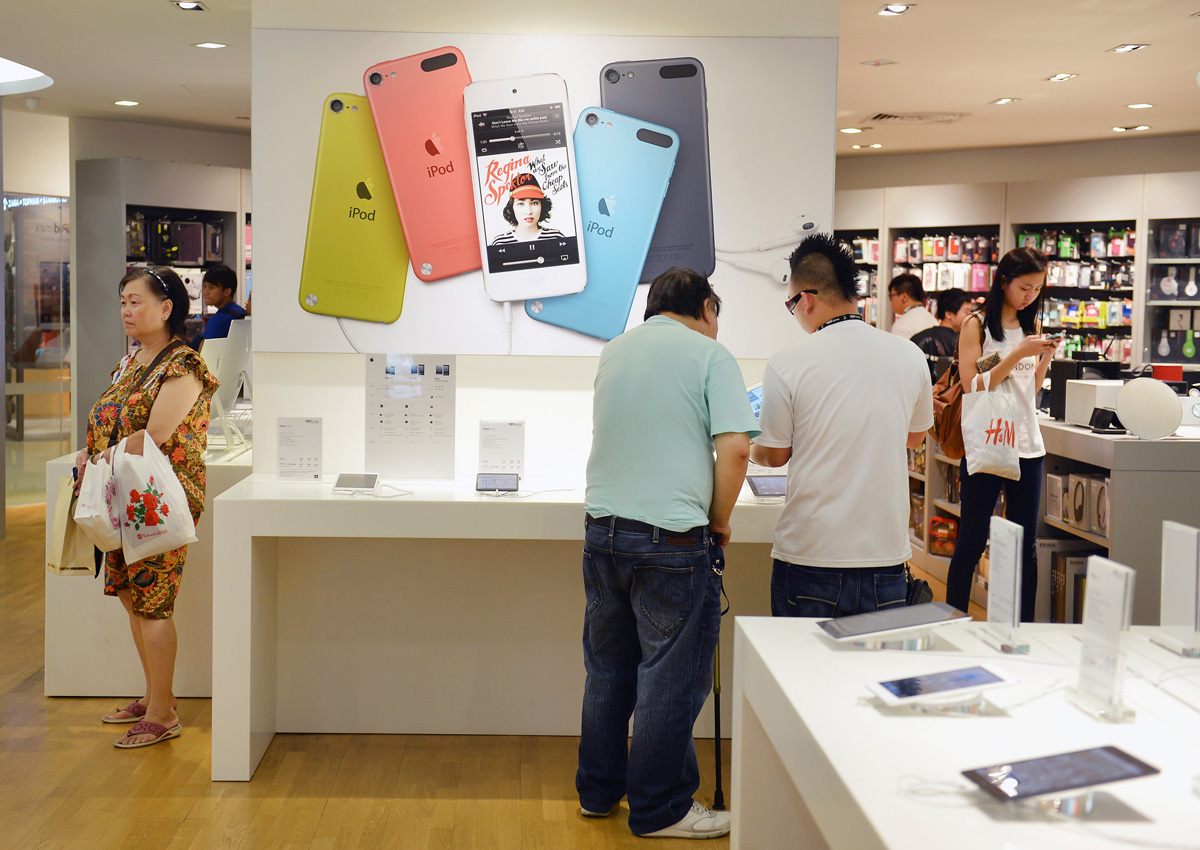
    Singapore Apple retailer Epicentre is exiting the business, selling its four stores and e-commerce site to a rival reseller.

    In a stock exchange announcement, parent Epicentre Holdings said it had entered into a conditional sale and purchase agreement with Elush (T3), which runs the iStudio chain.

    Epicentre will receive S$516,275 for the business. Elush will take over the store leases, including its prime Orchard Road sites at Ion Orchard and Wheelock Place, where trade was affected by the opening of the Apple Store. Its other stores were at Bugis Junction and Marina Bay Sands. The Epicentre brand name will live on through a licensing agreement with Elush (T3).

    While shareholders have yet to approve the deal, Epicentre will entirely exit the Apple Authorised Reseller and Apple Premium Reseller businesses in Singapore. It will continue to operate as an Apple Authorised Reseller in Malaysia.

    The company said it was difficult to compete with Apple’s plan of opening its own large-format stores.

    “With Apple’s upcoming plan, the company has decided to dispose of the business and focus on its beauty, wellness and lifestyle business, while looking at other possible related businesses.”

    Epicentre was founded in 2002 and at one point operated 10 outlets in Singapore, Malaysia and China. In the six months to December the company posted a pretax loss of $55,000 in its Singapore Apple operations.

  • Starbucks Korea to open the 30th upscale Reserve Bar

    Starbucks Korea to open the 30th upscale Reserve Bar

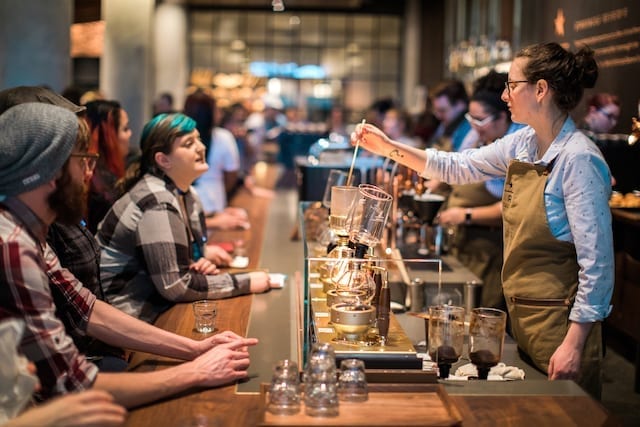
    Starbucks Korea says it will expand its premium Reserve store network to meet the growing demand for specialty coffee among local consumers.

    The company will open two Reserve stores in Seoul and a third in Pangyo, just south of the capital, this week. They will raise to 30 the number of upscale Reserve cafes in the country, which is already the third-largest total of any international market, behind China with 52 and the US with 35.

    Starbucks Korea is a joint venture between Starbucks Coffee International and South Korea’s Shinsegae Group.

    The number of Reserve bars in South Korea stood at 15 as of the end of last year, so has nearly doubled in the past six months.

    “We will continue to increase the number of Reserve bars in line with the growing demand for specialty coffee among local consumers,” a Starbucks Korea official said

    Starbucks remains the undisputed No 1 in Korea’s coffee industry and was the first such chain the country to surpass 1 trillion won (US$895 million) in sales. It has more than 1150 stores nationwide.

    The size of South Korea’s domestic coffee market reached 6.4 trillion won at the end of 2016, up 30.6 per cent from 2014, according to government data.

  • Grab now has more rivals than ever before

    Grab now has more rivals than ever before

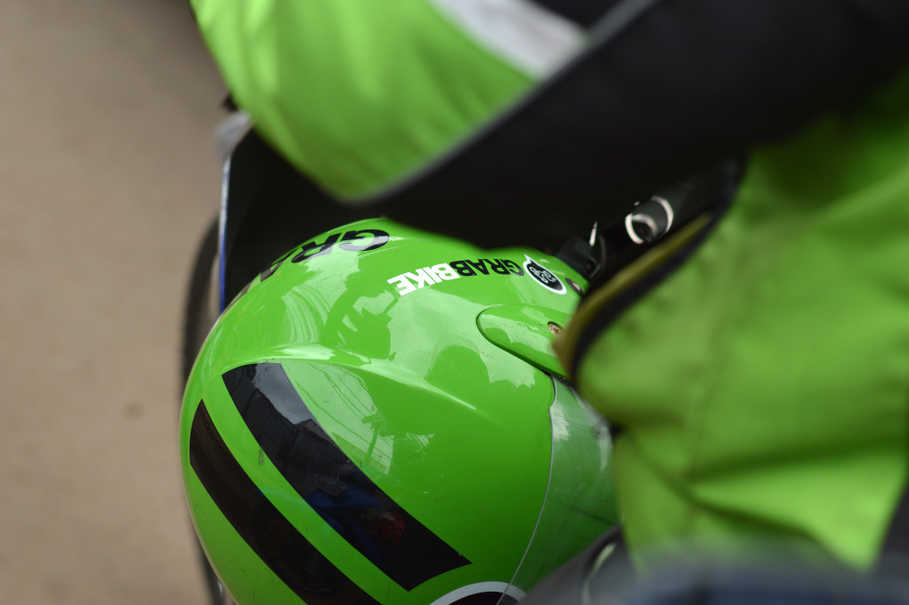
    From an e-hailing app, Grab has made great steps forward, providing many different services. Most recently, it started the payment service GrabPay and lending service Grab Financial.

    The consumer lending market in South East Asia is very large. As estimated by the World Bank, about 2 billion people in the world cannot access bank services, and most of them are in Asia Pacific.

    The non-cash payment market, according to Grab, is worth $500 billion in South East Asia.

    An analyst commented that Grab is wise taking a ‘roundabout’ approach to consumer lending (it conquered the transport market first before aiming for the consumer credit market).

    Consumer lending is a fertile business field for Chinese e-commerce firms. The firms offer online payment apps to users to ‘learn’ about their financial capability.

    Grab, as an app, quickly attracted users, especially investors. Just within six years, Grab became an unicorn company, i.e. an unlisted technology firm with valuation of $1 billion and higher, in South East Asia. Analysts estimate that Grab is valued at $6 billion.

    The total number of Grab downloads has reached 95 million all over South East Asia. This could serve as the launch pad for it to conquer the consumer lending market.

    The challenges 

    “GrabPay e-wallet will be used for both transport and food delivery services, two of the most used services in South East Asia,” said Jerry Lim, director of Grab Vietnam.

    However, the analyst said, by expanding its business, Grab would have to compete with more rivals who are ‘powers’ in their fields. In online payment, for example, it will have to compete not only with AirPay (Sea) and Alipay (Alibaba Group), but also with local firms such as ZaloPay (VNG) and MoMo.

    In Indonesia, Grab bought an e-commerce platform, Kudo, in April 2017. Grab believes that this is the factor which can help expand GrabPay. However, in Vietnam, Grab’s two big rivals – Sea and Alibaba — both have strong support from two popular e-commerce floors – Shopee Vietnam and Lazada Vietnam.

    Similarly, GrabFood has rivals in the food delivery sector, where Sea’s Now, which inherited the large custom from Foody, is the leader.

  • Fully automated restaurant boom in China

    Fully automated restaurant boom in China

    A Japanese Twitter user has sparked an online debate over video footage of a fully-automated Chinese restaurant.

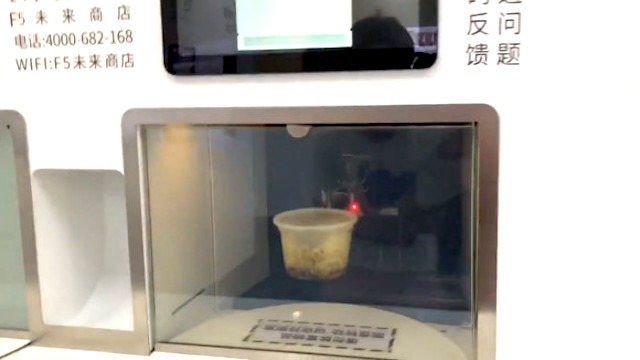
    The coverage of the unnamed (and apparently unstaffed) venue in Chinese Shenzhen showed a diner choosing a noodle dish from a touch-screen menu, paying for the meal electronically, receiving it from a robot arm, and dining on a table that automatically retracts to receive waste.

    Japanese netizens were quick to express concerns at the concept of dining over a hidden trash can – not only in terms of hygiene and smell, but also for the potential of losing keys or a mobile phone, and as to whether the trash would be properly separated for recycling.

    A report called the restaurant a sign of the impending robot apocalypse, and wondered if the restaurant bill was a contribution to an electronic uprising to usurp humanity.

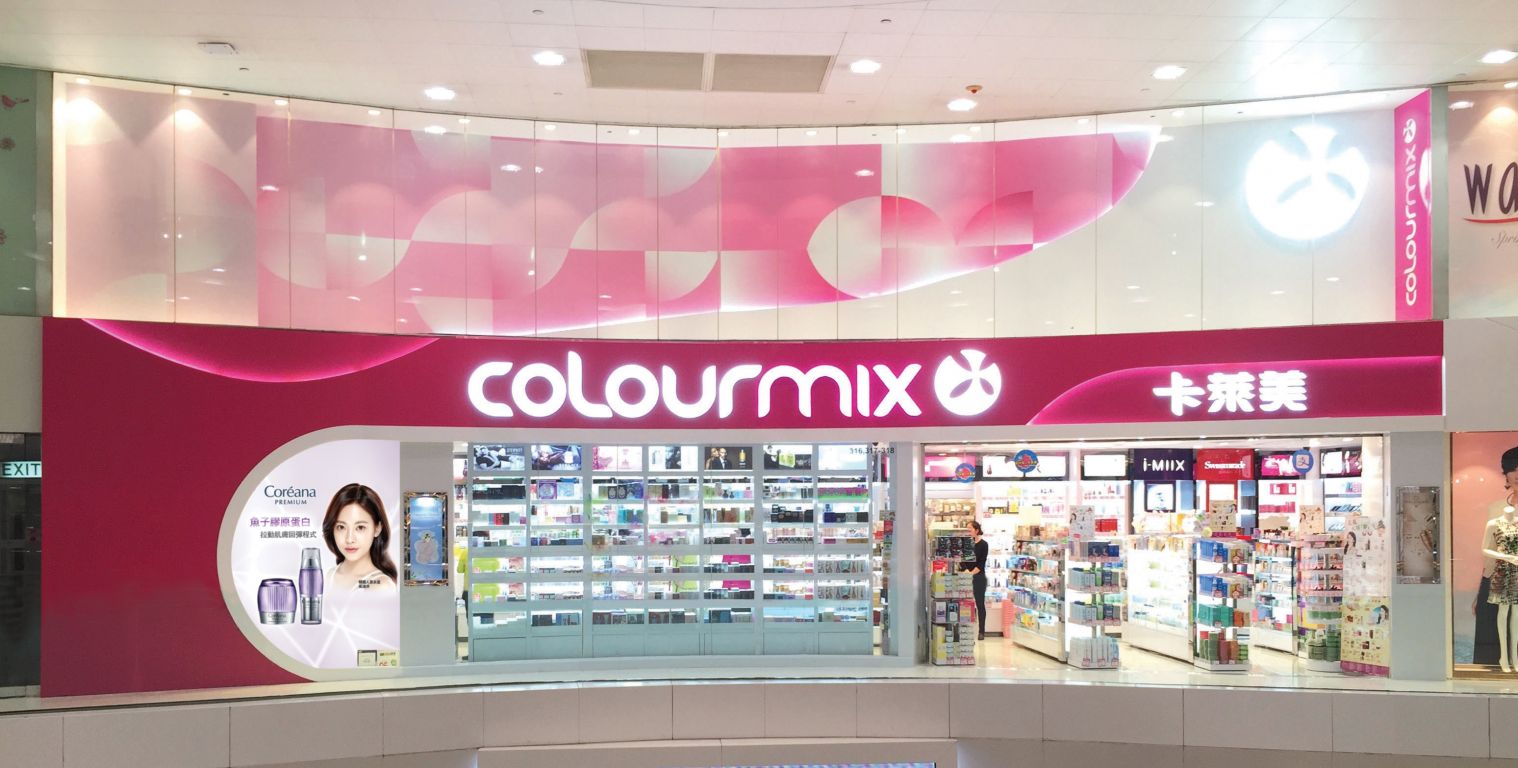
  • Colourmix axes stores to stop losses

    Colourmix axes stores to stop losses

    Colourmix parent and fashion retailer Veeko has seen its sales fall 4.4 per cent in the last year, to HK$1.928 billion.

    But it posted a $5.26 million profit, a turnaround for the previous year’s $25.9 million loss – all due to an increase in the value of investment property.

    Veeko said its cosmetics division’s sales, which accounted for 82 per cent of group revenue, slipped 1.9 per cent, with gross profit margin easing 1.1 per cent to 31.7 per cent.

    Sales in its fashion division slumped 14.2 per cent to $354.45 million, but gross profit margin improved to 70.1 per cent.

    The cosmetics business lost $6 million for the year and the fashion business lost $8.2 million, but an increase in fair value of investment properties of $31.6 million pulled the overall business to a paper profit.

    At the end of March, Veeko operated 84 Colourmix stores, six fewer than a year earlier, and eight Morimor stores, (up one). The Colourmix stores are primarily in Hong Kong, with five in Macau and one in Mainland China. It opened the first Morimor store outside Hong Kong in November, at The Venetian Macao Resort.

    “It is expected that the market presence and popularity of Morimor stores will be further enhanced through its brand new image in quality and trendy cosmetics,” the company said in its results announcement.

    Fashion business

    As at the end of March, Veeko had 101 fashion stores trading under the Veeko and Wanko banners in Hong Kong, Macau and Mainland China, a reduction of 18. This was partly due to the company exiting Singapore, closing its five stores there.

    The group has 25 stores in Mainland China where it closed four underperforming outlets during the year. It also has a presence on Tmall.

    Looking ahead, Veeko says it expects the Hong Kong retail market to continue to improve gradually.

    “Under the challenging environment, the group is cautiously optimistic about its future development, and will continue to seek opportunities for growth and monitor closely the changes in market trends.”

    The company says it will continue to adjust its store portfolio and review rental levels.

    “Given the downward adjustments of rental rates for certain stores in the market, the rental pressure for stores with expiring lease terms will be reduced, and the group will achieve better results in controlling rental costs. Meanwhile, the group will close down underperforming cosmetics stores and identify prime locations with lower rents for new stores in order to improve overall operation efficiency.”