Tag: asia

  • John Lewis announces business focus renewal

    John Lewis announces business focus renewal

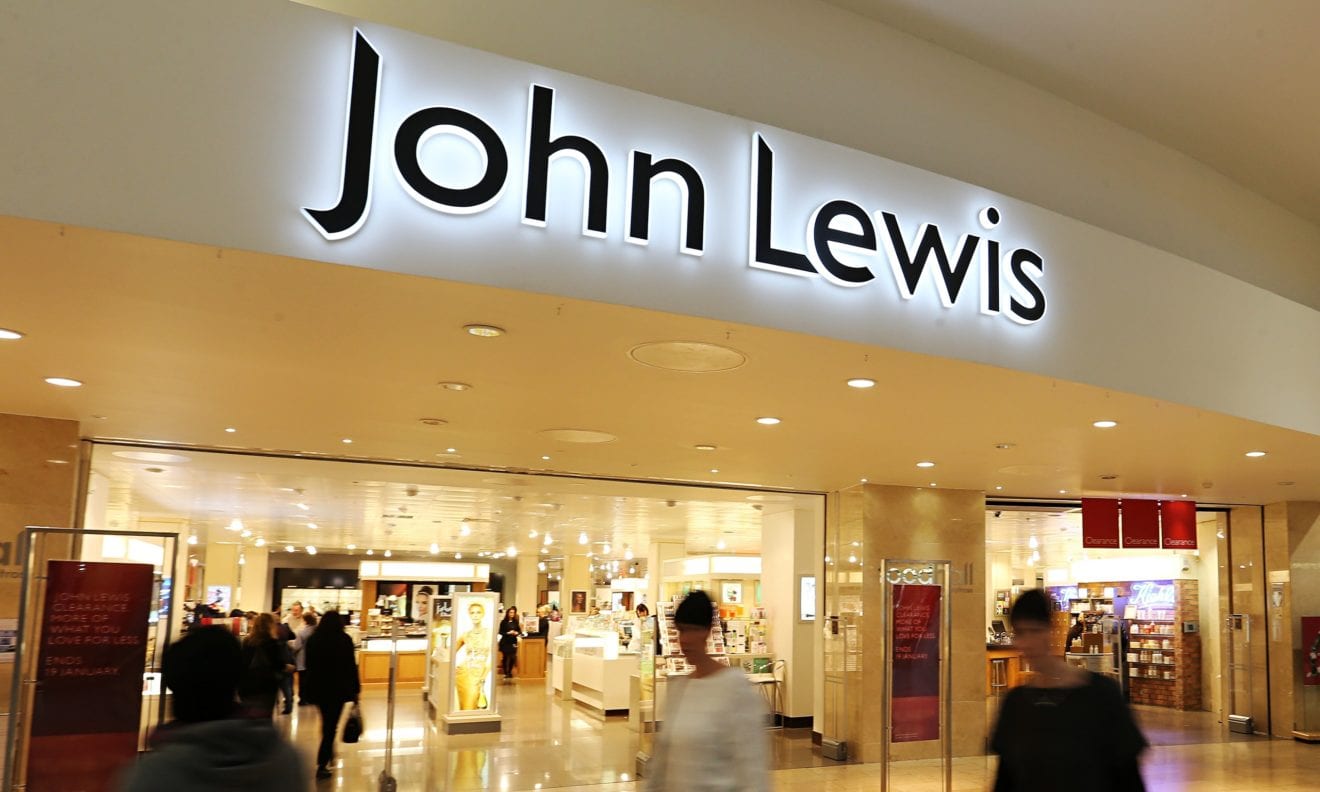
    UK-based company The John Lewis Partnership has announced a renewed business focus on differentiation and innovation.

    The company operates both the fashion, home and technology retailer John Lewis as well as the convenience-chain Waitrose.

    Chairman of the John Lewis Partnership, Sir Charlie Mayfield, said “as retail changes we need to tread a path that enables us to thrive as a business while building on the qualities that make us different.”

    “For us, the relentless pursuit of greater scale is not the right course.”

    The announcement release notes “clear plans to build on our strengths and to sharpen our points of difference in both Waitrose and John Lewis.

    “These plans include further investment in and development of unique products and service, together with a greater emphasis on own brand and innovation.”

    Waitrose will renew its focus on core customers, and plans to extend further the range of “exclusive products while continuing to raise the quality”, including a greater focus on health and well-being.

    The chain is also committing to a higher level of customer service with “an increase in the number of specialists to advise customers” in store.

    John Lewis will focus on three key areas; unique products, personal service and expansion into new services.

    “At the heart of the strategy is developing a curated and targeted assortment, which is increasingly unique to John Lewis,” reads the announcement.

    “Key to this is supercharging women’s fashion, acquiring new niche brands, securing exclusives with international brands and significantly growing design capability”.

  • China’s First-Half Coal Imports Surge, Indonesia the Winner

    China’s First-Half Coal Imports Surge, Indonesia the Winner

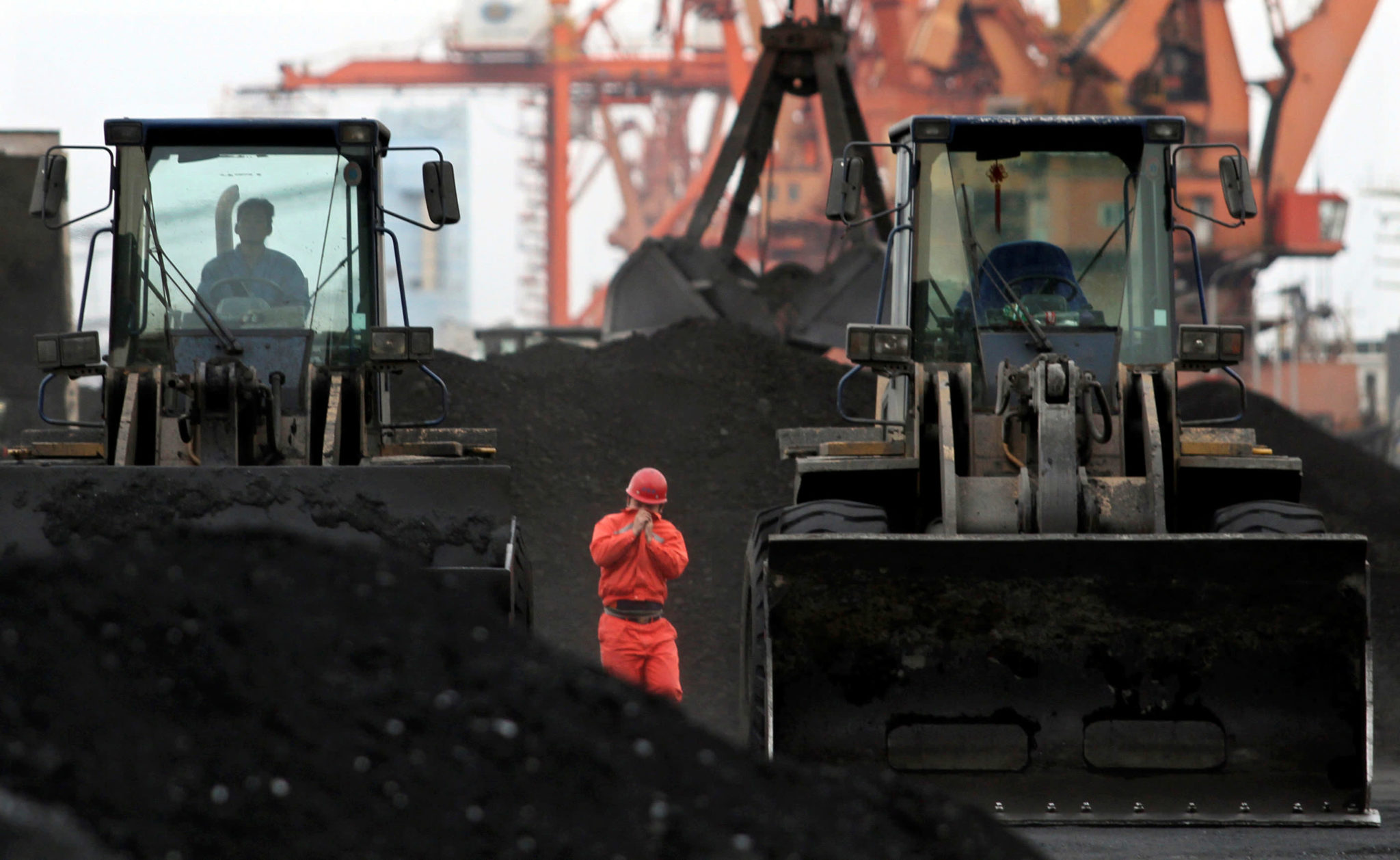
    China’s seaborne coal imports are on track to have surged by around 14 percent in the first half of the year, with Indonesia emerging as the big winner among exporters.

    Imports are likely to be around 126.6 million metric tons in the first six months of this year, up from 111.3 million tons for the same period in 2017, according to vessel-tracking and port data compiled by Thomson Reuters Supply Chain and Commodity Forecasts.

    It also appears that June may be the strongest month so far this year, with 22.1 million tons discharged, or in the process of discharging, as of Tuesday (26/06).

    The final figure may be slightly higher, at around 25.9 million tons: The data is filtered only to show ships that have already discharged, are discharging or awaiting unloading, and more cargoes may be handled in the final days of June.

    The strongest month so far this year for China’s coal imports from the seaborne market was March’s 23.2 million tons, according to the data.

    A look at the breakdown of where China is sourcing its coal reveals a surprise packet – Indonesia.

    China has imported about 15.3 million tons more coal from the seaborne market in the first half of 2018 compared with last year. On a net basis, it’s all from the Southeast Asian country.

    Imports from Indonesia were around 61.8 million tons in the first half, up from 46.3 million for the same period in 2017.

    Low Sulphur

    The strength of shipments from Indonesia may raise some eyebrows among those who believe China is trying to lower air pollution from burning coal, partly by using less and partly by switching to higher-quality coal.

    Indonesia’s exports are predominantly lower-grade coal, typically with an energy value of 4,200 kilocalories per kilogram (kcal/kg) or less.

    However, Indonesia’s coal is also typically low in sulphur. That makes it useful for Chinese coastal power plants to blend with higher-sulphur domestic supplies or imports.

    This allows them to lower emissions of sulphur dioxide and nitrogen oxide, albeit at a small penalty to the efficiency of the boiler.

    It’s also worth noting that Indonesian coal trades at a substantial discount to higher-quality thermal coal from main regional rival Australia.

    Indonesian 4,200 kcal/kg coal, as assessed by Argus Media, was at $48.71 a ton in the week ended June 22. The weekly index for 6,000 kcal/kg coal at Australia’s Newcastle Port was $116.27.

    The discount of the Indonesian grade to Newcastle has widened substantially over the past year, going from 50 percent at the end of June 2017 to the current 58 percent.

    While this is encouraging additional cargoes from Indonesia, it also means that Australian exporters are enjoying higher prices, even if their volumes are more or less the same.

    China imported 42.84 million tons from Australia in the first six months of the year, fractionally higher than the 42.62 million tons in the same period in 2017, according to the vessel-tracking data.

    Russia Up, United States Down 

    While Indonesia and Australia dominate supply to China, it’s worth noting that Russia also managed to lift deliveries, with imports rising 27 percent to 10.3 million tons in the first half.

    China’s imports from the United States, which are predominantly coking coal used in steel-making, dropped in the first half to 2.09 million tons, a decline of 38 percent.

    This occurred well before any potential impact of proposed Chinese tariffs on coal from the United States, which may be imposed as part of the escalating trade dispute between the world’s two largest economies.

    The decline so far this year in imports from the United States is more likely related to Australian coking coal being more competitive – and available, given the absence this year of major weather-related outages.

    Overall, China’s increased appetite for imported coal appears to be contributing to higher prices, with the Newcastle index up 12 percent so far, hitting a six-year high of $118.09 a ton in the week ended June 17.
  • Lotte Japan votes to keep imprisoned Shin on board

    Lotte Japan votes to keep imprisoned Shin on board

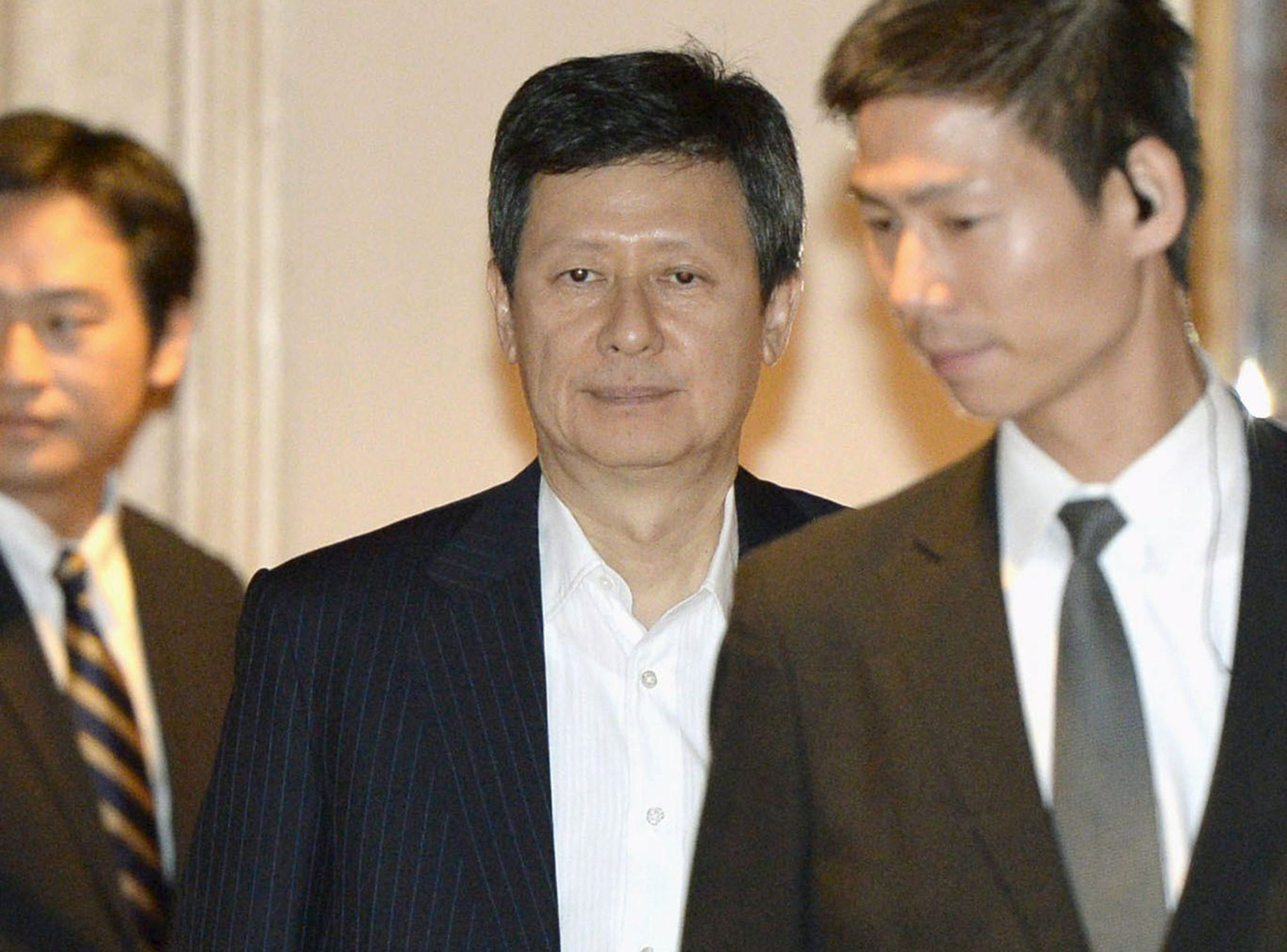
    Shareholders of Lotte’s Japanese holding company voted to retain imprisoned Lotte Group Chairman Shin Dong-bin as director, dashing his estranged older brother Shin Dong-joo’s hopes to take over the position.

    At the meeting held at Lotte Holdings’ headquarters in Tokyo, shareholders voted against ousting Shin Dong-bin from the board and replacing him with his older brother. Shin Dong-joo has been trying to overthrow his brother since all of his titles, including vice chairman of Lotte Japan, were stripped from him in 2015. This was his fifth unsuccessful attempt to win over Lotte Holdings’ shareholders.

    His younger brother Shin Dong-bin, who has been in jail since February on charges of bribery related to President Park Geun-hye’s abuse of power scandal, requested bail earlier this month in order to make his case to the shareholders in the latest meeting. However, his request went unanswered until late Thursday. A team of Lotte Group executives in Korea, including Vice Chairman Hwang Gak-gyu, had to deliver Shin’s letter to Lotte Holdings’ top management.

    “We’re relieved that the shareholders of Lotte’s Japanese unit expressed their support for Chairman Shin despite his vacancy,” said Lotte Corporation, Lotte’s Korean holding company, in a statement issued immediately after the results came out.

    The statement also condemned Shin Dong-joo. It requested that he “stop evoking needless controversies that create an uneasy sentiment among [Lotte] employees and degrade the company’s value.”

    Shin Dong-joo issued a statement through his SDJ Corporation that the older Shin will “continue pushing efforts to normalize Lotte Group,” implying that he may continue to campaign to take over his younger brother’s position at the retail conglomerate.

    A few days after his imprisonment, Shin resigned as co-CEO of Lotte Holdings. The chairman’s detainment raised concerns at the group’s Korean unit, as Shin Dong-joo reignited his efforts to regain control over Lotte.

    Friday’s vote, however, indicates that Lotte’s Japanese unit still has faith in Shin Dong-bin’s leadership, despite a tendency for Japanese shareholders to be harsher on top brass accused of bribery charges.

    Lotte Holdings and its other Japanese affiliates currently own a large stake in the group’s core Korean businesses, like Hotel Lotte and Lotte Property & Development. Their approval is crucial for Lotte Group’s Korean affiliates’ plan to reduce the stakes that Japanese affiliates hold in them.

    “The restructuring is not a one-shot deal – we’re doing what we can, like acquiring shares little by little,” said a Lotte Group spokesman.

  • Korean Brands Increasing Popularity Among Hong Kong Consumers Over Japanese Brands

    Korean Brands Increasing Popularity Among Hong Kong Consumers Over Japanese Brands

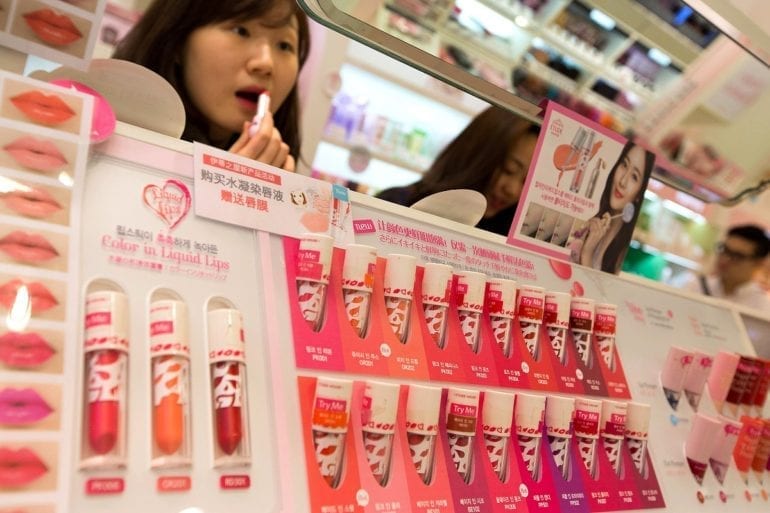
    A Nielsen report shows Korean products have usurped the popularity of Japanese products among young Hong Kong consumers.

    The report traces the local market’s perception of Japanese and Korean trends to assess which is perceived as being more popular. It shows that for the first time, more than half of respondents aged 18 to 54 are confident in the longevity of Korean pop-culture influences in the near future.

    Some 80 per cent of millennials, in a response pattern that skewed towards women, preferred Korean trends. And 88 per cent of higher-income respondents were shown to have strong brand recognition for Korean products and to have visited Korea twice within the last year.

    Key drivers behind Korean trends are shown to be entertainment, fashion, and personal care targeted at millennial buyers. Korean food products are also increasingly popular in Hong Kong.

    A third of all respondents indicated an intention to increase spending on Korean products in future.

    Nielsen Hong Kong & Macau’s MD Michael Lee said: “With the Korean market slowly emerging in Hong Kong, Korean brands can succeed and win Hong Kong customers’ buy in by being more customer focused, showing emphasis on product quality and charging a premium with innovation. This will certainly open up a new market for opportunities to come”.

    The Nielsen report’s release coincides with an announcement by Chinese online marketing platform iClick Interactive Asia Group that it will form a strategic partnership with MezzoMedia, a Korean digital marketing solutions firm. The move is intended to further open the large Chinese consumer base up to Korean brands.

    MezzoMedia senior VP Kim Jin-Kyu said: “As one of Korea’s largest agencies, we work with brands that have significant appeal to the Chinese consumer… [iClick] will allow targeting into the largest internet audience in the world. In addition, their strategic relations with Tencent, Baidu and Ctrip give access to premium inventory.”

  • Struggling Hyundai Heavy lays off quite a few execs

    Struggling Hyundai Heavy lays off quite a few execs

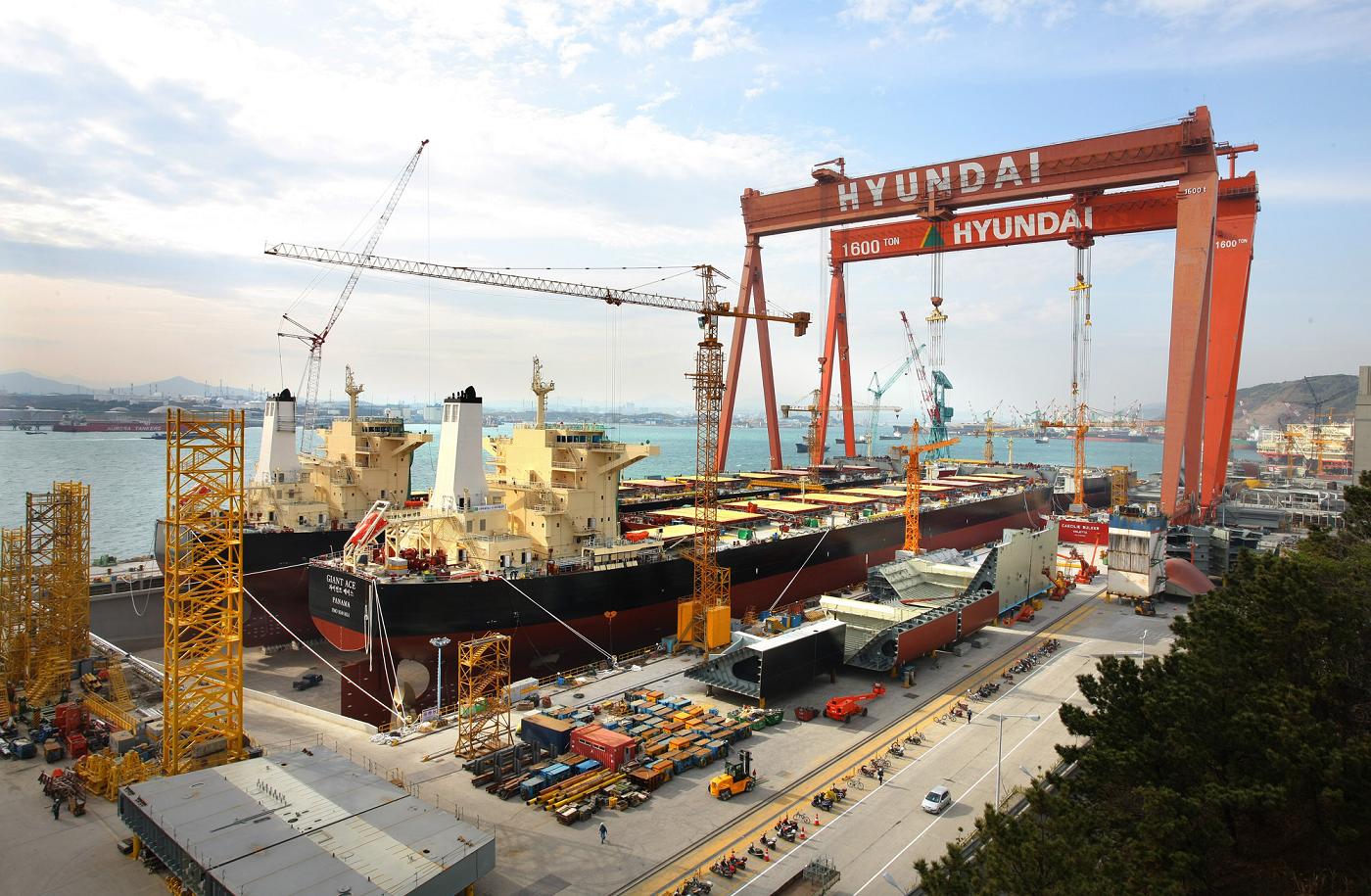
    Hyundai Heavy Industries, the world’s largest shipbuilder by sales, said Sunday it has cut a third of its executives in its offshore and engineering division as new orders have dried up.

    The move came a month before the shipbuilder is due to suspend work at its offshore facilities shipyard. The suspension scheduled for August is the first in 35 years.

    Hyundai Heavy has lost out to Chinese and Singaporean rivals in offshore projects in recent years due to its higher costs. The labor costs of Chinese and Singaporean shipbuilders are roughly a third of Hyundai Heavy’s.

  • Purecare Announces International Partnership With Index Living Mall

    Purecare Announces International Partnership With Index Living Mall

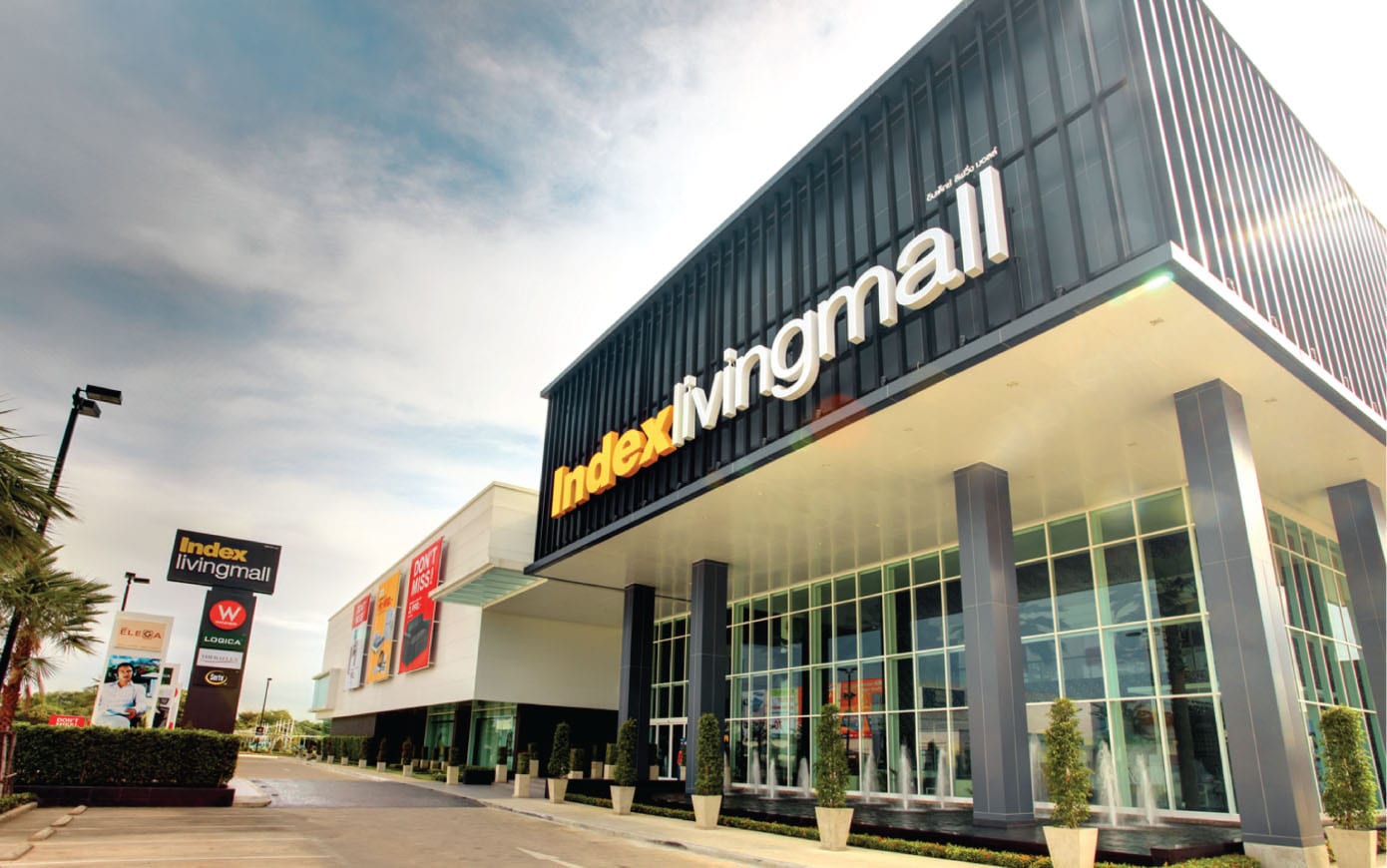
    North American bedding retailer PureCare has announced a partnership with home furnishings retail chain store Index Living Mall.

    Index Living operates 28 locations in Thailand out of 114 stores throughout the Southeast Asia region. It is the largest network of home goods retail stores in Thailand. It will carry a curated collection of PureCare’s bed linens, mattress protectors and pillows from this summer through to autumn this year.

    Ralph Rosen, PureCare’s VP of business development, said: “Both of our companies are committed to offering the very best quality and value to today’s health-conscious consumers and allergy sufferers.

    Our international product and sales team worked closely with their merchandising team of professionals to come up with a specific selection of products that augmented and enhanced Index Living Mall’s current retail offering.”

    President and COO of PureCare Jeff Bergman said that by partnering with PureCare, Index Living Mall has embraced what it envisions as a growing global movement of health and wellness in the ‘top of bed’ category.

    Index Mall’s VP product development Pichapim Patamasatayasonthi added: “This year Index Living Mall aims to become the total “sleep solution center” for our customers. We offer ‘PureCare’ one of the leading innovative brands in the world from the USA now to the Thailand market.”

    PureCare has previously expanded into Canada, Russia, Australia, New Zealand, the UAE, Central America and the Caribbean.

  • Galaxy Note9 invitation hints at revamped stylus

    Galaxy Note9 invitation hints at revamped stylus

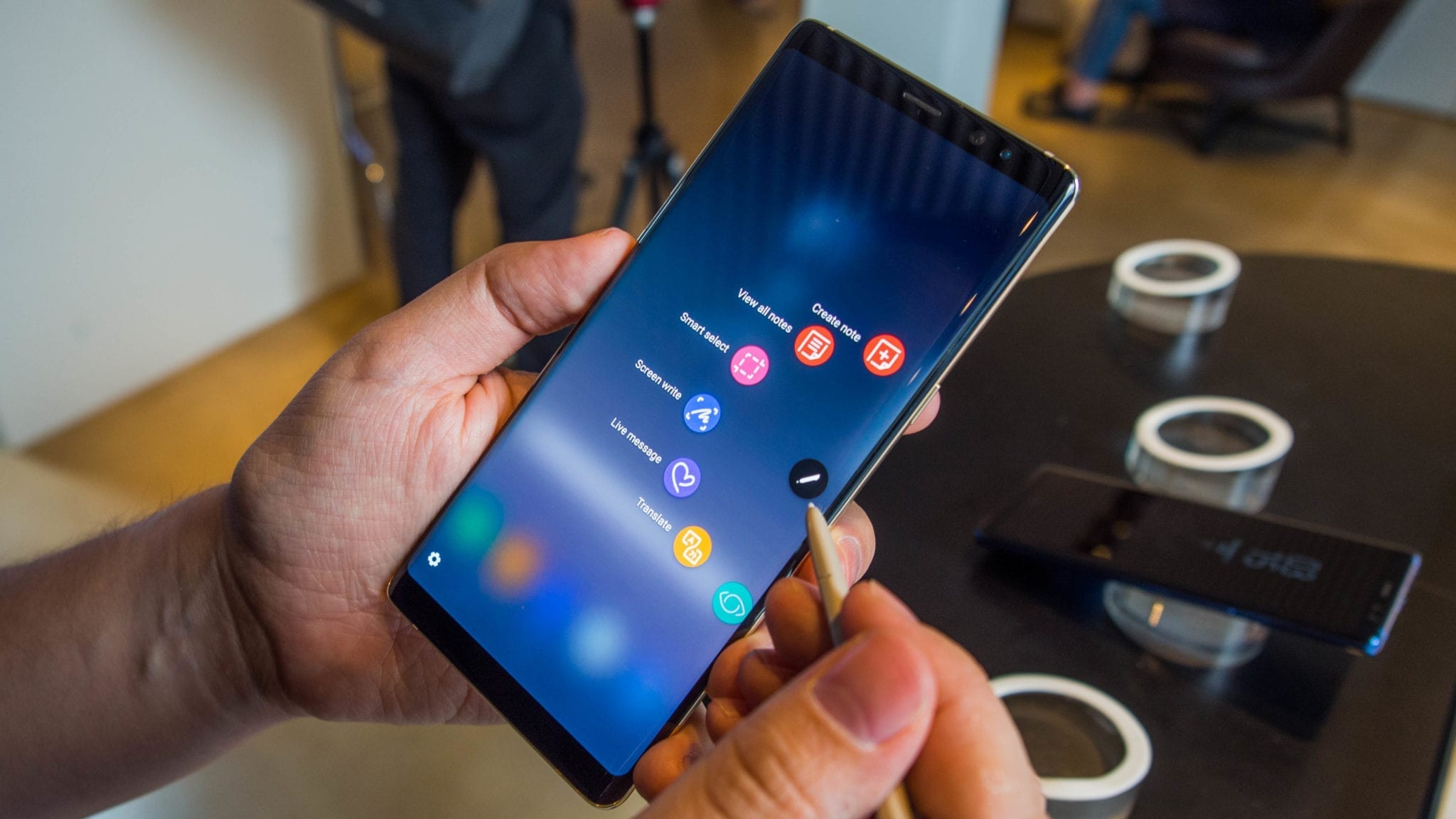
    Samsung Electronics is scheduled to unveil its Galaxy Note9 phablet on Aug. 9 in New York, according to an invitation the company sent to media on Thursday.

    The unpacking event for the next flagship smartphone will take place at 11 a.m. local time on Aug. 9, or midnight on Aug. 10 in Korea, at the Barclays Center in Brooklyn, New York. The showcase will also be livestreamed on the Samsung website.

    Unlike previous years, Samsung opted not to include a catchphrase for the new model on the invitation – the Note8 missive came with the slogan “Do bigger things” – instead showing a magnified image of the button on the Note series’ signature S Pen stylus in gold on a blue background.

    The teaser video released with the invitation confirms that the button is on the S Pen, indicating that the new stylus will have enhanced features.

    Some early reports speculate that Samsung has added Bluetooth to the stylus, while other rumors guess that the pen will include a microphone to allow users to make phone calls. The button could be used for capturing images or video on the phone.

    According to a series of leaks, the Note9 has a 6.4-inch super AMOLED display – even bigger than the Note8’s 6.3 inches and S9+’s 6.2 inches. Aside from the increased size, there are few rumors suggesting any other dramatic changes to the phone itself, implying that the revamped S Pen could be the most revolutionary feature in the new device.

    The event for the Note9 comes about two weeks earlier than the Note8, which was first showcased on Aug. 23 last year and began shipping Sept. 21.

  • New phase of Sands Cotai Central opens with Apple anchor

    New phase of Sands Cotai Central opens with Apple anchor

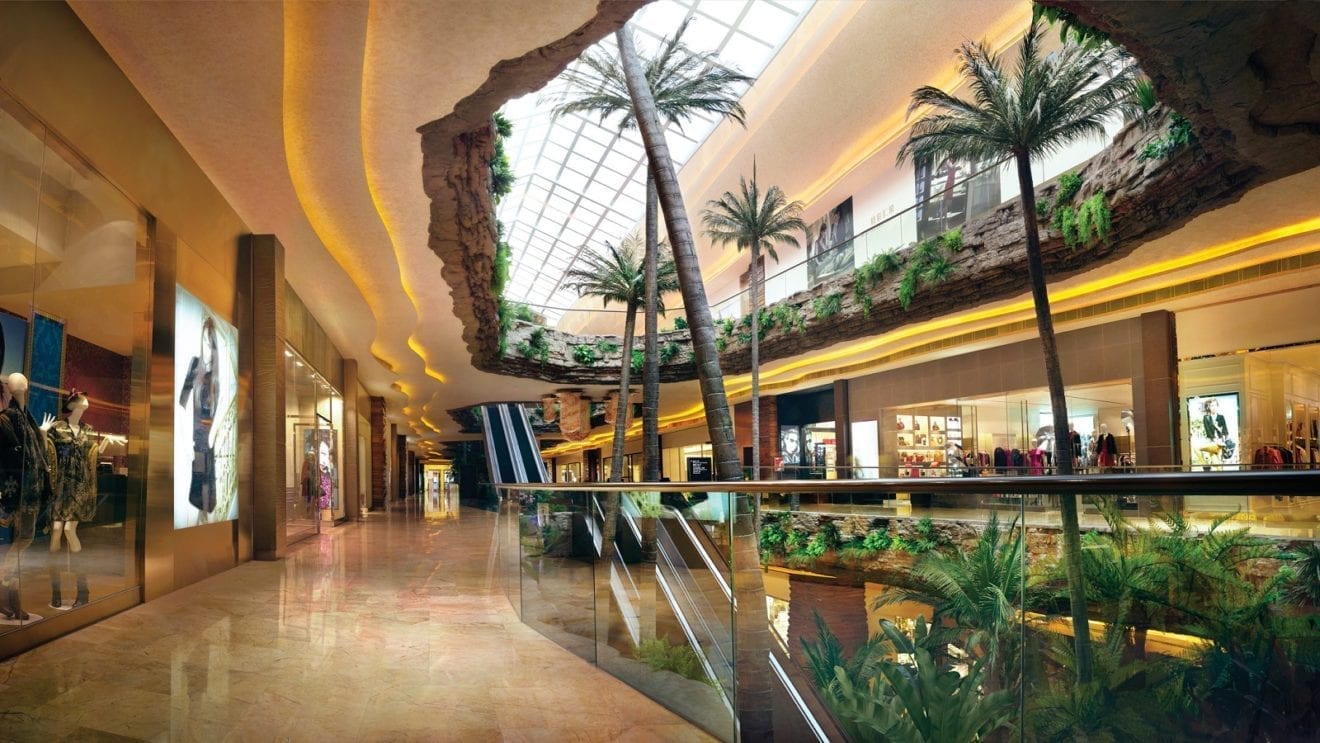
    Sands Cotai Central has opened phase four of its retail offer, adding almost 100,000sqft of retail space and 25 retailers.

    At the heart of the expansion is an Apple store, which opens today.

    The new space is home to several brands new to Macao: Calvin Klein Performance and Razzle. Other stores to open are MLB, Esprit, Guess, Watson’s, Noble Mart, Levi’s, Florsheim, Timberland, The North Face, Boy London, Zaxy and Bauhaus.

    Later this year, several restaurants will be added to the line-up, including Chiado, a modern yet authentic Portuguese concept developed in partnership with celebrity chef Henrique Sa Pessoa, and Crystal Jade La Mian Xiao Long Bao, which brings a contemporary twist to classic Beijing, Szechuan and Shanghai cuisine.

    “The addition of these new stores, especially the introduction of an iconic Apple Store, continues to ensure we provide our customers with more new-to-market brands, more choice and more amazing experiences,” said David Sylvester, executive VP of global retail at Las Vegas Sands Corp.

    Sands Cotai Central, which celebrated its sixth anniversary in April, has been the focal point of a wide range of products, offerings and experiences on the Cotai Strip, with access to four hotels since it opened in 2012.

    Earlier this year Sands China revealed plans to transform Sands Cotai Central into The Londoner Macao, which will feature new attractions including some of London’s most-recognisable landmarks.

  • Chevron Renewal of Indonesia’s Rokan Block Not Assured

    Chevron Renewal of Indonesia’s Rokan Block Not Assured

    United States energy giant Chevron must compete if it wants to continue operating Indonesia’s Rokan block, the country’s biggest source of crude oil, after its contract expires in 2021, Energy and Mineral Resources Minister Ignasius Jonan said on Wednesday (27/06).

    Chevron asked the Indonesian government earlier this year to extend its operating contract for Rokan beyond 2021 and since then has been in discussions with government officials on the issue.

    “I just talked to Chevron’s new chief executive and told him that it is up to him. If they propose to continue to operate the Rokan block the economics have to be justifiable,” Jonan said in the sidelines of the World Gas Conference in Washington.

    “And they may face some competition as well, from foreign operators and from Pertamina,” he said, referring to Indonesia’s state-owned energy company.

    Michael Wirth, who has been with Chevron since 1982, became chief executive in February.

    A Chevron spokesman did not immediately respond to a request for comment.

    Indonesia has earned a reputation for favoring Pertamina to take over expiring oil and gas contracts in the past, stoking concern among foreign energy investors about the security of their projects.

    Jonan, who said he is eager to earn the trust of investors to boost development of Indonesia’s natural resources, said the days of playing favorites were “in the past.”

    “The only maxim we stick to is the economics. There is no favoritism about the origin of the company, there is no political play. The answer is no and no. It is the economics. That applies to everyone, foreign companies, local companies, and government companies,” he said.

    Jonan said Indonesia was also in discussions with Chevron about another project it is operating, Indonesia Deepwater Development, a natural gas production effort in East Kalimantan, after Chevron cut $6 billion in spending plans there.

    “We both agreed to go and find the best way to work on this block for both sides,” he said, adding tat the negotiations now “will go down to the technical level.”

    Jonan said he had not yet used his authority to adjust fiscal terms for oil and gas blocks to encourage investment, but was ready to do so in any cases where investment returns were projected to be below 15 percent.

    Jonan said he is “seriously considering offering fiscal adjustments to a number of smaller blocks” in Indonesia, but he did not name the blocks or the companies involved.

    Gold, Copper, Coal

    Jonan also said he met this week with Freeport McMoRan chief executive Richard Adkerson to discuss the company’s Grasberg gold and copper mine in Papua. The Phoenix-based company has been in tricky negotiations with Indonesia to secure long-term operating rights at the mine after the government introduced rules last year forcing it to divest its controlling interest.

    Jonan said the two agreed that Freeport needs freedom to operate the mine in the way it sees fit in the near term, but that the government insists on having a voice.

    “We agreed that, operations-wise, Freeport has to be in charge at the moment. Honestly, we don’t have the expertise,” he said. “But if you talk about control, it is a very delicate word in terms of management. I would like to say we both control.”

    Jonan added that Indonesia, which produces and exports large amounts of coal, currently viewed the fuel as critical to keeping electricity costs down for its population.

    “We have a serious concern about global warming and are trying to reduce the use of coal as the primary energy for our power plants,” he said. “But we go with the affordability for the public.”

    He said Indonesia would find it difficult to reach its target of generating 23 percent of its power from renewable sources by 2025 – as pledged under the 2015 Paris agreement on climate change – but remained hopeful it could reach somewhere above 20 percent by that time.

  • India’s first ‘Smart Mall’ coming to smart city of Bhopal

    India’s first ‘Smart Mall’ coming to smart city of Bhopal

    A ‘smart mall’ is being planned for the city of Bhopal, one of 100 “smart cities” being developed by the government of India.

    Capital Mall is being refitted to offer 100 per cent 4G-internet connectivity to all customers; a cashless parking management system; a 40,000sqft 4D digital experience designed by a British firm; and digital ambient lighting with lumen sensors. Visitors will be able to navigate the mall with the help of a downloadable app, which will also alert customers about discounts and special offers.

    Capital Malls MD Mukesh Kumar said the mall was being designed to match the expectations of today’s “smart customers”, and said the initiative would put Bhopal on the national map despite it being only a tier II city.

    Mall management firm Beyond Squarefeet’s chief mall mechanic Susil Dungarwal said: “While the mall owners are putting in all efforts in converting it into a ‘smart mall’, we are working on creating a smart retail mix and experience for the interior. We have already tied up with various national and international retailers, most of whom will be in Bhopal for the first time. Our focus is to create a unique tenant mix and category mix, which will add to the unique selling point of the mall.”

    The mall covers 500,000sqft of gross leasable area and is situated on Bhopal’s Main Hoshangabad Road in the suburb of Misrod.

  • Hyundai Department Store slashes workdays for sales staff

    Hyundai Department Store slashes workdays for sales staff

    Hyundai Department Store is introducing last-minute measures to comply with the new 52-hour workweek, which goes into effect next week.

    Korea’s third-largest department store chain is reducing the working hours of its sales staff by one hour, the company said on Thursday.

    “It’s a measure that will catch up with today’s social atmosphere that emphasizes work-life balance,” said the company in a statement.

    Fifteen department stores and four discount outlets nationwide will be affected by the measure. Sales workers who used to come to work at 10 a.m. and left at 8 p.m. will go home at 7 p.m. starting July 1.

    The stores’ operating hours, however, will remain 10:30 a.m. to 8 p.m. The one-hour vacuum left by the change will be filled in by the heads of each sales department and other workers taking turns in groups of 10.

    “We also took into account concerns among our business partners that their revenues will be hit hard when the operating hours shrink, as the economic slowdown is already continuing,” said a Hyundai spokesman.

    The company launched a pilot program that let sales employees leave work 30 minutes early in April, and the experiment was a success.

    Hyundai’s department store rivals – Lotte and Shinsegae – were quicker to slash either their working hours or operating hours, as they started to do so late in May. Hyundai is noted for its conservative work system, but it had to yield to the industry-wide trend, according to an insider.

    Shinsegae Department Store announced earlier this week that it would delay its opening time by one hour to 11 a.m. starting on July 2, with the exception of its main store in central Seoul and branches in Gangnam and South Chungcheong. Its closing hours will be the same as before, at 8 p.m. on weekdays and 8:30 p.m. on weekends. Lotte has yet to adjust the operating hours for its department stores.

    Lotte Confectionary, Lotte Chilsung, Lotte Liquor and Lotte Food also announced on Thursday that they hired 200 more manufacturing workers to cope with the new workweek. The additional workers make up more than 10 percent of the entire existing production work force.

    The four affiliates have also vowed to introduce a flexible working hour system based on a three-month basis, given that seasonal demand in the food business fluctuates heavily.

    Lotte, the fifth-largest conglomerate in Korea, has been particularly proactive about the government’s move to improve the country’s working environment.

    Thirty of its subsidiaries have designated hours that employee computers must be shut off to make sure employees cannot work before 9:30 a.m. or after 6:30 p.m.

  • Lotte Duty Free to open its second store in Vietnam

    Lotte Duty Free to open its second store in Vietnam

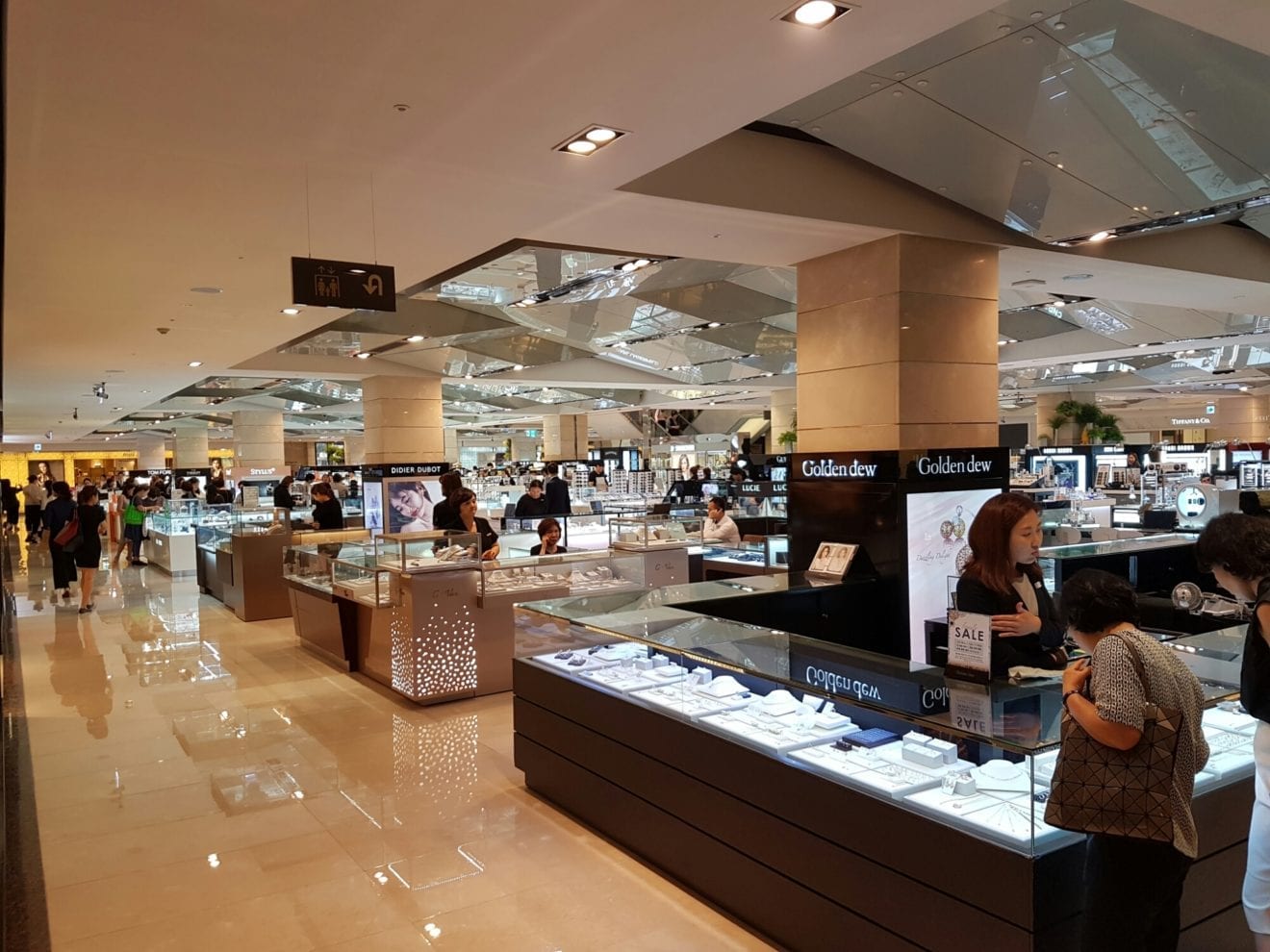
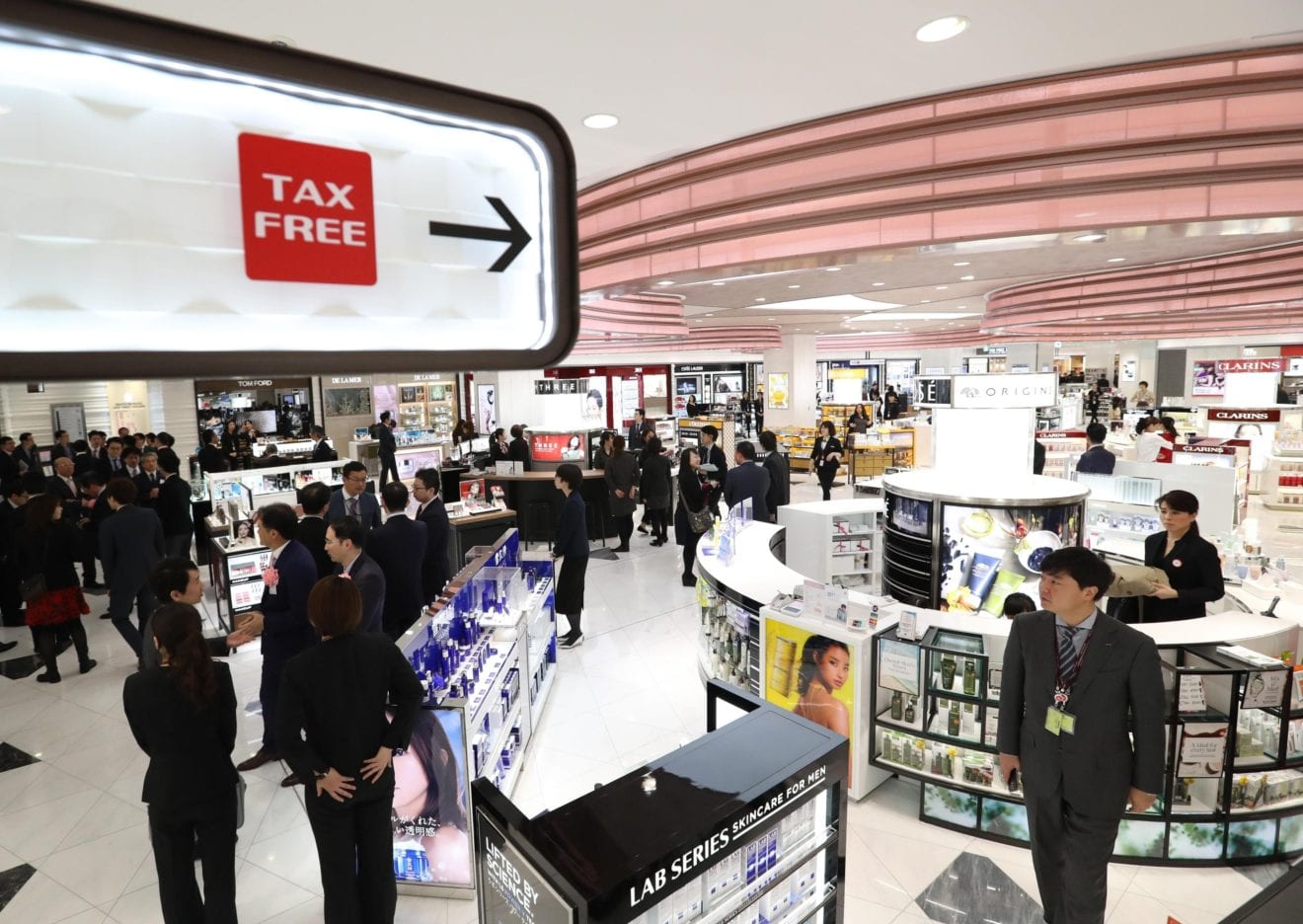
    Lotte Duty Free said Sunday that it has opened its second store in Vietnam at Nha Trang Cam Ranh International Airport as it strives to expand its presence in the Asian market and better serve Chinese and Russian visitors.

    The company, a major player in the duty-free business, said its new store started operating Saturday, as the new passenger terminal at the airport opened for business. It said Lotte has the sole rights to operate the duty-free store at the airport until 2028.

    The airport serves the Nha Trang area in the central part of the Southeast Asian country, with both domestic and international flights being offered to users.

  • Sephora Korea to open door next year

    Sephora Korea to open door next year

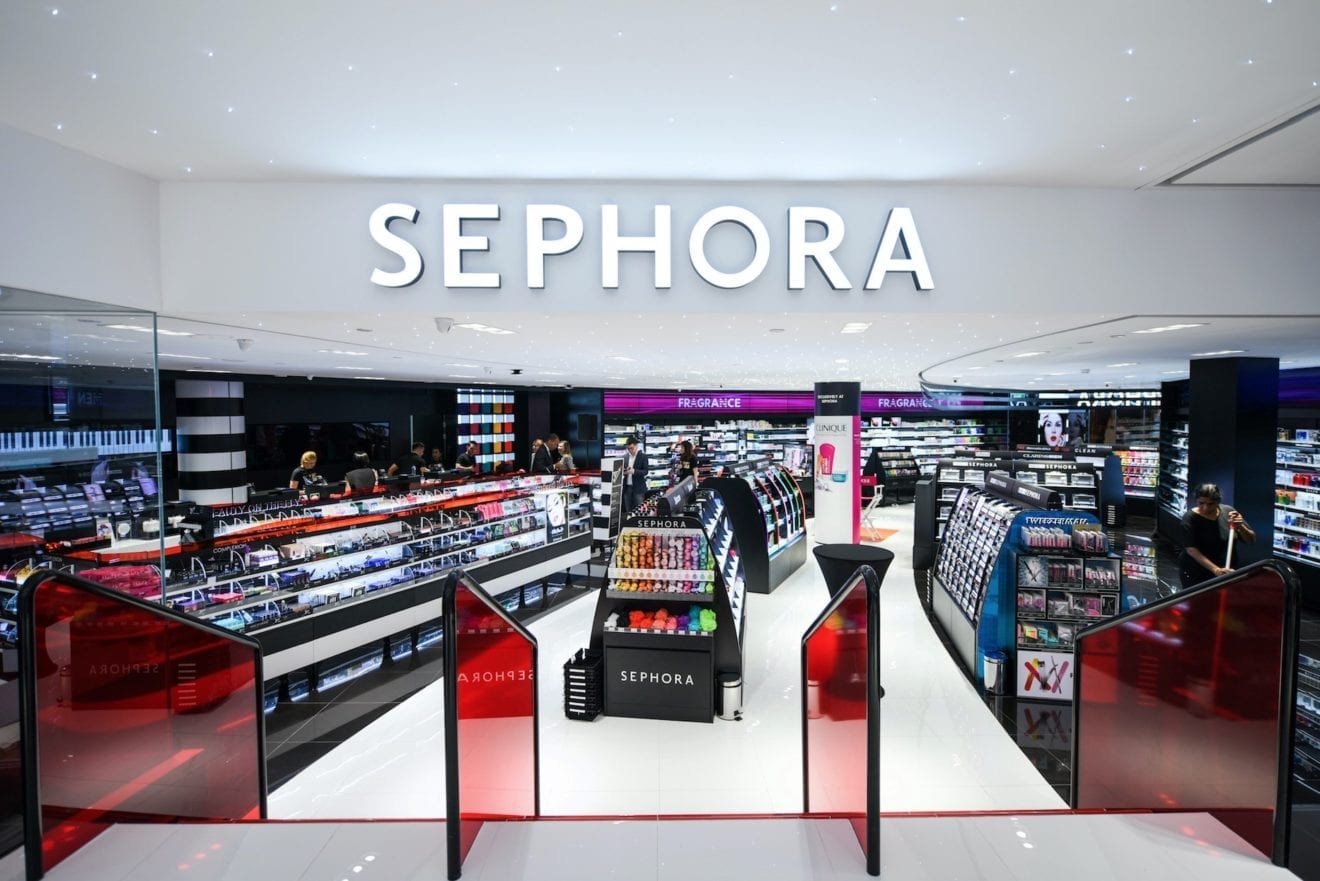
    A situations vacant post has revealed French beauty brand Sephora’s plans to launch in Korea next year.

    The job posting for a human resources manager with Sephora Korea included an announcement that the personal and beauty care store chain will be opening an outlet in Korea in the third quarter of next year.

    While this is the brand’s first venture into the South Korean market, it already operates a network of 2300 stores worldwide since being acquired by luxury conglomerate LVMH in 1997. It has operated in China since 2005, where it has 222 outlets.

    Sephora Korea is likely to face tough competition from the local brands dominating the domestic market.

  • Korean Air brand value plummets following scandal

    Korean Air brand value plummets following scandal

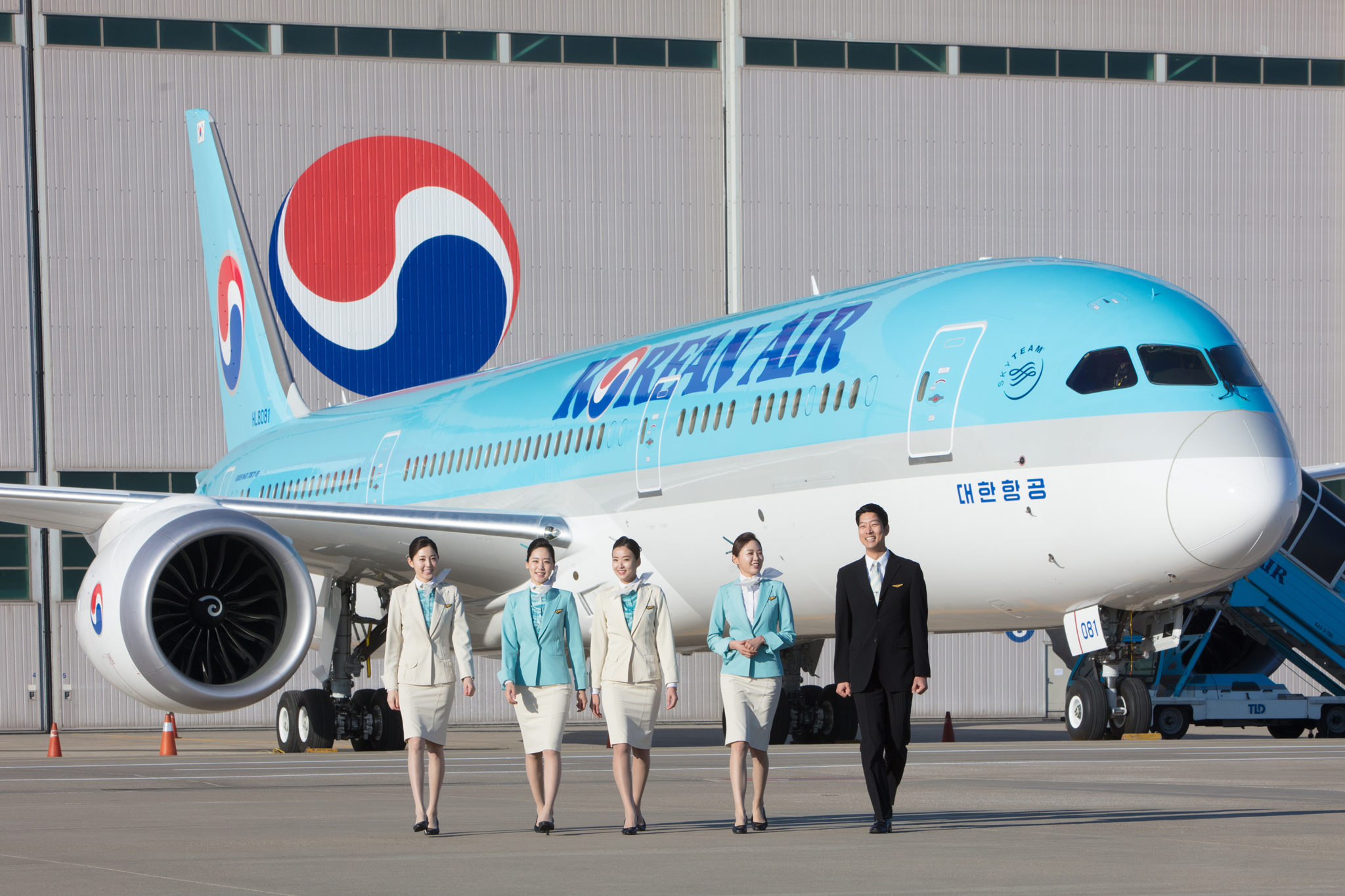
    The brand value of Korean Air fell sharply in the second quarter over a series of allegations involving the family that owns it, an appraisal website showed Sunday.

    The flag carrier’s brand value ranked 36th in the April-June period, down from 11th a quarter earlier, according to Brandstock, a South Korean market research firm that determines the rankings of local brands.

    The decline reflects the intense public criticism directed at Korean Air Chairman Cho Yang-ho’s family over a series of allegations of physical and verbal abuse, as well as smuggling and tax evasion.

    Korean Air’s brand value dropped 39 notches in the quarter following the incident.

    Brandstock said Korean Air’s smaller local rival, Asiana Airlines, saw its brand rank rise to 25th place in the second quarter from 35th place three months earlier.

  • JD Sports expands retail footprint with 36 new stores

    JD Sports expands retail footprint with 36 new stores

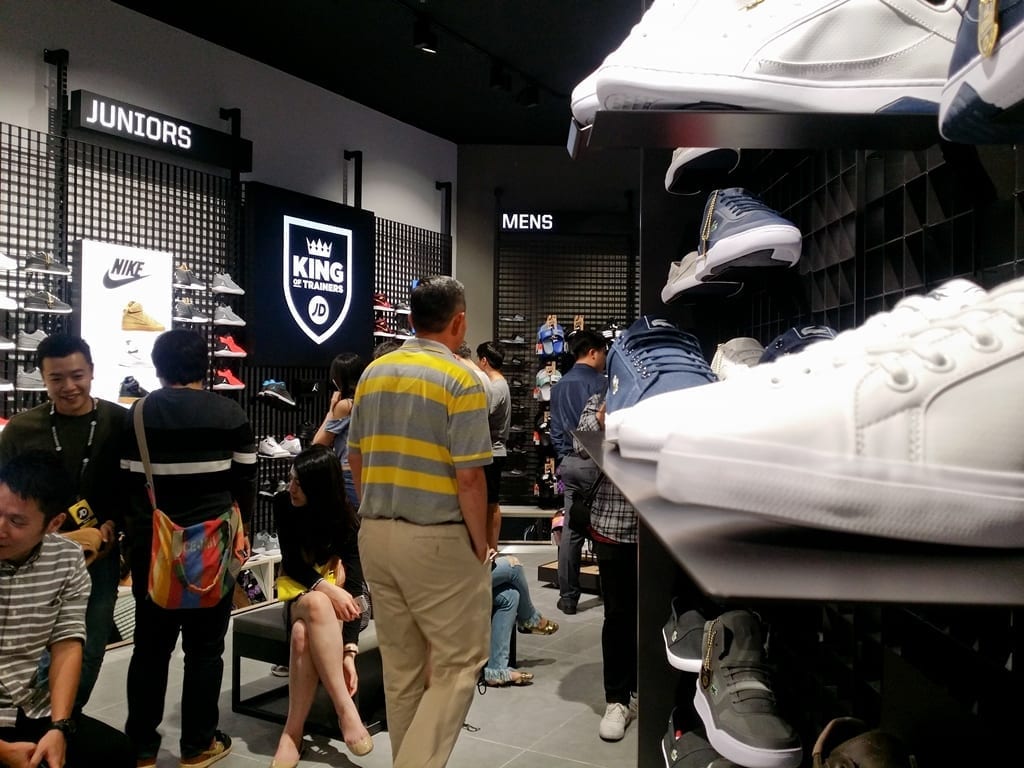
    Ahead of its annual general meeting, JD Sports Fashion Plc said in a statement that the Group announced record results for the year ended February 3, 2018 and its board believes that the company continues to be on track to deliver a result for the full year in line with consensus market expectations. The company also opened doors to 36 new stores starting this fiscal year to June 23, 2018.

    “There has been a further expansion in the JD store estate with a net increase of 36 stores in the period to June 23, 2018. As expected, the emphasis has been on international development with 18 new stores to date across Europe. There has also been an increase of 16 stores in the Asia Pacific region with additional stores in both Malaysia and Australia and the first JD stores in both South Korea and Singapore. The 16 new JD stores in the Asia Pacific region include 12 conversions from other fascias operated by our partners in these territories,” said Peter Cowgill, the Executive Chairman of JD Sports in a statement.

    “Overall, we remain encouraged about the progress that we are making internationally and, following the recent acquisition of the Finish Line business, are excited by the opportunity ahead of us in the United States,” Cowgill added.