Tag: asia

  • Costa Coffee China sales grows

    Costa Coffee China sales grows

    UK’s Costa Coffee says sales in China have underpinned solid growth in its Asian operations.

    Costa has 459 stores in China, where sales rose 4.9 per cent in the first half year as Chinese continue to boost their coffee consumption.

    The company plans to open a further 100 stores in China before Christmas and is expanding its range to suit local tastes, after items such as Cold Brew and Character Roast performed well.

    Costa is also steadily expanding its network in other Asian markets, including Singapore where it has about 10 outlets, and Cambodia.

    Globally, Costa Coffee achieved a 5.2 per cent rise in first-quarter sales, helped by new store openings and the popularity of its Costa Express machines. However, like-for-like sales in its UK home market fell 2 per cent, reflecting the challenges faced by most retailers on high streets currently.

    Costa’s parent, brewer Whitbread, is considering options to spin the business off in a separate listing, but has reportedly since been courted by private equity firms seeing an opportunity to grow the business internationally.

    TPG, Bain Capital and CVC could pave the way for a sale of the brand realising as much as £3 billion.

    In the UK, Costa Coffee has 2467 stores, a mix of company-run and franchised stores. As it encounters trouble on high street locations, the company is shifting focus to high-traffic locations such as airports and petrol stations.

  • The Shilla officially launches Beauty&You

    The Shilla officially launches Beauty&You

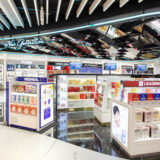
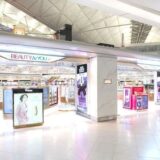
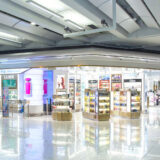
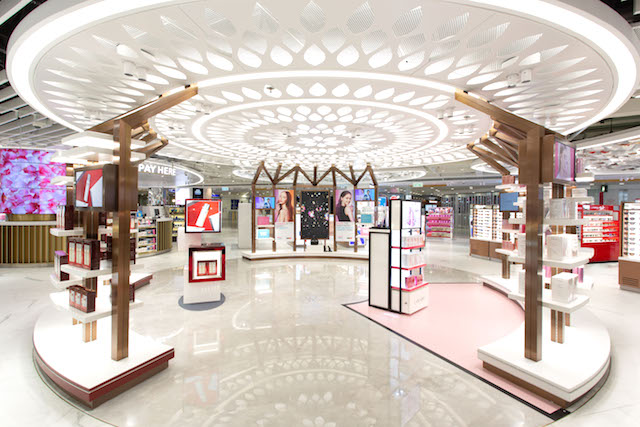
    Korean-headquartered travel retailer The Shilla has officially launched its Beauty&You concept stores in Hong Kong International Airport (HKIA) after a six-month soft launch.

    At the launch, Shilla Travel Retail Hong Kong MD Alice Woo said: “We hope to redefine the airport retail experience and customer journey with a comprehensive brand profile presented in an interactive and engaging environment. Our aim is to deliver the ultimate shopping experience to a diverse audience in one of the most robust travel markets in the world.”

    In line with experiential retail trends, Beauty&You offers curated hospitality with high-end product offerings to attempt seamless retail experiences. In a statement, the company said the store is designed to provide “journeys of discovery” for every customer, with professional beauty and fashion advisors placed in engagement zones with both branded and unbranded counters, offering personalised recommendations.

    The retail space is not only designated as a shopping environment, but also for “retailtainment” where customers may explore their own beauty preferences by experimenting with combinations of multiple brands and experiences – involving digital elements such as virtual makeup apps and VR headsets, as well as instant photo printing and even a ‘lucky claw machine’.

    The store will stock around 200 brands, including premium labels not otherwise available at HKIA. These include David Beckham’s House 99; Korean & Japanese beauty brands The History of Whoo, su:m37o, Three, and ReFa; image-maker Nars; Italian-crafted luxury leather goods and accessory brands Bresciani, Maglia Francesco, Victrix; and accessory brands such as Alexander McQueen and Didier Dubot.

    To mark the official launch and the 20th Anniversary of HKIA, in-store promotions and discounts will be held throughout July.

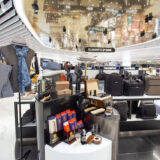
    View the images of the newly launched villa below :

  • H&M reports 21 pc fall in second quarter net profit

    H&M reports 21 pc fall in second quarter net profit

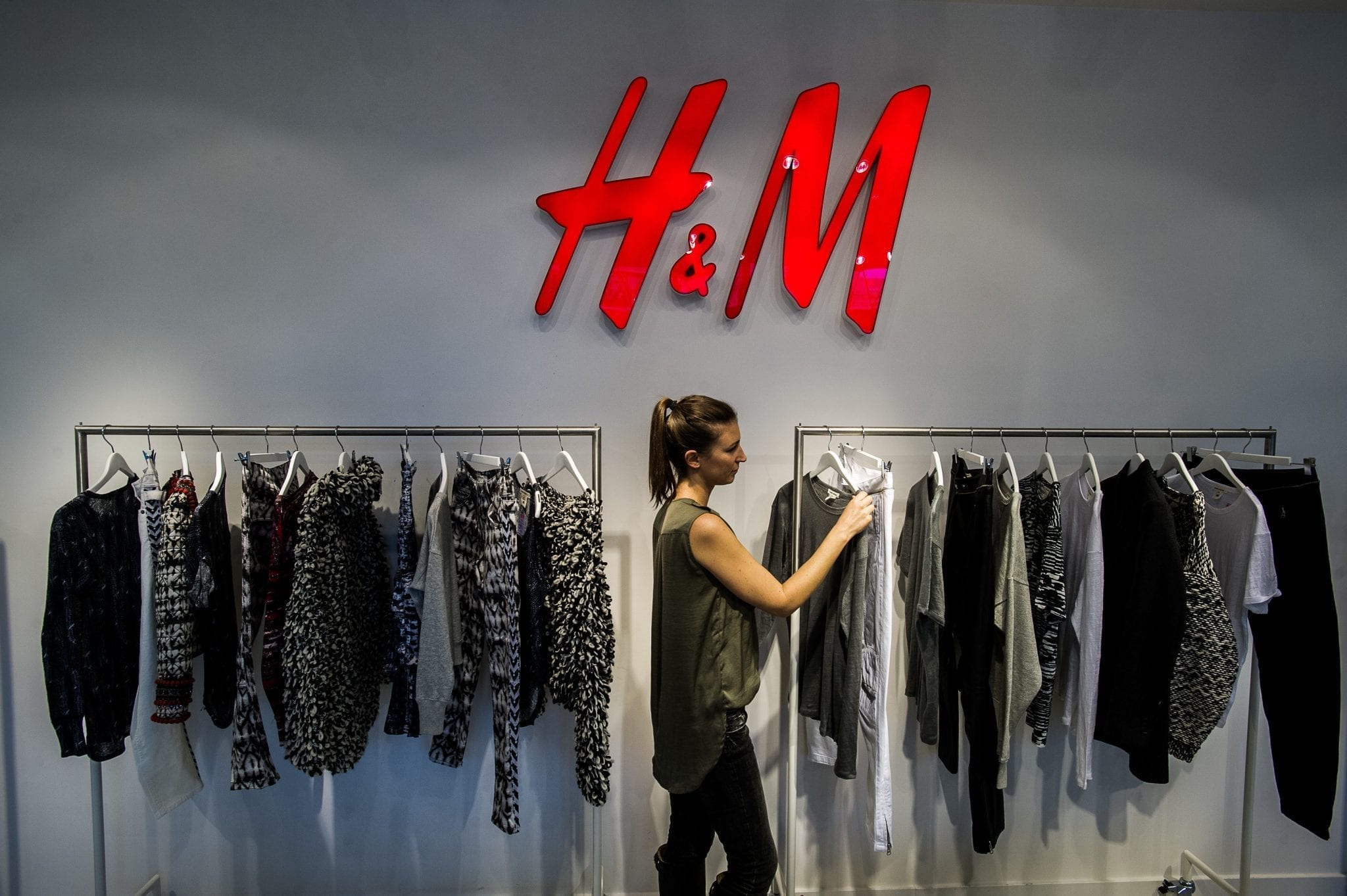
    Hennes & Mauritz AB on Thursday reported a 21 percent fall in second quarter net profit, missing estimates, as the retailer increased clearance sales to shift unsold stock and experienced logistical problems in it shifts to a more efficient supply chain.

    The Swedish fashion retailer said it entered the second quarter carrying too much stock, blaming imbalances in its product ranges, combined with interruptions to its flow of goods in a number of its major sales markets.

    The high inventory level will mean increased markdowns in the third quarter 2018 compared with the same quarter the previous year, it said.

    According to the release, The H&M group is going through a period of transformation to make the company even more customer-driven, efficient and flexible. This includes necessary transitions to new logistics systems that will allow even better availability, speed and transparency. However, sales and profits were temporarily affected by interruptions in connection with such transitions carried out in the second quarter in major markets such as the USA, France, Italy and Belgium.

    According to Karl-Johan Persson, CEO “The rapid transformation of the fashion retail sector continues, and we are in a transitional period that is both exciting and challenging. Challenging because it is complex, extensive and the pace of change is fast. Exciting because we can see positive trends and big potential in connection with our improvement work and investments.”

    Persson further added, “As we signalled previously, it was going to be a tough first half-year. We went into the second quarter carrying too much stock and we still had some imbalances in the H&M assortment – something that we are gradually correcting. As part of our transformation work we are transitioning our logistics systems to make our supply chain even faster, more flexible and more efficient. These transitions are complicated and can result in temporary interruptions, as unfortunately occurred during the second quarter in some of our major sales markets. This negatively impacted sales in the USA, France, Italy and Belgium, as well as online sales in the Nordic region.”

    H&M Home will broaden its product range in the second half of 2018 to include lamps and furniture.

    For 2019 Bosnia-Herzegovina is planned to become a new H&M store market and Mexico a new H&M online market.

    “Yet in a number of markets sales developed positively; in Sweden, Norway, Denmark and Eastern Europe we grew considerably faster than the market. This shows that we are on the right track and that our digital investments and improvement work are starting to have results. Overall, however, total sales for the quarter were not satisfactory, which meant that inventory levels were still too high at the end of the period,” said Persson.

  • Seafolly growing in Chinese market

    Seafolly growing in Chinese market

    Australian swimwear brand Seafolly is expanding into China, with its launch on e-commerce platform Tmall Global next month.

    The move is a noteworthy departure from the Australian retailers and brands that have been expanding into China in recent years, namely those selling milk, supplements and cosmetics.

    But according to Global Industry Analysts, the swimwear and beach casual wear market is on the rise in China, with an average of 9.6 per cent annual market growth from 2013 to 2017, and it is expected to remain strong over the next five years.

    Seafolly global CEO Paul Kotrba sees this growth as an opportunity to sell the brand’s unique beach lifestyle to Chinese consumers.

    “The swimwear industry today is very dynamic and growing at a rapid clip globally, especially so in China where it is forecast to grow close to 10 per cent each year through 2022, thus opening up an opportunity for Seafolly to be the first premium fashion swimwear brand in the market,” he said.

    Kotrba noted that Seafolly is already known to many of the 1.4 million Chinese tourists who have visited Australia in the past 12 months and said there are millions more fashion consumers in China who “love Australian products and brands”.

    Seafolly recently added Alipay as a payment option in certain retail locations in Australia, a sign of the increased demand for Seafolly products amongst Chinese tourists.

    The business has been working towards the Tmall Global launch over the past three months, with teams in Sydney and Shanghai. The private-equity-backed company will be running a series of marketing campaigns to support the brand’s development overseas.

    The brand will join over around 2,000 Australian brands on Alibaba’s e-commerce platforms when it launches on Tmall Global in July.

    “As Australia’s iconic swimwear brand, we are delighted to welcome Seafolly onto Tmall Global and we are excited by the growth and opportunities in the swimwear category,” said Maggie Zhou, managing director of Alibaba Group in Australia and New Zealand.

    Chairman and managing partner of the majority shareholder private equity group, L Catterton Asia, Ravi Thakran, said the move represents a significant step in the journey to create the world’s most iconic swimwear and beach lifestyle brand.

    “[We] look forward to continuing to work alongside the team to expand the brand in existing and new markets around the world,” Thakran said

  • Vietnamese coffee maker gets an energy boost

    Vietnamese coffee maker gets an energy boost

    Vinacafe Bien Hoa (HoSE: VCF) is placed among the top three instant coffee producers in Vietnam, alongside Trung Nguyen and Nestle.

    After reaching its peak in 2014, however, the company’s coffee segment went through a stiff drop in revenue which was recorded at VND1.7 trillion ($74.6 million) last year, a decline of VND300 billion year-on-year and VND550 billion compared to the record high in 2014.

    Its portion of revenue generated by instant coffee has plummeted from 80 percent to 50 percent.

    This trend is not unique, as revenues of Trung Nguyen, its major rival, have stayed flat in the last three years at around VND3.8 trillion ($166.8 million).

    According to several market research firms, the market share of caffeine drinks is now being eaten up by energy-boosting alternatives to coffee, like energy drinks and bottled tea.

    This trend has helped Vinacafe offset sluggish sales of instant coffee. It introduced the coffee-flavored energy drink under Wake-up brand in 2014. The new product quickly gained popularity in a market dominated by Thailand’s Red Bull, PepsiCo’s Sting and local Number 1.

    Revenue of Wake-up 247 has gone up four-fold in three years. Last year, it was recorded at more than VND1.2 trillion ($52.7 million), an in crease of 55.5 percent from 2016. The gross profit of the energy drink was VND557 billion, corresponding to a gross profit margin of 45.5 percent, higher than the figure of coffee by 12 percentage points.

    Vinacafe has targeted VND3.1-3.3 trillion in revenue this year, a 5 percent year-on-year decline. However, it aims at higher post-tax profit of VND450-500 billion, up 21-35 percent from 2017.

    To achieve these targets, the company will focus on rebuilding its instant coffee brands by relaunching some products with new makeovers. For the energy drink, it seeks to expand production and distribution.

    At the general meeting last April, Nguyen Tan Ky, general director of Vinacafe, said the company has changed its distribution model to secure a two-digit growth rate in face of stiff competition.

    Its products are now sold through a nationwide network of its parent company Masan Beverage, a wholly owned subsidiary of consumer goods giant Masan Consumer under Masan Group.

  • Tsui Wah Mainland coming for some help

    Tsui Wah Mainland coming for some help

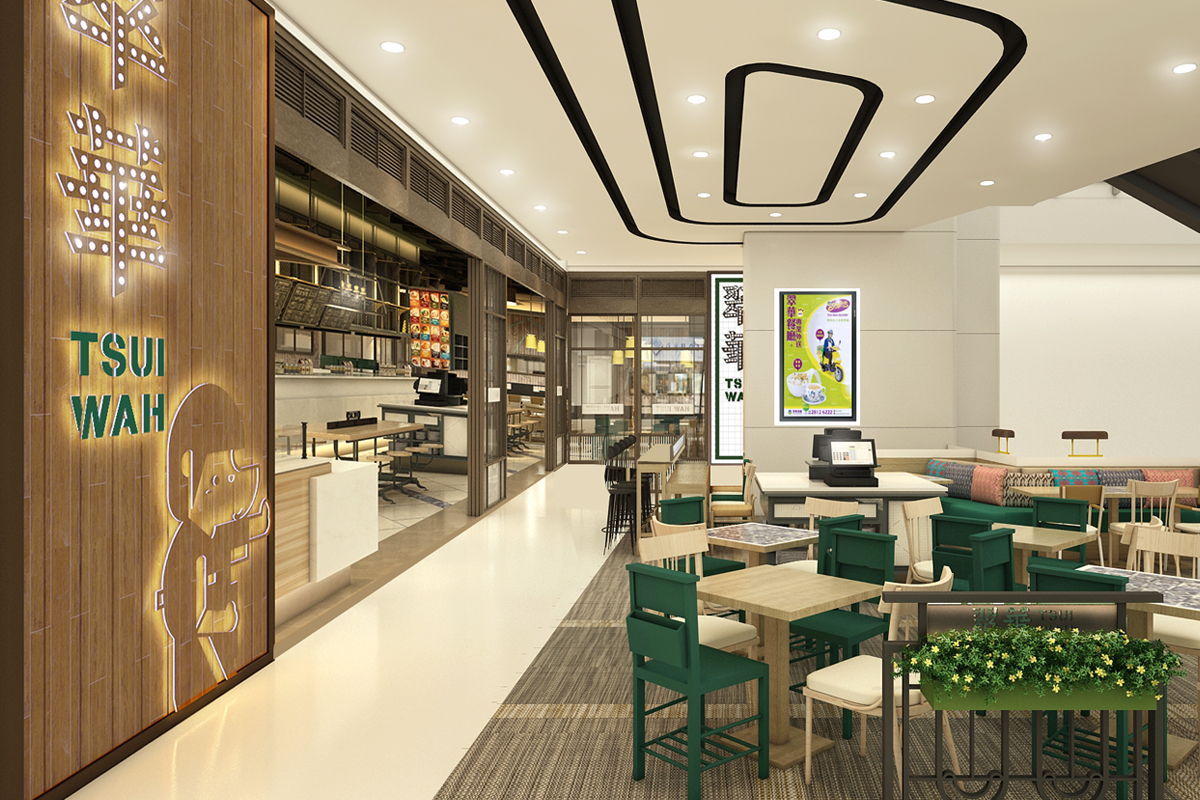
    New stores in Mainland China helped mitigate a tough consumer market in Hong Kong for listed restaurant-operator Tsui Wah Group.

    The company ended the year with 70 restaurants – a net increase of five in Mainland China, one in Hong Kong and an unchanged three in Macau.

    Total revenue reached HK$1.84 billion (US$234.5 million)for the year to March 31, down by a marginal 0.3 per cent with a 4.3 per cent decline in Hong Kong offset by a 7.8 per cent increase in Mainland China. Profit attributable to shareholders fell 11.4 per cent to $80.77 million.

    Chairman and executive director Lee Yuen Hong said the retail market in Hong Kong experienced “a progressive improvement” during the period, however, selling and distribution expenses as well as property rental and related expenses had increased, which presented challenges to the group’s results.

    “The PRC market benefitted from rising purchasing power amongst the general population, and the revenue from the group’s branches in Mainland China also correspondingly increased.”

    Tsui Wah launched two new self-developed brands last year: Beat Bakery, which uses flour imported from Japan with healthy eating as its core theme, and Nijuuichi Don, featuring Japanese fast-food.

    The group also opened a new restaurant concept, Maomao Eat, which serves authentic Hong Kong-style snacks in the Tai Kwun Centre for Heritage and Arts, in Central. “Maomao Eat also incorporates vegetarian elements in its menu by partnering with Green Monday, a non-profit organisation that promotes a healthy diet and sustainable living,” he said.

    The company opened eight new Tsui Wah branches in Hong Kong and Mainland China, three in Shanghai, and three in the south.

    Tsui Wah also sealed a partnership with Singapore’s Jumbo Group to open and operate a Hong Kong-style Cha Chaan Teng under the Tsui Wah brand. Hong said the restaurant, which opened in mid-June, leverages off Jumbo’s strong presence in Singapore.

    “The group is confident this joint venture will be successful and will enable Tsui Wah and its products to establish an excellent international reputation among the 5.6 million residents of Singapore.”

  • Capillary Technologies Leads Bata’s Omnichannel CRM Journey to New Markets in Southeast Asia

    Capillary Technologies Leads Bata’s Omnichannel CRM Journey to New Markets in Southeast Asia

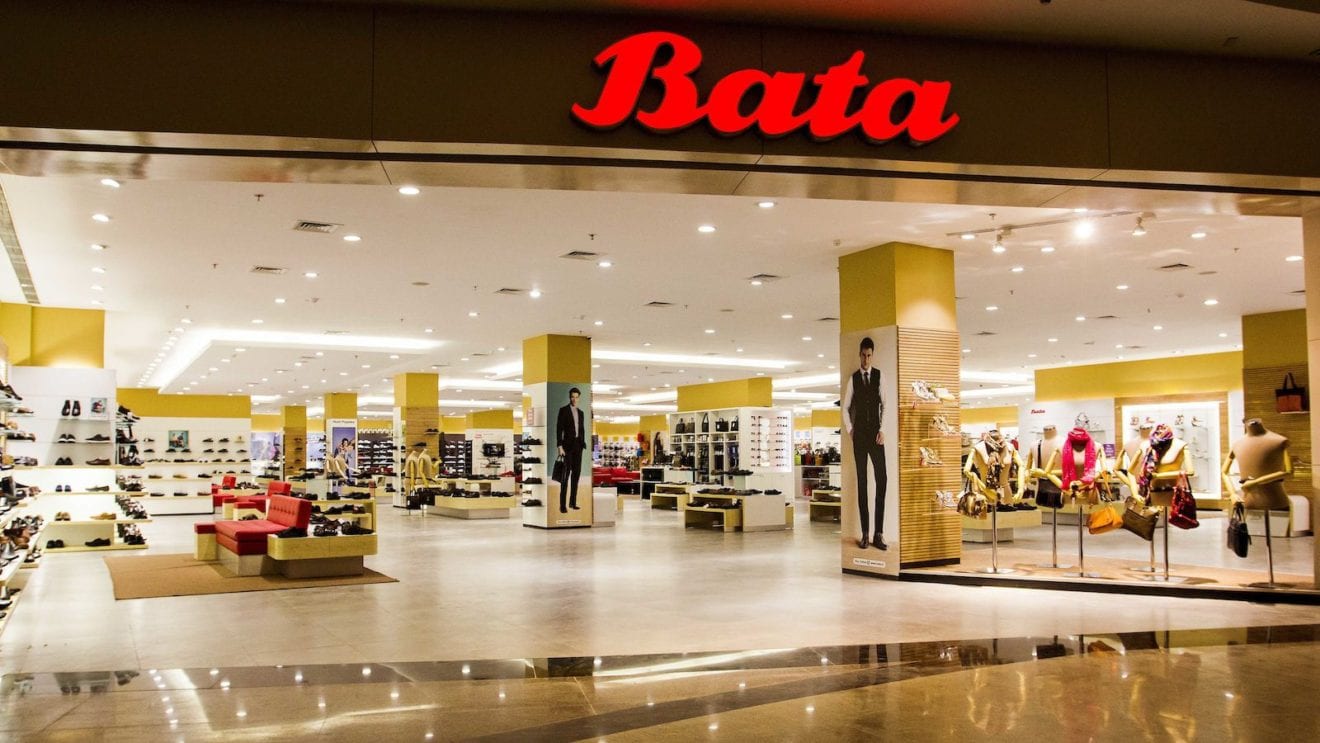
    Capillary Technologies, a Singapore-based company that provides consumer insights, personalised engagement, omnichannel commerce and loyalty solutions, has been appointed as a strategic partner of Bata, a leading shoe brand. The partnership will help Bata strengthen their omnichannel CRM strategies in Philippines and Vietnam.

    Beyond these two markets, for more than three years Capillary has been acting as Bata’s CRM partner in six Asian countries including Singapore, Malaysia, Indonesia, Thailand, India, Bangladesh and also three African countries – Kenya, Zambia, and Zimbabwe.

    Capillary powers Bata’s loyalty program, develops targeted & personalised, omnichannel campaigns, and performs in-depth consumer and business analytics for over 2,000 stores across these markets. With the goal to provide a unified CRM platform for all its markets, Bata will be kicking off its game plan for Philippines and Vietnam in the second half of 2018.

    “We want to bring together exceptional products, and best-in-class retail technology to realise our passion for customer delight and deliver an exceptional customer experience. To really improve our brand-customer relationships, we feel it is imperative for us to find ways to walk and talk with our consumers across the various channels and touch points they use in their buying journey. The engagement had to be consistent, connected and seamless.” said Roberto Longo, President, Asia Pacific, at Bata. “Capillary has helped us achieve this, having been our trusted partner across six countries in Asia. There was no doubt about banking on Capillary’s expertise and innovative technology to take us ahead in Philippines and Vietnam.”

    With Capillary, Bata has been able to achieve 2.2X higher returns from targeted campaigns in Singapore and as high as 57X ROI from Facebook campaigns in Malaysia. In other markets as well, the brand has seen 10X increase in ROI from its overall CRM investments. With Capillary’s assistance, the brand has won multiple awards, most recently for the best use of analytics and also for their CRM and Loyalty program in Singapore and Malaysia respectively, in 2018.

    “We didn’t want to be just another shoe brand to our consumers. A brand they might be buying from once in a while. Instead, we wanted to build a close relationship with them and become a part of their lives. Thanks to Capillary, through targeted campaigns, insight backed CRM decisions, and omnichannel engagement, we believe we have made some lifelong customers” added Longo.

    Abhijeet Vijayvergiya, President & Managing Director, Global Accounts and Asia Pacific, at Capillary Technologies, also expressed Capillary’s delight in propelling Bata’s expansion into new markets: “This year, we foresee that Capillary will continue to grow exponentially across the globe. Our association with leading brands like Bata, who have partnered with us in many markets, reinforces the fact that the trajectory we have chosen for the company is the right one. We are definitely thrilled to help Bata in expanding its footprint in the Asia region.”

    In Southeast Asia, Capillary is working with 14 million customers and has more than 14 hundred stores active on its platform, including Mitra10, Bata, Caring Pharmacy, TungLok Group and McDonald’s. Fresh off a US$20m funding round led by existing blue chip investors Warburg Pincus and Sequoia Capital, Capillary also plans to use some of the new funds in strengthening its presence in Southeast Asia, including Indonesia, after achieving a threefold growth in the region.


  • Consentium unveils plans for app launch for iOs and Android

    Consentium unveils plans for app launch for iOs and Android

    Consentium, a multi-digital-currency and group monetisation chat application, has today announced an updated roadmap which includes details on its app launch and latest addition to its leadership team. This follows its successful Token Generation Event (TGE) earlier in April this year.

    Consentium allows peer-to-peer (P2P), multi-digital-currency and C2C (consumer-to-consumer) transfers between users. It offers a transactional fee redistribution program as an incentive to create and cultivate strong in-app communities. Consentium uses a reward system based on creation of quality community groups – comprising both amount of users, as well as in-app reputation of users.

    In an effort to cultivate and engage users, the Consentium app – which will first be rolled out on Android platforms on 1 August, followed by iOS on 10 September – will also be made available in English, Chinese, Korean, Japanese and Arabic. This underscores its intention to engage key markets in Asia where user mobile engagement rates are high and the cryptocurrency space has matured rapidly in recent months. Consentium also expects to fully integrate its Chat Community Monetisation Model (CCM) across all platforms by October 2018.

    The Consentium app will include two salient features to leverage on the popularity of mobile chat applications and the transactions of cryptocurrencies; the chat community and the multiple digital (C2C) currency wallet, which allows peer-to-peer interactions at both individual and group levels. The chat feature allows individuals to create, share, communicate and produce unique content through 1-to-1 chats with other individuals, or create chat groups and channels via communities for brands and influencers. This allows for multiple monetisation opportunities across one integrated platform, applicable to different communities.

    Joining the team to help drive these developments is Ekaterina Skorobogatova. Her 15 years of experience in the social media networking application and platform field will greatly contribute to

    the app’s development. She most recently led growth efforts at WhatsApp Inc., and prior to that, spearheaded the launch of Facebook in Russia. Ekaterina has also taken on other roles within Facebook and Internet Org, working in teams which focused on mobile growth and product development respectively.

    These updates build on the existing momentum Consentium has achieved in the past two months. MegaXstore, a Singapore-owned multi-label store now accepts Consentium coins (CSM) as a payment currency for its products having announced a partnership in April. CSM is also now listed on HitBTC.com, the world’s most advanced cryptocurrency exchange, and will soon be listing on CMC Markets, followed by KuCoin. Listing on HitBTC will support the ongoing liquidity of CSM and enhance its utility by allowing consumers and potential users of the Consentium app gain easy access to the tokens.

  • AEON and Thai Airways brings you to experience  “Wonderful Autumn in Japan”

    AEON and Thai Airways brings you to experience “Wonderful Autumn in Japan”

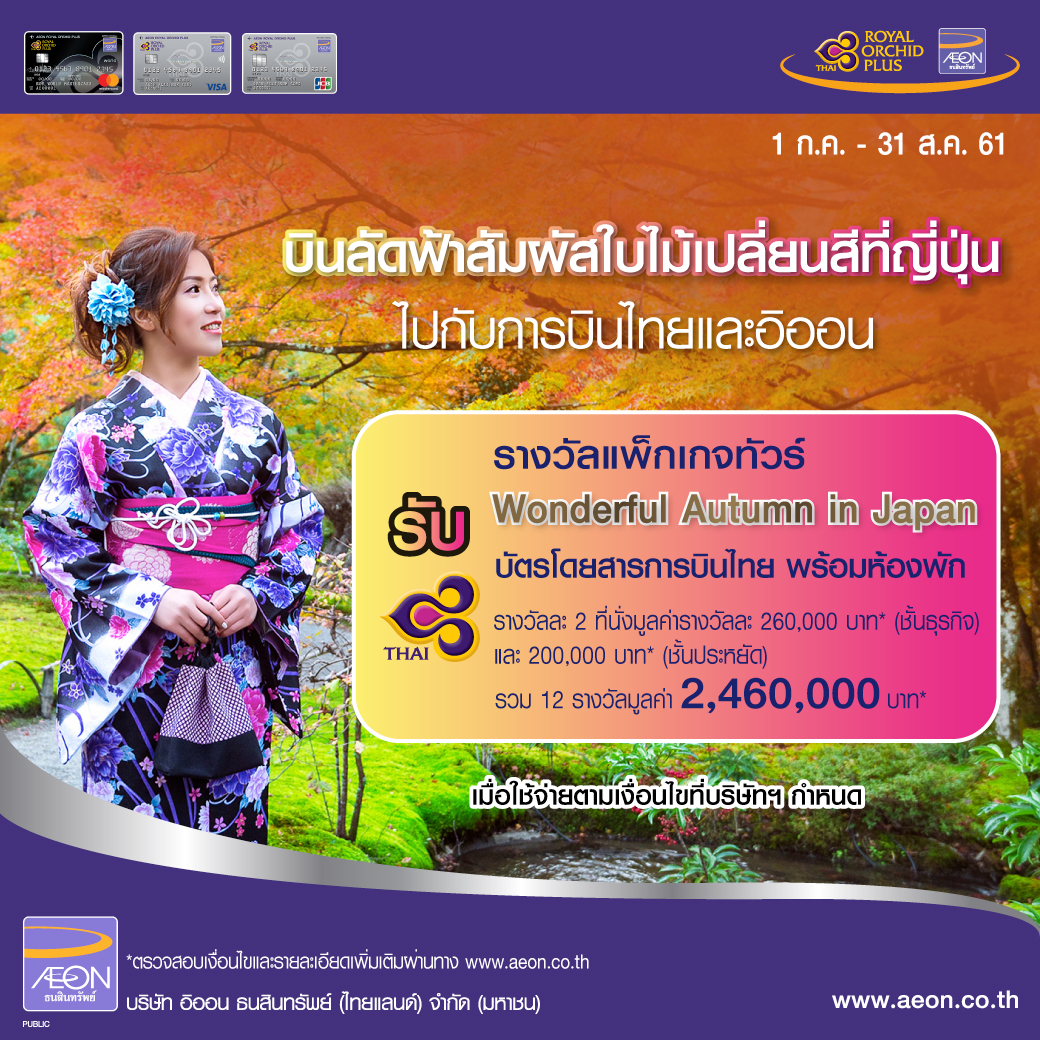
    AEON Thana Sinsap (Thailand) Public Company Limited together with Thai Airways International Public Company Limited launched the “Wonderful Autumn in Japan” campaign to offer privileges for AEON Royal Orchid Plus World Mastercard and AEON Royal Orchid Plus Platinum cardholders, 10 prizes of Japan tour package with 2 seats of Thai Airways tickets worth over 2 million Baht. Get a chance to experience a miracle nature of colorful Fall and Autumn in Japan when spending every 1,000 Baht with AEON credit card and receive 10 chances for every 1,000 points redeemed into mileage points, or by spending 1,000 Baht per sales slip at Thai Airways Sales Office

    Additional special promotion for AEON credit card top spenders at Thai Airways Sales Office or online will get a chance to win a premium Japan tour package, 2 business class tickets from Thai Airways. This promo will be active until 31 August 2018.

  • Moschino partners with Alibaba’s Tmall Luxury Pavilion for its China launch

    Moschino partners with Alibaba’s Tmall Luxury Pavilion for its China launch

    Moschino, the iconic Italian luxury fashion brand, announced today it has joined Alibaba’s Tmall Luxury Pavilion to open its namesake flagship store, offering China’s luxury shoppers the opportunity to discover Moschino’s world of innovative designs.

    To expand its reach among China’s rapidly growing and young luxury consumer base, Moschino is joining forces with Alibaba to leverage the company’s unparalleled technology, exclusive platform, and insights into China’s high-end shoppers. The Luxury Pavilion is an invitation-only platform on Tmall for consumers of premium brands, providing an exclusive, luxury experience from product selection, brand experience, and customer service. Moschino’s flagship store will showcase a selection of items from its latest collections as well as the “Moschino X Tmall” collection, available only to Luxury Pavilion consumers.

    The “Moschino X Tmall” collection was designed by Jeremy Scott, Moschino’s Creative Director, and includes 6 ready-to-wear pieces and accessories, including a T-Shirt, hoodie, sweater, dress and baseball cap, all inspired by its Moschino Couture! design. The collection will be available on Tmall’s Luxury Pavilion starting June 28, 2018.

    “We are thrilled to make our debut into the Chinese market with Tmall.” said Gabriele Maggio, General Manager of Moschino. “To win in the China luxury market, you need to win over Millennials. We already see quite a bit of brand love among this powerful consumer group which we plan to grow in partnership with Tmall. There is no better partner to engage Millennial luxury shoppers in China than Tmall’s Luxury Pavilion. We are building an exclusive, social and digital experience with Tmall, designed for Millennial shoppers, to build our brand and expand Moschino’s presence in the Chinese market.”

    “We are very pleased to partner with an iconic fashion house like Moschino to help them expand in China and engage with a new generation of China’s sophisticated luxury consumers,” said Jessica Liu, President of Tmall Fashion and Luxury, Alibaba Group. “Moschino is a unique brand and important addition to Tmall’s Luxury Pavilion which is the premier luxury shopping destination for Chinese consumers, providing an exclusive, personalized and data-rich experience for luxury brands to engage with their customers today and into the future.”

    Launched in 2017, Luxury Pavilion has become the go-to destination for Chinese consumers looking to buy luxury products from around the world. The online platform provides the same brand exclusivity, customer service, tailored shopping experience consumers expect from a brick-and-mortar store brand store. The Luxury Pavilion is now home to around 60 luxury international brands.

  • Barry Callebaut elevates China’s taste buds with new sensory Chocolate Tasting Ritual

    Barry Callebaut elevates China’s taste buds with new sensory Chocolate Tasting Ritual

    Barry Callebaut brings a whole new sensory experience to China with the introduction of the Chocolate Tasting Ritual. The Switzerland-based company, one of the world’s largest chocolate manufacturers to artisanal and professional users of chocolate, said the tasting ritual will allow chocolate professionals and consumers to uncover a brand new world of chocolate richness.

    Cocoa and chocolate sensory scientists from Barry Callebaut and the leading global flavor house Givaudan devoted years of extensive research to develop a cocoa and chocolate sensory language. In parallel, Barry Callebaut engineered a chocolate tasting ritual, a fresh new experience inspired by the age-old practice of tea tasting ceremonies in China.

    Pascale Meulemeester, Barry Callebaut’s Vice President for Global Gourmet, said, “We are excited to transfer this know-how to the growing pastry chef community in China. The tea tasting ritual is symbolic of Chinese tradition. As chocolate becomes more popular among consumers in China, we believe the chocolate tasting ritual will be an exciting experience for consumers in China as well. Chinese consumers can now even better appreciate high-quality chocolates such as Callebaut®, Cacao Barry®, and Carma®.”

    What is the chocolate tasting ritual?

    A Chocolate Tasting Ritual fully engages all five senses – sight, touch, hearing, smell and taste – and enables chocolate professionals and consumers alike to discover new dimensions of the chocolate experience and elevates the chocolate enjoyment to the next level.

    Perfectly pairing cocoa and chocolate sensory research with consumer understanding, Barry Callebaut also developed the Consumer Chocolate Sensory Wheel with 87 descriptors, extensively covering the different flavors, textures and aromas of chocolate. The comprehensive sensory language is rooted in science – it is the first time that chocolate flavors are described in such a precise manner. Through speaking a common language, this enables the chocolate industry to develop a higher awareness of the intricate tastes and flavors of chocolate.

    The chocolate tasting ritual was demonstrated to 46 international chefs as well as several invited pastry chefs at the Global Chef Seminar organized by Barry Callebaut in Shanghai.

    Renata Januszewska, Global R&D Sensory Methodologies Manager at Barry Callebaut, conducted the chocolate tasting ritual at the event. She said, “Having a shared language and the tasting ritual will enable brands to discuss their chocolate experiences with consumers and describe their uniqueness to them. It will also offer them the means to come up with even better tasting experiences, exploring new flavors and food pairing combinations.”

    During the demonstration of the ritual, the chefs participated in a full immersion into all four categories of chocolates – milk, dark, white, and ruby chocolate. The unique tasting experiences of these chocolates were truly linked to cocoa origin, cocoa varieties, product processing parameters, recipes and three Barry Callebaut brands: Callebaut, Cacao Barry and Carma.

    • The first sense to experience the chocolate products during the tasting session is, of course, the eyes (sight), as consumers observe the color, gloss and visual texture to form their first impression;
    • Then, the chefs were asked to hold the chocolate in their hands to feel (touch) the product and see how soft it is, how quickly it melts, and how resistant to breaking it is, according to the different recipes;
    • Afterwards, the chefs held the chocolate close to their ears, and break it to hear the snap, the sharp cracking sound made when chocolate is broken up in pieces;
    • Next, the chefs put the chocolate close to their nose to take in the aroma (smell), discovering the intensity, complexity, and type of aromatic notes;
    • Following this, they were advised to taste the chocolate in their mouth and let it slowly melt while holding their nose closed – shutting off all other senses to ensure a fine-tuned taste.

    This procedure allowed chocolate lovers to deeply appreciate the products they were tasting in a completely different way, experiencing the full complexity of chocolate flavors. This is the type of experience that will really improve people’s overall sensory enjoyment of chocolate, the company believes.

    Global Chef Seminar

    This is the first time the company has brought its international chefs together in a global meeting held in the Asia Pacific region. The international chefs included world-renowned and award-winning pastry chefs which represent the company’s three global chocolate brands, Callebaut®, Cacao Barry®, and Carma® attended the seminar.

    The seminar marks the 7th edition and prior to this, the annual chef seminar has been held in other major cities including Milan (Italy) and Toronto (Canada).

    “The Chocolate Tasting Ritual is just one of the resources, learnings and tools that we have today, that provides numerous opportunities for knowledge transfer to the chef community in China,” said Denis Convert, Barry Callebaut’s Vice President for Gourmet in Asia Pacific. “Our three global gourmet brands are supported by one of the largest numbers of pastry chefs and chocolate ambassadors with a worldwide network of more than 21 Chocolate AcademyTM centers. Pastry chefs from across the China region will find at one time and place all the tools and information they need to be competitive in today’s rapidly changing food landscape.”

    The seminar was jam-packed with power networking sessions, comprehensive thought leadership sharing with experts, peers and industry insights that aim to boost the chocolate community. During the seminar, the chefs were equipped with practical insights on the latest trends, topical challenges and best practices for them to navigate and excel in the competitive and evolving pastry landscape.
  • Breitling opens first flagship boutique in Asia in Beijing

    Breitling opens first flagship boutique in Asia in Beijing

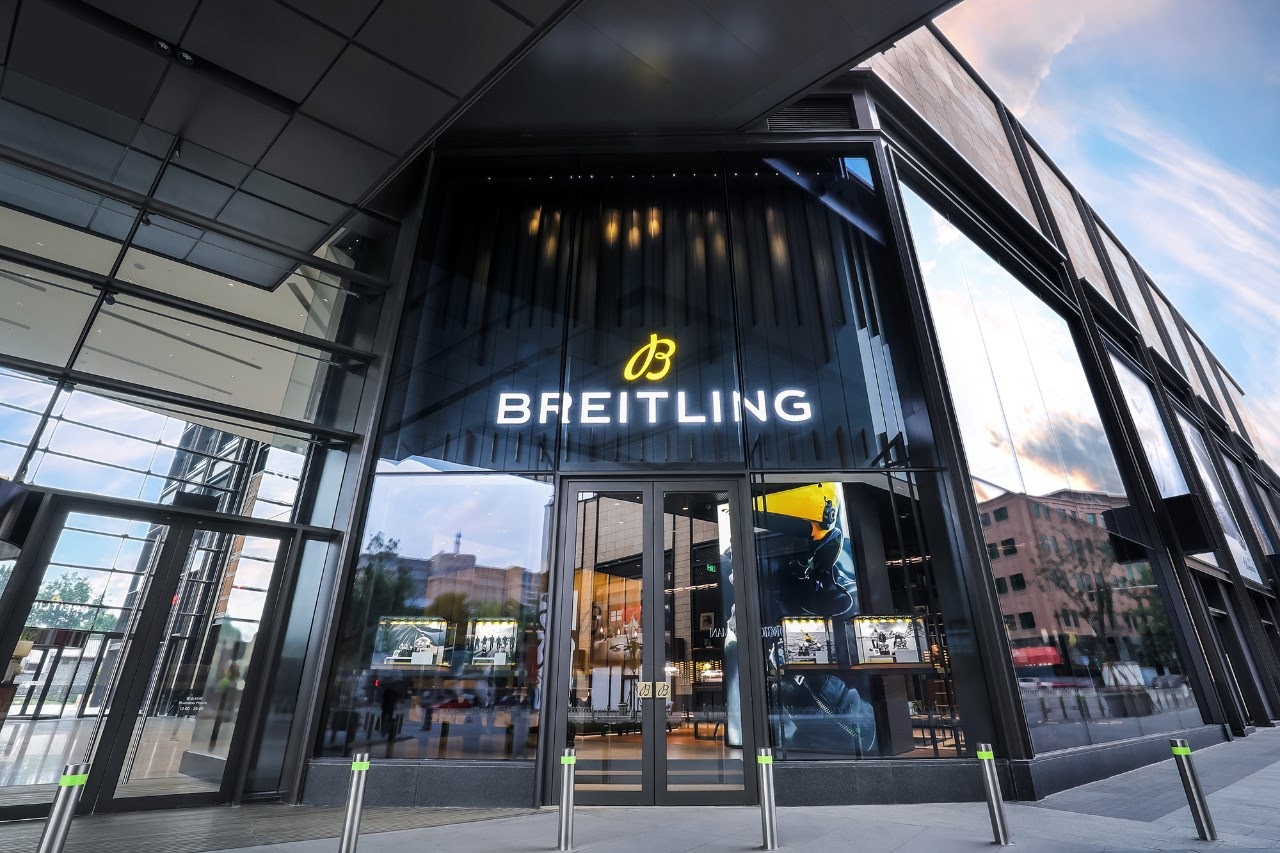
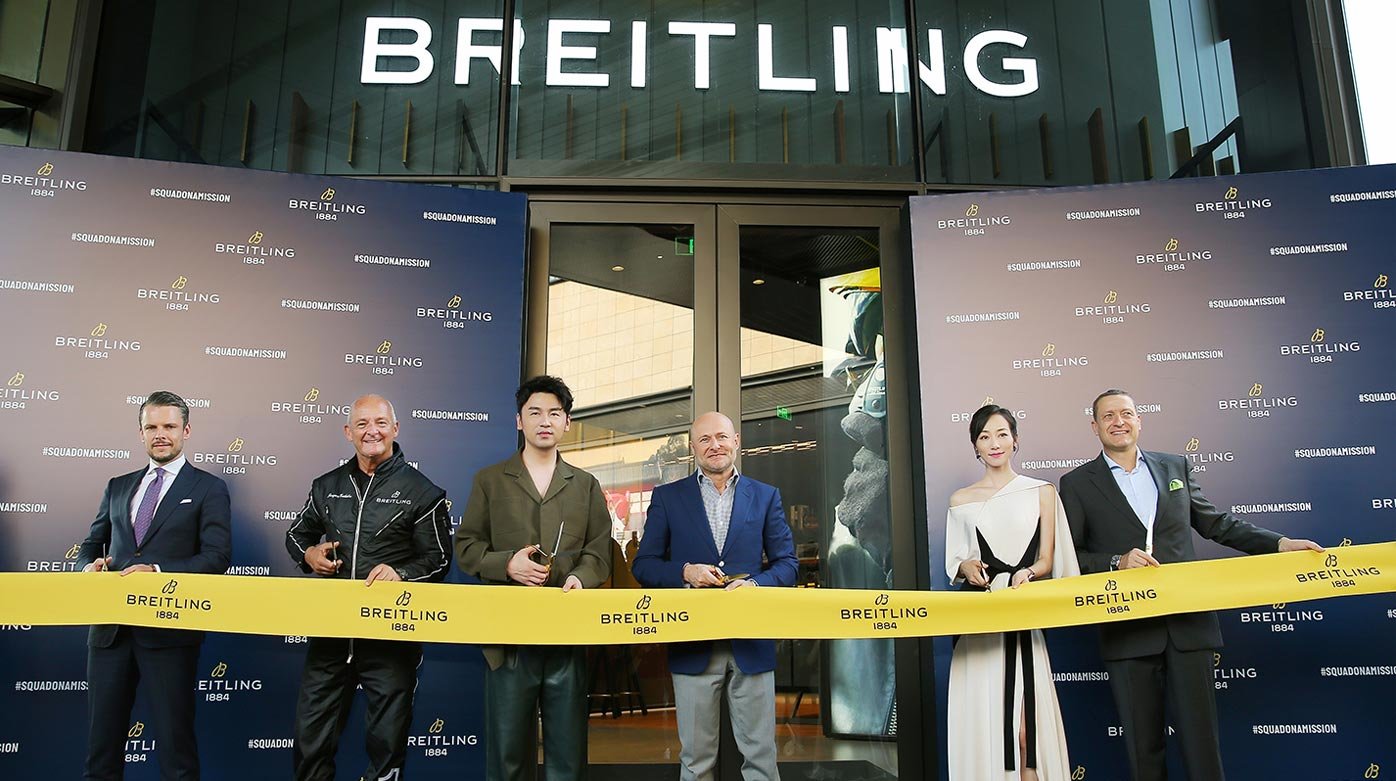
    Swiss luxury watchmaker Breitling has opened its first Asian flagship boutique in Beijing’s WF Central.

    The 152sqm Breitling Beijing boutique’s design features display space for more than 200 timepieces representative of the brand’s entire product range, including some exclusive limited editions. The interior is styled to present an artful, modern interpretation of mid-twentieth-century industrial loft interior design.

    More than 10,000 Japanese bricks were used in its construction to build a prominent wall display of the brand’s 1960s-era logo. It also features waxed concrete and American walnut flooring. An entrance bar doubles as a watch display area and includes a professional pool table for visitors to the store.

    Breitling’s design director Guy Bove said: “With our redesigned boutiques, we are respecting our long, impressive heritage, but are doing so by creating a relaxed, stylish environment. We are opening our doors to a new generation of Breitling enthusiasts”.

    CEO Georges Kern said launching the new Breitling Beijing flagship underscores the importance of Asian markets – particularly China – to the brand.

  • Korean cell phones mark 30th year

    Korean cell phones mark 30th year

    Sunday marked the 30th anniversary of the launch of the first mobile phone in Korea, which kick-started an industry that would redefine the country’s economy.

    Korea Mobile Telecommunications, which later changed its name to SK Telecom, launched the Motorola DynaTAC 8000S on July 1, 1988. It worked using a method called advanced mobile phone service, the first-generation mobile communications technology, which was initially introduced to car phones in 1984.

    The first weighed 771 grams (1.69 pounds), as heavy as about four of today’s 5.5-inch smartphones, and was nicknamed the “brick phone.” The device cost 4 million won ($3,593) on top of a service installation fee of 600,000 won. The Motorola cost as much as renting an apartment on a two-year contract in some areas of Seoul.

    Mobile phone usage quickly gained momentum ever since. The number of mobile phone plans in Korea was only 784 as of 1988, but it exceeded 100,000 in 1991 and reached 50 million by 2010, surpassing the Korean population for the first time. As of April, there were 64.6 million mobile phone subscriptions in Korea.

    Over the course of the past three decades, mobile service has evolved as well. Code-division multiple access (CDMA), a second-generation, or 2G, technology was launched in 1996. It was followed by 3G, or WCDMA, in 2003. In 2011, today’s most common mobile standard, 4G LTE, was commercialized. As early as March next year, mobile service operators in Korea are set to debut a 5G wireless standard with data transmission speeds as fast as 20 gigabits per second, up to 20 times faster than LTE.

    “The past 30 years that came alongside the progress of the nation’s mobile communication industry has been hugely meaningful to us,” said Yoon Yong-chul, head of communications at SK Telecom. “The future of mobile communication will create value beyond what we can imagine on the back of 5G.”

    With all major mobile operators worldwide scrambling to adopt 5G technology, market researcher IHS Markit projects that the new wireless standard will generate $12.3 trillion in global economic output by 2035.

    SK Telecom will host a special exhibit on the past 30 years of mobile service in Korea at the National Museum of Korean Contemporary History in central Seoul from July 9 to 31.

  • Papa John’s sells company-owned restaurants in Beijing

    Papa John’s sells company-owned restaurants in Beijing

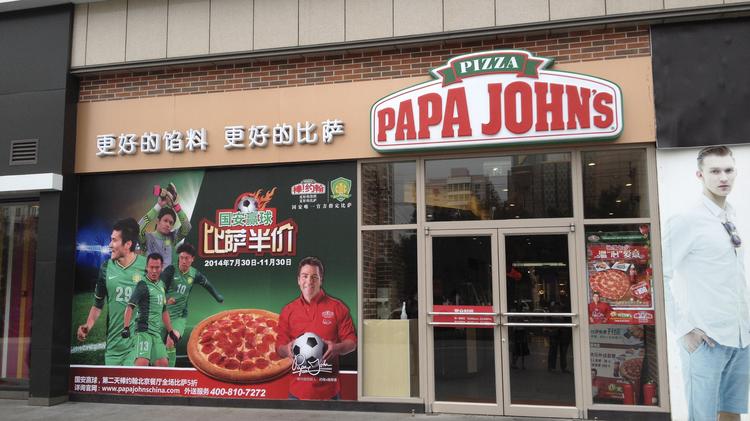
    Papa John’s International has sold its restaurants in Beijing and Tianjin in China.

    The 34 stores have been bought by Asia Gourmet Holdings (Shanghai), a portfolio company of Advantage Partners, a private equity firm in Asia.

    “Asia Gourmet Holdings (Shanghai) is an experienced and successful operator with significant interests in the restaurant industry in China,” said Tim O’Hern, president, international, Papa John’s.

    “The new franchisee shares our commitment to quality and will represent our ‘Better ingredients. Better pizza’ brand promise well moving forward in the region.”

    Nam Jeongil, chairman of Asia Gourmet Holdings, said the company was looking forward to building on the success Papa John’s had built in China to date.

    “There is a bounty of opportunities for Papa John’s in Beijing and Tianjin. We will apply Asia Gourmet Holding’s knowledge of the region and success with our existing restaurant concepts, such as Zheng Yi Wei, a leading chain of restaurants offering Korean cuisine, to the Papa John’s business.”

  • LG takes the wraps off of X2 budget phone

    LG takes the wraps off of X2 budget phone

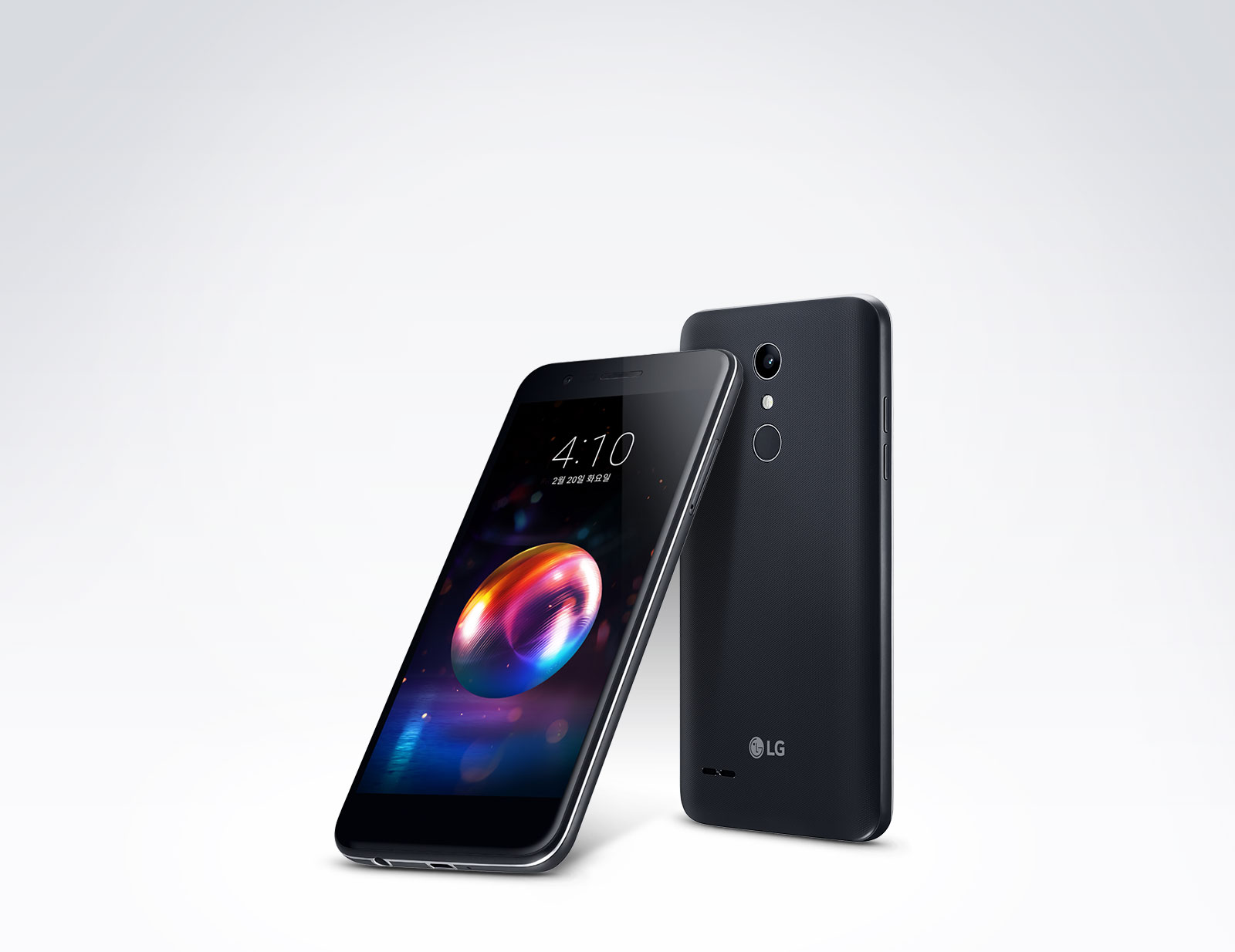
    LG Electronics on Thursday unveiled its budget LG X2 smartphone, which comes with a 5-inch HD screen and will be distributed through local mobile carriers.

    The company said the LG X2 will come with a price tag of 198,000 won ($176) and have an Auto Shot feature that automatically recognizes faces when taking selfies.

    The smartphone will have an 8-megapixel camera on the back along with a 5-megapixel camera on the front. Its battery capacity will be 2,500mAh.

    LG Electronics, which has been suffering from losses in its mobile business, claimed that the release of the new budget model will help the company reach out to a wider range of consumers.

    The company released its flagship LG G7 ThinQ model earlier this year, along with the LG V30S ThinQ, which came with stronger artificial intelligence features.

    In 2018, LG also introduced the LG X4 and LG X4 Plus with more affordable price tags, along with the LG X5, which has a large battery capacity of 4,500mAh. The company released the LG Q7 and Q7 Plus, too.

    The company said it aims to continue rolling out various smartphones with strong durability and improved features.

    LG’s mobile operations have effectively posted operating losses for 12 consecutive quarters as of the January-March period this year. It did manage to report an operating profit in the first quarter of 2017 through an adjustment by reflecting returns from its accessories business. LG originally said it posted a loss for the period.