Tag: asia

  • Uniqlo unveils plans to open in Denmark in 2019

    Uniqlo unveils plans to open in Denmark in 2019

    Uniqlo has been working hard on expanding its presence across Europe, and will arrive in Sweden and the Netherlands in fall 2018.

    The next new market for the casualwear label will be Denmark, where a new store is expected to open Strøget, one of Europe’s longest pedestrian streets, in Copenhagen in the spring of next year.

    The company has chosen a historical building dating back to the mid-1700’s, once occupied by clothier Louise Christine Rasmussen, for its first Danish store, which will occupy a space of approximately 1,400 square metres across three levels. Elements from the original classic style architecture will feature throughout the interior of the store and on the façade.

    “We are pleased to be announcing our next phase of growth in Scandinavia with the launch of our first store in Denmark next year, on the renowned Strøget in Copenhagen. We look forward to introducing the Uniqlo brand and our LifeWear concept to Danish customers, who appreciate well designed, functional and high quality clothes,” said Taku Morikawa, chief executive officer of Uniqlo Europe.

    Denmark will become Uniqlo’s 9th country in Europe, joining the UK, France, Russia, Germany, Belgium and Spain and new markets Sweden and the Netherlands.

  • Supermarket chains Tesco, Carrefour form strategic alliance

    Supermarket chains Tesco, Carrefour form strategic alliance

    Britain’s largest grocery chain Tesco and French grocery giant Carrefour have joined forces on how they source and buy from suppliers in a bid to cut prices.

    The long-term deal, which was struck amid mounting competition from Amazon and other rivals, allows the supermarket giants to jointly source certain products to lower prices and offer a wide range of product offerings to customers.

    According to Tesco, the alliance will be governed by a three-year operational framework and will enable both companies to improve the quality and choice of products available to their customers at even lower prices.

    Both companies will continue to work with supplier partners at a local and national level.

    “By working together and making the most of our collective product expertise and sourcing capability, we will be able to serve our customers even better, further improving choice, quality and value,” said Dave Lewis, Tesco Group chief executive.

    Alexandre Bompard, chairman and CEO of Carrefour, said the strategic alliance between the two grocery giants is a major agreement that combines the purchasing expertise “of two world leaders, complementary in geographies with common strategies.”

    The alliance will be formally agreed within the next two months, Tesco said in a statement.

    The British retailer has trialled a few days ago a new “shop and go” technology that allows Tesco customers to pay for their groceries without visiting a till, just through a smartphone.

    The retailer has given 100 company employees smartphones and use them to shop at its headquarters to trial the service. They use the phones to scan barcodes and pay for their shopping.

    The experiment is similar to the technology Amazon has already adapted in its grocery store in Seattle.

  • Indonesia to Review Capital Goods Imports to Control Current-Account Deficit

    Indonesia to Review Capital Goods Imports to Control Current-Account Deficit

     Indonesia plans to review the import of capital goods for big government projects to help manage its current-account deficit, Finance Minister Sri Mulyani Indrawati said on Tuesday (03/07).

    The move forms part of a series of coordinated policy measures to bolster the country’s financial markets.

    The rupiah, stocks and bonds have sold off as investors flee emerging markets amid rising interest rates in the United States, higher oil prices and the threat of a full blown US-China trade war.

    The vulnerability of Southeast Asia’s biggest economy has been increased by worries about its current-account deficit.

    Bank Indonesia has raised its benchmark rate by a total of 100 basis points, with the latest hike coming on Friday, amid efforts to defend the rupiah and stem capital outflows.

    Sri Mulyani said the current-account deficit was “a source of negative sentiment” for investors, so authorities were looking at ways to reduce it.

    “We will look at the content, whether a project is urgent to be completed and must import capital goods,” she said, describing the measure as “a short-term correction for long-term development.”

    Indonesia’s current-account deficit was 1.7 percent of gross domestic product last year, but is expected to widen to somewhere below 2.5 percent in 2018 as economic activity improves, the central bank has said.

    Between January and May this year, Indonesia imported $4.1 billion worth of goods in relation to the government’s infrastructure push and another $1.1 billion in defense equipment, central bank data showed.

    The rupiah hit 14,455 to the dollar on Tuesday, the weakest since October 2015 as Asian currencies are roiled by global trade tensions.

    Bank Indonesia Governor Perry Warjiyo said on Tuesday that the central bank will work with the government to reduce the deficit and pledged to keep intervening in the currency and bond markets.

    Bank Indonesia will remain “pre-emptive, front-loading and ahead of the curve” in its policy setting, he said, including by making sure it is ahead of other emerging markets in terms of attracting investors.

    “When they want to invest in emerging markets, they will compare yields, risk premium and other things. When we make decisions, we have to benchmark ourselves against others,” he said, comparing Indonesia’s real interest rate to India’s before and after Friday’s 50-basis-point rate hike.

    India, Indonesia and the Philippines are considered Asia’s most externally vulnerable economies due to current-account deficits and also due to their appetite for oil imports.

    Sri Mulyani also warned companies to prepare to absorb shocks in their balance sheet from a weaker rupiah and higher interest rates.

  • KitchenAid opens its first experiential flagship store in HK

    KitchenAid opens its first experiential flagship store in HK

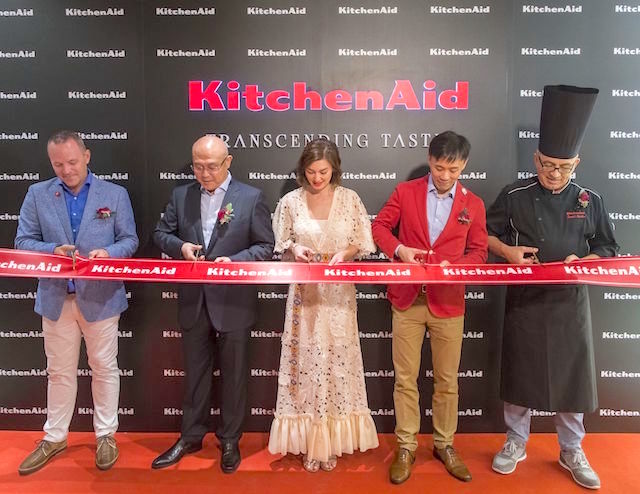
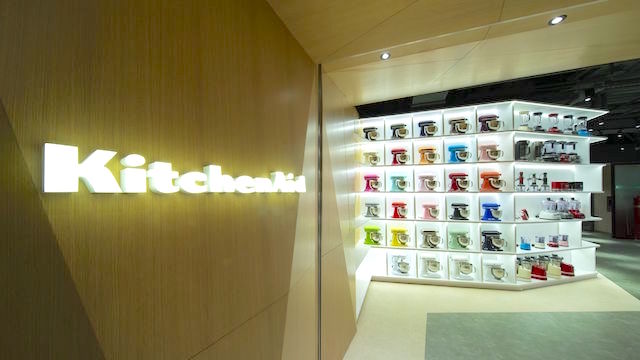
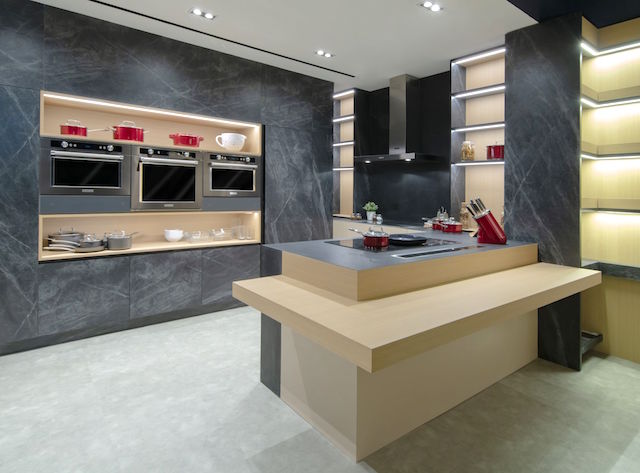
    Located at Lee Garden Three in Causeway Bay, the 2,000 square feet experience store does showcases KitchenAid’s bestselling small appliances and the recently launched range of major household appliances.

    To celebrate the store’s grand opening, a feast for the senses was hosted by Italian chef Daniele Paralovo alongside model and culinary goddess, Danielle Peita Graham.

    The highlights of the event included a live cooking demonstration and food-themed hair accessories by stylist Alistair Rae. The larger than life KitchenAid Artisan stand mixer on display at the store was also the centre of attention.

    Founded in 1919, KitchenAid’s story begins in 1908 when engineer Herbert Johnson came up with the idea of a stand mixer after observing a baker mixing dough and thought there should be a better way of doing the task.

    Almost a decade after the initial introduction of KitchenAid’s iconic stand mixer, the appliance brand has presence in 92 countries all over the world, in which Hong Kong is the second flagship experience store after Korea in Asia.

    As a favourite of tastemakers and creative cooks such as French chef Oliver Baiard and American cooking guru Julia Child, KitchenAid is known for its bold yet sleek design and professional performance.

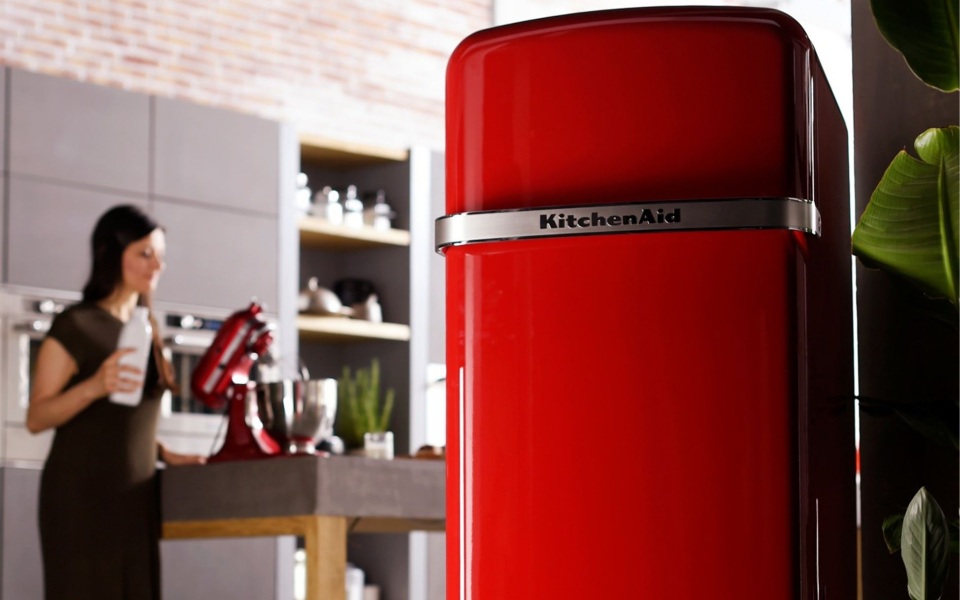
    Some of the most loved KitchenAid designer appliances include their iconic fridge and stainless-steel kitchen appliances that are as sophisticated as fine art.

  • Asia Pacific leads world tourism growth together with Europe

    Asia Pacific leads world tourism growth together with Europe

    Tourist arrivals worldwide climbed by +6% in the first four months of 2018, compared to the same period last year, according to new figures from the UN World Tourism Organisation (UNWTO).

    This not only continued the strong 2017 trend, but exceeded UNWTO’s early forecast for 2018.

    Growth was led by Asia and the Pacific (+8%) and Europe (+7%). Africa (+6%), the Middle East (+4%) and the Americas (+3%) also recorded sound results. Earlier this year, UNWTO’s forecast for 2018 was for a growth rate between +4-5%.

    “International tourism continues to show significant growth worldwide, and this translates into job creation in many economies,” said UNWTO Secretary-General Zurab Pololikashvili. “This growth reminds us of the need to increase our capacity to develop and manage tourism in a sustainable way, building smart destinations and making the most of technology and innovation.”

    From January to April 2018, international arrivals increased in all regions, led by Asia and the Pacific (+8%), with sub-regions South-East Asia (+10%) and South Asia (+9%) driving results.

    The world’s largest tourism region, Europe, also performed strongly during the four-month period (+7%), led by the destinations of Southern and Mediterranean Europe, and Western Europe (both +8%).

    Growth in the Americas is estimated at +3%, with strongest results in South America (+8%). The Caribbean (-9%) is the only sub-region to experience a decrease in arrivals during this period, weighed down by some destinations still struggling with the aftermath of the hurricanes of August and September 2017.

    The limited information coming from Africa and the Middle East points to +6% and +4% growth, respectively, confirming the rebound of Middle East destinations and the consolidation of the growth in Africa.

  • Vietnamese consumers among world’s most positive

    Vietnamese consumers among world’s most positive

    Vietnamese consumer confidence index achieved its highest score in the last decade, placing it as the fourth most optimistic country in the world, according to market research firm Nielsen.

    The index reached 124 points in the first quarter of 2018, up 9 points over the same period last year.

    “The great economic growth across industries, combined with strong foreign investment flows, increasing household incomes and proper government policies have resulted in optimism among consumers,” said Nguyen Huong Quynh, Managing Director of Nielsen Vietnam.

    “However, positive sentiments did not lead to strong fast moving consumer goods (FMCG) sales in Vietnam, with the market up just 1.8 percent in Q1. The growth was slower than expected and reflected the characteristic of FMCG industry in Vietnam, possibly due to changing consumer behaviors,” Quynh added.

    Having a stable job and good health remains key concerns of Vietnamese consumers. In this quarter, the top five concerns of Vietnamese consumers remained the same as last year. Job security topped the list with 43 percent, followed by health and wellness (41 percent). Other concerns included work-life balance and economic status with both at 23 percent.

    The Nielsen report said Southeast Asia and North America showed the highest level of consumer confidence. The confidence score of consumers in Southeast Asia increased 2 points from 119 in fourth quarter of 2017 to 121 in first quarter of this year.

  • Japan’s Ryohin Keikaku opens second Muji Hotel in Beijing

    Japan’s Ryohin Keikaku opens second Muji Hotel in Beijing

    Japan’s Muji hotel & store has just opened in Beijing in a key location overlooking Tiananmen Square.

    The hotel’s first basement-level retail store sells travel essentials and everyday items, many of which feature in the guest room amenities.

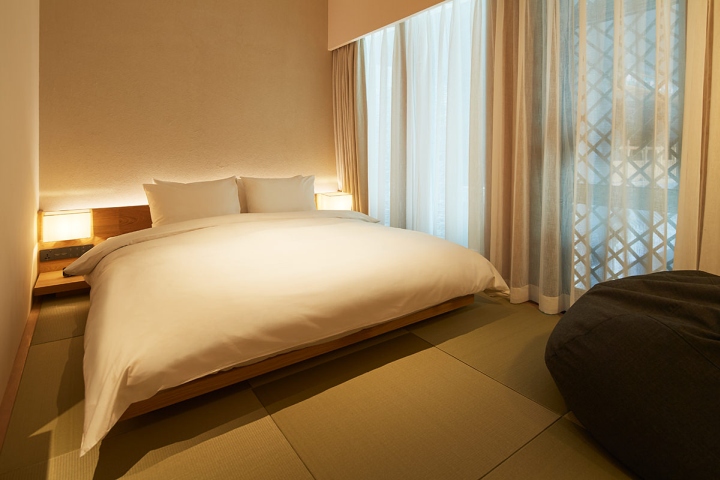
    Designed as an antidote to the brute gorgeousness of boutique and luxury properties and the cheapness of budget accommodation, the hotel’s understated zen-like interior grounded in undisturbed sleep is intended to stand in keeping with the world heritage sites in the hotel’s immediate surrounding district.

    The property also features a Muji Café&Meal venue serving simple, health-conscious food offerings, and a diner featuring classic East Asian cuisine.

    Another Muji hotel opened in Shenzhen last January.

    Check how Muji Hotel Beijing looks in the gallery below (10 images) :

  • Indonesia Extends Freeport’s Grasberg Mine Permit Amid Talks on Environmental Impact

    Indonesia Extends Freeport’s Grasberg Mine Permit Amid Talks on Environmental Impact

    Indonesia has extended a temporary operating permit for Freeport McMoRan’s Grasberg copper mine in Papua until the end of the month while discussions continue over long-term rights, a Mining Ministry official said.

    The United States-based mining giant’s local unit, Freeport Indonesia, was given a temporary operating permit until July 31 for Grasberg, the world’s second-biggest copper mine, Coal and Minerals Director General Bambang Gatot Ariyono said at a press conference on Tuesday (03/07).

    Freeport has been in negotiations with Indonesia to secure long-term operating rights at Grasberg after the government introduced new rules last year aimed at giving it greater control of its resources.

    However, efforts to finalize a deal have been overshadowed by concerns over Grasberg’s environmental footprint.

    “This month we hope all of the aspects – the divestment transaction, investment stability guarantees, the environment, a smelter – all of them are resolved,” Gatot said.

    Freeport’s previous temporary operating permit for Grasberg expired on June 30 after being awarded in January.

    Freeport’s Grasberg partner Rio Tinto and state-owned mining holding company Inalum are also involved in negotiations on Grasberg, which needs significant investment to develop an underground phase from its current open-pit construction.

    Inalum may complete a multi-billion-dollar deal to acquire a majority stake in Grasberg this month, officials said on Saturday, but details on how Freeport will maintain operational control have yet to emerge.

    According to Gatot, the main issues to be resolved were environmental matters, and discussions were ongoing “between the Environment and Forestry Ministry, the Freeport team and Inalum, who have requested an opportunity to resolve them.”

    Other matters, which include a requirement for Freeport to build a second copper smelter and adopt a new tax regime, “are nearly finalized,” he said.

    A 2017 state audit of operations at Grasberg that outlined massive damage from Freeport’s mine waste and a lack of proper environmental permits has complicated efforts to wrap up the deal.

    In April, following the audit, Environment and Forestry Minister Siti Nurbaya Bakar issued two decrees that gave Freeport six months to overhaul management of its mine waste.

    Freeport’s average daily copper ore production at Grasberg was between 175,000 and 176,000 metric tons so far this year, below its 2018 target of 230,000 tons, Gatot said.

    The company exported 465,000 tons of copper concentrate from February to mid-June, he added.

  • China, Millennials and Men are revitalizing luxury retail

    China, Millennials and Men are revitalizing luxury retail

    Attracting Millennials has been key for retailers, but the consumer population, characterized by rapidly shifting expectations in light of digital transformation, has remained elusive to many traditional retailers and buying categories, resulting in piles of literature on how to appeal to this influential group.

    And recently, marketers have all the more reason to focus on Millennials: they are integral in luxury retail’s comeback.

    The 16th edition of the Bain Luxury Study found the luxury market grew by a whopping 5 percent to €1.2 trillion globally last year. Luxury sales grew in a broad array of industries including cars, food and wine, travel, hospitality, clothing, and accessories – and much of the growth is thanks to Millennials.

    Despite the comeback, it’s clearly not your mom’s luxury shopping climate. Jewelry brands are still working to find their stride with younger cohorts and high-end department stores are scooping up Amazon employees to focus on digital growth. Here are some pointers for thriving as a luxury brand in today’s retail environment.

    According to the study, while the boom in luxury sales is primarily led by economic growth in China, demand for personal luxury items is also increasing worldwide. Japan, Europe, and the U.S. are standout markets for luxury retailers, growing at 4 percent, 6 percent and 2 percent, respectively. It is worth noting that tourism had a part in luxury’s rebound: “Globally, the share of personal luxury goods purchased by Chinese nationals reached 32 percent in 2017.”

    The study focused largely on Millennials as a key demographic, but also on the “millennialization” of luxury shoppers, referring to a shifting consumer mindset. In addition to Millennials, Gen Z and men are contributing to the sector’s recovery, and brands are taking notice, adapting to changing customer profiles.

    Menswear has become a focus area for high-end fashion brands. Conglomerates like LVMH (including the brands Louis Vuitton, Bulgari, and Dior, among others) and Kering (including the likes of Gucci, Yves Saint Laurent, and Girard-Perregaux) have focused marketing efforts on mens fashion. Louis Vuitton, for example, is exploring high-end streetwear to tap the male Millennial zeitgeist, and Saks Fifth Avenue says their menswear has gone “from just category addressing to…designers looking at how they’re going to wardrobe a man’s lifestyle,” according to Saks Fashion Director Roopal Patel.

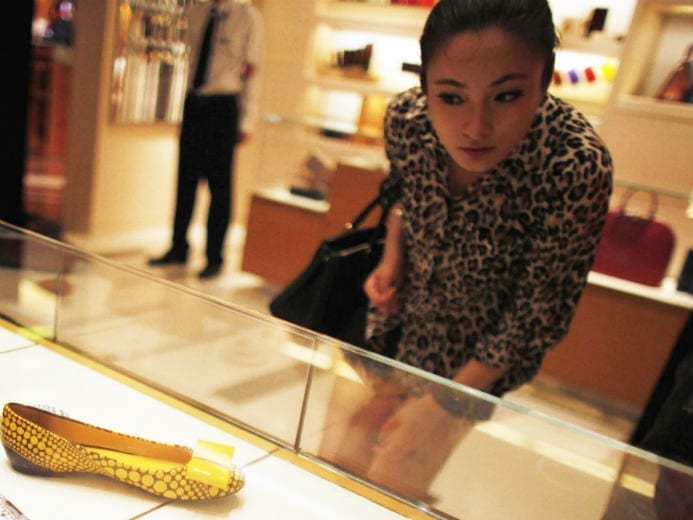
    Moreover, to appeal to younger cohorts, many luxury brands have expanded their product lines to include footwear, hoodies, purses, t-shirts and other more affordable items. Understanding the key demographic purchasing trends will allow retailers to tap into new segments and capitalize on timely opportunities.

    According to Valérie Moatti and Céline Abecassis-Moedas of ESCP Europe Business School, the luxury retail sector has been uniquely reluctant to embrace digital technology. But 2017 saw some luxury brands, including Chanel, successfully embrace a social media presence.

    Although Chanel was one of the last luxury brands to sell online, they now have a Paris-based Instagram team churning out 3-4 posts per day. The success of their Instagram presence earned them 9.6 million new followers last year, making them the platform’s most followed luxury brand. Over half of Instagram’s 1 billion users are under 35, making it a prime platform for reaching the luxury-purchasing cohorts, Millennials and Gen Z.

    “Instagram is well-suited to fashion brands to whom the visual and ‘community’ dimensions are essential,” Moatti and Abecassis-Moedas write. “This generation has a different relationship to brands, placing emphasis on use rather than possession and proving more sensitive to the power of the image.”

    Aligning with meaningful influencers can be effective, as well. Yves Saint Laurent struck social media gold last year by partnering with influencers to promote their fragrance, “Y.” Their strategy focused less on their own social accounts and more on product placements with edgy and notable personalities. The campaign earned them a 69 percent boost in followers and over $16 million in earned media value.

    Of course, any one campaign is not enough to build a relationship with customers. Research by Deloitte shows that Millennials are listening to multiple channels at once, making an omni-channel approach to communication and branding all-the-more essential.

    In-person shopping still has an appeal, particularly with younger cohorts and luxury shoppers. Deloitte’s research shows 43 percent of American Millennials still prefer to buy luxury items in person. They cite the abilities to touch, feel, compare, and try products as key benefits.

    The brands that are making physical retail work for them are using an experiential approach. Ibrahim Al-Haidos, founder of luxury handbag brand Fursan, built a storefront with an environment he describes as being dedicated to opulence and consummate beauty. “We want people to feel special when they enter our store,” Al-Haidos said. “The environment we have created is one of high luxury. It’s important that people begin to feel luxurious from the moment they enter our store.”

    The notion of inviting customers into aspirational lifestyle is common among successful luxury retailers. Many are looking less like traditional storefronts and more like lifestyle touchpoints, sometimes reminiscent of an open house or a ‘permanent pop-up.’ Inviting customers to participate in a lifestyle defined by a brand’s ethos allows them to actually contribute to a brand’s narrative, blurring the line, and strengthening the relationship, between retailer and consumer.

    Partnerships with other brands and influencers that reflect a retailer’s particular ethos can also be effective. Take Ferrari, for example. Their brand aligns closely with Formula 1 racing, surrounded by those passionate about high-performing cars.

    Or look at Max Mara’s partnership with street artist Shantell Martin. The pair collaborated on limited edition sunglasses, using sunglass frame-shaped cut-outs from a custom piece of art by Martin to create a one-of-a-kind product for each purchaser. Reflecting Martin’s whimsical and uplifting stream-of-consciousness style that focuses on the interplay of audience and creator, the limited edition pieces invited their purchasers to effectively participate in the art.

    “I’m always looking for great non-traditional canvases to spread my message out into the world to a new demographic and in a new way,” says Martin. “This collaboration was a great example of that done well.”

    The partnership shows the brand’s acute awareness of what their customers like outside of Max Mara, enabling them to capitalize on the sentiment of Martin’s art and alluding to a broader narrative in which they are a key fixture.

    The luxury retail sector does not look like it did in the days of Elizabeth Taylor.

    But new channels are opening and new markets emerging to support high-end retail.

    Creative approaches to social media, an innovative brick-and-mortar presence, and meaningful lifestyle partnerships will put your luxury brand in the coveted crosshairs of young spenders.

    Millennials may be a tricky market in their ad-proof armor, but the luxury brands who can strike the right chord will find promising returns.
  • Jokowi Opens Indonesia’s First Wind Power Plant

    Jokowi Opens Indonesia’s First Wind Power Plant

    As President Joko “Jokowi” Widodo inaugurated Indonesia’s first wind power plant in Sidenreng Rappang, South Sulawesi, on Monday (02/07), the government is getting closer to its ambitious target of obtaining more than a fifth of the country’s energy from renewable sources.

    The plant, also known as PLTB Sidrap, consists of 30 wind turbines which can produce up to 75 megawatts and electrify 80,000 households. The turbines in 40 percent consist of locally produced components.

    “This puts Indonesia among the few Asian countries that posses wind power plants, like Japan, China and Korea,” Jokowi said in a statement.

    Sidrap started its development in 2015 with $150 million borne by a consortium comprising of UPC Renewables Asia I, UPC Renewables Asia III, Sunedison and Binatek Energi Terbarukan.

    A similar project in Bantul, Yogyakarta, also developed  by UPC Renewables, was shelved in 2017 due to land clearance problems.

    Jokowi seeks to connect 99 percent of Indonesians to the country’s grid by 2019, when his first presidential term ends. Currently, the electrification rate is 96 percent.

    Indonesia aims to have 23 percent of its total power coming from renewable resources by 2025, also to fulfill its climate change mitigation commitment, in accordance with the Paris Agreement.

    Today, only 14 percent of the country’s energy is clean. More than half of it still comes from coal-powered plants.

  • Vietnam H1 seafood exports up 12.3 pct

    Vietnam H1 seafood exports up 12.3 pct

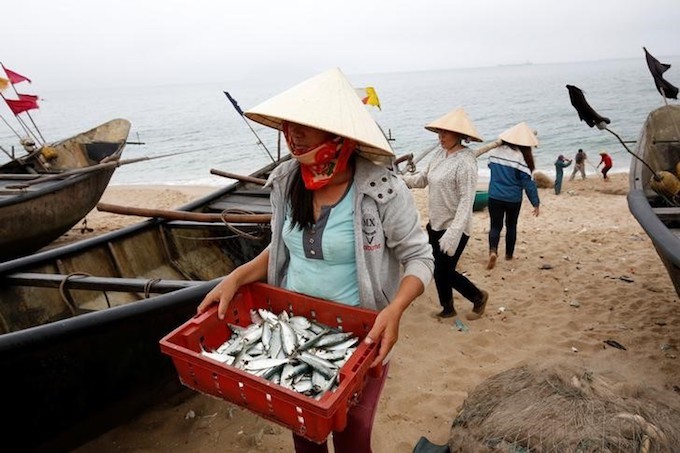
    Seafood export value rose 12.3 percent year-on-year in the first half of 2018 to reach $4 billion, according to the Vietnam Association of Seafood Exporters and Producers (VASEP).

    Shrimp led the export earnings with $1.6 billion, followed by catfish and tuna. Catfish export value experienced the most significant increase by reaching $1 billion, a 21 percent increase over the same period last year.

    Except for the European Union (EU), catfish exports to other markets saw positive growth, especially China and the United States. VASEP expects catfish exports increase dramatically throughout the year.

    The U.S. remained the biggest importer of Vietnamese seafood at $620 million in the first six months, followed by Japan and China. Mexico was the fastest growing market with $50 million, an increase of nearly 77 percent over the same period last year.

    Previously, the EU “yellow card”, a warning to Vietnam seafood about export bans if it failed to tackle illegal fishing, had disrupted tuna and other seafood exports in the first 3-4 months of the year, causing total exports to the European market to slow down. However, exports to this market are forecast to rebound in the second half of the year.

    Vietnam ranks among the top ten seafood producers in the world, according to the FAO, the U.N. food and agriculture organisation.

    Vietnam exported $8.32 billion worth of seafood last year, an 18 percent growth over 2016, said the VASEP.

  • Thailand’s Mistine launches in Korea

    Thailand’s Mistine launches in Korea

    Better Way Thailand, trading as cosmetics brand Mistine, is aiming to establish itself as an Asian brand by 2020.

    From this coming August, Mistine products will be exported for retail in Korea’s Incheon airport and in downtown Seoul, in the hope of attracting the destination’s annual 10 million Chinese visitors.

    Mistine already has a strong online presence in the Chinese mainland, where it is also available over the counter at Watsons health and beauty stores. It will launch its own flagship store in Beijing next year.

    These moves will constitute part of an effort to increase export volumes from 10 per cent to 20 per cent of its stock in the face of lagging demand at home.

    The company’s president Danai Derojanawong said Better Way needs to rely more on technology to make its logistics more efficient for customer satisfaction. “Direct sales may be disrupted by the rise of online shopping,” he said, “but we still believe they will not disappear from Thai society, because direct sales is a social business.”

    Currently 60 per cent of Mistine products are sold via direct sales, which Danai expects will drop to 30 per cent over the next five years.

    Danai said there is huge potential in the Chinese market. “We’ve only penetrated four cities, including Shanghai, Guangzhou and Shenzhen. We plan to expand our business into two new cities next year, Chengdu and Beijing. With those plans, we aim to enter the top five for regional colour beauty brands in Asia by 2020.”

    Mistine’s sales in China totalled THB3 billion (US$90.47 million) last year, and are expected to reach THB5 billion (US$150.78 million) this year.

  • Is plus-size fashion is the new black?

    Is plus-size fashion is the new black?

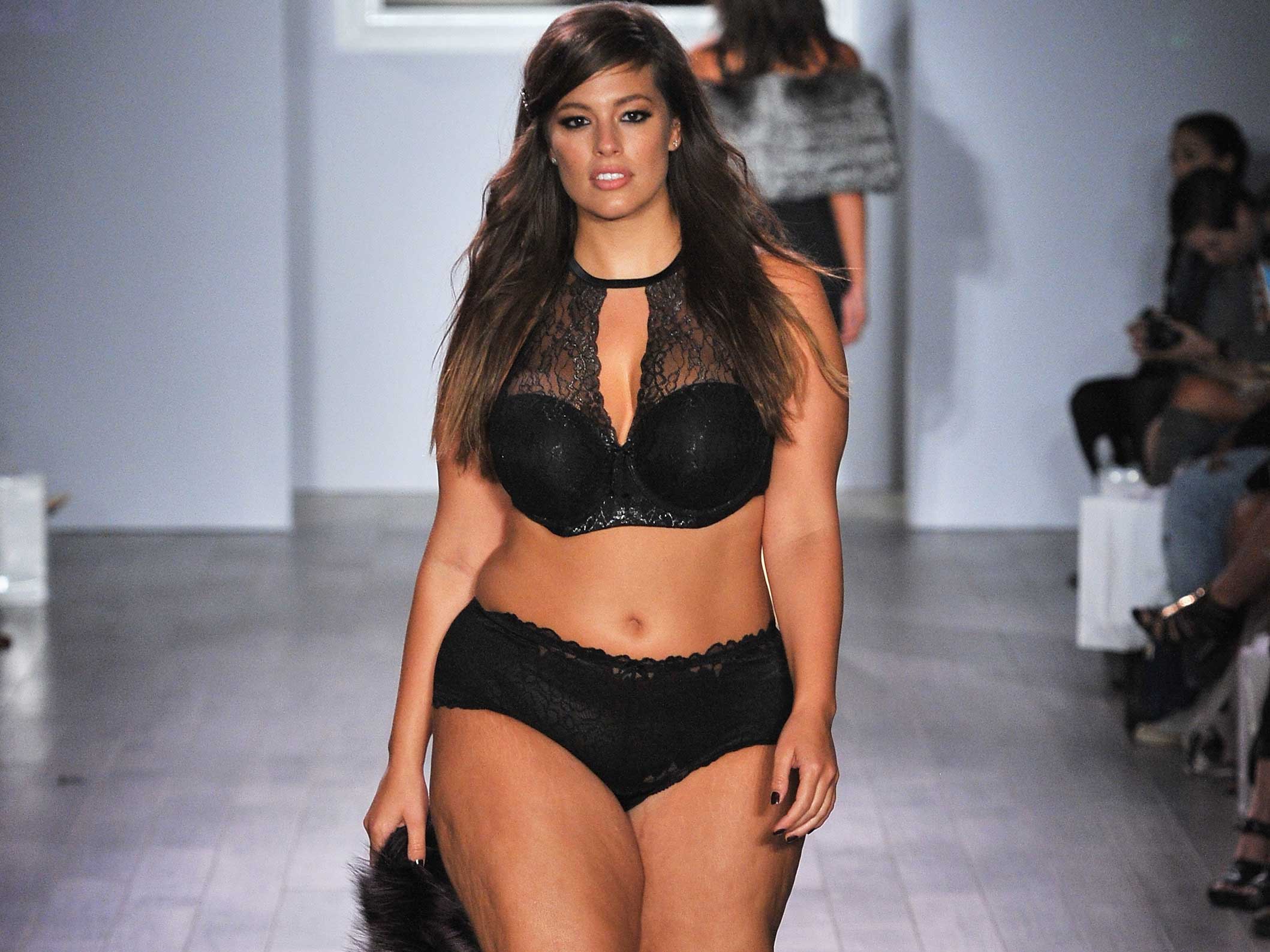
    The so-called “plus-size” market (typically size 14 and up) has been an under-served opportunity for as long as I’ve been in retail. Historically there were some good reasons for this.

    Traditionally, the main thing retailers optimized was physical space and inventory.

    Accordingly, the breadth and depth of the merchandise carried in a store would, more or less, follow a statistical distribution of sizes, adjusted by color ranges carried and constrained by inventory budgets and the literal store-by-store physical limitations of tables and racks. From a short-term financial perspective this made sense.

    Unfortunately it’s also true that many parts of the fashion industry exhibited both overt and unconscious bias against images of women that did not conform to their unrealistic–and often unhealthy–“ideals” of feminine beauty. As a result it’s clear that the industry has been painfully slow to represent an appropriate spectrum of customers in advertising, design and product offering.

    At long last this appears to be changing, primarily owing to a few key factors:

    The long tail of e-commerce. The inherent economics of a direct-to-consumer business model allows different capital dynamics to be at play. E-commerce warehousing has important advantages over physical store distribution (much lower real estate cost, greater ability to flex space, economies of scale in centralizing inventory), making it considerably more economically feasible to carry a wider range of products.

    Indisputable demographic changes. It has been true for some time that Americans are getting larger and, by all indications, this isn’t likely to change. While it would have been wise for retailers to have taken this market more seriously years ago, perhaps the most recent data makes it painfully obvious how significant the incremental growth opportunity is.

    Growing cultural awareness and acceptance. Numerous sociological factors, among them the overall ‘body positive movement’, heightened (and well deserved) criticism of the fashion and advertising industries’ obsession with rail thin models and the growing social media popularity of certain key celebrities and influencers have all contributed to subtle but important shifts in perspectives.

    Demonstrated “mainstream” success. Special size catalogs and stores (think Lane Bryant and Avenue) have been around for a long time, and collectively they represent a large market segment. Yet somehow they were seen as niche or unusual situations operating outside of the mainstream. In recent years, however, brands like Aerie have launched winning “real women” marketing campaigns. Major traditional retailers, from Kohl’s to Charlotte Russe to JC Penney and beyond, are seeing success as they invest in the plus-size opportunity. Newer online-only brands like Eloquii are realizing strong growth.

    As is well documented in this excellent report from Coresight Research, the simple truth is that the plus-size sector is already large and growing faster than the overall market. Despite this momentum, however, many opportunities to eliminate areas of customer dissatisfaction and amplify the overall experience remain. Retailers that wish to take full advantage of this growth area would be wise to keep a few things in mind:

    Saying you are customer-centric and being customer-centric are two different things. Most retailers say they are customer-centric and strive to be innovative. And yet the vast majority have thus far failed to seize the plus-size opportunity. It’s well past time to stop paying lip service and get into action.

    Treat different customers differently. It has always been a good idea to move toward greater personalization. No customer wants to be average, but more importantly in the anytime, anywhere, anyway world of today, no customer has to settle for being treated that way. The future of most retail will be determined by those retailers that have the greatest level of customer insight and are able act on it in relevant and remarkable ways.

    Fix it in the mix; silos belong on farms. One of the reasons so many retailers missed the plus-size opportunity is due to their relentless focus on silo-ed performance analysis.

    Apparel buyers consistently under represented plus-size dresses in their assortments (as just one example) because they don’t get any credit for the handbags, cosmetics, kids apparel or whatever else that customer might buy when they are in the store (or on the website). If you are not thinking cross-shopping, market basket size and lifetime value you are going to keep making some dumb decisions.

    Here comes Amazon. Amazon already has a stable of plus-size private brands. They will have more. They currently lack the fashion credibility and physical store presence to fully prosecute this opportunity. That is almost certain to change in the not too distant future.

    There is really no such thing as plus-sized. Representation is vitally important. The industry can, and absolutely should, do a better job of depicting a spectrum of body types in media–and in other aspects of how they do business. In a different light, when it comes to how sizing is presented to the consumer, does it ultimately help anybody to make this increasingly arbitrary distinction, particularly when the average (American) woman wears between a size 16 and 18? Ultimately it’s all just sizes. And different fits. And colors. And patterns. And styles. And on and on.

    The retailer’s job is to understand the rich tapestry of differences, to curate their unique point of view and to deliver an intensely rich, relevant and differentiated experience at scale for all the customer segments they choose to serve.

    With growth so hard to come by for most retailers these days, it is worth asking why so many have ignored this opportunity for so long?

  • Stripe enlists Alibaba for ‘smart store’

    Stripe enlists Alibaba for ‘smart store’

    Japanese clothing chain Stripe is partnering with online retail giant Alibaba to open a “smart store”.

    The 60sqm physical store, stocked with Stripe’s Earth Music & Ecology branded garments, will feature enhanced technologies to use pooled customer data collected from online stores to equip staffers with information about shop visitors. The data, which could potentially include a store visitor’s online purchasing history, could help device-wielding workers make product recommendations and assist a customer in finding garments they are more likely to prefer. Purchases will be made via digital payment services.

    Data collected from the store could influence Stripe’s future product lineup, including information from “smart hangers” that can detect when an item is purchased or just shown interest in. Smart mirrors allow customers to see garments in alternative colours while facial recognition systems will be parsing for gender and age.

    Alibaba’s Tmall digital storefront, combined with its mobile payment platform Alipay, serves 550 million customers annually. The provision of the technology will allow Alibaba a unique opportunity to gather data from the physical retail realm.

    Stripe International, which runs 1400 stores worldwide, is predicting total sales this year of around RMB100 million (US$15 million) from the 20 stores it operates in China.

  • L’Oreal China and Alibaba team up on green packaging

    L’Oreal China and Alibaba team up on green packaging

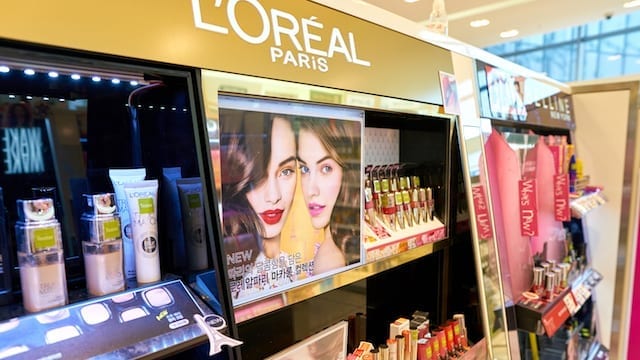
    L’Oréal China and Alibaba Group signed an agreement committing to using environmentally packaging in order to reduce waste in China.

    The agreement, which will be rolled out over the next five months, includes a pledge from L’Oréal to switch to FSC-certified sustainable paper, zipper paper, zipper paper cartons, or paper adhesives to decrease the use of plastic materials for its brand portfolio, according to the joint announcement.

    For Chinese multinational retailer Alibaba, the move highlights their strategy called new retail. As entrepreneur and author Ashley Galina Dudarenok explained, Alibaba seeks to redefine commerce by enabling seamless engagement between the online and offline world. Alibaba’s consumer-facing marketplace Tmall formed a partnership last month with the Marine Stewardship Council. Tmall’s goal is to have 20% of their sales carry the MSC label by 2020.

    The new partnership with L’Oréal China provides customers with high quality products and helps create “green, healthy, and sustainable social values,” said Jet Jing, the head of Tmall. “The upgrade of consumption is both an upgrade in quality of life as well as consumer awareness.”

    In May, Alibaba’s smart logistics arm Cainiao formed an alliance with 13 L’Oréal brands where participants commit to sustainable measures such as the use of biodegradable packaging materials. That same month, L’Oréal and sustainability consulting firm Quantis co-founded the Sustainable Packaging Initiative for Cosmetics (SPICE), aiming to reduce the environmental footprint of cosmetics products.

    Also in May, Cainiao announced plans to replace traditional paper stickers on 40 billion parcels by 2020 through the use of e-shipping labels, a measure that could save more than 3 million trees.

    Last year, as L’Oréal China celebrated its 20th anniversary, the company said they had made progress in several areas of sustainable development. “Substantial efforts have been made to reduce packaging weight,” the company reported. That meant a reduction in plastic used, changes in the composition of plastics used, the use of refillable glass containers as well as the elimination of paper instruction leaflets.