Tag: asia

  • Malaysia retailers see higher sales growth in 2018

    Malaysia retailers see higher sales growth in 2018

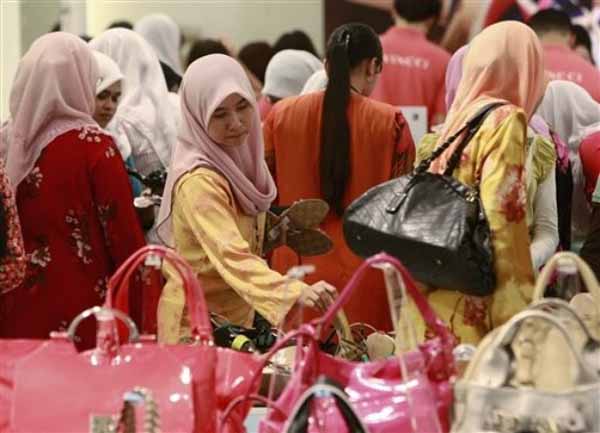
    The Malaysia Retailers Association (MRA) forecasts retail sales to be 5.3% for 2018, an improvement from the 4.7% growth in its March survey, boosted temporarily by the zero Goods and Sales Tax in June.

    The MRA said for the first quarter of 2018, the Malaysia retail industry recorded a below-than-expected growth rate of 2.6% in retail sales versus the 3.1% in October to December last year and 1.2% growth a year ago.

    “Despite poor performance recorded a year ago (-1.2% in Q12017), the Malaysia retail market remained subdued early this year. Shoppers were still careful in their spending on festive goods during the Chinese New Year period”.

    The MRA said except the supermarket and hypermarket sub-sector, all retail sub-sectors recorded improvement in their retail businesses during the first quarter of 2018.

    It said its members are hopeful that their businesses will recover by the second quarter of 2018. They projected an average growth rate of 6.0%. The change in ruling party after the general election on May 9, 2018 is expected to boost consumers’ confidence level and increase their willingness to spend.

    At the same time, the largest festival in Malaysia, Hari Raya, will be celebrated in June this year.

    “The department store cum supermarket operators are expecting a better performance with a growth of 4.6% for the second quarter of this year.

    “The department store operators are expecting to sustain their businesses with a growth rate of 4.7% for the second three-month period of this year,” it said.

    On the other hand, supermarket and hypermarket operators will not see improvement in their business in the coming months. They expect to remain in the red zone with a -4.4% growth rate for the second quarter of 2018.

    The Retail Group Malaysia adjusted the Q2 retail growth rate from 3.7% (estimated in March 2018) to 6.3%.

    This revision is also higher than the latest projection made by MRA members. This new estimate took into consideration the tax holiday during the last month (June) of second quarter as well as Hari Raya celebration at the middle of June 2018.

    The retail sale growth rate for third quarter has also been revised from 5.2% (estimated in March 2018) to 6.8%. This revision took into consideration the remaining two months of tax break before Sales and Services Tax (SST) is to be re-introduced from 1 September 2018.

    “For the last quarter of this year, the retail growth rate has been revised downwards from 5.0% (estimated in March 2018) to 3.5%.

    “This lower adjustment is needed to reflect higher consumers’ spending during the three-month period with zero-rated GST. Major purchases are expected to have been made from June to August of this year,” it said.
  • Higher oil prices boost profits for Vietnam’s PV Gas

    Higher oil prices boost profits for Vietnam’s PV Gas

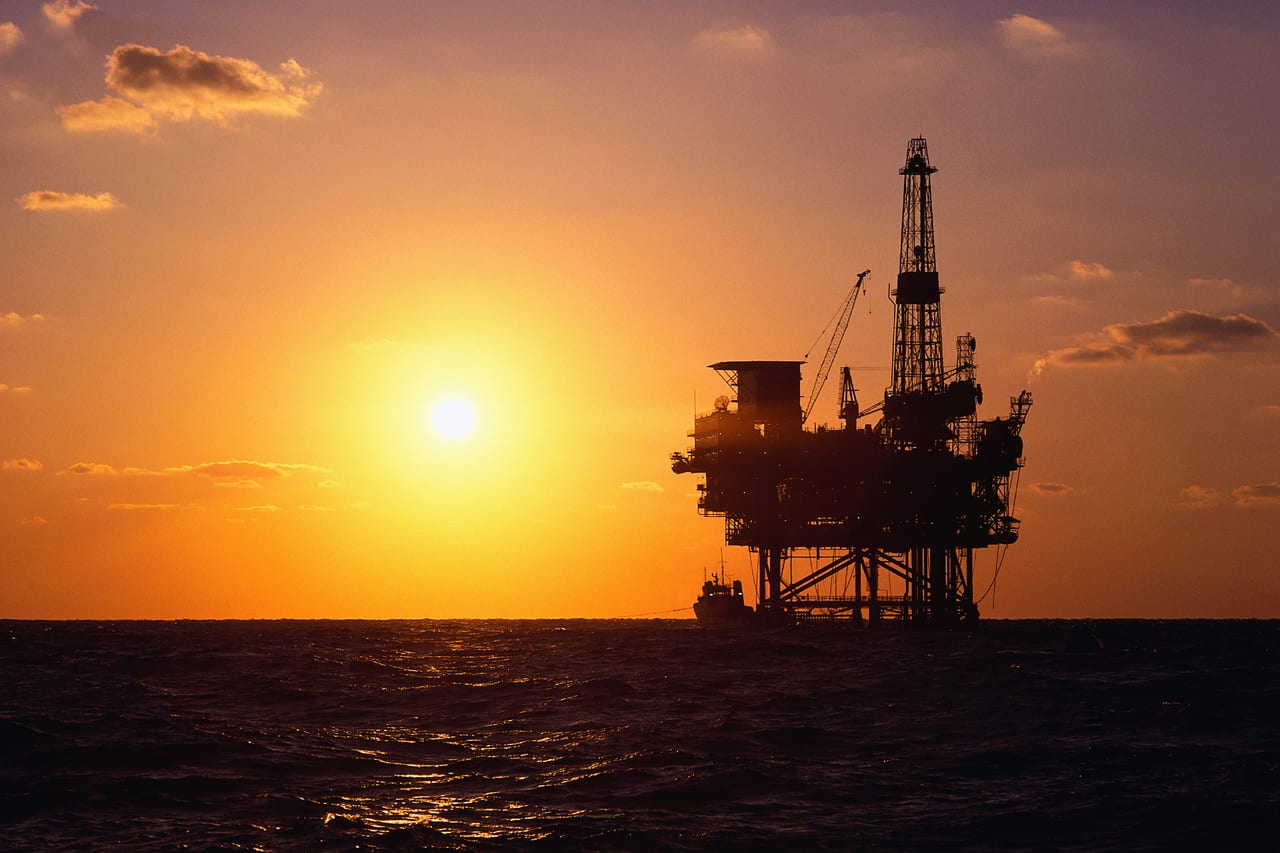
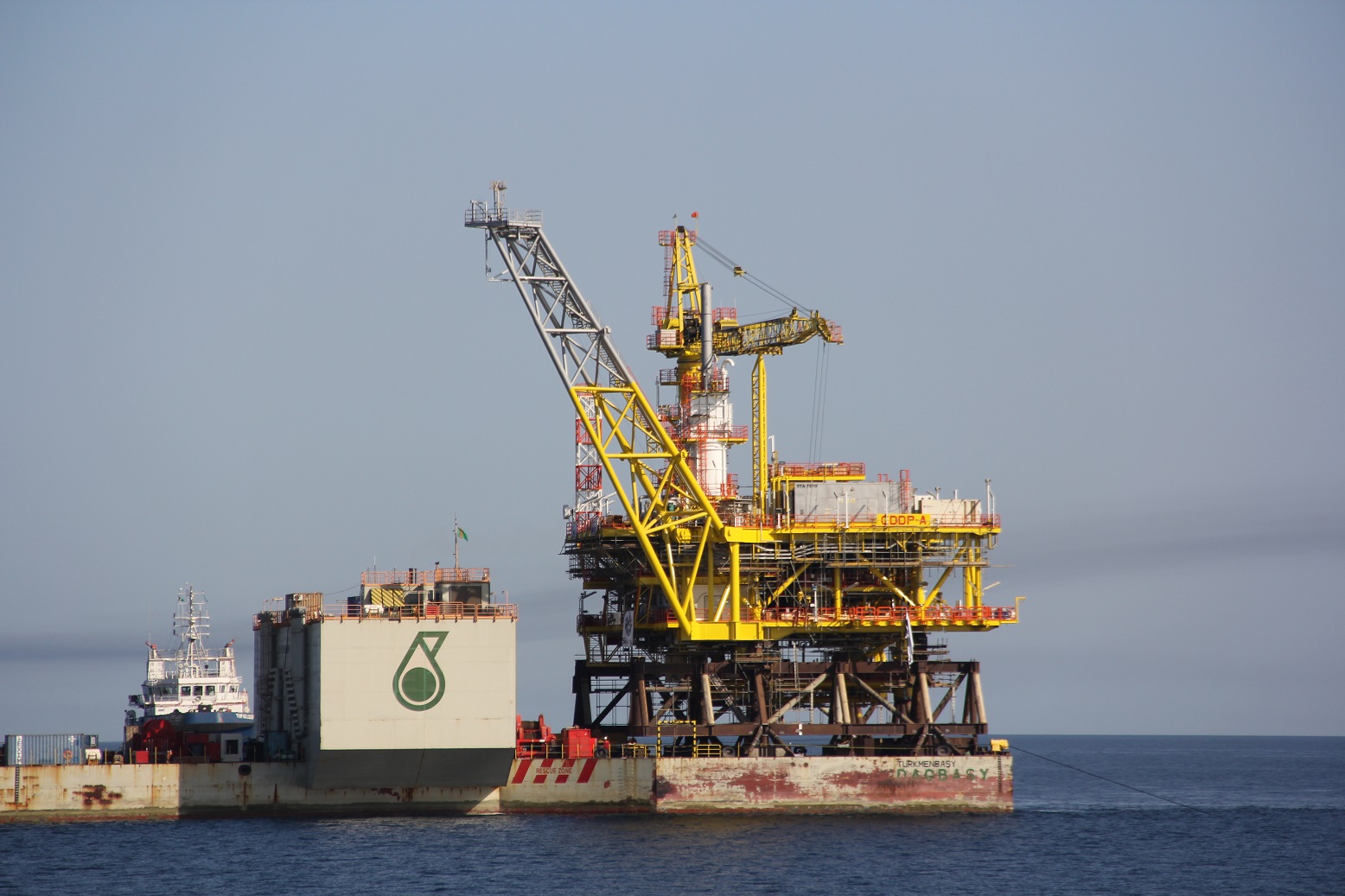
    PetroVietnam Gas Corporation, Vietnam’s biggest listed energy firm, posted first half net revenues of VND37.5 trillion ($1.65 billion), equal to 66 percent of its annual target.

    Its pre-tax profit jumped to VND6.6 trillion ($290 million), representing 82 percent of the year’s target.

    The booming results were driven by higher global oil prices which traded around $71 per barrel in the first six months of the year, exceeding the company’s expectations by 42 percent, and increased production of light oil, LPG and condensate.

    Le Nhu Linh, Chairman of the Ho Chi Minh-based company, also known as PV Gas, said the company is undertaking 24 projects this year, including pipelines that transport natural gas directly to consumers.

    “To ensure gas supply, our company is negotiating with international partners to import gas from Indonesia and Malaysia through pipelines,” he said.

    The company is also building infrastructure for liquefied natural gas (LNG) imports and seeking contractors for an LNG storage facility that can hold 1 million tons per annum.

    Furthermore, PV Gas is looking to raise its stakes in two associate companies – PetroVietnam Southern Gas JSC and PetroVietnam Northern Gas JSC – to 51 percent in the second half of the year. It is also working on a plan for PetroVietnam, its parent company, to cut its ownership in PV Gas.

    The company targets VND55.7 trillion ($2.4 billion) in total revenue in 2018 and VND6.4 trillion ($281 million) in post-tax profit, down 3.5 and 33.5 percent respectively from last year. These figures are based on expectations of crude priced at $50 a barrel and lower output this year.

    PV GAS stock closed up 5.75 percent at VND92,000 per share on the southern stock exchange last week.

  • Petronas committed to help Sarawak become major oil industry player

    Petronas committed to help Sarawak become major oil industry player

    Petroliam Nasional Bhd (Petronas) is committed to supporting Sarawak’s aspiration to become a major player in the petroleum industry and has so far invested RM183 billion in the upstream sector in the state alone via production sharing contracts (PSCs).

    According to infographics released to Bernama, the national oil company, since 1976 and up to last year, made cash payments worth RM33 billion to Sarawak.

    In addition, through the state government’s equity in Petronas’ liquefied natural gas (LNG) complex in Bintulu, the state also received RM18 billion in dividends.

    Through the Sarawak Joint Working Committee, Petronas also works closely with the state government to ensure Sarawakians and local companies get priority in career and business opportunities in both upstream and downstream activities in the region.

    Petronas also spent RM411 million on scholarships and aid programmes for over 6,000 Sarawakian students while 5,000 Sarawakian professionals are working in Petronas operations, worldwide.

    The Sarawak government, in March this year, launched state-owned Petroleum Sarawak Bhd (Petros) to boost its own participation in the industry.

    The infographics also explained in detail the Petroleum Development Act 1974 , a Federal law enacted by Parliament, having the legislative competence under the Federal Constitution to promulgate laws relating to petroleum.

    The PDA 1974 gives Petronas exclusive ownership to oil and and resources in Malaysia and makes it the sole regulatory body for upstream oil and gas activities through PSCs.

    The PSC system addresses the need for a greater centralised management of the petroleum industry for the benefit of the nation and the states.

    This has allowed Petronas to create significant value for the nation, hence contributing to the well-being and development of the nation and the respective states.

    “The PDA 1974 serves to protect the interest of all Malaysians, ensuring that the nation will benefit the most from its petroleum resources,” Petronas said in the infographics.

    Under the Act, profit share is split between Petronas, contractors and income tax payment to the government with the states and Federal government getting five per cent royalty each from the Profit Oil, Petronas and the contractors sharing 12.5% each from the 1985-type PSC and 15% for income tax.

    From two other types of PSC, Profit Oil is only 10% with 3% each for both parties and 4% for income tax (under Deepwater/Ultra Water PSC) and for Revenue/Cost PSC, Profit Oil is at 20% of which 6% each is for Petronas and contractors and 8% for income tax.

    The infographics also highlighted the fact that PSCs are risky, highly capital intensive and take a long time to provide returns while exploration took between three and five years with no income and the probability to discover oil rated at only between 20% and 25%.

    The risks is extended to the development period of between four and six years’ spending to monetise the discovery, a period when still no income is made.

    Once production commences, the 10% cash payment to the federal government and the states starts while both Petronas and the contractors pay 38% income tax from the profits made.

    The national oil company also pays annual dividends to the federal government.

    Contrary to general perception, these cash payments are paid, twice a year, irrespective of whether the production from the field is profitable or not.

    According to the infographics, an increase of the royalty payment from 5% to 20% as demanded by producing states will have an adverse impact on the industry.

    Such an increase in cash payment would also reduce the attractiveness of Malaysia as an oil and gas investment destination for many players.

    There are currently over 40 investors in PSCs of which about 80% are foreign companies which view the Malaysian petroleum sector as stable and favourable based on current PSC arrangements.

  • Lacoste Raffles City brings new Le Club style to the store

    Lacoste Raffles City brings new Le Club style to the store

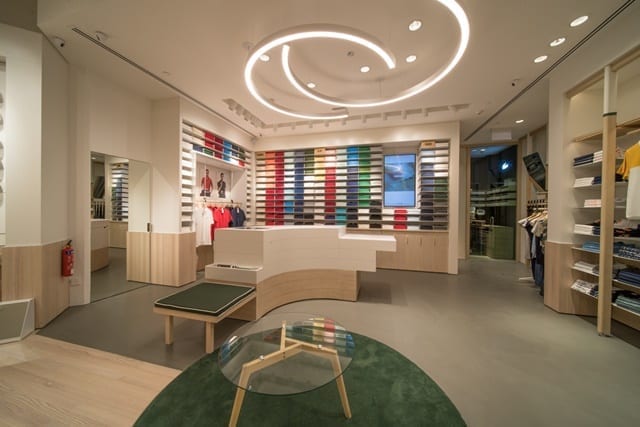
    The new Lacoste Raffles City store is the first of the French retailer’s Southeast Asian outlets to feature its latest concept ‘Le Club’.

    The new style reflects “the synthesis of the brand and its creator Rene Lacoste in one location: the club”, said a Lacoste spokesperson.

    Just opened on the street level of Raffles City, behind Robinsons department store, the 1873sqft space is reminiscent of a tennis court, with vintage design elements that Lacoste sees as a nod to the brand’s heritage. The fitting rooms are designed to look like locker rooms.

    The store offers Lacoste’s complete range of apparel, leather goods, fragrances and footwear – and, of course, the famous polo ‘colour wall’ shoppers have come to expect from Lacoset stores all over the world.

    The Lacoste Raffles City store will also carry runway collections and special collections including the 85th anniversary range created to celebrate both the heritage and innovation of the brand.

    An embroidery workshop features inside the store to offer customisation options for shoppers wishing to have their initials embroidered on their purchase.

    The Le Club concept is part of the Lacoste’s strategy to create a stronger brand identity and to strengthen the brand’s premium status throughout its global markets.

    View the gallery below (3 images) :

  • Japan’s ‘LB’ targets Korean market

    Japan’s ‘LB’ targets Korean market

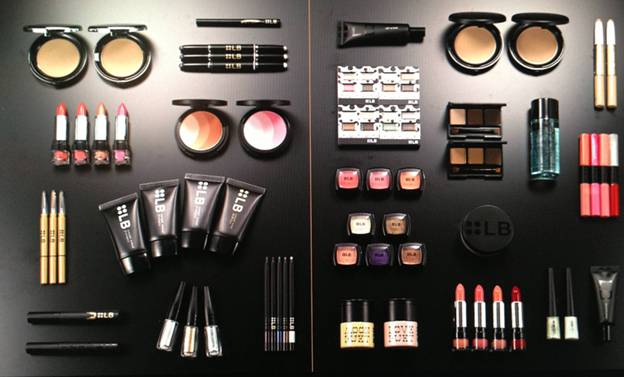
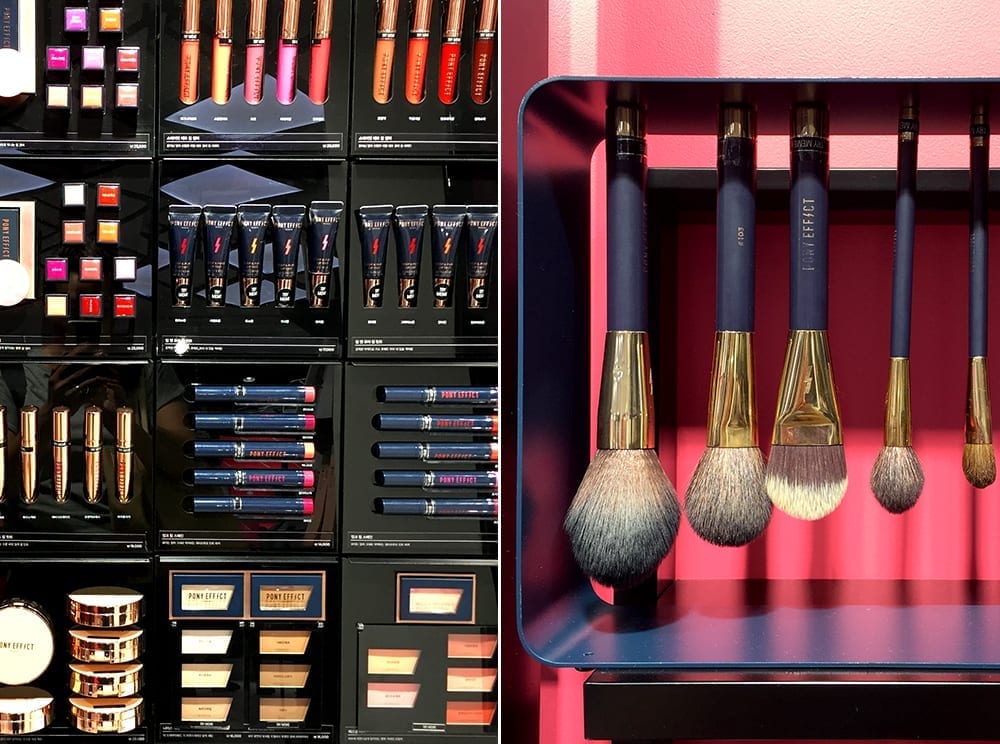
    Japanese makeup brand ‘LB’, known as Japan’s No. 1 eyeliner brand, entered Korean Market.

    LB was launched in the health and beauty store ‘LOHB’s’ in March 2018 and became immediately popular among Koreans.

    LB is sold in 14 countries including Japan, Taiwan, Hong Kong, Thailand, Vietnam, Singapore, Philippines, Australia, USA and China.

    LB is an abbreviation of LadyBird. It comes from an ancient European story about a LadyBird considered lucky. The brand name was chosen to suggest that luck will come when all women in the world use LB products.

    LB has already been recognized as a well-received brand from many beauty creators, including domestic and foreign influencers.

    It features a variety of trendy colors and a wide range of products that are easy to use for beginners. It mainlyprovides eyeliner, eyeshadow, blush, and lipsticks; all supplied at reasonable prices to target urban millennials.

    LB plans its full expansion in Korea by March 2019. The brand is also planning to open duty-free shops in Korea. In addition, through the make-up school run by Sosan Pacific, it will propose “LB style” and raise awareness.

    Representative of Soosan Pacific said: “we will actively promote the brand awareness of LB to consumers through diverse on-line and off line distribution.”

  • Biggest Zoo Coffee opens in Philippines

    Biggest Zoo Coffee opens in Philippines

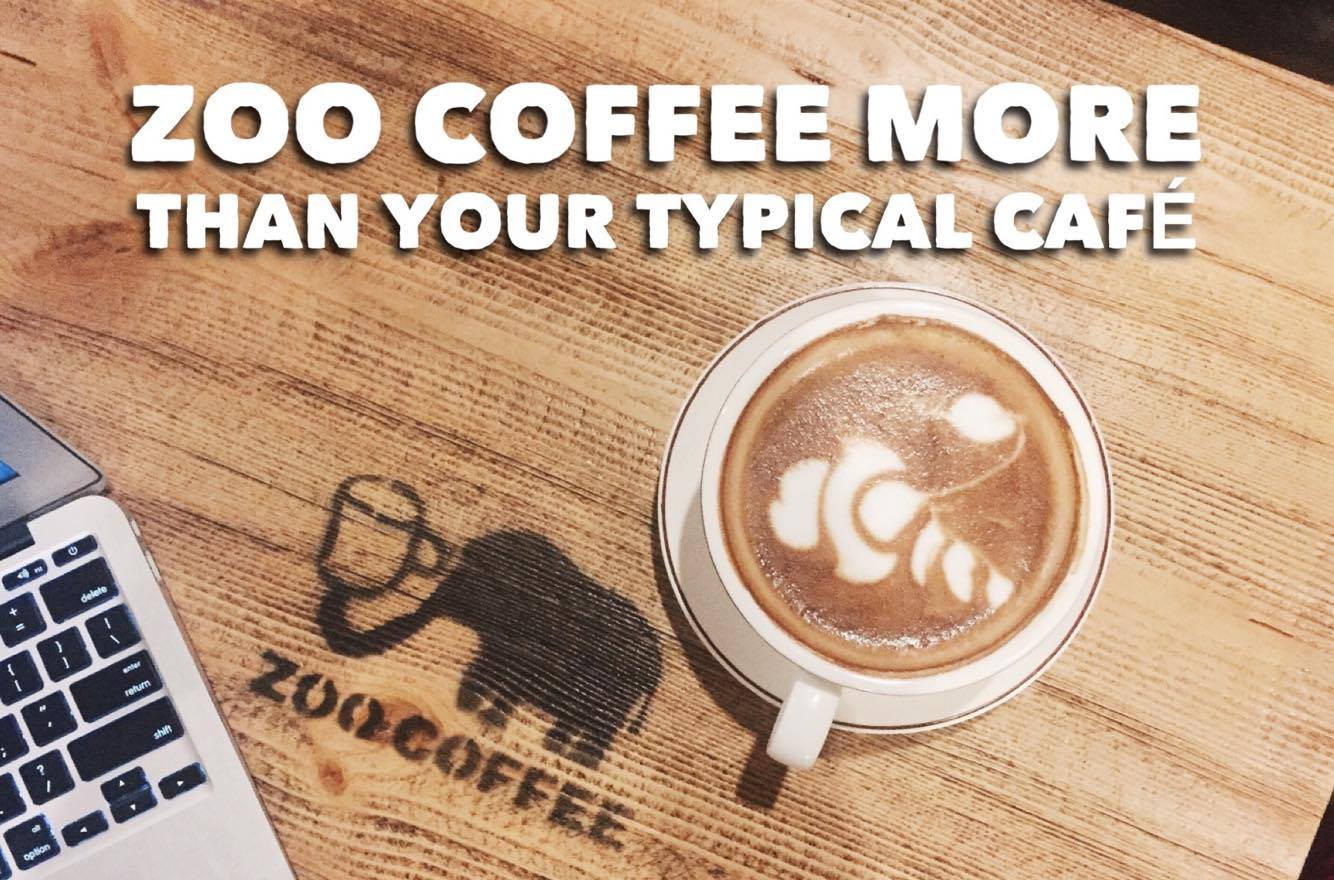
    Korean chain Zoo Coffee has launched its third and largest outlet in the Philippines, at Ayala Vertis North.

    Zoo Coffee stands out for its jungle-themed interiors and staff wearing safari costumes.

    The menu includes the popular Korean iced dessert bingsu, waffles, sandwiches, hotdogs, and cakes.

    Katrina Balolan told ABS-CBN News that the coffee chain plans to open two more branches within the year – at Robinsons Malls and another Ayala mall.

    The company is also opening a barista academy to train people, as well as upgrading its logistics and supply chain to support future store openings.

    Zoo Coffee opened its first branch in Philippines at Alphaland Makati Place in June 2016, followed by the second one at SM Megamall.

    Established in 2009, Zoo Coffee has 100 stores in its home country South Korea.

  • New flagship “K11 MUSEA” opens in HK in Q3 2019

    New flagship “K11 MUSEA” opens in HK in Q3 2019

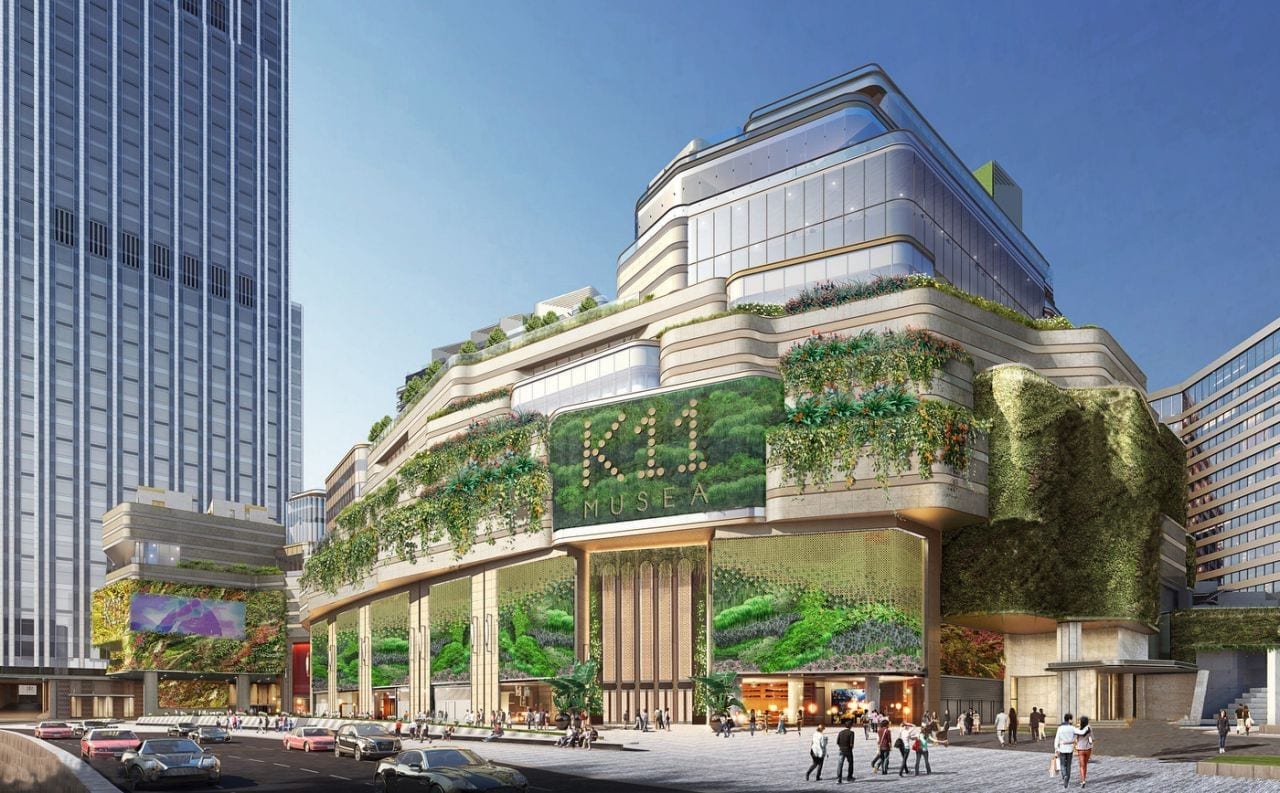
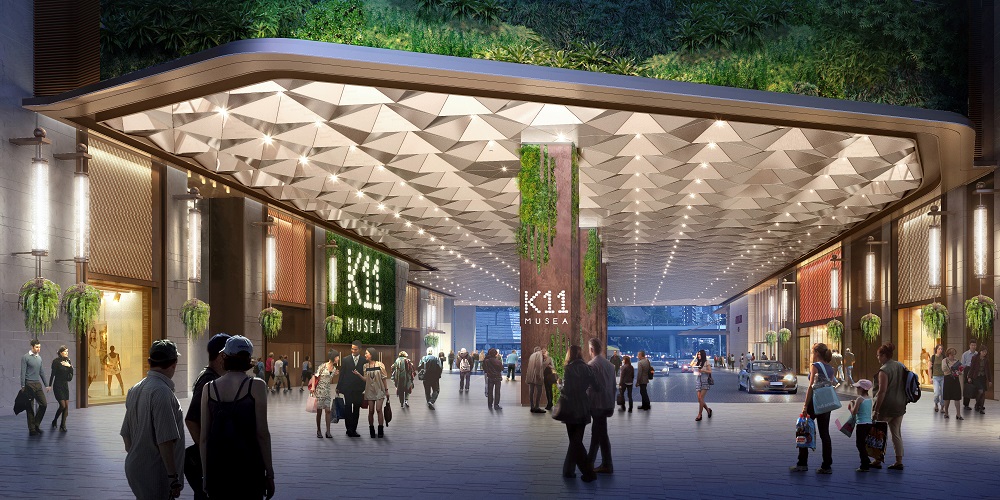
    New World Development announced the naming of the most ambitious project to date from its ground-breaking K11 Group: K11 MUSEA, a new museum-retail complex situated in the heart of Hong Kong’s US$2.6 billion Victoria Dockside development.

    The new landmark K11 MUSEA – a name inspired by A Muse by the Sea for its retail concepts – will anchor the 3 million-square-foot, art and design district Victoria Dockside in Tsim Sha Tsui, described by US media as “Hong Kong’s Hudson Yards” and “Hong Kong’s most anticipated opening”, while also doubling as a new ultra high-end experiential retail, art, cultural and dining destination. It is set to reinvigorate the Tsim Sha Tsui harbourfront, one of the most notable pieces of real estate in Greater China, when it debuts in 2019.

    K11 MUSEA (pronounced: meu-see-ah) is Adrian Cheng‘s creature, Executive Vice Chairman of New World Development and Founder of K11 Group, who has developed a number of innovative museum-retail malls across Greater China and invests in tech, retail, fashion, property, entertainment, media and design globally.

    Helming the architecture of K11 MUSEA is James Corner (James Corner Field Operations) and Forth Bagley (Kohn Pederson Fox). The 10-storey K11 MUSEA will house an extensive selection of international brands – many of which will be flagships – and is the crown jewel of K11’s museum-retail concept, curated to offer visitors the best-in-class immersive retail experience.

    In fact, the journey will begin from its exterior. Designed with content-driven global millennials in mind, K11 MUSEA will greet visitors with its rotating world-class art collection. Its façade will feature one of the world’s largest living walls of over 50,000 square feet, while a one-of-a-kind outdoor amphitheatre space and a large LED screen will also be in place for a slew of cultural happenings.

    “K11 MUSEA, anchoring the newly designed Victoria Dockside, marks a significant milestone in retail development. And as K11 approaches its 10th anniversary this year, I’m delighted to announce the naming of K11 MUSEA, K11’s proudest project since the brand’s inception in 2008,” said Cheng, who is reinventing New World Development as a “cultural enterprise”.

    “Its location, scale and concept are unique, the project involves leading architects as well as over 100 local and international designers and artists. K11 MUSEA will also bring great cultural content back to Hong Kong’s Tsim Sha Tsui waterfront, which has lost its legendary charm since the late 90s. K11 MUSEA will be Hong Kong and Asia’s new cultural destination, where global millennials can come together and discover their muse.”

    Pioneering a new immersive experience for global millennials, K11 MUSEA takes inspiration from research that highlights Asian millennials as “Super Consumers”, a prominent driver of global consumption with spending power set to reach US$6 trillion by 2020 as they grow to account for 45% of Asia Pacific’s millennial population.

    Travel will continue to be a key lifestyle feature of Asian millennials, who are expected to see an 11% annual growth in outbound tourists. Chinese millennials, in particular, see travel and luxury as part of an indulgent lifestyle reflective of social status. K11 MUSEA caters to their sophistication and preference for exclusivity and bespoke products while positioning itself as an aspirational global destination merging art, culture and commerce.

    A new spatial design and curation by Hong Kong’s Iconic Harbourfront represents a world-class public art collection, which will be curated and displayed throughout K11 MUSEA’s premise, establishing it as the next cultural destination, while among K11 MUSEA’s architectural highlights is the 2,100-square-foot Sunken Plaza, modelled on Roman amphitheatres.
    The space features a façade with conical-shaped glass panels, the largest of which stands over 19 feet tall. Programmed water patterns and a misting system will also be installed. Together with an LED screen, measuring at 63 feet by 25 feet, Sunken Plaza will become an immersive venue for a slew of cultural events such as film festivals and live music events.

    Sustainability is at the core of K11 MUSEA’s offerings. The Project’s core and shell has achieved green building pre-certifications including the Hong Kong BEAM Plus (Gold) and the U.S. LEED (Gold).

    Boasting extensive greenery and over 50,000 square feet of living walls, equivalent to the surface area of 18 tennis courts, K11 MUSEA sets a new benchmark for green design in Hong Kong. Its interior features natural materials such as limestone and wood.

    Other highlight features include rainwater harvesting which provides for 100% of irrigation water and a seawater-cooled, oil-free HVAC chiller system, which reduces over 12% of annual energy consumption compared to the baseline of the stringent U.S. ASHRAE 90.1 standard.

  • Southeast Asia’s largest solar project to be built in Vietnam

    Southeast Asia’s largest solar project to be built in Vietnam

    Vietnamese construction firm Xuan Cau and Thailand conglomerate B.Grimm have teamed up to build Southeast Asia’s largest solar power plant in Tay Ninh Province.

    The signing of the joint venture agreement in Bangkok was witnessed by the prime ministers of both countries.

    The $420 million, 420MW project is set to be commissioned in June 2019, said Preeyanart Soontornwata, CEO of the B.Grimm Power Public Company.

    With Vietnam’s electricity demand growing significantly, B.Grimm estimates that the project will eventually account for 30 percent the company’s total income.

    Solar power currently accounts for 0.01 percent of the country’s total power output, but the government plans to increase the ratio to 3.3 percent by 2030 and 20 percent by 2050.

    Vietnam depends largely on hydropower and thermal power plants for its electricity demands, but the projects have often drawn criticism from both local and international communities due to environmental concerns.

    Vietnam is aiming to produce 10.7 percent of its electricity through renewable energy by 2030, mainly through solar and wind energy.

    Earlier this month, Prime Minister Nguyen Xuan Phuc said that Vietnam aimed to increase the number of households using solar energy from the current 4.3 percent to 26 percent by 2030.

  • Sasa Hong Kong and Macau profits soar

    Sasa Hong Kong and Macau profits soar

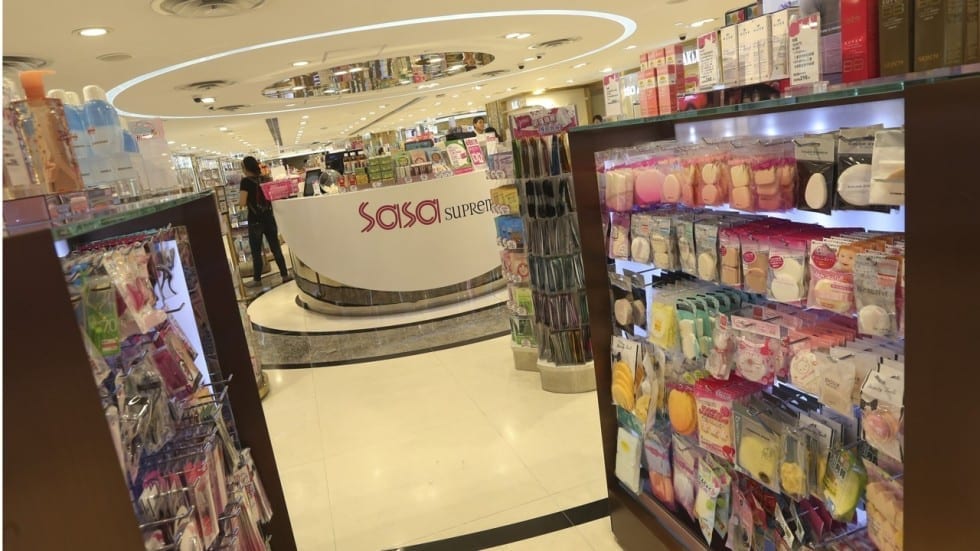
    Sasa profits soared 34.7 per cent in the last financial year, as sales at Hong Kong and Macau stores posted solid gains.

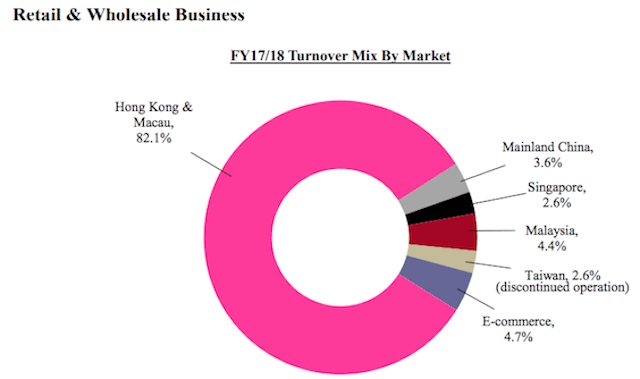
    Sasa’s parent Sa Sa International says group sales rose 6.2 per cent to HK$8.018 billion (US$1.022 billion), driven by a 7.9 per cent increase in Hong Kong and Macau, which accounts for 82 per cent of its business. Profit for the year was $440.1 million.

    The increased profit and sales were achieved despite the closure of the Taiwan business, with all 25 stores closed by year end, March 31 resulting in a loss of $25.1 million.

    Hong Kong and Macau

    In its results announcement, Sa Sa International said the reasons for the recovery of Hong Kong sales were various. “The satisfactory economic environment, high employment rate, stable property and stock market, and bullish local consumer sentiment are all driving robust growth.”

    The company said demand for middle- and high-end cosmetic products in Mainland China is soaring on the back of strong retail growth driven by the improved purchasing power of Mainland residents living in the third and fourth-tier cities.

    “This, in combination with a weak US Dollar and the strengthening of the Renminbi, is encouraging outbound travel and greater consumption by mainland tourists.”

    When those tourists visit Hong Kong, they typically shop at Sasa and its rivals. The growth rate of total transactions to Mainland Chinese visitors shopping at Sasa during the full year was 4.6 per cent, well ahead of the 3.3 per cent to local shoppers. But tourist transactions rose 8.5 per cent in the second-half year alone.

    With same-store growth up 3.9 per cent, a review of locations clearly paid off. Sa Sa’s sales rose in every quarter, by 21 and 23 per cent in the first two and by 28 per cent in each of the last two.

    Mainland China

    Sa Sa International’s Mainland China sales, measured in local currency, increased by 5 per cent to $298.7 million.

    Thanks to better cost control and increased store contributions, the group’s loss for this market reduced to $10.2 million. Group sales in the mainland rose by 6 per cent in the second half, compared to 3.9 per cent in the first half.

    Singapore

    Sa Sa Singapore sales rose 1.9 per cent for the year to HK$211.5 million, measured in local currency terms, but rose by 8.7 per cent on a same-stores basis.

    Sales declined in the first quarter because of three store closures near the end of the previous financial year, however, same-store sales turned into positive territory in the second quarter, improving further in the second half.

    Malaysia

    Sa Sa Malaysia sales rose 6.1 per cent to HK$362.5 million, but same-store revenue declined 1.2 per cent.

    The company said the more traditional brick-and-mortar retail market in Malaysia has been affected by the rapid development of digital media and e-commerce. “In addition, many new shopping malls have opened, diluting the traffic to the group’s existing stores, especially in the capital Kuala Lumpur, and indirectly affecting stores’ turnover.”

    The group’s turnover growth declined from 9.2 per cent in the first half to 3.4 per cent in the second half.

    Store network

    At the end of March, Sasa had 265 retail outlets, including 118 in Hong Kong and Macau, 55 in Mainland China, 20 in Singapore and 72 in Malaysia. But within Hong Kong and the mainland, 22 stores were closed and 23 opened as the company moved to improve locations and reduce rents.

  • Hennessy XO and Marc Newson reunite at Changi

    Hennessy XO and Marc Newson reunite at Changi

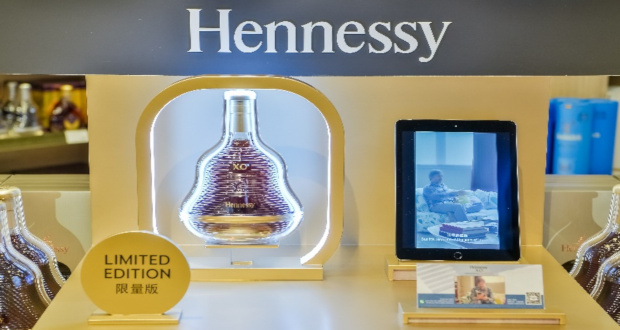
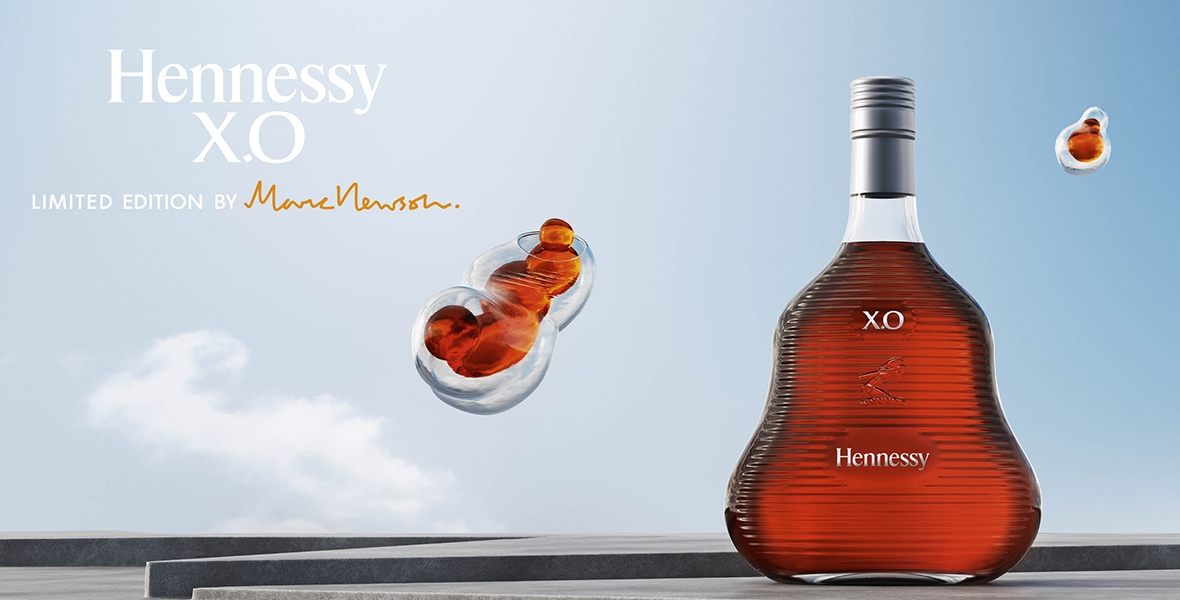
    Moët Hennessy has joined forces with DFS Group and Singapore Changi Airport for a second time to launch a new Hennessy X.O 2018 limited edition decanter by designer Marc Newson.

    The decanter, which features a transparent gift box, is exclusive to the travel retailer at Changi,  ahead of its worldwide premier in July.

    Departing travellers can delve into the world of Hennessy X.O and Marc Newson in DFS outlets across the terminals and secure one of the decanters.

    In addition they can scan a QR code on the product to view an immersive video and interact virtually with Marc Newson himself.

    RE-INTERPRETED BOTTLING

    In crafting the bottle for the limited edition, Newson blends subtle gold with hues of rose to create a ‘dynamic, steamlined variation on the decanter’s iconic shape that breaks with conventions and gives it a wholly unexpected twist’.

    The LVMH wines and spirits house first collaborated with DFS and Changi for the iconic Hennessy X.O Decanter in 2017.

    Moët Hennessy Managing Director Travel Retail Asia Pacific Vanessa Widmann, commented: “We are very excited to partner with DFS Group and Changi Airport for a second time in a row to build on the successful Limited Edition launch of 2017 and introduce this year’s Hennessy X.O Limited Edition by Marc Newson. With its impactful design, I strongly believe that the limited edition makes for the perfect gift for travellers.”

    Brooke Supernaw, DFS Group Senior Vice President Spirits, Wine,  Tobacco, Food and Gifts added: “DFS is proud to partner with Moët Hennessy on this very special release that perfectly combines modern design with exquisite taste. We look forward to offering our travelling customers at DFS, Singapore Changi Airport exclusive access to this fine product until the end of June.”

  • Benoy Releases Images of New Waterfront Development in Wenzhou, China

    Benoy Releases Images of New Waterfront Development in Wenzhou, China

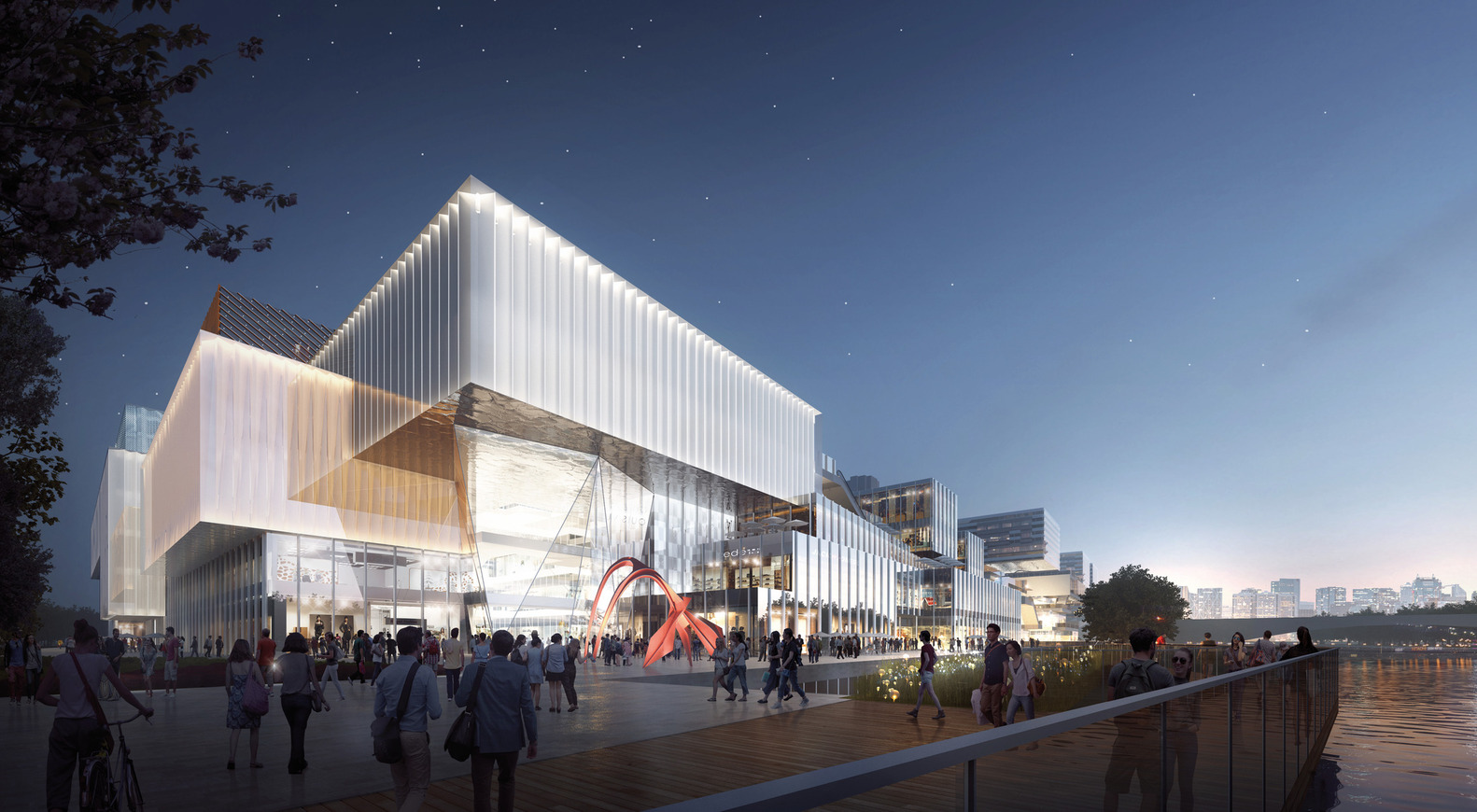
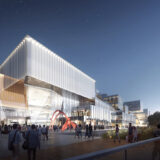
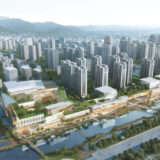
    Benoy has released images of their competition-winning design for a waterfront development in Wenzhou, China. INCITY MEGA will form part of the Central Green Axis masterplan, a dramatic landscaped district cutting through the urban fabric of Wenzhou.

    The 2.6 million square foot (250,000 square meter) INCITY MEGA scheme will occupy two of the eight plots on the Central Green Axis, with a mixed-use program including retail, movie theaters, plazas, and gyms. The scheme is in response to a rapidly-growing consumer population in Wenzhou and will join the ranks of previous schemes in the region by Hammer Schmidt Lassen, UNStudio, and HENN.

    The INCITY MEGA scheme is comprised of two plots, one containing the “INCITY MEGA Mall” with the other featuring a long, narrow waterfront boutique district. Together, the plots combine to create a “three-dimensional urban space” which integrates commercial and public realms.

    The Mall component features an inner courtyard created by pushing the structure outwards towards the plot boundaries. This courtyard forms the heart of the complex, flanked by open-air platforms on the levels above, while on the waterfront edge, a large promenade offers multiple landscaped viewing decks.

    Seamlessly connected to the Mall district is the waterfront boutique plot, with a commercial-led mixed-use program. The lower levels will contain a network of retail, dining, and leisure attractions while three glass structures will house commercial office space above.

    Large block structures interwoven throughout the development offer anchor space for tenants, while large-scale venues such as movie theaters, outdoor plazas, an ice rink, gym, and swimming pool offer attractions throughout the year, irrespective of climate.

    View the complete gallery below (8 images) :

  • How JD could help fight a proxy war for its strategic investors

    How JD could help fight a proxy war for its strategic investors

    A proxy war is a strategy that refers to a conflict instigated by opposing powers who do not fight against each other directly.

    By using third parties to do the fighting, it is still possible to bring strategic benefits while minimizing the risks.

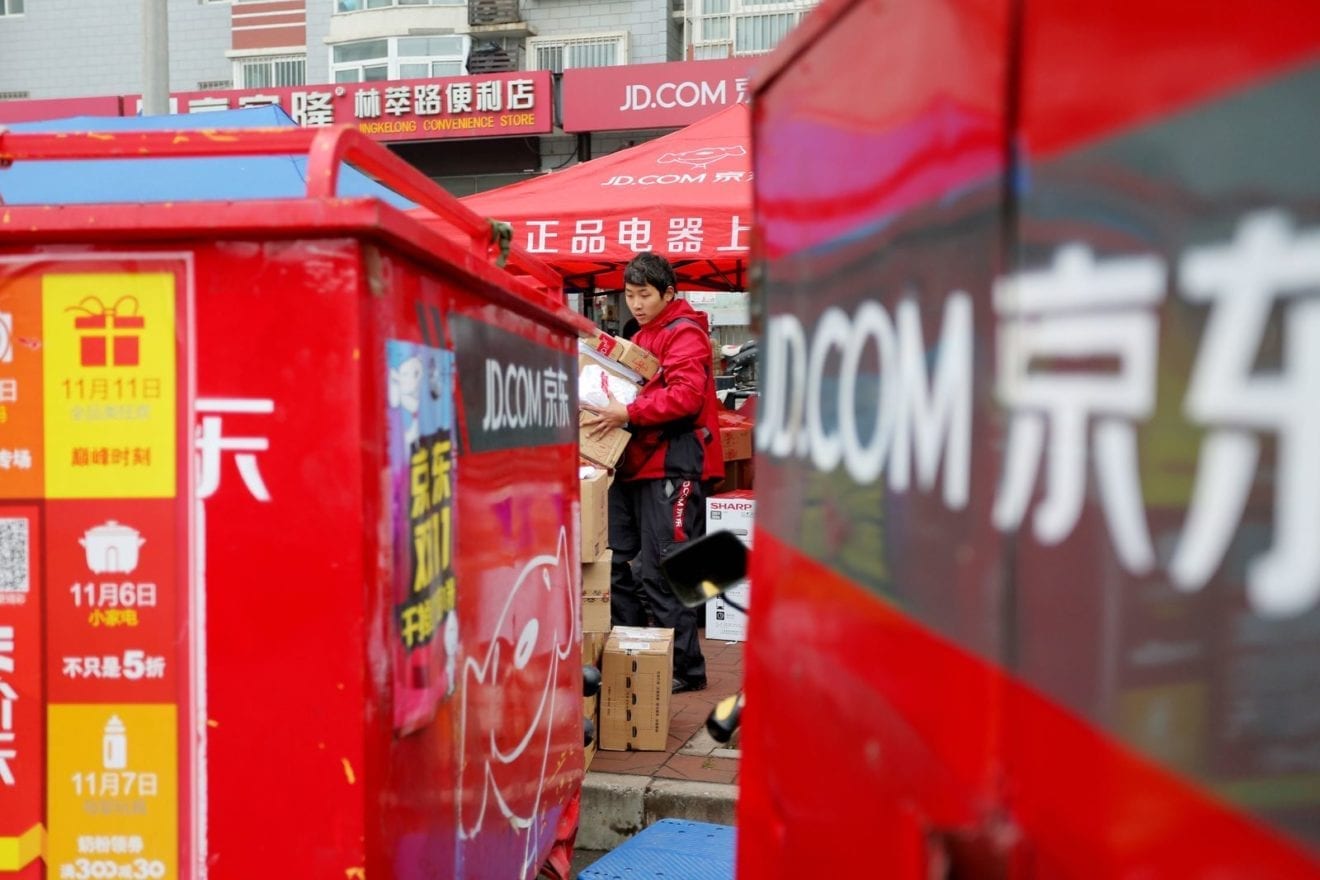
    Google has announced that it will invest US$550 million in JD.com for 1 percent stake, joining Tencent and Walmart to become the Chinese online retailer’s third strategic investor.

    In fact, the three may all be seeing JD as a proxy to help them compete with their respective rivals.

    Listed on Nasdaq in 2014, JD has a market capitalization of around US$60 billion.

    It’s China’s second-largest e-commerce company, but its market value is only a fraction of Alibaba’s US$500 billion plus.

    Alibaba’s Taobao and Tmall have snapped up about 70 percent of China’s online shopping market, while JD’s market share is around 22 to 25 percent.

    To Google, JD could serve as a proxy in competing with Amazon.

    Google and JD plan to “collaborate on a range of strategic initiatives, including joint development of retail solutions in a range of regions around the world”, they said.

    In the short term, JD would select a range of high-quality products and offer them worldwide through Google Shopping.

    The two companies would also explore new retail opportunities in Southeast Asia, the United States and Europe. The alliance would combine JD’s strengths in supply chain and logistics with Google’s tech capability to develop a new retail infrastructure.

    We could say that Google and Amazon have a sort of love-hate relationship. Amazon is now Google’s largest advertising client, spending billions of dollars each year. But Amazon is actively exploring direct distribution channels and even starting its own advertising business.

    Google, meanwhile, has launched its Google Shopping unit and JD would add more Chinese offerings to this platform.

    JD will also serve as Walmart’s proxy in its war against Amazon.

    In 2016, Walmart, the world’s largest brick-and-mortar retailer, sold its China e-commerce platform to JD as it pulled out of the market.

    In return, Walmart obtained a 5 percent stake in JD, and became its strategic shareholder. The US retailer has since then steadily increased its stake to 12 percent.

    Walmart is also looking to transform its business into an offline-to-online retail model. But it has achieved limited progress so far. JD serves as a good partner in this pursuit.

    To Tencent, JD would be a proxy in competing with Alibaba.

    Chinese internet giant Tencent spent US$215 million for a stake in JD in 2014. Following a number of additional purchases, Tencent now holds a 21 percent stake and is JD’s largest shareholder.

    If JD is able to put some pressure on Alibaba, the latter would have less time and energy to try encroaching on Tencent’s turf – social networking and online games.

  • Hyundai presents Kelly Park and Démoo together

    Hyundai presents Kelly Park and Démoo together

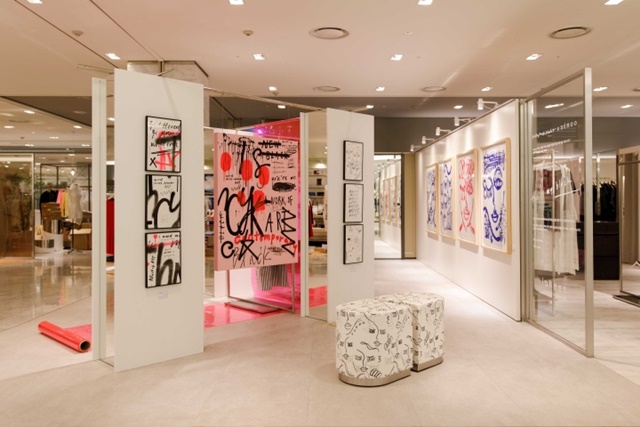
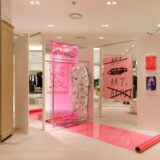
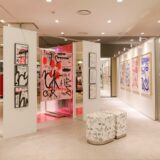
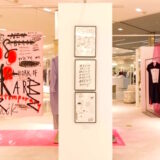
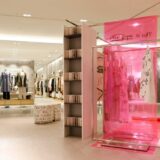
    Hyundai Department Store in Seoul has opened a shop-in-shop that brings together Kelly Park and Démoo in the first use of its new Artspace installation dedicated to brand and artist collaborations.

    Artspace, by multi-disciplinary design studio NBDC, is inspired by the temporary lifespans of pop-up shop formats and has been conceived to enhance the department store’s regular environment with conservatively-balanced experimental displays. Hyundai says the space attempts a convergence of artistic exhibition with the sale of product.

    The current Kelly Park x Démoo, themed “Expanding the Image”, showcases a range of offerings by both brands and is marked by the calligraphic visual styling of the Kelly Park Studio artworks on display, as well as the avant-garde Démoo fashions by designer Demi Choonmoo Park.

    The installation is built to resemble a gallery setting, allowing visitors to view artworks, fashions and patterned furniture pieces as they move through the exhibition.

    Gallery of the event can be viewed below (5 images) :

  • Vietnamese steel, wood firms might gain from US-China trade war

    Vietnamese steel, wood firms might gain from US-China trade war

    The recent escalation of trade tensions between the U.S. and China could have a positive effect for some industries in Vietnam, but experts warn these gains could prove short-lived.

    U.S. President Donald Trump announced last week that he would push ahead with tariffs on $50 billion of Chinese imports starting July 6, and China retaliated by slapping the same amount of duties on commodities from the U.S.

    The U.S. would impose a 25 percent tariff on more than 800 strategically important imports from China including cars and oil, while China announced that it would slap a 25 percent tariff on 659 U.S. products, from soybeans to seafood.

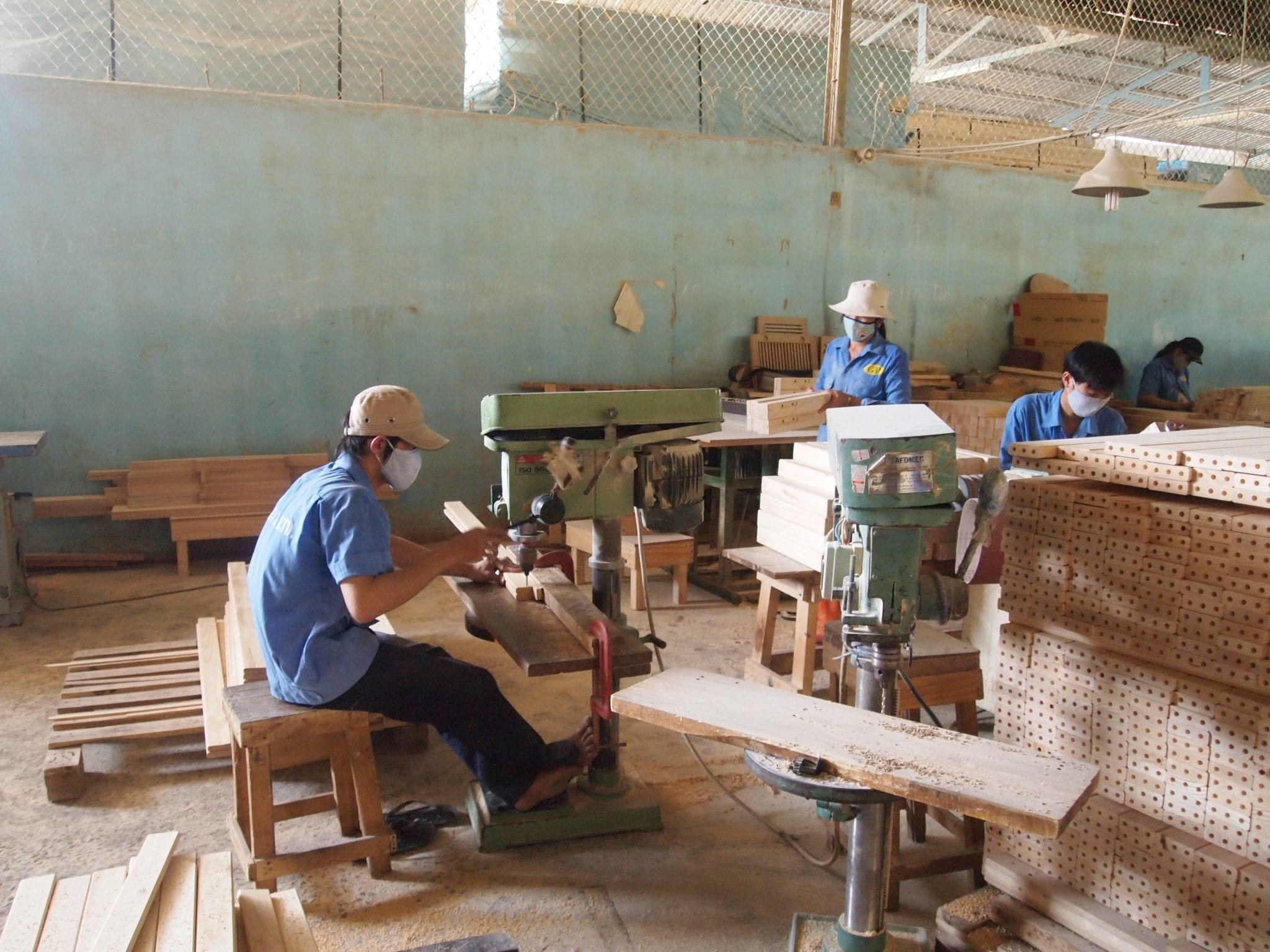
    Vietnamese wood businesses will be benefit from this trade war should the U.S. impose a heavy tax on Chinese wood starting this July, a representative of the Handicraft and Wood Industry Association of Ho Chi Minh City (HAWA) said.

    In the first two months this year, exports to the U.S. accounted for 39.7 percent of total wood export turnover, an increase of 14.6 percent from the same time last year, the source said.

    One of the reasons for this increase is the anti-dumping duties U.S. slapped on China at the end of last year, the source said.

    Vietnam is currently the fifth largest exporter of wood to the U.S., while China tops the list, according to HAWA statistics. If Vietnamese businesses can take this opportunity, growth can be much faster than now, the source said.

    Apart from wood, Vietnamese steel businesses would also enjoy a surge in steel exports to the U.S. if the latter ups its anti-dumping tariffs on China by 25-35 percent, Nguyen Huy Do, marketing director of Vietnam Italy Steel Jsc, said.

    However, industry insiders are warning that China might invest in manufacturing steel in Vietnam to have a ‘Vietnam label’ on products that will eventually be exported to the U.S.

    Last month, the U.S. Commerce Department slapped steep import duties on steel products from Vietnam that originated in China, finding that they evaded U.S. anti-dumping and anti-subsidy orders.

    After this, the Vietnam Steel Association has requested authorities to impose tighter controls on foreign investment in steel.

    Another risk is that China dumps its residual inventories on other countries in the region, including Vietnam, which will result in an unstable trade market, Dinh Tuan Minh, research director of market research firm Viet Analytics, said recently.

    Vietnam therefore needs to be careful amidst this trade war between the world’s largest economies and should not let itself be the target of steep tariffs, Minh said.

    “What the U.S. is doing to China can be done to Vietnam at some point,” he said.

  • Memebox eyes to return the US after a year pending

    Memebox eyes to return the US after a year pending

    Memebox, a Korean beauty startup founded in 2012 as a subscription-box service, is relaunching its e-commerce business in the US after a year on hold.

    The company has remained active in Asian markets while awaiting its window to return to the US. Founder and CEO Dino Ha identified a rise in Asian beauty-brand awareness among American consumers as being the key factor in the relaunch.

    Memebox recently contracted with beauty retailer Sephora to launch a new line of cosmetics to come out this autumn. Its in-house brands are already available in the US on its new online platform, which has been reconfigured to include review and community features designed to bolster consumer education. The company’s community-building efforts to encourage sharing of product information have resulted in an increase in user engagement from three to 25 minutes spent on its platform.

    The firm maintains a database that lists the skin types, preferences and consumer trends of its 5 million active users. According to product manager Danielle Zhu, this is central to Memebox’s short product development cycle and trend-forecasting efforts.

    Memebox maintains a close relationship with social media influencers as a core strategy since first trading, and is now developing an affiliate program to encourage users to register as ambassadors of the brand. The program serves in part to address recent criticism accusing the firm of only targeting very light-skinned women, excluding many potential users with darker skin tones.