Tag: asia

  • Instagram stories, new shopping windows

    Instagram stories, new shopping windows

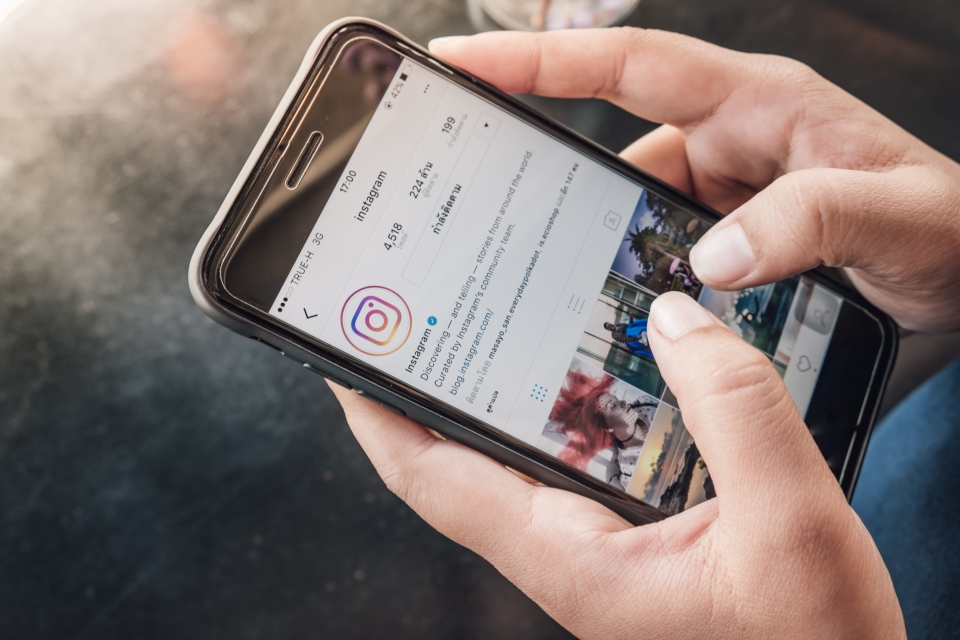
    Facebook’s Instagram is letting people shop directly from its Stories, opening up a direct way for people to buy what they see.

    Starting on Tuesday, some retailers, including Adidas, Aritzia and The Kooples can tag and link directly to their products. Instagram users can click on the link and buy the item directly, without having to leave the app.

    The shopping function becomes very interesting when it relates to video. Coupled with Instagram’s reported plans to launch its own exclusive longer-length series, it’s plausible to think that one day a person could be watching a show on Instagram, see an actor or social media star wearing or using a certain product, and then tap on the link to buy that item directly.

    Although the buy links are free for companies to use, if more customers start shopping through Instagram it could get marketers to move their money to the platform. This click-to-shop feature could be a more compelling way to get to shoppers than a traditional TV commercial, allowing the Facebook company to dip into the nearly $70 billion brands are expected to spend on commercials this year.

    Instagram overall has 800 million daily active users — the Instagram Stories feature alone has 300 million daily users. It is especially popular with young adults, with 71 percent of 18- to 24-year-olds using the app according to Pew. Instagram Stories could be a way to get products in front of an audience that’s watching less TV.

    Allowing sales from Instagram Stories could also take money away from Google’s YouTube, which has its own shoppable feature. And it makes it a stronger competitor to Snap, which recently allowed direct shopping from its Snapchat lenses.

    The new Instagram Stories shopping feature is only available for businesses, not individual sellers or consumers trying to get affiliate payments. Moreover, companies can only directly link to products they sell themselves, meaning they won’t be able to sell through a third-party retailer for now. The feature also does not allow targeting to a specific audience, meaning most people who see the shopping-link enabled posts would have already been following the company on Instagram.

  • Bulgari’s Flagship in KL gets a Roman Makeover

    Bulgari’s Flagship in KL gets a Roman Makeover

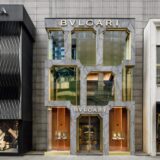
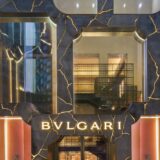
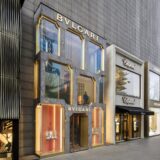
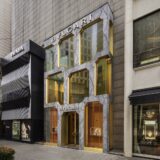
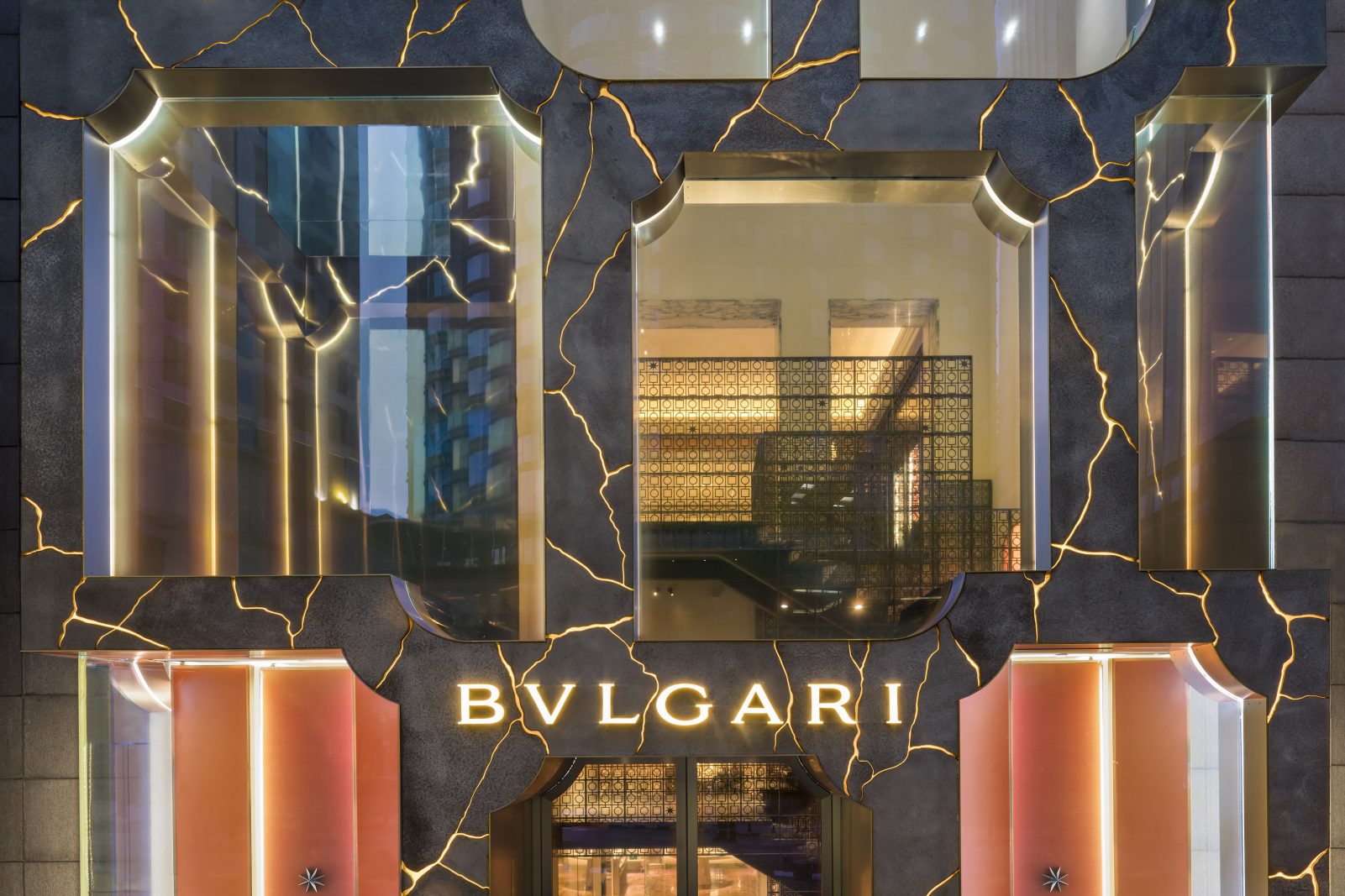
    Bulgari Malaysia has opened a flagship store in Bukit Bintang district, Kuala Lumpur.

    Built in the same style as the Via Condotti store in Rome, the 103sqm space sees the Italian brand experimenting with new ways to convey the luxury brand’s heritage.

    The designer, Netherlands-based MVRDV, used rough concrete with resin veins to create a sense of historic Italian architecture. The store space is permeated with gold light.

    Bulgari plans to adopt the new storefront facade in all of its global stores.

    The brand also recently launched a new design concept in Hong Kong.

    For more pictures, view the gallery below (4 images) :


  • Jins Philippines opens first store

    Jins Philippines opens first store

    Japanese eyewear retailer Jins has opened its first store in the Philippines.

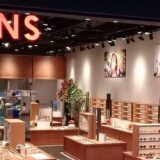
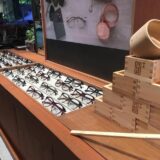
    Located at SM Aura Premier in Taguig, the Jins Philippines store will offer up to 1000 styles of frames and match them with lenses within about 30 minutes.

    Jins has about 350 stores in Japan and has recently started to expand into Greater China and the US.

    The company pioneered the use of a new, lightweight material for glasses in its patented ‘Airframe line,’ as well as functional eyewear such as blue-light cut glasses, popularly known as Jins Screen.

    The brand has been brought to the Philippines by Suyen Group, the parent of fashion brand Bench.

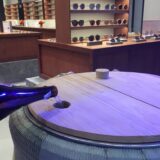
    At a formal launch ceremony this month, a traditional sake barrel-breaking ceremony was led by Suyen Corp’s chairman Ben Chan, Taguig City mayor Lani Cayetano, Carol Sy of SM Supermalls, Dr Takeo Okada, first secretary of the Japanese embassy in Manila, Steven Tan, senior VP of SM Supermalls, Hitoshi Tanaka, CEO and president of Jins and Virgilio Lim, president of Suyen Corp.

    “The breaking and partaking of sake from the sake barrel symbolizes prosperity and fruitful partnership between parties,” said Lim.

    Jins Philippines offers a visual experience with stores designed like a pop-art gallery, collaborating with graphic artists and architects from Japan and other countries in designing both the eyewear line and their stores.

    Recent collaborators include British product and furniture designer, Jasper Morrison, and Japanese graphic artists and architects Teruhiro Yanagihara and Sou Fujimoto.

    View the gallery below (3 images) :

  • KLASSE14 celebrates time in its one-of-a-kind concept store

    KLASSE14 celebrates time in its one-of-a-kind concept store

    KLASSE14 has officially landed in Hong Kong with its one-of-a-kind concept store.

    KLASSE14 retail space incarnates the value for time, key element that defines the brand ordinarily unique experience.

    KLASSE14 is a fashion & lifestyle brand with an Italian soul fed by Mario Nobile’s creativity. The brand, established in 2014, has rapidly enchanted millennials across different markets such as Japan, Korea, China, Taiwan, Hong Kong, Macau, Australia, and also Italy and Switzerland through hundreds point of sales and kiosks with major retail partners.

    In 2018, the brand decided to open its first concept store Ciao Hong Kong in HK to pay homage to the city, where the company started its journey and it is still headquartered.

    The store is the result of years of activity that forged the brand identity and personality of the brand, which found its ultimate materialization into a bright white canvas in Wyndham Street aimed to host dreams and love for its aficionados.

    The retail concept has been created by Paolo Giannelli, Founding Partner at Area-17 exclusively for KLASSE14, in close collaboration with Mario Nobile, the Creative Director of the brand.

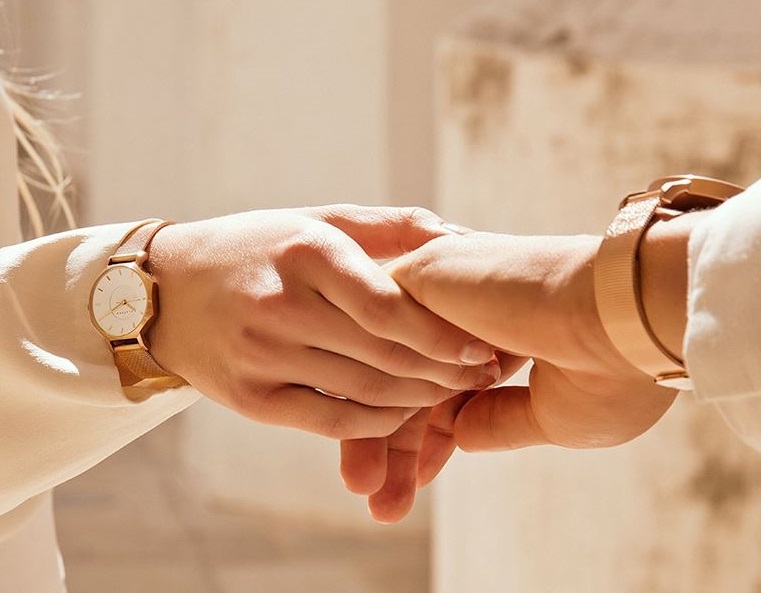
    Shiny “winged hands”, KLASSE14’s emblem, welcome the visitors. KLASSE14 logo has its root in a photo with a couple shaking hands and wearing “Volare”, the brand’s top item. The photo became viral on the Internet and couples started sharing the same photo as symbol of their love, so that KLASSE14 decided to transform it into its symbol in order to highlight the important role that the community of fans has played in the brand development.

    The store resembles a museum space, where timepieces are exhibited in a series of elements distributed diagonally in a narrow and deep room. The inspiration of the retail concept comes from KLASSE14 watches. The layout of the store is conceived as a canvas to host the visionary and essential product design, which led the research of materials, colours, shapes and lights that work as a natural extension of the products.

    The store is divided into two levels. The ground floor is dedicated to the product, with showcases inspired by the design of the flared dial of the watches, with cuts of light on the edges display the products. The two plain walls, deliberately left free to let the products stand out, host very unique elements, such as the wall-mounted showcases, mixed with a lighting-box and a series of electronic devices that enable the customer to interact directly with the brand and use social media to share the moment, a touchscreen grafted in the wall also enables the visitors to explore the brand content online while waiting to be served.

    Walking up to the second floor visitors’ attention is caught by split monitor tiles, on which the photos of the advertising campaign are looped, making a coloured waterfall that descends from the first floor to the ground floor. The first floor is an experiential space, where the brand invites its customers to a small lounge to know them better. The same space is also dedicated to packaging, which becomes a ritual as customers can personalize cards for their beloved ones.

    The store is overall a celebration of white colour and light, and features as interior design elements masterpieces such as Tolomeo lamps by Artemide and Colubi armchairs by Viccarbe.

    As the store is conceived as museum space, it will host different workshops to engage HK community. KLASSE14 is a very young brand which finds its muses in young tech-savvy generations setting fashion trends. The brand owes its popularity to its community of fans that post after post built a strong branding discourse around it made of moments of shared happiness.

    KLASSE14 is positioned in the market as a fashion brand releasing different collections throughout the year inspired by global fashion trends, but also its community of fans’ new needs. KLASSE14 is a gifting company, its watches celebrate moments and are chosen to be a symbol of togetherness and connection with the beloved ones.

    View the gallery below (4 images) :

  • E-commerce tipped to take one third of Asia-Pacific retail spending

    E-commerce tipped to take one third of Asia-Pacific retail spending

    E-commerce will account for 31.4 per cent of total Asia-Pacific retail spending by 2020 according to fresh projections by research house Mintel.

    That’s nearly 10 times the proportion of 2010, when it accounted for a mere 3.6 per cent of sales.

    Those figures are based on countries with high populations – Australia, China, India, Indonesia, Japan, South Korea and Vietnam – and exclude markets like Singapore and Hong Kong, where e-commerce accounts for less than 5 per cent of total retail sales.

    “The future of Asia-Pacific’s retail landscape will force a fundamental change in the way Asian companies are structured, managed and do business,” the report, New Retail: The Futurenomics of Asia-Pacific, concluded.

    Its author, Matthew Crabbe, who is regional trends director, Asia-Pacific, with Mintel, said the 2020 projection is only the start.

    “E-commerce growth is fast-moving and on a massive scale. From 2015 to 2025, e-commerce will rise in value by over 290 per cent, and reach well over 37 per cent of total retail value across Asia-Pacific. This growth has created a new critical mass with the convergence of online and offline retail and services into New Retail.”

    Combining latest Mintel research to paint a picture of how the region’s future economy will be shaped, Crabbe settled on four key conclusions:

    Digitisation: Futurenomics nears critical mass

    “The online economy is a crucial part of Asia-Pacific’s current and future economic growth. It is also a major part of the continuing integration of the economies and consumer-spending patterns across the region. Meanwhile, Asia is not just innovating within New Retail, it is also a hothouse of innovation in AI, the application of augmented and virtual reality and revolutionary concepts in food production, among many technologies. And New Retail is the focus of how all these developments are agglomerating to shape the ‘futurenomics’ of Asia.”

    Integration: The value of experience

    “New Retail is a process, rather than a market, where the ‘space’ of e-commerce increasingly integrates with physical shopping spaces. It is also a part of a wider integration process into the broader digital consumer services environment, and across all consumer product sectors. Places and processes for shopping are integrating with entertainment, travel and socialising – which is great as 32 per cent of urban Thai consumers say they are spending more on leisure and entertainment this year,” said Crabbe.

    “Brands are finding that they are being drawn into their own integration across sectors. Services brands are merging with retailers; retailers are becoming hoteliers; online platforms are becoming transportation providers – everything is mixing up. This means that brands must now engage with consumers across formats, platforms, technologies, locations, nations and sectors, and find relevance across more aspects of consumer lifestyles.”

    Consolidation: More people in less space

    “Asia-Pacific’s population is rapidly urbanising into some of the world’s largest cities, creating the potential for New Retail to develop faster in the region. In India, 25 per cent of urban internet users who shop for groceries do so from online supermarkets at least once a month. Meanwhile, in Indonesia, 56 per cent of urban smartphone owners have made a purchase through an online retail site or app,” he said.

    “Urbanisation is likely to be significantly influenced in the future. To meet the needs of vast, crammed populations of tomorrow, cities will have to adapt to new technology. New Retail, with the ability to reach anyone, anywhere, via their smartphones, offers a unique solution to connecting with consumers.

    Companies in the New Retail industry are encouraged to spread their influence across the region. In fact, New Retail is already expanding rapidly across the region through the influence of China’s leading operators.”

    Migration: From brawn to ‘e-brain’

    Crabbe said as Asia-Pacific’s populations get older, there will be an increasing need for greater productivity as ‘working age’ populations shrink.

    “This will drive the need for ongoing education and long-life learning to keep up with and adapt to new technologies. Mintel research reveals that as many as 72 per cent of urban Thai consumers say they want to learn a new skill, while 59 per cent of urban Chinese mums agree that early education should start as early as possible.

    “Technology in production – manufacturing and agriculture, for example – is leading to a shift from a ‘brawn economy’ to ‘brain economy’. Already new technology has democratised the means of production.

    In an environment where ideas become currency, we see the emergence of what is now known as the ‘Fifth Estate’ where outlier, disruptor and social groupings become instigators of change in mainstream society. New Retail will be the foundation upon which new economies will be built, and Asia-Pacific is leading the first wave,” Crabbe concluded.

  • Samsonite for Her opens First Store in Singapore

    Samsonite for Her opens First Store in Singapore

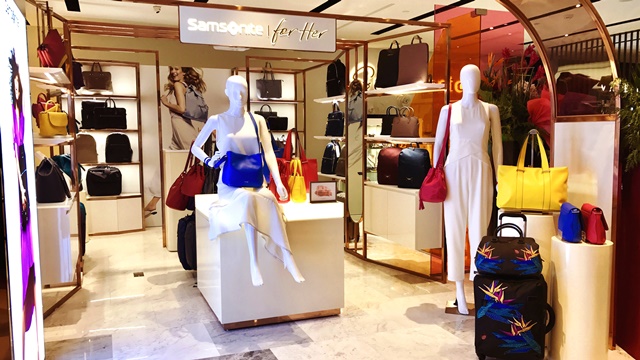
    Travel luggage firm Samsonite has launched its first-ever concept store for ladies, Samsonite for Her, now open in Orchard Road’s Paragon shopping mall.

    The space has been designed to showcase curated product lines under the Samsonite, Samsonite Red, and Lipault Paris brands that each target specific demographics of women shopping for bags, accessories and luggage.

    The new store also serves to kick off Samsonite’s inaugural omnichannel retail platform, allowing customers to shop for options beyond the collections available on shelves. The initiative is designed to direct visitors to the brand’s entire digital catalogue online using an interactive tablet in store. The service offers free delivery of purchased goods regardless of sale size, leaving purchasers at ease to continue shopping without needing to carry their items around the mall.

    The move represents a new direction for the firm in the wake of recent accusations made against Samsonite by activist investment firm Blue Orca Capital, in a report that called the company a “mid-level brand masquerading as a premium luxury player”. The accusation resulted in the resignation of CEO Ramesh Dungarmal just weeks after Samsonite had reported first-quarter double-digit growth across all regions, which Dungarmal had attributed in part to its acquisition of eBags.

  • Tmall launches try-before-you-buy

    Tmall launches try-before-you-buy

    Tmall introduced a “try before you buy” option for fashion fans shopping on the platform.

    In a market where e-commerce is already ubiquitous, the B2C marketplace said it wanted to make shopping even more convenient by eliminating the hassle of returns and refunds for consumers searching for the perfect fit.

    The new service will let Alibaba Super Members with a Zhima credit score of over 550 to order clothes without payment and try them for seven days. If they decide to keep them, Tmall will automatically deduct the cost from their Alipay accounts. If not, shoppers can return them free of charge.

    Currently, more than 14,000 products from 15 local and international brands are participating in the service, including Italy’s Miss Sixty, Vancouver-based Lululemon and China’s home-grown labels Stella Luna, Dazzle, Ein, Yiner and Conquis.

    “Fashion brands can attract more premium consumers through this all-new shopping model… and it highlights how these brands are dedicated to enhancing the customer experience,” said David Ye, head of Tmall Fashion and Luxury’s customer operations unit.

    Tmall plans to expand the model to other categories and channels in the near future, Ye said.

    “We will also take the try-before-you-buy service offline, allowing consumers to book [garments] online and try on in-store, so they can at once access a wide variety of products online, as well as get the sense of certainty in shopping at brick-and-mortar stores,” he said.

  • Co-working space to become the next retail space

    Co-working space to become the next retail space

    In October 2017, 8-year-old co-working company WeWork made a deal to buy Hudson’s Bay Fifth Avenue property Lord & Taylor flagship store for $850 million, raising not just eyebrows but red flags as to the future of both retail and office facilities.

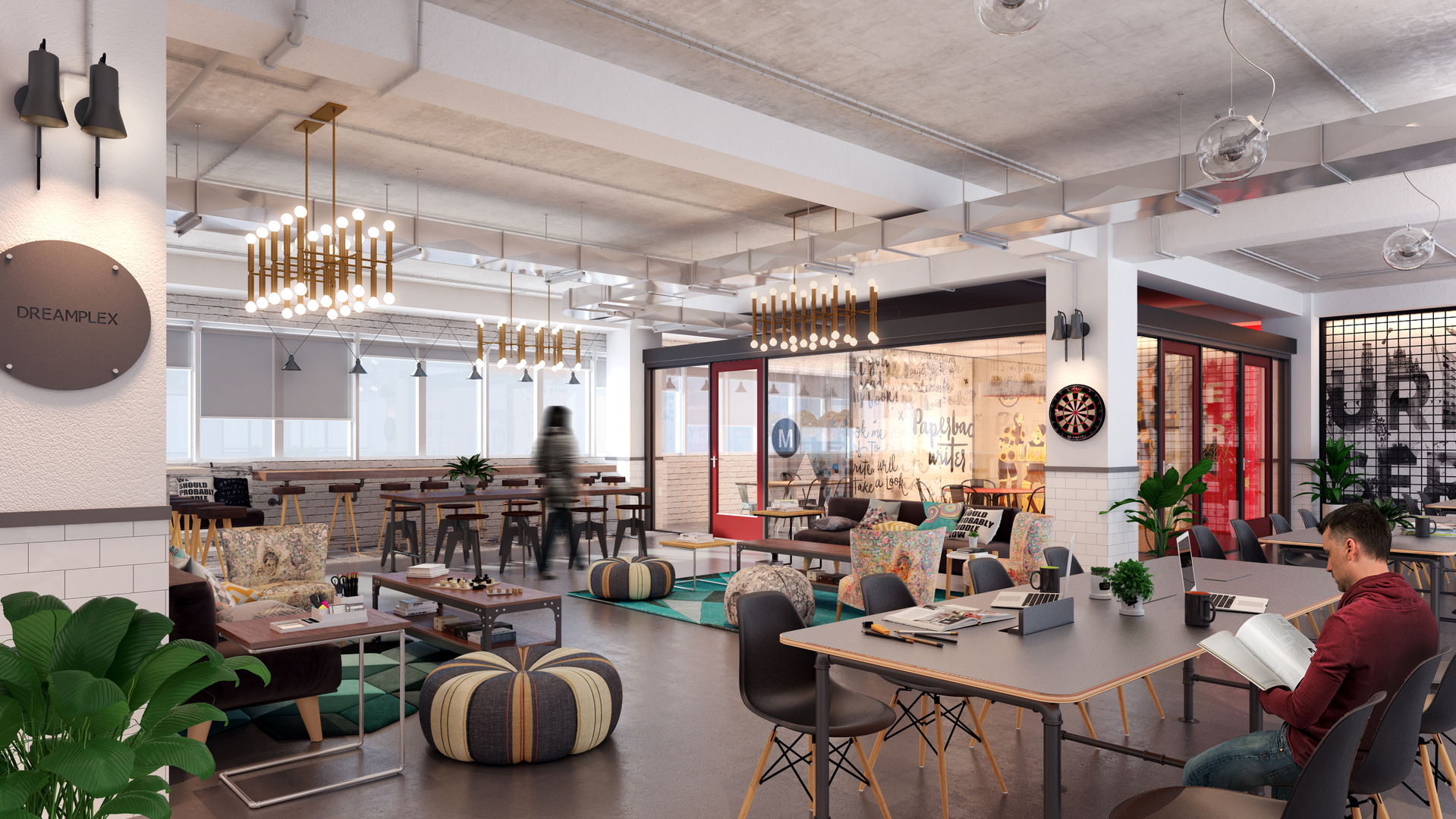
    As companies such as WeWork, Co-Optim and NeueHouse pop up, it is prompting some to wonder if the changing nature of work is giving rise to a new kind of retail experience.

    WeWork plans to turn the former Lord & Taylor space into its New York headquarters after the 2018 holiday season, with Lord & Taylor continuing to operate in the same building in a smaller capacity.

    The Hudson Bay/WeWork partnership will also include WeWork space on the upper floors of the Hudson’s Bay locations on Queen Street in Toronto and Granville Street in Vancouver in Canada, and in the Galleria Kaufhof in Frankfurt, Germany. It’s part of what appears to be a larger retail push for WeWork, which declined to comment for this story but has been rumored to be investing in several retail startup tech companies.

    But buying up store space isn’t the only retail push. Partnerships are another angle that WeWork — and other co-working companies — have been exploring in earnest. In February 2018, WeWork and LinkedIn announced a partnership with J. Crew that would include panel events, a new work-focus collection and campaign from J. Crew featuring WeWork members, and J. Crew pop-ups exclusively for WeWork members.

    The partnership comes at a particularly tense time for the J. Crew brand, which saw a 7% same-store sales drop in fourth quarter 2017 and plans to close as many as 20 additional stores in 2018, following the shuttering of 50 stores in 2017.

    Certainly WeWork isn’t the only co-working company exploring retail. Upscale co-working company NeueHouse, with locations in New York and Los Angeles, is also exploring its options.

    “We think of ourselves as home of the new,” said Jon Goss, chief commercial officer at NeueHouse, an upscale co-working space founded in 2011, with locations in New York and Los Angeles. “Retail is very much a part of that.”

    The company recently featured a pop-up shop in its New York location for Australian skincare brand Aesop, which is a NeueHouse member with studio space on the upper floor. “We are raising money right now, and looking to expand into more properties,” said Goss. “And we talk about how NeueHouse fits as more than just a work space. Work is one of the spaces, and then culture, and then lifestyle. It’s more than just a desk. And providing our customers with the ability to discover new products and experiences is part of that, and part of my vision for our customer experience.”

    NeueHouse has previously partnered with digital fashion retailer FarFetch, and they’ve just signed a deal with a new headphones brand that Goss declined to name. In addition, J. Crew chairman Mickey Drexler recently showed up to the New York location to talk to members about retail. Diane von Furstenberg was another a recent speaker. A recent visit to a WeWork facility in Chicago showed a pending pop-up with Oars + Alps, direct to consumer men’s grooming products.

    “We have to curate with the right partners,” said Goss. “In our Hollywood location, we’ve renovated our lobby to be used, in part, as a popup retail space.”

    Another co-working space working with retail partners is upscale Chicago-based Co-Optim. Alicia Hutzler, Co-Optim’s director of marketing and sales said its partnerships are about adding value for its members. To that end, the company in May began a partnership with Chanel and Bloomingdale’s in Chicago, offering men’s and women’s fragrance and hand lotion to Co-Optim’s co-working members.

    “We are in a unique position, because our members don’t pay for extras,” said Hutzler. “Printing, office supplies, food and beverages are all included with the membership fee. And we’re bringing in this additional value for members.” Hutzler expects the partnership to last throughout the summer. “And then we’ll see if it will be ongoing,” she said. Co-Optim itself is also looking to expand from its three current Chicago spaces to other cities, including Los Angeles, Denver, Miami, Dallas, Seattle and New York, with the expansion rolling out to at least two more cities over the next two years, and the rest by 2020.

    Other co-working retail partnerships include No. 18 and The Shops Buckhead Atlanta, which will bring upscale Stockholm-based co-working company No. 18 to Atlanta’s high-end open-air shopping center in fall 2018, and Staples launched a partnership with co-working space Workbar in 2016. Brooklyn-based The Wing is a space for women only with four locations in New York City and one in Washington D.C. There are seven more locations “coming soon” in Chicago, London, Seattle, San Francisco, Toronto, West Hollywood and Williamsburg, Brooklyn and a retail component that sells on-brand merchandise such as key chains with empowering female-centric messages — complete with an online shop.

    Spacious, another new concept functions like a pop-up shop, taking up short term residency in vacant storefronts and even Westfield Malls has its BeSpoke Coworking concept in its San Francisco Centre. Then there’s Co Work at the Mall, a 15,000 square foot space inside the Water Tower Place mall in Chicago that is a hybird co-working co-retailing concept that pairs pop-up shop and events space with the shared workplace.

    Yet despite retail’s active entrance into the co-working space, some analysts are hesitant to lump this co-branding experiment in with new ideas in experiential retail.

    “WeWork and others are not experiential retail,” Michael Brown, a partner in the retail practice of management consultant A.T. Kearney, and author of the report The Future of Shopping Centers said. “They are, however, creatively leveraging available space to serve the new demographic of gig economy workers that need physical locations to work and collaborate with other workers in related fields. So it’s more a way to re-purpose underutilized or less productive store space.”

    According to Healey Cypher, founder and CEO of Oak Labs, an interactive retail technology company recently acquired by Zlvelo (best known for its touchscreen technology), retail in co-working spaces is more about capturing the consumer’s attention than creating an experience. “When Sports Authority went bankrupt, this consulting firm found that 15% of sales went to Dick’s and 15% to Amazon,” said Cypher, the currently Zivelo’s CEO. “So what happened to the balance? The answer is that the sales disappeared. And it’s because humans are simple: If we don’t see it, we won’t buy it.”

    Adding retail to co-working spaces solves at least part of that problem, said Cypher. “You have all these hardworking folks in co-working spaces, and if they just happen to see stuff, there’s a good chance they’re going to buy it. If you take a small format store and [a] captive population with guests coming by all the time, it’s a really good idea.”

    The concept is particularly appealing for online brands looking to get their products in front of customers. “All these digital-only brands are opening pop-up stores anyway,” said Zoe Leavitt, senior retail analyst at CB Insights, a data analytics platform. “So maybe it makes sense to open one in the lobby of co-working space to capture consumers passing by and working.”

    But not all retail will work in co-working spaces. “With J. Crew in New York, they need to diversify, so I’m not surprised to see them jumping on a collaboration with WeWork,” said Syama Meagher, founder and chief retail strategist at retail consultancy Scaling Retail. “But if I were at WeWork, I would actually think about more lateral businesses,” such as office or work-oriented products and brands.

    WeWork, which is primarily geared toward tech startups, is more technology- than creatively-driven, and Meagher suggests the business might be better served by a retail collaboration more suited to its brand strategy. “Why not host an Apple popup shop,” she said. “Or maybe a Google popup? Give members a discount on those products, and give people access to tools and products they might actively use.”

    Shared workspaces are hosting workshops aimed at bettering member’s business or leadership skills, while makers of bespoke suits and work-appropriate apparel are making appearances on the chance that young workers will ditch the athleisure for new duds.

    For Meager, adding retail to co-working spaces needs to be not just fun but also practical. “Doing a retail storefront inside a co-working space is somewhat detrimental to people working,” she said. “So how are we helping the people in that space, and what is adding value? Is this adding value or is this just marketing?”

    Meagher suggested that finding the best fit may mean looking outside of fashion categories. “As opposed to fashion retail, what if [a co-working space] partnered with SoulCycle or another gym?” said Meagher. “You have to satisfy what people need. Retail can be food, or exercise. There are different ways of selling products. But the first question is, ‘What do customers need?’ Giving them a t-shirt from J. Crew doesn’t seem to be something that a consumer who’s working all day needs. J. Crew is fun, but who actually made any money off of it?”

    Leavitt agrees, noting that fitness and exercise classes such as WeWork’s Rise by We program, will be important parts of the co-working and retailing partnership. “I also see household goods that you could pick up at the office and bring home, like pet food and cleaning supplies,” said Leavitt. “But I see clothing coming last here.”

    There may be even more to retail in a co-working space than simply adding a popup store or bringing in brand partnerships, according to Meagher, who envisions some spaces as making a transition from workspaces to full co-retailing spaces, where merchants share space inside a location, like a co-operative version of a mall.

    “It would be no surprise if companies such as WeWork took some of their spaces and turned them into co-retailing spaces,” said Meagher. “Co-retailing is a very similar business model, and I wouldn’t be surprised if they’re testing the waters to see how retail operates. I think makes more sense than the WeWork apartments. This co-retailing business model is cropping up all over the place, and it’s actually an opportunity.”

    And for struggling malls, finding a way to integrate co-working and retail might be the solution to filling rapidly emptying storefronts.

    “Mall operators such as GGP and Simon Property Group have built homes and hotels alongside their properties, and have also signed co-working space providers as tenants on less-productive floors of shopping malls,” John Mercer, senior analyst, Coresight Research (formerly Fung Global Retail & Technology) said, pointing to a recent report from his company titled Retail Real Estate M&As: A Sign of Renewed Investor Confidence in US Retail?

    Yet adding retail to co-working spaces brings certain problems.

    “There are a couple big challenges I see,” Christopher Walton, an independent consultant and former vice president of Target Store of the Future said. “One, it is hard to coordinate retail partnerships at scale in such a way that the retail experiences will stay fresh and well executed across the country.”

    “Two, it will also be difficult for retailers to generate the return on the investment required from the partnerships or the product placement. It is similar, in my mind, to the phenomenon of retail at airports. Some money can be made at airport stores, but those stores don’t really blow the doors off for any retailer,” he said.

    Making retail work financially may be particularly important for WeWork, which owes $18 billion in rent despite having secured just over $700 million in a recent round of junk bond financing. Analysts are unsure whether the retail element is a practical measure economically — not just for WeWork, but for the co-working industry as a whole, which may be in a bubble that’s about to burst.

    “We are somewhat skeptical about the opportunities to bring retail into co-working spaces,” said Mercer. “We do not see an organic fit, unless the retail element is something such as a coffee shop, though, even then, that will be competing with WeWork’s free refreshment offering, which can range from coffee to beer. Many individuals and employers may not want the distraction of a retail element in their workspace, particularly if they are paying a premium for that space.”

    Moving forward, there may be opportunities for digital retail brands to beat co-working spaces at their own game by opening up co-working spaces of their own, much like retailers have begun opening hotels.

    “A lot of brands are really trying to crack the brick and mortar to mobile conversation,” said Meager. “So the notion of someone like MM.LaFleur creating a co-working space is intriguing.” Meager also sees room for companies such as Apple and, who else, Amazon to try co-working and pointed to the new Apple concept store in Chicago as a possible starting point.

    “It’s meant to have talks and be a community hub,” she said. “Formalizing that into a working space would, transitionally, make a lot sense. And Amazon being able to tap into its network of resources is a huge advantage. If you think all the way through to shipping and fulfillment, plus they own Whole Foods, co-working could be a brand extension for them, and a way of making the brand even more indispensable.”
  • Confectioner Sugarfina to debut at Harbour City

    Confectioner Sugarfina to debut at Harbour City

    Californian luxury confectioner Sugarfina is to open its first store in Asia – in Hong Kong’s Harbour City mall.

    Sugarfina is being brought to Hong Kong by Upper East Holdings, which launched Lady M in Hong Kong in 2015 and plans to open several Sugarfina stores in the territory.

    Upper East founders Stephen Yeung and Tammy Wu says the new 900sqft Sugarfina Hong Kong boutique will give shoppers “a taste of candy heaven” with a selection of packaged confections for every occasion, from hostess gifts to Lunar New Year gifts to the trademark Sugarfina Candy Trunk which holds 20 Candy Cubes.

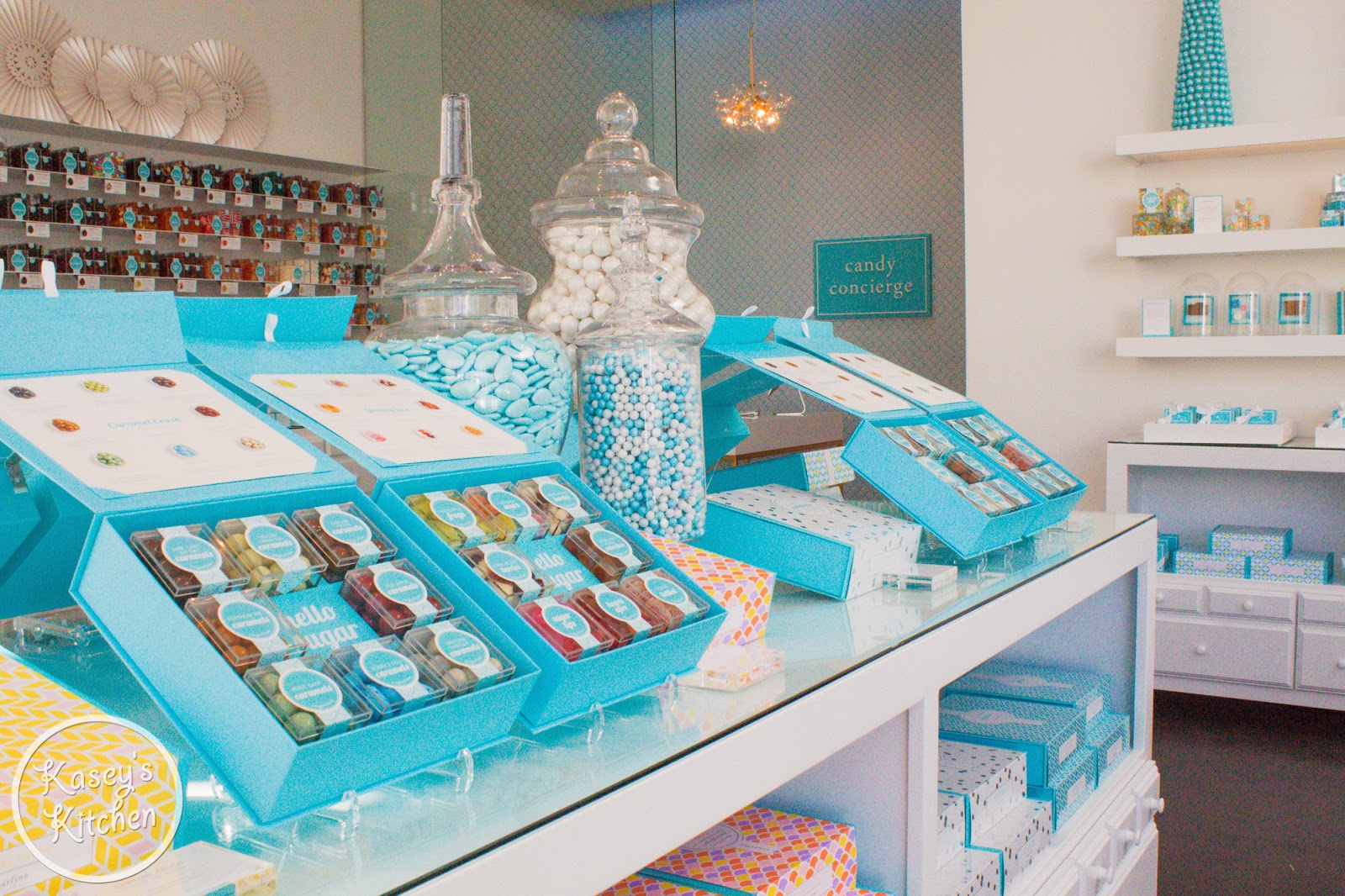
    The store will be designed to encourage Instagramming, featuring Sugarfina’s signature aqua and white colour scheme and photogenic merchandising.

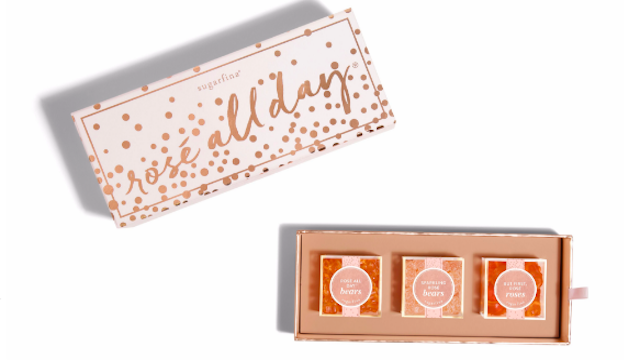
    Sugarfina describes itself as a disruptor in the US$200 billion global confectionery market for creating luxury treats for adults, including a cocktail candy collection with Champagne Bears, Single Malt Scotch Cordials, and Rose All Day Bears whose popularity led to a waiting list of more than 18,000 customers in the US.

    The boutiques feature a collection of candies artfully displayed in modern Lucite cubes, including an area dedicated to “top shelf” candies – exotic, premium offerings from around the world such as Golden Truffle Eggs from Italy and interlocking chocolate wedding rings from Greece.

    “We’ve been dreaming of expanding Sugarfina globally since the early days of the brand,” said Rosie O’Neill and Josh Resnick, co-founders and co-CEOs of Sugarfina.

    “Hong Kong is the window into Asia and Upper East Holdings is the ideal partner to establish our brand in the region. We’re excited to partner with them to bring Sugarfina to life in one of the most vibrant cities in the world.”

    Wu and Yeung say they were “mesmerised” by Sugarfina’s sophisticated concept and innovative candy flavours when visiting stores in New York, where they used to live.

    “It’s exciting to introduce a fresh concept to the sweet tooths of Hong Kong. We have always been passionate about finding the perfect luxury confections experience to bring over from the US and we look forward to working with the creative minds of Sugarfina.”

    To mark the Sugarfina Hong Kong opening, Sugarfina has created a two-piece Candy Bento Box exclusive to the store, inspired by the Hong Kong trams. The gift box will include Sugarfina’s Rose All Day Bears & Fuji Apple Caramel candies.

    Harbour City is the first step in the retailer’s larger global expansion strategy, with O’Neill and Resnick planning partnerships in other foreign markets.

  • Food companies enjoy the help of fashion

    Food companies enjoy the help of fashion

    As they wage a marketing war for consumers’ attention and appetites, food companies are increasingly teaming up with fashion brands, leading to a boom in “food merchandise.”

    Brands see the collaborations as an entertaining experience for customers that increases opportunities to create a synergistic marketing effects to increase sales.

    Quirky, humorous and sometimes odd marketing has often been a successful public relations strategy for food companies. The fashion foray is the latest such tactic, as it helps to draw customers with limited-time offerings, according to industry insiders.

    Local food giant SPC Group is one of the companies that has been experimenting with the food-fashion convergence.

    It has launched collaborative merchandise targeting young consumers in their 20s and 30s who want unique and eye-catching “Instagram-worthy” items.

    SPC Group, which operates the local unit of US burger chain Shake Shack, has teamed up with Case Study, a brand operated by Shinsegae Group’s premium fashion store Boon The Shop.

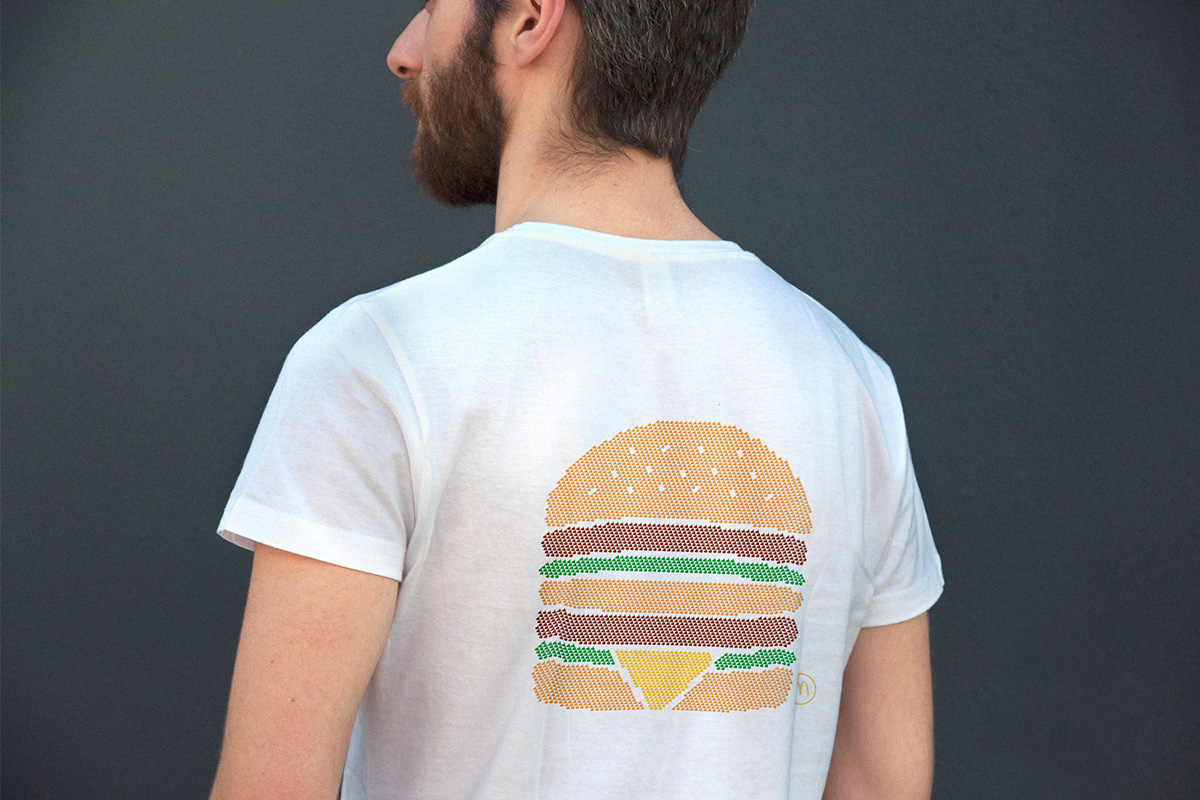
    It launched T-shirts, caps and bags printed with characters of the Shake Shack burger, fries and hot dog, designed by Case Study’s Creative Director Mike Sherman.

    All items sold out within days, according to SPC.

    “Collaborations between unexpected fields such as food and fashion usually bring positive feedback from consumers. Such creative brand experiences can provide an opportunity for a company to evoke a new brand image,” said an official in charge of brand marketing at a fashion company.

    Shake Shack has picked local sportswear brand Barrel as its next collaboration partner. From June, limited menu items such as Surf and Fries will be added, along with sales of Shake Shack-Barrel collaboration summer fashion items such as a beach towel and badge.

    “If it is a rare collaboration, the brand can quickly go viral on social media. This normally works as an opportunity for new brands to increase the level of awareness through collaboration marketing,” the official explained.

    Collaboration marketing is not an opportunity limited to “hip” companies.

    Dongwha Pharmaceutical, which has been selling indigestion drink Gas Whalmyungsu for 120 years, collaborated with global jeans brand Guess in May.

    The very first collaboration between a pharmaceutical company and a fashion brand quickly went viral. Some 4,000 T-shirts, jeans and denim bags bearing Gas Whalmyungsu’s signature folding fan logo sold out from Guess Korea’s online store within three days.

    “The millennial customers particularly enjoy our collaboration and buy items which are reasonably priced. They are limited editions, easy-going and can be used in everyday life,” said a Dongwha Pharmaceutical official. A Guess T-shirt with Gas Whalmyungsu’s logo sold for 28,000 won ($26) at Guess Korea’s online and offline stores.

    This was not the first collaboration project by Dongwha Pharmaceutical, which has been working since 2013 with non-food brands like Kakao Friends as well as TV series “Show Me the Money,” launching limited editions of Gas Whalmyungsu products to raise brand awareness among younger consumers.

    Customers these days prefer products that have a trendy first image as well as a sense of humor,” the official said.

    Coca-Cola’s recent collaboration with cosmetics brand The Face Shop also scored record sales, selling over 300,000 limited package cosmetics items such as Coca-Cola concept lipstick, foundation and eye shadow in 50 days from its launch.

    “Collaboration marketing often leads to increased product quality since two brands join to make synergy. Customer satisfaction is normally high as well. With brands from different categories breaking down the boundaries, companies should continue to research and develop creative products, moving away from an idea that collaboration marketing is a one-time campaign,” said an industry insider.

  • SKP opens China’s most luxurious department store

    SKP opens China’s most luxurious department store

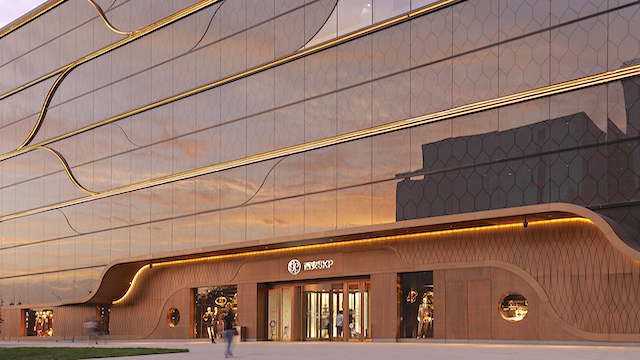
    London-based architectural firm Sybarite has created a 250,000sqm, 20-storey luxury department store in the ancient Chinese capital of Xi’an for high-end retailer SKP.

    At almost three times the size of Harrods, the new mall showcases over 1000 global brands alongside a select range of domestic names in designer fashions. It is the company’s second major project in China after SKP Beijing, which is reportedly now the second most successful department store in the world in terms of sales.

    SKP Xi’an’s signature design features social areas that exceed those of Sybarite’s first SKP project by a factor of five, as well as event spaces that span multiple floors. The exterior, inspired by Moorish architecture, is intended to minimise the mall’s visual impact against the ancient city’s heritage structures nearby.

    Torquil McIntosh, co-founder of Sybarite with Simon Mitchell, said that the project features subliminal branding cues throughout the building to remind visitors that they are experiencing an SKP department store.

    “We always want visitors to know exactly where they are without having to explicitly remind them,” he said, “so we created a curve as part of the brand identity and made it a recurring motif throughout our design.”

    McIntosh was presented with the keys to Xi’an from the city’s mayor for his work on the project.

    The design can be viewed in gallery below (10 images ) :

  • Dries Van Noten sells a majority share to Puig

    Dries Van Noten sells a majority share to Puig

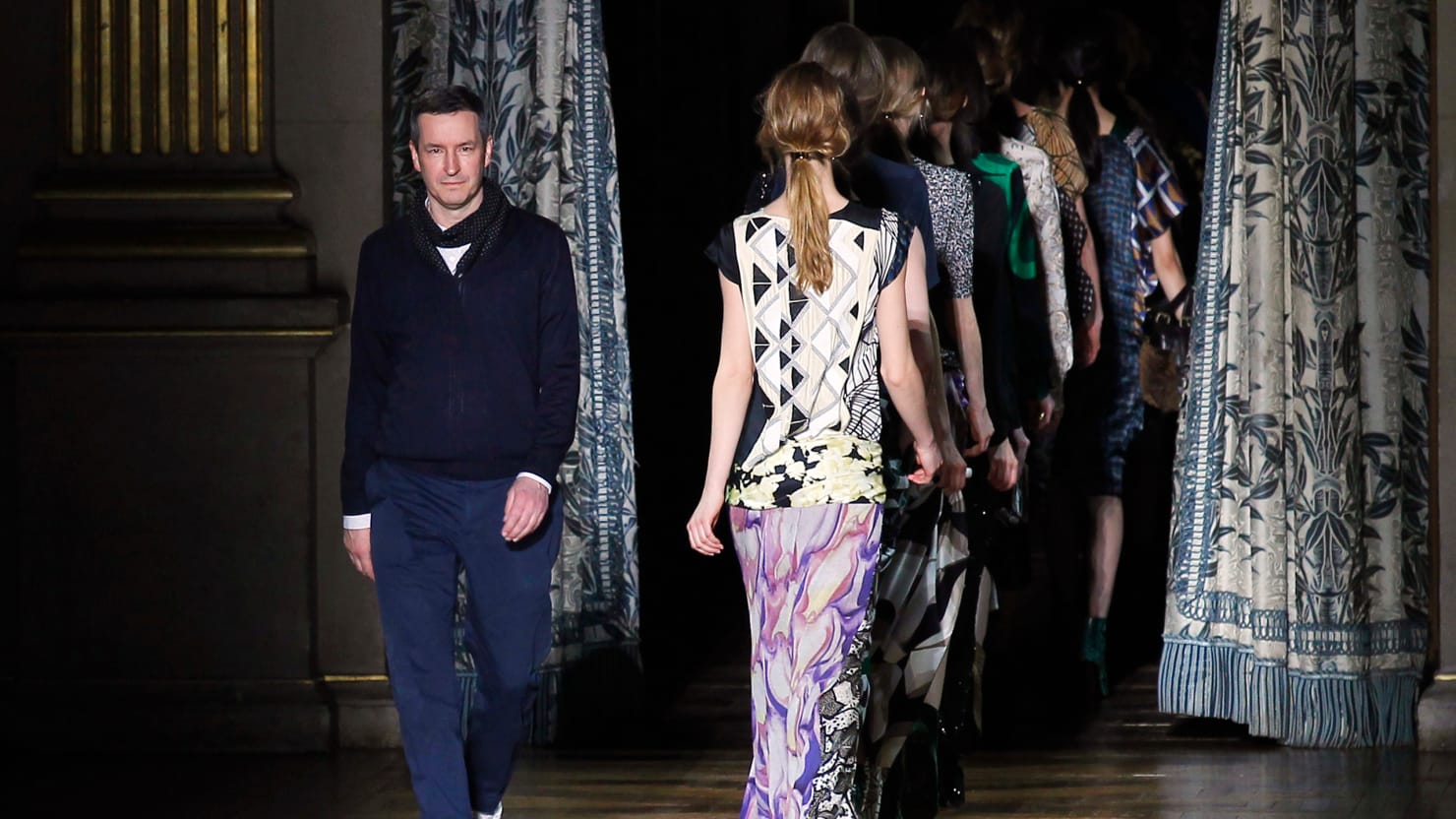
    Dries Van Noten, one of the last independent luxury fashion houses, has sold a majority stake to Spanish group Puig.

    Van Noten will remain a “significant” minority shareholder, as well as chief creative officer and chairman of the board, according to the companies. The team will remain in Antwerp, where the designer established his business in 1986. The financial terms of the deal were not disclosed.
    “As an independent house, Dries Van Noten has, over the years, built an exceptional reputation with its avant-garde fashion collections,” said Marc Puig, chief executive and chairman of the group, which also owns Carolina Herrera, Jean Paul Gaultier, Nina Ricci and Paco Rabanne. “Our entry today into the capital structure of Dries Van Noten proves yet again our strategic commitment to developing the Puig fashion business.”

    To some, Puig may be an unexpected partner for the Belgian designer. For its first 80-some years in existence, Puig dealt only in fragrance. Fashion, while complementary, has a completely different business model. Perfume is a high-margin, high-volume business that serves as a size-free, affordable entry point into a brand. Ready-to-wear is lower volume, with a more complex supply chain and unreliable margins.

    However, Puig’s interests have been shifting. In 1987, the group acquired the French fashion house Paco Rabanne, whose fragrance it had been producing since the late 60s. Its other major ready-to-wear business is Caroline Herrera, which it acquired from Venezuelan businessman José de Armas in 1995.

    Today, Puig owns 100 percent of both the Carolina Herrera fragrance and ready-to-wear business, which was projected to generate $1.2 billion in retail sales in 2016. There is also the secondary line, CH by Carolina Herrera, which launched in 2003 and has become popular in parts of Europe and South America. The line generated $359 million in retail sales in 2015.

    While it has had some success with accessories — in particular, shoes — Dries Van Noten is one of few fashion companies for which ready-to-wear is a major driver of revenue, accounting for more than 90 percent of sales, according to reports. (His apparel is by no means affordable, but it is known to be fairly priced when compared to competitors.) The company doesn’t publish or reveal sales figures, although market sources estimate that 2018 revenue will be under $100 million.

    Given the brand’s potential — and its unique positioning in the market — Van Noten likely entertained offers from various investors. Joining Puig — known for giving their designers creative independence — will offer the infrastructure Dries Van Noten needs to enter new, more scalable categories. While Van Noten has yet to release a signature fragrance, he did collaborate on a limited-edition scene with the perfumer Frédéric Malle.

    “Puig sees an opportunity to develop the beauty business of Dries Van Noten,” said Luca Solca, head of luxury goods at Exane BNP Paribas. For Puig, Dries Van Noten also offers a new level of fashion relevancy that will help to further establish it as an apparel player set to compete against the likes of Mayhoola, LVMH, Richemont and Kering.

    And Van Noten’s core business is still growing. In a 2017 interview with the Financial Times’ How To Spend It, the designer said his business experienced double-digit growth for three years straight. “Independence is that you don’t have to copy an existing business model,” he said onstage at VOICES, BoF’s annual gathering for big thinkers, last December. “We achieved what we achieved often by coincidence. We grabbed opportunity in an organic way.”

  • TUMI reopens at Harbour City in HK

    TUMI reopens at Harbour City in HK

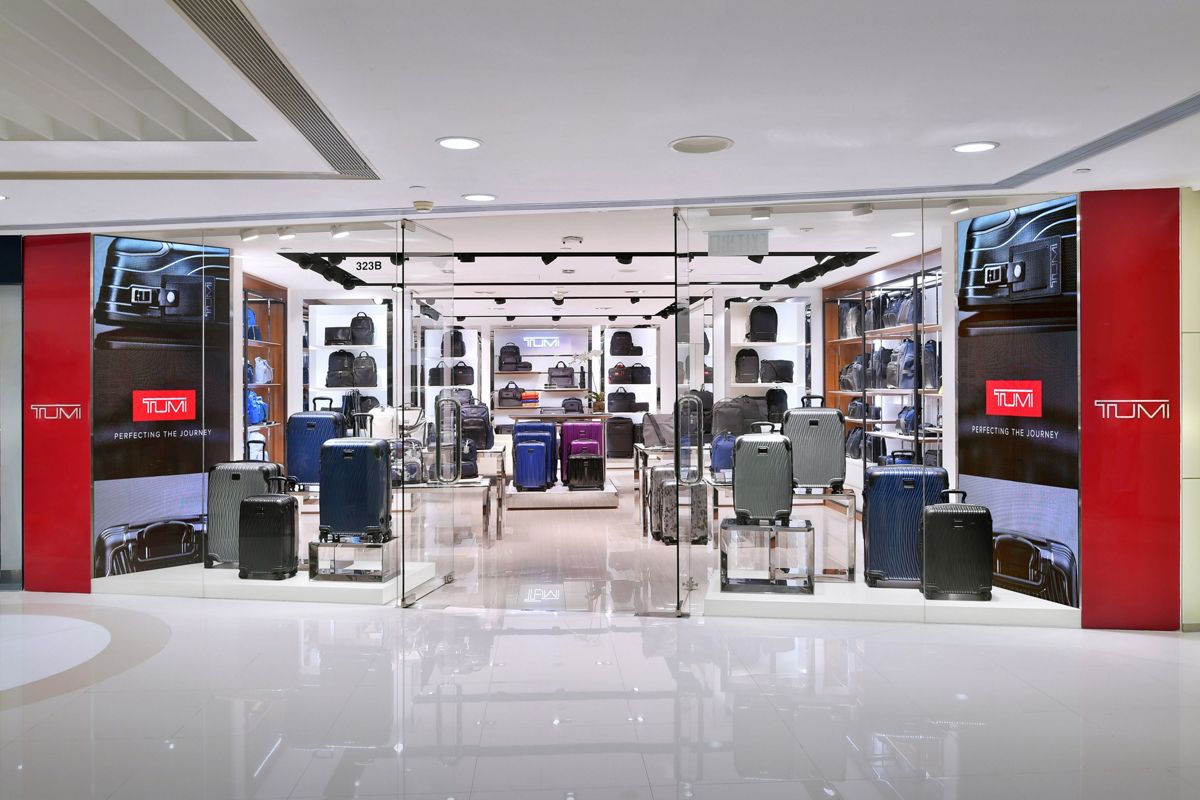
    TUMI, the leading name in premium travel, business and lifestyle accessories, re-opens its Harbour City store in Tsim Sha Tsui to unveil a new store redesign.

    The recently refurbished 990 square feet space features multiple enhancements including a new seating area and upgraded digital touchpoints for customers to enjoy.

    To celebrate the TUMI store re-opening at this iconic retail destination, TUMI is also pleased to announce the prelaunch of two highly-anticipated assortments at Harbour City for a limited time only.

    Earlier this year, we had met Adam Hershman, TUMI Mainland China, Hong Kong & Macau General Manager to aks him about his plans to enhance offline customer experience.

    We have recently done some big things in Hong Kong to offer customers an exceptional TUMI experience. We renovated two stores in ifc mall and Pacific Place and opened a new boutique at Elements in September 2017. All of these stores have been upgraded with our Madison Store concept. This concept was developed by award-winning designer and architect Dror Benshetrit for TUMI’s flagship store on Madison Avenue in New York and has now been rolled out at select locations worldwide,” he explained.

    “The concept helps make our stores the right canvas to tell the TUMI story with a premium, sophisticated environment. The stores are brightened up so that the products really stand out on their displays. The store also seamlessly incorporates digital technologies, like touchscreen and video displays. With our monogram booth, we can also customize products on the spot for another interactive touchpoint,” he continued.

  • KFC Singapore bans plastic for dine-in customers

    KFC Singapore bans plastic for dine-in customers

    KFC Singapore is jettisoning plastic straws and drink-cup lids in its restaurants in a sustainability initiative it says will cut 17.9 tonnes of single-use plastic waste in a year.

    Dine-in guests of its 84 restaurants in Singapore will not be served lids and straws from June 20, but they will be supplied with takeaway orders.

    “We acknowledge the strain that single-use plastics put on our environment and are taking steps to do our part in endeavouring a change,” said KFC Singapore GM Lynette Lee in a statement.

    “We recognise that every little bit counts and are proud to be the first fast-food restaurant in Singapore to champion this movement, one straw at a time.”

    Lee says the company will also investigate more biodegradable packaging for its products.

    KFC Singapore’s move comes at the same time as Starbucks in Hong Kong starts to phase out disposable plastic items, although the items will be available on request.

    And McDonald’s has confirmed it is looking at more environmentally friendly disposable items in its stores.