Tag: asia

  • Missoni bought by Italian firm

    Missoni bought by Italian firm

    The Missoni family has relinquished its hold on maintaining full ownership if its namesake Italian label, confirming that FSI Mid-Market Growth Equity Fund will take a minority holding in the brand.

    Coinciding with the kick-start of Milan fashion week for men last week, the Italian government-backed firm has acquired a 41.2% stake. The Missoni family will continue to have a majority hold with 58.8% of the shares.

    The operation sees a capital increase, worth 70 million euros, and no financial debt for Missoni. The funds are a welcomed boost for the brand, with plans to use the cash to fuel international expansion, product development and retail overhauls in key markets such as China.

    Managerially, Michele Norsa, industrial partner of FSI, will become vice president of Missoni. Angela Missoni will hold the role of president and while Missoni matriarch Rosita retain the title of honorary president.

    “Our goal was to leave a healthy company in the hands of the third generation,” said Angela Missoni, who is also the brand’s creative director.

    FSI is controlled by Italian state lender Cassa Depositi e Prestiti, which is majority-owned by the Treasury. It is the fund’s first investment in the fashion sector.

    In 2016, the company’s most recent annual figure, Missoni reported consolidated sales of 63.4 million euros, with licenses making up 10.9 million euros of total sales.

    Exports accounted for 74 percent of sales. The company, known for its mult-coloured prints, counted five boutiques in Italy and six outside the country, as well as two outlets in Italy.
  • Urban fashion concept at Macau’s City of Dreams

    Urban fashion concept at Macau’s City of Dreams

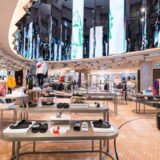
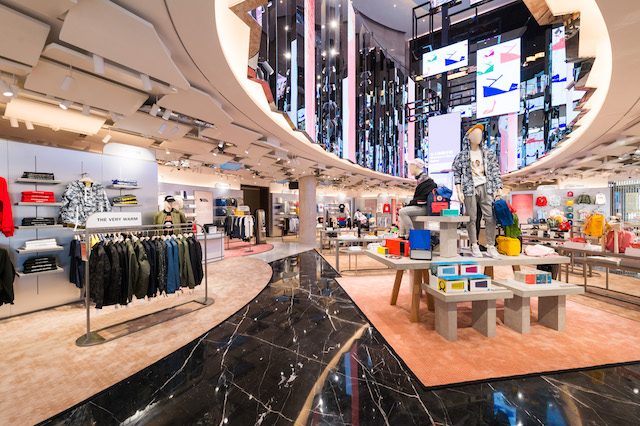
    Luxury retailer DFS Group has launched a new multi-brand concept store World Design Space at T Galleria by DFS at Macau’s City of Dreams.

    The store introduces emerging international brands in a technologically enhanced shopping environment that features more than 50 visual and audible screens. It targets consumers seeking broad selections of street and urban fashion wear and accessories, including ready-to-wear, designer bags, footwear, children’s clothing and toys, jewellery and accessories.

    Nelson Mui, DFS VP of global fashion merchandising and trends, said the assortment at World Design Space includes over 35 new and emerging adult and children’s fashion brands from international design houses from Sweden, France and the UK, many of which are exclusive to DFS and in the region.

    “We curated the assortment from the world’s top showrooms to delight our customers while drawing a new generation seeking a youthful and fresh experience,” he said.

    World Design Space is located to connect DFS’s Beauty boutiques and the Fashion Arc at the mall’s Estrada do Istmo entrance.

    View the gallery of the new concept and the launching event below  (7 images) :

  • Bottega Veneta appoints British designer Daniel Lee

    Bottega Veneta appoints British designer Daniel Lee

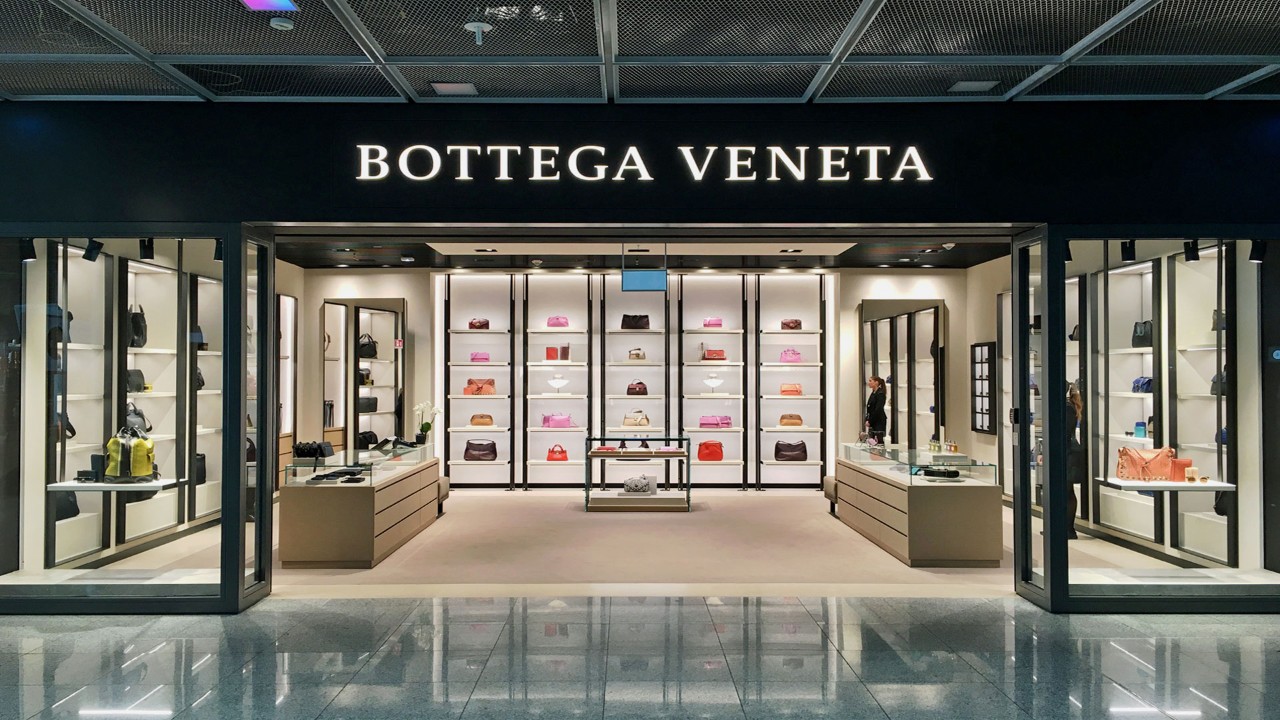
    A new high luxury designer reshuffle brings some interesting aesthetic food for thought. Bottega Veneta, the quiet power of Italian stealth wealth, has appointed Daniel Lee, a 32 year old British graduate of Central St Martins, to replace its outgoing creative director of 17 years, Tomas Maier.

    Mulberry poached her head of accessories Johnny Coca to become its creative director in 2015. Lee, following Philo’s departure will have been out of a job. Her successor, the opinion dividing Hedi Slimane, is busy ripping out everything from her ten year legacy down to the patchwork marble floors (a special Philo commission featuring 12 varieties of marble sourced from Brazil, France and Italy) in the HQ and stores. The Philo vision for Céline is dead, something which her acolytes have been mourning.Lee on paper seems a shrewd choice. He was until recently the Director of ready to wear at Céline, latterly helmed by Phoebe Philo. Under Philo’s exacting steer, Céline assumed its role as the ultimate destination for the woman who lusted after a kind of intellectual design rooted in a nuanced evolution of minimalism. Her team were renowned in the industry for their talent.

    Enter Lee. Bottega is perhaps the natural successor to an evolution of the Philo style. Its tagline “When your own initials are enough” underlines its position as a home of understated, exclusive craft. Maier’s elegant, grown up collections riffed off this, explaining to the Telegraph in 2016 that he designs “for women not 16 year olds.” He marked the brand’s 50th anniversary in 2016 by inviting Lauren Hutton onto the catwalk, styling her in a re-imagined version of the trench coat and red intrecciato clutch bag she wore in American Gigolo.

    Lee will of course have his own ideas, in the statement announcing his tenure he said that “I look forward to evolving what has gone before, while contributing a new perspective and modernity”.

    Kering, the luxury conglomerate that owns Bottega Veneta, has form in making shrewdly successful quiet appointments. Since enduring the high stakes of installing Hedi Slimane at Saint Laurent (he left the house in 2016, later receiving £8million in a lawsuit over intellectual property rights and contractual obligations) Kering has avoided courting more high maintenance names. They replaced Slimane with Anthony Vaccarello, who had form but little ego.

    When they promoted second in design-command at Gucci, Alessandro Michele – then unknown – in 2015, they scored a blinder. Michele has turned it into the hottest designer property, bringing in an approximated global revenue of 6.2 billion euros in 2017 – which accounts for over half of Kering’s overall revenue (reported as 10.823 billion euros in that year). Bottega Veneta reportedly brought in 1.18 billion euros in 2017, not a small amount, but something which they will likely be hoping to expand upon.

    Their policy of installing more low key names is the opposite strategy to rival LVMH which has embarked on a recent hiring spree of star designers, moving Kim Jones to head up Dior menswear, whilst installing sportswear supremo Virgil Abloh in his stead at Louis Vuitton menswear. The ping pong exchange of talent between the two groups has fuelled the ongoing game of industry musical chairs.

    A note of warning though to Lee, in an interview with ES magazine this week, Jones underlined the all consuming nature of these leading roles. “It’s a fantastic life and there’s lots of money to be made at the top, but there is also a vast amount of pressure. It can be all-consuming. You don’t have time for a life really, not at the level I now work. It can be very isolating. And you have to be prepared, sometimes, to sacrifice everything for it. I had to make that choice.”

    Lee worked at Philo’s atelier which was based in London. Tomas Maier was largely based in Florida, travelling to New York and Milan when required. What freedom of address Lee will be able to command remains to be seen. But, certainly at his first show in September, the expectation will be high. Let’s hope he’s ready for it.

  • Starbucks to close 150 stores in the US

    Starbucks to close 150 stores in the US

    Seattle-based coffee chain Starbucks announced it will close 150 underperforming company-operated stores next year, up three times from the usual rate of 50 closings a year.

    The need for closures was mostly driven by slowing sales in the US, the company stated.

    The global coffee chain said affected stores are those located mostly in urban areas that are already densely populated with Starbucks locations.

    The company also said it expects one per cent growth in global same store sales for the third quarter, lowering its previous guidance.

    Kevin Johnson, Starbucks president and CEO, said the company’s recent performance does not reflect the potential of their brand.

    “While certain demand headwinds are transitory, and some of our cost increases are appropriate investments for the future, our recent performance does not reflect the potential of our exceptional brand and is not acceptable.” Johnson said. “We must move faster to address the more rapidly changing preferences and needs of our customers.”

    Johnson said they have taken several actions to streamline the company over the past year, positioning it to increase their innovation agility as an organisation and enhance focus on their core value drivers which serve as the foundation to re-accelerate growth and create long-term shareholder value.

    The coffee chain closed about 8,000 stores on May 29 to offer about 175,000 employees mandatory anti-bias training after two black men were arrested at a store in Philadelphia while waiting for a friend.

  • Microsoft and Amazon compete in checkout-free retail

    Microsoft and Amazon compete in checkout-free retail

    Microsoft is taking aim at Amazon.com with the development of technology that would eliminate the need for cashiers and checkout lines.

    It’s a challenge to Amazon’s automated grocery shop.

    Microsoft has shown the idea to retailers around the world and has had talks with Walmart about a potential collaboration on the technology that tracks what shoppers add to their carts.

    In January, Amazon introduced Amazon Go, an automated brick-and-mortar store that opened in Seattle.

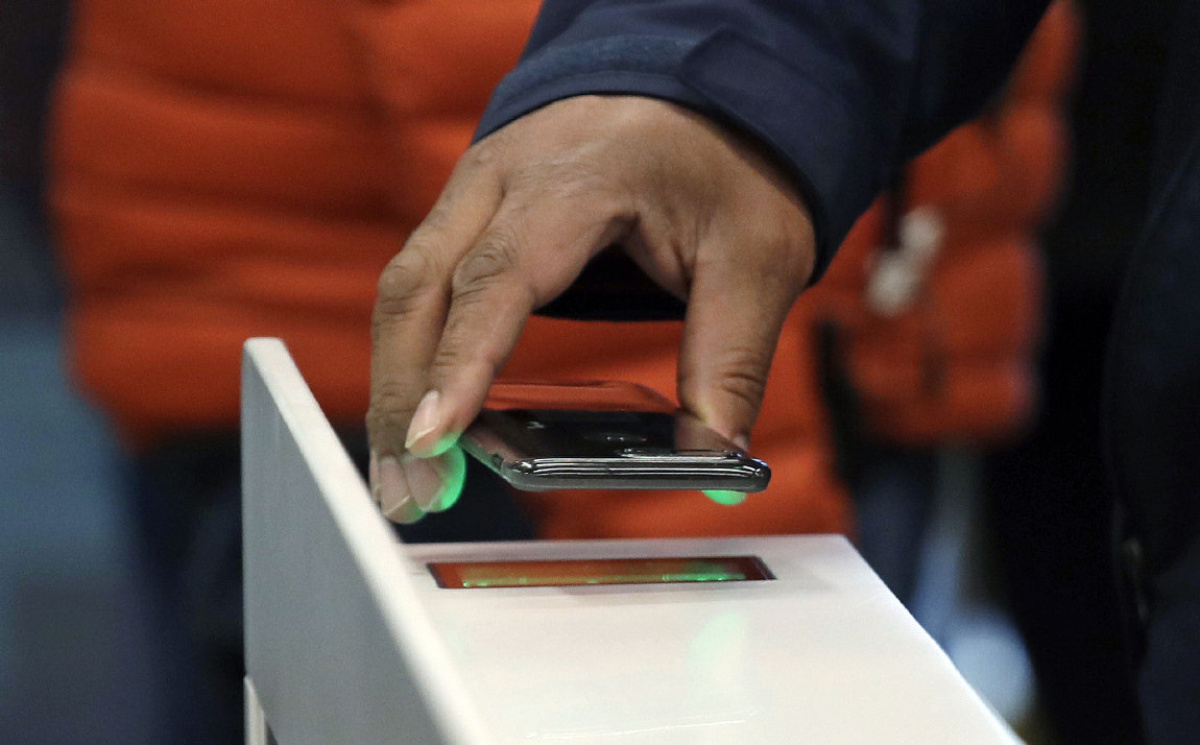
    Technology used at the store scans customers’ smartphones at a turnstile as they enter. Sensors then keep track of items that enter or leave a customer’s cart.

    As customers leave the store, Amazon automatically bills their credit card.

    Microsoft already competes with Amazon in selling cloud services that are important for running e-commerce sites.

    It is not clear how soon Microsoft would bring an automated checkout service to market, if at all, or whether its technology would be the answer retailers are looking for.

    “This is the future of checking out for convenience and grocery stores,” Gene Munster of Loup Ventures said.

    The venture capital firm estimates the U.S. market for automated checkout is potentially worth $50 billion. Cashier is one of the most commonly held jobs in the United States.


  • Korean sandwich chain Isaac setting up Business in Singapore

    Korean sandwich chain Isaac setting up Business in Singapore

    Korean sandwich chain Isaac will open its first store in Singapore next month.

    Over the last 15 years, Isaac has built a network of more than 700 stores across South Korea and expanded into Taiwan, Macau and – most recently – Malaysia, where it has a store across the causeway in Johor Bahru. Now it is heading further afield, with a takeaway store planned for Plaza Singapura’s basement 2.

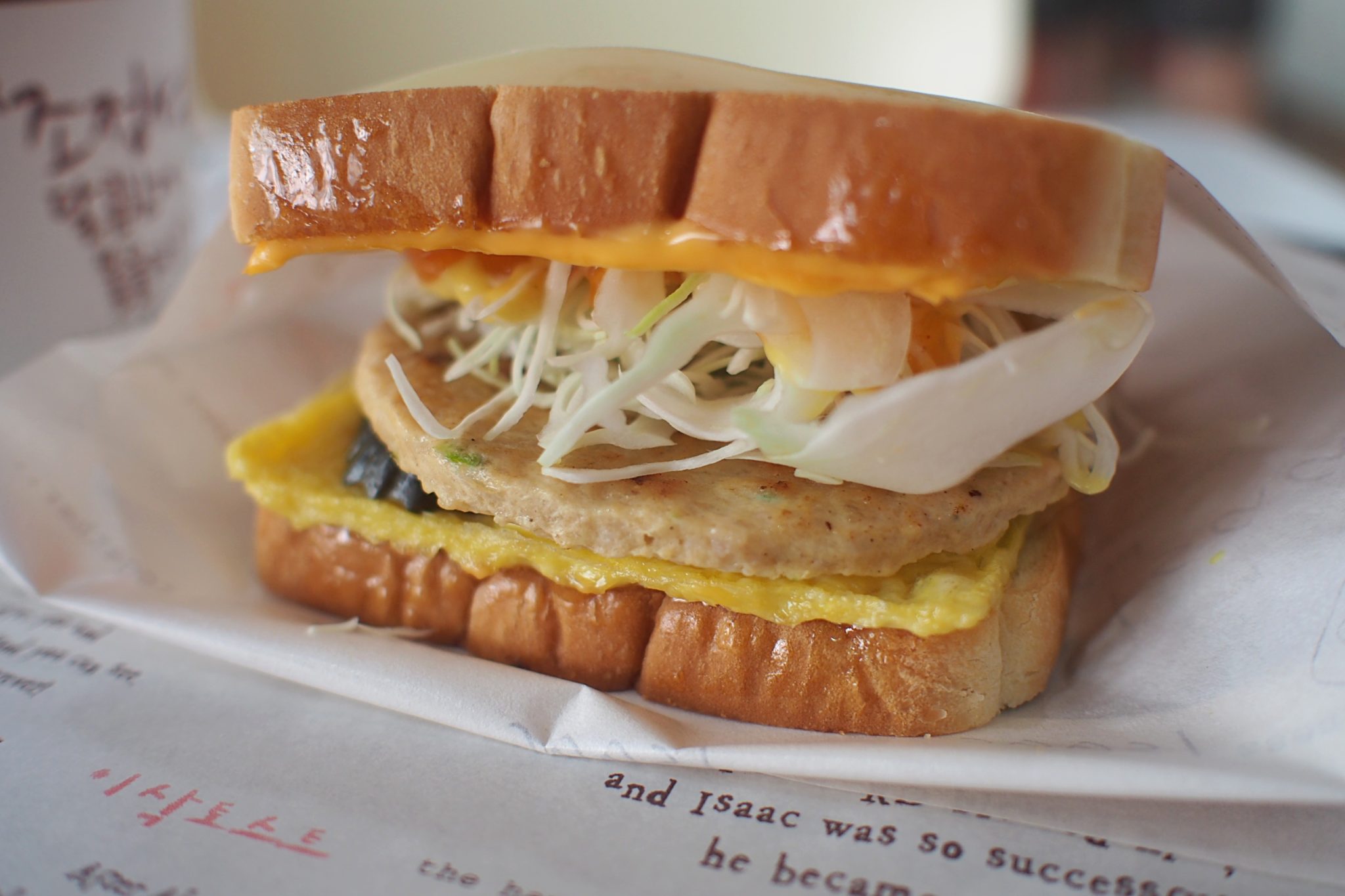
    Isaac serves toasts with variations including the popular Korean dish bulgogi, steak ham, chicken, double cheese potato, shrimp and ham and cheese, with prices starting at S$2.85. It also serves juices and coffees.

  • Vietnam’s Coffee King Makes a Public Appearance

    Vietnam’s Coffee King Makes a Public Appearance

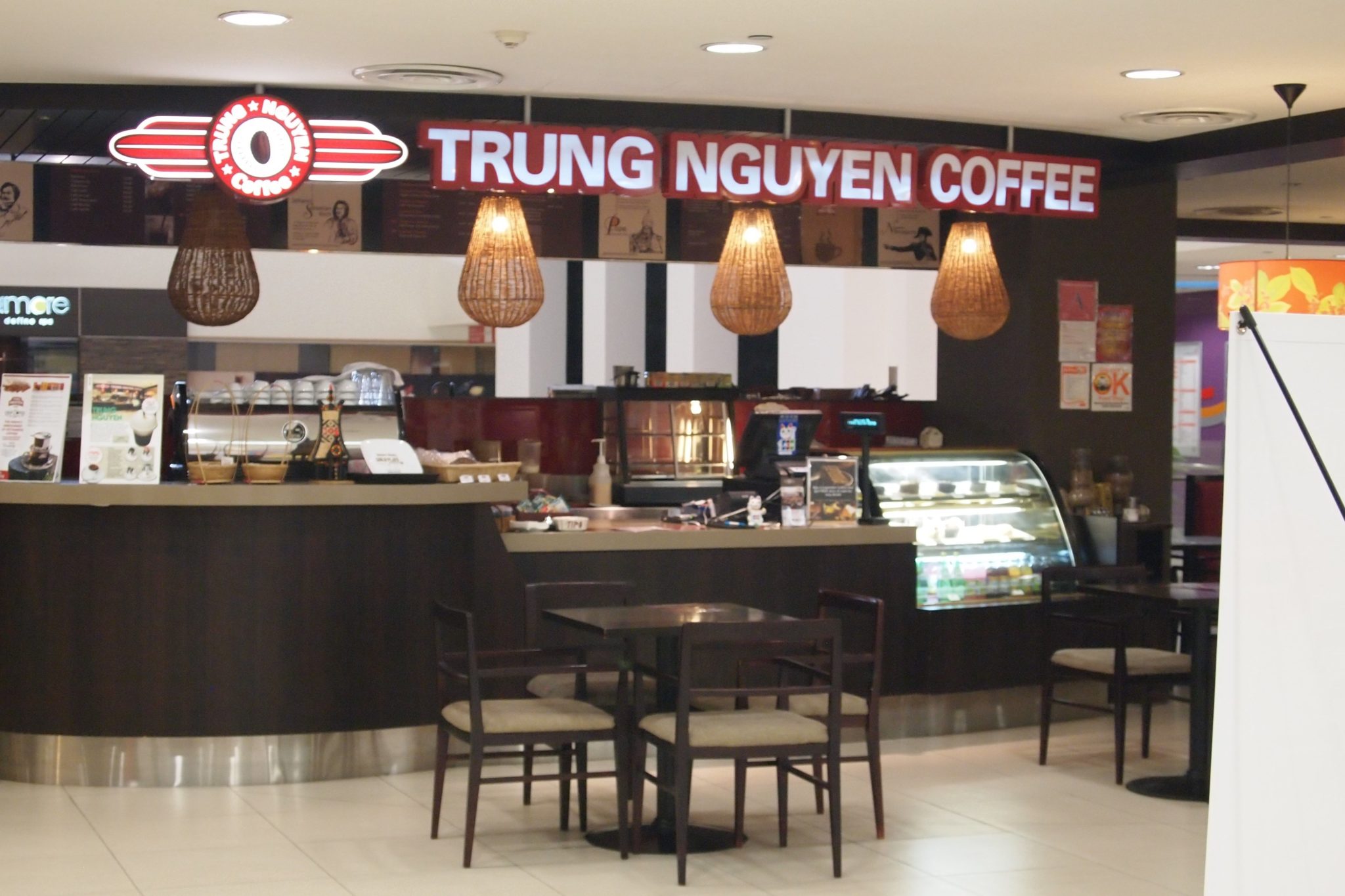
    CEO of Trung Nguyen Coffee put in an unannounced appearance and asked company staff to ‘revolutionize’ themselves. The CEO of Vietnam’s top coffee brand, Trung Nguyen, put in a surprise appearance at a company event on Saturday, after “disappearing” for almost five years.

    Dang Le Nguyen Vu, known as the Coffee King of Vietnam, had stayed away from public eye amidst a lengthy divorce process with his wife that is yet to end.

    Vu, who had nurtured Trung Nguyen Coffee and taken it to 60 international markets, amazed participants at the company event by turning up without prior notice.

    “Brothers and sisters, you have to start by revolutionizing yourselves,” he said in a short speech.The CEO exhorted Trung Nguyen’s leaders and staff to do everything differently from other companies in the world.

    Trung Nguyen must aim to become the number one coffee brand in the world, establishing its presence everywhere, he said.

    Vu said he had spent the last five years meditating up in the mountains and now had answers to “all the questions in this world.”

    The unannounced appearance of Vu has gathered a lot of public and media attention, particularly because his wife, Le Hoang Diep Thao, recently accused four leaders of Trung Nguyen Coffee for misusing their power to manipulate her husband’s company while he was away.

    Thao, who owns another coffee brand, King Coffee, said that incorrect information had been spread on social media to slander her husband, who was too sick to appear in public.

    “These leaders did this to manipulate Trung Nguyen for their personal gain,” she said.

    The divorce proceedings between Vu and Thao, who used to be the deputy director of Trung Nguyen, had also caught public attention in 2015, when they took each other to court, each accusing the other of obstructing the company’s operations.

    Vu and Thao have also been embroiled in a lengthy and costly legal battle for years over the ownership of Trung Nguyen Group, which has a charter capital of VND1.5 trillion ($65.8 million).

    Thao was a minority shareholder of the company until Vu ousted her in 2015.

    The court has not officially settled the divorce petition.

  • Facebook, Google okay with Vietnam’s cybersecurity law

    Facebook, Google okay with Vietnam’s cybersecurity law

    Representatives of tech giants raised no objections and said they would modify their strategies according to the new law, claims senior official.

    Facebook and Google found Vietnam’s cybersecurity law “appropriate” and did not object to it, a senior Public Security Ministry official said Friday.

    Vietnam’s cybersecurity law, which was approved by a majority vote in the National Assembly on Tuesday, requires foreign businesses like Facebook and Google to store Vietnamese users’ data within the nation’s territory and provide it authorities upon receipt of written requests.

    As the law was being drafted, lawmakers had reached out to Google and Facebook to discuss its provisions, said Lieutenant-general Hoang Phuoc Thuan, director of the ministry’s Cybersecurity Department.

    “They said that this law was appropriate and that they will research to modify their companies’ strategies accordingly,” Thuan told.

    Authorities will only ask businesses to provide users’ data when there are signs of violations of the law, Thuan said.

    “Providing customers’ data to security authorities is not a violation of privacy,” he added.

    Facebook Vietnam and Google were not immediately available for comment.

    The cybersecurity law, which has been discussed by Vietnamese legislators since October last year, had raised concerns of MPs and experts that the country would end up violating its international commitments.

    Thuan dismissed these concerns. “I have met with and listened to diplomats and they all affirmed that there are exceptions in every country.”

    He affirmed that the law doesn’t affect freedom of speech; it actually protects the rightful benefits of individuals and organizations on networks.

    The new cybersecurity law, which will take effect in 2019, bans internet users from organizing, encouraging or training other people for anti-state purposes.

    They are not allowed to distort history, negate the nation’s revolutionary achievements, undermine national solidarity, offend religions and discriminate on the basis of gender and race.

    The law also prohibits the spreading of incorrect information which causes confusion among people, hurts socio-economic activity, creates difficulties for authorities and those performing their duty, and violates the legal rights and benefits of other organizations and individuals.

  • Decathlon announces first store in Victoria

    Decathlon announces first store in Victoria

    International sporting brand Decathlon has announced the launch of its first store in Victoria, Box Hill South, today confirming the store will open in late November 2018.

    The brand is one of the world’s largest sporting retailers, often likened to the Ikea of sporting goods, and originates from France.

    With 1200 stores across the globe in 30 countries and 80,000 staff worldwide, the sports giant said it’s focused on expansion in Australia.

    “We are extremely pleased to be expanding our presence across Australia,” CEO of Decathlon Australia, Olivier Robinet said today.

    “Building on the success of our website and our first store in Tempe, Sydney, we want to maintain the momentum by opening further stores across Australia.  The people of Australia have embraced our brand and we are excited about this.

    “Today, I am announcing that we will be opening up to five stores in Victoria over the next two years.”

    Arriving in Australia in 2017, Decathlon opened its first store in Tempe, New South Wales late last year. Since opening, the store has sold over 60,000 items on average per month, attracting 500,000 visitors per month and selling over 600,000 items to date in total including online sales.

    The first Victorian store will open in Box Hill South, 249 Middleborough Road, in late November 2018.

    “At the same time, we will also open our second store in New South Wales, 300 Parramatta Road, Auburn,” said Robinet.

    “In keeping with our generous warehouse design, the stores will be over 3800 square metres in size, represent over 70 sports and carry more than 7,000 different products, with walls and aisles lined with an endless array of unique and innovative items.

    “Australians are some of the most active people in the world, the whole country is like a playground. Prior to our arrival, many Australians had to spend hundreds of dollars to get a quality product. Decathlon has now changed this.

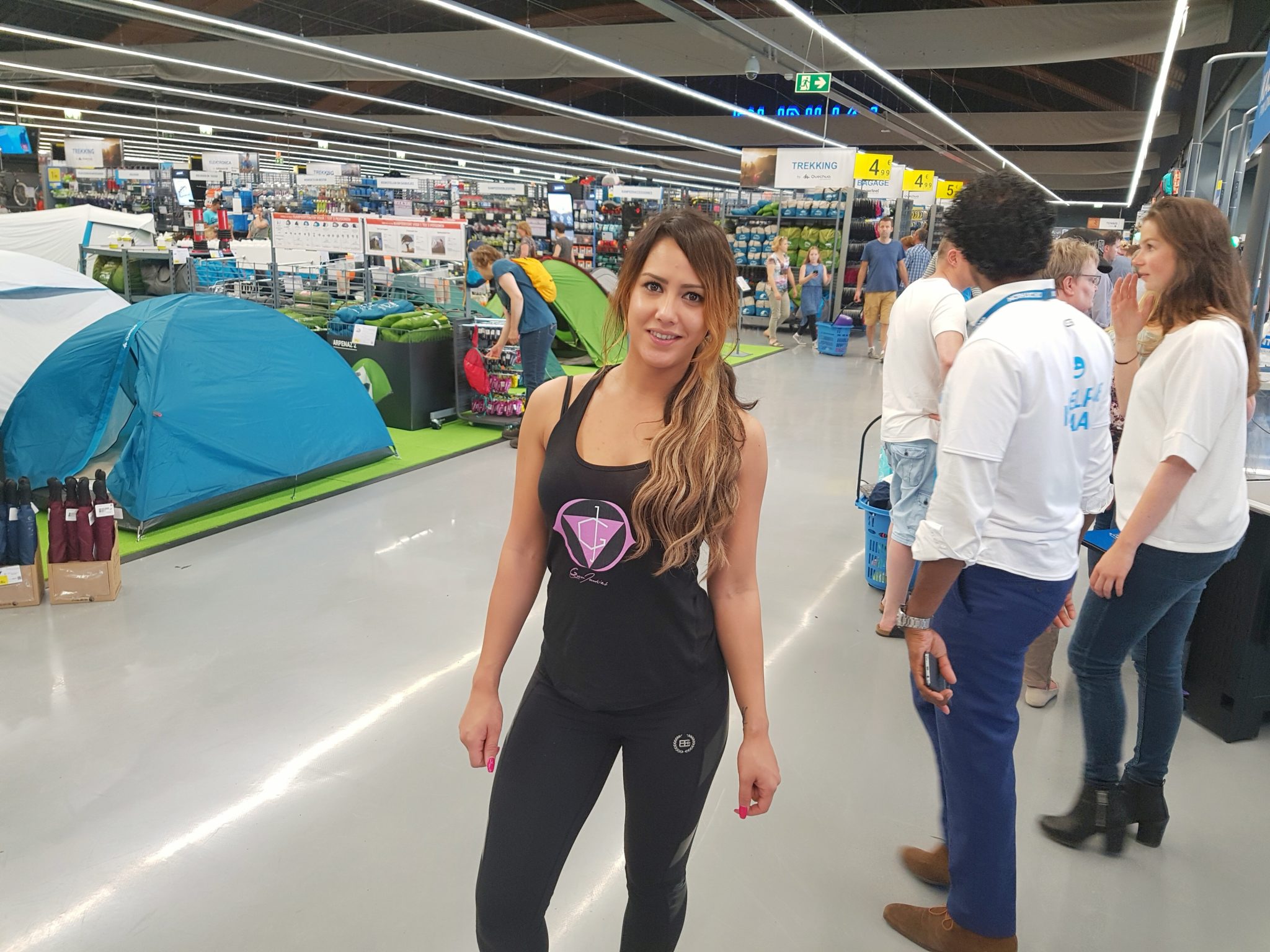
    “We offer high quality products at affordable prices with great service and interactive experiences in store.   Customers can try and test out our wonderful products in our ‘active zones’ and even take products home to try them for up to a week.

    “We employ many local staff and our whole team is focused on assisting customers to fall in love with sport and benefit from our great products, affordable prices and wonderful service.

    “Sport is a key ingredient for good health, good relationships and community engagement and we are excited to be opening stores in Victoria.”

  • Costco Japan Launched new E-commerce Website

    Costco Japan Launched new E-commerce Website

    Costco Japan says it plans to launch an online store next year.

    The wholesale club-style retailer is still finalising plans for the site, in particular the exact launch date and the product range it will offer online. But it says it is committed to the e-commerce business given how Japanese consumers are increasingly buying goods over the internet.

    As with its physical stores, customers of the online store will have to pay an annual membership fee before they can purchase goods. That fee is currently ¥4752 (US$43).

    Meanwhile, Costco Japan plans to expand its network of hypermarkets from 26 to 50 by 2030. It is also building new distribution bases in the Chiba and Hyogo prefectures to prepare to service online customers and new stores.

  • Australian dollar slips another week

    Australian dollar slips another week

    The Australian dollar has slipped a little further against its US counterpart as the spat between the US and China over trade hurts commodities and commodity currencies, including the Aussie.

    At 0635 AEST on Monday, the Australian dollar was worth 74.46 US cents, down from 74.57 US cents on Friday.

    Westpac analysts say the tension over trade looks to have hit commodity currencies.

    “The trade spat between US and China appeared to hurt commodities and commodity currencies, with China threatening retaliatory tariffs on Friday,” they said in a morning note.

    “The US dollar index closed down 0.1 per cent on the day. …. (The) AUD extended a week-old decline to 0.7440 – the lowest since 9 May.”

    There are no obviously local event risks for the Australian dollar, leaving the currency vulnerable to trade-based tensions, along with continuing reactions to the US and European central banks’ recent decision on interest rates.

    “The combination of hawkish Federal Reserve and dovish European Central Bank surprises last week, plus US-China trade spat, could take AUD/USD lower towards 0.7410 (the May low) during the week ahead,” the Westpac analysts said.

  • Don Don Donki Shop Targets Singapore office workers

    Don Don Donki Shop Targets Singapore office workers

    Don Don Donki Singapore’s second store has begun trading at 100AM Mall on Tras Street in the CBD.

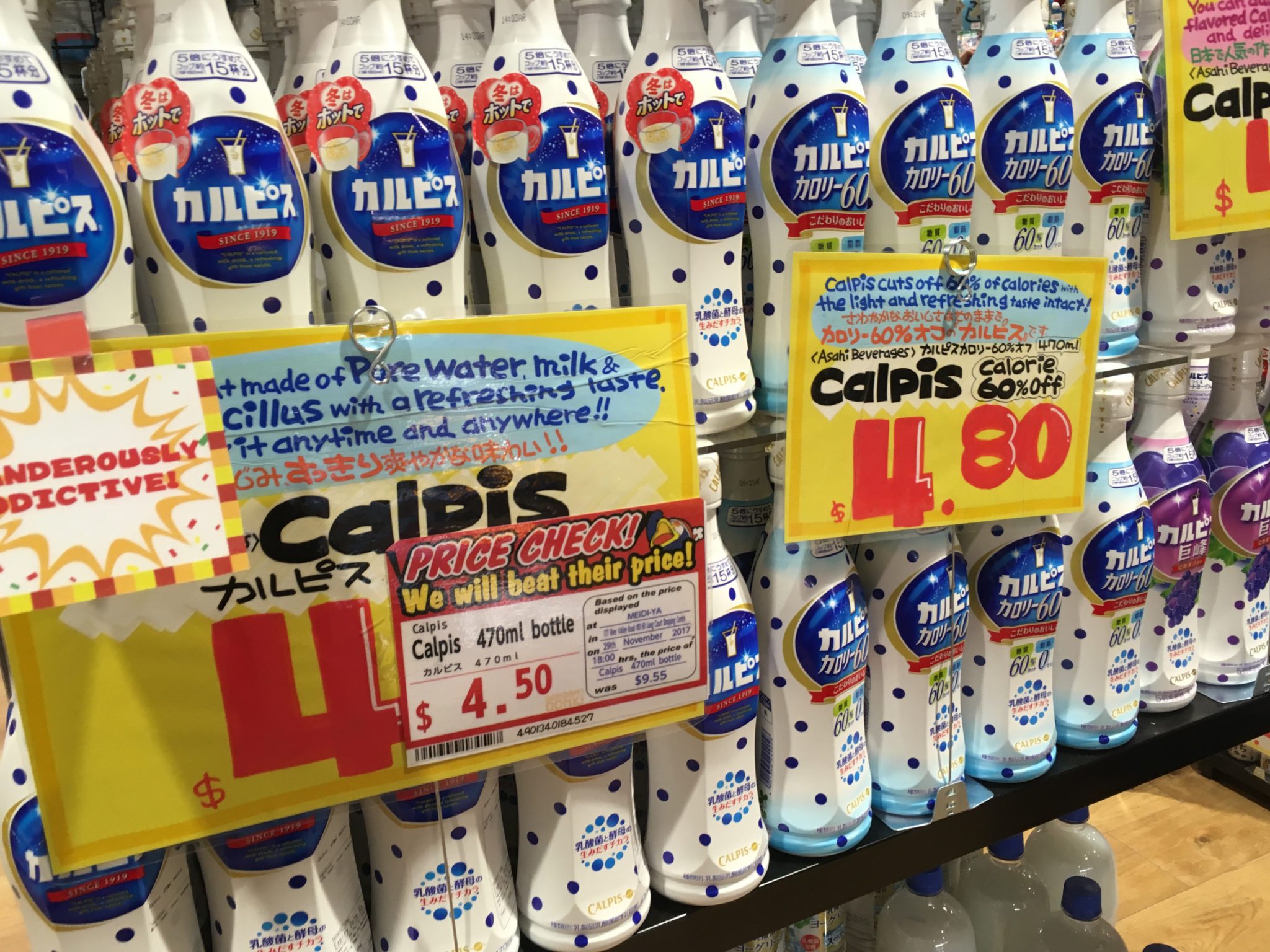
    The 1186sqm store will trade from 8am to midnight seven days a week, selling a wide range of fresh and packaged foods, liquor, cosmetics, stationery and other non-food items at prices ranging from $1 to $5.90. It opens just six months after the retailer’s debut on Orchard Road.

    Don Don Donki, which trades as Don Quijote Group in its Japan home market, will also sell its private label brand, Jonetsu Kakaku. One feature of the downtown store new to Singapore is a ‘Japan Mobile Foods’ corner dedicated to food items that cater to the busy office crowd in the CBD. The company says it hopes to establish itself as the “go-to convenience store for customers who live or work in the area”.

    The Don Quijote Group plans to continue expanding within Singapore and other parts of Southeast Asia.

    “By using scalability, such as reducing the cost of shipping products, the group aims to offer products to customers at even lower price” said Hideki Okada, director, Pan Pacific International Holdings, the Japanese parent’s local subsidiary.

    “With each Don Don Donki store that we open, we aim to retain the essence of the Donki shopping experience while also adapting the store’s offerings to the unique needs of the customers in the area.

    Business results from our first store have revealed that our food offering has done exceptionally well here, so that will continue to be a focus for the 100AM outlet,” he said.

  • Ebay launches free delivery with Myer, Target, Chemist Warehouse

    Ebay launches free delivery with Myer, Target, Chemist Warehouse

    Ebay Australia has officially launched its new membership program, Ebay Plus, offering free delivery and returns on 15 million products from tens of thousands of retailers, including Myer, Target and Chemist Warehouse.

    Ebay Plus members also get access to exclusive deals, such as up to 60 per cent off of popular items, early access to new products, a dedicated customer support team and collect double Flybuys points on all Ebay Plus purchases.

    The membership program, which went live last Friday, follows the introduction of Ebay’s Guaranteed Delivery, which provides faster and more precise delivery times for shoppers.

    The online marketplace now guarantees delivery in four days or less on millions of items, with the option to search for and filter items by delivery speed.

    The changes come as Amazon is reportedly gearing up to launch its own membership program, Amazon Prime, in Australia in mid-2018. With Prime, Amazon customers gain access to free shipping, including 2-day and in some cases same-day delivery, among other benefits.

    However, while Prime now costs US$119 (approximately A$160) annually, Ebay Plus costs only $49 for 12 months.

    According to research commissioned by Ebay in May, Australians spend over $71 on delivery each year, with 8 per cent spending in excess of $200.

    Ebay Australia & New Zealand managing director Tim MacKinnon said the introduction of Ebay Plus is a game-changer for Aussie shoppers and will address the pain-point of delivery costs.

    “We know our customers love the value and convenience of online shopping but our research shows the cost of delivery can stack up over time,” MacKinnon said.

    “Ebay Plus is the ultimate shopping membership. It’s like getting free delivery from your local shopping centre without leaving home. You sign up to Ebay Plus and receive free delivery and returns on 15 million items from tens of thousands of Aussie retailers including Myer, Target and Chemist Warehouse.

  • Indian tobacco company plans 10,000 more 24Seven Stores

    Indian tobacco company plans 10,000 more 24Seven Stores

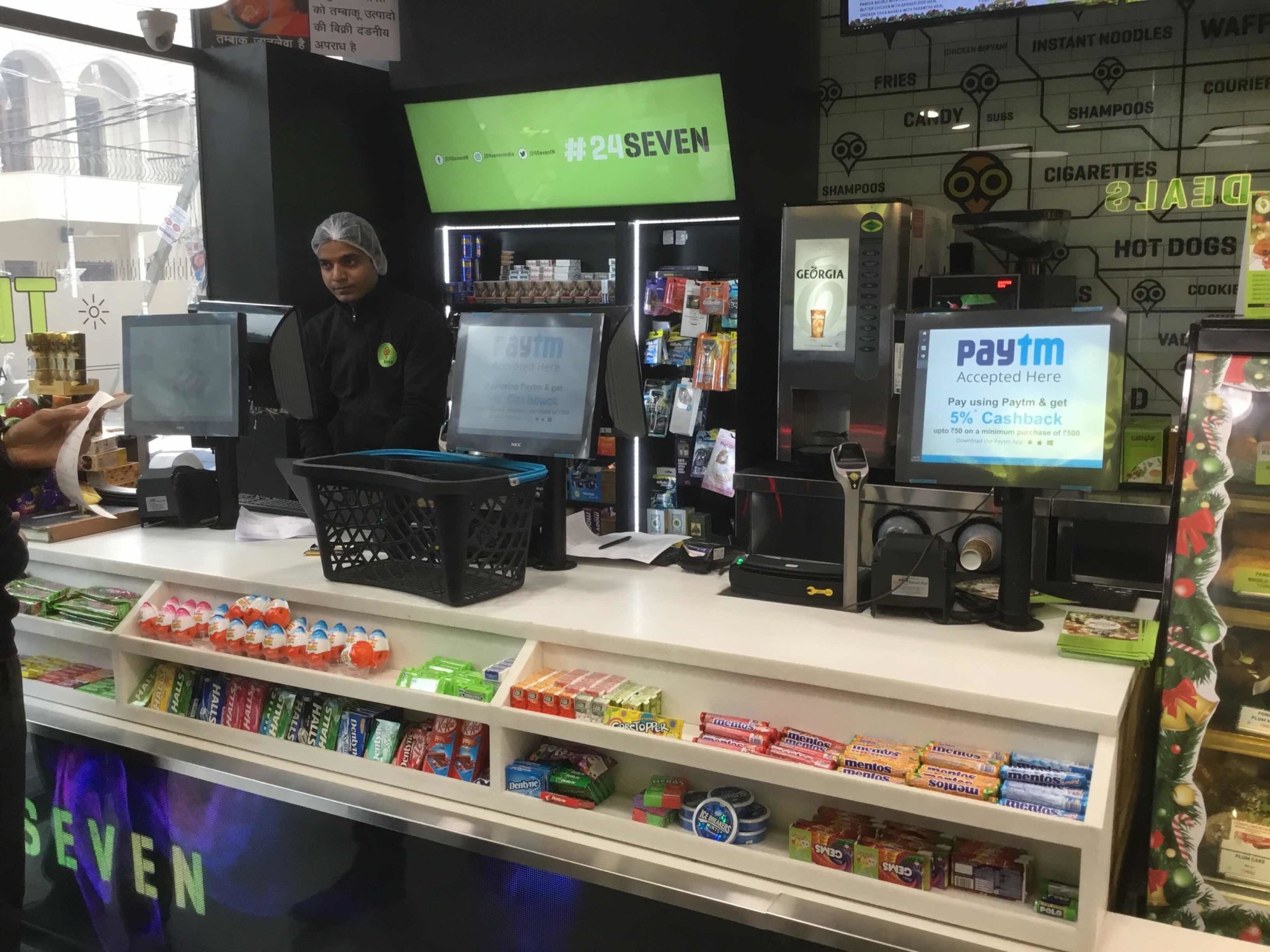
    Indian tobacco company Godfrey Philips is planning to open 10,000 of its 24Seven convenience-store chain nationwide.

    The company plans to treble its network between now and March next year to 170 stores, and expand into new markets from its current National Capital Region base. The first 24Seven store in Mumbai is scheduled to open in April and the company is eyeing early growth in Bangalore, Kolkata and Pune, in the west.

    A further 200 stores are scheduled to open next financial year, which starts on April 1 with a target of 10,000 stores within five years.

    Despite its rapidly rising ranks of middle-class consumers and a proliferation of fresh-food stores, India’s convenience-store network is relatively immature.

    Under a longer-term plan revealed in an interview by Godfrey Philips board member Samir Modi, the company will separate the 24Seven operations into a standalone business once it reaches 1000 stores. The expansion will be funded from internal reserves and use a  franchise business model.

    24Seven stores are typically about 75sqm in size, although some newer flagship stores are nearly double that and the company is looking to larger stores to broaden its product range.

    Modi also revealed plans to boost the number of imported lines on sale in its stores. Confectionery and biscuits, for example, would grow from about 90 lines at present to more than 350.

    Godfrey Philips opened its first 24Seven outlet in 2004. The stores look similar to those of 7-Eleven and, until recently, the company had a group of  former 7-Eleven executives consulting to it.

  • New Look about to Quit China

    New Look about to Quit China

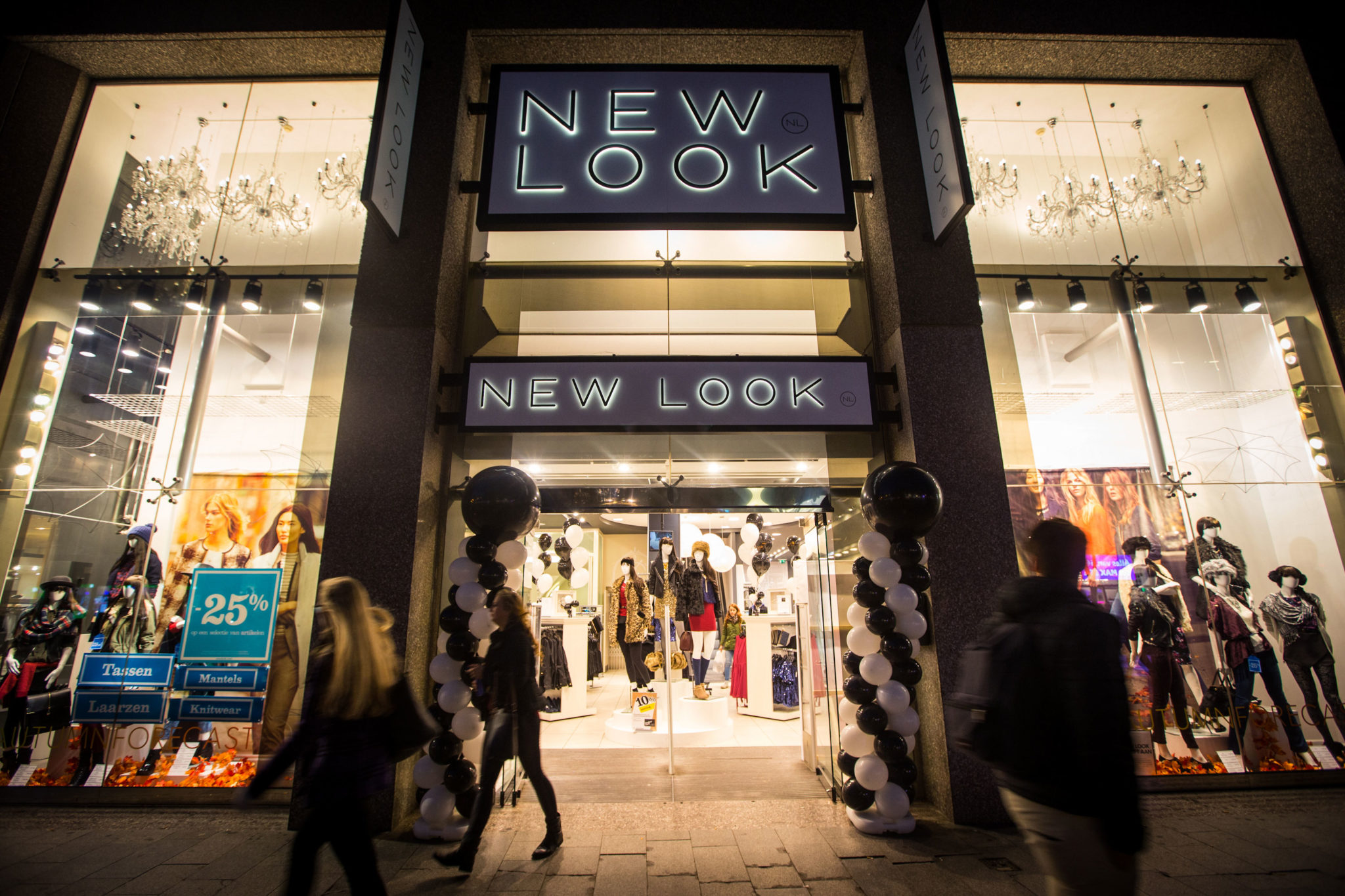
    Struggling UK fashion retailer New Look is set to cull its China store network.

    Weeks after signing a Company Voluntary Arrangement with its creditors and landlords in the UK – a plan which will see it close 60 stores – chairman Alistair McGeorge has cast doubt on the future of the ambitious China plans announced by former CEO Anders Kristiansen.

    “We are taking a view on all our stores,” he told the Press Association in the UK. “We are taking a good hard look, and we will probably do some downsizing.”

    So far, New Look has opened 148 stores across China, barely one third of its target. The stores are company owned rather than franchised as many international retailers choose to in China. It did not open any in Hong Kong or Macau.

    In the year to March 24, New Look recorded a loss of £74.3 million (US$98.4 million; HK$772.6 million) after a £97.6 million profit the previous year.

    Besides store closures, McGeorge is planning to reduce prices and broaden its target market from the millennials it was targeting under Kristiansen.