Tag: asia

  • Falke Ergonomic makes debut in Fysical stores in IFC Mall

    Falke Ergonomic makes debut in Fysical stores in IFC Mall

    Falke Ergonomic Sport Systems has opened its first Hong Kong store in IFC Mall in Central.

    With a “breathtaking backdrop”, according to the sportswear brand, the store offers 54sqm of high-end shopping.

    Falke says its collection includes a mix of functionality and subtle elegance, with playful cuts in combination with curated colour combinations.

  • Catch Group reports a major loss after $24.9m writedown

    Catch Group reports a major loss after $24.9m writedown

    E-commerce company Catch Group reported a $17.8 million loss for the year ended 30 June, 2017, after booking a $24.9 million impairment on the value of its goodwill.

    The writedown was in the company’s services business unit, which comprised its daily deal business, Scoopon, which it sold to Lux Group on 1 December, 2017.

    This follows the $113.8 million loss Catch reported in 2016, after writing down the value of its goodwill and trademarks by $125 million across its products and services businesses.

    According to a financial statement filed with ASIC earlier this week, the writedowns are the result of a management review of the company’s five-year cash flow forecasts due to recent trading performances.

    The Scoopon sale was part of a broader asset swap between Catch Group and Lux Group, which involved Catch acquiring Lux Group’s discount apparel site, Brands Exclusive, and discount homewares sites, The Home, and Lux Group acquiring Catch’s travel booking sites, BonVoyage and Scoopon Travel.

    The two companies also merged their daily deal sites, including Scoopon, Cudo, LivingSocial, Deals.com.au and New Zealand-based TreatMe, into a joint venture with 50-50 ownership.

    According to Catch Group’s financial statement, it paid $2 million to Lux Group and received $8.8 million cash and 46 per cent of the shares in Lux Everyday Pty Ltd.

    $13.7m EBITDA before writedown

    Excluding the goodwill impairment expense, Catch posted $13.7 million in EBITDA in 2017, up 12.5 per cent on 2016.

    The online retailer generated $240.9 million in revenue in 2017, a 2.6 per cent increase over its 2016 revenues of $234.8 million.

    “The current performance of our business is outstanding,” Catch Group chief executive Nati Harpaz told.

    “The launch of the marketplace exactly one year ago has accelerated our growth and we now generate more than $1 million of sales every day with more than $2 million weekly sales coming from marketplace.

    “The key to growing our marketplace has been the growth in sellers which now tops 1,000 sellers and more than 1 million SKUs available on the website. This number continues to grow despite the fact that we are very selective as to the curation of our marketplace and who we invite to join our ecosystem.”

    The launch of the marketplace and Catch Connect, a new mobile phone service the company rolled out in February, are expected to have a positive impact on the company’s revenue in 2018.

  • Telenor Myanmar to offer free iflix access

    Telenor Myanmar to offer free iflix access

    Telenor Myanmar has teamed up with streaming entertainment service iflix to offer customers with unlimited streaming access to promote the operator’s new fixed broadband offerings.

    Access will be provided to customers on Telenor’s 5Mbps, 10Mbps and 15Mbps broadband plans at no additional cost, giving customers the ability to consume thousands of hours of movies, TV shows and original programming.

    Myanmar subtitles are available in both Zawgyi and Unicode and the content selection and marketing will be tailored to local audiences.

    The iflix service is now available to over 1 billion customers throughout Asia and the MEA, with a focus on emerging markets.

    In Asia-Pacific iflix is currently available in Malaysia, Indonesia, the Philippines, Thailand, Brunei, Sri Lanka, Pakistan, Myanmar, Vietnam, Cambodia, Bangladesh and Nepal.

    “Data demand is growing in Myanmar and people especially in major cities are accessing educational and entertainment content online more,” Telenor Myanmar head of fixed broadband and wholesale Tan Sian Tuang said.

    “With Telenor’s broadband service, currently available in Yangon and Taunggyi, our customers can enjoy most consistent experience without worrying for data. Enriching our customers’ digital lives is a key part of our focus in Myanmar, and the partnership with iflix complements our efforts in delivering digital entertainment services that our users love.”

    Telenor Myanmar has started introducing fiber-based home broadband services to augment its mobile offerings in the market.

  • COAI appoints Vodafone India’s Sunil Sood as chairman

    COAI appoints Vodafone India’s Sunil Sood as chairman

    Indian telecoms industry body COAI has appointed Vodafone India managing director and CEO Sunil Sood as chairman and Bharti Airtel COO Ajai Puri as vice chairman.

    Sood was vice chairman of the industry body for the last two years. He succeeds Bharti Airtel MD and CEO for India and South Asia, Gopal Vittal.

    Puri has been with Bharti Airtel since 2004 and has held several senior leadership positions.

    The new leadership was announced at COAI’s annual general body meeting for the financial year held on June 8.

    On the appointments, COAI director general Rajan S Mathews said: “We would like to thank our leadership for their guidance and support during one of the most challenging periods in the telecoms sector and further express confidence in their ability to steer the association and the sector towards long term health and stability. “

    Ina Lui joins AsiaSat as VP of business development and strategy

    Asia Satellite Telecommunications Company Limited (AsiaSat) has named Ina Lui as vice president of business development and strategy, a role responsible for driving new business and strategic initiatives for the company.

    Liu has more than 25 years of experience in the satellite, telecommunications and technology sectors, covering areas in sales, marketing, product and business development.

    She has worked in Singapore, South China and Hong Kong, and has held senior management positions at ABS, Intelsat, PanAmSat and Hong Kong Telecom.


    NTT Com names global business planning director and Korean operations chief

    NTT Communications, the ICT solutions and international communications business within the NTT Group, has appointed Takuya Enoshima as its director of planning, global business.  Enoshima currently serves as president of NTT Korea.

    Hideaki Niikura, who currently serves at NTT Singapore, will replace Enoshima as president of NTT Korea.

    Both appointments takes effect June 11, NTT Com said.

  • 3GPP freezes standalone 5G NR specifications

    3GPP freezes standalone 5G NR specifications

    The 3GPP has approved the completion of standalone Release 15 specifications for 5G at the Technical Specifications Group’s 80th plenary meeting.

    The meeting brought together more than 600 representatives of the world’s major operators and network, smartphone and chipset vendors to witness the historic freeze of standalone 5G new radio (5G NR) specifications.

    It flows the release of the 5G NR specifications for non-standalone operation in December, and paves the way for the expected launch of the first 5G mobile broadband networks in the US later this year.

    The new standard introduces a brand new end-to-end architecture for mobile network and will facilitate the introduction of new business models and an era of unparalleled connectivity.

    “The 5G System specification has now reached its official stage of completion, thanks to the intense efforts of hundreds of engineers over the past three years,” 3GPP TSA chairman Erik Guttman said.

    “A special acknowledgment is due to those who led this remarkable effort in diverse committees. 5G promises a broad expansion of telecommunications, as an ever more central component of our economies, societies and individual activities.”

    Telecoms industry representatives at the meeting included delegates from China Mobile, APT, the China Academy of Information and Communications Technology (CAICT), China Telecom, China Unicom, Chunghwa Telecom, KDDI, KT, LG Uplus, NTT Docomo, SK Telecom, Softbank,  Vodafone.

    Multiple equipment vendors were also represented, including Ericsson, Huawei, Fujitsu, LG Electronics  Lenovo, NEC, Nokia, Samsung, Sony Mobile Communications, Xiaomi and ZTE.

    Meanwhile Ericsson, Intel, the China Mobile Research Institute and China Mobile Jiangsu have announced the completion of the first live 3GPP compliant standalone 5G new radio interoperability tests.

    The tests, which were completed based on the shared physical layer specifications of the non-standalone and standalone 5G NR standards, used Ericsson’s 5G NR base stations and Intel’ 5G mobile trial platform in a live network operating on 100MHz of 3.5-GHz midband spectrum.

    “Successfully completing the first 3GPP-compliant Standalone 5G NR call marks another milestone with our ecosystem partners on the path to 5G commercialization, building on our years of research and standardization,” Ericsson EVP and head of networks Fredrik Jejdling said.

    “Together, we’re delivering on our commitment to realize a standard-compliant and easily deployable technology that will bring benefits to our customers and end users.”

  • MyTel reaches 70% population coverage

    MyTel reaches 70% population coverage

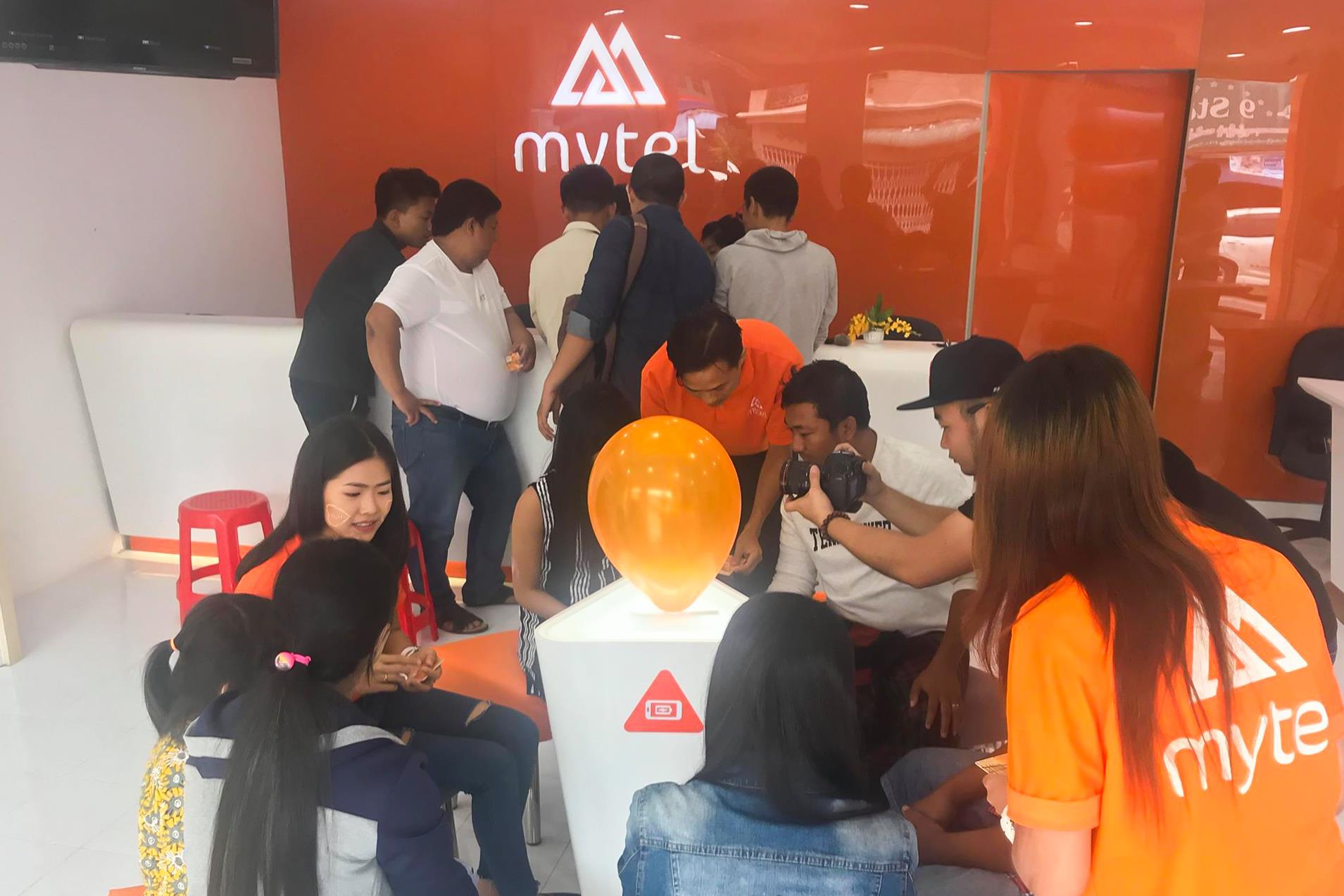
    Myanmar’s MyTel has announced it has achieved 70% population coverage with its 4G network mere months after launch.

    MyTel, the joint venture between Vietnam’s Viettel and a consortium of local technology companies, launched services in March in Nay Pyi Taw, eastern Bago and Kayin State.

    Now the operator’s network covers nearly all townships in the Yangon Region, citing comments from the company’s chief external relations officer Y Zaw Min Oo.

    Meanwhile the operator has signed on around 100,000 users and distributed three million SIM cards. These 4G SIMs are available at 50 dedicated MyTel shops and 50,000 distribution retail outlets.

    In the past year MyTel has also laid a total of 30,000km of fiber backhaul, accounting for 50% of fiber deployments in the country, the report adds.

    MyTel has previously announced a target of attracting 2 million to 3 million customers this year. The operator also plans to become the market’s first operator to offer nationwide 4G services and to deploy 7,000 4G base stations in its first year of official operations.

  • Cebu Pacific sets new record for passengers flown in 1 day

    Cebu Pacific sets new record for passengers flown in 1 day

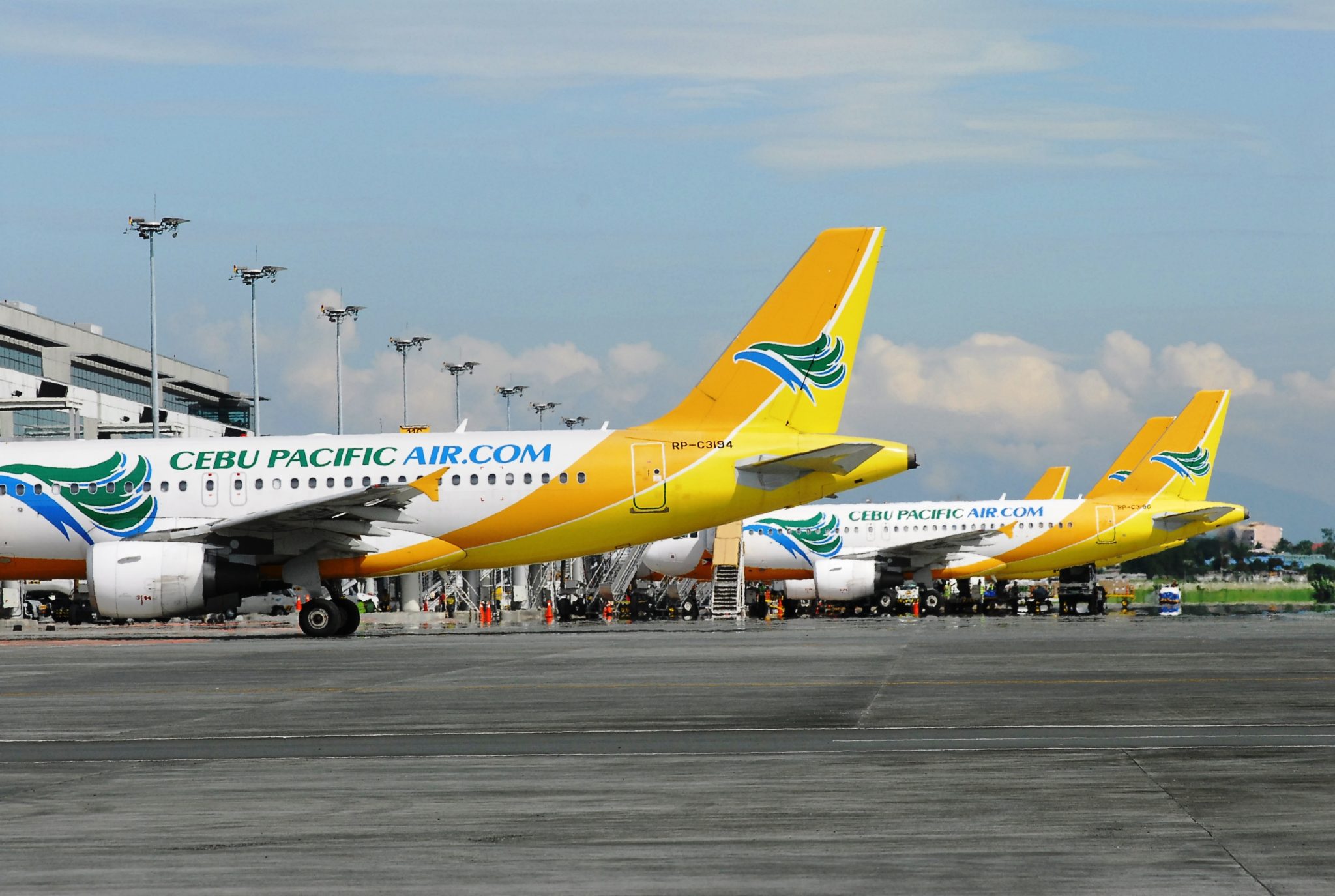
    Cebu Pacific said Monday it broke its own record for the most number of passengers flown in a single day, as summer season demand boosted traffic.

    The Gokongwei-led airline said it flew 65,298 on May 7, breaking the previous record of 64,684 on Dec. 27, 2016. The new record was set on 395 flights to 37 domestic and 26 international destinations.

    “As summer peak season reaches full swing, we are seeing more tourists going on vacation,” said Cebu Pacific vice president for corporate affairs JR Mantaring.

    Mantaring said the growing number of meetings, conferences and exhibitions helped drive passenger traffic.

    The country’s largest airline said it had 53-percent market share in the first 3 months of 2018, during which it flew 4.9 million passengers.

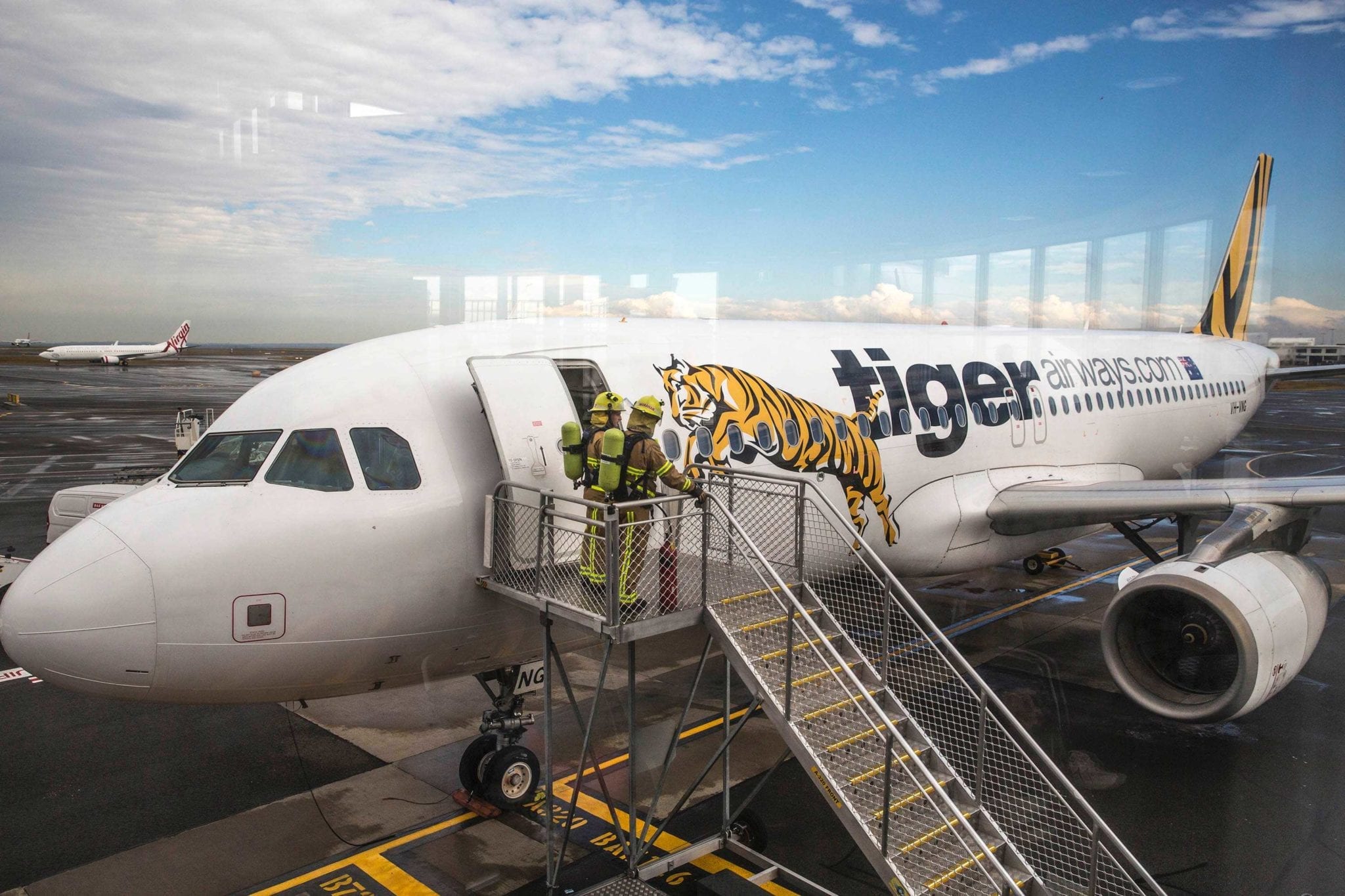
  • Tigerair launches new brand platform ‘Go for it’ encouraging Australians to travel

    Tigerair launches new brand platform ‘Go for it’ encouraging Australians to travel

    Budget airline Tigerair has created a new brand platform ‘Go for it’, based on a consumer insight which revealed the main reason people travel is to see their loved ones.

    Developed by McCann Australia, Tigerair has also created a 30-second commercial which encourages Australians to travel by taking advantage of low-cost airfares, because “escaping is sometimes exactly what you need”.

    The ad features people travelling to attend sporting games, to see their family and to surprise their friends.

    “You can go for any reason no matter how small” is the tagline used at the conclusion of the ad.

    With a media spend of $710,000, the campaign will run across YouTube, Facebook, Snapchat, Instagram and out-of-home.

    Merren McArthur, CEO Tigerair, said in a statement: “At its heart, the campaign is about seizing the moments that matter, and how Tigerair can connect you with your family and friends at any time – so you can just go for it.

    “Once upon a time flying was a luxury, but with Tigerair you can go interstate for a weekend away, you can go because you need a break from the everyday, you can go to see friends for diner, or you can go for no reason at all.”

    Tigerair aims to target the youth market, but includes a range of demographics in the advertisement.

  • Retailers join StarHub in e-waste recycling initiative to improve the current situation

    Retailers join StarHub in e-waste recycling initiative to improve the current situation

    Four electronics retailers, Best Denki, Courts, Gain City and Harvey Norman have joined DHL, StarHub and Tes’ Renew program to further encourage electrical and electronic waste (e-waste) recycling in Singapore.

    Under the collaboration agreement, the four retailers will place the Renew bins in 20 of their retail stores. These include seven Courts stores, five Best Denki and Gain City stores each and three Harvey Norman stores.

    The signing of the e-waste recycling agreement was watched by Minister for the Environment and Water Resources Masagos Zulkifli, and Senior Minister of State, Dr Amy Khor, at StarHub Green. The aim of expanding the Renew program to include the four major electronics retailers is to provide consumers with greater recycling convenience and encourage them to responsibly dispose of their unwanted electronic devices as well as information and communications technology (ICT) equipment.

    The network of 468 Renew bins can be found across 422 locations island-wide, including educational institutions, malls, government offices, office buildings and community clubs. Since the launch of the StarHub Renew program in 2012, the amount of e-waste collected has increased exponentially. The program has cumulatively collected more than 249 tonnes of e-waste since 2012, with more than 92 tonnes collected last year.

    “The rate at which e-waste is generated has gathered pace as Singapore progresses toward its Smart Nation vision,” says StarHub chief strategic partnership office Jeannie Ong.

    “As DHL works toward its 2050 zero emission goal, we want to encourage more of our partners, customers and employees to join us on this journey. E-waste growth will only continue to accelerate with the pace of digital transformation, says DHL Express Singapore head of commercial Julian Neo.

    Non-bulky e-waste items such as mobile phones, cables, modems, laptops, remote controls, keyboards, mice, DVD players, MP3 players and lithium-ion batteries can be deposited into the Renew bins.

  • Off-White heading for more Manila stores

    Off-White heading for more Manila stores

    After the opening of designer Virgil Abloh’s store in Vancouver, Off-White has finally announced its next location will be Manila in the Philippines.

    It will be the first Off-White retail store to open in Asia for four years.

    An official announcement via Instagram shows August 1 as the date for the probable opening. The store will be in Hidalgo Drive, Makati City.

  • Instagram Shopping Business expanded to stories

    Instagram Shopping Business expanded to stories

    Instagram is bringing its successful shopping feature to Instagram Stories.

    Of the 500 million daily users of Instagram, over 300 million use Instagram Stories everyday, which is a significant consumer base for retailers to push into.

    “Brands have always been early adopters of stories, they create some of the most viewed and engaging content on the platform,” reads Instagram’s press release announcing the feature.

    “From Adidas and Aritzia to Louis Vuitton, people have been able to shop from their favorite brands around the world, and now you can shop these businesses in Instagram Stories.”

    According to Facebook IQ research, “more than one in three self-reported daily active Instagrammers surveyed… said they have become more invested in a brand or product after seeing it on Instagram Stories.”

    The feature will work much like the current Shopping feature in that a shopping bag icon will appear over products that can be purchased.

    Clicking on the icon will give you more information about the product, which includes a link to an e-commerce platform where the product can be purchased.

    The coming Instapocalypse

    The move comes less than three months after the Instagram Shopping feature was initially launched in Australia, which Showpo’s chief marketing officer Mark Baartse sees as an intention to monetize the platform.

    “If you look at the sponsored tags and the shopping in photos, and now in stories, these are organic and they’re given away for free,” he said.

    “What we’re almost certainly going to see [is what] we saw with Facebook several years ago.

    “Organic reach was broad, and then it got narrower and narrower, where now organic reach is effectively zero.

    “Businesses are getting massive reach on Instagram, and influencers are taking often large sums of money which Facebook and Instagram doesn’t see any revenue from.

    “I don’t think they’re going to be happy with that long term, nor are their shareholders.”

    Baartse sees a coming ‘Instapocalypse’, when Instagram will make an algorithmic shift to will limit organic reach for business or sponsored posts.

    “At some point they’re gonna say ‘well, these sponsored posts are doing to have limited organic reach, and as a result, you need to pay to promote those posts.

    “It’s going to be bad news for influencers.”

  • Honor going to ground to boost presence in Philippines

    Honor going to ground to boost presence in Philippines

    Chinese smartphone maker Honor said it plans to open brick-and-mortar stores in the Philippines in a bid to become one of the top three vendors in the nation.

    Honor entered the market last month, initially offering its flagship Honor 10 and other devices through online retailers. The Huawei sub-brand accounts for 10 per cent market share in China after just four years, says its country director for the Philippines, Wang Yang.

    “We believe the Philippine market is perfect for Honor brand because we see the brand as being for the young,” says Yang.

    Physical retail stores will open as early as next month, starting in the capital, with the possibility of opening regional outlets, he says.

    Honor entered the Philippines through Shopee on May 15 with 500 units being sold in an hour during a flash sale.

    Its flagship Honor 10 has AI-enhanced cameras, dual 24 + 16 megapixel lenses on the rear and 24 megapixels on the front. The in-house Kirin 970 processor helps the phone recognise about 500 scenarios in 22 categories.

    The Honor 10 has four gigabytes of RAM, 128 gigabytes of storage and a 3400 mAh battery that can recharge 50 per cent of power in 25 minutes.

    Yang says the handset’s biggest draw would be its iridescent paint job inspired by the Northern Lights. A fingerprint sensor is practically hidden on the phone’s chin, below the 5.84-inch full-HD screen.

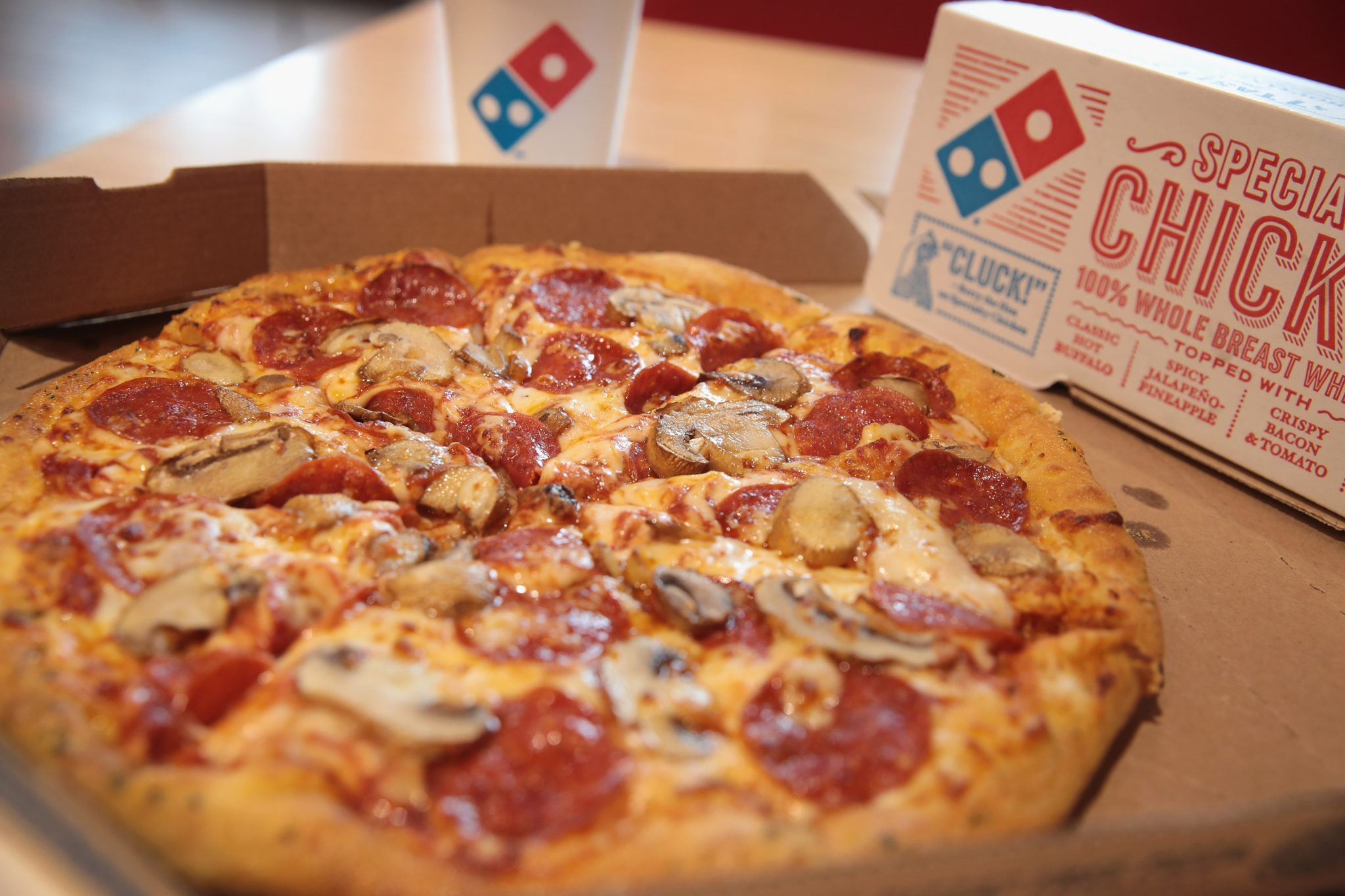
  • Domino’s long time CIO left the Company

    Domino’s long time CIO left the Company

    Domino’s Pizza’s CIO Wayne McMahon has left the business after more than seven years, moving on to become chief digital and technology officer at Hungry Jacks owner Competitive Foods Australia.

    Don Meij, Domino’s CEO, said McMahon had been instrumental in laying the foundations for some of the company’s biggest platforms.

    “Under Wayne’s leadership, Domino’s has grown from strength to strength delivering some of the world’s best information technology solutions,” said Meij.

    “We have been a true disruptor in this space and the focus on technology over the past seven years, under Wayne’s leadership, has been critical in achieving this.”

    McMahon will be replaced by Terry Powell, who previously led the technology division for Suncorp’s insurance business.

    “In the role of Domino’s Group CIO, [Powell] will work with the Company’s Group Chief Digital and Technology Officer, Michael Gillespie as well as the the global teams to ensure appropriate technologies are employed across the Company’s global network to bring efficiencies and new ways to engage the company’s customers,” reads a statement by Dominos.

    In this role at Suncorp, Powell had a strong track record of delivering complex IT programs including simplifying core systems and insurance applications, successful transition to cloud computing, significantly reducing critical incidents, and as Executive General Manager Security improving the company’s security resilience.

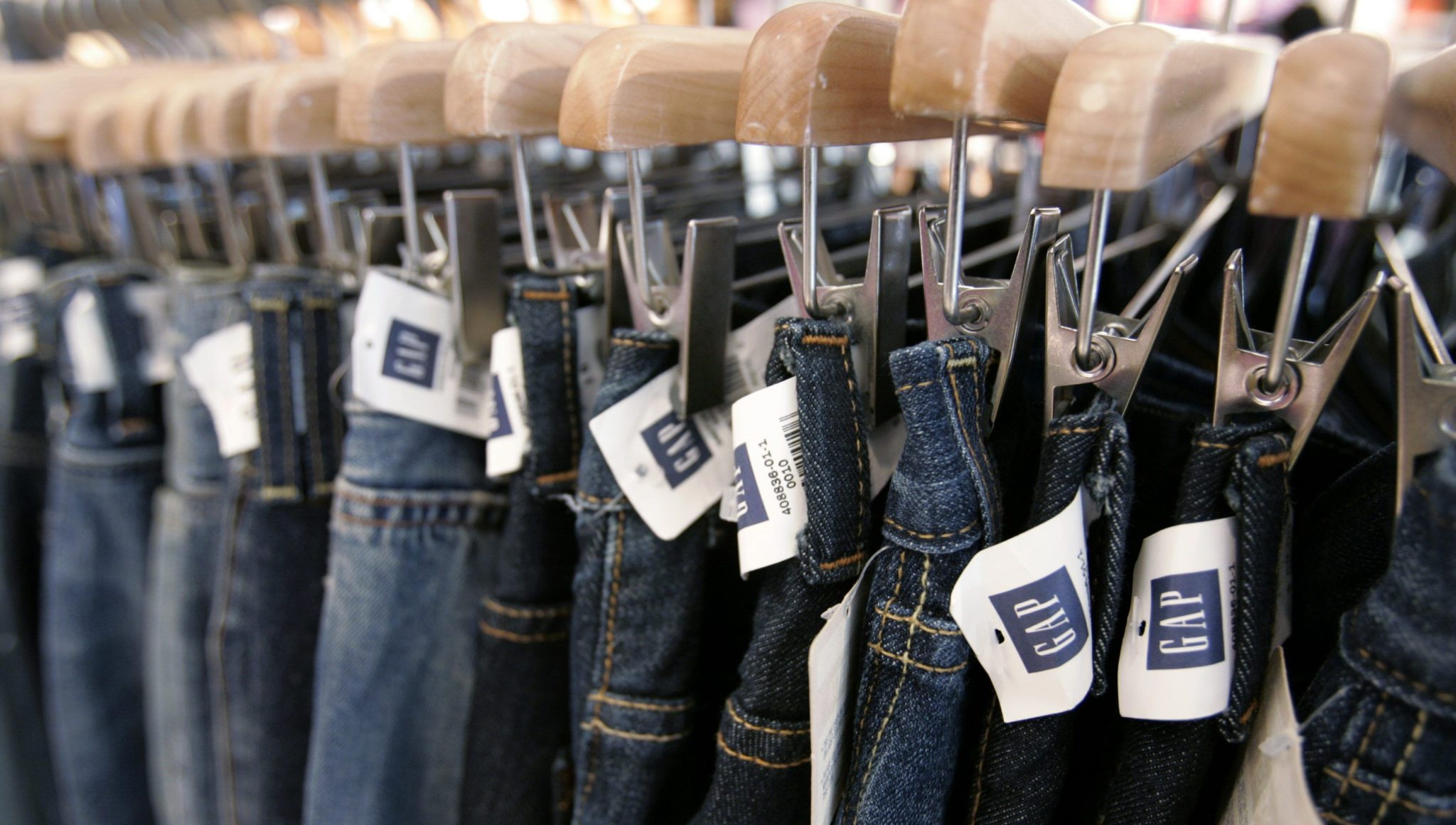
  • Former Billabong chief bags top job at Gap

    Former Billabong chief bags top job at Gap

    Former Billabong International chief executive Neil Fiske has landed a new job steering the ship for Gap Inc.’s struggling namesake brand.

    After spending almost five years trying to flip the fortunes of Billabong prior to its acquisition by Boardriders earlier this year Fiske will again be responsible for a disrupted retail business.

    As the president and CEO of Gap brand he will be responsible for charting the future of the beleaguered business, which has struggled to gain traction with younger generation shoppers.

    Gap’s global same-store sales fell four per cent in the first quarter, weighing on parent Gap Inc., which also owns the Banana Republic and Old Navy brands.

    In Australia Gap has also been struggling, having been cut by accessories retailer Oroton Group before its collapse last year due to its irrelevance with local customers.

    Gap Inc. president and CEO Art Peck said he believed Fiske was the right leader to strengthen the brand.

    “Neil brings significant retail and apparel experience to Gap Inc. and a track record of transforming and repositioning brands,” said Peck.

    “He is an experienced leader who deeply understands the mechanics of this business, the value of an omnichannel strategy, and the need to build a progressive and relevant brand.”

    Fiske departed Billabong earlier this year in a leadership reshuffle brought on by Boardriders’ acquisition.

    During his time at the business, Fiske, who bills himself as a turnaround specialist, embarked on a revitalisation strategy for the action sports group that involved tightening merchandise disciplines and closing underperforming stores.

    Fiske said in a statement that Gap has made some progress on its turnaround journey already, and that he was excited about the opportunities ahead of the business.

    “The brand has made some important progress and I look forward to working with the team to drive improved performance, operational excellence, great merchandising, and distinctive and powerful marketing,” he said.

    Prior to Billabong Fiske also held roles leading Eddie Bauer and Bath and Body works.

  • Why workers may be worse off after action against Foodora

    Why workers may be worse off after action against Foodora

    The way “gig workers” are paid and protected might be about to change, as a result of legal proceedings brought by the Fair Work Ombudsman. The Ombudsman alleges that food-delivery platform Foodora underpaid three workers by A$1620.74, plus superannuation, in a four-week period.

    The Ombudsman argues that while Foodora engaged these workers as independent contractors, they were in reality employees. If the action succeeds, it could be positive for the underpaid workers, but it could also drive down working conditions.

    The food-delivery platforms have stated they would be willing to give their workers more benefits, such as training. But not at the cost of workers being classified as employees. If the Ombudsman’s case succeeds, it could cause gig platforms to offer fewer protections in order to ensure workers are classified as contractors.

    This could not only disrupt the food-delivery sector, but have a broader impact on the gig economy, restaurants, customers and workers.

    Employees or contractors?

    The difference between an employer and a contractor is significant. They fall under different laws, receive different protections and have different obligations.

    If a contractor performs poor work they are legally liable for that. But an employer is responsible for the poor work of an employee.

    In many cases this distinction is clear-cut. However, in the gig economy these workers operate in a grey area, one the Fair Work Ombudsman seeks to test.

    Whether workers can be classified as employees or contractors depends on a variety of factors, including the nature of the work. If workers are deemed employees then they receive a greater number of protections, including minimum wage rates.

    In the Australian platform-based economy (including ride sharing and food delivery), the Fair Work Commission has determined workers are independent contractors in two recent cases.

    In one case, Commissioner Nick Wilson stated that “[the driver] did not bring anything especially entrepreneurial to the arrangement” but also that “it is evident that the weight of those indicators leads to the finding that [the driver] was not engaged as an employee, but instead as an independent contractor”.

    The Fair Work Ombudsman’s decision to intervene in the food-delivery sector might be a response to poor working conditions for gig workers. But the decision to go after Foodora specifically could dissuade rather than encourage other platforms to improve working conditions.

    As shown in the table below, the three major food-delivery platforms have varying approaches to engaging workers. For instance, Foodora, in the period under investigation, would engage workers for set periods of time, rather than per delivery. Deliveroo and Foodora also provided uniforms for workers, while UberEATS did not.

    The fact that the case was brought against Foodora suggests that the company has the most direct relationship with workers, and thus its workers are most likely to be classified as employees.

    Our research shows, however, that these work practices are evolving all the time.

    In submissions to the ongoing Senate Select Committee on the Future of Work and Workers, both Deliveroo and UberEATS claimed they would like to provide additional benefits to workers but doing so in the existing regulatory environment might compromise their business models.

    For instance, Deliveroo argued that it “… wishes to be able to provide additional benefits to [workers] without the risk of those benefits changing the relationship from one of self-employed riders to riders employed by Deliveroo”.

    UberEATS similarly argued that “current employment classifications create significant disincentives: they can mean that offering training to these [workers] can compromise the self-employed status of the individual. We believe that companies should be incentivised, not penalised, for helping independent workers”.

    This is why the Fair Work Ombudsman’s decision to target Foodora may be counterproductive. It sends the signal that the better you treat your workers, the more likely they are to be classified as employees, the more expensive your labour costs will be and the more inflexible your operation will become.

    The Foodora case is interesting as it applies existing employment rules to “gigified” work. Currently, some gig workers earn significantly less than the minimum wage. They also miss out on other protections of employment.

    However, unlike high-profile franchising cases such as the underpayment of 7/11 workers, their current classification as contractors means this practice is within the law.

    If the Fair Work Ombudsman is successful and these workers are reclassified as employees, it might provide a disincentive for other platforms to protect workers. The law itself might need to change.

    With this in mind, we all need to pay attention to the recommendations of the Senate Select Committee on the Future of Work, due on June 21.