Tag: asia

  • Following Amazon’s Footsteps, China’s JD.com Launches In-Car Delivery

    Following Amazon’s Footsteps, China’s JD.com Launches In-Car Delivery

    JD is launching a service in China where online shoppers can have their purchases delivered to anywhere they can park their cars.

    The Chinese e-commerce giant has launched an ‘in-car delivery service’ in partnership with electric vehicle maker NIO, a similar concept to that unveiled by Amazon in the US in April.

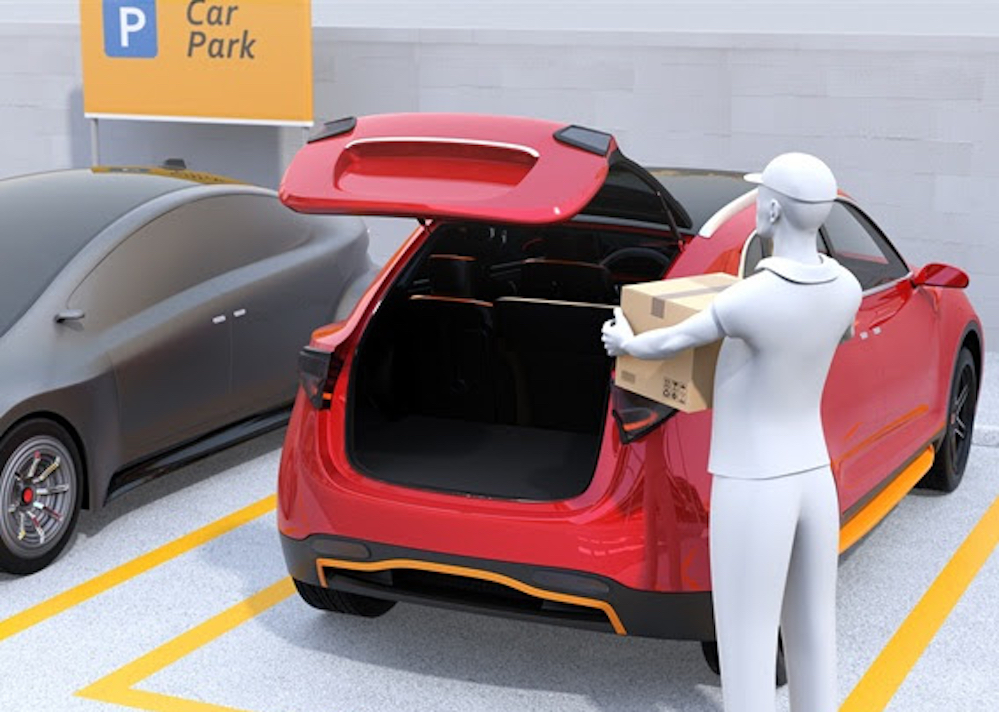
    The JD In-Car Delivery Service will use connected car technology that automatically locates customers’ cars, then enables JD’s delivery personnel to pop the trunk of  the car using a Personal Digital Assistant to the car, deposit the consumer’s order, and lock the trunk again.

    To maximise security, the device is programmed so only the specifically authorised JD delivery person will be able to open the car trunk, while the entire delivery process can be monitored using in-car cameras.

    JD, which boasts 90 per cent of its orders can be delivered same- or next-day, will deliver to vehicles parked at home, at the office, or in a range of other approved areas.

    “The offering adds a new, convenient option for consumers with cars who may not be available to accept deliveries in person, such as office workers who park their cars in the company lot during the day, or commuters who leave their cars in their driveways while they are out,” said Bing Fu, head of planning and development, with JD Logistics.

    “Imagine the convenience of finishing work for the day and knowing that your orders are already waiting in your car for you, ready to drive home. You can have the peace of mind that, even when you’re not at home, your JD orders have been stored securely in your trunk. JD In-Car Delivery makes that possible.”

    The company plans to partner with other leading automakers in China to expand the service across connected car models in coming months.

    To use in-car delivery, JD consumers who own compatible car models can link their JD account with their account on the automakers’ connected car platforms.

  • Starbucks is now a public space

    Starbucks is now a public space

    You no longer have to buy a coffee to use Starbucks’ bathroom or plug in your laptop for an afternoon of web browsing, but that doesn’t mean you can camp out for a nap or bring alcohol into the cafes.

    Starbucks has been updating its guest policy in the wake of public outcry over the arrest of two black men in a Philadelphia cafe.

    “Any person who enters our spaces, including patios, cafes and restrooms, regardless of whether they make a purchase, is considered a customer,” the company said in a statement last week.

    However, Starbucks’ decision to open up its doors and patios to nonpaying customers drew complaints that Starbucks stores would turn into havens for drug users and the homeless.

    While some have praised the coffee giant for its more open policy, others have used it to poke fun at the company. On Twitter, some users joked about Starbucks becoming free offices for freelancers, homeless shelters and drug dens.

    The coffee giant has since clarified its policy, telling The Wall Street Journal that employees have been instructed on how to deal with people who are being disruptive, smoking or using drugs and alcohol or sleeping inside the cafes.

    “We want our stores to be the third place, a warm and welcoming environment where customers can gather and connect,” the company said in a statement. “When using a Starbucks space, we respectfully request that customers behave in a manner that maintains a warm and welcoming environment by: using spaces as intended, being considerate of others, communicating with respect [and] acting responsibly.”

    Starbucks said employees should contact the police if a situation “presents immediate danger” and can request that a customer be prohibited from returning to Starbucks stores.

    The policy change, which was first announced last week, comes as Starbucks gears up for its nationwide racial-bias education program on May 29. The company will close all of its 8,000 company-owned restaurants in the U.S. during the afternoon to address implicit bias, promote inclusion and help prevent discrimination.

  • Investment in Vietnamese startups booming

    Investment in Vietnamese startups booming

    A total of 92 Vietnamese startups raised $291 million in funding last year, said Mai Duy Quang of the Vietnam Software and IT Services Association at the opening of K-Startup Grand Challenge on Thursday.

    That’s a 45 percent increase in number of startups from 2016 and a 42 percent hike in total investment, according to a report by Topica Founder Institute (TFI), an annual program which trains and connects startups with potential investors.

    The biggest deal last year was Foody, a food social network startup, which was acquired for $64 million by Singapore-based SEA Group, one of the most valuable startups in Southeast Asia.

    Another major winner was popular e-commerce site Tiki.vn which received a $54 million investment from JD.com, China’s second biggest online retailer, despite reports of losses in recent years.

    The three most invested startup categories in Vietnam last year were e-commerce at $83 million, food technology at $65 million and financial technology at $57 million, TFI’s report said.

  • The Outlets Hiroshima opens with great success

    The Outlets Hiroshima opens with great success

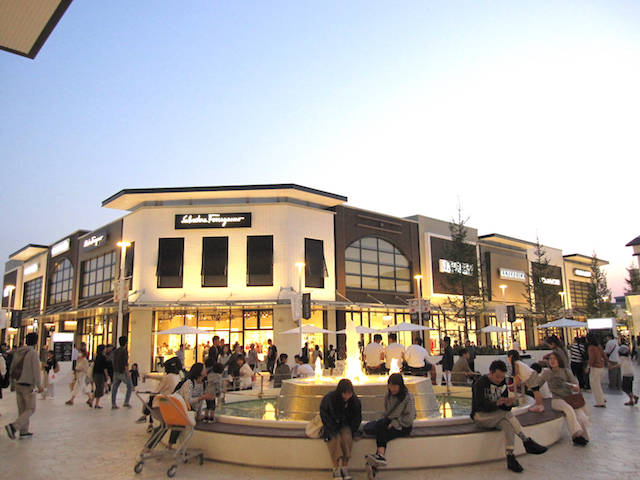
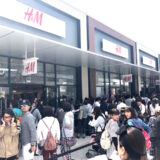
    The ribbons have been cut for the official opening of The Outlets Hiroshima, a shopping, dining and entertainment destination.

    Launching with 100 per cent occupancy, The Outlets Hiroshima offers savings of 35 to 70 per cent on luxury and fashion brands such as Armani, Bally, Coach, Ermenegildo Zegna, Kate Spade and Salvatore Ferragamo; sports brands including Adidas, Champion, New Balance, Nike, Puma and Under Armour; and Japanese brands such as Beams, United Arrows and Urban Research.

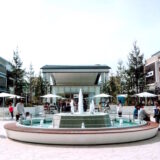
    With the open-air environment of traditional shopping villages, the shopping centre’s 125 outlet stores are set amid landscaped courtyards, water features and outdoor seating. Setting The Outlets Hiroshima apart from Japan’s typical outlet malls is an extra 25,000sqm of dining, entertainment and retail. As well as 22 restaurants and cafes offering both international and Japanese food, a 1000-seat food court offers 12 cuisines.

    Leisure activities and amusements include a cinema, ice-skating rink, bowling alley, VR centre and video arcade. There are also 85 specialty stores selling Hiroshima souvenirs, as well as an upscale supermarket offering fresh fruit, vegetables, pastries and local products.

    Developer Aeon Mall Co has seamlessly integrated outlet shopping, dining, leisure, entertainment and local culture in its collaboration with The Outlet! Company. The Outlets Hiroshima is collaborating with travel agencies to offer packaged group tours, and also provides special promotions and privileges for foreign tourists. The project is about 30 minutes’ drive from downtown Hiroshima.

    Pictures from the grand opening can be viewed in the gallery below :

  • High public debt can hamper growth: AmBank Research

    High public debt can hamper growth: AmBank Research

    AmBank Research (AmResearch) which projects the gross domestic product (GDP) per capita recede by 0.007% with every 1% gain in public debt and debt service, also foresees a near-term volatility in the local and global equity markets, thanks to noises from the domestic and international front.

    “From our analysis, we found an inverse and significant impact between public debt as well as debt service against the GDP based on per capita. It implies that a 1% gain each in debt and debt service, will lower GDP per capita significantly by 0.007% and 0.22% respectively. We also found that a government consumption presents a negative and significant impact on GDP per capita with a drop of 0.05% for every 1% rise,” it said while noting that the current debt level of RM1.09 trillion to the GDP was in line with its projection of over a trillion ringgit in 2018.

    A high public debt will result in more spending on servicing the interest for the borrowings, thus straining resources. This is reflected in the low ratio of operating and development expenditure to debt at 0.20x and 0.04x respectively in 2017 from a high of 0.50x and 0.14x respectively in 2008 which is also the lowest reading since 1988.

    Noting that public debt levels had been on an upward trend since 2004, the research house said the government’s inability to curb the growth in operational expenditure over development expenditure in its budget especially in Budget 2018, raised concerns on the risk of falling into a debt overhang situation which can potentially hamper the sustainability of growth and transformation measures.

    The inability to reduce the operating expenditure, may lead to the need to improve revenue collection while simultaneously driving GDP, which in turn will help improve the debt-to-GDP ratio and fiscal balance position.

    Meanwhile, the rising government guaranteed loans and Public Private Partnership (PPP) lease repayments that lacks transparency suggests an easy way to shift the debt figures, while holding public debt below the 55% level.

    Since 2004, public debt saw an average rise of 10.2% or equivalent to an average of RM252 billion per annum between 2004 and 2009, while fiscal deficit widened from -4.3% in 2004 to -4.8% in 2008 due to higher spending on development activities amounting to RM27.5 billion in 2004 and RM41.9 billion in 2008.

    Operating expenditure rose from RM91.3 billion in 2004 to RM153.3 billion in 2008.

    The surge in total public debt was even more glaring from 2009 onwards as it jumped from RM362 billion to RM925 billlion, translating to an average growth of 13.4% or equivalent to RM639 billion per year.

    Although the fiscal deficit as a percentage of GDP narrowed from -6.7% in 2009 to -3% in 2017 due to lower spending on development activities, which shrank from RM49 billion in 2009 to RM43 billion in 2017, operating expenditure rose from RM157 billion in 2009 to RM218 billion in 2018.

    On lowering the public debt, debt servicing, and government consumption to improve growth, Ambank Research opines the focus areas should be (1) improving the monitoring of the expenditure in each area of the economic activities, especially at the micro level; (2) greater transparency on government-guaranteed loans under public-private partnerships that may not be fiscally responsible; (3) improving and effectively managing government consumption; (5) targeting high-impact and productive businesses to drive growth; (6) boosting investors’ and household confidence by addressing leakages; and (6) an attractive ringgit to support overall business competitiveness.

  • Vietnam’s Techcombank readies for market debut after raising $922 mln

    Vietnam’s Techcombank readies for market debut after raising $922 mln

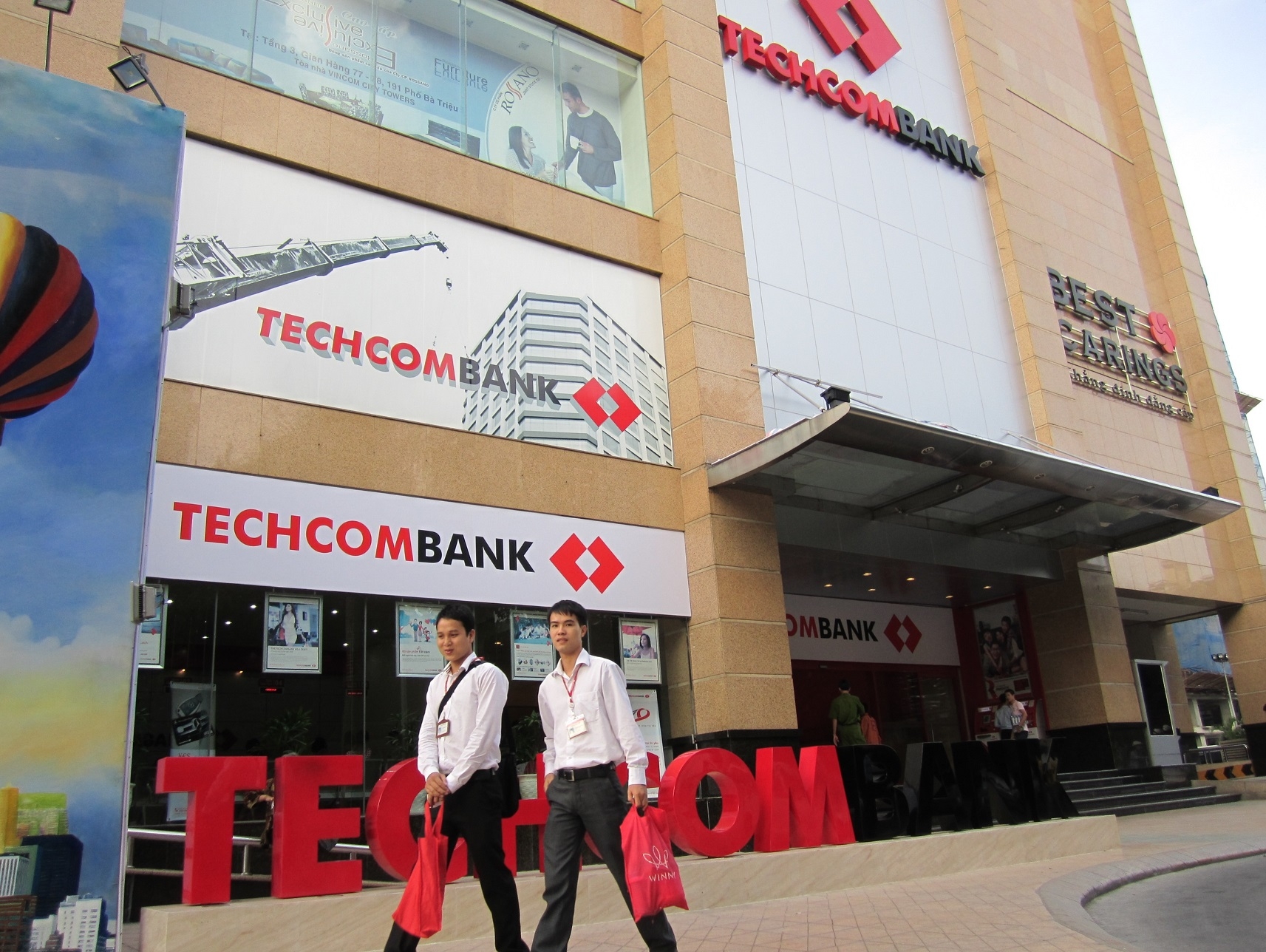
    Vietnamese lender Techcombank will list its shares on the Ho Chi Minh Stock Exchange next month, the bank said on Wednesday, making it the country’s seventh biggest firm by market value.

    Techcombank raised $922 million last month in one of the country’s biggest initial public offerings. Its cornerstone investors are Singapore sovereign wealth fund GIC, Fidelity Management and Research, and local fund Dragon Capital.

    The Hanoi-based lender said it would list on June 4 at a reference price of VND128,000 ($5.62), valuing the bank at $6.5 billion and making it Vietnam’s second-biggest listed bank after state-controlled Vietcombank.

    The shares will be allowed to move 20 percent higher or lower than the reference price on the first day of listing, according to exchange trading rules.

    Techcombank provides a broad range of banking products and services to more than 5.4 million customers in Vietnam through a network of 315 branches.

    The bank’s Chief Executive Officer Nguyen Le Quoc Anh said 2018 was a year of robust activity for Vietnam’s stock market as the economy showed strong growth momentum.

    “We believe this is a suitable time to list Techcombank after two years of preparation,” he said in a statement.

    Techcombank aimed to increase retail lending to 50-55 percent of total loans, up from 40 percent, in the coming years, while reducing the proportion of corporate loans, said Nguyen Xuan Minh, chairman of Techcombank Securities and head of Techcombank’s investment banking division.

    The bank aimed to increase its registered capital by nearly three times this year to better compete with regional rivals.

    “As the ASEAN Economic Community forms, our competitors are not only local banks but also banks from Thailand, Malaysia, Singapore. That’s our goal,” Quoc Anh said on Wednesday, referring to the group of Southeast Asian nations.

    Foreign investors own 22.5 percent of Techcombank. Vietnam limits foreign ownership in local banks to 30 percent.

  • SMCP Opens 100th Store in Mainland China

    SMCP Opens 100th Store in Mainland China

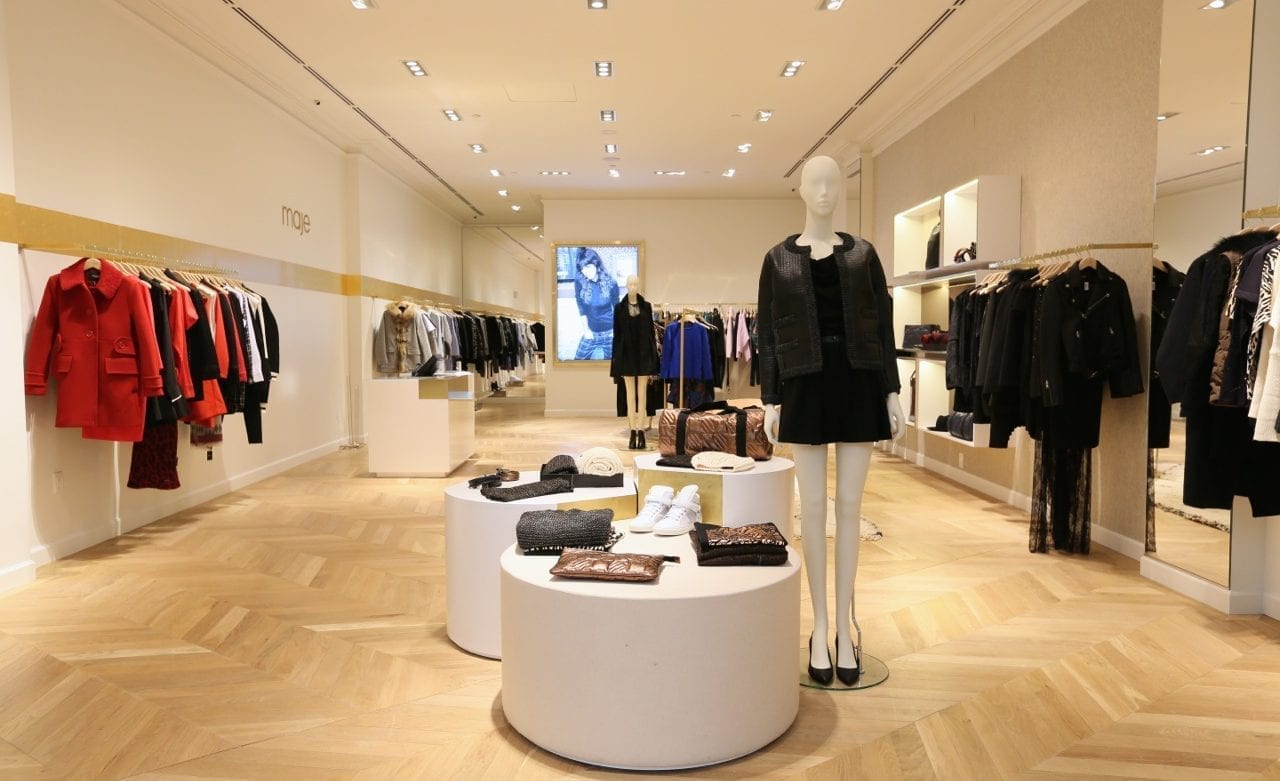
    Apparel group SMCP China has opened its 100th physical store on the mainland, the Maje, in Beijing’s Chaoyang Joy City mall.

    Since its debut in Hong Kong in 2012, the French group has built up a presence in Greater China with stores in 22 cities, including Hong Kong, Macau and Taipei. Its stores can be found in such malls as Shin Kong Place (SKP) in Beijing, IFC in Shanghai and Taikoo Li in Chengdu.

    In April 2016, SMCP initiated a partnership with T-mall, closely followed by the launch of its own online stores in September last year.

    Over the coming years, the group plans to continue draw on the popularity of its three brands in Greater China, Sandro, Maje and Claudie Pierlot, to expand.

    Overall, the Asia Pacific region today accounts for more than 20 per cent of group sales, with 276 points of sale. At the end of last year, SMCP brands were available at more than 1300 points of sales in 38 countries.

  • Impossible Foods chooses HK to go global

    Impossible Foods chooses HK to go global

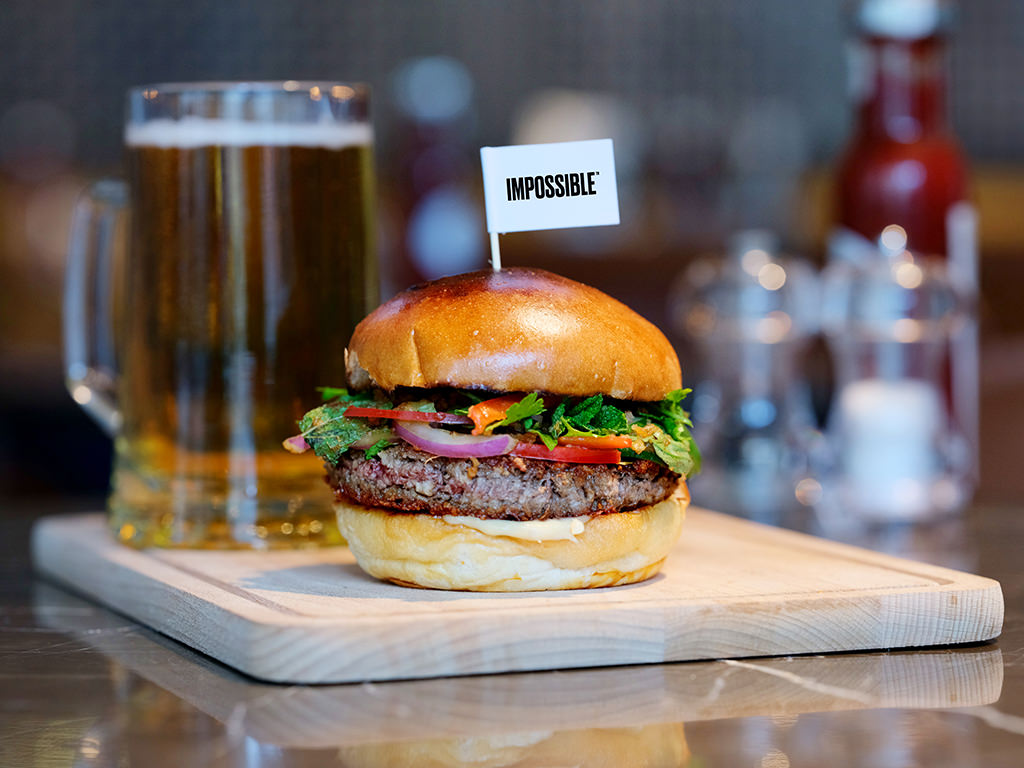
    The Impossible Foods is launching its award-winning plant-based meat in Hong Kong at some of the city’s most beloved restaurants: Little Bao, Happy Paradise, and Beef & Liberty.

    Started in 2011 by Stanford biochemistry professor and former pediatrician Dr. Patrick O. Brown, Impossible Foods makes meat, fish and dairy directly from plants — with a much smaller environmental footprint than those from animals.

    The company uses modern science and technology to create wholesome food, restore natural ecosystems and sustainably feed a growing global population.

    Ranked one of the world’s top culinary hotspots by Conde Nast Traveler, Hong Kong is the first place outside of the United States to feature the Impossible Burger, which cooks, smells and tastes like ground beef from cows but is made entirely from plants.

    The Impossible Burger is served in more than 1,400 outlets in the United States — from award-winning restaurants to mom-and-pop diners to the nation’s original fast-food chain, White Castle. The vast majority of these restaurants serve the Impossible Burger on a bun with traditional condiments and sides. Starting tomorrow in Hong Kong, diners will be able to try the product as a traditional burger — and as the central filling of savory street food.

    “We’re humbled to launch with spectacular chefs in one of the world’s most dynamic restaurant hotspots,” said Brown, CEO and Founder of Impossible Foods. “We’re confident that Hong Kong — Asia’s crossroads of ideas and influences, both modern and traditional — will be home to the most innovative Impossible recipes yet.”

    Chef May Chow’s Little Bao and Happy Paradise will be among the first to serve the Impossible in Hong Kong, and with a local Cantonese twist. While Chef Uwe Opocensky’s Beef & Liberty becomes the first burger chain outside the United States to serve the Impossible Burger.

    Chef May Chow, named Asia’s Best Female Chef in 2017 by The World’s 50 Best Restaurant awards, heads Little Bao and Happy Paradise — 21st century takes on traditional Cantonese diners.

    Chow is a Toronto native who trained and worked in Bangkok, Los Angeles and Boston. She gained fame in Hong Kong’s renowned street food markets and helped to transform Hong Kong into a foodie destination. Chow has also represented Hong Kong at food festivals such as “Omnivore” in Paris and Shanghai.

    Starting tomorrow at Little Bao, Chow and her team will serve the “Impossible Bao,” a traditional sandwich made with Impossible meat, black pepper teriyaki sauce, salted lemon kombu salad, and fermented tofu sauce, between two house-made steamed buns — on menu for 118 HK$. The “Impossible XinJiang Hot Pocket” — another popular Chinese street snack — will debut at Happy Paradise, served with pickled daikon and XinJiang spices, for 88 HK$.

    “Hong Kongers demand to be on the bleeding edge of global culinary trends,” Chow said. “The Impossible Burger is delicious, versatile and perfectly timed to take this city’s world-class restaurant scene by storm.”

    Another award-winning chef in Hong Kong, Uwe Opocensky earned his culinary reputation working in restaurants such as Spain’s El Bulli, voted the best restaurant in the world. He recently spent a decade as Executive Chef at Hong Kong’s Mandarin Oriental — considered one of the city’s finest establishments — overseeing 10 restaurants and bars and collecting Michelin Stars in three of the venues.

    He left the hotel in 2016 to join Beef & Liberty as Group Executive Chef, now lauded as Hong Kong and Shanghai’s best hamburger, and is also chef at his own restaurant Uwe. The seven restaurant group is a modern homage to 18th century “beefsteak clubs,” reincarnated for modern tastes with a focus on natural ingredients and sustainable operations. Popular with both natives and expats, Beef & Liberty uses only hormone- and antibiotic-free beef from the Scottish Highlands — ground in-house — and also purifies and carbonates its own drinking water to reduce the amount of water imported (and glass bottles wasted) into Hong Kong.

    Beef & Liberty will serve the “Impossible Thai Burger,” with chilli, coriander, mint, basil, spring onion, soya mayonnaise, crispy shallots and garlic, for 135 HK$. The restaurant group will also feature “Impossible Chili Cheese Fries,” with chili, cheddar cheese, spring onion and sour cream over their “Liberty” fries, for 62 HK$.

    “We are obsessed, in a good way, with burgers and doing what we can for the environment. We love the way that the Impossible Burger has created new excitement in the global burger scene and opportunities to be more sustainable,” said Beef & Liberty’s Executive Chef, Uwe Opocensky. “We’re positive that our guests are going to love the Impossible and feel good about eating it at the same time.”

    Starting today, the Impossible will be available in Hong Kong on a limited and exclusive basis through Classic Fine Foods — Asia’s leading importer and distributor of fine foods. The group specialises in sourcing, importation, storage, marketing and distribution, and has been operating throughout Asia and Europe since 2001.

    In development since 2011, the Impossible Burger debuted in July 2016 at Chef David Chang’s Momofuku Nishi in Manhattan. The Impossible Burger is the only plant-based burger to win a 2017 Tasty Award and a 2018 Fabi Award from the National Restaurant Association.

    In addition to the American fast-food chain White Castle, The Impossible Burger is the only plant-based burger featured in America’s most beloved “better burger” concepts Fatburger, Umami Burger, Hopdoddy, The Counter, Gott’s and B Spot, the Midwest burger restaurant owned by Chef Michael Symon.

    The Impossible Burger is made from simple ingredients, including water, wheat protein, potato protein and coconut oil. One special ingredient — heme — contributes to the characteristic taste of meat and is the essential catalyst for all the other flavors when meat is cooked. Heme is an essential molecular building block of life, one of nature’s most ubiquitous molecules. Although it’s found in all living things and in virtually all the food we eat, it’s especially abundant in animal tissues. Impossible scientists discovered that it’s the abundance of heme in animal tissues that makes meat taste like meat.

    To satisfy the global demand for meat at a fraction of the environmental impact, Impossible Foods developed a far more sustainable, scalable and affordable way to make heme and therefore meat, without the catastrophic environmental impact of livestock. The company genetically engineers and ferments yeast to produce a heme protein naturally found in plants, called soy leghemoglobin.

    The heme in the Impossible Burger is identical to the essential heme humans have been consuming for hundreds of thousands of years in meat — and while it delivers all the craveable depth of beef, it uses far fewer resources.

    The Impossible Burger is produced without slaughterhouses, hormones, antibiotics, cholesterol or artificial flavors. It uses about 75% less water, generates about 87% fewer greenhouse gases, and requires around 95% less land than conventional ground beef from cows.
  • Department store sales benefit from holidays

    Department store sales benefit from holidays

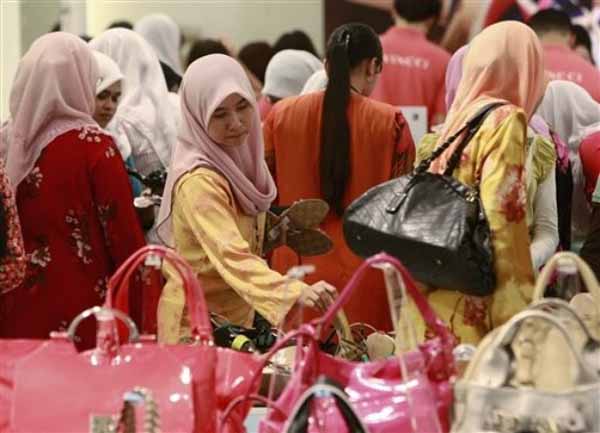
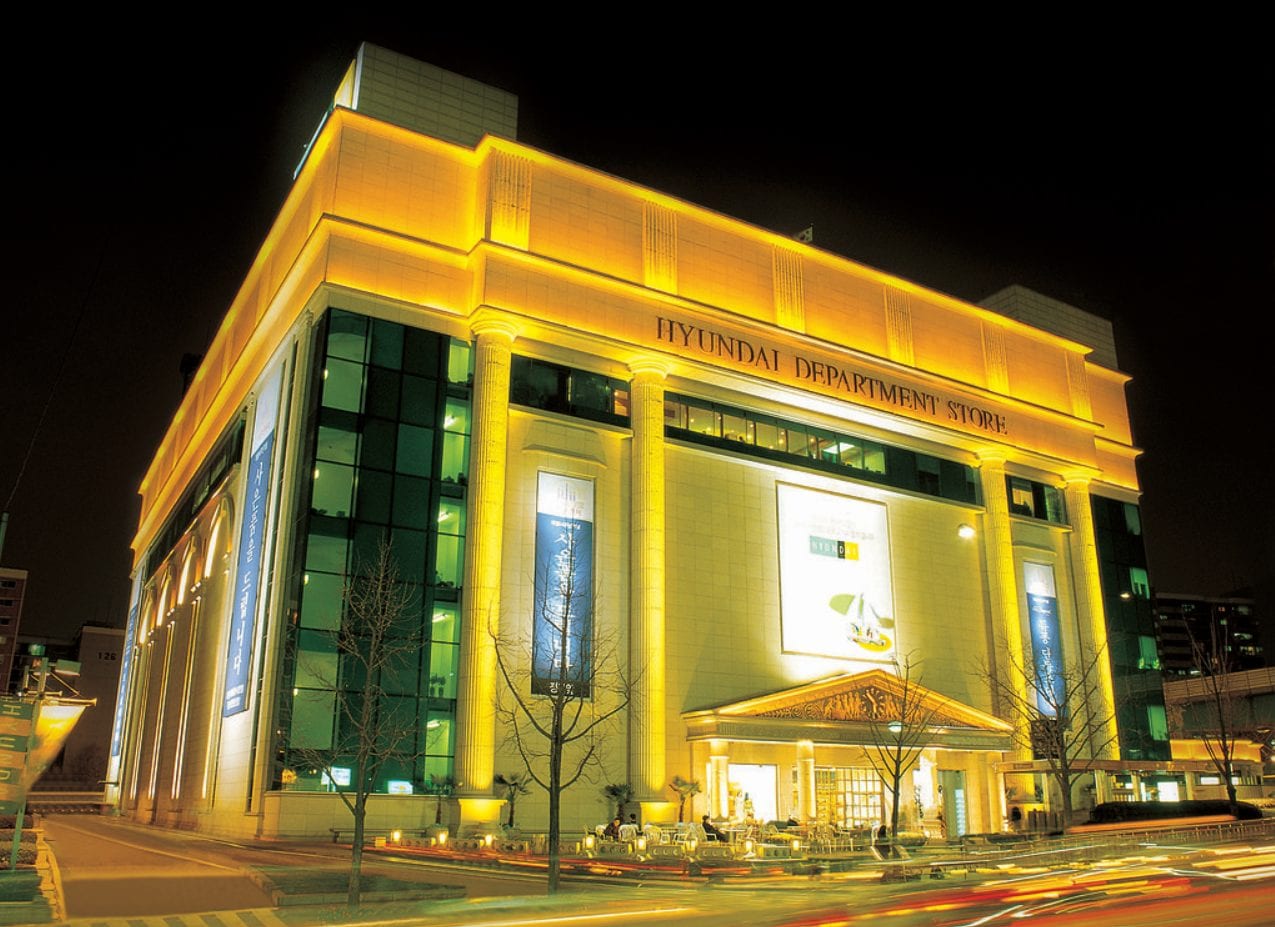
    Department-store sales in South Korea rose this month with several family-oriented holidays and special occasions, retail industry data shows.

    Children’s Day, which falls every May 5, a substitute day off and May 8 Parents’ Day all contributed to more consumption at department stores. Plus Buddha’s Birthday, which is a national holiday and falls on a Tuesday, created a four-day break for some workers.

    In the first 20 days of this month, sales at upper-end department stores like Hyundai, Lotte and Shinsegae all rose, with some reporting close to double-digit gains compared with the year before.

    Shinsegae says its sales shot up 9.9 per cent, compared to a 1.5 per cent contraction for May last year. Sales of men’s and women’s clothing rose 16.1 and 12.6 per cent respectively, while demand for sports products rose 12.6 per cent. It said demand for designer goods soared 26 per cent.

    Hyundai says it sold 6.1 per cent more goods, with Lotte trailing with a gain of 5.3 per cent.

    Discount store chain E-Mart says sales for April and May were down slightly with the demand for both fresh and processed food falling last month.

  • CIMB Malaysia to recognise RM920m gain from disposal of stake in CIMB-Principal Asset Management

    CIMB Malaysia to recognise RM920m gain from disposal of stake in CIMB-Principal Asset Management

    CIMB Group Holdings Bhd is expected to recognise a gain of about RM920 million following the completion of the divestment of its 20% stake in CIMB-Principal Asset Management Bhd and 10% equity interest in CIMB-Principal Islamic Asset Management Sdn Bhd to Principal Financial Group for RM470.29 million today.

    This, however, is lower than the initial expectation of RM950 million.

    The banking group told Bursa Malaysia that its common equity tier 1 ratio will also see an increase of 15 basis points, subject to final adjustments.

    Following the corporate exercise, CIMB’s shareholding in CIMB-Principal Asset Management Group and CIMB-Principal Islamic Asset Management will be reduced to 40% with the balance 60% owned by Principal Financial Group.

    “Asset management continues to be an integral part of our regional banking business and this shareholding realignment enables CIMB-Principal to have more scale and improved global investment expertise. We expect this change to improve our ability to deliver better products to our clients, while creating sustainable long term value for CIMB group,” said CIMB group CEO Zafrul Aziz.

    CIMB and Principal Financial Group have partnered in the region since 2004 and have grown their operations across Malaysia, Singapore, Indonesia and Thailand.

    The CIMB-Principal Asset Management group of companies has more than RM80 billion in assets under management and is one of the largest asset managers in the region.

    At the noon break, CIMB shares gained 8 sen or 1.3% to RM6.13 on some 8.95 million shares done.

  • Vietnamese carriers far from world’s cheapest, high fuel costs to blame

    Vietnamese carriers far from world’s cheapest, high fuel costs to blame

    None of Vietnam’s carriers made it to the top 50 list of cheapest airlines by average ticket price per kilometer, according to a 2018 report on global flight price by Melbourne-based transport search engine Rome2Rio.

    The report analyzed about 1.5 million price points for economy-class airfares from Europe, Americas and Asia Pacific as displayed by Rome2Rio during this year’s first two months.

    At the top of the list were Australia’s Tigerair Australia, Malaysia’s AirAsia X and Indonesia’s Indonesia AirAsia at $0.06, $0.07 and $0.08 per kilometer, respectively.

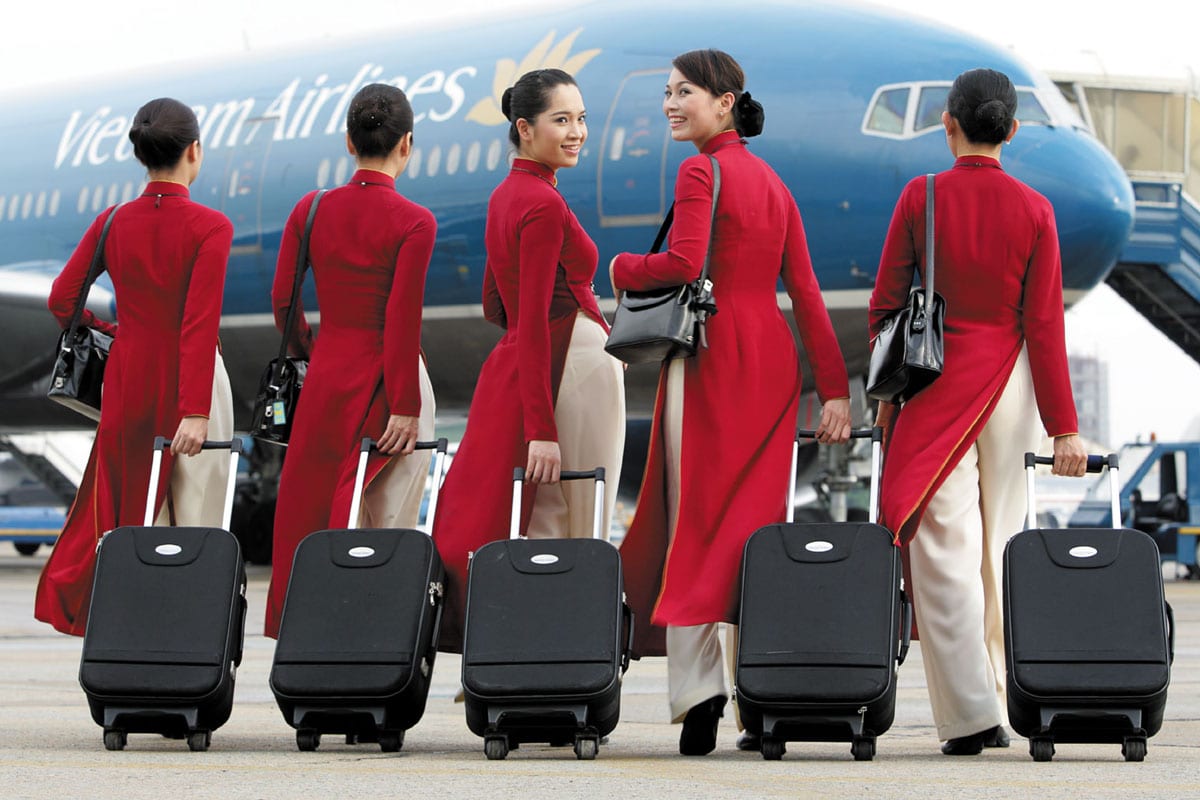
    Meanwhile, Vietnamese carriers are falling behind, with Vietjet Air, Jetstar Pacific and Vietnam Airlines priced at $0.14, $0.15 and $0.30 per kilometer, respectively.

    The report also shows that Vietnam is ranked 15th in the list of cheapest average airfare per kilometer ranked by country.

    Vietnamese carriers’ higher-than-average airfares were due to high fuel costs, said an airline representative.

    “Vietnam’s fuel costs are 20 to 30 percent higher than other countries’,” the representative said. This representative also noted that fuel costs represent the highest percentage in an airline’s total operational costs, at 30 to 40 percent.

    Despite Vietnam’s status as a crude oil exporter, the country still heavily depends on importing refined oil from other countries.

    “Vietnam will not be free of imports of refined fuels, although combined diesel and gasoline imports will halve from about 200,000 barrels per day in 2016,” said Suresh Sivanandam, analyst at energy consultancy Wood Mackenzie.

  • Q1 sales growth quarter for 7-Eleven Malaysia

    Q1 sales growth quarter for 7-Eleven Malaysia

    In a first quarter marked by expansion and sales growth, 7-Eleven Malaysia saw its net profit soar 11.6 per cent from the same period a year ago.

    Total sales growth for the quarter was 2.5 per cent, while the gross profit margin continued to improve, says the company.

    Driven by store openings, higher customer counts and improved consumer promotions, the group’s revenue for the quarter grew by 2.5 per cent to RM535.7 million (US$134.4 million).

    Gross profit of RM171 million improved by 7 per cent, and this was mainly attributed to the increase in revenue and improvement in gross margin by 1.3 points.

    Profit after tax was RM8.9 million, up 11.6 per cent.

    One2Pay mobile wallet launched in January, with payments and top-ups enabled in all stores, while continued store expansion took the total network to 2235 outlets.

  • HBX first-ever street X luxury fashion pop-up with Loewe

    HBX first-ever street X luxury fashion pop-up with Loewe

    After Virgil Abloh was named Creative Director for Louis Vuitton Menswear, the blend between luxury and streetwear emerged as a confirmed upcoming trend.

    We had seen earlier luxury brands launching athleisure and sneakers to delight younger generations, and HBX forseeing this was planning its first-ever street X luxury collaboation recently unveiled in its pop-up in HK.

    After launching a series of successful pop-ups in Hong Kong, HBX took a step
    further to unveil the first collaboration with luxury brand LOEWE, launching Paula’s Ibiza II collection for SS2018.

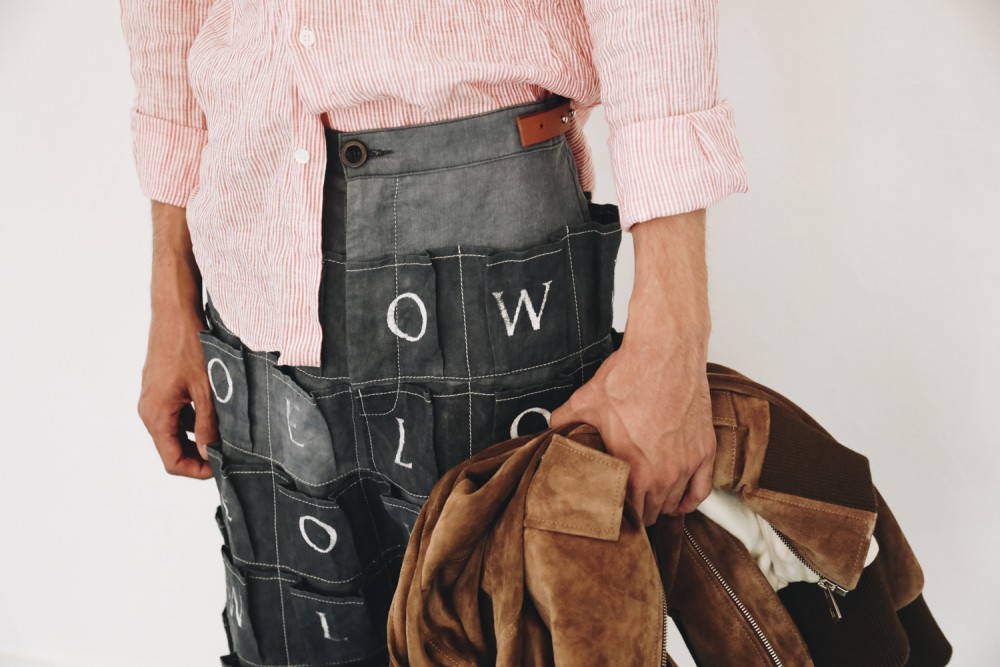
    Consists of Men ́s & Women ́s Ready-to-Wear and accessories, the Paula’s Ibiza collection fuses bohemian coastal dressing with the legendary Ibiza boutique Paula’s iconic prints and designs, chosen by LOEWE’s creative director Jonathan Anderson.

    The collection’s playful colours and whimsical icons are re-imagined to a series of vivid, retro beach-inspired installations, drawing attention to the pop-up store. The youthful installation is complemented by digital and printed displays of LOEWE Paula ́s Ibiza Publication shot in New Orleans, a refreshing photography series by Gray Sorrenti, the daughter of Mario Sorrenti.

    A launch event was held to celebrate the first street-meets-luxury HBX pop-up with cocktails, DJ performances and more.

  • Cheap real estate in Vietnam draws scores of Chinese buyers

    Cheap real estate in Vietnam draws scores of Chinese buyers

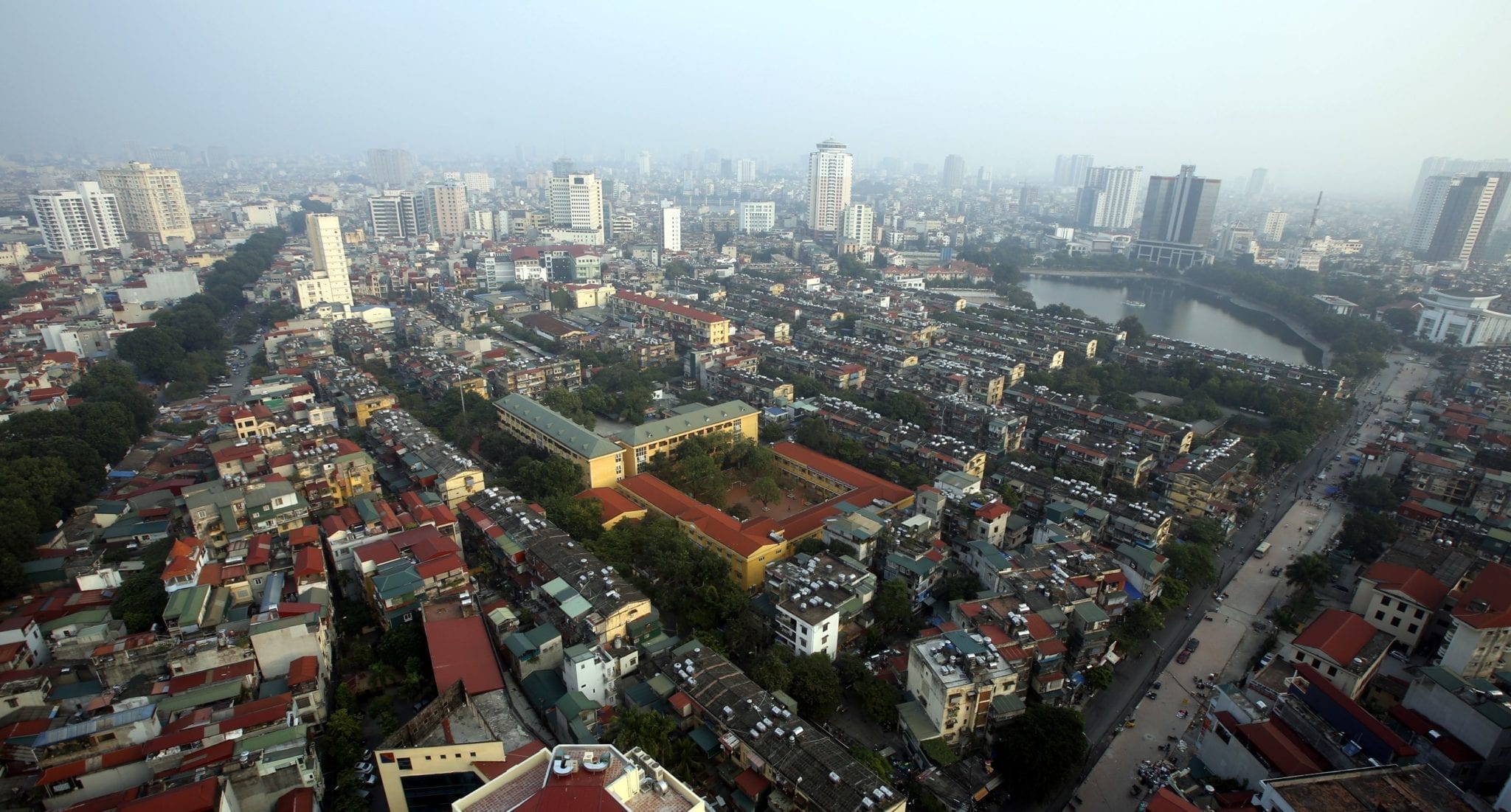
    Vietnam has become an up and coming property investment destination among Chinese and Hong Kong buyers with real estate prices lower than in other Southeast Asian countries.

    Demand for properties in Vietnam among Chinese buyers surged 300 percent year-on-year in the first quarter of 2018, Chief Executive Carrie Law of Juwai, one of the biggest international property portal in China said.

    “Many investors from mainland China are hoping to see these cities [Ho Chi Minh City, Hanoi] replicate the same growth as Beijing and Shanghai,” said Stephen Wyatt, the country head of JLL Vietnam.

    Buyers from mainland China, Taiwan and Hong Kong last year accounted for 25 per cent of the Southeast Asian nation’s total transactions by foreign buyers, up from 21 per cent in 2016, according to data from real estate company CBRE Vietnam.

    Analysts say relatively low prices in Vietnam, one of world’s fastest growing economies, and the desire for Chinese buyers to diversify their portfolios given their limited assets overseas, make markets like Ho Chi Minh City, Hanoi particularly attractive.

    A high end property in central Ho Chi Minh City costs $3,000 to $6,000 per square meter. However, its equivalent in Bangkok costs around $7,000 to $9,000 per square meter, and still less than 10 percent of the value of Hong Kong properties.

    Vietnam’s relaxed restrictions on foreign property ownership are also believed to have facilitated the surge in Chinese and Hong Kong buyers, but to a lesser extent because bureaucracy remains a strong barrier.

    The 2015 Housing Law allows foreign investment funds, foreigners with valid visas, international firms with operations in Vietnam and overseas Vietnamese to buy residential properties with leaseholds of 50 years.

    And developers are allowed to sell only 30 percent of the units in each building to foreigners, meaning eligible apartments need to be advertised.

    However, analysts warned about the possibility of a real estate bubble in Vietnam, which is similar to the historic one in 2008.

    Eight out of 10 signs of a real estate bubble have been identified in the Vietnamese market, said Tran Kim Chung, deputy director of the Central Institute for Economic Management (CIEM) at a conference last week.

    Local residents and real estate agents said the price doubled last year’s, and has climbed a further 30-50 percent so far this year.

  • Singapore’s e-commerce veteran ezbuy raises US$17.6M in pre-Series C funding round

    Singapore’s e-commerce veteran ezbuy raises US$17.6M in pre-Series C funding round

    Singapore’s global shopping platform EZbuy.sg has raised US$17.6 million in pre-series C funding co-led by several regional venture capitalist firms.

    Founded in 2010, EZbuy says it will use the funding to offer quicker and more reliable modes of localised services while further enhancing its product offerings. The capital investment will also be allocated for its expansion plans in the region as well as countries outside of Southeast Asia.

    EZbuy co-founder/CEO He Jian says the company’s core mission has always been to provide customers with convenient access to shop for their favourite products from all over the world.

    “The investment will enable us to continue strengthening our core verticals and pave the way to achieve this objective faster,” he says.