Tag: asia

  • Zara Stratford flagship store pioneers new approach to integrating stores and online

    Zara Stratford flagship store pioneers new approach to integrating stores and online

    A new Zara flagship unveiled in London this week gives an insight into its new global direction.

    High in technology, compact in footprint, Zara believes the new Westfield Stratford store concept will “transform the customer shopping experience at its heart”, integrating online and in-store shopping.

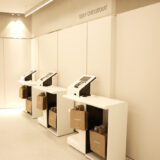
    It is the Spanish fast-fashion retailer’s first store in the world to introduce a fourth section after women’s, men’s and kid’s: online. A separate area has been designed to house two automated order collection points.

    The system’s optical barcode reader scans QR or Pin codes that customers receive when they place orders online. Behind the pick-up point, a robotic arm collects trays and organises the packages optimally according to their size, delivering orders for customers to collect in seconds. The system can handle 2400 orders simultaneously, enabling shoppers to collect purchases made through Zara’s e-commerce platforms. Online orders are available in store on the same day if made before 2pm, or the next day if made in the afternoon.

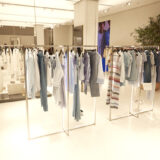
    Gallery of New Zara Stratford flagship can be viewed below :
    Zara says the customer service features go beyond integrating online and offline shopping. The new store aims to create a “seamless, convenient and enjoyable shopping experience”. Interactive mirrors equipped with RFID readers can detect the garment a customer is holding, enabling customers to see what a complete outfit will look like in the mirror.

    Zara staff will use iPads to advise customers and accept payments on the shop floor. Customers can pay using their mobile phones via the Zara app or the Inditex Group app, InWallet.

    And to complement the regular cashier desks, there is a self-checkout area with a system that automatically identifies garments being purchased. Customers can simply confirm their items on a screen at the self-checkout before paying with their cards or mobile phones.

    The 4500sqm store has been under renovation since January and was temporarily replaced with the brand’s first pop-up store for the purchase and collection of online orders only, some of the features of which are replicated in the Zara flagship.

    Inditex chairman and CEO Pablo Isla described the reopening of the Zara flagship as an important moment for the company.

    “We are in a unique position as we enjoy a global sales platform that fully integrates stores and online. In recent years we have invested in the most advanced technology and optimised our stores for this aim. Our business model combines stores and digital seamlessly, and we are ready for the opportunities that this brings with current and new customers,” he said.

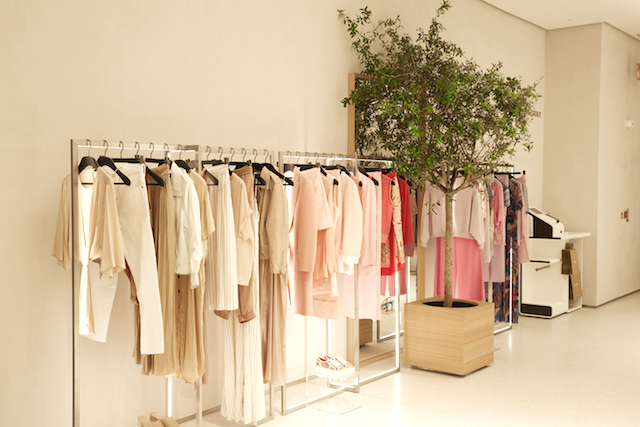
    From a design perspective, the store has a two-storey facade without shop windows on the first floor, providing a transparent view of the store’s interior architectural features and collections.

    The refurbishment of the Zara flagship follows the brand’s introduction of an augmented reality experience at 120 flagship stores worldwide for a fortnight earlier this year.
  • Vietnam’s The Gioi Di Dong closed stores

    Vietnam’s The Gioi Di Dong closed stores

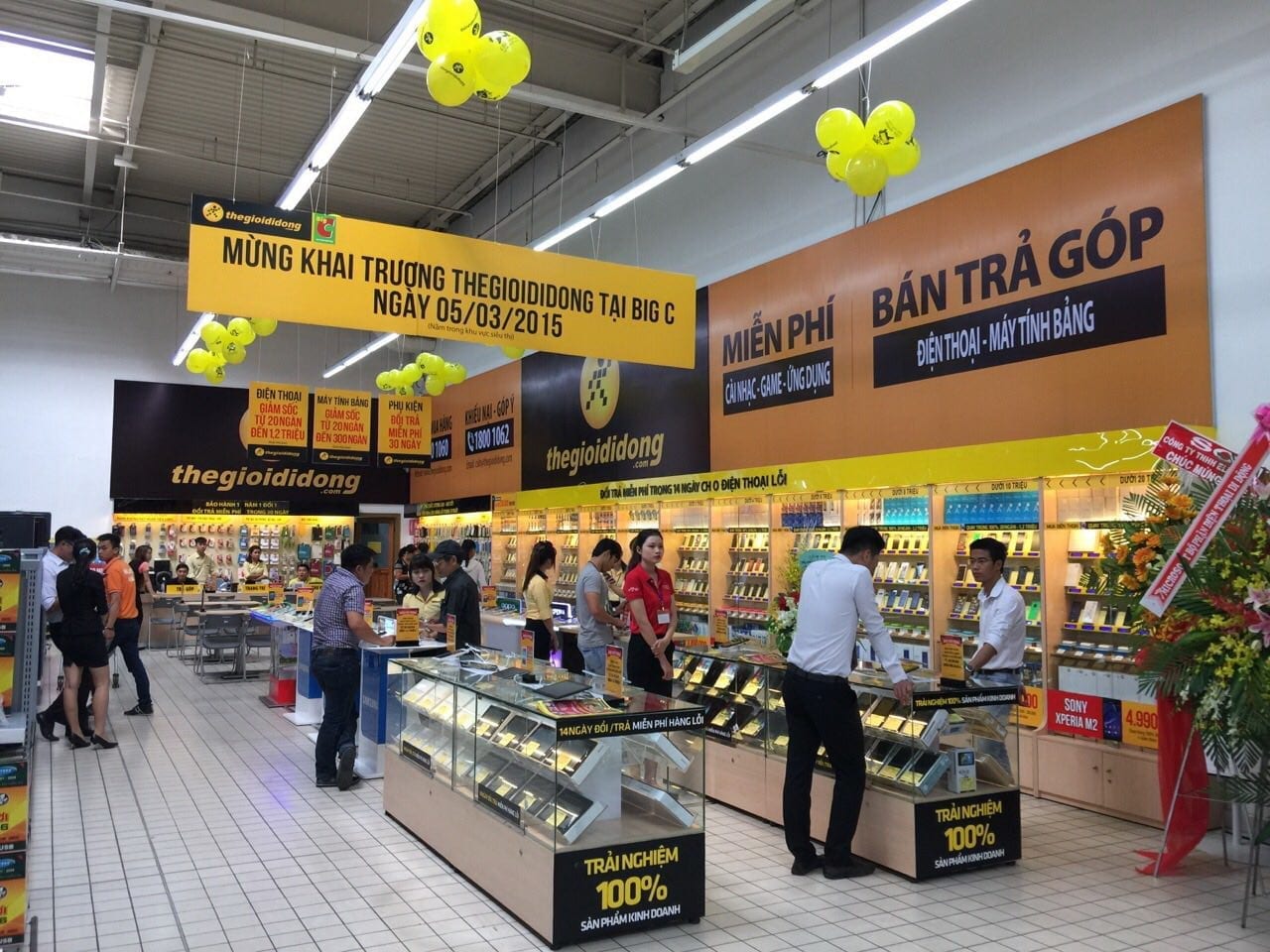
    Despite revenue growth, Vietnam retailer Mobile World has shuttered six The Gioi Di Dong stores.

    It closed the outlets last month following one earlier closure with a plan to maintain 1065 stores nationwide. The company says it has decided not to expand its store network to focus on revenue growth, but with the closing spree revenue for The Gioi Di Dong last month dropped 5 per cent from a year earlier to US$126.85 million.

    Now The Gioi Di Dong looks set to open only 500 locations by the end of this year instead of the previous goal of 1000 stores, according to chairman Nguyen Duc Tai.

    Mobile World is also struggling with its grocery business, Bach Hoa Xanh, which has added only 3 per cent to the company’s profit.

    In the first quarter of this year, revenue reached $1.31 billion, up 43 per cent year on year, to produce profit of $45.94 million, up 44 per cent.

  • China-owned Paris brand Sandro debuts Mr Porter capsule collection

    China-owned Paris brand Sandro debuts Mr Porter capsule collection

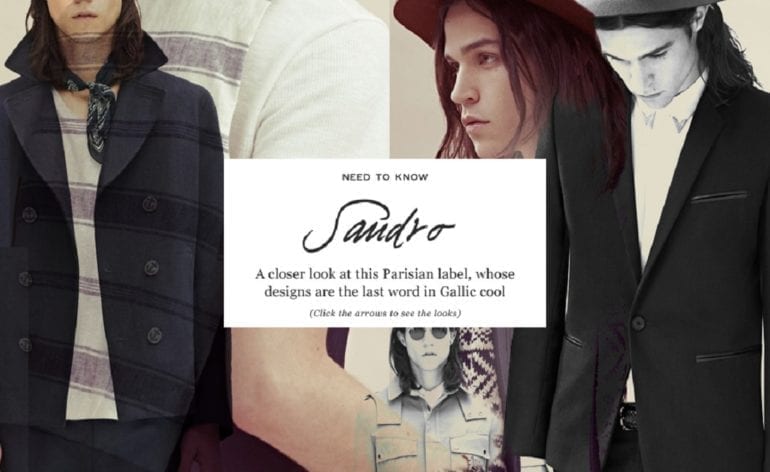
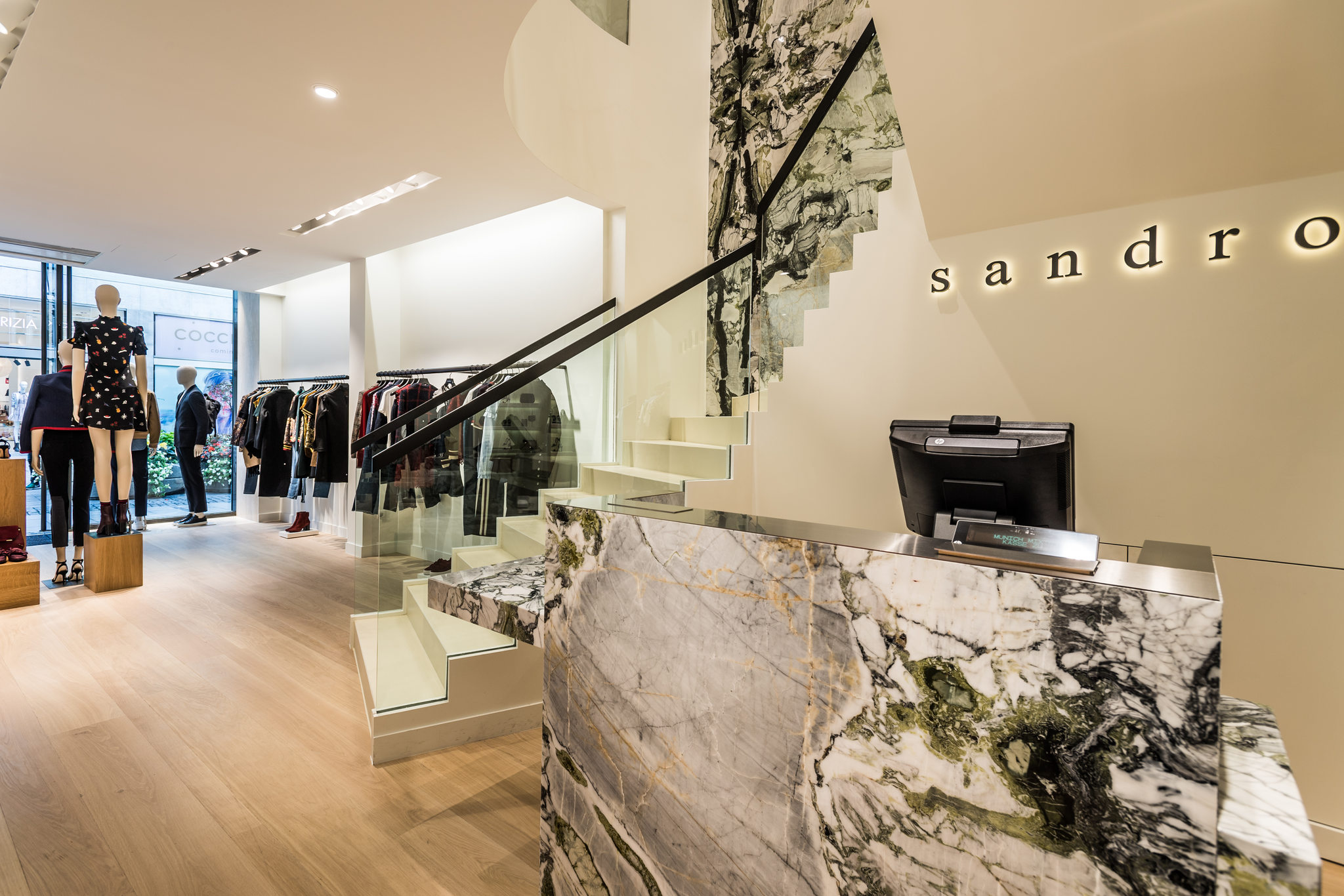
    Celebrating its tenth birthday, Sandro Homme has collaborated with Mr Porter for a men’s capsule collection.

    In partnership with the UK e-commerce platform, the Paris brand, launched in 2008 by Ilan Chétrite (son of Sandro founder Evelyne Chétrite), proposes a minimalist, French style collection made up of 16 pieces.

    Starting from 95 euros, key items include a pair of mule-style moccasins, a terracotta-tone bomber jacket and camel chinos.

    In creating a ‘nonchalant Parisian’ offering for men, Chétrite took inspiration from a continental summer: “Somewhere in Europe, along a rocky coastal landscape, I pictured the ambiance of a late afternoon after a day at the beach.”

    The line serves as a special release for Sandro, which is already distributed in more than 210 points-of-sale across the globe.

    For Mr Porter, the menswear component of luxury platform Net-A-Porter, the line is one of several recent brand collaborations to hit its online site. Most recent tie-ups include knitwear brand The Elder Statesman and luxury powerhouse Prada.

    Founded in 1984, Sandro is part of the French fashion group SMCP Group, which includes mid-luxe labels Sandro, Maje and Claude Pierlot.

    In April 2016, Shandong Ruyi bought a controlling stake in SMCP for 1.3 billion euros in one of the largest overseas acquisition deals in China’s fashion industry.

    After the acquisition, SMCP stepped up its global expansion plans, especially in China’s e-commerce sector.

    For the most recent quarter, SMCP posted a 12 percent rise in first quarter revenue to €252 million euros (£219.94 million). At the time of reporting in April, the group said it was boosted by demand from Chinese consumers.

  • Asia Pacific drives Tiffany & Co global growth

    Asia Pacific drives Tiffany & Co global growth

    Tiffany & Co Asia-Pacific sales soared 28 per cent in the first three months of this year helping the New York-headquartered jewellery retailer achieve a 53 per cent lift in profit.

    The company’s worldwide net sales increased 15 per cent to $1 billion, with comp sales up 10 per cent. Net earnings increased from $93 million to $142 million.

    Asia-Pacific sales reached $329 million – one third of Tiffany’s global sales – driven by China “and most other markets,” and higher wholesale sales in Korea. Management attributed the growth to higher spending by both local customers and foreign tourists. On a constant exchange-rate basis, total sales and comparable sales increased 23 per cent.

    In Japan, total net sales rose 17 per cent to $151 million and comparable sales rose 14 per cent.

    Neil Saunders, MD of GlobalData Retail, says the results showed that despite being up against some soft prior year figures, the group has “pulled itself out of its previous funk” and its various initiatives are delivering solid results.

    “Among the steps taken, the renewal of the offer is the most critical. Here, Tiffany’s focus on producing more innovative and contemporary collections has paid dividends in both stimulating consumer interest and driving sales. Collections like Tiffany HardWear have been well received and has enabled a brand that was seen as old to reconnect with younger demographics.”

    Saunders says the pace of product innovation was especially encouraging. “New ranges like Paper Flowers show that the company is full of ideas and that it will continue to launch new collections throughout the year. This approach means that the company is once again treating jewellery as an item of fashion and is putting itself at the forefront of trends and modern design. In our view, this is the breath of fresh air that will clear away Tiffany’s traditionally fusty image.

    “It is also encouraging that, while cohesive, new collections are accessible to many consumers. The luxury Paper Flowers range, for example, features items that span the price spectrum from $2500 to $75,000. Meanwhile, the more everyday HardWear range spans $150 to $13,500. Certainly, products are not cheap, but neither should they be as Tiffany is an unashamedly luxury brand that wants to create an aspirational feel.”

    He says strong marketing has helped to amplify the changes made to products. “In our view, campaigns like Believe in Dreams are wonderfully playful and go right to the heart of the issue: that Tiffany might be seen as old-fashioned, but actually, it has something of relevance to the modern shopper. Featuring Elle Fanning in a Tiffany Blue colored hoodie sets the tone perfectly and really helps connect the brand with younger consumers with whom it has traditionally had little resonance.”

    GlobalData’ research shows that Tiffany is gaining ground in both awareness and appeal to millennial shoppers and this is one of the key factors helping performance.

    “Notably, this shift in attitude and message has not harmed the appeal or affection older customers have for the brand. Indeed, many are very engaged with the new styles and marketing. Tiffany, it seems, finally realises that most consumers of all ages no longer want old-world luxury; they want modern, fresh thinking that excites and inspires them.”

    But he cautions Tiffany still has work to do on its store environments. “Although steps are being taken to address this, many stores still do not reflect the brand image of the new Tiffany. However, we appreciate that this change will take time to deliver and are now confident that Tiffany will address the issues. Away from stores, we applaud the website which is easy, engaging and interesting to shop; this is no doubt helping Tiffany’s e-commerce numbers.

    “Overall, we believe that Tiffany has done a great job in turning around its brand. The company feels more energetic and younger than it has for a long time, and that can only be a good thing.”

  • Tokyo’s Brand Off launched in Siam Square Bangkok

    Tokyo’s Brand Off launched in Siam Square Bangkok

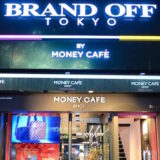
    Second-hand branded designer products retailer Brand Off Tokyo is about to open its first flagship store for Thailand.

    It will be run by Money Cafe Company, which owns Money Pinkoo Pawn Shop.

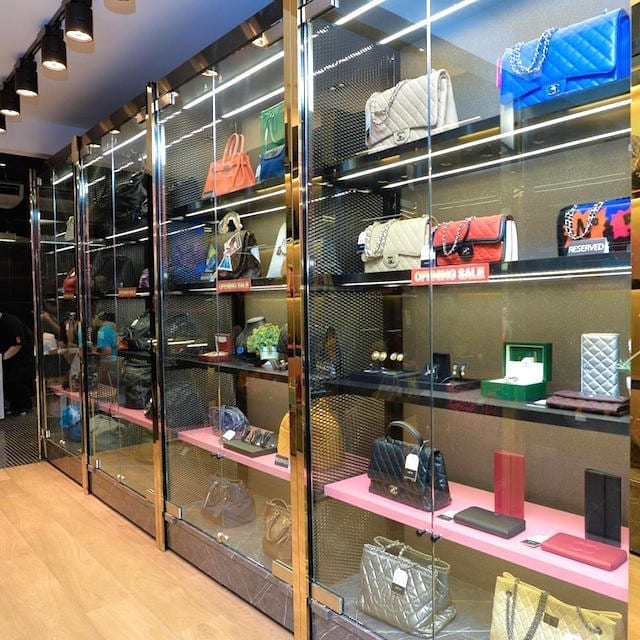
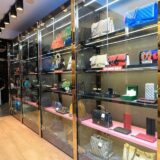
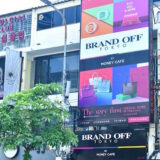
    Brand Off Tokyo has more than 60 branches (50 in Japan, eight in Hong Kong and four in Taiwan), with its Thailand outlet offering more than 300 designer bags, watches and jewellery items that are all 100 per cent guaranteed authentic. The 200sqm store is in Siam Square Soi 3.

    To expand its family business, Money Cafe looked into buying and selling used designer and branded goods, so it contacted Brand Off Tokyo, says CEO Shusak Tanglertsamphan.

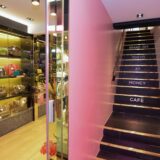
    Gallery of the store can be viewed below :

    “We feel that using second-hand products and resources is a social responsibility that leads to waste reduction. Sharing high-value products and product satisfaction at lower costs is not only good for our customers, but also for our society and environment.” says Tanglertsamphan.

    Brand Off Tokyo is one of three original second-hand trading stores in Japan but the only one to have expanded overseas. It has product specialists on staff and is a member of the Association Against Counterfeit Product Distribution (AACD).

  • K11 gets HK$200 million renovation

    K11 gets HK$200 million renovation

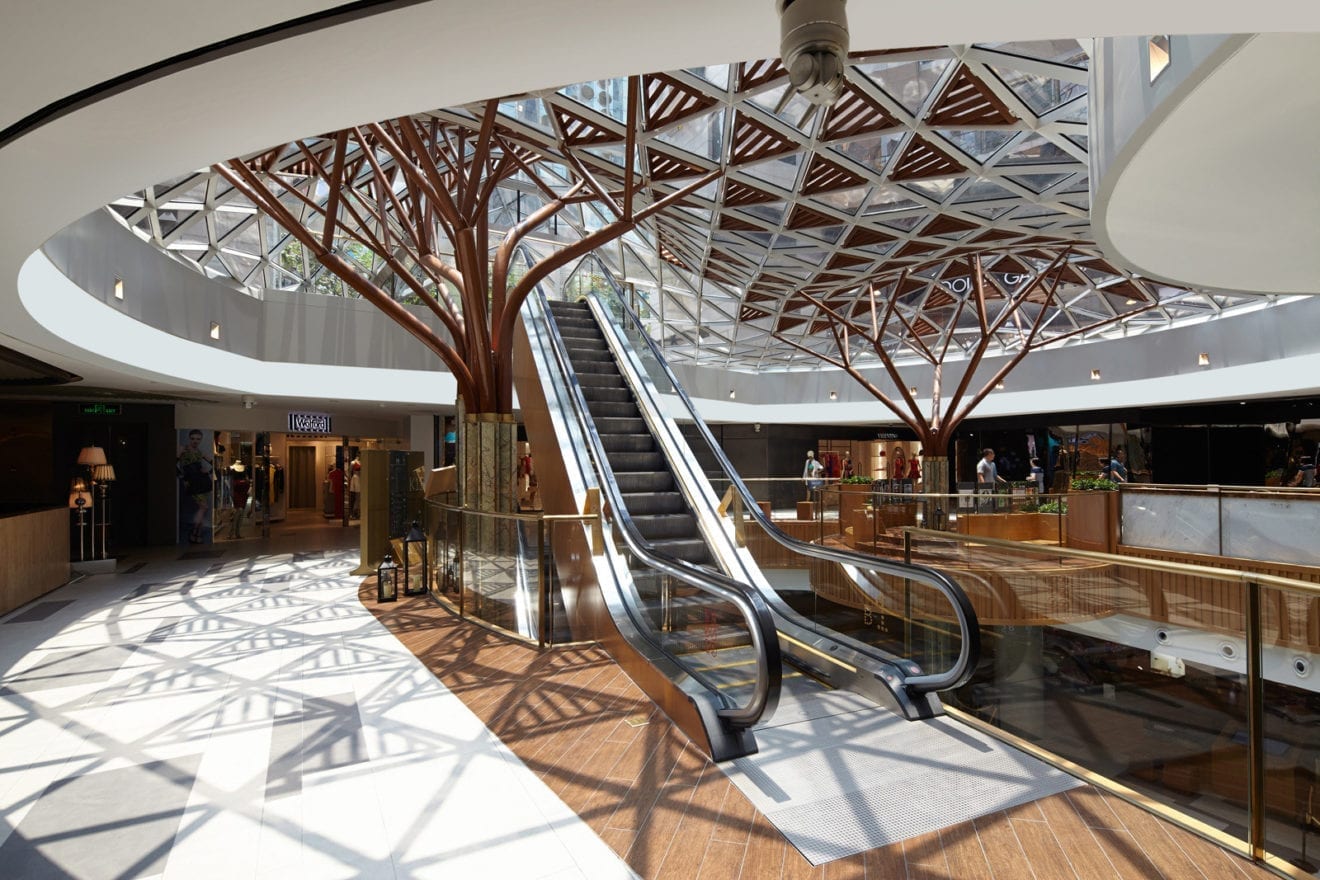
    In celebration of its 10th anniversary this year, K11 announced a HK$200 million major renovation project for Hong Kong K11 Art Mall, targeting 2019 year-end for completion in phases.

    The 340,000 square foot mall will redesign its interior zoning, using wood, plants and stone as primary materials to evoke the feel of its “Art – People – Nature” brand proposition. The tenant mix will also be updated along with a re-zoning of the interior space.

    For instance, “Timepiece Avenue” on the ground floor will introduce more international fashion jewellery, accessories and apparel brands and K11 will also work with local designer Chi Kuen Victor Chu to incorporate additional art elements into the ground floor and first floor, highlighted by a collection of metallic installations entitled “ONE OF”. The third floor concierge area will be transformed into an open café area with electrical outlets to make it more convenient for customers who need to use their computers or charge devices. As part of the renovation, a new K11 exit will be added to the MTR Tsim Sha Tsui Station, making a visit to K11 Art Mall even more convenient.

    Since its opening in 2008, turnover and footfall have increased by 150% and 100% respectively, and the renovation aims for an additional 30% in both footfall and sales by 2020. In the past six years alone, some 20 million visitors attended various exhibitions and talks.

    The mall also launched what it calls “K11 Natural Corporate packages”, a new business offering that can host customised events and workshop solutions for business functions, private events and workshops, with activities and catering provided by K11 tenants.

    Rebecca Woo, Director, Operation (Hong Kong), K11, said, “In 2017, we curated a disruptive business innovation for millennial entrepreneurs by launching K11 Natural, a first-of-its-kind themed retail and F&B space for millennial entrepreneurs looking to establish their first physical store or brand new concept store. The project won extensive recognition by receiving 10 awards locally and internationally within its first year after launch.”

    To further promote and celebrate its 10th birthday, K11 has a slew of programmes planned for the rest of 2018 – highlighted by WONDER POP, a pop-art exhibition, a fashion x body art exhibition featuring tattoo artists, public art jams and more topped off with K11’s birthday exhibition.

  • BreadTalk Group to bring new tea cafes to Singapore and Thailand

    BreadTalk Group to bring new tea cafes to Singapore and Thailand

    BreadTalk Group has partnered with Shenzhen Pindao Food & Beverage Management to introduce tea beverages to Singapore and Thailand.

    BreadTalk’s wholly owned subsidiary Together Inc and Shenzhen Pindao have formed a JV, BTG-Pindao Venture. Together Inc will hold a 90 per cent stake of the JV, with Pindao holding the balance. Under the S$3 million (US$2.2) agreement, BTG-Pindao will run and manage tea beverage brands Nayuki and Tai Gai in Singapore and Thailand, with a first right of refusal for Malaysia, Indonesia and the Philippines.

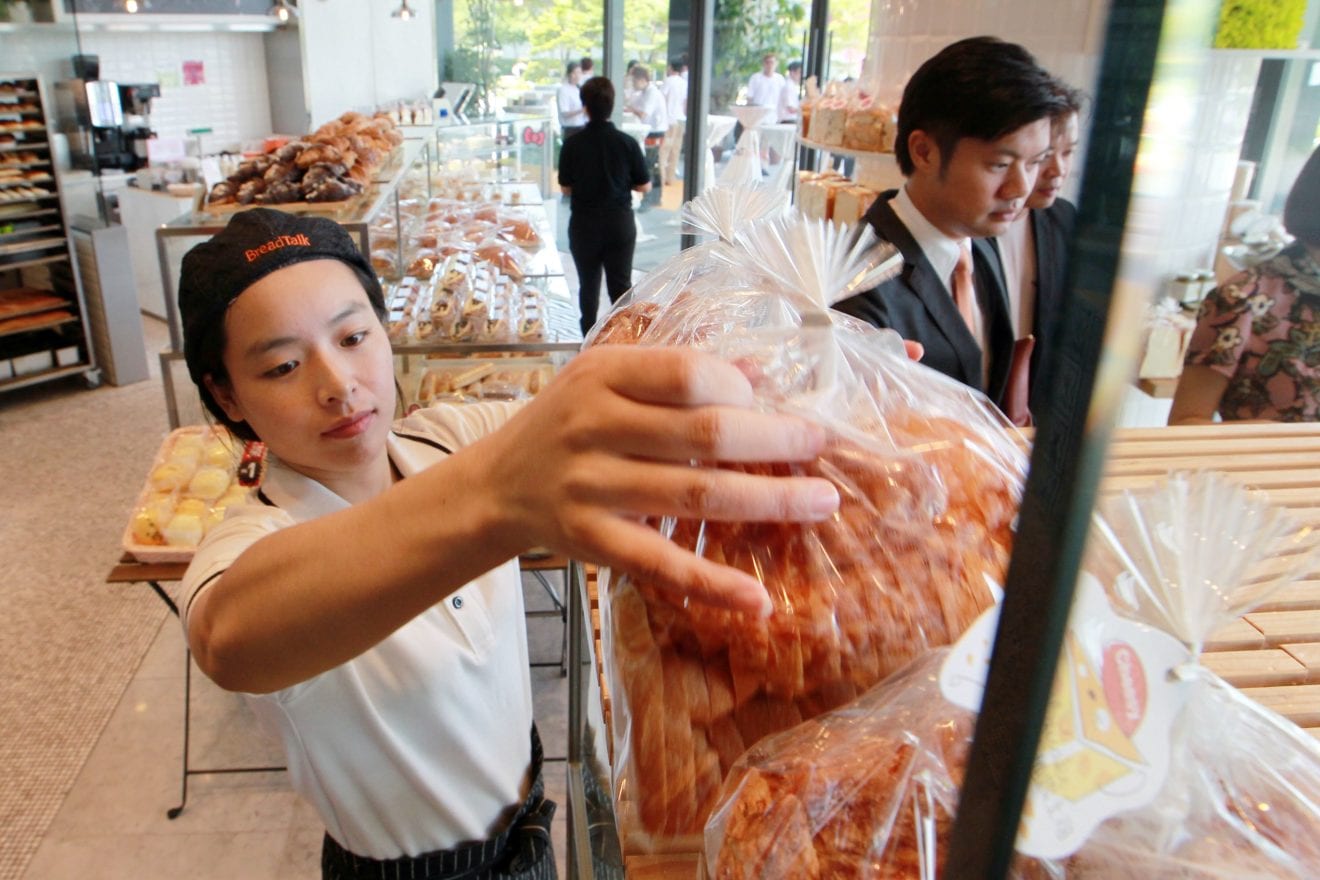
    The first Tai Gai store outside China is slated to be launched late this year. While it offers a novel way of appreciating tea, Nayuki brings a new cafe concept of premium tea creations complemented by European-inspired artisanal breads. Tai Gai first opened in China in July 2015, followed four months later by Nayuki.

    “It took us just three years to build both Nayuki and Tai Gai to more than 100 stores in China, despite a landscape where international beverage chains were capturing the hearts of many young consumers,” says Pindao CEO Zhao Lin.

    Founded as a bakery brand in Singapore in 2000, BreadTalk has become an award-winning F&B group with bakery, restaurant and food-atrium footprints. With nearly 1000 retail stores across 17 territories, its brand portfolio comprises Bread Society, BreadTalk, Din Tai Fung, Food Republic, So, The Icing Room, Thye Moh Chan and Toast Box.

  • Carrefour opens ‘smart store’ in Shanghai

    Carrefour opens ‘smart store’ in Shanghai

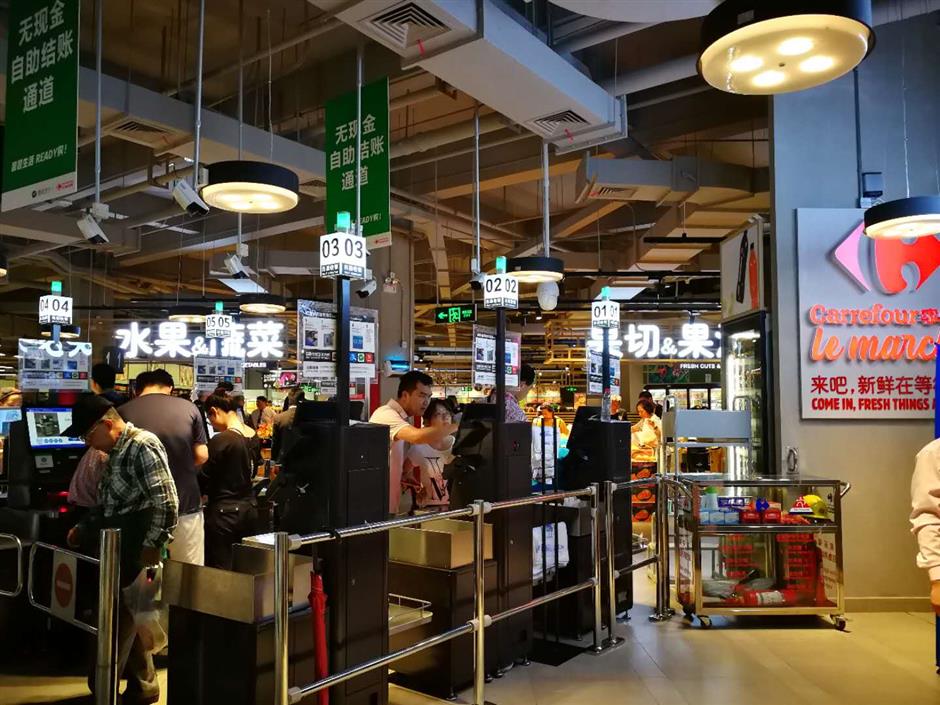
    Carrefour China has opened its first-ever ‘smart supermarket’ in Shanghai in partnership with Tencent, four months after the parent company of the WeChat app bought a stake in the French retailer.

    Covering 4000sqm over two levels in Changning district, the new Le Marche store is connected to the Beixinjing metro station. It offers more than 25,000 product types, mostly food, and customers can pay with their WeChat accounts by scanning a QR code and using facial-recognition technology.

    A feature of the supermarket is on-screen entertainment, including reality TV show Produce 101, owned by Tencent’s video arm.

  • Givenchy opens WeChat store in China

    Givenchy opens WeChat store in China

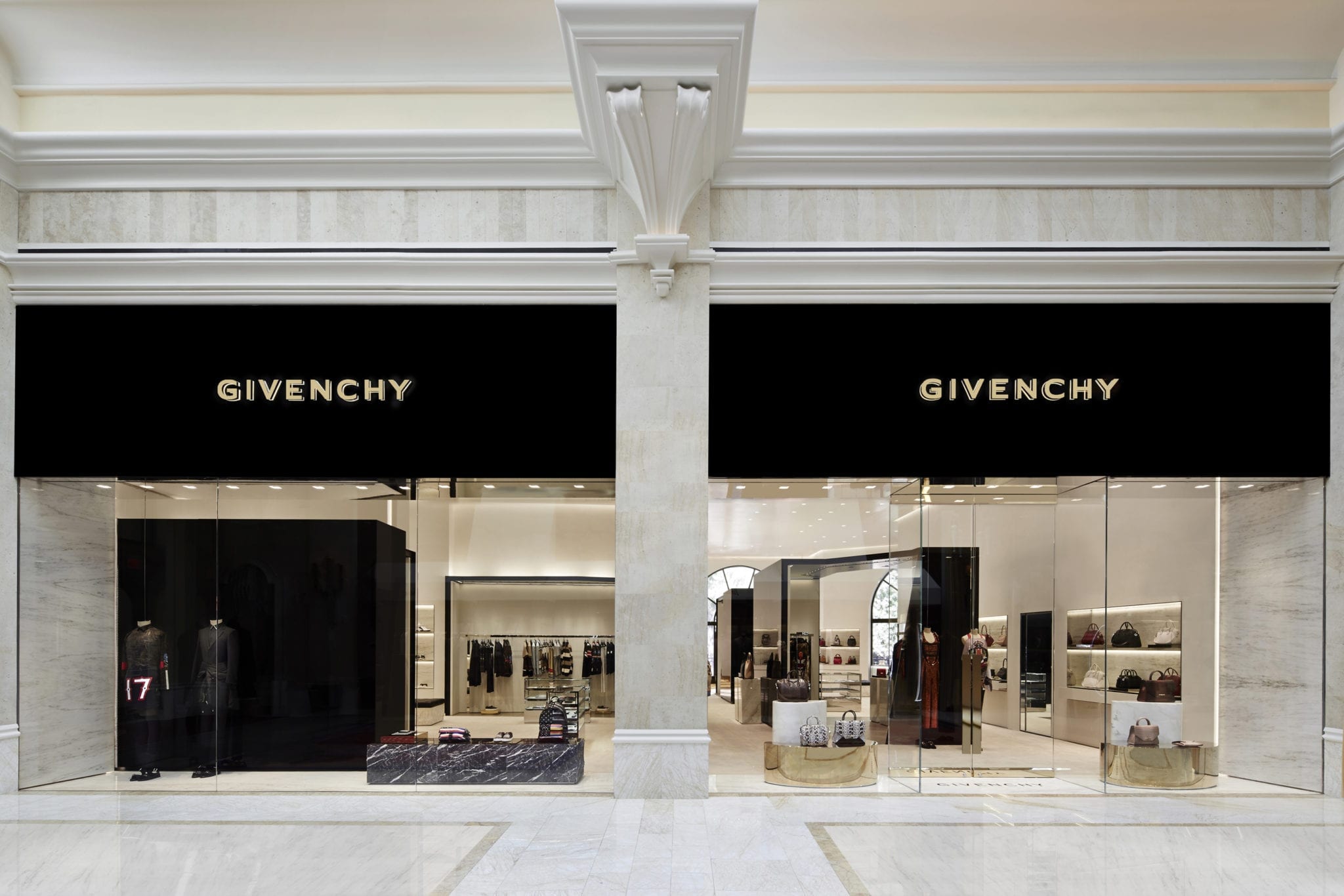
    France’s Givenchy is revamping its retail reach in Asia, with the rollout of a WeChat store in China.

    Bowing 15 May 2018, the new WeChat boutique store is an extension of Givenchy’s premium offline service, and aims to offer a convenient yet immersive shopping experience for wealthy Chinese consumers, according to a statement from the Paris brand.

    Via WeChat, Chinese users can now browse through an exclusive, limited-edition collection, with pieces from ready-to-wear apparel and leather goods to accessories, allowing shoppers to place orders directly on the app.

    The WeChat store was designed by the newly appointed Creative Director, Clare Waight Keller, who was also named the couturier behind the bridal gown worn by the newly crowned Duchess of Sussex, Meghan Markle, commemorating her marriage to Prince Harry.

    The LVMH Group-owned maison becomes the latest in a slew of stellar brands to open a WeChat store for Chinese customers, following the digital footprint of rivals Christian Dior and Gucci.

    Prior to WeChat, Givenchy targeted offline shoppers in Chian through collaborations with the country’s top-tier fashion KOLs – gogoboi and Mr.Bags.

    WeChat’s monthly users figure hit 1 billion per month in March this year and the app has become a marketing must-have for international luxury brands looking to build a connection with Chinese consumers.

    LVMH group has been witnessing solid sales growth in Asia. Demand from Asian shoppers has boosted makers of high-end handbags, clothing and watches the past year, thanks in particular to thriving Chinese demand.

    In 2017, shopping, food, and travel increased exponentially, up 22.2 percent to 333.9 billion RMB (approximately $52.22 billion).

  • Victoria’s Secret store model need refreshment: Analyst

    Victoria’s Secret store model need refreshment: Analyst

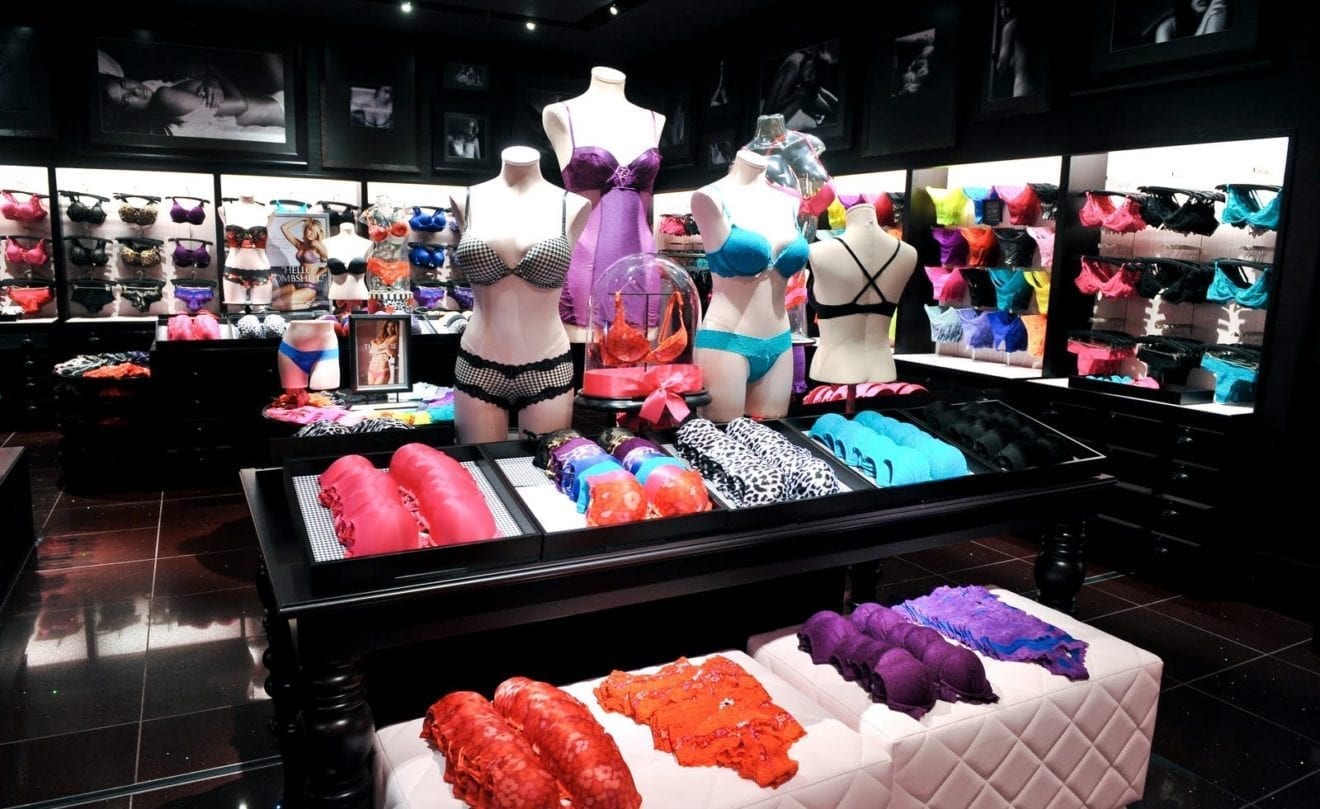
    L Brands needs to revise the Victoria’s Secret store model, according to retail analyst Neil Saunders.

    “The dark store environment, the conspicuous sexuality of the offer, and the brash marketing are increasingly out of step with what modern consumers want. As much as we appreciate that the heritage of Victoria’s Secret is hard to change, we think more action is needed if the brand is to recover,” said New York-based Saunders, MD of GlobalData Retail.

    He was commenting after the release of L Brands’ first quarter figures which showed an 8 per cent increase in net sales to $2.626 billion. Comparable sales were up 3 per cent – but the company reported a 49 per cent decline in bottom line profit, from $94.1 million last year to $47. 5 million.

    After a long run of declines, sales at Victoria’s Secret rose by 1 per cent, but it failed to impress Saunders, who believes the brand has structural issues to address.

    “As good as it is that the brand is back in positive territory, it earns no applause – mainly because the increase came off the back of a 14 per cent comparable decline in the prior year. Moreover, comparable sales in physical stores fell by 5 per cent, following a 12 per cent decline last year.

    “To be fair to Victoria’s Secret, the work done to reset the business has likely helped to stem the tide of decline. A rebalancing of the bra offer, for example, which now includes more options that have benefits around fit and comfort as well as the traditional fashion bras, has helped to create interest.

    “Equally, there has been some growth – in terms of both sales and customer numbers – from categories like sleep and loungewear. These adjacent products are helping to lift interest in Victoria’s Secret and give the brand more firepower in terms of what it has to offer shoppers.”

    Saunders says he has issues with the tone and image of the brand, especially the dark design of stores.

    “We do not feel that Victoria’s Secret has made anywhere near enough effort to remedy the problems.”

    Rival brands like Aerie are more subtle in their store design and marketing approach and that is resonating with consumers, delivering strong growth, he says.

    “A further threat comes from the rise of specialists like Adore Me and Third Love. The latter in particular has gained a lot of ground by focusing on comfort. It is also a model that works well online because its focus on fitting means returns are low which, in turn, supports good margins. These niche players may only have a small market share compared to Victoria’s Secret, but their innovative approaches mean they are nibbling away at its market share.”

    Bath & Body Works “vibrant and fun”

    Although it is a sister brand, Bath & Body Works is almost entirely different from its sibling, says Saunders.

    “Its proposition is welcoming, vibrant and fun. This helps to drive loyalty and repeat custom. With beauty sales still growing, BBW does operate in a more robust part of the market but it is still outperforming and growing its share on both a total and comparable basis.

    “Two things underpin its success. First, its strong range development which means assortments are constantly changing. This encourages regular visits to online and stores.

    Second, good marketing and promotions which help to drive volumes through the business. In our view, both of these things stem from the fact that the BBW team is much more attuned to the market and consumers than is the case at Victoria’s Secret.”

    Saunders says he believes Victoria’s Secret will continue to struggle in the year ahead.

    “With more investment needed in the brand and some cost pressures, we think the outlook remains soft for the L Brands group.”

  • TK Maxx owner TJX Companies reports strong sales growth

    TK Maxx owner TJX Companies reports strong sales growth

    Off-price retailer TJX has posted an increase in sales for the first quarter with earnings that exceeded its expectations.

    Net income for the quarter ended 5 May was $716 million, while adjusted diluted earnings per share was $.96, a 17 per cent increase over the prior year.

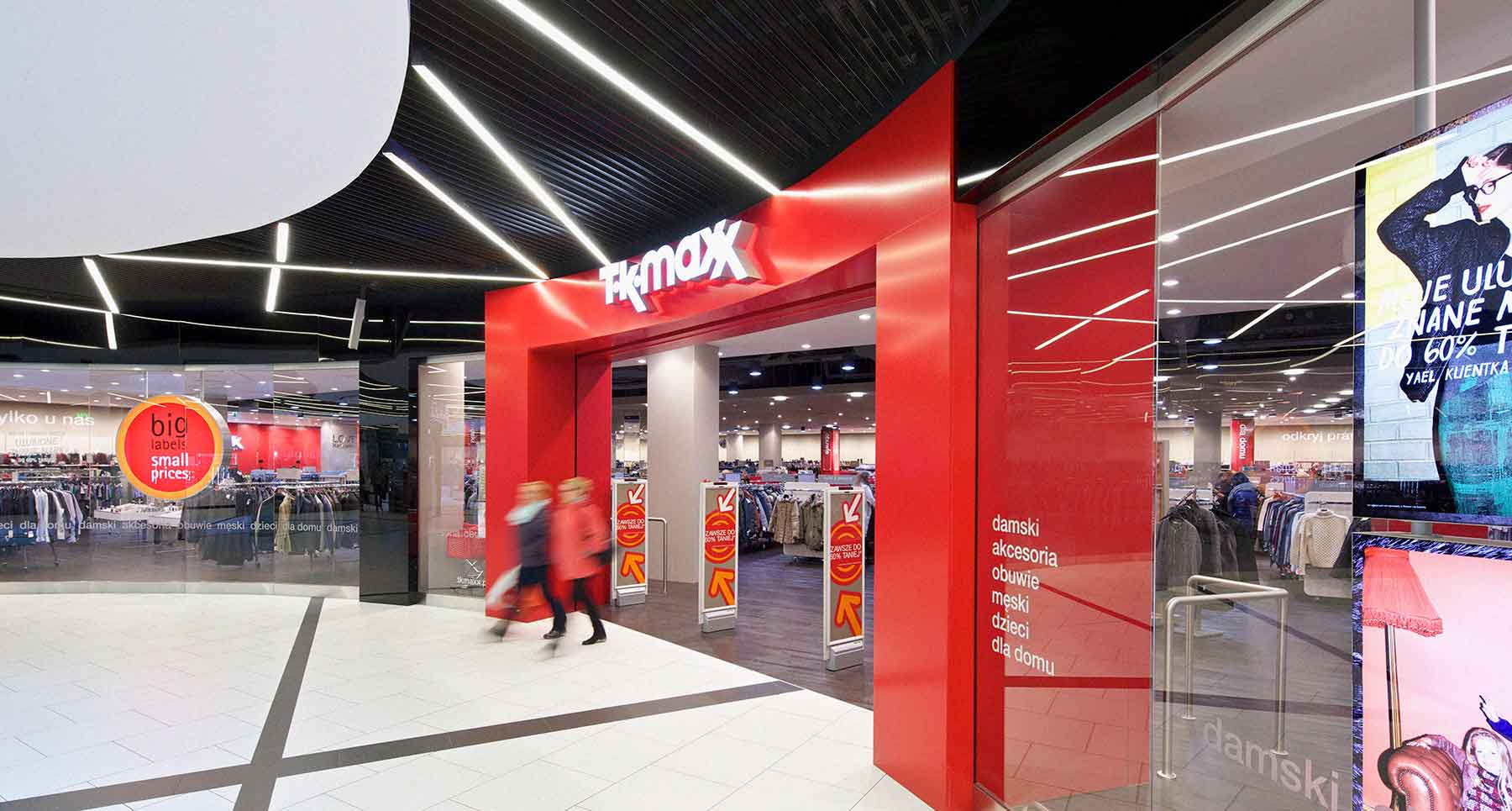
    The TK Maxx owner posted a 12 per cent increase in net sales for the first quarter ending May 5 to $8.7 billion, while consolidated comparable sales increased by three per cent.

    “We are very pleased with our first quarter results as both our consolidated comp store sales growth of three per cent and earnings per share exceeded our expectations,” said Ernie Herrman, CEO and President of The TJX Companies.

    Marmaxx, the company’s largest division, delivered a strong four per cent comparable store sales.

    “Customer traffic was once again the primary driver of our comparable store sales increases at each of our four large divisions,” Herrman said. “Based on our strong first quarter performance, we are updating our outlook for full-year earnings per share. We believe that the consistency of our customer traffic increases demonstrates the strength and resiliency of our business and our ability to succeed through many types of economic and retail environments.”

    Herrman said their second quarter is off to a strong start and added they are seeing a lot of opportunities to capitalize on the fashions and brands available to them in the marketplace.

    “We are convinced that we will continue to gain market share and grow successfully around the world,” he said.

    For the second quarter of FY2019, the company announced it expects diluted earnings per share to be in the range of $1.02 to $1.04. Excluding an expected benefit of approximately $.15 per share due to items related to the 2017 Tax Cuts and Jobs Act (primarily the lower US corporate income tax rate), the company expects adjusted earnings per share to be in the range of $.87 to $.89, compared to $.85 last year.

    The company added it now expects diluted earnings per share to be in the range of $4.75 to $4.83, which represents an 18 per cent to 20 per cent increase over the prior year’s $4.04.
    The company also said it is increasing the high-end of its FY2019 adjusted EPS guidance by $.02 to reflect its strong first quarter results.

    During the first quarter period, the company has increased its store count by 71 stores to a total of 4,141 stores. The company increased square footage by five per cent over the same period last year.

  • GM Korea to offer more Chevys on local market

    GM Korea to offer more Chevys on local market

    GM Korea, the Korean unit of General Motors, will bring in more Chevrolet models produced outside the country if local demand rises, a company executive said Wednesday.

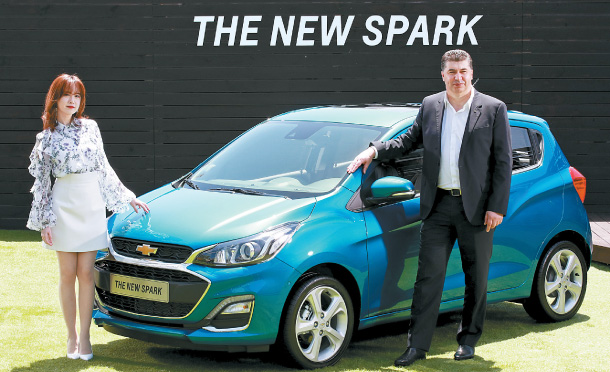
    “Chevrolet is a global brand. We have a very diverse portfolio. We will make sure that customers in Korea will have access to Chevy models brought from around the world,” GM Korea President and Chief Executive Kaher Kazem said in a showcase for the face-lifted Spark.

    The upgraded Spark will go on sale next month in Korea after it is produced at the Changwon plant, 400 kilometers (248 miles) south of Seoul, for local and international markets.

    To select the right Chevrolet models for the Korean market, GM Korea conducted a consumer survey from May 8 to 20. The six models posted on the Chevrolet webpage were the Equinox, Traverse, Tahoe and Suburban sport utility vehicles and the Corvette sports car and Colorado pickup.

    The company didn’t provide the survey results as the poll was for its own reference.

    The Equinox SUV will be displayed at the Busan motor show next month and is expected to hit dealerships within this year, the CEO said, adding that the introduction of Chevy cars fully depends on domestic demand.

    As the demand for SUVs has been on the rise in global markets, carmakers have beefed up their lineups with SUV models in recent years.

    The New Spark is the first model of 15 new and upgraded vehicles GM vowed to launch in the Korean market in the next five years as part of its commitment to bolster its operations in Asia’s fourth-largest economy.

    “We start today with the Chevrolet Spark to open a new chapter together in Korea. The Spark is an extremely important vehicle not only for domestic customers but also for international customers,” Kazem said.

    The Spark comes with eight air bags and other safety features, such as forward collision alert, side blind spot alert, lane departure warning and low-speed collision mitigation braking systems.

    The Spark is available in 48 markets and is the best-selling mini car in the United States, with sales of 176,627 units in the six years through 2017, the company said.

    The 1.0-liter gasoline model with a manual transmission sells at the starting price of 9.8 million won ($9,100), and prices go up to 13 million won depending on options. The price for the Spark with an automatic transmission is higher than the manual model by 1.8 million won, it said.

    GM and the state-run Korea Development Bank (KDB), the two biggest shareholders in GM Korea, recently signed the binding agreement that will permit a combined 7.7 trillion-won lifeline – 6.9 trillion won from GM and 810 billion won from the KDB – to keep the loss-making Korean unit afloat.

    Under the deal, the Detroit carmaker is banned from selling any of its stake in GM Korea before 2023 and is required to keep its holding in the unit above 35 percent until 2028.

    In February, GM announced its plan to shut down one of its four car assembly plants in Korea by May and asked the KDB to extend a financial helping hand to GM Korea. The Korean unit has continued to post net losses worth an accumulated 3.134 trillion won over the past four years through 2017 due to lower demand for its models.

  • Idea Cellular-Vodafone merger to take off by Q3

    Idea Cellular-Vodafone merger to take off by Q3

    After much delay, Axiata Group Bhd is positive that the merger between its Indian associate company Idea Cellular Ltd and Vodafone India will materialise by the beginning of the third quarter of this year, as just two more approvals are required.

    Speaking to reporters after the group’s AGM yesterday, Axiata president and group CEO Tan Sri Jamaludin Ibrahim said that a foreign direct investment approval and a nod from the department of telecommunication are required before India’s second and third largest telco player can merge to become a single entity.

    The huge Indian telco market has seen quite a shake up since the entry of Mukesh Ambani controlled Reliance Jio, resulting in mergers as well as exits by telco players.

    While the merged entity is expected to face challenges in the first year of operations in the hyper-competitive Indian market, Jamaludin is optimistic that Idea could see a turnaround in two to three years time, negating a need to exit the market.

    Axiata, which currently holds a 16.3% interest in Idea, will see its stake diluted to around 8% after the merger.

    Axiata fell into the red in the first quarter ended March 31, after registering a net loss of RM147.41 million against a net profit of RM239.02 million a year ago due to the share of losses reported by Idea.

    Excluding Idea and foreign exchange impacts, Axiata is cautiously optimistic on its financial performance for this year.

    Meanwhile, as for its infrastructure and services company edotco Group Sdn Bhd, Axiata is looking at two or three major acquisitions in Asean and South Asia, in a bid to become the fifth largest independent tower company in the world by 2021 from the eighth.

    On May 16, Axiata announced that edotco Pakistan Private Limited (edotco PK) has successfully obtained approval from the State Bank of Pakistan (SBP), allowing local lenders to fund the acquisition of 13,000 tower assets currently under Deodar Private Limited (Deodar).

    On funding to support its goal of becoming the fifth largest in the world, Axiata is currently engaging with bankers and financial advisers to weigh several funding options, including an initial public offering (IPO) exercise.

    Axiata will also be focusing on its digital-centric five year plan known as Triple Core Growth Engine plan – with key focus on digital telco, digital business and infrastructure, which started last year and is expected to go on until 2021.

    The group is also looking at keeping four of its 30 digital business and selling the rest as part of the plan.

    On the abolishment of the Goods and Services Tax (GST) and reinstatement of the Sales and Services Tax, Jamaludin said that more details are required on the new ruling before the impact of it can be determined.

    “We have to find out what is the higher ruling. The question is who will bear the cost. In the case of GST, Malaysian Communications and Multimedia Commission decided that they will bear half we will bear half,” he added.

  • Qoo10 commits to tighten counterfeit security

    Qoo10 commits to tighten counterfeit security

    Singapore e-commerce platform Qoo10 has stepped up its measures against counterfeit items.

    As well as internal systemic protocols to check and deter the sale of counterfeit items, it has a red-flag system for its security team.

    “Where a listing is flagged for potentially infringing intellectual property (IP) rights or selling counterfeit products, our dedicated compliance team steps in to investigate and take any necessary action,” says Qoo10 Singapore country manager HyunWook Cho.

    Secondly, the website’s compliance team also actively responds and reacts to claims by customers, sellers and businesses or brands. Customers who suspect they may have bought a counterfeit item from a Qoo10 seller may alert the compliance team, which will then investigate and issue a refund.

    Anyone who suspects a listed product is counterfeit may also report the issue.

    The compliance team also works with businesses and brands under its Brand Protection Program to take down infringing listings. Errant sellers with repeat offences may also be restricted from selling their items on Qoo10.

  • Budget airlines fly high with huge first quarter

    Budget airlines fly high with huge first quarter

    Budget airlines flew high in the first quarter, with combined operating profits soaring to more than double the figure inked in the same quarter last year.

    Combined operating profits from Korea’s six low-cost carriers (LCC) – Jeju Air, Jin Air, T’way Air, Eastar Jet, Air Busan and Air Seoul – jumped by roughly 131 percent year-on-year to 186.1 billion won ($171.96 million) in the first quarter according to tentative performance reports from each company on Wednesday. Revenue grew by 34.2 percent to 1.18 trillion won.

    LCCs typically release a tentative earnings report before releasing their fixed figure as they do not vary much.

    The largest growth booster was the rapidly increasing demand for both international and domestic travel.

    According to data from the Ministry of Land, Infrastructure and Transport released last month, the number of passengers that traveled through Korean airports reached 9.58 million in March, increasing by 12.6 percent year-on-year. While March is not traditionally a high-season for international travel, the number of overseas travelers increased by 17 percent to 7.1 million in the same month, showing traveling is becoming a year-round event.

    The budget airlines’ efforts to diversify flight services to Japan and Southeast Asian destinations also paid off. After tension with China over the deployment of the U.S.-led terminal high-altitude area defense antimissile system stopped Chinese tourists from visiting Korea, LCCs specializing in short-haul overseas travel quickly sought out alternative destinations.

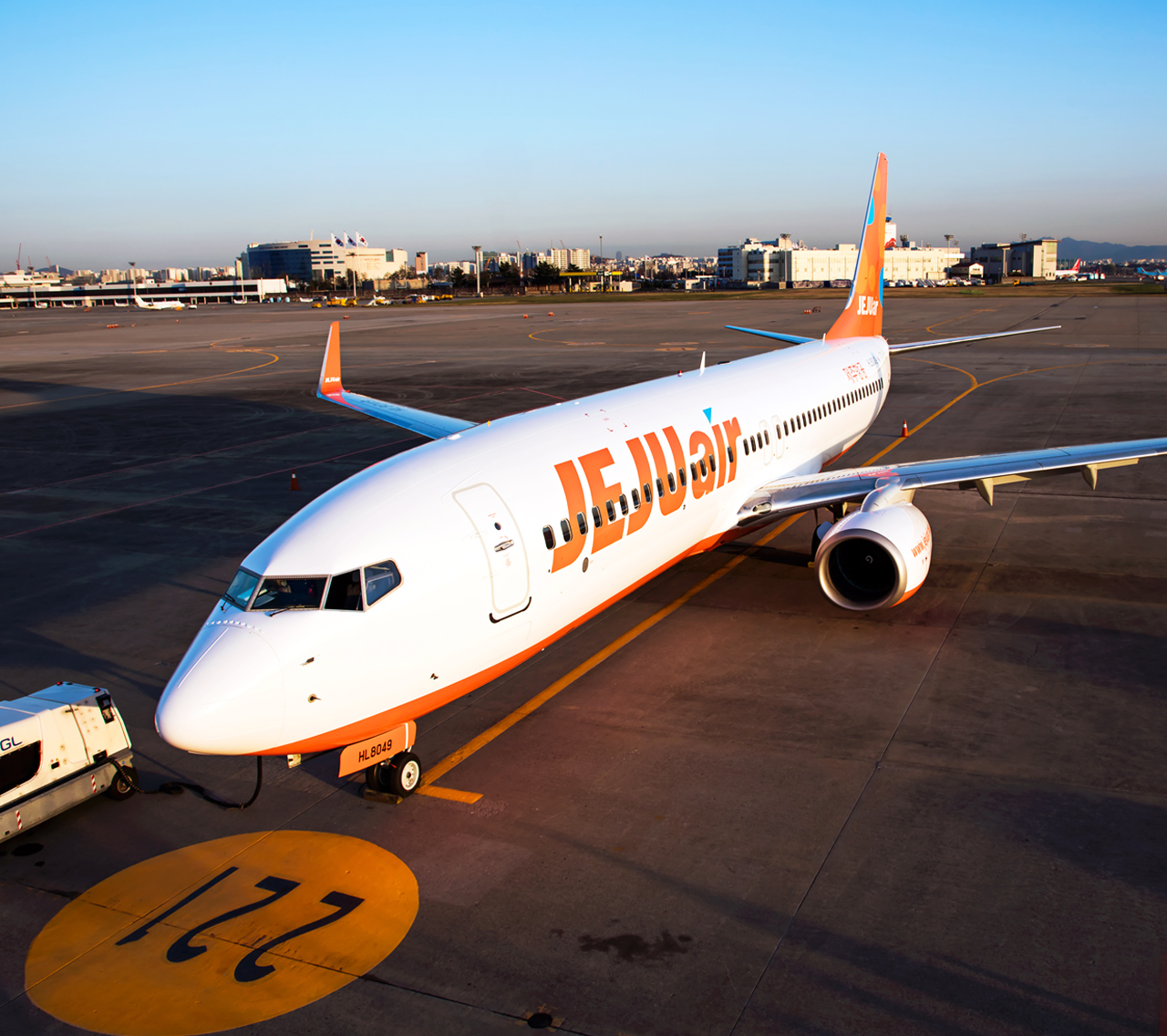
    Korea’s largest LCC Jeju Air said its focus on Japan and Southeast Asian destinations, favored by Korean travelers, was a big driver for growth. Jin Air also credited its growth to flight service diversification.

    Airlines are still in the process of expanding their travel routes. Eastar Jet will introduce a service to Da Nang, Vietnam, in June and Sapporo, Japan, in July. By the second half of the year, it will also start services to Kyushu and Nagoya in Japan.

    T’way Air diversified its routes by creating flight services that depart from various regional airports in Korea including Daegu, Busan and Jeju.

    “Airlines posted positive first quarter earnings despite soaring oil prices largely thanks to strong demand for overseas travel,” said Choi Go-woon, an analyst from Korea Investment & Securities. “Budget airlines, which had struggled in business in traditional low seasons, will see continuous performance growth now that people enjoy traveling abroad, especially to Japan and Southeast Asia, regardless of the season.”

    During the same period, the combined operating profits of full service carriers Korean Air and Asiana Airlines grew 14.2 percent to 241.1 billion won. Asiana’s operating profit soared 144 percent to 64.3 billion won in the last quarter, the highest quarterly profit in three years, however Korean Air posted negative 4.3 percent growth and posted 176.8 billion won in operating profit.

    Korea’s largest airline said one-time incentive payouts to employees, of about 53.4 billion won, and losses from unfavorable currency rates ate up its operating profit. Though the owner family scandal has tainted the airline’s brand image, it wasn’t until April that the “water rage” scandal involving Korean Air heiress Cho Hyun-min broke. Any effect from resultant boycotts will show in second quarter reports.

    Revenue growth of the two full service carriers was limited to 8.3 percent. The total earnings of 4.62 trillion won, however, remains an unbeatable sum for the six budget airlines combined.

    Full service carriers are trying to survive through a fierce battle in the aviation market by bolstering their long-haul flight services. According to a spokesperson from Asiana Airlines, it will make 60 percent of its services long-haul flights by 2022.