Tag: asia

  • Takashimaya is more losing money than profit

    Takashimaya is more losing money than profit

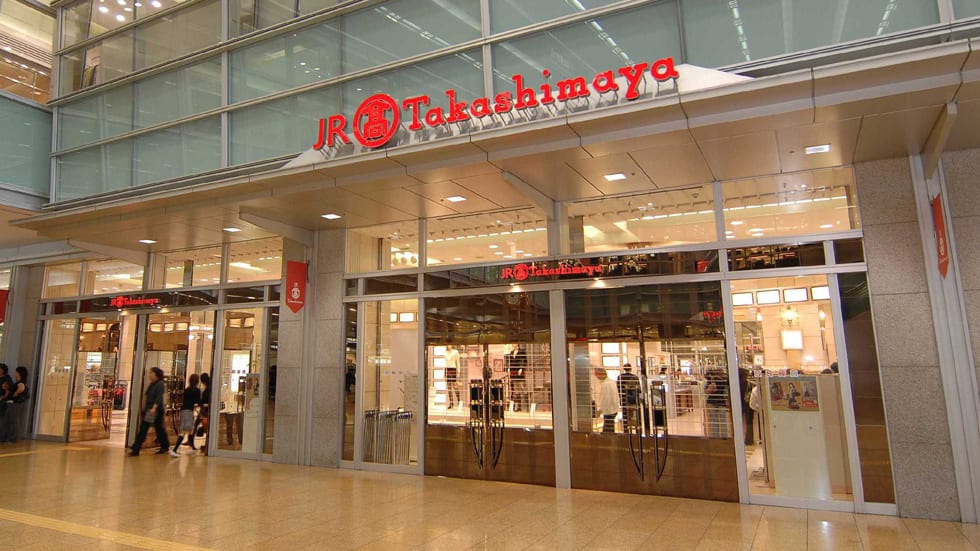
    Just one of Japanese department store chain Takashimaya’s three overseas stores is currently trading at a profit.

    But the company says it believes it can make them all profitable by 2023, including a fourth store set to open in Bangkok late this year.

    The successful store is on Singapore’s Orchard Road, which opened in 1993 and is reportedly earning more than 3 billion yen (US$27.2 million) annually.

    The chain’s Shanghai store, which opened in 2012, has been hampered by delays in the completion of neighbouring projects which would have drawn higher visitor numbers, along with administration costs running over budget. According to a report published by Nikkei, the store is expected to post its seventh consecutive loss in the 12 months to February next year, but should make money in 2020.

    The Ho Chi Minh City store in Vietnam, which opened in 2016, has “struggled from the start” according to Nikkei, its offer apparently too expensive for middle-class Vietnamese consumers. The company plans to boost sales by “broadening offerings of everyday items for families” which it hopes will lead it into profit in the 2022 year.

    The planned Siam Takashimaya store will be one of the anchors of Siam Piwat’s IconSiam, currently under construction and scheduled to open late this year – possibly in October.

    Takashimaya anticipates the Bangkok store to be profitable in its first year, thanks to rent concessions.

    The company’s president, Shigeru Kimoto, said it plans to continue Southeast Asian expansion, despite the challenges to date because it sees potential in the region.

    “In the long term, we seek to capitalise on Asia’s growth,” he said.

  • Air France launches more flights to Incheon

    Air France launches more flights to Incheon

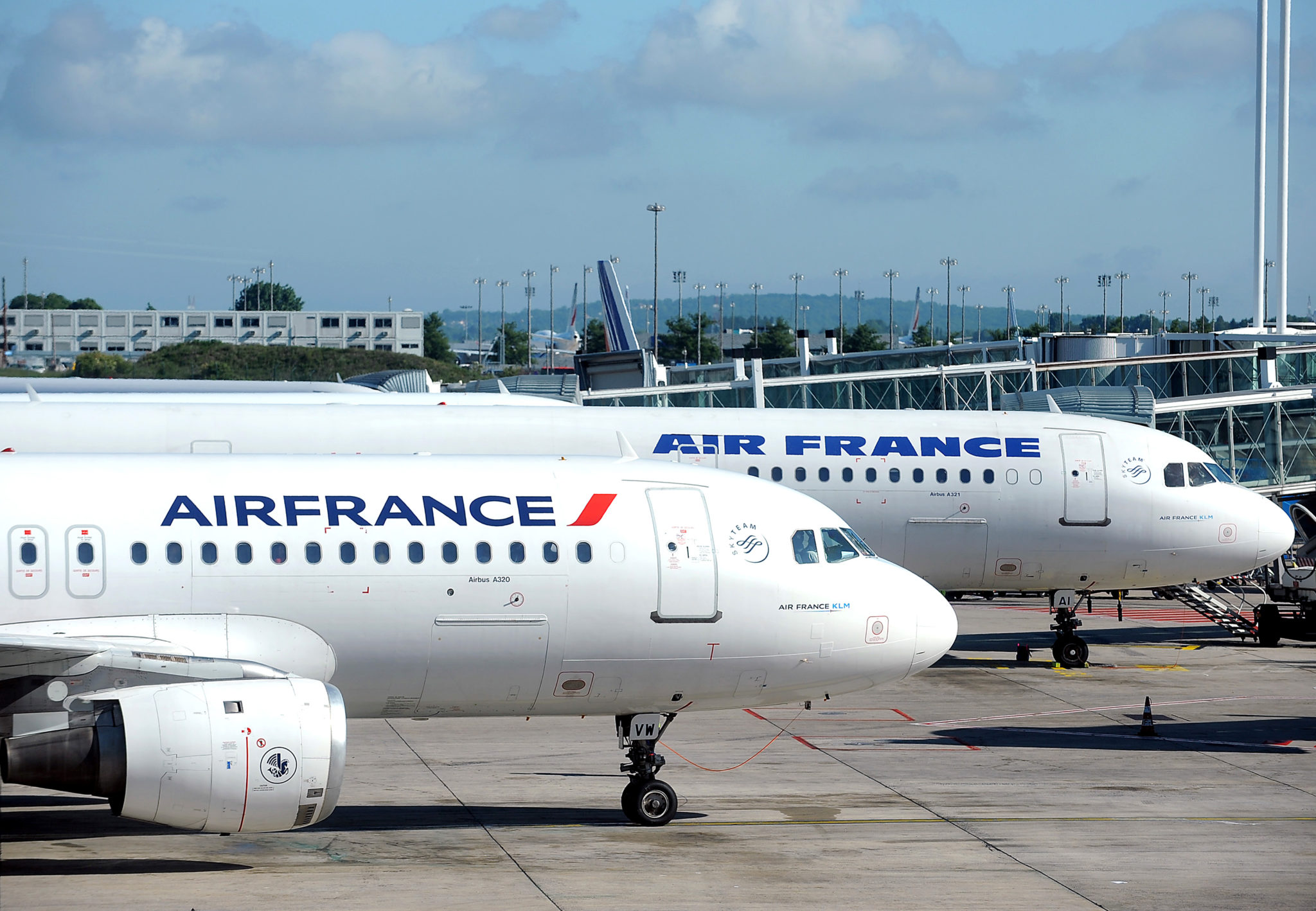
    France’s flagship carrier Air France increased the number of direct flights between Incheon and Paris earlier this month to meet growing demand from Koreans interested in visiting France’s capital.

    This year, Air France is celebrating the 35th anniversary of its first flight from Europe to Seoul in 1983.

    From the beginning of this month until Oct. 27, an additional flight will leave for Paris from Incheon International Airport on Monday, Wednesday and Saturday. Additional flights returning from Paris are available on Tuesday, Friday and Sunday.

    Currently, two flights traveling either from Incheon to Paris and from Paris to Incheon depart every day. The 1:20 p.m. flight is shared with Korean Air.

    The additional three flights a week increases Air France’s flights between the cities from 14 a week to 17, and will increase weekly available seats by 28 percent.

    “In 2015 and 2016, the number of Asian passengers flying to Europe stabilized and even decreased a bit because the situation in Europe wasn’t so good in terms of politics and security,” said Antoine Pussiau, senior vice president of Air France’s Asia Pacific division. “But now we are seeing Asian passengers coming back to Europe, not only to France but other major countries like Italy, the Netherlands and Great Britain.”

    According to the European Travel Commission’s tourism report released in February, travelers to Europe in 2017 rose a record 8 percent last year to 671 million, much better than the 2 percent increase seen in 2016.

    The report noted that stronger growth last year was due to improved economic growth in source countries as well as easing security concerns in Belgium, France and Turkey.

    The Paris Region Tourist Board estimated that last year, the number of international visitors to hotels in Paris surged 13.7 percent year-on-year. Chinese and Japanese clients increased by double digits, though it didn’t have a figure for Koreans.

    According to one study, Koreans’ favorite travel destination is Paris.

    According to a study released in April by the Korean office of U.K.-based travel website Skyscanner, Koreans searched for European destinations 141 percent more last year than in 2016.

    Paris was the top-ranked European tourist destination, followed by Rome, London, Prague, Barcelona, Frankfurt, Madrid, Zurich and Milan.

    While the Korean government tracks the number of Korean leaving the country, it does not note their travel destination.

    Although Paris is still on top, it has been facing stiff competition from other European cities such as Warsaw, Lisbon and Barcelona.

    Warsaw, Poland, saw the sharpest increase in searches from Koreans. Interest surged by 257 percent, while searches for Budapest increased by 236 percent and Lisbon and Barcelona jumped by 193 percent and 174 percent.

    Air France said it has one distinctive advantage against the competition, though — Charles de Gaulle Airport, which serves as the airline’s principle hub.

    Only the best

    Charles de Gaulle Airport is Europe’s second-largest hub.

    The airport received over 63 million passengers last year. Roughly 24 percent transferred to other flights, with some traveling as far as South America.

    “When you arrive in Charles de Gaulle Airport, you can connect to everywhere,” said Pussiau. “We fly to 134 countries from North and South America to Africa. Some of the competition only flies to one point or another, like only arriving in Barcelona and nowhere else.”

    Air France and the airport have been working together for over two decades to attract more passengers to transfer flights. In order for the airport to be considered a “hub,” more than 20 percent of all passengers arriving at the airport must be transferring to other flights.

    As a result, Air France and the airport have been focusing on increasing convenience for customers.

    This includes a separate passageway for people transferring to another Schengen area, which refers to the 26 countries in Europe that do not required border checks.

    But what Air France boasts about most is the service at its premium first- and business-class lounges.

    The airline has a single first-class lounge near the entrance to Charles de Gaulle and seven business lounges spread across the airport.

    The first-class lounge provides one-stop services, from ticketing to luggage loading. It will even send a driver to deliver passengers to the front door of their flight in a luxury vehicle.

    Air France has revamped its business lounge, also referred to as the Salon Lounge, in recent years.

    “Our business lounge contributes to Air France’s excellence strategy,” said Laurence Garnier-Plat, Air France’s business and first-class lounge product manager. “For some years, Air France has continued to develop and upscale the lounges.”

    Among the seven lounges, the one at Hall L is the largest as it covers an area of 3,200 square meters (34,444 square feet). Air France opened up a newly-furbished 2,180 square meter area in January, and it plans to reopen the remaining area in July this year.

    One of the lounge’s distinctive features is its open kitchen, which allows the customers to see their dish being cooked by chefs.

    The lounge has an “instant relaxation” area with more comfortable sofas that allow the customers waiting for a long period to take naps or work in quiet. It also offers a 15-miniute free facial treatment in partnership with cosmetics company Clarins.

    The lounge in Hall M, which opened in June 2012, was designed by famous French designer Noe Duchaufour-Lawrance. The lounge’s wooden interior provides a soothing atmosphere.

    Garnier-Plat, the lounge’s product manager, said that the experience that customers get before boarding the plane is just as important as the flight itself.

    “[We] are very focused on customer experience and attention to detail,” said Garnier-Plat.

    She said one of the key experiences of the lounge is offering customers a firsthand take on the French way of life through food and drink.

    “Everything that’s to relax, that’s the way of [French] life,” the lounge product manager said.

    Even for non-business passengers, Air France is providing special events. On May 5, which is celebrated as Children’s Day in Korea, Air France provided gifts to children flying back to Incheon. One Japanese girl didn’t understand why she received a gift. She muttered to herself, “why?” in Japanese as she opened the package with delight.
  • China no longer ‘easy’ on Vietnamese agricultural produce

    China no longer ‘easy’ on Vietnamese agricultural produce

    Vietnam should expand its agricultural exports to other markets instead of being dependant on China where standards on export items are being tightened, a meeting heard on Tuesday.

    China is now following international practices, tracing food origins and performing quality checks on imported agricultural produce, including those from Vietnam, said Tran Tuan Anh, Minister of Industry and Trade at the National Assembly meeting.

    The northern neighbor used to allow 100 Vietnamese businesses to export rice, but now only 27 of them are permitted, Anh said.

    For years, China’s fluctuating agricultural demand has also been hurting Vietnamese farmers. Many Chinese dealers have cancelled their deals with Vietnamese farmers, resulting in an oversupply of seasonal produce that are often exported to China through informal channels like watermelon and chili.

    Last year, volunteers in Hanoi had to start “rescue campaigns” to sell nearly 300 tons of watermelons which were being left to rot as there was a lack of demand.

    “If we keep focusing on the Chinese market and don’t look for alternatives, the consequences will be grave,” the minister said, adding that Vietnam should have new policies to remove export barriers.

    China is by far the biggest importer of Vietnam’s agricultural produce, accounting for 77 percent of total export turnover in the first four months of this year, whereas the U.S. only made up about 2.8 percent and Japan 2.7 percent.

    Large population, proximity and established trade relations explain China’s dominance. The country is also known to offer Vietnamese farmers attractive incentives.

    Vietnam exported about $36.37 billion worth of agriculture and fisheries products last year, according to the Ministry of Agriculture and Rural Development.

  • China’s Xiaomi expands into France and Italy

    China’s Xiaomi expands into France and Italy

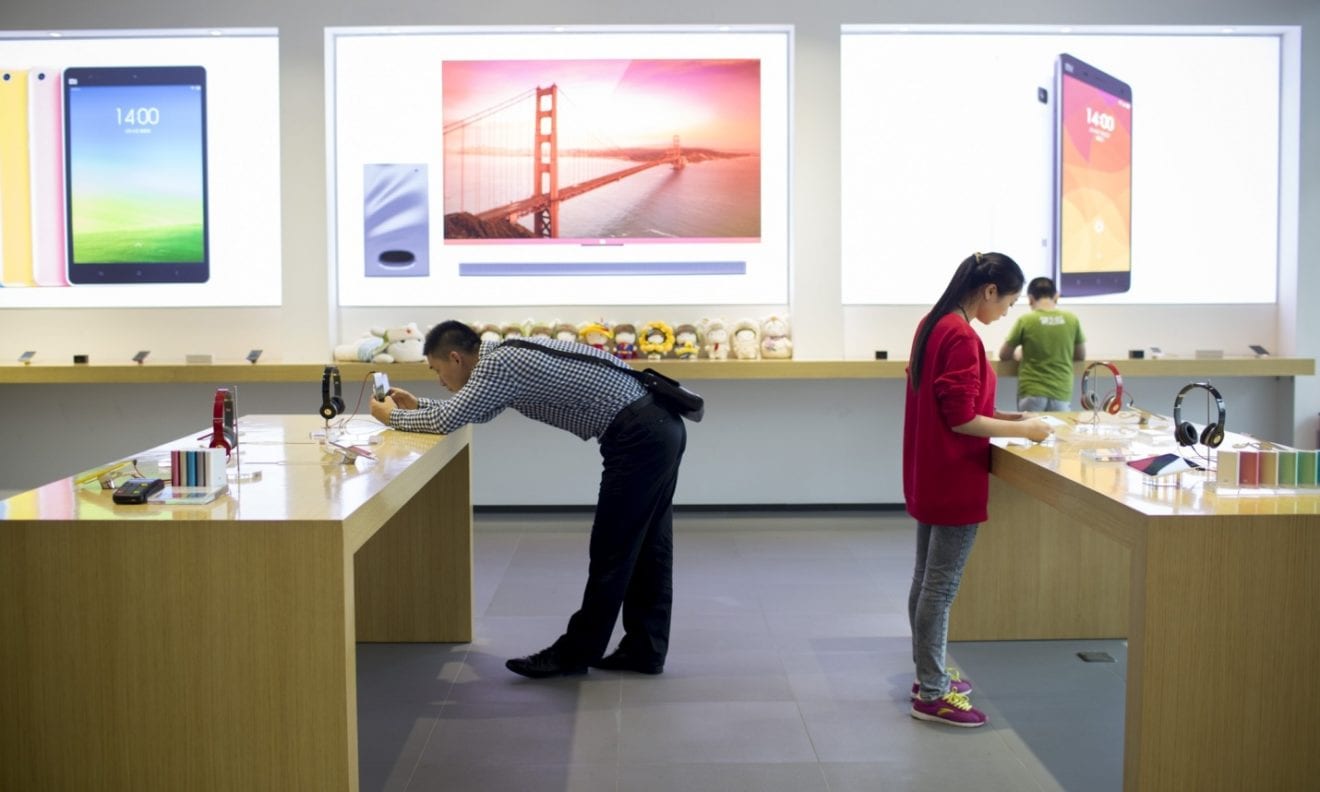
    Chinese smartphone maker Xiaomi Corp, which is planning to raise US$10 billion in a Hong Kong public listing, says it has launched sales in France and will enter the Italian market tomorrow.

    In France, Xiaomi is selling through its first Mi Store in Paris, via its own e-commerce platform Mi.com, and on other online and offline platforms including Amazon and Cdiscount. To date, the Beijing company has established a presence in 74 markets and has agreements with telecoms carriers in France, including Bouygues, Free, Orange and SFR.

    Smartphone shipments in western Europe fell 13.9 per cent in the first quarter, according to market research firm Canalys. Shipments to France dropped 23.2 per cent.

    However, Xiaomi shipments rose by more than 999 per cent, while Samsung and Apple saw 15.4 and 5.4 per cent declines respectively.

  • Malaysia’s April headline inflation up 1.4%

    Malaysia’s April headline inflation up 1.4%

    Headline inflation rate rose by 1.4% year-on-year (y-o-y) in April 2018, slightly higher than 1.3% year-on-year registered in the preceding month as transport inflation rebounded from a negative territory logged for two months to positive at 0.4% y-o-y, said MIDF Research.

    Amid unfavourable base effects, MIDF Research foresees headline inflation rate to average at 2.6% this year, supported by inflation rate for 1Q18 which registered at 1.8% compared to 4.2% in the same period last year.

    “We expect inflationary pressure mainly from fuel-related items to calm, consistent with gradual rise in global commodity prices on top of pass-through effect from a strengthening ringgit, re-subsidisation of domestic fuel price and withdrawal of GST.”

    As inflationary pressure remains steady, it anticipates Bank Negara Malaysia to maintain its current monetary policy with no more hikes in overnight policy rate for the rest of 2018 barring any pleasant upward surprises in domestic economic growth.

    It noted that food inflation continues to dip but moving forward, there is a potential for food inflation to rise in the upcoming months due to rising demand for Ramadan and Hari Raya celebrations.

    It expects 2018’s fuel-related inflation to moderate amid of unfavourable base effects, re-subsidisation of domestic fuel price and high likelihood of a downward adjustment of global commodity prices in 2H18 from the current temporary factors which pushed the prices up.

    MIDF also foresees inflation rate across all states will moderate below 3% in 2018 amid of unfavourable base effects and zero rated GST.

    “Looking forward, we foresee inflation level will gradually increase buoyed by moderating global growth, steady rise in commodities prices and tight labour market conditions.”

    The Consumer Price Index (CPI) increased 1.4% in April 2018 as compared to the same month last year, after indices for food & non-alcoholic beverages (+2.6%), restaurants and hotels (+2.2%), health (+2.1%), housing, water, electricity, gas & other fuels (+2.0%), furnishings, household equipment & routine household maintenance (+1.8%) and education (+1.1%), all recorded increases, according to the Department of Statistics.

    Chief Statistician Malaysia Datuk Seri Dr Mohd Uzir Mahidin said the overall index was also affected by the increase in the transport group by 0.4% in April 2018 as compared to the 1.5% decrease recorded in March 2018. Meanwhile, the CPI for the period January-April 2018 increased 1.7% as compared to the same month last year.

    The Statistics Department also reported that three states surpassed the national CPI rate of 1.4% recorded in April 2018 as compared to April 2017, which are Kuala Lumpur (+1.9%), Selangor & Putrajaya (+1.6%) and Penang (+1.5%).

    FXTM global head of currency strategy & market research Jameel Ahmad said while the inflation reading continues to suggest that the economy is encountering a period of lower inflation, it sees risks that this outlook could change over the coming months.

    “There has been a drastic change in investor appetite towards the US dollar, which has crumpled emerging market currencies across the globe. This has also impacted the ringgit, which currently appears to be at risk to falling back towards 4 against the dollar and is likely to do so, if traders continue to stock up on the US dollar.”

    As a result of the ringgit weakening, he said import price pressures are likely to increase over the next two to three months and this will consequently result in higher inflation potential.

  • SportSG partners Decathlon to house their Singapore Lab

    SportSG partners Decathlon to house their Singapore Lab

    In a collaboration with national sports agency Sport Singapore (SportSG), sporting goods retailer Decathlon Singapore is preparing to open its biggest store yet.

    In Stadium Boulevard in Kallang, the Decathlon Singapore Lab will pioneer the use of technology like virtual simulations and augmented reality in Asian retail. The brand’s fourth outlet will cover about 5000sqm when it opens in January.

    A memorandum of understanding has been signed by Decathlon Asia chief executive Yves Claude and his SportSG counterpart Lim Teck Yin.

    “Traditional retail is in trouble … customer expectations are changing very quickly,” says Claude. “They will not come just for the store’s layout.”

    For example, customers trying out shoes at Decathlon Singapore Lab will be able to have foot scans.

    “We want to do something different here, and that’s why we need the space. The experience will not be perfect immediately, but that’s why we are calling it a lab,” says Claude.

    The store has a 15-year lease from SportSG, which owns the land, and as part of the agreement to promote participation in sport the store will also feature events and clinics for customers in its free-to-play areas, as well as an Active Health Lab. These SportSG labs provide free health screenings.

    Decathlon will also continue to provide equipment and apparel to the 10 ActiveSG academies and centres throughout SIngapore. ActiveSG has more than 1.4 million members.

    The French company launched into Singapore with a store at Bedok in January 2016. It now has outlets at City Square Mall and the Fairprice Hub in Joo Koon, with the three stores attracting foot traffic of two million annually.

    Worldwide, the company has more than 1300 stores in more than 40 countries, up from around 1000 in 30 countries two years ago.

  • Lower palm prices pull Malaysia Boustead Plantations’ Q1 profit down 82.2%

    Lower palm prices pull Malaysia Boustead Plantations’ Q1 profit down 82.2%

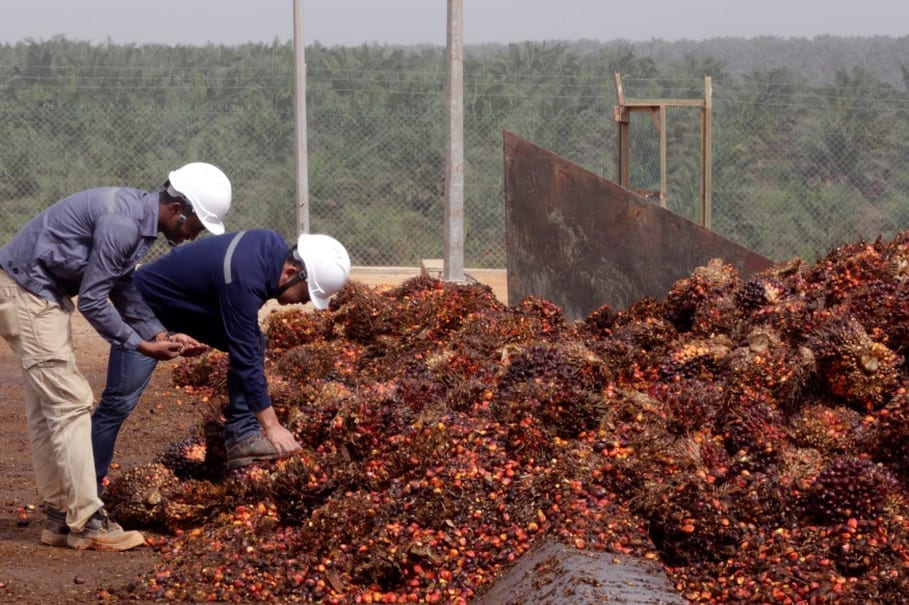
    Boustead Plantations Bhd saw its net profit slump 82.2% to RM5.26 million for the first quarter ended March 31, 2018 compared with RM29.56 million in the previous corresponding period, dragged by lower prices of palm products.

    Revenue also fell 18.2% to RM154.6 million from RM189.02 million.

    Boustead Plantations has proposed to declare an interim dividend of 2.5 sen per share for the quarter under review.

    The group said in a filing with the stock exchange that the average crude palm oil (CPO) selling price was at RM2,491 per metric tonne (MT), 21% lower compared with RM3,166 per MT in the same quarter last year, while average palm kernel oil price declined 32% to RM2,188 per MT.

    Fresh fruit bunches (FFB) production for the quarter increased 8% to 226,323 MT, largely due to improved yields post El-Nino. Average oil extraction rate was slightly lower 20.5%.

    Boustead Plantations vice chairman Tan Sri Lodin Wok Kamaruddin said the year ahead is expected to see an increasing supply of alternative vegetable oils, putting pressure on demand for CPO and leading to increased palm oil inventories.

    “However, the CPO market could benefit from the likelihood of higher tariffs by China on US soybean as well as the European Union’s removal of anti-dumping duty on Indonesian biodiesel.”

    At the midday break, Boustead Plantations shares fell 1 sen or 0.7% to RM1.35 on some 992,600 shares done.

  • Who’s who of retail CEOs at Consumer Goods Forum

    Who’s who of retail CEOs at Consumer Goods Forum

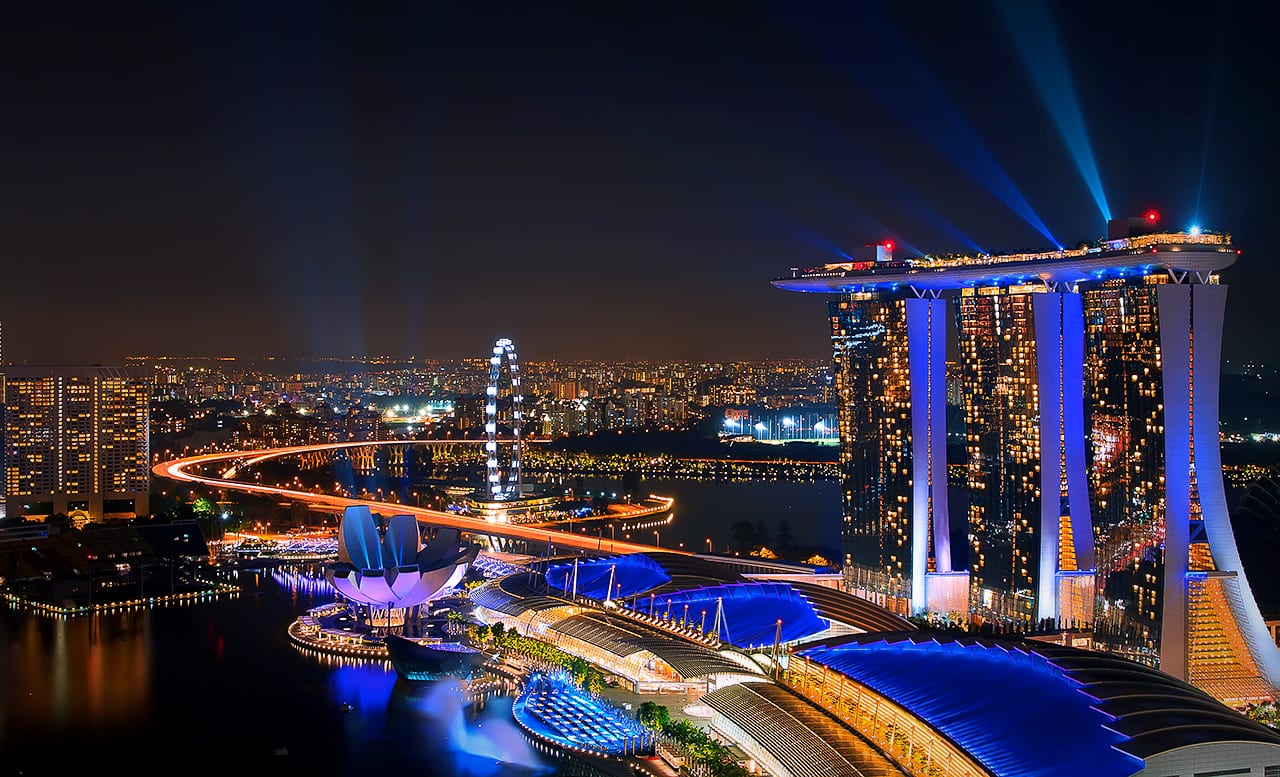
    Next month’s Consumer Goods Forum to be held at the Marina Bay Sands will feature a ‘who’s who’ of international retail leaders.

    This year marks the first time in a decade the event is being held in Asia. Running from June 12-15, it is themed Consumer Centricity in a Data-Driven World.

    Industry leaders including Alibaba CEO Daniel Zhang, Dairy Farm International CEO Ian McLeod, Coca-Cola Company CEO James Quincey, Majid Al Futtaim Holding CEO Alain Bejjani, Ahold Delhaize CEO Dick Boer, JD international president Winston Cheng, Central Retail CEO Nicolo Galante, Carrefour China president and CEO Thierry Garnier and Metro AG CEO and chairman Olaf Koch are all on the speaking roster.

    Former US Secretary of State Madeleine Albright will deliver a keynote address.

    Consumer Goods Forum MD Peter Freedman says the summit is often described as the most important leadership event on the consumer goods industry’s calendar.

    “The key focus of this year’s conference will be on how to ensure that we continue to keep consumers at the centre of the digital transformation in our industry. In that context we will also be discussing how we can accelerate our work on global positive change, which millennials and younger consumers are so concerned to see. We are delighted to be holding the event in Singapore, one of the world’s leading smart cities, with some of the most digitally sophisticated consumers, and geographically close to so many Asian digital innovations.”

    More than 1000 delegates, from more than 400 leading retailers and consumer goods companies will engage with this year’s theme through sessions focused on stories such as:

    • Investing in the age of disruption;
    • Evolving retail for the smart consumer;
    • The future of work: people & technology;
    • Positive change in action: driving a circular economy;
    • New Retail: creating new value for consumers;
    • Global millennials: the data-driven facts;
    • Executing a digital and omni-channel growth strategy; and
    • Transforming customer experiences through big data.
  • Samsung to open AI centers in three countries

    Samsung to open AI centers in three countries

    Samsung Electronics is opening research centers dedicated to artificial intelligence technology in the United Kingdom, Canada and Russia.

    That will bring the number of Samsung’s AI research centers to five, adding to existing ones in Korea and California.

    The Cambridge center in the U.K. opened yesterday, the Toronto center in Canada opens on Thursday and the Moscow center in Russia opens next Tuesday.

    In November, the electronics giant established an AI center under Samsung Research, a unit that heads development of future technology for the company. Two months later, a Samsung AI center was opened in Silicon Valley in the United States.

    The Korean center will function as headquarters for all five AI research centers, making it a global hub for AI research. Samsung has grand plans to expand the number of specialized researchers in the AI field to more than 1,000 by 2020, and some 40 percent will be foreigners.

    “[The AI center] will be a game-changer for Samsung to make a new world for the era of artificial intelligence,” said Kim Hyun-suk, president of Samsung’s consumer electronics unit at Tuesday’s inauguration ceremony of the AI center in Cambridge. Kim also heads Samsung Research.

    The Cambridge center will be led by Andrew Blake, who was director of the Microsoft Research Lab in Cambridge. Professor Maja Pantic of Imperial College London will also lead AI research as part of the unit. Her area of expertise is machine analysis of human emotions, for which she was chosen by the science journal Nature to speak at the 2016 World Economic Forum in Davos.

    Larry Heck was appointed to head the Toronto center. He is an expert in voice recognition and was a former leader of Samsung’s Silicon Valley center. The Moscow center will be led by Higher School of Economics Prof. Dmitry Vetrov and Skoltech Prof. Victor Lempitsky.

    Samsung Electronics has been active in artificial intelligence technology this year. It introduced its AI assistant Bixby in April 2017.

    At the Consumer Electronics Show in January, President Kim vowed to use the virtual assistant in all of its products, including home electronics, by 2020.

    Samsung Vice Chairman Lee Jae-yong reportedly intends to invest in future growth areas such as AI following his return to management this year after months in jail.

    With Lee back at the helm, there is anticipation that Samsung may be more aggressive about acquiring companies with promising research.

  • Giordano faces backlash over ‘sexist’ clothing line

    Giordano faces backlash over ‘sexist’ clothing line

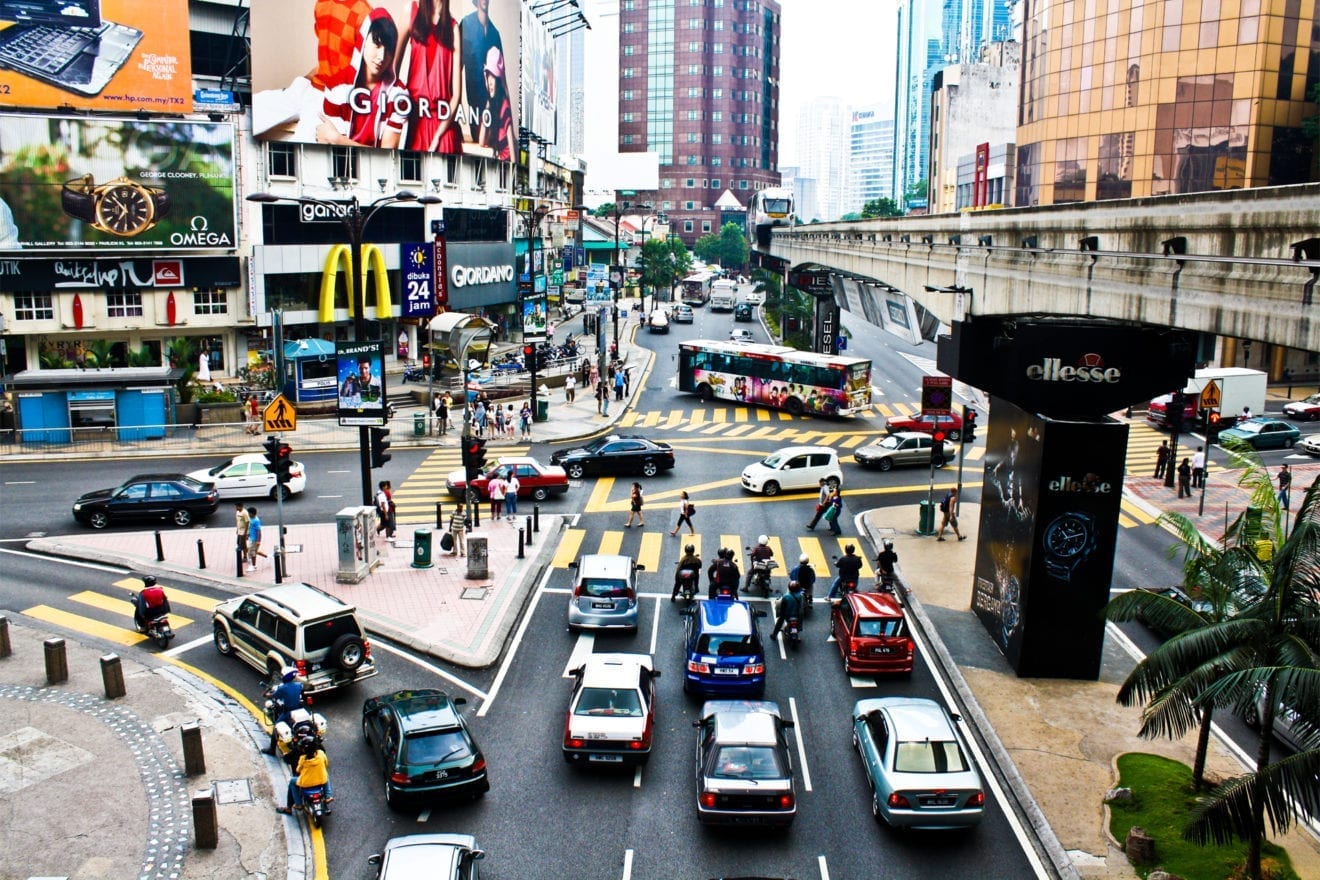
    Hong Kong fashion brand Giordano is scrambling to remove an advertising campaign slammed as “sexist” on social media.

    Promoting the “Team Family Series”, the advert shows a family posing together with the man wearing a t-shirt emblazoned “Work” while the wife’s shirt proclaims “Cook”. When posted on social media last week, it outraged dozens of users, some of whom threatened to boycott the store.

    One user wrote that it was an “absolute disgrace” and unforgivable for a modern brand to stereotype men and women.

    Giordano has responded with a statement on social media saying the advertising materials would be removed “where physically possible”.

    “The spirit of the campaign is to celebrate the power of the family, with the corresponding merchandise using words to depict different, random aspects of life,” says the statement.

    “Stereotyping and sexism, or any kind of prejudice, however unintentional or passive, has no place at Giordano or in society.”

    Removing the ads is unusual for Hong Kong, which does not have any laws against sexist or gender-specific advertising.

    Lisa Moore, senior research and advocacy manager at Hong Kong-based non-profit The Women’s Foundation, says the city is overloaded with examples of such advertising. “Whether on billboards, buses, in print or on television, gender stereotyping in advertising is still quite prevalent in Hong Kong,” she says. “From financial loan commercials to ads for household products, women are often depicted in domestic roles.”

  • Experts fear potential real estate bubble in Vietnam

    Experts fear potential real estate bubble in Vietnam

    Recent reports of land fevers have raised concerns over the possibility of a real estate bubble in Vietnam similar to the historic one in 2008.

    Eight out of 10 signs of a real estate bubble have been identified in the Vietnamese market, said Tran Kim Chung, deputy director of the Central Institute for Economic Management (CIEM) at a conference last week.

    They are increased numbers of transactions, new constructions, areas under development, participants in the market; rising prices; and presence of projects that are bigger in terms of scale, value and funding.

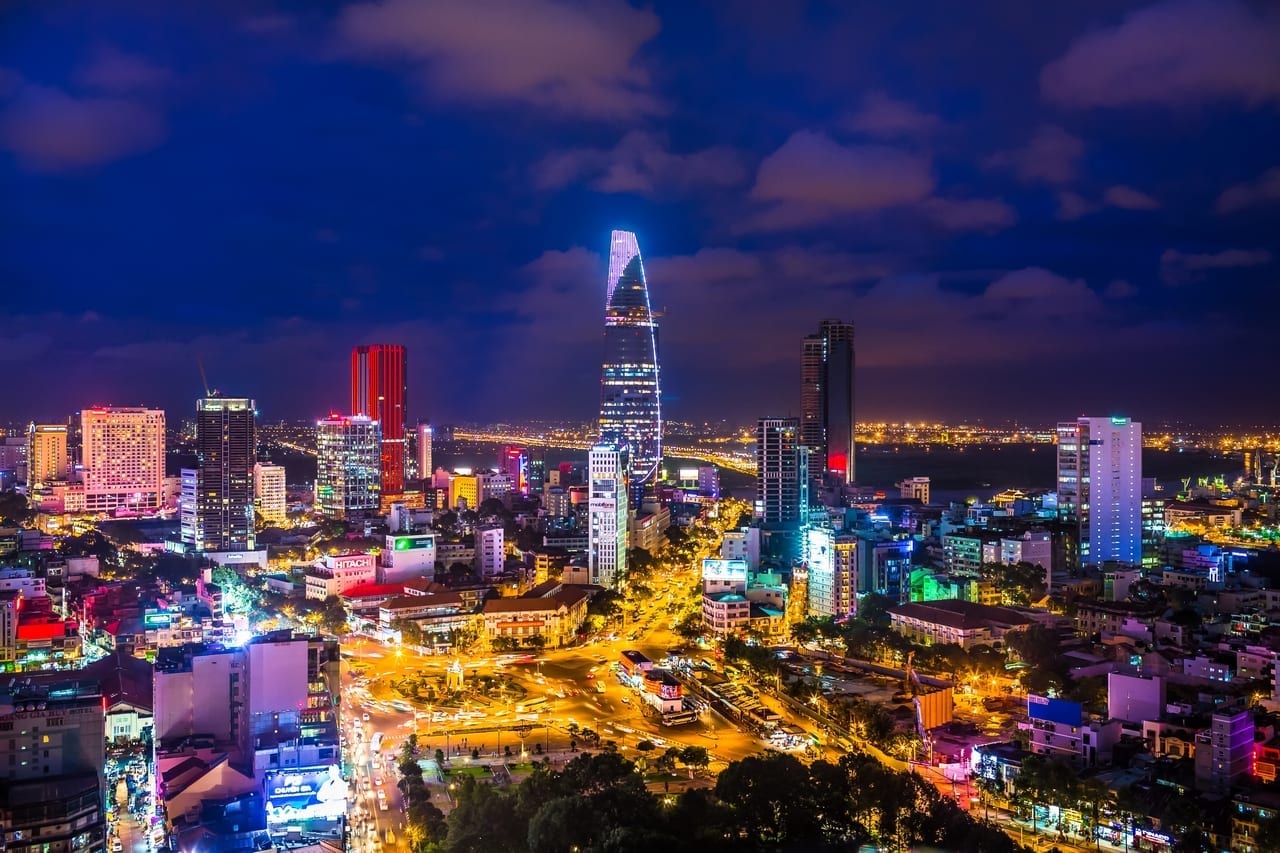
    The real estate market in Vietnam has seen a rush for land from late last year in Ho Chi Minh City and neighboring areas. Land in Dong Nai Province, northeast of Ho Chi Minh City, costs from VND72-90 million per square meter ($3,150-$3,980), which is nearly equal to some urban areas in HCMC.

    Local residents and real estate agents said the price doubled last year’s, and has climbed a further 30-50 percent so far this year.

    Land prices have also increased rapidly in three areas which are poised to become Vietnam’s special economic zones (SEZs) with promising benefits for investors. These areas include Phu Quoc Island in the far south, Bac Van Phong in central Khanh Hoa province and Van Don in the northern Quang Ninh province.

    On Phu Quoc Island, land prices in April were 10 times higher than in February, according to local invetsors. A square meter of land on the island can now fetch from VND20-60 million ($875 to $2,625), the Vietnam Real Estate Agency (VREA) said.

    The two remaining signs that would nail down a real estate bubble are a hike in public investment and housing capital, Chung said. But since these factors are currently actually counteracting market overheating, the worst is yet to come.

    Echoing Chung, chairman of Vietnam Real Estate Brokerage Association (VREBA) Nguyen Manh Ha said that the land fever in the first few months of the year, if not contained, will result in a land bubble.

    Some experts, however, beg to differ.

    The real estate market is actually stable and recovering, said Nguyen Van Dinh, vice chairman of VREBA adding that the current land fever is the result of short-term speculative trading that’s pushing up the price, which has destabilized the market.

    Amidst the land fever, Vietnam’s central bank has recently ordered lenders to tighten control over investment loans intended for the stock and real estate markets, warning of bad debt risks.

    Authorities of the three areas earmarked to be SEZs need to take control of the land market and prevent speculartors from creating instability, Vietnam’s Prime Minister Nguyen Xuan Phuc said last month.

  • UNIQLO hits Hawaii with Ala Moana Center store

    UNIQLO hits Hawaii with Ala Moana Center store

    Japanese clothing retailer Uniqlo will open a 2500sqft pop-up store at Ala Moana Center on June 1, ahead of the grand opening of its first Hawaii store at the same mall.

    With the concept “A Little Pop From Tokyo”, the pop-up will feature 200 men’s, women’s and children’s t-shirts depicting Tokyo pop culture.

    In March, the company announced it would occupy a retail space of about 17,300sqm across two levels at the centre, the country’s largest outdoor shopping mall.

    Uniqlo has more than 1900 stores in 19 markets worldwide including Japan, China, Hong Kong, Indonesia, Malaysia, Philippines, Singapore, South Korea, Taiwan and Thailand.

  • Duty-free operators to get licenses for a decade

    Duty-free operators to get licenses for a decade

    Retail giants like Lotte and Shinsegae don’t have to worry about getting their duty-free licenses renewed every five years anymore.

    A task force on improving duty-free regulations decided on Wednesday to propose the government extend duty-free licenses for conglomerates to a maximum 10 years. Additionally, duty-free stores managed by small and medium-sized companies will be allowed to have their licenses renewed two times.

    Under the current law, conglomerate have to bid for duty-free licenses from scratch every five years. Small and medium-sized duty-free operators are allowed to renew their licenses once.

    If the government and lawmakers accept the proposal, it will undo the regulation changes made by the previous Park Geun-hye administration in November 2013, which cut the contract terms from 10 years to five.

    According to Yoo Chang-jo, a business professor at Dongguk University who is leading the task force, the goal is to make the changes effective from Jan. 1.

    “Currently, those with duty-free licenses have until next year or three years from today before their licenses expire,” Yoo said on Wednesday. If the revised regulation passes the National Assembly, “they will be allowed to renew their licenses once” for another five years.

    There have been complaints in the industry that extending licenses to a maximum 10 years is still too short and harms the duty-free operators’ competitiveness by limiting investment and contributing to uncertainty.

    The task force claimed that it limited the maximum to 10 years for a reason.

    “If the license is renewed after 15 or 20 years, there will be criticism that [the government] is favoring existing operators, which will not be accepted by the public,” Yoo said.

    He said the possibility is high for duty-free operators that are competitive to be picked again.

    The task force was formed last July after the Board of Audit and Inspection of Korea came to the conclusion that license reviews by the Park government lacked transparency and fairness.

    Park was accused of influencing the government to strip the duty-free license held by Lotte Group in 2015.

    Lotte regained its license in a revaluation the following year after allegedly complying to several demands from the Blue House.

  • Benoy wins international design competition for COFCO

    Benoy wins international design competition for COFCO

    International architectural company Benoy has won the bidding for the Cofco Joy Breeze project in Suzhou, beating out several other global design firms.

    It is another Cofco project for Benoy following the Joy City development in Hangzhou.

    Joy Breeze is in Suzhou’s central Xiangcheng district, close to the entrance to the city’s planned central park. With a GFA of 300,000sqm, the mixed-use project brings together a retail mall, retail streets, public transport hub and parking.

    “Our brief was to create a major commercial opportunity on this site as well as capture the interest of the district’s 25- to 45-year-old community,” says Benoy Shanghai studio director/head Qin Pang. “We were inspired by a passage from the Analects of Confucius which speaks of former eras and the feeling of enjoyment in the springtime. Our design has aimed to evoke these feelings and memories of happy spring days spent exploring new places.”

    Subsequently, the retail, recreation and entertainment hub emphasises diversity through the variety of its spaces. It offers a network of balconies, rooftops, public squares, retail streets and boxes. The various sections are linked by a multi-level thoroughfare through each floor, ensuring the scheme can be navigated as a whole.

    “We’ve paid attention to that special element of surprise,” says Qin. “For visitors coming day to day to do their shopping or meet with friends, each visit will bring a new experience.”

    Through the openness of its design as well as multiple entry points and extensive street frontage, the Joy Breeze development also integrates with its surrounding urban and natural environments and nearby residential areas.

    As a transport hub, the project is close to Longdaobang Metro Station and includes a bus station terminal.

    Construction is expected to start next year.

  • Higher oil prices to weigh on AirAsia X

    Higher oil prices to weigh on AirAsia X

    CIMB Equities Research expects significantly weaker performance for the rest of the year for long-haul low-cost carrier AirAsia X due to higher oil prices, with FY18F estimated to be loss-making.

    The research house said on Wednesday that based on prior-year quarterly trends, AAX’s 1Q18 core net profit (CNP) of RM91mil was 30% more than its previous full-year forecast.

    While Malaysia AirAsia X (MAAX) reported in-line CNP, Thai AirAsia X’s (TAAX) CNP was 80% more than expected due to strong inbound tourist arrivals into Thailand.

    “We downgrade our call from Hold to Reduce and lower target price to 29 sen, based on a lower CY18F P/BV multiple of 1.3 times (one standard deviation below mean), from 1.5 times previously,” it said.

    CIMB Research raised its spot jet fuel price assumption from US$75/bbl to US$85/bbl for all forecast years; jet fuel is trading at US$88/bbl currently.

    With a light hedge of only 12% at US$68/bbl, AAX is caught unprepared. AAX also does not have a fuel surcharge mechanism in place, it said.

    “Separately, MAHB is entitled to collect RM73/pax airport tax from Feb 1 but AAX is still collecting only RM50/pax. AAX is on the hook for the remaining RM23/pax or c.RM50m up to May 31, which we have factored into our FY18F forecasts,” it said.

    CIMB Research said MAAX reported CNP of RM36.8m, up RM8.3m on-year (+29%) due to a lower net interest expense position as the net debt balance was cut on loan installment repayments.

    MAAX’s EBIT was merely flat on-year while cargo revenue grew and ASK capacity expansion of 10% was well absorbed without any load factor or yield dilution. Operating costs rose at a faster rate of 13% on-year due to the 33% on-year rise in fuel prices to US$88/bbl, partially offset by the 12% depreciation of the US$.

    TAAX was the star of the show, growing 1Q18 CNP by 151% on-year.  AAX’s 49% share of TAAX’s 1Q18 CNP amounted to RM47.7m, up 151% on-year from RM19m in 1Q17.

    Passengers carried rose 19% on-year as inbound tourist arrivals into Thailand rose 15% on-year. TAAX grew its ASK capacity 19% on-year and kept its load factor unchanged at 94%.

    On top of that, TAAX managed a 25% on-year rise in average base fares to US$163/pax in 1Q18 from US$130/pax in 1Q17.

    Indonesia AirAsia X (IAAX) reported a breakeven CNP in 1Q18, against RM31m losses in 1Q17 as it relaunched services since 2Q17 on two routes, Bali-Mumbai and Bali-Tokyo Narita. The 1Q18 performance was commendable given that one of its two A330s had been sent for scheduled maintenance.

    MAAX currently has 22 A330s and plans to add two to three more planes this year via operating leases, with all-economy seats.

    “Given its excellent performance, TAAX plans to take delivery of three to four more operating lease planes (all-economy seats) to add to its current fleet of six A330s.

    TAAX launched Don Mueang-Sapporo in April and more North Asia route launches are expected throughout the year.

    As for IAAX, it cancelled its Bali-Mumbai route in May, presumably due to route underperformance, replacing it with Jakarta-Tokyo Narita, and its fleet of two A330s will remain unchanged.