Tag: asia

  • ‘Healthy’ sales for Macy’s physical stores

    ‘Healthy’ sales for Macy’s physical stores

    “Healthy” physical store sales for US department store have  exceeded expectations, prompting the retail giant to lift its business outlook for the year.

    Macy’s posted an overall sales increase of 3.6 per cent increase for the quarter compared to the same period last year to $5.5 billion.

    The company has raised its outlook for 2018 and is now expecting earnings to be between $3.75 and $3.95 a share, which is five per cent more than in 2017.

    “Macy’s Inc.’s results for the first quarter of 2018 reflect continuing momentum in the business,” said Jeff Gennette, Macy’s, Inc. chairman and chief executive officer.

    “We exceeded our expectations and saw strong performance across all three brands—Macy’s, Bloomingdale’s, and Bluemercury—as well as across all geographic regions and families of business. We are maintaining a healthy inventory position, which helped us deliver improved gross margin.”

    Gennette said the winning formula for Macy’s, Inc. is a healthy brick and mortar business, robust e-commerce and a great mobile experience.

    “While we have more work to do, the continuing improvement in our stores is encouraging and we once again achieved double-digit growth in the digital business,” he said.

    “Our best customer is responding well to the improvements we’ve made to her experience in our stores, on .com and through the Macy’s app.”

    Neil Saunders, managing director of GlobalData Retail, said Macy’s results showed a positive answer to the question on whether Macy’s could continue to deliver a recovery.

    “The sales uplifts are particularly impressive, with a 3.9 per cent rise in comparables (4.2 per cent on an owned plus licensed basis) suggesting that Macy’s recovery is gaining momentum,” Saunders said. “That said, there are a few caveats that need to be addressed in order to provide a balanced view.”

    Saunders said the first of these is the shift of the Friends and Family promotion to this period; last year this fell into the second quarter.

    “This event is a big driver of sales and added 250 basis points to the comparable numbers. Stripping this out means that comparables rose by a respectable, but more modest, 1.7 per cent on an owned plus licensed basis,” he said.

    “To be fair, this still represents progress from the 1.4 per cent increase Macy’s posted last quarter.”

    The second consideration, according to Saunders, is the very weak prior year comparative when sales dropped by 5.2 per cent on a comparable basis and by 7.5 per cent on a total basis. While beating prior year sales was never guaranteed, with a little effort it has been relatively easy for Macy’s to engineer a better performance. This is especially so given that many underperforming stores which dragged down the same-store figures have been shut.

    The third point relates to the general consumer economy which has been strong over the period. Tax cuts, bonuses and good tax refunds have all been a windfall to consumers who have responded by increasing spending.

    “This rising tide has floated most retail boats, Macy’s among them,” he said. “This does not mean that Macy’s deserve no credit for its advancement, but it does mean that the process of re-engineering the business is being carried out against a favorable backdrop.”

    The future danger, Saunders said, is that many of these dynamics will not hold as Macy’s moves through the fiscal year.

    “Prior year numbers become tougher, the second quarter will lose an important event, and the consumer finances will likely tighten,” he said. “Taken in concert, this suggests that performance may well deteriorate.”

    Saunders said the reason for their pessimism is that they believe Macy’s still has many fundamental issues that it needs to work through. These include sub-optimal ranges, a store experience that leaves a lot to be desired, and many locations where traffic is likely to decline over the medium term. On top of all of this, competition remains tough.

    “There are many tempting raw ingredients in Macy’s strategy,” he said. “Our main concern is that these need to be mixed together into a more coherent dish. And this dish needs to be served up at more of Macy’s stores across the country. In short, progress is being made, but Macy’s needs to up the pace if it is to maintain momentum.”
  • Enjoy A Good Dram At The Third Edition Of The DFS Whiskey Festival

    Enjoy A Good Dram At The Third Edition Of The DFS Whiskey Festival

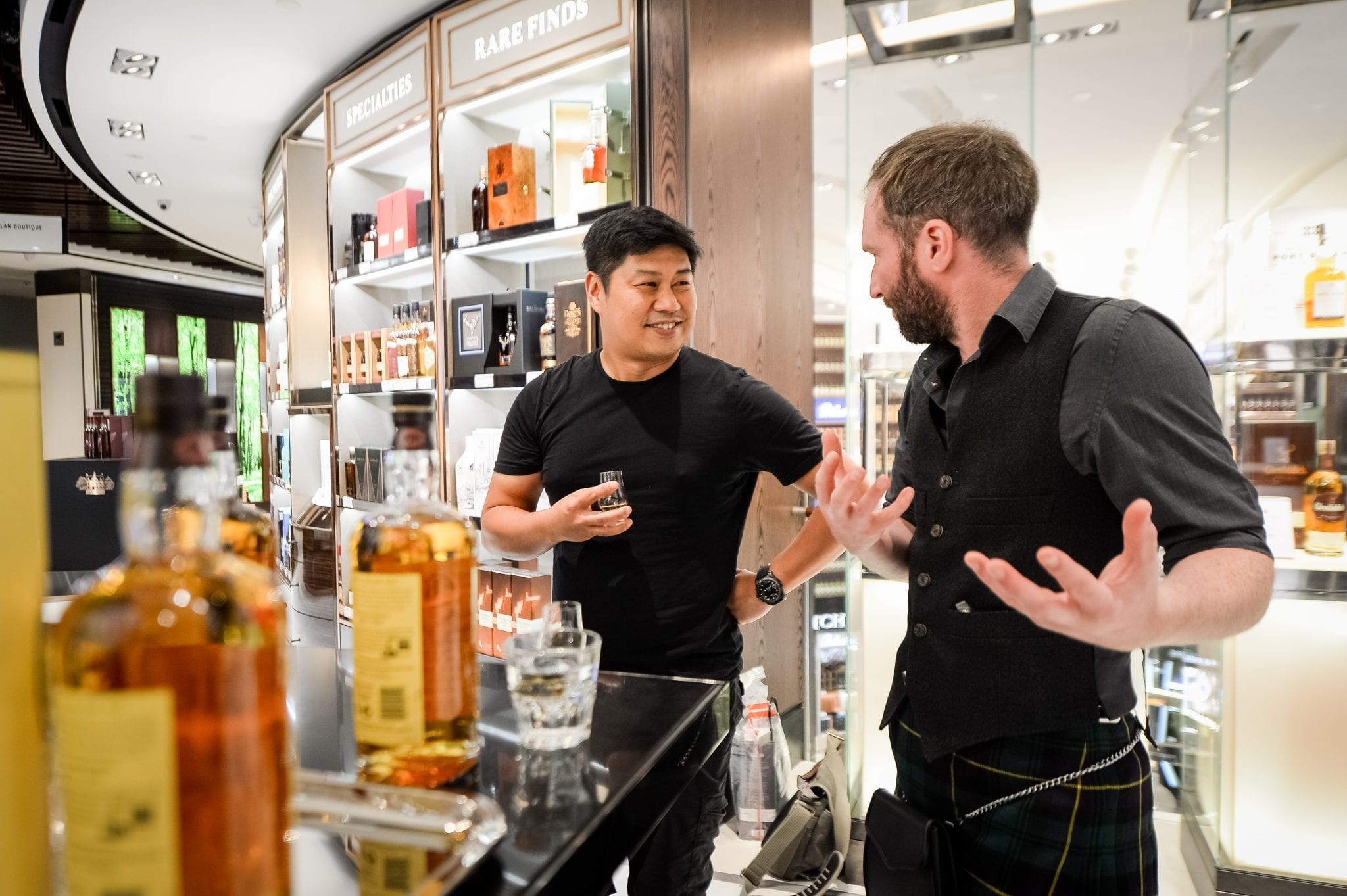
    DFS Group, the world’s leading luxury travel retailer, is to host the third edition of The Whiskey Festival at Singapore Changi Airport. Taking place from now until June 17, the festival is set to celebrate some of the world’s finest whiskies and provide travelers with a platform to expand their whiskey knowledge and immerse themselves in some of the classics.

    Throughout the festival, travelers will be invited to taste some of the world’s best whiskies, including rare and limited-edition items, some of which are exclusively available only at DFS. A line-up of interactive masterclasses will take place each weekend, where leading brand ambassadors will be on hand to guide guests through an interactive tasting of handpicked whiskies and offer expert advice.

    “As interest in whiskey continues to grow, we aim to provide our customers with the best selection of products as well as a unique and engaging retail experience,” said Wilcy Wong, DFS Group Managing Director, Singapore and Indonesia. “DFS Singapore, Changi Airport is home to the largest assortment of single malt whiskies in Southeast Asia, so we feel education is important. The Whiskey Festival offers guests an opportunity to really understand our brands, their craftsmanship and their heritage.”

    The Festival activities will take place at The Whiskey House, located in Terminal 2 (T2) and Terminal 4 (T4), at DFS Singapore, Changi Airport. Since opening in July 2016 in T2 and in November 2017 in T4, The Whiskey House has been a popular spot for travelers and whiskey aficionados alike. The space offers an intuitive and experiential shopping destination where guests can enjoy complimentary tastings of over 100 different whiskies from across the globe.

    Ms Teo Chew Hoon, Group Senior Vice President for Airside Concessions, Changi Airport Group, said, “Together with DFS, we reignite the senses as we showcase a rich blend of the world’s most loved whiskey at Changi Airport’s Whiskey Festival. The exquisite whiskey tastings and calendar of activities will craft one-of-a-kind experiences for travelers as they journey through Changi Airport. ”


  • Overseas spending by Korean travellers sets new record in Q1

    Overseas spending by Korean travellers sets new record in Q1

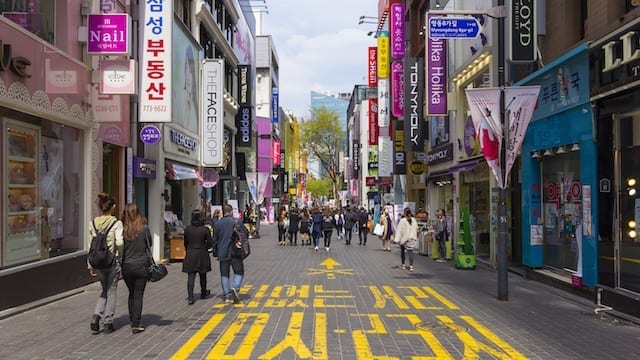
    South Korean travelers’ spending overseas hit a record high in the first quarter this year as people went on trips during winter school breaks and extended holidays, statistics from the central bank showed on 6 May.

    Some 7.43 million South Koreans went abroad in the first three months, up 14.1 percent from the same period last year, setting a new record, according to the Bank of Korea. The period coincided with winter vacation and the extra-long lunar New Year holiday that combined with two weekends and a bridge off-day.

    The travelers spent US$8.5 billion, US$1.12 billion more than in the first quarter of last year. The latest number beats the previous record of US$8.21 billion in the fourth quarter last year. A monthly record was set in January with US$3.24 billion in spending.

    A strong local currency apparently encouraged overseas trips, especially to relatively close destinations such as Japan, Taiwan and Vietnam.

    The travel sector deficit in the first quarter increased from US$1.13 billion in the same quarter last year to US$4.87 billion this year. The level or deficit this year, however, is US$50 million less than the previous quarter, marking the first contraction in five quarters.

    Spending by foreign visitors to Korea contributed to the contraction. They spent US$3.63 billion while in the country in the first quarter this year, an increase of US$340 million from the previous quarter. In March, the incoming visitors spent US$1.4 billion, the biggest amount since December 2016.

    A total of 3.36 million foreigners came to Korea in the first three months, down 9.1 percent from the same period the previous year. The number of Chinese travelers dropped 30.5 percent, but people from Japan increased 2.5 percent.

  • Watsons Thailand embraces both online and offline approach

    Watsons Thailand embraces both online and offline approach

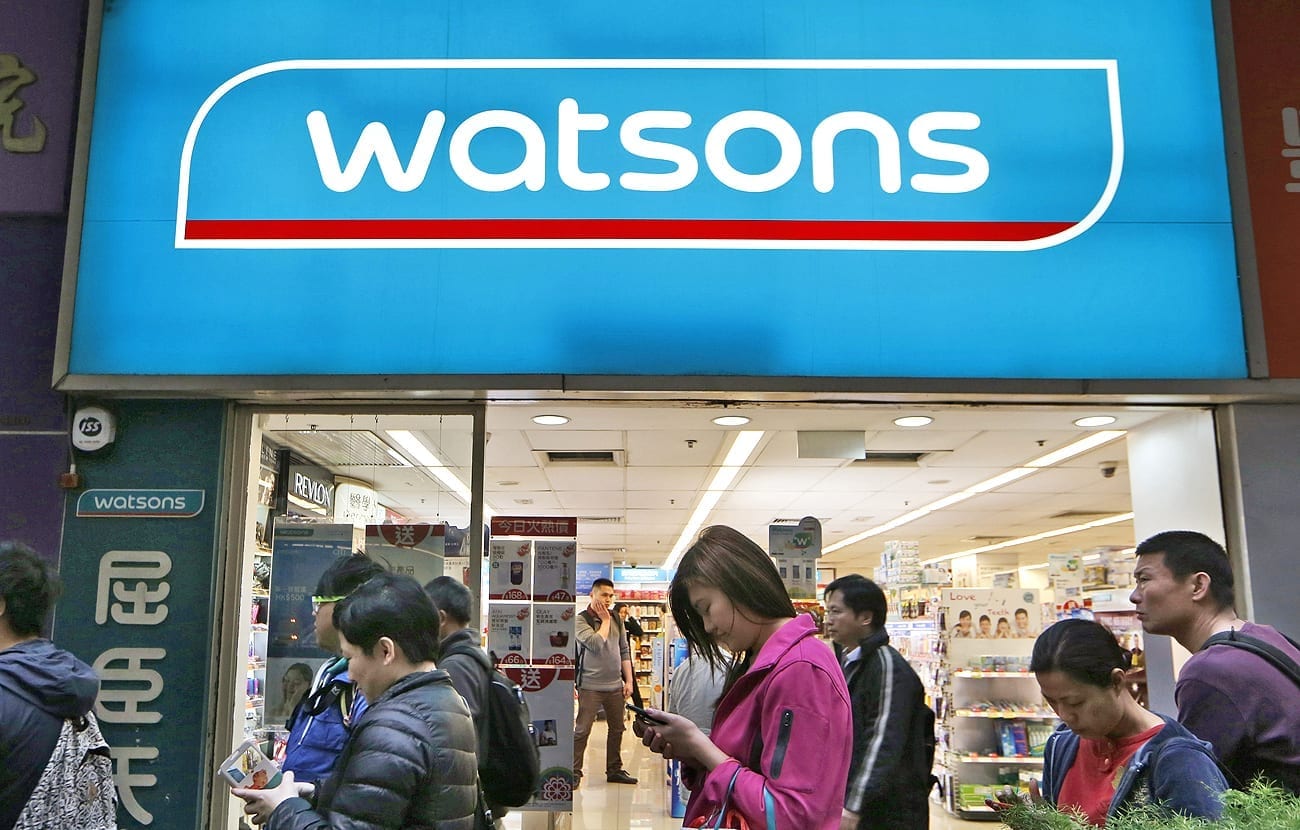
    Health and beauty retailer Watsons Thailand has announced it will have an “O and O” (“online+offline”) focus for its growth this year.

    AS Watsons regional MD Rod Routley says a strong store network, digital capabilities and growing e-commerce platform position the company well to meet evolving customer expectations.

  • Alibaba buys Pakistani online retailer Daraz

    Alibaba buys Pakistani online retailer Daraz

    Alibaba has bought Pakistani e-commerce firm Daraz, as the Chinese tech giant looks to increase its presence in South Asia.

    Financial details of the transaction, which was announced on Tuesday, were undisclosed.

    Daraz, founded in 2012, is backed by European tech incubator Rocket Internet. It operates in Bangladesh, Myanmar, Sri Lanka and Nepal as well as Pakistan.

    The deal marks another foray for billionaire entrepreneur Jack Ma’s Alibaba into the South Asian market. The e-commerce titan invested in India’s popular payment app Paytm in 2015.

    “Together with Daraz, we can now empower entrepreneurs to better serve consumers in the region through our technology and expertise,” Alibaba CEO Daniel Zhang said in a statement Tuesday.

    Daraz will continue to operate under the same brand, Rocket Internet said in a statement.

  • imageHOLDERS Showcased Innovative POS Solutions at RBTE 2018

    imageHOLDERS Showcased Innovative POS Solutions at RBTE 2018

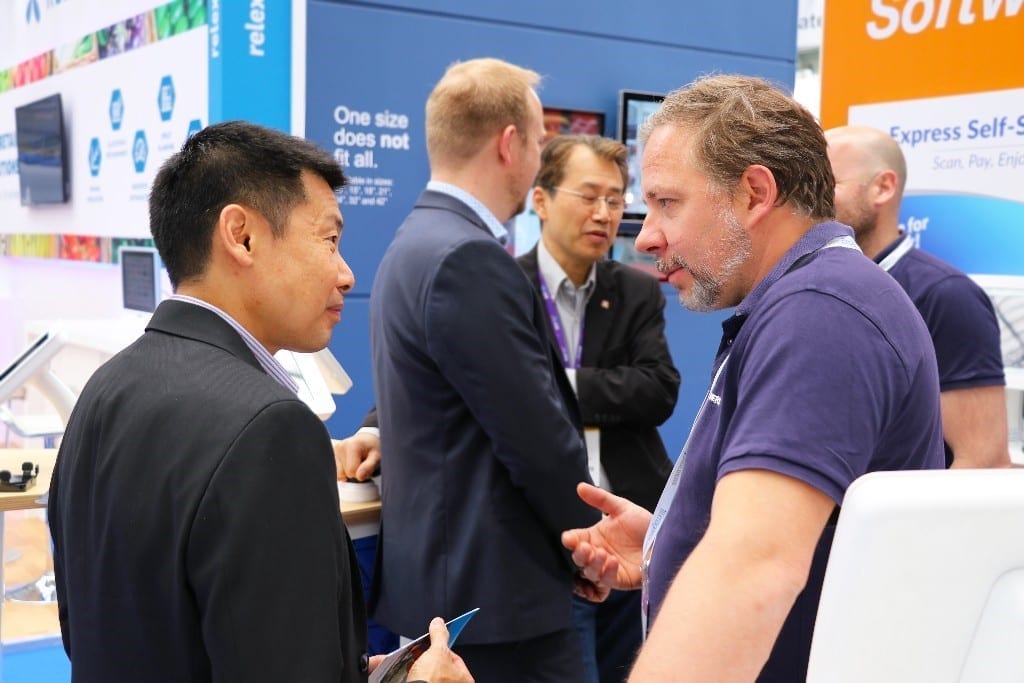
    imageHOLDERS showcased their innovative iPad tablet kiosks and retail POS systems at Retail Business Technology Exhibition 2018 at London Olympia.

    Attendees who visited imageHOLDERS at RBTE were able to experience the diverse range of POS, loyalty and employee management kiosks imageHOLDERS offer. imageHOLDERS launched their new Integrator Pro 15, an all in one POS self-service kiosk. The solution was one of the most popular kiosks on the imageHOLDERS stand, due to its versatility with enclosing multiple different devices to create a bespoke solution for each customer.

    Adrian Thompson, CEO, imageHOLDERS said: “RBTE 2018 was a really successful show for imageHOLDERS. We have invested time in understanding the customer journey, ensuring our self-service kiosks are designed with the end user in mind. Our newest product, the Integrator Pro 15 is our latest take on one of our favourite products. Taking the existing form and updating it to reflect the markets needs, we’ve already seen the interest in the all in one solution, and look forward to working with our current and future customers to transform the world of self-service.”

    imageHOLDERS demonstrated their ability to securely enclose any tablet by showcasing over 25 different tablets and touch screens within their tablet kiosk stands. Among the many tablets enclosed were Linx, Apple, Microsoft, Samsung, Aures and Flytech touch screens.

    imageHOLDERS have been working closely with clients to provide both front of house and back of house retail solutions, supporting businesses with everything from POS to staff check-in systems. Some of the ways in which tablet kiosks have already been successfully used within the retail industry are:

    • Digital catalogue extensions
    • Express self-service check-outs with POS
    • Staff check-in and time management kiosks
    • Digital loyalty and tokenisation programs
    • Digital signage and wayfinding
  • NEC applies AI to subsea cable networks

    NEC applies AI to subsea cable networks

    NEC has announced it has applied AI to subsea cable networks to push the capacity limits of the transmission networks.

    During joint research with Google, NEC applied AI and probabilistic shaping using 64 quadrature amplitude modulation (64QAM) to the FASTER subsea cable linking Taiwan, Japan and the US west coast.

    The study demonstrated that the 11,000km FASTER cable can be upgraded to a spectral efficiency of 6 bits per second per hertz. This would represent a capacity of more than 26Tbps, over two and a half times the capacity originally planned for the cable.

    According to NEC, the team used probabilistic shaping techniques that near the Shannon limit, the theoretical maximum transmission speed over a telecoms network before the signal is drowned out by noise, at a modulation of 64QAM.

    For the first time on a live cable, AI was used to analyze data for the purposed of nonlinearity compensation (NLC). The trial used an NEC developed compensation algorithm based on deep neural networks to accurately estimate signal nonlinearity.

    “Other approaches to NLC have attempted to solve the nonlinear Schrodinger equation, which requires the use of very complex algorithms,” NEC GM of submarine networks Toru Kawauchi said.

    “This approach sets aside those deterministic models of nonlinear propagation, in favor of a low-complexity black-box model of the fiber, generated by machine learning algorithms. The results demonstrate both an improvement in transmission performance and a reduction in implementation complexity.”

  • E-commerce giants struggle to find profit in Vietnamese market

    E-commerce giants struggle to find profit in Vietnamese market

    Some companies have been forced to shut down due to prolonged losses. Multiple online retailers in Vietnam have been struggling to gain profits for years due to high operational costs in a competitive market.

    Tiki.vn, one of the most popular e-commerce firms in Vietnam, recently reported a VND322 billion ($14 million) loss in two years.

    The loss in 2017 of the online retailer, which sells a variety of products including clothes, household items and electronic devices, has tripled its charter capital and is seven times its loss in 2016.

    Tiki.vn is not the only e-commerce company in Vietnam that has been suffering from losses in recent years.

    Before being acquired by the Chinese giant retailer Alibaba in 2016, Lazada Group said that it has lost $334 million in 2015 the Southeast Asia market, including Vietnam. This lost is double what it posted in 2014, according to TechCrunch.

    Some local e-commerce companies like Lingo.vn, Deca.vn and Beyeu.com have also been forced to shut down due to prolonged losses.

    Challenges for online retailers

    According to experts, e-commerce is an industry which requires a long time to recover capital and gain profit, therefore the losses of these giants in the Vietnamese market is understandable. Big brands in the field such as U.S.-based Amazon and Alibaba has to go for 10 years before having profit.

    Operating cost, especially logistics costs, is one of the main reasons for the losses. As large e-commerce firms often require massive warehouses covering thousands of square meters and hundreds of staff to work in them, logistics costs account for 60-70 percent of online retailers’ revenues, said trade expert Vu Vinh Phu.

    This enormous cost can be seen from the case of Tiki and Lazada Vietnam, each has a storage of over 4,000 square meters (about 1 acres) with 300 staff in Ho Chi Minh City. It is estimated that the operating cost of one of these storages is VND1 billion (about $44,000) a month. With three warehouses in operation, the two companies spend about $2 million a year, according to local media.

    In addition, marketing also plays a part in the high costs of e-commerce companies in Vietnam. When entering the market, Lazada Vietnam invested heavily in television and online advertising to attract users and gain market share. This company used to spend up to $2 million per month for advertising programs, local media said.

    The popularity of shopping on social networks such as Facebook or Zalo is also creating challenges for big online retailers. “There is an unbalanced competition between e-commerce giants such as Lazada, Tiki and Shopee with social network sellers,” said Pham Thai Binh, head of retails at property consultancy Savills Ho Chi Minh City.

    As businesses on social networks don’t have to pay high costs of investment, item price range is lower which in turn attracts the majority of Vietnamese people, Binh said. On the other hand, famous brands have to invest a great deal in terms of staff, operating system and other relating costs, he added.

    As Vietnamese has a habit of physically “touching” a product, they often surf the Internet for prices without actually ordering from the online retailers. The lack of information and customer service tools also plays apart in the problem.

    To compete in the market, retail giants in Vietnam are under pressure of price competition which leads to a loss of profit. Under pressure from investors, many businesses sometimes accept to sell 10 or 20 percent below market price, local media said.

    Potential market

    Despite those difficulties, experts believe that there is still great potential for e-commerce in Vietnam in the future.

    In a survey of about 1,000 participants conducted by CBRE Vietnam, a commercial real estate services and investment firm, 25 percent said that they will reduce the frequency of shopping at stores. About half of participants said that they will shop online more in the future.

    In the annual survey of Vietnam’s Business Studies and Assistance Center (BSA), the number of people shopping online has tripled from 0.9 percent in last year to 2.7 this year. As young people start to participate more in online shopping, e-commerce is a potential area for retailers to exploit, which will bring many benefits to customers, said a representative of BSA.

    E-commerce is a fast growing industry as customers’ behavior change every day, said Tran Tuan Anh, CEO of the online retailer Shopee Vietnam. “This year will be the year of e-commerce as Vietnamese people are now very familiar with online shopping,” he said.

    Price will continue to be an important factor for Vietnamese customers, but product quality and service are becoming more important, he said. As more and more consumers are aware of e-commerce, the brand, service, technology and value added services such as shipping and payment will need to be improved, Anh said.

    Tran Ngoc Thai Son, CEO of Tiki, also believes that the transition from traditional to online shopping is inevitable. E-commerce, now accounts for 3 percent of the $90-billion revenue of Vietnamese retail market, will grow to a 5 or 10 percent segment in the future, Son said. However, online shopping will not be able to replace brick and mortar businesses, he said.

    “The growth rate of Vietnam’s e-commerce market is estimated at about 35 percent, which is 2.5 times higher than Japan,” said industry expert Duc Tam at the Vietnam Online Business Forum 2017.

    According to one estimate, about 30 percent of the population will be buying goods and services over the internet in 2020, with each shopper spending an average of $350 per year.

  • Tory Burch Asia launches its brand in Indonesia

    Tory Burch Asia launches its brand in Indonesia

    With its exclusive retailer Time International, US lifestyle brand Tory Burch Asia has launched its first boutique for Indonesia at Tunjungan Plaza 4 in Surabaya.

    Joining a champagne toast for the occasion were Time International president/CEO Irwan Danny Mussry, Tory Burch Asia president Michel Gonzalez and Time International VP Shannon Hartono. More than 150 guests attended an in-shop cocktail party.


    Combining chinoiserie and Art Deco decor, the boutique has gold accents and amber lighting as a backdrop to the Tory Burch collection including shoes, bags, jewellery and watches. The design of the space was inspired by Burch’s home.

    The store launched with an assortment from Tory Burch’s latest collection, including Spring/Summer 2018 shoes, bags, jewellery and watches.

  • Longines opens a new flagship store

    Longines opens a new flagship store

    Luxury watchmaker Longines is the latest international retailer to secure a flagship store on Melbourne’s Collins Street after striking a deal with the landlord to modify the property’s façade to meet its global standards.

    The property at 256 Collins Street is set at 148sqm of ground space and additional 138sqm of basement space.

    The retailer initially turned down the space due to the store frontage not meeting the brand’s global requirements but later took a second look after CBRE leasing agents Zelman Ainsworth and Tan Thach worked closely with architecture firm Meiter 3 and the building landlord to draft designs that unlocked the store’s frontage potential and showed Longines what was possible.

    According to CBRE, the heritage building had significant limitations, making it challenging to modify the building. Eventually, they and Meiter 3 curated a council and heritage approved strategy, which also spoke to Longines’ sensitive design identity.

    The draft scheme included removing awnings, amplifying the building’s original architecture – circa 1950 – and mirroring the appearance of other Longines flagship locations across the globe; a classic, bright and timeless store front.

    Longines subsequently secured a 10-year lease over the property at a market rent.

    Ainsworth said there are more opportunities than ever for landlords to work with retailers to reposition their properties and stay relevant.

    “There are endless opportunities for landlords to reposition their real estate to ensure their properties suit a changing retail market,” he said. “Today, retail stores must provide brands with the platform and exposure they need to remain competitive on a global scale and engaged with their customer base.”

    “Ultimately if the shop on offer is one dimensional with no flexibility to adapt to the changing market – it will be difficult for retailers to see any value,” he added.

    Other international retailers who have leased spaced on Collins St over the past 26 months include Gucci, Bottega Veneta, Versace, Fendi, Berluti, TAG Heuer, Coach, Mercedes Me, Omega, Cartier, Burberry and Hour Glass.

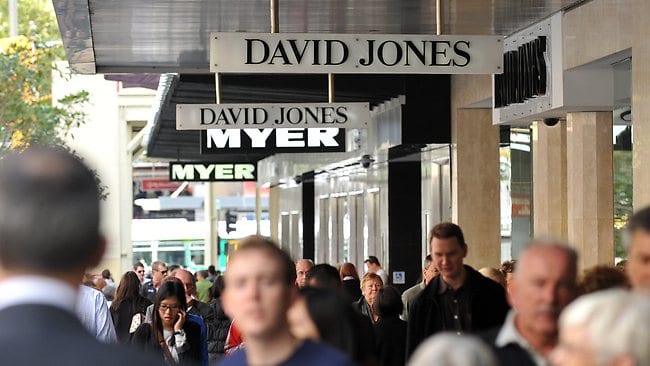
  • Myer Expects Lower Profits

    Myer Expects Lower Profits

    Myer has warned that its fourth quarter profits may be impacted by lower sales on its winter ranges following an unusually warm start to the cold season.

    The struggling department store said on Wednesday that its third quarter sales declined by 2.7 per cent to $635.3 million, ahead of analyst expectations.

    Sales declined 3.1 per cent on a comparable store basis for the 13 weeks to 28 April,  an improvement on the 3.6 per cent decline experienced in the second quarter.

    Citi analysts had expected Myer’s third quarter sales of $621 million and a comparable sales decline of 3.5 per cent.

    But executive chairman Garry Hounsell threw a cloud over fourth quarter profit on Wednesday, saying that unseasonably warm weather had impacted winter sales.

    “In February we announced a renewed focus on product, price and customer service, which delivered encouraging results during March,” he said.

    “However, as reported by a number of other retailers, the unseasonably warm start to winter has impacted sales, particularly in winter apparel, shoes and accessories, which may impact profit in the fourth quarter,” he said.

    Hounsell gave no specific guidance on Wednesday but analysts are concerned that if earnings fall too far Myer could be at risk of breaching its banking covenants.

    Myer has been in talks with lenders in recent months to negotiate terms on a new debt facility after booking a $515 million write down in March.

    Critical shareholder Solomon Lew has expressed concern that Myer is in a precarious financial position in relation to its covenants.

    The warmer start to Winter has impacted ragtraders across the country over the last few months, spurring elevated levels of discounting heading into June that has put pressure on margins.

    Hounsell said in March that he was pushing staff to “trade the business harder” and was taking a number of steps to improve the competitiveness of the business, including more discounting.

    Citi analyst Bryan Raymond said Myer had delivered a credible third quarter result in a challenging environment.

    “LFL sales momentum has not meaningfully improved, but is not getting worse, despite a headwind from weather,” he said.

    Citi said Sydney average temperatures in April were four degrees above 2017 and the long term average, while Melbourne and Brisbane were two degrees above 2017 and the average in April.

    It was also announced that incoming chief executive and managing director John King is due to start in his new role on 4 June, following the approval of his visa.

    “John has already visited many stores, talked to team members and customers and understands the significant task at hand in turning around the business,” Hounsell said on Wednesday.

    King will replace departed chief Richard Umbers, who left earlier this year amid declining sales that Myer has yet to turnaround.

    Myer’s year-to-date sales were down 3.4 per cent as at 28 April to $2.35 billion, while comporable store sales were down three per cent.

    Third quarter online sales increased by 49.4 per cent to $35.9 million. Online year-to-date sales were up 49 per cent to $141.1 million.

    Citi said online sales are now around six per cent of Myer’s total sales, estimating that bricks and mortar LFL sales fell by five per cent in the third quarter, marginally better than the first half (-5.8 per cent).

    “The continued strong performance in our online business is pleasing and we will continue to invest in growing this business,” Hounsell said.

    Myer has forgone an investor briefing for its third quarter results, and announced on Wednesday that from the start of FY19 it will no longer provide quarterly sales updates to the market.

  • Burberry agrees to buy Italian leather business

    Burberry agrees to buy Italian leather business

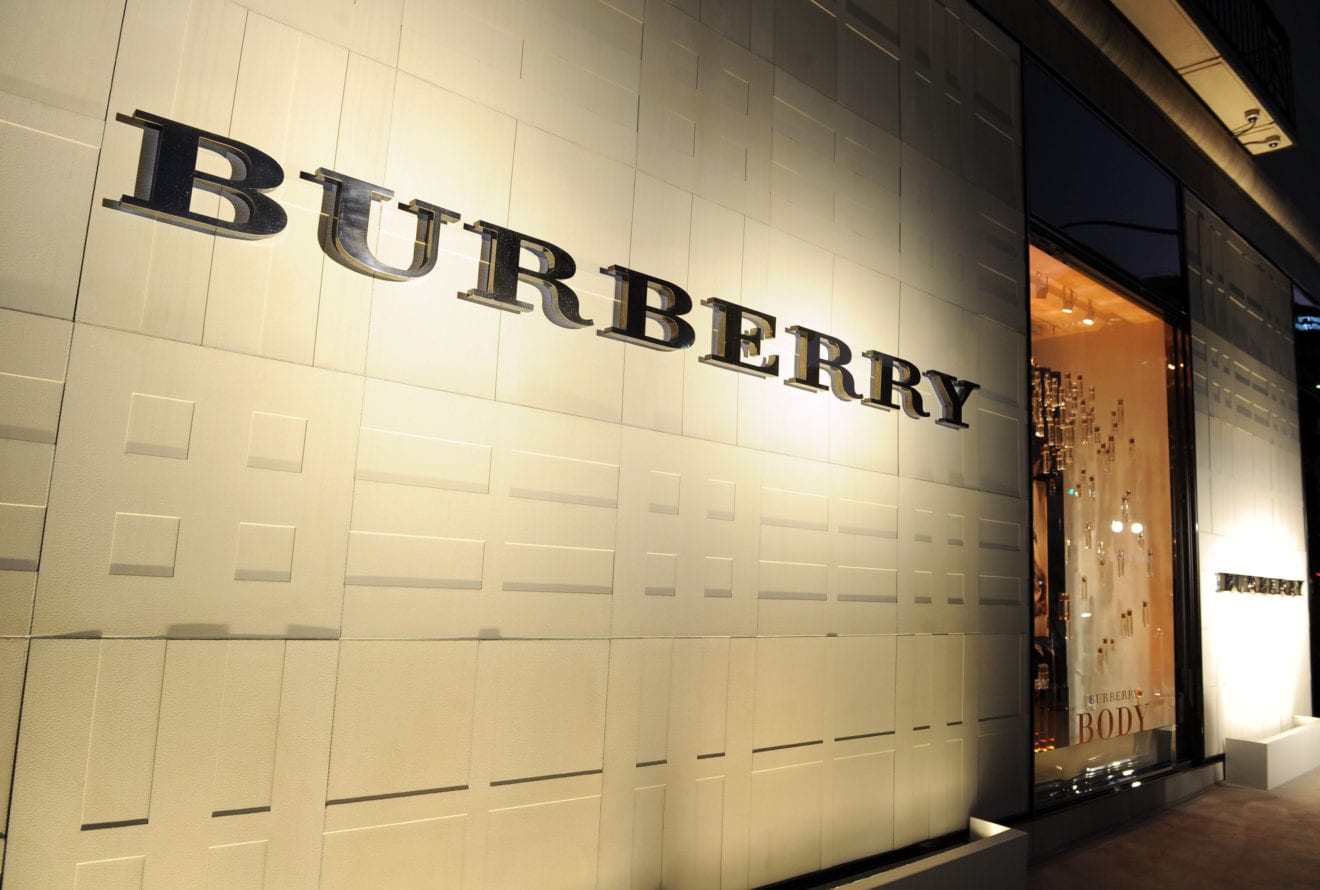
    Burberry says it has entered into an agreement to acquire a luxury leather-goods business from longstanding Italian partner CF&P.

    CF&P employees, including the craftsmen who have worked with the British luxury fashion house for more than a decade, will transfer to the company once the transaction is complete, expected late this year.

    “This acquisition is a major milestone for us and a statement of our ambition in this strategically important category,” says CEO Marco Gobbetti. “It will create a centre of excellence for Burberry’s leather goods, covering all activities from prototyping, product innovation, engineering and the co-ordination of production.”

  • McDonald’s Renewed Focus Reflects in New Restaurants

    McDonald’s Renewed Focus Reflects in New Restaurants

    International menu items will feature at a special McDonald’s restaurant highlighting the company’s ‘glocal’ philosophy.

    The restaurant made its debut today in the new McDonald’s global headquarters which is scheduled to open later this year. It serves such offerings as Canada’s Mighty Angus Burger, the McSpicy Chicken Sandwich from Hong Kong, and the Cheese & Bacon Loaded Fries from Australia (pictured). As well as the rotating menu of international favourites, there will be classic menu items such as the Big Mac, Quarter Pounder with Cheese, Chicken McNuggets and Our World Famous Fries. There will also be a Latin American-style dessert centre, while an Australian McCafe area will serve up coffee brewed by trained baristas.

    ‘Glocal’ is used to describe McDonald’s strategy of being a global corporation with a local focus, delivering food to suit the tastes of consumers wherever it has restaurants.

    “As part of our new headquarters, we want to provide our customers with an exciting way to experience our global menu,” says McDonalds president/CEO Steve Easterbrook.

    Covering more than 6000sqft, the outlet is part of of McDonald’s Experience of the Future (EOTF) restaurants with global-inspired interiors, an ever-changing wall map with golden arches that light up when an item from a specific country is featured on the menu, outdoor seating, table service, mobile orders and payments and McDelivery with Uber Eats.

    The group’s nine-storey headquarters will house its corporate offices and Hamburger University, one of seven worldwide locations that provides training for the company’s future leaders and employees.

  • Amorepacific teams with magazine for their pop-up store

    Amorepacific teams with magazine for their pop-up store

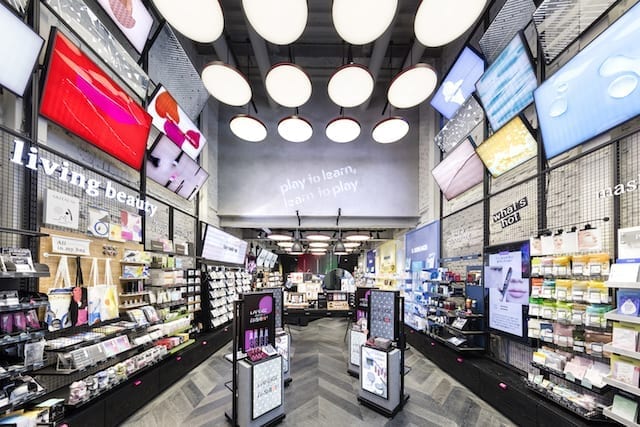
    Amorepacific has partnered with Marie Claire magazine to open its first global beauty pop-up, in New York City.

    Open for 10 more days, the shop features products from such Amorepacific brands as Amorepacific, Annick Goutal, Iope, Laneige, Mamonde and Sulwhasoo.

    Special activities at the store include the opportunity to meet beauty experts, on-site treatments and product sampling.

    Discounts and exclusive gifts are also being offered.

    Meanwhile, Amorepacific has kicked off plans to go global with Etude House, Hera, Laneige, and Mamonde.

  • China said to restart review of Qualcomm-NXP deal

    China said to restart review of Qualcomm-NXP deal

    Chinese regulators have reportedly restarted their review into chipmaker Qualcomm’s planned $44 billion acquisition of NXP Semiconductor, after suspending the review due to the growing trade tensions between China and the US.

    Officials at China’s Ministry of Commerce have been asked to hasten the review into the acquisition, as well as Qualcomm’s proposed remedies to protect Chinese companies to soften the deal.

    According to the report, Chinese companies have expressed concerns that the combined entity would allow Qualcomm to extend its patent licensing business into areas including mobile payments and autonomous driving, which could threaten the viability of companies operating in this area.

    China is the last remaining required global regulator to approve the acquisition. Regulators have been stalling the takeover for some time amid growing trade tensions with the US.

    The decision to expedite the approval process may be related to the decision by US president Donald Trump to intervene to work out a solution to allow ZTE to get back in business.

    The Chinese vendor was forced to cease major operations last week in the wake on a ban on the company importing components from US providers.