Tag: asia

  • MyRepublic targets service industry with Cisco Meraki

    MyRepublic targets service industry with Cisco Meraki

    Singapore-based ISP MyRepublic has launched a new complete networking solution for the services industry in collaboration with Cisco Meraki.

    The new MyRepublic Connected Business solution is designed to meet the end to-end needs of companies in the retail, food and beverage and hospitality sectors.

    MyRepublic will assume the role of both consultant and solutions provider to help design and deliver a network that meets a company’s specific requirements.

    MyRepublic Connected Business can provide solutions including high-performance wireless networking, secure firewall services, as well as traffic and use analytics to provide insight into the network.

    The platform provides central management and connection of wireless access points, security cameras, VoIP phones, network switches and other devices connected to the network.

    “MyRepublic understands many of the challenges facing businesses in the retail, hospitality and F&B sectors,” MyRepublic CEO Malcolm Rodrigues said.

    “Our customers want and need solutions that are not just innovative, but streamlined and hassle-free. MyRepublic Connected Business is exactly that, and we are excited to work with a well-established partner like Cisco Meraki to resolve these challenges.”

  • Porsche SE execs, board are safe to travel to U.S.

    Porsche SE execs, board are safe to travel to U.S.

    Top managers and supervisory board members at Porsche SE, Volkswagen Group’s majority shareholder, can still travel to the United States without risk or fear of prosecution, the company’s head of legal affairs said.

    “Porsche SE is convinced that no board member can be accused of offenses, and that the members of the management and supervisory boards can still travel to the United States without restrictions and risk,” Manfred Doess, the holding firm’s legal chief, said on Tuesday at Porsche SE’s annual shareholder meeting.

    U.S. authorities earlier this month issued an arrest warrant against VW Group’s former CEO, Martin Winterkorn, after indicting him on four felony charges in the automaker’s diesel-emissions scandal.

    Porsche SE CEO Hans Dieter Poetsch, VW’s former finance chief who is being investigated by prosecutors in Brunswick, Germany, for suspected market manipulation related to the scandal, told shareholders that he regularly travels to the U.S.

    Doess said Porsche SE has no knowledge of an international arrest warrant against Wolfgang Porsche, the firm’s chairman and a member of VW’s supervisory board.

  • BMW is Recalling some of their cars

    BMW is Recalling some of their cars

    BMW started the company in the opinion of their own cars. This is the second necessary measure from the German automaker. Last year was recalled about 36,000 of the cars, including the BMW 1 Series, 3 Series, Z4.

    The reason have a problem with the electrical part of the machine during the movement of the car. As a result, there is a risk not only stop the machine but also the fire.

    The case was investigated by the British authorities. It identified 19 cases of failures of electronics.

    BMW say that the current problem cars were not covered by initial opinion. Therefore, to increase the security of the owners made an additional request of car.

    At the moment, BMW is conducting additional testing 417 machines. This level of sampling on statistics helps to understand the essence of the problem and corresponds to the code of business ethics prevailing in the automotive industry.

  • Bacardi launches Exceptional Cask Series in Asia DF

    Bacardi launches Exceptional Cask Series in Asia DF

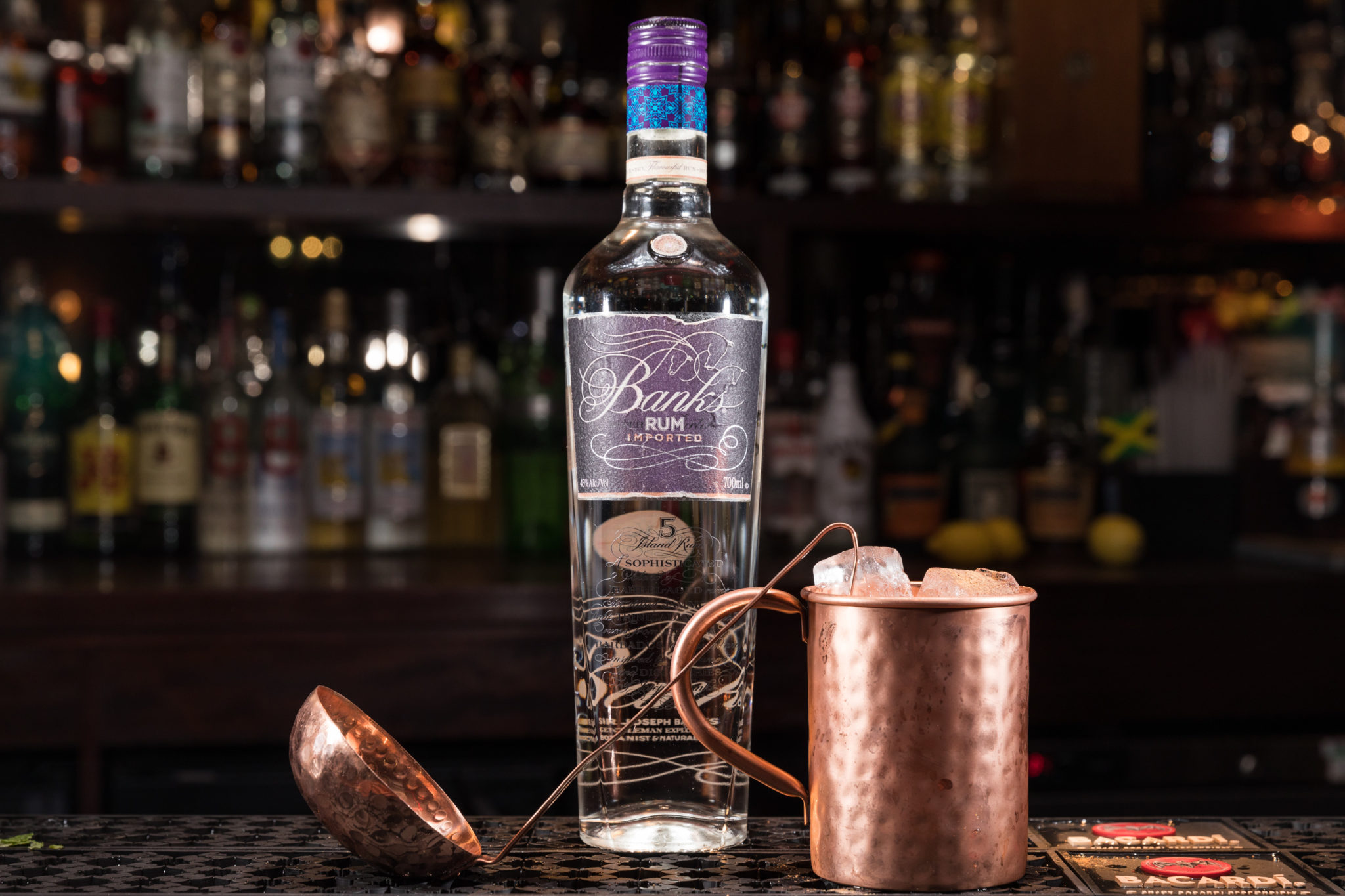
    Bacardi Global Travel Retail announces the launch of the Exceptional Cask Series – a collection of ‘extremely rare, superlative’, aged single malt bottlings – hand-picked from the distilleries for Aberfeldy, Aultmore, Craigellachie, Royal Brackla and Glen Deveron.

    Bottled in small quantities, the new series comprises a limited number of extraordinary Single Cask, Double-Cask and Small Batch releases chosen by Dewar’s Master Blender and Malt Master, Stephanie MacLeod.

    Only a handful of expressions will be released by each distillery. “Proudly showing the age of the whisky, all bottlings are numbered and will be available in very limited numbers due to the nature of single cask, double cask and small-batch whiskies,” says Bacardi.

    Now available in select airport retailers in global travel retail, the initial series launch includes the Aultmore 1986 (31 years old) – Single Cask which was originally created especially for the DFS Master of Spirits 2018, and is now available with select retailers in Asia Pacific.

    MATURATION 

    “The sherry cask maturation develops Aultmore 1986 with aromas of dried fruits and Christmas cake, a rich dark amber, almost mahogany colour,” says Bacardi.

    “Often shrouded in fog, Aultmore distillery has developed a secretive air since it was founded in 1897. The mysterious Foggie Moss conceals the age-old water source, while the wild, wet undergrowth purifies it to the profit of Aultmore’s refined character creating a smooth, clean taste.”

    In addition to the Aultmore 1986, Bacardi will be launching the Craigellachie 1992 (24 years old) Small Batch; Craigellachie 1999 (17 years old) Small Batch with Palo Cortado Finish; Aberfeldy 1984 (33 years old) Single Cask and Aberfeldy 1999 (18 years old) Small Batch Port Finish.

    “Maturation is my favourite part of the whisky making process,” says Stephanie MacLeod. “Once the whisky is in a bourbon or a sherry cask, you might expect certain outcomes but you’re certain to have a few wonderful surprises along the way.

    “It’s a question of working with the whisky and the different elements at play in maturation to achieve the right outcome. With Aultmore 1986, for example, I needed to consider all these nuances and sampled lots of different casks to discover those that displayed a new and different side to the Aultmore personality, while ensuring it’s drinkable at cask strength at around 50% ABV.”

    ‘INCREDIBLE RECEPTION’

    Gaurav Joshi, Director, Bacardi Global Travel Retail Asia Pacific commented on the launch during this week’s TFWA Asia Pacific exhibition: “We’re extremely proud to offer the Exceptional Cask Series in Asia Pacific and we’re excited at the prospect of success with the range, following the incredible reception for Autlmore 1986 at DFS Master of Spirits in March.

    “Asia Pacific is a region with many types of new and experienced whisky collectors and connoisseurs actively looking for their latest discovery in aged single malt.

    “Offering them that chance in travel retail adds true dynamism and excitement to the channel and reinforces the fact that the quality and experience of airport shopping in the region leads the world.”

  • Thai Lion Air increases flight frequency from Jakarta to Bangkok

    Thai Lion Air increases flight frequency from Jakarta to Bangkok

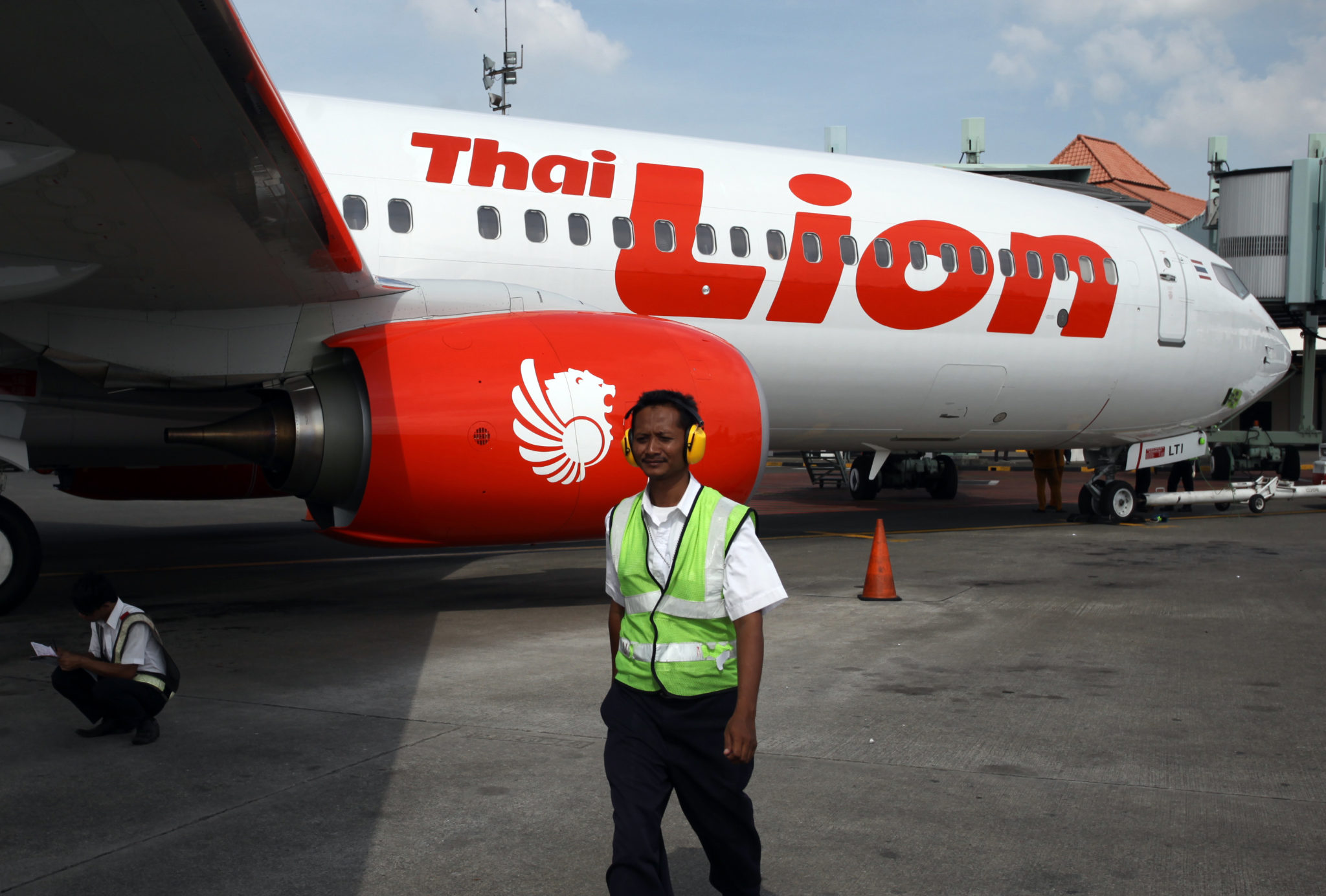
    Thai Lion Air, a subsidiary of Indonesia’s largest private airline, Lion Air, increased its Jakarta-Bangkok service from once a day to twice on Monday.

    The additional SL116 flight, which uses a Boeing 737-900ER, will depart from Don Mueang International Airport at 9 a.m. local time and arrive at Soekarno-Hatta International Airport at 12:30 p.m. Meanwhile, the return SL117 flight takes off at 1:10 p.m. and lands in Bangkok at 5 p.m.

    The additional frequency aims to tap into the potential of connecting Asian cities, as passengers from Jakarta will be able connect to other cities from Bangkok, such as Chiang Mai, Chiang Rai, Phuket, Hat Yai, Singapore, Yangon, Hanoi, Taipei, Mumbai, Changsha, Chengdu, Chongqing, Guangzhou, Hangzhou, Nanchang, Nanjing, Shanghai, Xi’an and Zhengzhou.

    “This new service is our answer to the high demand for air transportation in Southeast Asia,” said Thai Lion Air CEO and chairman Capt. Darsito Hendro Seputro in a statement.

    Established in 2013, Thai Lion Air boasts 12 domestic networks and operates two regional flights and over 20 international destinations.

  • Carousell raises 85$ Million in funding

    Carousell raises 85$ Million in funding

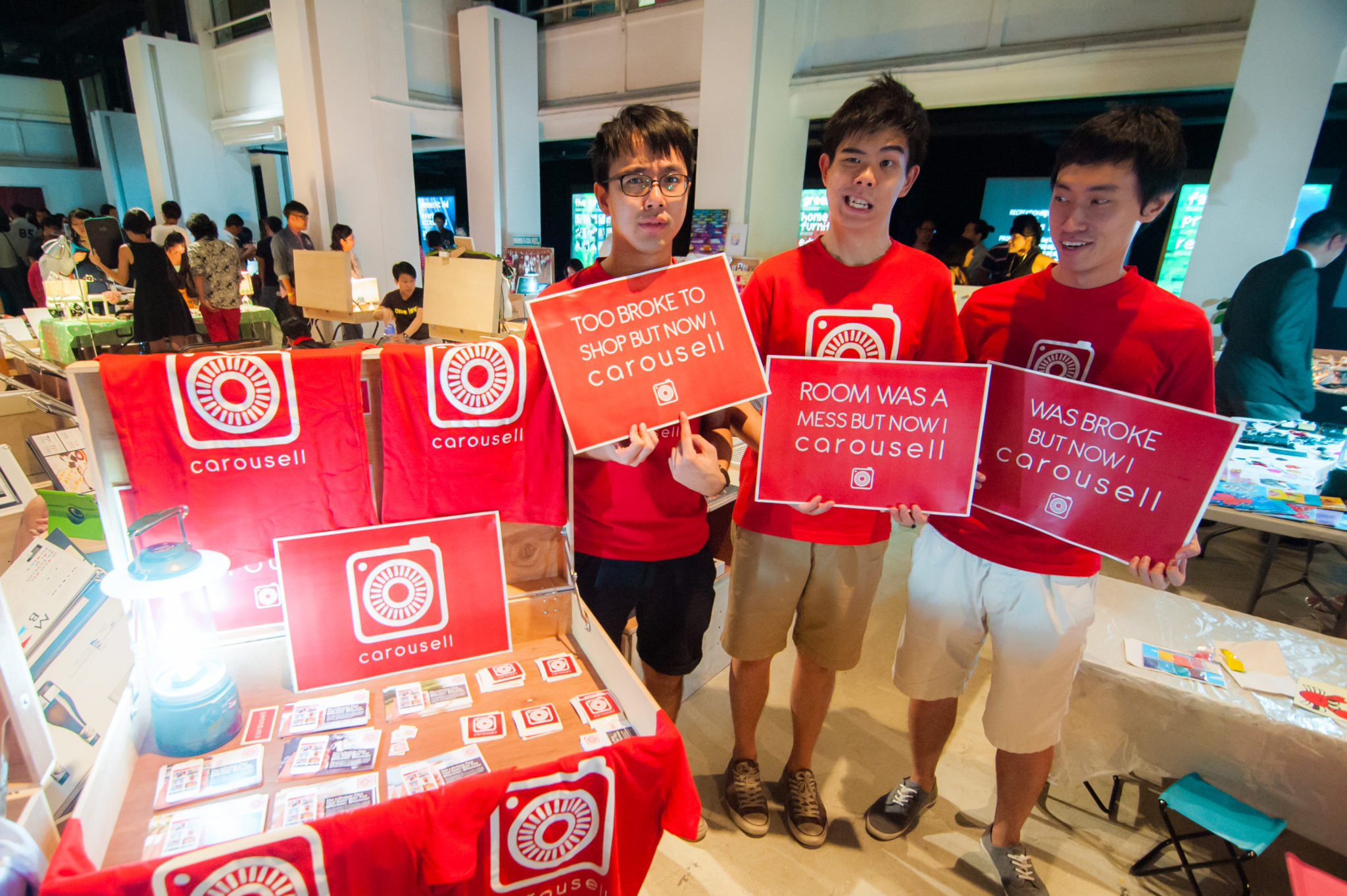
    Singapore classifieds marketplace Carousell has raised US$85 million in series-C funding. The round was co-led by Rakuten Ventures and EDBI, with participation from existing investors 500 Startups, Golden Gate Ventures and Sequoia India, as well as new investor DBS.

    A pioneer of mobile classifieds in 2012, Carousell will use the capital injection to accelerate its product innovation to reimagine classifieds. A key component will be investment into talent and deep technology capabilities.

    “In the past six years, we’ve gathered a lot more data, feedback and learnings about the problems and friction people face when buying and selling online. We are laser-focused on solving these problems with technology and catering to local cultural norms and behaviours in Southeast Asia while ultimately serving our core mission of inspiring everyone in the world to start selling,” says co-founder/CEO Siu Rui Quek.

    “The investment will enable us to continue building up our teams with top-tier talent to accelerate our development of highly anticipated features, and more AI and machine learning capabilities.”

    In the two years following its last round of funding, Carousell’s seven-country marketplace has quadrupled in volume globally, featuring more than 144 million listings and 50 million items sold. Carousell began to realise its AI vision last year with the launch of predictive features like Smart Listings, personalised browsing and chatting.

    In the past year, Carousell has also expanded its marketplace offerings in Singapore with high-value categories such as cars, property, jobs, services and finance. In conjunction with the investment, DBS and Carousell will be collaborating to offer financial products and payment services on Carousell’s platforms.

  • Pezzo Pizza is selling by the slice in Cambodia

    Pezzo Pizza is selling by the slice in Cambodia

    Singaporean pizza chain Pezzo Pizza will officially open its first-ever by-the-slice kiosk in the upcoming Aeon Mall 2 in Phnom Penh on May 30.

    Run by Star Food Enterprise, Pezzo Pizza Cambodia will be offering pizza made with dough prepared using blended flour from Europe. Pezzo Pizza uses American mozzarella cheese from Leprino Food.

    Star Food Enterprise MD Tech Sombo says the store will showcase an open kitchen, and local chefs will devise Khmer toppings. The company also runs Big Apple Donuts & Coffee Cambodia.

    Pezzo Pizza has more than 120 kiosk outlets, mainly in China, Indonesia, Malaysia, Myanmar, Philippines, Singapore and Thailand.

  • Vietnam’s communist heart Hanoi gets its first McDonald’s

    Vietnam’s communist heart Hanoi gets its first McDonald’s

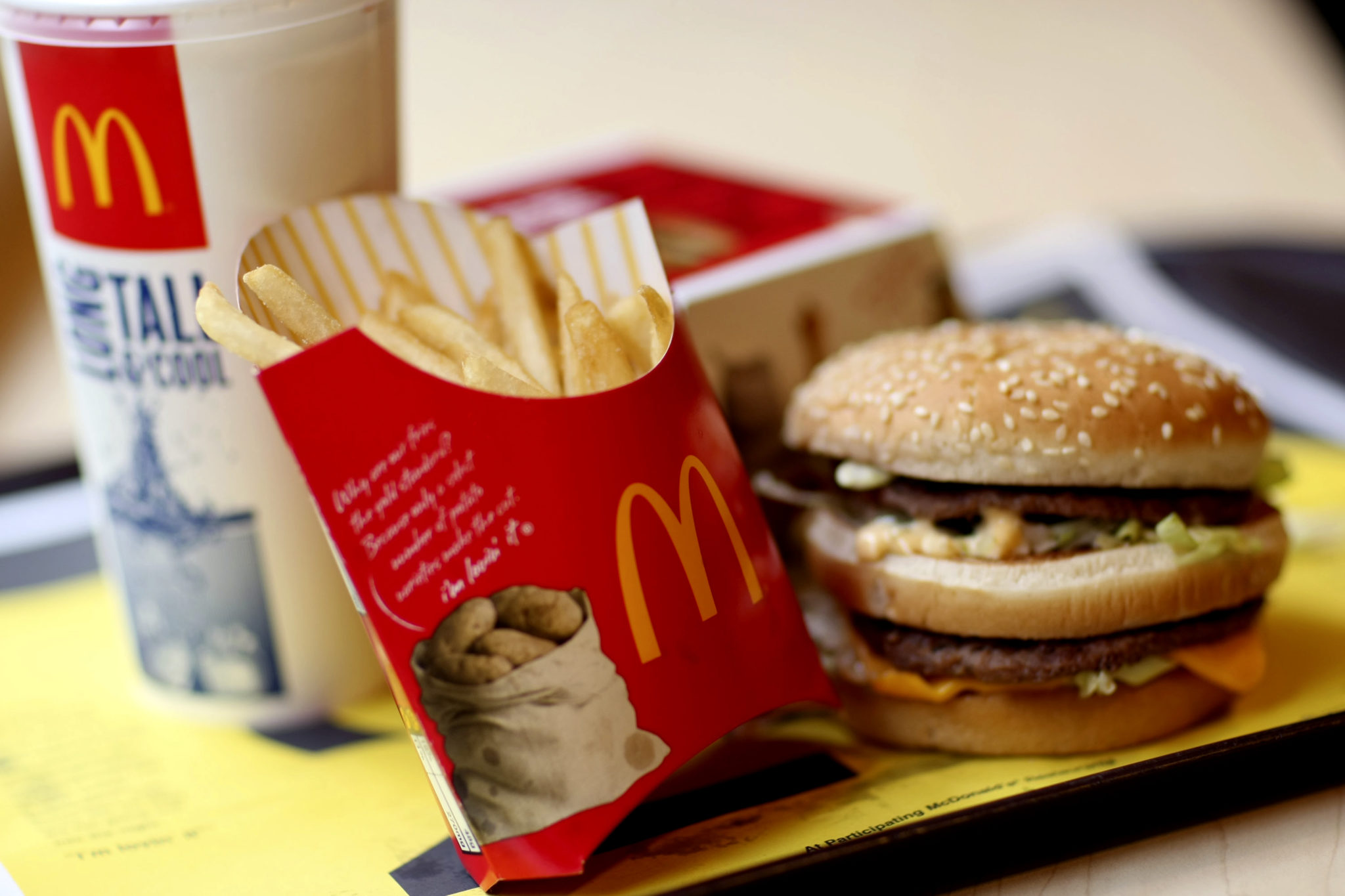
    Global burger behemoth McDonald’s opened its first branch on Saturday (Dec 2) in the historic heart of communist Hanoi, a conservative city renowned for its traditional – and cheap – Vietnamese staples beloved by food-obsessed locals.

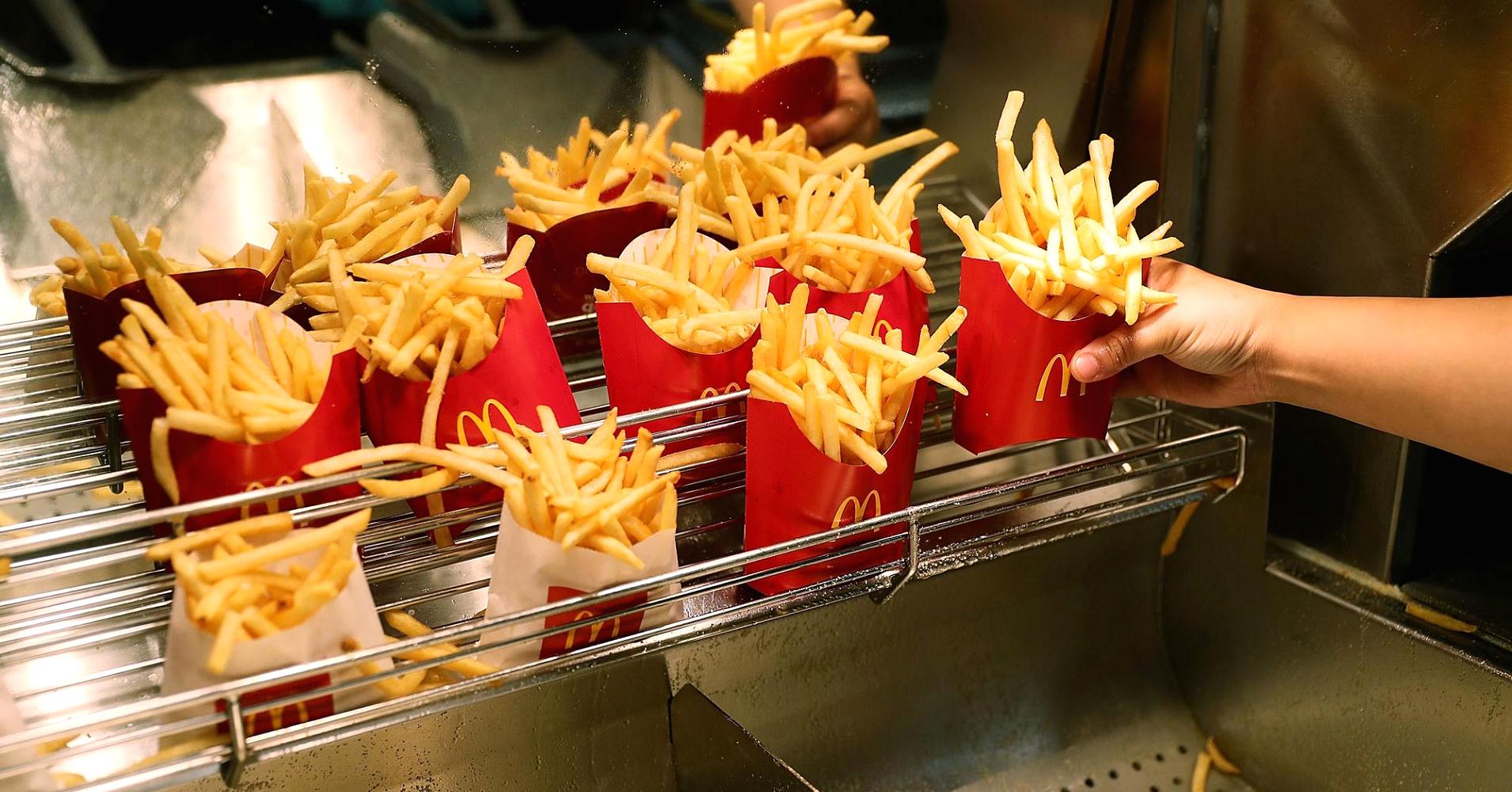
    Hungry customers lined up for Big Macs and Chicken McNuggets at the Vietnamese capital’s first location overlooking the tree-lined Hoan Kiem lake, which draws millions of tourists annually to see French-era colonial buildings and sample street-food favourites like pho noodle soup and banh mi sandwiches.

    The restaurant is the first outside of the southern commercial hub Ho Chi Minh City, where 16 branches have opened since McDonald’s first came to Vietnam in 2014 to much fanfare, especially among the rapidly-growing middle class and American-obsessed youth.

    The global fast food chain received a similarly warm welcome in Hanoi on Saturday, as hungry diners crammed into the two-storey eatery for a first taste of the Golden Arches.

    For 84-year-old Tran Dinh Luyen, who fought against the US in the Vietnam War, the restaurant was a sign of warming ties with a former enemy.

    “I am happy that McDonald’s has opened a restaurant in Hanoi. It’s a very famous American brand, so it shows how far US-Vietnam relations have come,” he told after mowing down on a Big Mac with his daughter and granddaughter.

    But not everyone agreed.

    “It’s a rip-off… this fast food is for kids only, it’s not good at all,” 90-year-old Ta Xuan Huong said, espousing his love for traditional cuisine.

    Some curious tourists stopped to see what all the fuss was about, perplexed that a brand ubiquitous in the West would draw so much attention.

    “It’s kind of random to see McDonald’s opening… it’s an interesting cultural experience to see how important it is that the store is opening here,” American Dan Moore told AFP, after his wife remarked she might not have expected to find one of the most salient symbols of capitalism in the communist country.

    The one-party state has seen dizzying economic growth in recent years as it has opened its doors to foreign investment – which has included an influx of Western chains like Starbucks, KFC and Burger King.

    Growth in the fast food sector has been buoyed by rapidly rising incomes – annual per capita income has more than doubled in the past decade to about US$2,100 (S$2,692) today – especially among under-30s, who make up half of Vietnam’s population of 93 million people.

    The fast food industry in Vietnam has seen double-digit growth annually for the past five years, and the country has the highest 2017 growth in Asia-Pacific for fast food chains, according to market research firm Euromonitor International.

    Though meals can cost as much as three times the local fare, customers are still showing strong appetite.

    “Young people like to hang out in fast food restaurants as they are seen as a cool and nice place… and these customers also like the taste of the food,” Euromonitor analyst Samuel Huynh told.

  • Tech products to drive reboot of Asia’s growth engine

    Tech products to drive reboot of Asia’s growth engine

    The technology boom powering Asia’s economies is about to get a reboot. Explosive growth in new-era gadgets such as wearable devices and internet-linked home appliances is tipped to offset cooling sales of smartphones, which has already dinged Asia’s tech manufacturers.

    “Where demand may be softening in some areas it will be strengthening in others,” Koshy Mathai, a senior official in the International Monetary Fund’s Asia Pacific Department, said in an interview. He pointed to upcoming demand from “a vast middle class in China, India and other frontier markets.”

    That’s good news for the world economy. Asia Pacific accounts for 60 percent of global growth, much of it from a technology-supply chain that’s vulnerable to smartphone cycles.

    The IMF isn’t alone in tipping the rise of a new tech cycle. The world is in the early stages of a shift from the late-stage mobile Internet era to a new, data-centered computing era, Morgan Stanley analysts wrote in a report last month.

    Crucially, it will be the first such era in which multiple technologies emerge at once, including the internet of things, artificial intelligence and virtual and augmented reality, and it will require IT investment unparalleled since the launch of the web in 1990, Morgan Stanley analysts said.

    Samsung Tops Profit Estimates, Warns of Weaker Phone Demand

    Take wearable devices. Global sales of body-worn cameras are forecast to reach 5.6 million units in 2021, more than triple the 1.6 million this year, according to forecasts by Gartner Inc. Smartwatch sales are expected to hit 81 million from 48 million over the same period, while those of head-mounted displays will more than double to 67 million.

    Spending on robotics and drones solutions will reach US$103.1 billion in 2018, up 22 per cent from last year, and more than double to US$218.4 billion by 2021, according to International Data Corporation.

    China, Japan, South Korea and Taiwan would be among the economies expected to benefit most — as they did from smartphones — with the new products stoking fresh demand for components such as semiconductors and displays.

    That is expected to benefit manufacturers such as South Korea’s LG Display Co., which makes displays used in products including smartwatches and Bluetooth devices, and Samsung Electronics Co., which makes memory capacity. Japan’s Sony Corp. is developing 3D sensors that can be used in drones, self-driving automobiles, gaming consoles, industrial equipment and more.

    “Manufacturers have always been able to shift their production line to cater to the newest trend in the market,” said Kenneth Liew, Singapore-based senior research manager at IDC. “We are now seeing products like wearables, smart home devices as some of the key products for future growth.”

    The upbeat view comes as a more-than-year-long rebound in Asia’s exports has hit a speed bump, with softening industrial and manufacturing activity. Smartphones contributed around one sixth of the estimated growth in trade in 2017, according to the IMF. Sales totaled close to 1.5 billion units last year — enough for one of every five people on the planet.

    But with more and more people already owning a smartphone, demand has peaked. That’s being felt at chip foundries and assembly plants across Asia.

    Taiwan’s Pegatron Corp., which assembles Apple Inc.’s iPhone 8, ramped up capacity in anticipation of a surge in business last year. A subsequent shortfall in demand led to lower utilization rates across its factories and operating margins almost halved. Both Pegatron and Hon Hai Precision Industry Co. — Apple’s principal assemblers — reported declines in net income in 2017 even as their biggest customer racked up record profits.

    To be sure, the smartphone sector is tapering off, not cratering, as evidenced by Apple’s results. And it will be some time before the emerging tech cycle reaches a point of matching demand generated through phone production, said Frederic Neumann, co-head of Asian economics research at HSBC Holdings Plc in Hong Kong.

    “While demand for consumer electronics like wearable devices and virtual reality headsets is growing rapidly, production runs still pale in comparison to smartphones,” Neumann said.

    Apple Earnings Show Growing Immunity to Smartphone Malaise

    Of course, all bets are off if an all-out trade war erupts between China and the U.S. Barring that, the next evolution in tech is poised to support global economic growth, even as smartphones reach saturation.

    “It is fair to say that economists often don’t understand technology well enough to understand what it can do in terms of growth,” the IMF’s Mr Mathai said.


  • Myanmar allows full foreign ownership in Retail Business

    Myanmar allows full foreign ownership in Retail Business

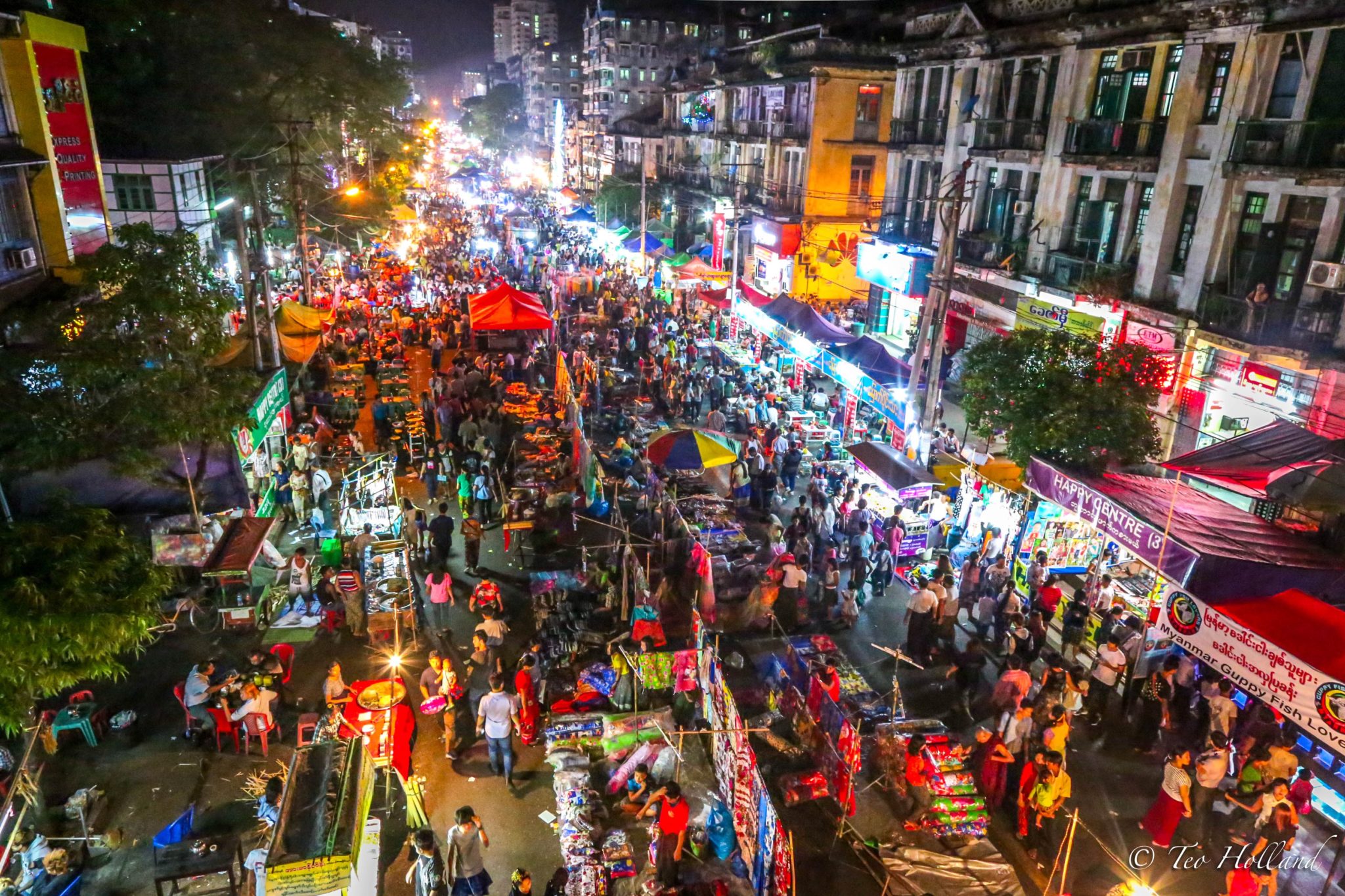
    Foreign companies are now allowed to invest in Myanmar’s retailers and wholesalers, including holding 100% stakes, as the country makes efforts to lift foreign investment amid the Rohingya refugee crisis.

    The Ministry of Commerce announced the change on Friday, explaining that it wants to increase competition in the sectors and promote price stability and technology transfers. The new rule took effect on Wednesday.

    But restrictions still apply. Foreign companies must invest at least $700,000 to take an up to an 80% stake in retailers, and $3 million for anything more. They cannot own minimarkets and convenience stores with floor spaces of 929 sq. meters or less. For wholesalers, the minimums are set at $2 million for up to an 80% stake and $5 million for more.

    The ministry is also letting foreign companies themselves bring their products into Myanmar and sell them instead of going through local importers as in the past. This could encourage automakers and appliance manufacturers to make further inroads here.

    Foreign companies could technically take stakes in Myanmar retailers and wholesalers before if they received the ministry’s approval. But almost none got the green light. Japanese retailer Aeon, one of the handful that did, began operating supermarkets with a local partner in 2016.

    Emerging economies often restrict foreign investment to protect homegrown retailers and wholesalers. It is unusual for a country like Myanmar, with per capita gross domestic product of only $1,200 or so in 2016, to relax the rules so much.

    But de facto civilian leader Aung San Suu Kyi has come under fire for delays in key economic reforms. And human rights abuses against the Rohingya Muslim minority, hundreds of thousands of whom have fled to neighboring Bangladesh, are making American and European businesses uneasy about operating in Myanmar.

    The country approved about $5.7 billion of foreign investment in the 12 months ended March, down for a second straight year. A further decrease could throw a wrench into a development strategy heavily reliant on foreign money.

  • SingPost back in black with $23.9m profit and a bright future

    SingPost back in black with $23.9m profit and a bright future

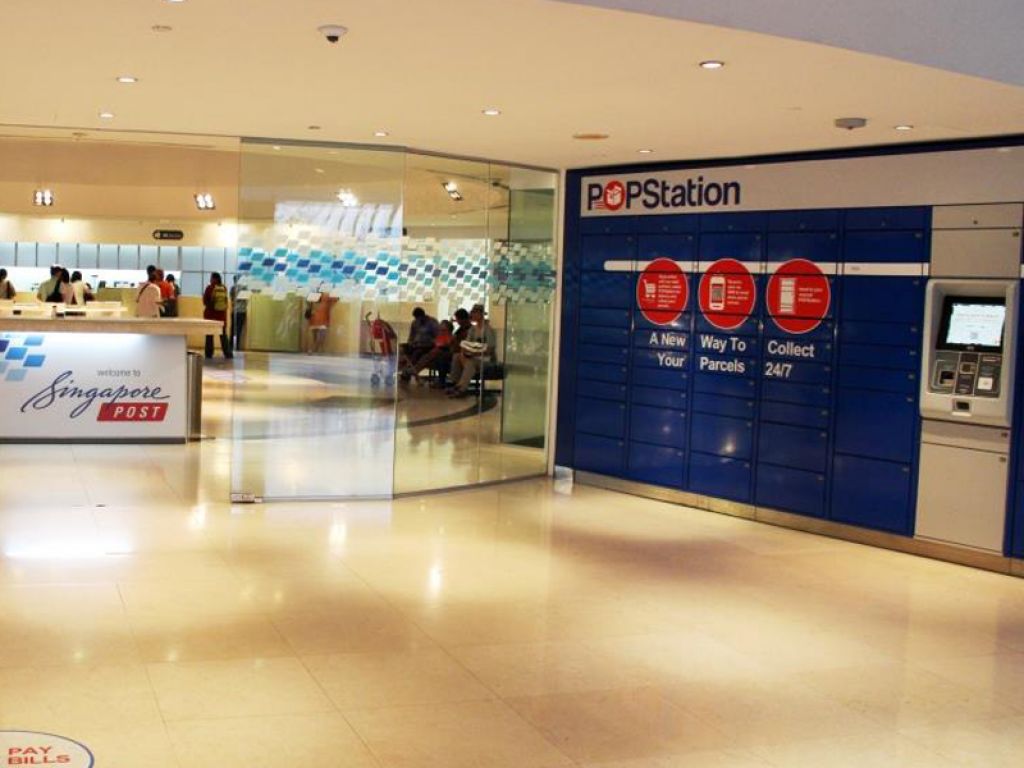
    Singapore Post (SingPost) swung back into the black for its fiscal fourth quarter, booking profit of $23.9 million in the absence of one-off impairment charges in the corresponding period last year.

    Revenue for the three months to March 31 was also up 13.5 per cent to $367.5 million on growth in e-commerce-related activities across its postal and logistics segments, SingPost said. Earnings per share were up to 0.9 cent from a loss per share of 3.03 cents last year.

    For the full year ended March 31, SingPost booked a profit of $126.4 million on the back of $1.46 billion in revenue.

    The board recommended a final dividend of two cents per share to be paid out on July 31.

    For the fourth quarter last year, SingPost was hit with an impairment charge of $208.6 million related largely to the TradeGlobal and Postea acquisitions, as well as a property in Toh Guan, which SingPost highlighted was partially offset by a fair value gain on investment properties of $108.7 million, mainly for the SingPost Centre building.

    The postal segment’s revenue rose 18.2 per cent in the quarter and 15 per cent for the full year as strong growth in international mail revenue helped offset the decline in domestic mail revenue, SingPost said.

    Domestic mail revenue declined 6.6 per cent for the full year to $229.4 million, due to lower letter mail volumes with the “continued migration” towards electronic forms of communication.

    Revenue for SingPost’s e-commerce segment rose 15.7 per cent in the fourth quarter to $65.31 million, and was stable for the full year.

    “SingPost is well positioned to benefit from the strong growth in global e-commerce and last-mile deliveries as we progress to the next phase of our strategy,” said group chief executive Paul Coutts. “We continue to execute on our transformation and build on our partnership with Alibaba in e-commerce. We are integrating and scaling our e-commerce businesses in the United States and South-east Asia, as well as the rest of our overseas operations, and optimising the cost structure of the SingPost group.”

  • McDonald’s Malaysia denies any connection to Israel

    McDonald’s Malaysia denies any connection to Israel

    The Malaysian franchise of McDonald’s Corp said it was “disappointed” with calls on social media to boycott the fast-food restaurant chain in apparent retaliation against the US’ recognition of Jerusalem as the capital of Israel.

    Social media users in the Muslim-majority country have called on people to boycott various American companies following United States President Donald Trump’s decision to relocate the US Embassy in Israel to Jerusalem.

    One Twitter user, who goes by the name, TheUsopIbrahim, stated without citing sources that US-headquartered McDonald’s “channelled funds to Israel”.

    McDonald’s Malaysia said in a statement on Facebook on Saturday that the chain does not support or engage in any political or religious conflicts.

    Mr Azmir Jaafar, managing director and operating partner of franchisee Gerbang Alaf Restaurants, said: “The claim that McDonald’s channels funds to Israel is a false accusation, a lie, fake and slanderous.”

    He added that Gerbang’s largest shareholder is Muslim.

    The Malaysian and Singaporean franchise rights were bought by Saudi Arabia’s Lionhorn a year ago, as part of the US parent’s strategy of moving away from direct ownership in Asia.

  • Mumuso Vietnam accused of fraud

    Mumuso Vietnam accused of fraud

    Fashion and lifestyle goods retailer Mumuso Vietnam has been accused of selling Chinese goods as Korean products.

    The allegation surfaced on South Korean SBS News, which reported that the Shanghai-based company has been duping customers into thinking it is a South Korean store chain selling South Korean goods. The news channel also said Mumuso’s registered office in Seoul could not be found.

    Legal representatives of Mumuso Vietnam say the company registered its brand under the protection of the Korean Intellectual Property Office without any production activities there. It also has a branch in Shanghai, redesignated as its headquarters.

    Mumuso authorised its Shanghai office to take over its business activities, including production and brand management.

    Mumuso’s business in Vietnam is under a franchise contract.

    “Mumuso wants to strengthen its brand overseas before returning home, where competition is fierce,” says Mumuso Vietnam director Nham Phi Khanh.

    He admits that no Mumuso merchandise has undergone quality inspections in Korea, but is imported directly from China. “Our products meet standards and regulations set by the Drug Administration of Vietnam and the Department for Food Safety and Hygiene under the Ministry of Health.”

    Mumuso Vietnam has 27 outlets, mostly in Hanoi and Ho Chi Minh City. The stores sell a wide range of goods, from cosmetics to household items, all labeled as “Mumuso – Korea”, with product information mainly written in Korean and Chinese, and prices ranging from VND22,000 (US$1). All come with a “Made in China” tag.

    The Mumuso retail concept is loosely based on that of another Chinese company Miniso, which has drawn criticism for marketing its products as Japanese.

    Meanwhile, Mumuso Vietnam has announced it intends to increase the number of its outlets in Ho Chi Minh City and Hanoi to 80.

  • Asia outpacing Europe by TETRA adoption

    Asia outpacing Europe by TETRA adoption

    Terrestrial trunked radio (TETRA) technology is gaining popularity in Asia, as well as in new markets beyond public safety, according to IHS Markit.

    The research firm estimates that TETRA deployments worldwide grew 16% in 2017, due to both refreshes in mature markets as well as fresh deployments in new areas.

    Europe remains the largest market for the European Telecommunications Standards Institute (ETSI) developed TETRA standard, but the Asian and Latin American markets for the technology are expected to grow at a faster rate than Europe over the next few years.

    Asia already posted its largest growth in deployments in 2017, with deployments across airports, metro systems and other transport hubs, the company said.

    TETRA has emerged as the technology of choice for emergency services, but is also seeing adoption in industries such as transport, utilities and the industrial sector.

    As well as land mobile radio (LMR) based TETRA systems, LTE is emerging as an alternative. Private LTE networks have been deployed in China, Australia, South America and several MEA markets, IHS Markit noted.

    The research firm said LTE might be used as a substitute for TETRA and other high-end LMR technologies over the next five to ten years. But in the short term, LTE is expected to be used to complement critical voice communications with data capability rather than replace LMR altogether.

  • NEC to help Docomo upgrade to 5G

    NEC to help Docomo upgrade to 5G

    Japan’s NTT Docomo has entered an agreement with NEC covering the supply of control units for 5G base station equipment to help commercialize 5G services.

    NEC plans to develop technology to enable existing telecoms equipment such as high density base station equipment to be fully compatible with 5G. Docomo plans to leverage this technology to meet its goal of launching 5G services in 2020.

    Under the agreement, NEC will achieve 5G compatibility through software upgrades and a minimal replacement of hardware to maximize the use of existing high-density base station equipment, using the base station technology NEC first launched in February 2015.

    The upgrade will allow Docomo to continue providing LTE and LTE-Advancedservices even after the equipment is upgraded to be made compatible with 5G.

    “Docomo aims to deploy and expand our commercial 5G services efficiently by maximizing the use of existing communications equipment,” NTT Docomo CTO and board member Hiroshi Nakamura said.

    “This agreement with NEC is in line with that policy and we expect it to make a significant contribution to our 5G services. Going forward, Docomo accelerates co-creation of new services and businesses with vertical industry partners.”

    The operator has separately announced that its board of directors has proposed a number of changes in executive positions for approval at next month’s shareholders meeting aimed at further developing the company.

    Among the proposed changes include the appointment of five senior executives to the board, the hiring of a new executive vice president, and the promotion of four candidates to senior vice president.