Tag: asia

  • Trump intervening to get ZTE back in business

    Trump intervening to get ZTE back in business

    n an unexpected twist in the ongoing saga over the ban on ZTE importing US components, president Donald Trump has indicated he may throw a lifeline to the Chinese vendor.

    On Sunday, Trump tweeted on his official account that he is working with Chinese president Xi Jinping on a resolution that will allow ZTE to resume operations.

    “President Xi of China, and I, are working together to give massive Chinese phone company, ZTE, a way to get back into business, fast. Too many jobs in China lost. Commerce Department has been instructed to get it done!,” he wrote.

    ZTE was forced to cease major operations last week as a result of the import ban imposed on the vendor by the US Department of Commerce’s Bureau of Industry (BIS) in April.

    The ban was originally imposed last year but automatically suspended on the condition that ZTE comply with its settlement agreement over the investigation into the vendor’s sale of telecoms equipment including US components to Iran, in violation of US sanctions.

    Trump’s announcement comes as the US and China are conducting trade talks aimed at resolving the disputes between the world’s two largest economies. Chinese vice premier Liu He reportedly met with officials in Washington on Friday, while Xi’s top-ranking economic adviser plans to visit this week to continue the

  • AirAsia under selling pressure

    AirAsia under selling pressure

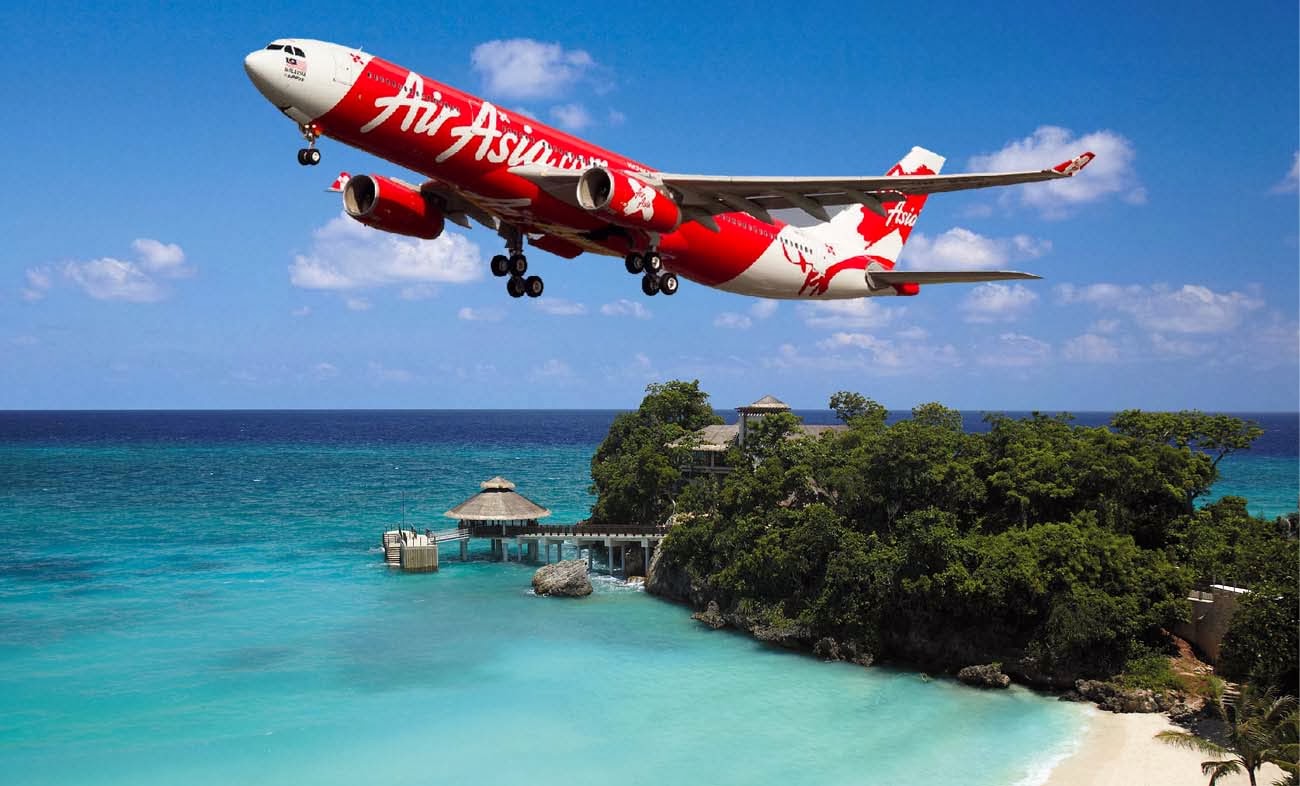
    Shares in AirAsia Group Bhd plunged by  nearly 13% or 47 sen on the first trading day after the general election last Wednesday. Selling pressure emerged on counters that are perceived to be linked to the incumbent Barisan Nasional, the low cost carrier is among them.

    Meanwhile, CIMB Investment Bank Bhd downgraded the stock on the back of higher oil prices and a return to losses at its Indonesia and Philippines operations, which was exacerbated by currency depreciation.

    This morning, AirAsia shares opened at RM3.25, down 12.16% from its previous close price of RM3.70.

    However, the shares have since pared down its losses and at 9:57am, the counter was trading at RM3.54. The stock saw 27.2 million shares traded, valuing AirAsia at a market capitalisation of RM11.83 billion.

    “We downgrade our recommendation on AirAsia from Add to Hold on the back of what we believe to be sustainably higher oil prices,” CIMB analyst Raymond Yap said in a note to clients today.

    “Additionally, the Indonesian rupiah and Philippine peso have been showing signs of sustained weakness against the US dollar and the current exchange rates are already weaker than what we have incorporated into our forecasts.”

    In line with the stock downgrade, CIMB has also cut AirAsia’s target price to RM3.84, from an earlier forecast of RM5.31.

    According to CIMB, AirAsia’s core net profit is at risk from the oil price rise, the latter of which have rallied by 15% to US$77 per barrel year-to-date.

    The anticipated lower earnings has prompted CIMB to trim down its forecast of AirAsia’s core net profit by 30% to RM882 million in financial year ending Dec 31, 2018 (FY18), from an earlier forecast of RM1.31 billion, as it take into account of higher jet fuel price assumption of US$85 per barrel from US$75 per barrel previously.

    “Even with our lower core earnings forecasts, it appears that the risks are to the downside,” CIMB added.

    For 2018, CIMB noted that AirAsia, as a group, only hedged about 12% of its jet fuel requirements at an average strike price of US$68.55 per barrel, which was in contrast to the position it took in 2017, where it had hedged 75% of its requirements at an average price of US$60 per barrel.

    “As a result, the AirAsia group is largely exposed to the spot price of jet fuel,” CIMB said.

    Going forward, CIMB assumed that AirAsia will only be able to recoup 15% of the hike in jet fuel prices from higher ticket prices, since the rise in the price of jet fuel has been faster than expected. At present, CIMB said AirAsia does not currently have fuel surcharge mechanisms in place.

    “The impact of higher oil prices will be felt more keenly from the second quarter of 2018 onwards since the pricing of jet fuel purchases tend to be lagged by one month,” it added.

    As for the currency depreciation, CIMB said the US dollar has, since the start of this year, appreciated by 3% against the rupiah and by 5% against the pesos.

    “More upside for the US dollar is possible against these two currencies due to the impact of higher oil prices on their economies,” CIMB said.

    CIMB said the depreciation of these two currencies, in addition to the higher oil prices, is expected to drive Indonesia’s AirAsia and Philippines’ AirAsia (PAA) back into the red for FY18, although both airlines delivered profits in FY17.

    As for PAA, CIMB said it is expected to come under severe pressure from the six-month closure of the Boracay island resort from late-April to late-October 2018, given that the island traffic accounts for 22% of its seat capacity.

    In FY17, CIMB said PAA increased its fleet by three aircrafts and added a staggering four planes in 1Q18F alone, bringing the total fleet to 21 planes.

    “The fleet growth could not have come at a more inopportune time,” it said.

    Despite the higher oil prices, CIMB said PAA should deliver slightly stronger core earnings due to yield recovery in the domestic aviation space as well as continued robust growth of inbound Chinese tourist numbers.

  • BMW Contract Assembler to Make Engines in Malaysia

    BMW Contract Assembler to Make Engines in Malaysia

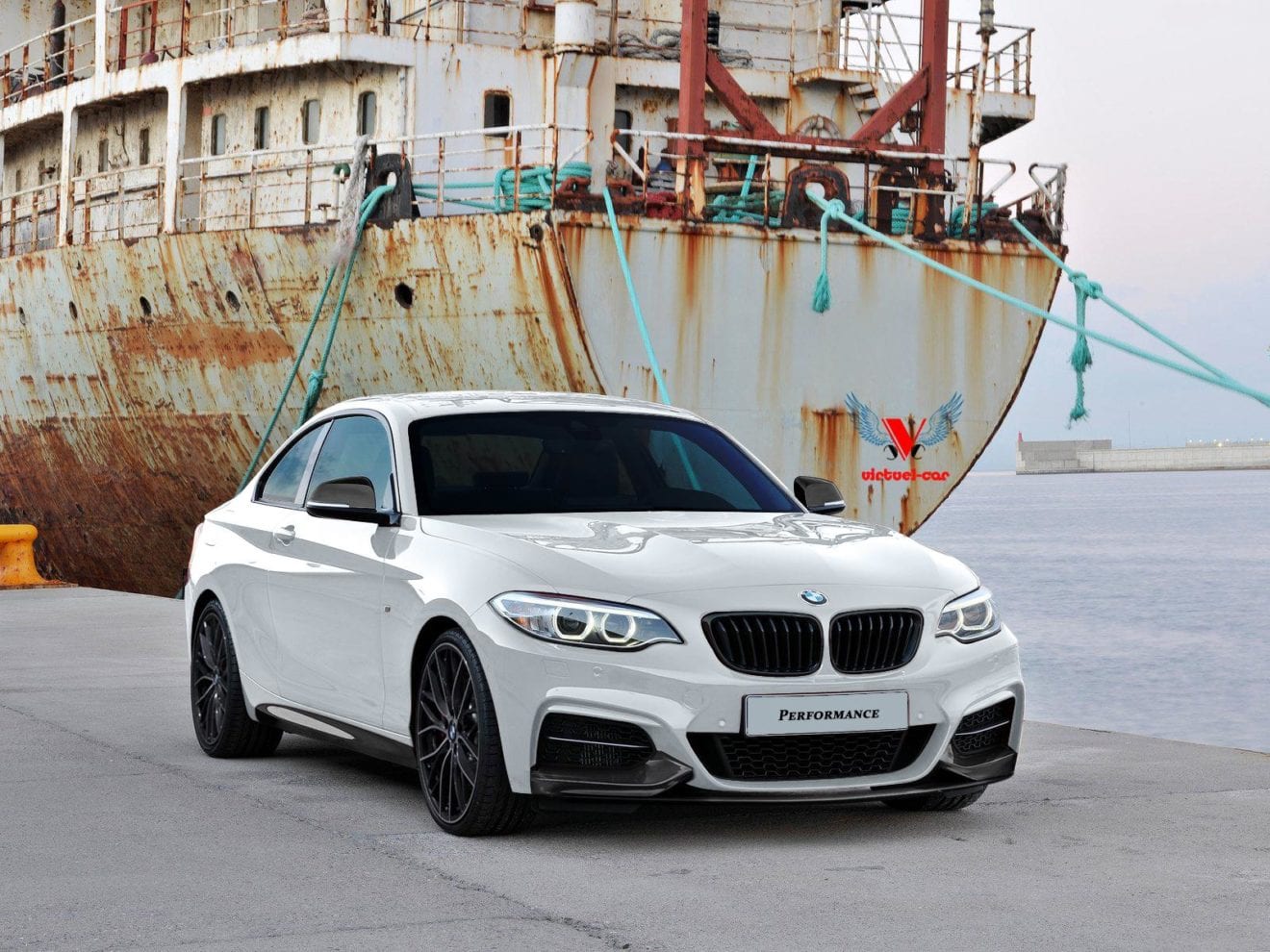
    Malaysian conglomerate Sime Darby Motors and BMW Group Malaysia open a 132 million ringgit ($33.5 million) engine plant for locally assembled vehicles and to support exports to regional markets including Vietnam and the Philippines.

    Sime Darby Managing Director Dennis Ho tells reporters the plant will produce 10,000 units a year in a single shift.

    The 91,493-sq.-ft. (8,500-sq.-m) engine plant is the first of its kind for contract manufacturer Sime Darby. Until now, locally assembled BMW and Mini models have used engines imported from Germany or Austria.

    The new facility will assemble 3- and 4-cyl. gasoline engines, 4-cyl. diesel engines and 3- and 4-cyl. gasoline engines for plug-in hybrid vehicles. It is the second BMW engine plant in the region after Rayong, Thailand.

    The new engine operation is alongside the assembly plant and regional parts-distribution center.

    Ho says there is no compromise in the quality of engines being built at the plant in Padang Meha 233 miles (375 km) north of Kuala Lumpur. “The standards of the quality checks are similar to those used in Germany,” he says. “The parts and components are imported from Germany.”

    BMW Group Malaysia CEO Harald Hoelzl says Malaysia plays a major role in BMW’s plans for Southeast Asia.

    “In Malaysia, BMW has already successfully achieved a 15% increase in the deliveries of BMW, Mini and BMW Motorrad vehicles, with 3,000 vehicles in the first quarter,” he says.

    Malaysian motoring analyst Paul Tan says the inclusion of diesel engines is interesting because BMW Malaysia no longer has diesel models in its lineup. “This means that the company is likely looking to introduce new oil-burning models soon,” Tan says on his website.

    Sime Darby Chairman Abdul Aziz Wan Abdullah says the company aims to be the preferred contract-assembly partner for the most dynamic automakers in the region.

    “We aim to produce more than 50,000 vehicles (including Mazda and Hyundai vehicles produced at the company’s Inokom plant), as well as the engine parts and components for the vehicles by the year 2020,” he says in a statement.

  • The Dark Gallery opens a second cafe and boutique on Orchard Road

    The Dark Gallery opens a second cafe and boutique on Orchard Road

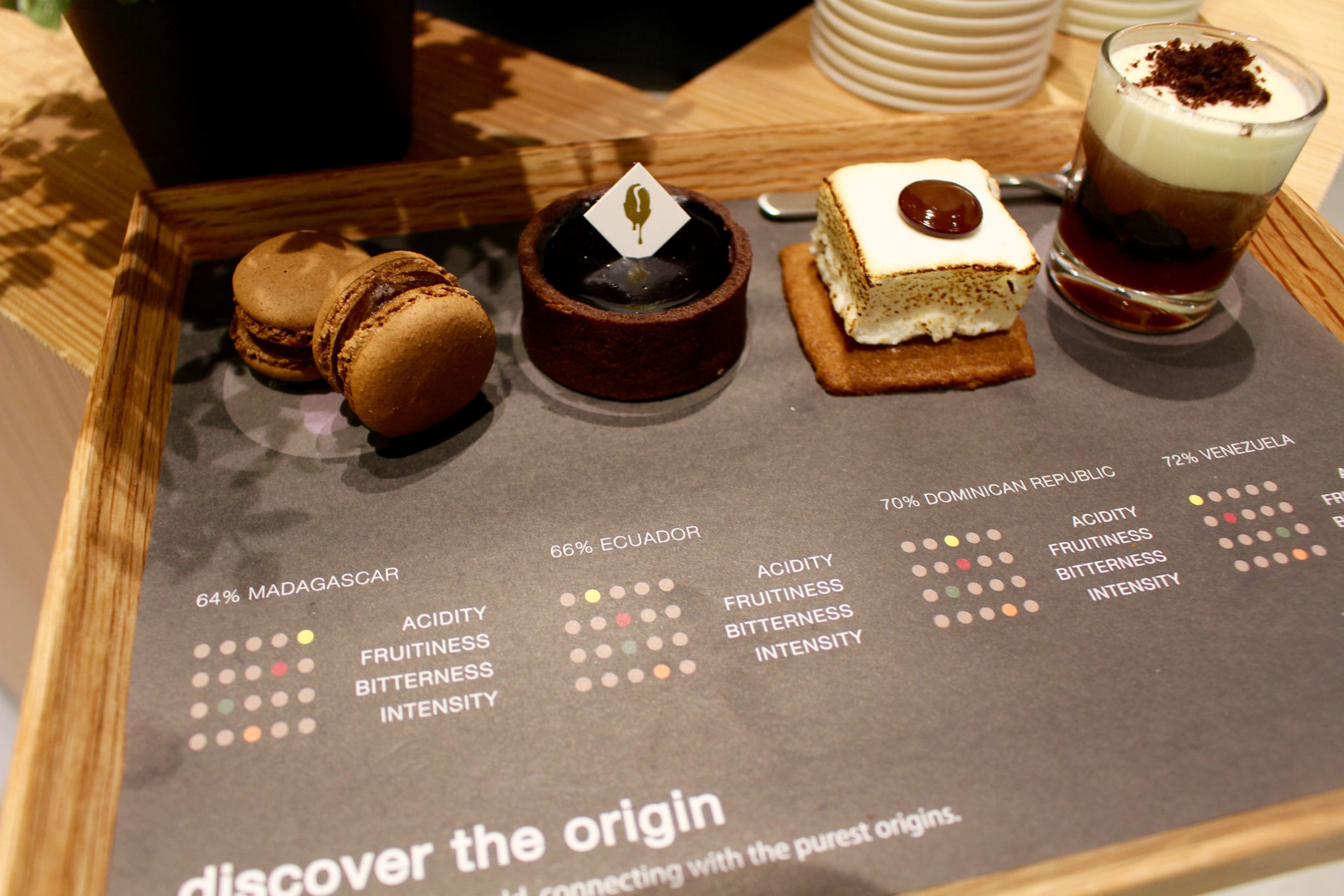
    The Dark Gallery has launched a second cafe and boutique on Orchard Road, featuring a menu that differs from its debut outpost at Millenia Walk.

    In the basement of Takashimaya Shopping Centre, The Dark Gallery is set up to tempt window shoppers with its showcase of ice cream, bon bons, cakes and pastries.

    Its 40-seat dine-in area has a black and gold colour scheme with marble tabletops. The store features Singapore’s first Mod-Bar pour-over and steam system, which is said to extract and render a top brew and milk foam for coffee or chocolate.

    Exclusive is the Four Senses of Chocolate, concoctions of The Dark Gallery’s signature 66 per cent dark chocolate in four drink varieties (Savoury, Sangria, Sucre and Spice).

    Pastries on offer include chocolate croissants, maple chocolate brioche, dark chocolate scone, ice cream cookie, chocolate soufflé, bon bons, pralines and cakes – even a Croque Monsieur.

  • Yoghurt and cheese experience consistent high value retail sales growth

    Yoghurt and cheese experience consistent high value retail sales growth

    While the overall dairy market in China is growing stably, the various categories are experiencing differing performance. New research from Mintel reveals that yoghurt and cheese are the market’s winning categories in recent years with yoghurt maintaining an annual retail sales growth of over 20% since 2014. Meanwhile, the cheese category has seen a growth rate of 15-25% from 2015-17. Looking ahead, Mintel forecasts the dairy market to grow at a 6.6% CAGR (compound annual growth rate) in value, to reach RMB 349.7 billion in 2022.

    Despite consistent sales growth for yoghurt and cheese, Mintel Market Sizes data shows that annual per capita volume consumption for major dairy products remains low compared to other countries. For example, per capita volume milk consumption in China is 14.3 litres, compared to 36.8 litres in Japan and 51.7 litres in the US; per person consumption of yoghurt in China is 3.43 kg, 4.92 kg in the US and 9.66 kg in Japan. Finally, the Chinese consume a mere 0.02 kg of cheese per person, while the Japanese take in 1.46 kg per person and, in the US, an impressive 6.89 kg per person.

    Summer Chen, senior food and drink analyst at Mintel, said,

    “Dairy consumption in China is still low when compared to Japan, where consumers share a similar dietary tradition to China. Mintel research indicates that China’s dairy market growth will be driven by increased consumption, resulting from the expansion of consumption occasion, value increase due to the rising price of raw milk, and consumers trading up to more premium options. When we look specifically at the yoghurt market, thanks to the recent craze over ambient yoghurt, the category is now leading not only in China’s dairy market, but among all food and drink products.”

    When it comes to dairy products, health-related factors are the main areas consumers are willing to pay more for. Among the four surveyed dairy products (including milk, yoghurt, butter and cheese), milk and yoghurt are perceived by consumers to be healthier and more nutritious (51% and 48% respectively), helping to improve immunity (49% and 44% respectively), and also good for kids (51% and 49% respectively) and the elderly (46% and 37% respectively).

    In addition, milk is more closely related with being high in protein (47%), and yoghurt with being easy to digest (60%). Butter is less likely to be associated with the same benefits, rather with issues such as being high in calories (50%), fat (45%) and cholesterol (34%). Cheese is somewhere in between, associated with benefits such as being high in protein (38%) and nutritious (37%), as well as being high in calories (43%) and fat (41%).

    Both plus claims, ie with additional nutrients (47%) and other healthy food as ingredients (44%), and minus claims, ie low fat or fat free (47%) and no-additives (45%), are critical improvements consumers are most willing to pay more for. Products designed for a special group of people (38%), such as those who are getting fit, is also among the top features consumers are willing to pay a premium for.

    By comparison, packaging- and taste-related factors—such as convenient packaging (29%) and limited seasonal flavours (22%)—are secondary factors for consumers considering buying premium options.

    “As consumers gradually become more aware of their dairy intake, both in quantity and quality, our research shows that plus and minus health claims are seen as worthy of paying extra for by urban Chinese consumers,” Summer added.

    In general, urban Chinese consumers prefer dairy products from big (65%) and nationwide (59%) dairy brands. While their attitudes towards local milk sources are pretty divided—44% believe they are reliable, while 36% believe local milk sources are not reliable. Nevertheless, more consumers prefer imported dairy products (43%) than domestic ones (34%). Even among those who trust local milk sources, 32% prefer imported dairy products.

    “When looking at the battle between domestic and imported dairy products, it seems that while urban Chinese consumers are regaining confidence in domestic milk sources and products, they still prefer imported options. To appeal more to consumers, domestic brands need to strengthen their offering in other areas, like positioning with a premium brand image, showcasing additional health benefits, and spotlighting innovative flavours in order to compete with imported brands,” Summer concluded.

  • YNAP Announces The Appointment of Olivier Schaeffer as COO

    YNAP Announces The Appointment of Olivier Schaeffer as COO

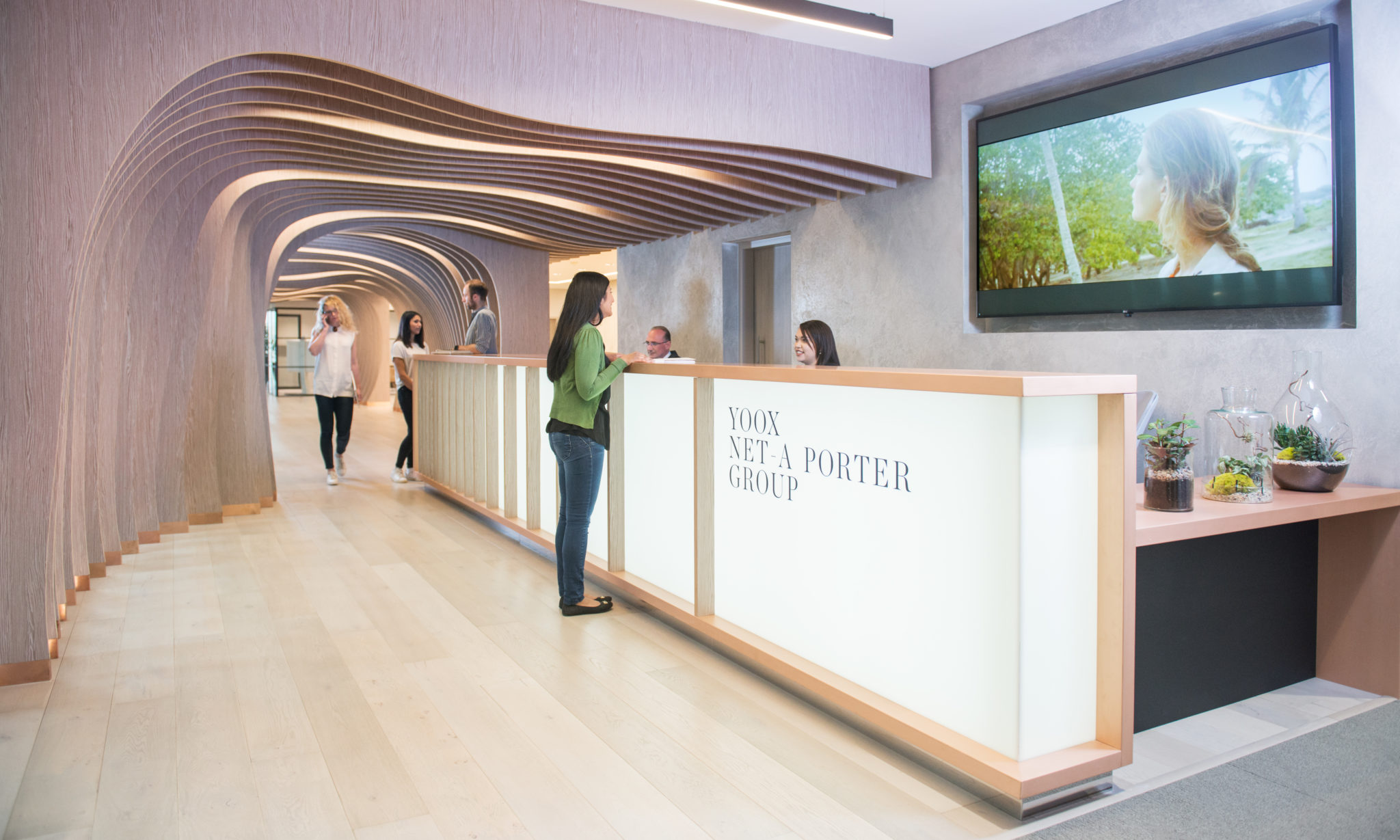
    YOOX NET-A-PORTER GROUP (YNAP), the world’s leading online luxury fashion retailer, announces the appointment of Olivier Schaeffer as Global Chief Operating Officer for the Group.

    Starting May 21st, Olivier will lead all Operations and Technological activities on a global scale. He will report into Federico Marchetti, CEO of YOOX NET-A-PORTER GROUP.

    Olivier was most recently Global COO for Sephora where he spent 16 years of his career. Olivier was instrumental in leading the omnichannel expansion of the beauty and perfumes leading retailer.

    Federico Marchetti, Founder and CEO of the YOOX NET-A-PORTER Group, stated:

    “I am very happy to welcome Olivier to our team. We want to accelerate YNAP’s ambitious plans to grow globally. That’s why we asked Olivier to join us as Global COO. His decades of relevant experience are a perfect fit with our needs. Olivier will be a key asset to take us through this next phase of our growth”.

  • Shopee announces regional partnership with NIVEA across Southeast Asia

    Shopee announces regional partnership with NIVEA across Southeast Asia

    Shopee, the leading e-commerce platform in Southeast Asia and Taiwan, announced its partnership with global skin care brand, NIVEA across six key markets. Shopee users in Singapore, Malaysia, Thailand, Indonesia, Vietnam and the Philippines can now enjoy convenient access to an array of skin care essentials by NIVEA on the platform. To mark the launch, NIVEA will be holding an opening sale from 10 to 13 May, featuring discounts of up to 55% off all NIVEA products on its Official Store on Shopee.

    The partnership was officiated with a Memorandum of Understanding signing ceremony on 9th May, represented by Chris Feng, Chief Executive Officer of Shopee, and Holger Welters, President Director of Indonesia and Philippine Beiersdorf 

    Feng said, “Our users form the core of all our strategies, and the launch of NIVEA on Shopee is aligned with our commitment to continuously improve our product offerings to cater to the needs of our users. We believe that our partnership with NIVEA will improve our skin care category and help strengthen our positioning as the best e-commerce platform. We are pleased to welcome NIVEA as an official Shopee partner, and look forward to working closely with them to deliver greater choices and cost-savings for users across the region.”

    Based on a study by Statista, the global skin care market has been growing steadily over the years, and is estimated to hit 180 billion U.S. dollars by 2024. At the forefront of this growth is the APAC beauty market which achieved a compound annual growth rate (CAGR) of 6% over the past years, and makes up more than half of the total global beauty sales; demonstrating an increasing demand for beauty products, including skin care, by consumers in the region.

    “E-commerce has continued to gain traction in the region as a result of increasing internet and smartphone penetration. Expanding our business online will provide consumers with convenience and access to NIVEA products, and provide them with value-added services such as different payment and shipping options,” said

    Holger Welters, President Director of Indonesia and Philippine Beiersdorf

    “As a key brand under Beiersdorf, NIVEA’s corporate vision is to be the number one in skin care in all our relevant markets and categories. We believe that our partnership with Shopee as the leading mobile e-commerce platform in Southeast Asia will help us reach more consumers in the region, and provide them with access to the complete range of NIVEA products, as well as exclusive items and promotions. To provide consumers with peace of mind when shopping for NIVEA products online, we recommend our consumers to always purchase from an official online store, such as our NIVEA Official Store on Shopee,” concluded Welters.

    All NIVEA products can be found via the NIVEA Official Store on Shopee Mall. All Shopee Mall products come with 15 days free return, 100% authentic guarantee, and free shipping.

  • AEON and Thai Airways launches “AEON Royal Orchid Plus World Mastercard”

    AEON and Thai Airways launches “AEON Royal Orchid Plus World Mastercard”

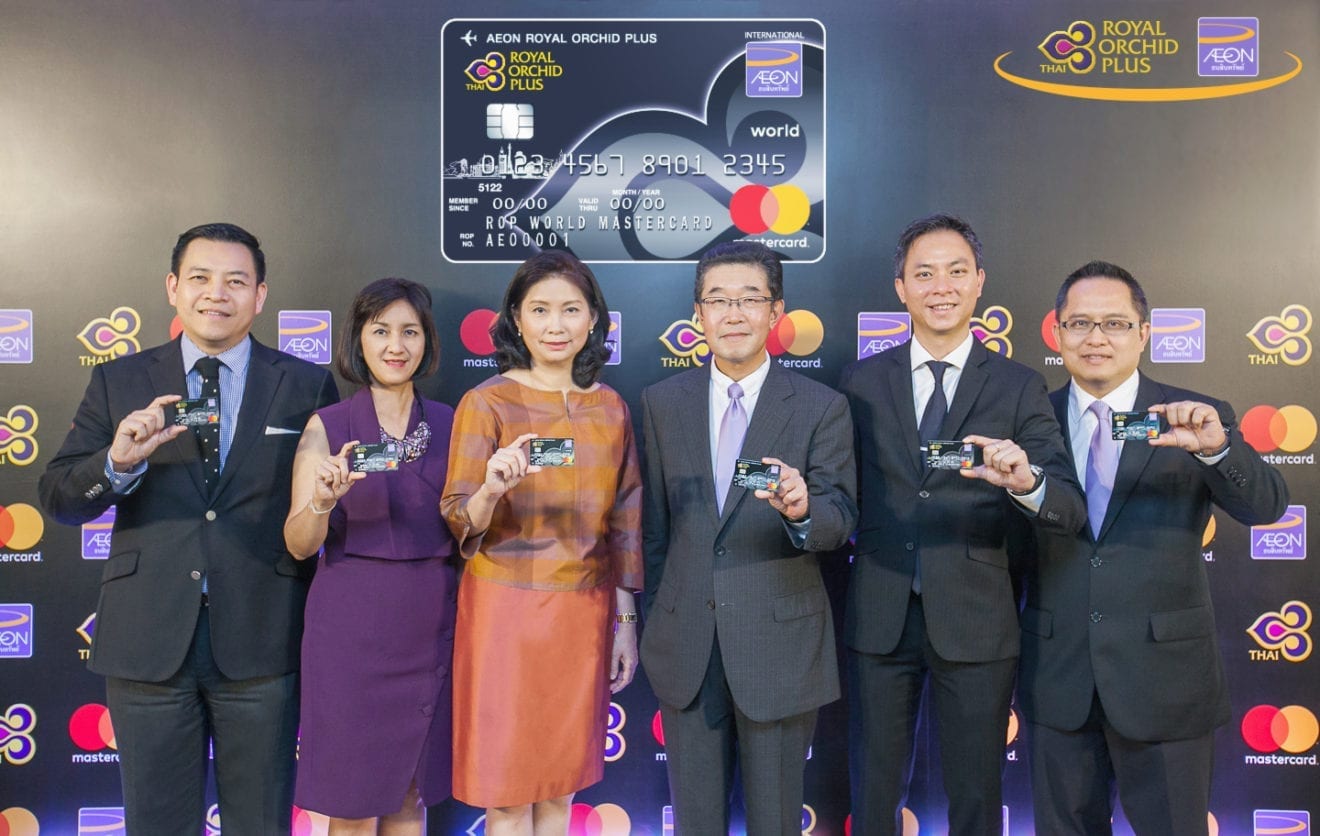
    AEON, in cooperation with Thai Airways, launches “AEON Royal Orchid Plus World Mastercard” with the concept of ‘Enjoy the World of Travelling Freedom’, offering the ultimate in travel experiences and superior customer benefits for both business people and jetsetters. It’s estimated there will be more than 5,000 new AEON cardholders this year.

    Mr. Kiyoyasu Asanuma, Managing Director of AEON Thana Sinsap (Thailand) Public Company Limited said: “AEON has always developed products and offered privilege benefits that focus on customer satisfaction and expand on our premium customer base. By focusing on our customers with a proactive strategy that benefits activities, such as spending and travelling, we can offer our premium customers experiences that truly benefit their lives.

    Taking a step further in AEON’s expansion into the premium market is its cooperation with leading partners, THAI Airways and Mastercard. “AEON Royal Orchid Plus World Mastercard” under the concept ‘limitless travel opportunities’, is part of a new generation of credit cards that double as a personal assistant in creating a trip. It aims to fulfill the needs of target groups with an income of 70,000 baht per month or above, providing value and benefits that compliment their premium lifestyles.

    AEON Royal Orchid Plus World Mastercard enables cardholders to travel around the world with exclusive privileges. For every 15 baht spent in foreign currency they’ll earn 1 AEON Royal Orchid Plus Reward Point. When spending in foreign currency, premium customers are eligible to earn cash-back of up to 36,000 baht per year on global spending. Moreover, when purchasing a second Thai Airways Business Class ticket, they’ll be eligible for 50 percent cash-back as well as access to the Royal Orchid Lounge at Suvarnabhumi Airport and a Lounge Key to 850 leading airports around the world.

    Additionally, customers can enjoy exclusive privileges with AEON Personal Assistant, a 24-hour worldwide concierge that will ensure that all requirements of cardholders are provided professionally and personally, anywhere, anytime. Furthermore, this also includes travel accident insurance coverage of up to 31 million baht, as well as compensation for any lost wallet and the items inside; or any damage incurred from online shopping through the Wallet Protection Insurance and Mastercard E-Commerce Protection plan.

    In celebration of the AEON Royal Orchid Plus World Mastercard launch, customers spending with the AEON Royal Orchid Plus World Mastercard within 30 days of activating the card will receive 2,000 bonus miles from Thai Airways. Additionally, customers can earn 15,000 miles or receive up to 50 percent discount when purchasing an iPhone X (256 GB) if they spend with AEON Royal Orchid Plus World Mastercard within 60 days of activation under company terms and condition. This offer is valid from today until 31 July, 2018.


  • Gourmet burgers drive McDonald’s results

    Gourmet burgers drive McDonald’s results

    McDonald’s reported first quarter results that topped analysts’ forecast on Monday, helped by strength in international markets and U.S. consumers opting for more expensive burgers over value meals.

    Shares of the world’s biggest chain by revenue rose 4.2 percent to US$165.10 in premarket trading as global same-restaurant sales topped Wall Street forecasts, pulling profit higher.

    A multiyear turnaround plan launched by Chief Executive Steve Easterbrook three years ago, has brought menu changes, new technology to stores and restaurant upgrades to drive more traffic.

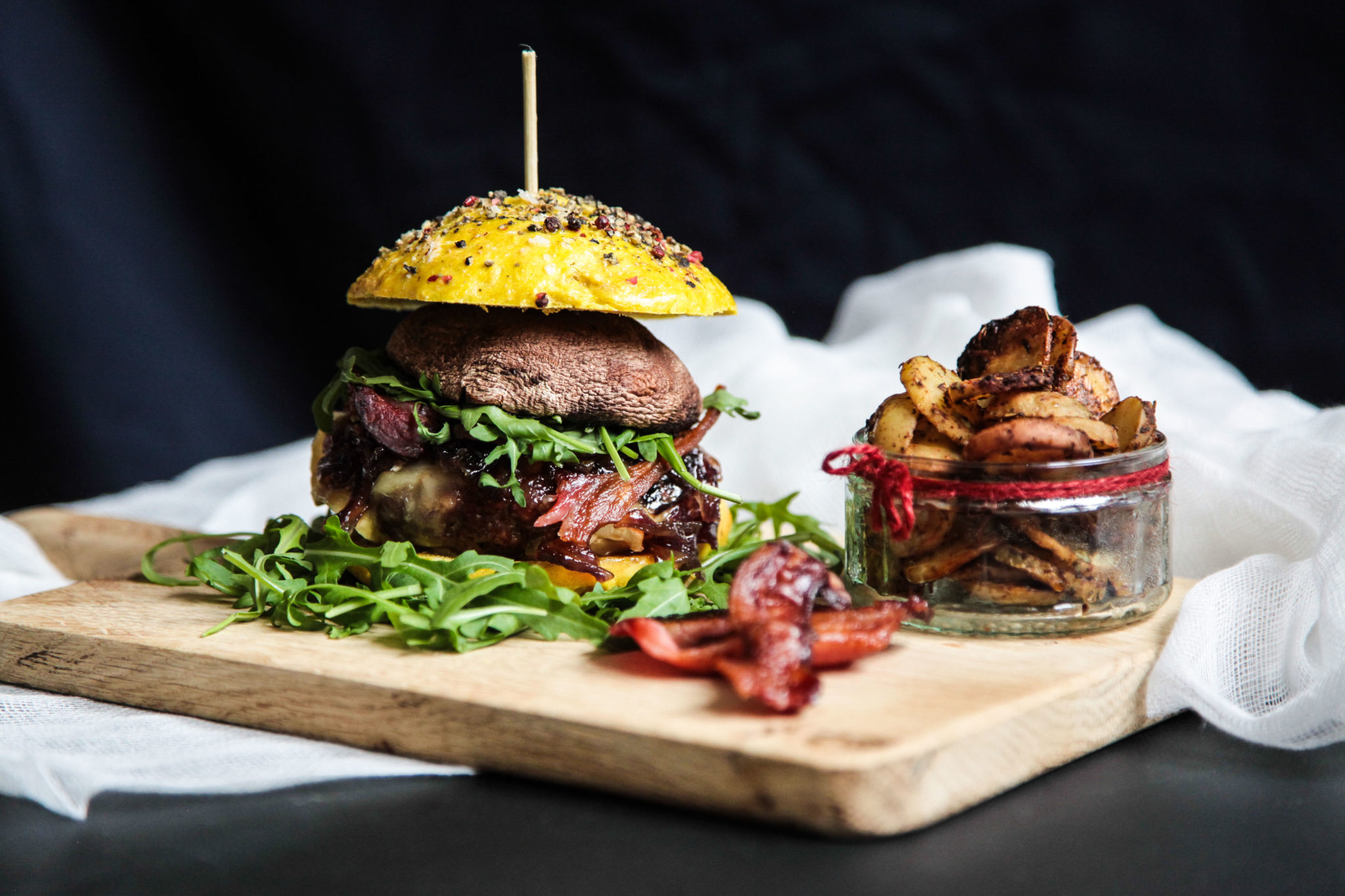
    High-margin “gourmet” burgers which offer fresh and more expensive ingredients, costing US$6 or US$7 a time compared to the chain’s US$1 to US$3 value options, raised the overall average U.S. check value.

    Global sales at stores open at least 13 months rose 5.5 percent, easily topping an average estimate of 3.94 percent and reflecting a 7.8 percent surge in the company’s more mature international markets – Australia, Canada, France, Germany and the United Kingdom.

    “This shows the power of the brand … globally the numbers were outstanding,” Peter Saleh, an analyst with brokerage BTIG, said. “The results were very impressive, actually more impressive than we initially had anticipated.”

    Excluding items, the company earned US$1.79 per share, beating the estimate of US$1.67. Revenue overall fell 9 percent as a result of refranchising – a cost-cutting move where the company sells McDonalds-owned outlets to a franchisee investor and receives only a cut of sales.

    The shape of the results also ran contrary to recent quarters, when McDonalds and other fast food chains have focused on battling each other with dollar menus, discounts on beverages and limited-time menu items as consumer spending cools.

    “It is clear that diners now see the value options as a permanent fixture and are no longer as excited or stimulated by them,” said Neil Saunders, Managing Director of market research house GlobalData Retail.

  • Singapore Airlines new Airbus service to begin out of Christchurch

    Singapore Airlines new Airbus service to begin out of Christchurch

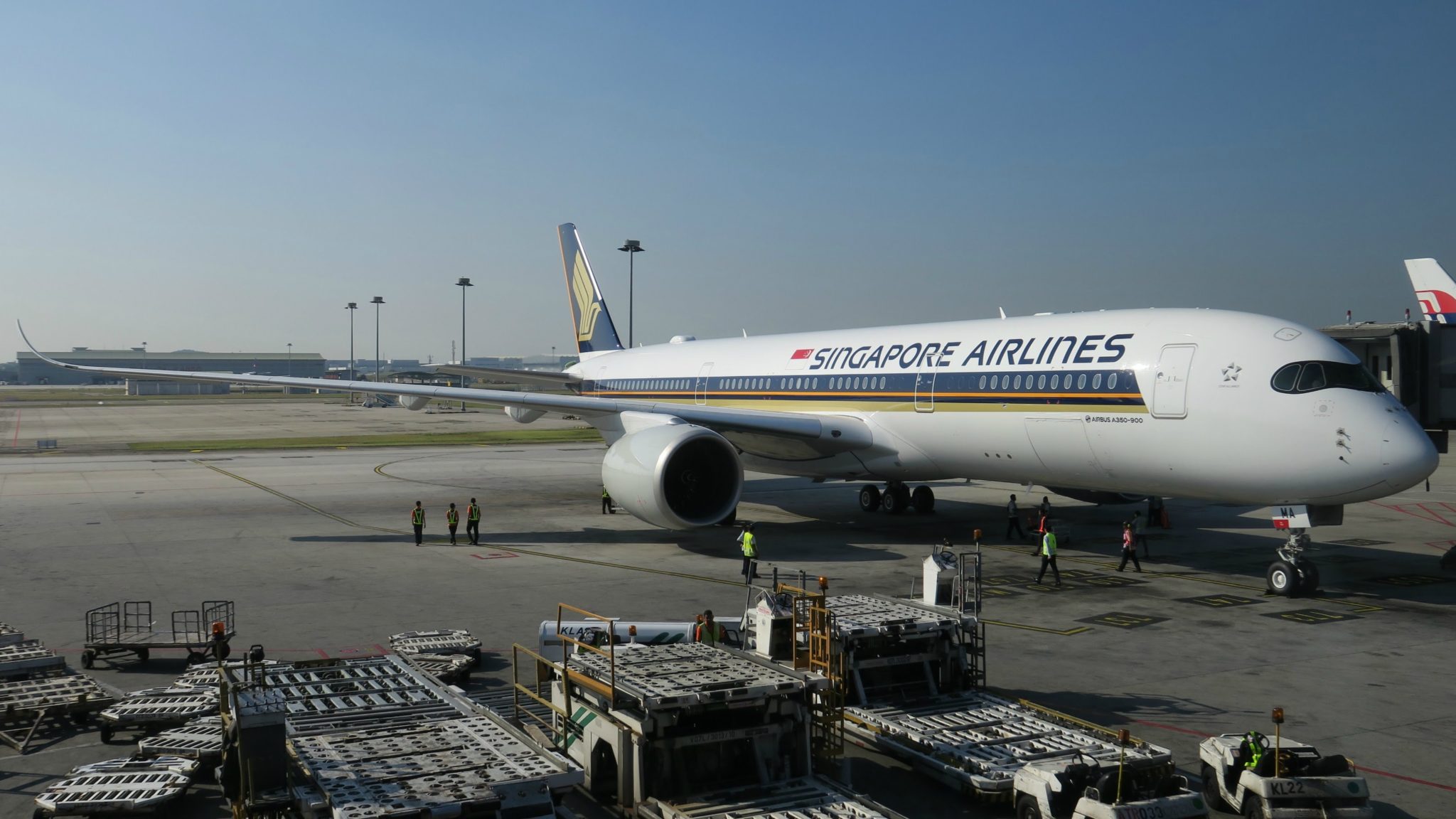
    New Zealanders travellers between Christchurch and Singapore will soon have the additional choice of a Singapore Airlines A350-900 aircraft.

    It follows the recent introduction of Singapore Airlines flights from Wellington to Singapore via Melbourne, Singapore Airlines general manager New Zealand, Simon Turcotte said.

    The Christchurch service will begin in January 2019 with the A350-900 Airbus which has higher ceilings, larger windows, and wider body.

     The new aircraft have fewer seats at 253 compared with the current Boeing 777-200ER which has 312 seats – but there are more premium class seats on offer to make the airline more money per flight.

    The new A350-900 has a standard seating pattern of 42 business class fully reclining seats ($5500 one-way), 24 in premium economy class with partly reclining seats ($3300), and 187 economy class standard seats $1550).

    By contrast the Boeing 777-200ER aircraft had fewer of the more expensive premium seats.

    All the seats on the new service are described as “next generation”.

    Turcotte said the company was introducing premium economy class on the route for the first time.

    It will allow customers to enjoy the seating from the South Island to destinations such as Paris, London, New Delhi, Johannesburg, Dubai, Barcelona, and Hong Kong.

    “The introduction of premium economy will make Singapore Airlines the only long haul carrier offering the cabin daily out of Christchurch on a year-round basis.”

    Premium economy class gives customers priority handling and boarding, a 2-4-2 seating arrangement, seats with greater width up to 49.5 centimetres including a calf-rest and footrest, reclining up to 20cms with a 96cms seat pitch. They also get a  33.7 cms touch screen monitor, noise cancelling headphones, and champagne throughout the 10 hour flight.

    The business class cabin is configured in a 1-2-1 layout giving every traveller direct aisle access, a 71cms wide seat converting into a 198cms fully-flat bed with cushioned headboard, plus spaces for laptops, and 45cms HD LCD screen and noise cancelling headphones.

    Economy class passengers are stacked in a 3-3-3 configuration, 45cms seat with backrest cushion and headrest, plus smaller touch screen.

    Singapore Airlines has 67 of the A350-900 aircraft on order and has taken delivery of 21 since the first aircraft entered the fleet in March 2016.

    Passengers will also be able to use the Singapore Airlines companion app, to control their in-flight entertainment.

  • Amorepacific’s profit slide due to Chinese Challenges

    Amorepacific’s profit slide due to Chinese Challenges

    A sharp drop in Chinese tourist numbers has seen South Korean cosmetics maker Amorepacific’s profit slide 20.9 per cent in the first quarter.

    Net income came to KRW176.7 billion (US$163 million) in the January-March period, down from KRW223.5 billion won.

    Operating profit fell 25.5 per cent to KRW235.9 billion, while sales declined 8.8 per cent to KRW1.43 trillion during the cited period, it said.

    Amorepacific says the weak performance follows the decline in inbound tourists from China following the Beijing government’s ban on sales of Korea-bound package tours amid a diplomatic row over the deployment of a US missile system.

    The combined net income of Amorepacific Group, which includes brands like Etude and Innisfree, reached KRW216 billion in the quarter, also down 18.9 per cent.

    The total operating profit was down 26.5 per cent to KRW278.1 billion, and sales fell 10.3 per cent to KRW1.66 trillion.

  • Cebu Pacific pushes fleet modernization

    Cebu Pacific pushes fleet modernization

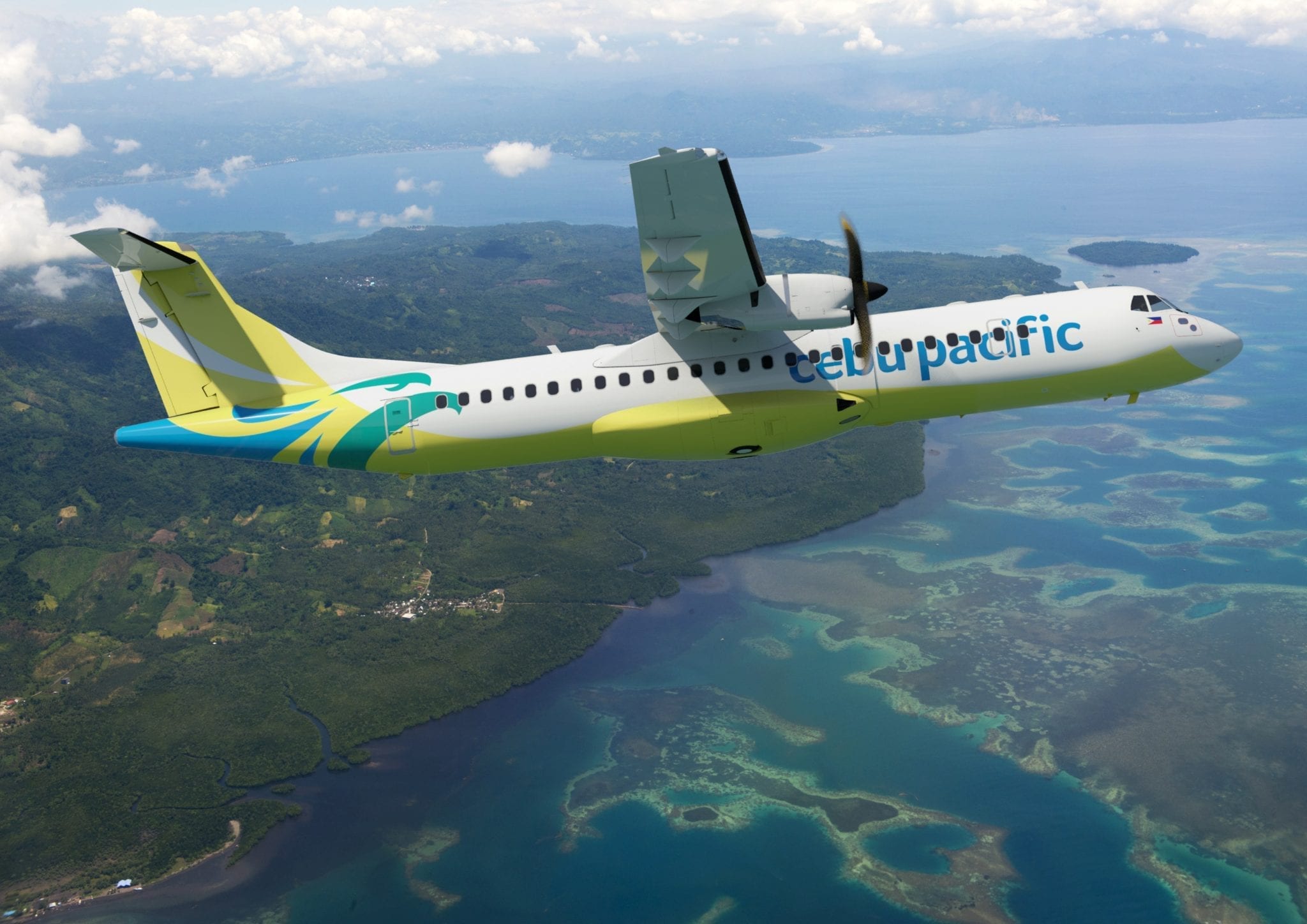
    The Philippines’ leading carrier, Cebu Pacific Air (PSE: CEB), is beefing up its fleet with the arrival of three additional brand new Airbus A321CEO (Current Engine Option) aircraft. With these deliveries, the CEB fleet is now comprised of 65 aircraft, specifically four Airbus A321CEO, 36 Airbus A320, eight Airbus A330, eight ATR 72-500 and nine ATR 72-600.

    Cebu Pacific invested US$ 4.9 billion for its new A321 fleet, with deliveries of additional three A321CEOs and 32 A321NEOs (New Engine Option) spread from this year until 2022. These new aircraft support Cebu Pacific’s expansion plans across the region, further boosting a network that now spans over 100 routes on 37 domestic and 26 international destinations.

    The new A321CEOs can accommodate 50 more passengers, with a total seating capacity of 230 seats. Coupled with investments in avionics, this will enable CEB to operate more efficiently, and offer even lower fares to its customers.

    Cebu Pacific operates one of the youngest and most modern aircraft fleets in the world, with an average age of 4.86 years.

  • Aldi, Costco bring prices down of groceries

    Aldi, Costco bring prices down of groceries

    International grocery giants Aldi and Costco are driving down fruit and veg prices in Western Australia at a faster rate than anywhere else in the country, according to new research.

    Analysis conducted by Bankwest has found that Perth shoppers spent 6.9 per cent less on fruit and veg in the year to September 2017 than the previous year, signalling a step up in competitive intensity among Australia’s major supermarkets as discounters increase their investment in the state.

    Overall food and non-alcoholic beverage prices declined by one per cent in the twelve-month period, 0.3 per cent higher than the nationwide average decline of 0.7 per cent.

    Over the last three years prices have declined by 1.4 per cent in Perth, with average grocery basket price declining by 5.1 per cent from $177.7 to $168.6 in the year to June 2016.

    Richard Bator, Bankwest’s general manager of business banking in WA, said that discounters are rapidly growing their market share out west.

    “The supermarkets industry is now one of the most fiercely competitive industries in the nation due to the rapid growth of international retailers competing for a share of the $100 billion industry.”

    German entrant Aldi began its expansion into Western Australia in 2016 and has been investing heavily in the market, while American giant Costco unveiled plans for two Perth locations by the end  of 2019 in March.

    In the year to June 2016 the average price of a grocery basket in Western Australia declined by 5.1 per cent  from $177.7 to $168.6 – prices have declined 1.4 per cent over the last three years.

    Smaller retailers have been adversely impacted by the increase in competition, particularly as Coles and Woolworths move to improve their fresh offers to shore up their own operations.

    Bankwest found that the number of grocery retailers employing less than 20 staff fell by 10.6 per cent in the year to June 2016.

    The story is more positive for the overall market, Bankwest said, which is projected to grow by 9.3 per cent in the five years to June 2022.

  • KBank teaming with Com7 to expand the BaNanas IT stores

    KBank teaming with Com7 to expand the BaNanas IT stores

    Com7 has teamed with Kasikornbank (KBank) to expand the BaNana store chain, enabling younger consumers to access IT products and services more conveniently.

    Their first joint BaNana pilot branch was in Yasothon, and the two companies plan to have 20 more mini-branches by year’s end offering more diverse retail business and comprehensive financial services in Thailand, says Com7 CEO Sura Khanittaweekul.

    The listed company aims to achieve 600 branches under its management by the end of the year, up from 434 last year. Com7 has set an income-growth target of not less than 15 per cent for this year. Last year’s income came in at THB22.584 billion and net profit at THB608.8 million, both records for the business.

  • Dunhill London store in Hong Kong opens with a new Design

    Dunhill London store in Hong Kong opens with a new Design

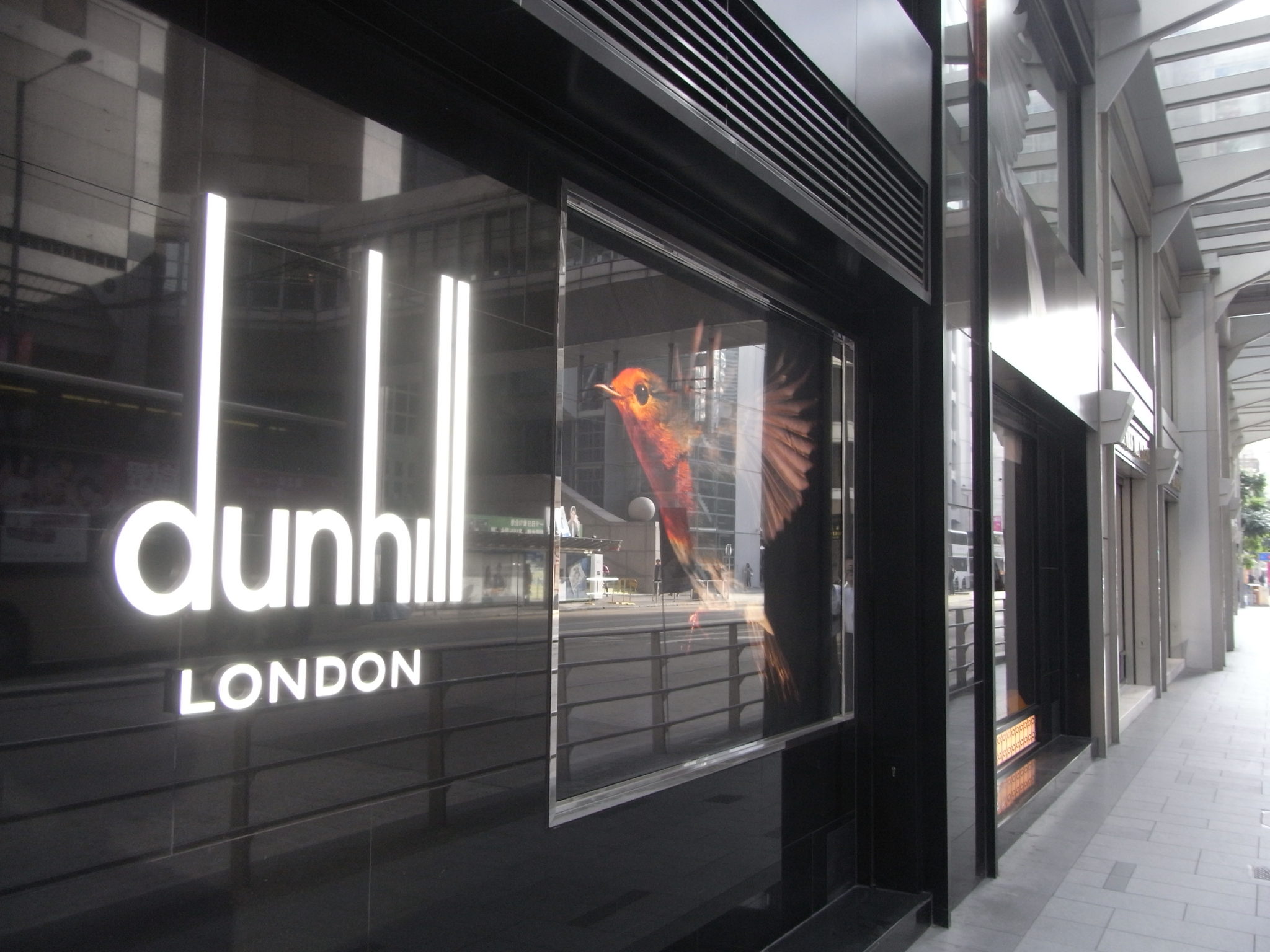
    Dunhill describes the launch of its new Dunhill London store in Hong Kong’s IFC Mall as “a strategic milestone” in the brand’s evolution and global expansion.

    “A new language of retail design builds an engaging visual conversation, where an open and clean space showcases the best of British luxury menswear in an understated, relevant and approachable way,” the company says, describing the essence of its newest store in Hong Kong, one of four opened in greater China over recent weeks.

    “Engineering and craftsmanship are combined to create a masculine and contemporary space, through the interplay of walnut woods and marble, together with signature leather and metal details.”

    The other new stores opened simultaneously in Shanghai’s Grand Gateway, Beijing’s Wangfu Central & Xian SKP.

    The Dunhill London store at IFC Mall has a 123sqm footprint.