Tag: asia

  • Vietnamese labor productivity among lowest in Asia

    Vietnamese labor productivity among lowest in Asia

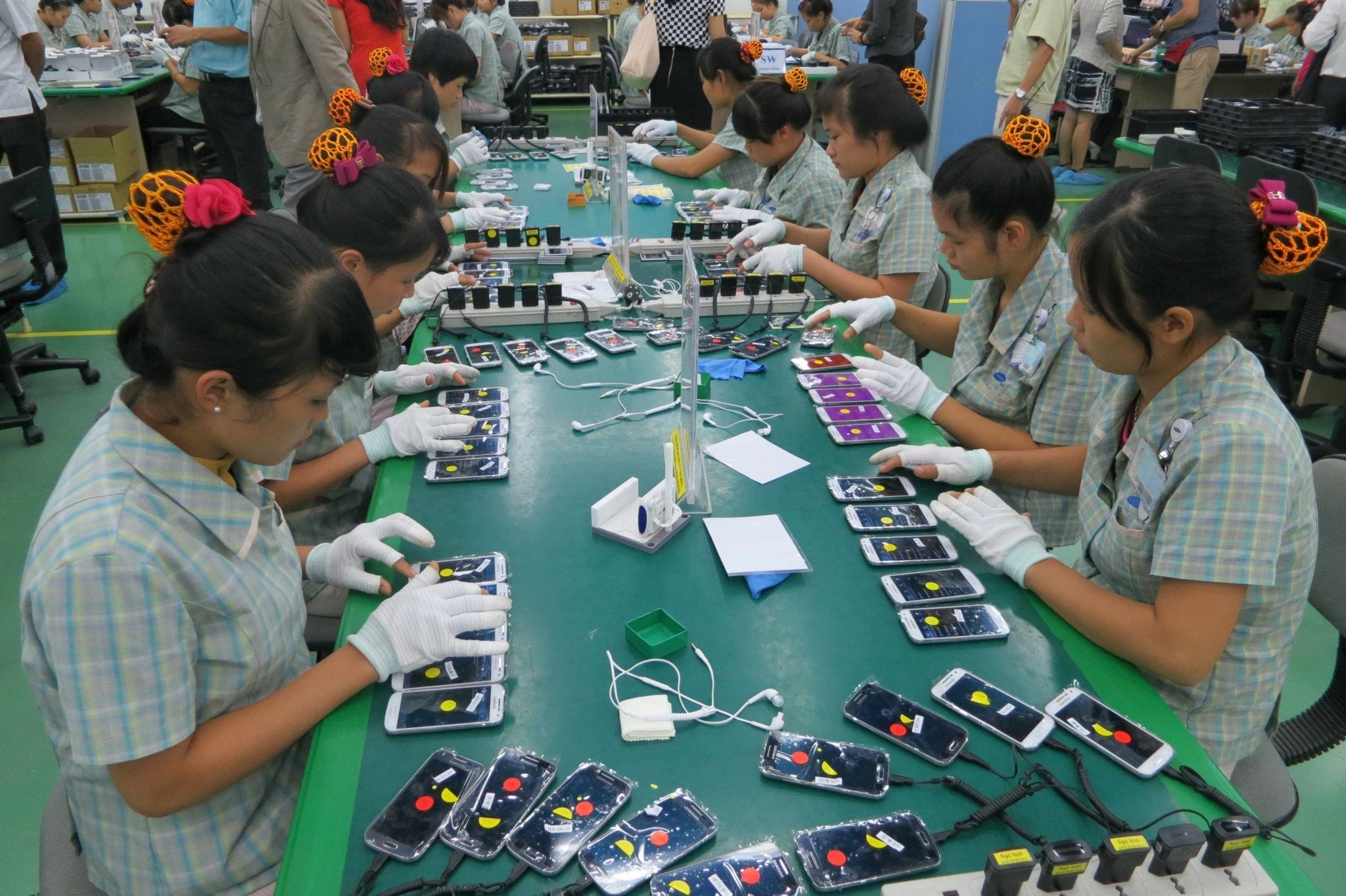
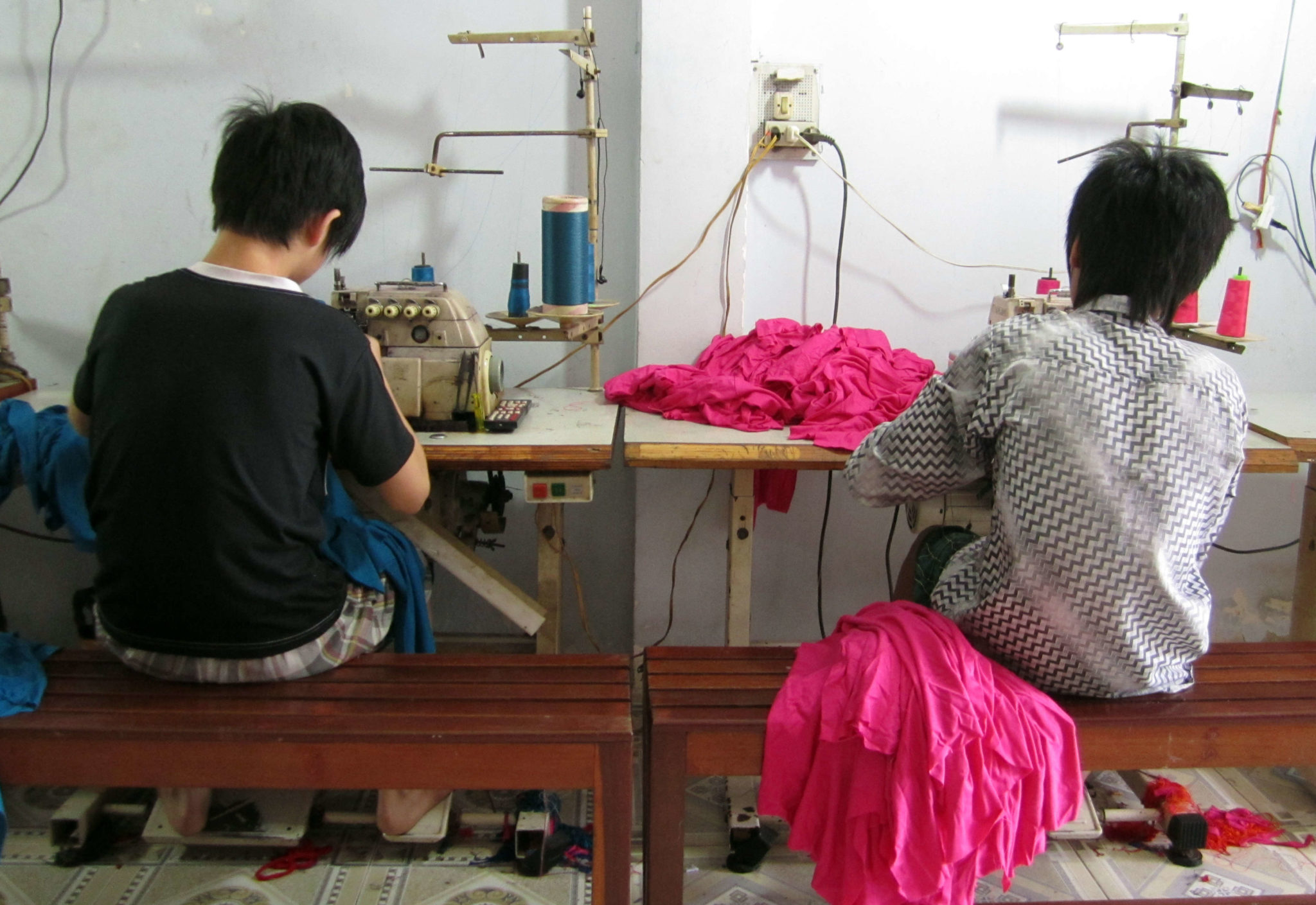
    Productivity is rising, but not as fast as wages, creating the risk of an economic imbalance. Vietnam’s labor productivity last year was among the lowest in Asia despite showing growth, according to a report published on Tuesday.

    Average productivity in Vietnam increased by 36 percent from VND38.64 million per worker in 2006 to VND60.73 million ($1,660 to $2,600) in 2017, according to the Vietnam Annual Economic Report 2018.

    However, the level is still below Japan, South Korea, China, Singapore, Thailand, Malaysia, the Philippines, Indonesia and Cambodia, according to researchers from the Vietnam Institute for Economic and Policy.

    Vietnam’s labor productivity was lower than Cambodia’s in the manufacturing, construction and transportation-storage-communications sectors. The country’s productivity ranked second lowest of the countries reviewed, and was only higher than Cambodia in agriculture, electricity-water-gas and wholesale-retail-repair, the report said.The General Statistics Office says that Vietnam’s labor productivity is only 1/18th of Singapore, 1/16th of Malaysia and 1/3 of Thailand and China.

    In order for Vietnam to surpass neighboring countries such as Cambodia in terms of productivity and economic growth, the country needs stronger reforms, researchers said.

    The link between labor productivity and wage growth was also mentioned in the report. Vietnam’s current minimum wage is set from VND2.76 to 3.98 million ($121-175) per month, depending on each region.

    Vietnam’s wage growth of 6.7 percent exceeded labor productivity growth of 5 percent between 2004 and 2015, and researchers are concerned it could create an imbalance if the pattern persists.

    The study also outlined issues with the country’s young workforce, as 60 percent of young laborers with lower and upper secondary education are working in the informal sector (for example, a family business), which are generally considered areas of low productivity, precarious employment and unstable incomes.

    Nearly a half of young workers have a qualification mismatch, and 33 percent are not qualified for what they do, the report said. Around 70 percent of young workers do not have social insurance, but wages continue to  increase rapidly, it added.

    Vietnam is currently riding on a wave of high growth, and some researchers forecast that GDP growth will reach 6.83 percent this year, exceeding the National Assembly’s target of 6.7 percent. However, there is the possible risk of inflation exceeding 4 percent due to pressure from price adjustments for public services and petroleum, they added.

  • Smartphone brand BlackBerry Starts opening stores in China

    Smartphone brand BlackBerry Starts opening stores in China

    BlackBerry Star shops have opened in Shanghai and Nanjing.

    They aim to offer a new retail experience for users of the smartphone brand with in-store displays, training and after-sales support.

    Blackberry Mobile global business unit GM Alain Lejeune, who is also senior VP of TCL Communications, attended the opening of both stores, which attracted the phone’s fans from the community.

    He says fan interaction plays a key role in BlackBerry Mobile’s strategy in the Chinese market, along with product experience and delivery.

    More BlackBerry Star shops are scheduled to open across China.

  • DHL Hong Kong Air Trade Leading Index Q2 2018

    DHL Hong Kong Air Trade Leading Index Q2 2018

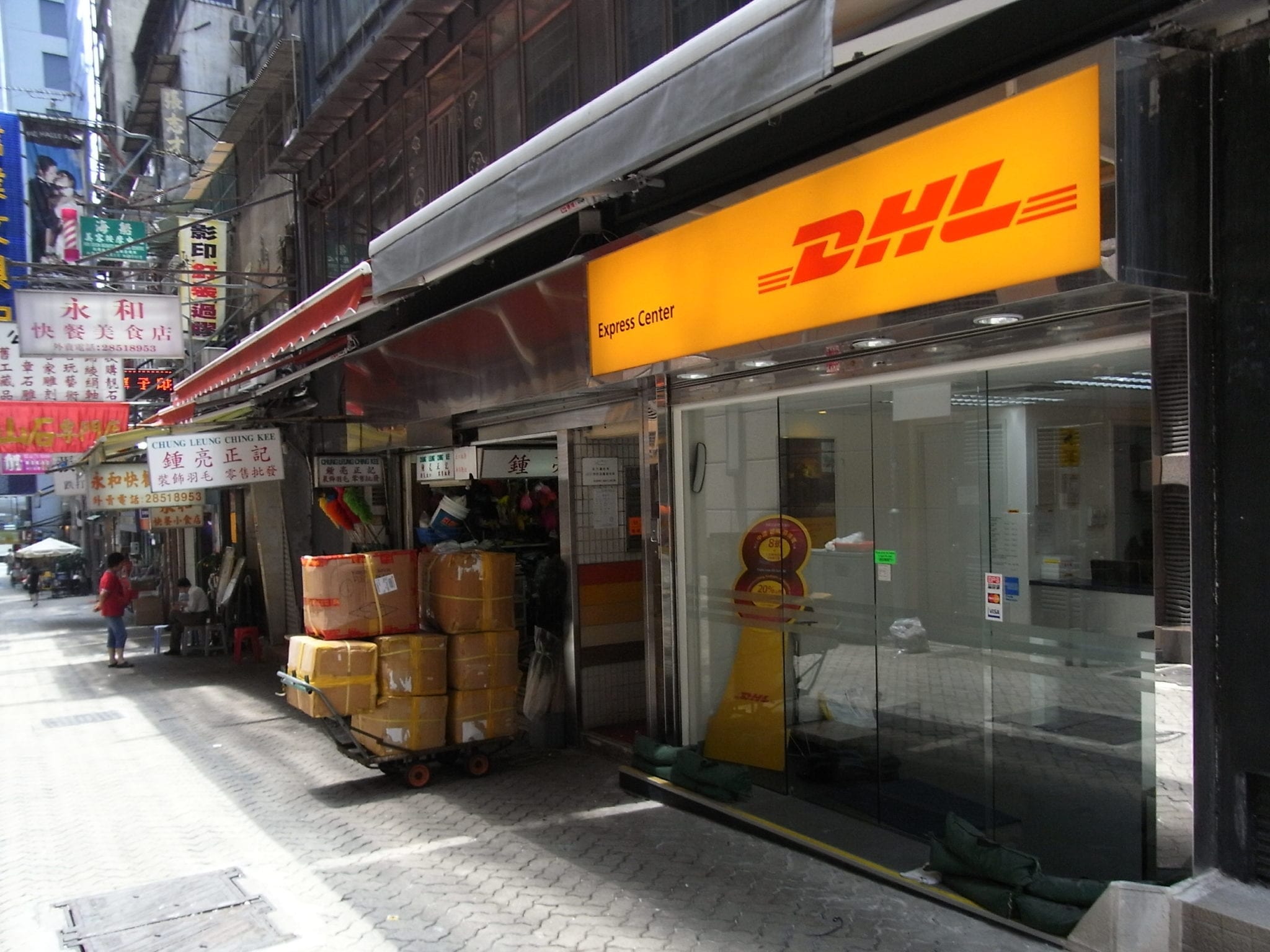
    The DHL Hong Kong Air Trade Leading Index has published its results for Q2 2018.

    Highlights of the DTI Q2 2018 include:

    • The overall trade outlook for Q2 2018 had a slight downward adjustment

    amid concerns over escalating trade conflict between the United States and

    China. Despite this, the latest DTI survey found that there are limited concerns

    about air trade and overall outlook for air trade is more positive, compared to

    the same period last year.

    • Outlook on air imports remains optimistic despite a modest dip from the

    previous quarter.

    • Air exports index dropped and is predicted to encounter challenges. Market demand has gained strength and turned positive in the Americas, but is countered by issues in Asia Pacific and Europe. • The Hong Kong government is planning to use its financial surplus to improve residents’ livelihoods. It is generally believed that this development will boost air import demand

    The DHL Hong Kong Air Trade Leading Index report is available at u.hkpc.org/dti_eng.

    The first indicator of its kind in Hong Kong, commissioned by DHL Express Hong Kong and compiled by the Hong Kong Productivity Council, the DHL Hong Kong Air Trade Leading Index aims to provide a forward looking perspective on overall air export and import trade volumes by analyzing key attributes of business demand.

  • Fast Food Giant Jollibee To Acquire Tim Ho Wan Franchises In APAC

    Fast Food Giant Jollibee To Acquire Tim Ho Wan Franchises In APAC

    Jollibee Foods (JFC) announced yesterday that it would invest US$33.4 million (S$45 million or Php 1.74 billion) in a private equity fund that is set to acquire the master franchise of Tim Ho Wan in the Asia Pacific.

    In a disclosure to the Philippine Stock Exchange, Jollibee said that it would account for 45 per cent of the total committed investments in Titan Dining LP, which is worth S$100 million.

    According to Jollibee, Titan has a binding agreement to acquire 100 per cent of the Asia Pacific master franchise holder of the Tim Ho Wan brand, Tim Ho Wan Pte Ltd (THWPL) and its affiliate Dim Sum Pte Ltd, which owns and operates Tim Ho Wan stores in Singapore.

    “Titan may eventually add other brands in the food service sector to its portfolio, with the objective to grow strong Asia-Pacific food service brands across multiple geographies and markets, and to bring strong global food service brands to Asia Pacific,” according to JFC.

    JFC chairman Tony Tan Caktiong trusts that this investment will bring “very healthy financial returns” to Jollibee.

    “Our long-term investment in Tim Ho Wan is in line with JFC’s mission to serve great-tasting food and spread the joy of eating to everyone,” he said.

    The deal will combine Tim Ho Wan’s Michellin-starred barbecue pork buns with Jollibee’s stable of Chinese restaurants: Chowking in the Philippines, and Yonghe King and Hong Zhuang Yuan in China.

    The trio of Chinese restaurants accounted for 23 percent of system-wide sales last year, said Jollibee.

    Jollibee, the largest fast food company in the Philippines, has been on an acquisition and expansion spree overseas.

    It recently secured US government’s approval for its acquisition of more shares in Colorado-based burger joint Smashburger.

    It also opened its first European store in March, and a third outlet in Canada in April.

    Due to aggressive store openings, Jollibee said that its net income rose 17.3% to 1.8 billion pesos (US$3.47 million) in the first quarter from a year ago as total sales rose 19.3% to 46 billion pesos.

    Now, Jollibee has the option to acquire “substantial ownership” of the Tim Ho Wan master franchise in the Asia Pacific after the term of Titan Dining ends in 7 years.

    It also said that it would operate as a Tim Ho Wan franchisee in Shanghai to prepare for that possibility.

    Tim Ho Wan currently has franchisee in Cambodia, Indonesia, Japan, Macau, Taiwan, Thailand, Vietnam, Australia, and the Philippines; with an expansion development in the works in the Asia Pacific region.

    Together, Tim Ho Wan and Dim Sum operate 40 restaurants in total, both company-owned and franchised stores.

  • After Clark, AirAsia developing hubs in Puerto Princesa, Bohol

    After Clark, AirAsia developing hubs in Puerto Princesa, Bohol

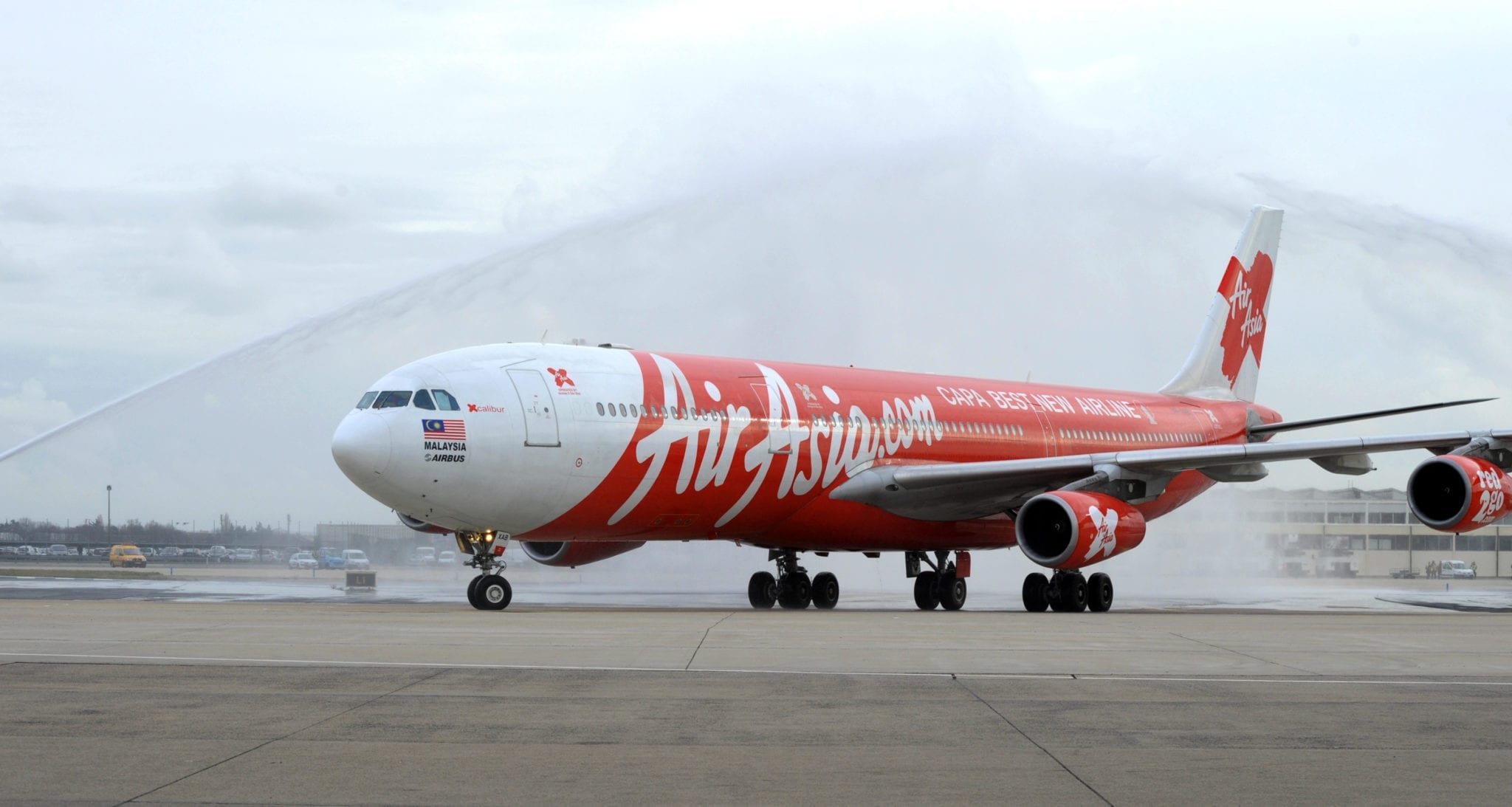
    With a goal of increasing its fleet to 70 jets, Philippines AirAsia Incorporated is developing hubs in Puerto Princesa, Palawan and Panglao, Bohol, which are two of the country’s top tourist draws.

    “We are opening up Panglao when it opens up and Puerto Princesa. These will be opened up as hubs because we are lacking space in Manila. In the next 10 years, we should have 70 planes,” AirAsia president and chief executive officer Dexter Comendador told reporters on the sidelines of an event in Mandaluyong City last week.

    Comendador had reiterated the airline’s goal to make the Clark International Airport its main hub for operations, as the Ninoy Aquino International Airport (NAIA) has inadequate space for the budget airline’s fleet expansion.

    In the next 3 to 5 years, Comendador said Philippines AirAsia targets to double its fleet. By 2032, it aims to have 70 planes.

    “We need to distribute the planes to the countryside. It will spread then development will follow,” the chief of Philippines AirAsia added.

    In 2013, the local unit of AirAsia moved its operations to the NAIA Terminal 4 in Manila after its then-affiliate Zest Airways Incorporated suffered heavy losses. It was in March 2017 when AirAsia moved back to its Clark roots.

    In line with its goal to increase its fleet, Philippines AirAsia is also increasing its flight frequencies to China, including Cebu-Shenzhen, Shanghai, and Guangzhou within the month.

    Comendador said Philippines AirAsia is looking to launch direct flights between Manila and Osaka, Japan by the 3rd quarter of 2018.

    “We’re trying to share each other’s tourists in the AirAsia group to bring them in here. Boracay is just a glitch. There’s Panglao, Puerto Princesa, Davao, Cebu. There are other places,” Comendador added, referring to the 6-month closure of Boracay to tourists.

    Philippines AirAsia operates a fleet of 17 aircraft with domestic and international flights out of hubs in Manila, Cebu, Kalibo, and Clark.

    It flies to Manila, Davao, Cebu, Kalibo, Tacloban, Tagbilaran, Puerto Princesa, Clark, Shanghai, Taipei, Incheon, Hong Kong, Macau, Kuala Lumpur, Kota Kinabalu, and Singapore

  • AirAsia Campaign Encourages Thai Travelers to Travel During the Week

    AirAsia Campaign Encourages Thai Travelers to Travel During the Week

    BDO Bangkok has released a follow up to a clever print campaign to encourage Thais to travel on AirAsia during the week, rather than over the weekend when Thailand’s tourist destinations are busier.

    To illustrate this, the campaign uses scenes from ordinary life to look like calendars – emphasising that the weekdays are less hectic.

  • Free up your summer with two million Vietjet HK$0 tickets

    Free up your summer with two million Vietjet HK$0 tickets

    Welcome the coming of summer with Vietjet’s biggest promotion of the year, “Free up your summer with Vietjet”, which comes with millions of super promotional tickets priced from only HK$0 during the period of May 9 to July 31, 2018.

    On the first week of this exciting campaign, Vietjet will run a three-golden-day promotion offering 2,000,000 tickets priced from only HK$0 from May 9 to May 11 at www.vietjetair.com. The promotional tickets are available for Vietjet’s all domestic routes in Vietnam, Hong Kong–Ho Chi Minh City route and the airline’s other international routes from Seoul, Busan, Daegu (South Korea)/ Kaohsiung, Taipei, Taichung, Tainan (Taiwan)/ Singapore/ Bangkok, Phuket, Chiang Mai (Thailand)/ Kuala Lumpur (Malaysia)/ Yangon (Myanmar)/ Phnom Penh, Siem Reap (Cambodia) to Vietnam with flight period from August 20 to December 31, 2018?

    Summer is the season of joy, excitement and adventure. It is also the perfect time to “fly” with a youthful spirit, leaving behind all worries.Let’s fly with your family, friends across Vietnam and overseas destinations… with many exciting in-flight services this summer.

    Aiming to be a “Consumer Airline”, Vietjet is continually opening new routes, adding more aircraft, investing in modern technology and offering more added-on products and services to serve all demands of customers. Vietjet is a pioneering airline that is loved by many for its exciting promotional and entertainment programs, especially during the festive season. With high-quality services, diverse ticket classes and special low-fare tickets, Vietjet offers its passengers flying experience on new aircraft with comfy seats, delicious hot meals, beautiful and friendly cabin crew, and other interesting added-on services.

  • Singapore company AIQ brings Keat Hong Community Club online with Visual Recognition Technology

    Singapore company AIQ brings Keat Hong Community Club online with Visual Recognition Technology

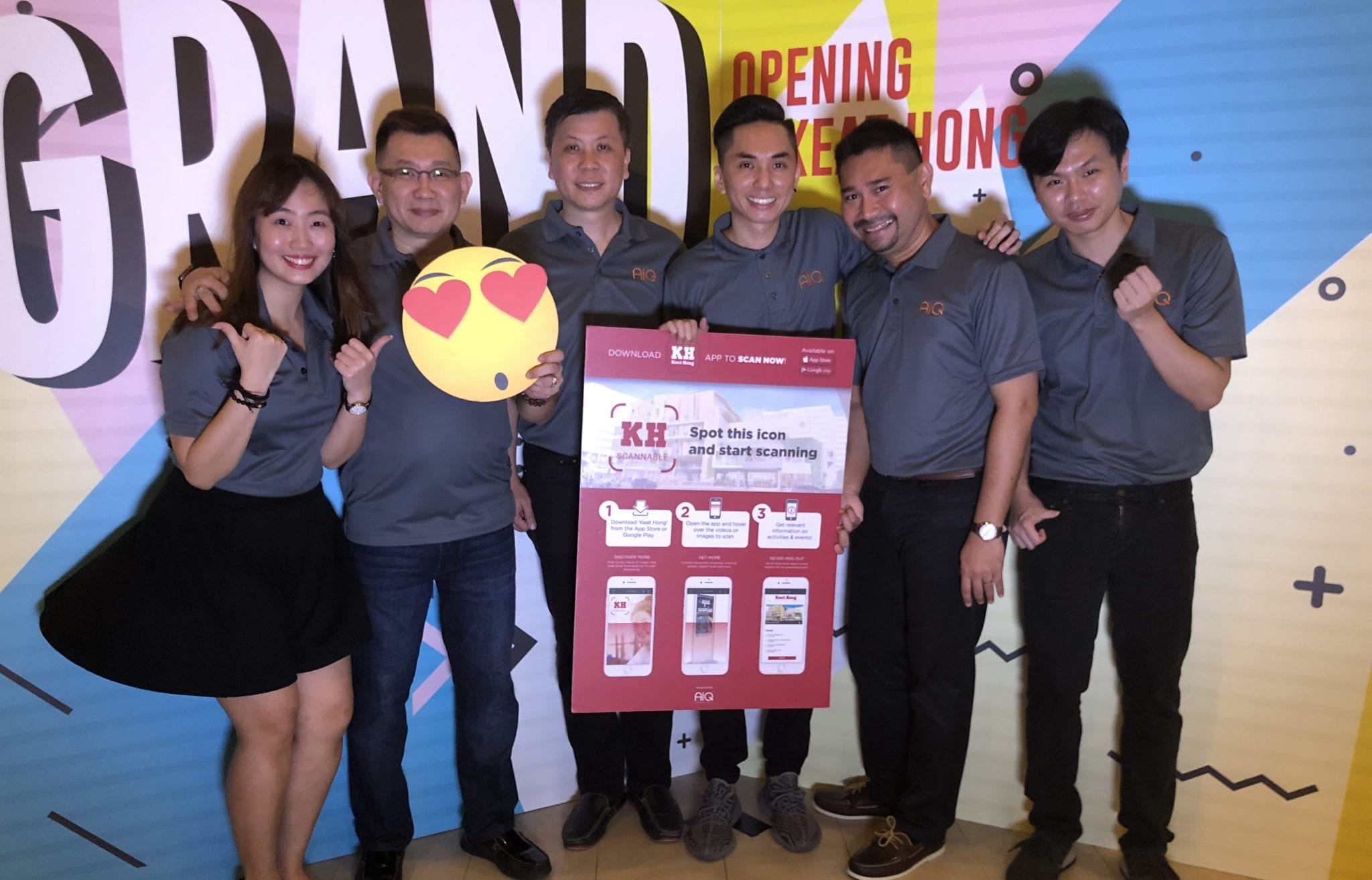
    AIQ, a Singapore company that offers AI Visual Recognition Technology (VRT), today announced that their VRT is powering the Keat Hong mobile app to provide an interactive, smart and visual layer to resident’s interactions at Keat Hong Community Club (CC). The Community Club held its grand opening last Saturday on 5 May.

    AIQ’s technology will allow visitors to Keat Hong Community Club to access online features through their mobile phones. By using their mobile phone camera and the mobile app, residents can view photos and read about the heritage of the community club when they scan the physical heritage wall, as well as register for courses and events by scanning posters and digital kiosks. Utilising AIQ’s video recognition technology, visitors can even scan live video on outdoor digital panels which will lead them to discover additional video content on Keat Hong’s YouTube Channel.

    Mr Marcus Tan, CEO of AIQ, said: “We see our visual technology as a potential replacement for the QR code, and helping to connect the offline to the online. Even in a mobile first, online world, offline interactions still play a very important part of our daily lives, particularly at community clubs which are designed to be physical spaces for the community to get together. The ability to use images and visuals is also very important to build brand equity and recognition. What our app does is connect visitors at Keat Hong CC to the wealth of information and convenience available online.”

    AIQ’s Visual Recognition Technology can process live images and video with processing speeds of up to 300 milliseconds, with just 30 per cent of the image or video captured, by utilising a proprietary image matching and video recognition technology. Specifically, for visitors to Keat Hong CC, this means that they can almost instantaneously access online information through the app even if the area is crowded.

    The same AIQ technology was previously used by travel company Insight Vacations at the NATAS Travel 2018 and Travel Revolution fair in March. AIQ helped Insight Vacations increase engagement and interactions, by providing fair visitors with the ability to connect with information on Insight Vacation’s website and winning instant prizes just by scanning a static, physical poster at the fair. AIQ’s Visual Data Analytics technology also gave insight into fair visitor’s favourite holiday destination by tracking scans and interactions, providing immediate and useful data points for the company to customise their campaigns.The Keat Hong app is now available for download on Google Play and the App Store.

  • Vietnam tightens control over cryptocurrencies

    Vietnam tightens control over cryptocurrencies

    The central bank has cited tax evasion, fraud and money laundering as the reason for the move. The State Bank of Vietnam has directed banks and payment organizations to remain vigilant and keep a watch over all cryptocurrency-related activities.

    The directive follows a cryptocurrency ponzi scheme operated by a Vietnamese IT firm that made headlines last week for allegedly scamming investors out of VND15 trillion ($650 million).

    Tax evasion, fraud and money laundering were cited as the reasons for the directive.

    Vietnam’s financial and payment organizations are not allowed to provide cryptocurrency transaction services such as credit cards or currency conversion or transfer, the directive stated.

    The same organizations have been instructed to report any cryptocurrency transactions and take measures to deal with such cases in accordance with Vietnamese law.

    The State Bank also told its branches to cooperate with government agencies to develop a legal framework to deal with the distribution and transaction of cryptocurrencies.

    The IT firm that came under fire and sparked the move was Modern Tech, based in HCMC. The company is alleged to have held several conferences to encourage participants to invest in its cryptocurrencies, iFan and Pincoin.

    According to the disgruntled investors, the virtual currencies had operated in a similar way to a multi-level business model, or pyramid platform.

    In the beginning, Modern Tech paid investors via bank transfers. However, it quickly switched to using its own virtual currencies, while at the same time increasing its minimum investment limit, forcing investors to pour more money in.

    At the end of 2017, when interest payments started to come in late, investors started to catch wind of what was happening and staged a protest in front of the firm’s headquarters in HCMC.

    Modern Tech representatives have not responded to the accusations, and its founders have remained off the radar.

  • Vietnam’s HDBank to absorb PGBank

    Vietnam’s HDBank to absorb PGBank

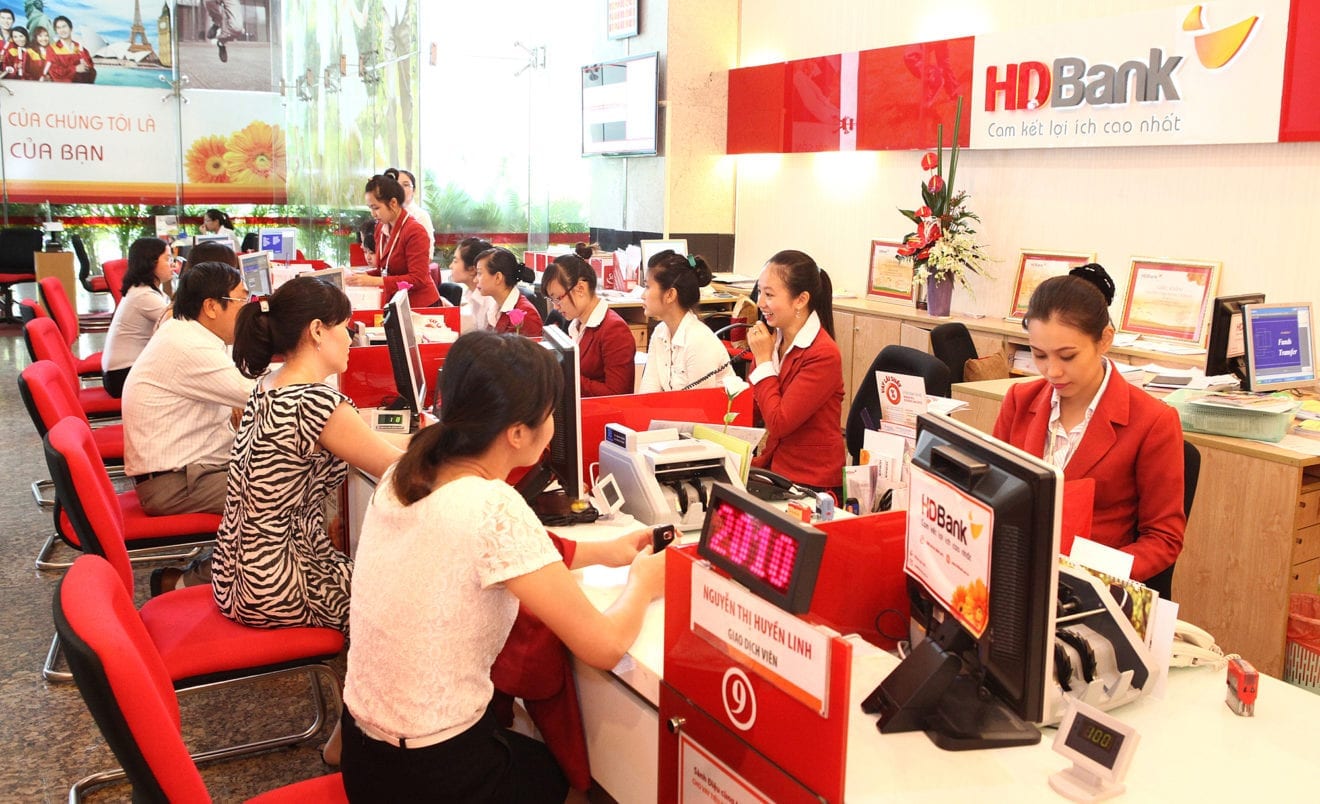
    Each share of PGBank will be converted into 0.621 HDBank share. Vietnam’s Ho Chi Minh City Development Joint Stock Bank, better known as HDBank, said its shareholders approved on Saturday a plan to merge with the unlisted Petrolimex Group Commercial Joint Stock Bank as it seeks to expand operations in the country.

    The merger is scheduled to take place by August this year, the bank said in a statement.

    Each share of Petrolimex Group Commercial Joint Stock Bank, or PGBank, will be converted into 0.621 HDBank share, it said, adding that HDBank will issue 300 million new shares for the conversion.

    The merger will enable HDBank to expand its client base, including with Vietnam National Petroleum Group, which holds a 40 percent stake in PGBank and a share of around 50 percent of Vietnam’s retail-transport fuel market.

    The shareholders also approved a pretax profit target of VND3.92 trillion ($172.15 million) for this year, a 62.2 percent increase from last year.

    HDBank, a retail bank whose vice chairwoman is Nguyen Thi Phuong Thao, the billionaire founder and chairwoman of Vietjet Aviation, is targeting to grow total assets to VND242.87 trillion by the end of this year, up 28.3 percent from end-2017.

    HDBank, which listed its shares on the Ho Chi Minh Stock Exchange in January following a $300 million IPO in November, reported pretax profit of 1.045 trillion dong in the first quarter this year, up 170 percent from a year earlier. ($1 = 22,771 dong)

  • Grab refuses to release details of Uber buy-out

    Grab refuses to release details of Uber buy-out

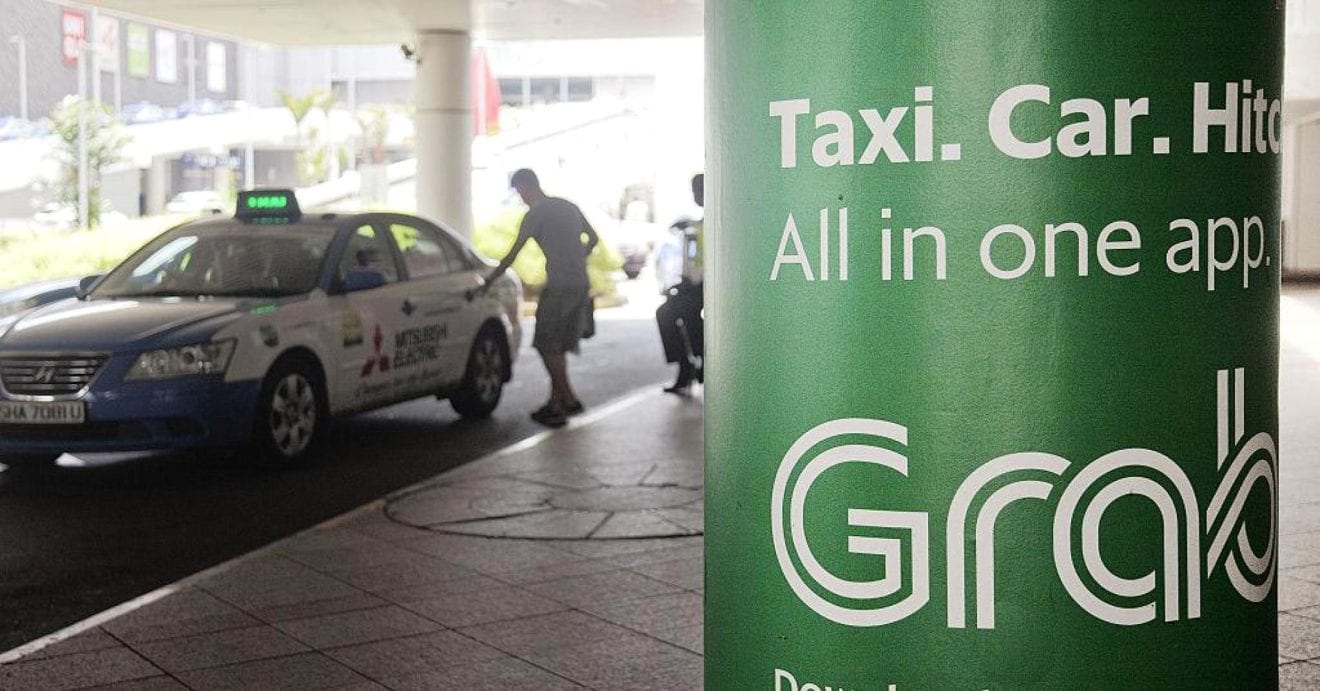
    The deal has left tax payments unresolved and questions remaining about a potential market monopoly. Tax authorities in Ho Chi Minh City have once again sent a request to Grab in Vietnam asking the company to provide details concerning its recent acquisition of rival Uber’s Southeast Asia business.

    The reason for the request is due to the fact that Grab is legally obliged to pay tax on the transfer of capital and business market share following the deal.

    Vietnam’s tax law states that all income generated by foreign companies operating in the country should be subject to tax, regardless of where they are based.

    Organizations and individuals that receive capital from foreign organizations are required to declare and pay tax on behalf of those foreign organization, tax authorities cited the law as saying.

    With details of the Uber- Grab deal remaining undisclosed, authorities are still unsure how to calculate how much the latter owes in tax.

    Uber also allegedly still owes Vietnam’s government $2.3 million in taxes required, but claims that according to Vietnam’s agreement on double taxation avoidance with the Netherlands, that figure is inflated.

    Grab has previously said that the $2.3 million is down to Uber, and has refused to pay the firm’s outstanding debt.

    Grab’s decision violates Vietnamese law and international practices, said lawyer Doan Van Hau, chairman of the Vietnam Lawyers’ Commercial Arbitration Center.

    Quoting Vietnamese law, Hau said that Grab was responsible for paying all of Uber’s back taxes.

    Ho Chi Minh’s tax department previously asked five local commercial banks to help it collect the outstanding sum from Uber, but failed to do so as the company did not have a bank account in Vietnam.

    Uber has since filed two lawsuits against Ho Chi Minh’s tax department.

    Grab is also under investigation by Vietnam’s Ministry of Industry and Trade for violating the Competition Law in its acquisition of Uber.

    Malaysia, the Philippines and Singapore are all requesting details of the acquisition.

  • Samsung Electronics to expand production in Vietnam

    Samsung Electronics to expand production in Vietnam

    Samsung is the largest foreign investor in Vietnam and accounts for around a quarter of the country’s total export revenue. Samsung Electronics Co. is determined to further expand production in Vietnam, co-CEO Koh Dong-jin told Vietnamese Prime Minister Nguyen Xuan Phuc on Friday.

    Samsung will recruit more Vietnamese employees and develop electronics in smart cities in Bac Ninh province and other places, according to a statement posted on the government’s website.

    Samsung is the largest foreign investor in Vietnam and accounts for around a quarter of the country’s total export revenue.

    Phuc told Koh that Vietnam is always willing to create the most favorable conditions for Samsung to develop in the country, the statement said.

    Samsung has invested $17.3 billion in eight factories and one research and development center in Vietnam, turning the country into its largest smart phone production base, the government said.

    Exports from Samsung Electronics’ factories in Vietnam totaled $54 billion last year, it said.

  • Dairy Queen seeks growth througout Asia

    Dairy Queen seeks growth througout Asia

    Ice cream/fast-food restaurant Dairy Queen seeks to expand in Asia, first focussing on South Korea.

    CEO Troy Bader says the Berkshire Hathaway subsidiary has more than 450 locations in Thailand and more than 800 in China.

    “Asia, and really Southeast Asia, have been wonderful markets for us,” he says. And despite worsening trade relations between the US and China, it is not likely the company’s plans to expand into Asia will be affected, reports DevDiscourse.

    Dairy Queen opened its first store in Seoul at the end of last year and has just launched its third outlet.

  • Vietnamese startups pour $129 million into financial tech scene

    Vietnamese startups pour $129 million into financial tech scene

    Widespread smartphone usage, increased consumer spending and a low unemployment rate have spurred investment. Vietnamese startups have invested $129 million into financial technologies, with investors saying the country has high potential for tech development, a conference in Hanoi heard last week.

    Vietnam is one of the best markets for financial technologies given its widespread smartphone usage, increased consumer spending and low unemployment rate, Varun Mittal, Ernst & Young’s ASEAN FinTech head, said at the conference.

    FinTech (financial technologies) are technological innovations created to support or enable banking and financial services such as AI-powered trading.

    “Foreign investors are interested in and even willing to buy FinTech from Vietnam due to the country’s markets being attractive for FinTech development,” Mittal said.

    The company said there are almost 80 FinTech firms currently operating in Vietnam, with about 47 percent specializing in payment services. This is partly due to the fact that most Vietnamese people still conduct transactions in cash.

    Mittal also said that several banks want to collaborate with FinTech firms to develop digital banking software instead of developing the software themselves, citing lower costs.

    Korea-based financial group Keb Hana’s chairman Kim Jung Tai said that the group is working with a Vietnamese bank on the development of FinTech during a meeting with Vietnam’s Deputy PM Vuong Dinh Hue in Hanoi back in January.

    However, obstacles still remain. Vietnam’s financial services country leader for Ernst & Young, Nguyen Thuy Duong, said the Southeast Asian nation does not yet have an official policy regarding cooperation between banks and FinTech firms. The fact that many FinTech companies are just fledgling startups with limited capital, workforces and experience doesn’t help either.

    Duong added that the State Bank of Vietnam is working on developing a legal framework to experiment with FinTech before applying it on a larger scale.

  • Virtutel to use PCCW Global’s nTwine platform

    Virtutel to use PCCW Global’s nTwine platform

    Australia-based wholesale and enterprise communications services provider Virtutel has contracted PCCW Global to bring hosted unified voice services to Australia and New Zealand using PCCW Global’s nTwine platform.

    Virtutel will use the platform to support its expansion plans in the Australian and new Zealand markets.

    The nTwine multi-tenant unified communications as a service (UCaaS) platform includes the provision of a white label hosted platform as well as automated orchestration operation and management.

    It uses PCCW Global’s fiber network spanning 3,000 cities in 150 countries as well as network partnerships with more than 200 global operators to provide international voice and VoIPX services.

    Gartner projects that the global market for cloud based telephony and messaging will grow at a 14.4% CAGR through to 2022, reaching $22 billion.

    “The PCCW Global team has been extremely committed to our partnership and the nTwine uCaaS solution is a perfect fit for our business growth in the coming years,” Virtutel managing director David Allen said.

    “Thanks in large part to the transformative power of cloud computing, in most markets the idea of what makes an office is rapidly changing. We expect that the technologically savvy and forward-thinking business leaders in Australia and New Zealand will appreciate the advantages the nTwine service provides.”